




- Balanced Medical Position: Not Anti-Vaccine, Not Dismissive
- Common COVID-19 Vaccine Side Effects
- Rare Medically Recognized Serious Adverse Events
- Long COVID Definition and Symptom Overlap
- Persistent Post-Vaccination Symptoms: Emerging Research and Uncertainty
- Causality vs Timing: How Doctors Evaluate Symptoms
- Heart Symptoms: Myocarditis, Pericarditis, Palpitations, and POTS-Like Symptoms
- Neurological Symptoms: Brain Fog, Neuropathy, Dizziness, Tinnitus, and Sleep Problems
- Fatigue and Post-Exertional Malaise
- Gut Symptoms and Microbiome Disturbance
- Skin, Allergy, Mast-Cell-Like Symptoms, and Inflammatory Flares
- Women’s Health: Periods, Hormones, Fertility Fears, Pregnancy, and Postpartum Concerns
- Autoimmune Flare and Inflammatory Relapse
- Viral Reactivation: EBV, HSV, CMV, HHV-6, and Shingles
- Diagnostic Roadmap and Tests
- Red Flags: When Emergency Care Comes Before Ayurveda
- Ayurveda View: Agni, Ama, Ojas, Dhatu, Srotas, Vata, Rakta, and Majja
- Ayurvedic Treatment Staging: Acute, Subacute, Chronic, and Relapse Prevention
- Diet, Sleep, Breathwork, Pacing, and Rehabilitation
- FAQs
- Reference
COVID-19 vaccine side effects can be mild and short-lived, but some patients report persistent fatigue, brain fog, palpitations, nerve pain, sleep disturbance, digestive imbalance, or long COVID-like symptoms that need careful medical evaluation and personalized recovery support.
The world moved on from the peak of the COVID-19 pandemic, but for millions of people, the illness never truly ended. Across the USA, UK, Canada, Australia, Singapore, Gulf countries, and many other regions, patients continue searching for answers to symptoms that began after COVID-19 infection, long COVID, repeated viral exposure, or after receiving COVID-19 vaccination. Many describe a sudden change in their health and quality of life. They report persistent fatigue, brain fog, palpitations, dizziness, nerve pain, sleep disturbance, anxiety, digestive imbalance, chest discomfort, shortness of breath, menstrual irregularity, skin reactions, recurrent herpes outbreaks, or unexplained inflammatory symptoms that continue for months or even years. These ongoing complaints have become one of the largest emerging chronic health concerns in modern medicine. [1] [2]
Some patients were hospitalized during COVID-19 infection and never felt completely normal afterward. Others experienced only a mild infection but later developed exhaustion, poor concentration, exercise intolerance, or autonomic nervous system symptoms. Another group believes their symptoms began after vaccination and feel confused because routine blood tests or scans may appear “normal.” Many patients say they feel dismissed, unheard, or psychologically labeled despite having real physical suffering. This gap between patient experience and clear medical explanation has created fear, frustration, and mistrust across healthcare systems worldwide. [2] [4]
Modern medicine now recognizes that long COVID can affect multiple organs and body systems simultaneously. The Centers for Disease Control and Prevention describes long COVID as a condition that may involve fatigue, post-exertional malaise, cognitive dysfunction, dizziness, palpitations, gastrointestinal symptoms, respiratory issues, sleep problems, menstrual changes, and neurological complaints that persist long after the initial infection has resolved. Researchers are actively studying mechanisms such as immune dysregulation, endothelial dysfunction, persistent inflammation, mitochondrial stress, autonomic imbalance, viral persistence, gut microbiome disruption, and abnormal inflammatory signaling. [2] [4]
At the same time, COVID-19 vaccine safety has become one of the most emotionally charged medical discussions in the world. Most people tolerated vaccination without major complications, and vaccines helped reduce hospitalization and severe disease during critical phases of the pandemic. However, rare but medically recognized adverse events such as myocarditis, pericarditis, thrombosis with thrombocytopenia syndrome, Guillain-Barre syndrome, and severe allergic reactions have also been documented and monitored through international safety systems. In addition, a smaller group of patients report persistent symptoms after vaccination that are still being investigated scientifically. The challenge is that many of these symptoms overlap heavily with long COVID itself, making diagnosis difficult and sometimes controversial. [1] [3]
This article is not written to create fear or promote conspiracy theories. It is also not written to dismiss the suffering of patients who believe something changed in their body after COVID-19 infection or vaccination. Instead, this guide aims to provide a balanced, evidence-informed, and clinically responsible discussion that bridges modern medicine with Ayurveda. The goal is to help patients understand what is currently known, what remains uncertain, what symptoms require urgent medical evaluation, and how an integrative recovery approach may support long-term healing.
From an Ayurvedic perspective, chronic post-viral or post-inflammatory suffering is not viewed as an isolated organ disease alone. Ayurveda evaluates the deeper terrain of the body including Agni, Ama, Ojas, Dosha balance, Dhatu nourishment, Srotas integrity, nervous system stability, and immune resilience. When the body experiences severe infection, repeated inflammatory stress, emotional trauma, poor recovery, improper digestion, or depletion of vitality, multiple systems may begin to destabilize together. Patients may then experience fatigue, digestive dysfunction, disturbed sleep, anxiety, recurrent infections, hormonal imbalance, and neurological symptoms that appear unrelated in modern compartmentalized medicine but are interconnected in Ayurvedic physiology. This is one reason why many patients with long COVID or suspected post-vaccination symptoms are now exploring Ayurveda for a more personalized and root-cause-oriented recovery approach. [2] [3] [4]
The purpose of this pillar guide is to carefully explore COVID-19 vaccine side effects, long COVID symptoms, persistent immune dysfunction, neurological and cardiovascular complications, viral reactivation, diagnostic pathways, and the Ayurvedic role in rehabilitation and recovery. Throughout the article, special emphasis will be placed on safety, evidence, individualized treatment, and the importance of integrating emergency modern medical care whenever necessary.
Balanced Medical Position: Not Anti-Vaccine, Not Dismissive
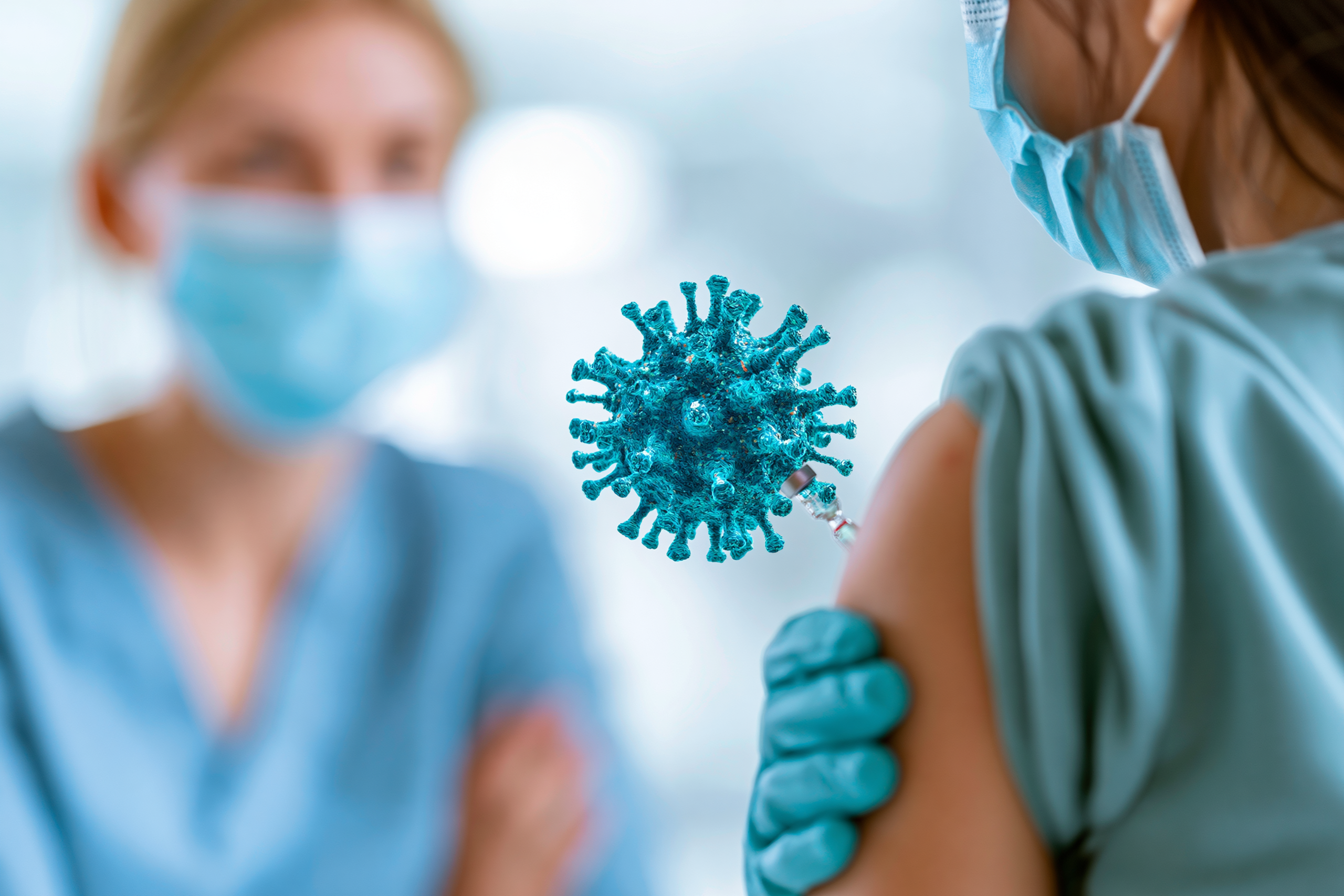
COVID-19 vaccine side effects have become one of the most emotionally charged health topics of the post-pandemic era. Some patients feel that their suffering has been ignored. Others are confused because their symptoms started after vaccination, after COVID-19 infection, or after both. A responsible medical article must not create fear, but it must also not silence patients who are still living with fatigue, brain fog, palpitations, nerve pain, dizziness, sleep disturbance, digestive problems, skin reactions, or immune instability.
Why This Article Takes a Balanced View
A responsible discussion on COVID-19 vaccine side effects must avoid two extremes. One extreme is to say that vaccines cannot cause any harm. The other extreme is to assume that every symptom appearing after vaccination was definitely caused by the vaccine. Both positions are medically incomplete.
A patient-centered article must accept two truths at the same time: COVID-19 vaccines have helped reduce severe disease in many people, and some individuals may experience adverse reactions, including rare but medically recognized serious events. This balanced view protects the reader from unnecessary fear, but it also protects patients from being dismissed when their symptoms are real, persistent, or disabling. [1], [3], [5]
What Most Patients Experience After COVID-19 Vaccination
Most people who receive a COVID-19 vaccine experience either no symptoms or short-term reactions. These may include arm soreness, fatigue, headache, chills, mild fever, muscle pain, joint pain, nausea, swollen lymph nodes, or temporary weakness. In most cases, these symptoms settle within a few hours to a few days and reflect the immune system responding to vaccination. [1], [5]
However, “common and temporary” does not mean every patient complaint should be ignored. If symptoms are severe, unusual, progressive, or continue beyond the expected recovery period, the patient deserves proper medical evaluation. A person with chest pain, breathlessness, fainting, neurological weakness, severe headache, persistent palpitations, one-sided swelling, unusual bleeding, or allergic symptoms should not be reassured casually without investigation. [1], [4]
Rare But Recognized Serious Adverse Events
Serious adverse events after COVID-19 vaccination are considered rare, but they are not imaginary. Public health agencies have identified and monitored certain rare events, including anaphylaxis, myocarditis, pericarditis, thrombosis with thrombocytopenia syndrome, Guillain-Barre syndrome, and immune thrombocytopenia, depending on vaccine type and patient risk profile. [1], [3]
The National Academies’ 2024 evidence review is important because it separates strong evidence from weak or uncertain evidence. It found convincing evidence for a causal relationship between mRNA COVID-19 vaccines and myocarditis. It also found evidence favoring acceptance of a causal relationship between the adenovirus-vector Ad26.COV2.S vaccine and thrombosis with thrombocytopenia syndrome and Guillain-Barre syndrome. At the same time, the review found that many other suspected associations had inadequate or limited evidence. [3]
This distinction is essential. Some vaccine-related adverse events are medically recognized, but many long-term symptoms are still under study. A responsible article should not exaggerate unproven claims, but it should also not silence patients whose symptoms began after vaccination and have affected their daily life.
Why Timing Alone Does Not Prove Causation
Many patients say, “My symptoms started after the vaccine, so the vaccine must have caused them.” The timing of symptoms is important, but timing alone does not prove causation. A symptom appearing after vaccination may be vaccine-related, but it may also be due to silent COVID-19 infection, long COVID, thyroid disease, anemia, vitamin B12 deficiency, vitamin D deficiency, autoimmune activity, viral reactivation, cardiac inflammation, dysautonomia, gut dysbiosis, stress physiology, or another hidden medical condition. [3], [4]
Doctors usually consider several factors before linking a symptom to vaccination. These include the time gap between vaccination and symptoms, whether the symptom matches a known adverse-event pattern, whether other causes have been excluded, whether the same symptom worsened after a later dose, whether the condition is biologically plausible, and whether similar cases have been reported in larger safety systems. This is why a proper medical history, timeline, lab testing, and specialist evaluation are important.
Long COVID Makes the Picture More Complicated
Long COVID can produce many of the same symptoms that some patients report after vaccination. These include fatigue, brain fog, palpitations, dizziness, post-exertional malaise, breathlessness, sleep disturbance, digestive symptoms, rashes, joint pain, nerve sensations, and menstrual changes. CDC notes that long COVID may affect many body systems and that more than 200 symptoms have been reported. [4]
This creates real confusion. Some patients may believe their symptoms came from vaccination when they actually had a silent or undiagnosed COVID-19 infection. Others may be labeled as long COVID even when their symptoms began soon after vaccination and followed a clear post-vaccine pattern. Both errors can harm patients. The correct approach is to investigate the timeline carefully instead of forcing every case into one explanation.
The Middle Path Patients Deserve
This article does not take an anti-vaccine position. It also does not dismiss people who developed symptoms after vaccination. The correct clinical position is more mature: vaccines may protect many people from severe COVID-19, but a subset of patients may experience adverse effects or persistent symptoms that need proper evaluation. Similarly, COVID-19 infection itself can trigger long-term immune, inflammatory, neurological, cardiovascular, digestive, and hormonal consequences. [1], [3], [4], [5]
A genuine healing approach must look at the whole patient. The question is not only “Was it the vaccine?” The better question is: “What changed inside the body after infection, vaccination, immune activation, inflammation, stress, or pre-existing disease tendency?” This question allows a deeper and safer clinical investigation.
Where Ayurveda Fits Responsibly
From an Ayurvedic perspective, the external trigger is only one part of the story. Ayurveda asks why one person recovers quickly while another develops long-lasting fatigue, inflammation, anxiety, digestive disturbance, palpitations, skin symptoms, sleep disturbance, or recurrent viral flare-ups. This difference may be understood through Agni, Ama, Ojas, Dosha imbalance, Dhatu status, Srotas obstruction, Prana Vata, Vyana Vata, Rakta Dushti, Majja involvement, sleep quality, digestion, Bala, and the patient’s constitutional vulnerability.
Ayurveda can therefore complement modern evaluation without replacing it. If a patient has severe chest pain, breathlessness, fainting, paralysis, severe headache, one-sided swelling, uncontrolled bleeding, oxygen drop, or signs of anaphylaxis, emergency medical care comes first. Ayurveda becomes especially valuable in the recovery phase, where the goal is to restore digestion, reduce inflammatory load, calm Vata, support nervous system stability, rebuild Ojas, improve sleep, and guide safe long-term rehabilitation.
The Ethical Healing Position
The most ethical medical position is neither fear nor denial. Patients need clear information, appropriate testing, urgent referral when required, and a personalized recovery plan. A compassionate medical system should be able to say: serious vaccine adverse events are rare, but they can happen. Long COVID is real and can be disabling. Some patients have persistent symptoms that are difficult to classify. Ayurveda may offer a structured recovery framework when used responsibly, safely, and alongside necessary modern medical care.
Common COVID-19 Vaccine Side Effects
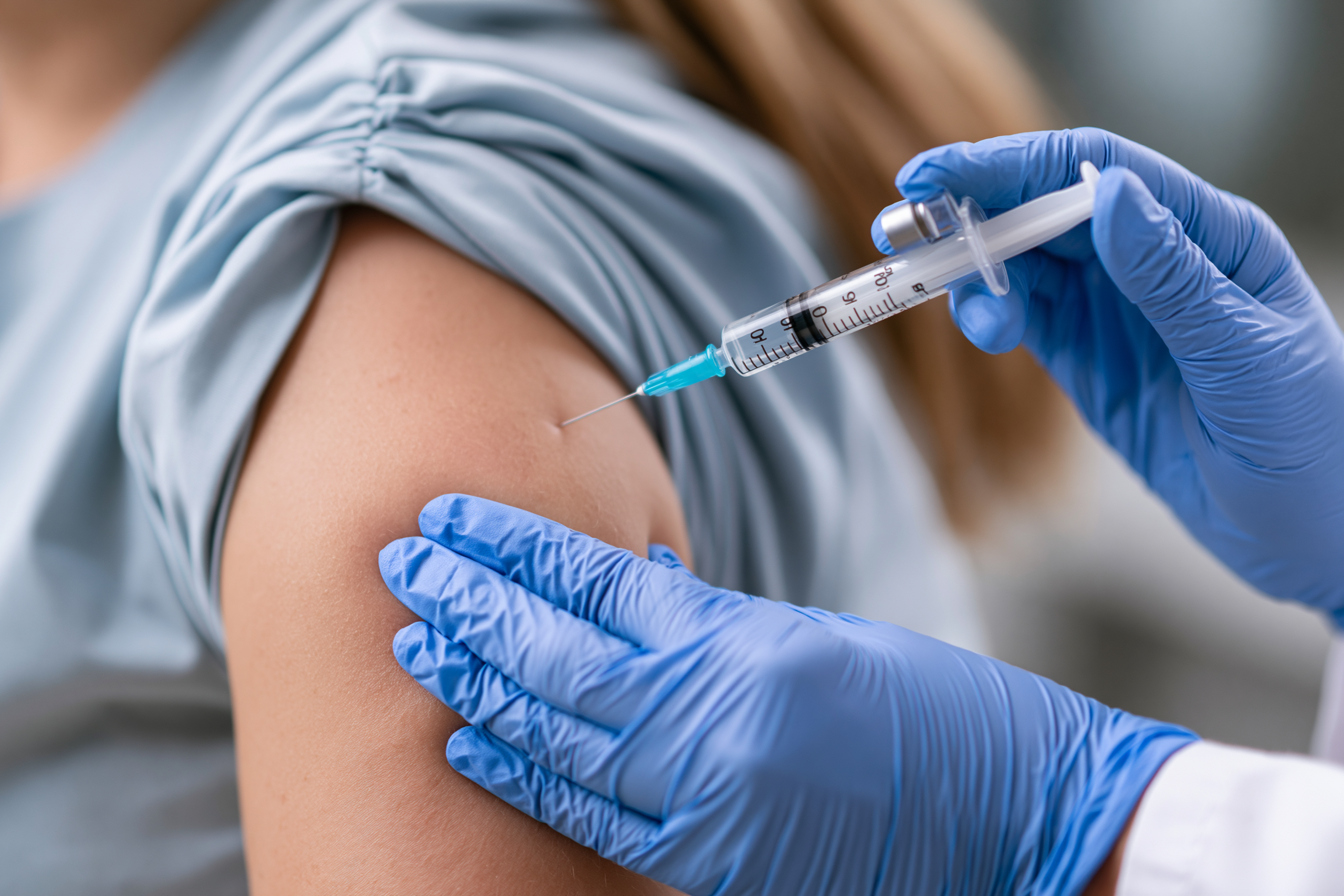
COVID-19 vaccine side effects are not the same in every person. Some people feel almost nothing after vaccination, while others develop fever, body pain, fatigue, headache, chills, arm soreness, nausea, or temporary weakness. In most cases, these reactions are short-lived and reflect the immune system responding to vaccination. However, patients should also understand when a symptom is no longer “normal” and needs medical attention. [1], [5]
Why Common Side Effects Happen
Common side effects usually occur because the immune system is being activated. After vaccination, the body begins to recognize vaccine-related immune signals and prepares protective immune responses. This process can temporarily produce symptoms such as feverishness, tiredness, muscle pain, chills, headache, and local inflammation at the injection site. [1], [5]
These symptoms do not always mean that something harmful is happening. Mild fever, soreness, and fatigue may simply mean that the body is mounting an immune response. The important clinical question is not only whether symptoms appeared, but how severe they are, how long they last, whether they are improving or worsening, and whether they are associated with warning signs such as chest pain, breathlessness, fainting, neurological weakness, or allergic symptoms.
Local Side Effects at the Injection Site
The most common local side effects occur around the arm where the vaccine was given. These may include pain, soreness, redness, swelling, warmth, heaviness, or tenderness. CDC lists pain, soreness, and redness at the injection site among common side effects after mRNA vaccines, while the Government of Canada lists redness, soreness, and swelling as common injection-site symptoms. [1], [5]
For most patients, these local symptoms settle within a few days. A clean, cool compress and gentle movement of the arm may help reduce discomfort. However, if swelling becomes severe, redness spreads rapidly, pus appears, fever worsens, or the arm becomes extremely painful, the patient should contact a healthcare provider.
General Body Symptoms After Vaccination
General symptoms may include fatigue, headache, muscle pain, joint pain, chills, mild fever, nausea, vomiting, or a flu-like feeling. CDC lists fatigue, headache, muscle pain, joint pain, chills, fever, and nausea or vomiting among common symptoms after COVID-19 vaccination, depending on vaccine type. The Government of Canada similarly lists chills, fatigue, joint pain, headache, mild fever, and muscle aches as common general symptoms. [1], [5]
These symptoms usually last from a few hours to a few days. Patients may feel temporarily weak, sleepy, low in appetite, or unable to work at full capacity. This is usually managed with rest, hydration, light food, and medical advice when needed. Symptoms that are worsening rather than improving should not be dismissed.
Fever, Chills, and Body Ache
Mild fever, chills, and body ache are common immune-response symptoms. They may appear on the same day or the day after vaccination. For most people, they resolve within a short period. [1], [5]
From an Ayurvedic perspective, this temporary feverish response may be understood as a short-term disturbance of Pitta and Vata during immune activation. In a healthy person with good Agni and Bala, this usually settles naturally. In a person with weak digestion, poor sleep, high stress, chronic inflammation, or depleted Ojas, the same immune trigger may feel more intense and recovery may take longer.
Fatigue and Temporary Weakness
Fatigue is one of the most commonly reported short-term symptoms after COVID-19 vaccination. For many people, it feels like heaviness, sleepiness, low stamina, or a need to rest for one or two days. [1], [5]
This temporary fatigue should be separated from persistent fatigue that continues for weeks or months, causes post-exertional crashes, or interferes with daily life. Long-lasting fatigue needs proper evaluation because it may be related to long COVID, anemia, thyroid imbalance, vitamin B12 deficiency, vitamin D deficiency, dysautonomia, autoimmune activity, viral reactivation, sleep disturbance, or other medical causes.
Headache, Muscle Pain, and Joint Pain
Headache, muscle pain, and joint pain are also common after vaccination. These symptoms generally reflect systemic immune activation and inflammatory signaling. [1], [5]
Most mild headaches improve with rest, hydration, and appropriate medical guidance. However, a severe, persistent, unusual, or worsening headache should not be ignored, especially if it is associated with blurred vision, confusion, seizures, weakness, fainting, vomiting, chest pain, or abnormal bruising. Such symptoms require urgent medical evaluation.
Nausea, Vomiting, and Appetite Changes
Some patients experience nausea, vomiting, reduced appetite, bloating, or digestive discomfort after vaccination. CDC includes nausea or vomiting among common symptoms reported after some COVID-19 vaccines. [1]
From an Ayurvedic view, this may suggest temporary Agni disturbance. During this period, the patient should avoid heavy, fried, cold, stale, or difficult-to-digest foods. Warm, light, freshly prepared meals such as moong soup, rice gruel, vegetable soup, cumin-coriander-fennel water, or simple khichadi may be more suitable, depending on Prakriti, appetite, and digestive strength.
Swollen Lymph Nodes
Some patients notice mild swelling or tenderness of lymph nodes, especially in the armpit or neck region. This can occur because lymph nodes are part of the immune system and may react temporarily during immune activation. Mild swelling that improves over a few days is usually not alarming.
However, lymph node swelling that is painful, very large, persistent, increasing, associated with night sweats, unexplained weight loss, persistent fever, or recurrent viral symptoms should be assessed by a healthcare provider. It should not automatically be assumed to be a normal vaccine reaction.
Allergic-Type Symptoms After Vaccination
Mild itching, rash, or local skin irritation can occur in some people. However, symptoms suggesting a serious allergic reaction require immediate medical attention. These include difficulty breathing, wheezing, throat tightness, swelling of the lips, tongue, throat, or face, widespread hives, dizziness, fainting, fast heartbeat, or low blood pressure. CDC states that severe allergic reactions after vaccination are rare but can be life-threatening and require urgent treatment. [1], [5]
Patients who develop allergic symptoms after vaccination should consult a healthcare provider or allergy specialist before receiving another dose of the same vaccine type.
How Long Do Common Side Effects Usually Last?
Most common COVID-19 vaccine side effects last from a few hours to a few days. The Government of Canada states that common minor side effects usually last from a few hours to a few days after vaccination. [5]
If symptoms continue beyond the expected period, become more severe, or appear after a symptom-free gap, the patient should not simply wait indefinitely. Persistent fatigue, palpitations, chest discomfort, dizziness, breathlessness, nerve pain, weakness, brain fog, menstrual disturbance, rashes, or digestive problems require a proper timeline, clinical examination, and targeted investigations.
When Common Symptoms Are No Longer “Common”
A symptom should be taken more seriously when it is severe, progressive, unusual for the patient, associated with red flags, or persists beyond the normal recovery window. Medical attention is especially important for chest pain, pressure in the chest, shortness of breath, irregular heartbeat, fainting, severe headache, blurred vision, confusion, seizures, one-sided leg swelling, unusual bruising, persistent abdominal pain, facial weakness, paralysis, or allergic symptoms. [1], [5]
This is where patient education matters. Mild fatigue for one day is very different from disabling fatigue for three months. Mild arm pain is very different from spreading swelling and fever. A temporary headache is very different from a severe persistent headache with visual disturbance. Good medical care depends on recognizing these differences early.
Ayurvedic Understanding of Common Post-Vaccine Reactions
In Ayurveda, a short-term reaction after vaccination can be interpreted as a temporary disturbance in the body’s internal balance during immune activation. Feverishness and heat may involve Pitta. Body ache, chills, restlessness, sleep disturbance, and pain may involve Vata. Heaviness, swelling, dullness, and fatigue may involve Kapha and Rasa Dhatu disturbance. Digestive discomfort may indicate Agni Mandya or early Ama formation.
If the patient is strong, well-rested, and has balanced Agni, these symptoms may resolve quickly. If the patient already has weak digestion, chronic stress, previous COVID-19 infection, autoimmune tendency, poor sleep, nutritional deficiency, or depleted Ojas, the recovery may be slower. This is why Ayurveda focuses not only on the trigger but also on the patient’s terrain: Agni, Ama, Ojas, Dosha, Dhatu, Srotas, Bala, sleep, digestion, and mental state.
Simple Recovery Support After Mild Side Effects
For mild short-term symptoms, the first step is rest, hydration, light food, and observation. Patients should avoid overexertion, alcohol, heavy meals, late-night work, excessive screen exposure, and intense exercise during the immediate recovery period. Warm, freshly cooked, easy-to-digest food may support Agni and reduce heaviness.
Ayurvedic support should be individualized. Mild digestive correction, warm water, light soups, gentle breathing, adequate sleep, and simple Vata-Pitta calming routines may be enough for many patients. Strong detoxification, aggressive Panchakarma, excessive fasting, or multiple herbs should not be used casually immediately after vaccination, especially in weak, elderly, pregnant, cardiac, neurological, allergic, or immunocompromised patients.
Key Takeaway
Common COVID-19 vaccine side effects are usually mild and short-lived, but patients should not ignore symptoms that are severe, persistent, unusual, or progressive. A balanced approach recognizes normal immune reactions, monitors warning signs, investigates persistent symptoms, and uses Ayurveda responsibly to support recovery without replacing necessary medical care.
Rare Medically Recognized Serious Adverse Events
COVID-19 vaccine side effects are usually mild and temporary, but a small number of patients may develop rare serious adverse events that need urgent medical attention. These events should not be used to create fear in every patient, but they should also not be ignored. A medically responsible article must clearly explain which symptoms may indicate a serious condition, which vaccine platforms have been linked with specific risks, and when patients should seek emergency care. [1], [3], [6]
Why Rare Serious Events Must Be Discussed Carefully
Rare adverse events are uncommon, but they are medically important because early diagnosis can prevent complications. Public health agencies have identified and monitored serious events after COVID-19 vaccination, including anaphylaxis, myocarditis, pericarditis, Guillain-Barré syndrome, and thrombosis with thrombocytopenia syndrome. CDC states that COVID-19 vaccines underwent intensive safety analysis in the United States and that currently used safety systems have identified anaphylaxis and myocarditis or pericarditis as serious adverse events following COVID-19 vaccination, while rare events such as Guillain-Barré syndrome continue to be monitored and studied. [1]
At the same time, a serious symptom after vaccination does not automatically prove that vaccination caused it. Many conditions can occur around the same time by coincidence, due to COVID-19 infection, due to an underlying disease, or due to another immune trigger. This is why the National Academies’ evidence review is useful: it separates events with stronger causal evidence from events where evidence is limited, inadequate, or favors rejection of causality. [3]
Anaphylaxis: Severe Allergic Reaction
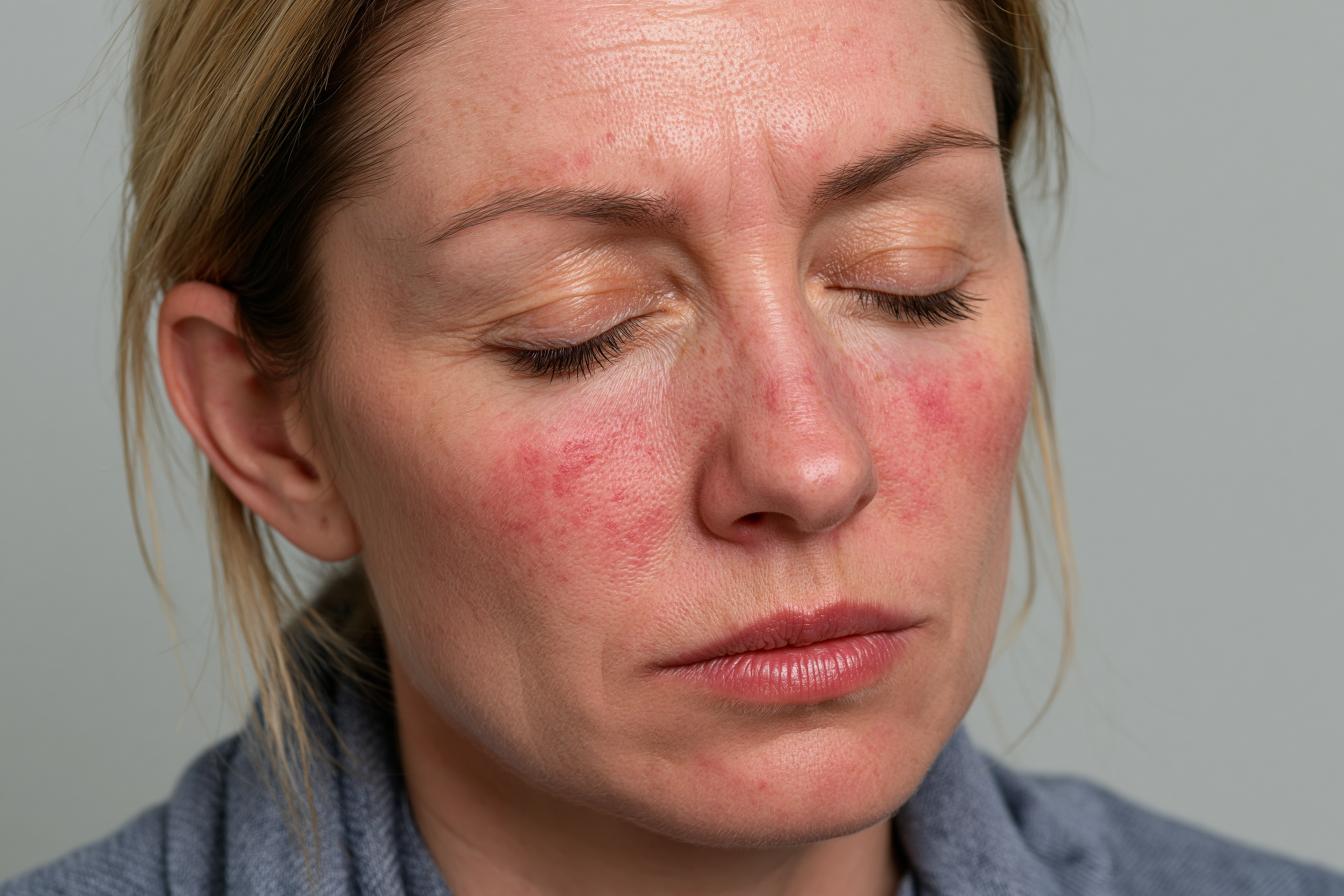
Anaphylaxis is a rare but potentially life-threatening allergic reaction that can occur after any vaccine, including COVID-19 vaccines. It usually develops quickly and may include difficulty breathing, wheezing, throat tightness, swelling of the lips or face, widespread hives, dizziness, fainting, low blood pressure, or a feeling of collapse. CDC reports that anaphylaxis after COVID-19 vaccination is rare, occurring at approximately 5 cases per one million vaccine doses administered. [1]
Anaphylaxis is not a condition for home treatment or delayed observation. It needs immediate emergency care, usually with epinephrine and medical monitoring. Patients who have had a severe allergic reaction after a vaccine dose should consult an allergy or immunology specialist before receiving another dose of the same vaccine type. Ayurveda may support allergic tendency and immune balance later, but it should never replace emergency treatment for anaphylaxis.
Myocarditis and Pericarditis: Heart Inflammation
Myocarditis means inflammation of the heart muscle, while pericarditis means inflammation of the outer lining of the heart. These conditions have been rarely observed after COVID-19 vaccination, especially after mRNA vaccines such as Pfizer-BioNTech and Moderna. CDC states that evidence from vaccine safety monitoring systems supports a causal association between mRNA COVID-19 vaccines and myocarditis or pericarditis. Cases have most often been seen in adolescent and young adult males within 7 days after the second mRNA dose, although cases can also occur in females, other age groups, and after other doses. [1], [6]
Patients should seek medical care if they develop chest pain, chest pressure, shortness of breath, palpitations, unusual fatigue, fainting, or exercise intolerance after vaccination or after COVID-19 infection. CDC advises clinicians to consider myocarditis or pericarditis in people with acute chest pain, shortness of breath, or palpitations, especially adolescents and young adults. Initial evaluation may include ECG, troponin, and inflammatory markers such as CRP and ESR. If ECG, troponin, and inflammatory markers are normal, myocarditis or pericarditis is considered unlikely. [6]
The National Academies’ 2024 review also found convincing evidence establishing a causal relationship between the mRNA vaccines BNT162b2 and mRNA-1273 and myocarditis. This supports why chest symptoms after vaccination should be evaluated seriously, without assuming that every palpitation or chest discomfort is myocarditis. [3]
From an Ayurvedic perspective, post-inflammatory heart symptoms may be understood through Vyana Vata disturbance, Prana Vata aggravation, Rasa-Rakta involvement, Hridaya weakness, and Ojas depletion. However, Ayurvedic treatment should begin only after urgent cardiac conditions have been ruled out or stabilized.
Thrombosis With Thrombocytopenia Syndrome
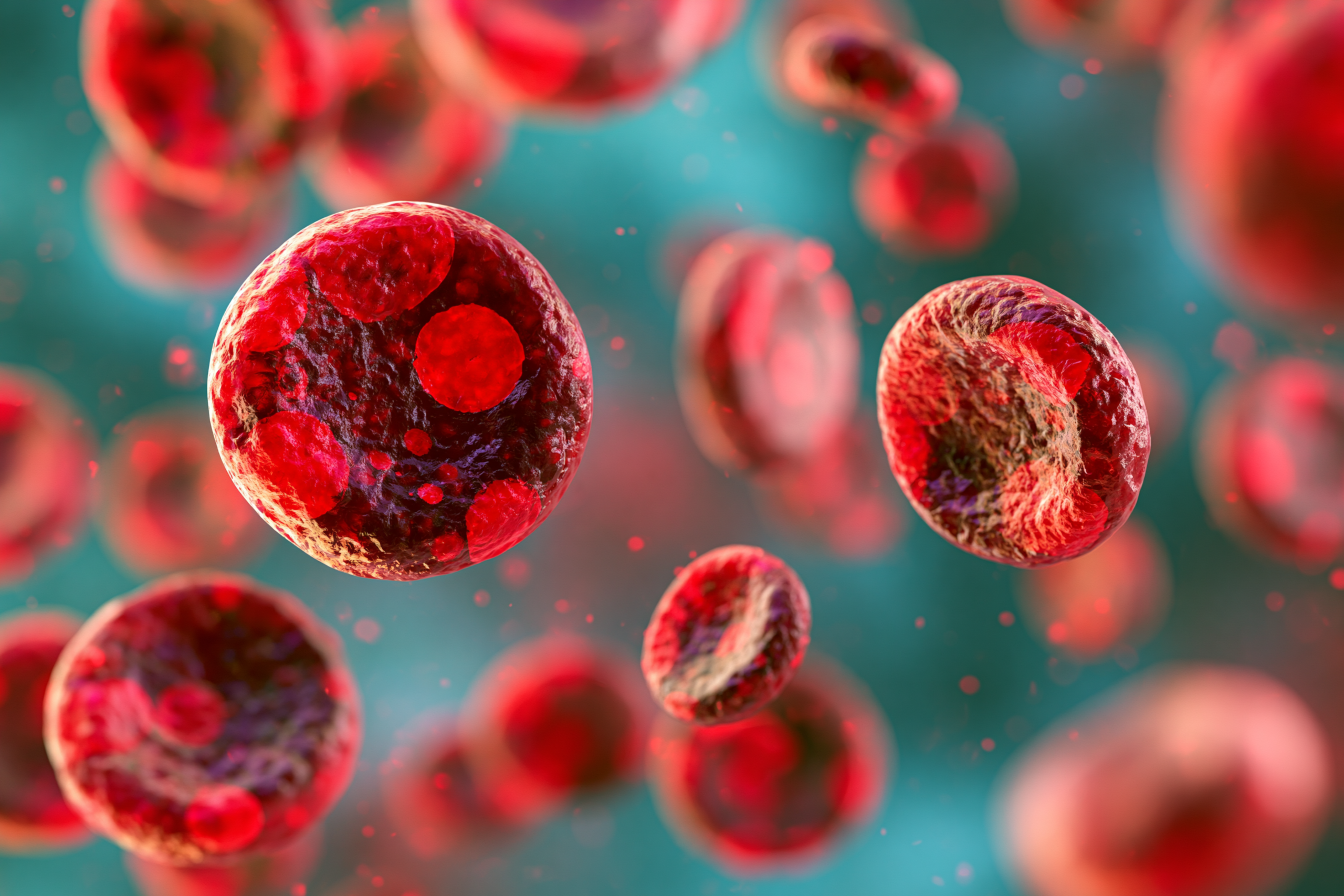
Thrombosis with thrombocytopenia syndrome, often called TTS, is a rare condition involving blood clots along with low platelet count. It was mainly associated with adenovirus-vector vaccines, especially J&J/Janssen and similar vaccine platforms. CDC states that TTS was seen in very few cases after J&J/Janssen vaccination, occurring in about 4 people per one million doses, with higher rates among women aged 30–49 years. The J&J/Janssen vaccine is no longer available in the United States. [1]
Warning symptoms may include severe or persistent headache, blurred vision, seizures, abdominal pain, chest pain, shortness of breath, leg swelling, unusual bruising, pinpoint red spots on the skin, or bleeding symptoms. These signs require urgent medical evaluation. Suggested medical assessment may include CBC with platelet count, D-dimer, coagulation profile, and imaging when clinically indicated.
The National Academies’ review found that evidence favored acceptance of a causal relationship between Ad26.COV2.S and TTS, while evidence favored rejection of a causal relationship between mRNA vaccines and TTS. This distinction is important because the risk pattern differs by vaccine platform. [3]
In Ayurveda, a TTS-like clinical concern should not be treated as a simple “Rakta Dushti” case at home. Emergency evaluation comes first. After the acute danger is treated, Ayurveda may help in recovery by supporting Rakta Dhatu, reducing inflammatory load, restoring Agni, and improving Ojas, but only under medical supervision and with attention to anticoagulants or other prescribed medicines.
Guillain-Barré Syndrome
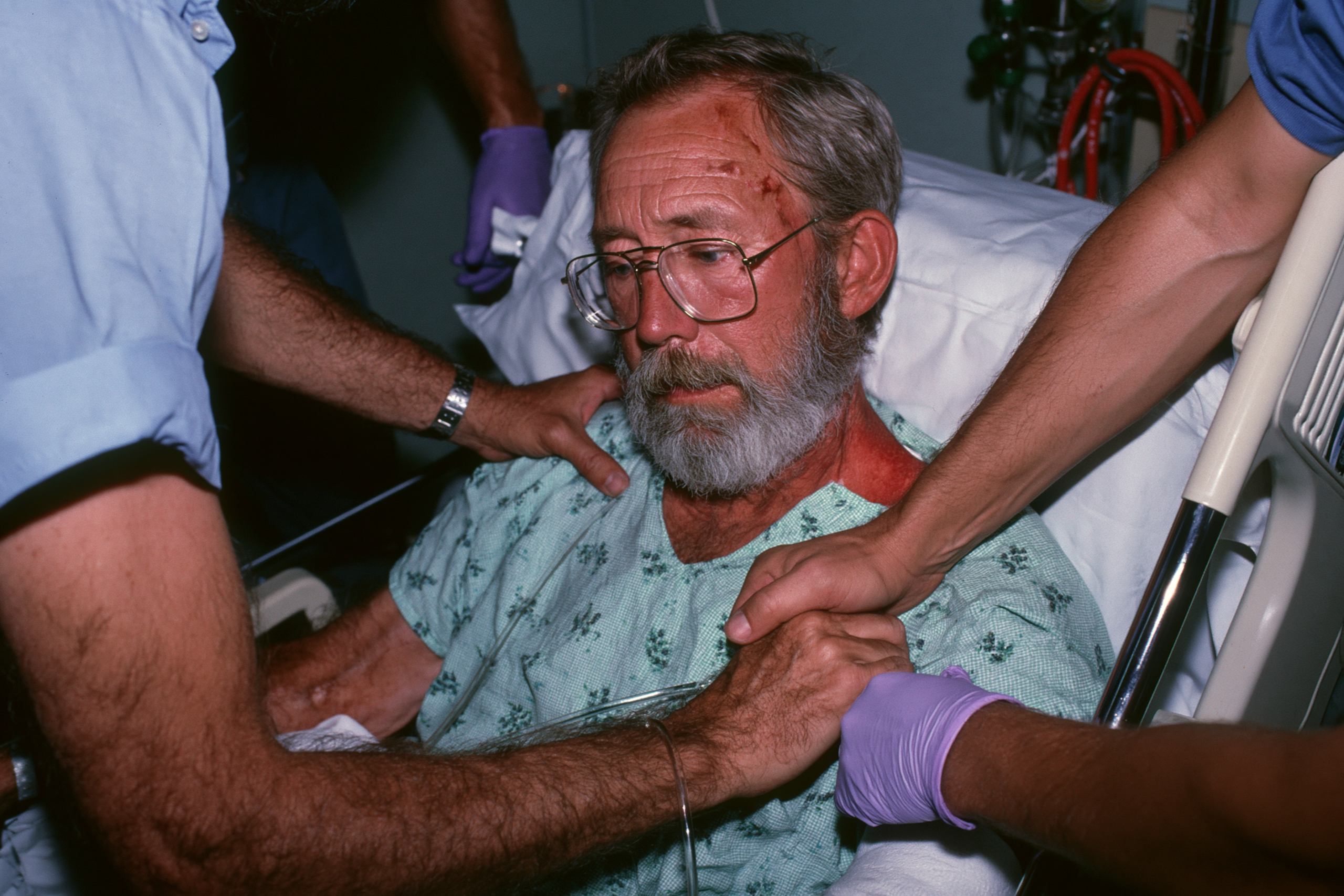
Guillain-Barré syndrome, or GBS, is a rare neurological disorder in which the immune system damages nerves. It may begin with tingling, numbness, weakness, pain, difficulty walking, facial weakness, or ascending paralysis. In severe cases, it can affect breathing and requires hospital care. CDC notes that GBS is rare, but monitoring found higher rates after the J&J/Janssen COVID-19 vaccine compared with Pfizer-BioNTech or Moderna mRNA vaccines. [1]
Any patient with progressive weakness, difficulty walking, worsening tingling, facial weakness, swallowing difficulty, breathing difficulty, or loss of reflexes should seek urgent neurological evaluation. This is not a condition for self-treatment.
The National Academies’ review found that evidence favored acceptance of a causal relationship between Ad26.COV2.S and GBS, while evidence favored rejection of a causal relationship between mRNA vaccines and GBS. This does not mean every neurological symptom after vaccination is GBS, but it does mean progressive weakness must be taken seriously. [3]
From an Ayurvedic viewpoint, GBS-like weakness may resemble severe Vata Vyadhi with Majja Dhatu and Snayu involvement. However, the acute stage requires modern neurological care. Ayurveda may be considered later in rehabilitation for strength, nerve support, sleep, digestion, and Ojas rebuilding, but not as a replacement for urgent hospital management.
Immune Thrombocytopenia and Bleeding Symptoms
Some patients may develop low platelet-related symptoms such as easy bruising, gum bleeding, nosebleeds, petechiae, heavy menstrual bleeding, or unexplained bleeding. Immune thrombocytopenia has been discussed in vaccine safety literature and adverse-event monitoring, but each case requires careful evaluation because low platelets can also occur due to infections, autoimmune disease, medicines, liver disease, hematological disorders, or other causes. [1], [3]
A patient with new bruising, bleeding, petechiae, black stools, blood in urine, severe weakness, dizziness, or unusually heavy menstrual bleeding should not assume this is a minor reaction. A CBC with platelet count and medical evaluation are necessary.
In Ayurveda, such symptoms may be interpreted cautiously through Rakta Dushti, Pitta aggravation, Raktapitta-like tendency, or Ojas disturbance. However, bleeding symptoms always require modern investigation first because platelet disorders and clotting abnormalities can become serious.
Serious Neurological Symptoms That Need Urgent Evaluation
Some patients report neurological symptoms after COVID-19 infection or vaccination, including tingling, burning, numbness, dizziness, tremors, tinnitus, headache, brain fog, internal vibration, insomnia, or neuropathic pain. Not all of these symptoms indicate a recognized vaccine adverse event, but severe or progressive neurological symptoms should be evaluated.
Urgent medical care is needed for sudden weakness, facial drooping, difficulty speaking, confusion, seizures, severe headache with visual disturbance, loss of balance, difficulty walking, rapidly worsening numbness, bladder or bowel loss, or breathing difficulty. These symptoms may indicate stroke, GBS, severe migraine complications, clotting problems, inflammatory neurological disease, or other urgent conditions.
Ayurveda can support Prana Vata, Majja Dhatu, Mano Vaha Srotas, Nidra, and Ojas in the recovery phase. But when neurological symptoms are acute, progressive, or disabling, diagnosis comes first.
How Doctors Evaluate a Possible Serious Vaccine Adverse Event
Doctors usually evaluate serious symptoms by combining the patient’s timeline, vaccine type, dose number, symptom onset, clinical pattern, examination findings, lab results, imaging, and exclusion of other causes. The National Academies’ review emphasizes the difference between an adverse event, which happens after an intervention but may not be caused by it, and an adverse effect, which is related to the intervention. [3]
For example, chest pain after vaccination may require ECG, troponin, CRP, ESR, echocardiography, and sometimes cardiac MRI. A severe headache with low platelets may require urgent evaluation for TTS. Progressive weakness may require neurological examination, nerve conduction testing, lumbar puncture, and hospital monitoring. Allergic symptoms may require emergency care and later allergy evaluation.
This approach protects both sides of truth. It prevents overdiagnosis, but it also prevents underdiagnosis.
Where Ayurveda Fits After Serious Events Are Excluded or Stabilized
Ayurveda’s role is strongest after emergency conditions have been ruled out or medically stabilized. Many patients continue to feel weak, inflamed, anxious, sleepless, dizzy, breathless, or neurologically unstable even after acute danger has passed. This is where Ayurvedic assessment can add value.
The Ayurvedic physician should evaluate Agni, Ama, Ojas, Bala, Prakriti, Vikriti, Koshta, Nidra, Rasa Dhatu, Rakta Dhatu, Majja Dhatu, Prana Vata, Vyana Vata, Srotas obstruction, and the patient’s recovery capacity. Treatment should be gentle and staged. Strong detoxification, aggressive Panchakarma, intense fasting, or multiple stimulating herbs should be avoided in unstable cardiac, neurological, bleeding, allergic, elderly, pregnant, or severely depleted patients.
Red Flag Symptoms After Vaccination or COVID-19 Infection
Patients should seek urgent care if they develop severe chest pain, chest pressure, breathlessness, fainting, oxygen drop, severe headache, visual disturbance, seizures, facial weakness, sudden paralysis, one-sided leg swelling, coughing blood, severe abdominal pain, unusual bruising, uncontrolled bleeding, black stools, rapidly worsening weakness, throat swelling, wheezing, or collapse. [1], [6]
These symptoms should never be managed only with home remedies, herbs, diet, or online advice. Emergency care comes first. Ayurveda can support recovery later, but acute danger must be treated immediately.
Key Takeaway
Rare serious adverse events after COVID-19 vaccination are uncommon, but they are medically recognized and must be taken seriously. The correct approach is not fear and not denial. Patients need careful timeline assessment, red-flag recognition, appropriate medical testing, specialist referral when required, and a safe recovery plan. Ayurveda can play an important role in rebuilding strength, calming Vata, restoring Agni, supporting Ojas, and improving long-term resilience, but it should not replace emergency care for heart inflammation, clotting disorders, severe allergy, paralysis, or acute neurological symptoms.
Long COVID Definition and Symptom Overlap
Long COVID is one of the most important reasons why discussions about COVID-19 vaccine side effects become confusing. Many symptoms that patients report after vaccination can also appear after SARS-CoV-2 infection, even when the infection was mild, unnoticed, or not confirmed by testing. Fatigue, brain fog, palpitations, dizziness, breathlessness, sleep disturbance, post-exertional malaise, digestive disturbance, rashes, nerve sensations, joint pain, anxiety, and menstrual changes may occur in long COVID, in suspected post-vaccination illness, or in other medical conditions that were unmasked during the same period. [2], [4], [7]
What Is Long COVID?
Long COVID, also called post-COVID-19 condition, refers to persistent or recurring health problems after SARS-CoV-2 infection. The World Health Organization explains that post-COVID-19 condition usually begins within 3 months of the initial COVID-19 illness and lasts at least 2 months. It may affect one or more body systems and can reduce a person’s ability to work, exercise, perform household activities, or participate socially. [2]
This definition is important because many patients do not connect their present symptoms with a past COVID-19 infection. Some people had only mild fever, sore throat, body ache, cough, headache, or loss of smell. Others may have had an asymptomatic infection and never tested positive. Still, symptoms can emerge later and may persist, fluctuate, or relapse over time. CDC notes that long COVID symptoms can emerge, persist, resolve, reappear, or change after COVID-19 illness. [4], [7]
Why Long COVID Can Be Mistaken for Vaccine Side Effects
Many patients judge the cause of illness by timing. If fatigue, palpitations, brain fog, dizziness, or nerve pain began after vaccination, they may naturally suspect the vaccine. This concern should be heard respectfully. However, long COVID can create a similar symptom pattern, especially when a person had COVID-19 shortly before or after vaccination, had an undiagnosed infection, or developed symptoms after a symptom-free gap.
This is why a proper timeline is essential. The doctor should ask about previous COVID-19 infection, suspected viral illness, exposure history, vaccination date, vaccine type, dose number, onset of symptoms, progression of symptoms, relapse pattern, previous illnesses, medicines, and pre-existing immune or inflammatory conditions. Without this timeline, the patient may be wrongly labeled as having either vaccine injury or long COVID when the actual picture may be more complex.
Long COVID Can Affect Many Body Systems
Long COVID is not only a lung disease. It can affect the nervous system, cardiovascular system, digestive system, immune system, endocrine system, skin, muscles, joints, and mental health. WHO states that almost any organ can be affected, including the heart and blood vessels, lungs, nervous system, gut, and endocrine system. WHO also notes that researchers have found evidence of viral persistence, altered immune responses, autoimmunity, and microscopic blood clot formation among possible mechanisms being studied. [2]
This multisystem nature explains why patients may feel that “everything changed” after COVID-19. One patient may mainly have fatigue and post-exertional crashes. Another may have palpitations and dizziness. Another may have brain fog, insomnia, and anxiety. Another may have digestive symptoms, food intolerance, skin rashes, or menstrual disturbance. The disease pattern may look different in every patient.
Common Long COVID Symptoms That Overlap With Post-Vaccine Complaints
CDC states that fatigue, brain fog, and post-exertional malaise are commonly reported long COVID symptoms, and more than 200 long COVID symptoms have been identified. Commonly reported symptoms include fatigue that interferes with daily life, symptoms that worsen after physical or mental effort, fever, shortness of breath, cough, chest pain, palpitations, difficulty thinking or concentrating, headache, sleep problems, dizziness on standing, pins-and-needles sensations, digestive symptoms, joint or muscle pain, rash, and menstrual cycle changes. [4]
These are exactly the symptoms that many patients also describe after vaccination. Therefore, the article must avoid a simplistic conclusion. The same symptom does not always have the same cause in every patient. Palpitations may be due to anxiety, dysautonomia, anemia, thyroid imbalance, myocarditis, long COVID, medication effects, or other causes. Fatigue may be due to long COVID, post-exertional malaise, sleep disturbance, B12 deficiency, vitamin D deficiency, chronic inflammation, depression, autoimmunity, viral reactivation, or mitochondrial stress. Brain fog may be related to sleep, inflammation, dysautonomia, neuroimmune changes, metabolic imbalance, or mental exhaustion.
Long COVID May Follow Mild or Silent Infection
A common misunderstanding is that long COVID happens only after severe COVID-19. Severe infection can increase risk, but long COVID may also occur after mild disease. CDC clinical guidance states that long COVID symptoms and conditions can develop after asymptomatic disease or after a period of acute symptom relief or remission. [7]
This matters because some patients say, “I never had COVID, so this cannot be long COVID.” In reality, some infections were never tested, some tests were false negative, and some patients had only mild symptoms at the time. A past negative test does not always exclude previous infection, especially if testing was done late, not repeated, or performed during a time when testing access was limited.
Long COVID Symptoms Can Fluctuate and Relapse
Long COVID is often not a straight-line illness. A patient may feel better for a few days and then relapse after physical exertion, emotional stress, poor sleep, travel, infection, menstrual changes, heavy food, alcohol, or mental overwork. CDC notes that long COVID symptoms can last months or years and may emerge, persist, resolve, reemerge, and change over time. [4]
This fluctuating pattern often confuses patients and doctors. Routine blood tests may look normal on one day, while the patient still experiences disabling fatigue, dizziness, brain fog, palpitations, or exercise intolerance. This is why the patient’s functional status is important. The question is not only, “Are the reports normal?” The question is also, “Can the patient walk, work, sleep, digest, think clearly, exercise, and live normally?”
Why Normal Tests Do Not Always Mean the Patient Is Fine
Many long COVID patients are told that their reports are normal. This can be emotionally painful, especially when the patient is unable to function. CDC states that no laboratory test can definitively diagnose or rule out long COVID or distinguish it from conditions with different causes. CDC also advises that objective laboratory or imaging findings should not be used as the only measure of a patient’s well-being. [7]
This does not mean testing is useless. Tests are important to rule out dangerous or treatable conditions such as myocarditis, clotting disorders, anemia, thyroid disease, diabetes, vitamin deficiencies, autoimmune disease, kidney disease, liver disease, lung disease, and neurological illness. But normal tests should not be used to dismiss a patient’s suffering.
Long COVID and Post-Exertional Malaise
Post-exertional malaise is one of the most important long COVID symptoms to identify. It means symptoms worsen after physical, mental, or emotional effort. CDC lists symptoms that worsen after physical or mental effort as a commonly reported long COVID symptom. CDC clinical guidance also explains that post-exertional malaise is commonly associated with long COVID and that symptoms may worsen 12 to 48 hours after activity and last for days or even weeks. [4], [7]
This is very different from ordinary tiredness. In ordinary fatigue, gradual exercise may help. In post-exertional malaise, too much activity can worsen the illness. This is why patients with crash-like fatigue should avoid aggressive exercise plans until they are properly assessed. Energy pacing, rest cycles, sleep correction, hydration, nutrition, and gradual rehabilitation are often safer than forcing the body beyond its present capacity.
Long COVID, Dysautonomia, and POTS-Like Symptoms
Some patients experience dizziness on standing, fast heartbeat, palpitations, lightheadedness, exercise intolerance, internal tremor, sweating changes, temperature sensitivity, or blood pressure fluctuation. WHO notes that certain long COVID symptoms tend to occur together, including dizziness, palpitations, lightheadedness on standing, and exercise intolerance, which may be related to postural orthostatic tachycardia syndrome. [2]
These symptoms can be frightening and may be mistaken for anxiety alone. Anxiety can coexist, but palpitations and dizziness also require medical evaluation. Basic assessment may include pulse and blood pressure changes from lying to standing, ECG, thyroid profile, CBC, ferritin, electrolytes, hydration status, and referral for autonomic testing when indicated.
Long COVID and Mental Health Symptoms
Long COVID may affect mood, sleep, confidence, and quality of life. Patients may develop anxiety, depression, panic, fear of exercise, fear of relapse, social withdrawal, and frustration because their symptoms are misunderstood. CDC recognizes depression and anxiety among commonly reported long COVID symptoms, and WHO also notes that impaired sleep, depression, and anxiety can occur. [2], [4]
These symptoms should not be dismissed as “only psychological.” Chronic immune, neurological, sleep, hormonal, and autonomic changes can strongly affect mood and mental stability. At the same time, psychological support, reassurance, sleep correction, breathing practices, counseling, and gradual restoration of confidence may be important parts of recovery.
Long COVID and Newly Worsened Health Conditions
Long COVID may also appear as worsening of previous disease. A patient with mild thyroid imbalance may worsen. A person with controlled autoimmune symptoms may flare. A patient with previous anxiety may develop severe panic. A person with mild IBS may develop major digestive instability. CDC states that long COVID can worsen pre-existing symptoms or conditions, and some people may experience multi-organ effects or autoimmune conditions lasting months or years after COVID-19 illness. [4], [7]
This is another reason why diagnosis must be individualized. The patient may not have a completely new disease; instead, COVID-19 may have aggravated a hidden or controlled vulnerability.
Why Long COVID and Vaccine Side Effects Must Be Separated Carefully
For a medically responsible article, this distinction is essential. Long COVID is a recognized post-infectious condition after SARS-CoV-2 infection. Rare vaccine adverse events are also recognized, but they follow different patterns depending on the vaccine type, timing, symptoms, and medical findings. Persistent post-vaccination symptoms are being researched, but they are not always easy to define or prove.
If every chronic symptom is blamed on vaccination, long COVID may be missed. If every symptom is dismissed as long COVID, a true vaccine-related adverse event may be missed. Both mistakes are harmful. The safest approach is to document the timeline, evaluate red flags, test for common medical causes, consider long COVID, consider recognized vaccine adverse events, and assess the patient’s full clinical pattern.
Ayurvedic Understanding of Long COVID-Like Symptom Overlap
From an Ayurvedic perspective, long COVID-like illness can be understood as a post-infectious disturbance of the body’s internal terrain. The main focus is not only on the virus or vaccine as an external trigger. Ayurveda asks why the body failed to return to normal balance after immune activation.
Fatigue, heaviness, poor appetite, bloating, coated tongue, and body ache may suggest Agni Mandya and Ama. Palpitations, dizziness, sleep disturbance, anxiety, tremors, and breath irregularity may suggest Prana Vata and Vyana Vata disturbance. Brain fog, neuropathy, insomnia, and sensory instability may suggest Majja Dhatu and Mano Vaha Srotas involvement. Rashes, burning, inflammation, menstrual changes, and vascular symptoms may suggest Pitta-Rakta Dushti. Recurrent viral flares, low stamina, poor sleep, and slow recovery may suggest Ojas Kshaya.
This Ayurvedic framework is useful because many patients do not have one isolated symptom. They have a pattern. For example, fatigue, bloating, palpitations, poor sleep, brain fog, and anxiety may not be six separate diseases. Ayurveda may understand them as one deeper pattern involving weak Agni, Ama, Vata aggravation, Rasa Dhatu disturbance, Majja involvement, and depleted Ojas.
Clinical Takeaway
Long COVID must be clearly defined before discussing post-vaccine symptoms because the two can overlap significantly. Long COVID may follow mild, severe, or even unrecognized infection. It can affect many body systems, produce more than 200 reported symptoms, relapse over time, and remain difficult to confirm with a single laboratory test. [2], [4], [7]
The correct approach is not to blame everything on infection or everything on vaccination. The correct approach is to build a detailed timeline, rule out emergency conditions, investigate treatable causes, understand the patient’s symptom pattern, and create a safe recovery plan. Ayurveda can support this process by assessing Agni, Ama, Ojas, Dosha, Dhatu, Srotas, Vata, Rakta, Majja, Bala, sleep, digestion, and the patient’s overall recovery capacity.
Persistent Post-Vaccination Symptoms: Emerging Research and Uncertainty
Some patients report that their health changed after COVID-19 vaccination and did not return to normal within the expected few days. They may describe persistent fatigue, brain fog, dizziness, exercise intolerance, insomnia, nerve pain, palpitations, muscle pain, joint pain, or a feeling that their immune system became unstable. These patients should not be ignored. At the same time, the medical discussion must remain careful because persistent post-vaccination symptoms are still being studied, and causality is not confirmed in every individual case. [3], [8], [9]
Why This Topic Requires Careful Language
The phrase “post-vaccination syndrome” is used by some researchers and patient groups to describe chronic symptoms that begin after vaccination. However, this condition is not yet uniformly defined or universally recognized in routine medical practice. Yale researchers described post-vaccination syndrome as a little-understood persistent condition reported by some people after COVID-19 vaccination, while also emphasizing that the findings are early and need further confirmation. [9]
This distinction is very important. A responsible article should not say that every long-term symptom after vaccination is definitely vaccine-caused. It should also not dismiss the patient by saying, “This is impossible.” The correct medical position is: some patients report persistent symptoms after vaccination; researchers are studying biological patterns; recognized serious adverse events already exist for some vaccine platforms; but many chronic symptom patterns still need stronger evidence, better diagnostic criteria, and long-term follow-up. [3], [9]
What Patients Commonly Report
Patients who describe persistent symptoms after vaccination often report multisystem complaints rather than one isolated problem. Commonly discussed symptoms include excessive fatigue, exercise intolerance, brain fog, insomnia, dizziness, palpitations, numbness, tingling, muscle pain, joint pain, tinnitus, headache, burning sensations, and post-exertional worsening. Yale News reported that common chronic symptoms described in post-vaccination syndrome include exercise intolerance, excessive fatigue, brain fog, insomnia, and dizziness. [9]
A 2026 Scientific Reports registry study from Japan analyzed persistent post-COVID-19 vaccination symptoms across 14 outpatient clinics. The study included 179 “clinically definitive” cases from 279 enrolled patients and found that fatigue, brain fog, dizziness, and extremity pain were prominent symptoms. The most common system categories were general disorders, nervous system disorders, and musculoskeletal disorders. [8]
What the 2026 Japanese Registry Study Adds
The Japanese registry study is useful because it gives structure to a patient group that is often difficult to classify. It used MedDRA/J preferred terms and system organ classes to categorize adverse events, which makes the symptom reporting more organized than general anecdotal discussion. The study found 493 adverse events among 179 clinically definitive cases, with a median of two events per patient. General disorders, nervous system disorders, and musculoskeletal disorders accounted for a large proportion of events. [8]
The same study reported that 69.4% of adverse events arose within 90 days after vaccination, while 12.4% appeared 360 days or more later. Severe adverse events occurred in 14.6% of patients. Overall improvement was reported in 65.1%, while 29.4% remained unresolved. These findings do not prove that every symptom in every patient was caused by vaccination, but they support the need for better surveillance, clearer diagnostic frameworks, and more comprehensive care for affected patients. [8]
What the Yale Research Adds
Yale researchers studied people who reported chronic symptoms after COVID-19 vaccination and looked for immune patterns that may help guide future research. Yale described this work as an early step toward characterizing post-vaccination syndrome and noted that the findings require validation. The study included 42 participants who reported post-vaccination syndrome symptoms and 22 individuals who did not report such symptoms after vaccination. [9]
This research is important because it moves the discussion from opinion toward immunology. However, it should be presented cautiously. Early immune-marker findings do not yet create a standard diagnostic test, do not prove causation for every patient, and do not establish one universal treatment. They do show that persistent post-vaccination symptoms deserve serious scientific investigation rather than ridicule or neglect. [9]
Why These Symptoms Are Difficult to Diagnose
Persistent post-vaccination symptoms are difficult to diagnose because they overlap with many other conditions. Fatigue, brain fog, dizziness, palpitations, neuropathy, sleep disturbance, and exercise intolerance can also occur in long COVID, ME/CFS-like illness, dysautonomia, POTS, thyroid disease, anemia, vitamin B12 deficiency, vitamin D deficiency, autoimmune disease, mast-cell-like illness, viral reactivation, anxiety physiology, medication reactions, and chronic stress states.
This is why a diagnosis should not be based only on patient suspicion or timing. The doctor must document the vaccination timeline, past COVID-19 infection, suspected viral illness, previous health status, symptom onset, progression, dose number, vaccine type, lab results, specialist findings, and response to treatment. The National Academies’ evidence review is useful here because it separates adverse events that have stronger evidence from those where evidence remains inadequate, limited, or uncertain. [3]
Why Timing Matters but Is Not Enough
Timing is clinically important. If a patient developed symptoms within hours, days, or weeks after vaccination, that timeline must be recorded seriously. However, timing alone does not prove causality. Some patients may have had silent COVID-19 infection around the same period. Others may have pre-existing autoimmune tendency, thyroid disease, nutritional deficiency, cardiac vulnerability, viral reactivation, or chronic stress physiology that became visible after immune activation.
A medically responsible article should use language such as “symptoms reported after vaccination,” “suspected post-vaccination symptoms,” or “persistent symptoms temporally associated with vaccination” unless a recognized diagnosis has been confirmed. This protects scientific accuracy while still respecting the patient’s lived experience.
Difference Between Recognized Adverse Events and Persistent Symptom Syndromes
It is important to separate two categories. The first category includes medically recognized serious adverse events, such as myocarditis, pericarditis, anaphylaxis, thrombosis with thrombocytopenia syndrome, and Guillain-Barré syndrome, depending on vaccine type and patient factors. These conditions have more specific clinical patterns, tests, and management pathways. [3]
The second category includes persistent multisystem symptoms that are still being researched. These may include fatigue, exercise intolerance, brain fog, dizziness, insomnia, neuropathic symptoms, tinnitus, palpitations, muscle pain, and inflammatory flares. These symptoms may be very real and disabling, but the diagnostic framework is still evolving. [8], [9]
This distinction helps the article remain medically credible. It allows the reader to understand that some post-vaccine conditions are already recognized, while others are emerging areas of research.
Why Patients Feel Dismissed
Many patients with persistent symptoms feel dismissed because their routine blood tests, ECG, scans, or inflammatory markers may appear normal. They may be told that their symptoms are anxiety, stress, or unrelated to vaccination. Sometimes anxiety is present, but it may be secondary to months of palpitations, dizziness, insomnia, fatigue, or uncertainty.
A compassionate medical approach should not say, “Your reports are normal, so nothing is wrong.” It should say, “Your emergency tests are reassuring, but your symptoms still need structured evaluation.” This difference is important. It validates the patient without making unsupported claims.
Clinical Evaluation for Suspected Persistent Post-Vaccination Symptoms
Patients with persistent symptoms need a step-by-step evaluation. The first step is a detailed timeline: vaccine type, date, dose number, previous COVID-19 infection, onset of symptoms, progression, relapses, and previous health history. The second step is to rule out dangerous conditions such as myocarditis, clotting disorder, stroke, pulmonary embolism, severe allergy, Guillain-Barré syndrome, severe autoimmune flare, or uncontrolled bleeding.
Basic tests may include CBC, ESR, CRP, thyroid profile, vitamin B12, vitamin D, ferritin, liver function, kidney function, fasting glucose or HbA1c, and urine examination. Symptom-directed tests may include ECG, troponin, echocardiography, D-dimer, coagulation profile, ANA, ENA, antiphospholipid antibodies, autonomic testing, nerve conduction study, pulmonary function testing, or viral reactivation markers when clinically indicated.
Red Flags That Should Not Be Managed as a Chronic Syndrome
Some symptoms require urgent care and should not be treated as simple post-vaccine fatigue or immune imbalance. These include severe chest pain, breathlessness, fainting, oxygen drop, severe headache with visual disturbance, seizures, sudden weakness, facial drooping, difficulty speaking, one-sided leg swelling, coughing blood, severe abdominal pain, uncontrolled bleeding, black stools, rapidly worsening paralysis, throat swelling, wheezing, or collapse.
These symptoms may indicate conditions such as myocarditis, pulmonary embolism, stroke, thrombosis with thrombocytopenia syndrome, anaphylaxis, Guillain-Barré syndrome, or another serious disorder. Ayurveda can support recovery later, but emergency care comes first.
Ayurvedic Understanding of Persistent Post-Vaccination Symptoms
From an Ayurvedic perspective, persistent symptoms after immune activation may be understood through the patient’s terrain rather than only through the external trigger. Ayurveda asks why the same trigger may pass quickly in one person but disturb another for months. This difference may involve Agni, Ama, Ojas, Bala, Dosha imbalance, Dhatu status, Srotas obstruction, Prana Vata, Vyana Vata, Rakta Dushti, Majja Dhatu involvement, Nidra disturbance, and Manasika stress.
Fatigue and exercise intolerance may suggest Bala Kshaya, Ojas Kshaya, Rasa Dhatu weakness, and Agni Mandya. Brain fog, dizziness, insomnia, and neuropathic symptoms may suggest Prana Vata disturbance, Majja Dhatu involvement, and Mano Vaha Srotas imbalance. Palpitations and internal restlessness may suggest Vyana Vata and Prana Vata disturbance. Rashes, burning, itching, and inflammatory flares may suggest Pitta-Rakta Dushti and Ama.
Why Ayurveda Should Be Staged, Not Aggressive
Patients with persistent post-vaccination symptoms may be sensitive and easily worsened by strong interventions. Aggressive Panchakarma, prolonged fasting, excessive sweating, strong purgation, intense exercise, or too many herbs at once may aggravate Vata, weaken Ojas, or destabilize the patient further.
A safer Ayurvedic approach is staged. First, stabilize sleep, digestion, hydration, bowel function, and nervous system reactivity. Second, correct Agni and reduce Ama gently. Third, support Prana Vata, Vyana Vata, Rakta, and Majja depending on symptoms. Fourth, rebuild Ojas through Rasayana, nourishing diet, pacing, and gradual rehabilitation. The treatment should be individualized according to Prakriti, Vikriti, Bala, Agni, age, medicines, comorbidities, and red-flag history.
What This Section Should Not Claim
This section should not claim that Ayurveda can “detox the vaccine” or “remove spike protein” as a guaranteed treatment. Such statements are not medically responsible and may reduce trust. It is better to say that Ayurveda may support recovery by correcting Agni, reducing Ama, calming Vata, supporting nervous system stability, improving sleep, rebuilding Ojas, and helping the body regain resilience after immune stress.
The goal is not to create fear. The goal is to give patients a dignified pathway: document the timeline, rule out dangerous illness, investigate treatable causes, recognize emerging research, and build a safe recovery plan.
Clinical Takeaway
Persistent symptoms after COVID-19 vaccination are an emerging area of research. Some patients report fatigue, brain fog, dizziness, insomnia, exercise intolerance, neuropathic symptoms, palpitations, and musculoskeletal pain that continue beyond the expected short-term reaction period. Early research, including the Yale immune-marker work and the 2026 Japanese registry study, supports the need for further investigation, better classification, and compassionate care. [8], [9]
A medically responsible approach should neither exaggerate nor dismiss these symptoms. The patient needs a careful timeline, proper medical testing, red-flag screening, and individualized recovery support. Ayurveda may play an important role in the recovery phase by assessing Agni, Ama, Ojas, Vata, Rakta, Majja, Srotas, Bala, sleep, digestion, and the patient’s overall resilience, while remaining integrated with necessary modern medical care.
Causality vs Timing: How Doctors Evaluate Symptoms
Many patients searching for COVID-19 vaccine side effects have one central question: “Did the vaccine cause my symptoms, or did my symptoms only begin after vaccination?” This question deserves a serious answer. The timing of symptoms is important, but timing alone is not enough to prove causation. A medically responsible approach must examine the full timeline, vaccine type, previous COVID-19 infection, symptom pattern, medical history, test results, known adverse-event patterns, and other possible causes. [3], [10]
Why Timing Matters
Timing is often the first clue. If symptoms begin within minutes, hours, days, or weeks after vaccination, that relationship should be documented carefully. For example, anaphylaxis usually occurs quickly after exposure. Myocarditis or pericarditis after mRNA vaccination has often been reported within days, especially in younger males. Thrombosis with thrombocytopenia syndrome and Guillain-Barre syndrome have also been studied in relation to particular vaccine platforms. [3]
However, timing is only the beginning of investigation. A patient may develop symptoms after vaccination because of the vaccine, because of a silent COVID-19 infection, because of long COVID, because of another viral illness, or because an existing health problem became visible during the same period. Therefore, the correct medical question is not only “What happened after vaccination?” but also “What else could explain this symptom pattern?”
Adverse Event vs Adverse Effect
This distinction is very important for patient education.
An adverse event is a health problem that happens after vaccination, but it may or may not be caused by the vaccine. An adverse effect is a health problem that is judged to be related to the vaccine. The National Academies’ 2024 evidence review explains that “adverse events” are unwanted events not necessarily related to an intervention, while “adverse effects” are unwanted events that are related to the intervention. [3]
This means that every adverse effect is an adverse event, but every adverse event is not necessarily an adverse effect. For example, if someone develops a headache one day after vaccination, it may be a vaccine reaction, but it may also be migraine, sinusitis, dehydration, hypertension, stress, infection, or another cause. If someone develops chest pain after vaccination, it must be evaluated seriously, but the cause may be myocarditis, anxiety, acid reflux, muscle pain, long COVID, cardiac disease, pulmonary embolism, or another condition.
Why “After” Does Not Always Mean “Because Of”
A common logical mistake is to assume that because one event happened after another, the first event caused the second. In medicine, this is called confusing temporal association with causation.
For example, if a patient develops fatigue after vaccination, the symptom is temporally associated with vaccination. But to say the vaccine caused it, the doctor must consider additional factors. Did the fatigue begin within a biologically plausible time window? Did it follow a known adverse-event pattern? Was there recent COVID-19 infection? Were thyroid disease, anemia, vitamin B12 deficiency, vitamin D deficiency, diabetes, autoimmune disease, liver disease, kidney disease, depression, sleep disorder, and medication effects considered? Did the patient have objective findings? Did symptoms worsen after another dose? Were similar patterns seen in larger safety data?
This approach does not dismiss the patient. It protects the patient from an incomplete diagnosis.
How Doctors Build a Causality Timeline
A detailed timeline is one of the most important tools in evaluating suspected COVID-19 vaccine side effects. The timeline should include the patient’s health before vaccination, previous COVID-19 infection, date of vaccination, vaccine name, dose number, symptoms after each dose, time of symptom onset, symptom progression, test results, treatment response, and relapse pattern.
A useful clinical timeline includes:
| Timeline Point | Why It Matters |
|---|---|
| Health before vaccination | Shows whether the patient was fully healthy or already had symptoms |
| Previous COVID-19 infection | Helps separate long COVID from suspected post-vaccine symptoms |
| Vaccine type and dose number | Some adverse events are more linked with specific platforms |
| Time from vaccination to symptom onset | Helps assess biological plausibility |
| First symptom | Often gives the first clue about the affected system |
| Symptom progression | Worsening, improving, fluctuating, or relapsing patterns matter |
| Objective findings | ECG, troponin, CBC, platelets, D-dimer, CRP, ESR, thyroid, B12, vitamin D |
| Specialist opinion | Cardiology, neurology, hematology, rheumatology, allergy, or gynecology input may be needed |
| Response to treatment | Improvement or worsening may help guide diagnosis |
| Rechallenge history | Worsening after a later dose may strengthen suspicion, though it still needs evaluation |
Key Factors Used to Assess Causality
Doctors and researchers usually consider several factors before concluding that a vaccine caused a symptom or disease.
1. Time Relationship
The symptom should occur within a time window that makes biological sense. A reaction occurring within minutes may suggest allergy. Chest pain within days after an mRNA vaccine may raise concern for myocarditis or pericarditis. A symptom appearing many months later may still be worth documenting, but causality becomes harder to prove because many other events may have occurred during that time.
2. Known Medical Pattern
The symptom should match a known or biologically plausible adverse-event pattern. For example, chest pain, shortness of breath, palpitations, elevated troponin, ECG changes, and cardiac imaging findings may support myocarditis. Severe headache, low platelets, high D-dimer, and unusual clotting may support thrombosis with thrombocytopenia syndrome. Progressive weakness and abnormal nerve testing may support Guillain-Barre syndrome.
3. Exclusion of Other Causes
Other common or dangerous causes must be considered. Fatigue may come from long COVID, anemia, thyroid disease, B12 deficiency, vitamin D deficiency, diabetes, sleep apnea, depression, autoimmune disease, chronic infection, or liver disease. Palpitations may come from anxiety, POTS, myocarditis, thyroid disease, anemia, electrolyte disturbance, arrhythmia, or stimulant use. Nerve symptoms may come from B12 deficiency, diabetes, autoimmune neuropathy, long COVID, spinal disease, medication effects, or viral reactivation.
4. Objective Medical Findings
Objective findings do not need to be present in every chronic syndrome, but they are very important when serious disease is suspected. ECG, troponin, echocardiography, cardiac MRI, CBC, platelet count, D-dimer, inflammatory markers, thyroid tests, vitamin levels, autoimmune markers, nerve conduction studies, and imaging may help separate dangerous conditions from functional or chronic recovery syndromes.
5. Dechallenge and Rechallenge
Dechallenge means symptoms improve after the suspected trigger is removed or after the acute immune activation settles. Rechallenge means symptoms return or worsen after repeat exposure. Rechallenge can provide a stronger clue, but it is not always ethical or safe to deliberately repeat exposure if a serious reaction is suspected. In vaccine-related evaluation, rechallenge history should be documented if it occurred naturally, but patients should not self-test themselves by taking another dose without medical advice.
6. Biological Plausibility
A suspected link should have a reasonable biological explanation. For example, immune activation, inflammation, autoimmunity, mast-cell-like reactions, dysautonomia, endothelial dysfunction, or neurological inflammation may be considered in some chronic symptom patterns. However, plausibility does not equal proof. It simply means the hypothesis is worth studying and clinically evaluating.
7. Population-Level Evidence
A single patient’s timeline is important, but population-level evidence helps determine whether a pattern is occurring more often than expected. The National Academies’ review used available scientific literature to draw causality conclusions for selected adverse events. It found stronger evidence for some events, such as mRNA vaccines and myocarditis, while many other suspected associations remained uncertain, limited, or unsupported. [3]
Role of VAERS in Causality Assessment
The Vaccine Adverse Event Reporting System, or VAERS, is an early warning system in the United States that accepts and analyzes reports of possible adverse events after vaccination. Patients, family members, healthcare providers, and vaccine manufacturers can submit reports. CDC explains that VAERS accepts reports even when the reporter is not sure whether the vaccine caused the event. [10]
VAERS is useful because it can detect unusual patterns or safety signals. If CDC and FDA identify a concerning signal, they may investigate further using stronger safety systems and additional studies. [10]
However, VAERS has important limitations. A VAERS report does not mean that the vaccine caused the event. CDC clearly states that VAERS data alone cannot determine causality and that establishing a causal relationship requires rigorous scientific assessment beyond VAERS reports. [10]
Why VAERS Data Can Be Misunderstood
VAERS reports are sometimes misused in both directions. Some people use raw VAERS numbers to claim that every reported illness was caused by vaccination. That is incorrect. Others dismiss VAERS completely because it is a passive reporting system. That is also incorrect.
The correct understanding is this: VAERS is a signal-detection system, not a final proof system. It is designed to collect concerns, detect unusual patterns, and trigger deeper investigation. It does not automatically prove causation, and it should not be used alone to calculate true risk rates. [10]
Why Patients Should Still Report Serious Symptoms
Even though VAERS does not prove causation by itself, reporting suspected serious adverse events is still important. Reports help safety systems detect patterns that may need further investigation. CDC states that VAERS accepts reports from anyone and collects information such as vaccine type, date of vaccination, when the adverse event began, current illnesses and medications, medical history, and past adverse events after vaccination. [10]
Patients should especially report serious events such as hospitalization, life-threatening illness, permanent disability, severe allergic reaction, myocarditis, pericarditis, Guillain-Barre syndrome, clotting disorder, severe neurological symptoms, or death after vaccination. Reporting does not automatically prove the vaccine caused the event, but it contributes to medical safety monitoring.
How to Avoid Two Common Mistakes
The first mistake is dismissing the patient because causality is not proven. Lack of proof does not mean the patient is not suffering. A patient with fatigue, palpitations, dizziness, nerve pain, insomnia, or brain fog still needs evaluation, even when the cause is unclear.
The second mistake is diagnosing vaccine injury without ruling out other causes. This may delay treatment for long COVID, thyroid disease, anemia, B12 deficiency, myocarditis, autoimmune disease, clotting disorders, viral reactivation, dysautonomia, diabetes, liver disease, kidney disease, or neurological illness.
A responsible clinician listens first, investigates carefully, and avoids premature conclusions.
Practical Questions Every Patient Should Be Asked
A proper evaluation should include these questions:
When was the vaccine given?
Which vaccine was given?
Was it the first, second, booster, or later dose?
When did the first symptom appear?
What was the first symptom?
Were there symptoms after earlier doses?
Was there COVID-19 infection before or after vaccination?
Was there any fever, sore throat, cough, loss of smell, diarrhea, or viral illness around the same time?
Did symptoms improve, worsen, or fluctuate?
Do symptoms worsen after exertion?
Are there red flags such as chest pain, fainting, paralysis, severe headache, breathlessness, or bleeding?
What medicines or supplements were being taken?
Was there a history of autoimmune disease, allergy, herpes, shingles, EBV, thyroid disease, heart disease, anxiety, or chronic fatigue?
What tests have already been done?
What diagnoses have been ruled out?
These questions help create a clinical map instead of relying only on assumption.
Causality and Long COVID Overlap
Long COVID is one of the biggest confounders in causality assessment. A patient may have had a mild or unnoticed SARS-CoV-2 infection before vaccination, after vaccination, or between doses. If symptoms such as fatigue, brain fog, palpitations, dizziness, post-exertional malaise, rashes, digestive symptoms, sleep disturbance, and menstrual changes develop later, the cause may be difficult to separate.
This does not mean the patient is wrong. It means the case needs a careful differential diagnosis. The timeline should include both vaccination dates and infection dates because immune activation from infection and vaccination may overlap in some patients.
Ayurvedic Perspective on Causality
Ayurveda also does not look only at timing. It studies the relationship between Nidana, or causative factors, and the patient’s internal terrain. Two people may face the same external trigger, but one recovers quickly while another develops long-lasting symptoms. The difference may depend on Agni, Ama, Ojas, Bala, Prakriti, Vikriti, Dosha status, Dhatu strength, Srotas obstruction, sleep, diet, stress, previous illness, and constitutional vulnerability.
This is especially useful in complex cases. A patient may say, “Everything started after vaccination,” while Ayurveda asks deeper questions: Was Agni already weak? Was there Ama before vaccination? Was Ojas depleted after COVID-19 infection? Was Vata aggravated by fear, insomnia, fasting, overwork, or chronic stress? Was Rakta already inflamed? Was Majja Dhatu vulnerable? Was the patient’s recovery capacity already low?
This does not deny the trigger. It expands the investigation.
Why Ayurveda Should Not Be Used to “Prove” Vaccine Injury
Ayurveda can identify patterns of imbalance, but it should not be used casually to declare that the vaccine definitely caused every symptom. A diagnosis of vaccine-related harm requires medical reasoning, timeline assessment, known adverse-event patterns, and exclusion of other causes.
Ayurveda’s strongest role is in recovery and pattern correction. Once emergency conditions are ruled out, Ayurvedic treatment may help restore Agni, reduce Ama, calm Vata, support Rakta and Majja Dhatu, rebuild Ojas, improve sleep, and guide gradual rehabilitation.
When the Cause Remains Uncertain
In many patients, the exact cause may remain uncertain even after evaluation. The final conclusion may be one of several possibilities:
- Symptoms likely related to known vaccine adverse event
- Symptoms possibly related to vaccination but not proven
- Symptoms more consistent with long COVID
- Symptoms due to another medical condition
- Symptoms due to overlapping immune triggers
- Symptoms currently unexplained but clinically real
This uncertainty should be communicated honestly. Patients do not need false certainty. They need safety, investigation, compassion, and a recovery plan.
Clinical Takeaway
Causality is not decided by timing alone. A symptom beginning after vaccination should be documented and evaluated, but it should not automatically be assumed to be vaccine-caused. The correct approach is to build a detailed timeline, identify red flags, compare symptoms with known adverse-event patterns, rule out other causes, use appropriate medical tests, understand the limits of reporting systems like VAERS, and consider long COVID overlap. [3], [10]
From an Ayurvedic perspective, the same principle applies in a deeper way. The trigger matters, but the patient’s terrain matters equally. Healing requires understanding both: what happened to the patient and why that particular patient could not return to balance.
Heart Symptoms: Myocarditis, Pericarditis, Palpitations, and POTS-Like Symptoms
COVID-19 vaccine side effects and long COVID symptoms can both involve the heart and circulation. Some patients report chest pain, palpitations, breathlessness, dizziness, fast heartbeat, exercise intolerance, or a feeling that the heart is “not stable” after COVID-19 infection or vaccination. These symptoms should never be ignored, because they may be mild and temporary in some patients but medically serious in others. [1], [4], [6], [11]
Why Heart Symptoms Need Special Attention
Heart-related symptoms require a careful and serious approach because the same symptom can have many different causes. Palpitations may occur due to anxiety, anemia, thyroid imbalance, dehydration, electrolyte disturbance, dysautonomia, POTS-like illness, long COVID, myocarditis, pericarditis, arrhythmia, medication effects, or stress physiology. Chest pain may come from muscle strain, acid reflux, anxiety, pericarditis, myocarditis, pulmonary embolism, coronary artery disease, or inflammatory heart disease.
This is why no patient with persistent chest pain, breathlessness, fainting, irregular heartbeat, or severe exercise intolerance should be told casually that “everything is normal” without proper evaluation. CDC advises clinicians to consider myocarditis or pericarditis in people with acute chest pain, shortness of breath, or palpitations after COVID-19 vaccination, especially in adolescents and young adults. [6]
Myocarditis After COVID-19 Vaccination
Myocarditis means inflammation of the heart muscle. It has been rarely observed after COVID-19 vaccination, particularly after mRNA vaccines such as Pfizer-BioNTech and Moderna. CDC states that evidence from vaccine safety monitoring systems supports a causal association between mRNA COVID-19 vaccines and myocarditis or pericarditis. These cases have most often been seen in adolescent and young adult males within 7 days after the second mRNA dose, although cases have also occurred in females, other age groups, and after other doses. [1], [6]
The symptoms may include chest pain, chest pressure, shortness of breath, palpitations, fatigue, fainting, or unusual inability to tolerate exertion. Some patients describe a sharp chest pain, while others describe heaviness, tightness, racing heartbeat, or breathlessness. The key point is that new chest symptoms after vaccination or COVID-19 infection should be medically assessed instead of being dismissed as anxiety.
Pericarditis After COVID-19 Vaccination
Pericarditis means inflammation of the lining around the heart. It may cause sharp chest pain, pain that changes with posture, pain that worsens while lying down, pain that improves when sitting forward, palpitations, breathlessness, or fatigue. Myocarditis and pericarditis can occur separately or together as myopericarditis.
CDC states that myocarditis and pericarditis after COVID-19 vaccination are rare, and most patients with myocarditis after mRNA vaccination have experienced symptom resolution by hospital discharge. This is reassuring, but it does not mean chest symptoms should be ignored. Early evaluation is important because the patient may need rest, monitoring, anti-inflammatory treatment, cardiology follow-up, or temporary restriction from strenuous exercise. [1], [6]
Basic Medical Tests for Chest Pain and Palpitations
When myocarditis or pericarditis is suspected, CDC recommends considering an ECG, troponin level, and inflammatory markers such as C-reactive protein and erythrocyte sedimentation rate. If ECG, troponin, and inflammatory markers are normal, myocarditis or pericarditis is considered unlikely. Suspected cases may need cardiology consultation, echocardiography, cardiac MRI, rhythm monitoring, or additional investigation depending on the patient’s presentation. [6]
For an article, the practical message should be simple: chest pain after vaccination or COVID-19 infection should not automatically create panic, but it should be evaluated. Normal basic tests may be reassuring, while abnormal findings require specialist care.
Long COVID and Cardiovascular Symptoms
Heart symptoms are not limited to vaccination. Long COVID can also cause respiratory and cardiovascular complaints, including difficulty breathing, chest pain, and fast-beating or pounding heart. CDC lists shortness of breath, chest pain, and heart palpitations among commonly reported long COVID symptoms. CDC also notes that long COVID symptoms can last months or years and may be difficult to explain or diagnose. [4]
This is clinically important because many patients who suspect vaccine side effects may actually have long COVID, and some may have both infection-related and vaccination-related immune stress in the same period. Therefore, a history of COVID-19 infection, suspected viral illness, exposure, fever, cough, sore throat, loss of smell, diarrhea, or post-infectious fatigue must be recorded along with vaccination history.
Long COVID, Endothelial Dysfunction, and Circulation
Long COVID may affect the heart and blood vessels through several mechanisms. A 2025 cardiovascular review described immune dysregulation, endothelial dysfunction, persistent viral antigens, and coagulopathy as central drivers of cardiovascular complications in long COVID. The same review discussed myocardial inflammation, fibrosis, arrhythmias, and increased risks of pericarditis, cardiomyopathy, dysrhythmias, and heart failure among COVID-19 survivors. [11]
In patient-friendly language, this means COVID-19 may disturb the inner lining of blood vessels, inflammatory signaling, clotting pathways, autonomic regulation, and heart rhythm stability. This may help explain why some patients feel palpitations, chest heaviness, breathlessness, dizziness, or reduced exercise capacity even after the acute infection is over.
Palpitations: Not Always Anxiety
Palpitations are one of the most frightening symptoms patients report. They may feel like racing heartbeat, skipped beats, pounding in the chest, fluttering, internal vibration, or sudden surges of heart rate. Although anxiety can cause palpitations, it is not safe or respectful to assume anxiety without checking for physical causes.
Possible causes include dysautonomia, POTS-like illness, thyroid imbalance, anemia, dehydration, electrolyte imbalance, caffeine or stimulant use, medication effects, arrhythmia, myocarditis, pericarditis, long COVID, panic physiology, and poor sleep. The patient may need pulse and blood pressure measurement, ECG, thyroid profile, CBC, ferritin, electrolytes, inflammatory markers, troponin when indicated, and rhythm monitoring if palpitations are frequent or severe.
POTS-Like Symptoms and Dysautonomia
Some patients experience a sudden rise in heart rate on standing, dizziness, lightheadedness, weakness, shakiness, sweating, temperature sensitivity, brain fog, fatigue, and exercise intolerance. This may resemble postural orthostatic tachycardia syndrome, commonly called POTS, or a broader dysautonomia pattern. CDC lists dizziness when standing and heart palpitations among commonly reported long COVID symptoms. [4]
POTS-like symptoms can be mistaken for anxiety because the patient may feel panic, trembling, breathlessness, and a racing heart. However, the primary problem may be autonomic nervous system instability rather than emotional fear alone. Evaluation may include lying and standing pulse and blood pressure, hydration assessment, ECG, blood tests, and referral for autonomic testing or tilt-table testing when clinically indicated.
Exercise Intolerance and Heart Safety
Patients with heart symptoms often ask whether they should exercise. The answer depends on the cause. If myocarditis or pericarditis is suspected or confirmed, strenuous exercise should be avoided until a cardiologist gives clearance. If the patient has post-exertional malaise, aggressive exercise may worsen symptoms. If the issue is deconditioning without active inflammation, gradual rehabilitation may help.
This distinction is extremely important. A patient with ordinary weakness may improve with graded activity, but a patient with myocarditis, dysautonomia, or post-exertional malaise may worsen if pushed too early. The article should clearly advise patients not to force gym workouts, running, intense yoga, sauna, fasting, or aggressive Panchakarma when chest symptoms, palpitations, dizziness, or post-exertional crashes are present.
Red Flags in Heart and Circulation Symptoms
A patient should seek urgent medical care for severe chest pain, chest pressure, breathlessness at rest, fainting, blue lips, oxygen drop, coughing blood, one-sided leg swelling, sudden weakness, severe palpitations with dizziness, irregular heartbeat with collapse, severe headache with visual symptoms, or chest pain after exertion. These may suggest myocarditis, pulmonary embolism, arrhythmia, clotting disorder, heart attack, stroke, or another serious condition.
Ayurveda should not be the first-line treatment in these situations. Emergency evaluation comes first. Ayurvedic care may support recovery only after acute danger is ruled out or medically stabilized.
Ayurvedic View of Heart Symptoms After COVID-19 or Vaccination
In Ayurveda, heart and circulation symptoms may be understood through the relationship between Hridaya, Prana Vata, Vyana Vata, Rasa Dhatu, Rakta Dhatu, Srotas, and Ojas. Palpitations, irregular pulse sensation, breathlessness, dizziness, anxiety, and internal restlessness often suggest disturbance of Prana Vata and Vyana Vata. Chest heaviness, fatigue, poor circulation, swelling, and low stamina may involve Rasa Dhatu and Srotas dysfunction. Burning, inflammatory sensations, rashes, vascular heat, and bleeding tendency may suggest Rakta Dushti and Pitta aggravation.
Ojas is especially important in post-infectious or post-immune-trigger fatigue. When Ojas is depleted, the patient may feel weak, fearful, sleepless, breathless, unstable, and unable to tolerate stress. This does not mean every heart symptom is only an Ojas problem. It means that after emergency conditions are excluded, Ayurveda can assess the deeper terrain that may be slowing recovery.
Vyana Vata and the Feeling of Internal Instability
Vyana Vata governs circulation, systemic movement, pulse, and distribution throughout the body. When Vyana Vata is disturbed, patients may feel palpitations, pulse irregularity, tremors, dizziness, blood pressure fluctuation, cold extremities, and exercise intolerance. This is why Vyana Vata is central to Ayurvedic interpretation of post-COVID or post-vaccine cardiovascular complaints.
Prana Vata also plays a major role because it governs breathing, mental steadiness, sensory processing, and the heart-mind connection. A patient may feel chest tightness, air hunger, panic-like sensations, disturbed sleep, and fear without a purely psychological cause. Treatment should calm Vata, restore sleep, support digestion, and rebuild strength rather than overstimulating the patient.
Ayurvedic Support After Cardiac Danger Is Ruled Out
Ayurvedic care for heart-related recovery should be gentle, individualized, and integrated with medical findings. The aim is to stabilize Agni, reduce Ama, calm Vata, support Rasa and Rakta Dhatu, improve sleep, rebuild Ojas, and gradually restore functional capacity. Depending on the patient’s constitution and medical status, a physician may consider Hridya herbs and Rasayana support, but self-medication is not appropriate in patients with chest pain, arrhythmia, myocarditis, blood thinners, blood pressure medicines, autoimmune disease, pregnancy, kidney disease, or liver disease.
Commonly discussed Ayurvedic supports for heart and circulation include Arjuna, Guduchi, Amalaki, Draksha, Punarnava, Pushkarmoola, Brahmi, and suitable medicated ghee in selected patients. However, these should not be presented as a universal protocol. The correct choice depends on whether the patient has Vata dominance, Pitta-Rakta inflammation, Kapha heaviness, Ama, weak Agni, depleted Ojas, high blood pressure, low blood pressure, bleeding tendency, liver risk, or modern medicine interactions.
What Not to Do in Heart-Dominant Patients
Patients with chest pain, palpitations, dizziness, or exercise intolerance should avoid aggressive self-treatment. Strong detoxification, excessive fasting, intense pranayama, forceful Kapalabhati, hot sauna, heavy sweating, strenuous exercise, stimulant herbs, unsupervised high-dose formulations, and abrupt stopping of modern cardiac medicines can be dangerous.
Even after basic tests are normal, recovery should be paced. The patient should return to activity slowly, monitor pulse response, sleep adequately, eat digestible food, avoid dehydration, and keep follow-up with a physician if symptoms persist.
Clinical Takeaway
Heart symptoms after COVID-19 infection or vaccination need a balanced approach. Myocarditis and pericarditis after COVID-19 vaccination are rare, but they are recognized, especially after mRNA vaccines, and chest pain, shortness of breath, and palpitations require appropriate evaluation. Long COVID can also cause chest pain, palpitations, dizziness on standing, breathlessness, and exercise intolerance through cardiovascular, autonomic, inflammatory, endothelial, and clotting-related mechanisms. [1], [4], [6], [11]
Ayurveda can support recovery after urgent conditions are excluded or stabilized. The Ayurvedic focus should be on Prana Vata, Vyana Vata, Rasa Dhatu, Rakta Dhatu, Srotas, Agni, Ama, Ojas, sleep, digestion, and gradual rehabilitation. The safest message for patients is clear: do not panic, do not ignore, get evaluated, and then rebuild carefully.
Neurological Symptoms: Brain Fog, Neuropathy, Dizziness, Tinnitus, and Sleep Problems
COVID-19 vaccine side effects, long COVID symptoms, and post-viral immune disturbance can all involve the nervous system. Patients may describe brain fog, poor memory, slow thinking, headache, dizziness, sleep disturbance, tingling, burning, numbness, internal vibration, tinnitus, anxiety, or sensory sensitivity. These symptoms can be frightening because they affect identity, confidence, work capacity, sleep, and daily functioning. [4], [7], [12]
Why Neurological Symptoms Need Careful Evaluation
Neurological symptoms should never be dismissed casually, especially when they are new, progressive, or disabling. CDC lists difficulty thinking or concentrating, headache, sleep problems, dizziness on standing, pins-and-needles sensations, changes in smell or taste, depression, and anxiety among commonly reported long COVID symptoms. CDC also notes that long COVID symptoms can be difficult to explain or diagnose and may require comprehensive care. [4]
At the same time, not every neurological symptom after vaccination is caused by vaccination. Similar symptoms can occur after COVID-19 infection, long COVID, vitamin B12 deficiency, diabetes, thyroid disease, anemia, migraine, cervical spine disease, autoimmune illness, anxiety physiology, sleep deprivation, medication reactions, viral reactivation, or dysautonomia. This is why the patient needs a complete timeline and targeted evaluation rather than a quick label.
Brain Fog and Cognitive Dysfunction
Brain fog is one of the most common and distressing neurological complaints after COVID-19. Patients may say they cannot think clearly, remember words, focus on reading, complete routine work, follow conversations, or make decisions as before. Some describe it as mental heaviness, slow processing, confusion, forgetfulness, or a “cloud” over the mind.
CDC lists difficulty thinking or concentrating, often called brain fog, among commonly reported long COVID symptoms. More than 200 long COVID symptoms have been identified, which explains why brain fog may appear with fatigue, sleep disturbance, dizziness, palpitations, digestive symptoms, joint pain, and mood changes rather than as an isolated problem. [4]
From a modern perspective, brain fog in long COVID is being studied through mechanisms such as neuroinflammation, immune dysregulation, blood-brain barrier disturbance, endothelial dysfunction, autonomic imbalance, oxidative stress, and neuroendocrine changes. A 2025 narrative review on cognitive dysfunction in long COVID described persistent neuroinflammation, microglial activation, blood-brain barrier dysfunction, thromboinflammatory responses, oxidative stress, autonomic nervous system dysregulation, and neuroendocrine imbalance as possible contributors to cognitive symptoms. [12]
Headache and Head Pressure
Headache after COVID-19 infection or vaccination may be mild and temporary, but persistent, severe, or unusual headache needs medical attention. Some patients describe pressure in the head, migraine-like pain, burning scalp sensation, heaviness, eye pressure, or headache that worsens with exertion, screen exposure, poor sleep, or stress.
A mild short-term headache after vaccination may be part of a common immune reaction. However, headache becomes more concerning when it is severe, sudden, persistent, worsening, associated with visual disturbance, vomiting, confusion, seizures, weakness, abnormal bruising, or high blood pressure. These warning signs require urgent medical evaluation.
From an Ayurvedic view, headache may involve Vata, Pitta, Rakta, Ama, Prana Vata, and Majja Dhatu depending on the pattern. A burning headache with heat and irritability may differ from a dry, shifting, anxiety-linked Vata headache or a heavy, dull, Ama-related headache. Therefore, treatment should be individualized instead of giving the same herb or formulation to every patient.
Neuropathy, Tingling, Burning, and Numbness
Many patients report nerve-like symptoms such as tingling, pins-and-needles, burning pain, numbness, electric shocks, crawling sensations, internal vibration, or sensitivity to touch. CDC includes pins-and-needles feelings among commonly reported long COVID neurological symptoms. [4]
These symptoms may come from several causes. They may be related to long COVID, dysautonomia, peripheral neuropathy, vitamin B12 deficiency, diabetes, thyroid disease, autoimmune neuropathy, medication effects, anxiety physiology, cervical or lumbar nerve compression, viral reactivation, or inflammatory nerve irritation. If symptoms are persistent, progressive, one-sided, associated with weakness, or affecting walking, bladder, bowel, or breathing, neurological evaluation becomes important.
Basic evaluation may include CBC, fasting glucose or HbA1c, vitamin B12, vitamin D, thyroid profile, inflammatory markers, neurological examination, and nerve conduction study when clinically indicated. If there is progressive weakness, loss of reflexes, difficulty walking, facial weakness, swallowing difficulty, or breathing difficulty, urgent evaluation is necessary to rule out serious neurological disease such as Guillain-Barre syndrome.
Dizziness, Lightheadedness, and Balance Problems
Dizziness is another common symptom in long COVID-like illness. Some patients feel lightheaded when standing. Others feel unsteady, floating, faint, internally shaky, or unable to tolerate standing for long. CDC lists dizziness when standing among commonly reported long COVID symptoms. [4]
Dizziness may be related to dysautonomia, POTS-like symptoms, low blood pressure, dehydration, anemia, vestibular disorders, anxiety physiology, blood sugar fluctuation, medication effects, cervical issues, or inner-ear disturbance. The patient should not be told it is “only anxiety” without checking pulse, blood pressure, hydration, hemoglobin, thyroid, electrolytes, glucose, and cardiac rhythm when required.
A 2025 review on cognitive dysfunction in long COVID also discussed autonomic nervous system dysfunction and vagal dysregulation as contributors to persistent neurological and systemic symptoms. The same review noted that dysautonomia may manifest with POTS, fatigue, orthostatic intolerance, and palpitations. [12]
Tinnitus and Sensory Disturbance
Some patients complain of tinnitus, ear ringing, buzzing, sound sensitivity, pressure in the ears, dizziness, or altered sensory perception after COVID-19 infection, vaccination, or prolonged inflammatory illness. Tinnitus should not automatically be attributed to vaccination or long COVID without evaluation, because it can also be linked with ear disease, hearing loss, migraine, blood pressure changes, cervical problems, medication effects, stress, anxiety, and sleep disturbance.
For article safety, this section should say: tinnitus after COVID-19 infection or vaccination should be assessed by an appropriate clinician, especially if it is sudden, one-sided, associated with hearing loss, severe vertigo, neurological weakness, severe headache, or facial symptoms. An ENT evaluation, hearing test, neurological review, or blood pressure assessment may be needed depending on the case.
From an Ayurvedic perspective, tinnitus-like symptoms may be considered under Vata disturbance, especially when associated with dryness, insomnia, anxiety, weakness, dizziness, or sensory instability. However, one-sided tinnitus, sudden hearing loss, or severe vertigo should not be managed only with home remedies.
Sleep Problems and Nervous System Hyperarousal
Sleep disturbance is common in long COVID-like and post-immune-trigger states. Patients may report insomnia, frequent waking, vivid dreams, unrefreshing sleep, early morning waking, anxiety at night, internal vibration, palpitations during sleep, or feeling tired even after sleeping.
CDC lists sleep problems, depression, and anxiety among commonly reported neurological symptoms in long COVID. [4] Sleep disturbance can worsen every other symptom: brain fog becomes worse, pain becomes amplified, palpitations feel stronger, digestion weakens, emotional resilience decreases, and post-exertional malaise becomes harder to manage.
From a modern perspective, poor sleep may be related to autonomic imbalance, inflammation, stress-hormone disturbance, anxiety physiology, pain, breathing disturbance, or disrupted circadian rhythm. From an Ayurvedic perspective, sleep disturbance may involve Prana Vata aggravation, Tarpaka Kapha depletion, Sadhaka Pitta disturbance, Majja Dhatu weakness, Mano Vaha Srotas imbalance, and Ojas Kshaya.
Anxiety, Panic, and Mood Changes Are Not “Imaginary”
Patients with neurological symptoms may also develop anxiety, panic, depression, irritability, fearfulness, and emotional instability. This does not mean symptoms are imaginary. Chronic dizziness, palpitations, insomnia, nerve pain, brain fog, and unexplained fatigue can naturally disturb the mind. At the same time, inflammation, autonomic dysfunction, poor sleep, hormonal stress, and long-term uncertainty may also affect mood regulation.
CDC recognizes depression and anxiety among commonly reported long COVID symptoms. [4] A compassionate article should avoid saying, “It is all in your mind.” A better sentence is: “The nervous system and the mind are connected; when the body is inflamed, sleep-deprived, dysregulated, or exhausted, mental health can also suffer.”
Why Normal Reports Do Not Always End the Discussion
Many patients with neurological symptoms are told their reports are normal. This can be reassuring if emergency conditions have been ruled out, but it should not be used to dismiss the patient. CDC clinical guidance states that clinicians may diagnose long COVID based on history and physical examination, with directed testing when needed, and that no laboratory test can definitively diagnose or rule out long COVID or distinguish it from conditions with different causes. [7]
This point is essential for patient trust. A normal MRI, ECG, CBC, or thyroid test may rule out some dangerous diseases, but it does not automatically explain why the patient still has brain fog, dizziness, neuropathy, insomnia, or post-exertional worsening. The next step is not dismissal; the next step is structured symptom-based care.
Medical Evaluation for Neurological Symptoms
The evaluation should be guided by symptoms. A patient with brain fog and fatigue may need a different workup from a patient with burning neuropathy, severe dizziness, or progressive weakness. Basic tests may include CBC, ESR, CRP, fasting glucose or HbA1c, thyroid profile, vitamin B12, vitamin D, ferritin, liver function, kidney function, electrolytes, and inflammatory markers when indicated.
If symptoms are more severe, the patient may need neurological examination, nerve conduction study, autonomic testing, MRI, ENT evaluation, hearing test, ophthalmology assessment, sleep evaluation, or cardiology review. The goal is not to over-test every patient, but to avoid missing treatable or dangerous causes.
Red Flags in Neurological Symptoms
Urgent medical care is required if the patient develops sudden weakness, facial drooping, difficulty speaking, confusion, seizures, severe headache with visual disturbance, fainting, loss of balance, difficulty walking, progressive paralysis, bladder or bowel loss, severe neck stiffness, breathing difficulty, sudden hearing loss, or rapidly worsening numbness.
These symptoms may indicate stroke, Guillain-Barre syndrome, severe migraine complications, brain inflammation, clotting disorder, spinal cord disease, or another urgent neurological condition. Ayurveda can support recovery later, but it should not replace emergency neurological evaluation in such cases.
Ayurvedic Understanding of Brain Fog and Neurological Symptoms
In Ayurveda, neurological symptoms after COVID-19 infection, vaccination, or immune stress can be understood through Prana Vata, Vyana Vata, Majja Dhatu, Mano Vaha Srotas, Tarpaka Kapha, Sadhaka Pitta, Agni, Ama, and Ojas. This framework is useful because many patients do not present with one isolated complaint. They may have brain fog, dizziness, insomnia, palpitations, poor digestion, anxiety, tingling, and fatigue together.
Brain fog may suggest Majja Dhatu involvement, Prana Vata disturbance, Tarpaka Kapha depletion, and Ojas weakness. Tingling, burning, internal vibration, and sensory instability may suggest Vata aggravation affecting the nerve pathways. Dizziness and palpitations may involve Prana Vata and Vyana Vata. Insomnia, fearfulness, and mental restlessness may suggest disturbed Prana Vata, Sadhaka Pitta, and Mano Vaha Srotas.
When digestion is weak, Ama may obstruct subtle channels and worsen heaviness, dullness, inflammation, and poor tissue nourishment. When Ojas is depleted, the patient may feel fragile, sleepless, emotionally unstable, infection-prone, and slow to recover.
Medhya Rasayana and Nervous System Recovery
Ayurveda gives great importance to Medhya Rasayana, meaning therapies that support intellect, memory, mental clarity, and nervous system strength. Classical herbs and formulations such as Brahmi, Mandukaparni, Shankhpushpi, Jatamansi, Ashwagandha, Yashtimadhu, Kalyanaka Ghrita, Mahakalyanaka Ghrita, and Saraswata-type preparations may be considered in selected patients.
However, this should not be written as a universal prescription. The same herb may not suit every patient. A person with weak digestion may not tolerate heavy ghrita initially. A person with liver disease should not self-medicate with herbs. A highly Pitta-dominant patient may worsen with heating formulations. A patient on psychiatric medicines, sedatives, anticoagulants, thyroid medicines, or immunosuppressants needs professional supervision.
The safer article language is: Medhya Rasayana may support neurological recovery when selected according to Prakriti, Vikriti, Agni, Ama, Bala, sleep pattern, comorbidities, and current medicines.
Nervous System Rehabilitation: Go Slowly
Neurological recovery often requires pacing. Patients with brain fog, dizziness, post-exertional malaise, or autonomic instability may worsen if they return too quickly to work, travel, screens, intense exercise, fasting, or stressful routines. CDC clinical guidance notes that post-exertional malaise is commonly associated with long COVID and may worsen 12 to 48 hours after activity, lasting for days or weeks. [7]
This is why rehabilitation should be gradual. Patients may need shorter work blocks, screen breaks, fixed sleep timing, hydration, slow breathing, gentle walking, light stretching, and careful monitoring of symptom crashes. Forceful pranayama, intense yoga, long fasting, sauna, late-night work, and aggressive Panchakarma should be avoided in unstable neurological patients.
What Ayurveda Should Not Do in Neurological Cases
Ayurveda should not delay emergency care in acute neurological symptoms. It should not replace evaluation for stroke, seizure, Guillain-Barre syndrome, severe neuropathy, sudden hearing loss, severe vertigo, encephalitis, spinal cord disease, or progressive weakness.
Ayurveda should also avoid overstimulating depleted patients. Strong detoxification, excessive Vamana or Virechana, prolonged fasting, heavy sweating, high-dose herbs, stimulant Rasayana, or multiple formulations at once may worsen Vata and Ojas depletion if used at the wrong stage. The treatment should begin with stabilization, Agni correction, sleep restoration, Vata calming, and gentle nervous system support.
Clinical Takeaway
Neurological symptoms after COVID-19 infection or vaccination can be complex. Brain fog, headache, sleep problems, dizziness, pins-and-needles sensations, mood changes, sensory disturbance, and fatigue may occur in long COVID and may overlap with suspected post-vaccination complaints. CDC emphasizes that long COVID symptoms may be difficult to diagnose and that no single laboratory test can confirm or exclude the condition. [4], [7]
The safest approach is to document the timeline, screen for red flags, investigate treatable causes, and create a gentle recovery plan. Ayurveda can support neurological recovery through Prana Vata regulation, Majja Dhatu support, Medhya Rasayana, Agni correction, Ama reduction, sleep restoration, Ojas rebuilding, and careful pacing, but it should remain integrated with necessary modern medical evaluation.
Fatigue and Post-Exertional Malaise

Fatigue after COVID-19 infection or vaccination can range from mild tiredness to a disabling loss of stamina. Some patients feel better after one or two days of rest, while others develop a deeper exhaustion that affects walking, working, thinking, sleeping, digestion, and emotional stability. This is especially important in long COVID because CDC lists fatigue, brain fog, and post-exertional malaise as commonly reported symptoms, and notes that long COVID symptoms can last months or even years. [4]
Why Fatigue Should Not Be Dismissed
Fatigue is often treated casually, but in long COVID-like illness it may be one of the most disabling symptoms. Patients may say, “I am not lazy, but my body does not produce energy.” They may wake up tired, feel heavy after small tasks, need to lie down after bathing, feel worse after walking, or experience mental exhaustion after reading, screen use, conversation, or emotional stress.
CDC states that long COVID can include symptoms that are difficult to explain or diagnose, may require comprehensive care, and can sometimes result in disability. This supports the patient experience that persistent fatigue is not always a simple weakness or mood problem. [4]
Temporary Fatigue vs Persistent Fatigue
Temporary fatigue after vaccination is usually short-lived. It may appear within the first day, improve with rest, and settle within a few days. This type of fatigue may simply reflect immune activation.
Persistent fatigue is different. It continues for weeks or months, interferes with daily function, worsens after effort, or appears with brain fog, palpitations, dizziness, poor sleep, muscle pain, digestive disturbance, anxiety, or recurrent relapse. When fatigue is persistent, the patient should be evaluated for long COVID, anemia, thyroid disease, vitamin B12 deficiency, vitamin D deficiency, diabetes, autoimmune illness, sleep disorder, depression, chronic infection, liver disease, kidney disease, dysautonomia, medication effects, and post-exertional malaise.
What Is Post-Exertional Malaise?
Post-exertional malaise, or PEM, means symptoms worsen after physical, mental, or emotional effort that the patient could previously tolerate. This can happen after exercise, walking, household work, office work, screen exposure, travel, stress, social activity, or even a long conversation. CDC clinical guidance states that PEM is commonly associated with long COVID and usually worsens 12 to 48 hours after activity, lasting for days or even weeks. [7]
This delayed worsening is the key feature. A patient may feel acceptable during the activity, but crash later that night or the next day. The crash may include severe fatigue, body pain, brain fog, palpitations, dizziness, sore throat, swollen glands, sleep disturbance, headache, anxiety, digestive upset, or flu-like heaviness.
PEM Is Not Ordinary Tiredness
Ordinary tiredness usually improves after sleep or rest. PEM behaves differently. The patient may sleep for many hours and still wake up exhausted. A small activity may trigger a relapse that feels disproportionate to the effort. This is why patients often say, “If I do more on a good day, I pay for it for the next two or three days.”
CDC’s ME/CFS guidance describes PEM as worsening of symptoms after even minor physical or mental exertion that would previously have been tolerated, with symptoms usually worsening after 12 to 48 hours and lasting days or weeks. [13]
Why Exercise Advice Can Go Wrong
In ordinary deconditioning, gradual exercise may help. In PEM, aggressive exercise can worsen the illness. This is one of the most important points in the article because many patients are told to “just exercise” or “push yourself,” but pushing beyond capacity may trigger a crash.
CDC states that PEM can be mitigated by activity management, also called pacing, with the goal of balancing rest and activity to avoid flare-ups and relapses. CDC also notes that patients should determine their individual limits, stay within their “energy envelope,” and avoid pushing beyond capacity because doing too much may worsen symptoms and trigger PEM. [13]
The Push-Crash Cycle
The push-crash cycle happens when patients feel slightly better, try to complete all pending work, overexert, then relapse. After resting for a few days, they again feel somewhat better and repeat the same cycle. Over time, this pattern can keep the nervous system, immune system, and energy metabolism unstable.
CDC warns that patients may try to do too much on a “good day” to make up for lost time, leading to relapse. This is why pacing is not laziness; it is a medical energy-management strategy for patients whose symptoms worsen after exertion. [13]
Common PEM Triggers
PEM may be triggered by obvious physical effort, but it can also follow mental and emotional effort. A patient may crash after climbing stairs, shopping, driving, attending a family event, doing office work, sitting through a meeting, using a phone for too long, arguing, fasting, poor sleep, heavy meals, heat exposure, travel, or intense exercise.
This is why the patient’s recovery plan should include both physical pacing and cognitive pacing. CDC notes that careful planning and monitoring of cognitive activities may be needed to avoid mental overexertion in ME/CFS-like illness. [13]
Medical Evaluation for Fatigue and PEM
Persistent fatigue should not be automatically labeled as long COVID, vaccine side effect, anxiety, or weakness. A clinical evaluation should look for treatable and dangerous causes. Basic testing may include CBC, ESR, CRP, thyroid profile, vitamin B12, vitamin D, ferritin, liver function, kidney function, fasting glucose or HbA1c, electrolytes, and urine examination. If symptoms include palpitations, chest pain, breathlessness, dizziness, or fainting, ECG, blood pressure and pulse assessment, troponin, echocardiography, or autonomic testing may be needed.
CDC clinical guidance states that no laboratory test can definitively diagnose or rule out long COVID, and objective laboratory or imaging findings should not be used as the only measure of a patient’s well-being. This is very important for patients whose reports are “normal” but whose functional capacity remains severely reduced. [7]
Why Symptom Diaries Are Useful
A symptom diary can help patients identify their energy limits. It should record sleep, meals, activity, screen time, emotional stress, pulse changes, menstrual cycle, digestion, medicines, herbs, and symptom crashes. CDC clinical guidance includes patient diaries and calendars as part of documenting changes in health conditions and symptom severity in long COVID care. [7]
This diary helps answer practical questions: How much walking is safe? Does screen work trigger brain fog? Does poor sleep worsen palpitations? Does fasting worsen fatigue? Does heavy food increase body pain? Does a good day followed by overactivity cause relapse? These answers allow a personalized recovery plan.
Pacing as the Foundation of Recovery
Pacing means staying within the patient’s current energy capacity and increasing activity only when the body can tolerate it without relapse. It is not complete bed rest, and it is not forced exercise. It is a controlled balance between activity and recovery.
For some patients, pacing may mean breaking daily activities into shorter blocks, sitting while bathing, resting before and after appointments, reducing screen time, avoiding long conversations, limiting travel, and using planned rest instead of waiting for collapse. When the patient improves, activity can be increased cautiously while monitoring for negative effects. [13]
Ayurvedic Understanding of Fatigue and PEM
From an Ayurvedic perspective, persistent fatigue and post-exertional malaise may be understood through Bala Kshaya, Ojas Kshaya, Agni Mandya, Ama, Rasa Dhatu weakness, Vata aggravation, and Majja Dhatu depletion. The patient does not simply lack motivation; the body may lack stable strength, proper nourishment, and recovery capacity.
When Agni is weak, food may not convert properly into usable energy and tissue nourishment. When Ama is present, the patient may feel heaviness, body ache, coated tongue, poor appetite, bloating, fogginess, and sluggishness. When Vata is aggravated, fatigue may appear with anxiety, insomnia, palpitations, dizziness, tremors, dryness, pain, and unstable energy. When Ojas is depleted, the patient may feel fragile, fearful, infection-prone, sleepless, and slow to recover.
Why Rasayana Should Not Be Started Too Early in Every Patient
Rasayana is important for long-term recovery, but it should be used at the correct stage. If the patient has strong Ama, poor digestion, bloating, coated tongue, heaviness, nausea, loose stools, or inflammatory heat, heavy nourishing Rasayana may not digest properly and may worsen symptoms.
A safer Ayurvedic sequence is to first stabilize the patient, then correct Agni, reduce Ama gently, regulate Vata, improve sleep, and only then build Ojas with Rasayana and Brimhana support. This staged approach is especially important in patients with post-exertional crashes, palpitations, digestive weakness, liver disease, autoimmune tendency, or multiple medicines.
Ayurvedic Recovery Direction
The first goal is stabilization. The patient needs regular sleep timing, warm digestible food, hydration, bowel regularity, gentle breathing, and reduced overexertion. The second goal is Agni correction with mild Deepana and Pachana suited to Prakriti and symptoms. The third goal is Vata calming through rest, routine, oil therapies where suitable, nervous system support, and avoidance of overstimulation. The fourth goal is Ojas rebuilding with carefully selected Rasayana, nutrition, and gradual rehabilitation.
Possible Ayurvedic supports may include Guduchi, Amalaki, Ashwagandha, Shatavari, Yashtimadhu, Pippali Rasayana, Chyawanprash-type Avaleha, medicated ghee, or other Rasayana formulations, but only after assessment of Agni, Ama, Prakriti, liver status, medications, pregnancy status, autoimmune tendency, and cardiac symptoms. This should not be written as a universal prescription.
What Patients Should Avoid
Patients with fatigue and PEM should avoid aggressive exercise, forced gym training, prolonged fasting, excessive sauna or sweating, late-night work, emotional overexertion, heavy meals, alcohol, stimulant overuse, and aggressive Panchakarma. Strong Vamana, strong Virechana, intense Swedana, or too many herbs at once may worsen Vata and Ojas depletion in sensitive patients.
If the patient has chest pain, fainting, severe breathlessness, oxygen drop, progressive weakness, severe dizziness, uncontrolled bleeding, or neurological deficits, emergency medical care comes first. Fatigue should not be used as a label to hide serious disease.
Clinical Takeaway
Fatigue and post-exertional malaise are central symptoms in long COVID and may overlap with persistent symptoms reported after vaccination. PEM is not ordinary tiredness; it is a delayed worsening after physical, mental, or emotional effort, often appearing 12 to 48 hours later and lasting days or weeks. [7], [13]
The safest approach is to document the timeline, rule out treatable causes, identify PEM, avoid the push-crash cycle, use pacing, and rebuild slowly. Ayurveda can support recovery by correcting Agni, reducing Ama, calming Vata, restoring sleep, strengthening Rasa and Majja Dhatu, rebuilding Ojas, and guiding Rasayana only when the patient is ready.
Gut Symptoms and Microbiome Disturbance

COVID-19 vaccine side effects, long COVID symptoms, and post-viral immune disturbance can all overlap with digestive complaints. Many patients report bloating, acidity, loose stools, constipation, poor appetite, nausea, abdominal discomfort, food sensitivity, histamine-like reactions, heaviness after meals, or a coated tongue after COVID-19 infection, vaccination, or repeated immune stress. These symptoms should not be treated as “only gastric” because the gut is closely connected with immunity, inflammation, metabolism, the nervous system, and recovery capacity. [14], [15], [27], [28]
Why the Gut Matters in Long COVID and Recovery
The gut is not only a digestive organ. It is also an immune-regulating system. A large part of immune activity is connected with the intestinal lining, gut microbes, mucosal immunity, bile metabolism, inflammatory signaling, and the gut-brain axis. In long COVID research, microbiome alterations are discussed along with immune dysregulation, inflammation, viral persistence, endothelial dysfunction, autoimmunity, and mitochondrial impairment. [14]
This is important because many patients do not present with one isolated symptom. A patient may have bloating, fatigue, brain fog, palpitations, rashes, anxiety, poor sleep, and food intolerance together. In such patients, gut disturbance may not be the only cause, but it can become a major driver that keeps inflammation and poor recovery active.
Common Digestive Symptoms Patients Report
Patients may describe loss of appetite, early fullness, bloating, gas, abdominal heaviness, loose stools, constipation, alternating bowel habits, reflux, nausea, bitter belching, coated tongue, bad taste in the mouth, food sensitivity, or worsening fatigue after meals. Some patients feel worse after dairy, wheat, sugar, fermented foods, spicy food, alcohol, cold drinks, or processed foods.
These symptoms may be related to post-infectious gut disturbance, long COVID, irritable bowel syndrome, gastritis, dysbiosis, bile disturbance, pancreatic or liver issues, medication effects, antibiotic exposure, stress physiology, or dietary changes during illness. Therefore, a digestive complaint after COVID-19 infection or vaccination should be assessed clinically rather than assumed to be one single cause.
COVID-19 and Gut Microbiome Changes
Research suggests that SARS-CoV-2 infection may be associated with changes in the gut microbiome. Zuo et al. reported persistent alterations in fecal microbiota among hospitalized COVID-19 patients compared with controls, and these alterations were associated with fecal SARS-CoV-2 levels and COVID-19 severity. This was a small pilot study, but it became an important early signal showing that COVID-19 can affect the gut microbial ecosystem. [15]
A later body of research has continued to explore gut dysbiosis in COVID-19 and long COVID. Current reviews discuss the possibility that altered gut microbes may influence immune regulation, inflammatory tone, gut barrier function, and symptom persistence. However, this field is still developing, and microbiome findings should not be overinterpreted as a guaranteed diagnostic test or universal treatment pathway.
Gut-Brain and Gut-Immune Connection
The gut and brain communicate through immune signals, the vagus nerve, microbial metabolites, hormones, and inflammatory pathways. This may help explain why digestive disturbance often appears with brain fog, anxiety, poor sleep, palpitations, dizziness, and fatigue. When the gut is inflamed or digestion is weak, patients may feel mentally dull, heavy, restless, or emotionally unstable.
From a clinical point of view, this does not mean every neurological symptom is caused by the gut. It means the gut should be included in the recovery map. A patient with persistent brain fog and fatigue should be asked about appetite, bowel movements, bloating, reflux, food intolerance, antibiotic use, diet quality, alcohol intake, sleep, and stress.
Gut Symptoms After Vaccination: What Can Be Said Responsibly
Some patients report digestive symptoms after vaccination, such as nausea, loose stools, abdominal discomfort, appetite change, bloating, reflux, or worsening IBS-like symptoms. Mild nausea or appetite change can occur as part of a short-term immune response. Persistent digestive symptoms, however, should be evaluated for other causes as well.
A responsible article should not claim that vaccination always damages the gut microbiome. It is more accurate to say that immune activation, stress, infection, medicines, diet changes, antibiotics, pre-existing IBS, and long COVID may all influence digestive symptoms. If the symptom timeline clearly begins after vaccination, it should be documented respectfully, but other causes still need to be assessed.
Ayurvedic View: Agni Is Central to Recovery
In Ayurveda, the gut is the foundation of recovery because Agni governs digestion, metabolism, tissue nourishment, immunity, and the body’s ability to process disease. If Agni is strong, food is transformed into proper nourishment. If Agni is weak or irregular, even healthy food may produce heaviness, gas, fatigue, coating on the tongue, poor appetite, or Ama. [27], [28]
This is why Ayurveda does not begin only with immune herbs. In many chronic post-COVID or suspected post-vaccine cases, the first question is: can the patient digest food, sleep, eliminate properly, and maintain stable energy after meals? If the answer is no, heavy Rasayana or multiple supplements may not be the right first step.
Ama and Chronic Inflammatory Load
Ama is often translated as toxin, but in a clinical article it should be explained more precisely. Ama refers to an immature, poorly processed metabolic state that may create heaviness, blockage, inflammation, sluggishness, poor tissue nutrition, and immune confusion. It is not simply a foreign poison; it is a sign that digestion and metabolism are incomplete.
Symptoms suggesting Ama may include coated tongue, foul smell, heaviness, sleepiness after meals, bloating, sticky stools, body ache, low appetite, brain fog, sluggish bowel, and intolerance to heavy foods. In long COVID-like illness, Ama may combine with Vata, Pitta, Kapha, Rasa Dhatu, Rakta Dhatu, or Majja Dhatu involvement, creating different symptom patterns.
Grahani-Like Pattern After COVID-19
Some patients develop a Grahani-like pattern after infection or immune stress. They may have irregular appetite, alternating loose stools and constipation, bloating, undigested food in stool, abdominal discomfort, fatigue after meals, and sensitivity to many foods. In Ayurveda, Grahani is closely linked with Agni dysfunction and unstable digestion.
This does not mean every patient has classical Grahani disease. The article can say “Grahani-like pattern” to explain the Ayurvedic similarity. The treatment direction is usually to stabilize Agni, regulate bowel function, reduce Ama, avoid incompatible foods, and restore strength gradually.
Rasa Dhatu and First-Level Nourishment
Rasa Dhatu is the first tissue system nourished after digestion. When digestion is weak, Rasa formation becomes poor, and the patient may experience fatigue, heaviness, swelling, low enthusiasm, poor immunity, dry or dull skin, poor sleep, and slow recovery. In post-COVID and post-immune-trigger cases, Rasa Dhatu disturbance is often seen with gut symptoms, lymphatic heaviness, fatigue, and unstable hydration.
This concept is useful for patients because it explains why digestion affects the whole body. If Rasa Dhatu is not formed properly, the deeper tissues may also remain undernourished. Therefore, gut correction is not a side topic; it is a foundation for Ojas rebuilding.
Food Sensitivity and Histamine-Like Reactions
Some patients report that foods they previously tolerated now trigger flushing, itching, bloating, palpitations, headache, anxiety, loose stools, or skin rashes. These reactions may resemble histamine intolerance or mast-cell-like sensitivity, although formal diagnosis requires medical evaluation.
In Ayurveda, this may be understood through Agni instability, Ama, Pitta-Rakta Dushti, gut irritation, and Ojas instability. The treatment should not be only food restriction. Excessive restriction may weaken the patient further. The goal is to identify triggers, calm inflammation, restore digestion, support gut lining, and gradually improve tolerance.
Medical Evaluation for Persistent Gut Symptoms
Persistent digestive symptoms should be evaluated when they are severe, progressive, recurrent, or associated with systemic symptoms. Basic assessment may include CBC, ESR, CRP, liver function, kidney function, thyroid profile, vitamin B12, vitamin D, ferritin, blood sugar, stool examination when indicated, and testing for celiac disease, inflammatory bowel disease, H. pylori, parasites, or pancreatic and liver disease when clinically suspected.
A patient should seek urgent medical care for blood in stool, black stool, persistent vomiting, severe abdominal pain, unexplained weight loss, difficulty swallowing, severe dehydration, persistent high fever, jaundice, new severe diarrhea, or worsening abdominal swelling. These symptoms should not be treated only with herbs or diet.
Why Probiotics Are Not Always the Full Answer
Many patients start probiotics after COVID-19, antibiotics, or digestive symptoms. Probiotics may help some patients, but they are not a universal cure. The right approach depends on the patient’s bowel pattern, food tolerance, immune status, bloating, histamine sensitivity, infection risk, and overall strength.
Some patients feel worse with fermented foods, curd, kombucha, or high-histamine probiotic products. Others may benefit from carefully selected probiotics or prebiotic foods. Ayurveda would not give the same gut plan to every patient; it would first assess Agni, Ama, Koshta, Dosha pattern, and tolerance.
Ayurvedic Diet Direction for Gut Recovery
Diet should be warm, fresh, simple, and easy to digest in the early recovery phase. Many patients do better with light cooked meals rather than raw salads, cold smoothies, leftover food, heavy dairy, fried food, excessive sugar, alcohol, and ultra-processed foods. Moong soup, thin khichadi, rice gruel, cooked vegetables, cumin-coriander-fennel water, pomegranate, amla, ginger in suitable patients, and simple vegetable soups may support digestion.
However, diet should be individualized. Ginger may not suit a patient with burning acidity or high Pitta. Fermented foods may not suit a patient with histamine-like reactions. Heavy milk-based Rasayana may not suit a patient with bloating and Ama. Triphala may not suit everyone with loose stools. This is why Ayurvedic diet must be based on pattern, not popularity.
Ayurvedic Herbs Commonly Considered for Gut Support
Classical Ayurvedic references such as Bhavaprakasha Nighantu discuss herbs like Haritaki, Amalaki, Guduchi, and other digestive and Rasayana substances in traditional contexts. Haritaki and Amalaki are relevant to digestion, bowel regulation, Rasayana support, and tissue nourishment. Guduchi is traditionally used in Jwara and Rasayana contexts, but modern safety cautions must also be respected, especially in liver disease or unsupervised long-term use. [27], [28]
Possible gut-supportive herbs may include Musta, Bilva, Kutaja, Haritaki, Amalaki, Jeeraka, Dhanyaka, Pippali, Shunthi, Dadima, Triphala, Guduchi, and Yashtimadhu, but they should not be presented as a fixed formula. Loose stools, constipation, acidity, burning, bloating, poor appetite, histamine-like symptoms, and autoimmune tendency all require different choices.
What Not to Do in Gut-Dominant Patients
Patients with weak digestion should avoid aggressive detoxification, heavy Rasayana at the wrong stage, excessive fasting, too many supplements, raw cold diets, late-night eating, repeated antibiotics without indication, self-prescribed high-dose herbs, and strong purgation without assessment.
A depleted patient with bloating and fatigue may worsen if given heavy tonics too early. A Pitta-dominant patient with burning and loose stools may worsen with heating herbs. A Vata-dominant patient with dryness, anxiety, constipation, and insomnia may worsen with harsh cleansing. A patient with liver disease should avoid unsupervised herbal combinations.
Panchakarma and Gut Recovery
Panchakarma may be useful in selected patients, but it should not be used aggressively in weak post-COVID or post-immune-trigger patients. If the patient has severe fatigue, palpitations, dizziness, neurological symptoms, active inflammation, liver issues, pregnancy, elderly frailty, or unstable bowel function, strong Vamana, Virechana, or intense Swedana may aggravate the condition.
Gentler approaches may be more appropriate, such as diet correction, Deepana-Pachana, mild Abhyanga, Matra Basti in selected Vata cases, or Rasayana after Ama is reduced. The timing matters more than the label “detox.”
Clinical Takeaway
Gut symptoms after COVID-19 infection, vaccination, or immune stress should be taken seriously because digestion, microbiome balance, immunity, inflammation, nervous system regulation, and Ojas recovery are closely connected. Research suggests that COVID-19 can be associated with gut microbiome alterations, and long COVID mechanisms may include microbiome changes along with immune dysregulation and chronic inflammation. [14], [15]
Ayurveda adds a strong clinical framework through Agni, Ama, Grahani, Rasa Dhatu, Pitta-Rakta balance, Vata regulation, and Ojas rebuilding. The safest approach is to rule out red flags, identify the digestive pattern, correct Agni gently, reduce Ama, avoid unsuitable foods, support bowel regularity, and introduce Rasayana only when digestion is ready.
Skin, Allergy, Mast-Cell-Like Symptoms, and Inflammatory Flares
Skin and allergy-like symptoms are often overlooked in discussions on COVID-19 vaccine side effects and long COVID. Yet many patients report rashes, hives, itching, flushing, burning skin, swelling, food sensitivity, chemical sensitivity, heat intolerance, or sudden inflammatory flares after COVID-19 infection, vaccination, or repeated immune stress. These symptoms may be temporary in some patients, but persistent or recurrent skin-allergy patterns need proper evaluation because they can reflect immune dysregulation, allergy, mast-cell-like activation, infection, autoimmune tendency, liver dysfunction, drug reaction, or Pitta-Rakta imbalance in Ayurveda. [4], [7], [14], [28]
Why Skin Symptoms Matter in Long COVID-Like Illness
The skin is not separate from the immune system. It often reflects what is happening internally: inflammation, allergy tendency, gut disturbance, liver stress, blood-level inflammatory reactions, autoimmune activity, or nervous system hypersensitivity. CDC lists rash among commonly reported long COVID symptoms, and long COVID has been associated with symptoms across many body systems. [4]
This is important because a patient with rashes may also have fatigue, brain fog, palpitations, bloating, food intolerance, anxiety, insomnia, or post-exertional malaise. In such cases, the skin symptom may be part of a larger immune-inflammatory pattern rather than a purely local dermatology problem.
Common Skin and Allergy-Like Symptoms Patients Report
Patients may describe urticaria, hives, itching, flushing, burning skin, red patches, eczema flare, swelling around the eyes or lips, heat sensation, prickling, dermatographia-like marks, acne-like eruptions, hair fall, scalp sensitivity, or worsening of old skin disease.
Some patients also report sensitivity to foods, smells, chemicals, heat, sunlight, alcohol, fermented foods, spicy foods, or stress. These reactions may appear with palpitations, loose stools, abdominal discomfort, dizziness, headache, anxiety, or sleep disturbance. This does not automatically mean the patient has a vaccine injury or mast cell disease, but it does mean the pattern deserves structured evaluation.
Long COVID and Immune Dysregulation
Long COVID research has discussed immune dysregulation, persistent inflammation, viral persistence, endothelial dysfunction, microbiome dysbiosis, and autoimmune mechanisms as possible contributors to multisystem symptoms. [14]
Skin and allergy-like symptoms may fit into this broader immune picture. When the immune system remains reactive, patients may develop fluctuating symptoms that worsen after infections, stress, poor sleep, certain foods, heat exposure, exercise, or hormonal changes. This pattern can be frustrating because the trigger may not be obvious every time.
Mast-Cell-Like Symptoms: What Can Be Said Responsibly
Some long COVID patients report symptoms that resemble mast cell activation, such as flushing, hives, itching, swelling, food reactions, chemical sensitivity, diarrhea, palpitations, lightheadedness, headache, and sudden “allergic-type” episodes. Researchers have explored overlap between long COVID and mast-cell activation patterns, but this should be written carefully. A mast-cell-like symptom pattern is not the same as a confirmed diagnosis of mast cell activation syndrome.
The American Academy of Allergy, Asthma & Immunology describes mast cell activation syndrome as repeated episodes of anaphylaxis-like symptoms such as hives, swelling, low blood pressure, difficulty breathing, and severe diarrhea, along with elevated mast-cell mediators and response to mediator-blocking treatment. This means true MCAS is a clinical diagnosis requiring proper medical assessment, not a self-diagnosis based only on itching or food intolerance.
Allergy After Vaccination: Mild Reaction vs Emergency Reaction
Mild itching, local redness, or a temporary rash may occur after vaccination in some patients. However, severe allergic symptoms require urgent medical care. Difficulty breathing, wheezing, throat tightness, swelling of the lips, tongue, face, or throat, widespread hives, dizziness, fainting, fast heartbeat, or low blood pressure may indicate anaphylaxis.
Anaphylaxis is not an Ayurvedic home-care situation. It requires emergency treatment. Ayurveda may later help assess allergic tendency, digestion, inflammation, Ojas, and immune balance, but acute severe allergy must be managed immediately through modern emergency care.
Skin Flares After COVID-19 Infection or Immune Stress
COVID-19 infection itself can be associated with skin rashes and inflammatory symptoms. The CDC Yellow Book lists skin rashes among possible signs and symptoms of SARS-CoV-2 infection, and CDC’s long COVID symptom list includes rash among commonly reported symptoms.
This is clinically important because not every rash appearing after vaccination is necessarily vaccine-caused. A rash may also be related to recent COVID-19 infection, long COVID, drug reaction, food allergy, urticaria, viral infection, autoimmune disease, liver disease, stress, heat exposure, or another dermatological condition. The symptom timeline is important, but diagnosis should not rely on timing alone.
Food Sensitivity, Histamine-Like Reactions, and Gut Connection
Many patients with skin flares also report digestive symptoms. Bloating, loose stools, reflux, nausea, constipation, heaviness after meals, or food intolerance may appear along with hives, flushing, itching, headache, palpitations, or fatigue. This gut-skin connection is very important in Ayurveda and is also being studied in modern long COVID research through microbiome and immune pathways. [14]
From a practical point of view, patients should not keep removing foods endlessly without guidance. Excessive food restriction can weaken the body, worsen anxiety around eating, and reduce nutritional status. A better approach is to identify clear triggers, calm inflammation, correct digestion, support gut health, and gradually restore tolerance where possible.
When Skin Symptoms Need Medical Testing
Skin and allergy-like symptoms should be evaluated when they are recurrent, severe, spreading, painful, associated with fever, linked with swelling, or accompanied by systemic symptoms. A clinician may consider CBC, ESR, CRP, liver function, kidney function, thyroid profile, blood sugar, vitamin levels, allergy evaluation, autoimmune markers, dermatology examination, or biopsy in selected cases.
Urgent care is needed if rash appears with breathing difficulty, throat swelling, fainting, facial swelling, severe dizziness, high fever, purple spots, skin peeling, mouth ulcers, eye involvement, uncontrolled bleeding, black stools, or rapid worsening. These may indicate anaphylaxis, severe drug reaction, clotting or platelet disorder, infection, vasculitis, or another serious condition.
Ayurvedic View: Pitta-Rakta Dushti and Ama
In Ayurveda, skin and allergy-like symptoms often involve Pitta, Rakta Dhatu, Ama, and sometimes Vata. Burning, redness, flushing, heat, itching, urticaria, bleeding tendency, and inflammatory eruptions may suggest Pitta-Rakta Dushti. Heaviness, coated tongue, bloating, foul smell, sluggishness, and sticky symptoms may suggest Ama. [28]
When Ama combines with Pitta and Rakta, the body may become more reactive. The patient may experience rashes, itching, heat, food intolerance, inflammatory flares, and skin sensitivity. When Vata is also involved, itching may become moving, unpredictable, associated with anxiety, insomnia, dryness, tingling, or internal restlessness.
Why Agni Correction Is Essential in Skin Recovery
Ayurveda gives major importance to Agni in skin and allergy-like disorders. If digestion is weak, food may not transform properly into healthy tissue nourishment. Instead, Ama may form and obstruct channels. This can disturb Rasa Dhatu, Rakta Dhatu, immunity, and skin health.
This is why the first Ayurvedic step is not always a “skin herb.” The first step may be to correct digestion, regulate bowel function, reduce Ama, improve sleep, calm stress, and remove incompatible dietary patterns. Once Agni improves, skin reactivity may gradually reduce.
Rasa, Rakta, and Twak Involvement
Rasa Dhatu nourishes the body at the first level and is closely linked with hydration, lymphatic flow, and early tissue nourishment. Rakta Dhatu is closely connected with heat, color, inflammation, and skin expression. Twak, or skin, reflects both internal nutrition and blood-level inflammatory status.
In post-COVID or post-immune-trigger patients, skin flares may appear with fatigue, swelling, low appetite, burning, itching, menstrual changes, and emotional irritability. Ayurveda would not treat these as separate issues only. It would assess whether Rasa, Rakta, Agni, Ama, Pitta, Vata, and Ojas are all involved.
Ayurvedic Diet Direction for Skin and Allergy-Like Symptoms
For Pitta-Rakta dominant patterns, patients often need a cooling, simple, non-irritating, freshly prepared diet. Spicy food, fried food, alcohol, excess sour foods, fermented foods, excess sugar, leftover food, late-night eating, and incompatible combinations may worsen symptoms in sensitive patients.
However, diet must be individualized. A patient with Kapha-Ama heaviness may not benefit from too many cold or heavy foods. A Vata-dominant patient with dryness, anxiety, constipation, and insomnia may worsen with excessive raw foods. A patient with histamine-like reactions may not tolerate fermented foods even if they are generally considered healthy.
Ayurvedic Herbs Commonly Considered
Classical Ayurvedic herbs often considered for Pitta-Rakta and skin-allergy patterns include Amalaki, Haritaki, Guduchi, Manjistha, Sariva, Neem, Yashtimadhu, Musta, Patola, and Triphala, depending on the patient’s exact pattern. Bhavaprakasha Nighantu’s Haritakyadi Varga is especially relevant for Haritaki, Amalaki, Triphala, digestion, Rasayana, bowel regulation, and Agni correction. [28]
These herbs should not be presented as a fixed formula. A patient with loose stools, gastritis, pregnancy, liver disease, kidney disease, autoimmune disease, low weight, anticoagulant use, steroid use, or multiple modern medicines needs individualized assessment. Skin treatment becomes safer and more effective when herbs are selected according to Agni, Ama, Pitta, Rakta, Vata, Bala, Prakriti, and current medications.
Panchakarma in Skin and Allergy-Like Symptoms
Panchakarma may help selected chronic skin and inflammatory patients, but it should not be aggressive in unstable post-COVID or suspected post-vaccine illness. Strong Virechana, intense Swedana, prolonged fasting, or multiple cleansing procedures may worsen weakness, dizziness, palpitations, or post-exertional malaise in sensitive patients.
A gentler approach may be safer initially: diet correction, Deepana-Pachana, bowel regulation, mild Abhyanga where suitable, sleep correction, stress reduction, and later targeted Rasayana. Panchakarma should be considered only after assessing strength, digestion, age, comorbidities, medications, cardiac symptoms, neurological symptoms, pregnancy status, and inflammatory severity.
What Patients Should Avoid
Patients with skin and allergy-like symptoms should avoid self-prescribing multiple immune herbs, high-dose supplements, repeated fasting, harsh detoxes, strong purgatives, and extreme diets. They should also avoid ignoring emergency allergy symptoms. If swelling, breathing difficulty, fainting, throat tightness, or severe systemic reaction occurs, emergency care is necessary.
Patients should also avoid assuming that every rash is “detox.” This is a common mistake. A rash may be allergy, infection, liver-related reaction, drug reaction, autoimmune activity, platelet disorder, vasculitis, or a serious dermatological condition. Proper diagnosis comes first.
Clinical Takeaway
Skin, allergy-like symptoms, mast-cell-like reactions, and inflammatory flares can occur in long COVID-like illness and may overlap with symptoms reported after vaccination. CDC includes rash among commonly reported long COVID symptoms, and current long COVID research discusses immune dysregulation, inflammation, microbiome disturbance, and multisystem involvement. [4], [7], [14]
Ayurveda can add a valuable recovery framework through Agni correction, Ama reduction, Pitta-Rakta pacification, Rasa and Rakta Dhatu support, Vata calming, and Ojas rebuilding. The safest approach is to document the timeline, rule out red flags, evaluate allergy and dermatology causes, correct digestion, avoid unsuitable triggers, and use herbs only after individualized assessment.
Women’s Health: Periods, Hormones, Fertility Fears, Pregnancy, and Postpartum Concerns

COVID-19 vaccine side effects and long COVID symptoms can affect women in ways that are often under-discussed. Many female patients report menstrual changes, heavier or delayed periods, worsening PMS, pelvic discomfort, hair fall, fatigue around menstruation, thyroid-like symptoms, fertility fears, postpartum weakness, or flare-ups of old hormonal problems after COVID-19 infection, vaccination, or repeated immune stress. These complaints should be handled with maturity: they should not be exaggerated into fear, but they should also not be dismissed as “just stress.” CDC includes changes in menstrual cycles among reported long COVID symptoms, which makes women’s health an important part of any complete COVID-19 recovery article. [4]
Why Women’s Health Needs a Separate Section
Women may experience post-COVID or post-vaccine complaints differently because the menstrual cycle, ovarian hormones, immune response, thyroid function, iron status, stress hormones, sleep, digestion, and inflammation are closely connected. A patient may not present with only one complaint. She may say, “My periods changed, my fatigue worsens before menstruation, my hair is falling, my sleep is disturbed, and my palpitations increase during my cycle.”
This pattern needs proper assessment. It may involve long COVID, anemia, iron deficiency, thyroid imbalance, stress physiology, PCOS, endometriosis, fibroids, perimenopause, medication effects, vaccine-timed menstrual disturbance, or post-infectious inflammatory changes. A responsible article should not assume that every menstrual change is vaccine-caused, but it should clearly say that persistent menstrual disturbance deserves evaluation.
Menstrual Changes After Long COVID
Long COVID may affect menstrual health. CDC lists changes in menstrual cycles among long COVID symptoms, and a 2025 Nature Communications study found that long COVID was associated with abnormal uterine bleeding in a UK population. In that study, long COVID participants reported increased menstrual volume, longer menstrual duration, and more intermenstrual bleeding compared with people who had never been infected; the authors also reported inflammatory differences and concluded that long COVID was associated with abnormal uterine bleeding but not impaired ovarian function.
This is clinically important because heavy or prolonged bleeding can worsen fatigue, dizziness, breathlessness, palpitations, and brain fog through iron deficiency or anemia. If a patient with long COVID also has heavy periods, the article should advise checking CBC, ferritin, iron studies, thyroid profile, and gynecological causes rather than assuming that fatigue is only immune-related.
Menstrual Changes After COVID-19 Vaccination
Some women have reported menstrual changes after COVID-19 vaccination. A 2024 systematic review and meta-analysis in BMC Women’s Health included 11 studies with 26,283 adult women and reported menstrual changes such as abnormal cycle duration, dysmenorrhea, irregular cycles, and abnormal flow after vaccination, although the included studies varied in design and certainty. Another 2025 systematic review and meta-analysis in adolescents and young adults found a greater risk of longer cycle length after vaccination in the available studies, but noted that few studies were included and further data are needed.
This should be presented carefully. Menstrual changes after vaccination may occur in some women, but causality, duration, and clinical significance can vary. A temporary change for one cycle is different from persistent heavy bleeding, missed periods for months, severe pain, or bleeding between periods. The article should guide women toward documentation and medical evaluation instead of fear.
What Menstrual Symptoms Patients May Report
Patients may describe delayed periods, early periods, heavy bleeding, light bleeding, spotting between periods, worsening cramps, worsening PMS, clots, pelvic heaviness, breast tenderness, mood swings, fatigue before menstruation, migraine around the cycle, sleep disturbance, acne flare, or worsening digestive symptoms during the menstrual phase.
These symptoms can appear after infection, vaccination, stress, weight change, sleep disruption, thyroid imbalance, PCOS, perimenopause, anemia, fibroids, endometriosis, hormonal medicines, emergency contraception, or other gynecological conditions. This is why the timeline should include COVID-19 infection date, vaccination date, menstrual cycle date, previous cycle regularity, flow pattern, pain level, contraception use, pregnancy possibility, and pre-existing gynecological history.
When Menstrual Changes Need Medical Evaluation
A woman should seek medical evaluation if bleeding is very heavy, prolonged, repeated, painful, or associated with dizziness, fainting, severe weakness, breathlessness, severe pelvic pain, fever, pregnancy possibility, bleeding after menopause, bleeding after intercourse, or large clots. Persistent missed periods, new severe cramps, repeated spotting, or menstrual changes with weight change, hair fall, acne, milk discharge, or thyroid symptoms should also be assessed.
Possible evaluation may include pregnancy test, CBC, ferritin, thyroid profile, vitamin B12, vitamin D, blood sugar or HbA1c, prolactin, hormonal tests when indicated, pelvic ultrasound, gynecology consultation, and evaluation for PCOS, fibroids, endometriosis, adenomyosis, infection, or perimenopause. The goal is not to over-medicalize every cycle change, but to avoid missing treatable causes.
Fertility Fears After COVID-19 Vaccination
Many women worry that COVID-19 vaccination may affect fertility. CDC states that COVID-19 vaccines are not associated with fertility problems in women or men. CDC also states that COVID-19 vaccination during pregnancy has not been linked to increased health risks for pregnant women or babies, based on available evidence. [16]
This point should be written clearly because fear itself can create anxiety, sleep disturbance, menstrual irregularity, and avoidance of needed medical care. If a woman is trying to conceive and has cycle disturbance, infertility, recurrent miscarriage, PCOS, thyroid disease, endometriosis, autoimmune disease, or low ovarian reserve, she should consult a gynecologist or fertility specialist rather than blaming vaccination alone.
Pregnancy and COVID-19 Risk
Pregnancy deserves careful, current, and balanced language. CDC’s 2025–2026 COVID-19 vaccine recommendations are based on individual decision-making, which means considering benefits and risks with a healthcare provider. CDC also states that pregnancy increases the risk of severe COVID-19 disease and that COVID-19 during pregnancy can increase the risk of complications affecting the mother and baby, including hospitalization, intensive care, ventilation, preterm birth, stillbirth, and severe illness. [16]
This section should not pressure every pregnant woman in one direction. Instead, it should advise individualized decision-making, especially in women with high-risk pregnancy, diabetes, obesity, hypertension, autoimmune disease, asthma, kidney disease, heart disease, previous severe COVID-19, immunosuppression, or high exposure risk. Pregnant patients should not make decisions based only on fear, social media, or generalized claims.
Breastfeeding and Postpartum Concerns
Postpartum women may experience fatigue, sleep deprivation, hair fall, anxiety, depression, low immunity, thyroiditis, iron deficiency, and hormonal fluctuations even without COVID-19. COVID-19 infection, vaccination timing, stress, poor sleep, blood loss during delivery, and breastfeeding demands may further complicate recovery. CDC states that the 2025–2026 vaccine recommendations for breastfeeding women are based on individual decision-making, and that available data do not suggest COVID-19 vaccines are harmful to breastfeeding women or their babies. [16]
For postpartum patients, the article should emphasize evaluation of anemia, ferritin, thyroid profile, vitamin D, vitamin B12, sleep, mood, lactation, nutrition, and infection history. Persistent sadness, panic, intrusive thoughts, inability to sleep, suicidal thoughts, severe weakness, heavy bleeding, fever, breast infection, chest pain, or breathlessness should receive urgent medical attention.
Hair Fall After COVID-19, Stress, or Hormonal Disturbance
Hair fall is commonly reported after major illness, fever, COVID-19 infection, stress, postpartum change, thyroid disturbance, iron deficiency, crash dieting, or inflammation. Many women notice increased shedding two to three months after infection, fever, delivery, emotional stress, or major immune disturbance. This may resemble telogen effluvium, but proper diagnosis requires clinical evaluation.
The article should recommend checking ferritin, CBC, thyroid profile, vitamin D, vitamin B12, protein intake, menstrual blood loss, recent fever, postpartum status, medicines, and stress load. From an Ayurvedic perspective, hair fall may involve Rasa Dhatu, Rakta Dhatu, Asthi-associated nourishment, Pitta aggravation, Agni disturbance, and Ojas depletion, depending on the patient’s pattern.
Thyroid and Hormonal Imbalance
Some women experience fatigue, weight changes, hair fall, anxiety, palpitations, menstrual irregularity, heat intolerance, cold intolerance, constipation, tremors, or mood changes after infection or immune stress. These symptoms may overlap with thyroid dysfunction, anemia, long COVID, dysautonomia, perimenopause, or stress-hormone disturbance.
A thyroid profile is often important when women report fatigue, palpitations, menstrual changes, hair fall, weight change, or anxiety-like symptoms. If thyroid antibodies are suspected, the physician may consider anti-TPO and anti-thyroglobulin antibodies. Ayurveda can support metabolism, digestion, stress regulation, and tissue nourishment, but thyroid disorders require proper diagnosis and monitoring.
Long COVID Symptoms May Flare Around Menstruation
Some women report that fatigue, brain fog, body pain, dizziness, palpitations, migraine, anxiety, sleep disturbance, and post-exertional malaise worsen before or during menstruation. The 2025 Nature Communications study reported that long COVID symptom severity was highest during perimenstrual and proliferative phases in the studied group, suggesting that menstrual-cycle biology may influence symptom burden in some patients.
This observation is valuable clinically. Women should be encouraged to track symptoms across the menstrual cycle. If fatigue, migraine, palpitations, sleep disturbance, or pain predictably worsens before menstruation, treatment can be planned around the cycle rather than treating every flare as a completely new illness.
Ayurvedic View: Apana Vata, Artava Vaha Srotas, and Rakta Dhatu
In Ayurveda, women’s health after COVID-19 infection, vaccination, or immune stress can be understood through Apana Vata, Artava Vaha Srotas, Rakta Dhatu, Rasa Dhatu, Pitta, Agni, Ama, and Ojas. Apana Vata governs downward movement, menstruation, ovulation, elimination, pregnancy, delivery, and reproductive rhythm. When Apana Vata is disturbed, periods may become irregular, painful, delayed, scanty, heavy, or associated with pelvic discomfort.
Rakta Dhatu is important in menstrual flow, inflammatory heat, skin symptoms, bleeding tendency, and Pitta-related reactions. Rasa Dhatu supports nourishment, hormonal stability, fluid balance, and early tissue formation. When Agni is weak and Ama is present, menstrual rhythm and tissue nourishment may become unstable. [27], [28]
Pitta-Rakta and Heavy Bleeding
Heavy bleeding, early periods, burning sensation, heat, irritability, acne, inflammatory rashes, loose stools, and worsening symptoms in heat may suggest Pitta-Rakta involvement. In such patients, strong heating herbs, aggressive sweating, excessive spicy food, alcohol, fasting, and overexertion may aggravate symptoms.
The Ayurvedic direction is usually to calm Pitta, support Rakta, correct Agni gently, reduce Ama, and nourish without overheating. However, heavy bleeding should always be medically evaluated first because it may come from fibroids, adenomyosis, hormonal imbalance, thyroid disease, pregnancy complications, coagulation problems, or other gynecological causes.
Vata and Delayed or Painful Periods
Delayed periods, scanty bleeding, cramps, lower abdominal pain, backache, constipation, anxiety, insomnia, dryness, and fluctuating symptoms may suggest Vata involvement, especially Apana Vata disturbance. This may occur after stress, poor sleep, fasting, travel, excessive exercise, postpartum depletion, chronic illness, or post-exertional crashes.
The Ayurvedic direction may include Vata calming, warm digestible food, routine, oil-based support when suitable, bowel regulation, sleep correction, and careful nourishment. Strong detoxification or excessive fasting is usually not suitable in depleted Vata-dominant women.
Ojas Depletion in Postpartum and Chronic Fatigue Patients
Postpartum women, women with long COVID, and women with prolonged fatigue may show signs of Ojas depletion: low stamina, poor sleep, anxiety, recurrent infections, emotional fragility, poor recovery after exertion, dryness, palpitations, and slow healing. In these cases, treatment should not be harsh.
The Ayurvedic aim is to rebuild strength gradually through Agni correction, nourishing food, adequate rest, Rasayana when digestion is ready, mental calmness, and family support. Heavy Rasayana should not be started too early if the patient has Ama, bloating, poor appetite, loose stools, or inflammatory symptoms.
Diet and Lifestyle Direction for Women’s Recovery
The diet should be based on the patient’s cycle pattern, digestion, bleeding tendency, strength, and symptoms. A woman with heavy Pitta-Rakta bleeding may need a different diet from a woman with Vata-type painful delayed periods. In general, warm freshly cooked food, adequate protein, iron-rich foods, digestive spices used carefully, hydration, and regular meal timing are helpful.
Women with heavy bleeding should not ignore iron intake and ferritin testing. Women with bloating and Ama should avoid heavy, cold, stale, fried, and ultra-processed foods. Women with Vata depletion should avoid excessive fasting, late nights, overwork, and intense exercise. Women with Pitta symptoms should reduce excess chili, alcohol, deep-fried food, sour fermented foods, and overheating routines.
Ayurvedic Herbs and Formulations: Use With Individualization
Ayurvedic support for women’s health may include herbs and formulations that support Agni, Apana Vata, Rakta Dhatu, Rasa Dhatu, Artava Vaha Srotas, and Ojas. Depending on the case, physicians may consider Amalaki, Shatavari, Guduchi, Ashoka, Lodhra, Yashtimadhu, Haritaki, Triphala, Draksha, or suitable Rasayana and ghrita preparations. Classical references such as Bhavaprakasha Nighantu’s Guduchyadi Varga and Haritakyadi Varga support the traditional use of herbs such as Guduchi, Haritaki, Amalaki, and Triphala in digestion, Rasayana, and tissue-support contexts. [27], [28]
However, herbs should not be used as a fixed protocol for every woman. Pregnancy, breastfeeding, heavy bleeding, liver disease, kidney disease, autoimmune illness, anticoagulant use, thyroid medicines, fertility treatment, hormone therapy, and psychiatric medicines all require caution. A woman with suspected pregnancy should not self-medicate with uterine-acting herbs or strong detoxification therapies.
What Ayurveda Should Not Do in Women’s Health Cases
Ayurveda should not delay urgent gynecological care. Severe bleeding, pregnancy-related bleeding, severe pelvic pain, fainting, fever, suspected ectopic pregnancy, postpartum hemorrhage, chest pain, breathlessness, severe depression, suicidal thoughts, or neurological symptoms need immediate medical attention.
Ayurveda should also avoid over-cleansing weak women. Aggressive Panchakarma, strong purgation, prolonged fasting, intense sweating, and excessive exercise may worsen Vata, deplete Ojas, and aggravate fatigue or menstrual instability. In women with long COVID-like fatigue or post-exertional malaise, the treatment must be stabilizing rather than forceful.
Clinical Takeaway
Women’s health must be included in a complete article on COVID-19 vaccine side effects, long COVID, and Ayurvedic recovery. Menstrual changes can occur in long COVID, and some studies have reported menstrual changes after vaccination, although causality and clinical significance vary. CDC includes menstrual cycle changes among long COVID symptoms, and current research suggests long COVID may be associated with abnormal uterine bleeding without clear evidence of impaired ovarian function.
The safest approach is to document the timeline, track menstrual patterns, rule out pregnancy and gynecological disease, check anemia and thyroid status, identify long COVID overlap, and treat the woman as a whole person. Ayurveda can support recovery through Apana Vata regulation, Agni correction, Ama reduction, Rakta Dhatu balance, Rasa Dhatu nourishment, Ojas rebuilding, and carefully selected Rasayana, while remaining integrated with modern gynecological care.
Autoimmune Flare and Inflammatory Relapse
COVID-19 vaccine side effects, long COVID symptoms, and autoimmune flares can sometimes look similar. Patients may report joint pain, muscle pain, swelling, fatigue, rashes, thyroid-like symptoms, burning sensations, gut inflammation, neuropathy, hair fall, urticaria, psoriasis flare, lupus-like symptoms, rheumatoid-like pain, or worsening of a pre-existing autoimmune condition after COVID-19 infection, vaccination, or repeated immune stress. This area needs careful language: immune flares are clinically real, but every inflammatory symptom after vaccination should not automatically be labeled as vaccine-caused. [14], [17], [18], [27]
Why Autoimmune Symptoms Need a Balanced Discussion
Autoimmune disease occurs when the immune system begins reacting against the body’s own tissues. This can affect joints, skin, thyroid, gut, nerves, blood vessels, kidneys, liver, or connective tissue. COVID-19 infection itself can disturb immune regulation, and long COVID research discusses mechanisms such as immune dysregulation, viral persistence, microbiome dysbiosis, endothelial dysfunction, chronic inflammation, and autoimmunity. [14]
Some patients may experience worsening of a known autoimmune disease after infection, vaccination, stress, fever, sleep loss, medication changes, or viral reactivation. Others may develop new symptoms that resemble autoimmune disease but do not yet meet diagnostic criteria. The correct clinical approach is not to create fear or dismiss the patient, but to investigate the pattern carefully.
COVID-19 Infection as an Immune Trigger
SARS-CoV-2 infection can act as a strong immune stressor. In some patients, the immune system does not return smoothly to baseline after the acute infection. Persistent inflammation, immune dysregulation, viral persistence, and altered immune signaling are being studied as possible contributors to long COVID and post-infectious symptoms. [14]
This matters because many symptoms blamed on vaccination may actually be related to previous COVID-19 infection, silent infection, long COVID, or immune changes after infection. Joint pain, fatigue, rashes, hair fall, thyroid-like symptoms, nerve sensations, digestive disturbance, and menstrual changes can all appear in long COVID-like illness and may overlap with autoimmune or inflammatory patterns.
Vaccination and Autoimmune Concerns: What Can Be Said Responsibly
Vaccination activates the immune system, so it is understandable that patients with autoimmune disease or immune sensitivity may worry about flares. However, it is not medically responsible to claim that COVID-19 vaccines commonly cause autoimmune disease in everyone. The better statement is that immune activation may temporarily aggravate symptoms in some susceptible individuals, while confirmed autoimmune disease requires proper diagnostic evaluation.
If symptoms begin after vaccination, the timeline should be documented. The clinician should ask which vaccine was given, which dose, how soon symptoms began, whether the patient had previous COVID-19 infection, whether similar symptoms occurred after earlier doses, and whether there is objective evidence of inflammation, autoantibodies, organ involvement, or disease flare.
Common Autoimmune-Like Complaints Patients Report
Patients may describe morning stiffness, joint pain, swelling, muscle pain, burning skin, rashes, photosensitivity, mouth ulcers, hair fall, numbness, tingling, thyroid symptoms, dry eyes, dry mouth, diarrhea, abdominal pain, blood in stool, fatigue, feverishness, or recurrent inflammatory relapse.
These symptoms can occur in autoimmune disease, but they can also occur in long COVID, viral reactivation, nutritional deficiency, thyroid disease, fibromyalgia-like syndromes, mast-cell-like symptoms, dysautonomia, chronic infection, medication reactions, anxiety physiology, or post-exertional malaise. The symptom pattern matters more than one isolated complaint.
Autoimmune Diseases That May Flare or Mimic Long COVID
Some patients already have diagnosed conditions such as rheumatoid arthritis, systemic lupus erythematosus, psoriasis, psoriatic arthritis, inflammatory bowel disease, Hashimoto’s thyroiditis, Graves’ disease, Sjögren’s syndrome, vasculitis, multiple sclerosis, or autoimmune neuropathy. After COVID-19 infection, vaccination, emotional stress, poor sleep, or medication interruption, symptoms may worsen.
Other patients may not have a confirmed autoimmune disease, but they may develop symptoms that resemble one. For example, fatigue and joint pain may resemble rheumatoid disease, rash and mouth ulcers may raise lupus concern, diarrhea and abdominal pain may suggest inflammatory bowel disease, and palpitations with weight change may suggest thyroid dysfunction. These possibilities require medical assessment rather than assumption.
EBV Reactivation, Autoimmunity, and Long COVID
Epstein-Barr virus, or EBV, is important because it has long been discussed in relation to immune dysregulation and autoimmune disease. A 2025 review discussed a possible immunopathogenetic link between SARS-CoV-2 infection, EBV reactivation, autoimmunity onset or worsening, and immune-related long COVID manifestations. The authors also emphasized that research still needs to clarify whether these relationships are causal or coincidental. [17]
This is clinically useful for patients with chronic fatigue, swollen lymph nodes, sore throat, body pain, brain fog, autoimmune flares, or recurrent viral symptoms after COVID-19. EBV reactivation should not be assumed in every patient, but it may be considered when the history and symptoms support it.
Herpes Zoster, Viral Reactivation, and Immune Instability
Some patients report shingles, herpes flare, mouth ulcers, genital herpes relapse, or nerve pain after COVID-19 infection or vaccination. A Dutch self-controlled cohort study found a slight increased risk of general-practice consultations for herpes zoster after COVID-19 vaccination when all doses and vaccine types were considered, while the authors also noted that prior evidence has been mixed. [18]
This does not mean vaccination is the cause of every shingles episode. Herpes zoster can occur due to age, stress, immune suppression, diabetes, chronic illness, COVID-19 infection, medicines, or natural background risk. However, viral reactivation should be part of the wider immune-relapse discussion, especially in patients with nerve pain, burning, rashes, fatigue, or recurrent viral symptoms.
When Autoimmune Symptoms Need Medical Testing
Autoimmune-like symptoms should be evaluated when they are persistent, progressive, recurrent, disabling, or associated with organ-specific signs. The doctor may consider CBC, ESR, CRP, thyroid profile, anti-TPO antibodies, ANA, ENA profile, rheumatoid factor, anti-CCP, complement levels, urinalysis, liver function, kidney function, vitamin B12, vitamin D, ferritin, stool markers, or specialist referral depending on symptoms.
A patient with joint swelling, persistent fever, unexplained weight loss, blood in urine, protein in urine, chest pain, severe breathlessness, neurological weakness, severe rash, mouth ulcers with systemic illness, persistent diarrhea, blood in stool, severe abdominal pain, jaundice, or rapidly worsening fatigue should not rely only on herbal treatment.
Why Normal Autoimmune Tests Do Not Always End the Discussion
Some patients have symptoms of immune dysregulation but normal ANA, ESR, CRP, rheumatoid factor, or thyroid tests. This can be reassuring, but it does not always mean the patient is fully well. Long COVID and post-infectious syndromes can involve symptoms that are difficult to confirm with one laboratory marker.
At the same time, normal tests should prevent unnecessary fear. If autoimmune markers are negative and there is no organ damage, the patient may need symptom-based recovery care, gut correction, sleep restoration, pacing, nutrition, and nervous system support rather than aggressive immune suppression or panic-driven treatment.
Ayurvedic View: Ama, Ojas, and Immune Miscommunication
In Ayurveda, autoimmune-like illness may be understood through Ama, Agni Mandya, Ojas disturbance, Dhatu-level inflammation, Srotas obstruction, and Dosha imbalance. When Agni is weak, incomplete metabolic processing may produce Ama. When Ama circulates or obstructs channels, the body may become inflamed, heavy, painful, reactive, and poorly nourished.
Ojas represents deep immune resilience, tissue stability, strength, and recovery capacity. When Ojas is depleted or unstable, the patient may become more vulnerable to recurrent infections, fatigue, fearfulness, poor sleep, inflammatory relapse, and slow healing. This does not mean Ojas is the same as a modern immune marker. It means Ayurveda has a clinical framework for understanding why the body loses tolerance, stability, and resilience after illness.
Ama and Autoimmune-Like Inflammation
Ama-related inflammatory patterns may include body ache, heaviness, coated tongue, poor appetite, bloating, sticky stools, fatigue after meals, joint stiffness, swelling, low-grade feverishness, brain fog, and fluctuating pain. When Ama combines with Vata, pain may become shifting, dry, neurological, or associated with insomnia and anxiety. When Ama combines with Pitta, inflammation may become hot, burning, rash-like, bleeding-prone, or irritable. When Ama combines with Kapha, swelling, heaviness, mucus, lethargy, and stiffness may dominate.
This is why the same autoimmune-like complaint cannot be treated with one standard Ayurvedic formula. A patient with hot inflammatory skin disease needs a different approach from a patient with cold stiffness, poor digestion, and heavy Ama.
Rakta, Majja, and Srotas Involvement
Autoimmune-like symptoms can involve different tissue systems. Skin rashes, burning, bleeding tendency, and inflammatory heat may suggest Rakta Dhatu involvement. Neuropathy, brain fog, tremors, internal vibration, and sleep disturbance may suggest Majja Dhatu involvement. Joint stiffness, swelling, and pain may involve Asthi, Majja, Mamsa, or Sandhi-related pathology depending on the case.
Srotas obstruction is also important. When channels are obstructed by Ama, inflammation, swelling, or poor circulation, tissue nourishment becomes disturbed. The patient may experience pain, stiffness, heaviness, fatigue, and relapse after exertion or dietary mistakes.
Classical Ayurvedic Support
Classical Ayurvedic texts provide the conceptual foundation for managing immune-inflammatory terrain. Bhavaprakasha Nighantu, Guduchyadi Varga, describes Guduchi in traditional contexts related to Jwara, Rasayana, and immune-supportive interpretation. [27] Charaka Samhita, Chikitsa Sthana, Chapter 1, Rasayana Adhyaya, supports the broader concept of Rasayana for strength, tissue nourishment, longevity, and resilience.
However, this should not be written as “Guduchi cures autoimmune disease” or “Rasayana cures vaccine injury.” The correct language is that selected Ayurvedic herbs and Rasayana therapies may support recovery when chosen according to Agni, Ama, Dosha, Dhatu, Ojas, Bala, and the patient’s medical condition.
Why Immune-Stimulating Herbs Require Caution
Patients often self-medicate with Guduchi, Ashwagandha, turmeric, guggulu, or strong Rasayana products when they feel immune weakness. This can be risky in autoimmune-prone patients if used without assessment. Some patients need gentle Agni correction first. Some need Pitta-Rakta pacification. Some need Vata calming. Some need liver safety monitoring. Some are on steroids, methotrexate, biologics, anticoagulants, thyroid medicines, or immunosuppressants.
In autoimmune flares, the goal is not to blindly “boost immunity.” The better goal is to restore immune balance, reduce Ama, calm inflammation, support digestion, protect Ojas, and avoid provoking the system further.
Ayurvedic Recovery Direction
The first step is to identify whether the patient is in an active inflammatory stage, Ama-dominant stage, Vata-depleted stage, Pitta-Rakta flare stage, or chronic Ojas-depleted stage. Active inflammation and strong Ama may require lighter, corrective treatment. Chronic depletion may require nourishment and Rasayana, but only after digestion is ready.
For Ama-dominant joint pain or heaviness, Deepana-Pachana and diet correction may be prioritized. For Pitta-Rakta skin or bleeding tendencies, cooling and Rakta-supportive measures may be more suitable. For Vata-dominant pain, insomnia, tremor, anxiety, and neuropathy, Vata calming and Majja support may be needed. For Ojas depletion, Rasayana and Brimhana may be introduced gradually.
Diet and Lifestyle for Inflammatory Relapse
Patients with autoimmune-like flares usually benefit from regular meals, warm digestible food, adequate protein, sleep discipline, stress reduction, gentle movement, and avoidance of known triggers. Common aggravating factors include late nights, fasting, alcohol, ultra-processed food, excess sugar, heavy fried food, incompatible food combinations, overexercise, emotional stress, and untreated digestive disturbance.
The diet should not be extreme. Excessive restriction can worsen weakness, anxiety, nutrient deficiency, and Ojas depletion. The best diet is the one that reduces inflammation while maintaining strength, digestion, and tissue nourishment.
What Patients Should Avoid
Patients with autoimmune symptoms should avoid diagnosing themselves based only on internet reading. They should also avoid stopping modern medicines suddenly, using multiple herbs without supervision, taking strong immune stimulants during active flares, doing aggressive detoxification, fasting excessively, or ignoring organ-specific warning signs.
If a patient is on steroids, biologics, methotrexate, blood thinners, thyroid medicines, anti-epileptic medicines, psychiatric medicines, or fertility treatment, Ayurvedic medicines must be selected with proper medical awareness.
When Ayurveda Should Not Delay Modern Care
Ayurveda should not delay urgent care for severe joint swelling with fever, severe rash with peeling skin, chest pain, breathlessness, neurological weakness, blood in urine, black stools, severe abdominal pain, jaundice, uncontrolled bleeding, severe dehydration, confusion, seizures, or rapidly worsening disease.
Autoimmune diseases can affect major organs. If kidneys, lungs, heart, liver, brain, nerves, or blood vessels are involved, specialist care is essential. Ayurveda can support recovery and resilience, but it should be integrated safely with rheumatology, dermatology, gastroenterology, endocrinology, neurology, or hematology care when needed.
Clinical Takeaway
Autoimmune flare and inflammatory relapse can occur after many immune stressors, including COVID-19 infection, viral reactivation, emotional stress, medication changes, and sometimes after vaccination in susceptible individuals. Long COVID research discusses immune dysregulation, chronic inflammation, viral persistence, microbiome disturbance, and autoimmune mechanisms, while EBV reactivation is being studied as a possible contributor to autoimmunity and immune-related long COVID symptoms. [14], [17]
The safest approach is to document the timeline, evaluate red flags, test for treatable autoimmune and inflammatory conditions, avoid premature conclusions, and create an individualized recovery plan. Ayurveda can support this process through Agni correction, Ama reduction, Vata-Pitta-Kapha balancing, Rakta and Majja support, Srotas clearing, Ojas rebuilding, Rasayana, and careful diet-lifestyle correction, but it should not replace specialist care when autoimmune disease is active or organ-threatening.
COVID-19 vaccine side effects, long COVID symptoms, and post-immune stress may sometimes overlap with viral reactivation complaints. Some patients report recurrent herpes, shingles, mouth ulcers, sore throat, swollen lymph nodes, fatigue, nerve pain, burning skin, brain fog, or flu-like relapses after COVID-19 infection, vaccination, emotional stress, sleep loss, or another immune challenge. This topic must be discussed carefully: viral reactivation is a real medical concept, but not every flare after vaccination is automatically vaccine-caused. [17], [18], [19], [29]
Why Viral Reactivation Matters in Post-COVID Recovery
Many viruses can remain silent in the body after the first infection. Herpes-family viruses are especially important because they can establish latency and reactivate later when immune surveillance is disturbed. This includes Epstein-Barr virus, herpes simplex virus, varicella-zoster virus, cytomegalovirus, and human herpesvirus-6.
This does not mean the body is “full of active viruses” all the time. It means that in some patients, immune stress may allow a previously silent virus to become more active. COVID-19 infection, fever, severe stress, poor sleep, immune suppression, diabetes, aging, autoimmune disease, nutritional depletion, or major inflammatory illness may contribute to this vulnerability.
For this reason, a patient with repeated viral flares should not be treated only symptomatically. The deeper question is: why is immune control unstable?
EBV Reactivation and Long COVID
Epstein-Barr virus, or EBV, is one of the most discussed viruses in long COVID research. EBV is best known for causing infectious mononucleosis, but after the first infection, it remains in the body in a latent form. A 2025 review discussed a possible immunopathogenetic link between SARS-CoV-2 infection, EBV reactivation, autoimmunity onset or worsening, and immune-related long COVID manifestations. The authors also emphasized that the relationship may be causal in some contexts and coincidental in others, so more research is needed. [17]
Patients with suspected EBV reactivation may complain of deep fatigue, sore throat, swollen lymph nodes, low-grade feverishness, body pain, brain fog, poor stamina, post-exertional worsening, or repeated relapse after stress. These symptoms can overlap with long COVID, chronic fatigue-like illness, autoimmune disease, anemia, thyroid disease, depression, sleep disorders, and nutritional deficiency. Therefore, EBV should not be assumed without evaluation.
How EBV Testing Should Be Understood
EBV testing can be confusing. Many adults have old EBV antibodies because EBV infection is common. A positive past EBV IgG does not automatically mean active reactivation. Doctors may consider EBV VCA IgM, VCA IgG, EBNA IgG, early antigen antibodies, and sometimes EBV PCR in selected or immunocompromised patients.
The article should explain this clearly. Patients should not panic after seeing “EBV positive” on a report. The meaning depends on the full antibody pattern, symptoms, immune status, and clinical judgment. A past infection marker is very different from active or suspected reactivation.
HSV-1 and HSV-2 Reactivation
Herpes simplex virus may cause recurrent oral herpes, genital herpes, burning, tingling, blisters, ulcers, nerve pain, or flu-like prodrome before an outbreak. CDC describes genital herpes as a chronic, lifelong viral infection, and WHO notes that herpes can be more severe and more frequent in immunocompromised people.
In post-COVID or immune-stressed patients, some people report more frequent oral ulcers, cold sores, genital herpes outbreaks, burning nerve sensations, or slower recovery after flares. This does not prove that vaccination caused herpes reactivation in every patient. HSV can flare due to many triggers, including fever, stress, poor sleep, menstruation, immune weakness, illness, and local irritation.
When Herpes Symptoms Need Medical Care
Recurrent mild herpes may be manageable with medical guidance, but some situations need urgent attention. Herpes near the eye, severe headache with neck stiffness, confusion, widespread lesions, high fever, pregnancy, newborn exposure, immune suppression, severe genital pain, urinary retention, or frequent disabling outbreaks should be evaluated by a physician.
Antiviral medicines may be needed in some patients, especially when outbreaks are frequent, severe, ocular, neurological, pregnancy-related, or occurring in immunocompromised patients. Ayurveda may support immunity, digestion, Ojas, stress resilience, and relapse prevention, but it should not replace antiviral therapy when modern medical treatment is clearly indicated.
Shingles and Varicella-Zoster Virus Reactivation
Shingles, also called herpes zoster, occurs when varicella-zoster virus reactivates after a previous chickenpox infection. CDC explains that after primary infection, varicella-zoster virus remains dormant in sensory nerve ganglia and can later reactivate as shingles. CDC also describes shingles as a painful rash caused by reactivation of varicella-zoster virus.
Patients usually describe burning, tingling, stabbing pain, skin sensitivity, or a painful blistering rash on one side of the body. Some patients develop nerve pain before the rash appears. In others, pain may continue after the rash heals, called post-herpetic neuralgia. Shingles is more common in older adults and in people with weakened immune function, but it can also occur in younger people under significant immune stress.
Shingles After COVID-19 Vaccination: What the Evidence Suggests
Some patients have reported shingles after COVID-19 vaccination. A 2025 Dutch self-controlled cohort study found a slight increased risk of general-practice consultations for herpes zoster when all COVID-19 vaccine doses and vaccine types were considered together. After stratification, the study found no increased risk after the primary vaccination series and a slightly elevated risk after the third or booster mRNA dose. The authors also noted that previous evidence has been mixed. [18]
This is the correct way to write it: shingles has been reported after vaccination, and some observational data suggest a small short-term increase in risk in certain contexts, but the evidence is not strong enough to say every shingles episode after vaccination was caused by the vaccine. COVID-19 infection itself, age, stress, diabetes, immune suppression, and natural background risk also matter.
CMV and HHV-6 in Complex Immune Cases
Cytomegalovirus and human herpesvirus-6 are less commonly discussed by patients, but they may be considered in complex immune cases, especially in immunocompromised patients or those with severe, persistent, unexplained systemic symptoms. These viruses can also remain latent and may reactivate under immune stress.
For most patients, routine CMV or HHV-6 testing is not the first step. It may be considered when the clinical picture supports it, such as persistent fever, swollen lymph nodes, severe fatigue, abnormal blood counts, immune suppression, organ involvement, or specialist suspicion. Testing should be interpreted carefully because antibody positivity may reflect past exposure rather than active disease.
Viral Reactivation vs Long COVID vs Vaccine Side Effects
This distinction is very important. A patient with fatigue, brain fog, sore throat, swollen lymph nodes, nerve pain, rashes, palpitations, or relapsing illness may have long COVID, EBV reactivation, HSV flare, shingles, autoimmune activity, thyroid imbalance, anemia, vitamin deficiency, dysautonomia, mast-cell-like symptoms, or overlapping immune disturbance.
If every flare is blamed only on vaccination, important diagnoses may be missed. If every symptom is dismissed as anxiety or unrelated, the patient may remain untreated. The correct approach is to document the timeline, identify the viral pattern, check for long COVID overlap, evaluate immune and nutritional status, and use testing only where clinically meaningful.
Medical Evaluation for Suspected Viral Reactivation
Evaluation depends on the symptom pattern. A patient with recurrent mouth or genital ulcers may need HSV PCR from an active lesion, HSV typing, or clinical diagnosis by a physician. A patient with shingles-like pain and rash may need prompt clinical assessment because antiviral treatment works best when started early. A patient with EBV-like fatigue may need CBC, liver function tests, EBV antibody pattern, inflammatory markers, thyroid profile, ferritin, vitamin B12, vitamin D, and further testing based on symptoms.
Urgent evaluation is needed for eye involvement, facial weakness, confusion, severe headache, neck stiffness, neurological weakness, widespread rash, high fever, pregnancy, newborn exposure, immunosuppression, severe dehydration, jaundice, breathing difficulty, or rapidly worsening condition.
Ayurvedic View: Ojas Kshaya and Loss of Immune Surveillance
From an Ayurvedic perspective, recurrent viral flares suggest that the body’s protective resilience has become unstable. This may be understood through Ojas Kshaya, Agni Mandya, Ama, Rasa Dhatu weakness, Rakta involvement, Majja Dhatu vulnerability, and Srotas disturbance.
Ojas is central because it represents deep vitality, tissue stability, immune resilience, and recovery capacity. When Ojas is depleted, patients may become prone to repeated infections, slow healing, poor sleep, anxiety, fatigue, and relapse after minor stress. Viral reactivation-like patterns often appear when the body is not strong enough to maintain stable immune control.
Agni, Ama, and Recurrent Viral Flares
Ayurveda does not treat recurrent viral symptoms only as an external infection problem. It also asks whether digestion and metabolism are producing proper tissue nourishment. If Agni is weak, the body may form Ama, leading to heaviness, coated tongue, poor appetite, bloating, fatigue, body ache, dullness, and poor recovery.
When Ama combines with weak Ojas, the body may become both inflamed and depleted. This is a difficult state because the patient may not tolerate strong cleansing, but may also not digest heavy Rasayana. Therefore, treatment must be staged carefully.
Rakta and Majja Involvement in Herpes and Shingles-Like Patterns
Herpes and shingles often involve burning, redness, pain, blisters, nerve irritation, and sensitivity. In Ayurvedic interpretation, burning and inflammatory skin expression may involve Pitta and Rakta Dhatu. Nerve pain, tingling, burning, post-herpetic neuralgia, insomnia, anxiety, and sensory disturbance may involve Vata and Majja Dhatu.
This explains why patients with shingles or recurrent herpes may need both inflammatory calming and nervous system support. A purely cooling approach may not be enough if Vata pain is strong. A purely Vata-calming approach may not be enough if Pitta-Rakta inflammation is active.
Classical Ayurvedic Direction
Classical Ayurvedic reasoning would consider Nidana, Agni, Ama, Dosha, Dhatu, Srotas, Bala, Ojas, and disease stage before treatment. Rasayana principles are relevant after the acute flare is controlled, especially when the patient has chronic fatigue, recurrent infection, poor sleep, low immunity, and weak recovery. [29]
However, the article should avoid saying that Ayurveda “kills EBV,” “removes herpes permanently,” or “cures viral reactivation.” These claims are not responsible. Better language is: Ayurveda may support the body’s recovery terrain by correcting Agni, reducing Ama, calming Pitta-Rakta inflammation, supporting Majja Dhatu, rebuilding Ojas, and reducing relapse tendency when used properly.
Ayurvedic Herbs and Formulations: Use Carefully
Depending on the patient’s pattern, Ayurvedic physicians may consider Guduchi, Amalaki, Haritaki, Yashtimadhu, Neem, Manjistha, Sariva, Musta, Triphala, Draksha, Shatavari, Brahmi, Jatamansi, or suitable Rasayana preparations. For nerve-pain-dominant cases, Majja-supportive and Vata-calming strategies may be needed. For burning rash and inflammatory flares, Pitta-Rakta pacification may be prioritized. For fatigue and repeated relapse, Ojas-building Rasayana may be introduced once digestion is ready.
These should not be presented as a fixed prescription. Patients with liver disease, kidney disease, pregnancy, breastfeeding, autoimmune disease, immunosuppressive medicines, antiviral medicines, anticoagulants, thyroid medicines, or severe weakness need individualized care.
What Patients Should Avoid
Patients with recurrent viral flares should avoid late nights, overwork, fasting when depleted, alcohol, excess sugar, heavy fried food, stress overload, intense exercise during active flare, and aggressive detoxification during weakness. They should also avoid self-prescribing multiple “immune boosters,” because immune stimulation is not always the same as immune balance.
In herpes or shingles, patients should not delay antiviral care when lesions are severe, near the eye, widespread, extremely painful, or occurring in immunocompromised patients. In suspected EBV reactivation, patients should not rely only on internet antibody interpretation; the report must be interpreted clinically.
Clinical Takeaway
Viral reactivation is an important missing link in some patients with long COVID-like illness, recurrent herpes, shingles, EBV-like fatigue, nerve pain, swollen lymph nodes, brain fog, and relapsing immune symptoms. Research has discussed possible links between SARS-CoV-2 infection, EBV reactivation, autoimmunity, and immune-related long COVID, while observational data on shingles after COVID-19 vaccination suggest at most a small risk signal in selected contexts and mixed evidence overall. [17], [18]
The safest approach is to document the timeline, identify the viral pattern, test only where clinically useful, treat urgent viral complications promptly, and rebuild immune resilience gradually. Ayurveda can support recovery through Agni correction, Ama reduction, Pitta-Rakta balance, Majja Dhatu support, Vata calming, Ojas rebuilding, Rasayana, sleep correction, and relapse-prevention lifestyle, but it should remain integrated with modern antiviral and specialist care when needed.
Diagnostic Roadmap and Tests

A complete article on COVID-19 vaccine side effects, long COVID, and Ayurvedic recovery must include a clear diagnostic roadmap. Patients should not be asked to choose between fear and dismissal. They need a step-by-step method to understand whether their symptoms may be related to COVID-19 infection, vaccination, long COVID, a rare recognized adverse event, viral reactivation, autoimmune activity, nutritional deficiency, hormonal imbalance, or another medical condition.
Why Diagnosis Must Start With a Timeline
The first diagnostic tool is not a blood test. It is a careful timeline. The physician should document the patient’s health before COVID-19, date of COVID-19 infection, suspected silent infection, date of vaccination, vaccine type, dose number, first symptom, symptom progression, relapse pattern, previous diseases, medicines, supplements, and any major stressors around the same period.
This is important because the National Academies’ evidence review separates an adverse event from an adverse effect. An adverse event happens after an intervention but may not be caused by it, while an adverse effect is considered related to the intervention. Therefore, timing matters, but timing alone is not enough to prove causation. [3]
Long COVID Cannot Be Confirmed by One Test
Long COVID is usually diagnosed through patient history, physical examination, and directed testing. CDC states that no laboratory test can definitively diagnose or rule out long COVID or distinguish it from conditions with different causes. CDC also notes that objective laboratory or imaging findings should not be used as the only measure of a patient’s well-being. [4], [7]
This point is very important for patients whose reports are “normal” but whose daily life is not normal. Normal tests may reduce concern about some dangerous diseases, but they do not automatically prove that the patient is healthy. The doctor must still assess function, fatigue, sleep, digestion, exertional crashes, palpitations, dizziness, pain, neurological symptoms, and quality of life.
Step One: Identify Emergency Symptoms First
Before discussing long COVID, vaccine side effects, Ayurveda, herbs, or Rasayana, the first step is to identify whether the patient has any emergency symptoms. Severe chest pain, breathlessness, fainting, oxygen drop, sudden weakness, facial drooping, severe headache with visual disturbance, seizures, one-sided leg swelling, coughing blood, uncontrolled bleeding, throat swelling, or rapidly worsening paralysis should not be managed as a chronic recovery problem.
These symptoms may suggest myocarditis, pericarditis, pulmonary embolism, stroke, thrombosis with thrombocytopenia syndrome, anaphylaxis, Guillain-Barre syndrome, severe allergy, or another urgent illness. In such cases, emergency medical evaluation comes first. Ayurveda can support recovery later, but it should not delay urgent care.
Step Two: Basic Clinical Examination
A basic clinical examination should include pulse, blood pressure, oxygen saturation, temperature, respiratory rate, weight changes, hydration status, chest examination, neurological screening, skin examination, abdominal examination, and assessment of swelling, bruising, rash, lymph nodes, or signs of anemia.
For patients with palpitations or dizziness, lying and standing pulse and blood pressure may be useful to screen for orthostatic intolerance or POTS-like patterns. For patients with severe fatigue, the doctor should assess whether fatigue is constant, exertional, delayed after activity, associated with post-exertional malaise, or linked with sleep and digestion.
Step Three: Basic Blood Tests
Many chronic symptoms can come from common, treatable causes. Therefore, the initial blood work should not be skipped. A basic screening panel may include CBC with differential, ESR, CRP, fasting glucose or HbA1c, thyroid profile, vitamin B12, vitamin D, ferritin, iron studies, liver function, kidney function, electrolytes, and urine examination.
These tests do not prove or disprove vaccine injury or long COVID by themselves. Their role is to identify anemia, inflammation, thyroid disease, diabetes, nutritional deficiency, liver disease, kidney disease, electrolyte imbalance, infection clues, or other treatable conditions that may worsen fatigue, brain fog, palpitations, dizziness, hair fall, menstrual changes, neuropathy, and immune weakness.
Step Four: Heart-Focused Testing
Patients with chest pain, chest pressure, breathlessness, palpitations, fainting, fast heartbeat, or exercise intolerance need a heart-focused evaluation. CDC advises clinicians to consider myocarditis and pericarditis in people with acute chest pain, shortness of breath, or palpitations after COVID-19 vaccination, especially adolescents and young adults. CDC recommends considering ECG, troponin, and inflammatory markers such as CRP and ESR for initial evaluation. If ECG, troponin, and inflammatory markers are normal, myocarditis or pericarditis is considered unlikely. [6]
Depending on the case, the doctor may also advise echocardiography, Holter monitoring, cardiac MRI, D-dimer, chest imaging, or cardiology consultation. The article should clearly advise patients not to restart intense exercise, gym training, sauna, strong pranayama, or aggressive Panchakarma when myocarditis, pericarditis, arrhythmia, pulmonary embolism, or unexplained chest symptoms are still being evaluated.
Step Five: Clotting and Platelet Evaluation
If a patient has severe headache, blurred vision, seizures, abdominal pain, chest pain, breathlessness, one-sided leg swelling, unusual bruising, pinpoint red spots, gum bleeding, nosebleeds, or heavy unexplained bleeding, clotting and platelet problems must be considered. This is especially important in the correct time window after adenovirus-vector vaccines, where thrombosis with thrombocytopenia syndrome has been medically recognized in rare cases.
Useful tests may include CBC with platelet count, D-dimer, PT/INR, aPTT, fibrinogen, liver function, kidney function, and imaging based on the symptom location. The National Academies’ review found evidence favoring acceptance of a causal relationship between Ad26.COV2.S and thrombosis with thrombocytopenia syndrome, while evidence favored rejection for mRNA vaccines and TTS. [3]
Step Six: Neurological Evaluation
Neurological symptoms need different levels of assessment depending on severity. Brain fog, headache, dizziness, tingling, burning, numbness, sleep disturbance, tinnitus, tremor, internal vibration, and sensory sensitivity may occur in long COVID-like illness, but progressive or focal symptoms need urgent evaluation.
If symptoms are mild but persistent, testing may include CBC, vitamin B12, vitamin D, thyroid profile, HbA1c, ferritin, inflammatory markers, and neurological examination. If symptoms are severe, the doctor may advise nerve conduction study, MRI, autonomic testing, tilt-table testing, ENT evaluation, hearing test, ophthalmology assessment, or neurology referral.
Progressive weakness, facial weakness, difficulty walking, difficulty swallowing, loss of reflexes, bladder or bowel loss, seizures, sudden confusion, or breathing difficulty should be treated as urgent neurological warning signs, not as simple fatigue.
Step Seven: Autoimmune and Inflammatory Testing
Autoimmune testing should be considered when symptoms suggest persistent inflammation, joint swelling, morning stiffness, rashes, mouth ulcers, photosensitivity, unexplained fever, neuropathy, thyroid symptoms, blood in urine, protein in urine, severe fatigue, or organ involvement.
Possible tests may include ANA, ENA profile, rheumatoid factor, anti-CCP, complement levels, anti-TPO antibodies, anti-thyroglobulin antibodies, ESR, CRP, urinalysis, liver function, kidney function, and disease-specific markers depending on the presentation. These tests should be ordered thoughtfully. A positive result without symptoms may create unnecessary fear, while a negative result should not be used to dismiss long COVID-like symptoms.
Step Eight: Viral Reactivation Testing
Testing for EBV, HSV, CMV, HHV-6, or shingles should be based on the clinical picture. Recurrent mouth ulcers, genital herpes, shingles-like rash, swollen lymph nodes, sore throat, feverish relapses, nerve pain, or severe fatigue may justify viral evaluation.
For EBV, antibody interpretation can be complex because many adults have past exposure. A positive past EBV IgG does not automatically mean active reactivation. For HSV, PCR from an active lesion may be more useful than random blood testing in some cases. For shingles, diagnosis is often clinical when a typical painful one-sided rash appears. Testing should support clinical reasoning, not replace it.
Step Nine: Women’s Health Evaluation
Women with menstrual changes, heavy bleeding, delayed periods, pelvic pain, hair fall, severe PMS, fertility concerns, pregnancy possibility, postpartum weakness, or thyroid-like symptoms need a women’s health evaluation.
Depending on symptoms, the doctor may consider pregnancy test, CBC, ferritin, thyroid profile, vitamin B12, vitamin D, HbA1c, prolactin, hormonal testing, pelvic ultrasound, and gynecology consultation. Heavy bleeding, pregnancy-related bleeding, severe pelvic pain, postmenopausal bleeding, fainting, or breathlessness should not be managed only through diet or herbs.
Step Ten: Gut and Allergy Evaluation
Digestive and allergy-like symptoms may need evaluation when they are persistent or severe. Bloating, diarrhea, constipation, reflux, food sensitivity, histamine-like reactions, hives, flushing, itching, weight loss, blood in stool, or recurrent abdominal pain should be assessed properly.
Testing may include CBC, ESR, CRP, liver function, thyroid profile, stool examination, celiac screening, H. pylori testing, inflammatory bowel disease markers, allergy evaluation, or gastroenterology referral depending on the case. Skin symptoms with throat swelling, breathing difficulty, fainting, or facial swelling require emergency care because they may represent severe allergy.
Step Eleven: Documentation and Reporting
Patients should keep a written record of vaccination dates, vaccine names, COVID-19 infection history, symptom onset, doctor visits, test reports, medicines, hospitalizations, and symptom changes over time. CDC recommends documentation for long COVID and also notes that patient diaries and calendars can help track changes in symptoms and health status. [7]
If a suspected adverse event occurred after vaccination, it may be reported to the relevant vaccine safety system. In the United States, VAERS accepts reports from patients, family members, healthcare providers, and manufacturers. However, CDC clearly explains that a VAERS report does not prove that the vaccine caused the event; VAERS is used for signal detection and further safety monitoring. [10]
Ayurvedic Diagnostic Assessment
Ayurvedic assessment should begin after emergency symptoms are ruled out or while the patient is also receiving appropriate modern evaluation. Ayurveda should not ignore lab reports, imaging, medicines, or specialist diagnoses. Instead, it should add a deeper constitutional and functional understanding.
An Ayurvedic physician should assess Prakriti, Vikriti, Agni, Ama, Koshta, Mala, Mutra, Nidra, Bala, Ojas, pulse findings, appetite, bowel pattern, tongue coating, sleep quality, mental state, exertional capacity, Vata-Pitta-Kapha involvement, Rasa Dhatu, Rakta Dhatu, Majja Dhatu, Srotas obstruction, Prana Vata, Vyana Vata, Apana Vata, and the patient’s stage of recovery.
Why Lab Tests Matter Before Ayurvedic Herbs
Ayurvedic herbs should be selected with medical awareness, especially in patients with liver disease, kidney disease, autoimmune disease, pregnancy, breastfeeding, blood thinners, steroids, immunosuppressants, thyroid medicines, cardiac medicines, psychiatric medicines, or multiple supplements.
Before strong Rasayana, Panchakarma, detoxification, or long-term herbal therapy, it may be important to review liver function, kidney function, CBC, current medicines, pregnancy status, blood pressure, blood sugar, bleeding risk, and cardiac history. This protects the patient and improves the safety of integrative care.
Diagnostic Roadmap for the Article
The article can present the diagnostic flow in this simple order: first build the timeline, then screen for emergency symptoms, then perform basic clinical examination, then order basic tests, then add symptom-directed testing, then assess long COVID overlap, then document suspected adverse events, and finally add Ayurvedic assessment for Agni, Ama, Ojas, Dosha, Dhatu, Srotas, Bala, sleep, digestion, and recovery capacity.
This sequence prevents two mistakes. It avoids panic-based overdiagnosis, and it avoids dismissing real symptoms because early reports look normal.
Clinical Takeaway
A good diagnostic roadmap does not begin with blame. It begins with careful listening, timeline building, red-flag screening, basic tests, symptom-directed investigations, and honest interpretation. Long COVID cannot be confirmed or ruled out by one laboratory test, and suspected COVID-19 vaccine side effects require careful distinction between timing, adverse events, and true adverse effects. [3], [7], [10]
Ayurveda becomes most useful when it is integrated with this diagnostic clarity. Once dangerous conditions are excluded or stabilized, Ayurvedic assessment can identify the patient’s recovery pattern through Agni, Ama, Ojas, Vata, Pitta, Kapha, Rasa, Rakta, Majja, Srotas, Nidra, Bala, and Prakriti. This creates a safer path from confusion to individualized healing.
Red Flags: When Emergency Care Comes Before Ayurveda

COVID-19 vaccine side effects, long COVID symptoms, and post-viral recovery problems can be confusing, but some symptoms should never be managed at home. Mild fatigue, arm pain, headache, or body ache may be observed for a short time, but chest pain, severe breathlessness, fainting, paralysis, uncontrolled bleeding, severe allergy, oxygen drop, or rapidly worsening weakness require urgent medical care. Ayurveda can support recovery after stabilization, but emergency symptoms must be treated as emergency symptoms first. [1], [4], [6]
Why Red Flags Must Be Clearly Explained
A complete article on COVID-19 vaccine side effects must tell readers what can wait and what cannot wait. Patients who are already anxious may panic over mild symptoms, while some seriously ill patients may delay care because they believe the problem is “just inflammation,” “detox,” “Vata,” or “long COVID.” Both situations are harmful.
CDC lists emergency warning signs for COVID-19 such as trouble breathing, persistent pain or pressure in the chest, new confusion, inability to wake or stay awake, and pale, gray, or blue lips, skin, or nail beds depending on skin tone. These signs require immediate emergency care, whether they occur during acute COVID-19, after infection, after vaccination, or during a suspected long COVID relapse.
Chest Pain, Chest Pressure, and Breathlessness
Chest pain after COVID-19 infection or vaccination should never be ignored. It may be due to acidity, muscle pain, anxiety, or costochondritis, but it can also be due to myocarditis, pericarditis, pulmonary embolism, arrhythmia, heart attack, or severe lung involvement.
CDC states that clinicians should consider myocarditis or pericarditis in people with acute chest pain, shortness of breath, or palpitations after COVID-19 vaccination. For initial evaluation, CDC advises considering ECG, troponin, and inflammatory markers such as CRP and ESR; if these are normal, myocarditis or pericarditis is considered unlikely. [6]
The patient should seek urgent care if chest pain is severe, persistent, associated with breathlessness, fainting, sweating, blue lips, irregular heartbeat, pain radiating to the arm or jaw, or worsening after exertion. Ayurveda should not be used first in such situations.
Severe Allergic Reaction or Anaphylaxis
A severe allergic reaction is an emergency. Symptoms may include throat tightness, wheezing, difficulty breathing, swelling of the lips, tongue, throat, or face, widespread hives, dizziness, fainting, fast heartbeat, low blood pressure, or collapse.
CDC vaccine safety monitoring has identified anaphylaxis as a serious adverse event after COVID-19 vaccination, although it is rare. [1] If these symptoms occur, the patient needs emergency treatment immediately. Ayurveda may later help assess allergic tendency, digestion, inflammation, and immune resilience, but it should never replace emergency treatment for anaphylaxis.
Fainting, Oxygen Drop, or Severe Weakness
Fainting, near-fainting, severe weakness, oxygen drop, confusion, inability to stay awake, or bluish discoloration of lips or nails should be treated urgently. These symptoms may indicate low oxygen, heart rhythm disturbance, pulmonary embolism, severe infection, neurological disease, blood pressure collapse, dehydration, severe anemia, or another serious condition.
Patients should not wait for symptoms to “settle naturally” if they feel they may collapse, cannot breathe properly, cannot stand, or are becoming confused. These are not routine vaccine side effects or ordinary long COVID symptoms.
Severe Headache, Vision Changes, or Seizures
A mild headache can occur after vaccination or infection, but a severe, persistent, unusual, or worsening headache needs urgent assessment, especially if it appears with blurred vision, vomiting, confusion, seizures, weakness, fainting, abnormal bruising, or neurological symptoms.
Such a headache may have many causes, including migraine, high blood pressure, infection, clotting disorders, neurological inflammation, or vascular events. If the headache is the “worst headache of life,” associated with visual symptoms, or does not behave like the patient’s usual headache, emergency evaluation is safer than home treatment.
Sudden Weakness, Paralysis, Facial Drooping, or Difficulty Speaking
Sudden weakness on one side of the body, facial drooping, difficulty speaking, confusion, loss of balance, sudden severe dizziness, vision loss, seizures, or difficulty walking can suggest stroke or another urgent neurological condition. Progressive weakness, tingling, difficulty walking, facial weakness, difficulty swallowing, or breathing difficulty may also raise concern for serious nerve disease such as Guillain-Barré syndrome.
CDC notes that Guillain-Barré syndrome is a rare disorder in which the immune system damages nerves and can cause muscle weakness and sometimes paralysis. CDC also reports that GBS was monitored after COVID-19 vaccination, with higher rates observed after J&J/Janssen vaccination than after mRNA vaccines. [1]
These symptoms should not be treated only with massage, herbs, oil therapies, or rest. Urgent neurological evaluation is necessary.
One-Sided Leg Swelling, Severe Abdominal Pain, or Coughing Blood
One-sided leg swelling, calf pain, sudden breathlessness, chest pain, coughing blood, severe abdominal pain, severe persistent headache, or unusual bruising may suggest a clotting disorder or vascular emergency. These symptoms need immediate medical assessment.
This is especially important in the correct time window after adenovirus-vector vaccines, where thrombosis with thrombocytopenia syndrome has been recognized as a rare adverse event. However, clotting problems can also occur after COVID-19 infection, immobility, surgery, pregnancy, cancer, smoking, hormonal therapy, inherited clotting disorders, or other medical causes. The patient needs proper testing rather than assumption.
Unusual Bruising, Bleeding, Black Stools, or Heavy Bleeding
Unusual bruising, pinpoint red spots on the skin, gum bleeding, nosebleeds, blood in urine, black stools, coughing blood, uncontrolled bleeding, or very heavy menstrual bleeding should be evaluated promptly. These symptoms may indicate low platelets, clotting disturbance, gastrointestinal bleeding, liver disease, medication effects, autoimmune disease, or another serious condition.
In Ayurveda, such patterns may resemble Pitta-Rakta aggravation or Raktapitta-like tendencies, but modern evaluation is essential first. A CBC with platelet count and other investigations may be necessary depending on the presentation.
Severe or Rapidly Spreading Rash
A mild rash may occur due to allergy, viral illness, food reaction, heat, stress, or medication, but some skin symptoms are dangerous. Emergency care is needed if rash appears with throat swelling, breathing difficulty, facial swelling, fainting, high fever, skin peeling, mouth ulcers, eye involvement, purple spots, severe pain, or rapid spreading.
Such symptoms may indicate anaphylaxis, severe drug reaction, vasculitis, platelet disorder, infection, or another urgent condition. Patients should not assume every rash is “detox” or “Ama coming out.” Some rashes require emergency treatment.
Severe Digestive Symptoms
Bloating, appetite changes, acidity, constipation, or loose stools may occur in long COVID-like illness, but severe digestive symptoms need medical care. Red flags include persistent vomiting, dehydration, blood in stool, black stool, severe abdominal pain, jaundice, unexplained weight loss, persistent high fever, abdominal swelling, or inability to eat or drink.
These symptoms may indicate infection, bleeding, liver disease, inflammatory bowel disease, pancreatitis, gallbladder disease, intestinal obstruction, or medication-related complications. Ayurveda can support gut recovery, but red-flag digestive symptoms must be assessed medically.
Women’s Health Red Flags
Women should seek urgent medical care for very heavy bleeding, fainting during menstruation, pregnancy-related bleeding, severe pelvic pain, suspected ectopic pregnancy, postpartum heavy bleeding, fever after delivery, chest pain, breathlessness, severe depression, suicidal thoughts, or neurological symptoms.
Menstrual changes can occur after infection, stress, hormonal disturbance, and sometimes after vaccination, but severe bleeding or pregnancy-related symptoms should never be handled only with diet, herbs, or home remedies.
Red Flags in Children, Elderly, and Immunocompromised Patients
Children, elderly patients, pregnant women, postpartum women, cancer patients, transplant patients, patients on steroids or immunosuppressants, and patients with heart disease, kidney disease, liver disease, autoimmune disease, or uncontrolled diabetes need extra caution. Symptoms can worsen faster in these groups, and fever, breathlessness, confusion, dehydration, severe weakness, rash, or neurological symptoms should be evaluated early.
A symptom that may be mild in a healthy young adult may be more dangerous in a frail or immunocompromised patient.
What Patients Should Do During a Red-Flag Situation
In a red-flag situation, the patient should seek emergency care rather than waiting for an online answer. The patient or family should carry vaccination details, COVID-19 infection history, current medicines, allergies, previous reports, and a short timeline of symptom onset. This helps doctors quickly understand whether the concern may be cardiac, neurological, allergic, clotting-related, infectious, or another emergency.
Patients should not stop prescribed heart medicines, blood thinners, steroids, thyroid medicines, anti-seizure medicines, psychiatric medicines, or immunosuppressants suddenly without medical advice. Sudden stopping can itself create danger.
Where Ayurveda Fits After Red Flags Are Managed
Ayurveda becomes valuable after emergency conditions are ruled out, treated, or stabilized. Many patients continue to experience fatigue, poor sleep, anxiety, digestive imbalance, body pain, palpitations, brain fog, skin sensitivity, or low resilience after the acute danger has passed. At that stage, an Ayurvedic physician can assess Agni, Ama, Ojas, Bala, Dosha imbalance, Rasa Dhatu, Rakta Dhatu, Majja Dhatu, Prana Vata, Vyana Vata, Srotas obstruction, sleep, digestion, and the patient’s recovery capacity.
However, Ayurveda should not be used to delay urgent care. Strong Panchakarma, fasting, intense exercise, forceful pranayama, strong purgation, or multiple herbs should not be started in unstable patients with chest symptoms, neurological symptoms, bleeding, severe allergy, oxygen problems, or unexplained weakness.
Clinical Takeaway
Red flags are the safety boundary of this entire article. Mild symptoms may be observed, but severe chest pain, breathlessness, fainting, oxygen drop, confusion, paralysis, severe headache, seizures, allergic swelling, one-sided leg swelling, coughing blood, uncontrolled bleeding, or rapidly worsening weakness need urgent medical care. CDC identifies myocarditis, pericarditis, and anaphylaxis as serious adverse events monitored after COVID-19 vaccination, and long COVID can also include chest pain, palpitations, breathlessness, dizziness, neurological symptoms, and multisystem illness. [1], [4], [6]
The safest message for patients is simple: do not panic over every symptom, but do not ignore danger signs. Emergency care comes first; Ayurveda supports recovery after the patient is medically safe.
Ayurveda View: Agni, Ama, Ojas, Dhatu, Srotas, Vata, Rakta, and Majja
Ayurveda gives a powerful way to understand why some patients recover smoothly after COVID-19 infection or vaccination, while others remain stuck with fatigue, brain fog, palpitations, nerve pain, disturbed sleep, skin flares, digestive weakness, recurrent viral symptoms, or inflammatory relapse. Ayurveda does not look only at the external trigger. It studies the patient’s internal terrain: Agni, Ama, Ojas, Dosha, Dhatu, Srotas, Bala, Prakriti, sleep, digestion, mind, and recovery capacity.
For Gulf readers, this can be explained simply:
Urdu lipi: آیوروید صرف بیماری کے نام کو نہیں دیکھتا؛ یہ جسم کی اندرونی زمین، ہضم، قوتِ مدافعت، اعصاب، خون، نیند اور توانائی کو سمجھتا ہے۔
Arabic lipi: الأيورفيدا لا تنظر إلى اسم المرض فقط؛ بل تنظر إلى أرضية الجسم الداخلية، الهضم، المناعة، الأعصاب، الدم، النوم والطاقة.
The Classical Foundation: The Body Is Built on Dosha, Dhatu, and Mala
Book name: Sushruta Samhita
Section: Sutra Sthana
Chapter: 15, Doshadhatumalakshayavriddhi Vijnaniya Adhyaya
Text number: Sushruta Samhita, Sutra Sthana 15/3
Reference: [24]
Sanskrit
दोषधातुमलमूलं हि शरीरं, तस्मादेतेषां लक्षणमुच्यमानमुपधारय ॥३॥
Transliteration
doṣa-dhātu-mala-mūlaṃ hi śarīraṃ, tasmād eteṣāṃ lakṣaṇam ucyamānam upadhāraya ||3||
Translation
The body is rooted in Dosha, Dhatu, and Mala. Therefore, one should understand their features, increase, decrease, and imbalance.
This verse is the foundation of the Ayurvedic explanation. A patient with post-COVID or suspected post-vaccine suffering is not seen only as a “fatigue case,” “heart case,” “nerve case,” or “anxiety case.” Ayurveda asks: which Dosha is disturbed, which Dhatu is weakened, which Srotas is obstructed, whether Agni is low, whether Ama is present, and whether Ojas has been depleted. The Sushruta Samhita chapter explicitly frames the body around Dosha, Dhatu, and Mala, and then discusses their increase and decrease. [24]
Urdu lipi: جسم کی بنیاد دوش، دھاتو اور مل پر ہے؛ جب یہ بگڑتے ہیں تو پورا نظام متاثر ہوتا ہے۔
Arabic lipi: أساس الجسد في الأيورفيدا هو الدوشا والأنسجة والفضلات الحيوية؛ وعند اضطرابها يتأثر النظام كله.
Agni: The Digestive and Metabolic Fire
Agni is not only stomach digestion. It includes digestion, absorption, cellular transformation, tissue metabolism, and the body’s ability to process food, inflammation, medicines, emotional stress, and immune activation. In post-COVID and post-vaccine recovery, weak Agni may appear as poor appetite, bloating, heaviness, coated tongue, fatigue after meals, low energy, brain fog, sluggish bowels, or intolerance to heavy foods.
Book name: Ashtanga Hridaya
Section: Sutra Sthana
Chapter: 11, Doshadi Vijnaniya Adhyaya
Text number: Ashtanga Hridaya, Sutra Sthana 11/34
Reference: [25]
Sanskrit
स्वस्थानस्थस्य कायाग्नेरंशा धातुषु संश्रिताः।
तेषां सादातिदीप्तिभ्यां धातुवृद्धिक्षयोद्भवः ॥३४॥
Transliteration
svasthānasthasya kāyāgner aṃśā dhātuṣu saṃśritāḥ |
teṣāṃ sādāti-dīptibhyāṃ dhātu-vṛddhi-kṣayodbhavaḥ ||34||
Translation
The body’s main Agni has its portions residing in the Dhatus. When these fires become weak or excessively intense, increase or decrease of Dhatus can occur.
This verse is extremely useful for explaining long-term weakness. If Agni and Dhatvagni are disturbed, tissue nourishment becomes unstable. A patient may eat food but not convert it into strength. This is why Ayurveda first asks whether the patient can digest, absorb, sleep, eliminate, and sustain energy before giving heavy Rasayana. The Ashtanga Hridaya chapter connects Kayagni and Dhatu-level metabolism with tissue increase and decrease. [25]
Urdu lipi: اگنی سے مراد ہضم اور جسمانی تبدیلی کی قوت ہے؛ کمزور اگنی سے غذا طاقت میں تبدیل نہیں ہوتی۔
Arabic lipi: أجني تعني قوة الهضم والتحوّل الأيضي؛ وعند ضعفها لا يتحول الغذاء إلى طاقة وقوة.
Ama: The Unprocessed Inflammatory Metabolic State
Ama is often translated as “toxin,” but for a medical article it should be explained more precisely. Ama means an immature, poorly processed metabolic state produced when Agni is weak and digestion or tissue transformation remains incomplete. It may manifest as heaviness, coated tongue, poor appetite, bloating, body ache, dullness, fatigue, nausea, sticky stools, inflammatory congestion, and sluggish recovery.
Book name: Charaka Samhita
Section: Chikitsa Sthana
Chapter: 3, Jwara Chikitsa
Text number: Charaka Samhita, Chikitsa Sthana 3/133–135
Reference: [23]
Sanskrit
अरुचिश्चाविपाकश्च गुरुत्वमुदरस्य च ॥१३३॥
हृदयस्याविशुद्धिश्च तन्द्रा चालस्यमेव च।
ज्वरोऽविसर्गी बलवान् दोषाणामप्रवर्तनम् ॥१३४॥
लालाप्रसेको हृल्लासः क्षुन्नाशो विरसं मुखम्।
स्तब्धसुप्तगुरुत्वं च गात्राणां बहुमूत्रता ॥१३५॥
Transliteration
aruciś cāvipākaś ca gurutvam udarasya ca ||133||
hṛdayasyāviśuddhiś ca tandrā cālasyam eva ca |
jvaro ’visargī balavān doṣāṇām apravartanam ||134||
lālāpraseko hṛllāsaḥ kṣunnāśo virasaṃ mukham |
stabdha-supta-gurutvaṃ ca gātrāṇāṃ bahumūtratā ||135||
Translation
Loss of taste, indigestion, heaviness in the abdomen, heaviness or impurity in the heart region, drowsiness, laziness, persistent strong fever, non-elimination of Doshas, salivation, nausea, loss of hunger, tastelessness of mouth, stiffness, numbness, and heaviness of limbs are features of Ama-dominant fever.
This description is highly relevant to post-infectious recovery. Many long COVID-like patients describe heaviness, poor appetite, nausea, body ache, stiffness, brain fog, fatigue, coated tongue, and sluggish bowel function. Ayurveda would not immediately give heavy tonics in such a state. The first step is to assess whether Ama is present and whether the patient needs gentle Deepana-Pachana before Rasayana. Charaka Samhita’s Jwara Chikitsa describes Ama Jwara features and later explains the importance of kindling Agni and clearing obstruction in disease recovery. [23]
Urdu lipi: آما کا مطلب صرف زہر نہیں؛ یہ نامکمل ہضم اور نامکمل میٹابولزم کی چپکنے والی سوزشی حالت ہے۔
Arabic lipi: آما لا تعني السم فقط؛ بل تعني حالة أيضية غير مكتملة ولزجة قد تزيد الثقل والالتهاب وضعف التعافي.
Srotas: The Channels of Transport, Nutrition, and Recovery
Srotas are the body’s channels of movement, transport, nourishment, circulation, drainage, and communication. In modern explanation, Srotas can be compared carefully with functional pathways such as circulation, lymphatic flow, respiratory passages, gut channels, microcirculation, tissue exchange, and neuro-hormonal communication. It is not exactly one anatomical structure; it is a functional network concept.
Book name: Charaka Samhita
Section: Vimana Sthana
Chapter: 5, Srotovimana
Text number: Charaka Samhita, Vimana Sthana 5/3
Reference: [21]
Sanskrit
स्रोतांसि खलु परिणाममापद्यमानानां धातूनामभिवाहीनि भवन्त्ययनार्थेन ॥३॥
Transliteration
srotāṃsi khalu pariṇāmam āpadyamānānāṃ dhātūnām abhivāhīni bhavanty ayanārthena ||3||
Translation
Srotas are the pathways that carry Dhatus while they are undergoing transformation.
In post-COVID or post-vaccine chronic symptoms, Srotas disturbance can explain why patients feel multi-system imbalance: breathlessness, palpitations, poor digestion, swelling, rashes, brain fog, nerve pain, sweating changes, menstrual changes, and fatigue. Charaka Samhita explains Srotas as essential pathways for formation, transformation, movement, and decline of bodily entities. [21]
Book name: Charaka Samhita
Section: Vimana Sthana
Chapter: 5, Srotovimana
Text number: Charaka Samhita, Vimana Sthana 5/23
Reference: [21]
Sanskrit
आहारश्च विहारश्च यः स्याद्दोषगुणैः समः।
धातुभिर्विगुणश्चापि स्रोतसां स प्रदूषकः ॥२३॥
Transliteration
āhāraś ca vihāraś ca yaḥ syād doṣa-guṇaiḥ samaḥ |
dhātubhir viguṇaś cāpi srotasāṃ sa pradūṣakaḥ ||23||
Translation
Diet and lifestyle that resemble the qualities of aggravated Doshas, and are unsuitable for the Dhatus, pollute or disturb the Srotas.
This is a key educational point. Patients often ask why symptoms relapse after stress, poor sleep, late nights, heavy meals, over-exercise, fasting, alcohol, heat, travel, or emotional shock. Ayurveda explains that wrong Ahara and Vihara can disturb Srotas and trigger relapse in a vulnerable body. [21]
Urdu lipi: سروتس جسم کے راستے ہیں؛ جب یہ بند یا خراب ہوتے ہیں تو غذا، خون، اعصاب اور توانائی کی روانی متاثر ہوتی ہے۔
Arabic lipi: السروتس هي قنوات الجسم؛ وعند انسدادها أو اضطرابها تتأثر حركة الغذاء والدم والأعصاب والطاقة.
Ojas: The Deep Vitality Behind Immunity, Stability, and Recovery
Ojas is one of the most important concepts for this article. It is not simply “immunity” in the modern laboratory sense. Ojas means deep vitality, resilience, tissue stability, emotional steadiness, disease resistance, recovery capacity, and the subtle strength that allows the body to return to balance after stress.
Patients with Ojas depletion may say: “I feel fragile,” “I cannot tolerate stress,” “I relapse after small exertion,” “My sleep is broken,” “I get infections repeatedly,” “I feel fearful without reason,” or “My body has lost its old strength.”
Book name: Ashtanga Hridaya
Section: Sutra Sthana
Chapter: 11, Doshadi Vijnaniya Adhyaya
Text number: Ashtanga Hridaya, Sutra Sthana 11/39–40
Reference: [25]
Sanskrit
ओजः क्षीयते कोपक्षुद्ध्यानशोकश्रमादिभिः ॥३९॥
बिभेति दुर्बलोऽभीक्ष्णं ध्यायति व्यथितेन्द्रियः।
दुश्छायो दुर्मना रूक्षो भवेत् क्षामश्च तत्क्षये ॥४०॥
Transliteration
ojaḥ kṣīyate kopa-kṣudh-dhyāna-śoka-śramādibhiḥ ||39||
bibheti durbalo ’bhīkṣṇaṃ dhyāyati vyathitendriyaḥ |
duśchāyo durmanā rūkṣo bhavet kṣāmaś ca tat-kṣaye ||40||
Translation
Ojas is depleted by anger, hunger, excessive worry, grief, exertion, and similar causes. When Ojas is depleted, the person becomes fearful, weak, frequently worried, disturbed in the senses, poor in complexion, low in mood, dry, and emaciated.
This is one of the strongest classical references for chronic post-illness patients. Many long COVID or post-immune-trigger patients have exactly this pattern: weakness, fearfulness, overthinking, sensory sensitivity, dryness, poor sleep, low mood, and reduced resilience. Ayurveda therefore does not only chase symptoms. It rebuilds Ojas through safe Rasayana, sleep restoration, digestive correction, nourishing diet, Vata calming, and gradual rehabilitation. [25]
Urdu lipi: اوجس جسم کی گہری قوتِ حیات، قوتِ مدافعت، ذہنی سکون اور بحالی کی طاقت ہے۔
Arabic lipi: أوجاس هو جوهر الحيوية والمناعة العميقة والثبات النفسي وقدرة الجسم على التعافي.
Dhatu: Why Tissue-Level Recovery Matters
Dhatu means the tissues that support and nourish the body. In post-COVID and suspected post-vaccine patients, the most important Dhatus are often Rasa, Rakta, and Majja. Rasa relates to nutrition, plasma-like nourishment, hydration, lymphatic flow, and early tissue support. Rakta relates to blood, heat, color, vascular function, inflammation, and Pitta expression. Majja relates to marrow, nerve strength, deep tissue support, cognition, sensory stability, and neurological resilience.
Book name: Sushruta Samhita
Section: Sutra Sthana
Chapter: 15, Doshadhatumalakshayavriddhi Vijnaniya Adhyaya
Text number: Sushruta Samhita, Sutra Sthana 15/5
Reference: [24]
Sanskrit
रसस्तुष्टिं प्रीणनं रक्तपुष्टिं च करोति।
रक्तं वर्णप्रसादं मांसपुष्टिं जीवयति च।
मज्जा स्नेहं बलं शुक्रपुष्टिं पूरणमस्थ्नां च करोति ॥५॥
Transliteration
rasaḥ tuṣṭiṃ prīṇanaṃ rakta-puṣṭiṃ ca karoti |
raktaṃ varṇa-prasādaṃ māṃsa-puṣṭiṃ jīvayati ca |
majjā snehaṃ balaṃ śukra-puṣṭiṃ pūraṇam asthnāṃ ca karoti ||5||
Translation
Rasa gives satisfaction, nourishment, and supports Rakta. Rakta improves complexion, nourishes Mamsa, and supports life. Majja gives unctuousness, strength, nourishes Shukra, and fills the bones.
This verse helps readers understand why Ayurveda does not treat fatigue, blood inflammation, and neurological symptoms as isolated problems. If Rasa is weak, the patient may feel fatigue, poor nourishment, swelling, low stamina, and poor recovery. If Rakta is disturbed, the patient may experience heat, burning, rashes, inflammatory symptoms, menstrual changes, vascular discomfort, or bleeding tendencies. If Majja is affected, the patient may experience brain fog, insomnia, neuropathy, tingling, dizziness, internal vibration, and sensory instability. [24]
Urdu lipi: دھاتو جسم کے ٹشوز ہیں؛ رس، رکت اور مجا کی کمزوری سے تھکن، سوزش، خون اور اعصاب کی علامات بڑھ سکتی ہیں۔
Arabic lipi: الداتو هي أنسجة الجسم؛ واضطراب رسا وركتا ومجّا قد ينعكس كتعب، التهاب، اضطراب دموي أو أعراض عصبية.
Vata: The Master Dosha Behind Palpitations, Anxiety, Dizziness, and Nerve Symptoms
Vata governs movement, nerve signaling, circulation, breathing rhythm, elimination, sensory activity, and mental restlessness. After infection, immune stress, fear, sleep loss, fasting, overexertion, or chronic depletion, Vata may become aggravated. This can produce palpitations, dizziness, tremors, insomnia, anxiety, air hunger, constipation, tingling, internal vibration, nerve pain, and post-exertional instability.
Book name: Sushruta Samhita
Section: Sutra Sthana
Chapter: 15, Doshadhatumalakshayavriddhi Vijnaniya Adhyaya
Text number: Sushruta Samhita, Sutra Sthana 15/4
Reference: [24]
Sanskrit
तत्र प्रस्पन्दनोद्वहनपूरणविवेकधारणलक्षणो वायुः पञ्चधा प्रविभक्तः शरीरं धारयति ॥४॥
Transliteration
tatra praspandanodvahana-pūraṇa-viveka-dhāraṇa-lakṣaṇo vāyuḥ pañcadhā pravibhaktaḥ śarīraṃ dhārayati ||4||
Translation
Vayu, divided into five forms, sustains the body through movement, transport, filling, separation, and holding functions.
This verse supports the use of Vata as the Ayurvedic explanation for multisystem instability. In this article, Prana Vata and Vyana Vata are especially important. Prana Vata is linked with breathing, mind, sensory control, and nervous system stability. Vyana Vata is linked with circulation, pulse, movement, and systemic distribution. When these are disturbed, patients may feel palpitations, breathlessness, dizziness, anxiety, sleep disturbance, and internal restlessness. [24]
Urdu lipi: واتا حرکت، اعصاب، سانس، دل کی دھڑکن اور ذہنی سکون سے تعلق رکھتا ہے۔
Arabic lipi: فاتا يرتبط بالحركة والأعصاب والتنفس ونبض القلب واستقرار الذهن.
Rakta: Blood, Inflammation, Heat, Skin, and Vascular Symptoms
Rakta Dhatu becomes important when patients report burning, redness, rashes, urticaria, heat intolerance, heavy bleeding, vascular discomfort, inflammatory pain, or skin flare. In long COVID-like illness, Rakta involvement may overlap with endothelial stress, inflammatory reactions, menstrual changes, and Pitta aggravation, though these modern parallels should be used cautiously and not as one-to-one equivalence.
Charaka Samhita, Sutra Sthana 28, discusses Dhatu-level disorders and notes that Rasa, Rakta, Mamsa, Meda, Asthi, Majja, and Shukra-related disorders need different therapeutic directions. The same chapter states that Rasa disorders are managed with Langhana, Rakta disorders should be considered under the principles explained in Vidhishonitiya, and Majja-Shukra disorders need sweet and bitter therapeutic approaches where appropriate. [22]
Urdu lipi: رکت دھاتو خون، حرارت، جلد، سوزش اور جسم کی رنگت سے تعلق رکھتا ہے۔
Arabic lipi: ركتا داتو يرتبط بالدم والحرارة والجلد والالتهاب ولون الجسم.
Majja: Nervous System, Brain Fog, Neuropathy, and Deep Depletion
Majja Dhatu is essential for this pillar article because many patients suffer from brain fog, nerve pain, numbness, burning, tingling, tinnitus, dizziness, insomnia, internal vibration, tremor, and sensory instability. Ayurveda may interpret these symptoms through Majja Dhatu involvement along with Vata aggravation, Ojas depletion, and Srotas obstruction.
Majja does not mean only bone marrow in a narrow modern sense. In clinical Ayurvedic interpretation, it also connects with deeper nervous tissue resilience, lubrication, strength, and sensory stability. Sushruta Samhita describes Majja as supporting Sneha, Bala, Shukra nourishment, and filling of Asthi. [24]
Urdu lipi: مجا دھاتو اعصاب، دماغی وضاحت، اندرونی طاقت اور گہری بحالی سے جڑا ہوا ہے۔
Arabic lipi: مجّا داتو يرتبط بالأعصاب وصفاء الذهن والقوة الداخلية والتعافي العميق.
Jwara, Post-Infectious Weakness, and Relapse After Recovery
COVID-19 was an infectious febrile illness in many patients, but Ayurveda’s Jwara concept is wider than fever alone. Charaka Samhita explains Jwara as affecting Deha, Indriya, and Manas: body, senses, and mind. This is extremely relevant to long COVID, where patients may experience body pain, fatigue, sensory sensitivity, sleep disturbance, anxiety, cognitive changes, and digestive weakness together. [23]
Book name: Charaka Samhita
Section: Chikitsa Sthana
Chapter: 3, Jwara Chikitsa
Text number: Charaka Samhita, Chikitsa Sthana 3/140–142
Reference: [23]
Sanskrit
लङ्घनेन क्षयं नीते दोषे सन्धुक्षितेऽनले ॥१४०॥
विज्वरत्वं लघुत्वं च क्षुच्चैवास्योपजायते।
प्राणाविरोधिना चैनं लङ्घनेनोपपादयेत् ॥१४१॥
बलाधिष्ठानमारोग्यं यदर्थोऽयं क्रियाक्रमः ॥१४२॥
Transliteration
laṅghanena kṣayaṃ nīte doṣe sandhukṣite ’nale ||140||
vijvaratvaṃ laghutvaṃ ca kṣuc caivāsyopajāyate |
prāṇāvirodhinā cainaṃ laṅghanenopapādayet ||141||
balādhiṣṭhānam ārogyaṃ yad artho ’yaṃ kriyākramaḥ ||142||
Translation
When Dosha is reduced through appropriate lightening measures and Agni is rekindled, fever subsides, lightness returns, and hunger reappears. Such measures must not harm Prana or strength, because the purpose of treatment is restoration of health based on Bala.
This is a beautiful safety principle. It supports the idea that post-COVID or post-vaccine recovery should not begin with aggressive detoxification in weak patients. Treatment should restore Agni and lightness without damaging Prana, Bala, or Ojas. [23]
Madhava Nidana’s Jwara Nidana also supports the importance of classifying fever and post-febrile patterns by Nidana, Dosha, chronicity, and relapse tendency. Use it in the article as a classical support for recurrent fever-like relapse, Vishama Jwara-like patterns, and post-infectious evaluation. [26]
Rasayana: Rebuilding the Patient After the Fire Has Settled
Rasayana is central in chronic recovery, but it should be used at the correct stage. If Ama is present, Rasayana may not digest properly. If Agni is stable and the patient is depleted, Rasayana may support Ojas, tissue nourishment, memory, strength, and resilience.
Book name: Charaka Samhita
Section: Chikitsa Sthana
Chapter: 1, Rasayana Adhyaya
Text number: Charaka Samhita, Chikitsa Sthana 1/1/7–8
Reference: [20]
Sanskrit
दीर्घमायुः स्मृतिं मेधामारोग्यं तरुणं वयः।
प्रभावर्णस्वरौदार्यं देहेन्द्रियबलं परम् ॥७॥
वाक्सिद्धिं प्रणतिं कान्तिं लभते नरः रसायनात्।
लाभोपायो हि शस्तानां रसादीनां रसायनम् ॥८॥
Transliteration
dīrgham āyuḥ smṛtiṃ medhām ārogyaṃ taruṇaṃ vayaḥ |
prabhā-varṇa-svaraudāryaṃ dehendriya-balaṃ param ||7||
vāk-siddhiṃ praṇatiṃ kāntiṃ labhate naraḥ rasāyanāt |
lābhopāyo hi śastānāṃ rasādīnāṃ rasāyanam ||8||
Translation
Through Rasayana, a person attains long life, memory, intellect, health, youthfulness, excellence of radiance, complexion, voice, bodily and sensory strength, clarity of speech, respect, and lustre. Rasayana is the means of obtaining the best quality of Rasa and other Dhatus.
This is the classical justification for post-illness rebuilding. Rasayana is not merely “immune boosting.” It is a structured method for improving the quality of Dhatus and rebuilding the person after depletion. In long COVID-like illness, Rasayana should be used after assessing Agni, Ama, Ojas, Bala, liver safety, medicines, pregnancy status, autoimmune tendency, and cardiac or neurological red flags. [20]
Urdu lipi: رسائن کا مقصد صرف قوتِ مدافعت بڑھانا نہیں؛ یہ دھاتو، طاقت، یادداشت، توانائی اور اوجس کو دوبارہ بناتا ہے۔
Arabic lipi: الراسايانا ليست مجرد تقوية للمناعة؛ بل هي إعادة بناء للأنسجة والقوة والذاكرة والطاقة والأوجاس.
Guduchi, Haritaki, and Classical Recovery Logic
Bhavaprakasha Nighantu is useful when the article later discusses herbs such as Guduchi, Haritaki, Amalaki, and Triphala. Guduchi is classically described in Guduchyadi Varga with names such as Amrita, Jivanti, Vishalya, and Rasayani. These names show its traditional importance in Jwara, Rasayana, and recovery contexts. [27]
Book name: Bhavaprakasha Nighantu
Section: Guduchyadi Varga
Text number: Guduchyadi Varga 6–8
Reference: [27]
Sanskrit
गुडूची मधुपर्णी स्यादमृताऽमृतवल्लरी।
छिन्ना छिन्नरूहा छिन्नोद्भवा वत्सादनीति च॥
जीवन्ती तन्त्रिका सोमा सोमवल्ली च कुण्डली।
चक्रलक्षणिका धीरा विशल्या च रसायनी॥
चन्द्रहासा वयस्था च मण्डली देवनिर्मिता॥
Transliteration
guḍūcī madhuparṇī syād amṛtā ’mṛtavallarī |
chinnā chinnarūhā chinnodbhavā vatsādanīti ca ||
jīvantī tantrikā somā somavallī ca kuṇḍalī |
cakralakṣaṇikā dhīrā viśalyā ca rasāyanī ||
candrahāsā vayasthā ca maṇḍalī devanirmitā ||
Translation
Guduchi is known by names such as Madhuparni, Amrita, Amritavallari, Chinna, Chinnarooha, Jivanti, Soma, Vishalya, Rasayani, Vayastha, and others.
This should be used carefully. Classical praise does not mean every patient should self-medicate with Guduchi. In a post-COVID or suspected post-vaccine patient, Guduchi may be considered only after assessing Agni, Ama, Pitta, liver status, autoimmune tendency, medicines, pregnancy, and clinical suitability. The same applies to Haritaki and Triphala from Haritakyadi Varga, which are more relevant to Agni, bowel regulation, Ama, and Rasa Dhatu support. [27], [28]
Sharangadhara Samhita, Madhyama Khanda, Avaleha Kalpana is relevant because many chronic recovery formulations are given as Avaleha or Lehya preparations. However, Avaleha should be used only when digestion can handle it. A weak, bloated, Ama-dominant patient may need Deepana-Pachana first, while a depleted Nirama patient may benefit later from nourishing Rasayana preparations. [29]
How This Ayurvedic Framework Explains Post-COVID and Post-Vaccine Suffering
From this classical foundation, Ayurveda would interpret persistent symptoms through patterns rather than one fixed label. Fatigue and post-exertional crash may suggest Agni Mandya, Rasa Dhatu weakness, Bala Kshaya, and Ojas Kshaya. Brain fog, neuropathy, tinnitus, insomnia, and sensory disturbance may suggest Prana Vata, Majja Dhatu, Mano Vaha Srotas, and Ojas depletion. Palpitations, dizziness, POTS-like symptoms, and internal instability may suggest Prana Vata and Vyana Vata disturbance. Rashes, burning, menstrual changes, vascular heat, and inflammatory skin symptoms may suggest Pitta-Rakta Dushti. Bloating, coated tongue, heaviness, food sensitivity, and sluggish bowels may suggest Ama and Grahani-like Agni disturbance.
This is the key article message: Ayurveda does not deny modern diagnosis. It adds a terrain-based recovery map. A patient may still need ECG, troponin, CBC, D-dimer, thyroid profile, vitamin B12, vitamin D, ferritin, autoimmune markers, or specialist care. But once acute danger is ruled out, Ayurveda helps answer why the body is unable to return to balance.
Clinical Takeaway
Ayurveda views post-COVID and suspected post-vaccine suffering through Agni, Ama, Ojas, Dhatu, Srotas, Vata, Rakta, and Majja. Agni explains digestion and tissue metabolism. Ama explains heaviness, inflammatory stagnation, and incomplete processing. Ojas explains deep vitality, immunity, sleep, confidence, and resilience. Dhatu explains tissue-level depletion or inflammation. Srotas explains circulation, transport, drainage, and obstruction. Vata explains palpitations, nerve symptoms, dizziness, anxiety, sleep disturbance, and instability. Rakta explains heat, skin, blood, inflammation, and menstrual changes. Majja explains brain fog, neuropathy, insomnia, sensory instability, and deep nervous system weakness.
Urdu lipi: علاج کا مقصد صرف علامات دبانا نہیں؛ اگنی کو درست کرنا، آما کو کم کرنا، واتا کو پرسکون کرنا، رکت اور مجا کو سنبھالنا، اور اوجس کو دوبارہ بنانا ہے۔
Arabic lipi: الهدف ليس إسكات الأعراض فقط؛ بل تصحيح أجني، تقليل آما، تهدئة فاتا، دعم ركتا ومجّا، وإعادة بناء أوجاس.
The safest final message for the reader is: emergency symptoms need modern medical care first, but chronic recovery may benefit from a personalized Ayurvedic plan that restores digestion, reduces inflammatory load, calms the nervous system, supports blood and nerve tissues, rebuilds Ojas, and guides Rasayana only when the patient is ready.
Ayurvedic Treatment Staging: Acute, Subacute, Chronic, and Relapse Prevention
COVID-19 vaccine side effects, long COVID symptoms, and post-viral immune disturbance should not be treated with one fixed Ayurvedic protocol. A patient with feverish inflammation, coated tongue, bloating, and heaviness needs a different approach from a patient with chronic fatigue, dry nerves, insomnia, post-exertional crash, and Ojas depletion. This is why Ayurveda uses Avastha-based treatment, meaning treatment according to the stage, strength, digestion, Dosha, Dhatu, Srotas, and recovery capacity of the patient.
Urdu lipi: آیوروید میں ہر مریض کو ایک جیسا علاج نہیں دیا جاتا؛ علاج بیماری کے مرحلے، ہضم، طاقت، دوش، دھاتو اور اوجس کے مطابق بدلتا ہے۔
Arabic lipi: في الأيورفيدا لا يُعطى كل مريض نفس العلاج؛ بل يتغير العلاج حسب مرحلة المرض، الهضم، القوة، الدوشا، الأنسجة الحيوية والأوجاس.
Why Staging Is the Safest Ayurvedic Approach
The most common mistake in chronic post-COVID or suspected post-vaccine illness is starting heavy Rasayana, strong Panchakarma, intense fasting, or multiple herbs before understanding the patient’s stage. Ayurveda does not support this kind of blind treatment. First, the physician must decide whether the patient is in a Sama-Ama stage, Pachyamana transition stage, Nirama-but-depleted stage, or relapse-prevention stage.
Book name: Charaka Samhita
Section: Chikitsa Sthana
Chapter: 1, Rasayana Adhyaya
Pada: Abhayamalakiya Rasayana Pada
Text number: Charaka Samhita, Chikitsa Sthana 1.1/4
Reference: [20]
Sanskrit
भेषजं द्विविधं च तत्।
स्वस्थस्योर्जस्करं किञ्चित् किञ्चिदार्तस्य रोगनुत्॥४॥
Transliteration
bheṣajaṃ dvividhaṃ ca tat |
svasthasyorjaskaraṃ kiñcit kiñcid ārtasya roganut ||4||
Translation
Therapeutics are of two types: some promote strength and vitality in the healthy, while others remove disease in the sick.
This verse is the base of Ayurvedic staging. A sick, inflamed, Ama-dominant patient first needs Roganut Chikitsa, meaning disease-correcting treatment. A depleted but stable patient later needs Urjaskara and Rasayana Chikitsa, meaning strength-promoting and vitality-restoring treatment. Charaka Samhita clearly classifies therapeutics into health-promoting and disease-removing categories, which supports this staged approach.
Stage 1: Acute or Sama-Ama Inflammatory Stage
This stage is seen when the patient is still inflamed, heavy, toxic, feverish, reactive, or unstable. It may happen after COVID-19 infection, after another viral illness, or after any immune-triggering event. Symptoms may include feverishness, body ache, heaviness, coated tongue, poor appetite, nausea, bloating, loose stools, skin rash, burning, throat irritation, headache, sleepiness, and fatigue with a sense of internal congestion.
Ayurvedically, this stage may involve Agni Mandya, Ama, Rasa Dhatu disturbance, Pitta-Rakta involvement, Kapha heaviness, and Vata obstruction. The aim is not to “boost immunity” aggressively. The aim is to reduce Ama gently, protect Agni, support elimination, calm inflammation, and avoid burdening the patient.
Book name: Charaka Samhita
Section: Chikitsa Sthana
Chapter: 3, Jwara Chikitsa
Text number: Charaka Samhita, Chikitsa Sthana 3/133–135
Reference: [23]
Sanskrit
अरुचिश्चाविपाकश्च गुरुत्वमुदरस्य च॥१३३॥
हृदयस्याविशुद्धिश्च तन्द्रा चालस्यमेव च।
ज्वरोऽविसर्गी बलवान् दोषाणामप्रवर्तनम्॥१३४॥
लालाप्रसेको हृल्लासः क्षुन्नाशो विरसं मुखम्।
स्तब्धसुप्तगुरुत्वं च गात्राणां बहुमूत्रता॥१३५॥
Transliteration
aruciś cāvipākaś ca gurutvam udarasya ca ||133||
hṛdayasyāviśuddhiś ca tandrā cālasyam eva ca |
jvaro ’visargī balavān doṣāṇām apravartanam ||134||
lālāpraseko hṛllāsaḥ kṣunnāśo virasaṃ mukham |
stabdha-supta-gurutvaṃ ca gātrāṇāṃ bahumūtratā ||135||
Translation
Loss of appetite, indigestion, heaviness in the abdomen, heaviness in the cardiac region, drowsiness, laziness, strong persistent fever, non-elimination of Dosha, salivation, nausea, loss of hunger, tastelessness, stiffness, numbness, heaviness of the limbs, and excessive urination are features of Ama-dominant Jwara.
This is highly relevant for post-infectious and long COVID-like patients who feel heavy, foggy, nauseated, inflamed, and unable to digest. In such patients, heavy tonics, oily Rasayana, excessive dairy, Chyawanprash-type preparations, and strong Brimhana may worsen Ama if given too early. Charaka describes Ama Jwara with anorexia, indigestion, heaviness, drowsiness, nausea, stiffness, numbness, and body heaviness, which closely resembles many early post-immune-trigger states.
Urdu lipi: آما کے مرحلے میں پہلے ہضم کو درست کرنا ضروری ہے؛ فوراً بھاری رسائن یا طاقت بڑھانے والی دوائیں دینا ہر مریض کے لیے مناسب نہیں۔
Arabic lipi: في مرحلة آما يجب تصحيح الهضم أولاً؛ وليس من المناسب إعطاء الراسايانا الثقيلة أو المقويات مباشرة لكل مريض.
Treatment Direction in Stage 1
The treatment direction should be gentle Langhana, Deepana, Pachana, light diet, warm water where suitable, rest, and avoidance of overexertion. Langhana here does not always mean harsh fasting. It may mean lightening the digestive load with easy-to-digest food, reduced meal complexity, simple soups, thin khichadi, rice gruel, or physician-guided digestive herbs.
Book name: Charaka Samhita
Section: Chikitsa Sthana
Chapter: 3, Jwara Chikitsa
Text number: Charaka Samhita, Chikitsa Sthana 3/140–142
Reference: [23]
Sanskrit
लङ्घनेन क्षयं नीते दोषे सन्धुक्षितेऽनले॥१४०॥
विज्वरत्वं लघुत्वं च क्षुच्चैवास्योपजायते।
प्राणाविरोधिना चैनं लङ्घनेनोपपादयेत्॥१४१॥
बलाधिष्ठानमारोग्यं यदर्थोऽयं क्रियाक्रमः॥१४२॥
Transliteration
laṅghanena kṣayaṃ nīte doṣe sandhukṣite ’nale ||140||
vijvaratvaṃ laghutvaṃ ca kṣuc caivāsyopajāyate |
prāṇāvirodhinā cainaṃ laṅghanenopapādayet ||141||
balādhiṣṭhānam ārogyaṃ yadartho ’yaṃ kriyākramaḥ ||142||
Translation
When Dosha is reduced by Langhana and Agni is rekindled, fever subsides, lightness returns, and hunger appears. Langhana should be done without harming Prana or vitality, because the purpose of treatment is restoration of health based on Bala.
This is a master principle for post-COVID care. The physician should reduce Ama and rekindle Agni, but not damage vitality. Many patients are already weak, anxious, underweight, post-exertional, or Ojas-depleted. For them, harsh fasting, excessive purgation, over-sweating, or aggressive detoxification can worsen Vata and reduce Bala. Charaka specifically warns that treatment should not oppose Prana and that health depends on Bala.
What to Avoid in Stage 1
In the early inflammatory stage, the patient should avoid daytime sleep, heavy-to-digest food, strong massage, intense exercise, anger, sexual overexertion, direct wind exposure, and astringent or drying measures when unsuitable. Charaka Samhita gives this principle in the context of Nava Jwara.
Book name: Charaka Samhita
Section: Chikitsa Sthana
Chapter: 3, Jwara Chikitsa
Text number: Charaka Samhita, Chikitsa Sthana 3/138–139
Reference: [23]
Sanskrit
नवज्वरे दिवास्वप्नस्नानाभ्यङ्गान्नमैथुनम्॥१३८॥
क्रोधप्रवातव्यायामान् कषायांश्च विवर्जयेत्॥१३९॥
Transliteration
navajvare divāsvapna-snāna-abhyanga-anna-maithunam ||138||
krodha-pravāta-vyāyāmān kaṣāyāṃś ca vivarjayet ||139||
Translation
In the early stage of fever, one should avoid daytime sleep, bath, massage, heavy food, sexual activity, anger, exposure to wind, exercise, and astringent substances.
For post-COVID and suspected post-vaccine patients, this supports a conservative early plan. Do not push exercise. Do not start strong Abhyanga or Swedana if the patient is feverish, burning, dizzy, or unstable. Do not prescribe heavy meals or tonics before digestion returns. The early stage needs protection, not provocation.
Stage 2: Subacute or Pachyamana Stage
This is the transition stage. The acute reaction is not fully active, but the body has not stabilized. The patient may have fluctuating symptoms: fatigue, palpitations, dizziness, disturbed sleep, bloating, skin sensitivity, anxiety, mild inflammation, irregular appetite, body pain, and relapse after exertion.
Ayurvedically, this stage may involve Pachyamana Dosha, meaning the body is trying to process the disturbed Dosha and Ama. Treatment must be careful. Too much cleansing can aggravate Vata. Too much nourishment can feed Ama. Too much exercise can trigger relapse.
Book name: Charaka Samhita
Section: Chikitsa Sthana
Chapter: 3, Jwara Chikitsa
Text number: Charaka Samhita, Chikitsa Sthana 3/136–137
Reference: [23]
Sanskrit
ज्वरवेगोऽधिकस्तृष्णा प्रलापः श्वसनं भ्रमः॥१३६॥
मलप्रवृत्तिरुत्क्लेशः पच्यमानस्य लक्षणम्॥१३७॥
Transliteration
jvaravego ’dhikas tṛṣṇā pralāpaḥ śvasanaṃ bhramaḥ ||136||
malapravṛttir utkleshaḥ pacyamānasya lakṣaṇam ||137||
Translation
In the Pachyamana stage, fever intensity, thirst, delirium-like disturbance, breath difficulty, giddiness, evacuation of wastes, and internal stirring of Doshas may occur.
In modern article language, this stage can be compared to an unstable processing phase: the patient is not in the first inflammatory stage, but the body is still reactive. Symptoms may move between gut, nerves, sleep, heart rhythm, skin, and fatigue. This is where Ayurveda should be precise and gentle.
Urdu lipi: یہ درمیانی مرحلہ ہے؛ جسم بیماری کو ختم کرنے کی کوشش کر رہا ہے، اس لیے علاج نرم، تدریجی اور ہضم کے مطابق ہونا چاہیے۔
Arabic lipi: هذه مرحلة انتقالية؛ الجسم يحاول معالجة الاضطراب، لذلك يجب أن يكون العلاج لطيفاً وتدريجياً ومناسباً للهضم.
Treatment Direction in Stage 2
The direction is Deepana-Pachana, mild Srotas support, light nourishment, bowel regulation, sleep repair, and Vata calming. Thin gruels, warm digestible meals, hydration, gentle breathing, and avoidance of overstimulation are often more useful than aggressive detoxification.
Book name: Charaka Samhita
Section: Chikitsa Sthana
Chapter: 3, Jwara Chikitsa
Text number: Charaka Samhita, Chikitsa Sthana 3/149–153
Reference: [23]
Sanskrit
वमितं लङ्घितं काले यवागूभिरुपाचरेत्॥१४९॥
तस्याग्निर्दीप्यते ताभिः समिद्भिरिव पावकः।
ताश्च भेषजसंयोगाल्लघुत्वाच्चाग्निदीपनाः॥१५१॥
आहारभावात् प्राणाय सरत्वाल्लाघवाय च।
ज्वरघ्न्यो ज्वरसात्म्यत्वात्तस्मात् पेयाभिरादितः॥१५३॥
Transliteration
vamitaṃ laṅghitaṃ kāle yavāgūbhir upācaret ||149||
tasyāgnir dīpyate tābhiḥ samidbhir iva pāvakaḥ |
tāś ca bheṣaja-saṃyogāl laghutvāc cāgni-dīpanāḥ ||151||
āhāra-bhāvāt prāṇāya saratvāl lāghavāya ca |
jvaraghnyo jvara-sātmyatvāt tasmāt peyābhir āditaḥ ||153||
Translation
After suitable lightening or cleansing, the patient should be managed with medicated gruels at the proper time. These kindle Agni like fuel kindles fire. Because they are light and medicated, they stimulate digestion. As food, they sustain Prana; because of their fluidity and lightness, they support relief and recovery.
This is very important for long COVID and post-vaccine recovery writing. Food itself becomes medicine when the patient is unstable. Thin gruels, light soups, warm water, and digestible meals can protect Prana while rekindling Agni. This approach is safer than forcing the body with strong herbs, strong fasting, or heavy tonics. Charaka specifically explains that gruels kindle Agni, support Prana, and produce lightness.
Stage 3: Nirama but Depleted Chronic Stage
In this stage, the acute Ama signs have reduced. The patient may have better appetite, lighter tongue, less nausea, and less inflammatory heaviness. But the body remains depleted. Symptoms may include chronic fatigue, post-exertional malaise, poor stamina, insomnia, anxiety, palpitations, dry skin, nerve pain, low mood, recurrent viral flare, poor recovery after stress, and brain fog.
Ayurvedically, this stage often involves Ojas Kshaya, Bala Kshaya, Rasa Dhatu weakness, Vata aggravation, Majja Dhatu involvement, and weak tissue rebuilding. This is where Rasayana becomes more relevant, but only when digestion is ready.
Book name: Charaka Samhita
Section: Chikitsa Sthana
Chapter: 3, Jwara Chikitsa
Text number: Charaka Samhita, Chikitsa Sthana 3/137–138
Reference: [23]
Sanskrit
क्षुत् क्षामता लघुत्वं च गात्राणां ज्वरमार्दवम्॥१३७॥
दोषप्रवृत्तिरष्टाहो निरामज्वरलक्षणम्॥१३८॥
Transliteration
kṣut kṣāmatā laghutvaṃ ca gātrāṇāṃ jvaramārdavam ||137||
doṣapravṛttir aṣṭāho nirāmajvara-lakṣaṇam ||138||
Translation
Return of hunger, debility, lightness of the body, reduction of fever, and elimination of Dosha with waste products are signs of the Nirama stage.
This verse shows an important distinction: the patient may be free from Ama but still weak. Hunger and lightness may return, yet Kshamata, or debility, can remain. This is the correct time to assess whether Rasayana, Brimhana, Medhya support, Ojas rebuilding, and gradual rehabilitation are appropriate.
Urdu lipi: جب آما کم ہو جائے مگر کمزوری باقی ہو، تب رسائن، اوجس کی بحالی، نیند کی اصلاح اور آہستہ طاقت بڑھانا اہم ہوتا ہے۔
Arabic lipi: عندما تقل آما لكن يبقى الضعف، تصبح الراسايانا، بناء الأوجاس، تحسين النوم وزيادة القوة تدريجياً أموراً مهمة.
Rasayana in the Chronic Depleted Stage
Rasayana should not be reduced to “immune booster.” It is a deep recovery method for improving Dhatu quality, strength, memory, clarity, sensory power, complexion, and resilience.
Book name: Charaka Samhita
Section: Chikitsa Sthana
Chapter: 1, Rasayana Adhyaya
Pada: Abhayamalakiya Rasayana Pada
Text number: Charaka Samhita, Chikitsa Sthana 1.1/7–8
Reference: [20]
Sanskrit
दीर्घमायुः स्मृतिं मेधामारोग्यं तरुणं वयः।
प्रभावर्णस्वरौदार्यं देहेन्द्रियबलं परम्॥७॥
वाक्सिद्धिं प्रणतिं कान्तिं लभते ना रसायनात्।
लाभोपायो हि शस्तानां रसादीनां रसायनम्॥८॥
Transliteration
dīrgham āyuḥ smṛtiṃ medhām ārogyaṃ taruṇaṃ vayaḥ |
prabhā-varṇa-svaraudāryaṃ dehendriya-balaṃ param ||7||
vāk-siddhiṃ praṇatiṃ kāntiṃ labhate nā rasāyanāt |
lābhopāyo hi śastānāṃ rasādīnāṃ rasāyanam ||8||
Translation
Through Rasayana, one attains longevity, memory, intellect, health, youthfulness, excellence of radiance, complexion and voice, optimum strength of the body and senses, clarity of speech, respect, and lustre. Rasayana is the means of obtaining excellent quality of Rasa and other Dhatus.
This is the classical foundation for using Rasayana in post-COVID and chronic post-immune-trigger recovery. The purpose is not merely to suppress fatigue; it is to rebuild the quality of Dhatus and restore Ojas. Charaka describes Rasayana as supporting longevity, memory, intellect, health, body strength, sensory strength, and the excellence of Rasa and other Dhatus.
Rasayana Must Be Given Only When the Patient Is Ready
Rasayana is powerful, but timing matters. A patient with bloating, coated tongue, nausea, sticky stools, poor appetite, inflammatory heat, or active rash may not digest heavy Rasayana properly. A patient with liver disease, autoimmune tendency, pregnancy, blood thinners, immunosuppressants, cardiac instability, or multiple medicines needs extra caution.
Book name: Charaka Samhita
Section: Chikitsa Sthana
Chapter: 1, Rasayana Adhyaya
Pada: Abhayamalakiya Rasayana Pada
Text number: Charaka Samhita, Chikitsa Sthana 1.1/25–28
Reference: [20]
Sanskrit
शुद्धकोष्ठं तु तं ज्ञात्वा रसायनमुपाचरेत्।
वयःप्रकृतिसात्म्यज्ञो यौगिकं यस्य यद्भवेत्॥२८॥
Transliteration
śuddhakoṣṭhaṃ tu taṃ jñātvā rasāyanam upācaret |
vayaḥ-prakṛti-sātmya-jño yaugikaṃ yasya yad bhavet ||28||
Translation
After knowing that the patient’s Koshta is properly cleansed, the physician should administer the suitable Rasayana, considering age, constitution, habituation, and appropriateness.
This line is essential for safety. Rasayana should be individualized according to age, Prakriti, Satmya, digestive status, and suitability. Charaka also explains that before Rasayana, purification and proper dietary transition should be considered, and then Rasayana should be chosen according to the patient’s condition.
Stage 4: Relapse-Prevention and Long-Term Resilience Stage
Many patients improve but relapse after travel, poor sleep, emotional stress, reinfection, menstruation, overwork, gym exercise, fasting, alcohol, heavy food, or long screen exposure. This is the relapse-prevention stage. The patient may no longer be acutely ill, but Agni, Ojas, Vata stability, and Srotas resilience remain fragile.
The goal is not daily aggressive treatment. The goal is seasonal correction, daily rhythm, sleep protection, Agni maintenance, Vata control, Ojas rebuilding, and Achara Rasayana.
Book name: Charaka Samhita
Section: Chikitsa Sthana
Chapter: 1, Rasayana Adhyaya
Pada: Ayurvedasamutthaniya Rasayana Pada
Text number: Charaka Samhita, Chikitsa Sthana 1.4/30–35
Reference: [20]
Sanskrit
सत्यवादिनमक्रोधं निवृत्तं मद्यमैथुनात्।
अहिंसकमनायासं प्रशान्तं प्रियवादिनम्॥३०॥
आनृशंस्यपरं नित्यं नित्यं करुणवेदिनम्।
समजागरणस्वप्नं नित्यं क्षीरघृताशिनम्॥३२॥
उपासितारं वृद्धानामास्तिकानां जितात्मनाम्।
धर्मशास्त्रपरं विद्यान्नरं नित्यरसायनम्॥३४॥
गुणैरेतैः समुदितैः प्रयुङ्क्ते यो रसायनम्।
रसायनगुणान् सर्वान् यथोक्तान् स समश्नुते॥३५॥
Transliteration
satyavādinam akrodhaṃ nivṛttaṃ madya-maithunāt |
ahiṃsakam anāyāsaṃ praśāntaṃ priyavādinam ||30||
ānṛśaṃsya-paraṃ nityaṃ nityaṃ karuṇa-vedinam |
sama-jāgaraṇa-svapnaṃ nityaṃ kṣīra-ghṛtāśinam ||32||
upāsitāraṃ vṛddhānām āstikānāṃ jitātmanām |
dharmaśāstra-paraṃ vidyān naraṃ nitya-rasāyanam ||34||
guṇair etaiḥ samuditaiḥ prayuṅkte yo rasāyanam |
rasāyana-guṇān sarvān yathoktān sa samaśnute ||35||
Translation
A person who speaks truth, is free from anger, avoids excess alcohol and sexual overindulgence, is non-violent, calm, gentle in speech, compassionate, balanced in sleep and wakefulness, respectful to elders, self-controlled, and devoted to righteous conduct is considered to be constantly practicing Rasayana. One who uses Rasayana while endowed with these qualities obtains the full benefits of Rasayana.
This is extremely useful for Gulf patients and global readers because it shows that Rasayana is not only a herb. Lifestyle, sleep, emotional control, compassion, moderation, and discipline are also Rasayana. Charaka describes Achara Rasayana as a constant rejuvenating discipline, and says those who combine such conduct with Rasayana obtain its full benefits.
Urdu lipi: رسائن صرف جڑی بوٹی نہیں؛ سچائی، غصے پر قابو، نیند کا توازن، رحم، پرہیز اور نظم و ضبط بھی رسائن ہیں۔
Arabic lipi: الراسايانا ليست عشبة فقط؛ الصدق، ضبط الغضب، توازن النوم، الرحمة، الاعتدال والانضباط هي أيضاً راسايانا.
Stage-Wise Clinical Application for Post-COVID and Suspected Post-Vaccine Patients
In the Sama-Ama stage, the treatment should be light, digestive, anti-Ama, and protective. The patient should not be overloaded with heavy Rasayana, oily tonics, intense Panchakarma, forceful exercise, or multiple supplements.
In the Pachyamana stage, the treatment should support the body’s processing capacity. Gentle Deepana-Pachana, light gruels, warm fluids, bowel regulation, sleep correction, and mild Srotas support are more suitable than aggressive detoxification.
In the Nirama-depleted stage, the patient may be ready for Rasayana, Medhya support, Ojas rebuilding, Brimhana, Vata calming, Majja support, and gradual rehabilitation. But this should be done only after confirming that digestion is ready and red flags are absent.
In the relapse-prevention stage, the focus is on maintaining Agni, protecting sleep, preventing overexertion, supporting seasonal immunity, reducing stress triggers, and using Achara Rasayana with suitable herbal Rasayana when required.
Panchakarma Should Also Be Stage-Based
Panchakarma is not automatically needed for every post-COVID or post-vaccine patient. In a strong patient with clear Dosha accumulation and good Bala, physician-guided Shodhana may be useful. But in a weak patient with palpitations, post-exertional malaise, dizziness, myocarditis concern, neurological symptoms, heavy menstrual bleeding, pregnancy, frailty, liver disease, or severe Ojas depletion, aggressive Panchakarma may be harmful.
Charaka warns that if Doshas are not ready for elimination, forceful removal can create complications. In Jwara Chikitsa, improper Vamana in unprepared Dosha is said to cause heart disease, breathlessness, obstruction, and confusion-like symptoms. This supports the principle that detoxification should never be forced when the patient is not ready.
Urdu lipi: پنچکرما ہر مریض کے لیے لازمی نہیں؛ کمزور، دل یا اعصاب کے مریض، حاملہ خواتین اور شدید تھکن والے مریضوں میں اسے بہت احتیاط سے منتخب کرنا چاہیے۔
Arabic lipi: البانشاكارما ليست ضرورية لكل مريض؛ يجب اختيارها بحذر شديد عند الضعفاء ومرضى القلب والأعصاب والحوامل ومن لديهم تعب شديد.
Explanation to Patients
A simple patient-friendly explanation can be:
First, we calm the disturbance. Then we correct digestion. Then we clear Ama gently. Then we stabilize Vata and sleep. Then we rebuild Ojas and tissues. Finally, we prevent relapse.
Urdu lipi: پہلے جسم کی بے ترتیبی کو پرسکون کیا جاتا ہے، پھر ہضم درست کیا جاتا ہے، پھر آما کم کیا جاتا ہے، پھر واتا اور نیند کو سنبھالا جاتا ہے، پھر اوجس اور طاقت بنائی جاتی ہے۔
Arabic lipi: أولاً نهدئ الاضطراب، ثم نصحح الهضم، ثم نقلل آما، ثم نثبت فاتا والنوم، ثم نعيد بناء الأوجاس والقوة.
This language is strong because it avoids both extremes. It does not promise a magical cure, and it does not dismiss the patient. It gives a clear recovery pathway.
Clinical Takeaway
Ayurvedic recovery after COVID-19 infection, suspected vaccine-related symptoms, or long COVID-like illness should be staged. The first stage focuses on Ama, Agni, light diet, and inflammation control. The second stage supports processing, Srotas movement, and gentle stabilization. The third stage rebuilds Ojas, Bala, Rasa, Rakta, Majja, and nervous system resilience through carefully selected Rasayana. The fourth stage prevents relapse through Achara Rasayana, sleep regulation, diet discipline, seasonal care, and individualized long-term support.
Diet, Sleep, Breathwork, Pacing, and Rehabilitation
Recovery after COVID-19 infection, long COVID-like illness, or suspected post-vaccine symptoms is not only about medicines. Many patients relapse because their daily routine, food timing, sleep, breathing pattern, exertion level, and nervous system rhythm remain unstable. Ayurveda gives deep importance to Ahara, Nidra, Bala, Agni, Ojas, and Vata regulation. Modern long COVID guidance also emphasizes symptom tracking, pacing, and avoiding post-exertional crashes. [7], [13], [20], [23], [24], [25]
Urdu lipi: بحالی صرف دوا سے نہیں ہوتی؛ غذا، نیند، سانس، آرام، توانائی کی حد اور روزانہ معمول بھی علاج کا حصہ ہیں۔
Arabic lipi: التعافي لا يعتمد على الدواء فقط؛ الغذاء، النوم، التنفس، الراحة، حدود الطاقة والروتين اليومي كلها جزء من العلاج.
Recovery Must Begin With Energy Protection
Many long COVID-like patients are not simply weak. They are energy-unstable. A small activity may trigger fatigue, body pain, dizziness, palpitations, brain fog, poor sleep, or flu-like heaviness after 12 to 48 hours. CDC clinical guidance states that post-exertional malaise is commonly associated with long COVID and may worsen after physical, mental, or emotional effort, often starting 12 to 48 hours after activity and lasting for days or weeks. [7]
This is why recovery must begin with energy protection. The patient should not be pushed into intense exercise, heavy yoga, long travel, sauna, fasting, strong Panchakarma, late-night work, or emotionally exhausting routines when post-exertional malaise is present. The first stage is stabilization, not performance.
Pacing: Avoiding the Push-Crash Cycle
Pacing means staying within the body’s current energy limit so that recovery can happen without repeated relapses. CDC’s ME/CFS clinical guidance explains that activity management, also called pacing, helps patients avoid the push-crash cycle by balancing rest and activity. Patients are advised to identify their personal limits and stay within their energy envelope because exceeding capacity can worsen symptoms. [13]
In practical terms, pacing means the patient should stop before exhaustion, not after collapse. A person who feels better one day should not try to finish all pending work on the same day. That pattern often creates a crash the next day or two days later. The goal is to build stable capacity slowly.
Physical Pacing
Physical pacing includes limiting walking, stairs, housework, exercise, driving, shopping, travel, and standing time according to the patient’s current capacity. A patient may tolerate five minutes of walking but crash after fifteen. Another may tolerate light stretching but worsen after gym training. Another may feel fine during activity but collapse the next day.
The patient should increase activity only when the previous level is tolerated without delayed worsening. If symptoms worsen after activity, the body is giving a signal that the current load is too high. This is not laziness. It is a medical energy-management strategy.
Cognitive and Emotional Pacing
Post-exertional malaise is not triggered only by physical work. Mental effort can also worsen symptoms. Screen time, long phone calls, emotional arguments, business stress, social events, reading, writing, or decision-making may trigger brain fog, headache, fatigue, palpitations, anxiety, or insomnia.
CDC’s guidance on ME/CFS notes that cognitive activity also needs monitoring and planning to avoid overexertion. [13] Patients should use short work blocks, scheduled breaks, reduced screen brightness, quiet time, and calm evening routines. Emotional pacing is equally important because chronic stress can disturb Vata, sleep, Agni, and Ojas.
Ayurvedic View of Bala and Recovery Capacity
Ayurveda places great importance on Bala, meaning strength, endurance, and the body’s ability to withstand disease and treatment. In post-illness recovery, the goal is not to force the patient into activity but to rebuild Bala step by step.
Book name: Charaka Samhita
Section: Chikitsa Sthana
Chapter: 3, Jwara Chikitsa
Text number: Charaka Samhita, Chikitsa Sthana 3/140–142
Reference: [23]
Sanskrit
लङ्घनेन क्षयं नीते दोषे सन्धुक्षितेऽनले॥१४०॥
विज्वरत्वं लघुत्वं च क्षुच्चैवास्योपजायते।
प्राणाविरोधिना चैनं लङ्घनेनोपपादयेत्॥१४१॥
बलाधिष्ठानमारोग्यं यदर्थोऽयं क्रियाक्रमः॥१४२॥
Transliteration
laṅghanena kṣayaṃ nīte doṣe sandhukṣite ’nale ||140||
vijvaratvaṃ laghutvaṃ ca kṣuc caivāsyopajāyate |
prāṇāvirodhinā cainaṃ laṅghanenopapādayet ||141||
balādhiṣṭhānam ārogyaṃ yadartho ’yaṃ kriyākramaḥ ||142||
Translation
When Dosha is reduced through appropriate lightening measures and Agni is rekindled, fever subsides, lightness appears, and hunger returns. Such treatment should not harm Prana, because health is established on Bala.
This verse gives a beautiful principle for long COVID-like recovery. Even when the physician uses Langhana, Deepana, Pachana, diet correction, or rehabilitation, the treatment should not damage Prana or Bala. The goal is not to make the patient suffer in the name of discipline. The goal is to restore strength safely. [23]
Diet: Food Should Support Agni, Not Burden It
Diet is central because weak Agni can block recovery. A patient may take herbs, supplements, or medicines, but if digestion remains weak, the body may not convert nutrition into strength. Ayurveda views Agni as the foundation of transformation. When Agni is disturbed, the formation of Dhatus and Ojas becomes unstable.
Book name: Ashtanga Hridaya
Section: Sutra Sthana
Chapter: 11, Doshadivijnaniya Adhyaya
Text number: Ashtanga Hridaya, Sutra Sthana 11/34
Reference: [25]
Sanskrit
स्वस्थानस्थस्य कायाग्नेरंशा धातुषु संश्रिताः।
तेषां सादातिदीप्तिभ्यां धातुवृद्धिक्षयोद्भवः॥३४॥
Transliteration
svasthānasthasya kāyāgner aṃśā dhātuṣu saṃśritāḥ |
teṣāṃ sādāti-dīptibhyāṃ dhātu-vṛddhi-kṣayodbhavaḥ ||34||
Translation
The portions of the main digestive fire reside in the Dhatus. When these fires become weak or excessively intense, increase or decrease of the Dhatus occurs.
This verse supports the use of Agni-based diet in post-illness recovery. When Agni is weak, the patient may have bloating, fatigue after meals, coated tongue, heaviness, poor appetite, and brain fog. When Agni becomes stable, tissue nourishment and strength can gradually improve. [25]
Early Recovery Diet
In the early recovery phase, food should be warm, freshly prepared, simple, and easy to digest. Thin moong soup, rice gruel, light khichadi, vegetable soup, cooked vegetables, cumin-coriander-fennel water, pomegranate, amla, and small portions of digestible protein may be useful according to the patient’s Prakriti and digestion.
Cold smoothies, raw salads, leftover food, deep-fried food, alcohol, excess sugar, heavy dairy, processed foods, late-night meals, and overeating can burden Agni. Some patients may tolerate milk and ghee well later, but if the tongue is coated, appetite is low, and bloating is strong, heavy nourishing foods may not be suitable at the beginning.
Food as Medicine After Illness
Charaka Samhita gives importance to light gruels in the recovery phase of fever because they support Agni and Prana without burdening digestion.
Book name: Charaka Samhita
Section: Chikitsa Sthana
Chapter: 3, Jwara Chikitsa
Text number: Charaka Samhita, Chikitsa Sthana 3/149–153
Reference: [23]
Sanskrit
वमितं लङ्घितं काले यवागूभिरुपाचरेत्॥१४९॥
तस्याग्निर्दीप्यते ताभिः समिद्भिरिव पावकः।
ताश्च भेषजसंयोगाल्लघुत्वाच्चाग्निदीपनाः॥१५१॥
आहारभावात् प्राणाय सरत्वाल्लाघवाय च।
ज्वरघ्न्यो ज्वरसात्म्यत्वात्तस्मात् पेयाभिरादितः॥१५३॥
Transliteration
vamitaṃ laṅghitaṃ kāle yavāgūbhir upācaret ||149||
tasyāgnir dīpyate tābhiḥ samidbhir iva pāvakaḥ |
tāś ca bheṣaja-saṃyogāl laghutvāc cāgni-dīpanāḥ ||151||
āhāra-bhāvāt prāṇāya saratvāl lāghavāya ca |
jvaraghnyo jvara-sātmyatvāt tasmāt peyābhir āditaḥ ||153||
Translation
After appropriate lightening or cleansing, the patient should be managed with gruels at the right time. These kindle Agni like fuel kindles fire. Because they are light and medicated, they stimulate digestion. As food, they sustain Prana; because of their fluidity and lightness, they support relief and recovery.
This principle is very relevant to post-COVID recovery. Food should not only fill the stomach. It should protect Prana, rekindle Agni, reduce heaviness, and gradually restore strength. [23]
Diet According to Symptom Pattern
A patient with Ama, bloating, coated tongue, nausea, and heaviness needs light, warm, digestive food. A patient with Pitta-Rakta symptoms such as burning, acidity, rash, urticaria, heavy bleeding, or heat intolerance needs a cooling but digestible approach. A Vata-dominant patient with insomnia, anxiety, constipation, dryness, nerve pain, and weight loss needs warm, nourishing, Vata-calming meals. A Kapha-Ama patient with heaviness, sluggishness, swelling, and thick coating needs lighter meals and careful reduction of sugar, dairy, fried food, and late meals.
This is why diet should not be copied from social media. The same food can help one patient and worsen another. Ginger may help cold sluggish digestion but worsen burning acidity. Ghee may nourish a depleted Vata patient but burden an Ama-dominant patient. Fermented foods may help some gut patterns but worsen histamine-like reactions in others.
Sleep: The Nightly Rasayana
Sleep is one of the most important but neglected medicines in long COVID-like recovery. Poor sleep worsens fatigue, brain fog, palpitations, anxiety, pain sensitivity, blood sugar regulation, appetite, inflammation, and emotional stability. In Ayurveda, disturbed sleep is closely connected with Vata aggravation, Sadhaka Pitta disturbance, Tarpaka Kapha depletion, Majja Dhatu weakness, and Ojas depletion.
Patients should aim for a consistent sleep and wake time, especially avoiding late-night screen exposure, heavy late meals, emotional arguments, excess caffeine, and intense work at night. A quiet evening routine, warm light food, gentle breathing, prayer, light reading, oiling the feet where suitable, and reduced digital stimulation can support sleep.
Ojas and Sleep Stability
Ojas is deeply affected by overexertion, worry, grief, hunger, and poor sleep patterns. Ashtanga Hridaya describes signs of Ojas depletion that are very similar to many long COVID-like patient complaints.
Book name: Ashtanga Hridaya
Section: Sutra Sthana
Chapter: 11, Doshadivijnaniya Adhyaya
Text number: Ashtanga Hridaya, Sutra Sthana 11/39–40
Reference: [25]
Sanskrit
ओजः क्षीयते कोपक्षुद्ध्यानशोकश्रमादिभिः॥३९॥
बिभेति दुर्बलोऽभीक्ष्णं ध्यायति व्यथितेन्द्रियः।
दुश्छायो दुर्मना रूक्षो भवेत् क्षामश्च तत्क्षये॥४०॥
Transliteration
ojaḥ kṣīyate kopa-kṣudh-dhyāna-śoka-śramādibhiḥ ||39||
bibheti durbalo ’bhīkṣṇaṃ dhyāyati vyathitendriyaḥ |
duśchāyo durmanā rūkṣo bhavet kṣāmaś ca tat-kṣaye ||40||
Translation
Ojas is depleted by anger, hunger, excessive worry, grief, exertion, and similar causes. When Ojas is depleted, the person becomes fearful, weak, frequently worried, disturbed in the senses, poor in complexion, low in mood, dry, and emaciated.
This explains why the patient’s emotional load, sleep quality, nutrition, and exertion must be treated seriously. Ojas cannot be rebuilt while the patient continues late nights, chronic stress, overwork, under-eating, and repeated crashes. [25]
Urdu lipi: نیند اوجس کو بچاتی ہے؛ دیر رات جاگنا، فکر، بھوک، غصہ اور زیادہ محنت اوجس کو کمزور کر سکتے ہیں۔
Arabic lipi: النوم يحمي الأوجاس؛ السهر، القلق، الجوع، الغضب والإجهاد الزائد قد يضعفون الأوجاس.
Breathwork: Calm, Not Force
Breathwork can help selected patients with anxiety, palpitations, breathlessness, sleep disturbance, and nervous system hyperarousal. But breathwork must be gentle. Patients with long COVID-like symptoms should avoid forceful Kapalabhati, aggressive Bhastrika, prolonged breath retention, intense hot yoga, or strenuous pranayama if they have chest pain, dizziness, fainting, POTS-like symptoms, myocarditis concern, severe anxiety, or post-exertional malaise.
A safer approach includes slow nasal breathing, gentle diaphragmatic breathing, extended exhalation, quiet sitting, and short sessions that do not worsen symptoms. If the patient feels dizzy, breathless, panicked, or exhausted after breathwork, the practice is too intense.
Vata Regulation Through Breath
In Ayurveda, unstable breathing, palpitations, anxiety, insomnia, tremors, dizziness, and sensory sensitivity suggest Prana Vata disturbance. Breath is one of the easiest ways to influence Prana Vata, but it must be done softly. The aim is not performance. The aim is nervous system safety.
A simple breathing rhythm can be used: inhale naturally through the nose, exhale slowly without strain, keep the shoulders relaxed, and stop before discomfort. For weak patients, even two to five minutes may be enough in the beginning.
Rehabilitation: Slow Strengthening After Stability
Rehabilitation should begin only after the patient’s red flags are ruled out and symptoms are stable. A patient with myocarditis, severe palpitations, unexplained chest pain, clotting risk, fainting, severe breathlessness, progressive neurological weakness, or post-exertional malaise should not be pushed into standard exercise programs without medical guidance.
When safe, rehabilitation can begin with gentle mobility, short walks, stretching, breathing, light household activity, and gradual strengthening. The patient should track whether symptoms worsen later that day, the next day, or two days later. If delayed worsening occurs, the activity level should be reduced.
Avoiding Over-Rehabilitation
Many patients relapse because they start rehabilitation too aggressively. They may feel slightly better and then return to gym training, long walks, intense yoga, fasting, sauna, travel, or full work schedules. If the body is not ready, this can trigger a major crash.
Rehabilitation should follow the patient’s response, not the calendar. A plan that works for a healthy person after mild illness may not work for a long COVID-like patient with PEM, dysautonomia, palpitations, or Ojas depletion.
Daily Routine for Recovery
A stable daily routine helps Vata settle. The patient should wake and sleep at regular times, eat at regular times, avoid long fasting if depleted, reduce screen load at night, take rest breaks before exhaustion, and keep a predictable rhythm. Irregular routine can aggravate Vata and worsen sleep, digestion, anxiety, bowel function, and energy.
Ayurveda considers routine a therapeutic tool. Recovery is easier when the body knows when to eat, rest, sleep, move, and digest.
Ahara and Vihara Must Not Disturb Srotas
Charaka Samhita explains that unsuitable diet and lifestyle can disturb Srotas.
Book name: Charaka Samhita
Section: Vimana Sthana
Chapter: 5, Srotovimana
Text number: Charaka Samhita, Vimana Sthana 5/23
Reference: [21]
Sanskrit
आहारश्च विहारश्च यः स्याद्दोषगुणैः समः।
धातुभिर्विगुणश्चापि स्रोतसां स प्रदूषकः॥२३॥
Transliteration
āhāraś ca vihāraś ca yaḥ syād doṣa-guṇaiḥ samaḥ |
dhātubhir viguṇaś cāpi srotasāṃ sa pradūṣakaḥ ||23||
Translation
Diet and lifestyle that resemble the qualities of aggravated Doshas and are unsuitable for the Dhatus disturb the Srotas.
This explains why patients relapse after late nights, heavy food, stress, alcohol, intense exercise, irregular meals, and poor sleep. Recovery requires daily choices that protect Srotas rather than repeatedly disturbing them. [21]
Achara Rasayana: Conduct as Medicine
Ayurveda does not limit Rasayana to herbs. Charaka Samhita describes Achara Rasayana, meaning conduct that acts like rejuvenation. Truthfulness, calmness, moderation, compassion, self-control, balanced sleep, and respect for elders are described as part of a Rasayana lifestyle.
Book name: Charaka Samhita
Section: Chikitsa Sthana
Chapter: 1, Rasayana Adhyaya
Pada: Ayurvedasamutthaniya Rasayana Pada
Text number: Charaka Samhita, Chikitsa Sthana 1.4/30–35
Reference: [20]
Sanskrit
सत्यवादिनमक्रोधं निवृत्तं मद्यमैथुनात्।
अहिंसकमनायासं प्रशान्तं प्रियवादिनम्॥३०॥
आनृशंस्यपरं नित्यं नित्यं करुणवेदिनम्।
समजागरणस्वप्नं नित्यं क्षीरघृताशिनम्॥३२॥
उपासितारं वृद्धानामास्तिकानां जितात्मनाम्।
धर्मशास्त्रपरं विद्यान्नरं नित्यरसायनम्॥३४॥
गुणैरेतैः समुदितैः प्रयुङ्क्ते यो रसायनम्।
रसायनगुणान् सर्वान् यथोक्तान् स समश्नुते॥३५॥
Transliteration
satyavādinam akrodhaṃ nivṛttaṃ madya-maithunāt |
ahiṃsakam anāyāsaṃ praśāntaṃ priyavādinam ||30||
ānṛśaṃsya-paraṃ nityaṃ nityaṃ karuṇa-vedinam |
sama-jāgaraṇa-svapnaṃ nityaṃ kṣīra-ghṛtāśinam ||32||
upāsitāraṃ vṛddhānām āstikānāṃ jitātmanām |
dharmaśāstra-paraṃ vidyān naraṃ nitya-rasāyanam ||34||
guṇair etaiḥ samuditaiḥ prayuṅkte yo rasāyanam |
rasāyana-guṇān sarvān yathoktān sa samaśnute ||35||
Translation
A person who speaks truth, is free from anger, avoids excess alcohol and sexual overindulgence, is non-violent, calm, gentle in speech, compassionate, balanced in sleep and wakefulness, respectful to elders, self-controlled, and devoted to righteous conduct is considered to be constantly practicing Rasayana. One who uses Rasayana while endowed with these qualities obtains the full benefits of Rasayana.
This verse is deeply relevant to long-term recovery. A patient cannot rebuild Ojas while living in anger, sleeplessness, fear, overexertion, and irregular routine. Achara Rasayana makes daily conduct part of healing. [20]
Urdu lipi: اچھا اخلاق، غصے پر قابو، نیند کا توازن، رحم، پرہیز اور نظم و ضبط بھی رسائن ہیں۔
Arabic lipi: الأخلاق الحسنة، ضبط الغضب، توازن النوم، الرحمة، الاعتدال والانضباط هي أيضاً راسايانا.
Practical Daily Recovery Rhythm
A safe recovery rhythm should begin with gentle waking, hydration according to thirst and constitution, light movement, warm digestible breakfast if hungry, work in short blocks, planned rest before fatigue, simple lunch, reduced evening stimulation, light dinner, and early sleep. This rhythm should be adjusted for the patient’s work, climate, Prakriti, medical condition, and symptom severity.
Patients with Pitta symptoms may need cooling and calming routines. Vata patients need warmth, regularity, oiling, rest, and reassurance. Kapha-Ama patients need lighter food, gentle movement, and avoidance of daytime heaviness. The same routine is not correct for everyone.
What Patients Should Avoid During Recovery
The patient should avoid overtraining, late nights, skipping meals when weak, heavy dinners, alcohol, smoking, recreational drugs, excessive caffeine, harsh fasting, unplanned detox, intense sauna, forceful pranayama, emotional overexertion, and repeated travel before stability returns.
Patients should also avoid comparing their recovery to others. One person may recover in weeks, another in months. If post-exertional malaise, neurological symptoms, heart symptoms, or Ojas depletion are present, recovery must be slower and more protected.
Clinical Takeaway
Diet, sleep, breathwork, pacing, and rehabilitation are not secondary supports. They are central to recovery. Modern long COVID guidance emphasizes symptom tracking, comprehensive care, and pacing to avoid post-exertional malaise. Ayurveda adds a deeper framework through Agni, Bala, Ojas, Srotas, Vata regulation, Ahara, Nidra, and Achara Rasayana. [7], [13], [20], [23], [24], [25]
The safest recovery principle is: eat according to Agni, sleep to rebuild Ojas, breathe gently to calm Prana Vata, pace activity to prevent crashes, and rehabilitate only at the speed the body can tolerate.
FAQs
Can COVID-19 vaccine side effects last for months?
Most COVID-19 vaccine side effects are mild and settle within a few days. Some patients report persistent fatigue, brain fog, palpitations, dizziness, nerve pain, sleep problems, or inflammatory symptoms after vaccination. These symptoms need proper evaluation because they may also be related to long COVID, silent infection, thyroid disease, anemia, vitamin deficiency, autoimmune activity, viral reactivation, or dysautonomia.
How do I know if my symptoms are from long COVID or vaccine side effects?
Long COVID and suspected vaccine-related symptoms can overlap. Both may involve fatigue, brain fog, palpitations, dizziness, breathlessness, sleep disturbance, digestive symptoms, rashes, nerve pain, and menstrual changes. The best approach is to document COVID-19 infection history, vaccination date, vaccine type, dose number, symptom onset, progression, test results, and relapse pattern.
What serious vaccine side effects need urgent medical care?
Seek urgent care for severe chest pain, breathlessness, fainting, throat swelling, wheezing, severe headache with vision changes, seizures, sudden weakness, facial drooping, one-sided leg swelling, coughing blood, unusual bruising, uncontrolled bleeding, black stools, or rapidly worsening paralysis. These symptoms may indicate heart inflammation, clotting problems, severe allergy, stroke-like illness, or neurological complications.
Can COVID-19 infection cause long-term symptoms even after mild illness?
Yes. Long COVID can occur after mild, severe, or even unrecognized COVID-19 infection. Patients may develop fatigue, brain fog, post-exertional malaise, palpitations, dizziness, breathlessness, digestive symptoms, rashes, sleep disturbance, anxiety, nerve pain, or menstrual changes weeks or months later. This is why previous COVID-19 history should be reviewed before blaming symptoms only on vaccination.
What is post-exertional malaise?
Post-exertional malaise means symptoms worsen after physical, mental, or emotional effort. The crash may appear 12 to 48 hours after activity and can last for days or weeks. Patients may feel severe fatigue, body pain, brain fog, palpitations, sore throat, poor sleep, dizziness, or flu-like heaviness after doing more than their body can tolerate.
Why do I feel worse after exercise after COVID or vaccination?
Some patients feel worse after exercise because their body has not regained stable energy metabolism, autonomic balance, nervous system regulation, or Ojas. In long COVID-like illness, aggressive exercise can trigger post-exertional malaise. Such patients need pacing, symptom tracking, rest cycles, and gradual rehabilitation instead of forced gym training or intense yoga
Can Ayurveda help with long COVID recovery?
Ayurveda may support long COVID recovery by correcting Agni, reducing Ama, calming Vata, supporting Rasa and Rakta Dhatu, strengthening Majja Dhatu, improving sleep, rebuilding Ojas, and guiding safe Rasayana-based rehabilitation. Ayurveda should not replace emergency care, but it can help chronic recovery when used responsibly with proper medical evaluation.
Can Ayurveda help after suspected COVID-19 vaccine side effects?
Ayurveda may help selected patients recover after suspected post-vaccine symptoms by assessing digestion, inflammation, nervous system imbalance, tissue weakness, immune resilience, sleep, Prakriti, and disease stage. The treatment must be personalized. Ayurveda should not delay urgent care for chest pain, clotting symptoms, severe allergy, paralysis, uncontrolled bleeding, or serious neurological symptoms.
Does Ayurveda remove the COVID vaccine from the body?
No responsible medical system should promise to “remove” a vaccine from the body. Ayurveda should not be presented as a vaccine detox. A more accurate explanation is that Ayurveda supports recovery by improving digestion, reducing Ama, calming Vata, supporting blood and nerve tissues, rebuilding Ojas, restoring sleep, and improving resilience after immune stress.
What is Ojas and why is it important after COVID?
Ojas is the deep vitality that supports immunity, strength, emotional stability, sleep, resilience, and recovery. When Ojas is depleted, a patient may feel weak, fearful, sleepless, infection-prone, anxious, dry, exhausted, or unable to recover after small stress. Ayurvedic recovery focuses on rebuilding Ojas after Agni is stable and Ama is reduced.
Why do some patients get palpitations after COVID or vaccination?
Palpitations may occur due to anxiety, anemia, thyroid imbalance, dehydration, dysautonomia, POTS-like illness, long COVID, myocarditis, pericarditis, arrhythmia, or stress physiology. In Ayurveda, palpitations may involve Prana Vata, Vyana Vata, Hridaya, Rasa Dhatu, Rakta Dhatu, and Ojas depletion. Chest pain, fainting, breathlessness, or persistent palpitations require medical evaluation.
Can COVID-19 or vaccination affect periods?
Some women report menstrual changes after COVID-19 infection or vaccination, including delayed periods, heavier bleeding, spotting, stronger cramps, or cycle irregularity. Long COVID can also involve menstrual changes. Persistent heavy bleeding, severe pelvic pain, pregnancy-related bleeding, fainting, or bleeding after menopause requires medical evaluation.
Can COVID or vaccination trigger herpes, shingles, or EBV reactivation?
COVID-19 infection, immune stress, poor sleep, fever, chronic inflammation, emotional stress, and immune suppression may contribute to viral reactivation in susceptible people. Some patients report herpes flares, shingles, EBV-like fatigue, swollen lymph nodes, sore throat, or nerve pain after immune stress. Vaccination may be temporally linked in some cases, but proper evaluation is needed.
What tests should I consider for persistent symptoms after COVID or vaccination?
Common tests may include CBC, ESR, CRP, thyroid profile, vitamin B12, vitamin D, ferritin, liver function, kidney function, blood sugar, electrolytes, and urine test. Chest pain or palpitations may need ECG, troponin, echocardiography, or cardiac review. Severe headache, bruising, bleeding, or leg swelling may need platelet count, D-dimer, and clotting evaluation.
Reference
[1] Centers for Disease Control and Prevention. (2025). Coronavirus disease 2019 COVID-19 vaccine safety. CDC. https://www.cdc.gov/vaccine-safety/vaccines/covid-19.html
Brief: This source explains COVID-19 vaccine safety monitoring and recognized rare adverse events such as anaphylaxis, myocarditis, pericarditis, and Guillain-Barre syndrome. It is useful for balanced vaccine safety language.
[2] World Health Organization. (2025). Post COVID-19 condition: Long COVID. WHO. https://www.who.int/news-room/fact-sheets/detail/post-covid-19-condition-%28long-covid%29
Brief: This source defines post-COVID-19 condition and explains that symptoms usually begin within three months of infection and last at least two months. It is essential for defining long COVID.
[3] National Academies of Sciences, Engineering, and Medicine. (2024). Evidence review of the adverse effects of COVID-19 vaccination and intramuscular vaccine administration. National Academies Press. https://www.ncbi.nlm.nih.gov/books/NBK607375/
Brief: This is a high-authority causality review. It helps distinguish confirmed, probable, uncertain, and insufficiently supported vaccine-related adverse events.
[4] Centers for Disease Control and Prevention. (2026). Long COVID signs and symptoms. CDC. https://www.cdc.gov/long-covid/signs-symptoms/index.html
Brief: This source lists common long COVID symptoms including fatigue, brain fog, post-exertional malaise, palpitations, dizziness, digestive symptoms, rashes, and menstrual changes.
[5] Government of Canada. (2025). COVID-19 vaccines: Safety and side effects. Government of Canada. https://www.canada.ca/en/public-health/services/diseases/coronavirus-disease-covid-19/vaccines/safety-side-effects.html
Brief: This patient-friendly government source supports common short-term side effects and expected immune reactions after COVID-19 vaccination.
[6] Centers for Disease Control and Prevention. (2025). Clinical considerations: Myocarditis and pericarditis after receipt of COVID-19 vaccines. CDC. https://www.cdc.gov/vaccines/covid-19/clinical-considerations/myocarditis.html
Brief: This source supports the section on chest pain, palpitations, shortness of breath, ECG, troponin, CRP, ESR, myocarditis, and pericarditis assessment.
[7] Centers for Disease Control and Prevention. (2026). Long COVID clinical guidance. CDC. https://www.cdc.gov/long-covid/hcp/clinical-guidance/index.html
Brief: This clinical guidance supports long COVID evaluation, symptom management, post-exertional malaise, and the fact that no single lab test confirms or excludes long COVID.
[8] Fujisawa, A., et al. (2026). Characterizing persistent post-COVID-19 vaccination symptoms using MedDRA system organ class and preferred term classifications. Scientific Reports. https://www.nature.com/articles/s41598-026-43949-z
Brief: This registry-based study helps discuss persistent post-vaccination symptoms without exaggerating causality. It is useful for patient-reported fatigue, brain fog, dizziness, and extremity pain.
[9] Yale University. (2025). Immune markers of post-vaccination syndrome indicate future research directions. Yale News. https://news.yale.edu/2025/02/19/immune-markers-post-vaccination-syndrome-indicate-future-research-directions
Brief: This source supports cautious discussion of immune markers in people reporting chronic symptoms after COVID-19 vaccination and highlights the need for further research.
[10] Centers for Disease Control and Prevention. (2025). Vaccine Adverse Event Reporting System VAERS. CDC. https://www.cdc.gov/vaccine-safety-systems/vaers/index.html
Brief: This source explains that VAERS accepts reports after vaccination but a report does not prove causation. It is important for the causality and reporting sections.
[11] Thomas, D., et al. (2025). Decoding long COVID-associated cardiovascular dysfunction. Frontiers in Cardiovascular Medicine. https://pmc.ncbi.nlm.nih.gov/articles/PMC12574943/
Brief: This review supports discussion of long COVID cardiovascular symptoms, endothelial dysfunction, immune dysregulation, coagulopathy, and persistent cardiac symptoms.
[12] Popa, E., et al. (2025). The molecular mechanisms of cognitive dysfunction in long COVID. International Journal of Molecular Sciences, 26(11), 5102. https://www.mdpi.com/1422-0067/26/11/5102
Brief: This paper supports brain fog, neuroinflammation, endothelial dysfunction, blood-brain barrier disturbance, and neuroendocrine imbalance in long COVID.
[13] Centers for Disease Control and Prevention. (2024). Treating the most disruptive symptoms first and preventing worsening of symptoms in ME/CFS. CDC. https://www.cdc.gov/me-cfs/hcp/clinical-care/treating-the-most-disruptive-symptoms-first-and-preventing-worsening-of-symptoms.html
Brief: This source supports pacing, post-exertional malaise, and avoiding the push-crash cycle in patients with ME/CFS-like long COVID symptoms.
[14] Oba, S., et al. (2025). Long COVID: Mechanisms of disease, multisystem impact, and clinical implications. Emerging Microbes & Infections. https://www.tandfonline.com/doi/full/10.1080/25785826.2025.2570902
Brief: This review supports multisystem long COVID mechanisms such as immune dysregulation, viral persistence, microbiome dysbiosis, endothelial dysfunction, and inflammation.
[15] Zuo, T., et al. (2020). Alterations in gut microbiota of patients with COVID-19 during time of hospitalization. Gastroenterology, 159(3), 944–955.e8. https://www.gastrojournal.org/article/S0016-5085(20)34701-6/fulltext
Brief: This study supports the gut microbiome section and helps connect COVID-19 with dysbiosis, immune disturbance, and digestive symptoms.
[16] Centers for Disease Control and Prevention. (2025). COVID-19 vaccination for women who are pregnant or breastfeeding. CDC. https://www.cdc.gov/covid/vaccines/pregnant-or-breastfeeding.html
Brief: This source supports cautious pregnancy and breastfeeding language, especially the need for individual medical decision-making.
[17] Tarasco, M. C., et al. (2025). COVID-19, Epstein-Barr virus reactivation and autoimmunity: Casual or causal liaisons? Journal of Microbiology, Immunology and Infection. https://www.sciencedirect.com/science/article/pii/S1684118225000763
Brief: This paper supports discussion of EBV reactivation, immune dysregulation, autoimmunity, and possible long COVID links.
[18] Jajou, R., van Puijenbroek, E., Overbeek, J., et al. (2025). GP consultations for herpes zoster after COVID-19 vaccination: A self-controlled cohort study based on electronic health record data from the Netherlands. Drug Safety. https://link.springer.com/article/10.1007/s40264-025-01638-2
Brief: This study supports careful discussion of herpes zoster consultations after COVID-19 vaccination, while acknowledging that evidence remains mixed.
[19] Brodin, P., & Casari, G. (2020). Studying severe long COVID to understand post-infectious disorders beyond COVID-19. Nature Medicine, 26, 1615–1617. https://www.nature.com/articles/s41591-020-1113-9
Brief: This source supports the wider concept of post-infectious immune disturbance and helps connect long COVID with other post-viral syndromes.
[20] Sharma, R. K., & Dash, B. (Trans.). (2014). Charaka Samhita: Chikitsa Sthana, Chapter 1, Rasayana Adhyaya. Chowkhamba Sanskrit Series Office.
Brief: This classical source supports Rasayana therapy, vitality, tissue nourishment, immunity, Bala, Ojas, longevity, and recovery after chronic depletion. Use for Rasayana and Ojas rebuilding.
[21] Sharma, R. K., & Dash, B. (Trans.). (2014). Charaka Samhita: Vimana Sthana, Chapter 5, Srotovimana. Chowkhamba Sanskrit Series Office.
Brief: This source supports Srotas, Srotodushti, channel obstruction, systemic distribution, and the Ayurvedic explanation of multisystem symptoms.
[22] Sharma, R. K., & Dash, B. (Trans.). (2014). Charaka Samhita: Sutra Sthana, Chapter 28, Vividhashitapitiya Adhyaya. Chowkhamba Sanskrit Series Office.
Brief: This source supports Dhatu nutrition, tissue progression, and how improper nourishment can create systemic disease.
[23] Sharma, R. K., & Dash, B. (Trans.). (2014). Charaka Samhita: Chikitsa Sthana, Chapter 3, Jwara Chikitsa. Chowkhamba Sanskrit Series Office.
Brief: This source supports post-fever weakness, Agni disturbance, recovery after febrile illness, and post-infectious depletion.
[24] Murthy, K. R. S. (Trans.). (2012). Sushruta Samhita: Sutra Sthana, Chapter 15, Doshadhatumalakshayavriddhi Vijnaniya. Chaukhambha Orientalia.
Brief: This source supports Dhatu, Mala, Ojas, depletion, and increase-decrease patterns in Ayurvedic pathology.
[25] Murthy, K. R. S. (Trans.). (2016). Ashtanga Hridaya: Sutra Sthana, Chapter 11, Doshadivijnaniya. Chowkhamba Krishnadas Academy.
Brief: This source supports Dosha, Dhatu, Mala, and systemic balance concepts used in the Ayurvedic foundation section.
[26] Tripathi, B. (Ed.). (2016). Madhava Nidana: Jwara Nidana. Chaukhambha Surbharati Prakashan.
Brief: This source supports Jwara, chronic fever patterns, post-febrile weakness, and lingering systemic imbalance after infection.
[27] Chunekar, K. C. (Ed.). (2015). Bhavaprakasha Nighantu: Guduchyadi Varga. Chaukhambha Bharati Academy.
Brief: This source supports Guduchi and related herbs traditionally used for Jwara, Rasayana, immunity, and inflammatory conditions.
[28] Chunekar, K. C. (Ed.). (2015). Bhavaprakasha Nighantu: Haritakyadi Varga. Chaukhambha Bharati Academy.
Brief: This source supports Haritaki, Amalaki, Triphala, digestion, Rasayana, bowel regulation, and Agni correction.
[29] Tripathi, B. (Ed.). (2015). Sharangadhara Samhita: Madhyama Khanda, Avaleha Kalpana and related Rasayana formulations. Chaukhambha Surbharati Prakashan.
Brief: This source supports Avaleha preparation, Rasayana formulation logic, and classical dosage-form relevance for chronic weakness and recovery.
[30] Sharma, S., Godatwar, P., Pareek, M., et al. (2024). Safety and efficacy of the Ayurvedic formulation Guduchi Ghana Vati as a preventive remedy in COVID-19. Cureus, 16(4), e58807. https://pubmed.ncbi.nlm.nih.gov/38784353/
Brief: This clinical study supports cautious discussion of Guduchi Ghana Vati in COVID-19 prevention and immune-related conditions. It should be presented as supportive, not definitive.
[31] Ahmad, A., Gundeti, M. S., Ruknuddin, G., et al. (2026). Status of evidence on efficacy and safety of Indian traditional medicine Ayush for COVID-19: A qualitative review and evidence map synthesis. Systematic Reviews. https://link.springer.com/article/10.1186/s13643-026-03069-1
Brief: This review maps Ayush evidence for COVID-19 prevention, treatment, and post-COVID care. It supports the credibility of discussing Ayurveda while acknowledging evidence limitations.
[32] Mallinson, P. A. C., et al. (2025). Ashwagandha Withania somnifera for promoting recovery in long COVID: Protocol for a randomized placebo-controlled clinical trial APRIL Trial. https://pmc.ncbi.nlm.nih.gov/articles/PMC12035422/
Brief: This source supports mentioning Ashwagandha research for long COVID recovery as an active clinical trial area, not as a proven universal treatment.
[33] National Institute of Diabetes and Digestive and Kidney Diseases. (2025). Tinospora. LiverTox: Clinical and Research Information on Drug-Induced Liver Injury. https://www.ncbi.nlm.nih.gov/books/NBK608429/
Brief: This safety reference is important for Guduchi or Giloy caution, especially in liver disease, autoimmune liver conditions, or unsupervised long-term use.
[34] National Institute of Diabetes and Digestive and Kidney Diseases. (2024). Ashwagandha. LiverTox: Clinical and Research Information on Drug-Induced Liver Injury. https://www.ncbi.nlm.nih.gov/books/NBK548536/
Brief: This safety reference supports caution with Ashwagandha, especially in liver disease, jaundice, chronic liver conditions, or unsupervised use.
[35] Health Resources and Services Administration. (2025). Countermeasures Injury Compensation Program CICP. HRSA. https://www.hrsa.gov/cicp
Brief: This source supports U.S.-specific information about compensation pathways for covered serious injuries related to certain medical countermeasures.
[36] Medicines and Healthcare products Regulatory Agency. (2025). Yellow Card Scheme. MHRA. https://yellowcard.mhra.gov.uk/
Brief: This source supports UK-specific reporting of suspected vaccine or medicine adverse reactions.
[37] Food and Drug Administration. (2025). COVID-19 vaccine safety surveillance. FDA. https://www.fda.gov/vaccines-blood-biologics/safety-availability-biologics/covid-19-vaccine-safety-surveillance
Brief: This source supports vaccine safety surveillance systems and explains how FDA monitors authorized and approved COVID-19 vaccines through passive and active systems.