



- Why the Post-HIPEC Period Is a Critical Healing Window
- The Recurrence Reality That Patients and Families Must Understand
- Why Ayurveda Should Be Started as Recovery Support, Not Delayed Until Recurrence
- Risk Stratification Before Designing the Ayurveda Plan
- Low-Risk, Intermediate-Risk, and High-Risk Recovery Groups
- The Patient’s Real Problem After Surgery
- The Caregiver’s Real Problem After Surgery
- Food as the First Medicine After CRS/HIPEC
- Agni as Digestive Capacity After Major Abdominal Surgery
- Ojas as Recovery Reserve
- Muscle Preservation and Strength Recovery
- Sleep, Fear, and the Nervous System After Cancer Surgery
- Ayurveda During Chemotherapy or Further Oncology Treatment
- Tumor Markers and Imaging in the Recovery Plan
- Recurrence Warning Symptoms for Patient and Caregiver
- Recurrence Warning Symptoms for Patient and Caregiver
- Phase-Based Recovery Plan
- Discharge to Two Weeks
- Weeks Two to Six
- Weeks Six to Twelve
- During Chemotherapy or Systemic Therapy
- Three to Twenty-Four Months Survivorship
- Long-Term Follow-Up
- Ayurveda Recovery Pillars
- FAQs
- References
Ayurveda recovery after HIPEC is a structured, oncology-aligned approach to help patients rebuild digestion, nutrition, strength, sleep, emotional steadiness, and daily healing discipline after CRS/HIPEC for Peritoneal Surface Malignancy. Peritoneal Surface Malignancy is a serious form of cancer involvement in which malignant cells affect the peritoneal lining of the abdomen. It is not one single disease. It may arise from the appendix, colon, rectum, ovary, stomach, mesothelium, primary peritoneum, or other intra-abdominal sites. Because each tumor type behaves differently, every patient’s recovery and recurrence-risk plan after CRS/HIPEC must be guided by the primary cancer, histology, tumor grade, Peritoneal Cancer Index, completeness of cytoreduction, lymph node status, molecular profile, systemic treatment plan, nutritional condition, and the treating oncology team’s surveillance protocol [R3, R4].
Cytoreductive surgery aims to remove visible tumor deposits from the abdominal cavity, while HIPEC delivers heated chemotherapy inside the abdomen during surgery to treat microscopic residual disease. This approach can be life-saving in selected patients, but its success depends on tumor biology, disease burden, patient fitness, and the ability to achieve complete macroscopic cytoreduction. For this reason, the period after CRS/HIPEC is not merely a recovery phase; it is a critical continuation of cancer care [R3, R5, R6].
Recurrence remains one of the central clinical concerns after CRS/HIPEC. The risk differs by cancer type and pathology. In colorectal peritoneal metastases, published cohorts have reported recurrence in approximately 77% to 80% of selected patients after CRS/HIPEC, with many recurrences occurring within the first two to three years [R11, R12]. In pseudomyxoma peritonei of appendiceal origin, recurrence has been reported in approximately 24% to 38% of patients after complete CRS/HIPEC, with long-term follow-up remaining important even in slower-growing disease [R13, R14]. In advanced epithelial ovarian cancer, recurrence remains common, and the OVHIPEC trial showed that adding HIPEC to interval cytoreductive surgery improved recurrence-free survival in selected stage III ovarian cancer patients [R15, R16]. Gastric cancer with peritoneal involvement is often biologically aggressive, and selected studies suggest that HIPEC may reduce peritoneal recurrence in defined high-risk groups [R17, R18].
These recurrence data should not be used to frighten the patient. They should be used to create discipline, clarity, and urgency. After CRS/HIPEC, survival is supported not only by surgery, chemotherapy, scans, and tumor markers, but also by the patient’s ability to rebuild strength, tolerate treatment, maintain nutrition, preserve muscle, protect digestion, sleep well, walk gradually, avoid unsafe self-medication, report warning symptoms early, and remain committed to surveillance [R7, R8, R9, R10, R19, R20].
This is where Ayurveda can have a meaningful place in recovery. Ayurveda views healing through digestion, nourishment, rhythm, rest, strength, mental steadiness, and individualized daily care. After major abdominal cancer surgery, these areas are not secondary; they are central to recovery. A patient who cannot eat, digest, sleep, walk, maintain weight, tolerate treatment, or remain emotionally steady needs more than hospital discharge instructions. The patient needs a structured home-based healing system that supports the body every day [R22, R24, R29, R33].
Ayurveda-integrated recovery after CRS/HIPEC should therefore be presented as a disciplined supportive care model that works alongside oncology. Oncology continues to direct cancer treatment, chemotherapy decisions, imaging, tumor-marker monitoring, and recurrence management. Ayurveda supports the patient’s internal recovery environment through food discipline, digestive care, bowel rhythm, sleep regulation, gentle movement, emotional steadiness, caregiver participation, and safe daily routine [R3, R4, R10, R22, R29].
For patients and caregivers, the practical message is simple: CRS/HIPEC treats the cancer burden inside the abdomen, but healing must continue at home every day. Every meal, walk, bowel movement, sleep cycle, medicine schedule, scan appointment, and calm response to fear becomes part of the recovery journey. Ayurveda becomes valuable when it helps the patient live this discipline safely, consistently, and with confidence.
Why the Post-HIPEC Period Is a Critical Healing Window

Ayurveda recovery after HIPEC becomes especially important during the post-HIPEC healing window because the patient is rebuilding digestion, nutrition, bowel rhythm, muscle strength, sleep, emotional steadiness, and readiness for continued oncology care after one of the most demanding abdominal cancer treatments.
The Body Is Recovering From One of the Most Demanding Abdominal Cancer Procedures
The period after CRS/HIPEC is a critical healing window because the patient is recovering from both extensive cancer surgery and heated intraperitoneal chemotherapy. Cytoreductive surgery may involve removal of visible peritoneal tumor deposits, peritonectomy, omentectomy, bowel resection, stoma creation, or removal of involved organs depending on the disease spread. HIPEC adds another layer of physiological stress because heated chemotherapy is circulated within the abdominal cavity during the same operation. This combination places significant demand on wound healing, bowel recovery, nutrition, hydration, immunity, physical strength, and emotional stability [R7, R8, R9, R10].
The patient may appear clinically stable at discharge, but the body continues to repair internally for weeks to months. During this time, appetite may remain low, digestion may be irregular, bowel movements may change, fatigue may be intense, sleep may be disturbed, and muscle loss may progress silently. This is why the post-HIPEC period should not be treated as simple rest after surgery. It should be treated as an active recovery phase in which every decision about food, fluids, movement, sleep, medication, and follow-up can influence the patient’s strength and treatment readiness [R8, R9, R10].
Healing Requires Nutrition, Digestion, Strength, and Discipline
After CRS/HIPEC, nutritional recovery becomes central to healing. The body requires adequate calories, protein, fluids, micronutrients, and digestive tolerance to repair tissues, support immunity, maintain muscle, and prepare for further oncologic treatment when required. Many patients struggle with early satiety, nausea, bloating, diarrhea, constipation, taste changes, abdominal discomfort, or fear of eating. If these problems are not corrected early, the patient may lose weight, lose muscle, become weaker, tolerate chemotherapy poorly, and recover more slowly [R8, R9, R22].
Ayurveda becomes clinically meaningful in this phase because it gives structured attention to digestion, appetite, meal timing, food texture, bowel rhythm, rest, and gradual restoration of strength. In Ayurvedic language, this means protecting agni and rebuilding ojas. In clinical language, it means improving digestive capacity, food tolerance, nourishment, energy, resilience, sleep, and functional recovery. The aim is not to give the patient a rigid diet but to create a daily rhythm that helps the body accept food, digest it comfortably, and convert it into strength [R22, R24].
The Gut Needs Gentle Reconditioning
The abdomen after CRS/HIPEC is not the same as before surgery. Bowel handling, resections, adhesions, anesthesia, pain medicines, antibiotics, chemotherapy exposure, reduced movement, and altered food intake can disturb gut motility and bowel rhythm. Some patients may experience constipation, loose stools, gas, bloating, cramping, stoma changes, or unpredictable bowel habits. This makes digestion one of the most important clinical targets in recovery [R8, R9, R10].
A careful Ayurveda-integrated approach supports the gut through warm, freshly prepared, easy-to-digest meals, smaller portions, regular timing, hydration, gradual fiber adjustment, and close observation of bowel response. This approach respects the surgical condition of the abdomen while helping the patient regain confidence in eating. The patient should not be pushed into heavy meals, extreme diets, fasting, or sudden dietary experimentation during this vulnerable phase. Recovery should follow the patient’s bowel tolerance and the treating team’s advice [R8, R10, R22].
Muscle Loss Can Become a Hidden Threat
Muscle loss after major cancer surgery is often underestimated. A patient may lose weight visibly, but even when body weight appears stable, muscle mass and walking capacity may decline. Reduced intake, inflammation, bed rest, pain, anemia, chemotherapy, and emotional distress can all contribute to sarcopenia and functional weakness. Loss of muscle affects wound healing, balance, independence, treatment tolerance, and quality of life [R9, R22].
This is why the healing window after HIPEC must include gradual physical recovery. Walking, breathing, posture correction, physiotherapy, and later strength rebuilding should be introduced according to surgical clearance. Ayurveda supports this principle through the idea of gradual restoration rather than forced exertion. The patient should move daily within safe limits, rest intelligently, eat adequately, and rebuild strength step by step. A recovery plan that protects muscle protects dignity, independence, and treatment resilience [R9, R22].
The Patient May Need to Prepare for Further Oncology Treatment
For many patients, CRS/HIPEC is not the final step in cancer care. Depending on the primary tumor, pathology, grade, lymph node status, cytoreduction score, molecular profile, and oncology plan, the patient may require chemotherapy, targeted therapy, immunotherapy, or close observation. The weeks after surgery may therefore become a preparation period for the next phase of treatment [R7, R9, R10].
A patient entering chemotherapy with poor appetite, dehydration, severe weakness, disturbed sleep, weight loss, uncontrolled bowel symptoms, or emotional exhaustion may struggle more during treatment. Ayurveda-integrated recovery can help by strengthening daily rhythm, supporting digestion, improving food intake, promoting sleep, calming the mind, and helping the patient remain consistent with medicines and appointments. This makes Ayurveda valuable not as a replacement for oncology, but as a recovery discipline that helps the patient remain fit enough to continue the oncology plan [R22, R24].
The Mind Also Enters a Healing Crisis
The post-HIPEC period is emotionally intense. The patient may feel relief that surgery is over, but fear of recurrence, uncertainty about pathology, anxiety about chemotherapy, body-image changes, dependence on family, financial stress, and sleep disturbance can create deep psychological strain. This emotional burden can affect appetite, digestion, pain perception, fatigue, motivation, and willingness to attend follow-up visits [R10, R22].
Ayurveda gives importance to mental steadiness as part of healing. A stable daily routine, calming evening practices, gentle breath awareness, prayer or meditation if meaningful to the patient, family reassurance, and structured rest can help the nervous system settle after the shock of cancer surgery. The patient should feel that recovery is not only happening in the hospital or scan room. Healing must also happen at the dining table, during sleep, during walking, during family conversations, and during moments of fear [R22, R24].
Recurrence Vigilance Begins During Recovery
The healing window after CRS/HIPEC is also the beginning of recurrence vigilance. The patient and caregiver must understand the surveillance plan, follow-up schedule, tumor-marker testing when advised, imaging plan, warning symptoms, and the importance of early reporting. This is especially important because recurrence risk varies by tumor biology and may be highest during the early years for several peritoneal cancer groups [R10, R19, R20, R21].
Ayurveda can support recurrence vigilance by making the patient more disciplined, observant, and engaged in daily recovery. A patient who tracks appetite, weight, stool pattern, abdominal swelling, pain, walking capacity, sleep, and energy is more likely to notice meaningful changes early. This type of awareness should not create fear. It should create intelligent participation in healing [R10, R22].
The Family Home Becomes the Recovery Unit
After discharge, the hospital is no longer the only place where healing occurs. The home becomes the recovery unit, and the caregiver becomes an essential part of the care system. Food preparation, hydration, medicine timing, walking support, symptom observation, sleep protection, appointment tracking, and emotional reassurance often depend on the family. Without a clear home routine, the patient may feel lost, and the caregiver may feel helpless [R10].
Ayurveda is especially useful at home because it converts recovery into a daily rhythm. The patient eats at regular times, walks gradually, rests intentionally, sleeps with discipline, observes bowel function, avoids unnecessary strain, and remains connected with the oncology plan. This gives the caregiver a practical role and gives the patient a sense of control during a time that often feels uncertain.
This Window Should Be Used, Not Wasted
The post-HIPEC period is a chance to rebuild the patient from the inside out. It is the time to restore appetite, protect digestion, preserve muscle, improve sleep, regulate bowel function, calm the mind, prepare for further treatment, and establish surveillance discipline. If this period is ignored, the patient may enter survivorship weaker, more fearful, nutritionally depleted, and less prepared for treatment or follow-up [R8, R9, R10, R22].
An Ayurveda-integrated recovery plan gives structure to this healing window. It helps the patient understand that recovery is not passive waiting. It is daily participation in life restoration. When food, digestion, sleep, movement, emotional steadiness, caregiver support, and oncology follow-up are aligned, the patient receives a more complete and humane path after CRS/HIPEC.
The Recurrence Reality That Patients and Families Must Understand

Ayurveda recovery after HIPEC must begin with an honest understanding that CRS/HIPEC can remove visible peritoneal disease and treat microscopic abdominal disease, but recurrence risk may still remain and varies widely according to tumor type, tumor grade, Peritoneal Cancer Index, completeness of cytoreduction, lymph node status, molecular profile, systemic therapy, and surveillance discipline.
Table: Recurrence Reality After CRS/HIPEC
| Cancer type after CRS/HIPEC | What patients and caregivers should understand | Recurrence reality to mention carefully | Why this matters for Ayurveda recovery after HIPEC |
|---|---|---|---|
| Colorectal peritoneal metastases | Recurrence risk can remain high even after aggressive treatment. | Published CRS/HIPEC cohorts have reported recurrence in approximately 77% to 80% of selected patients [R11, R12]. | The first two years need strong surveillance discipline, nutritional rebuilding, symptom awareness, and oncology follow-up. |
| Pseudomyxoma peritonei / appendiceal origin | Often slower-growing than colorectal disease, but recurrence can still occur. | Recurrence after complete CRS/HIPEC has been reported in approximately 24% to 38% of patients [R13, R14]. | Long-term follow-up is important even when the patient feels well. Ayurveda should support steady recovery without complacency. |
| Advanced ovarian cancer | Recurrence remains a major clinical challenge even after surgery and chemotherapy. | In selected stage III ovarian cancer, HIPEC improved recurrence-free survival in the OVHIPEC trial, but recurrence risk remained clinically important [R16]. | Ayurveda can support treatment tolerance, sleep, fatigue, appetite, and emotional steadiness during continued oncology care. |
| Gastric cancer with peritoneal involvement | This disease can behave aggressively and needs close oncology supervision. | Selected studies suggest HIPEC may reduce peritoneal recurrence in defined high-risk groups, but outcomes depend heavily on biology and selection [R17, R18]. | Recovery support must focus on nutrition, early symptom reporting, and strict medical coordination. |
| Peritoneal mesothelioma and other rare tumors | Follow-up must be individualized because tumor behavior and treatment response vary. | Recurrence risk and timing depend on histology, disease burden, cytoreduction, and institutional protocol [R3, R4, R19]. | Ayurveda planning should begin only after reviewing pathology, surgery details, imaging, and oncology plan. |
Recurrence Risk Must Be Understood Early
Ayurveda recovery after HIPEC becomes more meaningful when the patient and family understand one clinical truth clearly: CRS/HIPEC may remove visible disease and treat microscopic abdominal disease, but recurrence risk does not disappear automatically after surgery. The risk depends on the primary cancer type, tumor grade, Peritoneal Cancer Index, completeness of cytoreduction, lymph node status, molecular profile, tumor-marker behavior, systemic therapy response, and the patient’s overall recovery condition [R3, R4, R11, R12, R19, R20].
This reality should not be communicated to frighten the patient. It should be communicated to create discipline. A patient who understands recurrence risk is more likely to follow scan schedules, complete chemotherapy when advised, maintain nutrition, preserve muscle, report symptoms early, avoid unsafe self-medication, and participate actively in recovery.
Recurrence Differs by Cancer Type
Recurrence after CRS/HIPEC is not the same for every Peritoneal Surface Malignancy. Colorectal peritoneal metastasis, appendiceal pseudomyxoma peritonei, ovarian cancer, gastric cancer, and mesothelioma each have different biology and recurrence behavior. This is why no patient should be given a generic recurrence prediction based only on the word “HIPEC.” The correct question is always: what was the primary tumor, what was the grade, how much disease was present, how complete was the cytoreduction, and what is the oncology plan after surgery?
In colorectal peritoneal metastases, recurrence is common even after complete CRS/HIPEC. One study of colorectal cancer peritoneal metastasis reported recurrence in 112 of 146 patients, approximately 77%, and concluded that surveillance should be most intensive during the first two years after surgery [R11]. Another Danish cohort of 310 patients reported recurrence in 79.7% after complete CRS/HIPEC, with isolated peritoneal and multifocal recurrence among the common patterns [R12].
In pseudomyxoma peritonei of appendiceal origin, recurrence risk is often lower than in colorectal peritoneal metastasis, especially in low-grade disease, but it remains clinically important. A large BJS Open study reported first recurrence in 24.2% of patients after complete CRS/HIPEC, with most recurrences occurring within the first five years [R13]. Another large series reported recurrence in 430 of 1145 patients, about 37.6%, at a median of 19 months, showing why even slower-growing disease requires long-term surveillance [R14].
In advanced ovarian cancer, recurrence remains a major clinical challenge. The OVHIPEC trial showed that, in selected stage III ovarian cancer patients undergoing interval cytoreductive surgery, median recurrence-free survival was 10.7 months with surgery alone and 14.2 months with surgery plus HIPEC [R16]. This does not mean HIPEC removes all recurrence risk; it means that selected patients may gain additional time before recurrence or progression when HIPEC is used appropriately within oncology care.
In gastric cancer, peritoneal disease is often biologically aggressive. Some studies suggest that HIPEC may reduce peritoneal recurrence in selected high-risk gastric cancer groups. One randomized case-control study in locally advanced gastric cancer reported a three-year disease-free survival rate of 93% with prophylactic HIPEC compared with 65% without HIPEC, and a lower peritoneal recurrence rate of 3% versus 23% [R17]. These results support the importance of patient selection and careful follow-up, not a one-size-fits-all interpretation [R17, R18].
Numbers Must Create Discipline, Not Hopelessness
Recurrence statistics can feel frightening when patients first hear them. The purpose of presenting these data is not to remove hope. The purpose is to replace vague fear with informed action. A patient who knows that recurrence is possible can become more disciplined with follow-up, nutrition, physical recovery, symptom reporting, and medical decision-making.
The family must also understand that recurrence vigilance is not the same as waiting for bad news. It is an active life-protection system. Timely imaging, tumor-marker testing where relevant, physical examination, symptom review, and nutritional assessment help the oncology team detect problems earlier and make better treatment decisions [R19, R20, R21].
Why Recurrence Risk Makes Recovery Care More Important
When recurrence risk is real, recovery cannot be casual. A weak, malnourished, anxious, sleep-deprived, inactive, or poorly monitored patient may struggle to tolerate chemotherapy, attend follow-up, report symptoms, or recover from complications. Therefore, post-HIPEC recovery must be treated as a serious part of cancer care, not as an afterthought.
This is where Ayurveda has an important supportive role. Ayurveda recovery after HIPEC can help the patient build a daily rhythm around food, digestion, sleep, bowel regularity, calmness, walking, family support, and treatment adherence. These areas do not replace oncologic treatment, but they influence the patient’s readiness to continue treatment, maintain strength, and remain engaged with surveillance.
Ayurveda Should Begin Before Fear Becomes Panic
Many patients turn to Ayurveda only after recurrence is suspected or confirmed. A stronger approach is to introduce Ayurveda-informed recovery earlier, while the body is rebuilding after surgery. The goal is to strengthen the patient’s recovery environment before fear, weakness, poor appetite, weight loss, and confusion take control.
This early approach allows Ayurveda to serve the patient through practical daily care. Food is adjusted to digestive tolerance. Meals become more regular. Protein and hydration receive attention. Sleep is protected. Walking becomes gradual and consistent. Emotional steadiness is cultivated. The caregiver becomes organized. The patient learns what to observe and when to contact the oncology team.
Recurrence Vigilance Requires Both Medical Follow-Up and Daily Awareness
Medical surveillance is essential, but the patient’s daily observations also matter. Changes in appetite, weight, stool pattern, abdominal swelling, pain, vomiting, fatigue, walking capacity, sleep, and new discomfort may provide important clues. These symptoms do not always mean recurrence, but they deserve attention when persistent, worsening, or unexplained.
Ayurveda’s strength in this setting is its attention to daily patterns. When used responsibly, it trains the patient and caregiver to observe digestion, bowel rhythm, appetite, energy, sleep, and emotional state without panic. This creates a more alert and participatory patient, which supports oncology-led surveillance.
The Family Must Not Confuse Hope With Neglect
Hope is essential after CRS/HIPEC, but hope must be active. Active hope means eating with discipline, walking with patience, sleeping with intention, attending scans, completing treatment when advised, avoiding unsafe remedies, and speaking early when symptoms change. Passive hope waits. Active hope participates.
The family should understand that Ayurveda is not only about herbs or medicines. In this recovery phase, Ayurveda is a disciplined home-care system that helps the patient live in a way that supports healing every day. It becomes valuable when it improves food intake, digestion, strength, mental steadiness, caregiver confidence, and follow-up adherence.
The Clear Message for Patients and Caregivers
Recurrence after CRS/HIPEC is possible, and in some cancers it is common. This truth should not defeat the patient. It should awaken the patient and family to the importance of structured recovery. Surgery and HIPEC address the cancer burden inside the abdomen, while daily recovery care determines how well the patient rebuilds strength, tolerates further treatment, follows surveillance, and responds to warning signs.
Ayurveda recovery after HIPEC becomes convincing when it is presented in this honest way. It is not offered as a false guarantee against recurrence. It is offered as a serious supportive system that helps the patient eat, digest, sleep, walk, stay calm, avoid unsafe choices, and remain committed to oncology-led monitoring. This is how Ayurveda can protect the patient’s recovery journey with clarity, discipline, and dignity.
Why Ayurveda Should Be Started as Recovery Support, Not Delayed Until Recurrence

Ayurveda recovery after HIPEC should begin during the healing phase because the patient’s digestion, nutrition, strength, sleep, bowel rhythm, emotional stability, and treatment readiness are already being shaped in the weeks and months after surgery.
Recovery Begins Before Recurrence Is Even Suspected
After CRS/HIPEC, many patients and families wait for scan results or tumor-marker changes before taking deeper recovery action. This delay can waste an important healing window. The body is already trying to repair surgical wounds, restore bowel function, rebuild appetite, preserve muscle, recover from inflammation, and prepare for further oncology treatment when required. Ayurveda has value in this phase because it supports the patient’s daily biological rhythm before fear, weakness, poor intake, and confusion become dominant [R10, R22, R24].
The best time to strengthen the patient is not after recurrence is detected. The best time is when the body is rebuilding. Early Ayurveda-integrated care helps the patient eat with more discipline, digest with more comfort, sleep with more regularity, walk with more confidence, and remain emotionally steady during surveillance.
Waiting Until Recurrence Creates a Reactive Mindset
When Ayurveda is introduced only after recurrence, the patient and family may approach it with panic. At that stage, decisions are often driven by fear, internet claims, aggressive remedies, and desperation. This can increase the risk of unsafe self-medication, delayed oncology treatment, supplement interactions, and unrealistic expectations [R29, R30, R31, R32].
Starting Ayurveda as recovery support creates a different mindset. The patient does not come to Ayurveda as a last resort. The patient experiences Ayurveda as a disciplined system of daily healing that supports nourishment, digestion, rest, movement, emotional steadiness, and adherence to oncology follow-up. This makes acceptance more natural, safer, and more clinically useful.
The Body Needs Daily Support After Major Abdominal Cancer Surgery
CRS/HIPEC places a major demand on the abdomen, bowel, metabolism, immune system, muscles, and nervous system. Even after discharge, the patient may struggle with low appetite, early fullness, bloating, constipation, diarrhea, fatigue, disturbed sleep, pain, anxiety, and weakness. These problems may not look dramatic on a scan, but they strongly affect recovery and quality of life [R8, R9, R10].
Ayurveda addresses these daily problems through food rhythm, digestive care, sleep discipline, gentle movement, rest, and emotional regulation. These are not minor lifestyle details. For a patient recovering from HIPEC, they are the foundation of strength, treatment tolerance, and participation in long-term surveillance.
Digestion Must Be Protected Early
After abdominal cancer surgery, digestion may be fragile because of bowel handling, anesthesia, pain medicines, antibiotics, reduced mobility, chemotherapy exposure, and altered food intake. If digestion remains poor, the patient may eat less, lose weight, lose muscle, become fatigued, and recover slowly.
Ayurveda gives central importance to agni, which can be explained clinically as appetite, digestive capacity, absorption, bowel rhythm, and food tolerance. Early support for agni means using warm, freshly prepared, easy-to-digest meals; smaller portions; regular meal timing; adequate fluids; sufficient protein; and gradual food progression according to bowel tolerance [R10, R22, R29, R33].
Nutrition and Strength Cannot Be Rebuilt Overnight
Many patients lose weight and muscle after CRS/HIPEC. This decline may continue silently if food intake, protein intake, walking, and sleep are not actively supported. Muscle preservation matters because it affects stamina, independence, wound healing, chemotherapy tolerance, and overall resilience [R22].
Ayurveda supports strength through nourishment, rest, routine, and gradual rebuilding. In Ayurvedic language, this can be understood as protecting ojas. In clinical language, it means preserving recovery reserve through adequate nutrition, protein, hydration, sleep, emotional steadiness, and safe physical activity. Starting early gives the body more time to rebuild.
Early Ayurveda Builds Treatment Readiness
Some patients need chemotherapy, targeted therapy, immunotherapy, or close observation after CRS/HIPEC. A patient who enters further treatment with poor appetite, dehydration, weakness, sleeplessness, bowel instability, and fear may struggle more with treatment tolerance.
Ayurveda-integrated recovery can support treatment readiness by improving food discipline, digestion, bowel rhythm, fatigue management, sleep, and emotional steadiness. This does not replace oncology treatment. It helps the patient remain strong enough to continue the treatment plan with better discipline and confidence [R26, R28, R30].
Fear of Recurrence Should Be Managed Before It Becomes Panic
Fear of recurrence often begins soon after discharge. The patient may worry about every pain, every bowel change, every scan, and every tumor-marker test. If this fear is not addressed, it can disturb sleep, appetite, digestion, mood, family communication, and follow-up behavior.
Ayurveda gives the patient a daily structure that reduces helplessness. Regular meals, calm breathing, prayer or meditation if meaningful, sleep timing, gentle walking, family reassurance, and symptom awareness help the patient feel involved in healing. This steadiness is important because a calm patient is more likely to follow surveillance properly and report symptoms clearly [R26, R28, R29].
Early Support Protects the Patient From Unsafe Remedies
When patients feel unsupported after surgery, they may search for strong remedies, cancer-killing herbs, detox protocols, immune boosters, or unverified online formulations. This is especially risky during chemotherapy, anticoagulation, antibiotic use, abnormal liver or kidney function, or poor nutritional status.
A responsible Ayurveda recovery plan protects the patient from such unsafe choices. It places food, digestion, sleep, movement, and routine first. Any herb, supplement, concentrated extract, bhasma, rasaushadhi, or commercial immune product must be reviewed with the oncology team and pharmacist so that cancer treatment remains safe and uninterrupted [R29, R30, R31, R32].
The Caregiver Also Needs Early Guidance
The caregiver often carries the patient’s recovery at home. Food preparation, hydration, medicine timing, walking support, appointment tracking, symptom observation, and emotional reassurance usually depend on the family. Without a clear plan, the caregiver may feel anxious and may turn to random advice.
Early Ayurveda-integrated care gives the caregiver a practical role. The family learns how to support warm meals, regular timing, hydration, protein intake, bowel observation, rest, walking, sleep protection, and follow-up discipline. This makes the home more organized and reduces panic-driven decisions [R10, R24].
Ayurveda Becomes More Credible When It Starts With Recovery
Patients and oncologists are more likely to accept Ayurveda when it is introduced as careful recovery support rather than as a dramatic claim after recurrence. A serious Ayurveda physician should first understand the surgery, pathology, chemotherapy plan, medicines, scan schedule, bowel condition, diet tolerance, liver and kidney function, and the patient’s current strength before advising treatment.
This approach builds trust because it shows that Ayurveda is working with the patient’s medical reality. It also shows the family that Ayurveda is not merely a product or herb. It is a complete recovery discipline that helps the patient live more safely and steadily after a major cancer operation.
The Right Time Is When the Patient Is Rebuilding
The period after CRS/HIPEC is a rare opportunity to shape the patient’s recovery trajectory. Appetite can be restored. Digestion can be protected. Weight loss can be addressed. Muscle can be preserved. Sleep can be repaired. Fear can be reduced. The caregiver can be trained. Follow-up discipline can be built.
Ayurveda recovery after HIPEC should therefore begin as early supportive care within the oncology plan. It should help the patient recover strength, remain calm, eat better, digest better, sleep better, walk gradually, avoid unsafe remedies, and stay committed to surveillance. This is the strongest reason not to wait until recurrence before bringing Ayurveda into the recovery journey.
Risk Stratification Before Designing the Ayurveda Plan

Ayurveda recovery after HIPEC becomes safer, more convincing, and more effective when the Ayurveda plan is designed only after understanding the patient’s cancer biology, surgical outcome, recurrence risk, nutritional status, bowel condition, systemic treatment plan, and surveillance needs.
The First Step Is Understanding the Oncology Facts
Every patient after CRS/HIPEC is different. A patient with low-grade appendiceal pseudomyxoma peritonei after complete cytoreduction is not the same as a patient with high-grade colorectal peritoneal metastasis, gastric cancer with peritoneal spread, ovarian cancer, signet-ring histology, nodal disease, or incomplete cytoreduction. The Ayurveda plan must therefore begin with the same clinical facts that guide oncology: primary tumor site, histology, tumor grade, Peritoneal Cancer Index, completeness of cytoreduction, lymph node status, margin status, molecular profile, tumor-marker behavior, systemic therapy plan, and baseline post-operative imaging [R3, R4, R20, R21].
This approach makes Ayurveda more credible to patients, caregivers, and oncologists. It shows that Ayurveda is not being given as a fixed formula for every cancer patient. It is being adapted to the patient’s actual disease state, recovery capacity, digestive condition, recurrence risk, and treatment pathway.
Primary Tumor Type Changes the Entire Recovery Strategy
Peritoneal Surface Malignancy is a shared anatomical description, not a single biological diagnosis. Appendix, colorectal, ovarian, gastric, mesothelioma, and primary peritoneal cancers differ in growth pattern, chemotherapy sensitivity, recurrence timing, and long-term surveillance requirements. For this reason, the Ayurveda physician must first know where the cancer started and how it behaves clinically [R3, R4].
A low-grade appendiceal mucinous tumor may require long-term surveillance because recurrence can occur later, even when the disease grows slowly. Colorectal peritoneal metastasis may have a higher early recurrence burden and therefore requires stronger surveillance discipline in the first two to three years. Ovarian cancer may have a different systemic treatment pathway and tumor-marker pattern. Gastric cancer with peritoneal involvement may behave aggressively and requires particular vigilance. These differences affect how strongly the recovery plan must focus on nutrition, treatment readiness, symptom observation, caregiver training, and scan adherence [R11, R12, R13, R14, R16].
Peritoneal Cancer Index and Completeness of Cytoreduction Are Central Risk Markers
The Peritoneal Cancer Index reflects the extent of tumor burden in the abdomen. A higher PCI usually means more extensive disease, greater surgical complexity, higher recovery burden, and often a higher recurrence concern. Completeness of cytoreduction reflects how much visible disease could be removed. A complete macroscopic cytoreduction generally offers a better oncologic position than incomplete cytoreduction, although the final risk still depends on tumor biology and systemic treatment options [R3, R4].
These two details are essential before designing an Ayurveda plan. A patient with low PCI and complete cytoreduction may need a recovery plan focused on rebuilding digestion, strength, sleep, and long-term discipline. A patient with high PCI, extensive resections, incomplete cytoreduction, or aggressive histology may need closer nutritional monitoring, stronger caregiver involvement, more frequent clinical review, stricter supplement safety, and tighter alignment with oncology surveillance.
Recurrence Data Should Guide the Intensity of Follow-Up Support
Risk stratification must include recurrence reality. In colorectal peritoneal metastases, published CRS/HIPEC cohorts have reported recurrence in approximately 77% to 80% of selected patients, with many recurrences occurring during the first few years after surgery [R11, R12]. In pseudomyxoma peritonei, recurrence has been reported in approximately 24% to 38% of patients after complete CRS/HIPEC, showing that even slower-growing disease requires long-term follow-up [R13, R14]. In selected stage III ovarian cancer patients, the OVHIPEC trial showed improved recurrence-free survival when HIPEC was added to interval cytoreductive surgery, but recurrence risk remained clinically important [R16].
These data should not be used to create fear. They should be used to decide how much structure the patient needs. A higher-risk patient requires stronger daily monitoring, firmer follow-up discipline, earlier reporting of symptoms, more careful nutrition support, and closer coordination between oncology and Ayurveda. A lower-risk patient still needs recovery discipline, but the tone can focus more on long-term strength, digestion, vitality, and sustained surveillance.
Histology and Grade Define the Aggressiveness of the Disease
Tumor grade and histology strongly influence recurrence risk and follow-up intensity. High-grade disease, signet-ring features, poorly differentiated tumors, nodal involvement, aggressive colorectal biology, gastric origin, or rapidly rising tumor markers suggest a more serious recurrence-risk profile. Low-grade appendiceal mucinous disease may behave more slowly, but it still requires long-term vigilance because recurrence can appear later [R3, R4, R13, R14].
The Ayurveda plan must reflect this biological difference. In aggressive disease, the plan should not create false reassurance. It should focus on keeping the patient nutritionally stronger, medically compliant, emotionally stable, and prepared for systemic therapy or surveillance. In slower-growing disease, Ayurveda can support long-term digestive discipline, strength preservation, bowel rhythm, and steady follow-up without allowing the patient to become careless.
Nutritional and Functional Risk Must Be Assessed Before Advising Food
The Ayurveda diet plan should never be designed only from constitution or dosha assessment after CRS/HIPEC. The first clinical questions are whether the patient is losing weight, eating enough, maintaining protein intake, tolerating fluids, passing stool, managing stoma output, recovering from bowel resection, and preserving muscle. Appetite, nausea, bloating, diarrhea, constipation, early satiety, albumin level, anemia, fatigue, and walking capacity are all part of risk stratification [R3, R4].
A patient with poor intake, severe weight loss, diarrhea, vomiting, bowel obstruction risk, stoma problems, or very low strength needs a cautious, dietitian-aligned recovery plan. In such a patient, heavy dietary restriction can be dangerous. Ayurveda should help restore nourishment, not reduce intake further. The food plan should be warm, digestible, protein-aware, bowel-sensitive, and adjusted according to actual tolerance.
Bowel Surgery, Stoma Status, and Digestive Tolerance Change the Ayurveda Plan
CRS/HIPEC may involve bowel resection, anastomosis, stoma creation, adhesions, altered motility, or prolonged ileus risk. These surgical realities must guide food texture, fiber progression, fluid intake, meal size, spice tolerance, and bowel monitoring. A patient with a stoma, loose stools, high output, constipation, partial obstruction risk, or repeated bloating cannot receive the same food advice as a patient with stable bowel function [R3, R4].
In Ayurveda terms, agni must be protected. In clinical terms, digestive capacity, bowel rhythm, hydration, absorption, and tolerance must be stabilized. This is why the plan should begin with small frequent meals, careful hydration, protein support, gradual food progression, and close observation of stool pattern, gas, pain, abdominal distension, nausea, and appetite.
Systemic Therapy Risk Must Be Known Before Any Formulation Is Considered
Many patients require chemotherapy, targeted therapy, immunotherapy, or observation after CRS/HIPEC. The Ayurveda physician must know the treatment plan before recommending any herb, formulation, extract, bhasma, rasaushadhi, nutraceutical, antioxidant, or immune-support product. This is especially important when the patient is receiving chemotherapy, anticoagulants, antibiotics, steroids, pain medicines, or drugs with liver and kidney toxicity concerns [R3, R4, R16].
For patients undergoing systemic therapy, the safest Ayurveda plan is food-first, routine-first, sleep-first, and symptom-aware. The aim is to support appetite, bowel stability, fatigue recovery, sleep, emotional steadiness, and treatment adherence. Any non-prescription product must be reviewed for interaction risk before use.
Imaging and Tumor-Marker Behavior Must Be Part of the Plan
Risk stratification should include the patient’s baseline post-operative imaging, planned CT or MRI schedule, tumor-marker profile, and prior marker behavior. CEA, CA 19-9, CA-125, or other markers may be useful depending on tumor type, but they cannot replace clinical review and imaging. Imaging remains central in post-HIPEC surveillance, and recurrence assessment requires multidisciplinary interpretation [R20, R21].
Ayurveda can support this process by improving patient discipline. The patient should not miss scans because they feel well, and the family should not assume that good appetite or good energy means recurrence is impossible. A strong Ayurveda-integrated plan teaches the patient to remain calm and consistent with surveillance.
Patients Can Be Grouped by Practical Recovery Risk
A lower-risk recovery profile may include low-grade disease, complete cytoreduction, lower PCI, stable tumor markers, good appetite, stable weight, good bowel function, no major complications, and good walking capacity. In this group, Ayurveda can focus on long-term nourishment, digestive rhythm, sleep discipline, strength restoration, emotional steadiness, and continued surveillance.
An intermediate-risk profile may include moderate disease burden, bowel resection, chemotherapy requirement, anemia, weight loss, fatigue, altered bowel function, stoma care, or uncertain tumor-marker behavior. In this group, Ayurveda should be more structured, with closer monitoring of food tolerance, protein intake, hydration, stool pattern, sleep, walking, and treatment side effects.
A high-risk profile may include high-grade disease, signet-ring features, high PCI, incomplete cytoreduction, nodal involvement, aggressive colorectal or gastric biology, rising tumor markers, early recurrence concern, poor nutrition, severe weakness, major complications, or inability to tolerate adequate food. In this group, Ayurveda must remain closely coordinated with oncology, dietetics, and pharmacy. The priority is clinical safety, nutrition rescue, treatment readiness, surveillance compliance, and rapid reporting of new symptoms.
Risk Stratification Makes Ayurveda Personal, Safe, and Trustworthy
Patients and caregivers are more likely to accept Ayurveda when they see that the plan is based on the patient’s actual operation, pathology, scans, blood reports, digestion, strength, and treatment plan. This creates trust because the advice feels medically aware rather than generic.
The first consultation should therefore review the operative notes, pathology report, discharge summary, chemotherapy plan, scan reports, tumor-marker reports, current medicines, liver and kidney function, blood counts, bowel status, appetite, weight trend, sleep, pain, fatigue, and caregiver capacity. Only then should the Ayurveda recovery plan be designed.
The Clinical Message for the Patient and Caregiver
Risk stratification is not about labeling the patient as safe or unsafe. It is about giving the right intensity of support at the right time. A patient with higher recurrence risk needs stronger discipline, closer observation, and tighter oncology alignment. A patient with lower recurrence risk still needs long-term recovery discipline and surveillance.
Ayurveda recovery after HIPEC becomes most powerful when it is individualized. The correct plan is not the strongest herb or the strictest diet. The correct plan is the one that matches the patient’s cancer biology, surgical recovery, digestion, nutrition, strength, treatment pathway, emotional state, and surveillance needs.
Low-Risk, Intermediate-Risk, and High-Risk Recovery Groups

Ayurveda recovery after HIPEC becomes more precise when patients are grouped according to recurrence risk, surgical recovery burden, digestive strength, nutritional reserve, physical capacity, and need for ongoing oncology treatment.
Why Recovery Groups Matter
Every patient after CRS/HIPEC needs healing support, but every patient does not need the same intensity of monitoring. A patient with low-grade appendiceal pseudomyxoma peritonei after complete cytoreduction may need a different recovery plan than a patient with high-grade colorectal peritoneal metastasis, gastric peritoneal disease, nodal involvement, signet-ring histology, incomplete cytoreduction, or rising tumor markers [R3, R4, R11, R12, R13, R14].
Grouping patients into lower-risk, intermediate-risk, and high-risk recovery profiles helps the clinician decide how closely to monitor appetite, weight, bowel function, fatigue, walking capacity, sleep, emotional state, supplement safety, scan adherence, and treatment readiness. It also helps the family understand the seriousness of follow-up without creating panic.
Lower-Risk Recovery Profile
A lower-risk recovery profile may include low-grade disease, complete macroscopic cytoreduction, lower Peritoneal Cancer Index, stable or normalized tumor markers, good appetite, stable weight, good bowel function, no major post-operative complication, and improving walking capacity. This profile is more commonly seen in selected low-grade appendiceal or pseudomyxoma peritonei patients after complete CRS/HIPEC, although long-term surveillance still remains necessary [R3, R4, R13, R14].
In this group, Ayurveda can focus on sustained nourishment, digestive rhythm, bowel regularity, sleep discipline, gradual strength restoration, emotional confidence, and long-term follow-up adherence. The patient may feel well and regain function gradually, but feeling well should not be mistaken for freedom from surveillance. Recurrence can still occur later in slower-growing peritoneal diseases, so the recovery plan must preserve both hope and discipline [R13, R14, R20, R21].
Intermediate-Risk Recovery Profile
An intermediate-risk recovery profile may include moderate disease burden, bowel resection, stoma formation, chemotherapy requirement, anemia, fatigue, weight loss, altered bowel habits, uncertain tumor-marker behavior, delayed appetite recovery, or moderate functional decline. These patients may not appear critically ill, but they often need structured support to prevent nutritional and physical deterioration.
In this group, Ayurveda should become more organized and measurable. Food should be adjusted according to digestive tolerance. Protein intake, hydration, stool pattern, bloating, pain, sleep, fatigue, and walking distance should be reviewed regularly. The caregiver should be trained to observe changes in appetite, bowel function, energy, wound condition, and treatment tolerance. The goal is to prevent the patient from drifting into weakness while oncology decisions continue [R3, R4, R20, R21].
High-Risk Recovery Profile
A high-risk recovery profile may include high-grade tumor biology, signet-ring features, high Peritoneal Cancer Index, incomplete cytoreduction, nodal involvement, aggressive colorectal or gastric origin, early recurrence concern, rising tumor markers, poor nutritional status, severe weight loss, inability to maintain oral intake, major post-operative complications, poor walking capacity, or need for urgent systemic therapy [R3, R4, R11, R12, R16].
This group needs the strongest coordination between surgical oncology, medical oncology, dietetics, physiotherapy, pharmacy, caregiver support, and Ayurveda. The Ayurvedic plan should remain clinically cautious and focused on nourishment, digestion, sleep, emotional steadiness, bowel observation, and treatment readiness. The priority is to keep the patient strong enough to continue oncology care, report symptoms early, avoid unsafe self-medication, and maintain surveillance discipline [R16, R19, R20, R21].
Recurrence Data Should Shape the Intensity of Support
Published recurrence data show why risk grouping is necessary. In colorectal peritoneal metastases treated with CRS/HIPEC, recurrence has been reported in approximately 77% to 80% of selected cohorts, with many recurrences occurring during the early years after surgery [R11, R12]. In pseudomyxoma peritonei, recurrence after complete CRS/HIPEC has been reported in approximately 24% to 38% of patients, showing that even lower-grade disease requires long-term vigilance [R13, R14]. In selected stage III ovarian cancer, HIPEC added to interval cytoreductive surgery improved recurrence-free survival in the OVHIPEC trial, but recurrence risk remained clinically relevant [R16].
These figures should help the patient and family understand why recovery cannot be casual. A higher-risk patient needs tighter monitoring, stronger caregiver involvement, closer nutritional attention, more careful supplement review, and more disciplined surveillance. A lower-risk patient still needs long-term routine, strength preservation, digestive care, and follow-up consistency.
Ayurveda Planning for the Lower-Risk Group
For the lower-risk group, Ayurveda can be used to build long-term health discipline. The main focus is regular meals, stable digestion, gradual physical strengthening, good sleep, emotional confidence, healthy bowel rhythm, and sustained surveillance compliance. These patients may benefit from a gentle, steady plan that prevents complacency and keeps the body resilient over time.
Food should remain nourishing and digestible, with gradual expansion according to bowel tolerance. Movement should progress from walking to supervised strengthening when cleared. Mind-body practices can help reduce fear of recurrence and support long-term steadiness. The family should continue follow-up tracking even when the patient appears physically well.
Ayurveda Planning for the Intermediate-Risk Group
For the intermediate-risk group, Ayurveda should be more structured and closely observed. The plan should focus on restoring appetite, improving meal tolerance, stabilizing bowel rhythm, preventing weight loss, improving sleep, reducing fatigue, and preparing the patient for chemotherapy or continued surveillance.
This group often benefits from a daily recovery diary. Appetite, food intake, hydration, stool pattern, bloating, pain, fatigue, sleep, and walking distance should be reviewed because small changes may reveal whether the patient is recovering or declining. Ayurveda becomes convincing here because it gives the patient and caregiver a practical home system rather than vague reassurance.
Ayurveda Planning for the High-Risk Group
For the high-risk group, Ayurveda must be deeply integrated with medical reality. The patient may need chemotherapy, repeat imaging, closer tumor-marker review, nutrition rescue, physiotherapy, or rapid medical reassessment if symptoms change. The Ayurvedic plan should remain supportive and conservative, with emphasis on food tolerance, hydration, bowel safety, sleep support, emotional steadiness, and avoidance of unreviewed formulations.
The high-risk patient should not be burdened with extreme restrictions or complicated regimens. The body may already be depleted. The most useful Ayurveda approach is simple, supervised, nourishing, and adaptable. The aim is to preserve strength, maintain treatment readiness, reduce panic, support the caregiver, and keep the patient aligned with oncology-led care.
The Patient Must Know Their Own Risk Profile
The patient and caregiver should know the basic facts of the case: primary cancer type, tumor grade, Peritoneal Cancer Index, completeness of cytoreduction score, lymph node status, tumor markers, post-operative imaging plan, and whether chemotherapy or other systemic therapy is advised. This knowledge helps the family understand why one patient may need more frequent follow-up than another [R3, R4, R19, R20, R21].
Ayurveda recovery after HIPEC becomes safer when the patient’s home-care plan matches this risk profile. The right approach is not the strictest diet or the strongest formulation. The right approach is the plan that matches the patient’s tumor biology, surgical recovery, digestive capacity, nutritional reserve, physical strength, emotional state, caregiver support, and surveillance needs.
The Patient’s Real Problem After Surgery
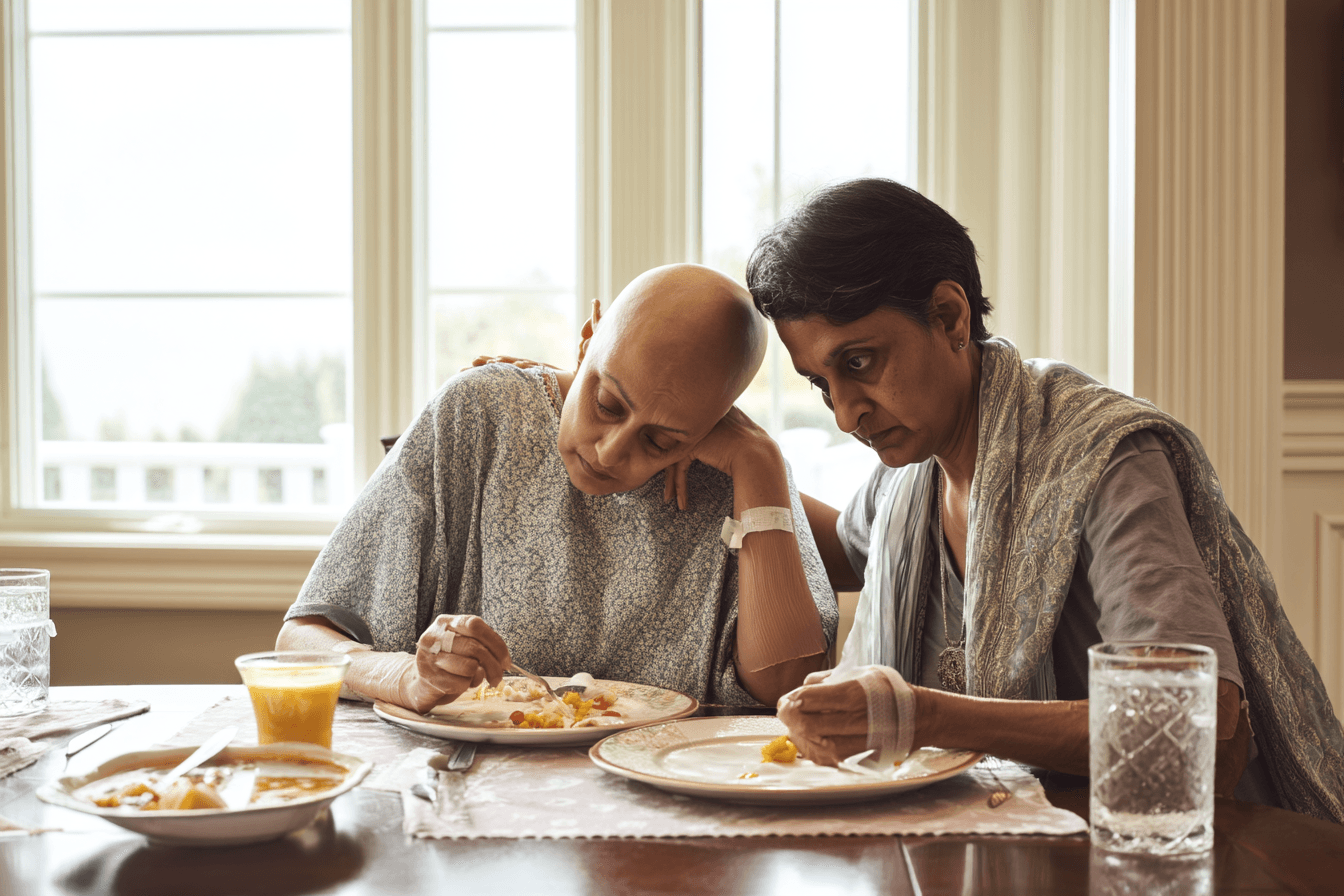
Ayurveda recovery after HIPEC becomes acceptable to the patient when it answers the real problems faced at home: what to eat, how to digest, how to regain strength, how to sleep, how to manage fear, how to observe symptoms, and how to remain steady during oncology follow-up.
The Patient Returns Home With More Questions Than Answers
After CRS/HIPEC, the patient may leave the hospital with discharge medicines, wound instructions, diet advice, scan dates, and oncology follow-up plans. Yet the daily reality at home is often much more difficult. The patient may not know which foods are safe, why appetite is low, why the bowel pattern has changed, how much walking is enough, how much tiredness is normal, when abdominal pain is concerning, or how to prepare physically and mentally for further treatment [R10].
This confusion can make recovery feel lonely. The patient may look stable from outside but still feel weak, bloated, fearful, sleepless, dependent, and uncertain. A recovery plan becomes meaningful only when it addresses these everyday struggles in a language the patient and caregiver can understand.
Eating Becomes a Source of Anxiety
Food is one of the first problems after CRS/HIPEC. The patient may feel hungry but become full quickly. Some patients fear eating because food may trigger bloating, nausea, loose stools, constipation, abdominal discomfort, or stoma changes. Others may eat too little because they believe rest alone is enough for healing. Over time, poor intake can worsen weakness, weight loss, fatigue, and treatment intolerance [R10, R22].
This is where Ayurveda can enter naturally and gently. Ayurveda gives importance to food timing, digestive comfort, warm meals, suitable texture, mindful portions, and gradual strengthening of digestive capacity. For the patient, this feels practical because it does not begin with a complex medicine. It begins with the plate, the appetite, the bowel, and the patient’s real tolerance.
Digestion Feels Unpredictable
After major abdominal cancer surgery, digestion may not behave normally for weeks or months. Bowel handling, anesthesia, pain medicines, antibiotics, reduced movement, chemotherapy exposure, inflammation, and altered food intake can disturb bowel rhythm. The patient may experience gas, bloating, constipation, diarrhea, cramps, urgency, or irregular stool pattern [R10].
Ayurveda’s concept of agni can help the patient understand this problem in a simple and useful way. Agni may be explained as digestive capacity, appetite, bowel rhythm, absorption, and tolerance. When agni is unstable, the patient needs regular meals, suitable portions, warm cooked food, hydration, gradual food progression, and careful observation of stool, gas, bloating, nausea, and appetite. This makes Ayurveda feel relevant because it directly addresses the patient’s daily digestive suffering [R29, R33].
Weakness Is Not Just Tiredness
Many patients describe extreme fatigue after CRS/HIPEC. This weakness is not simply laziness or lack of willpower. It may come from major surgery, inflammation, blood loss, reduced food intake, muscle loss, anemia, pain, disturbed sleep, emotional stress, and chemotherapy. If the patient does not rebuild strength gradually, daily activities become difficult and confidence declines [R22, R28].
Ayurveda helps the patient understand recovery as gradual rebuilding rather than forced effort. The patient needs nourishment, rest, sleep, gentle walking, emotional calmness, and regular routine. In Ayurvedic language, this is the rebuilding of recovery reserve. In clinical language, it is restoration of nutrition, muscle, stamina, sleep, and resilience.
The Patient Fears Recurrence but Does Not Know What to Do With That Fear
Fear of recurrence is one of the deepest problems after CRS/HIPEC. The patient may worry about every pain, every bowel change, every scan, every tumor-marker report, and every episode of fatigue. This fear can disturb sleep, appetite, digestion, mood, family communication, and willingness to attend follow-up visits [R26, R28].
Ayurveda can support the patient by giving a daily discipline that reduces helplessness. Regular meals, calm breathing, prayer or meditation if meaningful, sleep timing, gentle walking, family reassurance, and symptom awareness help the patient feel involved in healing. The goal is not to remove all fear. The goal is to convert fear into steady action.
The Patient Wants Hope but Also Needs Truth
After cancer surgery, patients often search for hope. This is natural and necessary. The danger begins when hope is attached to false promises, miracle cures, aggressive remedies, or claims that one medicine can guarantee freedom from recurrence. Such promises may temporarily reduce fear but can later create harm, disappointment, or delay in medical care.
Ayurveda should offer a stronger kind of hope. It should tell the patient that healing is not limited to hospital treatment alone. Every meal, walk, bowel observation, sleep cycle, medicine schedule, scan appointment, and calm response to fear can become part of recovery. This is honest hope because it gives the patient something real to do every day while staying aligned with oncology care.
The Patient Needs a Daily System, Not General Advice
General advice such as “eat well,” “stay positive,” or “take rest” is not enough after CRS/HIPEC. The patient needs a daily system. The day should have a rhythm for waking, hydration, meals, medicines, bowel observation, walking, rest, sleep preparation, symptom tracking, and communication with the caregiver.
Ayurveda is valuable because it naturally organizes daily life. It gives structure to food, digestion, rest, movement, mental steadiness, and observation. When this structure is medically aligned, it helps the patient feel less lost and more supported at home.
The Patient Needs Protection From Unsafe Self-Treatment
Fear and confusion often push patients toward internet remedies, strong herbal combinations, immune boosters, detox plans, heavy restrictions, or unknown powders. This is especially risky after CRS/HIPEC because the patient may be recovering from bowel surgery, taking multiple medicines, preparing for chemotherapy, or dealing with abnormal liver, kidney, or blood results [R10, R29].
A responsible Ayurveda plan protects the patient from this danger. It begins with food, digestion, sleep, movement, and routine. Any herb, extract, supplement, bhasma, rasaushadhi, or commercial product must be reviewed according to the patient’s oncology treatment and safety status. This makes Ayurveda more trustworthy because it protects the patient instead of exposing the patient to unnecessary risk.
The Patient Wants to Feel Human Again
Cancer treatment can make the patient feel reduced to reports, scans, medicines, and procedures. After CRS/HIPEC, the patient may also face scars, stoma care, changed bowel habits, weight loss, dependence on family, sexual concerns, financial stress, and loss of confidence. These problems affect dignity and identity.
Ayurveda can help restore the patient’s sense of personhood by focusing on daily living, nourishment, rhythm, self-observation, emotional steadiness, and family-supported care. The patient begins to feel that recovery is not only about disease control but also about becoming stronger, steadier, and more alive in daily life.
The Real Problem Is the Gap Between Hospital Care and Home Healing
Hospital care treats the surgical and oncologic crisis. Home healing determines how the patient lives through recovery. The gap between these two worlds is where many patients suffer. They may have excellent surgery but poor nutrition. They may attend scans but sleep poorly. They may take medicines but remain fearful. They may want to recover but lack a clear daily rhythm.
Ayurveda recovery after HIPEC can fill this gap when it is used responsibly. It gives the patient a home-based healing structure for food, digestion, bowel rhythm, sleep, walking, calmness, caregiver involvement, and disciplined follow-up. This is why patients and families can accept Ayurveda not as an alternative to oncology, but as a practical recovery companion after one of the most demanding cancer treatments.
The Caregiver’s Real Problem After Surgery

Ayurveda recovery after HIPEC becomes stronger when the caregiver is guided properly, because after CRS/HIPEC the family often becomes responsible for food, hydration, walking support, medicine timing, symptom observation, emotional reassurance, and follow-up discipline at home.
The Caregiver Becomes Part of the Healing System
After discharge, the patient does not recover alone. A spouse, child, sibling, parent, or close family member often becomes the person who watches appetite, prepares meals, gives medicines, encourages walking, checks temperature, observes bowel changes, records appointments, arranges hospital visits, and comforts the patient during fear. In practical terms, the caregiver becomes part of the healing system [R2, R10].
This role is emotionally heavy. The caregiver wants to help but may not know what is normal after HIPEC and what is dangerous. A little abdominal pain, reduced appetite, loose stools, constipation, weakness, disturbed sleep, or fear may create confusion. Without clear guidance, the caregiver may either panic unnecessarily or miss an important warning sign.
The Caregiver Often Receives Instructions but Not a Daily Method
Hospital discharge instructions are necessary, but they are often not enough for daily home recovery. The caregiver may be told about medicines, wound care, follow-up dates, and emergency symptoms, but may still remain unsure about what to cook, how often the patient should eat, how much walking is safe, how to manage fatigue, how to encourage sleep, and how to respond when the patient refuses food or feels emotionally low [R10].
This is where an Ayurveda-integrated recovery plan becomes useful. It gives the caregiver a daily method. The family learns how to organize meals, protect digestion, maintain hydration, support rest, encourage gentle movement, observe bowel function, and keep the patient emotionally steady. The caregiver does not feel abandoned with vague advice. The caregiver receives a rhythm that can be practiced at home.
Food Becomes the Caregiver’s First Responsibility
In many families, food is the first way love is expressed. After CRS/HIPEC, however, food becomes complicated. The caregiver may worry whether the patient should eat rice, wheat, dal, milk, curd, fruits, vegetables, spices, ghee, non-vegetarian food, or supplements. The patient may refuse food because of nausea, early fullness, bloating, altered taste, abdominal discomfort, or fear of bowel symptoms [R10, R22].
Ayurveda can help the caregiver understand food through tolerance and digestion rather than fear. The aim is to offer warm, fresh, simple, nourishing, easy-to-digest meals in small portions, while maintaining protein and hydration according to medical advice. The caregiver should not force heavy meals, extreme diets, fasting, or sudden food experiments. Recovery food should comfort the gut, support strength, and respect the patient’s actual bowel response.
The Caregiver Must Learn to Observe Digestion
After HIPEC, digestion may change from day to day. Appetite, stool pattern, gas, bloating, nausea, abdominal pain, stoma output, constipation, diarrhea, and food tolerance can fluctuate. The caregiver is often the first person to notice these changes, sometimes before the patient reports them clearly [R10].
Ayurveda’s attention to digestion can make the caregiver more observant. Instead of only asking whether the patient has eaten, the caregiver learns to ask whether the food was digested comfortably, whether bloating increased, whether stool changed, whether appetite improved, whether nausea appeared, and whether energy was better after meals. This makes home care more intelligent and safer.
The Caregiver Must Protect the Patient From Weakness
Weakness after CRS/HIPEC is not solved by rest alone. The patient needs nourishment, protein, hydration, gradual movement, sleep, and emotional support. If the caregiver does not understand this, the patient may remain in bed too long, eat too little, lose muscle, and become more dependent [R22].
The caregiver’s role is not to push aggressively but to support gradual rebuilding. A short walk, a small protein-containing meal, a calm afternoon rest, a regular sleep time, and gentle encouragement can make recovery more consistent. Ayurveda supports this by emphasizing daily rhythm, nourishment, patience, and steady restoration rather than sudden exertion.
The Caregiver Must Manage Fear Without Feeding Panic
The caregiver also carries the fear of recurrence. Every pain, every change in appetite, every episode of vomiting, every scan date, and every tumor-marker report may create anxiety. Sometimes the caregiver becomes more afraid than the patient. This fear can lead to overprotection, repeated internet searches, conflicting advice, or pressure to try unverified remedies.
A structured recovery plan gives the caregiver a healthier response to fear. The family learns that fear should be converted into observation, documentation, timely medical communication, and disciplined follow-up. Ayurveda can support calmness through routine, food rhythm, rest, prayer or meditation if meaningful, gentle breath awareness, and emotional reassurance. The goal is not to deny fear, but to prevent fear from controlling decisions.
The Caregiver Must Know When to Call the Medical Team
One of the most important caregiver responsibilities is recognizing when medical help is needed. Fever, worsening abdominal pain, increasing abdominal swelling, persistent vomiting, inability to pass stool or gas, dehydration, wound discharge, breathlessness, chest pain, leg swelling, jaundice, dark urine, confusion, or sudden deterioration should not be managed at home as routine weakness [R10].
A responsible Ayurveda-integrated plan must make this clear. Home care is valuable, but it must never delay urgent medical review. This clarity actually increases trust in Ayurveda because the caregiver sees that the system protects the patient rather than replacing necessary medical care.
The Caregiver Needs Protection From Misinformation
Families often receive advice from relatives, social media, WhatsApp groups, online videos, and product sellers. Some people may suggest strong herbs, immune boosters, detox methods, fasting, heavy restrictions, or miracle formulas. The caregiver may feel guilty if they do not try everything.
The caregiver must understand that more treatment is not always safer treatment. After CRS/HIPEC, the patient’s liver, kidneys, bowel, nutrition, blood counts, and chemotherapy plan may be vulnerable. Ayurveda should begin with food, digestion, rest, sleep, movement, and emotional steadiness. Any medicine, herb, supplement, formulation, or special product must be checked with the treating team before use. This protects the patient and also reduces the caregiver’s burden of making unsafe decisions alone.
The Caregiver Must Keep the Patient Connected to Surveillance
After the early recovery phase, the caregiver’s role shifts from daily crisis management to long-term discipline. Follow-up visits, scans, tumor-marker tests when advised, chemotherapy appointments, diet reviews, physiotherapy, and symptom reporting must be maintained even when the patient begins to feel better [R10, R24].
The caregiver should not allow temporary improvement to create carelessness. Feeling better is a sign of recovery, but it is not a substitute for surveillance. Ayurveda can help by keeping the patient grounded in routine and self-observation, while oncology continues to monitor the disease.
The Family Home Must Become Organized, Not Fearful
A disorganized home increases stress. Irregular meals, missed medicines, poor sleep, unclear appointment dates, conflicting dietary advice, and panic-driven decisions can weaken recovery. A structured home creates safety. Meals happen on time. Hydration is observed. Walking is encouraged. Rest is protected. Symptoms are recorded. Appointments are tracked. The patient feels supported rather than pressured.
Ayurveda recovery after HIPEC can help transform the home into a calm recovery environment. The caregiver learns that healing is not only a hospital event. It is repeated daily through food, digestion, bowel care, sleep, walking, emotional steadiness, and disciplined follow-up.
The Caregiver Also Needs Care
Caregivers often ignore their own exhaustion. They may sleep poorly, eat irregularly, feel anxious, suppress emotions, and carry the fear of losing the patient. Over time, caregiver fatigue can affect the quality of home care and the emotional atmosphere around the patient.
A compassionate recovery model should support the caregiver as well. The caregiver needs rest, clear instructions, shared family responsibility, realistic expectations, and reassurance that they do not have to solve everything alone. When the caregiver is steady, the patient feels safer.
The Caregiver’s Role in Accepting Ayurveda
The patient may accept Ayurveda more easily when the caregiver understands it correctly. The family should see Ayurveda not as a bottle of medicine, but as a disciplined recovery system. It includes food, digestion, sleep, movement, emotional steadiness, symptom awareness, safe decision-making, and respect for oncology follow-up.
When explained this way, Ayurveda becomes practical and trustworthy. The caregiver can support it every day without feeling that they are choosing between Ayurveda and oncology. The two roles remain clear: oncology treats and monitors the cancer, while Ayurveda-informed home care supports the patient’s recovery strength, discipline, and daily healing environment.
The Clinical Message for the Caregiver
The caregiver is not a passive observer after CRS/HIPEC. The caregiver is a central partner in recovery. The patient’s meals, hydration, walking, sleep, medicines, appointments, symptom reporting, emotional steadiness, and safe use of Ayurveda often depend on caregiver understanding.
Ayurveda recovery after HIPEC becomes most useful when it gives the caregiver a calm, practical, and medically aligned home-care system. This system helps the family support the patient with confidence, protect the patient from unsafe choices, and keep the recovery journey connected to oncology-led surveillance.
Food as the First Medicine After CRS/HIPEC
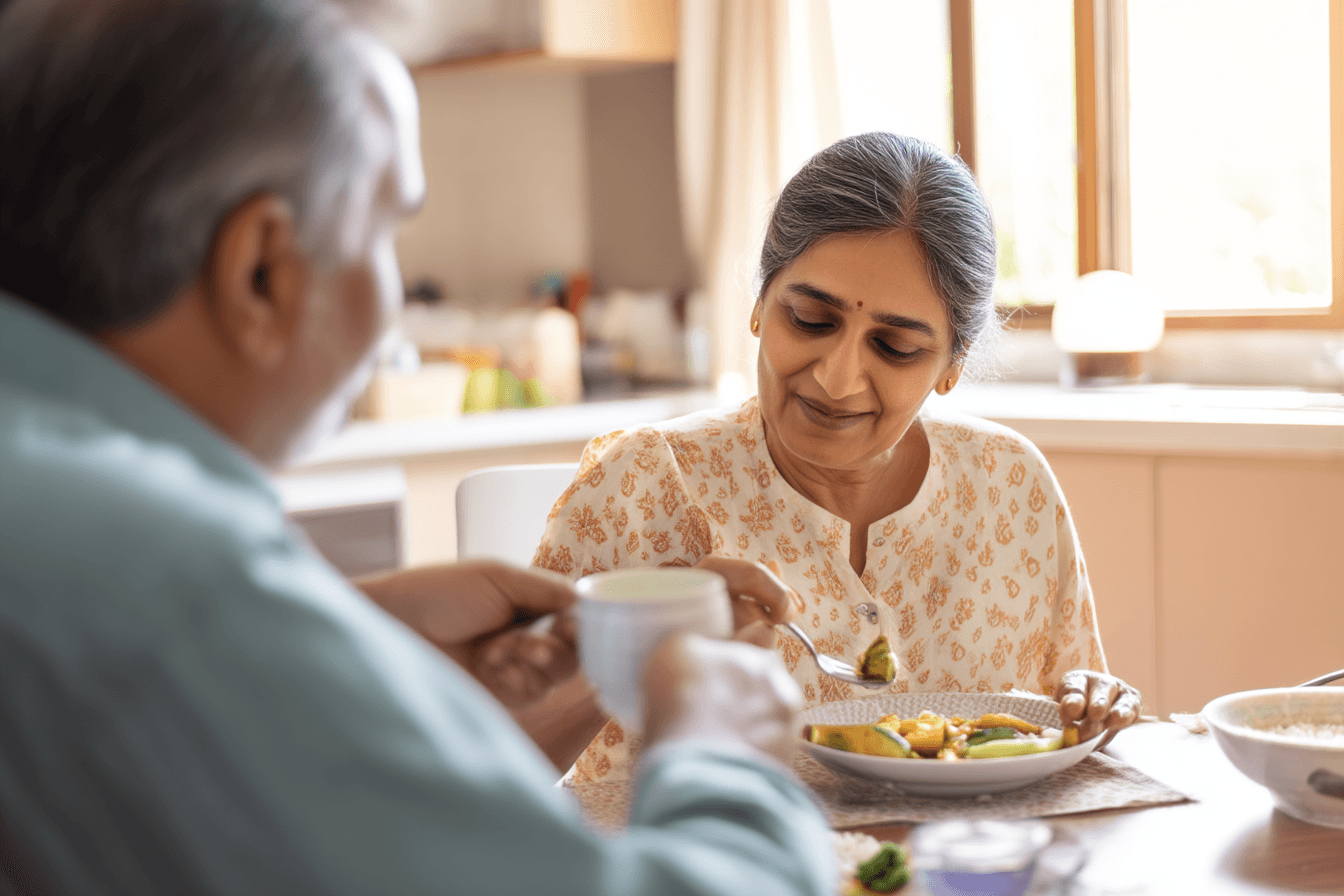
Ayurveda recovery after HIPEC begins most safely and powerfully with food, because after major abdominal cancer surgery the patient’s ability to heal depends on appetite, digestion, nourishment, hydration, bowel rhythm, protein intake, and the body’s capacity to convert food into strength.
Food Is the First Daily Treatment the Patient Receives at Home
After CRS/HIPEC, food becomes more than routine eating. It becomes part of recovery. The body needs nourishment for wound healing, immune function, bowel repair, muscle preservation, blood formation, energy restoration, and readiness for further oncology treatment when required. Many patients leave the hospital with reduced appetite, early fullness, nausea, bloating, constipation, loose stools, altered taste, stoma-related concerns, or fear of eating. If food intake remains poor, weakness can deepen and recovery can slow [R10, R22].
This is why Ayurveda is most acceptable when it begins with the patient’s plate rather than with complex medicines. Food is familiar, practical, family-supported, and adjustable. When the patient begins to eat in a way that feels gentle, warm, nourishing, and digestible, the family can see recovery becoming active inside the home.
The First Goal Is Nourishment, Not Restriction
After HIPEC surgery, the patient should not be pushed into restrictive diets that reduce calorie intake, protein intake, or food confidence. The first clinical goal is to restore nourishment safely. The patient needs enough calories, adequate protein, regular fluids, and food textures that match bowel tolerance. The diet must be individualized according to appetite, bowel function, stoma status, nausea, diarrhea, constipation, bloating, weight loss, kidney function, liver function, chemotherapy plan, and dietitian guidance [R10, R22].
Ayurveda supports this through the principle that food must match digestive capacity. A food may be healthy in general but unsuitable for a patient whose bowel is still recovering. In the same way, a light food may be easy to digest but insufficient if the patient is losing weight and muscle. The correct diet is therefore not the strictest diet. The correct diet is the one that nourishes the patient without overwhelming digestion.
Warm, Fresh, and Easy-to-Digest Food Builds Confidence
In the early recovery phase, many patients tolerate warm, freshly prepared, soft, simple meals better than cold, dry, heavy, oily, highly processed, or very raw meals. Warm cooked food can feel easier on a sensitive abdomen and may help the patient regain confidence in eating. The meal should be small enough to digest comfortably but frequent enough to maintain energy and nourishment [R10, R29, R33].
This approach fits well with Ayurveda’s view of ahara as a central part of healing. Ahara is not only about what is eaten; it includes timing, preparation, quantity, suitability, digestive response, and the state of mind during eating. After CRS/HIPEC, these details matter because the gut is recovering from surgery, anesthesia, medicines, inflammation, bowel handling, and altered movement.
Small Frequent Meals Are Often Better Than Large Meals
Many post-HIPEC patients cannot tolerate large meals. A full plate may cause nausea, heaviness, bloating, abdominal pressure, reflux, loose stools, or early satiety. Smaller and more frequent meals can help the patient maintain intake without overloading the gut. This is also easier for the caregiver because the patient can be nourished gradually throughout the day rather than forced to complete large meals [R10].
From an Ayurvedic perspective, this protects agni. From a clinical perspective, it respects reduced digestive capacity, altered bowel rhythm, and post-operative food tolerance. The patient should be encouraged to eat with patience, chew well, sit upright, avoid rushing, and observe which foods create comfort and which foods create symptoms.
Protein Must Be Protected
Protein is essential after CRS/HIPEC because the body needs it for wound healing, immune function, tissue repair, muscle preservation, and recovery from surgical stress. Inadequate protein intake can worsen fatigue, delay healing, reduce strength, and contribute to sarcopenia. The American Cancer Society emphasizes the importance of maintaining or increasing muscle mass through nutrition and physical activity in cancer survivors [R22].
Protein sources should be chosen according to tolerance, culture, appetite, and medical condition. Depending on the patient’s diet pattern and clinical status, options may include dal, lentils, well-cooked legumes, curd or yogurt if tolerated, paneer, tofu, eggs, fish, chicken, or prescribed oral nutrition supplements. If the patient has kidney disease, severe diarrhea, stoma complications, poor tolerance, or chemotherapy-related symptoms, protein planning should be individualized by the treating team and dietitian.
Hydration Supports Bowel Function and Recovery
Hydration is one of the simplest but most important parts of recovery. Poor fluid intake can worsen constipation, dizziness, weakness, kidney stress, and fatigue. Patients with diarrhea, vomiting, high stoma output, poor appetite, or fever may become dehydrated more quickly. Regular fluids, taken in a way the patient can tolerate, should be part of the daily recovery rhythm [R10].
Ayurveda-informed care can support hydration through warm water sips, light fluids, or suitable traditional preparations when tolerated and approved by the care team. The aim is not to overload the patient with fluids at one time but to maintain steady intake through the day. Hydration should always be adapted to the patient’s kidney function, heart condition, stoma output, vomiting, diarrhea, and medical instructions.
Fiber Must Be Reintroduced With Clinical Judgment
Fiber is important for long-term bowel health, but after CRS/HIPEC it must be handled carefully. Some patients may tolerate soft cooked vegetables, fruits, and grains gradually. Others may develop bloating, gas, pain, diarrhea, constipation, or obstructive symptoms if fiber is increased too quickly. Patients with bowel resection, adhesions, stoma, partial obstruction risk, or recent ileus need especially careful food progression [R10].
Ayurveda supports this individualized approach. The same food is not right for every patient at every stage. Early recovery may require softer, cooked, lower-residue foods depending on symptoms. Later, when bowel function stabilizes, the diet can gradually expand toward a more plant-forward pattern that includes vegetables, legumes, fruits, and whole grains as tolerated. Long-term cancer survivorship guidance also supports a dietary pattern rich in plant foods when clinically appropriate [R22, R23, R24].
Agni Should Guide Food Progression
In Ayurveda, agni represents the patient’s digestive capacity. After CRS/HIPEC, agni can be understood clinically as appetite, digestive comfort, bowel rhythm, absorption, tolerance, and energy after meals. When agni is weak, the patient may experience early satiety, nausea, heaviness, bloating, gas, irregular stool, fatigue after meals, or aversion to food.
The food plan should therefore progress according to signs of digestive readiness. Improvement in appetite, reduced bloating, stable stool, better energy, less nausea, and gradual weight stabilization suggest that the patient may tolerate wider food variety. Worsening pain, vomiting, severe distension, inability to pass stool or gas, persistent diarrhea, or rapid decline requires medical review rather than dietary experimentation [R10].
Ojas Is Built Through Nourishment and Stability
Ayurveda describes ojas as a deeper expression of vitality, steadiness, immunity, and recovery reserve. After CRS/HIPEC, this concept can be explained in practical terms as the patient’s ability to maintain strength, sleep, appetite, emotional balance, tissue repair, and resilience. Ojas is not built by one powerful substance. It is built through repeated daily nourishment, rest, digestion, calmness, and gradual physical restoration [R29, R33].
For the patient and caregiver, this is encouraging because it means healing is not limited to hospital procedures. Every suitable meal, every glass of fluid, every small walk, every restful night, and every calm routine contributes to rebuilding the patient’s reserve. Food becomes a daily act of recovery, not merely a source of calories.
Long-Term Diet Should Move Toward Survivorship Health
Once the bowel has stabilized and the patient is medically ready, the diet should gradually move toward a long-term cancer survivorship pattern. Major cancer organizations recommend a healthy dietary pattern emphasizing vegetables, fruits, legumes, whole grains, and appropriate protein, with reduced intake of red meat, processed meat, sugar-sweetened beverages, refined grains, and highly processed foods [R22, R23, R24].
This transition should not be rushed. A patient recovering from CRS/HIPEC may need a staged approach. Early recovery may focus on tolerance and nourishment. Later recovery may focus on diversity, fiber quality, plant-forward eating, muscle preservation, metabolic health, and long-term sustainability. Ayurveda can help by keeping the diet personalized, seasonal, digestible, and aligned with the patient’s strength.
Food Must Support Treatment, Not Compete With It
Some patients need chemotherapy, targeted therapy, immunotherapy, or close observation after CRS/HIPEC. Food during this period must support treatment completion. The patient may need adjustments for nausea, mouth sores, taste change, diarrhea, constipation, low appetite, anemia, fatigue, or blood count changes. The diet should remain flexible and clinically responsive.
Ayurveda can support treatment tolerance by protecting meal rhythm, digestive comfort, hydration, sleep, and emotional steadiness. However, food advice should not interfere with medical nutrition needs. If the patient is losing weight or struggling to eat, the priority is nourishment. In such cases, strict avoidance rules can be harmful if they reduce intake further.
The Caregiver Should Cook for Tolerance, Not Ideology
The caregiver should not feel pressured to follow a rigid diet theory. The best food is the food the patient can digest, absorb, and sustain while meeting recovery needs. The caregiver should observe appetite, nausea, bloating, stool pattern, energy, sleep, and weight trend after meals. This observation helps personalize food more accurately than general advice.
Ayurveda becomes practical when the family learns to cook with sensitivity. Meals should be warm, fresh, moderate in quantity, digestible, nourishing, and adjusted to the patient’s response. The family should avoid forcing large meals, sudden raw diets, excessive spices, heavy fried foods, severe restrictions, or unverified cancer diets that weaken the patient.
Ayurveda Aahara Gives Cultural Strength to Recovery Food
Ayurveda Aahara can help patients reconnect with familiar healing foods, traditional cooking methods, seasonal eating, suitable spices, and the idea that food should match digestive capacity. This cultural familiarity can improve acceptance, especially in Indian families where food is closely connected with care, comfort, and healing [R29, R33, R34].
The value of Ayurveda Aahara after CRS/HIPEC is not in making exaggerated cancer claims. Its value is in helping the patient eat with rhythm, digest with comfort, and rebuild strength through food that feels familiar, respectful, and supportive. When adapted to medical needs, this makes recovery more humane and easier to follow.
The Clinical Message for the Patient and Caregiver
Food is the first medicine because it enters the patient’s recovery every day. After CRS/HIPEC, the patient does not need fear-based eating, extreme restriction, or complicated food rules. The patient needs nourishment that is warm, digestible, protein-aware, hydration-supported, bowel-sensitive, and adapted to medical reality.
Ayurveda recovery after HIPEC becomes most convincing when it begins with this simple truth: the body cannot rebuild without food it can tolerate, digest, and use. When food is handled wisely, it supports strength, bowel rhythm, sleep, emotional confidence, treatment readiness, and long-term survivorship discipline.
Agni as Digestive Capacity After Major Abdominal Surgery

Ayurveda recovery after HIPEC depends strongly on restoring agni, because after CRS/HIPEC the patient’s appetite, digestion, absorption, bowel rhythm, food tolerance, energy, and strength may all become unstable during the healing period.
Agni Can Be Explained in Clinical Language
In Ayurveda, agni is the power of digestion and transformation. For a patient recovering after CRS/HIPEC, agni can be explained in practical clinical language as appetite, digestive comfort, absorption, bowel regularity, stool quality, tolerance to meals, and energy after eating. When agni is stable, the patient feels hungry at appropriate times, eats without fear, digests food without excessive bloating or nausea, passes stool comfortably, and gradually regains strength.
This explanation helps the patient and caregiver understand Ayurveda without confusion. Agni is not an abstract idea in this setting. It is the patient’s real digestive capacity after major abdominal cancer surgery. If digestion is weak, the patient cannot rebuild strength properly even when food is available. If digestion improves, nourishment becomes more effective and recovery becomes more steady [R29, R33].
Why Agni Becomes Weak After CRS/HIPEC
CRS/HIPEC places heavy stress on the digestive system. The bowel may be handled during surgery, parts of the bowel may be removed, adhesions may develop, a stoma may be created, and the abdomen may take weeks or months to regain normal rhythm. Anesthesia, pain medicines, antibiotics, reduced walking, inflammation, altered food intake, chemotherapy exposure, and emotional stress can also disturb bowel movement and appetite [R10].
This is why the patient may experience early fullness, nausea, gas, bloating, constipation, loose stools, abdominal heaviness, irregular appetite, or fear of eating. These symptoms should not be dismissed as minor discomfort. They directly affect nutrition, hydration, strength, sleep, mood, and readiness for further oncology treatment. Protecting agni is therefore one of the most important goals of Ayurveda-integrated recovery after HIPEC.
Weak Agni Can Delay Recovery
When agni is weak, the patient may eat too little or avoid food because of discomfort. Over time, poor intake can lead to weight loss, muscle loss, fatigue, delayed wound healing, reduced walking capacity, and lower treatment tolerance. The American Cancer Society emphasizes the importance of adequate nutrition, physical activity, and preservation of muscle mass in cancer survivors, which makes digestive recovery clinically important rather than optional [R22].
A patient cannot rebuild muscle, immunity, stamina, and confidence without food that is tolerated and absorbed. This is why the recovery plan should not focus only on what is theoretically healthy. It must focus on what the patient can digest, absorb, and sustain during each stage of healing.
Signs That Agni Is Improving
Agni is improving when the patient begins to feel natural appetite, tolerates small meals comfortably, has less bloating, passes stool more regularly, feels lighter after meals, has better energy, sleeps better, and begins to regain weight or stabilize weight. The caregiver may notice that the patient is less fearful of food, asks for meals on time, walks better, and feels less exhausted after eating.
These changes may appear gradually. The goal is not rapid dietary expansion. The goal is steady digestive confidence. Even small improvements in appetite, stool rhythm, and meal tolerance can be meaningful after CRS/HIPEC.
Signs That Agni Needs More Support
Agni needs more support when the patient has persistent loss of appetite, repeated nausea, bloating after small meals, abdominal heaviness, gas pain, irregular stool, constipation, loose stools, fatigue after eating, aversion to food, or continued weight loss. These signs suggest that the meal plan may be too heavy, too irregular, too large, too cold, too dry, too raw, or not matched to the patient’s bowel condition.
The answer is not to frighten the patient or impose severe restriction. The answer is to simplify the food, reduce meal size, improve timing, choose softer textures, maintain hydration, protect protein intake, and observe the bowel response carefully. The diet should be adjusted with medical and dietitian guidance when symptoms are persistent or severe [R10, R22].
Food Timing Protects Agni
Irregular eating can disturb digestion after CRS/HIPEC. Long gaps may worsen weakness and nausea, while large meals may overload the gut. A regular meal rhythm helps the patient’s body expect food, digest better, and maintain energy through the day.
Small, frequent meals are often more suitable than large meals during early recovery. The patient should eat slowly, sit upright, chew properly, and rest briefly after meals without lying flat immediately. This simple rhythm can reduce fear around eating and help the patient rebuild digestive confidence [R10].
Warm and Fresh Food Supports Digestive Comfort
Ayurveda gives importance to warm, freshly prepared, suitable food because such food is often easier for a recovering patient to accept. After CRS/HIPEC, warm cooked meals may be more comfortable than cold, dry, very raw, oily, heavy, or highly processed foods. This does not mean every patient must eat the same diet. It means that food should be chosen according to tolerance, bowel response, appetite, and strength [R29, R33, R34].
In Indian homes, this approach can be very practical. Soft khichdi, well-cooked dal, rice preparations, vegetable soups, thin porridges, curd or yogurt when tolerated, light stews, and simple protein-containing meals can be adjusted according to the patient’s condition. The exact food should depend on medical advice, bowel status, culture, appetite, and tolerance.
Agni and Protein Must Work Together
Some families focus only on light food after surgery. Light food may be useful when digestion is fragile, but if the diet remains too light for too long, the patient may not receive enough protein and calories. Protein is essential for tissue repair, wound healing, immune function, and muscle preservation [R22].
The clinical challenge is to provide protein in a form the patient can digest. This may include dal, lentils, curd or yogurt if tolerated, paneer, tofu, eggs, fish, chicken, or medically advised oral nutrition supplements. The best choice depends on appetite, bowel tolerance, kidney function, cultural preference, and the dietitian’s guidance. Ayurveda supports this by asking whether the food is suitable for the patient’s current digestive capacity.
Bowel Rhythm Is Part of Agni
After CRS/HIPEC, bowel rhythm is a major sign of recovery. Constipation, diarrhea, excessive gas, bloating, urgency, stoma changes, or difficulty passing stool can all affect appetite and confidence. The caregiver should observe not only whether the patient has eaten, but also how the bowel responds afterward [R10].
In Ayurveda, bowel regularity is closely connected with digestive strength. In clinical recovery, bowel rhythm reflects hydration, food tolerance, movement, medicines, bowel surgery, and overall gut function. A careful plan should adjust food texture, fluids, fiber, meal size, and timing according to stool pattern and abdominal comfort.
Fiber Should Follow Digestive Readiness
Fiber is valuable in long-term health, but it must be reintroduced carefully after major abdominal surgery. Some patients tolerate cooked vegetables and soft fruits early, while others may experience gas, bloating, pain, diarrhea, or obstructive symptoms if fiber is increased too quickly. Patients with bowel resection, stoma, adhesions, or partial obstruction risk need special caution [R10].
From an Ayurvedic perspective, food must match agni. From a surgical recovery perspective, food must match bowel tolerance. Both views lead to the same practical conclusion: do not rush. The diet should progress step by step, guided by appetite, stool, gas, bloating, pain, weight, hydration, and medical instructions.
Agni Is Affected by Sleep and Emotion
Digestion after cancer surgery is not affected by food alone. Fear, poor sleep, anxiety, pain, uncertainty, and emotional distress can reduce appetite and disturb bowel rhythm. A patient who is frightened before every meal may not digest well even when the food is suitable.
Ayurveda understands this connection between mind and digestion. Calm eating, family reassurance, gentle breathing, prayer or meditation if meaningful, regular sleep timing, and reduced overstimulation can help the patient’s nervous system settle. This does not replace medical care, but it can make the digestive environment more supportive.
Caregiver Observation Makes Agni Measurable
The caregiver can help make agni measurable at home. The family can observe whether the patient is hungry, how much food is tolerated, whether bloating occurs, whether nausea appears, how stool changes, whether energy improves after meals, and whether weight is stable. These observations help personalize the recovery plan more accurately than fixed food rules.
This is one of the reasons Ayurveda recovery after HIPEC becomes practical for families. It gives the caregiver a way to understand the patient’s daily digestive condition and adjust support gently instead of forcing food, fearing food, or changing diet randomly.
When Digestive Symptoms Need Medical Review
Some digestive symptoms after CRS/HIPEC require medical attention rather than home adjustment. Persistent vomiting, severe abdominal distension, inability to pass stool or gas, worsening abdominal pain, fever, dehydration, repeated diarrhea, blood in stool, very high stoma output, sudden weakness, or rapid weight loss should be reported to the treating team promptly [R10].
Ayurveda-integrated recovery should never delay medical review in these situations. Protecting agni also means respecting the surgical abdomen and recognizing when symptoms may indicate obstruction, infection, dehydration, medication toxicity, or other complications.
The Clinical Message for the Patient and Caregiver
Agni is the patient’s digestive foundation after CRS/HIPEC. When agni is protected, food becomes nourishment, nourishment becomes strength, strength supports walking, sleep, treatment readiness, emotional steadiness, and long-term recovery discipline.
Ayurveda recovery after HIPEC becomes most useful when agni is understood in this practical way. The patient does not need complicated rules. The patient needs food that is timely, warm, digestible, protein-aware, hydration-supported, bowel-sensitive, and adjusted to real tolerance. Restoring agni is not only an Ayurvedic goal; it is a clinical requirement for rebuilding life after major abdominal cancer treatment.
Ojas as Recovery Reserve

Ayurveda recovery after HIPEC should help rebuild ojas, which can be understood in clinical recovery as the patient’s reserve of nourishment, strength, sleep quality, emotional steadiness, immune balance, tissue repair, and resilience after major abdominal cancer treatment.
Ojas Can Be Explained in Practical Clinical Language
In Ayurveda, ojas represents the deep vitality that supports stability, endurance, immunity, clarity, and recovery. For a patient after CRS/HIPEC, this concept can be explained in practical clinical language as recovery reserve. It is the patient’s ability to eat, digest, sleep, walk, tolerate treatment, heal wounds, remain emotionally steady, and return gradually to daily life.
This explanation helps the patient and caregiver understand ojas without making it abstract. After CRS/HIPEC, the patient may survive the operation but still feel physically empty, emotionally shaken, nutritionally depleted, and functionally weak. Ojas gives language to this deeper depletion. It explains why the patient needs more than medicines and scan dates. The patient needs repeated daily rebuilding through food, digestion, rest, sleep, calmness, movement, family support, and disciplined follow-up [R29, R33].
Ojas Is Often Depleted After CRS/HIPEC
CRS/HIPEC is a major stress on the body. The patient may undergo extensive abdominal surgery, heated chemotherapy exposure, blood loss, inflammation, bowel manipulation, prolonged anesthesia, reduced food intake, pain, antibiotics, altered sleep, emotional shock, and sometimes further chemotherapy. These factors can reduce physical strength, appetite, mental confidence, sleep quality, and overall resilience.
A patient with depleted ojas may look medically stable but still feel deeply weak. The patient may become tired after small activity, lose interest in food, sleep poorly, feel emotionally fragile, become anxious before scans, or struggle to regain confidence. These symptoms should not be dismissed. They show that the body is still rebuilding its reserve.
Ojas Is Built Slowly Through Repetition
Ojas is not rebuilt by one medicine, one herb, one tonic, or one strong intervention. It is built through repeated nourishment and stability. A suitable meal, a comfortable bowel movement, a short safe walk, a restful night, a calm conversation, a completed medicine schedule, and a timely follow-up visit all contribute to recovery reserve.
This is important for patients and families because they often search for one powerful solution after cancer surgery. Ayurveda gives a more realistic view. Recovery comes from rhythm. When the patient eats regularly, digests comfortably, sleeps better, walks gradually, avoids unnecessary strain, and remains emotionally supported, ojas begins to rebuild.
Food and Digestion Are the Foundation of Ojas
Ojas cannot be restored if the patient is not nourished. After CRS/HIPEC, food must be tolerated, digested, absorbed, and converted into strength. This is why agni and ojas are linked. Agni is the digestive capacity that allows food to become nourishment. Ojas is the deeper reserve that develops when nourishment is repeated and sustained.
The patient should therefore receive warm, fresh, digestible, protein-aware, hydration-supported meals that match bowel tolerance. If the patient is eating too little, losing weight, having persistent diarrhea, vomiting, or becoming weaker, the focus must return to nutritional rehabilitation. Cancer survivorship guidance emphasizes healthy eating, physical activity, and preservation or improvement of muscle mass, which supports the clinical importance of rebuilding strength after treatment [R22, R24].
Protein and Muscle Preservation Support Ojas
In practical recovery, ojas is closely linked with muscle and functional strength. A patient who loses muscle after CRS/HIPEC may become more fatigued, less independent, less able to walk, less prepared for chemotherapy, and more vulnerable to complications. Muscle preservation is not only a fitness issue. It is part of survival-oriented recovery.
Adequate protein, calories, hydration, and progressive physical activity after medical clearance are essential. Ayurveda can support this by encouraging nourishment, routine, rest, and gradual strengthening rather than extreme restriction. The aim is not to make the patient eat less in the name of purity. The aim is to help the patient rebuild tissue, stamina, and confidence.
Sleep Is a Major Builder of Ojas
Sleep is one of the most important recovery medicines after CRS/HIPEC. Poor sleep worsens fatigue, pain sensitivity, mood instability, appetite disturbance, and fear of recurrence. A patient who sleeps poorly may find it harder to eat, walk, tolerate treatment, and remain emotionally steady.
Ayurveda gives strong importance to sleep rhythm. A regular evening routine, reduced overstimulation, gentle breath awareness, calming prayer or meditation if meaningful, warm light food when tolerated, and family reassurance can help the patient enter rest more easily. Integrative oncology guidelines also support selected mind-body approaches such as mindfulness, relaxation, and yoga-based interventions for emotional symptoms and fatigue in appropriate cancer-care contexts [R26, R28].
Emotional Steadiness Protects Ojas
Cancer surgery affects the mind as much as the body. After CRS/HIPEC, the patient may carry fear of recurrence, fear of chemotherapy, fear of death, fear of eating, fear of pain, or fear of becoming dependent. This emotional strain can reduce appetite, disturb sleep, increase fatigue, worsen digestion, and weaken motivation.
Ayurveda understands that emotional disturbance can deplete vitality. A calm daily rhythm helps protect ojas. The patient should not be left alone with fear. Family reassurance, honest communication, structured follow-up, guided relaxation, counseling when needed, and spiritual practices if meaningful can help the patient feel supported rather than abandoned.
Ojas Requires Protection From Overexertion
Some patients push themselves too hard after surgery because they want to prove recovery. Others remain inactive because they are afraid. Both extremes can be harmful. Ojas is protected through balanced effort. The patient should walk, move, and rebuild strength gradually, but abdominal strain, heavy lifting, forceful yoga, intense breathing practices, and sudden exercise should wait until surgical clearance.
The correct approach is steady progress. A few more steps, better posture, slightly improved stamina, and less fatigue after activity are meaningful signs. Ayurveda supports this patient rhythm because it respects the body’s current strength rather than forcing performance.
Ojas Requires Protection From Excessive Restriction
Some families believe that after cancer surgery the patient must avoid many foods, eat very little, follow strict detox rules, or remove entire food groups without clinical reason. This can damage recovery. If the patient is already weak, losing weight, or struggling to eat, excessive restriction may worsen depletion.
A responsible Ayurveda approach should protect ojas by protecting nourishment. Food should be selected with wisdom, but the patient must not be starved in the name of healing. The body needs energy, protein, fluids, and micronutrients to repair. The diet should be clean, digestible, and suitable, but also sufficient.
Ojas Is Damaged by Panic-Based Remedies
Fear of recurrence can drive patients toward aggressive remedies, unknown formulations, internet protocols, and products promising rapid cancer control. These approaches may emotionally attract the family because they appear powerful. However, they can disturb digestion, interact with treatment, affect liver or kidney function, or reduce trust between patient and oncology team.
Ojas is protected by clarity and safety. The patient should not be overloaded with many products during recovery. Ayurveda should begin with food, digestion, sleep, routine, gentle movement, and emotional steadiness. Any formulation or supplement should be considered only after reviewing the patient’s surgery, medicines, blood reports, liver function, kidney function, bowel status, and oncology treatment plan.
Ojas Makes the Patient More Treatment-Ready
Some patients need chemotherapy or other systemic treatment after CRS/HIPEC. A patient with better appetite, hydration, sleep, emotional stability, bowel rhythm, and walking capacity is often better prepared to continue oncology treatment. This does not mean Ayurveda replaces treatment. It means Ayurveda-informed recovery can help the patient remain more stable while treatment decisions are carried out.
Treatment readiness is a practical expression of ojas. The patient has enough reserve to attend appointments, tolerate medicines, communicate symptoms clearly, recover between cycles, and maintain hope without losing discipline.
Ojas Helps the Patient Live Between Scans
Cancer follow-up creates long periods of waiting. The patient may wait for pathology, chemotherapy decisions, tumor markers, imaging, and oncology reviews. During these intervals, fear can consume the mind. Ojas helps the patient live with steadiness between scans.
A patient with a daily healing rhythm feels less helpless. The day has structure. Meals are planned. Walking is measured. Rest is protected. Symptoms are observed. Sleep is valued. Follow-up is respected. This daily order gives the patient and caregiver a sense of participation in healing.
Caregivers Help Rebuild Ojas at Home
The caregiver plays a major role in rebuilding ojas. A calm caregiver can help the patient eat, hydrate, walk, rest, sleep, take medicines, attend follow-up, and avoid unsafe remedies. A frightened or confused caregiver may unintentionally increase the patient’s anxiety.
The family should understand that ojas is rebuilt in the home environment. The tone of conversation, the regularity of meals, the patience during weakness, the encouragement for walking, the protection of sleep, and the discipline around follow-up all matter. Healing is not only in the prescription. It is also in the atmosphere around the patient.
Signs That Ojas Is Rebuilding
Ojas is rebuilding when the patient begins to show steady appetite, better food tolerance, stable or improving weight, more regular bowel rhythm, improved sleep, reduced fear, better walking capacity, clearer thinking, fewer fatigue crashes, and more confidence in daily routine. The patient may still be under surveillance and may still need oncology treatment, but the body and mind feel more organized.
These signs should be celebrated because they show that the patient is moving from survival after surgery toward active recovery. The improvement may be slow, but slow improvement is still meaningful after CRS/HIPEC.
The Clinical Message for the Patient and Caregiver
Ojas is the patient’s recovery reserve. It is not built by fear, force, starvation, or miracle claims. It is built through nourishment, digestion, protein, hydration, sleep, gentle movement, emotional steadiness, caregiver support, and disciplined oncology follow-up.
Ayurveda recovery after HIPEC becomes deeply meaningful when ojas is understood in this practical way. The patient is not only trying to avoid recurrence. The patient is trying to rebuild the strength to live, heal, tolerate treatment, attend surveillance, and return to dignity. This is why protecting ojas is central to recovery after CRS/HIPEC.
Muscle Preservation and Strength Recovery
Ayurveda recovery after HIPEC must protect muscle and rebuild strength because recovery after CRS/HIPEC is not only measured by wound healing or scan reports, but also by the patient’s ability to eat, walk, sleep, tolerate treatment, remain independent, and return gradually to daily life.
Muscle Is a Clinical Recovery Organ
After CRS/HIPEC, muscle should be treated as a vital recovery organ. Muscle is not only for movement. It supports posture, breathing, balance, immune resilience, glucose control, treatment tolerance, physical independence, and quality of life. When muscle declines, the patient may become weaker, more fatigued, less mobile, more dependent on caregivers, and less prepared for chemotherapy or long-term survivorship care [R22].
Many patients and families focus mainly on the tumor, the surgery, and the scan. These are essential, but the patient’s body must also be strong enough to continue the healing journey. A patient who loses muscle after surgery may find it harder to walk, eat, sleep, recover from chemotherapy, attend follow-up, and maintain confidence. For this reason, strength recovery should begin as a planned part of post-HIPEC care, not as an afterthought.
Why Muscle Loss Happens After CRS/HIPEC
Muscle loss after CRS/HIPEC can occur because of major surgical stress, inflammation, reduced appetite, low protein intake, bed rest, pain, anemia, poor sleep, emotional distress, bowel symptoms, and chemotherapy. Even when the patient appears to be recovering, muscle may continue to decline silently if food intake and movement are not actively supported.
This is why the family should not judge recovery only by whether the wound looks better or whether the patient has been discharged. A patient may be medically stable but still losing strength. The recovery plan must therefore include regular nourishment, adequate protein, hydration, walking, rest, and gradual physical rebuilding.
Weight Alone Does Not Tell the Full Story
Body weight is useful, but it does not always show the true condition of muscle. Some patients lose weight visibly. Others may maintain weight but still lose muscle and gain weakness. Fluid shifts, swelling, reduced activity, and changes in body composition can hide functional decline.
The better question is whether the patient can walk a little farther, stand more easily, climb steps if permitted, sit out of bed longer, maintain posture, eat better, sleep better, and feel less exhausted after routine activity. These functional signs show whether recovery reserve is improving.
Ayurveda Understands Strength as Bala
In Ayurveda, strength can be understood through the concept of bala. Bala is not only physical power. It reflects stamina, stability, recovery capacity, resistance to exhaustion, and the ability to perform daily activities without collapse. After HIPEC, bala is often reduced because the body has passed through intense surgical and metabolic stress.
Ayurveda recovery after HIPEC should therefore aim to rebuild bala through nourishment, digestion, sleep, calmness, and graded movement. This is different from forcing exercise too early. The patient should be strengthened gradually, according to digestive capacity, surgical healing, fatigue level, bowel condition, and medical clearance.
Mamsa Dhatu and the Need for Tissue Rebuilding
Ayurveda describes muscle tissue through the concept of mamsa dhatu. After CRS/HIPEC, mamsa dhatu can be understood clinically as lean tissue and functional muscle reserve. When mamsa is depleted, the patient feels weak, unstable, tired, and less capable of daily activity.
Rebuilding mamsa requires food that is digested well, adequate protein, sufficient calories, rest, and progressive activity. A very restrictive diet, prolonged fasting, fear-based eating, or excessive avoidance of nourishing foods can weaken the patient further. The body cannot rebuild tissue without nourishment.
Protein Is Essential for Strength Recovery
Protein is central to muscle preservation and surgical recovery. The patient needs protein for wound healing, tissue repair, immune function, and rebuilding lean body mass. Cancer survivorship guidelines emphasize maintaining or increasing muscle mass through nutrition and physical activity, making protein intake a clinical priority after major cancer treatment [R22].
Protein sources should be selected according to the patient’s tolerance, culture, bowel condition, kidney function, and dietitian guidance. Depending on the patient’s diet pattern, this may include dal, lentils, curd or yogurt if tolerated, paneer, tofu, eggs, fish, chicken, or medically recommended oral nutrition supplements. The goal is not to copy another patient’s diet. The goal is to provide the right nourishment in a form this patient can digest and sustain.
Digestion Must Support Muscle Building
Muscle cannot be rebuilt only by telling the patient to eat protein. The patient must be able to digest and tolerate food. If protein-rich food causes bloating, nausea, heaviness, diarrhea, constipation, or aversion, the plan must be adjusted. Smaller portions, softer textures, simpler preparations, regular timing, and gradual progression may be needed.
This is where Ayurveda adds practical value. It reminds the family that nourishment depends on agni. Food must be strong enough to rebuild the patient, but gentle enough for the recovering gut. A protein plan that ignores digestion may fail. A digestion plan that ignores protein may leave the patient weak. The correct plan balances both.
Walking Is the First Strength Medicine
For many patients after CRS/HIPEC, walking is the first safe form of physical recovery. Walking supports circulation, bowel movement, lung expansion, appetite, sleep, mood, and confidence. It also helps the patient move from bed-bound recovery toward active healing.
Walking should begin according to surgical advice and increase gradually. The patient should not compare progress with others. A few extra steps, one more minute of walking, standing with better posture, or sitting out of bed longer may be important early achievements. The family should encourage consistency, not pressure.
Strength Must Be Rebuilt in Phases
The early phase should focus on safe walking, getting out of bed, gentle posture correction, breathing comfort, and avoiding excessive fatigue. The middle phase can gradually include longer walking, light household movement, and supervised physiotherapy if advised. The later phase, after surgical clearance, can include structured strengthening to rebuild legs, hips, back, posture, and overall endurance.
This phased approach respects the surgical abdomen. Heavy lifting, intense core exercises, forceful twisting, aggressive yoga postures, and sudden exertion should not be introduced before medical clearance. The goal is steady rebuilding, not rapid performance.
Exercise Is a Serious Survivorship Intervention
Exercise should not be treated as optional wellness advice. Cancer survivorship guidelines recommend physical activity according to the survivor’s condition, along with healthy eating and maintenance or improvement of muscle mass [R22]. The 2025 CHALLENGE trial in colon cancer showed that a structured exercise program after adjuvant chemotherapy improved disease-free survival, supporting the importance of exercise as a serious survivorship intervention in appropriate patients [R25].
This evidence should inspire discipline, not overgeneralization. Every post-HIPEC patient is different. The exercise plan must be adapted to tumor type, surgery extent, bowel status, stoma status, pain, fatigue, chemotherapy, anemia, age, heart health, and surgical restrictions. Still, the message is clear: rebuilding physical capacity is part of cancer recovery.
Ayurveda Supports Gradual and Sustainable Movement
Ayurveda favors movement that matches the patient’s strength, digestion, age, season, and stage of recovery. After CRS/HIPEC, this principle is important. The patient should not be pushed into intense routines that increase pain, exhaustion, dizziness, wound strain, or abdominal pressure.
Gentle movement done daily is more useful than occasional overexertion. A patient who walks regularly, rests intelligently, eats adequately, and sleeps better is building a sustainable recovery rhythm. This kind of movement protects bala and helps rebuild ojas.
Breathing and Posture Matter After Abdominal Surgery
After major abdominal surgery, patients may bend forward, breathe shallowly, guard the abdomen, and avoid movement because of pain or fear. Over time, this can affect posture, lung expansion, walking confidence, and fatigue. Gentle breathing awareness, upright sitting, supported standing, and physiotherapy-guided posture work can help the patient regain confidence.
Breathing practices should remain gentle in the early period. Forceful breathing, breath retention, abdominal pumping, and strong yogic practices should wait until the surgical team confirms adequate healing. The aim is ease, not intensity.
Sleep and Rest Are Part of Strength Recovery
Strength is not built only during activity. It is also built during rest and sleep. Poor sleep worsens fatigue, appetite, pain sensitivity, mood instability, and motivation. A patient who does not sleep well may struggle to walk, eat, and recover.
Ayurveda supports a regular daily rhythm that protects sleep. A calm evening routine, lighter dinner when appropriate, reduced overstimulation, family reassurance, gentle breath awareness, and consistent sleep timing can help the body enter repair mode. Rest should be planned, but prolonged unnecessary bed rest should be avoided when walking is medically permitted.
The Caregiver Helps Preserve Muscle
The caregiver plays a major role in strength recovery. The family can help by preparing protein-containing meals, reminding the patient to drink fluids, encouraging short walks, preventing excessive bed rest, tracking fatigue, supporting sleep, and communicating changes to the clinical team.
The caregiver must avoid two extremes. One extreme is overprotecting the patient so much that the patient remains inactive. The other is pushing the patient beyond safe limits. The correct role is steady encouragement with respect for surgical restrictions and the patient’s real energy level.
During Chemotherapy, Strength Protection Becomes Even More Important
If chemotherapy or systemic therapy is required after CRS/HIPEC, the patient’s strength may fluctuate. Fatigue, nausea, low appetite, neuropathy, anemia, low blood counts, diarrhea, constipation, or sleep disturbance may reduce activity. This is exactly when strength preservation becomes more important.
The goal during treatment is not athletic progress. The goal is to prevent decline as much as possible. Small meals, protein support, hydration, walking as tolerated, rest, symptom control, and emotional steadiness can help the patient continue treatment with more resilience.
Warning Signs During Physical Recovery
Some symptoms should not be ignored during strength rebuilding. Severe dizziness, chest pain, breathlessness, fainting, new leg swelling, worsening abdominal pain, wound opening, fever, persistent vomiting, inability to pass stool or gas, or sudden severe weakness requires medical attention. Exercise should not continue through concerning symptoms.
A good Ayurveda-integrated plan respects these boundaries. It supports movement but does not romanticize suffering. The patient should be encouraged to rebuild strength intelligently and safely.
Measuring Strength Makes Recovery Visible
Strength recovery should be measured in simple ways. The patient and caregiver can observe walking distance, time spent out of bed, ability to sit upright, appetite after activity, fatigue after walking, sleep quality, weight trend, muscle appearance, balance, and ability to perform basic daily tasks.
These measures make recovery visible. They also give the patient hope because progress after CRS/HIPEC may be slow. When the patient sees that walking distance has improved, appetite is better, sleep is deeper, or fatigue is less intense, confidence returns.
Strength Recovery Restores Dignity
Cancer treatment can make the patient feel dependent and powerless. Regaining strength restores dignity. Standing up more easily, walking without fear, eating with confidence, sleeping better, and participating in family life are deeply meaningful milestones.
Ayurveda recovery after HIPEC should honor this emotional side of strength. The patient is not merely trying to survive treatment. The patient is trying to return to personhood, independence, and self-respect.
The Clinical Message for the Patient and Caregiver
Muscle preservation is not cosmetic. It is central to recovery after CRS/HIPEC. The body needs nourishment, protein, digestion, hydration, sleep, walking, physiotherapy when required, emotional steadiness, and gradual strengthening to rebuild recovery reserve.
Ayurveda recovery after HIPEC becomes clinically powerful when it protects bala, supports mamsa dhatu, rebuilds ojas, and helps the patient regain function safely. A stronger patient is better prepared to tolerate treatment, attend surveillance, report symptoms clearly, and live with greater confidence after major abdominal cancer care.
Sleep, Fear, and the Nervous System After Cancer Surgery
Ayurveda recovery after HIPEC must address sleep and fear early, because after CRS/HIPEC the patient is not only healing from abdominal surgery but also recovering from the emotional shock of cancer, uncertainty about recurrence, physical weakness, disturbed digestion, and the stress of continued oncology follow-up.
Fear After CRS/HIPEC Is a Clinical Reality
After CRS/HIPEC, many patients appear physically stable but remain emotionally unsettled. The operation may be over, but the mind continues to process the diagnosis, the surgery, the pathology report, the possibility of chemotherapy, the risk of recurrence, financial pressure, body changes, pain, fatigue, and dependence on caregivers. This fear is not weakness. It is a natural response to a serious cancer journey.
Fear becomes clinically important when it disturbs sleep, appetite, digestion, bowel rhythm, pain perception, walking motivation, family communication, and follow-up behavior. A frightened patient may eat poorly, sleep late, avoid walking, overinterpret every symptom, repeatedly search the internet, or become attracted to unsafe remedies. For this reason, emotional recovery must be treated as part of cancer recovery, not as a secondary issue [R10, R26, R28].
Fear of Recurrence Often Begins Before Recurrence
Fear of recurrence can begin immediately after discharge, long before any scan or tumor marker suggests a problem. The patient may worry about every abdominal sensation, every change in stool, every episode of fatigue, every pain, every appetite change, and every upcoming test. This fear can become stronger during the waiting period before follow-up imaging or chemotherapy decisions.
The patient and family should be taught that fear does not need to be denied. It needs to be organized. A disciplined recovery routine can convert fear into action. The patient eats on time, drinks fluids, walks gradually, sleeps with intention, records symptoms, attends follow-up, and contacts the medical team when warning signs appear. This kind of structure helps the patient feel involved in healing rather than trapped in helplessness.
Sleep Is a Recovery Treatment
Sleep after CRS/HIPEC should be understood as a healing requirement. Poor sleep can worsen fatigue, pain sensitivity, mood instability, appetite disturbance, digestive irregularity, and fear. A patient who does not sleep well may struggle to walk, eat, tolerate chemotherapy, participate in rehabilitation, or maintain confidence during surveillance.
Cancer-related fatigue and emotional distress are often connected with disturbed sleep. Integrative oncology guidance supports selected mind-body approaches such as mindfulness-based interventions, relaxation, yoga-based practices, and other supportive modalities for anxiety, depression, and fatigue in appropriate cancer-care settings [R26, R28]. In Ayurveda, sleep is also considered one of the foundations of health, and after major cancer surgery this principle becomes very practical [R33].
The Nervous System Remains Activated After Surgery
Major cancer surgery can leave the nervous system in a state of alertness. The patient may feel restless, easily startled, emotionally sensitive, unable to relax, or mentally occupied by reports and future treatment. Pain, hospital memories, ICU stay, drains, stoma care, wound discomfort, vomiting, and fear of recurrence can keep the body in a stress state even after discharge.
When the nervous system remains overstimulated, digestion may suffer, sleep may become shallow, fatigue may worsen, and the patient may become more sensitive to pain or bowel sensations. Ayurveda recovery after HIPEC should therefore include methods that help the body shift from constant alertness toward repair, rest, and steadiness.
Ayurveda Gives a Daily Language for Emotional Steadiness
Ayurveda does not separate the body from the mind. In the post-HIPEC period, this is important because the patient’s digestion, appetite, bowel rhythm, sleep, and energy are closely influenced by emotional state. Fear can disturb agni. Poor sleep can weaken ojas. Anxiety can reduce appetite. Restlessness can increase fatigue.
A practical Ayurveda approach should help the patient build emotional steadiness through daily rhythm, calm meals, regular rest, gentle breath awareness, prayer or meditation if meaningful, family reassurance, reduced overstimulation, and consistent sleep timing. These measures may look simple, but after CRS/HIPEC they can become powerful because they give the patient a sense of order.
The Evening Routine Should Become a Healing Ritual
Many patients feel more anxious at night. Pain feels stronger, thoughts become louder, and fear of recurrence may return when the house becomes quiet. A planned evening routine can protect sleep and reduce emotional distress.
The patient should finish the day with calm and predictability. Dinner should be suitable to digestion and not excessively heavy. Screen exposure, upsetting conversations, repeated internet searches, and late-night medical discussions should be reduced when possible. Gentle breathing, soft music, prayer, meditation, gratitude reflection, or quiet family presence can help the patient transition into rest. The purpose is not to force sleep but to create conditions in which sleep becomes more likely.
Breath Awareness Must Be Gentle After Abdominal Surgery
Breathing practices can support calmness, but after CRS/HIPEC they must be chosen carefully. The abdomen has undergone major surgery, and the patient may still have pain, wound healing, bowel sensitivity, stoma concerns, or hernia risk. Forceful breathing practices, breath retention, abdominal pumping, kapalabhati, bhastrika, strong bandhas, and intense yogic practices should not be introduced early.
The safer early approach is gentle breath awareness. The patient may simply observe natural breathing, breathe slowly without strain, sit upright comfortably, and allow the shoulders and jaw to relax. If yoga or pranayama is introduced later, it should be done only after surgical clearance and preferably under guidance from someone familiar with cancer recovery and abdominal surgery.
Meditation Should Reduce Fear, Not Suppress It
Meditation in this setting should not be presented as a way to deny fear or force positivity. The patient has a serious disease history, and fear is understandable. Meditation should help the patient sit with the mind more calmly, reduce panic, and return attention to the present day.
Short practices are often better than long sessions. A few minutes of quiet sitting, guided relaxation, mantra repetition, prayer, or yoga nidra may help the patient feel steadier. The practice should be adapted to the patient’s belief system. Some patients respond to spiritual prayer, some to breath awareness, some to guided relaxation, and some to counseling. The goal is emotional regulation, not rigid technique.
Family Reassurance Must Be Calm and Honest
The family often tries to comfort the patient by saying, “Nothing will happen,” or “Do not think about recurrence.” Although well-intentioned, this may make the patient feel unheard. A better approach is honest reassurance. The family can acknowledge that fear is real while reminding the patient that there is a plan for food, walking, medicines, scans, tumor markers, oncology visits, and symptom reporting.
This kind of reassurance creates safety. The patient does not feel dismissed. The patient feels accompanied. Ayurveda-informed recovery should train the family to create a calm environment where the patient can speak about fear without being overwhelmed by it.
Fear Should Not Drive Unsafe Choices
When fear is unmanaged, patients may search for strong remedies, miracle cures, detox methods, immune boosters, or unverified formulations. This is especially risky after CRS/HIPEC because the patient may still be recovering from surgery, preparing for chemotherapy, using pain medicines, taking anticoagulants, or dealing with fragile digestion.
A calm nervous system protects decision-making. When the patient sleeps better, eats better, and feels supported, there is less desperation. Ayurveda recovery after HIPEC should therefore reduce panic-driven choices by giving the patient a daily plan that feels meaningful, safe, and connected to oncology care.
Sleep Disturbance Should Be Assessed Clinically
Not all sleep problems can be solved only with routine. Pain, nausea, reflux, diarrhea, constipation, urinary frequency, anxiety, depression, steroid medicines, chemotherapy effects, anemia, infection, breathing problems, and uncontrolled symptoms can all disturb sleep. If sleep remains severely disrupted, the oncology team should be informed.
The patient should not silently suffer night after night. Proper pain control, bowel management, nausea management, counseling, medication review, and sleep support may be needed. Ayurveda can support sleep rhythm, but persistent insomnia or severe emotional distress may require clinical evaluation.
Fear Can Increase Symptom Sensitivity
After cancer surgery, the patient may become highly alert to every body sensation. A small gas pain may feel like recurrence. Normal fatigue may feel like disease progression. A bowel change may create panic. This does not mean the patient is imagining symptoms. It means the nervous system is interpreting sensations through the memory of cancer.
The solution is not to ignore symptoms. The solution is to observe them intelligently. The patient and caregiver should track symptoms, note duration and severity, and contact the care team when symptoms are persistent, worsening, or concerning. Ayurveda’s attention to daily observation can be useful here because it teaches the patient to notice patterns without immediately falling into panic.
Emotional Stability Improves Follow-Up Discipline
A calm patient is more likely to attend follow-up visits, complete scans, undergo tumor-marker testing when advised, take medicines correctly, report symptoms clearly, and make safer choices. A panicked patient may either overreact to every sensation or avoid follow-up because of fear. Both patterns can harm care.
This is why emotional steadiness is not only about comfort. It is part of recurrence vigilance. Ayurveda-informed routines can help the patient remain stable enough to participate actively in oncology-led surveillance.
The Caregiver Also Needs Nervous System Support
Caregivers may sleep poorly, worry constantly, monitor the patient excessively, and feel responsible for every outcome. Their anxiety can unintentionally transfer to the patient. A tense home can make the patient more fearful, while a steady home can support recovery.
The caregiver should also follow a simple rhythm of rest, meals, shared responsibility, and emotional support. The caregiver does not need to become perfect. The caregiver needs to become steady. When the caregiver is calmer, the patient feels safer.
Ayurveda Helps the Patient Live Between Reports
One of the hardest parts of cancer recovery is waiting. Waiting for pathology, waiting for chemotherapy decisions, waiting for scan dates, waiting for tumor markers, and waiting for the oncologist’s interpretation can become emotionally exhausting. During these waiting periods, the patient may feel that life is suspended.
Ayurveda helps by giving the patient something constructive to do each day. The patient can protect meals, digestion, sleep, walking, breathing, rest, and symptom observation. This does not control the scan result, but it gives the patient a way to live with dignity and discipline while the medical process continues.
The Clinical Message for the Patient and Caregiver
Sleep and fear are not separate from cancer recovery. After CRS/HIPEC, the patient’s nervous system needs care just as much as the abdomen, bowel, wound, and muscles need care. Poor sleep and uncontrolled fear can weaken appetite, digestion, strength, treatment readiness, and surveillance discipline.
Ayurveda recovery after HIPEC becomes meaningful when it gives the patient a calm daily rhythm for meals, rest, sleep, gentle breathing, emotional steadiness, family support, and intelligent symptom awareness. The patient does not need false reassurance. The patient needs truthful hope, steady care, and a home environment that helps the body and mind continue healing.
Ayurveda During Chemotherapy or Further Oncology Treatment
Ayurveda recovery after HIPEC remains valuable during chemotherapy or further oncology treatment when it supports appetite, digestion, bowel rhythm, sleep, fatigue recovery, emotional steadiness, treatment adherence, and safe decision-making without interfering with cancer medicines.
The Aim Is to Help the Patient Complete the Oncology Plan
For many patients, CRS/HIPEC is followed by chemotherapy, targeted therapy, immunotherapy, or close surveillance. The exact plan depends on the primary tumor, pathology, grade, cytoreduction result, lymph node status, molecular profile, previous treatment, patient fitness, and oncologist recommendation. During this period, the patient’s main clinical need is to stay strong enough, nourished enough, and steady enough to complete the advised oncology plan.
Ayurveda has an important supportive role here. It can help the patient maintain meal rhythm, protect digestion, manage fatigue, improve sleep discipline, reduce emotional panic, and preserve daily routine. This support becomes meaningful because a patient who eats poorly, sleeps poorly, feels constantly anxious, or becomes physically depleted may struggle more during treatment.
Ayurveda Should Strengthen Treatment Tolerance
Chemotherapy and other systemic treatments can affect appetite, taste, bowel habits, energy, sleep, mood, oral comfort, blood counts, liver function, kidney function, and general stamina. Some patients experience nausea, vomiting, diarrhea, constipation, mouth soreness, food aversion, neuropathy, weakness, disturbed sleep, or fear before each cycle. These symptoms can reduce food intake and weaken the patient’s confidence.
An Ayurveda-informed plan can support treatment tolerance by keeping the daily routine simple and consistent. The patient should receive small, digestible, protein-aware meals, regular fluids, appropriate rest, gentle walking when permitted, calm evening practices, and emotional reassurance. The focus is not on adding many products. The focus is on helping the patient remain stable during a demanding phase of treatment.
Food-First and Routine-First Is the Safest Approach
During chemotherapy, the safest Ayurveda strategy is food-first and routine-first. This means the foundation of care should be suitable food, digestion support, hydration, bowel observation, sleep rhythm, gentle movement, and mental steadiness. These measures are less likely to conflict with cancer treatment and are easier for the patient and caregiver to practice consistently.
Food should be adjusted according to the patient’s symptoms. If nausea is present, meals may need to be smaller and simpler. If constipation is present, hydration, movement, stool pattern, and medication effects should be reviewed. If diarrhea is present, fluid and electrolyte loss must be taken seriously. If taste changes reduce appetite, the caregiver may need to modify texture, temperature, smell, and meal timing. The aim is to maintain nourishment without forcing the patient into foods that worsen symptoms.
Agni Must Be Protected During Chemotherapy
Chemotherapy can disturb agni, which in this context means appetite, digestion, bowel rhythm, absorption, and food tolerance. A patient may tolerate a food well during one week and poorly during another week. This fluctuation should not be interpreted as failure. It is part of treatment-related digestive instability.
The Ayurveda plan should therefore remain flexible. On stronger days, the patient may tolerate more variety and protein. On weaker days, the diet may need to become simpler, softer, warmer, and more frequent in small portions. The caregiver should observe appetite, nausea, bloating, stool, taste, fatigue, and energy after meals. This makes the diet responsive rather than rigid.
Ojas Must Be Preserved During Treatment
Chemotherapy may reduce the patient’s reserve. In Ayurveda, this can be understood as depletion of ojas. Clinically, the patient may feel exhausted, emotionally fragile, sleep-deprived, nutritionally weak, and less confident. Preserving ojas during treatment means protecting nourishment, rest, sleep, hydration, calmness, and strength.
This is why extreme restrictions are dangerous during active treatment. A patient who is already struggling to eat should not be burdened with unnecessary food fear. The goal is to nourish the patient in a way that the body can accept. Adequate protein, calories, fluids, and rest are central to preserving recovery reserve.
Fatigue Needs a Structured Response
Cancer-related fatigue is one of the most common and difficult symptoms during and after treatment. The patient may feel tired even after rest, lose motivation, avoid walking, sleep poorly, and become emotionally low. Fatigue can also reduce appetite and interfere with treatment adherence.
Integrative oncology guidelines support selected approaches such as exercise when appropriate, mindfulness-based programs, yoga, tai chi, qigong, cognitive behavioral therapy, and other supportive strategies for cancer-related fatigue depending on the treatment phase and patient condition [R28]. In the Ayurveda recovery model, this should be translated into a gentle daily rhythm: nourishment, hydration, rest, short walks, sleep protection, and emotional steadiness. The patient should not be pushed aggressively, but complete inactivity should also be avoided when movement is medically permitted.
Sleep and Anxiety Should Be Treated as Part of Treatment Support
Chemotherapy often increases emotional stress. Patients may fear side effects, recurrence, scan results, blood reports, and future treatment decisions. This fear may worsen sleep, appetite, digestion, pain sensitivity, and fatigue. When the nervous system is constantly alert, the patient may feel physically and emotionally drained.
Selected integrative approaches such as mindfulness, relaxation, yoga-based practices, and related mind-body interventions have guideline support for anxiety, depression, and fatigue symptoms in adults with cancer when used appropriately [R26, R28]. Ayurveda can contribute through calming routine, gentle breath awareness, evening quiet time, prayer or meditation if meaningful, stable sleep timing, and family reassurance. These practices should be gentle, non-forceful, and adapted to the patient’s surgical recovery.
Herbs and Supplements Require Oncology Review
During chemotherapy or further systemic treatment, no herb, supplement, concentrated extract, rasaushadhi, bhasma, high-dose antioxidant, immune booster, detox product, or commercial cancer-support formulation should be started casually. This is not because Ayurveda has no value. It is because the treatment phase is medically sensitive and cancer medicines can be affected by other substances.
The National Cancer Institute explains that foods, herbs, antioxidants, and dietary supplements may interact with cancer therapies by affecting absorption, metabolism, excretion, effectiveness, or toxicity [R30]. The American Cancer Society also cautions that supplements may interfere with surgery, chemotherapy, radiation therapy, or cancer medicines and should be discussed with the treatment team [R31]. For this reason, every product must be reviewed by the oncologist and pharmacist before use.
The Problem Is Not Ayurveda, but Unsupervised Use
Patients and families sometimes believe that more products mean stronger healing. During chemotherapy, this belief can become risky. Multiple powders, capsules, decoctions, extracts, vitamins, mineral preparations, and immune products may increase the burden on digestion, liver, kidneys, blood counts, and drug metabolism. They may also confuse the medical team if side effects occur.
Authentic Ayurveda is individualized and cautious. It considers the patient’s condition, digestive strength, disease stage, medicines, season, age, strength, and tolerance. Therefore, a responsible Ayurveda physician should not prescribe blindly during chemotherapy. The physician should first understand the chemotherapy regimen, current medicines, blood counts, liver function, kidney function, bowel status, appetite, sleep, fatigue, and oncology plan.
Heavy-Metal and Quality-Control Risks Must Be Respected
Quality control is especially important in patients receiving cancer treatment. Some Ayurvedic preparations have been reported to contain heavy metals such as lead, mercury, or arsenic, and regulators have warned about heavy-metal poisoning from certain unapproved Ayurvedic products [R32]. During chemotherapy, such risks become more serious because the patient may already be vulnerable due to reduced appetite, low blood counts, liver stress, kidney stress, or treatment-related weakness.
This does not mean that all Ayurvedic care is unsafe. It means that product selection must be careful, documented, quality-checked, and medically reviewed. Food, routine, sleep, digestion, movement, and emotional care should remain the foundation. Formulations, if considered, should be introduced only with proper clinical reasoning and safety review.
Ayurveda Can Help With Nausea and Appetite Through Daily Care
Nausea and appetite loss can make the patient feel defeated during chemotherapy. Instead of forcing food, the caregiver should offer smaller portions, suitable textures, mild aromas, comfortable meal timing, and foods the patient can tolerate. Warm, simple meals may be easier for some patients, while others may prefer room-temperature foods during nausea. The plan should follow the patient’s response.
Ayurveda can guide the family to observe digestive signals carefully. The patient should not be pushed into large meals when agni is low. At the same time, the patient should not be allowed to drift into prolonged undernutrition. The balance is gentle persistence: small, nourishing, repeated intake that respects nausea and bowel condition.
Bowel Changes Need Careful Observation
Chemotherapy and post-HIPEC bowel changes may overlap. The patient may experience constipation from pain medicines, reduced movement, dehydration, or treatment effects. Others may experience diarrhea, urgency, cramping, or stoma-output changes. These changes can affect hydration, appetite, sleep, and strength.
The Ayurveda-informed plan should observe bowel rhythm every day. Stool pattern, gas, bloating, abdominal pain, distension, hydration, and food tolerance should be recorded. Persistent diarrhea, severe constipation, vomiting, abdominal distension, inability to pass stool or gas, fever, dehydration, or sudden deterioration should be reported to the medical team promptly. Home care should never delay urgent assessment.
During Low Blood Counts, Safety Becomes More Important
Some chemotherapy regimens can reduce white blood cells, red blood cells, or platelets. When blood counts are low, the patient may be more vulnerable to infection, fatigue, bleeding, or treatment delays. During these periods, hygiene, food safety, fever monitoring, and communication with the oncology team become especially important.
Ayurveda recovery during this phase should be gentle and conservative. The patient should avoid unverified products, contaminated preparations, extreme diets, and unnecessary exposures. The family should follow oncology instructions regarding fever, infection precautions, diet safety, and emergency contact. Any fever during chemotherapy should be taken seriously.
Neuropathy, Pain, and Body Discomfort Need Coordinated Support
Some patients experience neuropathy, pain, body aches, numbness, tingling, or discomfort during systemic therapy. Integrative oncology guidelines discuss selected supportive modalities such as acupuncture, acupressure, reflexology, hypnosis, and massage in appropriate cancer pain contexts, but these should be used with clinical judgment and trained practitioners [R27].
In Ayurveda-informed care, pain and discomfort should first be assessed medically. The patient should not receive deep massage, strong pressure, heat therapies, or abdominal manipulation without clearance, especially after major abdominal surgery, low platelets, anticoagulant use, wounds, stoma, neuropathy, or bone disease. Gentle comfort measures, positioning, relaxation, and physician-approved therapies are safer.
The Patient Should Not Stop Oncology Treatment Because They Feel Better
Sometimes patients begin eating better, sleeping better, or feeling stronger after starting Ayurveda-informed supportive care. This improvement is valuable, but it should not be misinterpreted as evidence that chemotherapy or surveillance is no longer needed. Better recovery means the patient may be more capable of completing the oncology plan, not that the oncology plan should be abandoned.
The patient and family must understand this clearly. Ayurveda supports the body during treatment. It does not replace the oncologist’s decision-making about chemotherapy, targeted therapy, immunotherapy, scans, tumor markers, or recurrence management.
The Patient Should Not Lose Hope Because Treatment Feels Hard
Chemotherapy can be emotionally and physically demanding. Some patients may feel discouraged after side effects, treatment delays, abnormal blood reports, or repeated hospital visits. Ayurveda recovery after HIPEC can help by giving the patient daily points of control. The patient may not control every medical result, but the patient can participate through meals, hydration, rest, walking, sleep, symptom tracking, and calm follow-up.
This participation matters. It gives the patient a sense of dignity and involvement. The patient is not passively receiving treatment. The patient is actively preparing the body and mind to continue.
The Caregiver Should Coordinate, Not Experiment
During chemotherapy, the caregiver may be tempted to try many remedies to reduce side effects or prevent recurrence. The safer role is coordination. The caregiver should help maintain meal timing, fluid intake, medicines, walking, rest, symptom diary, blood-test appointments, chemotherapy appointments, scan dates, and communication with the oncology team.
The caregiver should also keep a complete list of all non-prescription products, including Ayurvedic formulations, herbal powders, teas, vitamins, minerals, nutraceuticals, oils, and protein supplements. This list should be shown to the oncologist and pharmacist. Transparency protects the patient.
The Clinical Message for the Patient and Caregiver
During chemotherapy or further oncology treatment, Ayurveda should be a stabilizing force. It should help the patient eat, digest, sleep, walk, remain calm, manage fatigue, observe symptoms, avoid unsafe products, and stay committed to the oncology plan.
Ayurveda recovery after HIPEC becomes most trustworthy when it protects treatment rather than competing with it. The patient should feel supported, not confused. The caregiver should feel guided, not pressured. The oncologist should see better nutrition, better adherence, better communication, and fewer unsafe self-medication decisions. This is the correct role of Ayurveda during the treatment phase.
Tumor Markers and Imaging in the Recovery Plan
Ayurveda recovery after HIPEC must include disciplined tumor-marker monitoring and imaging follow-up because recovery is not complete unless the patient remains connected to objective surveillance for recurrence, complications, and treatment response.
Surveillance Is Part of Recovery, Not Separate From It
After CRS/HIPEC, the patient may slowly regain appetite, strength, sleep, bowel rhythm, and confidence. These improvements are important, but they do not replace medical surveillance. A patient can feel better and still require scheduled imaging, tumor-marker testing, clinical examination, and oncology review. Recovery at home and surveillance in the clinic must move together.
This point is important for patients who begin Ayurveda-integrated recovery and feel stronger. Better digestion, better sleep, better walking, and better appetite are signs of healing, but they should never create carelessness about scans or tumor markers. Ayurveda recovery after HIPEC should make the patient more disciplined with follow-up, not less dependent on it.
Tumor Markers Are Useful Signals, Not Complete Answers
Tumor markers may help the oncology team monitor selected patients after CRS/HIPEC. Depending on the primary cancer, markers such as CEA, CA 19-9, CA-125, or others may be used alongside clinical review and imaging. Their usefulness depends on the tumor type, whether the marker was elevated before surgery, how it behaved after surgery, and whether it rises consistently during follow-up [R19, R20, R21].
A normal tumor marker does not always rule out recurrence. A rising tumor marker does not automatically prove recurrence either. It is a signal that must be interpreted with the patient’s symptoms, imaging findings, pathology, primary tumor biology, and timing after surgery. This is why tumor markers should not be used alone to make emotional or treatment decisions.
The Patient Should Know Which Markers Matter in Their Case
Every patient should know which tumor markers are relevant to their cancer. A patient with colorectal peritoneal metastasis may commonly be followed with CEA and sometimes CA 19-9, depending on the case. A patient with appendiceal mucinous disease or pseudomyxoma peritonei may be followed with CEA, CA 19-9, and sometimes CA-125. A patient with ovarian cancer may commonly be followed with CA-125 when it was clinically relevant before treatment. The exact marker plan must come from the treating oncology team [R13, R19, R20, R21].
The patient and caregiver should not compare marker values with another patient. The important question is whether the marker is relevant to this patient, whether it was elevated earlier, whether it normalized after treatment, whether it is rising over time, and whether imaging supports the concern. Trend is often more meaningful than one isolated number.
Imaging Remains Central After CRS/HIPEC
Imaging is one of the most important tools after CRS/HIPEC because recurrence, residual disease, post-operative complications, ascites, bowel obstruction, lymph node changes, liver lesions, lung lesions, or peritoneal deposits may not always be detected by symptoms or blood tests alone. CT, MRI, PET/CT, or other imaging methods may be selected depending on the primary tumor, prior disease pattern, surgical findings, symptoms, and institutional protocol [R19, R20, R21].
CT is commonly used in many post-HIPEC surveillance pathways because it provides broad assessment of the abdomen, pelvis, chest when needed, and possible sites of recurrence. MRI may be especially useful in selected peritoneal disease settings, including mucinous appendiceal or pseudomyxoma peritonei patterns, where soft-tissue contrast can help in detecting or characterizing peritoneal disease. PET/CT may be useful in selected situations but is not the default for every patient [R19, R20, R21].
Baseline Post-Operative Imaging Should Be Clearly Documented
A baseline post-operative scan gives the oncology team a reference point for future comparison. Without a baseline, it may be harder to know whether a later finding is new, stable, post-surgical change, scar tissue, fluid, inflammation, or recurrence. The patient’s records should clearly mention the date and result of the first post-operative imaging study after CRS/HIPEC [R19, R20, R21].
The patient and caregiver should keep copies of scan reports, tumor-marker reports, operative notes, pathology reports, discharge summaries, chemotherapy summaries, and follow-up plans. Ayurveda physicians involved in recovery should also review these documents before designing a plan, because digestive advice, activity advice, and supplement safety can change according to the patient’s surgical and oncologic status.
Surveillance Timing Depends on Tumor Biology
There is no single follow-up schedule that fits every patient after CRS/HIPEC. Surveillance intensity depends on the primary tumor, tumor grade, Peritoneal Cancer Index, completeness of cytoreduction, lymph node status, margin status, tumor markers, chemotherapy plan, recurrence pattern, and institutional protocol [R19, R20, R21].
For colorectal peritoneal metastases, recurrence after CRS/HIPEC is common in published cohorts, and one study recommended the most intensive surveillance during the first two years after surgery [R11]. For pseudomyxoma peritonei, recurrence may occur later and long-term follow-up remains important even after complete cytoreduction [R13]. This difference shows why follow-up should be personalized rather than copied from another patient.
Imaging and Markers Should Be Interpreted Together
The strongest surveillance plan combines clinical review, imaging, tumor markers when relevant, symptom assessment, nutritional status, and functional recovery. A scan finding may require comparison with prior imaging. A tumor-marker rise may require repeat testing or imaging. New symptoms may require earlier evaluation even if the scheduled scan is not due yet.
This combined interpretation protects the patient from two dangers. The first danger is false reassurance, where the patient ignores symptoms because one report appears normal. The second danger is panic, where the patient assumes recurrence from one isolated marker change or vague symptom. Good surveillance requires medical interpretation, not guesswork.
Ayurveda Should Strengthen Follow-Up Discipline
Ayurveda has an important role in helping the patient remain calm and consistent during surveillance. Many patients become anxious before scans, tumor-marker tests, and oncology appointments. This anxiety can disturb sleep, appetite, digestion, bowel rhythm, and emotional stability.
Ayurveda recovery after HIPEC can support the patient through regular meals, gentle routine, sleep protection, breath awareness, prayer or meditation if meaningful, caregiver reassurance, and symptom observation. The goal is not to replace objective monitoring. The goal is to help the patient stay steady enough to complete monitoring properly.
The Patient Should Not Delay Scans Because They Feel Well
Feeling better is encouraging, but it is not a reason to delay imaging or tumor-marker tests advised by the oncology team. Some recurrences may be silent in the early stage. Some patients may have normal appetite, stable bowel function, and improving strength while still needing scheduled surveillance.
Ayurveda should never be used to justify postponing scans, skipping blood tests, or delaying oncology review. A responsible Ayurveda-integrated recovery plan teaches the patient that discipline with imaging and markers is part of protecting life.
The Patient Should Not Panic Before Every Scan
Scan anxiety is common after CRS/HIPEC. Patients may become restless days before imaging, lose sleep, eat poorly, repeatedly check symptoms, or imagine the worst outcome. This anxiety is understandable, especially when the patient knows that recurrence can occur after treatment.
The patient should be taught to prepare for surveillance in a calm and practical way. The scan date should be written clearly. Required blood tests should be completed on time. Previous reports should be carried or uploaded. Symptoms should be noted honestly. Food and hydration should follow the instructions given by the imaging center or oncology team. The family should support steadiness rather than repeatedly discussing frightening possibilities.
Symptoms Still Matter Between Imaging Dates
A scheduled scan does not mean the patient should ignore symptoms between visits. Persistent or worsening abdominal pain, increasing abdominal distension, vomiting, inability to pass stool or gas, unexplained weight loss, new ascites, appetite collapse, jaundice, dark urine, breathlessness, chest pain, leg swelling, fever, or sudden decline should be reported promptly. These symptoms may reflect recurrence, obstruction, infection, dehydration, clotting problems, liver issues, treatment toxicity, or post-operative complications.
Ayurveda’s strength in daily observation can help here. The patient and caregiver can track appetite, weight, stool, bloating, pain, walking capacity, sleep, fatigue, and emotional state. This observation should support earlier medical communication, not home-based guessing.
Tumor-Marker Anxiety Needs Careful Handling
Some patients become emotionally attached to tumor-marker numbers. A small rise may create panic, while a normal result may create overconfidence. Both reactions can be harmful. Tumor markers are tools. They are not the patient’s identity, and they are not the only measure of recovery.
The family should focus on trends, oncology interpretation, and the next recommended step. If a marker rises, the correct response is not panic or immediate self-medication. The correct response is to contact the oncology team, review the trend, compare with imaging, and follow the advised plan.
Ayurveda Physicians Should Ask for Reports Before Advising
An Ayurveda physician involved in post-HIPEC recovery should ask for the operative note, pathology report, chemotherapy plan, scan reports, tumor-marker trends, current medicines, blood tests, bowel status, nutrition status, and surveillance schedule. This is especially important before recommending any formulation, diet restriction, physical practice, or long-term recovery plan.
This approach builds trust because it shows that Ayurveda is being practiced with clinical awareness. It also reassures the patient that the Ayurveda plan is not separate from cancer care. The plan is being shaped around the patient’s real disease pattern and recovery status.
Caregivers Should Maintain a Surveillance File
The caregiver should help maintain a clear file of all oncology documents. This file should include pathology, surgery details, Peritoneal Cancer Index, completeness of cytoreduction score, chemotherapy details, tumor-marker values with dates, imaging reports, oncology notes, medication lists, supplement lists, and next appointment dates.
This simple habit can prevent confusion. It helps the family understand the patient’s timeline, helps doctors compare results, and helps Ayurveda practitioners give safer recovery advice. A well-maintained record is one of the most practical tools in long-term post-HIPEC care.
Surveillance Protects Hope
Some patients fear surveillance because they associate scans and markers with bad news. The better way to understand surveillance is that it protects hope. It gives the medical team a way to detect recurrence, complications, or treatment-related problems earlier. It helps decisions happen at the right time. It prevents the family from depending on guesswork.
Ayurveda recovery after HIPEC should make surveillance emotionally easier. The patient should feel that follow-up is not a punishment or a sign of failure. It is part of a serious recovery system that combines medical monitoring with daily healing discipline.
The Clinical Message for the Patient and Caregiver
Tumor markers and imaging are essential parts of the recovery plan after CRS/HIPEC. Food, digestion, sleep, walking, emotional steadiness, and Ayurveda-informed routine help the patient rebuild strength, but objective surveillance helps the oncology team monitor the disease.
Ayurveda recovery after HIPEC becomes safest and most credible when it keeps the patient connected to scans, tumor-marker testing when relevant, symptom reporting, and oncology review. The patient should not live in fear of every report, but should also never ignore the need for follow-up. Strong recovery means both inner rebuilding and disciplined medical monitoring.
Recurrence Warning Symptoms for Patient and Caregiver
Ayurveda recovery after HIPEC must train the patient and caregiver to recognize warning symptoms early, because timely medical contact after CRS/HIPEC can protect the patient from delayed treatment of recurrence, bowel obstruction, infection, dehydration, clotting problems, liver injury, treatment toxicity, or post-operative complications [R10, R30, R31, R32].
Warning Symptoms Must Be Taken Seriously
After CRS/HIPEC, the patient may experience many normal recovery changes such as tiredness, reduced appetite, mild abdominal discomfort, altered bowel rhythm, sleep disturbance, and emotional fear. However, some symptoms should never be ignored or managed only at home. The patient and caregiver must understand the difference between expected recovery discomfort and warning symptoms that require medical attention.
This is especially important because the abdomen has undergone major cancer surgery, and the patient may also be receiving chemotherapy, pain medicines, anticoagulants, antibiotics, supplements, or other medicines. A symptom that appears simple at home may represent infection, obstruction, dehydration, recurrence, treatment toxicity, or drug interaction. Ayurveda-informed recovery must therefore increase alertness, not delay medical review [R10, R30, R31].
Fever Can Be a Sign of Infection or Treatment Risk
Fever after CRS/HIPEC should be treated carefully. A temperature of 100.4°F or 38°C or higher, especially when associated with chills, weakness, wound pain, cough, urinary symptoms, abdominal pain, diarrhea, vomiting, or chemotherapy, requires prompt communication with the care team [R10].
During chemotherapy, fever becomes even more serious because low white blood cell counts can make infection dangerous. The patient should not try to manage fever only with home remedies, herbal preparations, or delayed observation. Ayurveda recovery after HIPEC should support strength and immunity through food, rest, sleep, and routine, but fever in this setting belongs to medical evaluation.
Worsening Abdominal Pain Needs Medical Review
Some abdominal discomfort can occur during recovery, but worsening pain is different. Increasing abdominal pain, severe cramping, pain with swelling, pain with vomiting, pain with fever, pain with inability to pass stool or gas, or new persistent pain after a period of improvement should be reported to the treating team [R10].
The caregiver should not assume that all abdominal pain is gas, indigestion, or weakness. After CRS/HIPEC, pain may be related to bowel obstruction, infection, abscess, inflammation, adhesions, disease recurrence, wound complications, or treatment-related side effects. Ayurveda can help observe the pattern of pain, but it should not be used to suppress or explain away worsening symptoms.
Increasing Abdominal Swelling or Distension Is Important
Abdominal swelling, bloating, or distension should be watched closely. Mild bloating may happen with diet changes or bowel recovery, but progressive distension, tightness, increasing abdominal size, pain, vomiting, inability to pass stool or gas, or new fluid accumulation requires medical contact [R10].
Increasing abdominal distension may indicate bowel obstruction, ileus, ascites, infection, recurrence, or fluid imbalance. The patient should not respond by fasting aggressively, taking strong purgatives, using detox remedies, or trying unreviewed formulations. The safer response is to inform the oncology or surgical team and follow medical advice.
Persistent Vomiting Is Not Routine Recovery
Vomiting after CRS/HIPEC should not be ignored when it is persistent, repeated, associated with abdominal pain, associated with distension, prevents fluid intake, or occurs with inability to pass stool or gas. Vomiting can quickly lead to dehydration, weakness, kidney stress, electrolyte imbalance, and treatment delays [R10].
In Ayurveda terms, vomiting may suggest that digestion is unable to accept food or fluids. In clinical terms, it may also indicate obstruction, infection, medication side effects, chemotherapy toxicity, or post-operative complications. The patient should not continue trying home remedies when vomiting is persistent. Medical review is necessary.
Inability to Pass Stool or Gas Can Signal Obstruction
After abdominal cancer surgery, bowel rhythm may be irregular. However, inability to pass stool or gas, especially with abdominal pain, distension, nausea, or vomiting, may signal bowel obstruction or ileus. This is a serious warning symptom and should be reported promptly [R10].
The caregiver should not give strong laxatives, purgatives, herbal bowel cleanses, or enemas without medical instruction. After CRS/HIPEC, the bowel may be surgically altered, sensitive, or at risk. A forced intervention can be dangerous. The correct response is medical contact.
Severe Diarrhea or High Stoma Output Can Cause Dehydration
Loose stools may occur after bowel surgery, antibiotics, chemotherapy, diet changes, or infection. However, frequent diarrhea, watery stools, blood in stool, severe cramping, fever, dizziness, reduced urine, or high stoma output should be treated seriously. These symptoms may cause dehydration, electrolyte loss, kidney stress, weakness, and treatment interruption.
Ayurveda recovery after HIPEC should help the family observe stool pattern daily. If diarrhea is persistent or severe, the focus should shift from home adjustment to medical guidance. The patient may need fluid replacement, electrolyte support, medication review, infection assessment, or treatment modification.
Dehydration Can Become Dangerous Quickly
Dehydration may appear as dark urine, very low urine output, dizziness, dry mouth, rapid heartbeat, weakness, confusion, inability to drink enough fluids, repeated vomiting, diarrhea, or high stoma output. Dehydration is especially concerning in patients receiving chemotherapy, antibiotics, pain medicines, or supplements that may affect kidney function [R10, R30, R31].
The caregiver should monitor fluid intake and urine pattern. If the patient cannot maintain fluids or shows signs of dehydration, medical advice should be sought promptly. Warm fluids and gentle hydration may support mild recovery needs, but significant dehydration needs clinical assessment.
Wound Changes Require Attention
The surgical wound should gradually improve. Increasing redness, swelling, warmth, discharge, pus, foul smell, wound opening, worsening tenderness, fever, or sudden increase in pain around the wound should be reported to the surgical team [R10].
The caregiver should not apply unapproved oils, herbal pastes, powders, or home preparations to the wound unless the surgical team has approved them. The post-HIPEC wound is not a general skin problem. It is a surgical site that must be protected from infection and delayed healing.
Chest Pain, Breathlessness, or Leg Swelling Can Be Emergency Symptoms
Chest pain, breathlessness, sudden difficulty breathing, fainting, coughing blood, new one-sided leg swelling, calf pain, or sudden severe weakness should be treated as urgent symptoms. After major cancer surgery, patients can be at risk of blood clots, lung complications, infection, anemia, or cardiac stress.
These symptoms should not be interpreted as anxiety alone. Even if fear is present, the patient needs urgent medical evaluation when these signs occur. Ayurveda-informed care can support calmness, but it must not delay emergency assessment.
Jaundice, Dark Urine, or Unusual Itching May Suggest Liver Stress
Yellowing of the eyes or skin, dark urine, pale stools, severe itching, unusual fatigue, nausea, abdominal pain, or confusion may suggest liver stress, bile-flow problems, drug toxicity, supplement toxicity, or other medical complications. These symptoms are especially important if the patient has recently started a new herb, supplement, formulation, extract, or chemotherapy medicine [R30, R31, R32].
The patient should immediately inform the treating team and disclose every product being taken, including Ayurvedic medicines, herbal powders, teas, capsules, oils, vitamins, minerals, and nutraceuticals. Hidden product use can delay correct diagnosis and increase risk.
Sudden Confusion or Severe Weakness Is Not Normal
Confusion, extreme drowsiness, fainting, sudden severe weakness, inability to stand, new disorientation, severe dehydration, very low intake, or sudden decline should never be dismissed as ordinary fatigue. These symptoms may reflect infection, dehydration, electrolyte imbalance, medicine side effects, liver or kidney problems, anemia, or other serious conditions.
The caregiver should act early rather than wait for the next routine appointment. A patient recovering from CRS/HIPEC may deteriorate quickly if a complication is missed. Early reporting protects life.
Unexplained Weight Loss and Appetite Collapse Need Review
Loss of appetite is common during recovery, but persistent appetite collapse, rapid weight loss, worsening weakness, inability to maintain oral intake, or progressive decline requires attention. These symptoms may reflect poor nutritional recovery, treatment side effects, bowel problems, infection, depression, or recurrence.
Ayurveda can support appetite and digestion through food rhythm, warm digestible meals, rest, and emotional steadiness. However, significant weight loss after CRS/HIPEC must be assessed clinically. The patient may need dietitian support, medication review, imaging, blood tests, or oncology reassessment.
New Ascites or Progressive Abdominal Fluid Should Not Be Ignored
New abdominal fluid, increasing abdominal girth, heaviness, early satiety, breathlessness from abdominal pressure, or rapid abdominal swelling should be reported. Ascites may occur for different reasons, including recurrence, inflammation, liver problems, infection, or fluid imbalance.
The family should not assume that abdominal fluid can be corrected only through diet or home remedies. It requires medical interpretation. Ayurveda-informed recovery can support the patient’s strength and comfort, but the cause of ascites must be evaluated by the oncology team.
Persistent New Pain Should Be Documented
New pain that persists, worsens, appears in a new location, wakes the patient from sleep, affects walking, or occurs with weight loss, fever, vomiting, bowel changes, or abnormal markers should be documented and reported. Pain after cancer surgery has many possible causes, and recurrence is only one of them. Still, persistent new pain deserves attention.
The patient should record where the pain is, when it started, what worsens it, what relieves it, whether it is associated with meals or bowel movement, and whether it is affecting sleep or walking. This makes the medical consultation more useful.
Tumor-Marker Changes Should Not Be Managed With Panic
If tumor markers such as CEA, CA 19-9, CA-125, or other relevant markers rise, the patient should not panic or immediately start unreviewed remedies. A marker change needs interpretation with trend, imaging, symptoms, pathology, and oncology judgment.
Ayurveda recovery after HIPEC should help the patient remain calm enough to follow the next medical step. The correct response to a concerning marker is communication with the oncology team, not secret self-medication.
Symptoms After Starting a New Product Must Be Reported
If the patient develops nausea, vomiting, diarrhea, rash, itching, jaundice, dark urine, bleeding, dizziness, confusion, worsening fatigue, abdominal pain, or abnormal blood tests after starting any herb, supplement, Ayurvedic formulation, extract, or nutraceutical, the product should be disclosed to the medical team [R30, R31, R32].
The caregiver should keep the product packaging, ingredient list, dose, start date, and frequency. This information can help doctors identify possible toxicity or interaction. The patient should never hide complementary medicine use out of fear of judgment. Transparency protects safety.
Caregivers Should Use a Symptom Diary
A symptom diary helps the caregiver distinguish patterns from panic. The diary can record appetite, food intake, fluids, stool pattern, vomiting, abdominal swelling, pain, temperature, urine color, walking distance, sleep, fatigue, wound status, medicines, supplements, and upcoming appointments.
This simple practice makes Ayurveda recovery after HIPEC more clinical and measurable. It also helps the oncology team understand what is happening at home. A written diary is better than trying to remember symptoms during a stressful appointment.
Home Care Should Never Delay Urgent Care
Ayurveda-informed recovery is valuable at home, but it has a clear boundary. Fever, worsening pain, persistent vomiting, inability to pass stool or gas, severe dehydration, wound infection, breathlessness, chest pain, leg swelling, jaundice, confusion, sudden decline, or severe diarrhea should not be managed only with home care.
The family should understand that contacting the medical team is not a failure of Ayurveda. It is part of responsible integrative care. A strong Ayurveda plan respects medical urgency and helps the patient reach care earlier.
The Patient Should Be Taught Calm Alertness
The patient does not need to live in fear of every symptom. Fear can damage sleep, digestion, appetite, and emotional strength. At the same time, ignoring symptoms can be dangerous. The correct state is calm alertness.
Calm alertness means observing the body with discipline, recording meaningful changes, continuing food and recovery routines, attending surveillance, and calling the care team when warning signs appear. Ayurveda supports this state because it trains the patient to notice appetite, digestion, stool, sleep, energy, and mind without panic.
The Clinical Message for the Patient and Caregiver
Warning symptoms after CRS/HIPEC must be recognized early. The patient and caregiver should watch for fever, worsening abdominal pain, increasing abdominal swelling, persistent vomiting, inability to pass stool or gas, severe diarrhea, dehydration, wound changes, chest pain, breathlessness, leg swelling, jaundice, dark urine, confusion, sudden weakness, unexplained weight loss, appetite collapse, and persistent new pain.
Ayurveda recovery after HIPEC becomes safest when it teaches the family both healing discipline and medical urgency. Food, digestion, sleep, walking, and emotional steadiness support recovery, but warning symptoms need timely medical contact. The goal is not fear. The goal is intelligent protection of life.
Recurrence Warning Symptoms for Patient and Caregiver
Ayurveda recovery after HIPEC must train the patient and caregiver to recognize warning symptoms early, because timely medical contact after CRS/HIPEC can protect the patient from delayed treatment of recurrence, bowel obstruction, infection, dehydration, clotting problems, liver injury, treatment toxicity, or post-operative complications [R10, R30, R31, R32].
Warning Symptoms Must Be Taken Seriously
After CRS/HIPEC, the patient may experience many normal recovery changes such as tiredness, reduced appetite, mild abdominal discomfort, altered bowel rhythm, sleep disturbance, and emotional fear. However, some symptoms should never be ignored or managed only at home. The patient and caregiver must understand the difference between expected recovery discomfort and warning symptoms that require medical attention.
This is especially important because the abdomen has undergone major cancer surgery, and the patient may also be receiving chemotherapy, pain medicines, anticoagulants, antibiotics, supplements, or other medicines. A symptom that appears simple at home may represent infection, obstruction, dehydration, recurrence, treatment toxicity, or drug interaction. Ayurveda-informed recovery must therefore increase alertness, not delay medical review [R10, R30, R31].
Fever Can Be a Sign of Infection or Treatment Risk
Fever after CRS/HIPEC should be treated carefully. A temperature of 100.4°F or 38°C or higher, especially when associated with chills, weakness, wound pain, cough, urinary symptoms, abdominal pain, diarrhea, vomiting, or chemotherapy, requires prompt communication with the care team [R10].
During chemotherapy, fever becomes even more serious because low white blood cell counts can make infection dangerous. The patient should not try to manage fever only with home remedies, herbal preparations, or delayed observation. Ayurveda recovery after HIPEC should support strength and immunity through food, rest, sleep, and routine, but fever in this setting belongs to medical evaluation.
Worsening Abdominal Pain Needs Medical Review
Some abdominal discomfort can occur during recovery, but worsening pain is different. Increasing abdominal pain, severe cramping, pain with swelling, pain with vomiting, pain with fever, pain with inability to pass stool or gas, or new persistent pain after a period of improvement should be reported to the treating team [R10].
The caregiver should not assume that all abdominal pain is gas, indigestion, or weakness. After CRS/HIPEC, pain may be related to bowel obstruction, infection, abscess, inflammation, adhesions, disease recurrence, wound complications, or treatment-related side effects. Ayurveda can help observe the pattern of pain, but it should not be used to suppress or explain away worsening symptoms.
Increasing Abdominal Swelling or Distension Is Important
Abdominal swelling, bloating, or distension should be watched closely. Mild bloating may happen with diet changes or bowel recovery, but progressive distension, tightness, increasing abdominal size, pain, vomiting, inability to pass stool or gas, or new fluid accumulation requires medical contact [R10].
Increasing abdominal distension may indicate bowel obstruction, ileus, ascites, infection, recurrence, or fluid imbalance. The patient should not respond by fasting aggressively, taking strong purgatives, using detox remedies, or trying unreviewed formulations. The safer response is to inform the oncology or surgical team and follow medical advice.
Persistent Vomiting Is Not Routine Recovery
Vomiting after CRS/HIPEC should not be ignored when it is persistent, repeated, associated with abdominal pain, associated with distension, prevents fluid intake, or occurs with inability to pass stool or gas. Vomiting can quickly lead to dehydration, weakness, kidney stress, electrolyte imbalance, and treatment delays [R10].
In Ayurveda terms, vomiting may suggest that digestion is unable to accept food or fluids. In clinical terms, it may also indicate obstruction, infection, medication side effects, chemotherapy toxicity, or post-operative complications. The patient should not continue trying home remedies when vomiting is persistent. Medical review is necessary.
Inability to Pass Stool or Gas Can Signal Obstruction
After abdominal cancer surgery, bowel rhythm may be irregular. However, inability to pass stool or gas, especially with abdominal pain, distension, nausea, or vomiting, may signal bowel obstruction or ileus. This is a serious warning symptom and should be reported promptly [R10].
The caregiver should not give strong laxatives, purgatives, herbal bowel cleanses, or enemas without medical instruction. After CRS/HIPEC, the bowel may be surgically altered, sensitive, or at risk. A forced intervention can be dangerous. The correct response is medical contact.
Severe Diarrhea or High Stoma Output Can Cause Dehydration
Loose stools may occur after bowel surgery, antibiotics, chemotherapy, diet changes, or infection. However, frequent diarrhea, watery stools, blood in stool, severe cramping, fever, dizziness, reduced urine, or high stoma output should be treated seriously. These symptoms may cause dehydration, electrolyte loss, kidney stress, weakness, and treatment interruption.
Ayurveda recovery after HIPEC should help the family observe stool pattern daily. If diarrhea is persistent or severe, the focus should shift from home adjustment to medical guidance. The patient may need fluid replacement, electrolyte support, medication review, infection assessment, or treatment modification.
Dehydration Can Become Dangerous Quickly
Dehydration may appear as dark urine, very low urine output, dizziness, dry mouth, rapid heartbeat, weakness, confusion, inability to drink enough fluids, repeated vomiting, diarrhea, or high stoma output. Dehydration is especially concerning in patients receiving chemotherapy, antibiotics, pain medicines, or supplements that may affect kidney function [R10, R30, R31].
The caregiver should monitor fluid intake and urine pattern. If the patient cannot maintain fluids or shows signs of dehydration, medical advice should be sought promptly. Warm fluids and gentle hydration may support mild recovery needs, but significant dehydration needs clinical assessment.
Wound Changes Require Attention
The surgical wound should gradually improve. Increasing redness, swelling, warmth, discharge, pus, foul smell, wound opening, worsening tenderness, fever, or sudden increase in pain around the wound should be reported to the surgical team [R10].
The caregiver should not apply unapproved oils, herbal pastes, powders, or home preparations to the wound unless the surgical team has approved them. The post-HIPEC wound is not a general skin problem. It is a surgical site that must be protected from infection and delayed healing.
Chest Pain, Breathlessness, or Leg Swelling Can Be Emergency Symptoms
Chest pain, breathlessness, sudden difficulty breathing, fainting, coughing blood, new one-sided leg swelling, calf pain, or sudden severe weakness should be treated as urgent symptoms. After major cancer surgery, patients can be at risk of blood clots, lung complications, infection, anemia, or cardiac stress.
These symptoms should not be interpreted as anxiety alone. Even if fear is present, the patient needs urgent medical evaluation when these signs occur. Ayurveda-informed care can support calmness, but it must not delay emergency assessment.
Jaundice, Dark Urine, or Unusual Itching May Suggest Liver Stress
Yellowing of the eyes or skin, dark urine, pale stools, severe itching, unusual fatigue, nausea, abdominal pain, or confusion may suggest liver stress, bile-flow problems, drug toxicity, supplement toxicity, or other medical complications. These symptoms are especially important if the patient has recently started a new herb, supplement, formulation, extract, or chemotherapy medicine [R30, R31, R32].
The patient should immediately inform the treating team and disclose every product being taken, including Ayurvedic medicines, herbal powders, teas, capsules, oils, vitamins, minerals, and nutraceuticals. Hidden product use can delay correct diagnosis and increase risk.
Sudden Confusion or Severe Weakness Is Not Normal
Confusion, extreme drowsiness, fainting, sudden severe weakness, inability to stand, new disorientation, severe dehydration, very low intake, or sudden decline should never be dismissed as ordinary fatigue. These symptoms may reflect infection, dehydration, electrolyte imbalance, medicine side effects, liver or kidney problems, anemia, or other serious conditions.
The caregiver should act early rather than wait for the next routine appointment. A patient recovering from CRS/HIPEC may deteriorate quickly if a complication is missed. Early reporting protects life.
Unexplained Weight Loss and Appetite Collapse Need Review
Loss of appetite is common during recovery, but persistent appetite collapse, rapid weight loss, worsening weakness, inability to maintain oral intake, or progressive decline requires attention. These symptoms may reflect poor nutritional recovery, treatment side effects, bowel problems, infection, depression, or recurrence.
Ayurveda can support appetite and digestion through food rhythm, warm digestible meals, rest, and emotional steadiness. However, significant weight loss after CRS/HIPEC must be assessed clinically. The patient may need dietitian support, medication review, imaging, blood tests, or oncology reassessment.
New Ascites or Progressive Abdominal Fluid Should Not Be Ignored
New abdominal fluid, increasing abdominal girth, heaviness, early satiety, breathlessness from abdominal pressure, or rapid abdominal swelling should be reported. Ascites may occur for different reasons, including recurrence, inflammation, liver problems, infection, or fluid imbalance.
The family should not assume that abdominal fluid can be corrected only through diet or home remedies. It requires medical interpretation. Ayurveda-informed recovery can support the patient’s strength and comfort, but the cause of ascites must be evaluated by the oncology team.
Persistent New Pain Should Be Documented
New pain that persists, worsens, appears in a new location, wakes the patient from sleep, affects walking, or occurs with weight loss, fever, vomiting, bowel changes, or abnormal markers should be documented and reported. Pain after cancer surgery has many possible causes, and recurrence is only one of them. Still, persistent new pain deserves attention.
The patient should record where the pain is, when it started, what worsens it, what relieves it, whether it is associated with meals or bowel movement, and whether it is affecting sleep or walking. This makes the medical consultation more useful.
Tumor-Marker Changes Should Not Be Managed With Panic
If tumor markers such as CEA, CA 19-9, CA-125, or other relevant markers rise, the patient should not panic or immediately start unreviewed remedies. A marker change needs interpretation with trend, imaging, symptoms, pathology, and oncology judgment.
Ayurveda recovery after HIPEC should help the patient remain calm enough to follow the next medical step. The correct response to a concerning marker is communication with the oncology team, not secret self-medication.
Symptoms After Starting a New Product Must Be Reported
If the patient develops nausea, vomiting, diarrhea, rash, itching, jaundice, dark urine, bleeding, dizziness, confusion, worsening fatigue, abdominal pain, or abnormal blood tests after starting any herb, supplement, Ayurvedic formulation, extract, or nutraceutical, the product should be disclosed to the medical team [R30, R31, R32].
The caregiver should keep the product packaging, ingredient list, dose, start date, and frequency. This information can help doctors identify possible toxicity or interaction. The patient should never hide complementary medicine use out of fear of judgment. Transparency protects safety.
Caregivers Should Use a Symptom Diary
A symptom diary helps the caregiver distinguish patterns from panic. The diary can record appetite, food intake, fluids, stool pattern, vomiting, abdominal swelling, pain, temperature, urine color, walking distance, sleep, fatigue, wound status, medicines, supplements, and upcoming appointments.
This simple practice makes Ayurveda recovery after HIPEC more clinical and measurable. It also helps the oncology team understand what is happening at home. A written diary is better than trying to remember symptoms during a stressful appointment.
Home Care Should Never Delay Urgent Care
Ayurveda-informed recovery is valuable at home, but it has a clear boundary. Fever, worsening pain, persistent vomiting, inability to pass stool or gas, severe dehydration, wound infection, breathlessness, chest pain, leg swelling, jaundice, confusion, sudden decline, or severe diarrhea should not be managed only with home care.
The family should understand that contacting the medical team is not a failure of Ayurveda. It is part of responsible integrative care. A strong Ayurveda plan respects medical urgency and helps the patient reach care earlier.
The Patient Should Be Taught Calm Alertness
The patient does not need to live in fear of every symptom. Fear can damage sleep, digestion, appetite, and emotional strength. At the same time, ignoring symptoms can be dangerous. The correct state is calm alertness.
Calm alertness means observing the body with discipline, recording meaningful changes, continuing food and recovery routines, attending surveillance, and calling the care team when warning signs appear. Ayurveda supports this state because it trains the patient to notice appetite, digestion, stool, sleep, energy, and mind without panic.
The Clinical Message for the Patient and Caregiver
Warning symptoms after CRS/HIPEC must be recognized early. The patient and caregiver should watch for fever, worsening abdominal pain, increasing abdominal swelling, persistent vomiting, inability to pass stool or gas, severe diarrhea, dehydration, wound changes, chest pain, breathlessness, leg swelling, jaundice, dark urine, confusion, sudden weakness, unexplained weight loss, appetite collapse, and persistent new pain.
Ayurveda recovery after HIPEC becomes safest when it teaches the family both healing discipline and medical urgency. Food, digestion, sleep, walking, and emotional steadiness support recovery, but warning symptoms need timely medical contact. The goal is not fear. The goal is intelligent protection of life.
Phase-Based Recovery Plan
Ayurveda recovery after HIPEC works best when it follows the natural stages of healing after CRS/HIPEC, because the patient’s needs change from medical stabilization to digestive recovery, nutritional rebuilding, physical strength, emotional steadiness, and long-term recurrence vigilance.
Phase-Based Ayurveda Recovery After HIPEC
| Recovery phase | Main clinical priority | Ayurveda recovery focus | What the caregiver should monitor |
|---|---|---|---|
| Discharge to two weeks | Safety, wound healing, hydration, bowel recovery, pain control, and complication awareness. | Warm digestible food, small meals, hydration, rest, gentle walking, sleep protection, and no unreviewed formulations [R7, R8, R9, R10]. | Fever, wound changes, vomiting, stool or gas passage, hydration, abdominal swelling, pain, urine, and sudden weakness. |
| Weeks two to six | Appetite restoration, bowel rhythm, nourishment, walking, and fatigue reduction. | Rebuilding agni through meal timing, soft nourishing food, protein awareness, fluids, sleep rhythm, and emotional reassurance [R10, R22, R29]. | Appetite, stool pattern, bloating, food tolerance, walking distance, fatigue, sleep, weight, and mood. |
| Weeks six to twelve | Pathology review, chemotherapy readiness, strength rebuilding, and surveillance planning. | More personalized plan based on tumor type, PCI, cytoreduction score, bowel surgery, stoma status, imaging, and blood reports [R3, R4, R20, R21]. | Oncology appointments, scan schedule, tumor markers, treatment plan, weight, protein intake, bowel stability, and physical progress. |
| During chemotherapy or systemic therapy | Treatment completion, safety, nutrition, symptom control, and adherence. | Food-first, digestion-first, sleep-first, routine-first approach; no herbs or supplements without oncology review [R16, R30, R31, R32]. | Nausea, diarrhea, constipation, fever, fatigue, blood tests, medicines, supplements, appetite, hydration, and sleep. |
| Three to twenty-four months | Recurrence vigilance, muscle rebuilding, emotional stability, and long-term discipline. | Survivorship diet, walking, strength work after clearance, sleep regulation, fear management, and scan adherence [R11, R12, R19, R22, R25]. | Imaging, tumor markers, symptoms, weight, walking capacity, bowel function, emotional state, and follow-up compliance. |
| Long-term follow-up | Sustained surveillance, digestion, strength, quality of life, and late recurrence awareness. | Long-term ahara, vihara, agni protection, ojas rebuilding, safe integrative care, and medically aligned follow-up [R13, R14, R20, R22, R24]. | New abdominal symptoms, appetite changes, weight loss, bowel obstruction signs, fatigue, scan dates, and supplement use. |
Recovery Must Follow the Body’s Stage of Healing
After CRS/HIPEC, the patient does not recover in a straight line. The first few days after discharge are different from the second month, and the second month is different from the long survivorship period. A patient who has just returned home may need help with pain control, hydration, wound care, bowel movement, and fever monitoring. The same patient, several weeks later, may need more focus on protein intake, walking distance, sleep quality, chemotherapy readiness, scan planning, and emotional confidence [R7, R8, R9, R10].
A phase-based plan prevents two common mistakes. The first mistake is doing too much too early, such as aggressive exercise, strong breathing practices, extreme diet changes, unreviewed herbs, or heavy food before the bowel is ready. The second mistake is doing too little for too long, allowing weakness, poor appetite, muscle loss, fear, and inactivity to continue without correction. A staged plan protects the patient from both extremes.
Each Phase Has a Different Clinical Priority
The first phase after discharge is mainly about safety and stabilization. The patient needs to avoid infection, dehydration, bowel obstruction, wound problems, uncontrolled pain, and unsafe self-medication. The next phase focuses on restoring appetite, digestion, stool rhythm, hydration, walking, and weight stability. By six to twelve weeks, the patient usually needs a deeper review of pathology, recurrence risk, chemotherapy planning when required, functional recovery, and emotional steadiness [R7, R8, R9, R10].
Ayurveda fits naturally into this phased approach when it is used with clinical discipline. In the early phase, the emphasis remains simple: warm digestible food, small meals, hydration, rest, gentle walking, bowel observation, and calm routine. As the patient improves, the plan can gradually include more structured nourishment, sleep regulation, mind-body support, and strength rebuilding. During chemotherapy or further oncology care, the focus shifts toward treatment tolerance, safety, and adherence [R22, R24, R26, R28, R30, R31].
The Plan Must Stay Flexible
A recovery phase is not defined only by the calendar. It is defined by the patient’s actual condition. A patient with stable bowel function, good appetite, improving walking, and no complications may progress faster. A patient with bowel resection, stoma, poor intake, vomiting, diarrhea, infection, wound problems, chemotherapy side effects, anemia, or severe fatigue may need slower progression and closer medical review.
This is why Ayurveda recovery after HIPEC should be individualized. The plan should respond to appetite, stool pattern, abdominal comfort, wound healing, weight trend, fatigue, sleep, walking capacity, emotional state, medicines, blood reports, and oncology instructions. The patient should not be forced into a fixed protocol simply because a certain number of weeks has passed.
Discharge to Two Weeks
The First Two Weeks Are for Safety, Stability, and Gentle Recovery
The first two weeks after discharge are the most delicate home-recovery period. The patient has left the hospital, but the body is still healing from major abdominal cancer surgery and heated intraperitoneal chemotherapy. Wound healing, bowel recovery, hydration, pain control, infection monitoring, clot prevention, medicine timing, and early recognition of warning symptoms are the main priorities during this phase [R7, R8, R9, R10].
Ayurveda recovery after HIPEC during this period should remain simple, gentle, and medically aligned. The goal is not to add complexity. The goal is to help the patient eat safely, digest comfortably, drink enough fluids, walk gently, sleep better, and remain calm while staying connected to the surgical and oncology team.
Food Should Be Gentle, Warm, and Tolerable
In the first two weeks, the patient may have low appetite, early fullness, nausea, bloating, constipation, loose stools, abdominal discomfort, or fear of eating. Food should therefore be offered in small portions and adjusted according to bowel tolerance. Warm, freshly prepared, soft, easy-to-digest meals are often more acceptable than heavy, greasy, very cold, very dry, highly processed, or difficult-to-digest foods [R10, R29].
The family should avoid forcing large meals. The safer approach is small, repeated nourishment with attention to hydration and protein where tolerated. If the patient cannot maintain intake, has persistent vomiting, severe diarrhea, increasing abdominal swelling, inability to pass stool or gas, or rapid weakness, the treating team should be contacted rather than trying repeated home remedies [R10].
Hydration and Bowel Observation Are Essential
Hydration is a major priority in the first two weeks. Poor fluid intake can worsen dizziness, constipation, weakness, kidney stress, and fatigue. Patients with vomiting, loose stools, fever, poor appetite, or stoma output may become dehydrated more quickly. The caregiver should observe fluid intake, urine color, urine frequency, stool pattern, abdominal distension, nausea, and vomiting [R10].
Bowel rhythm may be irregular during this phase, but certain symptoms require urgent medical attention. Persistent vomiting, inability to pass stool or gas, increasing abdominal swelling, severe abdominal pain, fever, dehydration, or sudden deterioration should not be managed as routine indigestion. Ayurveda-informed observation should help the family recognize changes early and communicate with the medical team promptly [R10, R30, R31].
Walking Should Be Gentle and Surgeon-Approved
Movement in the first two weeks should be light, safe, and consistent. Short walks, sitting out of bed, gentle posture correction, and gradual activity help circulation, bowel movement, lung expansion, sleep, and confidence. The patient should follow the surgeon’s instructions about lifting, bending, twisting, abdominal strain, wound care, drains, or stoma management [R7, R8, R9, R10].
The patient should not attempt intense yoga, abdominal exercises, forceful pranayama, deep twisting, heavy lifting, or long walking sessions in this early period. The goal is safe circulation and gradual confidence, not performance. If walking causes severe dizziness, breathlessness, chest pain, wound strain, worsening abdominal pain, or sudden weakness, medical advice is needed.
Ayurveda Should Begin With Routine, Not Strong Formulations
The safest Ayurvedic support in the first two weeks is routine-based care. Regular meal timing, warm digestible food, hydration, sleep protection, calm breathing, emotional reassurance, and gentle walking form the foundation. This is the period to protect agni without overwhelming the body.
Herbal medicines, concentrated extracts, bhasma, rasaushadhi, detox products, strong purgation, fasting, and immune-boosting formulations should not be started casually after discharge. The patient may be taking pain medicines, antibiotics, anticoagulants, anti-nausea medicines, or preparing for further oncology treatment. Supplements and herbs may interact with cancer treatment or other medicines, and some products may carry contamination or toxicity risks [R29, R30, R31, R32].
The Caregiver Must Watch for Warning Signs
The caregiver should monitor temperature, wound changes, pain, swelling, vomiting, stool and gas passage, hydration, urine, breathlessness, leg swelling, jaundice, dark urine, confusion, and sudden weakness. Fever, worsening abdominal pain, increasing abdominal swelling, persistent vomiting, inability to pass stool or gas, dehydration, wound discharge, chest pain, breathlessness, leg swelling, jaundice, or sudden decline require medical contact [R10].
This does not make home recovery fearful. It makes it safer. The family should understand that early communication with the medical team is part of responsible Ayurveda-integrated recovery. Home care supports healing, but it must never delay urgent medical review.
Weeks Two to Six
This Phase Is for Digestion, Nourishment, Bowel Rhythm, and Strength
Between weeks two and six, many patients begin to move from immediate surgical stabilization toward active recovery. Appetite may slowly improve, bowel rhythm may become more predictable, walking may increase, and the patient may begin to feel more present at home. At the same time, fatigue, weakness, bloating, altered stool pattern, sleep disturbance, anxiety, and weight loss may still continue [R10, R22].
Ayurveda recovery after HIPEC during this phase should focus on rebuilding daily rhythm. The patient needs regular meals, protein support, hydration, bowel observation, gradual walking, planned rest, sleep discipline, and emotional reassurance. This is the stage where the family can begin to see recovery as a daily system rather than a vague waiting period.
Food Intake Should Become More Structured
During weeks two to six, the patient should gradually develop a more consistent eating rhythm. Small frequent meals may still be better than large meals. Food should remain warm, fresh, digestible, and adjusted to bowel tolerance. The goal is to improve intake without causing heaviness, nausea, bloating, diarrhea, constipation, or fear of eating [R10, R29, R33].
Protein becomes increasingly important during this phase because the body is rebuilding tissue, muscle, and recovery reserve. Depending on tolerance and medical advice, protein may come from dal, lentils, curd or yogurt if tolerated, paneer, tofu, eggs, fish, chicken, or prescribed nutrition supplements. If the patient is losing weight, eating poorly, or struggling with bowel symptoms, dietitian support is important [R22, R24].
Agni Should Be Rebuilt Gradually
In this phase, agni can be understood as the patient’s digestive capacity. The patient may tolerate some foods better than before, but digestion may still be fragile. The family should observe appetite, bloating, stool pattern, nausea, gas, abdominal comfort, and energy after meals.
The food plan should expand gradually only when the patient shows signs of readiness. Better appetite, reduced bloating, stable stool, improved energy, and weight stabilization suggest that digestion is improving. Worsening abdominal pain, vomiting, severe distension, inability to pass stool or gas, persistent diarrhea, or rapid decline requires medical review rather than diet experimentation [R10].
Walking Should Become More Consistent
Weeks two to six are important for preventing prolonged weakness. Walking should become more regular if the surgical team permits it. The patient may begin with short walks and gradually increase time or distance according to fatigue, pain, dizziness, wound status, bowel symptoms, and overall tolerance.
The aim is not aggressive exercise. The aim is consistency. Gentle walking can improve circulation, bowel function, appetite, sleep, mood, and confidence. The caregiver can help by encouraging short, safe walks rather than allowing the patient to remain in bed unnecessarily or pushing the patient beyond capacity.
Sleep and Fear Need Daily Attention
As the emergency feeling of surgery settles, fear of recurrence may become stronger. The patient may begin thinking about pathology, chemotherapy, scan dates, tumor markers, and the future. This emotional stress can disturb sleep, appetite, digestion, and recovery.
Ayurveda can support this phase through a calm daily rhythm. Regular meals, gentle evening routine, quiet breathing, prayer or meditation if meaningful, family reassurance, and sleep timing can help the patient feel more stable. Ayurveda becomes useful here because it gives the patient something to practice every day rather than leaving the mind trapped in fear [R29, R33].
The Recovery Diary Should Begin in This Phase
A simple recovery diary can be very helpful between weeks two and six. The patient or caregiver can record appetite, food intake, fluids, stool pattern, bloating, pain, fatigue, sleep, walking, wound status, medicines, supplements, and upcoming appointments. This makes recovery measurable and helps the care team understand what is happening at home [R10].
The diary also helps the family avoid panic. Instead of reacting to every small change, they can observe patterns. If symptoms persist, worsen, or become concerning, the record helps the treating team make better decisions.
Weeks Six to Twelve
This Phase Connects Recovery With the Next Oncology Decision
Between weeks six and twelve, the patient often enters a new stage of care. The surgical wound may be improving, appetite may be better, walking may be more stable, and the patient may begin preparing for chemotherapy, targeted therapy, immunotherapy, surveillance, or further rehabilitation depending on the pathology and oncology plan. This phase should connect physical recovery with recurrence-risk understanding and long-term follow-up discipline [R3, R4, R10, R20, R21].
Ayurveda recovery after HIPEC during this phase should become more structured and personalized. The plan should now reflect the primary tumor, tumor grade, Peritoneal Cancer Index, completeness of cytoreduction, lymph node status, molecular profile, tumor-marker behavior, bowel surgery, stoma status, imaging plan, nutritional status, and treatment recommendation [R3, R4, R20, R21].
The Pathology and Surgical Outcome Must Be Understood
By this stage, the patient and caregiver should understand the basic oncology facts of the case. They should know the primary cancer type, histology, grade, Peritoneal Cancer Index, completeness of cytoreduction, lymph node status, margins, tumor markers, and whether systemic therapy is advised. These details determine recurrence risk and surveillance intensity more accurately than the general term Peritoneal Surface Malignancy [R3, R4].
An Ayurveda physician involved in recovery should review the operative note, pathology report, discharge summary, scan reports, tumor-marker values, current medicines, blood reports, bowel status, diet tolerance, and oncology plan before giving a more detailed recovery program. This makes the plan medically aware and safer.
Nutrition Should Move From Survival Intake to Rebuilding Intake
In the first few weeks, the goal may have been simply to eat and tolerate food. By weeks six to twelve, the goal should shift toward rebuilding. The patient needs sufficient calories, adequate protein, stable hydration, gradual food diversity, and diet quality that supports long-term survivorship when bowel function allows [R10, R22].
The diet can gradually expand if digestion is stable. Cooked vegetables, fruits, legumes, whole grains, and other plant-forward foods may be introduced according to tolerance, stoma status, stool pattern, and medical advice. If the patient remains weak, underweight, anemic, or unable to meet intake needs, the plan should remain nourishment-focused rather than overly restrictive.
Physical Recovery Should Progress Carefully
Weeks six to twelve are often the time when walking can progress toward more structured rehabilitation, if cleared by the surgical team. The patient may benefit from physiotherapy, posture correction, breathing comfort, endurance building, and later strength work. Muscle preservation remains a major recovery goal because cancer survivorship guidance emphasizes physical activity and maintenance or improvement of muscle mass [R22].
The patient should still avoid unsafe abdominal strain, heavy lifting, intense core work, forceful yoga, strong twists, or vigorous breathing practices until cleared. Ayurveda supports gradual strengthening through bala and ojas rather than sudden exertion. The goal is to rebuild function without injuring the healing abdomen.
Mind-Body Care Can Become More Formal
By this phase, the patient may be ready for more structured emotional support. Fear of recurrence, scan anxiety, chemotherapy worry, body-image changes, sleep difficulty, and fatigue may continue. Integrative oncology guidance supports selected mind-body interventions such as mindfulness, relaxation, yoga-based approaches, and related practices for anxiety, depression, and fatigue in suitable cancer-care contexts [R26, R28].
Ayurveda can support the same goal through gentle breath awareness, yoga nidra, meditation or prayer if meaningful, sleep discipline, family communication, and a stable daily routine. These practices should remain gentle and adapted to surgical recovery. They should help the patient become calm, not exhausted.
Surveillance Discipline Should Be Established Before the Patient Feels Too Comfortable
As the patient improves, there may be a temptation to relax follow-up. This is dangerous. Weeks six to twelve are an important time to establish the surveillance calendar, including clinical review, imaging, tumor-marker testing when relevant, chemotherapy appointments when advised, and symptom-reporting pathways [R20, R21].
The patient and caregiver should understand that feeling stronger is not a reason to miss scans or oncology visits. Good recovery and good surveillance must continue together. Ayurveda recovery after HIPEC should make the patient more disciplined with follow-up, not less.
Supplement Safety Remains Important
If chemotherapy or systemic therapy is planned, this phase requires strict caution with herbs, supplements, extracts, antioxidants, bhasma, rasaushadhi, immune boosters, and commercial cancer-support products. The patient may feel strong enough to try new products, but this is exactly when safety review matters. Any non-prescription product should be discussed with the oncology team and pharmacist before use [R30, R31].
Ayurveda in this phase should remain food-first, digestion-first, sleep-first, and routine-first. If any formulation is considered, it must be individualized, documented, quality-conscious, and medically reviewed.
The Patient Should Enter the Next Phase With a Clear Plan
By the end of twelve weeks, the patient should ideally have a clearer plan for nutrition, walking, sleep, bowel monitoring, emotional support, oncology treatment, imaging, tumor markers, medicines, supplement safety, and caregiver responsibilities. The patient should not feel abandoned between hospital visits.
The clinical goal is to move from post-operative survival to structured survivorship. Ayurveda recovery after HIPEC helps this transition by giving the patient a daily healing discipline while oncology continues to guide cancer treatment and recurrence monitoring.
During Chemotherapy or Systemic Therapy
Ayurveda recovery after HIPEC during chemotherapy or systemic therapy should focus on preserving appetite, digestion, hydration, sleep, bowel rhythm, emotional steadiness, fatigue control, and treatment adherence while avoiding any intervention that may interfere with oncology medicines.
This Phase Is About Treatment Completion and Strength Preservation
Some patients require chemotherapy, targeted therapy, immunotherapy, or other systemic treatment after CRS/HIPEC. The decision depends on the primary tumor, pathology, grade, lymph node status, molecular profile, completeness of cytoreduction, previous treatment history, and the oncologist’s judgment. In selected ovarian cancer patients, for example, the OVHIPEC trial showed that adding HIPEC to interval cytoreductive surgery improved recurrence-free survival and overall survival, but systemic oncology care and surveillance still remained central to treatment planning [R16].
During this phase, the patient’s main need is not a complicated regimen. The patient needs strength, nutrition, treatment tolerance, emotional steadiness, and safety. Ayurveda can support this phase when it helps the patient eat better, digest more comfortably, sleep more regularly, manage fear, walk gently, and remain committed to the oncology plan.
Ayurveda Should Support Treatment, Not Compete With It
The role of Ayurveda during chemotherapy or systemic therapy must be clear. Oncology directs cancer treatment. Ayurveda-informed care supports the patient’s recovery environment. This distinction protects the patient from confusion and helps the family understand that Ayurveda is not being used to replace chemotherapy, targeted therapy, immunotherapy, imaging, or tumor-marker monitoring.
The safest Ayurvedic approach during this phase is food-first, digestion-first, sleep-first, and routine-first. The patient may benefit from regular meal timing, warm and digestible food, adequate fluids, bowel observation, planned rest, gentle movement, calming evening routine, and caregiver-supported symptom tracking. These foundations can improve the patient’s ability to continue treatment without adding unnecessary risk.
Agni Can Fluctuate During Chemotherapy
Chemotherapy and systemic therapy can disturb appetite, taste, nausea threshold, bowel rhythm, and food tolerance. A patient may digest well one week and struggle the next week. This fluctuation should not be treated as failure. It is part of the treatment phase.
Ayurveda recovery after HIPEC should therefore remain flexible. When appetite is low, the patient may need smaller, softer, more frequent meals. When nausea is high, the smell, texture, timing, and temperature of food may need adjustment. When bowel movements change, hydration, fiber, meal size, medicines, and treatment side effects should be reviewed. The goal is to protect nourishment while respecting the patient’s changing digestive capacity.
Fatigue Requires a Structured Response
Cancer-related fatigue can become one of the most difficult symptoms during systemic treatment. The patient may feel tired even after rest, lose motivation to walk, eat less, sleep poorly, and become emotionally low. Fatigue can also make the patient feel that recovery is failing, even when treatment is continuing as planned.
Integrative oncology guidance supports selected approaches such as exercise when appropriate, mindfulness-based interventions, yoga, tai chi, qigong, cognitive behavioral therapy, and related supportive strategies for cancer-related fatigue depending on treatment phase and patient condition [R28]. In Ayurveda-informed recovery, this should be translated into a simple daily structure: nourishing food, hydration, rest periods, short walks as tolerated, sleep protection, and emotional steadiness.
Mind-Body Support Helps the Patient Stay With Treatment
Chemotherapy can increase fear, anxiety, sleep disturbance, and emotional exhaustion. Patients may worry before every cycle, blood test, scan, or oncology visit. This emotional burden can worsen appetite, digestion, fatigue, pain perception, and family stress.
Selected integrative approaches, including mindfulness-based practices, relaxation, and yoga-based interventions, have guideline support for anxiety, depression, and emotional symptoms in adults with cancer when used appropriately [R26]. Ayurveda can support the same goal through calm daily rhythm, gentle breath awareness, prayer or meditation if meaningful, yoga nidra, quiet evening routine, and family reassurance. These practices should be gentle and adapted to the patient’s surgical recovery, fatigue level, and treatment status.
Every Herb and Supplement Must Be Reviewed
During chemotherapy or systemic therapy, herbs and supplements require strict caution. The National Cancer Institute explains that foods, herbs, antioxidants, and dietary supplements may interact with cancer therapies by affecting drug absorption, metabolism, excretion, effectiveness, or toxicity [R30]. The American Cancer Society also cautions that supplements may interfere with surgery, chemotherapy, radiation therapy, or cancer medicines and should be discussed with the treatment team [R31].
This means no herb, extract, powder, decoction, bhasma, rasaushadhi, immune booster, high-dose antioxidant, detox product, or commercial cancer-support formulation should be started without review by the oncology team and pharmacist. This does not weaken Ayurveda. It protects the patient and preserves treatment safety.
Quality and Contamination Risk Must Be Taken Seriously
Product safety is especially important during chemotherapy because the patient may already be vulnerable due to low appetite, low blood counts, liver stress, kidney stress, diarrhea, vomiting, dehydration, or infection risk. Some unapproved Ayurvedic products have been associated with heavy metal contamination, including lead, mercury, and arsenic. Regulatory warnings about heavy-metal poisoning from certain unapproved Ayurvedic products make quality review essential [R32].
For this reason, the safest foundation remains food, routine, sleep, digestion, hydration, movement, and emotional steadiness. If any formulation is considered, it should be documented, quality-conscious, medically reviewed, and introduced only when there is a clear reason.
The Caregiver Should Coordinate, Not Experiment
During chemotherapy, the caregiver may feel pressure to try many remedies to reduce side effects or prevent recurrence. The safer role is coordination. The caregiver should help maintain meal rhythm, fluids, medicines, walking, rest, symptom diary, blood-test appointments, chemotherapy appointments, scan dates, and communication with the oncology team.
The caregiver should also keep a complete list of prescription medicines, Ayurvedic products, herbal powders, teas, vitamins, minerals, nutraceuticals, protein supplements, oils, and over-the-counter products. This list should be shown to the oncologist, pharmacist, and Ayurveda physician. Transparency protects the patient.
The Clinical Goal During This Phase
The goal during chemotherapy or systemic therapy is to help the patient remain strong enough, nourished enough, calm enough, and organized enough to continue the oncology plan. Ayurveda recovery after HIPEC becomes valuable when it supports treatment tolerance, reduces panic, protects digestion, improves daily rhythm, prevents unsafe self-medication, and keeps the patient connected to medical care.
The patient should not stop oncology treatment because appetite improves or energy returns. Improvement means the recovery environment is becoming stronger. It does not mean the cancer-treatment plan should be abandoned. The safest message is clear: Ayurveda supports the patient during treatment, while oncology directs tumor management.
Three to Twenty-Four Months Survivorship
Ayurveda recovery after HIPEC becomes especially important during the three-to-twenty-four-month survivorship period because many patients begin to feel stronger at home while recurrence surveillance, nutrition, muscle rebuilding, emotional recovery, and follow-up discipline remain clinically essential.
This Is a High-Importance Surveillance Period
The period from three months to two years after CRS/HIPEC is often a critical survivorship window. The patient may begin eating better, walking more, sleeping more normally, and returning to daily life. However, this improvement should not create complacency. Recurrence risk remains a major concern and depends on tumor type, grade, disease burden, completeness of cytoreduction, tumor-marker behavior, and systemic treatment history.
In colorectal peritoneal metastases, published CRS/HIPEC cohorts have reported recurrence in approximately 77% to 80% of selected patients, with early recurrence patterns being clinically important [R11, R12]. In pseudomyxoma peritonei, recurrence after complete CRS/HIPEC has been reported in about 24% to 38% of patients, showing that even slower-growing peritoneal disease requires structured follow-up [R13, R14]. These data should not frighten the patient. They should strengthen surveillance discipline.
Surveillance Should Become a Normal Part of Life
Surveillance after CRS/HIPEC may include clinical review, imaging, tumor markers when relevant, symptom review, nutritional assessment, functional assessment, and oncology decision-making. The exact schedule depends on tumor biology and institutional protocol. There is no single follow-up plan that applies equally to all Peritoneal Surface Malignancy patients [R19, R20, R21].
Ayurveda recovery after HIPEC should help the patient approach surveillance calmly. Scans and tumor markers should not be treated as punishment or failure. They are protective tools. They help the oncology team detect recurrence, complications, or treatment-related issues earlier and guide the next decision with better information.
Imaging and Tumor Markers Must Not Be Missed
During this phase, the patient and caregiver should maintain a clear record of imaging dates, tumor-marker reports, oncology appointments, chemotherapy summaries, and symptom changes. CT, MRI, PET/CT, or other imaging may be chosen depending on the primary cancer, disease pattern, symptoms, and previous findings. Tumor markers such as CEA, CA 19-9, CA-125, or others may be useful in selected patients, but they must be interpreted with imaging and clinical judgment [R19, R20, R21].
Ayurveda should make the patient more disciplined with this process. Feeling well, eating better, or sleeping better should never become a reason to skip imaging or delay oncology review. A strong recovery routine and strong surveillance plan must continue together.
The Body Must Move From Recovery to Rebuilding
By three months, many patients are no longer in immediate surgical recovery, but they may still be weak, under-muscled, anxious, or nutritionally fragile. This phase should focus on rebuilding physical reserve. Muscle preservation, walking capacity, posture, stamina, and independence are central to long-term recovery.
Cancer survivorship guidance supports regular physical activity, healthy eating, avoidance of obesity, and maintenance or increase of muscle mass [R22]. The 2025 CHALLENGE trial in colon cancer showed that structured exercise after adjuvant chemotherapy improved disease-free survival, supporting exercise as a serious survivorship intervention in appropriate patients [R25]. This evidence should be applied carefully according to tumor type, surgical recovery, medical condition, and clinician clearance.
Ayurveda Can Support Long-Term Bala and Ojas
In Ayurvedic language, this phase is about rebuilding bala and ojas. Bala reflects strength, stamina, stability, and functional capacity. Ojas reflects recovery reserve, vitality, nourishment, sleep quality, emotional steadiness, and resilience. After CRS/HIPEC, these are not abstract ideas. They represent whether the patient can eat, walk, sleep, tolerate treatment, remain independent, and live with confidence.
The recovery plan should continue to support warm and digestible meals when needed, adequate protein, hydration, gradual strengthening, sleep rhythm, emotional steadiness, and bowel regularity. As the patient improves, the diet can gradually expand toward a long-term survivorship pattern rich in suitable vegetables, fruits, legumes, whole grains, and appropriate protein, adjusted to bowel tolerance and medical advice [R22].
Fear of Recurrence Needs Ongoing Care
The three-to-twenty-four-month period can be emotionally difficult because the patient is living between follow-up visits. Scan anxiety, tumor-marker worry, fear of abdominal symptoms, and uncertainty about the future may continue even when the body looks stronger.
Ayurveda-informed care can help the patient remain steady through routine, breath awareness, prayer or meditation if meaningful, yoga nidra, family reassurance, sleep protection, and symptom observation. The goal is not to remove all fear. The goal is to keep fear from damaging appetite, digestion, sleep, movement, and surveillance discipline.
Food Should Support Survivorship, Not Fear
Many families remain confused about diet after cancer treatment. Some become overly restrictive, while others return too quickly to unhealthy eating patterns. The correct approach is balanced and individualized. The diet should meet nutritional needs, preserve muscle, support bowel function, and gradually align with cancer survivorship recommendations [R22].
In this period, Ayurveda can help the patient maintain regular meals, digestive awareness, seasonal suitability, and mindful eating. The aim is not to create food fear. The aim is to support strength, digestion, body composition, and long-term health.
The Caregiver’s Role Changes but Does Not End
During early recovery, the caregiver may focus on wound care, meals, walking, and medicines. During survivorship, the caregiver’s role becomes more about consistency. The caregiver helps maintain follow-up dates, scan schedules, tumor-marker testing, exercise habits, meal quality, sleep rhythm, symptom observation, and emotional steadiness.
The caregiver should not become careless because the patient looks better. Improvement is valuable, but surveillance must continue. Ayurveda recovery after HIPEC should help the family maintain steady care without living in fear.
The Clinical Goal During This Phase
The goal from three to twenty-four months is to move from post-operative recovery into disciplined survivorship. The patient should rebuild strength, preserve muscle, maintain nutrition, follow imaging and tumor-marker schedules, report new symptoms early, reduce fear, avoid unsafe remedies, and continue oncology-led monitoring.
This is the phase where Ayurveda can become a long-term recovery discipline. It helps the patient live with rhythm, nourishment, movement, calmness, and awareness while remaining firmly connected to medical surveillance.
Long-Term Follow-Up
Ayurveda recovery after HIPEC should continue into long-term follow-up because some peritoneal surface malignancies can recur late, and the patient’s long-term health depends on sustained surveillance, nutrition, muscle preservation, digestion, emotional resilience, and safe integrative care.
Long-Term Follow-Up Protects the Patient Beyond Early Recovery
After the first two years, some patients may feel that the cancer journey is behind them. This may be emotionally comforting, but follow-up should continue according to the primary tumor type, pathology, recurrence risk, and oncology protocol. Long-term surveillance is especially important in diseases such as pseudomyxoma peritonei, where recurrence may occur later even after complete CRS/HIPEC [R13, R14].
Long-term follow-up is not only about looking for recurrence. It also helps monitor bowel function, nutritional recovery, late complications, physical function, emotional health, and the patient’s ability to maintain a stable life after major cancer treatment.
Surveillance Must Remain Individualized
There is no universal long-term follow-up schedule for every patient after CRS/HIPEC. Surveillance depends on tumor origin, grade, Peritoneal Cancer Index, completeness of cytoreduction, previous recurrence pattern, tumor-marker behavior, imaging findings, systemic treatment history, and institutional practice [R19, R20, R21].
The patient should keep a long-term file that includes operative notes, pathology reports, scan reports, tumor-marker trends, chemotherapy summaries, medicine lists, supplement lists, and follow-up dates. This record becomes important if the patient changes doctors, seeks second opinions, develops new symptoms, or needs long-term recurrence assessment.
Late Recurrence Should Be Met With Awareness, Not Fear
Long-term recurrence vigilance does not mean the patient should live in constant anxiety. It means the patient and caregiver should remain alert to persistent or unexplained changes such as abdominal distension, new pain, vomiting, bowel obstruction symptoms, appetite loss, unexplained weight loss, new ascites, rising tumor markers, or declining function.
Ayurveda can support this long-term awareness by teaching the patient to observe appetite, digestion, stool rhythm, energy, sleep, and emotional state without panic. Calm observation helps the patient report meaningful changes early while continuing to live with dignity.
Long-Term Diet Should Support Strength and Metabolic Health
Once bowel function stabilizes, the patient’s diet should gradually support long-term survivorship health. Cancer survivorship guidance encourages healthy eating patterns, physical activity, avoidance of obesity, and maintenance or improvement of muscle mass [R22]. World Cancer Research Fund guidance also supports following cancer-prevention recommendations as far as possible after the acute treatment phase, with professional guidance when needed [R24].
Ayurveda can make this practical by keeping food personalized and digestible. The patient should not follow extreme diets that weaken nutrition or damage quality of life. A long-term diet should support digestion, body weight, muscle, bowel rhythm, metabolic health, and patient preference.
Muscle and Physical Function Must Be Protected for Years
Long-term recovery after CRS/HIPEC includes maintaining walking capacity, strength, balance, independence, and stamina. Muscle loss can continue if the patient remains inactive, eats poorly, sleeps badly, or develops fear-based avoidance of movement.
The patient should maintain regular physical activity according to medical condition and clinician guidance. Walking, supervised strengthening, flexibility, balance work, and functional movement may all have a role depending on age, surgery, stoma status, neuropathy, fatigue, and comorbidities. Ayurveda supports this through the principle of maintaining bala with suitable activity, nourishment, rest, and routine.
Digestive Health Remains a Long-Term Priority
Some patients continue to experience altered bowel habits, bloating, food sensitivity, constipation, diarrhea, stoma-related changes, adhesions, or fear of obstruction long after CRS/HIPEC. Digestive health should therefore remain part of the follow-up plan.
Ayurveda can help through meal rhythm, food suitability, digestive observation, hydration, seasonal adjustment, and avoidance of unnecessary digestive stress. However, persistent vomiting, worsening abdominal distension, inability to pass stool or gas, unexplained weight loss, or progressive appetite loss should always prompt medical review.
Emotional Recovery May Continue for Years
Fear of recurrence can persist long after treatment. Some patients appear normal to others but continue to experience scan anxiety, fear before blood tests, sleep disturbance, sadness, irritability, or loss of confidence. Long-term survivorship should include emotional care, not only imaging.
Ayurveda-informed practices such as regular routine, sleep discipline, gentle breath awareness, meditation, prayer if meaningful, yoga nidra, family support, and meaningful daily activity can help the patient live with more steadiness. When anxiety, depression, insomnia, or trauma symptoms are persistent, professional counseling or psycho-oncology support should be considered.
Long-Term Ayurveda Must Remain Safe and Transparent
As time passes, patients may become more willing to try herbs, supplements, tonics, rasayana products, or commercial immune formulas. Even in long-term follow-up, safety matters. The patient should continue to disclose all non-prescription products to the oncology team, especially if surveillance is ongoing, recurrence treatment is possible, liver or kidney function is abnormal, or new medicines are introduced.
Ayurveda recovery after HIPEC remains most trustworthy when it is transparent, individualized, quality-conscious, and medically aligned. Long-term care should not become hidden self-medication.
The Patient Should Build a Sustainable Life, Not a Temporary Protocol
The long-term goal is not to keep the patient trapped in a patient identity. The goal is to help the person return to meaningful life with discipline and awareness. Meals should become sustainable. Movement should become regular. Sleep should become protected. Surveillance should become organized. Fear should become manageable. Family life should regain warmth.
Ayurveda can support this transition because it is naturally built around daily living. It helps the patient understand that healing continues through rhythm, nourishment, digestion, movement, rest, emotional steadiness, and wise choices.
The Clinical Goal During Long-Term Follow-Up
The goal of long-term follow-up is to protect life while restoring life. The patient should continue oncology-led surveillance, maintain healthy nutrition, preserve muscle, monitor digestion, avoid unsafe products, report symptoms early, and live with steadiness rather than constant fear.
Ayurveda recovery after HIPEC becomes most valuable in long-term survivorship when it supports a disciplined, nourishing, active, emotionally steady, and medically connected life. The patient is not only being followed for recurrence. The patient is being supported to live with strength, dignity, and awareness.
Ayurveda Recovery Pillars
Ayurveda recovery after HIPEC should be built on clear recovery pillars that the patient and family can understand, trust, and practice every day: nourishment, digestion, sleep, strength, emotional steadiness, safe routine, caregiver participation, and disciplined oncology follow-up.
Table : Ayurveda Recovery Pillars After HIPEC
| Ayurveda pillar | Patient-friendly meaning | Clinical recovery meaning after CRS/HIPEC | Practical home application |
|---|---|---|---|
| Ahara | Healing food | Nutrition, calories, protein, hydration, bowel tolerance, and tissue repair. | Warm, fresh, digestible, protein-aware meals in small portions according to appetite and bowel response. |
| Agni | Digestive strength | Appetite, absorption, food tolerance, bowel rhythm, and energy after meals. | Avoid overeating, irregular eating, heavy meals, sudden raw diets, and food choices that worsen bloating or nausea. |
| Ojas | Recovery reserve | Strength, nourishment, sleep quality, immune steadiness, emotional balance, and resilience. | Build slowly through food, protein, fluids, sleep, rest, gentle walking, family reassurance, and treatment adherence. |
| Bala | Functional strength | Walking capacity, muscle preservation, stamina, independence, and treatment readiness. | Daily surgeon-approved walking, gradual physiotherapy, protein support, rest, and avoidance of overexertion. |
| Vihara | Daily routine | Sleep timing, movement rhythm, rest periods, symptom observation, and recovery discipline. | Fixed meal rhythm, walking schedule, rest windows, medicine timing, sleep routine, and follow-up calendar. |
| Manas | Mental steadiness | Fear regulation, sleep support, emotional resilience, and reduced scan anxiety. | Gentle breathing, prayer or meditation if meaningful, yoga nidra, counseling, quiet evenings, and caregiver reassurance. |
| Satmya | Individual suitability | Food and routine matched to the patient’s bowel condition, culture, strength, and treatment phase. | Do not copy another patient’s diet or herbs; personalize according to appetite, stool, surgery, stoma, and oncology plan. |
| Yukti | Clinical judgment | Safe decision-making based on pathology, medicines, blood reports, liver/kidney function, and oncology treatment. | Every herb, supplement, bhasma, rasaushadhi, or extract must be reviewed before use. |
Classical Foundation of Ayurveda Recovery
Classical reference: Charaka Saṁhitā, Sūtrasthāna, Chapter 30, Verse 26.
Sanskrit:
प्रयोजनं चास्य स्वस्थस्य स्वास्थ्यरक्षणमातुरस्य विकारप्रशमनं च॥२६॥
Transliteration:
Prayojanaṃ cāsya svasthasya svāsthyarakṣaṇam āturasya vikārapraśamanaṃ ca.
English translation:
The purpose of Ayurveda is to preserve the health of the healthy and to relieve the disorders of the sick.
Urdu lipi:
آیوروید کا مقصد صحت مند شخص کی صحت کی حفاظت اور بیمار انسان کی تکلیف کو کم کرنا ہے۔
Arabic lipi:
غاية الأيورفيدا هي حفظ صحة السليم وتخفيف اضطراب المريض.
This verse gives the ethical foundation for using Ayurveda after CRS/HIPEC. The aim is not blind product use. The aim is to protect life, reduce suffering, restore strength, and support the patient’s recovery in a disciplined way. In post-HIPEC care, this means that Ayurveda should help the patient eat, digest, sleep, walk, remain emotionally steady, avoid unsafe self-medication, and stay connected to oncology-led monitoring. The Charaka text states this purpose directly as health preservation and disease relief [R29].
Pillar of Whole-Person Balance
Classical reference: Suśruta Saṁhitā, Sūtrasthāna, Chapter 15, Verse 41.
Sanskrit:
समदोषः समाग्निश्च समधातुमलक्रियः।
प्रसन्नात्मेन्द्रियमनाः स्वस्थ इत्यभिधीयते॥
Transliteration:
Samadoṣaḥ samāgniśca samadhātumala-kriyaḥ, prasannātmendriya-manāḥ svastha ityabhidhīyate.
English translation:
A person is called healthy when the doshas are balanced, digestion is balanced, tissues and waste elimination are functioning properly, and the self, senses, and mind are content.
Urdu lipi:
حقیقی صحت جسم، ہضم، اخراج، حواس، ذہن اور روح کے توازن کا نام ہے۔
Arabic lipi:
الصحة الحقيقية هي توازن الجسد والهضم والإخراج والحواس والعقل والروح.
This pillar is highly relevant after CRS/HIPEC because the patient is not only recovering from cancer surgery. The patient is also trying to restore appetite, bowel rhythm, sleep, tissue repair, strength, mental calmness, and confidence. Ayurveda becomes convincing to the patient when it explains recovery as a whole-person process rather than only a report-based process. The classical definition of health from Suśruta Saṁhitā includes digestion, tissues, elimination, senses, and mind, which supports a broad recovery framework after major abdominal cancer treatment.
Pillar of Food as Recovery Medicine
Classical reference: Charaka Saṁhitā, Sūtrasthāna, Chapter 28, Verse 45.
Sanskrit:
आहारसंभवं वस्तु रोगाश्चाहारसंभवाः।
हिताहितविशेषाच्च विशेषः सुखदुःखयोः॥४५॥
Transliteration:
Āhārasambhavaṃ vastu rogāścāhārasambhavāḥ, hitāhita-viśeṣācca viśeṣaḥ sukha-duḥkhayoḥ.
English translation:
The body is formed from food, and diseases can also arise from food. The difference between wholesome and unwholesome food becomes the difference between comfort and suffering.
Urdu lipi:
غذا صحت اور بیماری دونوں میں بنیادی کردار ادا کرتی ہے؛ اس لیے غذا علاج کا پہلا ستون ہے۔
Arabic lipi:
الغذاء له دور أساسي في الصحة والمرض؛ لذلك يكون الطعام أول ركن في التعافي.
After HIPEC, food should be treated as the first daily recovery intervention. The patient needs warm, suitable, digestible, protein-aware, hydration-supported meals that match bowel tolerance. This is not a rigid diet ideology. It is a clinical nourishment strategy. The patient’s appetite, bloating, stool pattern, nausea, weight, energy, and treatment phase should guide food choices. Charaka’s teaching that the body and disease are both deeply connected with food gives a strong classical basis for making nutrition the first pillar of Ayurveda recovery after HIPEC [R10, R22, R24, R29].
Pillar of Agni and Food Quantity
Classical reference: Charaka Saṁhitā, Sūtrasthāna, Chapter 5, Verse 3.
Sanskrit:
मात्राशी स्यात्।
आहारमात्रा पुनरग्निबलापेक्षिणी॥३॥
Transliteration:
Mātrāśī syāt. Āhāramātrā punar agnibalāpekṣiṇī.
English translation:
One should eat in proper quantity, and the proper quantity of food depends on the strength of digestion.
Urdu lipi:
کھانا مریض کی ہاضمے کی طاقت کے مطابق ہونا چاہیے۔
Arabic lipi:
ينبغي أن تكون كمية الطعام مناسبة لقوة الهضم لدى المريض.
This is one of the most practical Ayurveda principles after CRS/HIPEC. A food may be healthy, but it may still be too heavy for a recovering bowel. A meal may be light, but it may be too weak to rebuild muscle. Therefore, the correct food quantity must be decided by agni, which can be explained clinically as appetite, digestive comfort, bowel rhythm, absorption, and energy after meals. After HIPEC, this supports small frequent meals, gradual food progression, careful fiber reintroduction, and avoidance of overfeeding or underfeeding [R10, R22, R29].
Pillar of the Three Supports: Food, Sleep, and Conservation of Energy
Classical reference: Charaka Saṁhitā, Sūtrasthāna, Chapter 11, Verse 35.
Sanskrit:
त्रय उपस्तम्भा इति—आहारः, स्वप्नो, ब्रह्मचर्यमिति।
एभिस्त्रिभिर्युक्तियुक्तैरुपस्तब्धमुपस्तम्भैः शरीरं बलवर्णोपचयोपचितमनुवर्तते यावदायुः॥३५॥
Transliteration:
Traya upastambhā iti—āhāraḥ, svapno, brahmacaryam iti. Ebhis tribhir yukti-yuktair upastabdham upastambhaiḥ śarīraṃ bala-varṇa-upacaya-upacitam anuvartate yāvad āyuḥ.
English translation:
There are three supporting pillars of life: food, sleep, and disciplined conservation of energy. When these are properly regulated, the body is supported with strength, complexion, growth, and stability throughout life.
Urdu lipi:
غذا، نیند اور ضبطِ نفس جسم کی بحالی کے تین سہارا ہیں۔
Arabic lipi:
الغذاء والنوم وضبط النفس هي دعامات أساسية لاستعادة الجسد.
For a patient after CRS/HIPEC, this verse can be translated into three home-care priorities. Food must nourish. Sleep must repair. Energy must be conserved and used wisely. In this context, brahmacharya should be explained as restraint, recovery discipline, avoidance of overexertion, mindful use of the senses, and sexual or physical activity only according to medical clearance. This is especially important after abdominal surgery, bowel resection, stoma formation, weakness, chemotherapy, and fear-related exhaustion. Charaka describes food, sleep, and brahmacharya as three supporting pillars of life [R29].
Pillar of Sleep as Recovery Medicine
Classical reference: Charaka Saṁhitā, Sūtrasthāna, Chapter 21, Verse 36.
Sanskrit:
निद्रायत्तं सुखं दुःखं पुष्टिः कार्श्यं बलाबलम्।
वृषता क्लीबता ज्ञानमज्ञानं जीवितं न च॥३६॥
Transliteration:
Nidrāyattaṃ sukhaṃ duḥkhaṃ puṣṭiḥ kārśyaṃ balābalam, vṛṣatā klībatā jñānam ajñānaṃ jīvitaṃ na ca.
English translation:
Comfort and discomfort, nourishment and wasting, strength and weakness, clarity and confusion, and even vitality are influenced by sleep.
Urdu lipi:
نیند طاقت، غذائیت، خوشی، ذہنی وضاحت اور زندگی کی کیفیت کو متاثر کرتی ہے۔
Arabic lipi:
النوم يؤثر في القوة والتغذية والراحة وصفاء الذهن وجودة الحياة.
Sleep is not a luxury after HIPEC. It is part of recovery. Poor sleep can worsen fatigue, appetite, pain sensitivity, digestion, mood, and fear of recurrence. Ayurveda recovery after HIPEC should therefore include a calm evening routine, reduced overstimulation, gentle breath awareness, prayer or meditation if meaningful, pain and bowel symptom control, caregiver reassurance, and medical review when insomnia is persistent. Integrative oncology guidance also supports selected mind-body approaches for anxiety, depression, and fatigue in cancer care [R26, R28]. Charaka’s chapter on sleep links sleep with strength, nourishment, mental clarity, and quality of life.
Pillar of Strength and Gradual Rebuilding
Classical reference: Charaka Saṁhitā, Sūtrasthāna, Chapter 11, Verse 36.
Sanskrit:
त्रिविधं बलमिति—सहजं, कालजं, युक्तिकृतं च।
सहजं यच्छरीरसत्त्वयोः प्राकृतं, कालकृतमृतुविभागजं वयःकृतं च, युक्तिकृतं पुनस्तद्यदाहारचेष्टायोगजम्॥३६॥
Transliteration:
Trividhaṃ balam iti—sahajaṃ, kālajaṃ, yuktikṛtaṃ ca. Sahajaṃ yac charīra-sattvayoḥ prākṛtaṃ, kālakṛtaṃ ṛtu-vibhāgajaṃ vayaḥ-kṛtaṃ ca, yuktikṛtaṃ punas tad yad āhāra-ceṣṭā-yogajam.
English translation:
Strength is of three types: natural strength, time-related strength, and acquired strength. Acquired strength is developed through proper food and activity.
Urdu lipi:
طاقت خوراک، حرکت، موسم، عمر اور قدرتی حالت سے بنتی ہے؛ علاج کے بعد اسے آہستہ آہستہ بحال کرنا ہوتا ہے۔
Arabic lipi:
القوة تتكوّن من الغذاء والحركة والمرحلة العمرية والموسم والطبيعة، وتحتاج بعد العلاج إلى بناء تدريجي.
This pillar directly supports muscle preservation after CRS/HIPEC. The patient’s acquired strength can be rebuilt through suitable food, protein intake, hydration, walking, physiotherapy, sleep, and gradual activity after surgical clearance. Ayurveda’s idea of yukti-kṛta bala fits modern recovery planning because it recognizes that strength can be rebuilt through correct nutrition and movement. Cancer survivorship guidance also emphasizes physical activity and maintaining or increasing muscle mass [R22]. Charaka’s text describes acquired strength as arising from food and activity.
Pillar of Daily Conduct and Recovery Discipline
Classical reference: Aṣṭāṅga Hṛdayam, Sūtrasthāna, Chapter 4, Verse 36.
Sanskrit:
नित्यं हिताहारविहारसेवी समीक्ष्यकारी विषयेष्वसक्तः।
दाता समः सत्यपरः क्षमावानाप्तोपसेवी च भवत्यरोगः॥३६॥
Transliteration:
Nityaṃ hitāhāra-vihāra-sevī samīkṣyakārī viṣayeṣv asaktaḥ, dātā samaḥ satyaparaḥ kṣamāvān āptopasevī ca bhavaty arogaḥ.
English translation:
One who regularly follows wholesome food and lifestyle, acts after careful consideration, is not over-attached to sense objects, is generous, balanced, truthful, forgiving, and follows the guidance of reliable people remains healthy.
Urdu lipi:
مفید غذا، مناسب معمول، سوچ سمجھ کر عمل، سچائی، صبر اور اچھے لوگوں کی صحبت صحت کی حفاظت کرتے ہیں۔
Arabic lipi:
الغذاء النافع، الروتين المناسب، التصرف الواعي، الصدق، الصبر، وصحبة أهل الخبرة تحمي الصحة.
This verse is extremely useful for post-HIPEC recovery because it frames Ayurveda as disciplined living, not random medicine-taking. The patient needs wholesome food, suitable routine, careful decisions, emotional steadiness, patience, truthful reporting of symptoms, and guidance from reliable clinicians. For cancer recovery, “āptopasevī” can be explained as staying connected with the surgical oncologist, medical oncologist, dietitian, pharmacist, physiotherapist, and qualified Ayurveda physician. This makes the patient’s family understand that authentic Ayurveda respects expert guidance and careful conduct. The Aṣṭāṅga Hṛdayam source presents this verse in the chapter on prevention of disease.
Pillar of Ojas as Recovery Reserve
Classical reference: Charaka Saṁhitā, Sūtrasthāna, Chapter 30, Verse 9.
Sanskrit:
येनौजसा वर्तयन्ति प्रीणिताः सर्वदेहिनः।
यदृते सर्वभूतानां जीवितं नावतिष्ठते॥९॥
Transliteration:
Yenaujasā vartayanti prīṇitāḥ sarva-dehinaḥ, yad ṛte sarva-bhūtānāṃ jīvitaṃ nāvatiṣṭhate.
English translation:
By ojas, all embodied beings are sustained and nourished; without it, life cannot remain established.
Urdu lipi:
اوجس زندگی کی گہری قوت اور بحالی کا ذخیرہ ہے؛ اسے غذا، نیند، سکون اور نرمی سے محفوظ کیا جاتا ہے۔
Arabic lipi:
الأوجَس هو مخزون الحيوية العميق، ويُحفظ بالغذاء والنوم والهدوء والرفق.
After CRS/HIPEC, ojas can be explained to patients as recovery reserve. It is the patient’s ability to eat, digest, sleep, walk, heal wounds, tolerate treatment, remain emotionally steady, and continue follow-up. Ojas is not built by one strong product. It is built through repeated nourishment, protein intake, hydration, rest, sleep, gentle movement, bowel stability, family support, and avoidance of unnecessary stress. This is a powerful way to explain Ayurveda to patients from India, the Gulf, and multicultural families because it connects vitality with daily recovery discipline rather than miracle claims. Charaka describes ojas as essential for the maintenance of life.
Pillar of Safe Ayurveda in Cancer Recovery
Classical reference: Charaka Saṁhitā, Sūtrasthāna, Chapter 30, Verse 26, supported by modern safety guidance.
Sanskrit:
स्वस्थस्य स्वास्थ्यरक्षणमातुरस्य विकारप्रशमनं च।
Transliteration:
Svasthasya svāsthyarakṣaṇam āturasya vikārapraśamanaṃ ca.
English translation:
Protect health and relieve disease.
Urdu lipi:
صحت کی حفاظت اور مریض کی تکلیف میں کمی ہی اصل مقصد ہے۔
Arabic lipi:
حفظ الصحة وتخفيف معاناة المريض هو الهدف الحقيقي.
This safety pillar must be stated clearly in the protocol. Ayurveda recovery after HIPEC should begin with food, digestion, sleep, walking, emotional steadiness, caregiver support, and follow-up discipline. Herbs, concentrated extracts, bhasma, rasaushadhi, immune boosters, high-dose supplements, or commercial cancer-support products should not be used secretly, especially during chemotherapy or systemic therapy. The National Cancer Institute notes that herbs and dietary supplements may interact with cancer therapies by affecting absorption, metabolism, excretion, effectiveness, or toxicity, and the American Cancer Society advises patients to discuss supplements with the treatment team [R30, R31]. FDA warnings about heavy metal contamination in certain unapproved Ayurvedic products also support strict quality and safety review [R32].
How These Pillars Should Be Communicated to Gulf Patients and Families
For Gulf patients, Ayurveda should be explained in language that feels respectful, family-centered, and medically responsible.
Urdu lipi:
HIPEC کے بعد آیورویدک بحالی کا مطلب یہ نہیں کہ مریض اپنی آنکولوجی چھوڑ دے۔ اس کا مطلب یہ ہے کہ مریض کھانے، ہاضمے، نیند، چلنے، ذہنی سکون، خاندان کی مدد، علامات کی نگرانی اور ڈاکٹر کے فالو اَپ کو ایک منظم شفا بخش معمول میں بدل دے۔
Arabic lipi:
التعافي بالأيورفيدا بعد HIPEC لا يعني ترك علاج الأورام. بل يعني تحويل الطعام والهضم والنوم والمشي والهدوء النفسي ودعم العائلة ومراقبة الأعراض والمتابعة الطبية إلى نظام يومي منظم للتعافي.
English meaning:
Ayurveda recovery after HIPEC does not mean leaving oncology care. It means turning food, digestion, sleep, walking, emotional steadiness, family support, symptom awareness, and medical follow-up into a structured daily recovery system.
This is the strongest way to connect Ayurveda with patients and caregivers. It respects the seriousness of cancer, honors classical Ayurveda, speaks to the family’s daily struggles, and keeps the patient safe within oncology-led care.
FAQs
What is Ayurveda recovery after HIPEC?
Ayurveda recovery after HIPEC is a structured supportive-care approach that helps patients rebuild digestion, nutrition, strength, sleep, bowel rhythm, emotional steadiness, and daily recovery discipline after CRS/HIPEC. It works alongside oncology-led treatment, imaging, tumor-marker monitoring, and follow-up care.
Why is Ayurveda useful after CRS/HIPEC surgery?
Ayurveda is useful after CRS/HIPEC because many patients struggle with poor appetite, weak digestion, altered bowel movements, fatigue, disturbed sleep, fear, and loss of strength. Ayurveda supports daily healing through suitable food, meal timing, digestive care, rest, gentle movement, emotional steadiness, and caregiver-guided routine.
Can Ayurveda help after HIPEC surgery?
Ayurveda can help after HIPEC surgery by supporting food tolerance, digestion, hydration, sleep, walking, bowel rhythm, fatigue recovery, emotional balance, and treatment adherence. It should be used as supportive recovery care alongside oncology, not as a replacement for cancer treatment or surveillance.
Can Ayurveda prevent recurrence after HIPEC?
Ayurveda should not be presented as a guaranteed recurrence-prevention treatment. Recurrence risk depends on tumor biology, tumor grade, disease burden, completeness of cytoreduction, systemic therapy, and surveillance. Ayurveda supports the patient’s recovery environment by improving nutrition, strength, digestion, sleep, emotional stability, and follow-up discipline.
Why is recurrence vigilance important after CRS/HIPEC?
Recurrence vigilance is important because recurrence after CRS/HIPEC can occur depending on cancer type, pathology, and surgical outcome. Timely imaging, tumor-marker monitoring when advised, symptom review, nutrition tracking, and oncology follow-up help detect problems earlier and guide treatment decisions.
When should Ayurveda recovery after HIPEC begin?
Ayurveda recovery after HIPEC should begin during the healing phase after medical clearance. The safest beginning is usually food, hydration, digestion support, sleep rhythm, gentle walking, bowel observation, emotional steadiness, and caregiver education rather than strong formulations or complicated regimens.
What is the best diet after HIPEC surgery?
The best diet after HIPEC surgery is individualized, digestible, nourishing, protein-aware, hydration-supported, and adjusted to bowel tolerance. Many patients do better with small frequent meals, warm freshly prepared food, adequate protein, gradual fiber reintroduction, and dietitian guidance when appetite, weight, diarrhea, constipation, or stoma output is difficult.
Why is agni important after HIPEC?
Agni is important after HIPEC because it represents digestive capacity, appetite, absorption, bowel rhythm, and food tolerance. After major abdominal surgery, agni may become weak due to bowel handling, anesthesia, medicines, reduced movement, chemotherapy, and stress. Restoring agni helps food become strength.
What does ojas mean in cancer recovery?
Ojas can be understood as the patient’s recovery reserve after CRS/HIPEC. It reflects nourishment, strength, sleep quality, emotional steadiness, tissue repair, immune balance, and resilience. Ojas is rebuilt gradually through suitable food, digestion, hydration, protein, rest, gentle movement, calmness, and disciplined follow-up.
Can patients take Ayurvedic herbs during chemotherapy after HIPEC?
Ayurvedic herbs, supplements, extracts, bhasma, rasaushadhi, immune boosters, and high-dose antioxidants should be reviewed by the oncologist and pharmacist before use during chemotherapy. Some products may affect drug absorption, metabolism, toxicity, liver function, kidney function, or treatment safety.
What is the safest Ayurveda approach during chemotherapy?
The safest Ayurveda approach during chemotherapy is food-first, digestion-first, sleep-first, and routine-first. It should support appetite, bowel rhythm, hydration, fatigue management, gentle walking, emotional steadiness, and treatment adherence while avoiding unreviewed herbs or supplements.
What symptoms after HIPEC need urgent medical attention?
Urgent medical attention is needed for fever, worsening abdominal pain, increasing abdominal swelling, persistent vomiting, inability to pass stool or gas, dehydration, wound discharge, chest pain, breathlessness, leg swelling, jaundice, dark urine, confusion, sudden weakness, appetite collapse, or unexplained weight loss.
Are tumor markers enough to detect recurrence after HIPEC?
Tumor markers alone are not enough to detect recurrence after HIPEC. They may be useful signals in selected patients, but they must be interpreted with imaging, symptoms, physical examination, pathology, previous marker trends, and oncology judgment. A normal marker does not always rule out recurrence.
Why is protein important after CRS/HIPEC?
Protein is important after CRS/HIPEC because the body needs it for wound healing, tissue repair, immune support, muscle preservation, and recovery from surgical stress. Protein sources should be chosen according to digestion, bowel tolerance, kidney function, culture, appetite, and dietitian advice.
How can patients rebuild strength after HIPEC?
Patients can rebuild strength after HIPEC through adequate nourishment, protein intake, hydration, sleep, surgeon-approved walking, physiotherapy when advised, and gradual strengthening after clearance. Muscle preservation is important because it supports independence, treatment tolerance, stamina, and long-term recovery.
Can walking help after HIPEC surgery?
Walking can help after HIPEC surgery when approved by the surgical team. Gentle walking supports circulation, bowel movement, lung expansion, appetite, sleep, mood, clot prevention, and confidence. The patient should progress slowly and avoid heavy lifting, abdominal strain, forceful yoga, or intense exercise until medically cleared.
How does Ayurveda help with fear of recurrence?
Ayurveda helps with fear of recurrence by giving the patient a stable daily rhythm for meals, sleep, breath awareness, prayer or meditation if meaningful, gentle walking, symptom observation, and family reassurance. This helps convert fear into calm, disciplined participation in recovery.
What is the caregiver’s role in Ayurveda recovery after HIPEC?
The caregiver helps organize food, hydration, medicines, walking, sleep, symptom observation, appointment tracking, scan reminders, and emotional reassurance. Ayurveda becomes practical at home when the caregiver supports digestion, bowel rhythm, calm routine, safe decision-making, and oncology follow-up.
Why should patients avoid random internet remedies after HIPEC?
Patients should avoid random internet remedies after HIPEC because unverified herbs, detox plans, immune boosters, heavy-metal-risk products, and supplement combinations may harm digestion, liver, kidneys, blood counts, or cancer-treatment safety. Every product should be documented and reviewed with the care team.
How do patients know Ayurveda recovery after HIPEC is working?
Ayurveda recovery after HIPEC is working when appetite improves, food is tolerated better, weight stabilizes, bowel rhythm becomes steadier, walking distance increases, sleep improves, fatigue reduces, fear becomes manageable, unsafe supplement use is avoided, oncology appointments are followed, and the caregiver feels more confident.
Can Ayurveda be accepted by oncologists after HIPEC?
Ayurveda is more acceptable to oncologists when it improves nutrition, digestion, sleep, emotional stability, movement, treatment adherence, and follow-up discipline without interfering with chemotherapy, medicines, imaging, surgery recovery, liver function, kidney function, or drug metabolism.
References
[R1] Kotler, P., Keller, K. L., & Chernev, A. (2022). Marketing management (16th ed.). Pearson. Link: https://www.pearson.com/se/Nordics-Higher-Education/subject-catalogue/marketing/Kotler-Keller-Marketing-Management-Global-Edition-16e.html. Brief: This source supports the indirect strategic structure of the article: understanding patient needs, creating value, positioning the service clearly, coordinating delivery, and measuring outcomes. It should be used silently as the planning backbone, not as visible marketing language.
[R2] Kotler, P., Shalowitz, J., & Stevens, R. J. (2021). Strategic marketing for health care organizations: Building a customer-driven health system (2nd ed.). Jossey-Bass/Wiley. Link: https://books.google.com/books/about/Strategic_Marketing_For_Health_Care_Orga.html?id=OPQTEAAAQBAJ. Brief: This healthcare-specific Kotler reference supports patient-centered care, caregiver involvement, multidisciplinary coordination, service delivery, trust-building, and measurable clinical value.
[R3] Santillan, V. R., Menon, G., & Di Napoli, R. (2026). Cytoreduction and hyperthermic intraperitoneal chemotherapy. In StatPearls. StatPearls Publishing. Link: https://www.ncbi.nlm.nih.gov/books/NBK570563/. Brief: This source explains CRS/HIPEC, patient selection, tumor-specific indications, the Peritoneal Cancer Index, completeness of cytoreduction, and the variation in evidence across appendiceal, colorectal, ovarian, gastric, and peritoneal cancers.
[R4] Menon, G., & Santillan, V. R. (2025). Peritoneal surface malignancies. In StatPearls. StatPearls Publishing. Link: https://www.ncbi.nlm.nih.gov/books/NBK541114/. Brief: This source explains that Peritoneal Surface Malignancy is a heterogeneous disease group, not one cancer. It supports sections on tumor biology, disease burden, symptoms, multidisciplinary evaluation, and individualized recovery planning.
[R5] Johns Hopkins Medicine. (n.d.). HIPEC surgery: What you need to know. Link: https://www.hopkinsmedicine.org/health/treatment-tests-and-therapies/hipec-surgery-what-you-need-to-know. Brief: This patient-facing source explains HIPEC in simple language and supports introductory sections describing CRS/HIPEC, peritoneal spread, and why the procedure is used in selected abdominal cancers.
[R6] Mayo Clinic. (2025). Hyperthermic intraperitoneal chemotherapy. Link: https://www.mayoclinic.org/tests-procedures/hyperthermic-intraperitoneal-chemotherapy/about/pac-20583315. Brief: This source explains HIPEC as a specialized treatment for cancers that spread to the peritoneum and lists common indications such as colorectal, ovarian, stomach, appendix, bladder, and primary peritoneal cancers.
[R7] ERAS Society. (n.d.). Cytoreductive surgery. Link: https://erassociety.org/specialty/cytoreductive-surgery/. Brief: This source supports the need for structured perioperative and post-operative recovery systems after CRS/HIPEC, which is considered among the highest-risk abdominal cancer operations.
[R8] Hübner, M., Kusamura, S., Villeneuve, L., Al-Niaimi, A., Alyami, M., Balonov, K., et al. (2020). Guidelines for perioperative care in cytoreductive surgery with or without hyperthermic intraperitoneal chemotherapy: Enhanced Recovery After Surgery Society recommendations—Part I: Preoperative and intraoperative management. European Journal of Surgical Oncology, 46(12), 2292–2310. Link: https://pubmed.ncbi.nlm.nih.gov/32826114/. Brief: This guideline supports structured CRS/HIPEC perioperative care, risk reduction, prehabilitation, nutrition planning, anesthesia planning, fluid management, and multidisciplinary coordination.
[R9] Hübner, M., Kusamura, S., Villeneuve, L., Al-Niaimi, A., Alyami, M., Balonov, K., et al. (2020). Guidelines for perioperative care in cytoreductive surgery with or without hyperthermic intraperitoneal chemotherapy: Enhanced Recovery After Surgery Society recommendations—Part II: Postoperative management and special considerations. European Journal of Surgical Oncology, 46(12), 2311–2323. Link: https://www.ejso.com/article/S0748-7983(20)30698-3/fulltext. Brief: This source supports post-operative recovery planning, including pain control, mobilization, nutrition, bowel recovery, complication monitoring, and discharge planning after CRS/HIPEC.
[R10] Abdominal Cancers Alliance. (n.d.). Recovering from CRS/HIPEC. Link: https://www.abdominalcancers.org/recovering-from-crs-hipec. Brief: This practical recovery source supports patient and caregiver guidance on walking, hydration, small frequent meals, protein intake, caregiver support, symptom monitoring, and red-flag escalation after CRS/HIPEC.
[R11] Hassan, S., Malcomson, L., Soh, Y. J., Wilson, M. S., Clouston, H., O’Dwyer, S. T., Kochhar, R., & Aziz, O. (2023). Patterns and timing of recurrence following CRS and HIPEC in colorectal cancer peritoneal metastasis. European Journal of Surgical Oncology, 49(1), 202–208. Link: https://pubmed.ncbi.nlm.nih.gov/35987797/. Brief: This study is important for the recurrence section. It reported recurrent disease in 112 of 146 colorectal peritoneal metastasis patients, about 77%, and concluded that surveillance should be most intensive during the first two years after CRS/HIPEC.
[R12] Nielsen, M. F., et al. (2024). Recurrence and survival following cytoreductive surgery and hyperthermic intraperitoneal chemotherapy for synchronous and metachronous peritoneal metastases of colorectal origin. Cancers, 16(3), 631. Link: https://www.mdpi.com/2072-6694/16/3/631. Brief: This Danish cohort of colorectal peritoneal metastasis patients reported recurrence in 79.7% after complete CRS/HIPEC, with isolated peritoneal and multifocal recurrence being common patterns. It supports the article’s need for recurrence vigilance.
[R13] Mercier, F., et al. (2019). Recurrence of pseudomyxoma peritonei after cytoreductive surgery and hyperthermic intraperitoneal chemotherapy. BJS Open, 3(2), 195–203. Link: https://pmc.ncbi.nlm.nih.gov/articles/PMC6433307/. Brief: This study supports the appendiceal/PMP recurrence section. It reported recurrence in 24.2% of patients after complete CRS/HIPEC and noted that most recurrences occurred within the first five years.
[R14] Ahmadi, N., et al. (2021). Managing recurrent pseudomyxoma peritonei in 430 patients after complete cytoreduction and HIPEC: A dilemma for patients and surgeons. Annals of Surgical Oncology. Link: https://pubmed.ncbi.nlm.nih.gov/34041626/. Brief: This large PMP recurrence study reported recurrence in 430 of 1145 patients, about 37.6%, at a median of 19 months. It helps explain that even slower-growing appendiceal/PMP disease needs long-term follow-up.
[R15] Garzon, S., Laganà, A. S., Casarin, J., Raffaelli, R., Cromi, A., Franchi, M., & Ghezzi, F. (2020). Secondary and tertiary ovarian cancer recurrence: What is the best management? Gland Surgery, 9(4), 1118–1129. Link: https://pmc.ncbi.nlm.nih.gov/articles/PMC7475365/. Brief: This review supports the ovarian recurrence section and states that recurrence is seen in almost 25% of early-stage ovarian cancer and in more than 80% of advanced-stage disease.
[R16] van Driel, W. J., Koole, S. N., Sikorska, K., Schagen van Leeuwen, J. H., Schreuder, H. W. R., Hermans, R. H. M., et al. (2018). Hyperthermic intraperitoneal chemotherapy in ovarian cancer. New England Journal of Medicine, 378(3), 230–240. Link: https://pubmed.ncbi.nlm.nih.gov/29342393/. Brief: This randomized trial supports the ovarian HIPEC discussion. It reported improved recurrence-free and overall survival when HIPEC was added to interval cytoreductive surgery in selected stage III ovarian cancer patients after neoadjuvant chemotherapy.
[R17] Beeharry, M. K., et al. (2019). Prophylactic HIPEC with radical D2 gastrectomy improves survival and peritoneal recurrence rates for locally advanced gastric cancer: Personal experience from a randomized case control study. BMC Cancer, 19, 932. Link: https://link.springer.com/article/10.1186/s12885-019-6125-z. Brief: This gastric cancer study reported higher three-year disease-free survival and lower peritoneal recurrence with prophylactic HIPEC in selected locally advanced gastric cancer patients. It supports the gastric recurrence-risk discussion.
[R18] Prabhu, A., Brandl, A., Wakama, S., et al. (2022). Gastric cancer with peritoneal metastasis: A comprehensive review of current intraperitoneal treatment modalities. Frontiers in Oncology, 12, 864647. Link: https://pmc.ncbi.nlm.nih.gov/articles/PMC9204320/. Brief: This review supports the gastric peritoneal metastasis section and explains why gastric peritoneal disease is clinically aggressive and difficult to manage.
[R19] Szewczyk, K., et al. (2025). Guidelines for surveillance after cytoreductive surgery and HIPEC. Nowotwory. Journal of Oncology. Link: https://journals.viamedica.pl/nowotwory_journal_of_oncology/article/view/107142. Brief: This source supports the surveillance section by emphasizing that follow-up after CRS/HIPEC is not uniform across all cancers and must be individualized according to tumor type, grade, risk, and treatment context.
[R20] Rao, S. S., Baskaran, N. U., Cao, J., Catalano, O. A., Brink, J. A., Cusack, J. C., & Kambadakone, A. R. (2025). Imaging in hyperthermic intraperitoneal chemotherapy. RadioGraphics, 45(5). Link: https://pubs.rsna.org/doi/10.1148/rg.240124. Brief: This radiology review supports sections on imaging, recurrence assessment, post-HIPEC surveillance, complications, multidisciplinary interpretation, and the complementary role of tumor markers.
[R21] Low, R. N., Barone, R. M., & Rousset, P. (2016). Peritoneal MRI in patients undergoing cytoreductive surgery and HIPEC: History, clinical applications, and implementation. Journal of Gastrointestinal Oncology, 7(1), 58–71. Link: https://jgo.amegroups.org/article/view/5647/html. Brief: This source supports MRI-based surveillance discussion, especially for appendiceal mucinous disease and peritoneal malignancy patients where MRI and serial markers may help detect recurrence.
[R22] Rock, C. L., Thomson, C. A., Sullivan, K. R., et al. (2022). American Cancer Society nutrition and physical activity guideline for cancer survivors. CA: A Cancer Journal for Clinicians, 72(3), 230–262. Link: https://acsjournals.onlinelibrary.wiley.com/doi/full/10.3322/caac.21719. Brief: This guideline supports survivorship recommendations on physical activity, healthy eating, avoiding obesity, preserving or increasing muscle mass, and improving long-term health after cancer treatment.
[R23] American Cancer Society. (2025). American Cancer Society guideline for diet and physical activity for cancer prevention. Link: https://www.cancer.org/cancer/risk-prevention/diet-physical-activity/acs-guidelines-nutrition-physical-activity-cancer-prevention.html. Brief: This source supports the article’s long-term dietary pattern: vegetables, legumes, fruits, whole grains, lower red and processed meat, fewer sugary drinks, less highly processed food, and no supplement-based cancer-prevention claims.
[R24] World Cancer Research Fund International. (n.d.). After a cancer diagnosis, follow our recommendations, if you can. Link: https://www.wcrf.org/research-policy/evidence-for-our-recommendations/after-a-cancer-diagnosis-follow-recommendations/. Brief: This source supports survivorship guidance after cancer diagnosis, emphasizing professional nutrition and physical activity guidance after the acute treatment phase and caution around supplement claims.
[R25] Courneya, K. S., et al. (2025). Structured exercise after adjuvant chemotherapy for colon cancer. New England Journal of Medicine. Link: https://pubmed.ncbi.nlm.nih.gov/40450658/. Brief: This landmark colon cancer trial supports the strength-recovery and exercise section. It found that a three-year structured exercise program after adjuvant chemotherapy improved disease-free survival in colon cancer. The article should use this carefully as strong evidence for exercise in colon cancer survivorship, not as direct proof for every PSM subtype.
[R26] Carlson, L. E., Ismaila, N., Addington, E. L., et al. (2023). Integrative oncology care of symptoms of anxiety and depression in adults with cancer: Society for Integrative Oncology–ASCO guideline. Journal of Clinical Oncology. Link: https://ascopubs.org/doi/10.1200/JCO.23.00857. Brief: This guideline supports use of selected integrative approaches such as mindfulness-based interventions, yoga, relaxation, music therapy, reflexology, and aromatherapy for anxiety and depression symptoms in adults with cancer.
[R27] Mao, J. J., Ismaila, N., Bao, T., Barton, D., Ben-Arye, E., Garland, E. L., et al. (2022). Integrative medicine for pain management in oncology: Society for Integrative Oncology–ASCO guideline. Journal of Clinical Oncology. Link: https://ascopubs.org/doi/10.1200/JCO.22.01357. Brief: This guideline supports appropriate integrative pain-support options in oncology, including acupuncture, acupressure/reflexology, hypnosis, and massage in selected settings and with proper clinical judgment.
[R28] Bower, J. E., Lacchetti, C., Alici, Y., et al. (2024). Management of fatigue in adult survivors of cancer: ASCO–Society for Integrative Oncology guideline update. Journal of Clinical Oncology. Link: https://pmc.ncbi.nlm.nih.gov/articles/PMC12082589/. Brief: This guideline supports fatigue-management sections and recommends exercise, cognitive behavioral therapy, mindfulness-based programs, tai chi, qigong, and yoga in appropriate cancer-treatment and survivorship contexts.
[R29] National Center for Complementary and Integrative Health. (2019). Ayurvedic medicine: In depth. Link: https://www.nccih.nih.gov/health/ayurvedic-medicine-in-depth. Brief: This source explains Ayurveda as a traditional Indian medical system using diet, lifestyle, exercise, and products. It also provides essential safety caution that some Ayurvedic preparations may contain lead, mercury, or arsenic and that patients should inform healthcare providers about complementary approaches.
[R30] National Cancer Institute. (2024). Cancer therapy interactions with foods and dietary supplements. Link: https://www.cancer.gov/about-cancer/treatment/cam/patient/dietary-interactions-pdq. Brief: This source supports the supplement-safety sections. It explains that herbs, dietary supplements, and CAM products may change how anticancer drugs are absorbed, metabolized, distributed, or excreted.
[R31] American Cancer Society. (n.d.). Are dietary supplements safe? Link: https://www.cancer.org/cancer/supportive-care/integrative-medicine/dietary-supplements.html. Brief: This source supports caution around supplements during cancer treatment, especially because products may interfere with surgery, chemotherapy, radiation therapy, or cancer medicines and should be discussed with the treatment team.
[R32] U.S. Food and Drug Administration. (2025). FDA warns about heavy metal poisoning associated with certain unapproved Ayurvedic drug products. Link: https://www.fda.gov/drugs/fraudulent-products/fda-warns-about-heavy-metal-poisoning-associated-certain-unapproved-ayurvedic-drug-products. Brief: This source supports safety governance around Ayurvedic products. It warns that unapproved Ayurvedic products containing harmful levels of heavy metals may cause kidney injury, high blood pressure, fatigue, gastrointestinal distress, and neurologic symptoms.
[R33] Johns Hopkins Medicine. (n.d.). Ayurveda. Link: https://www.hopkinsmedicine.org/health/wellness-and-prevention/ayurveda. Brief: This patient-friendly source supports the explanation of Ayurveda as a system emphasizing nutrition, lifestyle changes, natural treatments, balance, and overall health. It is useful for making the Ayurveda section understandable to patients and caregivers.
[R34] Press Information Bureau, Government of India. (2025). Definitive list of Ayurveda Aahara products. Link: https://www.pib.gov.in/PressReleasePage.aspx?PRID=2151745. Brief: This official Indian government source supports the concept of Ayurveda Aahara and its recognition around recipes, ingredients, and processes from authoritative Ayurvedic texts. It can be used only for the food-and-Ayurveda framing, not as evidence that Ayurveda treats cancer.