


- Treatment Is Over, But the Patient Journey Is Not
- Why Life After Brain Tumor Treatment Feels Different
- The Four Challenges Patients Commonly Face After Treatment
- Why This Phase Often Feels Overlooked
- What Follow-Up Care Should Include
- Recovery Is a System, Not a Hope
- Country-Specific Recovery Considerations
- How Caregivers Can Support Recovery Without Taking Over
- Returning to Daily Life: A Practical Recovery Map
- When to Contact Your Healthcare Team
- A More Complete Recovery Perspective
- FAQ
- Reference
Treatment Is Over, But the Patient Journey Is Not
Life after brain tumor treatment often begins with a feeling patients do not expect. You may think the hardest part is over because surgery, radiation, chemotherapy, or active medical care has finished. Family members may feel relieved. Friends may say, “Now you can get back to normal.” But many patients quietly realize that recovery is not that simple.
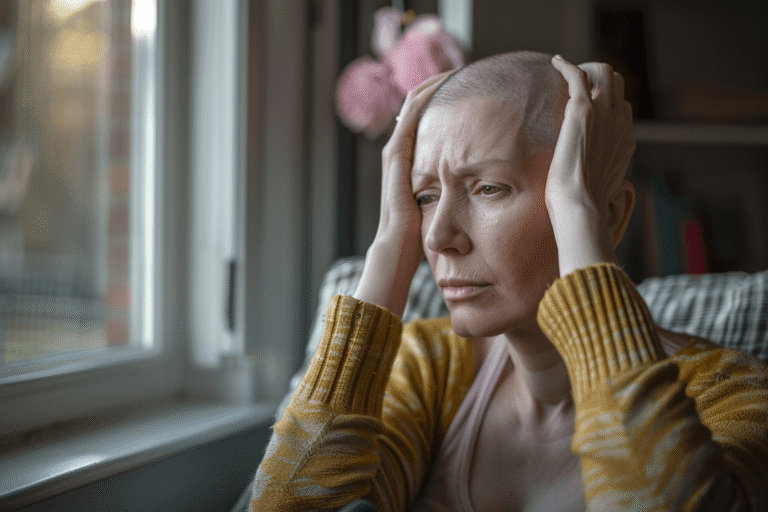
After treatment, the body may still feel weak. The mind may feel slower. Memory, focus, sleep, emotions, and confidence can all feel different. This is why life after brain tumor treatment can be confusing. On the outside, treatment may be complete. On the inside, healing is still happening. [2]
You may feel tired even after resting. You may forget simple things. You may struggle to return to work, manage family duties, or feel emotionally steady. These changes are not signs of failure. They are part of the recovery phase that many brain tumor patients experience after treatment. [4]
During treatment, there is usually a clear structure: appointments, scans, doctors, reports, and treatment plans. But once treatment ends, that structure often becomes lighter. This is when many patients feel alone, unsure, or under-supported. Life after brain tumor treatment still needs follow-up care, rehabilitation guidance, emotional support, and practical planning for daily life. [1]
Finishing treatment is a milestone. But for many patients, it is not the moment life returns to normal. It is the moment a different question begins: how do I live, think, work, and feel like myself again?
A complete recovery approach matters because life after brain tumor treatment is not only about surviving the disease. It is about rebuilding strength, clarity, confidence, independence, and quality of life. Many patients describe this stage as adjusting to a “new normal,” where life continues, but with new needs, new limits, and a new way of healing. [3]
Why Life After Brain Tumor Treatment Feels Different
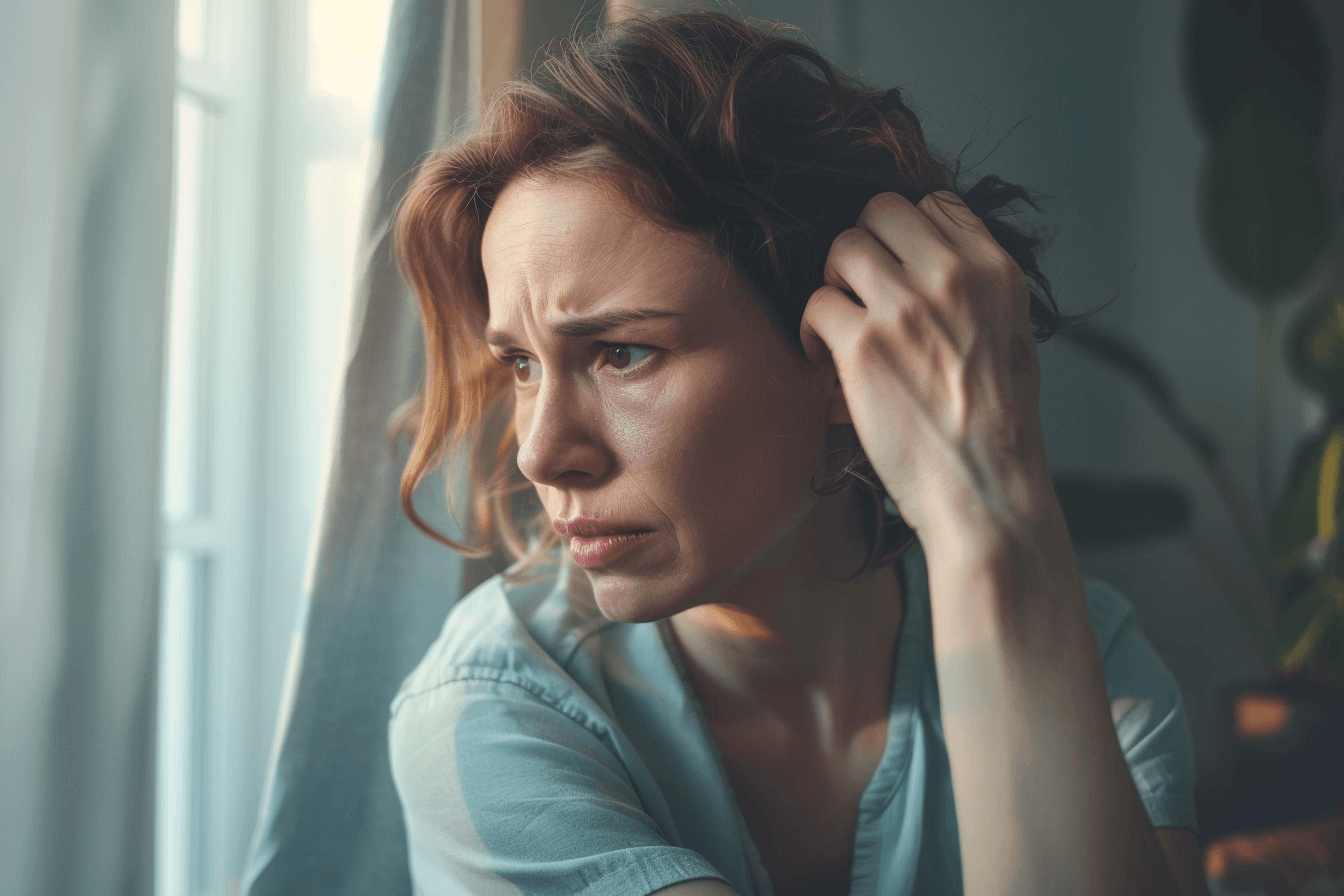
Life after brain tumor treatment can feel unfamiliar, even when everything on paper says treatment is complete. Many patients expect to feel relieved and gradually return to normal. But instead, they may notice that their energy, thinking, emotions, and daily functioning are not the same as before.
This can be frustrating. Some patients even start questioning themselves. “Why am I still tired?” “Why can’t I focus?” “Why don’t I feel like myself yet?”
It is important to understand that these experiences are not a sign of weakness, laziness, or lack of effort. They are often a natural part of recovery.
The brain is a sensitive and complex organ. Even after successful treatment, it may still be healing. Surgery, radiation, chemotherapy, medications, and even the tumor itself can affect how the brain functions. Seizures, sleep disturbances, stress, and emotional strain can also influence how you feel day to day. All of this can impact memory, concentration, mood, coordination, and overall mental clarity. [7], [6]
Recovery does not always follow a straight path. Some days you may feel better, more energetic, and closer to your usual self. Other days may feel heavy, slow, or exhausting without a clear reason. This pattern is common. Life after brain tumor treatment often includes ups and downs, and progress may feel uneven rather than steady.
Another important point is that not all effects resolve at the same pace. Some symptoms improve gradually with time, support, and rehabilitation. Others may require longer-term management, adjustments in lifestyle, or continued medical guidance. For example, certain treatments can affect thinking speed, memory, or behavior even months or years after therapy, which is recognized in clinical observations as well. [7]
This is why it is important to shift the expectation. Recovery is not about immediately becoming who you were before treatment. It is about understanding your current capacity, supporting your brain and body as they heal, and rebuilding your daily life step by step.
Once this is understood, many patients feel a sense of relief. Because instead of blaming themselves, they begin to see that what they are experiencing is real, valid, and part of the recovery journey.
Table : Life After Brain Tumor Treatment, What Patients May Experience
| Recovery Area | What Patients May Notice | Why It Matters |
|---|---|---|
| Energy | Fatigue, low stamina, need for rest | Can affect work, walking, household tasks, and confidence |
| Thinking | Brain fog, slower processing, memory lapses | May make planning, reading, conversations, and decisions harder |
| Emotions | Anxiety, sadness, irritability, fear of recurrence | Can affect sleep, relationships, and motivation |
| Movement | Weakness, balance problems, coordination issues | May require rehabilitation or safety support |
| Speech and communication | Word-finding difficulty, slower speech, confusion | Can affect social life and work confidence |
| Daily routine | Difficulty managing tasks, appointments, medicines | Shows why structured recovery planning is important |
The Four Challenges Patients Commonly Face After Treatment

Life after brain tumor treatment can feel confusing because symptoms often come together, not separately. A patient may feel tired, emotionally sensitive, mentally slower, and less confident at the same time. When these changes are not explained properly, patients may start blaming themselves. But these challenges are real, and they deserve proper attention.
Physical Fatigue
Fatigue after brain tumor treatment is not the same as normal tiredness. Normal tiredness usually improves after sleep, rest, or a quiet day. Cancer-related fatigue can feel deeper. It may stay even after sleeping well. It can affect walking, speaking, thinking, working, and even simple household tasks. The National Cancer Centre Singapore explains that cancer-related fatigue may not be fully relieved by sleep or rest and can negatively affect quality of life. [8]
This is why patients should not feel guilty if they cannot return to their old routine immediately. The body may still be recovering from treatment, medications, stress, reduced activity, sleep disturbance, or the neurological impact of the tumor itself.
Brain Fog and Slower Thinking
Many patients describe brain fog as feeling mentally slow. They may struggle to concentrate, remember names, follow conversations, find the right words, process information, or manage complex tasks. Something simple, such as reading a document, planning the day, paying bills, or replying to messages, may suddenly feel mentally heavy.
This does not mean the patient is careless or losing motivation. Cognitive changes after brain tumor treatment can be linked with the tumor, radiation, chemotherapy, surgery, seizures, fatigue, sleep problems, stress, or medications. These symptoms may improve gradually, but some patients need cognitive rehabilitation, daily routines, reminders, and continued support. [7], [17]
Emotional Changes
Life after brain tumor treatment can also affect emotional balance. A patient may feel anxious before scans, irritable without knowing why, sad about changes in the body, or fearful that the tumor may return. Sleep may become disturbed. Confidence may reduce. Even small symptoms can create worry because the patient has already gone through a serious diagnosis.
These emotions are not weakness. They are part of the psychological weight of living after brain tumor treatment. Fear of recurrence is common after cancer treatment and may become stronger around follow-up appointments, scans, symptoms, or anniversaries of diagnosis. [22]
Reduced Confidence in Daily Life
One of the most painful parts of recovery is needing help with things that once felt simple. Cooking, driving decisions, work tasks, parenting, social interaction, financial planning, or even organizing the day may require more effort than before. This can affect dignity and self-image.
The hardest part is not always the symptom itself. It is the gap between who the patient was before treatment and what daily life feels like now.
This is why recovery should not be judged only by reports or scans. A patient may be medically stable but still struggling to live confidently. Life after brain tumor treatment needs physical support, cognitive support, emotional care, and practical guidance so the patient can rebuild daily life with more stability and confidence. [24]
Why This Phase Often Feels Overlooked

Life after brain tumor treatment often feels overlooked because the healthcare system is usually most active during diagnosis and treatment. At that time, everything feels organized. There are scans, appointments, surgery discussions, radiation plans, chemotherapy schedules, medications, and clear instructions. Even though the journey is difficult, the patient is surrounded by structure.
After treatment ends, that structure often becomes lighter.
This does not mean doctors do not care. It means most medical systems are designed first to diagnose the disease, treat the tumor, monitor response, and watch for recurrence. But the daily reality of recovery, fatigue, brain fog, emotional fear, family pressure, work difficulties, and reduced confidence may not always receive the same level of detailed guidance.
During treatment, patients are surrounded by a system. After treatment, many are handed back their life, but not always a clear recovery map.
This is why many patients feel alone after treatment. Family members may expect them to feel better. Friends may assume the difficult part is finished. But the patient may still be learning how to manage energy, memory, mood, sleep, speech, movement, or fear of recurrence. This gap can make recovery feel confusing and emotionally heavy.
A better approach is to treat life after brain tumor treatment as a structured phase of care, not as an afterthought. Patients need follow-up planning, symptom tracking, rehabilitation guidance, emotional support, and practical advice for returning to daily life. The American Cancer Society advises patients to discuss a survivorship care plan after brain or spinal cord tumor treatment, including follow-up appointments, monitoring for late or long-term effects, and healthy living guidance. [1]
When recovery is properly supported, patients feel less abandoned and more prepared. They understand what to watch for, when to ask for help, and how to rebuild life step by step.
What Follow-Up Care Should Include

Life after brain tumor treatment should not feel like the patient is left alone to guess what is normal and what is not. Follow-up care gives structure to recovery. It helps the medical team monitor the disease, review side effects, support daily function, and guide the patient through the next phase of healing.
Regular Medical Follow-Up
Follow-up care may include visits with different specialists depending on the patient’s condition. This may involve the oncologist, neurologist, neurosurgeon, radiation oncologist, primary care doctor, rehabilitation specialist, physiotherapist, occupational therapist, or mental health professional.
These visits are not only for reviewing reports. They are also a chance to talk about how the patient is actually living after treatment: energy level, sleep, thinking ability, mood, movement, speech, seizures, work capacity, and confidence in daily life. The American Cancer Society highlights that follow-up after brain or spinal cord tumor treatment may include exams, tests, monitoring for long-term effects, and guidance for staying healthy after treatment. [1]
Scans and Monitoring
MRI or other imaging may be used during follow-up, but the schedule is not the same for every patient. It depends on the tumor type, tumor grade, location, treatment received, symptoms, and the medical practice followed in that country.
This is why patients should avoid comparing their scan schedule with someone else’s. One patient may need closer monitoring, while another may have a different follow-up plan. The right schedule should always be decided by the treating medical team.
Side Effect Review
A good follow-up visit should not be limited to asking whether the tumor has returned. The care team should also ask about fatigue, sleep, mood, memory, concentration, seizures, headaches, balance, movement, speech, vision, medication side effects, and daily functioning.
Follow-up care is not only about checking whether the tumor has returned. It is also about helping the patient recover from what treatment has changed.
This matters because many post-treatment problems are not always visible on scans. A patient may look stable medically but still struggle with brain fog, emotional changes, weakness, poor sleep, or difficulty returning to work and family responsibilities.
When to Report Symptoms
Patients should not wait quietly until the next appointment if they notice new or persistent symptoms. The Canadian Cancer Society advises patients to contact their healthcare team without waiting for the next scheduled visit if they develop symptoms such as headaches, seizures, or changes in neurological function, including sensation, motor skills, or personality. [13]
This is especially important if there are new or worsening headaches, seizures, weakness, numbness, balance problems, speech difficulty, vision changes, confusion, personality changes, severe fatigue, or symptoms that interfere with daily life.
Reporting symptoms early is not overreacting. It helps the care team understand what is happening and decide whether the patient needs reassurance, medication review, rehabilitation support, imaging, or urgent medical attention.
Recovery Is a System, Not a Hope

Life after brain tumor treatment becomes easier to understand when recovery is seen as a system, not just a waiting period. Many patients are told to rest, stay positive, and attend follow-up appointments. These things matter, but they are not always enough. Real recovery needs structure.
A patient may need help with strength, balance, memory, speech, fatigue, emotions, work, family roles, and daily planning. These needs are connected. If fatigue is not managed, thinking becomes harder. If thinking becomes harder, confidence drops. If confidence drops, the patient may avoid work, social life, or independence. This is why recovery should be planned as a whole-person process, not treated as separate symptoms.
Physical Rehabilitation
Physical rehabilitation may include physiotherapy, physical therapy, occupational therapy, balance training, strength-building, mobility support, and help with daily activities. Some patients may need support with walking, coordination, weakness, stiffness, fine motor skills, or household tasks.
This is not only about exercise. It is about helping the patient safely return to daily function. A rehabilitation plan can support independence, reduce fall risk, improve stamina, and help the patient feel more secure in the body again. NICE also emphasizes access to neurological rehabilitation for adults with brain tumours, including support for physical, cognitive, emotional, and psychological needs. [11]
Cognitive Rehabilitation
Cognitive rehabilitation focuses on how the brain works in daily life. After brain tumor treatment, some patients may struggle with memory, attention, planning, word-finding, mental speed, or cognitive fatigue. These issues can make ordinary tasks feel heavy, such as following a conversation, cooking, managing appointments, reading, working, or making decisions.
The National Cancer Centre Singapore notes that cancer treatment-related attention, thinking, and memory problems may improve over time, but they may also be long term for some patients. Patients may be referred to cognitive rehabilitation programs when these symptoms affect daily life. [17]
This kind of support can include memory strategies, written routines, planning tools, rest breaks, speech support, task simplification, and gradual mental activity. The goal is not to pressure the patient to “think faster.” The goal is to help the patient function better with the capacity they currently have.
Emotional and Psychological Support
Recovery is not only physical. Many patients carry fear, grief, irritability, anxiety, sadness, sleep disturbance, or fear of recurrence after treatment. Some feel guilty because they survived but still do not feel normal. Others feel pressure to be grateful, even when they are struggling silently.
Emotional support may include counseling, support groups, anxiety management, relaxation practices, caregiver support, and open conversations with the medical team. Fear of cancer returning is common after treatment and may increase around scans, follow-up visits, new symptoms, or anniversaries of diagnosis. [22]
This support matters because emotional stress can affect sleep, energy, appetite, concentration, family relationships, and recovery confidence.
Return-to-Work or Return-to-School Planning
Returning to work or school should be planned carefully. Some patients may return quickly, while others need reduced hours, lighter duties, flexible schedules, rest breaks, remote work, role adjustments, or occupational health support where available.
Cancer Research UK notes that returning to work after brain tumour treatment may depend on the type of tumor, where it was in the brain, the treatment received, and the kind of work the person does. [2]
This is why patients should not compare themselves with others. A desk job, a driving job, a teaching role, a physically demanding job, and a high-pressure executive role all require different levels of energy, attention, memory, and emotional stability. A gradual return is often more realistic than forcing full performance too early.
Practical Life Support
Practical recovery support is often ignored, but it can make a major difference. Patients may need help organizing medicines, tracking appointments, arranging transport, managing documents, planning meals, handling finances, or communicating with employers, schools, or family members.
Caregiver planning is also important. Family members may want to help but may not know how. A structured plan can make responsibilities clearer and reduce emotional pressure on both the patient and caregiver.
A structured recovery plan should look beyond scans and treatment completion. Learn more in our guide to the Complete Recovery Approach in Glioma Care.
Table : Recovery Support Map After Brain Tumor Treatment
| Patient Need | Helpful Support | Recovery Goal |
|---|---|---|
| Physical weakness | Physiotherapy, balance training, mobility support | Safer movement and better independence |
| Brain fog | Cognitive rehabilitation, reminders, routines | Better memory, attention, and planning |
| Emotional stress | Counseling, support groups, caregiver support | Reduced fear and better coping |
| Work or study | Flexible hours, reduced workload, phased return | Safer return without burnout |
| Daily organization | Medicine schedule, appointment tracking, family planning | Less confusion and more control |
| Caregiver pressure | Shared responsibilities and respite | Better support without caregiver burnout |
Country-Specific Recovery Considerations

Life after brain tumor treatment is personal, but the recovery challenges are often similar across countries. Patients in the USA, UK, Australia, Singapore, and Canada may follow different healthcare pathways, but the real needs are usually the same: clear follow-up, symptom support, rehabilitation, emotional care, and practical guidance for returning to daily life.
United States
In the United States, recovery after brain tumor treatment often depends on a clear survivorship care plan. This may include follow-up appointments, MRI or other imaging schedules, medication review, rehabilitation referrals, emotional support, caregiver support, and guidance on diet, physical activity, and long-term side effects.
Insurance continuity also matters. Patients may need to confirm coverage for follow-up scans, rehabilitation, counseling, seizure medication, specialist consultations, and supportive therapies. Without a clear plan, recovery can feel fragmented.
The American Cancer Society explains that follow-up after brain or spinal cord tumor treatment may include exams, tests, monitoring for long-term effects, lifestyle guidance, and watching for recurrence or progression. [1]
United Kingdom
In the United Kingdom, recovery may involve consultant follow-up, GP involvement, specialist nurses, and referral to supportive services when needed. Many patients may also benefit from physiotherapy, occupational therapy, speech and language therapy, dietetic advice, social support, and phased return-to-work planning.
This team-based approach matters because brain tumour recovery is rarely limited to one symptom. A patient may need help with walking, speech, fatigue, memory, emotional adjustment, work confidence, and family routines at the same time.
Cancer Research UK highlights that different healthcare professionals may support recovery after brain tumour treatment, including physiotherapists, occupational therapists, speech and language therapists, social workers, dietitians, nurses, and pharmacists. [2]
Australia
In Australia, one of the most important parts of recovery is adjusting to a new routine. After treatment, patients may feel pressure to return to normal life, even when their body and mind are still healing. This can affect energy, mood, family roles, confidence, work, and social life.
Patients and families may need emotional support, practical guidance, Cancer Council support services, and time to adjust to physical and emotional changes. Recovery should happen at the patient’s pace, not according to outside expectations.
Cancer Council NSW notes that people may feel pressure to return to “normal life” after brain cancer treatment and that patients and families may need time to adjust to physical and emotional changes. [3]
Singapore
In Singapore, recovery after brain tumor treatment may involve cancer rehabilitation, fatigue management, cognitive rehabilitation, and multidisciplinary support. Patients may need help with strength, numbness, memory, concentration, mobility, daily routines, and return to work.
The National Cancer Centre Singapore explains that cancer and its treatment can cause fatigue, memory problems, numbness, and other issues that may make it harder to return to normal life or work during or after treatment. This is why rehabilitation should not be seen as optional weakness. It is often a practical bridge between treatment completion and real-life recovery. [5]
Canada
In Canada, follow-up care after brain and spinal cord tumour treatment may involve cancer specialists, family doctors, neurological exams, imaging such as MRI when appropriate, symptom monitoring, medication review, and long-term observation for recurrence or treatment effects.
Patients should also report symptoms early rather than waiting for the next visit. Headaches, seizures, changes in sensation, motor skills, personality, speech, vision, or balance should be discussed with the healthcare team.
The Canadian Cancer Society describes follow-up care as an important part of care after brain and spinal cord tumour treatment because it helps with recovery from side effects and monitors for signs of recurrence. [13]
Across all five countries, the central lesson is the same: recovery should not be left to chance. A patient may finish treatment in a hospital, but real recovery continues at home, at work, in relationships, and in daily life.
Table : Country-Specific Recovery Considerations
| Country | Recovery Focus | Why Patients Should Ask |
|---|---|---|
| USA | Survivorship care plan, insurance continuity, rehabilitation referral | To avoid fragmented follow-up and missed support |
| UK | Consultant follow-up, GP involvement, specialist nurse support | To access rehabilitation and phased return planning |
| Australia | New routine, emotional support, family adjustment | To reduce pressure to return to normal too quickly |
| Singapore | Cancer rehabilitation, cognitive support, fatigue management | To improve daily function and return-to-work confidence |
| Canada | Shared follow-up, MRI monitoring, symptom reporting | To track recurrence risk and manage side effects early |
How Caregivers Can Support Recovery Without Taking Over

Life after brain tumor treatment is not only difficult for the patient. It can also be deeply challenging for caregivers. A spouse, parent, child, sibling, or close friend may suddenly become responsible for appointments, medicines, emotional support, transport, meals, reports, and daily decisions. This support is valuable, but it must be given in a way that protects the patient’s independence.
The goal of caregiving is not to do everything for the patient. It is to help the patient recover as much control, confidence, and dignity as possible.
Caregivers can help by keeping appointment dates organized, writing down questions before medical visits, taking notes during consultations, and tracking changes in symptoms. This is especially useful when the patient has memory problems, fatigue, brain fog, or emotional overwhelm. A simple notebook or phone document can help the family remember what the doctor said, what medicines were changed, and what symptoms need watching.
Caregivers should also watch for new or worsening symptoms, such as headaches, seizures, weakness, balance problems, speech changes, confusion, personality changes, sleep disturbance, or sudden decline in daily function. The role is not to panic over every small change, but to notice patterns and communicate clearly with the healthcare team when something feels different. [13]
At home, support should feel calm, not controlling. Many patients need rest, but they do not want to feel useless. Caregivers can help by creating a quiet routine, reducing loud noise, limiting too many visitors, helping with meals and medicines, and allowing the patient to take breaks without guilt. Overstimulation can make fatigue, irritability, and brain fog worse, so a peaceful home environment can become part of recovery.
Medication routines are another important area. Patients may need help remembering tablets, seizure medicines, pain medicines, sleep medicines, or supplements recommended by their care team. A weekly pill organizer, written schedule, or phone reminder can reduce confusion and avoid missed doses.
At the same time, caregivers should encourage independence wherever it is safe. If the patient can make tea, fold clothes, walk slowly, read, write, or manage a small task, allow them to do it. Small acts of independence rebuild confidence. Doing everything for the patient may feel loving, but over time it can make the patient feel weaker, more dependent, or less in control.
Caregivers also need care. Recovery can be long, emotional, and unpredictable. The American Cancer Society notes that caregiver burnout may include physical, emotional, and mental exhaustion, with signs such as fatigue, stress, withdrawal, frustration, anger, loneliness, or helplessness. [26] Caregivers should not ignore their own sleep, food, rest, emotional health, or social support.
The best caregiver is not the one who carries everything silently. The best caregiver is the one who supports the patient steadily while also protecting their own strength. In brain tumor recovery, both the patient and caregiver need guidance, patience, and compassion.
Returning to Daily Life: A Practical Recovery Map

Life after brain tumor treatment becomes less overwhelming when recovery is broken into small, realistic steps. The goal is not to force life back to normal in one sudden jump. The goal is to rebuild daily function with patience, structure, and the right support.
Returning to Home Life
Home is often where patients first notice how much has changed. Simple tasks such as cooking, cleaning, bathing, organizing medicines, reading messages, or managing visitors may feel more tiring than expected.
This is why pacing matters. Patients may need short activity periods, planned rest breaks, quieter routines, and simpler daily tasks. It is also helpful to keep important items in fixed places, use reminders, reduce clutter, and avoid doing too many things at once.
Asking for help is not failure. It is part of safe recovery. Support with meals, transport, medicines, shopping, or household tasks can protect energy while the brain and body continue healing. [17], [18]
Returning to Work or Study
Returning to work or study should be gradual whenever possible. Some patients may need flexible hours, reduced workload, remote work, fewer meetings, extra breaks, or lighter responsibilities in the beginning. Students may need extended deadlines, reduced study load, written instructions, or extra time for exams.
The biggest challenge is often cognitive workload. Concentration, memory, decision-making, screen time, noise, deadlines, and multitasking may feel harder after treatment. Fatigue planning is important because mental effort can drain energy as much as physical work.
Clear communication with an employer, school, college, or occupational health team can help create a safer return plan. The National Cancer Centre Singapore notes that returning to work after cancer treatment may involve tiredness, numbness, memory problems, concentration issues, workplace adjustments, and support from rehabilitation professionals when needed. [15]
Returning to Social Life
Social recovery is also important, but it should happen gently. Many patients want connection, but too much noise, conversation, travel, or emotional pressure can feel exhausting. A simple family visit may feel manageable, while a crowded event may feel overwhelming.
Patients may need to explain their limits clearly to friends and relatives. For example, they may say, “I want to meet, but I may need to leave early,” or “I can talk for some time, but I get tired quickly.” This helps prevent misunderstanding.
Avoiding isolation is important, but so is protecting emotional energy. Social life after brain tumor treatment should support recovery, not drain it.
Returning to Confidence
Confidence does not usually return because someone says, “Be strong.” It returns through repeated safe experiences. Walking a little farther, managing one household task, attending one short meeting, remembering an appointment, or spending time with family without feeling overwhelmed can slowly rebuild trust in the body and mind.
Recovery is not about proving you are the same as before. It is about discovering what support helps you live well now.
Some patients may return close to their previous routine. Others may need a new rhythm. Both are valid. What matters is not speed, but stability. A practical recovery map gives the patient permission to move forward without guilt, comparison, or pressure.
When to Contact Your Healthcare Team

Life after brain tumor treatment can bring many changes, and not all of them mean something serious. At the same time, it is important to know when to reach out to your healthcare team instead of waiting for the next appointment.
This is not about creating fear. It is about giving you clarity and confidence so you know when to ask for help.
You should contact your healthcare team if you notice new or worsening symptoms such as persistent headaches, seizures, or any sudden change in how you feel. Changes in strength, numbness, balance, speech, or vision should also be discussed, especially if they are new or gradually getting worse. These may be related to recovery, medications, or other treatable causes, but they should not be ignored. [13]
It is also important to speak up if there are changes in thinking, behavior, or personality. If you or your family notice increasing confusion, forgetfulness that feels different from before, or difficulty understanding or communicating, your medical team should be informed. These changes can sometimes be subtle, so caregiver input can be helpful.
Severe fatigue that interferes with basic daily life, such as getting out of bed, eating, bathing, or simple movement, should also be reported. While fatigue is common after brain tumor treatment, a sudden change or worsening pattern may need attention.
Emotional health matters just as much as physical recovery. If you experience ongoing low mood, anxiety, loss of interest in daily life, or thoughts of self-harm, it is important to reach out. These feelings are more common than many patients realize, and support is available.
Medication side effects should also be discussed. This may include dizziness, sleep disturbance, mood changes, appetite changes, or unusual physical symptoms. Sometimes a small adjustment can make a significant difference in how you feel.
Reporting symptoms early is not overreacting. It gives your care team the chance to understand what is happening and support you sooner.
Most of the time, these symptoms do not mean the tumor has returned. But they do mean your body is asking for attention. Listening early helps you stay safer, feel more in control, and move forward with more confidence.
Table : Normal Recovery Changes vs Symptoms to Report
| Common Recovery Change | Contact Your Healthcare Team If |
|---|---|
| Mild fatigue after activity | Fatigue suddenly worsens or affects eating, bathing, or walking |
| Occasional forgetfulness | Confusion becomes worse or daily decisions become difficult |
| Mild headache | Headaches are new, severe, persistent, or worsening |
| Emotional ups and downs | Depression, panic, hopelessness, or thoughts of self-harm appear |
| Slower thinking | Speech, vision, balance, or personality changes develop |
| Medication tiredness | Dizziness, mood changes, seizures, or unusual side effects occur |
A More Complete Recovery Perspective
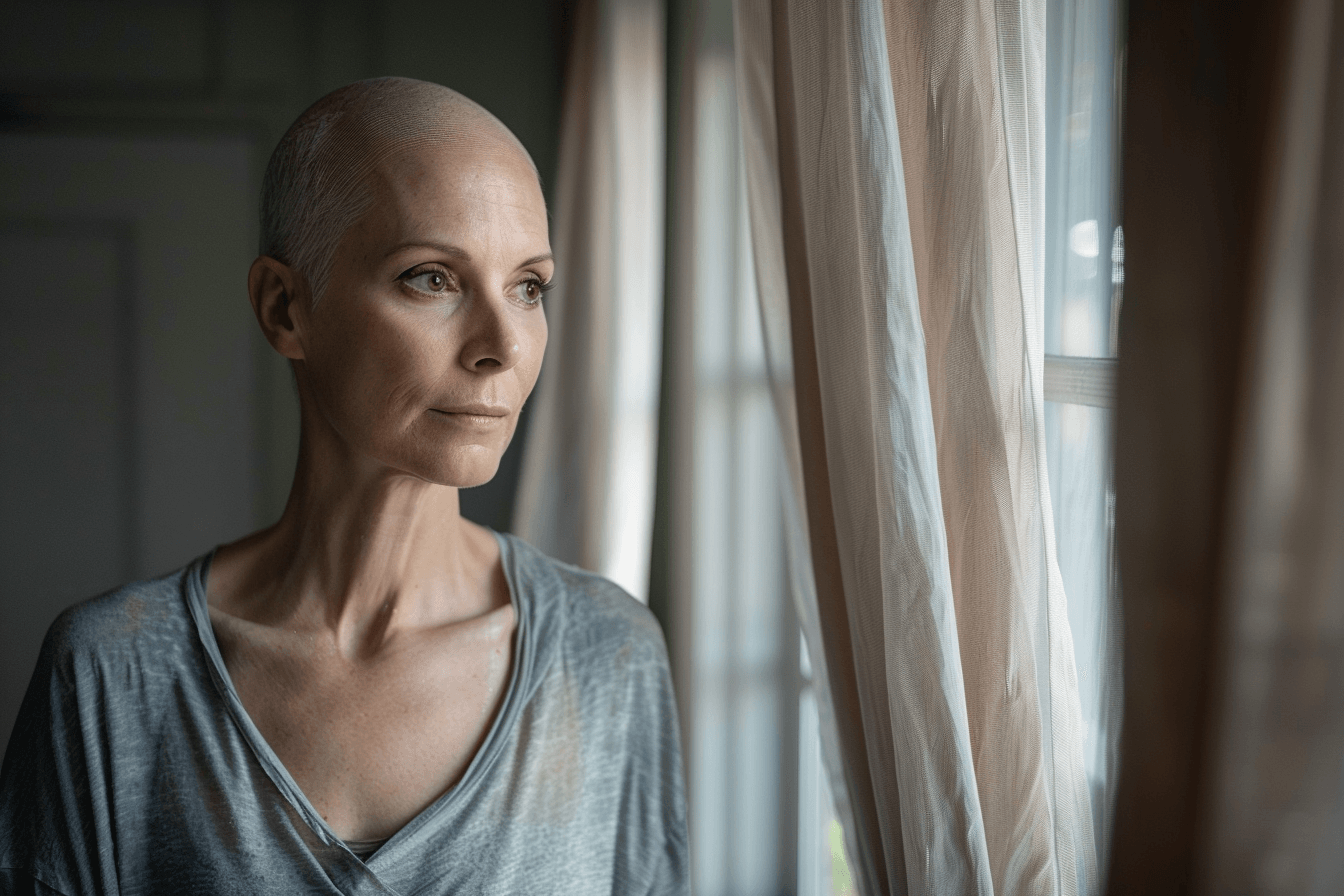
Life after brain tumor treatment cannot be measured by scans alone. A report may show stability, but the real question is how the person is living each day. Are they able to think clearly, manage their energy, sleep well, handle emotions, return to work, connect with family, and feel confident in their routine?
Recovery should be personal. It depends on the type and grade of the tumor, where it was located in the brain, what treatment was given, and how the brain and body responded. Some patients may struggle more with movement. Others may find thinking, memory, or emotional balance more challenging. Fatigue, cognition, and neurological symptoms all play a role in shaping recovery.
At the same time, recovery is not only medical. It is deeply connected to real life. A person’s work, family responsibilities, financial situation, support system, and personal goals all influence how recovery should be planned. Caregiver needs also matter, because recovery is often a shared journey.
A complete recovery approach does not treat the scan as the only outcome. It asks a wider question: how is the person living, thinking, moving, sleeping, working, relating, and coping after treatment?
When recovery is viewed this way, it becomes more meaningful and more practical. It shifts from waiting and hoping to structured support and steady progress. Instead of asking whether treatment is finished, the focus moves to whether life is becoming manageable, stable, and fulfilling again.
To understand how medical follow-up, rehabilitation, emotional care, and daily-life support fit together, read: Complete Recovery Approach in Glioma Care
Medical Review and Evidence Standard
This article has been prepared using patient-facing cancer guidance, national oncology resources, survivorship care recommendations, neurological rehabilitation guidance, and peer-reviewed research related to life after brain tumor treatment.
The information is designed for patients and caregivers in the USA, UK, Australia, Singapore, and Canada. It includes guidance from major cancer organizations such as the American Cancer Society, National Cancer Institute, Cancer Research UK, NICE, Cancer Council Australia, National Cancer Centre Singapore, Canadian Cancer Society, Macmillan Cancer Support, and The Brain Tumour Charity.
The article focuses on common post-treatment concerns including fatigue, brain fog, mood changes, fear of recurrence, rehabilitation needs, caregiver support, follow-up care, and return to daily life. It does not replace medical advice, diagnosis, imaging review, oncology treatment, neurology care, or emergency care.
Clinical Safety Note
Brain tumor recovery is highly individual. Symptoms depend on tumor type, tumor grade, tumor location, surgery, radiation therapy, chemotherapy, medications, seizures, neurological status, age, and general health. Patients should contact their healthcare team promptly if they develop new or worsening headaches, seizures, weakness, numbness, speech changes, vision changes, confusion, personality changes, severe fatigue, or sudden neurological symptoms.
Table : Brain Tumor Recovery Questions Patients Should Ask
| Question to Ask | Why It Helps |
|---|---|
| What symptoms should I report immediately? | Helps prevent dangerous delays |
| How often do I need follow-up scans? | Clarifies monitoring expectations |
| Can I be referred for rehabilitation? | Supports physical and cognitive recovery |
| Is my fatigue normal or concerning? | Helps distinguish expected recovery from warning signs |
| When can I return to work or study? | Prevents overexertion and burnout |
| What support is available for my caregiver? | Protects family wellbeing |
| How should I track mood, sleep, and memory changes? | Makes follow-up visits more useful |
FAQ
Is it normal to feel tired after brain tumor treatment?
Yes, many patients experience fatigue after treatment. Explain that cancer-related fatigue can be different from normal tiredness and should be discussed with the care team if it affects daily life.
Why do I have brain fog after brain tumor treatment?
Brain fog may be related to the tumor, treatment, medications, sleep problems, stress, seizures, or fatigue. Encourage patients to tell their healthcare team.
How long does recovery take after brain tumor treatment?
There is no single timeline. Recovery depends on the tumor type, location, treatment, symptoms, and the patient’s overall health.
Can I return to work after brain tumor treatment?
Some patients return to work, while others need reduced hours, a different role, or more time. Encourage discussion with the healthcare team and employer/occupational health where available.
What kind of rehabilitation may help after treatment?
Physical therapy, occupational therapy, speech and language therapy, cognitive rehabilitation, psychological support, and return-to-work support may help depending on symptoms.
When should I call my doctor after treatment?
Patients should contact their healthcare team about new or worsening symptoms, seizures, headaches, neurological changes, severe fatigue, or major mood changes.
Is follow-up care different in the USA, UK, Australia, Singapore, and Canada?
The structure may differ, but the core goals are similar: monitor the tumor, manage side effects, support recovery, and help the patient return to daily life as safely as possible.
Reference
[1] American Cancer Society. (2026). After brain tumor treatment in adults.
https://www.cancer.org/cancer/types/brain-spinal-cord-tumors-adults/after-treatment.html
Brief: Explains follow-up care, survivorship plans, monitoring, and long-term effects after brain tumor treatment.
[2] Cancer Research UK. (n.d.). Getting better after treatment for brain tumours.
https://www.cancerresearchuk.org/about-cancer/brain-tumours/living-with/getting-better
Brief: Covers recovery symptoms like fatigue, memory problems, seizures, and challenges returning to normal life.
[3] Cancer Council NSW. (n.d.). Life after treatment for brain cancer.
https://www.cancercouncil.com.au/brain-cancer/after-treatment/
Brief: Focuses on emotional and physical recovery, fear of recurrence, and adjusting to a new normal after treatment.
[4] National Cancer Institute. (2024). Finished with rare brain or spine tumor treatment.
https://www.cancer.gov/rare-brain-spine-tumor/living/finished-treatment
Brief: Highlights survivorship care, follow-up tests, and long-term effects after brain tumor therapy.
[5] National Cancer Centre Singapore. (n.d.). Cancer rehabilitation.
https://www.nccs.com.sg/your-care/patient-support/recovery-and-survivorship/cancer-rehabilitation
Brief: Explains rehabilitation needs including fatigue, memory issues, and return to daily life.
[6] National Cancer Institute. (2023). Memory or concentration problems and cancer treatment.
https://www.cancer.gov/about-cancer/treatment/side-effects/memory
Brief: Describes brain fog, memory loss, and cognitive changes due to cancer treatment.
[7] National Cancer Institute. (2024). Cognitive impairment in adults with cancer (PDQ®).
https://www.cancer.gov/about-cancer/treatment/side-effects/memory/cognitive-impairment-hp-pdq
Brief: Clinical-level explanation of cognitive decline including memory, processing speed, and executive function.
[8] National Cancer Centre Singapore. (n.d.). Cancer fatigue.
https://www.nccs.com.sg/your-care/patient-support/coping-with-cancer-and-treatments/fatigue
Brief: Explains causes of cancer-related fatigue and why it may not improve with rest.
[9] Macmillan Cancer Support. (n.d.). Coping with changes after brain tumour treatment.
https://www.macmillan.org.uk/cancer-information-and-support/brain-tumour/coping-with-changes-after-brain-tumour-treatment
Brief: Covers emotional, cognitive, and physical changes after treatment.
[10] Cancer Council Australia. (n.d.). After cancer treatment.
https://www.cancer.org.au/cancer-information/living-and-coping-with-cancer/after-cancer-treatment
Brief: Explains post-treatment adjustment including emotional, financial, and lifestyle challenges.
[11] NICE. (2021). Neurological rehabilitation (Quality Statement 5).
https://www.nice.org.uk/guidance/qs203/chapter/Quality-statement-5-Neurological-rehabilitation
Brief: Recommends structured neurological rehabilitation after brain tumor treatment.
[12] NICE. (2018, updated 2021). Brain tumours guideline NG99.
https://www.nice.org.uk/guidance/ng99
Brief: UK clinical guideline covering diagnosis, treatment, follow-up, and rehabilitation.
[13] Canadian Cancer Society. (n.d.). Follow-up after brain and spinal cord tumours.
https://cancer.ca/en/cancer-information/cancer-types/brain-and-spinal-cord/treatment/follow-up
Brief: Explains follow-up schedules, symptom monitoring, and when to contact doctors.
[14] O’Donovan, B., et al. (2025). Rehabilitation needs after brain tumour diagnosis.
https://journals.plos.org/plosone/article?id=10.1371/journal.pone.0325266
Brief: Research showing long-term rehabilitation needs across physical, cognitive, and emotional domains.
[15] National Cancer Centre Singapore. (n.d.). Returning to work after cancer treatment.
https://www.nccs.com.sg/your-care/patient-support/recovery-and-survivorship/returning-to-work-after-cancer-treatment
Brief: Discusses gradual return to work and managing fatigue and cognitive issues.
[16] American Cancer Society. (2025). Cancer rehabilitation.
https://www.cancer.org/cancer/survivorship/coping/cancer-rehabilitation.html
Brief: Explains physical, emotional, and cognitive rehabilitation services after cancer.
[17] National Cancer Centre Singapore. (n.d.). Attention, thinking, and memory problems.
https://www.nccs.com.sg/your-care/patient-support/coping-with-cancer-and-treatments/attention-thinking-and-memory-problems
Brief: Practical guidance on managing cognitive symptoms after treatment.
[18] Canadian Cancer Society. (n.d.). Cognitive problems.
https://cancer.ca/en/treatments/side-effects/cognitive-problems
Brief: Explains causes of cognitive issues including treatment, fatigue, stress, and medications.
[19] Bower, J. E., et al. (2024). Management of fatigue in cancer survivors.
https://ascopubs.org/doi/10.1200/JCO.24.00541
Brief: Clinical guideline recommending exercise, CBT, and integrative approaches for fatigue.
[20] Vaz-Luis, I., et al. (2022). Cancer survivorship care (ESMO consensus).
https://www.sciencedirect.com/science/article/pii/S0923753422037929
Brief: Defines survivorship care domains including physical, psychological, and social recovery.
[21] Ayoson, J., et al. (2026). Cancer-related fatigue guidelines.
https://link.springer.com/article/10.1007/s11764-026-01973-y
Brief: Emphasizes ongoing fatigue screening and management after treatment.
[22] Maggie’s Cancer Support. (n.d.). Fear of cancer returning.
https://www.maggies.org/support-information/living-with-cancer/mental-health/fear-cancer-returning/
Brief: Explains emotional distress and fear of recurrence after treatment.
[23] The Brain Tumour Charity. (n.d.). Personality changes.
https://www.thebraintumourcharity.org/living-with-a-brain-tumour/side-effects/personality-changes/
Brief: Covers behavioral and personality changes after brain tumor or treatment.
[24] The Brain Tumour Charity. (n.d.). Fatigue and brain tumours.
https://www.thebraintumourcharity.org/living-with-a-brain-tumour/side-effects/fatigue-and-brain-tumours/
Brief: Patient-focused explanation of fatigue and its impact on quality of life.
[25] National Cancer Centre Singapore. (n.d.). Caring during recovery.
https://www.nccs.com.sg/your-care/caregiver-support/caring-for-someone-through-cancer-recovery
Brief: Explains caregiver responsibilities and patient support during recovery.
[26] American Cancer Society. (2025). Caregiver burnout.
https://www.cancer.org/cancer/caregivers/caregiver-resource-guide/caregiver-burnout.html
Brief: Explains caregiver fatigue, emotional stress, and need for caregiver support.