


- Why Patients Ask “Why Did This Happen to Me?”
- What Is a Glioma? A Simple Clinical Explanation Before Causes
- What the Patient Wants vs What the System Explains
- Why Gliomas Are Difficult to Link to One Cause
- Age-Wise Causes and Risk Patterns of Gliomas
- Teenage and Young Adult Gliomas: Why They Often Stay Hidden
- Middle Age Gliomas: The Phase of Accumulated Risk
- Older Adult Gliomas: Why Aggressive Gliomas Appear Suddenly
- Causes and Risk Factors by Glioma Type
- Proven and Suspected Risk Factors for Gliomas
- What Does Not Clearly Cause Glioma?
- Hidden Functional Changes Before Diagnosis
- Ayurvedic View of Glioma Causes
- Classical Ayurvedic References to Support the Causative Framework
- Why Modern Medicine and Ayurveda Ask Different Questions
- Patient Questions
- Why Cause Analysis Matters Before Choosing a Treatment Path
- Reference
- FAQ
Why Patients Ask “Why Did This Happen to Me?”
The emotional shock after a glioma diagnosis
Glioma causes are one of the first things patients try to understand after hearing the diagnosis. Many patients describe this moment as deeply confusing. One day they feel mostly normal, and then suddenly they are told there is a brain tumor. The first question that follows is simple but powerful: “I was healthy, so why did this happen to me?”
This reaction is natural. Gliomas often feel sudden because symptoms may appear only when the tumor starts disturbing a sensitive brain area. However, the biological process may begin long before the diagnosis. In many cases, abnormal cellular changes can slowly build inside glial cells before the patient notices any clear warning sign. This is why some patients feel completely shocked when the scan finally reveals the tumor. The disease may look sudden on the report, but the underlying process is often more complex and may have been developing silently over time.
Why the cause is rarely one single factor
A glioma usually cannot be explained by one food, one stressful event, one minor injury, or one lifestyle mistake. Modern research shows that gliomas are biologically complex tumors involving cellular mutations, molecular changes, age-related risk patterns, genetic susceptibility in some patients, immune behavior, radiation exposure in certain cases, and other environmental factors that are still being studied [1], [4], [6].
This is important because many patients silently blame themselves. They wonder whether they worked too much, used a phone too often, ate the wrong food, ignored headaches, or failed to prevent the disease. In most cases, that kind of self-blame is not medically fair. Glioma development is usually a multi-layered process. Some risks are known, such as ionizing radiation and rare inherited syndromes, but for many patients, there is no single clear cause [5], [6].
From an Ayurvedic perspective, this complexity can also be viewed through the internal terrain of the body. Ayurveda does not describe glioma by its modern molecular name, but deep neurological disease patterns can be interpreted through Majja Dhatu disturbance, aggravated Vata, impaired Agni, Ama accumulation, Srotorodha, and weakened Ojas. This gives a broader framework to understand why the body’s deeper tissues, neurological strength, and systemic resilience matter in long-term care [28], [29], [30], [32].
Why this article matters for treatment decisions
Understanding possible causes does not mean the patient can always find one exact answer. But it helps the patient think more clearly. When a person understands that glioma is linked with tumor type, grade, molecular markers, age, location, immune resilience, treatment history, and recurrence risk, they can ask better questions during consultation.
This matters because treatment decisions should not be based only on fear. A patient should understand whether the tumor is low-grade or high-grade, whether IDH mutation is present, whether 1p/19q co-deletion is relevant, how the tumor location affects symptoms, and why follow-up scans are important [1], [2]. A better understanding of causes also helps patients explore supportive integrative care more wisely, especially when the goal is to strengthen recovery, improve treatment tolerance, support neurological function, and reduce avoidable internal stress.
A complete approach should therefore look at both sides: the tumor and the patient. Modern medicine identifies the tumor type, grade, molecular profile, and treatment pathway. Ayurveda adds another layer by examining digestion, strength, sleep, mental stress, Prakriti, Dosha imbalance, Dhatu status, Srotas function, and Ojas. Together, this creates a more patient-centered way to understand not only what is growing in the brain, but why the whole body needs deeper support during and after glioma care.
Quick Clinical Snapshot
| Question | Simple Answer |
|---|---|
| Are gliomas always inherited? | No. Most glioma causes are not directly inherited. Only a small number are linked to genetic syndromes. |
| Can gliomas occur at any age? | Yes. Glioma causes vary by age, and these tumors can develop in children, young adults, middle-aged adults, and older individuals. |
| Is radiation a proven risk factor? | Yes. Ionizing radiation is one of the clearest known contributors among glioma causes. |
| Are lifestyle factors the only cause? | No. Lifestyle may influence overall health, but glioma causes usually involve deeper cellular mutations and biological processes. |
| Can Ayurveda explain glioma causes differently? | Yes. Ayurveda interprets glioma causes through internal imbalance, including Agni, Ama, Vata disturbance, Majja Dhatu involvement, Srotas obstruction, and Ojas depletion. |
What Is a Glioma? A Simple Clinical Explanation Before Causes
Gliomas arise from support cells of the brain
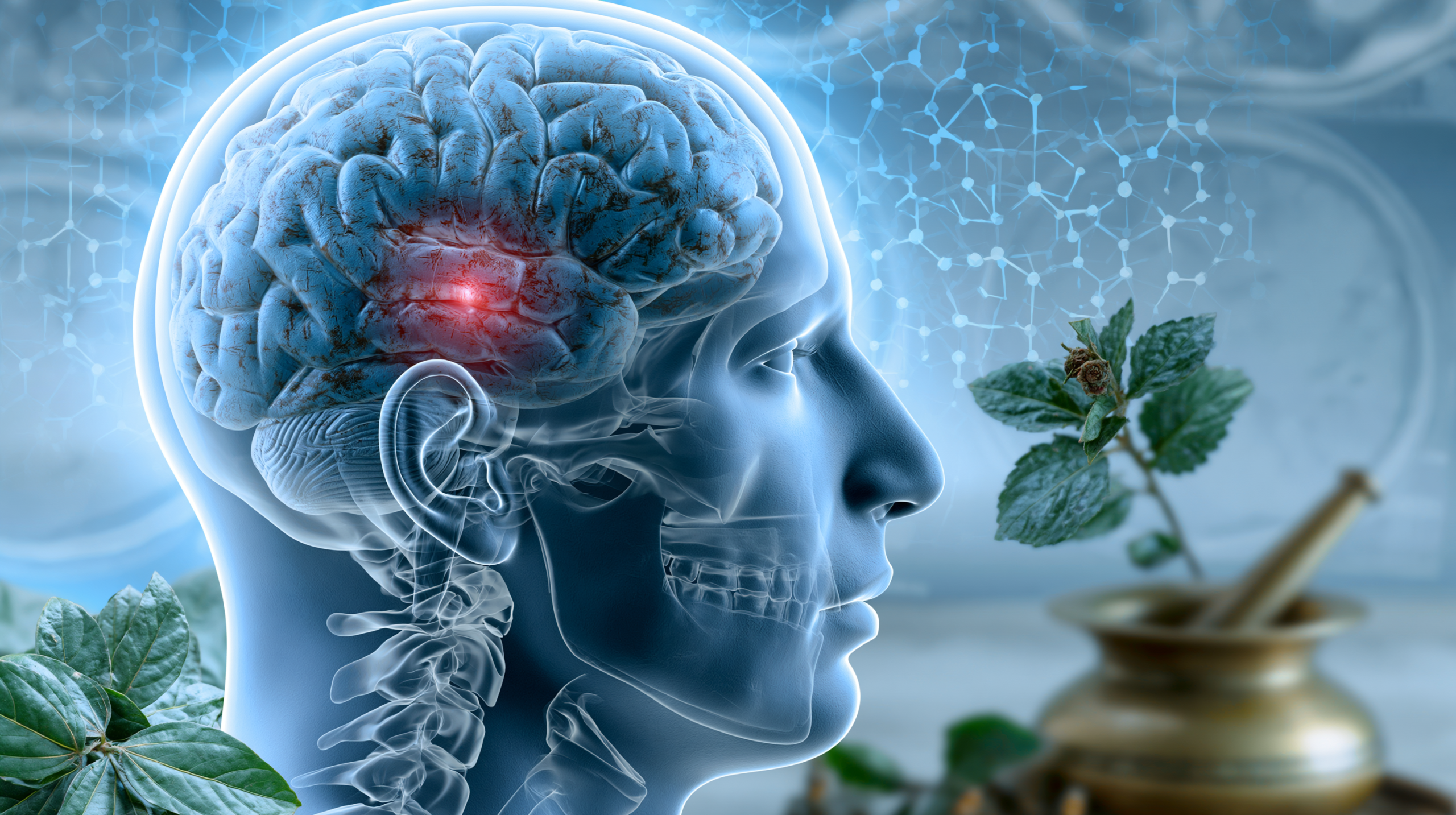
Glioma causes become easier to understand when patients first know where these tumors begin. A glioma is a tumor that develops from glial cells, the support cells of the brain and spinal cord. These cells help protect nerve cells, maintain the chemical environment around neurons, provide nourishment, support repair, and help the nervous system function properly.
Unlike neurons, glial cells are not mainly responsible for carrying thoughts, sensations, or movement signals. Their role is more like a support network. However, when these cells develop abnormal genetic or molecular changes, they may begin to multiply in an uncontrolled way. Over time, this abnormal growth can form a glioma inside the brain or spinal cord. Modern classification of gliomas now depends not only on how the tumor looks under the microscope but also on molecular markers such as IDH mutation and 1p/19q co-deletion. [1], [2]
Why gliomas behave differently from other tumors
Gliomas often behave differently from many other tumors because they may grow in an infiltrative pattern. This means the tumor cells can spread into nearby brain tissue instead of remaining as one clearly separated lump. Because the brain controls speech, memory, movement, vision, emotions, balance, and personality, even a small tumor in a sensitive area can cause major symptoms.
This is also why complete removal can be difficult. A surgeon may remove the visible tumor mass, but microscopic tumor cells may remain within surrounding brain tissue. Removing too much surrounding tissue may damage important brain functions. For this reason, treatment decisions usually depend on tumor type, grade, location, molecular profile, symptoms, and the patient’s overall condition.
Another important feature is the possibility of recurrence. Some gliomas can return after surgery, radiation, or chemotherapy because hidden tumor cells may remain active in the brain. This is why follow-up MRI scans and long-term monitoring are essential in glioma care. Understanding this behavior helps patients see why glioma treatment is not only about removing a tumor but also about managing a complex brain disease over time. [1], [2]
Main glioma types patients usually hear about
Patients commonly hear several glioma names during diagnosis or consultation. Each type has a different behavior, age pattern, and treatment approach.
Astrocytoma develops from astrocytes, a type of glial cell that supports and nourishes nerve cells. Astrocytomas may be low-grade or high-grade, and their behavior is strongly influenced by molecular features such as IDH status.
Oligodendroglioma arises from oligodendrocyte-type cells, which are linked with the protective covering around nerve fibers. These tumors are usually defined by specific molecular markers, especially IDH mutation and 1p/19q co-deletion.
Ependymoma develops from ependymal cells, which line the fluid-filled spaces of the brain and spinal cord. These tumors may affect cerebrospinal fluid flow and may occur in both children and adults.
Diffuse midline glioma usually develops in central brain structures such as the brainstem, thalamus, or spinal cord. It is more common in children and young patients and is often associated with H3 K27 alteration.
Glioblastoma is the most aggressive form of glioma. It usually grows rapidly, can invade surrounding brain tissue, and often causes symptoms that appear suddenly or progress quickly.
This is why the phrase “glioma causes” cannot be explained in one simple way. A low-grade astrocytoma in a young adult, an optic pathway glioma in a child, and a glioblastoma in an older patient may all fall under the glioma family, but their biology, speed, symptoms, and risk patterns can be very different. [1], [2], [20], [22]
What the Patient Wants vs What the System Explains
What patients want to know
When patients search for glioma causes, they are usually not looking only for a textbook definition. They want a personal answer. They want to know, “Why did this happen to me?” “Could I have prevented it?” “Will it come back?” “Is my family at risk?” “Did stress, mobile phone use, chemicals, diet, radiation, or past illness contribute to this tumor?”
These questions are natural because a glioma diagnosis creates uncertainty at many levels. The patient is not only facing a tumor; they are facing fear, guilt, confusion, and loss of control. Many patients silently blame themselves, especially when no clear cause is given. They may review their past lifestyle, work exposure, emotional stress, sleep habits, diet, injuries, infections, or family history, trying to find one definite reason.
However, in most glioma cases, the answer is not simple. Research shows that only a few risk factors, such as ionizing radiation and rare inherited syndromes, are clearly established. Many other possible associations remain uncertain or under investigation. This is why patients need a balanced explanation: one that answers their emotional questions without creating false blame or false certainty. [4], [5], [6]
What conventional consultations often focus on
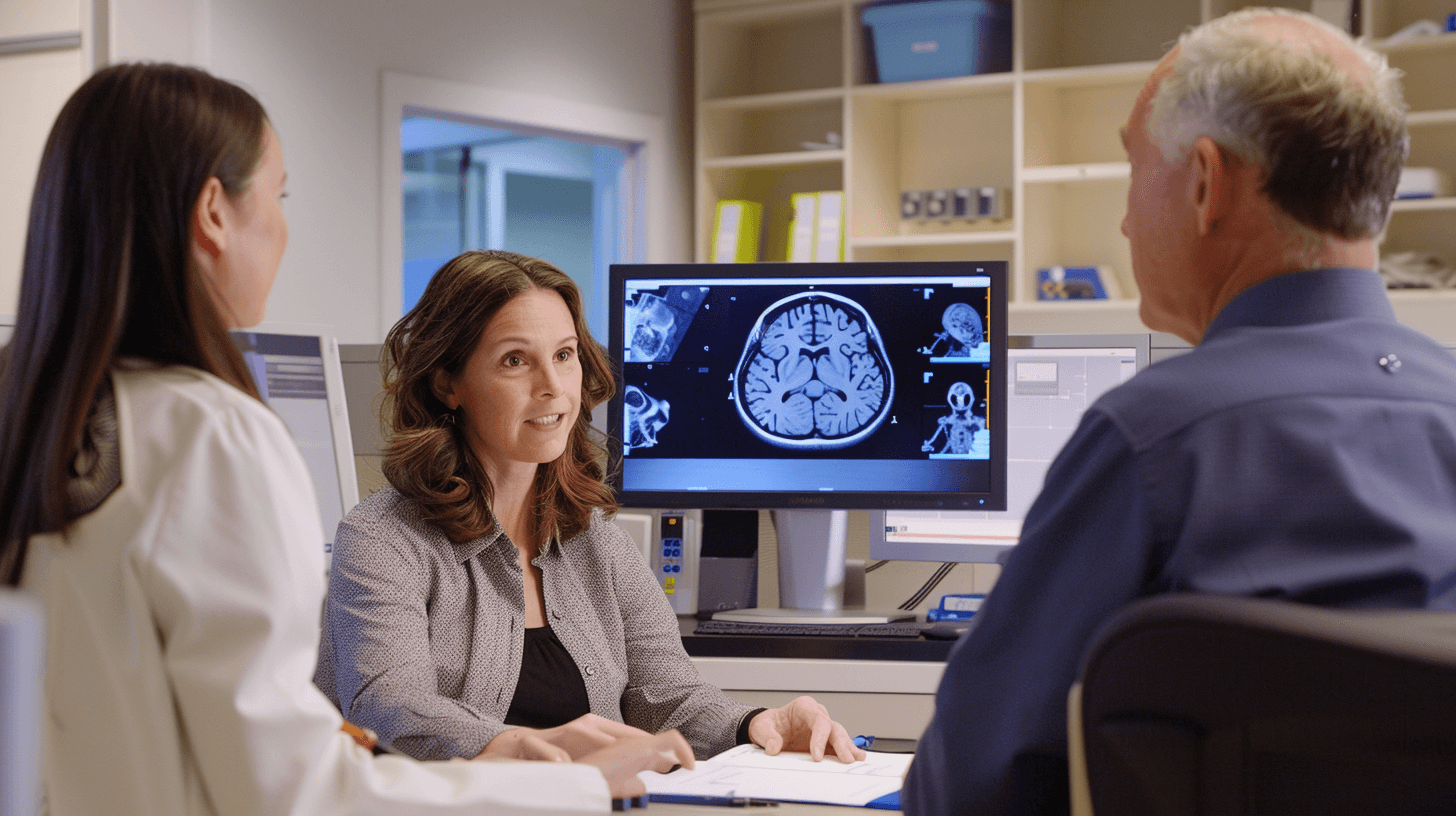
Conventional glioma consultations usually focus on urgent clinical priorities. These include MRI findings, tumor location, grade, biopsy results, molecular markers, surgery, radiotherapy, chemotherapy, anti-seizure medicines, steroid use, prognosis, and follow-up scans. This is necessary because treatment decisions depend heavily on tumor type, grade, molecular profile, neurological symptoms, and whether the tumor can be safely removed. [1], [2], [9]
For example, the doctor may discuss whether the tumor is an astrocytoma, oligodendroglioma, glioblastoma, ependymoma, or diffuse midline glioma. They may also explain molecular markers such as IDH mutation, 1p/19q co-deletion, MGMT promoter methylation, or H3 K27 alteration, depending on the tumor type. These details are clinically important because they influence diagnosis, prognosis, and treatment planning. [1], [2]
But from the patient’s side, this discussion can feel incomplete. The system may explain “what the tumor is” and “what treatment is needed,” but the patient still wants to understand “why the tumor developed” and “what can be done to support the body beyond the tumor-directed treatment.”
The communication gap
The communication gap around glioma causes is not always due to negligence. Often, it exists because glioma causation is genuinely complex. Modern medicine can identify tumor type, grade, location, and molecular features more clearly than ever before, but it still cannot provide one exact cause for most individual patients. Many gliomas arise from acquired cellular and molecular changes, not from a single obvious external trigger. [6], [7], [17]
This uncertainty can leave patients emotionally dissatisfied. A person may receive a technically correct explanation but still feel that their deeper question has not been answered. They may hear about surgery, radiation, chemotherapy, and scans, but not about their personal risk pattern, age-related vulnerability, family concern, immune resilience, environmental exposure, lifestyle background, or long-term recovery needs.
This is where a structured explanation becomes important. Patients need a framework that connects modern tumor biology with practical risk understanding. They need to know what is proven, what is suspected, what is not clearly established, and what still requires research. They also need reassurance that most gliomas are not caused by one mistake, one food, one stressful event, or one ordinary habit.
From an Ayurvedic perspective, this gap can be addressed further by looking at the patient’s internal terrain. Ayurveda evaluates Agni, Ama, Vata, Majja Dhatu, Srotas, Ojas, Prakriti, sleep, digestion, stress load, tissue strength, and systemic resilience. This does not replace modern diagnosis, but it adds a patient-centered layer for understanding why deeper body support may matter during glioma care. [28], [29], [30], [32]
The strategic opportunity
This article fills that gap by explaining glioma causes in a way that is clinically grounded, age-wise, patient-friendly, and integrative. Instead of giving one oversimplified answer, it helps the reader understand how gliomas may develop differently in children, young adults, middle-aged adults, and older patients.
It also separates proven facts from uncertain claims. For example, ionizing radiation is one of the clearest known environmental risk factors, while many lifestyle, occupational, mobile phone, stress-related, and environmental theories are still not proven as direct glioma causes. [4], [6], [24]
The goal is not to create fear. The goal is clarity. When patients understand the difference between cause, risk factor, tumor biology, age pattern, recurrence risk, and internal terrain, they can make better decisions. They can ask better questions during oncology consultations. They can understand why molecular testing matters. They can follow surveillance scans more seriously. They can also explore supportive integrative care more responsibly, without replacing essential medical treatment.
In this way, the article becomes more than an information page. It becomes a bridge between the patient’s deepest question and the clinical system’s necessary explanation. It respects both realities: the science of glioma biology and the patient’s need to understand the meaning behind the diagnosis.
Why Gliomas Are Difficult to Link to One Cause

Genetic mutation does not always mean inherited disease
One reason glioma causes are difficult to explain is that the word “mutation” often creates confusion. Many patients hear that their tumor has a genetic mutation and immediately worry that the disease is inherited or that their children may also be at risk. In most cases, this is not true.
There are two broad types of mutations to understand. Inherited mutations are passed through families and are present from birth in the body’s cells. These may increase the risk of certain cancers, including brain tumors, in a small number of patients. Examples include rare inherited conditions such as neurofibromatosis type 1, Li-Fraumeni syndrome, tuberous sclerosis complex, and other cancer predisposition syndromes.
Acquired mutations, on the other hand, develop during life inside specific cells. These are not usually inherited from parents and are not automatically passed to children. Many gliomas develop because glial cells acquire abnormal molecular changes over time. These changes may affect how the cell grows, repairs DNA, responds to signals, or controls its own division. Modern glioma diagnosis now uses molecular markers such as IDH mutation, 1p/19q co-deletion, H3 K27 alteration, and other features to classify tumors more accurately. However, finding a mutation in the tumor does not always mean the patient has an inherited disease. [1], [6], [7]
This distinction is important for reducing fear. A glioma can have genetic changes without being a family disease. If there is a strong family history of cancers, childhood tumors, multiple affected relatives, or features of a genetic syndrome, genetic counseling may be useful. But for most patients, glioma causes are not explained by direct inheritance alone.
Brain tumors can grow silently
Another reason glioma causes are difficult to identify is that the tumor may begin long before the patient feels sick. Early abnormal cellular changes may happen quietly inside glial cells. At this stage, the tumor may be too small, too slow-growing, or too functionally silent to create obvious symptoms.
The brain is a highly specialized organ, but not every region produces immediate warning signs when a tumor begins. Some gliomas, especially lower-grade gliomas, may grow slowly and remain unnoticed for months or even years. A patient may feel healthy until the tumor irritates the brain enough to cause a seizure, increases pressure, or affects an important functional area such as speech, movement, vision, memory, or balance.
This silent growth pattern makes patients feel as if the tumor appeared suddenly. In reality, the diagnosis may be sudden, but the biological process may not be. This is especially true when the first symptom is a seizure in a young adult or a sudden neurological change in an older patient. The scan reveals the tumor at one point in time, but it cannot always show exactly when the first abnormal cell changes began. [2], [7], [17]
Location matters as much as size
In gliomas, the seriousness of symptoms is not determined by size alone. Location matters as much as size, and sometimes even more. A small glioma in a highly sensitive brain region can cause early and dramatic symptoms, while a larger tumor in a less sensitive area may remain unnoticed for longer.
For example, a small tumor near the speech center may cause word-finding difficulty, slurred speech, or trouble understanding language. A tumor near the motor area may cause weakness, facial drooping, hand clumsiness, or walking difficulty. A tumor near the visual pathway may cause blurred vision, double vision, field loss, or visual neglect. A tumor irritating the seizure-prone cortex may first appear as a seizure, even when the patient had no previous neurological disease.
By contrast, a tumor in another region may grow larger before symptoms become obvious. This is why two patients with gliomas of similar size may have completely different experiences. One may be diagnosed early after a seizure, while another may be diagnosed later after subtle personality change, headache, memory decline, imbalance, or confusion.
This location-based behavior also affects treatment. Surgeons must balance tumor removal with preservation of brain function. A tumor close to speech, movement, vision, or memory pathways may be harder to remove completely without causing neurological damage. This is one reason glioma treatment often requires MRI planning, neurosurgical judgment, molecular diagnosis, and long-term follow-up. [1], [2], [9]
Risk factors are not the same as causes
Patients often search for one clear answer: “What caused my glioma?” But medically, a risk factor is not the same as a direct cause. A risk factor increases the probability of disease in a group of people, but it does not prove that the same factor caused the tumor in every individual patient.
For example, ionizing radiation is one of the clearest known environmental risk factors for brain and central nervous system tumors. This means that people exposed to significant ionizing radiation may have a higher risk compared with those not exposed. However, not every person exposed to radiation develops glioma, and many people with glioma have no known history of radiation exposure. [4], [6]
Similarly, inherited syndromes can increase risk, but most glioma patients do not have such syndromes. Environmental exposures, immune factors, occupational chemicals, mobile phone radiation, stress, diet, and lifestyle patterns have all been discussed or studied, but many of these areas remain uncertain. Some may influence general health, inflammation, sleep, immunity, or recovery capacity, but they are not always proven direct glioma causes. [5], [6], [24]
This distinction protects patients from unnecessary guilt. A glioma usually should not be blamed on one stressful year, one food habit, one emotional shock, one mobile phone, one minor head injury, or one ordinary lifestyle choice. The more accurate explanation is that glioma development usually involves a complex interaction of cellular mutations, age, tumor biology, genetic susceptibility in some cases, environmental exposure in certain cases, immune behavior, and deeper systemic resilience.
From an Ayurvedic perspective, this complexity can also be understood through the patient’s internal terrain. Ayurveda evaluates Agni, Ama, Vata, Majja Dhatu, Srotas, and Ojas to understand why deeper tissues may become vulnerable. This does not replace molecular diagnosis, but it helps explain why two patients with the same tumor label may have different strength, symptoms, treatment tolerance, recovery, and recurrence patterns. [28], [29], [30], [32]
Age-Wise Causes and Risk Patterns of Gliomas
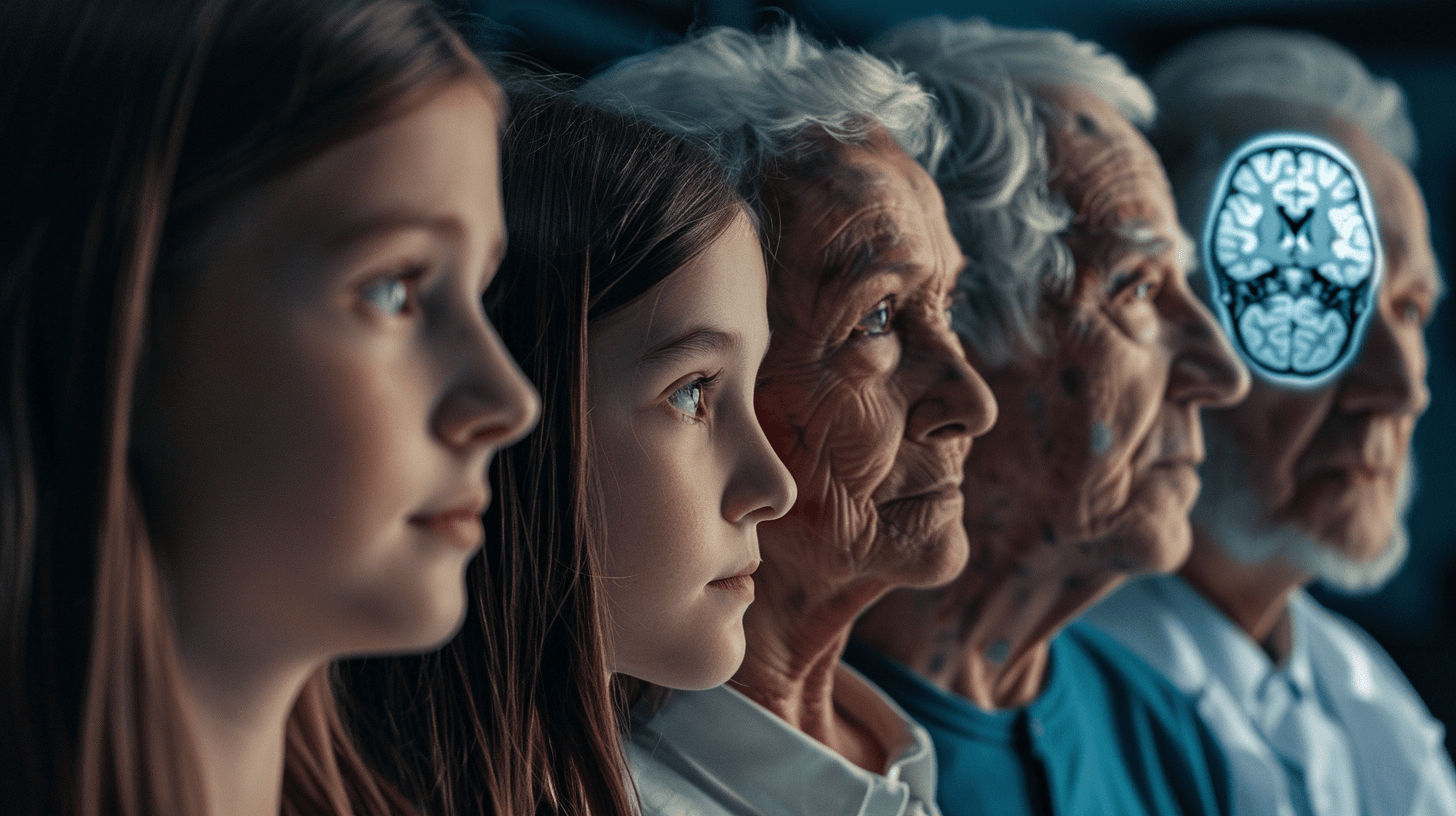
Childhood Gliomas: Causes and Risk Factors in Children
Developmental mutations during brain growth
Glioma causes in children are different from glioma causes in adults. In childhood, the brain and nervous system are still developing, and some gliomas may arise from early-life cellular changes that occur during this developmental period. These changes are usually not caused by one external event. Instead, they may involve abnormal molecular signaling inside developing brain cells, especially pathways that regulate cell growth, repair, and maturation. [6], [16]
Many pediatric low-grade gliomas are linked with molecular alterations affecting growth-control pathways, especially the MAPK pathway. This is different from many adult diffuse gliomas, where IDH mutation is often a central molecular feature. In simple language, childhood gliomas often develop because certain brain cells receive abnormal growth signals during early nervous system development. These abnormal signals may allow glial cells to grow when they should remain controlled. [16]
This is why pediatric gliomas should not be understood as “small adult gliomas.” Their biology, growth speed, location, symptoms, and treatment response can be very different from gliomas seen in middle-aged or older adults. A child may develop a low-grade glioma in the optic pathway, cerebellum, brainstem, hypothalamus, or other brain regions, and the clinical behavior depends heavily on tumor location and molecular pattern. [3], [16]
Genetic syndromes linked with pediatric glioma
Some children develop gliomas because of inherited cancer-predisposition or neurocutaneous syndromes. These are not the most common explanation for every child with glioma, but they are important because they can change screening, family counseling, monitoring, and treatment planning. [6], [15], [16]
Neurofibromatosis type 1, also called NF1, is one of the best-known genetic conditions linked with pediatric glioma. Children with NF1 are especially associated with optic pathway gliomas, which may affect the optic nerve, optic chiasm, or visual pathway. GeneReviews notes that symptomatic optic pathway gliomas in NF1 usually present before the age of six, often with visual problems such as reduced visual acuity, proptosis, or strabismus. [15]
Tuberous sclerosis complex, or TSC, is another inherited condition that may involve brain tumors. One important tumor associated with TSC is subependymal giant cell astrocytoma, also called SEGA. SEGA is generally slow-growing and is strongly linked with tuberous sclerosis complex. These tumors may arise near the ventricles and can sometimes obstruct cerebrospinal fluid flow if they enlarge. [6]
Li-Fraumeni syndrome is a rare inherited cancer-predisposition syndrome, usually associated with TP53 gene alteration. It increases the risk of several early-onset cancers, including central nervous system tumors. When a child has a glioma along with a strong family history of early cancers, multiple cancers, sarcomas, breast cancer at a young age, adrenal tumors, or other unusual cancer patterns, genetic counseling may be clinically important. [6]
Other inherited predisposition syndromes may also be relevant in selected children, depending on the tumor type, family history, physical findings, age at diagnosis, and molecular test results. This is why pediatric glioma evaluation should not only ask, “What is the tumor?” It should also ask, “Is there any inherited background that changes the child’s long-term monitoring or family risk?”
Why parents should not blame themselves
One of the most important messages in childhood glioma care is this: parents should not blame themselves. Pediatric gliomas are usually not caused by ordinary parenting, routine food habits, minor infections, school stress, screen use, childhood play, small injuries, or everyday family decisions. In most cases, parents did not “miss” one simple preventable cause. [6], [16]
This matters emotionally because parents often replay the past after diagnosis. They may wonder whether a fever, fall, diet choice, vaccination, mobile use, emotional stress, or delayed scan caused the tumor. This guilt can become heavy, especially when the child was previously active and healthy. But pediatric glioma development is usually related to deeper biological events such as developmental cell signaling changes, molecular alterations, or rare inherited predisposition, not ordinary daily care.
Even when a genetic syndrome is present, blame is still not appropriate. A genetic predisposition is not a parental failure. Many inherited conditions are not recognized until a child develops symptoms, and some mutations may occur newly in the child rather than being clearly passed from a parent. The correct response is not guilt; it is structured evaluation, appropriate imaging, molecular diagnosis, pediatric neuro-oncology guidance, and long-term monitoring where needed.
Parents should be encouraged to focus on what can be done now: understanding the tumor type, protecting neurological function, following the recommended surveillance plan, supporting nutrition and sleep, managing seizures or visual symptoms, reducing treatment side effects, and maintaining the child’s emotional strength.
Ayurvedic interpretation in children
From an Ayurvedic perspective, childhood is Bala Avastha, a stage of growth, development, and tissue formation. In this stage, the Dhatus are still maturing, Agni may be delicate, and Ojas protection is especially important. Ayurveda does not describe pediatric glioma by its modern molecular name, but childhood glioma-like disease patterns can be interpreted through the vulnerability of developing tissues, especially Majja Dhatu, which is closely related to deeper neurological strength and nervous system stability. [28], [29], [30], [32]
In children, immature Dhatu development may make the internal terrain more sensitive. If Agni is weak or unstable, the formation and nourishment of tissues may be affected. If Ama accumulates, it may disturb the normal movement and clarity of Srotas. If Vata becomes aggravated, it may disturb neurological coordination, movement, sleep, sensory function, and seizure tendency. When these factors involve deeper neurological tissue, the Ayurvedic interpretation may include Majja Dhatu vulnerability and Prana Vaha Srotas disturbance. [28], [29], [30]
Congenital predisposition can be understood through the Ayurvedic concept of Beeja Dosha or inherited vulnerability. This does not mean every childhood glioma is hereditary in the modern genetic sense. Rather, it provides an Ayurvedic framework for understanding why some children may have deeper constitutional susceptibility from birth.
Ojas is also central in pediatric interpretation. Strong Ojas supports immunity, growth, stability, recovery, and resilience. In a child with glioma, Ayurvedic supportive care should therefore focus on protecting strength, digestion, sleep, emotional security, treatment tolerance, neurological stability, and long-term vitality. This should always be integrated carefully with pediatric oncology care and should never delay urgent diagnosis, surgery, radiation, chemotherapy, targeted therapy, or monitoring when these are clinically required.
Table : Age-Wise Glioma Cause Map
| Age Group | Common Glioma Pattern | Possible Cause Pattern | Common Misdiagnosis |
|---|---|---|---|
| Children | Pediatric low-grade glioma, optic pathway glioma | Developmental mutation, genetic syndrome | Vision issue, growth problem |
| Young adults | Low-grade glioma, oligodendroglioma | IDH-related biology, slow growth | Migraine, stress, anxiety |
| Middle age | Astrocytoma, oligodendroglioma, higher-grade glioma | Accumulated cellular stress, mutation burden | Work stress, hypertension, migraine |
| Older adults | Glioblastoma | DNA repair decline, immune aging | Stroke, dementia, depression |

Low grade gliomas may grow slowly
Glioma causes in teenagers and young adults are often linked with slow biological changes rather than sudden tumor formation. In this age group, some gliomas may grow quietly for months or years before a clear diagnosis is made. Many young patients are active, studying, working, exercising, and living normally when the first symptom appears.
One of the most common early symptoms in young adults with lower grade gliomas is a seizure. Sometimes this may be a major seizure with loss of consciousness. In other patients, it may be subtle, such as a brief staring episode, unusual smell, sudden confusion, twitching of one hand, temporary speech difficulty, or a short memory blank. Because these episodes may pass quickly, they are sometimes ignored or misinterpreted.
Headaches may also occur, but they are not always severe in the beginning. Some patients report mild pressure, morning headache, unusual heaviness, or headache that feels different from their usual pattern. Others may notice mood change, irritability, anxiety, reduced concentration, visual disturbance, difficulty reading, poor academic performance, or small changes in memory and decision making.
This is why young adult gliomas can remain hidden. The tumor may not immediately affect strength or movement. Instead, it may first disturb brain networks involved in electrical activity, emotion, speech, vision, sleep, or cognition. By the time the MRI confirms the tumor, the patient may realize that small warning signs were present for a long time. [2], [7], [17]
IDH mutations and younger adult gliomas
In young adults, doctors often discuss IDH mutated gliomas. IDH stands for isocitrate dehydrogenase, an enzyme involved in cell metabolism. When the IDH gene becomes mutated inside tumor cells, it changes the biology of the glioma. This molecular feature helps doctors classify the tumor more accurately and understand its likely behavior.
IDH mutation does not automatically mean the disease is inherited. In many patients, it is an acquired change found in the tumor cells. This means the mutation developed in the tumor tissue and was not necessarily passed from the parents. This distinction is important because many young patients become worried about family risk after hearing the word genetic.
IDH mutated gliomas are commonly discussed in younger adults because many adult type lower grade diffuse gliomas in this age group carry this molecular feature. These tumors may behave differently from IDH wild type glioblastoma, which is usually more aggressive and more common in older adults. IDH status also helps guide diagnosis, grading, prognosis, and treatment planning. [1], [2], [7]
For the patient, this means that the cause discussion should not stop at the word brain tumor. A young adult with glioma needs to understand the tumor type, grade, location, IDH status, 1p 19q status where relevant, seizure history, and long term monitoring plan. These details help explain why two patients of the same age may have very different disease patterns.
Why symptoms are often misread as stress or lifestyle problems
Teenagers and young adults often live under heavy mental and physical pressure. Academic stress, competitive exams, professional workload, late nights, screen exposure, irregular meals, anxiety, poor sleep, migraine history, and emotional strain are common in this age group. Because of this, early glioma symptoms may be dismissed as ordinary lifestyle problems.
A student with concentration difficulty may be told it is exam stress. A young professional with headache may assume it is screen fatigue. A person with mood change may be treated only for anxiety or depression. A patient with visual symptoms may first visit an eye clinic. A person with brief confusion or abnormal sensations may not recognize that these could be focal seizures.
Migraine is another common reason for delayed scanning. Many young adults already have headaches, so a new headache pattern may not immediately raise alarm. Sleep disturbance can also hide early symptoms because fatigue, poor focus, irritability, and memory issues may be blamed on lack of rest.
This does not mean that stress, screen use, anxiety, or migraine directly causes glioma. Rather, these common conditions can mask the early warning signs. The practical message is that persistent, unusual, progressive, or neurological symptoms should not be ignored. New seizure, repeated vomiting, vision change, speech difficulty, weakness, personality change, worsening headache, or unexplained cognitive decline should be evaluated medically. [2], [9], [17]
Ayurvedic interpretation in young adults
From an Ayurvedic perspective, young adulthood is a period of high activity, ambition, mental strain, irregular routines, and frequent sleep disruption. These patterns can aggravate Vata, especially when combined with excessive thinking, late nights, travel, skipped meals, digital overstimulation, fear, anxiety, and depletion of natural strength.
Vata governs movement, nerve impulses, sensory coordination, thought speed, sleep rhythm, and subtle neurological activity. When Vata becomes disturbed, the patient may experience insomnia, anxiety, tremors, restlessness, irregular digestion, pain, sensory disturbance, or seizure like tendencies. In glioma like neurological conditions, this Vata disturbance may be interpreted as acting deeply in Majja Dhatu and Prana Vaha Srotas. [28], [30], [32]
Irregular diet and poor digestion may weaken Agni. When Agni becomes unstable, Ama may accumulate and disturb normal tissue nourishment. In Ayurvedic reasoning, this can contribute to Srotas obstruction and deeper Dhatu vulnerability. For young adults, this is especially relevant when the lifestyle includes frequent late nights, processed food, excessive caffeine, emotional suppression, and chronic mental overuse.
Majja Dhatu represents deep nervous system strength, marrow related tissue, and neurological stability. When Majja Dhatu is affected, symptoms may appear in the form of altered sensation, weakness, tremor, seizure tendency, poor memory, sleep disturbance, or reduced mental steadiness. Prana Vaha Srotas involvement may explain changes in cognition, consciousness, breathing rhythm, anxiety, perception, and higher neurological function.
This Ayurvedic interpretation does not replace MRI, biopsy, molecular testing, surgery, radiotherapy, chemotherapy, or neuro oncology care. Its value is in understanding the patient’s internal terrain. In young adults with glioma, supportive Ayurvedic care should focus on stabilizing Vata, protecting sleep, improving Agni, reducing Ama, supporting Majja Dhatu, preserving Ojas, and improving treatment tolerance under proper clinical supervision.
Middle Age Gliomas: The Phase of Accumulated Risk
Cellular damage accumulates over time
Glioma causes in middle age are often discussed through the idea of accumulated biological stress. By the time a person reaches the forties, fifties, or early sixties, the body has passed through many years of cellular repair, inflammation, toxin exposure, metabolic changes, sleep disturbance, infection history, stress load, and aging related tissue changes.
This does not mean that normal aging directly causes glioma. It means that, over time, brain cells may carry a higher burden of acquired cellular changes. These changes may affect DNA repair, cell growth control, immune surveillance, oxidative balance, and tissue resilience. When abnormal changes occur inside glial cells, the risk of uncontrolled growth may increase.
Oxidative stress is one part of this wider picture. It refers to an imbalance between harmful free radicals and the body’s ability to neutralize them. Chronic inflammation may also affect the cellular environment around tissues. Metabolic imbalance, poor sleep, obesity, insulin resistance, chronic stress, and long term exhaustion may not be proven direct glioma causes, but they may weaken overall biological resilience and recovery capacity.
Modern research shows that many glioma risk factors remain uncertain, while ionizing radiation and rare inherited syndromes are among the clearer established risks. For middle age patients, the most balanced explanation is that glioma usually develops through multiple layers of acquired mutations, age related vulnerability, tumor biology, possible environmental exposure, and individual susceptibility. [4], [5], [6], [7], [17]
Workplace and environmental exposure questions
Many middle age patients ask whether their workplace contributed to the tumor. This question is understandable, especially in people who have worked for many years around chemicals, pesticides, solvents, industrial fumes, radiation sources, electrical equipment, fuel products, paints, plastics, heavy metals, or manufacturing environments.
The strongest established environmental risk factor for brain and central nervous system tumors is ionizing radiation. This includes certain forms of therapeutic radiation exposure, especially when exposure occurred earlier in life or at higher doses. A past history of radiation treatment to the head or nearby areas should always be shared with the treating doctor. [4], [6]
Other exposures, such as pesticides, solvents, petrochemicals, industrial chemicals, and long term occupational toxin exposure, have been studied, but the evidence is not always consistent enough to say that they directly cause glioma in every patient. These exposures may be described as studied or suspected in some research contexts, not as confirmed causes for all patients. [5], [6], [17]
This careful wording matters. A person who worked in agriculture, factories, laboratories, construction, printing, painting, chemical handling, aviation, fuel work, or industrial maintenance should not be ignored. Their exposure history may be clinically relevant. At the same time, patients should not be told with certainty that one workplace chemical caused their glioma unless the evidence is clear.
A practical clinical history should include radiation exposure, duration of chemical exposure, protective equipment use, pesticide contact, solvent contact, industrial work, military exposure, previous cancer treatment, family history, immune history, and any long term neurological symptoms. This helps create a more complete picture without exaggerating uncertain causes.
Why symptoms are blamed on work pressure
In middle age, glioma symptoms are often misread as work pressure, stress, fatigue, or lifestyle strain. This is because many early symptoms overlap with common problems seen in busy adults.
A persistent headache may be blamed on computer work, poor sleep, hypertension, acidity, or migraine. Fatigue may be blamed on long working hours. Memory change may be dismissed as overload. Poor concentration may be seen as burnout. Personality change may be explained as depression, irritability, family stress, or professional pressure. Mild weakness, hand clumsiness, imbalance, speech difficulty, or visual disturbance may be ignored until symptoms become more obvious.
This delay happens because middle age patients often continue functioning despite symptoms. They may go to work, manage family duties, and postpone scans. Some may use painkillers repeatedly. Others may visit multiple clinics for headache, anxiety, sleep issues, eye strain, or gastric symptoms before neurological evaluation is done.
The key warning signs are change and progression. A new seizure, new persistent headache, worsening morning headache, repeated vomiting, speech difficulty, weakness on one side, personality change, memory decline, vision change, confusion, imbalance, or unexplained cognitive slowing should not be treated as ordinary work stress without proper evaluation.
This does not mean every headache is a brain tumor. Most headaches are not glioma. But persistent, unusual, progressive, or neurological symptoms deserve timely medical assessment. In glioma care, earlier recognition can help patients reach MRI, diagnosis, treatment planning, and supportive care sooner. [2], [9], [17]
Ayurvedic interpretation in middle age
From an Ayurvedic perspective, middle age is often a period where Pitta and Vata aggravation become prominent. This stage of life commonly includes high responsibility, irregular meals, mental pressure, reduced sleep, anger suppression, overwork, travel, screen exposure, metabolic strain, and gradual depletion of natural strength.
Pitta involvement may be seen through heat, inflammation, irritability, acidity, sharpness, disturbed metabolism, and Rakta disturbance. Vata involvement may be seen through dryness, instability, anxiety, insomnia, pain, tremor, weakness, altered nerve function, and irregular movement. When Pitta and Vata both become aggravated, the internal terrain may become more vulnerable to deeper tissue disturbance.
Agni disturbance is central in this interpretation. If digestion and metabolism become irregular, Ama may form. Ama can disturb tissue nourishment, obstruct channels, and weaken clarity of cellular function from an Ayurvedic viewpoint. When Ama combines with aggravated Dosha, it may contribute to Srotas obstruction and deeper Dhatu vulnerability. [28], [29]
In glioma like neurological conditions, Ayurveda would especially consider Majja Dhatu involvement. Majja Dhatu is associated with deep nervous system strength, marrow related tissue, and neurological stability. Rakta Dhatu may also be considered when inflammatory heat, vascular disturbance, tissue irritation, or Pitta involvement is prominent. When Rakta and Majja are affected together, the disease interpretation becomes deeper and more serious.
Srotas obstruction is another important concept. If the channels responsible for nourishment, circulation, metabolic movement, and neurological coordination are disturbed, tissue function may decline. In the brain, this can be interpreted through Majja Vaha Srotas, Prana Vaha Srotas, and subtle channel involvement related to sensory and mental function.
This Ayurvedic explanation should be used as an internal terrain framework, not as a replacement for MRI, biopsy, molecular testing, surgery, radiation, chemotherapy, targeted therapy, or neuro oncology follow up. In middle age glioma care, Ayurvedic support should focus on stabilizing Pitta and Vata, improving Agni, reducing Ama, supporting Rakta and Majja Dhatu, clearing Srotas obstruction, preserving Ojas, improving sleep, and strengthening treatment tolerance under proper clinical supervision. [28], [29], [30], [32], [33]
Older Adult Gliomas: Why Aggressive Gliomas Appear Suddenly
Age related DNA repair decline
Glioma causes in older adults are often connected with the biology of aging. As the body grows older, cells may become more vulnerable to genetic errors, weaker repair mechanisms, immune decline, inflammation, and abnormal growth signals. This does not mean aging alone causes glioma, but age can create a biological environment where acquired cellular changes become more likely.
DNA repair is one of the important protective systems of the body. Throughout life, cells are exposed to natural wear, oxidative stress, inflammation, radiation exposure, metabolic stress, and other internal or external influences. Normally, damaged DNA is repaired or the abnormal cell is removed. With aging, these protective systems may become less efficient. When glial cells acquire changes that allow uncontrolled growth, a glioma may develop.
Immune surveillance also changes with age. A younger immune system may be better able to detect and control abnormal cells. In older adults, immune function may become weaker or less precise. This can reduce the body’s ability to control abnormal cellular behavior. Together, reduced DNA repair, immune decline, cellular stress, and tissue aging may contribute to why gliomas in older adults are often more aggressive. [2], [3], [7], [17]
Glioblastoma in older adults
Glioblastoma is the most aggressive and most common malignant glioma in adults, and it is seen more frequently in older age groups. In many patients, it appears to progress rapidly because glioblastoma cells divide quickly, invade nearby brain tissue, stimulate new blood vessel formation, and create areas of tissue breakdown inside the tumor.
Older adult glioblastoma often feels sudden to the patient and family. A person may be living independently, then develop confusion, weakness, speech difficulty, memory decline, seizure, headache, or personality change within a short period. This sudden clinical picture can be frightening because the diagnosis may come after only a few weeks of noticeable symptoms.
However, the visible symptoms may appear late in the biological process. The tumor may have been developing silently before it affected a critical brain area. Glioblastoma also tends to infiltrate surrounding brain tissue, which makes complete removal difficult. Even when the visible tumor is removed, microscopic tumor cells may remain in the surrounding brain. This is why treatment usually requires a combined plan involving surgery where possible, radiation, chemotherapy, supportive medicines, molecular testing, and regular MRI monitoring. [1], [2], [3], [19]
In older adults, treatment planning must also consider general health, neurological function, frailty, memory status, kidney and liver function, other diseases, medication burden, family support, and quality of life. The same diagnosis may require different treatment intensity in different patients.
Why diagnosis often happens late
Diagnosis of glioma in older adults may happen late because early symptoms are often mistaken for more common age related problems. Confusion may be blamed on dementia. Weakness may be suspected as stroke. Low mood may be treated as depression. Poor balance may be attributed to aging, arthritis, vertigo, or medication side effects. Memory decline may be dismissed as normal forgetfulness.
Some patients first present with subtle personality change. They may become withdrawn, irritable, emotionally flat, impulsive, unusually sleepy, or less organized. Family members may notice that the person is not behaving like themselves, but the change may not immediately suggest a brain tumor.
Other symptoms may include headache, seizure, speech difficulty, vision change, one sided weakness, poor coordination, repeated falls, vomiting, drowsiness, confusion, or worsening cognitive function. Because older adults often have blood pressure issues, diabetes, heart disease, previous stroke, sleep problems, or multiple medicines, these symptoms may be explained by other causes before MRI is performed.
This is why persistent or progressive neurological change in an older adult should not be ignored. Not every memory problem or headache is glioma, but new seizure, sudden weakness, speech difficulty, personality change, worsening confusion, repeated falls, or unexplained neurological decline should be evaluated carefully. Early imaging can help distinguish glioma from stroke, dementia, infection, bleeding, medication effects, or other brain disorders. [2], [9], [19]
Ayurvedic interpretation in older adults
From an Ayurvedic perspective, old age is dominated by Vata. Vata naturally increases with aging and is associated with dryness, lightness, instability, degeneration, pain, tremor, weakness, disturbed sleep, anxiety, poor coordination, and decline in tissue strength. In older adults with glioma like neurological disease, aggravated Vata may be interpreted as acting deeply in Majja Dhatu and Prana Vaha Srotas. [30], [32]
Majja Kshaya is an important concept in this age group. Majja Dhatu is linked with deep nervous system strength, marrow related tissue, stability, and neurological resilience. With aging, depletion of Majja Dhatu may be reflected through weakness, memory decline, sensory disturbance, poor balance, tremor, fatigue, reduced mental clarity, and vulnerability of deeper neurological tissues.
Ojas decline is also important. Ojas represents vitality, immunity, stability, endurance, recovery capacity, and resistance against disease. In older adults, Ojas may be reduced by chronic illness, poor digestion, long standing stress, inadequate sleep, repeated infections, medication burden, poor nutrition, grief, fear, and tissue depletion. When Ojas is weak, the patient may have lower resilience during surgery, radiation, chemotherapy, infection, fatigue, and neurological recovery.
Chronic Srotas deterioration may also be considered. With aging, the channels responsible for nourishment, circulation, waste clearance, sensory coordination, and tissue communication may become less efficient. In Ayurvedic reasoning, Srotorodha and Dhatu Kshaya together can create a fragile internal terrain. When this involves Majja Dhatu and Prana Vaha Srotas, symptoms may appear as cognitive decline, weakness, seizures, altered consciousness, sleep disturbance, and loss of neurological stability. [28], [29], [30], [32], [33]
Ayurvedic support in older adult glioma care should therefore be gentle, supervised, and individualized. The focus should be on Vata pacification, Agni support, Ama reduction, Majja Dhatu nourishment, Ojas protection, sleep improvement, bowel regulation, mental calmness, pain support, fatigue management, and treatment tolerance. This should always work alongside neuro oncology care and should not delay urgent imaging, surgery, radiation, chemotherapy, steroids, seizure medicines, or palliative care when clinically required.
Causes and Risk Factors by Glioma Type
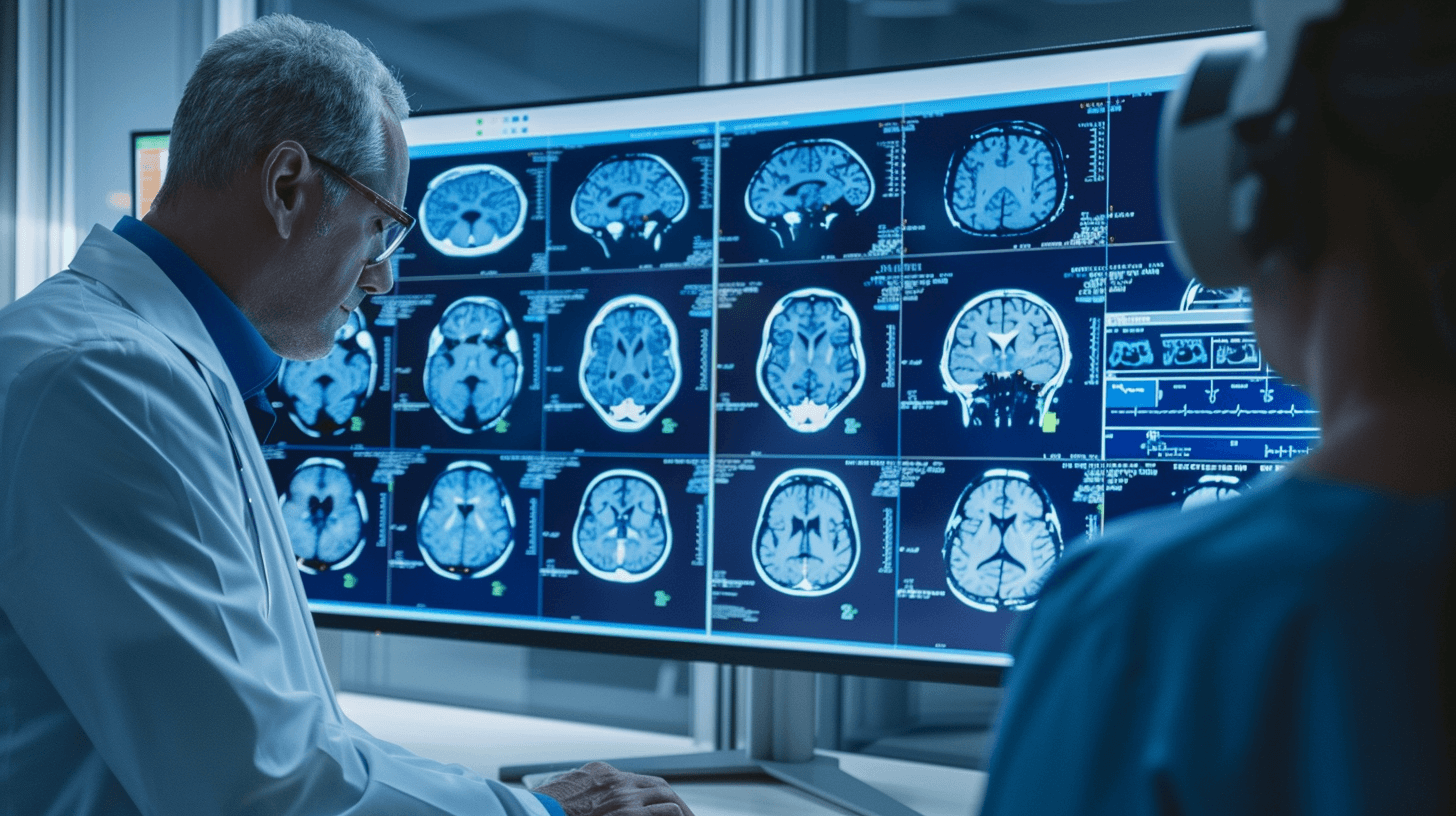
Table : Glioma Type and Cause Pattern
| Glioma Type | Common Age Pattern | Key Biological Feature | Patient Concern |
|---|---|---|---|
| Astrocytoma | Children to adults | Astrocytic origin, IDH status varies | Can it become aggressive? |
| Oligodendroglioma | Young to middle-aged adults | IDH mutation, 1p/19q co-deletion | Why seizures first? |
| Glioblastoma | Older adults, but can occur earlier | Aggressive growth and invasion | Why so sudden? |
| Ependymoma | Children and adults | Ventricular or spinal origin | Why pressure symptoms? |
| Diffuse midline glioma | Children and young adults | Midline brain involvement | Why symptoms progress fast? |
Astrocytoma Causes and Risk Factors
Cellular origin and mutation pattern
Astrocytoma is a type of glioma that develops from astrocytic glial cells. Astrocytes are support cells of the brain and spinal cord. They help maintain the environment around neurons, regulate nutrients, support repair, and protect normal nerve function. When astrocytic cells develop abnormal genetic and molecular changes, they may begin to grow in an uncontrolled way and form an astrocytoma.
Astrocytomas are not all the same. Some are slower growing, while others are more aggressive. Modern diagnosis now depends not only on the microscope appearance of the tumor, but also on molecular markers. One of the most important markers is IDH status. IDH mutated astrocytomas are commonly seen in younger and middle age adults and may behave differently from IDH wild type glioblastoma, which is usually more aggressive. [1], [2], [7], [8]
In the current classification, adult type diffuse astrocytoma is strongly linked with IDH mutation. These tumors may be graded as CNS WHO grade 2, grade 3, or grade 4 depending on their cellular features, molecular findings, and aggressiveness. This grading matters because it helps doctors estimate growth behavior, recurrence risk, treatment need, and follow up intensity. [1], [2]
Some astrocytomas are more circumscribed and are seen more often in children, such as pilocytic astrocytoma. These may have a different biology from adult diffuse astrocytomas and are often linked with growth pathway changes rather than the classic adult IDH pattern. This is why astrocytoma causes must be explained according to age, tumor type, grade, and molecular profile. [1], [16]
Another important feature is infiltrative behavior. Many diffuse astrocytomas do not grow as a cleanly separated mass. Instead, tumor cells may spread into nearby brain tissue. This makes complete removal difficult, especially when the tumor is close to speech, movement, vision, memory, or seizure related areas. Even after surgery, microscopic cells may remain, which is why long term monitoring is essential. [1], [2]
Patient pain point: Why did a slow tumor become serious?
Many patients with astrocytoma ask, “If this was slow growing, why did it become serious?” This is one of the most painful questions in glioma care. A lower grade astrocytoma may grow slowly for years, but slow does not always mean harmless. Over time, some tumors may acquire additional molecular changes that make them behave more aggressively.
This process is called tumor progression or malignant transformation. It means that a tumor that once appeared less aggressive can later become more active, faster growing, or more difficult to control. The risk is not the same for every patient. It depends on the tumor grade, IDH status, molecular profile, location, surgical removal extent, treatment history, age, and follow up pattern. [1], [2], [7]
This is why long term MRI monitoring is important even when the tumor is described as lower grade. A stable scan is reassuring, but it does not remove the need for continued observation. Doctors monitor for changes in tumor size, contrast enhancement, swelling, symptoms, seizures, and neurological function. Any change in behavior may require renewed evaluation.
Patients should also understand that recurrence does not always mean the first treatment failed. In diffuse astrocytoma, recurrence can happen because tumor cells may remain hidden in surrounding brain tissue. These cells may be too small to remove safely or too microscopic to see clearly on imaging. This is why treatment is usually planned as a long term strategy rather than a one time event.
The practical message is simple. A slow astrocytoma still deserves respect. It may remain stable for a long time in some patients, but it needs careful monitoring, timely treatment decisions, seizure control, neurological assessment, and supportive care.
Ayurvedic interpretation
From an Ayurvedic perspective, astrocytoma like growth patterns may be interpreted through Majja Dhatu disturbance, Vata and Pitta involvement, Srotas obstruction, impaired Agni, Ama formation, and weakening of Ojas. Ayurveda does not describe astrocytoma by its modern molecular name, but it provides a terrain based framework for understanding deep neurological vulnerability. [28], [29], [30], [32], [33]
Majja Dhatu is especially relevant because it is associated with deeper neurological strength, marrow related tissue, stability, and nervous system resilience. When Majja Dhatu becomes disturbed, symptoms may appear in the form of seizure tendency, altered sensation, weakness, poor memory, sleep disturbance, tremor, pain, or reduced mental clarity.
Vata involvement explains instability, abnormal movement, neurological irritation, seizures, pain, weakness, disturbed sleep, and irregular nerve function. Pitta involvement may explain heat, inflammation, sharp progression, irritability, metabolic disturbance, tissue irritation, and aggressive transformation tendency. When Vata and Pitta disturb Majja Dhatu together, the disease pattern may become more complex.
Progressive tissue instability can be understood as the gradual loss of normal Dhatu balance and cellular discipline. In Ayurvedic language, when Agni is impaired and Ama accumulates, Srotas may become obstructed. This can disturb nourishment, waste clearance, tissue communication, and deeper neurological function. In tumor like conditions, this may be interpreted through Granthi and Arbuda frameworks, while still recognizing that modern diagnosis must be based on MRI, histopathology, and molecular testing. [28], [29], [30], [31]
Ayurvedic support in astrocytoma should therefore focus on stabilizing Vata, calming Pitta, improving Agni, reducing Ama, supporting Majja Dhatu, protecting Ojas, improving sleep, supporting digestion, reducing treatment fatigue, and maintaining neurological strength. This should be done only as supervised supportive care and should not delay surgery, biopsy, radiotherapy, chemotherapy, seizure medicines, steroids, MRI surveillance, or neuro oncology treatment when required.
Oligodendroglioma Causes and Risk Factors
Genetic markers that define this tumor
Oligodendroglioma is a type of glioma that is defined not only by how it looks under the microscope, but also by its molecular pattern. In modern diagnosis, two findings are especially important: IDH mutation and combined loss of chromosome arms 1p and 19q, commonly written as 1p 19q codeletion.
In simple patient language, IDH mutation means that a gene involved in cell metabolism has changed inside the tumor cells. This change affects how the tumor behaves and helps doctors classify the glioma more accurately. It does not automatically mean the disease was inherited from the parents. In most patients, the mutation is found in the tumor tissue and is not a family disease.
The second important marker is 1p 19q codeletion. This means that parts of two chromosome arms, called 1p and 19q, are missing in the tumor cells. When an adult diffuse glioma has both IDH mutation and 1p 19q codeletion, it supports the diagnosis of oligodendroglioma. These molecular findings also help doctors understand prognosis, treatment response, and long term monitoring needs. [1], [2], [7], [8]
This is why an oligodendroglioma diagnosis should not be based only on the word glioma. The molecular report matters deeply. A patient should ask whether IDH mutation is present, whether 1p 19q codeletion is confirmed, what grade the tumor is, where it is located, whether it has been fully or partly removed, and what the follow up plan should be.
Why young and middle aged adults often ask deeper cause questions
Oligodendroglioma is often diagnosed in young and middle aged adults. Many patients in this group are studying, working, raising families, and living active lives when the diagnosis appears. This makes the emotional shock very strong. They often ask, “How could this tumor be present when I was functioning normally?”
One reason is that oligodendroglioma may grow slowly for a long time. Some patients have mild symptoms for months or years before diagnosis. The most common early symptom is often seizure. This may be a major seizure, but it can also be subtle. A patient may experience brief confusion, unusual smell, sudden fear, temporary speech difficulty, twitching, staring episodes, or short memory gaps.
Because these symptoms may come and go, they are often ignored. A young adult may think it is stress. A working professional may blame sleep loss. A student may blame exam pressure. A patient with headaches may assume migraine. A person with brief speech difficulty may think it was fatigue or anxiety. In many cases, MRI is done only after symptoms repeat or become more serious.
This delayed recognition makes patients wonder whether the tumor was caused by stress, screen use, diet, emotional pressure, overwork, or lifestyle. These factors may affect sleep, immunity, digestion, inflammation, and recovery capacity, but they are not proven direct causes of oligodendroglioma. The more accurate explanation is that oligodendroglioma usually reflects deeper tumor biology involving acquired molecular changes, especially IDH mutation and 1p 19q codeletion. [1], [2], [6], [7], [17]
The patient concern is still valid. Even when one exact cause cannot be identified, the patient deserves a structured explanation. Oligodendroglioma should be understood through age, tumor location, seizure history, molecular markers, grade, treatment response, recurrence risk, and long term neurological monitoring.
Ayurvedic interpretation
From an Ayurvedic perspective, oligodendroglioma like disease patterns may be understood through Vata disturbance acting deeply in Majja Dhatu. Majja Dhatu is associated with deeper neurological strength, marrow related tissue, nerve stability, and mental steadiness. When Majja Dhatu is disturbed, symptoms may appear as seizure tendency, altered sensation, memory disturbance, weakness, sleep disruption, tremor, or changes in clarity of thought. [28], [29], [30], [32]
Vata is especially important in this interpretation because Vata governs movement, nerve impulse, sensory coordination, speech, thought flow, and subtle neurological activity. Seizures, sudden abnormal sensations, speech interruption, twitching, fear episodes, and irregular neurological symptoms can be interpreted as Vata moving in an abnormal and unstable way within the nervous system.
Apana Prana coordination is another useful Ayurvedic concept for this section. Prana Vata is linked with higher neurological function, consciousness, perception, respiration, sensory activity, and mental control. Apana Vata is linked with downward regulation, elimination, grounding, and stability. When Prana and Apana lose coordination, the patient may experience disturbed neurological rhythm, anxiety, poor sleep, seizure tendency, altered awareness, and lack of internal stability.
Chronic Srotas sensitivity may also be considered. If Agni is disturbed and Ama accumulates, the subtle channels of nourishment, clearance, and communication may become obstructed or unstable. In glioma like conditions, this can be interpreted through Majja Vaha Srotas and Prana Vaha Srotas involvement. This does not mean Ayurveda replaces molecular diagnosis. Rather, it gives a deeper internal terrain view of why neurological function, digestion, sleep, Vata stability, and Ojas protection matter in long term care. [28], [29], [30], [32], [33]
Ayurvedic support for oligodendroglioma should focus on calming Vata, supporting Majja Dhatu, improving Agni, reducing Ama, protecting Ojas, improving sleep, stabilizing bowel function, reducing seizure aggravating triggers, and strengthening treatment tolerance. This supportive care should always remain coordinated with neuro oncology treatment, MRI surveillance, seizure medicines, surgery, radiation, chemotherapy, or other standard care when clinically required.
Glioblastoma Causes and Risk Factors
Why glioblastoma feels sudden
Glioblastoma often feels sudden because its symptoms may appear only after the tumor has already disturbed an important brain area. A patient may be living normally, then within days or weeks develop headache, seizure, weakness, confusion, speech difficulty, personality change, vision change, memory decline, or imbalance. For the family, it may feel as if the disease appeared overnight.
Biologically, glioblastoma is aggressive. The tumor cells divide rapidly, invade nearby brain tissue, and do not remain as one cleanly separated mass. This infiltrative behavior makes the disease difficult to remove completely, even when surgery removes the visible tumor. Microscopic tumor cells may remain in surrounding brain tissue, which is one reason recurrence is common. [1], [2]
Glioblastoma may also create new blood vessels to feed its growth. This process is called angiogenesis. These new vessels are often abnormal and leaky, which can increase swelling around the tumor. Swelling in the brain can worsen headache, vomiting, drowsiness, weakness, confusion, and neurological decline.
Another feature of glioblastoma is necrosis, which means areas of tissue death inside the tumor. Necrosis happens because the tumor grows so fast that parts of it may outgrow their blood supply. On MRI and pathology, necrosis is one of the features that helps doctors recognize aggressive tumor behavior. [1], [2], [8]
Late symptom recognition also contributes to the feeling of sudden disease. A glioblastoma may grow silently until it affects speech, movement, memory, personality, vision, or seizure related brain regions. In older adults, symptoms may first be mistaken for stroke, dementia, depression, aging, medication effects, or general weakness. This delay can make the final diagnosis feel even more shocking. [2], [3], [19]
Primary vs secondary glioblastoma
Patients often hear the terms primary glioblastoma and secondary glioblastoma. These terms are still used in many clinical discussions, although modern WHO classification now gives greater importance to molecular diagnosis, especially IDH status. [1], [8]
Primary glioblastoma means a glioblastoma that appears newly, without a known previous lower grade glioma. This pattern is more common in older adults. It often presents as an aggressive tumor from the beginning and is usually associated with IDH wild type biology. In the current classification, glioblastoma is defined as an adult type diffuse glioma that is IDH wild type. [1], [2]
Secondary glioblastoma is an older term used for tumors that seemed to evolve from a previous lower grade glioma. This was more often seen in younger adults and was commonly linked with IDH mutation. However, in the modern classification, many tumors previously called secondary glioblastoma are now classified as astrocytoma, IDH mutant, CNS WHO grade 4, rather than glioblastoma. [1], [7], [8]
This distinction matters because two patients with a grade 4 appearing brain tumor may not have the same biology. IDH status, MGMT promoter methylation, tumor location, age, surgical removal, neurological function, and general health can all influence treatment planning and prognosis. Therefore, patients should ask not only, “Is it glioblastoma?” but also, “What is the molecular diagnosis?”
Ayurvedic interpretation
From an Ayurvedic perspective, glioblastoma like aggressive growth may be interpreted as a severe disturbance of Vata and Pitta acting deeply in Majja Dhatu, with Ama, Rakta involvement, Ojas depletion, Srotas obstruction, and an aggressive Granthi and Arbuda pattern. Ayurveda does not describe glioblastoma by its modern molecular name, but it provides a terrain based framework for understanding deep neurological disease, rapid progression, tissue disruption, and loss of systemic resilience. [28], [29], [30], [31], [32], [33]
Severe Vata aggravation may explain instability, rapid neurological change, seizures, weakness, tremor, pain, altered speech, disturbed consciousness, poor coordination, and irregular nerve function. Pitta aggravation may explain sharp progression, inflammatory heat, tissue irritation, metabolic intensity, anger, irritability, and destructive transformation. When Vata and Pitta both disturb Majja Dhatu, the disease pattern may become unstable, deep, and difficult to control.
Deep Ama is also important in this interpretation. When Agni becomes impaired, Ama may accumulate and disturb tissue nourishment, clearance, and channel function. In aggressive tumor like conditions, Ama may be understood as a factor that clouds normal biological intelligence, obstructs Srotas, weakens Dhatu function, and contributes to a toxic internal terrain.
Majja Dhatu disruption is central because glioblastoma affects the brain, which is closely connected with deeper neurological strength in Ayurvedic reasoning. When Majja is disturbed, the patient may experience seizures, weakness, memory decline, sensory disturbance, altered consciousness, sleep disturbance, confusion, and loss of neurological stability.
Rakta involvement may be considered where there is heat, inflammation, vascular disturbance, swelling, bleeding tendency, or abnormal blood vessel formation. Since glioblastoma is strongly associated with abnormal vessel formation and tissue breakdown in modern pathology, Rakta and Pitta involvement can be used as an Ayurvedic interpretive bridge, not as a replacement for modern pathology.
Ojas depletion is especially important in glioblastoma care. Patients may experience severe fatigue, fear, weight loss, poor sleep, low treatment tolerance, immune weakness, emotional exhaustion, and reduced resilience. Protecting Ojas becomes a major supportive goal, especially during surgery, radiation, chemotherapy, steroid use, seizure management, and palliative care.
The Granthi and Arbuda framework may be used to explain abnormal growth, deep tissue involvement, progressive enlargement, obstruction, and difficult disease behavior. However, the wording should remain careful. Glioblastoma should not be presented as directly named in classical texts. It may be interpreted through Granthi and Arbuda principles while diagnosis and treatment decisions remain based on MRI, histopathology, molecular testing, and neuro oncology guidance.
Ayurvedic support in glioblastoma should focus on Vata and Pitta stabilization, Agni correction, Ama reduction, Majja Dhatu support, Rakta balance, Ojas protection, sleep support, pain relief, seizure support, digestion, bowel regularity, fatigue management, and quality of life. This care should always be coordinated with neuro oncology treatment and should never delay urgent surgery, radiation, chemotherapy, steroids, seizure medicines, MRI surveillance, or palliative care when required.
Ependymoma Causes and Risk Factors
Where ependymomas arise
Ependymoma is a tumor that develops from ependymal cells. These cells line the fluid filled spaces of the brain, called ventricles, and also line the central canal of the spinal cord. Because of this origin, ependymomas may develop either inside the brain or along the spinal canal. [20], [21]
The ventricular system contains cerebrospinal fluid, which cushions the brain and spinal cord, supports waste clearance, and helps maintain pressure balance within the central nervous system. When an ependymoma grows near the ventricles, it may disturb normal cerebrospinal fluid movement. This can sometimes lead to increased pressure inside the head, producing symptoms such as headache, vomiting, drowsiness, vision problems, balance difficulty, or irritability in children.
When ependymoma develops in the spinal canal, symptoms may be different. Patients may experience back pain, limb weakness, numbness, tingling, walking difficulty, bladder symptoms, or bowel disturbance depending on the spinal level involved. This is why ependymoma symptoms depend strongly on location. A tumor in the fourth ventricle of the brain may behave very differently from one in the lower spinal canal.
The exact cause of most ependymomas is not clearly known. Unlike some other gliomas, ependymoma risk is not usually explained by one common lifestyle factor. Modern classification now recognizes that ependymomas are biologically diverse, and their behavior depends on site, age, molecular group, grade, and extent of removal. [20], [21]
Age differences
Ependymomas can occur in both children and adults, but the location pattern often differs by age. In children, ependymomas are more commonly found inside the brain, especially in regions related to the posterior fossa and ventricular system. Because these tumors may affect cerebrospinal fluid pathways, children may present with vomiting, headache, poor balance, vision problems, irritability, neck stiffness, or developmental change. [20], [21]
In adults, ependymomas are more often found in the spinal canal compared with children. Adult spinal ependymomas may present slowly, sometimes with long standing back pain, sensory symptoms, weakness, or walking difficulty. Because these symptoms may resemble disc disease, neuropathy, arthritis, or age related spine problems, diagnosis may be delayed.
This age difference is important for patient education. A child with an ependymoma may first show pressure symptoms or balance problems, while an adult may first experience spinal symptoms. The same tumor family can therefore create very different clinical pictures depending on where it grows.
Risk factors remain less clear than patients expect. Most ependymomas are not caused by ordinary diet, stress, screen use, minor injury, or routine daily activity. In selected cases, genetic conditions such as neurofibromatosis type 2 may be relevant, especially with certain spinal tumors, but most patients do not have a simple inherited explanation. Therefore, the practical focus should be accurate imaging, neurosurgical assessment, histopathology, molecular classification where available, safe removal where possible, and long term follow up. [20], [21]
Ayurvedic interpretation
From an Ayurvedic perspective, ependymoma like disease patterns may be interpreted through Majja Vaha Srotas involvement, Shira involvement, fluid channel imbalance, Vata and Kapha obstruction, and deeper nervous system vulnerability. Ayurveda does not describe ependymoma by its modern pathological name, but it gives a useful terrain based framework for understanding abnormal growth near the brain, spinal cord, and fluid pathways. [28], [29], [30], [32], [33]
Majja Vaha Srotas is important because ependymomas arise within the central nervous system. Majja Dhatu is associated with deep neurological strength, marrow related tissue, stability, and nervous system resilience. When Majja related channels are disturbed, symptoms may appear as weakness, sensory change, poor coordination, altered balance, pain, tremor, or neurological decline.
Shira involvement is also relevant because the tumor may arise inside the cranial cavity or spinal canal. In Ayurvedic reasoning, Shira is a vital region connected with Prana, senses, cognition, consciousness, and neurological control. A growth affecting this area can disturb speech, balance, vision, memory, movement, sleep, and mental clarity depending on the site involved.
Fluid channel imbalance can be understood through the disturbance of cerebrospinal fluid movement in modern medicine and through Srotas disturbance in Ayurveda. When a tumor obstructs normal fluid movement in the ventricular system, pressure symptoms may appear. From an Ayurvedic viewpoint, this can be interpreted as obstruction and imbalance in subtle channels responsible for movement, nourishment, and clearance.
Vata and Kapha obstruction is another useful framework. Vata governs movement, nerve impulse, circulation of subtle signals, pain, coordination, and sensory function. Kapha provides structure, stability, lubrication, and tissue cohesion. When Kapha becomes obstructive and Vata becomes disturbed, a pattern of growth, pressure, heaviness, blocked movement, pain, weakness, and neurological instability may appear.
Ayurvedic support in ependymoma care should focus on maintaining Vata stability, reducing obstructive Kapha, supporting Agni, reducing Ama, protecting Majja Dhatu, preserving Ojas, improving sleep, supporting bowel regularity, and strengthening treatment tolerance. This must remain supportive and coordinated with neurosurgery, neuro oncology care, MRI surveillance, histopathology, molecular classification, radiotherapy, and symptom management when clinically required.
Diffuse Midline Glioma Causes and Risk Factors
Why this tumor is different
Diffuse midline glioma is different from many other gliomas because of where it develops and how it behaves. It usually arises in deep central areas of the nervous system, especially the brainstem, thalamus, spinal cord, or other midline structures. These regions are called midline because they are located near the central axis of the brain and spinal cord.
This tumor is seen more often in children and young patients, although it can occur at different ages. The seriousness of diffuse midline glioma is strongly related to its location. Midline structures control vital functions such as breathing, swallowing, movement, balance, alertness, sensation, eye movement, and communication between major brain pathways. Even a relatively small tumor in these areas can cause major symptoms.
One important molecular feature is H3 K27 alteration. In simple language, this means that a change has occurred in a gene related to how cells organize and control their internal instructions. This alteration affects normal cell regulation and is linked with aggressive tumor behavior. In modern classification, diffuse midline glioma with H3 K27 alteration is recognized as a distinct and serious tumor type. [1], [22]
For patients and families, this explains why diffuse midline glioma cannot be understood only by size. Its location, molecular alteration, and infiltrative growth pattern make it different from many other brain tumors.
Why symptoms progress quickly
Symptoms may progress quickly in diffuse midline glioma because the tumor develops in areas where even small changes can disturb important neurological functions. When the tumor involves the brainstem, the patient may develop problems with walking, balance, facial weakness, swallowing, speech, eye movements, breathing rhythm, or limb strength.
When the thalamus is involved, symptoms may include weakness, sensory changes, headache, confusion, drowsiness, memory problems, personality change, or altered consciousness. The thalamus acts like a major relay center for sensation, movement, alertness, and brain communication, so tumor growth in this region can affect many functions at once.
When the spinal cord is involved, symptoms may include back pain, limb weakness, numbness, stiffness, walking difficulty, bladder problems, bowel problems, or sensory loss. These symptoms may worsen as the tumor affects pathways carrying signals between the brain and body.
Diffuse midline glioma is also infiltrative. This means tumor cells may spread into surrounding nervous tissue instead of forming one clean boundary. Because the tumor often sits inside vital structures, complete surgical removal is usually difficult or unsafe. Treatment planning therefore depends on MRI findings, neurological symptoms, molecular diagnosis, age, performance status, and specialist neuro oncology guidance. [1], [2], [22]
Ayurvedic interpretation
From an Ayurvedic perspective, diffuse midline glioma like disease patterns may be interpreted through deep Marma involvement, Prana Vaha Srotas disturbance, Majja Dhatu impairment, severe Vata obstruction, Ojas depletion, and Srotas dysfunction. Ayurveda does not describe diffuse midline glioma by its modern molecular name, but it gives a terrain based framework for understanding serious neurological disease in vital regions. [28], [29], [30], [32], [33]
Marma involvement is especially important because midline brain structures and the spinal cord are vital regions. In Ayurvedic reasoning, Marma areas are deeply connected with Prana, consciousness, sensory control, movement, and life sustaining functions. A disease process affecting such areas may produce severe neurological symptoms even when the visible tumor burden is not large.
Prana Vaha Srotas disturbance may explain changes in consciousness, breathing rhythm, sensory control, mental clarity, speech, swallowing, alertness, and higher neurological coordination. Prana Vata is closely linked with the head, brain function, respiration, perception, and command over the nervous system. When Prana is disturbed in deep neurological tissue, symptoms may progress quickly and affect multiple functions.
Majja Dhatu impairment is also central. Majja Dhatu is associated with deep nervous system strength, marrow related tissue, stability, and neurological resilience. When Majja is affected, the patient may experience weakness, altered sensation, poor coordination, tremor, seizure tendency, memory disturbance, sleep disruption, and reduced neurological stability.
Severe Vata obstruction can be used to explain disturbed movement of nerve signals, weakness, stiffness, pain, imbalance, altered speech, sensory disturbance, and loss of coordination. Kapha related obstruction may add heaviness, swelling, pressure, and blocked channel movement, while Pitta involvement may add inflammation, sharp progression, irritability, and tissue damage.
Ayurvedic support in diffuse midline glioma should be cautious, gentle, and fully coordinated with specialist care. The focus should be on Vata stabilization, Prana support, Majja Dhatu nourishment, Agni protection, Ama reduction, Ojas preservation, sleep support, pain relief, bowel regulation, emotional steadiness, and treatment tolerance. This should never delay MRI, biopsy when advised, radiotherapy, chemotherapy, steroids, seizure medicines, rehabilitation, palliative care, or neuro oncology supervision.
Proven and Suspected Risk Factors for Gliomas
Ionizing radiation
Among all studied glioma causes and risk factors, ionizing radiation is one of the clearest established environmental risks. Ionizing radiation can damage DNA inside cells. If DNA damage occurs in brain or nervous system tissue and is not repaired correctly, abnormal cell growth may occur later.
This is most relevant in people who had significant radiation exposure, especially radiation treatment to the head, neck, brain, scalp, or nearby areas. Childhood radiation exposure is especially important because the developing brain may be more sensitive. However, not every person exposed to radiation develops glioma, and many glioma patients have no known radiation exposure. [4], [6]
Age
Age is not a direct cause, but it is one of the strongest clinical risk patterns. Gliomas can occur at any age, but the tumor type changes across life stages. Children more often develop pediatric low grade gliomas, optic pathway gliomas, pilocytic astrocytoma, ependymoma, and diffuse midline glioma. Young and middle aged adults often present with lower grade diffuse gliomas, astrocytoma, or oligodendroglioma. Older adults are more likely to develop glioblastoma and other aggressive malignant gliomas. [3], [6], [17]
This is why glioma causes should always be explained by age group. A childhood glioma and an older adult glioblastoma are not the same biological event, even though both belong to the glioma family. CBTRUS data show that brain and central nervous system tumors are reported across pediatric, adolescent, young adult, and adult groups, with incidence patterns varying by age and tumor type.
Sex
Sex is another important pattern. Many malignant brain tumors, including several glioma types, are reported more often in males than females, although the overall category of brain and central nervous system tumors can vary because some non malignant tumors are more common in females. [3], [17]
This does not mean male sex directly causes glioma. It means that biological sex may influence risk through genetics, hormones, immune function, cellular repair, or other mechanisms still being studied. Therefore, sex should be presented as a population risk pattern, not as a personal cause.
Race, ethnicity, and population pattern
Glioma risk also varies across race, ethnicity, and geography. Adult glioma incidence has often been reported higher in White populations compared with several other racial groups, although total brain tumor patterns differ when benign and malignant tumors are combined. [3], [13], [17]
This should be explained carefully. Race and ethnicity do not cause glioma by themselves. They may reflect a combination of genetic background, environmental factors, diagnosis access, reporting systems, socioeconomic factors, and unknown biological influences. CBTRUS reports are useful here because they present brain and central nervous system tumor data by age, sex, race, Hispanic ethnicity, and tumor type.
Family history and inherited syndromes
Most gliomas are not directly inherited. Many patients have no family history of glioma. In such cases, the tumor may arise from acquired genetic and molecular changes inside glial cells during life, not from a mutation passed from parents to children. [6], [7]
However, some inherited syndromes increase glioma risk. These include neurofibromatosis type 1, Li Fraumeni syndrome, tuberous sclerosis complex, Lynch syndrome, constitutional mismatch repair deficiency, and other rare cancer predisposition syndromes. These conditions are uncommon but important because they may change genetic counseling, screening, family assessment, and long term monitoring. [6], [7], [15]
Inherited risk alleles
Apart from rare inherited syndromes, research has also found inherited risk alleles linked with glioma susceptibility. These are not the same as a strong family cancer syndrome. A risk allele may slightly increase susceptibility, but it does not guarantee that a person will develop glioma. [7], [17]
This is useful for explaining why some patients may have a biological tendency even without a clear family history. Modern research shows that glioma risk is influenced by both tumor acquired mutations and inherited background susceptibility, but most patients still do not have one simple inherited cause.
Acquired molecular mutations
Many gliomas develop because of acquired molecular changes inside tumor cells. These changes are found in the tumor tissue and are not necessarily inherited. Examples include IDH mutation, 1p 19q codeletion, H3 K27 alteration, TERT promoter mutation, EGFR amplification, and other molecular features depending on the glioma type. [1], [2], [7]
This is important for patient education. A mutation in the tumor report does not always mean the disease came from the parents or will pass to children. In many cases, the mutation is part of the tumor biology itself. Molecular testing helps classify the tumor, guide prognosis, and support treatment planning.
Allergy and atopic history
Allergy history is an important factor that is often missed. Several studies have reported an inverse association between allergy or atopic disease and glioma risk. In simple language, people with a history of allergies, asthma, eczema, or other atopic conditions have been reported in some studies to have a lower glioma risk. [5], [6], [17]
This does not mean allergies should be encouraged or left untreated. It also does not prove that allergy prevents glioma in an individual person. The safer explanation is that immune patterns linked with allergy may reflect a more active immune surveillance environment, but this remains an area of scientific research.
Immune system and inflammation
The immune system is deeply involved in glioma biology. Researchers study immune surveillance, inflammation, tumor immune escape, allergy history, immune cells inside the tumor environment, and immune based therapies. [5], [6], [7]
However, immune dysfunction should not be presented as a proven single cause of glioma. Chronic inflammation may influence cellular stress, oxidative damage, tissue signaling, and recovery capacity, but it is not enough to explain glioma alone. The best wording is that immune function and inflammation are important research areas, not confirmed direct causes in most patients.
Pesticides and agricultural exposure
Pesticide exposure has been studied as a possible glioma risk factor, especially in agricultural workers and people with long occupational exposure. Some studies have examined insecticides, herbicides, farm chemicals, and long duration agricultural work. [5], [6], [17]
The evidence is not strong enough to say pesticides conclusively cause glioma in every exposed person. However, because pesticide exposure has been repeatedly studied, it is reasonable to include it under suspected or investigated environmental factors. Patients with agricultural work history should mention this exposure during clinical history taking.
Solvents, petrochemicals, and industrial chemicals
Solvents, petrochemicals, paints, fuels, printing chemicals, plastics, heavy metals, laboratory chemicals, and industrial exposures have also been investigated. These concerns are especially relevant for people working in factories, fuel handling, aviation, painting, printing, construction, laboratories, manufacturing, mining, and chemical industries. [5], [6], [17]
These exposures should be discussed cautiously. They are studied and suspected in some contexts, but not conclusively proven as direct glioma causes for all patients. A careful occupational history is still valuable because risk may depend on exposure type, duration, intensity, ventilation, protective equipment, and combined chemical burden.
Air pollution
Air pollution is another studied factor. Researchers have examined outdoor pollution, traffic related pollutants, industrial emissions, and fine particulate matter in relation to brain tumor risk. However, evidence remains mixed, and air pollution is not established as a clear direct glioma cause in individual patients. [5], [6]
It can be included as an emerging environmental concern, especially in urban and industrial populations. The safest wording is: air pollution has been studied as a possible contributor to brain tumor risk, but a definite causal link with glioma has not been conclusively proven.
N nitroso compounds and dietary chemicals
Some research has explored N nitroso compounds, processed meat exposure, preserved foods, and dietary chemical pathways. These compounds are of interest because some can affect DNA damage and cancer biology. [5], [6]
For glioma, the evidence is not conclusive. Diet should not be blamed as the direct cause of glioma in most patients. A better explanation is that diet influences inflammation, metabolic health, antioxidant status, immunity, digestion, and treatment tolerance, but one food item is rarely a proven glioma cause.
Mobile phones and radiofrequency electromagnetic exposure
Mobile phone exposure is one of the most common patient questions. Radiofrequency electromagnetic fields were classified by IARC as possibly carcinogenic to humans in 2011. This classification means there was limited evidence suggesting possible concern, not confirmed proof of causation. [23]
More recent large studies and the National Cancer Institute fact sheet state that overall evidence does not show a clear association between cell phone use and brain cancer risk. The NCI notes that findings have been mixed, but major studies have not consistently shown increased glioma risk from mobile phone use. [24]
The correct wording is: mobile phone radiation has been studied, but it is not conclusively proven as a direct glioma cause. Patients who are concerned can reduce unnecessary exposure by using speaker mode, earphones, or shorter call duration, but they should not blame themselves for glioma because of ordinary phone use.
Electrical and magnetic field exposure
Electrical field exposure, power lines, occupational electromagnetic exposure, and long duration electrical work have also been studied. Current evidence is inconsistent and does not prove that these exposures directly cause glioma. [5], [6], [17]
This factor may be mentioned because patients often ask about electrical work, power plants, telecom towers, routers, and industrial electromagnetic exposure. The correct medical position is cautious: these exposures have been investigated, but a definite causal relationship with glioma has not been established.
Head injury
Many patients believe that a fall, accident, head injury, or trauma caused the glioma. This is understandable because symptoms may appear after an injury and imaging may reveal a tumor. However, ordinary head injury is not considered a proven glioma cause. [6], [17]
Sometimes trauma leads to imaging, and the scan discovers a tumor that was already present. This creates the impression that the injury caused the glioma, when in reality the injury may have simply revealed an existing condition.
Smoking and alcohol
Smoking and alcohol are major risk factors for many cancers, but they are not clearly established as direct causes of glioma. Studies have explored these exposures, but results have not shown the same strong causal pattern seen in cancers such as lung, oral, liver, and esophageal cancer. [5], [6], [17]
This does not mean smoking and alcohol are harmless. They can worsen general health, vascular function, immunity, inflammation, sleep, liver metabolism, treatment tolerance, and recovery. But for glioma causation, they should be presented as general health risks, not confirmed direct causes.
Obesity, diabetes, and metabolic health
Obesity, diabetes, insulin resistance, poor sleep, and metabolic syndrome are relevant to overall cancer biology and treatment tolerance. They may influence inflammation, oxidative stress, immune function, hormonal balance, vascular health, and recovery capacity.
For glioma specifically, these are not established direct causes. They should be presented as internal health modifiers rather than proven glioma causes. This distinction is important because patients should improve metabolic health without believing that one weight issue or one sugar issue directly caused the tumor.
Hormonal and reproductive factors
Hormones have been studied because some brain tumor patterns differ between males and females. Researchers have explored reproductive history, sex hormones, hormone therapy, and related factors. However, for glioma, these relationships remain less clear than for some other tumor types. [5], [6], [17]
This section can be included briefly. The safe wording is: hormonal and reproductive factors have been studied, but they are not established as major direct glioma causes in routine clinical explanation.
Previous cancer and cancer treatment history
A history of previous cancer treatment matters, especially if the patient received radiation involving the head, neck, brain, scalp, or nearby tissues. Radiation related tumors may appear years after exposure. [4], [6]
Chemotherapy and immune suppression may also be part of a patient’s broader cancer history, but radiation remains the clearer risk factor in relation to later brain and central nervous system tumors. Patients should always tell their doctor about previous cancer, radiation fields, dose if known, age at treatment, and treatment year.
Immune suppression and medical conditions
Some immune related medical conditions and treatments have been studied in relation to brain tumors, especially because immune surveillance plays a role in controlling abnormal cells. However, immune suppression is more clearly linked with certain central nervous system lymphomas than with glioma. [5], [6]
For glioma, immune suppression should be discussed carefully as a possible area of interest, not as a confirmed direct cause. Patients taking long term immune suppressing medicines should share this history with their doctor, but they should not assume it definitely caused the glioma.
Viral theories
Viruses have been studied in glioma, especially human cytomegalovirus in glioblastoma research. Some studies have detected viral material or immune signals in glioma tissue, while other studies have reported conflicting findings. [5], [6]
At present, there is no simple viral cause of glioma established for routine patient education. Glioma should not be explained as a disease caused by one common virus, fever, childhood infection, or routine viral exposure. The most accurate wording is that viral theories remain an active research area, but no single viral cause of glioma is proven.
Prenatal and birth related factors in children
For childhood gliomas, researchers have studied prenatal exposure, birth weight, parental occupational exposure, maternal health, early life immune factors, and developmental changes. These areas are important because the child’s nervous system is developing rapidly before and after birth. [6], [16]
However, most childhood gliomas are not caused by ordinary pregnancy care, normal delivery events, routine childhood infections, food choices, school activity, or parenting decisions. Pediatric glioma causes are usually deeper and may involve developmental molecular changes or rare inherited syndromes.
Socioeconomic and diagnostic access factors
Socioeconomic status does not biologically cause glioma, but it may influence time to diagnosis, access to MRI, specialist referral, treatment options, rehabilitation, nutrition, supportive care, and follow up. This matters because delayed diagnosis can affect symptom burden and treatment planning.
This factor belongs more in the clinical care and outcome section than in pure causation. Still, it is worth mentioning because two patients with similar symptoms may reach diagnosis at different times depending on awareness, access, and healthcare navigation.
Ayurvedic terrain factors
From an Ayurvedic perspective, glioma causes can also be interpreted through internal terrain rather than one external factor. Important factors include Agni disturbance, Ama accumulation, Vata aggravation, Pitta involvement, Kapha obstruction, Majja Dhatu vulnerability, Rakta disturbance, Srotorodha, Ojas depletion, Beeja Dosha, Prana Vaha Srotas disturbance, and chronic tissue weakness. [28], [29], [30], [31], [32], [33]
This does not mean Ayurveda directly named glioma in classical texts. The correct explanation is that glioma like deep neurological growth patterns may be interpreted through Majja Dhatu, Vata, Srotas, Ama, Ojas, Granthi, and Arbuda frameworks. This helps explain why the same tumor type may affect patients differently depending on digestion, sleep, stress load, immunity, tissue strength, age, constitution, and treatment tolerance.
Factors that are not clearly proven causes
Several commonly suspected factors are not clearly proven as direct glioma causes. These include ordinary stress alone, one food item, mobile phone use, routine screen exposure, minor head injury, normal childhood infection, vaccination, routine fever, ordinary migraine, emotional shock, and normal daily activities.
These factors may influence general health, sleep, immunity, inflammation, digestion, or treatment tolerance, but they should not be presented as proven direct glioma causes. This protects patients and families from unnecessary guilt.
What Does Not Clearly Cause Glioma?
Ordinary stress alone
Many patients ask whether stress caused their glioma. This is understandable because the diagnosis often follows years of work pressure, emotional strain, poor sleep, anxiety, grief, or overthinking. Stress can affect sleep, digestion, immunity, inflammation, hormones, energy, and recovery capacity. It can also make headaches, fatigue, anxiety, and concentration problems worse.
However, ordinary stress alone is not proven as a direct single cause of glioma. Major glioma risk factor reviews identify only a limited number of better established risk patterns, especially ionizing radiation and certain inherited or immune related factors. Stress may affect the body’s resilience and treatment tolerance, but it should not be presented as the direct reason a glioma developed in one patient. [6]
This distinction is very important because patients often blame themselves. A stressful job, family tension, emotional trauma, poor sleep, or one difficult life phase should not be treated as proof that the patient caused the tumor.
Mobile phone use
Mobile phone use is one of the most common concerns when discussing glioma causes. This concern exists because phones emit radiofrequency radiation, and mobile phone use is widespread. In 2011, IARC classified radiofrequency electromagnetic fields as possibly carcinogenic to humans, which means there was limited evidence suggesting possible concern, not definite proof of causation. [23]
Current patient guidance from the National Cancer Institute states that evidence to date does not show that cell phone use causes brain cancer in humans. A large 2024 cohort study also reported that cumulative mobile phone use was not associated with glioma, meningioma, or acoustic neuroma risk. [24]
The balanced explanation is this: mobile phone exposure has been studied, research continues, but ordinary mobile phone use is not established as a clear glioma cause. Patients who remain concerned may reduce unnecessary exposure by using speaker mode or earphones, but they should not blame themselves for glioma because of routine phone use.
One food item or one habit
Glioma is not usually explained by one diet mistake, one food item, one late night habit, one cup of tea, one processed meal, one missed meal, or one period of unhealthy living. Diet and lifestyle can influence inflammation, metabolic health, immunity, digestion, sleep, body weight, and treatment recovery, but glioma development usually involves deeper cellular and molecular changes.
Some studies have explored dietary patterns, processed foods, vegetables, tea, preserved foods, and chemical compounds in relation to glioma risk. However, these findings are not strong enough to say that one food directly causes glioma in an individual patient. Major risk factor reviews continue to show that many lifestyle and environmental associations remain uncertain or not conclusively proven. [5], [6]
The practical message is that diet matters for overall health and treatment tolerance, but patients should not think, “I ate one wrong thing, so I caused my brain tumor.” A healthier diet may support recovery, strength, bowel function, immunity, and quality of life, but it should not be used to create guilt.
Minor head injury
Many patients connect glioma with a previous fall, accident, sports injury, blow to the head, or minor trauma. This concern is common because sometimes a scan is done after head injury and the MRI or CT unexpectedly reveals a brain tumor. In such cases, the injury may have led to the discovery of the tumor, but that does not prove the injury caused it.
Ordinary minor head injury is not considered a proven glioma cause. Gliomas usually develop from abnormal changes inside glial cells, not from one simple bump, fall, or past accident. Risk factor reviews do not support routine minor trauma as a clear direct cause of glioma. [6], [17]
This explanation helps protect patients from false blame. A childhood fall, road accident, sports hit, or minor head injury should not automatically be seen as the reason for glioma unless a specialist identifies a very specific and evidence supported relationship, which is uncommon.

The body may show signals before the scan becomes alarming
Glioma causes are often discussed after the MRI report, but many patients notice subtle changes before the scan becomes alarming. These early changes may not always look like a brain tumor. They may appear as small shifts in brain function, mood, energy, sleep, memory, speech, vision, or coordination.
A glioma may remain silent until it affects a functional brain area. This is why some patients first experience unusual episodes rather than constant symptoms. For example, a person may have a brief staring spell, a sudden strange smell, a short episode of confusion, hand twitching, word finding difficulty, or a few seconds of blankness. These may actually be subtle seizure like events, especially when they repeat.
Other patients may notice constitutional changes. They may feel more tired than usual, less mentally sharp, unusually irritable, emotionally flat, anxious, sleepy, withdrawn, or unable to concentrate. Some may feel that their work performance, study performance, memory, or decision making has changed. These signs are easy to dismiss because they overlap with stress, poor sleep, migraine, aging, depression, or workload.
This does not mean every headache, mood change, or memory issue is glioma. Most such symptoms are caused by more common conditions. But when symptoms are new, unusual, repeated, progressive, or associated with neurological changes, they should be taken seriously. [2], [9], [10]
Early warning signs often ignored
Some glioma warning signs are commonly ignored because they may begin mildly. A new seizure is one of the most important red flags, even if it happens only once. A seizure may appear as loss of consciousness, body shaking, staring, sudden confusion, speech arrest, abnormal smell, sudden fear, twitching, or temporary memory loss.
Persistent headache is another important symptom, especially when it is new, worsening, different from the patient’s usual headache, worse in the morning, associated with vomiting, or linked with drowsiness, vision change, or neurological weakness.
Personality change can also be an early sign. Family members may notice irritability, emotional flatness, impulsive behavior, depression like symptoms, confusion, poor judgment, reduced social interest, or changes in speech and behavior. These changes may be mistaken for stress, psychiatric illness, dementia, or work pressure.
Speech difficulty should not be ignored. This may include slurred speech, difficulty finding words, trouble understanding language, wrong word use, or sudden inability to speak clearly. Weakness on one side of the body, hand clumsiness, facial drooping, imbalance, or walking difficulty can also suggest involvement of motor pathways.
Vision change may include blurred vision, double vision, loss of part of the visual field, eye movement problems, or unexplained visual disturbance. Memory decline, poor concentration, confusion, repeated vomiting, unexplained drowsiness, or progressive cognitive change also require medical evaluation.
These symptoms do not prove glioma by themselves, but they justify timely assessment, especially when they are persistent, progressive, or combined with other neurological signs. [2], [9], [19]
Why this matters
This section matters because earlier action can improve the chance of timely diagnosis and supportive care. When a patient reports symptoms early, doctors can perform neurological examination, MRI, seizure assessment, visual evaluation, blood tests where needed, and referral to neurology or neuro oncology when appropriate.
Early diagnosis does not always mean the disease becomes simple, but it can help patients avoid unnecessary delay. It may allow earlier treatment planning, safer seizure control, better symptom management, clearer discussion of surgery or biopsy, earlier molecular testing, and more structured follow up.
It also helps families understand that the patient’s changes are real. A person with glioma may not simply be lazy, stressed, forgetful, depressed, or careless. Their brain function may be changing because the tumor is affecting important pathways. Recognizing this can reduce blame and improve support at home.
From an Ayurvedic perspective, these hidden changes may be viewed as early disturbance in Prana Vaha Srotas, Majja Dhatu, Vata movement, Ojas stability, and Manovaha function. Subtle changes in sleep, memory, speech, sensory perception, mood, coordination, and consciousness suggest that the deeper neurological terrain is under stress. Supportive Ayurvedic care may help improve sleep, digestion, strength, bowel regularity, mental steadiness, and treatment tolerance, but it should never delay MRI, emergency care, seizure medicines, surgery, radiation, chemotherapy, or specialist neuro oncology guidance when needed. [28], [29], [30], [32]
Ayurvedic View of Glioma Causes
Ayurveda does not describe glioma by its modern molecular name. Therefore, glioma should not be presented as a direct classical diagnosis. A safer and more clinically mature approach is to explain glioma through Ayurvedic interpretive frameworks such as Majja Dhatu, Vata, Ama, Srotas, Ojas, Sira, Granthi, Arbuda, Apachi, and Vata Vyadhi.
Table : Modern Risk Factor vs Ayurvedic Terrain Interpretation
| Modern Risk Factor | Clinical Meaning | Ayurvedic Terrain View |
|---|---|---|
| Radiation exposure | DNA damage risk | Tejas disturbance and tissue injury |
| Genetic predisposition | Higher mutation vulnerability | Beeja Dosha and congenital weakness |
| Immune dysfunction | Reduced surveillance | Ojas depletion |
| Chronic inflammation | Tissue stress | Ama and Pitta aggravation |
| Neurological symptoms | Brain tissue involvement | Majja Dhatu and Vata disturbance |
Glioma as a deep Majja Dhatu disorder
In Ayurvedic understanding, Majja Dhatu is connected with marrow, deep nervous system strength, internal stability, lubrication, vitality, and deeper neurological resilience. Since glioma arises in the brain or spinal cord, it can be interpreted as a deep Majja Dhatu and Majja Vaha Srotas disorder, especially when symptoms involve seizures, weakness, altered sensation, memory change, vision change, confusion, or disturbed consciousness.
Classical shloka 1
Book name: Sushruta Samhita
Section: Sutra Sthana
Chapter number: 15
Chapter name: Doshadhatumala Kshaya Vriddhi Vijnaniya Adhyaya
Verse number: 5
Sanskrit:
मज्जा स्नेहं बलं शुक्रपुष्टिं पूरणमस्थ्नां च करोति।
Transliteration:
majjā snehaṁ balaṁ śukrapuṣṭiṁ pūraṇamasthnāṁ ca karoti
Translation:
Majja supports unctuousness, strength, nourishment of reproductive tissue, and filling or support of the bones.
Clinical connection:
This verse supports Majja as a deep nourishing and strengthening tissue. In a glioma article, this can be used to explain that the Ayurvedic view does not look only at the visible tumor. It also looks at the deeper neurological terrain, tissue strength, and stability of the patient. Sushruta Samhita Sutra Sthana Chapter 15 describes the functions of Majja, including strength and nourishment.
Classical shloka 2
Book name: Charaka Samhita
Section: Sutra Sthana
Chapter number: 28
Chapter name: Vividhashitapitiya Adhyaya
Verse number: 17 to 18
Sanskrit:
रुक् पर्वणां भ्रमो मूर्च्छा दर्शनं तमसस्तथा।
अरुषां स्थूलमूलानां पर्वजानां च दर्शनम्॥१७॥
मज्जप्रदोषात्॥१८॥
Transliteration:
ruk parvaṇāṁ bhramo mūrcchā darśanaṁ tamasastathā
aruṣāṁ sthūlamūlānāṁ parvajānāṁ ca darśanam
majjapradoṣāt
Translation:
Pain in joints, giddiness, fainting, seeing darkness before the eyes, and deep rooted lesions are described in relation to Majja Pradosha.
Clinical connection:
This is useful for explaining neurological and deep tissue involvement. In glioma, symptoms such as dizziness, fainting like episodes, blackouts, sensory changes, seizures, weakness, and altered consciousness can be discussed as modern neurological signs, while Majja Pradosha is used only as an Ayurvedic interpretive bridge. Charaka Samhita Sutra Sthana Chapter 28 describes disorders related to Majja Dhatu disturbance.
Urdu lipi: مجّا دھاتو: گہرے اعصابی استحکام، قوت، اور بافتی طاقت کا آیورویدک تصور
Arabic lipi: ماجّا داتو: مفهوم أيورفيدي يرتبط بقوة الأعصاب والثبات العصبي العميق
Vata aggravation and abnormal movement
Vata governs movement, nerve impulse, sensory coordination, speech, mental activity, breathing rhythm, elimination, and subtle communication between tissues. When Vata is aggravated in deep neurological tissue, it may manifest as pain, tremors, numbness, abnormal sensations, sleep disturbance, seizures, weakness, disturbed speech, altered movement, or degeneration.
Classical shloka 3
Book name: Charaka Samhita
Section: Sutra Sthana
Chapter number: 12
Chapter name: Vatakalakaliya Adhyaya
Verse number: 8
Sanskrit:
वायुस्तन्त्रयन्त्रधरः प्राणोदानसमानव्यानापानात्मा,
प्रवर्तकश्चेष्टानामुच्चावचानां, नियन्ता प्रणेता च मनसः,
सर्वेन्द्रियाणामुद्योजकः।
Transliteration:
vāyustantrayantradharaḥ prāṇodānasamānavyānāpānātmā
pravartakaśceṣṭānāmuccāvacānāṁ
niyantā praṇetā ca manasaḥ
sarvendriyāṇāmudyojakaḥ
Translation:
Vata maintains the body system and its instruments, functions through Prana, Udana, Samana, Vyana, and Apana, initiates movements, guides mental activity, and activates the sense organs.
Clinical connection:
This verse provides the foundation for linking Vata with neurological function. In glioma patients, abnormal movement, tremor, seizures, speech disturbance, sensory disturbance, sleep disruption, mental changes, and weakness can be explained through aggravated Vata acting in Majja Dhatu and Prana Vaha Srotas. Charaka Samhita Sutra Sthana Chapter 12 describes Vata as a regulator of movement, mind, senses, body systems, and life processes.
Classical shloka 4
Book name: Charaka Samhita
Section: Chikitsa Sthana
Chapter number: 28
Chapter name: Vatavyadhi Chikitsa
Verse number: 33
Sanskrit:
भेदोऽस्थिपर्वणां सन्धिशूलं मांसबलक्षयः।
अस्वप्नः सन्तता रुक् च मज्जास्थिकुपितेऽनिले॥३३॥
Transliteration:
bhedo asthiparvaṇāṁ sandhiśūlaṁ māṁsabalakṣayaḥ
asvapnaḥ santatā ruk ca majjāsthikupite anile
Translation:
When aggravated Vata affects bone and marrow, there may be splitting pain, joint pain, loss of muscle strength, sleeplessness, and continuous pain.
Clinical connection:
This verse supports the explanation of Vata acting deeply in Asthi and Majja. In glioma care, this can be used to explain pain, weakness, sleep disturbance, neurological instability, and chronic suffering from an Ayurvedic viewpoint. It should not be used to claim that Charaka directly described glioma.
Urdu lipi: وات: حرکت، اعصابی پیغام، درد، نیند، اور دماغی توازن سے متعلق بنیادی دوش
Arabic lipi: ڤاتا: مبدأ الحركة والإشارات العصبية والألم والنوم والتوازن العصبي
Ama and Srotorodha
Ama is the toxic, poorly processed metabolic residue that forms when Agni is weak or disturbed. Srotorodha means obstruction or blockage in the body channels. In glioma like disease interpretation, Ama and Srotorodha may be used to explain disturbed nourishment, impaired clearance, tissue congestion, inflammatory load, and loss of normal communication between tissues.
Classical shloka 5
Book name: Charaka Samhita
Section: Vimana Sthana
Chapter number: 5
Chapter name: Sroto Vimana
Verse number: 23
Sanskrit:
आहारश्च विहारश्च यः स्याद्दोषगुणैः समः।
धातुभिर्विगुणश्चापि स्रोतसां स प्रदूषकः॥२३॥
Transliteration:
āhāraśca vihāraśca yaḥ syāddoṣaguṇaiḥ samaḥ
dhātubhirviguṇaścāpi srotasāṁ sa pradūṣakaḥ
Translation:
Diet and lifestyle that increase the qualities of aggravated Dosha and are unsuitable for the Dhatu can vitiate the Srotas.
Clinical connection:
This verse supports the idea that disease is not only about one external cause. Ayurveda studies diet, lifestyle, Dosha, Dhatu, and Srotas together. In glioma care, this can be used to explain why internal terrain, digestion, sleep, stress load, metabolic state, and tissue nourishment are clinically relevant. Charaka Samhita Vimana Sthana Chapter 5 describes Srotas as body channels and explains general causes of their vitiation.
Classical shloka 6
Book name: Charaka Samhita
Section: Vimana Sthana
Chapter number: 5
Chapter name: Sroto Vimana
Verse number: 24
Sanskrit:
अतिप्रवृत्तिः सङ्गो वा सिराणां ग्रन्थयोऽपि वा।
विमार्गगमनं चापि स्रोतसां दुष्टिलक्षणम्॥२४॥
Transliteration:
atipravṛttiḥ saṅgo vā sirāṇāṁ granthayo api vā
vimārgagamanaṁ cāpi srotasāṁ duṣṭilakṣaṇam
Translation:
Excessive flow, obstruction, formation of nodules, and movement through an abnormal pathway are signs of Srotas vitiation.
Clinical connection:
This verse is very useful for explaining Srotorodha and Granthi formation. In glioma, the article can say that Ayurveda interprets abnormal growth and disturbed tissue movement through Srotas Dushti, especially Sanga, Granthi, and Vimarga Gamana. This does not mean Srotas Dushti is the same as tumor biology, but it gives a classical terrain model for obstruction, abnormal growth, and disturbed tissue behavior.
Urdu lipi: آم: ناقص ہضم شدہ زہریلا مادہ، سروتس رکاوٹ: اندرونی راستوں کی بندش
Arabic lipi: آما: بقايا أيضية غير ناضجة، سروتاس رودھا: انسداد القنوات الداخلية
Ojas depletion
Ojas represents vitality, immunity, strength, endurance, recovery capacity, emotional steadiness, and tissue resilience. In glioma patients, long term fatigue, poor treatment tolerance, repeated infections, emotional collapse, sleep disturbance, reduced appetite, weakness, and low resilience may be interpreted through Ojas depletion.
Classical shloka 7
Book name: Sushruta Samhita
Section: Sutra Sthana
Chapter number: 15
Chapter name: Doshadhatumala Kshaya Vriddhi Vijnaniya Adhyaya
Verse number: 19
Sanskrit:
तत्र रसादीनां शुक्रान्तानां धातूनां यत् परं तेजस्तत् खल्वोजस्तदेव बलमित्युच्यते।
Transliteration:
tatra rasādīnāṁ śukrāntānāṁ dhātūnāṁ yat paraṁ tejastat khalvojas tadeva balamityucyate
Translation:
The supreme essence of the Dhatus, beginning with Rasa and ending with Shukra, is called Ojas, and that itself is called Bala or strength.
Clinical connection:
This verse supports the concept of Ojas as the refined essence of tissues and the basis of strength. In glioma patients, Ojas protection can be explained as supporting vitality, treatment tolerance, immunity, emotional steadiness, and recovery capacity. Sushruta Samhita Sutra Sthana Chapter 15 describes Ojas as the essence of Dhatus and links it with Bala.
Classical shloka 8
Book name: Sushruta Samhita
Section: Sutra Sthana
Chapter number: 15
Chapter name: Doshadhatumala Kshaya Vriddhi Vijnaniya Adhyaya
Verse number: 23
Sanskrit:
अभिघातात्क्षयात्कोपाच्छोकाद्ध्यानाच्छ्रमात्क्षुधः।
ओजः सङ्क्षीयते ह्येभ्यो धातुग्रहणनिःसृतम्॥२३॥
Transliteration:
abhighātāt kṣayāt kopācchokād dhyānāc chramāt kṣudhaḥ
ojaḥ saṅkṣīyate hyebhyo dhātugrahaṇaniḥsṛtam
Translation:
Ojas decreases due to injury, tissue depletion, anger, grief, excessive worry, exhaustion, and hunger.
Clinical connection:
This is a powerful verse for glioma supportive care. It allows the article to explain why fear, grief, exhaustion, poor intake, tissue depletion, pain, and treatment stress can reduce patient resilience. This is not a claim that Ojas depletion causes glioma directly. It is a framework for understanding why strength preservation matters during surgery, radiation, chemotherapy, steroids, seizure medicines, rehabilitation, and long term care.
Urdu lipi: اوجس: قوت، مدافعت، زندگی کی توانائی، اور علاج برداشت کرنے کی طاقت
Arabic lipi: أوجاس: الحيوية والمناعة والقدرة على تحمّل العلاج والتعافي
Classical concept bridge
Glioma can be explained through classical Ayurvedic concepts only as a conceptual bridge. Granthi, Arbuda, Apachi, Vata Vyadhi, Majja Pradoshaja Vikara, Sira involvement, Marma involvement, and Srotas Dushti help Ayurveda describe abnormal growth, deep tissue involvement, neurological dysfunction, channel obstruction, and loss of systemic resilience. These terms should not be written as exact synonyms of glioma.
Classical shloka 9
Book name: Sushruta Samhita
Section: Nidana Sthana
Chapter number: 11
Chapter name: Granthi Apachi Arbuda Galaganda Nidana
Verse number: 13 to 14
Sanskrit:
गात्रप्रदेशे क्वचिदेव दोषाः सम्मूर्च्छिता मांसमभिप्रदूष्य।
वृत्तं स्थिरं मन्दरुजं महान्तमनल्पमूलं चिरवृद्ध्यपाकम्॥१३॥
कुर्वन्ति मांसोपचयं तु शोफं तमर्बुदं शास्त्रविदो वदन्ति॥१४॥
Transliteration:
gātrapradeśe kvacideva doṣāḥ sammūrcchitā māṁsamabhipradūṣya
vṛttaṁ sthiraṁ mandarujaṁ mahāntamanalpamūlaṁ ciravṛddhyapākam
kurvanti māṁsopacayaṁ tu śophaṁ tamarbudaṁ śāstravido vadanti
Translation:
When aggravated Doshas vitiate tissue in a body region, they produce a swelling that is round, firm, mildly painful, large, deep rooted, slowly growing, and non suppurating. Learned authorities call this Arbuda.
Clinical connection:
This verse can be used to explain the broad Ayurvedic idea of abnormal growth. It should not be used to say that Sushruta directly described glioma. Instead, the correct wording is: glioma like growth can be interpreted through Arbuda principles when there is abnormal tissue growth, deep location, progressive enlargement, and difficult behavior. Sushruta Samhita Nidana Sthana Chapter 11 explains Arbuda features such as deep rooted growth, firmness, slow growth, and lack of suppuration.
Classical shloka 10
Book name: Sushruta Samhita
Section: Nidana Sthana
Chapter number: 11
Chapter name: Granthi Apachi Arbuda Galaganda Nidana
Verse number: 19 to 20
Sanskrit:
सम्प्रस्रुतं मर्मणि यच्च जातं स्रोतःसु वा यच्च भवेदचाल्यम्।
यज्जायतेऽन्यत् खलु पूर्वजाते ज्ञेयं तदध्यर्बुदमर्बुदज्ञैः।
यद्द्वन्द्वजातं युगपत् क्रमाद्वा द्विरर्बुदं तच्च भवेदसाध्यम्॥२०॥
Transliteration:
samprasrutaṁ marmaṇi yacca jātaṁ srotaḥsu vā yacca bhavedacālyam
yajjāyate anyat khalu pūrvajāte jñeyaṁ tadadhyarbudamarbudajñaiḥ
yaddvandvajātaṁ yugapat kramādvā dvirarbudaṁ tacca bhavedasādhyam
Translation:
Growths that arise in vital regions, arise in channels, become fixed, or develop again over a previous growth are considered serious. A second growth arising together or later is described as Dvirarbuda and is considered difficult.
Clinical connection:
This verse is important for glioma because brain and spinal cord locations are vital regions. A glioma may involve sensitive neurological pathways, deep brain structures, speech areas, motor areas, visual pathways, or seizure related cortex. The Ayurvedic bridge is Marma involvement, Srotas involvement, and recurrence like behavior, but this must be written carefully and not as a direct classical naming of glioma. Sushruta Nidana Sthana Chapter 11 describes serious features of Arbuda, including involvement of Marma, Srotas, fixed growth, and recurrent growth patterns.
Classical shloka 11
Book name: Charaka Samhita
Section: Chikitsa Sthana
Chapter number: 28
Chapter name: Vatavyadhi Chikitsa
Verse number: 36
Sanskrit:
शरीरं मन्दरुक्शोफं शुष्यति स्पन्दते तथा।
सुप्तास्तन्व्यो महत्यो वा सिरा वाते सिरागते॥३६॥
Transliteration:
śarīraṁ mandarukśophaṁ śuṣyati spandate tathā
suptāstanvyo mahatyo vā sirā vāte sirāgate
Translation:
When Vata affects Sira, there may be mild pain, swelling, wasting, pulsation, numbness, and changes in the vessels.
Clinical connection:
This verse supports the concept of Sira involvement in Vata disorders. In glioma, this can be used only as an interpretive Ayurvedic bridge for vascular, channel, and neurological disturbance, especially when the disease involves swelling, pulsation, neurological loss, altered sensation, and deep tissue instability. Charaka Chikitsa Sthana Chapter 28 describes Sira Gata Vata and its clinical features.
Urdu lipi: گرانتھی، اربود، اپچی: غیر معمولی بڑھوتری کے آیورویدک تصورات
Arabic lipi: غرانثي، أربودا، أباتشي: مفاهيم أيورفيدية للنمو غير الطبيعي والانسداد العميق
From an Ayurvedic perspective, glioma causes can be interpreted through deep Majja Dhatu disturbance, aggravated Vata, impaired Agni, Ama formation, Srotorodha, Ojas depletion, Sira involvement, and Granthi Arbuda frameworks. Ayurveda does not claim that classical texts directly named glioma. Rather, it offers a clinical lens to understand why the nervous system terrain, tissue nourishment, channel clarity, immunity, sleep, digestion, emotional resilience, and treatment tolerance matter in a patient with glioma.
The strongest classical bridge is Majja Dhatu, because glioma affects the brain and spinal cord, which are interpreted in modern Ayurvedic practice as deep neurological tissues. Vata explains abnormal nerve signaling, seizures, tremors, pain, sleep disturbance, degeneration, weakness, and altered movement. Ama and Srotorodha explain impaired tissue nourishment, obstruction, and disturbed internal clearance. Ojas explains why fatigue, fear, immune weakness, poor recovery, and low treatment tolerance become clinically important. Granthi and Arbuda provide the classical language for abnormal growth, while Marma, Sira, and Srotas involvement explain why brain tumors can become serious even when the tumor is small but located in a vital region.
This Ayurvedic explanation should always remain supportive and integrative. MRI, biopsy, molecular diagnosis, surgery, radiation, chemotherapy, steroids, seizure medicines, rehabilitation, and neuro oncology follow up remain essential whenever clinically indicated. Ayurvedic care should aim to support Agni, reduce Ama, stabilize Vata, protect Majja Dhatu, preserve Ojas, improve sleep, support digestion, reduce treatment fatigue, and improve quality of life under qualified supervision.
Classical Ayurvedic References to Support the Causative Framework
Ayurveda should not be written as if it directly named glioma. The stronger clinical position is this: glioma can be interpreted through classical causative frameworks such as Agni Dushti, Ama, Srotas Dushti, Majja Dhatu Pradosha, Vata Vyadhi, Ojas Kshaya, Sira involvement, Marma involvement, Granthi, Arbuda, and Apachi.
Charaka Samhita
Use Charaka Samhita for Agni, Ama, Srotas, Ojas, Vata Vyadhi, and Majja Dhatu impairment. Charaka gives the strongest internal terrain model. It explains digestion, tissue nourishment, channel movement, Dhatu disturbance, Vata pathology, and disease resistance. Charaka Samhita Vimana Sthana Chapter 5 describes Srotas, including causes and features of Srotas morbidity, while Charaka Samhita Sutra Sthana Chapter 28 describes Majja Pradoshaja Vikara, including giddiness, unconsciousness, blackouts, and deep rooted lesions related to Majja disturbance.
Classical citation 1
Book name: Charaka Samhita
Section: Chikitsa Sthana
Chapter number: 15
Chapter name: Grahani Chikitsa
Verse number: 4
Sanskrit:
शान्तेऽग्नौ म्रियते, युक्ते चिरं जीवत्यनामयः।
रोगी स्याद्विकृते, मूलमग्निस्तस्मान्निरुच्यते॥४॥
Transliteration:
śānte agnau mriyate, yukte ciraṁ jīvatyanāmayaḥ
rogī syādvikṛte, mūlamagnistasmānnirucyate
Translation:
When Agni is extinguished, life ends. When Agni is balanced, one lives long and healthy. When Agni is disturbed, disease arises. Therefore, Agni is considered the root.
Clinical use in glioma article:
This verse supports the internal terrain concept. In glioma care, Agni should not be presented as the direct cause of tumor formation. Instead, Agni is used to explain metabolic strength, digestion, tissue nourishment, treatment tolerance, fatigue, and resilience during long term care.
Classical citation 2
Book name: Charaka Samhita
Section: Vimana Sthana
Chapter number: 5
Chapter name: Sroto Vimana
Verse number: 23
Sanskrit:
आहारश्च विहारश्च यः स्याद्दोषगुणैः समः।
धातुभिर्विगुणश्चापि स्रोतसां स प्रदूषकः॥२३॥
Transliteration:
āhāraśca vihāraśca yaḥ syāddoṣaguṇaiḥ samaḥ
dhātubhirviguṇaścāpi srotasāṁ sa pradūṣakaḥ
Translation:
Diet and lifestyle that increase Dosha qualities and are unsuitable for the Dhatus can vitiate the Srotas.
Clinical use in glioma article:
This verse supports the idea that causation in Ayurveda is not one factor. Diet, lifestyle, Dosha, Dhatu, and channels interact. In glioma writing, this helps explain why digestion, sleep, stress load, metabolic state, tissue nourishment, and channel clarity matter as supportive factors.
Classical citation 3
Book name: Charaka Samhita
Section: Vimana Sthana
Chapter number: 5
Chapter name: Sroto Vimana
Verse number: 24
Sanskrit:
अतिप्रवृत्तिः सङ्गो वा सिराणां ग्रन्थयोऽपि वा।
विमार्गगमनं चापि स्रोतसां दुष्टिलक्षणम्॥२४॥
Transliteration:
atipravṛttiḥ saṅgo vā sirāṇāṁ granthayo api vā
vimārgagamanaṁ cāpi srotasāṁ duṣṭilakṣaṇam
Translation:
Excessive flow, obstruction, nodular formation in vessels, and movement through an abnormal pathway are signs of Srotas vitiation.
Clinical use in glioma article:
This verse is highly useful for explaining Ama and Srotorodha. In glioma, it can be used as a conceptual framework for obstruction, abnormal tissue behavior, disturbed nourishment, and impaired clearance. It should not be written as a direct modern tumor mechanism.
Classical citation 4
Book name: Charaka Samhita
Section: Sutra Sthana
Chapter number: 28
Chapter name: Vividhashitapitiya Adhyaya
Verse number: 17 and 18
Sanskrit:
रुक् पर्वणां भ्रमो मूर्च्छा दर्शनं तमसस्तथा।
अरुषां स्थूलमूलानां पर्वजानां च दर्शनम्॥१७॥
मज्जप्रदोषात्॥१८॥
Transliteration:
ruk parvaṇāṁ bhramo mūrcchā darśanaṁ tamasastathā
aruṣāṁ sthūlamūlānāṁ parvajānāṁ ca darśanam
majjapradoṣāt
Translation:
Pain, giddiness, fainting, seeing darkness, and deep rooted lesions are described in relation to Majja Pradosha.
Clinical use in glioma article:
This is the key Charaka reference for Majja Dhatu disturbance. In glioma, symptoms such as blackouts, seizure like episodes, dizziness, altered consciousness, weakness, and neurological instability can be explained through modern neurology, while Majja Pradosha is used only as an Ayurvedic interpretive bridge.
Classical citation 5
Book name: Charaka Samhita
Section: Chikitsa Sthana
Chapter number: 28
Chapter name: Vatavyadhi Chikitsa
Verse number: 33
Sanskrit:
भेदोऽस्थिपर्वणां सन्धिशूलं मांसबलक्षयः।
अस्वप्नः सन्तता रुक् च मज्जास्थिकुपितेऽनिले॥३३॥
Transliteration:
bhedo asthiparvaṇāṁ sandhiśūlaṁ māṁsabalakṣayaḥ
asvapnaḥ santatā ruk ca majjāsthikupite anile
Translation:
When aggravated Vata affects Asthi and Majja, there may be splitting pain, joint pain, loss of muscular strength, sleeplessness, and continuous pain.
Clinical use in glioma article:
This reference supports Vata involvement in deep tissues. For glioma, it can be used to discuss neurological instability, pain, sleep disturbance, weakness, degeneration, and treatment fatigue from an Ayurvedic viewpoint.
Urdu lipi:
گلیوما کی آیورویدک سمجھ میں اگنی، آما، سروتس، مجّا دھاتو، واتا اور اوجس کو جسم کی اندرونی زمین سمجھا جاتا ہے
Arabic lipi:
في الفهم الأيورفيدي للغليوما، يتم النظر إلى أغني، آما، سروتاس، ماجّا داتو، فاتا، وأوجاس كجزء من البيئة الداخلية للجسم
Sushruta Samhita
Use Sushruta Samhita for Granthi, Arbuda, Apachi, pathological growths, surgical insight, Sira relevance, and Marma relevance. Sushruta Samhita Nidana Sthana Chapter 11 gives the classical framework for Granthi, Apachi, Arbuda, and Galaganda. It describes abnormal growth, deep rooted swelling, slow growth, non suppuration, Sira involvement, Marma involvement, Srotas involvement, and recurrent growth patterns.
Classical citation 6
Book name: Sushruta Samhita
Section: Nidana Sthana
Chapter number: 11
Chapter name: Granthi Apachi Arbuda Galaganda Nidana
Verse number: 13 and 14
Sanskrit:
गात्रप्रदेशे क्वचिदेव दोषाः सम्मूर्च्छिता मांसमभिप्रदूष्य।
वृत्तं स्थिरं मन्दरुजं महान्तमनल्पमूलं चिरवृद्ध्यपाकम्॥१३॥
कुर्वन्ति मांसोपचयं तु शोफं तमर्बुदं शास्त्रविदो वदन्ति॥१४॥
Transliteration:
gātrapradeśe kvacideva doṣāḥ sammūrcchitā māṁsamabhipradūṣya
vṛttaṁ sthiraṁ mandarujaṁ mahāntamanalpamūlaṁ ciravṛddhyapākam
kurvanti māṁsopacayaṁ tu śophaṁ tamarbudaṁ śāstravido vadanti
Translation:
When aggravated Doshas vitiate tissue in a body region, they produce a swelling that is round, firm, mildly painful, large, deep rooted, slowly growing, and not suppurating. Learned authorities call this Arbuda.
Clinical use in glioma article:
This is the main classical bridge for tumor like abnormal growth. In glioma writing, it should be used carefully. The correct wording is that glioma like abnormal growth can be interpreted through Arbuda principles, not that Sushruta directly described glioma.
Classical citation 7
Book name: Sushruta Samhita
Section: Nidana Sthana
Chapter number: 11
Chapter name: Granthi Apachi Arbuda Galaganda Nidana
Verse number: 19 and 20
Sanskrit:
सम्प्रस्रुतं मर्मणि यच्च जातं स्रोतःसु वा यच्च भवेदचाल्यम्।
यज्जायतेऽन्यत् खलु पूर्वजाते ज्ञेयं तदध्यर्बुदमर्बुदज्ञैः।
यद्द्वन्द्वजातं युगपत् क्रमाद्वा द्विरर्बुदं तच्च भवेदसाध्यम्॥२०॥
Transliteration:
samprasrutaṁ marmaṇi yacca jātaṁ srotaḥsu vā yacca bhavedacālyam
yajjāyate anyat khalu pūrvajāte jñeyaṁ tadadhyarbudamarbudajñaiḥ
yaddvandvajātaṁ yugapat kramādvā dvirarbudaṁ tacca bhavedasādhyam
Translation:
A growth associated with excessive spread, arising in a Marma region, arising in Srotas, becoming fixed, or developing again over a previous growth is considered serious. A second growth arising together or later is described as Dvirarbuda and is considered difficult.
Clinical use in glioma article:
This verse gives a powerful conceptual bridge for brain tumors because the brain and spinal cord are vital regions. It also supports discussion of Srotas involvement, fixed growth, and recurrence like behavior. The language must remain cautious because glioma diagnosis still depends on MRI, histopathology, and molecular testing.
Classical citation 8
Book name: Sushruta Samhita
Section: Nidana Sthana
Chapter number: 11
Chapter name: Granthi Apachi Arbuda Galaganda Nidana
Verse number: 8 and 9
Sanskrit:
व्यायामजातैरबलस्य तैस्तैराक्षिप्य वायुर्हि सिराप्रतानम्।
सम्पीड्य सङ्कोच्य विशोष्य चापि ग्रन्थिं करोत्युन्नतमाशु वृत्तम्॥८॥
ग्रन्थिः सिराजः स तु कृच्छ्रसाध्यो भवेद्यदि स्यात् सरुजश्चलश्च।
अरुक् स एवाप्यचलो महांश्च मर्मोत्थितश्चापि विवर्जनीयः॥९॥
Transliteration:
vyāyāmajātairabalasya taistairākṣipya vāyurhi sirāpratānam
sampīḍya saṅkocya viśoṣya cāpi granthiṁ karotyunnatamāśu vṛttam
granthiḥ sirājaḥ sa tu kṛcchrasādhyo bhavedyadi syāt sarujaścalaśca
aruk sa evāpyacalo mahāṁśca marmotthitaścāpi vivarjanīyaḥ
Translation:
In a weakened person, Vata may affect the network of Siras, causing compression, contraction, drying, and a round elevated Granthi. A Sira related Granthi is difficult when painful and mobile, and it is to be avoided when painless, fixed, large, or arising in Marma.
Clinical use in glioma article:
This supports Sira and Marma relevance. In glioma, it can be used to explain why growth in vital neurological regions requires special care and why Sira, Marma, and Srotas involvement make the Ayurvedic interpretation deeper and more serious.
Urdu lipi:
گرانتی اور اربود آیوروید میں غیر معمولی بڑھوتری، گہری جڑ، سروتس رکاوٹ، اور مرما کے خطرے کو سمجھانے والے تصورات ہیں
Arabic lipi:
غرانثي وأربودا في الأيورفيدا مفاهيم تشرح النمو غير الطبيعي، العمق، انسداد القنوات، وخطورة إصابة مناطق مارما الحيوية
Ashtanga Hridaya
Use Ashtanga Hridaya for Vata predominance, tissue depletion, Ojas, Dhatu imbalance, and systemic disease progression. Ashtanga Hridaya Sutra Sthana Chapter 11 explains Dosha, Dhatu, Mala, Dhatu increase, Dhatu decrease, Agni in Dhatus, Ojas, Ojas decrease, and the need to protect balance.
Classical citation 9
Book name: Ashtanga Hridaya
Section: Sutra Sthana
Chapter number: 11
Chapter name: Doshadi Vijnaniya Adhyaya
Verse number: 1
Sanskrit:
दोषधातुमला मूलं सदा देहस्य।
Transliteration:
doṣadhātumalā mūlaṁ sadā dehasya
Translation:
Dosha, Dhatu, and Mala are always the root constituents of the body.
Clinical use in glioma article:
This verse supports the systemic model. Glioma should not be written only as a scan finding. From an Ayurvedic perspective, the patient’s Dosha, Dhatu, Mala, Agni, Srotas, and Ojas status also matter for strength, symptoms, recovery, and treatment tolerance.
Classical citation 10
Book name: Ashtanga Hridaya
Section: Sutra Sthana
Chapter number: 11
Chapter name: Doshadi Vijnaniya Adhyaya
Verse number: 34
Sanskrit:
स्वस्थानस्थस्य कायाग्नेरंशा धातुषु संश्रिताः।
तेषां सादातिदीप्तिभ्यां धातुवृद्धिक्षयोद्भवः॥३४॥
Transliteration:
svasthānasthasya kāyāgneraṁśā dhātuṣu saṁśritāḥ
teṣāṁ sādātidīptibhyāṁ dhātuvṛddhikṣayodbhavaḥ
Translation:
Portions of Kayagni are situated in the Dhatus. When these become weak or excessively intense, Dhatu increase or Dhatu depletion can occur.
Clinical use in glioma article:
This supports the relationship between metabolism and tissue status. In glioma care, it can be used to explain why Dhatvagni, tissue nourishment, tissue depletion, and metabolic balance are clinically important in supportive Ayurvedic assessment.
Classical citation 11
Book name: Ashtanga Hridaya
Section: Sutra Sthana
Chapter number: 11
Chapter name: Doshadi Vijnaniya Adhyaya
Verse number: 37 to 40
Sanskrit:
ओजस्तु तेजो धातूनां शुक्रान्तानां परं स्मृतम्।
हृदयस्थमपि व्यापि देहस्थितिनिबन्धनम्॥३७॥
स्निग्धं सोमात्मकं शुद्धं ईषल्लोहितपीतकम्।
यन्नाशे नियतं नाशो यस्मिन् तिष्ठति तिष्ठति॥३८॥
ओजः क्षीयते कोपक्षुद्ध्यानशोकश्रमादिभिः॥३९॥
बिभेति दुर्बलोऽभीक्ष्णं ध्यायति व्यथितेन्द्रियः।
दुश्छायो दुर्मना रूक्षो भवेत् क्षामश्च तत्क्षये॥४०॥
Transliteration:
ojastu tejo dhātūnāṁ śukrāntānāṁ paraṁ smṛtam
hṛdayasthamapi vyāpi dehasthitinibandhanam
snigdhaṁ somātmakaṁ śuddhaṁ īṣallohitapītakam
yannāśe niyataṁ nāśo yasmin tiṣṭhati tiṣṭhati
ojaḥ kṣīyate kopakṣuddhyānaśokaśramādibhiḥ
bibheti durbalo abhīkṣṇaṁ dhyāyati vyathitendriyaḥ
duśchāyo durmanā rūkṣo bhavet kṣāmaśca tatkṣaye
Translation:
Ojas is the supreme essence of the Dhatus. It is connected with the stability of the body. Its depletion occurs due to anger, hunger, worry, grief, and exhaustion. When Ojas is depleted, fear, weakness, repeated worry, disturbed senses, poor complexion, low mood, dryness, and wasting may occur.
Clinical use in glioma article:
This is the most useful reference for fatigue, fear, poor resilience, reduced treatment tolerance, emotional depletion, immune weakness, and low recovery strength. It should not be used to say Ojas depletion directly causes glioma. It should be used to explain why Ojas protection is essential during surgery, radiation, chemotherapy, seizure control, rehabilitation, and palliative care.
Classical citation 12
Book name: Ashtanga Hridaya
Section: Sutra Sthana
Chapter number: 11
Chapter name: Doshadi Vijnaniya Adhyaya
Verse number: 45
Sanskrit:
य एव देहस्य समा विवृद्ध्यै त एव दोषा विषमावधाय।
यस्मादतस्ते हितचर्ययैव क्षयाद्विवृद्धेरिव रक्षणीयाः॥४५॥
Transliteration:
ya eva dehasya samā vivṛddhyai ta eva doṣā viṣamāvadhāya
yasmādataste hitacaryayaiva kṣayādvivṛddheriva rakṣaṇīyāḥ
Translation:
The same Doshas that support the growth and maintenance of the body when balanced can harm the body when disturbed. Therefore, they should be protected from depletion and excessive increase through suitable conduct.
Clinical use in glioma article:
This supports the idea of balance. In glioma, Vata aggravation, Pitta heat, Kapha obstruction, Dhatu depletion, and Ojas loss should be assessed carefully as supportive terrain factors.
Urdu lipi:
اشٹانگ ہریدیہم کے مطابق دوش، دھاتو، مل، اگنی اور اوجس جسمانی توازن کی بنیاد ہیں
Arabic lipi:
وفق أشتانغا هريدايم، الدوشا، الداتو، المالا، الأغني، والأوجاس هي أساس توازن الجسم
Madhava Nidana
Use Madhava Nidana for Nidana, Samprapti, Purvarupa, Rupa, Upashaya, disease progression, and structured classification. Madhava Nidana is especially useful because it gives the diagnostic logic of how disease is understood through cause, early signs, clinical signs, supportive diagnostic response, and pathogenesis. It also includes Chapter 38 on Galaganda, Gandamala, Apachi, Granthi, and Arbuda.
Classical citation 13
Book name: Madhava Nidana
Section: Chapter 1
Chapter number: 1
Chapter name: Pancha Nidana Lakshana
Verse number: 4
Sanskrit:
निदानं पूर्वरूपाणि रूपाण्युपशयस्तथा।
संप्राप्तिश्चेति विज्ञानं रोगाणां पञ्चधा स्मृतम्॥४॥
Transliteration:
nidānaṁ pūrvarūpāṇi rūpāṇyupaśayastathā
saṁprāptiśceti vijñānaṁ rogāṇāṁ pañcadhā smṛtam
Translation:
The knowledge of disease is understood through five means: Nidana, Purvarupa, Rupa, Upashaya, and Samprapti.
Clinical use in glioma article:
This is very important for structuring the entire glioma cause article. The modern article can mirror this logic: risk factors as Nidana, subtle early symptoms as Purvarupa, clear neurological symptoms as Rupa, clinical response and investigations as Upashaya, and tumor development with internal terrain as Samprapti.
Classical citation 14
Book name: Madhava Nidana
Section: Chapter 1
Chapter number: 1
Chapter name: Pancha Nidana Lakshana
Verse number: 10
Sanskrit:
यथा दुष्टेन दोषेण यथा चानुविसर्पता।
निर्वृत्तिरामयस्यासौ संप्राप्तिर्जातिरागतिः॥१०॥
Transliteration:
yathā duṣṭena doṣeṇa yathā cānuvisarpatā
nirvṛttirāmayasyāsau saṁprāptirjātirāgatiḥ
Translation:
The way in which vitiated Dosha spreads and produces disease is called Samprapti. It is also known as Jati or Agati.
Clinical use in glioma article:
This supports the progressive disease model. In glioma, Samprapti should be used to describe how terrain, Dosha disturbance, Dhatu vulnerability, Srotas involvement, and Ojas weakness may contribute to the patient’s clinical picture. It should not replace molecular biology, MRI, biopsy, or oncology staging.
Classical citation 15
Book name: Madhava Nidana
Section: Chapter 1
Chapter number: 1
Chapter name: Pancha Nidana Lakshana
Verse number: 11
Sanskrit:
संख्याविकल्पप्राधान्य बलकालविशेषतः।
सा भिद्यते यथाऽत्रैव वक्ष्यतेऽष्टौ ज्वरा इति॥११॥
Transliteration:
saṅkhyāvikalpaprādhānya balakālaviśeṣataḥ
sā bhidyate yathā atraiva vakṣyate aṣṭau jvarā iti
Translation:
Samprapti is understood through number, variation, predominance, strength, and time.
Clinical use in glioma article:
This is useful for clinical segmentation. Glioma can be explained by type, age group, grade, molecular pattern, location, symptom strength, speed of progression, recurrence risk, and treatment stage. This gives the article a classical diagnostic backbone.
Classical citation 16
Book name: Madhava Nidana
Section: Chapter 38
Chapter number: 38
Chapter name: Galaganda Gandamala Apachi Granthi Arbuda Nidana
Clinical reference:
Madhava Nidana Chapter 38 explains Galaganda, Gandamala, Apachi, Granthi, and Arbuda, including causes, pathology, symptoms, and prognosis. This chapter is useful for connecting abnormal growth, repeated swelling, glandular growth patterns, nodular development, and Arbuda frameworks with careful clinical language.
Clinical use in glioma article:
Madhava Nidana strengthens the article because it connects Nidana and Samprapti with Granthi and Arbuda classification. This allows the writer to explain glioma not as a direct classical diagnosis, but as a modern disease interpreted through classical frameworks of abnormal growth, deep tissue involvement, progressive pathology, and difficult prognosis where appropriate.
Urdu lipi:
مادھو ندان کے مطابق بیماری کو ندان، پوروروپ، روپ، اپشے اور سمپرابتی سے سمجھا جاتا ہے
Arabic lipi:
وفق مادهافا نيدانا، يتم فهم المرض من خلال نيدانا، بورفاروبا، روبا، أباشايا، وسمبرابتي
Classical Ayurvedic literature does not directly describe glioma by its modern molecular name. However, Charaka Samhita, Sushruta Samhita, Ashtanga Hridaya, and Madhava Nidana provide a strong causative framework to understand glioma like neurological growth patterns. Charaka supports Agni, Ama, Srotas, Majja Pradosha, Vata Vyadhi, and deep tissue vulnerability. Sushruta supports Granthi, Arbuda, Apachi, Sira, Srotas, Marma, and surgical seriousness of deep growths. Ashtanga Hridaya supports Vata predominance, Dhatu increase, Dhatu depletion, Ojas depletion, and systemic progression. Madhava Nidana supports Nidana Panchaka and Samprapti, helping the clinician explain causes, early signs, symptoms, progression, and disease classification in a structured way.
For glioma patients, this classical framework should be used as an interpretive support, not as a replacement for MRI, biopsy, molecular diagnosis, surgery, radiation, chemotherapy, seizure medicines, steroids, rehabilitation, or neuro oncology follow up. The safest integrative statement is: modern medicine identifies the tumor, while Ayurveda evaluates the patient’s internal terrain, including Agni, Ama, Dosha, Dhatu, Srotas, Ojas, Prakriti, sleep, digestion, strength, and recovery capacity.
Why Modern Medicine and Ayurveda Ask Different Questions
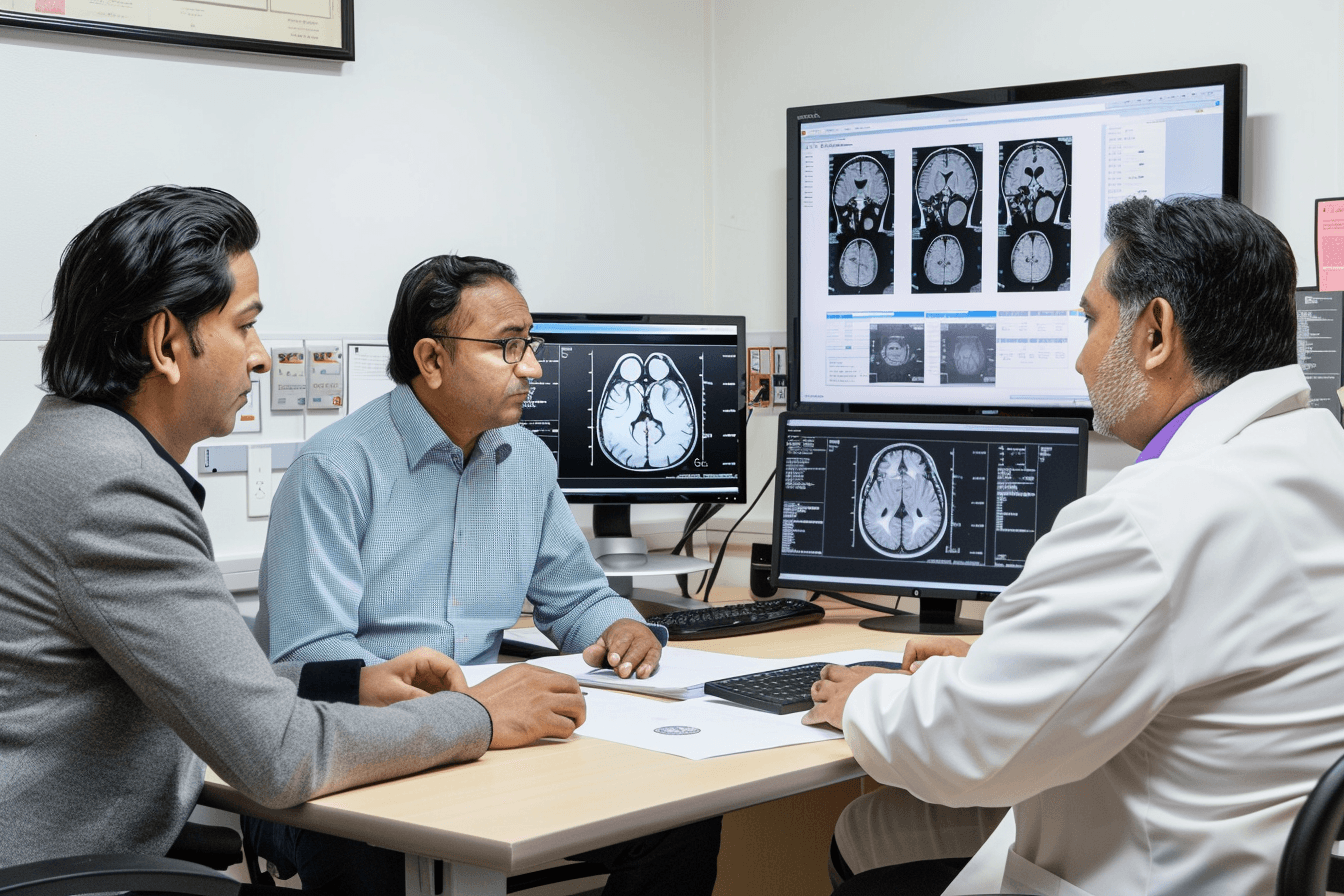
Modern medicine asks: What is the tumor type and grade?
When modern medicine evaluates glioma causes and treatment direction, the first priority is to identify the tumor accurately. The clinical question is usually: What type of glioma is this, what grade is it, where is it located, and how aggressively is it behaving?
This is why MRI is so important. MRI helps doctors understand the size, location, swelling, contrast enhancement, pressure effect, involvement of nearby brain structures, and possible surgical risk. A tumor in the speech area, motor area, brainstem, thalamus, optic pathway, or spinal cord needs a very different plan from a tumor in a less sensitive region.
Biopsy or surgery provides tissue for pathology. Pathology tells whether the tumor is astrocytoma, oligodendroglioma, glioblastoma, ependymoma, diffuse midline glioma, or another tumor type. Modern classification also depends on molecular markers. These may include IDH mutation, 1p 19q codeletion, MGMT promoter methylation, H3 K27 alteration, TERT promoter mutation, EGFR amplification, and other markers depending on the case. These findings help doctors estimate prognosis, treatment response, recurrence risk, and follow up needs. [1], [2]
Surgery planning is based on how much tumor can be removed safely without damaging important brain functions. In some patients, maximal safe removal may be possible. In others, biopsy alone may be safer because the tumor lies in a vital region. Radiation and chemotherapy decisions depend on the tumor type, grade, age, performance status, molecular profile, symptoms, and patient preference. [2], [9], [10]
Surveillance is another key part of modern care. Even after treatment, gliomas may recur because microscopic tumor cells can remain in surrounding brain tissue. Follow up MRI scans, neurological assessment, seizure control, steroid management, rehabilitation, and symptom monitoring are therefore essential. Modern medicine identifies the tumor, measures its behavior, and builds a treatment plan around evidence, imaging, pathology, molecular diagnosis, and safety. [2], [9], [10]
Ayurveda asks: Why did the internal terrain permit abnormal growth?
Ayurveda asks a different but complementary question. Instead of asking only what type of tumor is present, Ayurveda asks why the patient’s internal terrain became vulnerable. This includes Agni, Ama, Dosha, Dhatu, Srotas, Ojas, Prakriti, digestion, sleep, lifestyle, toxin exposure, stress history, disease history, strength, and recovery capacity.
Agni is the foundation of digestion, metabolism, tissue nourishment, and clarity of transformation. When Agni is disturbed, the body may fail to process food, emotions, stress, medicines, and metabolic waste properly. This can lead to Ama, which Ayurveda describes as incompletely processed toxic residue. Ama may disturb tissue nourishment, immunity, clarity, and channel movement. [28], [29]
Dosha assessment helps explain the pattern of imbalance. Vata is especially important in glioma like neurological conditions because it governs movement, nerve signaling, sensory coordination, sleep rhythm, speech, pain, tremor, and subtle nervous system activity. Pitta may be involved where there is heat, inflammation, sharp progression, irritability, vascular disturbance, or tissue damage. Kapha may be involved where there is heaviness, obstruction, growth, swelling, and stagnation. [30], [32]
Dhatu assessment helps identify deeper tissue vulnerability. Since glioma affects the brain or spinal cord, Majja Dhatu becomes especially important. Majja is related to deep neurological strength, marrow related tissue, stability, and nervous system resilience. Rakta Dhatu may also be considered where inflammation, heat, vascular involvement, or abnormal blood vessel activity is prominent.
Srotas assessment helps evaluate channel function. Srotas are the pathways of nourishment, movement, communication, and waste clearance. When Srotas become obstructed, called Srotorodha, tissue nutrition and internal clearance may be disturbed. In glioma like conditions, Majja Vaha Srotas, Prana Vaha Srotas, Manovaha function, Sira involvement, and Marma relevance may be considered as part of the Ayurvedic interpretation. [28], [29], [30]
Ojas assessment is critical because glioma patients often face fatigue, fear, poor sleep, weakness, reduced treatment tolerance, immune stress, emotional exhaustion, and low resilience. Ojas represents vitality, immunity, endurance, recovery strength, and stability. Ayurveda therefore asks not only how the tumor behaves, but also how strong the patient is to tolerate treatment and recover. [32], [33]
Prakriti, lifestyle, digestion, sleep, occupational exposure, chemical exposure, emotional burden, previous illnesses, medication history, bowel pattern, appetite, mental state, and family constitution also matter in Ayurvedic assessment. This does not mean Ayurveda replaces MRI, biopsy, pathology, molecular testing, surgery, radiation, chemotherapy, or neuro oncology care. It means Ayurveda studies the patient as a whole biological terrain, not only the visible tumor.
The integrated answer is stronger
The strongest approach is not to make modern medicine and Ayurveda compete. They ask different questions, and both questions matter.
Modern medicine asks: What exactly is the tumor? Ayurveda asks: What is the condition of the patient in whom this tumor developed?
Modern diagnosis identifies glioma type, grade, location, molecular profile, surgical possibility, radiation need, chemotherapy need, recurrence risk, and follow up schedule. This is essential because glioma treatment cannot be planned safely without MRI, pathology, molecular markers, and specialist judgment. [1], [2], [9], [10]
Ayurveda helps assess systemic terrain. It looks at Agni, Ama, Dosha, Dhatu, Srotas, Ojas, Prakriti, sleep, digestion, bowel function, stress, strength, fatigue, immunity, mental stability, and treatment tolerance. This can help create a supportive care plan focused on resilience, quality of life, neurological stability, digestion, sleep, emotional steadiness, and recovery capacity. [28], [29], [30], [32], [33]
For the patient, the integrated message is clear. Modern medicine identifies and treats the tumor. Ayurveda supports the terrain in which the patient must survive, heal, tolerate treatment, and maintain long term strength.
This balanced explanation also protects patients from two extremes. It avoids reducing glioma only to a scan finding, and it also avoids making unsafe claims that internal imbalance alone explains or cures the tumor. A clinically responsible integrative model respects both realities: glioma is a serious neurological tumor requiring modern diagnosis and treatment, and the patient is a whole person whose digestion, sleep, strength, immunity, emotions, and tissue resilience also need careful support.
Patient Questions

Why did I get glioma with no family history?
Many patients feel confused when they are diagnosed with glioma despite having no family history of brain tumor. This is one of the most common questions because people often assume that a tumor must be inherited if a genetic mutation is found in the report.
In most patients, glioma does not develop because of a directly inherited family mutation. Many gliomas arise from acquired genetic and molecular changes inside glial cells during life. These acquired changes occur in the tumor cells themselves and are not necessarily present in every cell of the body. This means they are usually not passed from parents to children.
For example, a tumor may show IDH mutation, 1p 19q codeletion, H3 K27 alteration, EGFR amplification, TERT promoter mutation, or other molecular features. These findings help doctors classify the tumor and understand its behavior, but they do not automatically mean that the patient has a hereditary disease. [1], [2], [6], [7]
This is important for emotional relief. A person can develop glioma even when no one in the family had brain tumor. In such cases, glioma causes are usually better explained through acquired tumor biology, age pattern, cellular mutation, tumor location, immune behavior, and individual susceptibility rather than direct inheritance.
Can glioma be caused by stress?
Ordinary stress alone is not proven as a direct single cause of glioma. A stressful job, grief, emotional trauma, poor sleep, anxiety, overwork, or family tension should not be treated as proof that the patient caused the tumor.
However, stress can still affect the patient indirectly. Long standing stress may disturb sleep, digestion, immunity, inflammation, hormones, appetite, mental clarity, pain perception, and recovery capacity. It may also worsen headache, fatigue, anxiety, concentration problems, seizure threshold in some patients, and treatment tolerance.
The correct explanation is balanced. Stress may affect the body terrain and healing strength, but it is not established as a direct glioma cause in the way ionizing radiation is recognized as a clearer environmental risk factor. [4], [5], [6]
From an Ayurvedic perspective, chronic stress may aggravate Vata, disturb Agni, reduce Ojas, weaken sleep, and increase Ama formation. This may affect resilience and recovery capacity. But even in Ayurveda, it is safer to explain stress as a terrain disturbing factor rather than the single direct cause of glioma.
Are gliomas hereditary?
Most gliomas are sporadic, meaning they occur without a clear inherited family pattern. A patient may be the only person in the family with glioma. This is common and should be explained clearly to reduce fear among children, siblings, and relatives.
A small number of gliomas are linked with inherited syndromes. These include neurofibromatosis type 1, tuberous sclerosis complex, Li Fraumeni syndrome, Lynch syndrome, constitutional mismatch repair deficiency, and other rare cancer predisposition conditions. These syndromes can increase the risk of brain tumors, especially in selected childhood and young adult cases. [6], [7], [15]
Genetic counseling may be useful when there is a strong family history of early cancers, multiple cancers in one person, childhood tumors, rare tumor combinations, known genetic syndrome, or several affected relatives. But if a patient has no such history, the presence of glioma does not automatically mean that the whole family is at high risk.
The patient friendly message is this: glioma may contain genetic changes, but genetic change in the tumor is not the same as hereditary disease.
Can glioma causes differ by age?
Yes. Glioma causes and risk patterns can differ by age. This is why the same word glioma can mean very different things in a child, young adult, middle age adult, or older adult.
In children, gliomas are often related to developmental molecular changes, growth pathway alterations, and in some cases inherited syndromes such as neurofibromatosis type 1 or tuberous sclerosis complex. Pediatric low grade gliomas and optic pathway gliomas are examples where childhood biology is different from adult glioma biology. [6], [15], [16]
In teenagers and young adults, lower grade diffuse gliomas, IDH mutated astrocytoma, and oligodendroglioma are often discussed. These tumors may grow slowly and present first with seizures, subtle headaches, mood change, visual symptoms, or cognitive changes. [1], [2], [7], [17]
In middle age, the risk pattern may involve accumulated cellular changes, DNA repair burden, possible environmental exposure history, metabolic stress, and tumor specific molecular behavior. Symptoms may be mistaken for work pressure, migraine, fatigue, anxiety, or poor sleep.
In older adults, glioblastoma becomes more common. Aging may increase vulnerability to acquired cellular errors, immune decline, reduced tissue resilience, and aggressive tumor behavior. This is why older adult gliomas may appear suddenly and progress quickly. [2], [3], [17], [19]
So the answer is clear: age changes tumor biology, symptom delay, risk pattern, treatment tolerance, recovery needs, and follow up strategy.
Can understanding cause reduce recurrence risk?
Understanding glioma causes can help patients make wiser decisions, but it cannot guarantee recurrence prevention. Glioma recurrence depends on tumor type, grade, molecular markers, surgical removal extent, microscopic tumor spread, radiation response, chemotherapy response, age, neurological condition, and follow up discipline. [1], [2], [9], [10]
Still, cause analysis has real value. It helps patients understand why long term MRI monitoring is necessary. It encourages them to ask about molecular markers, seizure control, treatment response, recurrence warning signs, rehabilitation, steroid effects, and neurological function. It also helps them avoid false guilt and focus on practical care.
From an integrative point of view, understanding causes can support better internal terrain management. Patients may improve sleep, digestion, nutrition, bowel regularity, stress control, metabolic health, immune resilience, strength, and treatment tolerance. Ayurveda may support this through Agni correction, Ama reduction, Vata stabilization, Majja Dhatu support, Srotas clarity, and Ojas protection. [28], [29], [30], [32], [33]
However, recurrence prevention must always include structured medical monitoring. A patient should not rely only on lifestyle changes, diet, supplements, herbs, or symptom improvement. Follow up MRI, neuro oncology review, seizure medicine when prescribed, rehabilitation, and timely treatment of recurrence remain essential.
The safest message is this: understanding glioma causes may improve awareness, resilience, and care discipline, but recurrence risk must be managed through both medical surveillance and supervised supportive care.
Why Cause Analysis Matters Before Choosing a Treatment Path

A glioma is not only a scan finding. It is a biological event happening inside a living person with a unique age, Prakriti, immune pattern, metabolic history, neurological symptoms, treatment history, emotional burden, and recovery capacity.
Before choosing any long term care plan, patients should understand the tumor type, tumor grade, molecular markers, MRI location, symptom pattern, seizure risk, recurrence possibility, treatment tolerance, and whole body health pattern. Modern medicine helps identify the tumor through MRI, biopsy, pathology, molecular testing, surgery planning, radiation, chemotherapy, and surveillance. Ayurveda helps assess the internal terrain through Agni, Ama, Dosha, Dhatu, Srotas, Ojas, sleep, digestion, strength, and resilience. [2], [9], [10], [28], [29], [32]
This is where an integrative, clinically supervised approach becomes more meaningful. The goal is not to replace oncology care, but to support the patient more completely. A responsible plan should consider tumor biology, neurological function, treatment side effects, fatigue, sleep, appetite, bowel function, emotional stress, immunity, Ojas protection, and quality of life.
Read Next: Complete Glioma Ayurvedic Treatment Guide
A glioma is not only a brain scan report. It is a deep biological event occurring in a patient with a unique age, constitution, immune pattern, metabolic history, neurological symptoms, treatment history, and emotional burden.
Before choosing a long term care path, patients should understand the tumor type, grade, molecular markers, location, symptoms, recurrence risk, and whole body health pattern. Modern diagnosis identifies the tumor. Ayurveda helps evaluate the internal terrain that supports strength, recovery, treatment tolerance, and long term resilience. [2], [9], [10], [28], [29], [32]
Read Next: Complete Glioma Ayurvedic Treatment Guide
Reference
[1] Louis, D. N., Perry, A., Wesseling, P., Brat, D. J., Cree, I. A., Figarella-Branger, D., Hawkins, C., Ng, H. K., Pfister, S. M., Reifenberger, G., Soffietti, R., von Deimling, A., & Ellison, D. W. (2021). The 2021 WHO classification of tumors of the central nervous system: A summary. Neuro-Oncology, 23(8), 1231–1251. https://pmc.ncbi.nlm.nih.gov/articles/PMC8328013/
Brief: Best source for modern glioma classification, molecular diagnosis, IDH mutation, 1p/19q co-deletion, and WHO tumor naming.
[2] Weller, M., van den Bent, M., Preusser, M., Le Rhun, E., Tonn, J. C., Minniti, G., Bendszus, M., Balana, C., Chinot, O., Dirven, L., French, P., Hegi, M. E., Jakola, A. S., Platten, M., Roth, P., Rudà, R., Short, S., Smits, M., Taphoorn, M. J. B., von Deimling, A., Westphal, M., Soffietti, R., Reifenberger, G., & Wick, W. (2021). EANO guidelines on the diagnosis and treatment of diffuse gliomas of adulthood. Nature Reviews Clinical Oncology, 18(3), 170–186. https://www.nature.com/articles/s41571-020-00447-z
Brief: Strong guideline for adult glioma diagnosis, molecular testing, surgery, radiotherapy, chemotherapy, and follow-up planning.
[3] Price, M., Ostrom, Q. T., Kruchko, C., Barnholtz-Sloan, J. S., & CBTRUS. (2025). CBTRUS statistical report: Primary brain and other central nervous system tumors diagnosed in the United States in 2018–2022. Neuro-Oncology, 27(Supplement 4), iv1–iv94. https://academic.oup.com/neuro-oncology/article/27/Supplement_4/iv1/8285946
Brief: Latest statistical source for age-wise brain tumor patterns, childhood gliomas, adult gliomas, glioblastoma burden, incidence, and survival data.
[4] Braganza, M. Z., Kitahara, C. M., Berrington de González, A., Inskip, P. D., Johnson, K. J., & Rajaraman, P. (2012). Ionizing radiation and the risk of brain and central nervous system tumors: A systematic review. Neuro-Oncology, 14(11), 1316–1324. https://pmc.ncbi.nlm.nih.gov/articles/PMC3480263/
Brief: Important evidence showing ionizing radiation as one of the clearest environmental risk factors for brain and CNS tumors.
[5] Bondy, M. L., Scheurer, M. E., Malmer, B., Barnholtz-Sloan, J. S., Davis, F. G., Il’yasova, D., Kruchko, C., McCarthy, B. J., Rajaraman, P., Schwartzbaum, J. A., Sadetzki, S., Schlehofer, B., Tihan, T., Wiemels, J. L., Wrensch, M., & Buffler, P. A. (2008). Brain tumor epidemiology: Consensus from the Brain Tumor Epidemiology Consortium. Cancer, 113(7 Suppl), 1953–1968. https://pmc.ncbi.nlm.nih.gov/articles/PMC2861559/
Brief: Broad risk-factor review covering inherited susceptibility, radiation, immune factors, allergy associations, and environmental uncertainty.
[6] Ostrom, Q. T., Adel Fahmideh, M., Cote, D. J., Muskens, I. S., Schraw, J. M., Scheurer, M. E., & Bondy, M. L. (2019). Risk factors for childhood and adult primary brain tumors. Neuro-Oncology, 21(11), 1357–1375. https://pmc.ncbi.nlm.nih.gov/articles/PMC6827837/
Brief: Excellent source for explaining that most brain tumor causes remain uncertain, while ionizing radiation and some inherited syndromes are better established.
[7] Molinaro, A. M., Taylor, J. W., Wiencke, J. K., & Wrensch, M. R. (2019). Genetic and molecular epidemiology of adult diffuse glioma. Nature Reviews Neurology, 15(7), 405–417. https://pmc.ncbi.nlm.nih.gov/articles/PMC7286557/
Brief: Useful for IDH mutation, genetic risk loci, adult diffuse glioma biology, acquired mutations, inherited predisposition, and molecular epidemiology.
[8] Jamshidi, P., & Pal, S. (2022). The 2021 WHO classification of central nervous system tumors. Current Neurology and Neuroscience Reports, 22, 747–758. https://pubmed.ncbi.nlm.nih.gov/36226717/
Brief: Simple review of WHO 2021 classification. Useful for explaining glioma types in patient-friendly language.
[9] National Institute for Health and Care Excellence. (2021). Brain tumours: Primary and brain metastases in adults. NICE guideline NG99. https://www.nice.org.uk/guidance/ng99
Brief: UK clinical guideline for adult brain tumor diagnosis, monitoring, management, patient support, and follow-up care.
[10] Lerner, A., et al. (2024). Gliomas in adults: Guidance on investigations, diagnosis, treatment and surveillance. Clinical Medicine. https://pubmed.ncbi.nlm.nih.gov/39233205/
Brief: Practical adult glioma guidance for investigation, diagnosis, treatment, surveillance, and real-world clinical decision-making.
[11] National Center for Complementary and Integrative Health. (2024). Cancer and complementary health approaches: What you need to know. https://www.nccih.nih.gov/health/cancer-and-complementary-health-approaches-what-you-need-to-know
Brief: Safety reference for discussing complementary and integrative cancer care responsibly.
[12] Schwartzbaum, J. A., Fisher, J. L., Aldape, K. D., & Wrensch, M. (2006). Epidemiology and molecular pathology of glioma. Nature Clinical Practice Neurology, 2(9), 494–503. https://mdanderson.elsevierpure.com/en/publications/epidemiology-and-molecular-pathology-of-glioma/
Brief: Helpful source for explaining that high-dose ionizing radiation and rare inherited mutations are among the more conclusive glioma risk factors.
[13] Ostrom, Q. T., Cioffi, G., Waite, K., Kruchko, C., & Barnholtz-Sloan, J. S. (2021). Epidemiology of brain and other CNS tumors. Current Neurology and Neuroscience Reports, 21, 68. https://pmc.ncbi.nlm.nih.gov/articles/PMC8613072/
Brief: Supports age, sex, race, incidence, and tumor-type differences in brain and CNS tumors.
[14] Kotch, C., et al. (2024). Low-grade glioma in children with neurofibromatosis type 1. Current Oncology Reports. https://pubmed.ncbi.nlm.nih.gov/38704493/
Brief: Strong pediatric reference for NF1-related low-grade glioma, especially optic pathway glioma.
[15] Friedman, J. M. (2025). Neurofibromatosis 1. In GeneReviews. University of Washington, Seattle. https://www.ncbi.nlm.nih.gov/books/NBK1109/
Brief: Clinical source for NF1, inherited predisposition, optic pathway glioma, non-optic glioma, and genetic counseling.
[16] Fangusaro, J., Jones, D. T. W., Packer, R. J., & others. (2024). Pediatric low-grade glioma: State-of-the-art and ongoing challenges. Neuro-Oncology. https://pmc.ncbi.nlm.nih.gov/articles/PMC10768984/
Brief: Key pediatric glioma reference covering biology, frequency, molecular features, chronic disease behavior, and treatment challenges.
[17] Ostrom, Q. T., Bauchet, L., Davis, F. G., Deltour, I., Fisher, J. L., Langer, C. E., Pekmezci, M., Schwartzbaum, J. A., Turner, M. C., Walsh, K. M., Wrensch, M. R., & Barnholtz-Sloan, J. S. (2014). The epidemiology of glioma in adults: A “state of the science” review. Neuro-Oncology, 16(7), 896–913. https://pmc.ncbi.nlm.nih.gov/articles/PMC4057143/
Brief: Good source for adult glioma epidemiology, age patterns, risk factors, and uncertainty in causation.
[18] Piotrowski, A. F., et al. (2022). Identifying risk factors for recurrence and relapse in neurofibromatosis type 1-associated optic pathway glioma. Neuro-Oncology Advances. https://pmc.ncbi.nlm.nih.gov/articles/PMC9340616/
Brief: Useful if discussing pediatric NF1 optic pathway glioma monitoring and recurrence risk.
[19] Mayo Clinic. (2026). Glioblastoma: Symptoms and causes. https://www.mayoclinic.org/diseases-conditions/glioblastoma/symptoms-causes/syc-20569077
Brief: Patient-friendly reference for glioblastoma symptoms, age association, and general risk explanation.
[20] Kresbach, C., Neyazi, S., & Schüller, U. (2022). Updates in the classification of ependymal neoplasms: The 2021 WHO classification and beyond. Acta Neuropathologica Communications, 10, 125. https://pmc.ncbi.nlm.nih.gov/articles/PMC9245931/
Brief: Useful for ependymoma classification, molecular grouping, pediatric and adult differences, and tumor biology.
[21] National Cancer Institute. (2024). Ependymoma: Diagnosis and treatment. https://www.cancer.gov/rare-brain-spine-tumor/tumors/ependymoma
Brief: Patient-friendly source explaining ependymoma as a CNS tumor beginning in the brain or spinal cord.
[22] Osborn, A. G., Louis, D. N., Poussaint, T. Y., Linscott, L. L., & Salzman, K. L. (2022). The 2021 World Health Organization classification of tumors of the central nervous system: What neuroradiologists need to know. American Journal of Neuroradiology, 43(7), 928–937. https://pmc.ncbi.nlm.nih.gov/articles/PMC9262075/
Brief: Excellent radiology-oriented source for WHO 2021 CNS tumor classification, imaging context, and diffuse midline glioma discussion.
[23] Baan, R., Grosse, Y., Lauby-Secretan, B., El Ghissassi, F., Bouvard, V., Benbrahim-Tallaa, L., Guha, N., Islami, F., Galichet, L., & Straif, K. (2011). Carcinogenicity of radiofrequency electromagnetic fields. The Lancet Oncology, 12(7), 624–626. https://pubmed.ncbi.nlm.nih.gov/21845765/
Brief: Use carefully for the historical IARC classification of radiofrequency electromagnetic fields as possibly carcinogenic.
[24] National Cancer Institute. (2024). Cell phones and cancer risk fact sheet. https://www.cancer.gov/about-cancer/causes-prevention/risk/radiation/cell-phones-fact-sheet
Brief: Balancing source stating that current evidence does not show that cell phone use causes brain cancer in humans.
[25] National Center for Complementary and Integrative Health. (2024). Psychological and physical approaches for cancer symptoms and treatment side effects. https://www.nccih.nih.gov/health/providers/digest/mind-and-body-approaches-for-cancer-symptoms-and-treatment-side-effects
Brief: Useful for safe integrative oncology language around symptom support, stress, pain, fatigue, and treatment-related side effects.
[26] Mao, J. J., Ismaila, N., Bao, T., Barton, D., Ben-Arye, E., Garland, E. L., Greenlee, H., Leblanc, T., Lee, R. T., Lopez, A. M., Loprinzi, C., Lyman, G. H., MacLeod, J., Master, V. A., Paice, J. A., Rowland, J. H., & Witt, C. M. (2022). Integrative medicine for pain management in oncology: Society for Integrative Oncology and American Society of Clinical Oncology guideline. Journal of Clinical Oncology, 40(34), 3998–4024. https://pubmed.ncbi.nlm.nih.gov/36122322/
Brief: Main ASCO-SIO guideline supporting selected integrative therapies for oncology symptom and pain management.
[27] World Health Organization. (2025). WHO global traditional medicine strategy 2025–2034. https://www.who.int/publications/i/item/9789240113176
Brief: Global policy reference supporting safe, evidence-based, regulated, and integrated use of traditional, complementary, and integrative medicine.
[28] Sharma, R. K., & Dash, B. (Trans.). (2014). Charaka Samhita of Agnivesha, Vimana Sthana, Chapter 5: Srotovimana Adhyaya. Chowkhamba Sanskrit Series Office. https://www.carakasamhitaonline.com/index.php/Sroto_Vimana
Brief: Classical Ayurvedic source for Srotas, channel function, transport pathways, and Srotorodha interpretation.
[29] Sharma, R. K., & Dash, B. (Trans.). (2014). Charaka Samhita of Agnivesha, Sutra Sthana, Chapter 28: Vividhashitapitiya Adhyaya. Chowkhamba Sanskrit Series Office. https://www.carakasamhitaonline.com/index.php/Vividhashitapitiya_Adhyaya
Brief: Supports Dhatu nourishment, tissue metabolism, diet, digestion, and Dhatu-level disease interpretation.
[30] Sharma, R. K., & Dash, B. (Trans.). (2014). Charaka Samhita of Agnivesha, Chikitsa Sthana, Chapter 28: Vatavyadhi Chikitsa. Chowkhamba Sanskrit Series Office. https://www.carakasamhitaonline.com/index.php/Vatavyadhi_Chikitsa
Brief: Classical source for Vata disorders, neurological dysfunction, movement disturbance, weakness, and nervous system interpretation.
[31] Sushruta. (2012). Sushruta Samhita, Nidana Sthana, Chapter 11: Granthi, Apachi, Arbuda, Galaganda Nidana. In K. R. Srikantha Murthy (Trans.), Sushruta Samhita. Chaukhambha Orientalia. https://www.easyayurveda.com/sushruta-samhita-nidanasthana-chapter-11-granthi-apaci-arbudam-galaganda-nidanam-benign-tumor-cervical-metastasis-malignant-tumor-and-cervical-lymphadenitis/
Brief: Use for Granthi and Arbuda as classical frameworks for abnormal growths. Do not claim direct glioma description.
[32] Vagbhata. (2013). Ashtanga Hridaya, Sutra Sthana, Chapter 11: Doshadi Vijnaniya Adhyaya. In K. R. Srikantha Murthy (Trans.), Ashtanga Hridaya. Krishnadas Academy. https://www.easyayurveda.com/tridosha-in-ayurveda-complete-details-astanga-hruday-sutrasthan-11/
Brief: Supports Dosha, Dhatu, Mala, Ojas, Vata dominance, and systemic Ayurvedic disease interpretation.
[33] Sushruta. (2012). Sushruta Samhita, Sutra Sthana, Chapter 15: Doshadhatumala Kshaya Vriddhi Vijnaniya. In K. R. Srikantha Murthy (Trans.), Sushruta Samhita. Chaukhambha Orientalia. https://www.easyayurveda.com/sushruta-15-doshadhatumala-kshayavruddhi-vijnaninya-adhyaya/
Brief: Classical source for increase and decrease of Dosha, Dhatu, and Mala. Useful for Majja Dhatu weakness, Ojas decline, and tissue imbalance discussion.
FAQ
What are the main glioma causes?
Glioma causes are usually complex. They may involve acquired tumor mutations, age related risk patterns, rare inherited syndromes, radiation exposure, immune factors, and environmental exposures under study. In many patients, no single clear cause is found.
Are gliomas inherited from parents?
Most gliomas are not directly inherited. Many develop from acquired molecular changes inside tumor cells during life. Rare inherited syndromes such as neurofibromatosis type 1, tuberous sclerosis, Li Fraumeni syndrome, and Turcot syndrome can increase risk in selected families.
Can glioma occur at any age?
Yes. Gliomas can occur in children, teenagers, young adults, middle aged adults, and older adults. The tumor pattern changes with age, and CBTRUS data show that glioma proportions vary substantially across children, adolescent and young adult groups, and older adults.
Is radiation a proven glioma risk factor?
Ionizing radiation is one of the clearest established environmental risk factors for brain and central nervous system tumors. This is different from ordinary mobile phone radiation. A past history of radiation treatment to the head, neck, brain, or nearby areas should be shared with the doctor.
Can stress cause glioma?
Ordinary stress alone is not proven as a direct single cause of glioma. Stress may affect sleep, digestion, immunity, inflammation, energy, and recovery capacity, but patients should not blame one stressful period for causing a brain tumor.
Can mobile phone use cause glioma?
Current evidence has not established mobile phone use as a clear cause of glioma. The National Cancer Institute states that evidence to date suggests cell phone use does not cause brain or other cancers in humans, although research continues.
Why does glioma feel sudden?
Glioma can feel sudden because symptoms may appear only when the tumor affects speech, movement, vision, memory, balance, or seizure related brain regions. Slow growing tumors may cause seizures months or years before diagnosis in some patients.
What early warning signs should not be ignored?
Important warning signs include a new seizure, persistent headache, vomiting without clear reason, speech difficulty, weakness, personality change, memory decline, confusion, vision change, poor balance, or repeated neurological episodes. These symptoms need timely medical evaluation.
Why are glioblastomas more common in older adults?
Glioblastoma is more common in older adults because aging may increase vulnerability to acquired cellular errors, reduced repair capacity, immune decline, and aggressive tumor biology. CBTRUS reports that glioblastoma accounts for most gliomas in its dataset.
Can Ayurveda explain glioma causes differently?
Ayurveda does not name glioma directly in classical texts. It interprets glioma like deep neurological growth through Majja Dhatu disturbance, Vata aggravation, Ama, Srotorodha, Ojas depletion, Sira involvement, Granthi, and Arbuda frameworks. This is a terrain based explanation, not a replacement for MRI or biopsy
Can understanding glioma causes reduce recurrence risk?
Understanding glioma causes can improve awareness, follow up discipline, lifestyle correction, immune resilience, and treatment tolerance. However, recurrence risk depends on tumor type, grade, molecular markers, location, treatment response, and MRI surveillance. Modern follow up remains essential.
When should a glioma patient consider genetic counseling?
Genetic counseling may be helpful when glioma occurs with childhood tumors, multiple cancers in one person, several affected relatives, early onset cancers, known family syndromes, or unusual tumor combinations. Most isolated gliomas without family history are not automatically hereditary.