




- Quick Answer: What Is the Survival Rate for Glioblastoma?
- Why Glioblastoma Survival Statistics Are Confusing
- Important Note: Is This Truly Glioblastoma or Another Grade 4 Glioma?
- Survival by Age in Glioblastoma
- Survival by Performance Status: Why KPS and ECOG Matter
- Survival by Tumor Location, Size, and Spread Pattern
- Survival After Glioblastoma Surgery
- MGMT Methylation and Survival
- IDH Status and Survival
- Other Molecular Markers That May Affect Prognosis
- Standard Treatment and Life Expectancy
- Radiation Therapy and Survival
- Temozolomide and Survival
- Tumor Treating Fields and Survival
- Bevacizumab and Survival
- Treatment Response and Survival
- Survival After Glioblastoma Recurrence
- Long-Term Survival in Glioblastoma
- Survival Without Treatment or With Supportive Care Only
- Quality of Life and Survival
- Palliative Care, Hospice, and End-of-Life Planning
- Caregiver Guidance: What Families Should Know
- How Doctors Estimate an Individual Prognosis
- Questions to Ask the Neuro-Oncology Team
- Common Myths About Glioblastoma Survival
- Frequently Asked Questions
- Reference
The glioblastoma survival rate is one of the first and most difficult questions patients and families ask after diagnosis. Glioblastoma is an aggressive grade 4 brain tumor, but survival statistics describe groups of people, not exactly what will happen to one individual. A person’s glioblastoma life expectancy can vary depending on age, performance status, tumor location, how much tumor can be safely removed, MGMT promoter methylation status, IDH status, and how the tumor responds to radiation and chemotherapy. [1], [2], [3]
In broad U.S. population data from CBTRUS, the median survival for glioblastoma is reported as 8 months, and the overall relative survival rate is 43.0% at 1 year, 7.0% at 5 years, and 4.4% at 10 years. These numbers include a wide range of patients, including older adults, people with poor functional status, patients who may receive biopsy only, and patients who may not complete standard treatment. [1]
However, glioblastoma survival is not determined by the diagnosis alone. For many medically fit patients, standard treatment involves maximal safe surgery or biopsy, followed by radiation therapy with temozolomide, and then maintenance temozolomide. This treatment approach is supported by major clinical evidence and is reflected in both NCI and EANO guidance. [2], [3], [6]
One of the most important molecular markers is MGMT promoter methylation. MGMT methylation is associated with better survival and greater likelihood of benefit from temozolomide. NCI notes that, in a companion molecular analysis, median overall survival was 18.2 months in patients with MGMT promoter methylation compared with 12.2 months in patients without MGMT promoter methylation. [2], [8]
Quick Answer: What Is the Survival Rate for Glioblastoma?
The glioblastoma survival rate depends on the population being studied. In broad registry data, glioblastoma has a median survival of about 8 months, with relative survival of 43.0% at 1 year, 7.0% at 5 years, and 4.4% at 10 years. [1]
For patients who are fit enough to receive standard treatment, survival may be longer than registry averages. Standard therapy usually includes surgery or biopsy, radiation therapy, daily temozolomide during radiation, and additional cycles of temozolomide afterward. In the landmark Stupp trial, adding temozolomide to radiation improved survival compared with radiation alone, which helped establish the modern standard treatment approach. [2], [3], [6]
The most important point is that no single statistic can predict one person’s outcome. A neuro-oncology team estimates prognosis by combining the patient’s age, Karnofsky Performance Status, surgical result, MRI findings, MGMT status, IDH status, treatment tolerance, and response on follow-up scans. [2], [3], [8]
Key survival numbers at a glance
| Measure | Reported glioblastoma survival figure | Explanation it to readers |
|---|---|---|
| Median survival in broad U.S. registry data | 8 months | Half of patients in the registry group lived longer than this, and half lived less. This is not an individual prediction. [1] |
| 1-year relative survival | 43.0% | About 43% of patients in the registry group were alive at 1 year. [1] |
| 5-year relative survival | 7.0% | Long-term survival is possible but uncommon in broad population data. [1] |
| 10-year relative survival | 4.4% | A small group of patients live many years, often with favorable clinical or molecular factors. [1] |
| MGMT-methylated median overall survival in one molecular analysis | 18.2 months | MGMT methylation is a favorable marker and may predict better temozolomide benefit. [2], [8] |
| MGMT-unmethylated median overall survival in the same analysis | 12.2 months | MGMT-unmethylated tumors may respond less strongly to temozolomide, but treatment decisions remain individualized. [2], [8] |
Patient-friendly summary
For most readers, the clearest answer is this: the glioblastoma survival rate is generally low, but life expectancy varies widely from person to person. Age, overall health, ability to function independently, extent of safe surgery, MGMT promoter methylation, and response to radiation and temozolomide all matter. Some people decline quickly despite treatment, while others live much longer than the average. The most accurate estimate comes from the treating neuro-oncologist, who can interpret the patient’s MRI, pathology report, molecular markers, and treatment response together. [1], [2], [3], [8]
Why Glioblastoma Survival Statistics Are Confusing
The glioblastoma survival rate can look different depending on where the number comes from. One source may report a median survival of around 8 months, while another may describe survival closer to 12–18 months or longer in selected patients. These numbers are not necessarily contradictory. They often refer to different patient groups, different treatment settings, and different ways of measuring survival. [1], [2], [6], [7]
For example, large population registries include nearly everyone diagnosed with glioblastoma within a defined region. This can include younger patients, older adults, people who receive full treatment, people who receive biopsy only, and patients who are too unwell to complete radiation or chemotherapy. Because registry data include a broad real-world population, the survival numbers may appear lower than results from clinical trials. [1]
Clinical trials usually include more selected patients. Many trial participants are fit enough to undergo surgery or biopsy, attend radiation therapy, receive chemotherapy, and complete follow-up visits. This means clinical trial survival results often apply best to patients who resemble the trial population, not necessarily to every person diagnosed with glioblastoma. [6], [7]
Registry Data vs. Clinical Trial Data
When reading about the glioblastoma survival rate, it is important to ask whether the statistic comes from registry data or from a clinical trial.
Registry data are useful because they show what happens across a broad population. The CBTRUS statistical report, for example, provides large-scale U.S. data on glioblastoma incidence and survival. These numbers are helpful for understanding the overall seriousness of glioblastoma, but they do not adjust perfectly for every individual factor such as surgical result, MGMT status, treatment completion, or functional status. [1]
Clinical trial data are useful because they show how a specific treatment performed under controlled conditions. The landmark Stupp trial showed that adding temozolomide to radiotherapy improved survival compared with radiotherapy alone in newly diagnosed glioblastoma. However, trial results are based on patients who met eligibility criteria, so they may not fully represent frail patients, very elderly patients, or people with severe neurological decline at diagnosis. [6], [7]
This is why a patient’s neuro-oncology team may give a prognosis that differs from a general online survival statistic. The doctor is not looking only at the diagnosis. They are also considering age, Karnofsky Performance Status, tumor location, extent of resection, molecular markers such as MGMT, and response to treatment. [2], [33]
Median Survival Is Not the Same as a Personal Life Expectancy
Many articles use the term median survival when discussing the glioblastoma survival rate. Median survival means that half of the patients in a studied group lived longer than that time point, and half lived less. It does not mean that every patient will live exactly that long.
For example, if a study reports a median survival of 12 months, some patients may live only a few months, while others may live several years. Median survival is useful for comparing groups, but it should not be interpreted as a countdown for an individual patient. [2], [6], [7]
This distinction matters because glioblastoma outcomes vary widely. A younger patient with good functional status, a safely resectable tumor, MGMT promoter methylation, and good response to treatment may have a different outlook than an older, frail patient with multifocal disease or a tumor that cannot be safely removed. [2], [33]
Overall Survival, Relative Survival, and Progression-Free Survival
Survival statistics may also differ because studies measure different endpoints.
Overall survival measures the time from diagnosis, surgery, or treatment start until death from any cause. This is one of the most important endpoints in glioblastoma research because it directly reflects how long patients live after a defined starting point. [6], [7]
Relative survival compares people with glioblastoma to people in the general population who are similar in age, sex, and other demographic factors. CBTRUS uses relative survival to report population-level outcomes, including 1-year, 5-year, and 10-year survival estimates. [1]
Progression-free survival measures how long a patient lives without clear tumor growth or progression. This can be useful, but it is more difficult to interpret in glioblastoma because MRI changes after radiation may sometimes reflect treatment effect rather than true tumor growth. [2]
Because these endpoints are different, a treatment may improve progression-free survival or MRI appearance without necessarily improving overall survival. This is one reason glioblastoma survival statistics must be interpreted carefully. [2]
Why One Website Says 8 Months and Another Says 12–18 Months
A common reason for confusion is that different sources describe different groups of patients.
A broad registry may include all patients with glioblastoma, including those who are elderly, very ill, treated with supportive care only, or unable to complete standard therapy. In that setting, the reported median survival may be shorter. [1]
A clinical trial may include patients who are well enough to receive radiotherapy and temozolomide. In that setting, survival may appear longer because the group is more selected and receives active treatment. The Stupp trial and its long-term follow-up helped show that radiotherapy plus temozolomide improved survival compared with radiotherapy alone, but those results should be applied in the context of patient fitness and treatment eligibility. [6], [7]
A molecular subgroup may have different survival again. For example, patients with MGMT promoter methylation may respond better to temozolomide than patients without MGMT promoter methylation. Therefore, survival estimates based on MGMT-methylated patients may not apply to all glioblastoma patients. [2]
Survival Statistics Should Be Used as a Guide, Not a Prediction
The glioblastoma survival rate is helpful for understanding the seriousness of the disease, but it cannot predict exactly what will happen to one person. Doctors usually estimate prognosis by combining several factors, including age, performance status, neurological symptoms, tumor size and location, extent of surgery, treatment plan, MGMT promoter methylation, IDH status, and follow-up MRI findings. [2], [33]
For patients and families, the most useful question is not only “What is the average glioblastoma survival rate?” but also “Which factors in this specific case may make the outlook better or worse?” This helps shift the discussion from a general statistic to a more personalized prognosis.
Important Note: Is This Truly Glioblastoma or Another Grade 4 Glioma?
Before interpreting the glioblastoma survival rate, it is important to confirm the exact diagnosis. Modern brain tumor classification no longer relies only on how the tumor looks under the microscope. It also uses molecular markers, especially IDH status, to define the tumor more accurately. This matters because two tumors that both look “grade 4” may have different biology, different treatment implications, and different survival expectations. [3], [4]
In older reports, some tumors were called “IDH-mutant glioblastoma.” In modern classification, these are generally no longer called glioblastoma. They are now classified as astrocytoma, IDH-mutant, CNS WHO grade 4. True adult-type glioblastoma is now generally defined as glioblastoma, IDH-wildtype, CNS WHO grade 4. [3], [4]
This distinction is not just a technical pathology issue. It directly affects how readers should understand the glioblastoma survival rate. Older survival studies may have mixed together tumors that would now be separated into different diagnostic categories. As a result, older glioblastoma life expectancy numbers may not always apply perfectly to a patient diagnosed using current WHO criteria. [4]
Glioblastoma, IDH-Wildtype vs. Astrocytoma, IDH-Mutant, Grade 4
The most important question is whether the tumor is IDH-wildtype or IDH-mutant.
Glioblastoma, IDH-wildtype, CNS WHO grade 4 is the diagnosis most people mean when they say “glioblastoma” today. It is usually an aggressive adult-type diffuse glioma and is commonly associated with molecular features such as TERT promoter mutation, EGFR amplification, or combined chromosome 7 gain and chromosome 10 loss. [3], [5]
Astrocytoma, IDH-mutant, CNS WHO grade 4 is a different diagnosis. It can also be a serious grade 4 glioma, but it is biologically distinct from IDH-wildtype glioblastoma. Therefore, its prognosis should not automatically be interpreted using general glioblastoma survival statistics. [3], [4]
A simple way to explain this to readers:
Not every grade 4 glioma is the same disease.
A tumor may be grade 4 because it is glioblastoma, IDH-wildtype, or because it is an IDH-mutant astrocytoma that has progressed to grade 4. These diagnoses can look similar in everyday conversation, but they are not identical.
Why This Difference Matters for Survival
The glioblastoma survival rate is usually reported for groups of patients with glioblastoma. But if a patient’s tumor is actually astrocytoma, IDH-mutant, grade 4, then the prognosis may be different from the typical glioblastoma statistics found online. [3], [4]
This is why patients and caregivers should avoid relying only on the words “grade 4 brain tumor.” The more useful question is:
“What is the complete integrated diagnosis?”
The integrated diagnosis combines:
Tumor type
For example, glioblastoma or astrocytoma.
Molecular status
Especially IDH-wildtype or IDH-mutant.
CNS WHO grade
For example, CNS WHO grade 4.
Additional markers
Such as MGMT promoter methylation, TERT promoter mutation, EGFR amplification, chromosome 7/10 changes, ATRX, p53, and sometimes CDKN2A/B deletion.
What to Look for in the Pathology Report
The pathology report is one of the most important documents for estimating prognosis. Readers should look for these terms or ask their neuro-oncology team to explain them.
| Pathology item | Why it matters |
|---|---|
| Integrated diagnosis | Gives the final modern diagnosis using both microscopic and molecular findings. |
| IDH status | Helps distinguish glioblastoma, IDH-wildtype from astrocytoma, IDH-mutant, grade 4. |
| MGMT promoter methylation | Helps predict likely benefit from temozolomide and is strongly relevant to survival discussions. |
| TERT promoter mutation | Can support the diagnosis of glioblastoma, IDH-wildtype in the right setting. |
| EGFR amplification | A common molecular feature in IDH-wildtype glioblastoma and may help confirm diagnosis. |
| Chromosome 7 gain / chromosome 10 loss | A molecular pattern associated with glioblastoma-type behavior in IDH-wildtype diffuse astrocytic tumors. |
| ATRX and p53 | Often useful in distinguishing astrocytic tumor subtypes. |
| CDKN2A/B deletion | Especially important in some IDH-mutant astrocytomas, where it can support grade 4 classification. |
| Necrosis and microvascular proliferation | Classic microscopic features that support high-grade aggressive behavior. |
Why Older Articles May Give Confusing Survival Numbers
Some older glioblastoma survival studies were published before modern molecular classification became standard. In those studies, patients may have been grouped together based mainly on microscopic appearance. Today, some of those tumors would likely be reclassified. [4], [5]
That means an older article may report a glioblastoma survival rate that includes tumors with different molecular behavior. This does not make the study useless, but it does mean the numbers should be interpreted carefully.
For a modern patient, the most useful survival discussion should be based on:
- Current WHO diagnosis
- IDH status
- MGMT promoter methylation
- Age and performance status
- Extent of safe surgery
- Radiation and temozolomide plan
- Treatment response on follow-up MRI
Patient-Friendly Explanation
A patient may hear the phrase “grade 4 glioma” and assume it always means glioblastoma. That is not always correct. Glioblastoma is one type of grade 4 glioma, but modern diagnosis also recognizes other grade 4 gliomas, including astrocytoma, IDH-mutant, CNS WHO grade 4. [3], [4]
For survival discussions, the wording matters. A patient should ask the doctor:
- “Is this glioblastoma, IDH-wildtype?”
“Is this astrocytoma, IDH-mutant, grade 4?”
“What is the MGMT promoter methylation status?”
“Which molecular markers were found?”
“Does my survival estimate come from modern glioblastoma data or older mixed glioma data?”
The key message for readers is simple: the glioblastoma survival rate is most meaningful only after the diagnosis is molecularly confirmed. Once the tumor type, IDH status, MGMT status, and surgical findings are known, the neuro-oncology team can give a more personalized and accurate prognosis.
Survival by Age in Glioblastoma
Age is one of the most important factors that influences survival in glioblastoma. In general, younger patients tend to have better outcomes than older adults. However, age should not be interpreted alone. Prognosis also depends on functional status, tumor location, extent of safe surgery, molecular markers, treatment tolerance, and response on follow-up imaging.
Population-level data show clear differences in survival across age groups. CBTRUS reports the following relative survival estimates for glioblastoma: [1]
| Age group | 1-year relative survival | 5-year relative survival | 10-year relative survival |
|---|---|---|---|
| 0–14 years | 58.3% | 20.1% | 16.7% |
| 15–39 years | 76.7% | 28.5% | 20.1% |
| 40+ years | 41.0% | 5.6% | 3.4% |
| All ages | 43.0% | 7.0% | 4.4% |
These figures are useful for understanding broad survival patterns, but they are not an exact prediction for any individual patient. The 40+ category, for example, includes both medically fit adults in their 40s and frail adults in their 80s. Their treatment options and likely outcomes may be very different.
CBTRUS also reports that glioblastoma is most common in older adults, with the highest incidence in people aged 70–74 years and a median age at diagnosis of about 66 years. [1]
Why age affects survival
Age influences survival for several reasons. Younger patients are often more likely to tolerate surgery, radiation therapy, temozolomide, rehabilitation, and regular follow-up imaging. They may also have fewer medical conditions that complicate treatment.
Older adults may have additional challenges, such as frailty, lower functional status, heart disease, diabetes, kidney disease, cognitive impairment, reduced mobility, or steroid-related complications. These factors can affect whether a patient can safely receive standard treatment or whether a modified treatment plan is more appropriate.
This does not mean older patients cannot benefit from treatment. It means treatment must be individualized. In older adults, doctors usually consider not only survival, but also symptom control, independence, side effects, treatment burden, and quality of life.
Survival in children
Children aged 0–14 years have better population-level survival than older adults, but pediatric cases need specialist interpretation. Brain tumors in children may differ from adult tumors in biology, treatment approach, radiation sensitivity, long-term side effects, and survivorship needs.
For this reason, survival statistics for adult glioblastoma should not be applied directly to children. Pediatric patients should be assessed by a pediatric neuro-oncology team whenever possible.
A patient-friendly explanation would be:
Children with glioblastoma may have different survival patterns than adults, but the outlook still depends on the exact diagnosis, molecular findings, tumor location, surgery, radiation plan, and treatment response.
Survival in adolescents and young adults
Among the age groups reported by CBTRUS, adolescents and young adults aged 15–39 years have the most favorable survival pattern. Their reported 5-year relative survival is 28.5%, compared with 5.6% in adults aged 40 years and older. [1]
This does not mean glioblastoma is easy to treat in younger adults. It remains an aggressive tumor at any age. However, younger patients may be more likely to undergo maximal safe resection, complete radiation therapy, receive temozolomide, recover from complications, and participate in clinical trials.
A careful way to explain this is:
Younger age is generally a favorable prognostic factor, but it does not override tumor biology, MGMT status, surgical result, or treatment response.
Survival in adults over 40
Adults aged 40 years and older have lower population-level survival than younger patients. CBTRUS reports a 1-year relative survival of 41.0%, a 5-year relative survival of 5.6%, and a 10-year relative survival of 3.4% for this group. [1]
This age category is broad, so it should be interpreted carefully. A healthy 45-year-old patient and an 82-year-old patient with multiple medical conditions are not clinically the same, even though both are included in the same 40+ category.
For adults over 40, prognosis is influenced by functional status, surgical result, MGMT promoter methylation, tumor pattern, treatment tolerance, and response on follow-up MRI. A patient who is independent, has a surgically accessible tumor, and can complete chemoradiation may have a different outlook from a patient with poor functional status, multifocal disease, or a tumor that cannot be safely removed.
Survival in elderly patients
Older adults require special attention because glioblastoma is commonly diagnosed later in life. In elderly patients, the standard treatment approach may be modified to reduce treatment burden and preserve quality of life.
Some older patients receive shorter-course radiation, also called hypofractionated radiation, instead of a full six-week course. Depending on the patient’s health, symptoms, MGMT status, and preferences, treatment may include radiation with temozolomide, radiation alone, temozolomide alone, clinical trial therapy, or supportive care.
In a major trial of elderly patients, short-course radiation plus temozolomide improved median overall survival compared with short-course radiation alone. Median overall survival was 9.3 months with radiation plus temozolomide and 7.6 months with radiation alone. Among patients with MGMT promoter methylation, median overall survival was 13.5 months with radiation plus temozolomide compared with 7.7 months with radiation alone. [10]
This shows why age and MGMT status should be interpreted together. In older adults, MGMT promoter methylation can help doctors estimate whether temozolomide is likely to provide meaningful benefit.
Treatment decisions in older adults
Treatment decisions in older adults are not based only on chronological age. Functional status is often just as important. A fit 72-year-old who is walking independently and has good cognition may be treated differently from a frail 72-year-old who is mostly bedbound or has severe neurological decline.
The Nordic trial found that, in patients older than 70 years, survival was better with temozolomide and with hypofractionated radiotherapy than with standard six-week radiotherapy. [11]
The NOA-08 trial also showed the importance of MGMT status in elderly malignant glioma treatment. In that study, MGMT promoter methylation was associated with longer overall survival than unmethylated status, with median overall survival of 11.9 months versus 8.2 months. [12]
For readers, the practical message is:
In older adults, the best treatment is not always the longest or most aggressive treatment. The best treatment is the one most likely to preserve function, control symptoms, reduce treatment burden, and provide meaningful survival benefit based on the patient’s overall health and tumor biology.
How to interpret age-based survival numbers
Age-based survival numbers are helpful, but they are only a starting point. They should not be used as a fixed life expectancy for one patient.
A more accurate prognosis requires several questions:
- What is the patient’s functional status?
- Where is the tumor located?
- Was surgery possible, and how much tumor was safely removed?
- Is the tumor MGMT-methylated or unmethylated?
- Is the tumor IDH-wildtype, or is it another type of grade 4 glioma?
- Can the patient safely receive radiation and temozolomide?
- Is the patient eligible for a clinical trial?
- What do follow-up MRI scans show after treatment?
These details help the neuro-oncology team move from a general age-based statistic to a more personalized prognosis.
Survival is generally better in younger patients and lower in older adults, but age is only one part of prognosis. CBTRUS data show that 5-year relative survival is 28.5% for ages 15–39 and 5.6% for adults aged 40 years and older. [1]
For an individual patient, the most useful question is not only how age affects survival. A better question is how age combines with functional status, surgery, MGMT status, IDH status, treatment plan, and MRI response to shape the overall outlook.
Survival by Performance Status: Why KPS and ECOG Matter

Performance status is one of the most important factors used to estimate prognosis in glioblastoma. It describes how well a patient is functioning in daily life, including whether they can walk, care for themselves, communicate clearly, eat, attend appointments, and tolerate treatment.
Age is important, but performance status can be just as important. A fit older adult who remains independent may be able to receive more active treatment than a younger patient who is severely debilitated by the tumor. For this reason, doctors do not estimate survival from age alone. They also consider how the patient is functioning before and during treatment. [2], [3], [33]
What is Karnofsky Performance Status?
Karnofsky Performance Status, often shortened to KPS, is a scale used in oncology to describe a patient’s level of independence. It ranges from 100 to 0. A higher score means the patient is more independent and better able to tolerate treatment. A lower score means the patient needs more help and may have a higher risk of treatment complications.
In glioblastoma care, KPS is commonly used when planning surgery, radiation therapy, chemotherapy, clinical trial eligibility, and supportive care. Patients with higher KPS are often more likely to complete treatment and may have better survival than patients with lower KPS. [2], [33]
A simplified way to explain KPS is:
- KPS 90–100: The patient is active and able to carry out normal activities with little or no assistance.
- KPS 70–80: The patient can care for themselves but may not be able to work or perform normal activities fully.
- KPS 50–60: The patient needs some assistance with daily activities.
- KPS below 50: The patient needs considerable help and may be too unwell for intensive treatment.
- KPS is not used to judge a patient’s effort or attitude. It is a clinical tool that helps doctors understand how much treatment the body and brain may realistically tolerate.
What is ECOG performance status?
ECOG performance status is another scale used to describe daily functioning. It is often used in oncology clinics and clinical trials. Unlike KPS, which uses a 0–100 range, ECOG uses a 0–5 scale.
ECOG 0 means the patient is fully active.
ECOG 1 means the patient is restricted in physically strenuous activity but can do light work or daily activities.
ECOG 2 means the patient can care for themselves but cannot work and is up and about more than half the day.
ECOG 3 means the patient needs significant help and spends more than half the day in bed or a chair.
ECOG 4 means the patient is completely disabled and fully dependent.
ECOG 5 means death.
In practical terms, lower ECOG scores usually indicate better function. A patient with ECOG 0–1 may be considered for standard treatment or clinical trials, while a patient with ECOG 3–4 may need a modified treatment plan or a stronger focus on symptom control and quality of life.
Why performance status affects survival
Performance status affects survival because it influences what treatment is possible and how well the patient can tolerate that treatment. Surgery, radiation therapy, temozolomide, Tumor Treating Fields, rehabilitation, and clinical trial participation all require a certain level of physical and neurological function.
A patient with good performance status may be more likely to:
- Complete radiation therapy
- Receive temozolomide safely
- Recover from surgery
- Attend frequent follow-up appointments
- Participate in rehabilitation
- Manage treatment side effects
- Qualify for clinical trials
A patient with poor performance status may be more vulnerable to complications, fatigue, infections, falls, steroid side effects, confusion, or rapid neurological decline. In these situations, doctors may recommend shorter-course radiation, temozolomide alone, radiation alone, symptom-directed treatment, palliative care, or supportive care depending on the overall clinical picture. [2], [3]
Performance status and surgery
Performance status is important when deciding whether surgery is safe and useful. A patient who is walking independently and has stable neurological function may be a better candidate for maximal safe resection than a patient who is severely frail or already dependent for most daily activities.
However, surgery decisions are not based only on performance status. Doctors also consider tumor location, tumor size, whether the tumor is near critical brain areas, the expected benefit of removing tumor, and the risk of causing new neurological deficits. EANO emphasizes that preserving neurological function is a priority when planning glioma surgery. [3]
For some patients, biopsy may be safer than a larger operation. A biopsy can confirm the diagnosis and provide tissue for molecular testing, even when major tumor removal is not possible.
Performance status and radiation therapy
Radiation therapy can improve tumor control, but it requires repeated visits over several days or weeks. Patients with good performance status may be able to complete standard chemoradiation, while older or frailer patients may receive a shorter course of radiation.
Shorter-course radiation can reduce treatment burden while still offering potential benefit in selected patients. This is especially relevant for older adults or patients whose functional status makes a long treatment schedule difficult. [2], [3]
When deciding on radiation, doctors consider whether the patient can travel to the treatment center, lie still for treatment, manage fatigue, maintain nutrition, and tolerate possible worsening of swelling or neurological symptoms.
Performance status and chemotherapy
Temozolomide is commonly used in glioblastoma treatment, especially with radiation and afterward as maintenance therapy. Whether a patient can safely receive temozolomide depends partly on performance status, but also on blood counts, liver function, kidney function, infection risk, other illnesses, and MGMT promoter methylation status.
A patient with good functional status may be more likely to complete temozolomide cycles. A patient with poor functional status may have more difficulty tolerating fatigue, nausea, low blood counts, infections, or frequent monitoring.
MGMT promoter methylation can also affect the decision. If an older or frail patient has an MGMT-methylated tumor, temozolomide may be more strongly considered. If the tumor is MGMT-unmethylated, the expected benefit may be smaller, and the care team may weigh treatment burden more carefully. [2]
Performance status and clinical trials
Many glioblastoma clinical trials require a minimum level of performance status. This is because trial treatments may involve extra visits, imaging, blood tests, procedures, or side effects. A patient with very low KPS or high ECOG may not meet eligibility criteria, even if they want to participate.
This can be difficult for families to hear, but trial eligibility rules are designed to protect patient safety and ensure that the study results can be interpreted reliably.
Patients and caregivers should ask about clinical trials early, especially soon after diagnosis or at the first sign of recurrence, because eligibility may change if performance status declines.
Can performance status improve?
In some patients, performance status can improve after treatment of swelling, seizures, or pressure from the tumor. Steroids may temporarily reduce brain swelling and improve headaches, weakness, speech difficulty, or alertness. Surgery may also improve symptoms if the tumor is causing mass effect. Antiseizure treatment, rehabilitation, nutrition support, and physical therapy may help selected patients regain function.
However, performance status can also worsen because of tumor progression, treatment side effects, infections, blood clots, steroid complications, seizures, or cognitive decline. This is why doctors reassess performance status throughout the illness, not only at diagnosis.
How patients and families can use this information
Performance status helps explain why two patients of the same age may receive different treatment recommendations. It also helps families understand why a doctor may recommend a standard plan for one patient and a shorter, less intensive, or comfort-focused plan for another.
Useful questions to ask the care team include:
- What is the patient’s KPS or ECOG score?
- How does functional status affect the treatment plan?
- Is the current decline caused by tumor, swelling, seizures, medication, infection, or another reversible problem?
- Could steroids, surgery, seizure control, or rehabilitation improve function?
- Is standard chemoradiation appropriate, or would a shorter course be safer?
- Would the patient qualify for any clinical trials?
- At what point should palliative care or hospice be discussed?
Performance status is a central part of prognosis in glioblastoma. It reflects how well the patient is functioning and how much treatment they may be able to tolerate. A higher KPS or lower ECOG score is generally associated with more treatment options and a better overall outlook, while poor functional status may limit intensive treatment and increase the importance of symptom control, quality of life, and supportive care.
For an individual patient, prognosis should be discussed in the context of age, performance status, tumor location, surgical result, MGMT status, IDH status, treatment plan, and response on follow-up imaging.
Survival by Tumor Location, Size, and Spread Pattern

Tumor location is an important part of prognosis in glioblastoma because it affects symptoms, surgical options, radiation planning, and the risk of neurological damage. A tumor in an area that can be safely reached and partly or mostly removed may have a different outlook from a tumor located deep in the brain, near critical functional areas, or spread across more than one region.
Doctors do not judge prognosis by location alone. They consider how the tumor behaves on MRI, whether it is causing swelling or pressure, whether it can be safely removed, and whether the patient can tolerate further treatment. Location becomes especially important when it affects the possibility of maximal safe resection, which is one of the key treatment principles in glioblastoma care. [2], [3]
Tumors in surgically accessible areas
Some glioblastomas are located in areas where surgery can be performed with a reasonable chance of removing visible tumor while preserving neurological function. In these cases, surgery may help reduce tumor burden, relieve pressure, improve symptoms, and provide tissue for molecular testing.
Even when a tumor appears surgically accessible, the goal is not simply to remove as much tissue as possible at any cost. The goal is maximal safe resection. This means removing as much tumor as safely possible while avoiding permanent damage to important functions such as movement, speech, vision, memory, or personality. EANO emphasizes that preventing new permanent neurological deficits is a priority in glioma surgery. [3]
Tumors near critical brain areas
Some tumors are located near areas responsible for essential functions. These are often called eloquent brain areas. They may include regions involved in speech, movement, sensation, vision, coordination, or higher cognitive function.
When a tumor is close to these areas, aggressive surgery may carry a higher risk of permanent neurological disability. In such cases, the surgeon may recommend subtotal resection, limited resection, or biopsy rather than attempting complete removal of visible tumor. This does not mean treatment is not possible. It means the treatment plan must balance tumor control with preservation of function.
A smaller operation may be safer if removing more tumor would likely leave the patient unable to speak, walk, see properly, or function independently. In glioblastoma care, maintaining neurological function is closely linked with quality of life and the ability to continue radiation, chemotherapy, rehabilitation, or clinical trial treatment. [2], [3]
Deep-seated tumors
Glioblastomas may also occur in deeper parts of the brain, such as the thalamus, basal ganglia, brainstem region, or areas close to major nerve pathways. These tumors can be more difficult to remove safely because important structures may lie within or around the tumor.
For deep-seated tumors, biopsy may sometimes be the safest way to confirm the diagnosis and obtain molecular information. Treatment may then rely more heavily on radiation therapy, temozolomide, clinical trials, and symptom control. The prognosis depends on the patient’s functional status, molecular profile, tumor behavior, and response to treatment.
Tumor size and mass effect
Tumor size can influence prognosis, but it is not the only factor that matters. A larger tumor may cause more swelling, pressure, headaches, weakness, speech problems, seizures, confusion, or reduced alertness. It may also be harder to remove completely and may increase the risk of symptoms before and after surgery.
Mass effect refers to pressure caused by the tumor and surrounding swelling. When mass effect is significant, patients may need steroids, urgent surgery, or close monitoring. If symptoms improve after steroids or surgery, the patient may become better able to tolerate further treatment. If symptoms continue to worsen, treatment options may become more limited.
Size should therefore be interpreted together with tumor location, swelling, neurological symptoms, performance status, and surgical safety. A moderately sized tumor in a critical area may be harder to treat surgically than a larger tumor in a more accessible location.
Multifocal glioblastoma
Multifocal glioblastoma means there is more than one tumor site in the brain at diagnosis or during the disease course. This pattern can make treatment more complex because surgery may not be able to remove all visible disease. Radiation planning may also be more challenging, especially if tumor sites are separated or involve large areas.
Patients with multifocal disease may still receive treatment, but the goal and intensity of treatment depend on functional status, symptoms, tumor distribution, MGMT status, and overall health. A Danish cohort study on multifocal glioblastoma reported that care patterns and survival differ in this group, supporting the need to discuss prognosis separately from single-site tumors. [28]
For patients and families, the practical point is that multifocal disease often suggests a larger disease burden and may reduce the chance that surgery can control the tumor as effectively as in a single, surgically accessible lesion.
Tumors crossing the midline
Some glioblastomas cross from one side of the brain to the other, often through the corpus callosum. This pattern is sometimes called butterfly glioblastoma. These tumors can be difficult to treat because they may involve both hemispheres and important connecting brain pathways.
Midline-crossing tumors may limit the role of surgery, although selected patients may still benefit from biopsy, partial resection, radiation, chemotherapy, or clinical trials. A population-based study of butterfly glioblastoma reported that this pattern has distinct clinical features and treatment challenges. [29]
When a tumor crosses the midline, the care team usually pays close attention to neurological function, cognitive changes, swelling, steroid needs, and whether the patient can tolerate active treatment.
Edema and steroid dependence
Glioblastoma often causes swelling around the tumor, known as edema. Edema can produce symptoms that may look like tumor progression, including weakness, headache, confusion, speech difficulty, or worsening alertness. Steroids can reduce swelling and may improve symptoms quickly in some patients.
However, needing high-dose or long-term steroids can also indicate a more symptomatic tumor burden. Steroids may cause side effects such as insomnia, mood changes, muscle weakness, high blood sugar, weight gain, infection risk, and reduced physical strength. These side effects can affect performance status and may influence treatment tolerance.
For this reason, doctors often consider whether symptoms are caused mainly by tumor growth, swelling, treatment effects, seizures, medications, or another reversible problem. This distinction matters because improvement in swelling may help the patient continue treatment or regain function.
How location affects prognosis discussions
Tumor location, size, and spread pattern help doctors estimate what treatment is realistic and what risks are involved. A patient with a single, surgically accessible tumor and good functional status may have more treatment options than a patient with a deep, multifocal, or midline-crossing tumor and significant neurological decline.
However, location does not determine everything. Molecular markers such as MGMT promoter methylation, the result of surgery or biopsy, treatment tolerance, and MRI response remain important. A difficult tumor location may worsen prognosis, but it should be interpreted as one part of the full clinical picture. [2], [3], [33]
Summary
Tumor location and spread pattern affect survival mainly by influencing surgical safety, symptom burden, neurological function, and treatment options. Tumors in surgically accessible areas may allow more tumor removal, while deep, multifocal, eloquent-area, or midline-crossing tumors may require a more cautious or modified approach.
For an individual patient, the most useful question is not only where the tumor is located. The more important question is how the location affects safe surgery, neurological function, radiation planning, chemotherapy tolerance, clinical trial eligibility, and overall quality of life.
Survival After Glioblastoma Surgery
Surgery is often the first major treatment step after glioblastoma is suspected on MRI. It helps confirm the diagnosis, provides tissue for molecular testing, reduces tumor burden, and may relieve pressure caused by the tumor and surrounding swelling. In many patients, surgery also helps the oncology team plan radiation therapy and chemotherapy more accurately.
The effect of surgery on survival depends on several factors, including tumor location, patient fitness, neurological symptoms, and how much tumor can be removed safely. A large systematic review and meta-analysis found that greater extent of resection is associated with better survival in glioblastoma, but this must always be balanced against the risk of causing permanent neurological damage. [9]
The goal is maximal safe resection
The main surgical principle in glioblastoma is maximal safe resection. This means removing as much visible tumor as possible while preserving important brain functions such as movement, speech, vision, memory, and personality.
This distinction is important. The goal is not aggressive removal at any cost. If removing more tumor would likely cause permanent disability, the surgeon may choose a more limited resection or biopsy. EANO guidance emphasizes that preventing new permanent neurological deficits has higher priority than extent of resection. [3]
In practical terms, a smaller but safer operation may be better than a larger operation that leaves the patient unable to walk, speak, or tolerate further treatment. Preserving neurological function can also help the patient complete radiation, temozolomide, rehabilitation, and follow-up care.
Biopsy only
Some patients have a biopsy rather than a larger tumor removal. A biopsy means that a small sample of tumor tissue is removed for diagnosis and molecular testing.
Biopsy may be recommended when the tumor is deep, multifocal, located near critical brain areas, or when the patient is too frail for a larger operation. It may also be chosen when the expected benefit of removing tumor is low compared with the surgical risk.
Although biopsy does not reduce tumor burden in the same way as resection, it is still important. It confirms the diagnosis and allows testing for markers such as IDH status and MGMT promoter methylation. These results can influence prognosis and treatment planning.
Subtotal resection
Subtotal resection means that part of the visible tumor is removed, but some visible tumor remains. This may happen because the tumor extends into areas where further removal would be unsafe.
Subtotal resection may still help by reducing pressure, improving symptoms, and lowering the amount of tumor that needs to be treated with radiation and chemotherapy. However, because visible tumor remains, prognosis may be less favorable than in patients where more complete safe removal is possible. [9]
Patients should understand that subtotal resection is not necessarily a surgical failure. In many cases, it reflects a careful decision to protect neurological function.
Near-total or gross total resection
Near-total or gross total resection means that most or all of the visible enhancing tumor has been removed on post-operative imaging. Gross total resection is generally associated with better outcomes when it can be done safely. [9]
However, even gross total resection does not mean the tumor is cured. Glioblastoma cells often spread microscopically into surrounding brain tissue beyond what can be seen on MRI or safely removed during surgery. This is why radiation therapy and temozolomide are usually recommended after surgery in medically suitable patients. [2], [6]
For patients and families, it is helpful to understand that surgery removes visible disease, while radiation and chemotherapy are used to treat remaining microscopic disease as much as possible.
Why complete removal is difficult
Glioblastoma is an infiltrative tumor. This means tumor cells can grow into surrounding brain tissue rather than forming a clean border that can simply be cut out. Even when the surgeon removes all visible enhancing tumor, microscopic tumor cells may remain.
This is one reason glioblastoma often comes back near the original tumor site. Surgery can improve tumor control and may improve survival, but it usually cannot remove every cancer cell. This is why post-operative treatment and MRI surveillance remain essential.
Post-operative MRI and residual tumor
After surgery, doctors usually use post-operative MRI to assess how much visible tumor remains. This scan helps classify the surgical result and guides radiation planning.
If residual enhancing tumor is present, the oncology team may consider it when designing the radiation field and estimating prognosis. If little or no enhancing tumor remains, that may be a favorable factor, but it still does not eliminate the risk of recurrence.
Patients should ask the care team to explain the post-operative MRI in simple terms. The most useful question is not only “Was the tumor removed?” but “How much visible enhancing tumor remains, and what does that mean for the next stage of treatment?”
Awake surgery and brain mapping
When a tumor is close to speech, movement, or other important functional areas, the neurosurgical team may use specialized techniques to reduce the risk of neurological injury. These may include functional MRI, tractography, intraoperative monitoring, cortical mapping, or awake brain surgery.
Awake surgery may be considered when the tumor is near language or other critical functions. During the operation, the patient may be asked to speak, count, move, or perform simple tasks so the surgeon can identify and protect important brain areas.
These techniques do not make surgery risk-free, but they may help the surgeon remove more tumor while reducing the chance of permanent deficits in selected patients.
How surgery affects later treatment
The surgical result can influence what happens next. A patient who recovers well after surgery may be better able to start radiation and temozolomide on schedule. A patient who develops serious neurological decline, infection, bleeding, seizures, or poor wound healing may need treatment delays or a modified plan.
This is why post-operative recovery is part of prognosis. Doctors consider not only how much tumor was removed, but also whether the patient’s function is stable, improved, or worsened after surgery.
In some patients, surgery improves headaches, weakness, seizures, or alertness by reducing pressure and swelling. In others, symptoms may persist because of tumor location, edema, surgical effects, or underlying brain injury.
Questions patients can ask after surgery
After surgery, patients and caregivers may want to ask the neuro-oncology team:
- Was this a biopsy, subtotal resection, near-total resection, or gross total resection?
- Is there residual enhancing tumor on the post-operative MRI?
- Was there non-enhancing tumor that could not be removed?
- Was the tumor near speech, movement, vision, memory, or other critical areas?
- Did surgery cause any new neurological deficits?
- What do the pathology and molecular results show?
- When should radiation and temozolomide begin?
- Would another surgery ever be considered if the tumor comes back?
These questions help families understand the surgical result in practical terms rather than relying only on general survival statistics.
Practical takeaway
Surgery can play a major role in glioblastoma prognosis, especially when visible tumor can be removed safely and the patient maintains good neurological function afterward. Greater extent of resection is generally associated with better survival, but safety is central. A successful operation is not only one that removes tumor; it is one that removes tumor while preserving the patient’s ability to function and continue treatment.
MGMT Methylation and Survival

MGMT promoter methylation is one of the most important molecular markers used in glioblastoma care. It helps doctors estimate how likely a tumor is to respond to temozolomide, the oral chemotherapy commonly used with radiation and afterward as maintenance treatment.
MGMT stands for O6-methylguanine-DNA methyltransferase. This gene helps repair certain types of DNA damage. Temozolomide works by damaging tumor cell DNA. If the MGMT gene is active, the tumor may be better able to repair that damage, which can make temozolomide less effective. If the MGMT promoter is methylated, MGMT activity may be reduced, and the tumor may be more sensitive to temozolomide. [8]
What MGMT promoter methylation means
The term “promoter methylation” refers to a chemical change in the DNA control region of the MGMT gene. When the MGMT promoter is methylated, the gene may be less active. In glioblastoma, this is generally considered a favorable marker because it is associated with better response to temozolomide and improved survival. [2], [8]
This does not mean that MGMT methylation guarantees treatment success. It means the probability of benefit from temozolomide is higher compared with tumors that are MGMT-unmethylated. Many other factors still matter, including age, functional status, extent of surgery, tumor location, IDH status, treatment completion, and MRI response.
MGMT-methylated glioblastoma
Patients with MGMT-methylated tumors often have a better expected response to temozolomide. NCI notes that MGMT promoter methylation is an independent favorable prognostic factor in newly diagnosed glioblastoma. In one companion molecular analysis, median overall survival was 18.2 months in patients with MGMT promoter methylation compared with 12.2 months in patients without MGMT promoter methylation. [2], [8]
For patients and families, this can be explained in simple terms: MGMT methylation means the tumor may be less able to repair the DNA damage caused by temozolomide. As a result, chemotherapy may have a better chance of slowing the tumor.
However, it is still possible for an MGMT-methylated tumor to progress despite treatment. The marker improves the outlook statistically, but it does not remove the need for careful MRI follow-up and ongoing clinical assessment.
MGMT-unmethylated glioblastoma
MGMT-unmethylated glioblastoma is generally associated with less benefit from temozolomide. This can be difficult for patients to hear, but it should not be presented as meaning that treatment is useless or that there are no options.
An unmethylated result means the expected benefit from temozolomide may be smaller. Doctors may still recommend temozolomide depending on the patient’s age, overall condition, treatment goals, and available alternatives. In younger or fit patients, standard chemoradiation may still be considered. In older or frailer patients, the MGMT result may have a stronger influence on whether temozolomide is recommended. [2], [3]
A careful patient-facing explanation would be:
An unmethylated MGMT result may reduce the expected benefit from temozolomide, but it does not automatically mean treatment should stop. The decision depends on the full clinical picture.
Why MGMT matters in older adults
MGMT status is especially important in older adults because treatment often needs to be individualized. Some elderly patients may not be able to tolerate the full standard treatment schedule. In these cases, doctors may choose shorter-course radiation, temozolomide alone, radiation alone, or supportive care depending on health status and patient preference.
In a major trial of elderly patients, short-course radiation plus temozolomide improved survival compared with short-course radiation alone. The benefit was especially clear in patients with MGMT promoter methylation. Among MGMT-methylated patients, median overall survival was 13.5 months with radiation plus temozolomide compared with 7.7 months with radiation alone. [10]
Other elderly-patient studies also support the importance of MGMT status when choosing between radiotherapy and temozolomide-based treatment. [11], [12]
This is why MGMT testing is often emphasized in older or frail patients. It helps the care team decide whether temozolomide is likely to provide enough benefit to justify its side effects and treatment burden.
MGMT and treatment planning
MGMT status is not used alone. It is interpreted together with the patient’s clinical condition and the rest of the pathology report.
For a fit patient with a newly diagnosed tumor, MGMT methylation may support the use of radiation with temozolomide followed by maintenance temozolomide. For an elderly or frail patient, MGMT methylation may support temozolomide use when the care team is deciding between different shortened or less intensive treatment approaches. [2], [3], [10]
If MGMT is unmethylated, the care team may discuss the expected limits of temozolomide benefit, the role of radiation, clinical trial availability, and the patient’s goals. This discussion should be individualized and should not be based on the MGMT result alone.
Borderline or unavailable MGMT results
Sometimes MGMT results are not clearly positive or negative. Different laboratories may use different testing methods and cutoffs, and some reports may describe the result as indeterminate, borderline, or insufficient tissue.
If the result is unclear, patients should ask whether repeat testing is possible, whether enough tumor tissue is available, and how much the uncertainty affects the treatment plan. In many cases, the care team can still make a treatment decision using age, functional status, surgical result, MRI findings, and other molecular markers.
What patients should ask about MGMT
A useful discussion with the neuro-oncology team may include a few key questions:
- Was MGMT promoter methylation tested?
- Is the tumor MGMT-methylated, unmethylated, borderline, or indeterminate?
- How does this result affect the expected benefit from temozolomide?
- Does MGMT status change the recommended radiation or chemotherapy plan?
- Are clinical trials available if the tumor is MGMT-unmethylated?
These questions help patients understand how the molecular report affects treatment choices without reducing prognosis to a single test result.
Practical takeaway
MGMT promoter methylation is one of the most useful markers for estimating temozolomide benefit in glioblastoma. A methylated result is generally favorable and may predict better response to chemotherapy, while an unmethylated result may mean the expected benefit is smaller. Still, MGMT is only one part of prognosis. The final treatment plan should consider age, performance status, surgery, IDH status, tumor location, treatment tolerance, and the patient’s goals.
Yes, pointers are useful, but only in selected places. For this article, paragraphs should carry the main explanation because it is a medical topic and needs a natural flow. Pointers are best used for patient questions, warning signs, quick checklists, or places where the reader may need to scan information quickly. Too many pointers can make the article look fragmented.
For the main article body, I would use mostly paragraphs, with short pointers only when they improve readability.
IDH Status and Survival
IDH status is one of the most important molecular findings in modern brain tumor diagnosis. It helps define what type of glioma a patient has and can affect how survival statistics should be interpreted. In current classification, glioblastoma is generally defined as glioblastoma, IDH-wildtype, CNS WHO grade 4. Tumors that were previously sometimes called “IDH-mutant glioblastoma” are now usually classified as astrocytoma, IDH-mutant, CNS WHO grade 4. [3], [4]
This distinction is important because an IDH-mutant grade 4 astrocytoma is not the same diagnosis as an IDH-wildtype glioblastoma. Both are serious high-grade gliomas, but they are biologically different. Their expected behavior, prognosis, and interpretation of survival data may differ. For this reason, patients should not rely only on the phrase “grade 4 glioma” when trying to understand prognosis.
Why IDH status matters
IDH stands for isocitrate dehydrogenase. IDH mutations are found in some diffuse gliomas and are used as a major diagnostic marker. In general, IDH-mutant diffuse gliomas tend to have a different clinical course from IDH-wildtype glioblastoma. This is why modern pathology reports include IDH status as part of the integrated diagnosis. [4]
For patients and families, the practical point is that survival estimates should be based on the correct tumor category. If a tumor is IDH-wildtype glioblastoma, then glioblastoma survival data may be more applicable. If the tumor is astrocytoma, IDH-mutant, grade 4, then the doctor may interpret prognosis using data that better match that diagnosis.
Glioblastoma, IDH-wildtype
Glioblastoma, IDH-wildtype, CNS WHO grade 4 is the diagnosis most adult patients and families mean when they use the word glioblastoma today. This tumor can be diagnosed based on classic microscopic features such as necrosis or microvascular proliferation, or in some cases by molecular features that indicate glioblastoma-type biology. [4], [5]
Molecular features that can support the diagnosis include TERT promoter mutation, EGFR amplification, and combined chromosome 7 gain with chromosome 10 loss in an IDH-wildtype diffuse astrocytic tumor. These markers help pathologists classify tumors more accurately, especially when the tissue sample does not show all classic microscopic features. [5]
This is why tissue diagnosis and molecular testing are so important. A biopsy or surgical specimen does more than confirm that a tumor is malignant. It helps define the exact tumor type, which then guides treatment planning and prognosis discussion.
Astrocytoma, IDH-mutant, grade 4
Astrocytoma, IDH-mutant, CNS WHO grade 4 is a different diagnosis from glioblastoma, IDH-wildtype. It may still be an aggressive tumor, but it should not automatically be grouped with glioblastoma when discussing prognosis. [4]
This distinction can be confusing because older medical reports and older research papers may have used the term “IDH-mutant glioblastoma.” In modern classification, that terminology has changed. As a result, patients reading older survival studies may see numbers that do not perfectly apply to current diagnostic categories.
A useful way to explain this to readers is: the grade describes how aggressive the tumor appears, but the molecular diagnosis helps define what the tumor actually is.
Why older survival studies can be confusing
Some older glioblastoma survival studies were published before molecular classification became standard. These studies may have grouped together tumors that are now separated into different categories. This can make older survival figures difficult to apply to a newly diagnosed patient today.
For example, a historical study may have included both IDH-wildtype glioblastomas and IDH-mutant grade 4 astrocytomas under the same label. With current classification, those tumors would usually be separated. Therefore, modern survival discussions should be based as much as possible on the integrated diagnosis, not only the older tumor name. [3], [4]
This does not mean older studies are useless. Many still provide important treatment and survival information. However, they need to be interpreted carefully, especially when molecular status was not reported.
What patients should ask about IDH status
This is one place where a short list is useful because patients may want to take these questions to their doctor:
- Is the tumor IDH-wildtype or IDH-mutant?
- Is the final diagnosis glioblastoma, IDH-wildtype, or astrocytoma, IDH-mutant, grade 4?
- Was IDH testing done by immunohistochemistry, sequencing, or both?
- Were other molecular markers tested, such as MGMT, TERT, EGFR, chromosome 7/10 changes, ATRX, p53, or CDKN2A/B?
- Does the survival estimate being discussed apply to this exact molecular diagnosis?
Clinical takeaway
IDH status is essential for interpreting prognosis correctly. A diagnosis of glioblastoma, IDH-wildtype, should not be confused with astrocytoma, IDH-mutant, grade 4. Both are high-grade gliomas, but they are not the same disease category in modern classification. The most reliable survival discussion should be based on the complete integrated diagnosis, including IDH status, MGMT status, surgical result, age, performance status, and treatment response.
Other Molecular Markers That May Affect Prognosis
In glioblastoma, molecular testing helps doctors understand the tumor more accurately than microscope appearance alone. IDH status and MGMT promoter methylation are usually the most discussed markers, but other molecular findings can also help confirm the diagnosis, refine prognosis, and identify possible clinical trial options.
These markers do not usually provide a simple “good” or “bad” answer by themselves. They must be interpreted together with the integrated diagnosis, age, performance status, tumor location, extent of surgery, and treatment response. [3], [4]
TERT promoter mutation
TERT promoter mutation is a common molecular feature in glioblastoma, IDH-wildtype. In the right diagnostic setting, it can support the classification of an IDH-wildtype diffuse astrocytic tumor as glioblastoma-type disease, even when a small biopsy sample does not show all classic microscopic features. [5]
TERT is involved in telomere maintenance, which can help tumor cells continue dividing. For patients, the main practical point is that TERT promoter mutation may help confirm that the tumor behaves biologically like glioblastoma, IDH-wildtype. It is not usually used alone to choose standard treatment, but it may be important for diagnosis and research classification.
EGFR amplification and EGFRvIII
EGFR amplification is another common molecular feature in IDH-wildtype glioblastoma. EGFR is a growth factor receptor involved in cell growth signaling. When EGFR is amplified, the tumor has extra copies of the EGFR gene, which may contribute to aggressive tumor behavior. [5]
EGFRvIII is a specific altered form of EGFR that is found in some glioblastomas. It has been studied as a possible treatment target, especially in vaccine and targeted therapy trials. However, EGFR alterations should not be presented to readers as meaning that a proven targeted therapy is automatically available. At present, EGFR findings are most useful for diagnosis, tumor biology, and possible clinical trial matching.
Chromosome 7 gain and chromosome 10 loss
Combined chromosome 7 gain and chromosome 10 loss is one of the molecular patterns associated with glioblastoma, IDH-wildtype. This finding can help support the diagnosis when the tumor has diffuse astrocytic features and is IDH-wildtype. [5]
This marker is mainly important because it helps classify the tumor correctly. A correct diagnosis is essential before interpreting survival statistics. If a tumor has molecular features of glioblastoma, the care team may discuss prognosis and treatment in that context, even if a limited tissue sample does not show every classic feature under the microscope.
ATRX and p53
ATRX and p53 are commonly used in the diagnostic workup of diffuse gliomas. These markers can help pathologists distinguish different glioma subtypes, especially when considered together with IDH status. [4]
ATRX loss and p53 abnormality are more often associated with astrocytic tumors, particularly IDH-mutant astrocytomas. In contrast, typical IDH-wildtype glioblastoma may show a different molecular pattern. These markers do not replace IDH testing, but they help build the overall diagnostic picture.
For patients, the important point is that ATRX and p53 are part of tumor classification. They help the medical team answer the question: “What exact type of glioma is this?”
CDKN2A/B deletion
CDKN2A/B deletion is especially important in the classification of IDH-mutant astrocytomas. In modern classification, homozygous deletion of CDKN2A/B can support a higher-grade diagnosis in IDH-mutant astrocytoma. [4]
This matters because a tumor that is IDH-mutant is not classified the same way as glioblastoma, IDH-wildtype. If CDKN2A/B deletion is present in an IDH-mutant astrocytoma, it may indicate more aggressive behavior and can influence grading and prognosis discussion.
This marker is therefore most useful when the tumor is IDH-mutant or when the pathology team is trying to classify a diffuse glioma more precisely.
DNA methylation profiling
DNA methylation profiling is a more advanced test used in some centers when the diagnosis is uncertain. It examines patterns of DNA methylation across the tumor and compares them with known tumor classes.
This can be helpful when standard pathology and molecular testing do not provide a clear answer. For example, a tumor may look unusual under the microscope, have limited tissue from biopsy, or show mixed features. Methylation profiling may help confirm the tumor type or suggest a more accurate diagnosis. [4]
Not every patient needs methylation profiling, and it may not be available in all hospitals. It is most useful when the diagnosis is difficult or when the treatment team needs additional confidence about the tumor classification.
Why these markers matter for patients
Molecular markers help answer several practical questions. They can support the final diagnosis, clarify whether the tumor is truly glioblastoma, identify whether temozolomide is likely to help, and determine whether a patient may be eligible for certain clinical trials.
However, patients should be careful not to interpret each marker in isolation. A single molecular result rarely determines the full prognosis. The complete picture includes the integrated diagnosis, MGMT status, IDH status, surgical result, age, performance status, tumor location, and response to treatment.
A patient can ask the neuro-oncology team:
- Were TERT, EGFR, chromosome 7/10, ATRX, p53, and CDKN2A/B tested?
- Do these results confirm glioblastoma, IDH-wildtype, or suggest another glioma type?
- Do any markers affect treatment choices?
- Do any markers make the patient eligible for a clinical trial?
- Is additional testing, such as methylation profiling, needed?
Clinical takeaway
Other molecular markers can be important, but their main role is to improve diagnostic accuracy and guide individualized discussion. TERT promoter mutation, EGFR amplification, and chromosome 7 gain/chromosome 10 loss can support the diagnosis of glioblastoma, IDH-wildtype. ATRX, p53, and CDKN2A/B can help clarify other glioma categories, especially IDH-mutant astrocytoma. These results should always be interpreted by the neuro-oncology and pathology team within the full clinical context.
Standard Treatment and Life Expectancy

Treatment for glioblastoma usually begins with surgery or biopsy, followed by radiation therapy and chemotherapy when the patient is medically able to tolerate them. The exact plan depends on the patient’s age, functional status, tumor location, surgical result, MGMT status, IDH status, neurological symptoms, and personal treatment goals. [2], [3]
For many medically fit patients with newly diagnosed glioblastoma, the standard approach is maximal safe surgery or biopsy, followed by radiation therapy with daily temozolomide, and then additional cycles of temozolomide after radiation. This approach is often called the Stupp regimen, based on the landmark trial that helped establish radiation plus temozolomide as standard treatment. [6]
The usual treatment pathway
The treatment pathway often begins with MRI and neurosurgical evaluation. If surgery is possible, the goal is to remove as much visible tumor as safely possible while preserving neurological function. If the tumor cannot be safely removed, a biopsy may be performed to confirm the diagnosis and obtain tissue for molecular testing.
After surgery or biopsy, the pathology report and molecular results guide the next stage of treatment. Important results include IDH status and MGMT promoter methylation. These findings help confirm the diagnosis and estimate how likely the tumor is to respond to temozolomide. [2], [3]
Radiation therapy usually begins after the patient has recovered sufficiently from surgery. Temozolomide is often given during radiation and then continued afterward as maintenance treatment if the patient can tolerate it. Follow-up MRI scans are used to assess response, stability, treatment effect, or progression.
The Stupp regimen
The Stupp regimen refers to radiation therapy given with concurrent temozolomide, followed by adjuvant temozolomide. In the original trial, adding temozolomide to radiotherapy improved median overall survival compared with radiotherapy alone. Median survival was 14.6 months with radiotherapy plus temozolomide and 12.1 months with radiotherapy alone. [6]
Longer-term follow-up also showed benefit. In the 5-year analysis, overall survival at 5 years was 9.8% in the radiotherapy plus temozolomide group compared with 1.9% in the radiotherapy-alone group. [7]
These figures are useful, but they should be interpreted carefully. Clinical trial patients are often selected based on fitness, treatment eligibility, and ability to complete follow-up. A patient in routine clinical practice may have a better or worse outlook depending on age, performance status, tumor burden, surgical result, MGMT status, and treatment response.
Why standard treatment does not mean identical treatment
Although the Stupp regimen is a major standard treatment approach, not every patient receives the same schedule. Some patients are too frail for combined chemoradiation. Some have tumors in difficult locations, severe neurological symptoms, poor functional status, or medical conditions that increase treatment risk. In these cases, doctors may recommend a modified plan. [2], [3]
Older adults may receive short-course radiation instead of a longer six-week radiation schedule. Some patients may receive radiation alone, temozolomide alone, or supportive care depending on their health, MGMT status, symptoms, and goals. A major elderly-patient trial showed that short-course radiation plus temozolomide improved survival compared with short-course radiation alone, particularly in patients with MGMT promoter methylation. [10]
This is why treatment decisions should not be judged simply by whether a patient is receiving “full treatment.” In glioblastoma, the best treatment plan is the one that offers a realistic benefit while respecting safety, neurological function, quality of life, and patient preference.
How treatment affects life expectancy
Treatment can influence life expectancy by reducing visible tumor, slowing tumor growth, controlling symptoms, and delaying progression. Surgery may reduce tumor burden. Radiation helps treat the tumor region and surrounding microscopic disease. Temozolomide may add benefit, especially when the tumor is MGMT-methylated. [2], [6], [8]
However, treatment does not affect every patient in the same way. Some tumors respond well for a period of time, while others progress early despite standard therapy. Some patients complete radiation and maintenance temozolomide with manageable side effects, while others need dose reductions, treatment delays, or discontinuation because of fatigue, low blood counts, infection, neurological decline, or other complications.
Because of this variation, life expectancy should be discussed as a range rather than a fixed number. The treatment plan is important, but prognosis also depends on the patient’s baseline health, tumor biology, surgical result, and how the disease behaves after treatment begins.
Treatment completion and prognosis
Completing planned treatment can be a favorable sign, but it is not the only factor that matters. A patient who completes radiation and temozolomide may have had better baseline health, better neurological function, and fewer complications. These factors themselves can influence survival.
Treatment interruption does not always mean the outlook is poor, but it may signal that the patient is having difficulty tolerating therapy or that the tumor is progressing. Doctors may adjust the plan by reducing chemotherapy dose, pausing treatment, changing the schedule, treating side effects, increasing symptom support, or reconsidering the goals of care.
The most important issue is whether the patient is benefiting from treatment in a meaningful way. In glioblastoma, benefit is measured not only by survival time, but also by neurological function, independence, symptom control, and quality of life.
When treatment is modified
Treatment may be modified when the expected risks outweigh the expected benefits. This can happen in older adults, frail patients, patients with poor performance status, or those with severe neurological symptoms. It may also happen when blood counts fall, infections occur, fatigue becomes severe, or MRI suggests progression.
A modified plan is not the same as no care. Short-course radiation, temozolomide alone, symptom-directed treatment, rehabilitation, seizure control, steroids for swelling, palliative care, and clinical trials can all be part of an active care plan. The goal is to choose treatment that fits the patient’s condition rather than forcing every patient into the same schedule.
What this means for patients and families
Standard treatment can improve survival for many patients, especially those who are fit enough to receive surgery, radiation, and temozolomide. The strongest evidence comes from trials showing that adding temozolomide to radiation improves outcomes compared with radiation alone. [6], [7]
At the same time, glioblastoma treatment must be individualized. A realistic prognosis depends on more than whether a patient receives the standard regimen. It depends on age, functional status, tumor location, extent of surgery, MGMT status, IDH status, treatment tolerance, and MRI response. The most useful discussion with the care team is how the recommended treatment plan applies to the patient’s exact diagnosis and overall condition.
Radiation Therapy and Survival
Radiation therapy is a central part of glioblastoma treatment after surgery or biopsy. Its purpose is to treat the tumor area and nearby brain tissue where microscopic tumor cells may remain. Even when surgery removes all visible enhancing tumor on MRI, glioblastoma cells can extend beyond the surgical cavity, which is why radiation is commonly recommended for medically suitable patients. [2], [3], [6]
Radiation is usually planned carefully using MRI and CT imaging. The radiation oncology team designs a treatment field that targets the tumor bed and surrounding at-risk area while limiting dose to healthy brain tissue as much as possible. The plan may vary depending on tumor location, residual disease, patient age, performance status, and whether the patient will receive temozolomide at the same time.
Radiation with temozolomide
For many fit patients with newly diagnosed glioblastoma, radiation is given together with daily temozolomide. This combined approach became a major standard of care after the Stupp trial, which showed that adding temozolomide to radiotherapy improved median overall survival compared with radiotherapy alone. [6]
In that trial, median overall survival was 14.6 months with radiotherapy plus temozolomide compared with 12.1 months with radiotherapy alone. Longer-term follow-up also showed better 5-year survival in the combined-treatment group. [6], [7]
These results support the use of combined radiation and temozolomide in appropriate patients, but they should not be interpreted as a fixed life expectancy for every patient. Trial results apply best to patients who are similar to the study population. In routine care, survival depends on age, functional status, surgical result, MGMT status, tumor location, and treatment response.
Standard radiation schedule
In younger or medically fit adults, radiation is commonly delivered over several weeks. This longer schedule is often used when the patient has good functional status and is expected to tolerate treatment visits, fatigue, and possible short-term worsening of brain swelling.
Radiation may help slow tumor growth and delay progression, but it is not usually considered curative in glioblastoma. Its benefit is strongest when it is part of a complete treatment plan that includes surgery or biopsy, molecular diagnosis, temozolomide when appropriate, and follow-up MRI surveillance. [2], [3]
During radiation, patients are monitored for fatigue, headaches, nausea, scalp irritation, hair loss in the treated area, neurological symptoms, and steroid needs. Some symptoms may come from radiation effects, while others may reflect tumor-related swelling or progression. This is why regular clinical assessment is important during treatment.
Short-course radiation in older or frail patients
Not every patient is suitable for a longer radiation schedule. Older adults, frail patients, or those with lower performance status may receive shorter-course radiation, also called hypofractionated radiation. This approach gives treatment over fewer sessions and reduces the overall burden of daily visits.
EANO guidance supports hypofractionated radiotherapy for patients with unfavorable prognostic factors such as older age or lower Karnofsky Performance Status. [3]
Short-course radiation is not simply a weaker version of treatment. For selected patients, it may provide a more realistic balance between tumor control, treatment burden, side effects, and quality of life. This is especially important when a longer schedule may be difficult to complete or may not provide enough added benefit to justify the burden.
Radiation in elderly patients
Radiation decisions in elderly patients depend heavily on performance status and MGMT promoter methylation. Some older adults are fit enough for radiation with temozolomide, while others may be better suited for radiation alone, temozolomide alone, or supportive care.
A major trial in elderly patients showed that short-course radiation plus temozolomide improved median overall survival compared with short-course radiation alone. Median overall survival was 9.3 months with radiation plus temozolomide and 7.6 months with radiation alone. In patients with MGMT promoter methylation, the benefit was more pronounced, with median overall survival of 13.5 months compared with 7.7 months. [10]
The Nordic trial also showed that treatment choice in older adults should be individualized. In patients older than 70 years, survival was better with temozolomide or hypofractionated radiotherapy than with standard six-week radiotherapy. [11]
These findings show why chronological age alone is not enough. A fit elderly patient with MGMT promoter methylation may be considered for combined treatment, while a frail patient with poor functional status may need a shorter or less intensive approach.
Radiation alone
Radiation alone may be recommended when temozolomide is not suitable. This may happen if the patient has poor blood counts, severe frailty, high infection risk, major medical problems, poor functional status, or an MGMT-unmethylated tumor where the expected chemotherapy benefit is limited.
Radiation alone can still be an active treatment. It may help slow tumor growth, reduce symptoms, and delay progression in selected patients. The decision is usually based on whether radiation is likely to provide meaningful benefit without causing excessive fatigue, cognitive decline, or worsening neurological function.
Temozolomide alone instead of radiation
In some elderly or frail patients, doctors may consider temozolomide alone, especially if the tumor is MGMT-methylated. This is more likely when radiation would be difficult because of poor mobility, travel burden, frailty, or patient preference.
The NOA-08 trial compared temozolomide alone with radiotherapy alone in elderly patients with malignant astrocytoma and supported the importance of MGMT status in choosing treatment. MGMT promoter methylation was associated with longer survival than unmethylated status. [12]
This does not mean temozolomide alone is right for every older patient. It means MGMT status can help guide treatment selection when full combined therapy is not appropriate.
Side effects that can affect quality of life
Radiation side effects vary from patient to patient. Fatigue is common and may increase gradually during treatment. Some patients develop hair loss in the treated area, scalp irritation, headaches, nausea, or worsening neurological symptoms due to swelling.
Steroids may be used to control swelling, but they can also cause side effects such as insomnia, mood changes, muscle weakness, high blood sugar, weight gain, and infection risk. These effects can influence functional status and may affect how well the patient tolerates radiation. [2], [3]
There can also be delayed effects, including cognitive changes or radiation-related injury to brain tissue. These risks depend on the radiation field, dose, patient age, tumor location, and overall health. The radiation oncologist usually explains these risks before treatment begins.
MRI changes after radiation
MRI interpretation after radiation can be difficult. Some patients show increased enhancement or swelling shortly after treatment, which may look like tumor growth. In some cases, this is true progression. In others, it may be pseudoprogression, a treatment-related change that later stabilizes or improves. [3], [17], [18]
Because of this, doctors usually interpret early post-radiation scans carefully. They consider timing, symptoms, steroid use, MGMT status, and follow-up imaging before deciding whether the tumor is truly progressing.
This is important for patients because a worse-looking scan soon after radiation does not always mean treatment has failed. The clinical picture and follow-up imaging often matter as much as the first scan result.
What patients should understand
Radiation therapy can meaningfully affect the course of glioblastoma, especially when combined with temozolomide in medically suitable patients. It is one of the core treatments used after surgery or biopsy, but the schedule and intensity should match the patient’s age, functional status, molecular markers, and goals of care.
For a patient or caregiver, the most useful discussion with the care team is whether radiation should be given as a standard course, short-course treatment, combined with temozolomide, or adapted in another way. The best plan is the one that offers realistic tumor control while preserving neurological function and quality of life as much as possible.
Temozolomide and Survival
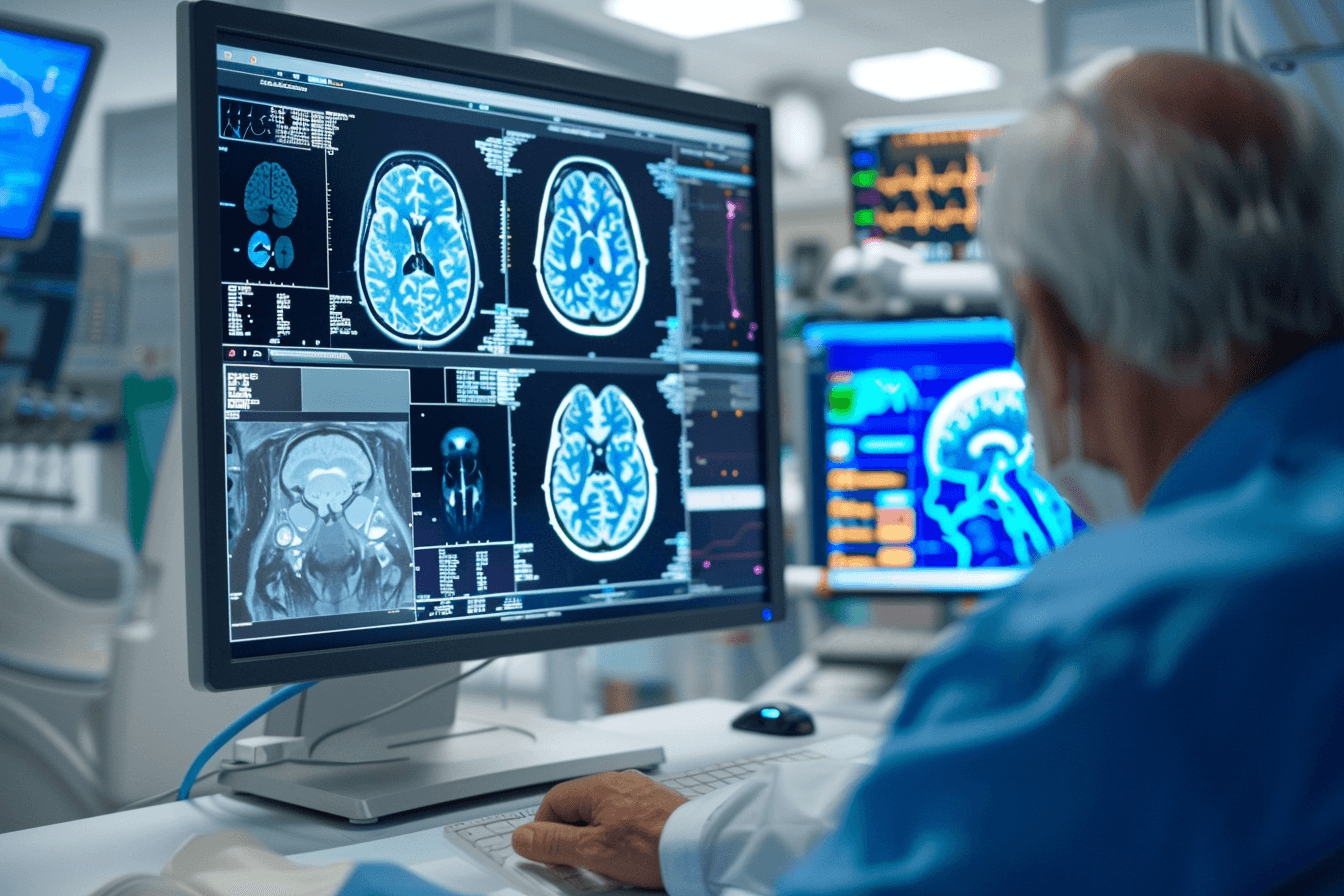
Temozolomide is an oral chemotherapy drug commonly used in glioblastoma treatment. It is usually given during radiation therapy and then continued afterward as maintenance treatment in patients who can tolerate it. Its main role is to damage tumor cell DNA and slow tumor growth.
Temozolomide became part of standard treatment after clinical evidence showed that adding it to radiotherapy improved survival compared with radiotherapy alone in newly diagnosed glioblastoma. [6], [7] However, the benefit is not the same for every patient. MGMT promoter methylation, age, performance status, surgical result, blood counts, and treatment tolerance all influence how useful temozolomide may be.
How temozolomide is used
In the standard treatment approach, temozolomide is given daily during radiation therapy. After radiation is completed, patients may receive additional cycles of temozolomide, often called adjuvant or maintenance temozolomide. [2], [6]
This schedule may be adjusted depending on the patient’s condition. Some patients need dose reductions, treatment delays, or early discontinuation because of side effects. Others may not receive temozolomide if the expected benefit is low or the risk of harm is high.
The decision is usually based on the full clinical picture, not on one factor alone. A younger, fit patient with good functional status may be treated differently from an elderly or frail patient with low blood counts, infection risk, or poor neurological function.
Survival benefit with temozolomide
The landmark Stupp trial showed that adding temozolomide to radiotherapy improved median overall survival in newly diagnosed glioblastoma. Median overall survival was 14.6 months with radiotherapy plus temozolomide compared with 12.1 months with radiotherapy alone. [6]
The 5-year follow-up also showed that long-term survival was higher in the group that received temozolomide with radiation. Five-year overall survival was 9.8% with radiotherapy plus temozolomide compared with 1.9% with radiotherapy alone. [7]
These results are important because they established the foundation for modern treatment. At the same time, they should not be presented as exact predictions for individual patients. Trial results reflect a selected patient group, and real-world outcomes may differ depending on age, functional status, tumor biology, and ability to complete treatment.
Why MGMT status matters
MGMT promoter methylation is one of the strongest factors affecting how much benefit a patient may receive from temozolomide. Temozolomide works by damaging tumor DNA. MGMT is a DNA repair protein that can help tumor cells repair that damage. When the MGMT promoter is methylated, MGMT activity may be reduced, making the tumor more sensitive to temozolomide. [8]
In one major molecular analysis, patients with MGMT promoter methylation had better outcomes with temozolomide than patients without methylation. This is why MGMT testing is now an important part of treatment planning and prognosis discussion. [8]
For patients, the practical meaning is straightforward: an MGMT-methylated tumor is more likely to benefit from temozolomide, while an MGMT-unmethylated tumor may receive less benefit. However, an unmethylated result does not automatically mean temozolomide should never be used. The decision depends on age, health, functional status, treatment goals, and available alternatives.
Temozolomide in older adults
Temozolomide decisions are especially important in older adults. Some elderly patients are fit enough for radiation with temozolomide, while others may need a shorter or less intensive approach.
In a major trial of elderly patients, short-course radiation plus temozolomide improved median overall survival compared with short-course radiation alone. The benefit was particularly important in patients with MGMT promoter methylation. [10]
Other studies in older patients also support using MGMT status to guide treatment selection. The Nordic trial and NOA-08 trial showed that treatment choices in elderly patients should consider MGMT promoter methylation, performance status, and whether radiotherapy or temozolomide is more appropriate for the individual patient. [11], [12]
This is why the same diagnosis may lead to different recommendations in different elderly patients. A fit older adult with an MGMT-methylated tumor may be offered combined treatment, while a frail patient with an MGMT-unmethylated tumor may be offered radiation alone, supportive care, or another individualized plan.
Common side effects
Temozolomide is often easier to tolerate than many traditional chemotherapy drugs, but it can still cause important side effects. The most common concerns include fatigue, nausea, constipation, appetite changes, and low blood counts. Low blood counts can increase the risk of infection, bleeding, or treatment delays. [2]
Patients usually need regular blood tests during treatment. If blood counts fall too low, the doctor may pause treatment, reduce the dose, delay the next cycle, or stop temozolomide altogether. Anti-nausea medicines are often prescribed to help patients tolerate treatment.
In some patients, temozolomide can increase the risk of serious infection, especially when combined with radiation, steroids, or other factors that suppress the immune system. The care team may prescribe preventive medication in selected cases.
When temozolomide may be reduced or stopped
Temozolomide may be reduced, delayed, or stopped if side effects become unsafe or if the tumor progresses despite treatment. This does not mean the patient has done anything wrong. It means the care team is reassessing whether the treatment is still helping more than it is harming.
Treatment may also be reconsidered if the patient develops severe fatigue, repeated infections, persistently low blood counts, worsening neurological function, or poor quality of life. In these situations, doctors may discuss alternative treatments, clinical trials, bevacizumab in selected settings, palliative care support, or symptom-focused care depending on the stage of disease and patient goals.
Temozolomide and recurrence
Temozolomide is mainly used in newly diagnosed glioblastoma, but it may sometimes be considered again at recurrence in selected patients. This is more likely if the patient had a long period of disease control after initial treatment, has good functional status, and has an MGMT-methylated tumor.
However, recurrent glioblastoma is difficult to treat, and there is no single standard approach that works for everyone. At recurrence, treatment options may include repeat surgery, re-irradiation, lomustine or other chemotherapy, bevacizumab in selected settings, clinical trials, or supportive care. [3], [19]
The decision to reuse temozolomide should be individualized and should consider prior response, time since last treatment, blood count recovery, MGMT status, MRI findings, and patient preference.
What patients should understand
Temozolomide is an important part of standard glioblastoma treatment for many patients, especially when used with radiation and when the tumor is MGMT-methylated. It can improve survival compared with radiation alone, but its benefit varies from person to person. [6], [7], [8]
The most useful discussion with the care team is not simply whether temozolomide is “good” or “bad.” The better question is whether temozolomide is likely to provide meaningful benefit in this specific case, considering MGMT status, age, functional status, surgical result, treatment tolerance, and the patient’s goals.
Tumor Treating Fields and Survival
Tumor Treating Fields are a treatment option for selected patients with newly diagnosed glioblastoma after completion of radiation therapy. The treatment uses a wearable device that delivers low-intensity alternating electric fields through adhesive arrays placed on the scalp. These fields are designed to interfere with cancer cell division.
Tumor Treating Fields are usually considered during the maintenance phase of treatment, often together with temozolomide, after surgery or biopsy and after radiation with concurrent temozolomide. They are not a replacement for surgery, radiation, or chemotherapy. Instead, they may be added to the treatment plan in patients who are able and willing to use the device consistently. [13]
Evidence for survival benefit
The main evidence for Tumor Treating Fields comes from the EF-14 randomized clinical trial. In this study, patients who received Tumor Treating Fields plus maintenance temozolomide had longer survival than patients who received maintenance temozolomide alone. Median overall survival was 20.9 months in the Tumor Treating Fields plus temozolomide group, compared with 16.0 months in the temozolomide-alone group. [13]
This survival difference is important, but it should be explained carefully. The result applies to patients who were well enough to enroll in the trial and begin maintenance therapy after initial chemoradiation. It may not apply in the same way to patients with rapid decline, poor functional status, severe neurological symptoms, or inability to manage the device.
How the treatment is used
Tumor Treating Fields require daily use for long periods. The scalp arrays are connected to a portable device, and patients are usually advised to wear the device for as many hours per day as possible. Because the treatment is device-based, success depends not only on medical eligibility but also on practical feasibility.
Some patients are comfortable using the device and can incorporate it into daily life. Others may find it difficult because of scalp irritation, visibility of the device, charging and carrying equipment, sleep disruption, travel, cost, or the need for caregiver support.
For this reason, Tumor Treating Fields should be discussed as both a medical treatment and a lifestyle commitment.
Quality of life considerations
A secondary analysis of the EF-14 trial evaluated health-related quality of life in patients receiving Tumor Treating Fields. This is important because any survival benefit must be balanced against daily treatment burden. The study found that adding Tumor Treating Fields did not show a major overall decline in many quality-of-life domains, although skin irritation and practical device-related issues remain important considerations. [14]
In real-world care, quality of life may vary from patient to patient. Some people value the opportunity for additional survival benefit and are willing to manage the device. Others may feel that the device interferes too much with comfort, privacy, mobility, or daily routine.
A balanced article should not present Tumor Treating Fields as either a simple solution or an unnecessary burden. It is a treatment with evidence of benefit in selected patients, but it requires a realistic discussion about daily use.
Who may be a suitable candidate?
Tumor Treating Fields may be considered for patients who have completed initial radiation therapy and are moving into maintenance treatment. Suitability depends on performance status, disease stability, ability to manage the equipment, scalp condition, access to the device, financial coverage, caregiver support, and patient preference.
A patient who is independent, motivated, and able to use the device consistently may be more likely to benefit from this treatment. A patient with major neurological decline, severe confusion, poor mobility, or limited caregiver support may find the treatment difficult to maintain.
EANO notes that Tumor Treating Fields have shown survival benefit, but also highlights ongoing questions about feasibility, cost-effectiveness, and quality-of-life interpretation in broader patient populations. [3]
Common challenges
The most common practical issue is scalp irritation beneath the adhesive arrays. Patients may need regular scalp care, array repositioning, and support from the treatment team. Some patients also find the device inconvenient because it must be worn for many hours and requires regular charging, carrying, and maintenance.
There may also be emotional and social concerns. Some patients feel self-conscious wearing the device. Others may find that it affects sleep, travel, work, or family activities. These concerns should be taken seriously because treatment burden can influence whether a patient continues therapy.
How to discuss it with the care team
This is a good section for a short set of patient questions:
- Is Tumor Treating Fields appropriate in this case?
- What survival benefit might be expected based on the patient’s condition?
- How many hours per day should the device be worn?
- What side effects or skin problems are common?
- How will the treatment affect sleep, travel, work, and daily routine?
- Is caregiver help needed?
- Will insurance or the health system cover the device?
- What happens if the patient cannot use it consistently?
Practical takeaway for readers
Tumor Treating Fields may improve survival for selected patients when added to maintenance temozolomide after initial chemoradiation. The strongest trial evidence showed median overall survival of 20.9 months with Tumor Treating Fields plus temozolomide compared with 16.0 months with temozolomide alone. [13]
The decision should be individualized. Patients and caregivers should discuss not only the survival data, but also device wear time, skin effects, daily burden, cost, support needs, and whether the treatment fits the patient’s goals and quality of life.
Bevacizumab and Survival
Bevacizumab is a targeted drug that affects blood vessel signaling. In glioblastoma, it is mainly used to reduce tumor-related swelling, improve symptoms in selected patients, and manage recurrent disease in some treatment settings. It is not usually presented as a curative treatment.
One reason bevacizumab can be confusing for patients is that it may make MRI scans look better by reducing contrast enhancement and edema. This improvement can be meaningful, especially if the patient has headaches, weakness, steroid dependence, or worsening neurological symptoms from swelling. However, an improved MRI appearance does not always mean the tumor itself has been eliminated. [2], [15], [16]
How bevacizumab works
Glioblastomas often produce signals that encourage abnormal blood vessel growth and leakiness. One important signal is vascular endothelial growth factor, commonly called VEGF. Bevacizumab blocks VEGF, which can reduce blood vessel leakiness and decrease swelling around the tumor.
This effect may lead to improvement in symptoms such as headache, weakness, nausea, confusion, or pressure-related neurological decline. It may also allow some patients to reduce steroid doses, which can be helpful if steroids are causing side effects such as muscle weakness, insomnia, mood changes, high blood sugar, or infection risk.
Why MRI improvement can be misleading
Bevacizumab can reduce contrast enhancement on MRI by changing blood vessel permeability. Because of this, the scan may look improved even when some tumor cells remain active. This is sometimes called a “pseudoresponse.”
This does not mean bevacizumab has no value. It means MRI changes must be interpreted carefully. Doctors usually consider symptoms, steroid dose, neurological function, diffusion imaging, perfusion imaging, non-enhancing tumor changes, and follow-up scans before deciding whether the tumor is truly controlled.
For patients, the key point is that a better-looking MRI after bevacizumab may reflect reduced swelling and reduced blood vessel leakiness, not necessarily complete tumor control.
Bevacizumab in newly diagnosed glioblastoma
Two major trials studied bevacizumab added to standard radiation and temozolomide in newly diagnosed glioblastoma. These trials found that bevacizumab improved progression-free survival, meaning patients had a longer time before imaging or clinical progression was detected. However, it did not clearly improve overall survival. [15], [16]
This is an important distinction. A treatment may delay visible progression or reduce swelling without helping patients live longer overall. Because of this, bevacizumab is not generally considered a routine survival-improving addition to initial standard treatment for every newly diagnosed patient.
In practice, the role of bevacizumab in newly diagnosed disease is usually selective. It may be considered when swelling is severe, symptoms are difficult to control, or steroid side effects are becoming a major problem. The decision depends on the patient’s clinical condition and the treating team’s judgment. [2]
Bevacizumab in recurrent glioblastoma
Bevacizumab is more commonly discussed when glioblastoma comes back or progresses after initial treatment. At recurrence, treatment options are more limited, and the goals of therapy often include symptom control, steroid reduction, preservation of function, and delaying further decline.
In recurrent disease, bevacizumab may help some patients feel better by reducing edema and improving neurological symptoms. It may also reduce the need for steroids. However, its effect on overall survival remains limited and should be explained honestly.
For some patients, symptom improvement can still be clinically meaningful. If bevacizumab helps a patient walk better, think more clearly, reduce steroid dose, or spend more time at home, that may be valuable even if it is not expected to cure the disease.
When bevacizumab may be considered
Bevacizumab may be discussed when tumor-related swelling is causing major symptoms, when steroid side effects are becoming difficult to manage, or when recurrent disease is producing neurological decline. It may also be considered when radiation-related injury or treatment effect is causing significant edema, depending on the clinical context.
The decision is individualized. Doctors consider the MRI pattern, symptoms, steroid dose, blood pressure, wound healing risk, bleeding risk, clotting risk, recent surgery, kidney function, and overall goals of care.
Bevacizumab may not be suitable for every patient. It can increase the risk of high blood pressure, bleeding, blood clots, poor wound healing, protein in the urine, and other complications. These risks are especially important if the patient recently had surgery or may need surgery soon.
Steroid-sparing benefit
One of the most practical reasons to use bevacizumab is to reduce steroid dependence. Steroids can be very helpful for brain swelling, but long-term or high-dose steroid use can cause major side effects. These may include muscle weakness, sleep disturbance, mood changes, increased appetite, weight gain, diabetes worsening, infection risk, skin thinning, and difficulty tapering.
If bevacizumab reduces swelling, the care team may be able to lower the steroid dose. This can improve strength, energy, sleep, blood sugar control, and overall comfort in some patients. The benefit varies, and steroid tapering must be done carefully under medical supervision.
What patients should ask
This section can include a short question list because bevacizumab decisions are often practical and individualized:
- Is bevacizumab being recommended for tumor control, swelling, symptom relief, or steroid reduction?
- Is the tumor newly diagnosed or recurrent?
- What benefit is realistic in this situation?
- Could the MRI look better without the tumor truly being controlled?
- What side effects should be monitored?
- Does bevacizumab affect surgery or wound healing plans?
- How will the care team decide whether it is working?
Practical interpretation
Bevacizumab can be helpful for selected patients, especially when swelling, steroid dependence, or recurrent disease is causing symptoms. It may improve MRI appearance and progression-free survival, but major trials in newly diagnosed glioblastoma did not show a clear overall survival benefit when it was added to radiation and temozolomide. [15], [16]
The most balanced way to explain bevacizumab is that it may improve symptoms and reduce edema in the right setting, but it should not be described as a treatment that reliably extends life for all patients. Its value depends on the patient’s symptoms, disease stage, MRI findings, treatment goals, and risk of side effects.
Treatment Response and Survival
Treatment response is an important part of prognosis in glioblastoma, but it is not always simple to interpret. After surgery, radiation, and temozolomide, doctors use MRI scans, neurological examination, steroid use, symptoms, and overall function to judge whether the tumor is responding, stable, or progressing.
A response on MRI can be encouraging, but it does not always mean the tumor is gone. Glioblastoma often contains microscopic tumor cells that cannot be seen clearly on imaging. Similarly, a worse-looking MRI does not always mean the treatment has failed, especially in the months soon after radiation. Treatment-related changes can sometimes mimic tumor growth. [3], [17], [18]
What doctors mean by response
In glioblastoma care, response usually refers to a combination of radiological and clinical findings. A radiological response means that MRI changes suggest less active tumor, such as reduced contrast enhancement or reduced tumor size. A clinical response means that the patient’s symptoms, neurological function, or steroid requirement have improved.
These two types of response do not always match perfectly. A patient may feel better because swelling has improved, even if the tumor is still present. Another patient may have a stable MRI but still struggle with fatigue, cognitive changes, seizures, weakness, or treatment side effects.
This is why doctors do not rely on one scan or one symptom alone. They interpret response by looking at the full clinical picture.
Complete response, partial response, stable disease, and progression
Response assessment in glioblastoma often uses standardized criteria, such as RANO and updated RANO 2.0 guidance. These criteria help doctors and researchers describe treatment response more consistently. [17]
A complete response means there is no measurable enhancing tumor on MRI and the patient is clinically stable or improved. This is uncommon in glioblastoma and does not necessarily mean cure.
A partial response means the tumor appears smaller or less active on imaging, usually with stable or improving symptoms.
Stable disease means there is no clear evidence that the tumor is growing, but there is also no major shrinkage. For many patients with glioblastoma, stable disease can still be a meaningful treatment result because the goal is often to delay progression and preserve function.
Progressive disease means there is evidence that the tumor is growing or spreading, or that the patient is worsening in a way that suggests tumor activity. However, progression must be interpreted carefully because treatment effect, swelling, steroid changes, and imaging timing can complicate the picture. [17]
MRI response versus symptom response
MRI is essential in glioblastoma follow-up, but it does not tell the whole story. A scan can look improved while the patient still feels weak, confused, fatigued, or functionally limited. In other cases, the scan may look concerning, but the patient may be clinically stable.
Symptoms may also change because of causes other than tumor growth. These include brain swelling, seizures, medications, steroid side effects, infection, blood clots, sleep disturbance, depression, radiation effects, or chemotherapy-related fatigue. Because many factors can affect symptoms, the care team usually compares MRI findings with neurological examination and day-to-day function.
For families, this can be frustrating because they may want a scan to give a clear answer. In glioblastoma, the scan is very important, but it is only one part of the answer.
The role of steroid use
Steroid dose is an important part of treatment response assessment. Steroids can reduce brain swelling and improve symptoms such as headache, weakness, speech difficulty, or confusion. If a patient’s MRI looks stable and steroid dose is decreasing, that may be a reassuring sign.
On the other hand, if the patient needs increasing steroid doses to control symptoms, the care team may worry about tumor progression, treatment effect, or worsening edema. Steroid dependence can also affect quality of life because long-term use may cause muscle weakness, insomnia, mood changes, high blood sugar, weight gain, and infection risk.
When doctors assess response, they often ask not only what the MRI shows, but also whether the patient is improving, stable, or worsening while using the same, lower, or higher steroid dose.
Why early scans can be difficult to interpret
The first MRI scans after radiation can be difficult to interpret. Increased enhancement or swelling may represent true tumor progression, but it may also represent pseudoprogression. Pseudoprogression is a treatment-related change that can look like tumor growth but later stabilizes or improves without changing to a new anti-tumor treatment. [3], [18]
This is especially important because changing treatment too early may lead to stopping a therapy that is still working. Doctors may recommend close follow-up imaging, advanced MRI techniques, PET imaging in selected centers, or careful observation if the patient is clinically stable.
The timing of the scan matters. Imaging changes in the first few months after radiation require particular caution, especially if the patient is not clearly worsening clinically.
Treatment response and life expectancy
A favorable treatment response may be associated with a better outlook, but response is not the only factor that shapes survival. Age, performance status, extent of surgery, MGMT status, IDH status, tumor location, steroid dependence, and ability to continue treatment remain important.
Stable disease can also be clinically meaningful. In an aggressive tumor like glioblastoma, preventing growth for a period of time may help preserve neurological function, maintain independence, and allow the patient to continue planned treatment or clinical trial options.
Confirmed early progression is generally concerning, especially if it occurs with worsening neurological function or increasing steroid needs. In that situation, the care team may discuss recurrent glioblastoma options, such as repeat surgery in selected cases, re-irradiation, systemic therapy, bevacizumab for symptom control, clinical trials, or supportive care. [3], [19]
Why response should not be interpreted from one scan alone
One MRI scan rarely tells the entire story. Glioblastoma imaging can change because of surgery, radiation, chemotherapy, steroids, ischemia, infection, seizure activity, or treatment-related inflammation. For this reason, doctors often compare the current MRI with prior scans and consider the patient’s symptoms over time.
A single concerning scan may lead to closer follow-up rather than an immediate treatment change if the patient is stable. Conversely, a scan that appears only mildly worse may still be concerning if the patient is rapidly declining.
This is why the trend over time is often more important than one isolated image.
How patients can discuss response with the care team
Patients and caregivers can ask the doctor to explain whether the scan shows response, stable disease, suspected pseudoprogression, or likely progression. It is also useful to ask whether the interpretation is certain or uncertain, and what the next scan is expected to clarify.
The most helpful discussion connects the MRI result with the patient’s real-life condition. For example, families can ask whether symptoms are likely due to tumor activity, swelling, treatment effect, seizures, medication side effects, or another potentially reversible cause.
Practical takeaway
Treatment response in glioblastoma is judged by more than tumor size on MRI. Doctors consider imaging, symptoms, neurological function, steroid dose, timing after radiation, and molecular factors such as MGMT status. A good response or stable disease may support a more favorable outlook, while confirmed progression may require a change in treatment strategy. Because imaging can be difficult to interpret, especially soon after radiation, patients should ask how confident the care team is in the scan interpretation and what the next step will be.
Survival After Glioblastoma Recurrence
Glioblastoma often comes back after initial treatment. This can happen even when surgery removes all visible enhancing tumor and the patient completes radiation and temozolomide. The reason is that glioblastoma is an infiltrative tumor. Microscopic tumor cells may remain in surrounding brain tissue beyond the area that can be safely removed or clearly seen on MRI.
Recurrence does not look the same in every patient. Some patients have tumor growth near the original site. Others develop new tumor areas elsewhere in the brain, multifocal disease, or less commonly spread through the cerebrospinal fluid pathways. The outlook after recurrence depends on the patient’s functional status, tumor location, time since initial treatment, MGMT status, steroid requirement, prior therapies, and whether another active treatment is possible. [3], [19]
Why recurrence is common
Glioblastoma cells can extend into nearby brain tissue at the time of diagnosis. Surgery removes visible tumor when it can be done safely, but it cannot remove every microscopic cell without damaging normal brain function. Radiation and temozolomide are used to treat remaining disease, but some tumor cells may survive and later grow again.
This is why recurrence is a major part of glioblastoma care. It does not necessarily mean that the initial treatment was done incorrectly. It reflects the biology of the disease.
Local recurrence
Most recurrences happen near the original tumor site or within the previous treatment area. Local recurrence may appear on MRI as increasing enhancement, enlarging abnormal tissue, worsening edema, or new mass effect near the surgical cavity or original tumor region.
Local recurrence may be considered for repeat surgery or re-irradiation in selected patients, depending on location, size, symptoms, prior radiation dose, and overall condition. However, not every local recurrence can be treated surgically. If the tumor is near critical brain areas or the patient’s functional status has declined, the risks of another procedure may outweigh the benefit. [3], [19]
Distant or multifocal recurrence
Some patients develop tumor growth away from the original site or in multiple areas. Multifocal or distant recurrence can make treatment more difficult because there may not be one single tumor mass that can be removed or targeted easily.
In these cases, treatment often focuses on systemic options, clinical trials, symptom control, and maintaining neurological function. Radiation may still be considered in selected situations, but the decision depends on how widespread the disease is and whether the patient can tolerate further treatment. [3], [19]
What affects survival after recurrence
Survival after recurrence varies widely. A patient who has a late, localized recurrence, good functional status, and an accessible tumor may have more treatment options than a patient with early progression, poor performance status, multifocal disease, or high steroid dependence.
The time to recurrence is also important. A longer period of disease control after initial therapy may suggest a more treatment-sensitive tumor, while very early confirmed progression can be a concerning sign. MGMT promoter methylation may also influence whether temozolomide rechallenge or other chemotherapy approaches are considered, although decisions must be individualized. [3], [19]
Doctors usually estimate prognosis after recurrence by looking at the full clinical picture rather than using one number. Functional status is especially important because it affects whether the patient can undergo repeat surgery, tolerate re-irradiation, enter a clinical trial, or receive additional drug therapy.
Repeat surgery
Repeat surgery may be an option for selected patients with recurrent glioblastoma. It is usually considered when the recurrence is localized, surgically accessible, causing symptoms or mass effect, and the patient has enough functional reserve to recover from another operation.
The goal of repeat surgery may be to reduce tumor burden, relieve pressure, improve symptoms, or obtain tissue to confirm whether the MRI change is true recurrence rather than treatment effect. In some cases, repeat tissue testing may also help identify molecular features relevant to clinical trials. [3], [19]
Repeat surgery is not appropriate for everyone. If the tumor is deep, multifocal, near critical brain areas, or if the patient is medically frail, the risks may be too high. The neurosurgical team must balance possible tumor control against the chance of worsening neurological function.
Re-irradiation
Re-irradiation means giving another course of radiation after the patient has already received radiation as part of initial treatment. This may be considered in selected patients, especially when the recurrence is limited in size and location.
The decision is complex because normal brain tissue has already received radiation. Additional radiation can increase the risk of swelling, radiation necrosis, cognitive effects, or neurological injury. The radiation oncologist will consider the previous dose, time since prior radiation, recurrence size, location, symptoms, and available alternatives. [3], [19]
Re-irradiation is not usually a routine option for every recurrence. It is most useful when the treatment field can be carefully targeted and the expected benefit is reasonable.
Drug treatment after recurrence
There is no single universally accepted standard drug treatment for recurrent glioblastoma. Options may include lomustine or other chemotherapy, temozolomide rechallenge in selected patients, bevacizumab in certain settings, or investigational therapies through clinical trials. Treatment choice depends on prior therapy, MGMT status, performance status, tumor pattern, symptoms, and local availability. [3], [19]
Lomustine has often been used as a chemotherapy option in recurrent disease, although benefit is limited. Temozolomide rechallenge may be considered in selected patients, particularly if there was a long treatment-free interval and the tumor is MGMT-methylated. Bevacizumab may be helpful for swelling, steroid reduction, or symptom relief, even though its effect on overall survival is limited in many settings. [15], [16], [19]
For patients, the important point is that treatment after recurrence is usually individualized. The goal may be to slow the tumor, relieve symptoms, preserve function, or create time for a clinical trial.
Clinical trials at recurrence
Clinical trials are especially important in recurrent glioblastoma because standard treatment options are limited. Trials may study new drugs, immunotherapy approaches, targeted therapies, vaccines, viral therapies, combinations of treatments, or new ways to deliver therapy. [26], [27]
Patients should ask about trials early, ideally before functional status declines. Many trials have eligibility rules related to performance status, steroid dose, prior treatments, measurable disease, molecular markers, blood tests, and timing of recurrence. A patient who is eligible at one point may become ineligible later if neurological function worsens or steroid needs increase.
Clinical trials are not suitable for every patient, and they do not guarantee benefit. However, they may provide access to treatments that are not otherwise available and can be an important option to discuss with a neuro-oncology team.
Supportive and palliative care after recurrence
Supportive care is important at every stage of glioblastoma, and it becomes especially important after recurrence. Palliative care can help with headaches, seizures, weakness, fatigue, mood changes, sleep problems, steroid side effects, communication difficulties, decision-making, and caregiver support. [20], [21]
Palliative care does not mean stopping all treatment. It can be provided alongside surgery, radiation, chemotherapy, bevacizumab, or clinical trial therapy. The focus is on improving comfort, preserving function, reducing distress, and helping families make decisions that match the patient’s goals.
When active treatment is unlikely to provide meaningful benefit, the care team may discuss hospice or comfort-focused care. This discussion is not about “giving up.” It is about making sure care remains aligned with the patient’s condition, values, and preferred place of care.
What patients and families should ask
A short, focused discussion with the care team can help families understand the recurrence and the realistic options. Useful questions include:
- Is this confirmed recurrence, suspected recurrence, or possible treatment effect?
- Is the recurrence local, distant, multifocal, or involving the cerebrospinal fluid pathways?
- Is repeat surgery or re-irradiation possible?
- Are there clinical trials available now?
- What is the goal of the recommended treatment: longer survival, symptom control, steroid reduction, function preservation, or comfort?
These questions help shift the discussion from general recurrence statistics to the patient’s actual situation.
What this means for prognosis
Recurrence usually means the disease has become more difficult to control, but the outlook still varies from patient to patient. Some patients may be candidates for additional active treatment, while others may benefit most from symptom-focused care and quality-of-life support.
The most useful prognosis discussion after recurrence should include the timing of recurrence, MRI pattern, functional status, steroid requirement, MGMT status, prior treatment response, and whether surgery, re-irradiation, systemic therapy, or a clinical trial is realistic. In recurrent glioblastoma, the best plan is one that balances tumor control with neurological function, comfort, and the patient’s goals.
Long-Term Survival in Glioblastoma
Long-term survival in glioblastoma is possible, but it is uncommon. Most survival statistics show that glioblastoma remains an aggressive disease, even with surgery, radiation therapy, temozolomide, and other treatment options. CBTRUS reports 5-year relative survival of 7.0% and 10-year relative survival of 4.4% across all ages. [1]
These numbers should be interpreted carefully. They describe broad population-level outcomes, not the future of any one patient. Some patients live much longer than expected, while others decline quickly despite treatment. Long-term survival depends on a combination of patient factors, tumor biology, treatment response, and the ability to maintain neurological function over time.
What counts as long-term survival?
There is no single definition used in every study. Some researchers describe long-term survivors as patients who live at least 2 or 3 years after diagnosis, while others use 5 years or longer. In patient-facing writing, it is best to be clear about the time point being discussed.
For example, a person living 2 years after diagnosis may be considered a longer-than-average survivor in many glioblastoma discussions. A person living 5 years or longer is often described as a long-term survivor. A person living 10 years or longer represents a much smaller group.
Because definitions vary, articles should avoid vague statements such as “long-term survivors are common” or “long-term survival never happens.” A more accurate explanation is that long-term survival can occur, but it is not the usual outcome in population-level data. [1]
Why some patients live longer
Long-term survival is usually not explained by one factor alone. It is more often linked to a combination of favorable features. Younger age, good functional status, more complete safe resection, MGMT promoter methylation, ability to complete radiation and temozolomide, and durable disease control on MRI are all factors that may be seen more often in long-term survivors. [1], [30], [31]
However, these factors are not guarantees. A patient may have several favorable features and still experience early progression. Another patient may live longer than expected despite having some unfavorable features. This uncertainty is one reason neuro-oncology teams usually describe prognosis as a range rather than a fixed timeline.
The role of molecular diagnosis
Modern diagnosis is especially important when discussing long-term survival. In older studies, some tumors called glioblastoma may have included tumors that would now be classified differently, especially astrocytoma, IDH-mutant, CNS WHO grade 4. [4]
This matters because IDH-mutant grade 4 astrocytoma is biologically different from glioblastoma, IDH-wildtype. If older long-term survival studies included both groups, survival numbers may not apply perfectly to patients with confirmed IDH-wildtype glioblastoma today.
For this reason, long-term survival discussions should be based on the integrated diagnosis whenever possible. A modern pathology report should clarify whether the tumor is glioblastoma, IDH-wildtype, or another type of grade 4 glioma.
Long-term survival in IDH-wildtype glioblastoma
Long-term survival can still occur in confirmed IDH-wildtype glioblastoma, but it remains uncommon. Recent studies of long-term survivors have tried to better understand which clinical, molecular, and imaging features may be associated with unusually long survival. [30], [31]
These studies are useful because they show that long-term survival is real, even in a disease with generally poor population-level outcomes. At the same time, they should not be used to promise a specific result. Long-term survivors are a selected group, and their outcomes may not represent the average patient.
Does long-term survival mean the tumor is gone?
Long-term survival does not always mean the tumor has been cured. Glioblastoma can recur after a long period of stability. Some patients may live for years with stable scans, treatment response, or slow disease activity, but continued surveillance is still needed.
Follow-up care usually includes regular MRI scans, neurological evaluation, symptom monitoring, seizure management when needed, and attention to cognitive function, fatigue, mood, mobility, and quality of life. Survivorship in glioblastoma is not only about living longer; it is also about preserving function and supporting the patient’s daily life.
Quality of life in long-term survivors
Patients who live longer may face ongoing challenges from the tumor and its treatments. These may include fatigue, memory problems, attention difficulties, seizures, weakness, speech changes, mood changes, steroid complications, or late radiation effects.
Because of this, long-term care may involve rehabilitation, neurocognitive support, seizure management, psychological care, physical therapy, occupational therapy, speech therapy, and caregiver support. These services can help patients maintain independence and quality of life for as long as possible.
Long-term survivors may also experience emotional uncertainty. Stable scans can bring relief, but each follow-up MRI may also cause anxiety. This is common and should be addressed as part of supportive care.
How to explain long-term survival to patients
A balanced explanation would be:
Long-term survival in glioblastoma is possible, but uncommon. It is more often seen in patients with favorable clinical and molecular features, good treatment tolerance, and sustained disease control. However, no single factor can guarantee long-term survival, and ongoing MRI surveillance remains important.
This wording gives realistic hope without overstating what treatment can achieve.
What this means for prognosis
Long-term survival should be discussed honestly and carefully. Population-level data show that only a minority of patients live 5 years or longer, but individual outcomes can vary. The most meaningful estimate comes from combining age, functional status, integrated diagnosis, MGMT status, surgical result, treatment response, recurrence pattern, and overall health.
For patients and families, the key point is that long-term survival is not impossible, but it should be understood as an uncommon outcome that depends on many interacting factors.
Survival Without Treatment or With Supportive Care Only

Some patients with glioblastoma do not receive tumor-directed treatment such as surgery, radiation therapy, or chemotherapy. This may happen because the tumor is too risky to remove, the patient is medically frail, neurological decline is severe, or the expected burden of treatment is greater than the likely benefit. In other cases, the patient may choose comfort-focused care after discussing the options with the medical team.
This is a sensitive topic, but it should be included because not every patient is able or willing to receive aggressive treatment. Supportive care is still active medical care. It focuses on controlling symptoms, maintaining comfort, supporting the family, and helping the patient spend time in the setting that best matches their goals. [20], [21]
Why some patients may not receive aggressive treatment
Glioblastoma treatment can be physically and emotionally demanding. Surgery may carry high risk if the tumor is deep, multifocal, or close to critical brain areas. Radiation therapy requires repeated visits and may worsen fatigue or swelling. Temozolomide may cause low blood counts, nausea, infection risk, or treatment delays.
For a medically fit patient, these treatments may offer meaningful benefit. For a frail patient with poor functional status, severe neurological decline, or multiple serious medical conditions, the same treatments may cause more harm than benefit. In these cases, doctors may recommend a shorter or less intensive plan, or they may discuss supportive care as the most appropriate approach. [2]
Common reasons for choosing supportive care alone include advanced age with frailty, very low performance status, severe cognitive or neurological decline, large or multifocal disease, major medical problems, inability to tolerate travel for treatment, or patient preference.
What supportive care means
Supportive care does not mean “doing nothing.” It means the treatment goal changes from attacking the tumor to relieving symptoms and preserving quality of life as much as possible.
Supportive care may include medicines to reduce brain swelling, antiseizure treatment for patients who have seizures, pain control, nausea management, sleep support, physical and occupational therapy when appropriate, emotional support, caregiver guidance, and help with decision-making. [20], [21]
Palliative care can be involved at any stage of glioblastoma. It can be provided alongside active treatment or as the main focus of care. Its purpose is to improve comfort, reduce distress, clarify goals, and support both the patient and family.
Expected survival without tumor-directed treatment
Survival without tumor-directed treatment is generally shorter than survival in patients who can receive surgery, radiation therapy, and temozolomide. However, it is difficult to give one exact number because patients who do not receive treatment are often very different from patients enrolled in clinical trials. They may be older, frailer, more neurologically impaired, or have tumors that are not safely treatable. [2], [32]
For this reason, articles should avoid giving a single fixed timeline such as “untreated glioblastoma survival is always X months.” A more accurate explanation is that survival depends on the patient’s functional status, tumor size and location, neurological symptoms, swelling, seizure control, steroid response, and overall medical condition.
In clinical practice, the care team can often give a more realistic estimate after assessing the patient’s MRI, symptoms, level of independence, rate of decline, and response to supportive medications.
Steroids for swelling and symptoms
Steroids are commonly used to reduce swelling around a brain tumor. They may improve headaches, nausea, weakness, speech difficulty, confusion, or drowsiness when these symptoms are caused by edema or pressure.
The benefit can sometimes be noticeable within a short time, but steroids also have side effects. These may include insomnia, mood changes, increased appetite, high blood sugar, muscle weakness, infection risk, skin thinning, and difficulty tapering. Long-term steroid use can reduce strength and mobility, which may affect quality of life. [20], [21]
In supportive care, steroid dosing is usually adjusted based on symptoms and comfort. The goal is to use enough medication to relieve swelling-related symptoms while minimizing side effects when possible.
Seizure control
Some patients with glioblastoma develop seizures. If a patient has had a seizure, antiseizure medication is usually used to reduce the risk of further seizures. Seizure control is important because seizures can cause injury, worsen confusion, increase caregiver distress, and sometimes require emergency care. [20]
Families should be taught what to do during a seizure, when to call emergency services, and whether rescue medication is needed at home. A clear seizure plan can reduce fear and help caregivers respond quickly.
Managing headaches, weakness, confusion, and fatigue
Supportive care focuses on symptoms that most affect daily life. Headaches may be caused by swelling, pressure, medication changes, poor sleep, or other factors. Weakness may come from tumor effects, steroids, reduced mobility, or general decline. Confusion may be related to tumor progression, swelling, seizures, infection, medication effects, or metabolic problems.
Fatigue is also common and can be severe. It may be caused by the tumor itself, poor sleep, medications, reduced intake, emotional stress, or declining neurological function. Supportive care aims to identify reversible causes when possible and reduce the burden of symptoms.
The goal is not only to prolong life, but to help the patient remain as comfortable, safe, and supported as possible.
Palliative care versus hospice
Palliative care and hospice are related, but they are not the same.
Palliative care can begin early and can be used together with active treatments such as surgery, radiation, chemotherapy, bevacizumab, or clinical trials. It focuses on symptom control, communication, emotional support, and decision-making. [20]
Hospice is usually considered when the disease is progressing, active tumor-directed treatment is no longer helpful or desired, and the focus becomes comfort rather than life-prolonging therapy. Hospice can help manage symptoms at home or in another care setting, support caregivers, and reduce unnecessary hospital visits. [21]
A clear way to explain this to readers is: palliative care helps at any stage of serious illness, while hospice is a specific form of comfort-focused care near the end of life.
Goals-of-care discussions
When supportive care is being considered, the most important discussion is what matters most to the patient. Some patients prioritize living as long as possible, even if treatment is difficult. Others prioritize comfort, time at home, avoiding hospital visits, or preserving the ability to communicate with family.
These choices are personal. The role of the medical team is to explain the likely benefits and burdens of each option honestly, then help the patient and family choose a plan that matches their values.
Important topics include preferred place of care, emergency plans, seizure management, steroid use, feeding and swallowing issues, advance directives, resuscitation preferences, and who should make medical decisions if the patient loses the ability to decide.
When supportive care may become the main focus
Supportive care may become the main focus when the tumor is progressing despite treatment, when the patient’s functional status declines significantly, when side effects outweigh benefit, or when the patient chooses not to continue tumor-directed therapy.
Signs that a comfort-focused plan may need to be discussed include increasing sleepiness, worsening confusion, progressive weakness, difficulty swallowing, frequent falls, repeated hospitalizations, increasing steroid requirement, uncontrolled seizures, or inability to attend treatment safely. [21]
These signs do not mean care stops. They mean the care plan may need to change so that comfort, dignity, safety, and family support become the main priorities.
Practical takeaway for readers
Supportive care is an important part of glioblastoma care, whether it is used alongside treatment or as the main approach. For patients who cannot tolerate surgery, radiation, or chemotherapy, supportive care can still relieve symptoms, reduce distress, and help families make decisions with clarity.
The most useful question is not only how long someone may live without treatment. The more important question is what type of care will best match the patient’s condition, values, symptoms, and goals.
Quality of Life and Survival

Quality of life is a central part of glioblastoma care. Survival time matters, but it is not the only outcome that patients and families care about. Many people also want to know whether the patient will be able to walk, speak, think clearly, eat, sleep, communicate, remain at home, and spend meaningful time with family.
Glioblastoma can affect quality of life in several ways. Symptoms may come from the tumor itself, brain swelling, seizures, surgery, radiation, chemotherapy, steroids, fatigue, cognitive changes, emotional distress, or tumor progression. Because the brain controls movement, speech, memory, behavior, and personality, even small changes in tumor activity or swelling can have a major effect on daily life. [20], [24]
Why quality of life matters in prognosis
Quality of life is closely connected with prognosis because it affects what treatment a patient can tolerate. A patient who remains independent, alert, mobile, and able to attend appointments may be more likely to complete radiation, temozolomide, rehabilitation, or clinical trial treatment. A patient with worsening weakness, confusion, seizures, or severe fatigue may have fewer treatment options and may need a modified plan.
This does not mean quality of life is important only because it affects survival. It matters in its own right. For many patients, the goal is not only to live longer, but to preserve function, reduce suffering, maintain dignity, and stay connected with family for as long as possible. [20], [21]
Neurological function
Neurological function is one of the most important quality-of-life concerns in glioblastoma. Depending on tumor location, patients may develop weakness, speech difficulty, vision problems, balance issues, personality changes, memory problems, seizures, or reduced alertness.
These symptoms can affect independence very quickly. A patient who develops weakness may need help walking, bathing, dressing, or using the bathroom. A patient with speech or memory problems may struggle to express needs or participate in medical decisions. A patient with seizures may need medication adjustments, driving restrictions, and a home safety plan.
Treatment can sometimes improve neurological function, especially if symptoms are caused by swelling, mass effect, or seizures. Steroids, surgery, seizure control, rehabilitation, and supportive care may all help selected patients. However, neurological symptoms can also worsen because of tumor progression or treatment-related effects, so regular reassessment is important. [20], [23], [24]
Cognitive and emotional changes
Cognitive changes are common in glioblastoma. Patients may have difficulty with attention, short-term memory, planning, word-finding, decision-making, or processing information. These changes can be caused by the tumor, surgery, radiation, seizures, medications, fatigue, poor sleep, depression, or anxiety.
Emotional and behavioral changes can also occur. Some patients become more anxious, irritable, withdrawn, impulsive, or emotionally flat. These changes can be distressing for families because the patient may seem different from their usual self.
It is important to explain that these changes are not simply psychological weakness or lack of effort. They may reflect the tumor’s effect on the brain, treatment effects, medication side effects, or emotional response to a serious diagnosis. Supportive care, neuropsychology, counseling, medication review, sleep support, and caregiver education may help. [20], [24]
Fatigue
Fatigue is one of the most frequent and disabling symptoms in glioblastoma. It may be caused by the tumor, radiation therapy, temozolomide, poor sleep, steroids, seizures, depression, reduced activity, anemia, infection, or general decline.
Fatigue can affect survival indirectly because it may limit mobility, nutrition, rehabilitation, treatment attendance, and social interaction. It can also make the patient appear more cognitively impaired or emotionally withdrawn.
Management depends on the cause. Some patients benefit from treating sleep disturbance, reviewing medications, managing mood symptoms, improving nutrition, adjusting activity levels, or using rehabilitation support. In advanced disease, the goal may shift toward conserving energy for the activities that matter most to the patient. [20], [24], [25]
Steroids and quality of life
Steroids are commonly used to reduce brain swelling. They can improve headaches, weakness, nausea, speech problems, confusion, or drowsiness when these symptoms are caused by edema. In some patients, steroids produce a noticeable improvement in function.
However, steroids can also cause significant side effects, especially with higher doses or long-term use. These may include insomnia, mood changes, agitation, increased appetite, weight gain, high blood sugar, muscle weakness, infection risk, skin thinning, and difficulty tapering. Steroid-related muscle weakness can reduce mobility and independence, which may affect the patient’s ability to tolerate treatment. [20], [23]
For this reason, the care team usually tries to use the lowest effective steroid dose. If symptoms improve, the dose may be tapered carefully. If symptoms worsen during tapering, the team may reassess whether swelling, tumor progression, radiation effect, or another problem is contributing.
Seizures
Seizures can significantly affect quality of life. They may cause injury, fear, confusion, temporary neurological worsening, emergency visits, or caregiver distress. Patients who have had seizures are usually treated with antiseizure medication. Current guidance does not support routine preventive antiseizure medication for all brain tumor patients who have never had a seizure, but it does support treatment for patients with a seizure history. [22]
Seizure management should include more than medication. Families need to know what a seizure may look like, what to do during an event, when to call emergency services, and whether rescue medication is needed. Good seizure control can improve safety, confidence, and daily functioning.
Rehabilitation and maintaining independence
Rehabilitation can be helpful for selected patients at different stages of glioblastoma care. Physical therapy may help with strength, balance, walking, and fall prevention. Occupational therapy may help with dressing, bathing, home safety, and adaptive equipment. Speech therapy may help with communication, swallowing, and cognitive strategies. [25]
Rehabilitation does not always mean restoring the patient to their previous level of function. In many cases, the goal is to preserve independence, reduce complications, support caregivers, and help the patient function as safely as possible.
Even small gains can matter. Being able to transfer safely, walk short distances, communicate needs, swallow safely, or use assistive devices can meaningfully improve daily life.
Treatment burden
Treatment itself can affect quality of life. Radiation may cause fatigue, scalp irritation, hair loss in the treated area, swelling, or cognitive effects. Temozolomide may cause nausea, constipation, fatigue, and low blood counts. Tumor Treating Fields may require long daily wear time and can cause scalp irritation or practical burden. [14]
This does not mean these treatments should be avoided. Many patients accept treatment side effects because the expected benefit is meaningful. The key is honest discussion. Patients and families should understand what benefit is realistic, what side effects are common, and how treatment may affect daily life.
A treatment that is appropriate for one patient may not be appropriate for another. The best plan depends on the patient’s health, tumor biology, functional status, goals, and willingness to accept treatment burden.
The role of palliative care
Palliative care can help manage quality-of-life issues throughout the illness. It is not limited to end-of-life care. It can be provided alongside surgery, radiation, chemotherapy, Tumor Treating Fields, bevacizumab, rehabilitation, or clinical trials. [20], [21]
Palliative care may help with symptom control, steroid side effects, seizures, sleep problems, mood symptoms, communication, advance care planning, caregiver stress, and difficult treatment decisions. Early involvement can be especially helpful when symptoms are complex or when families are unsure how to balance survival benefit against treatment burden.
A practical way to frame quality of life
Patients and families can ask the care team not only, “Will this treatment help the tumor?” but also, “How might this treatment affect daily life?” The answer should include expected benefits, possible side effects, treatment schedule, effect on independence, caregiver needs, and what will happen if the treatment does not work.
Quality of life should be discussed repeatedly because the patient’s condition can change over time. A plan that made sense at diagnosis may need to be adjusted after surgery, during radiation, after recurrence, or when symptoms progress.
The most balanced approach is to treat survival and quality of life together. In glioblastoma care, the goal is often to extend life where possible while also protecting neurological function, reducing symptoms, supporting caregivers, and preserving the patient’s dignity and preferences.
Palliative Care, Hospice, and End-of-Life Planning

Palliative care is an important part of glioblastoma care and should not be viewed as a last resort. It can be introduced early, even while the patient is receiving surgery, radiation therapy, temozolomide, Tumor Treating Fields, bevacizumab, or clinical trial treatment. Its purpose is to improve comfort, reduce symptoms, support decision-making, and help the patient and family understand what to expect. [20], [21]
This is especially important in glioblastoma because symptoms can change quickly. A patient may develop weakness, confusion, seizures, speech difficulty, swallowing problems, personality changes, severe fatigue, or increasing sleepiness. These changes can be distressing for families, and palliative care can help create a clearer plan for managing them.
Palliative care is not the same as hospice
Palliative care and hospice are related, but they are not identical. Palliative care can begin at any stage of glioblastoma. It can be used together with active tumor-directed treatment and may help patients tolerate treatment better by managing symptoms and side effects.
Hospice is usually considered when the disease is progressing, active treatment is no longer helping or is no longer desired, and the main goal becomes comfort-focused care. Hospice support may be provided at home, in a hospice facility, or in another care setting depending on local services and family needs. [21]
A simple way to explain this to readers is: palliative care can be part of care from diagnosis onward, while hospice is a more specific form of comfort-focused care near the end of life.
Why palliative care matters in glioblastoma
Glioblastoma affects the brain, so symptoms may involve not only pain or fatigue but also communication, behavior, memory, movement, swallowing, and decision-making. Families may suddenly need to manage medications, seizures, steroid side effects, mobility problems, personality changes, or urgent neurological symptoms.
Palliative care can help with these challenges. It may support headache control, seizure planning, steroid management, sleep problems, mood symptoms, agitation, nausea, constipation, fatigue, and caregiver stress. It can also help families understand when symptoms may be reversible and when they may reflect disease progression. [20], [21]
This support is not only medical. It also includes communication. Many families need help discussing difficult choices, such as whether to continue treatment, when to avoid hospitalization, and what the patient would want if they could no longer speak for themselves.
When hospice may be appropriate
Hospice may be appropriate when glioblastoma is progressing despite treatment, when the patient is no longer strong enough to tolerate active therapy, or when the patient chooses comfort over further tumor-directed treatment. It may also be discussed when treatment options are unlikely to provide meaningful benefit.
Signs that hospice should be considered may include progressive weakness, increasing sleepiness, worsening confusion, difficulty swallowing, frequent falls, repeated hospitalizations, uncontrolled seizures, increasing steroid need, or inability to safely attend treatment visits. [21]
These signs do not mean that care is being withdrawn. They mean the focus of care may need to shift. Instead of trying to slow the tumor at any cost, the priority becomes comfort, safety, dignity, and support for the patient and family.
Common late-stage symptoms
Late-stage glioblastoma symptoms vary from person to person. Some patients become gradually weaker and sleep more. Others develop more confusion, reduced speech, swallowing difficulty, seizures, agitation, headaches, or worsening mobility. Changes may occur slowly over weeks or more rapidly over days.
Families should be prepared for the possibility that the patient may lose the ability to communicate clearly. This can be emotionally difficult, especially when the patient can no longer express pain, hunger, fear, or preferences. Care teams can help families recognize signs of discomfort and manage symptoms with appropriate medication and supportive care. [20], [21]
Seizures may remain a concern, especially in patients with a seizure history. A home seizure plan can help families know what to do, when to use rescue medication if prescribed, and when emergency help is needed. [23]
Planning ahead
Advance care planning is important because glioblastoma can affect decision-making capacity. Patients may become confused, sleepy, or unable to communicate as the disease progresses. Discussing preferences early allows the patient’s wishes to guide care later.
Important topics include who should make medical decisions if the patient cannot, whether the patient wants hospital-based care or home-based care, what symptoms should trigger emergency care, whether resuscitation is desired, and what level of treatment burden the patient is willing to accept.
These conversations can feel difficult, but they often reduce uncertainty for families. They also help avoid rushed decisions during a crisis.
Emergency planning
Families should know when to call the oncology team and when to seek urgent medical help. Sudden severe headache, repeated seizures, new major weakness, sudden speech difficulty, major decline in alertness, fever during chemotherapy, signs of blood clot, or uncontrolled agitation may require urgent evaluation. [23]
At the same time, if the patient is already receiving hospice or comfort-focused care, the emergency plan may be different. The family may be instructed to call the hospice team first rather than going directly to the hospital. This should be clarified in advance so caregivers are not forced to make difficult decisions during a crisis.
Supporting caregivers
Caregivers often carry a heavy emotional and practical burden. They may need to manage medications, appointments, mobility assistance, seizures, personality changes, sleep disruption, financial stress, and difficult conversations with other family members.
Palliative care can help caregivers as well as patients. It can provide education, emotional support, respite planning, symptom guidance, and clearer expectations about what may happen next. Caregiver support is part of good glioblastoma care, not an optional extra. [20], [21]
How to talk about goals of care
Goals-of-care discussions should be honest but compassionate. The question is not only, “What treatments are available?” It is also, “What is this treatment likely to achieve, and what burden will it place on the patient?”
Some patients may want every reasonable treatment that could extend life. Others may prioritize comfort, time at home, mental clarity, avoiding hospital visits, or reducing treatment side effects. These choices are deeply personal. The role of the care team is to explain the likely benefits and limits of each option clearly so that decisions match the patient’s values.
A useful framing for families is:
- What matters most to the patient now?
- What symptoms are causing the most distress?
- Is the current treatment helping enough to justify its burden?
- Where would the patient prefer to receive care if the disease worsens?
- Who should make decisions if the patient cannot?
Practical meaning for patients and families
Palliative care should be introduced as supportive, active care that can improve comfort and decision-making throughout glioblastoma treatment. Hospice should be discussed when the disease is progressing and the main priority becomes comfort rather than tumor control.
Planning ahead does not remove hope. It helps families protect the patient’s wishes, reduce unnecessary suffering, and make decisions with more clarity during an unpredictable illness.
Caregiver Guidance: What Families Should Know

Caregivers play a central role in glioblastoma care. Many patients need help with appointments, medications, mobility, seizures, steroid side effects, communication, decision-making, and daily activities. As the disease changes, the caregiver’s role may also change quickly. A person who is mostly independent after surgery may later need help with walking, bathing, eating, speaking, or remembering medications.
This can be overwhelming for families because glioblastoma affects the brain, not only the body. Changes in personality, judgment, memory, speech, alertness, and behavior may occur. These changes can be distressing, especially when the patient seems different from the person the family knew before diagnosis. Caregiver support is therefore an important part of medical care, not just a social concern. [20], [21], [24]
What caregivers should monitor
Caregivers are often the first to notice changes that may not be obvious during a clinic visit. They may notice that the patient is sleeping more, struggling to find words, becoming weaker on one side, falling more often, eating less, having more headaches, or needing more help with daily tasks.
Important changes to track include seizures, headaches, weakness, speech difficulty, confusion, memory changes, balance problems, falls, vision changes, swallowing difficulty, mood changes, sleep disruption, appetite changes, medication side effects, and changes in steroid dose.
It is helpful to keep a simple symptom diary. This does not need to be complicated. A caregiver can note the date, the symptom, how severe it was, what medication was taken, and whether the symptom improved. This can help the medical team decide whether symptoms are due to tumor progression, swelling, seizures, medications, infection, treatment effects, or another cause.
Medication management
Medication management can become one of the most difficult caregiver responsibilities. Patients may be taking steroids, antiseizure medication, anti-nausea medicine, pain medicine, sleep medicine, blood thinners, laxatives, chemotherapy, or other drugs for unrelated medical conditions.
Caregivers should know the purpose of each medication, the dose, timing, common side effects, and what to do if a dose is missed. This is especially important for steroids and antiseizure medication. Steroids should not usually be stopped suddenly unless the medical team gives clear instructions. Antiseizure medicines should also be taken consistently to reduce the risk of breakthrough seizures. [22], [23]
A written medication schedule can reduce confusion. It may also help to bring all medication bottles or an updated medication list to each oncology visit.
Seizure planning
Seizures can be frightening for families, especially the first time they happen. Caregivers should ask the medical team what type of seizures the patient is at risk for, what a seizure may look like, how long to wait before calling emergency services, and whether rescue medication should be kept at home.
During a seizure, the caregiver should focus on safety. The patient should be protected from injury, placed on their side if possible, and not restrained. Nothing should be placed in the mouth. After the seizure, the patient may be confused, sleepy, weak, or unable to speak normally for a period of time. [22]
A seizure plan can make these events less chaotic. The plan should include emergency contact numbers, medication instructions, when to call the oncology team, and when to seek urgent care.
Falls, mobility, and home safety
Weakness, balance problems, vision changes, fatigue, seizures, medications, and steroid-related muscle weakness can increase the risk of falls. Falls can lead to fractures, bleeding, hospital admission, or loss of independence.
Caregivers should pay attention to whether the patient is walking more slowly, holding furniture for support, dragging a foot, having trouble standing from a chair, or becoming confused at night. Physical therapy and occupational therapy may help with walking safety, transfer techniques, assistive devices, and home modifications. [25]
Simple home changes can make a major difference. Removing loose rugs, improving lighting, using grab bars, keeping pathways clear, and placing commonly used items within reach may reduce fall risk. If the patient is becoming unsafe when walking alone, the care team should be told promptly.
Cognitive and behavior changes
Cognitive and behavior changes are common in glioblastoma and may be caused by the tumor, swelling, seizures, medications, radiation effects, fatigue, infection, or emotional distress. Families may notice forgetfulness, poor judgment, impulsivity, irritability, reduced motivation, confusion, or personality changes.
These symptoms can be difficult because they may affect relationships and decision-making. Caregivers may feel hurt or frustrated, especially if the patient becomes angry, withdrawn, suspicious, or emotionally flat. It is important to understand that these changes may be part of the illness.
Families should tell the care team if behavior changes are sudden, severe, or unsafe. Some causes may be treatable, such as medication side effects, seizures, infection, sleep disruption, or steroid-related mood changes. [20], [24]
Nutrition, swallowing, and hydration
As glioblastoma progresses, some patients eat less or have difficulty swallowing. Reduced appetite may occur because of fatigue, nausea, constipation, medications, depression, or disease progression. Swallowing difficulty may increase the risk of choking or aspiration.
Caregivers should report coughing during meals, wet-sounding voice after drinking, pocketing food in the mouth, unexplained weight loss, dehydration, or repeated chest infections. Speech and swallowing evaluation may be helpful in selected patients. [25]
In advanced disease, reduced appetite and increased sleepiness may be part of the natural decline. Families often worry that the patient is “starving,” but forcing food may cause distress or choking. The care team or palliative care team can guide families on safe feeding, comfort feeding, hydration decisions, and what to expect near the end of life. [21]
When to call the medical team urgently
Caregivers should have clear instructions about when to contact the oncology team or seek emergency help. Urgent symptoms include a first seizure, repeated seizures, sudden weakness, new speech difficulty, severe or worsening headache, sudden confusion, major decline in alertness, fever during chemotherapy, uncontrolled vomiting, signs of a blood clot, chest pain, shortness of breath, or a serious fall. [23]
If the patient is receiving hospice care, the emergency plan may be different. In that setting, families may be asked to call the hospice team first unless there is a specific reason to go to the hospital. This should be clarified before a crisis occurs.
Caregiver stress and burnout
Caring for someone with glioblastoma can be emotionally and physically exhausting. Caregivers may manage medical tasks during the day and remain alert at night because of seizures, confusion, falls, or restlessness. They may also face financial strain, work disruption, grief, uncertainty, and difficult family decisions.
Caregiver burnout can show up as exhaustion, irritability, poor sleep, anxiety, depression, guilt, social withdrawal, or feeling unable to cope. These feelings are common and do not mean the caregiver is failing. Glioblastoma caregiving is demanding, and support is often necessary. [20], [21]
Families should ask about respite care, home nursing, rehabilitation services, counseling, social work support, financial guidance, and palliative care. Sharing responsibilities among family members, even in small ways, can reduce the burden on one person.
Helping the patient maintain dignity
As independence declines, patients may need help with bathing, toileting, dressing, eating, or moving. These changes can be emotionally painful for both the patient and caregiver. Maintaining dignity means giving help in a way that preserves privacy, choice, and respect as much as possible.
Caregivers can support dignity by explaining what they are doing before helping, allowing the patient to do small tasks independently when safe, asking preferences, avoiding unnecessary correction, and speaking to the patient as an adult even when cognition is impaired.
If communication becomes difficult, families can still provide comfort through presence, familiar voices, music, touch, routine, and reassurance.
Decision-making support
Glioblastoma can affect the patient’s ability to understand information, weigh choices, or communicate decisions. This may happen gradually or suddenly. For this reason, it is important to discuss decision-making preferences early, while the patient can still clearly express wishes.
Caregivers should know whether the patient has an advance directive, medical power of attorney, or preferred decision-maker. They should also understand the patient’s views about hospital care, resuscitation, feeding support, hospice, and acceptable treatment burden. [20], [21]
These conversations are difficult, but they can reduce uncertainty later. When the patient can no longer speak for themselves, the caregiver can make decisions based on known values rather than guessing during a crisis.
Practical direction for families
Caregivers should not be expected to manage glioblastoma alone. The best support usually comes from a team that may include neuro-oncology, neurosurgery, radiation oncology, nursing, palliative care, rehabilitation, social work, psychology, hospice, and primary care.
For families, the most useful approach is to report changes early, ask for clear written instructions, keep medication and symptom records, and request support before exhaustion becomes severe. Caregiving in glioblastoma is not only about extending life; it is also about protecting comfort, safety, communication, dignity, and the patient’s wishes.
How Doctors Estimate an Individual Prognosis

Doctors estimate prognosis in glioblastoma by combining several clinical, surgical, radiological, and molecular factors. No single factor can predict the outcome accurately on its own. Age, performance status, tumor location, surgical result, MGMT promoter methylation, IDH status, treatment tolerance, steroid need, and follow-up MRI findings all influence the overall picture. [1], [2], [3], [8], [33]
This is why two patients with the same diagnosis may receive different survival estimates. One patient may be young, independent, have a surgically accessible tumor, and have MGMT promoter methylation. Another patient may be older, frail, have multifocal disease, and have a tumor that cannot be safely removed. Both may have glioblastoma, but their likely course and treatment options may be very different.
Age and functional status
Age is one of the first factors doctors consider, but it is not interpreted alone. A patient’s functional status often gives more practical information than age by itself. A fit older adult may tolerate treatment better than a younger patient who is severely impaired by the tumor.
Functional status is commonly assessed using Karnofsky Performance Status or ECOG performance status. These scales help doctors understand how independent the patient is and whether they are likely to tolerate surgery, radiation, chemotherapy, rehabilitation, or clinical trial treatment. Patients with better functional status usually have more treatment options and a more favorable outlook. [2], [3], [33]
Tumor location and surgical result
Tumor location strongly influences prognosis because it affects whether surgery is possible and how much tumor can be removed safely. A tumor in a surgically accessible area may allow maximal safe resection. A tumor in a deep area, near speech or movement centers, or crossing the midline may limit surgical options.
The surgical result is also important. Patients who undergo near-total or gross total resection may have a better outlook than those who can only have biopsy, if the surgery is performed safely. However, surgery must always be balanced against the risk of permanent neurological injury. Preserving function is essential because neurological decline can reduce quality of life and limit further treatment. [3], [9]
Molecular markers
Molecular results help refine prognosis beyond what can be seen on MRI or under the microscope. MGMT promoter methylation is one of the most important markers because it is associated with greater benefit from temozolomide and better survival in many patients. [8]
IDH status is also essential because modern classification separates glioblastoma, IDH-wildtype, from astrocytoma, IDH-mutant, CNS WHO grade 4. These are different tumor categories, and prognosis should be interpreted according to the integrated diagnosis. [3], [4]
Other molecular features, such as TERT promoter mutation, EGFR amplification, chromosome 7 gain/chromosome 10 loss, ATRX, p53, and CDKN2A/B deletion, may help confirm the diagnosis or clarify tumor subtype. These markers are usually interpreted by the pathology and neuro-oncology team as part of the full diagnostic picture. [4], [5]
Treatment plan and treatment tolerance
The recommended treatment plan also affects prognosis. Many medically fit patients receive surgery or biopsy followed by radiation therapy with temozolomide and then maintenance temozolomide. This approach has been shown to improve survival compared with radiation alone in appropriate patients. [6], [7]
However, not every patient can tolerate the same treatment. Older or frail patients may receive shorter-course radiation, radiation alone, temozolomide alone, or supportive care depending on performance status, MGMT status, symptoms, and personal goals. In these cases, the goal is to choose a plan that offers realistic benefit without causing excessive treatment burden. [2], [3], [10]
Treatment tolerance is important because a patient who completes planned therapy without major complications may have a different outlook from a patient who has repeated delays, severe fatigue, low blood counts, infections, worsening neurological symptoms, or early progression.
Steroid need and neurological symptoms
Steroid requirement is another practical clue. Steroids may reduce swelling and improve symptoms, but needing increasing doses can suggest worsening edema, treatment effect, or tumor progression. Long-term high-dose steroid use can also cause muscle weakness, high blood sugar, mood changes, infection risk, and reduced mobility.
Neurological symptoms are equally important. Worsening weakness, speech difficulty, confusion, seizures, swallowing problems, or declining alertness may suggest that the tumor or its effects are interfering with brain function. If symptoms improve after surgery, steroids, seizure control, or rehabilitation, the patient may become better able to continue treatment. If symptoms worsen despite supportive measures, treatment options may become more limited. [20], [23]
MRI response over time
Follow-up MRI scans help doctors judge whether the tumor is responding, stable, or progressing. However, MRI interpretation in glioblastoma can be difficult. After radiation, increased enhancement or swelling may represent true progression, but it may also represent pseudoprogression. After bevacizumab, MRI improvement may reflect reduced swelling rather than complete tumor control. [15], [16], [17], [18]
For this reason, doctors usually look at imaging trends over time rather than relying on one scan alone. They compare MRI findings with symptoms, neurological examination, steroid dose, timing after radiation, MGMT status, and prior scans. A stable or improving MRI with stable clinical function may be more reassuring than a single image viewed without context.
Why doctors may avoid exact timelines
Families often want a clear answer about how much time is left. This is understandable, but exact timelines are difficult in glioblastoma. The disease can behave differently from one person to another, and the outlook may change after surgery, molecular testing, radiation, chemotherapy, recurrence, or new symptoms.
A doctor may provide a range rather than a precise number because there is real uncertainty. A range is not meant to be vague or evasive. It reflects the fact that prognosis depends on multiple changing factors, including treatment response and neurological function.
The estimate may also change over time. A patient who recovers well after surgery and completes chemoradiation may have a different outlook than at diagnosis. A patient who develops early confirmed progression, worsening steroid dependence, or rapid functional decline may need a revised prognosis discussion.
How prognosis should be discussed
A useful prognosis discussion should be individualized. Instead of asking only for an average survival number, patients and families can ask which factors in this specific case are favorable and which are concerning.
The doctor may explain whether the tumor is surgically accessible, whether the patient’s functional status supports active treatment, whether MGMT methylation improves the expected benefit from temozolomide, whether the MRI suggests response or progression, and whether clinical trials are realistic.
The most helpful prognosis discussion usually includes both survival and quality of life. In glioblastoma, a treatment plan should consider not only how long a patient may live, but also how well they may function, what symptoms are likely, what support is needed, and what the patient values most.
Practical interpretation
An individual prognosis is built from the whole clinical picture. Age, performance status, tumor location, surgical result, MGMT status, IDH status, treatment tolerance, steroid need, neurological function, and MRI response all matter. General survival statistics can provide context, but the most meaningful estimate comes from the treating neuro-oncology team after reviewing the patient’s imaging, pathology, molecular report, symptoms, and treatment course.
Yes, you’re right. That section became too list-heavy. For this article, the “questions to ask” section should feel like a guided conversation, not a checklist dump. Below is the cleaner version with paragraph flow and only embedded sample questions.
Questions to Ask the Neuro-Oncology Team
After a glioblastoma diagnosis, patients and families often receive complex information very quickly. The first appointments may include MRI findings, surgery details, pathology results, molecular markers, radiation planning, chemotherapy decisions, clinical trial options, and prognosis discussions. It is normal for families to feel overwhelmed.
The most useful questions are not only about average survival. A better discussion focuses on the exact diagnosis, the molecular profile of the tumor, the surgical result, the recommended treatment plan, likely side effects, quality of life, and what changes should prompt urgent medical attention. [2], [3], [4], [8]
Clarifying the exact diagnosis
The first priority is to understand the complete diagnosis. Modern glioma diagnosis is based on both microscopic appearance and molecular markers. This is called an integrated diagnosis. It helps distinguish glioblastoma, IDH-wildtype, CNS WHO grade 4 from astrocytoma, IDH-mutant, CNS WHO grade 4. These are not the same diagnosis, and their prognosis may differ. [4]
Patients can ask the doctor, “Is this glioblastoma, IDH-wildtype, or is it another type of grade 4 glioma?” They can also ask whether IDH testing has been completed and whether any molecular results are still pending. This is important because older articles and older survival studies may use terminology that does not fully match current classification.
A copy of the pathology report and molecular report should be requested. These documents are useful for treatment planning, second opinions, clinical trial screening, and future discussions about prognosis.
Understanding molecular markers
Molecular markers help doctors estimate prognosis and guide treatment. MGMT promoter methylation is especially important because it helps predict the likely benefit from temozolomide. A patient may ask, “Is the tumor MGMT-methylated or unmethylated, and how does that affect the expected benefit from chemotherapy?” [8]
Other markers may also be discussed, including TERT promoter mutation, EGFR amplification, chromosome 7 gain and chromosome 10 loss, ATRX, p53, and CDKN2A/B deletion. These markers do not usually provide a simple answer by themselves, but they can help confirm the tumor type and may be relevant for clinical trials. [4], [5]
The main goal is to understand whether the survival estimate is based only on general glioblastoma statistics or on the patient’s specific molecular diagnosis.
Understanding the surgical result
Surgery is often used to confirm the diagnosis, reduce tumor burden, relieve pressure, and obtain tissue for molecular testing. After surgery, the patient should ask whether the operation was a biopsy, subtotal resection, near-total resection, or gross total resection. The post-operative MRI can help show how much visible enhancing tumor remains. [3], [9]
It is also important to ask whether the tumor was close to speech, movement, vision, memory, or other critical brain areas. Sometimes a surgeon intentionally leaves tumor behind because removing more would create a high risk of permanent neurological damage. This is not necessarily a failure of surgery; it may reflect the principle of maximal safe resection. [3]
A useful question is, “How does the surgical result affect the next stage of treatment?” This connects the surgery discussion directly with radiation, temozolomide, and prognosis.
Discussing radiation therapy
Radiation therapy is a major part of treatment for many patients after surgery or biopsy. The care team should explain whether the patient is being offered a standard radiation schedule or a shorter course. This is especially important for older adults or patients with lower functional status. [2], [3], [10]
Patients can ask whether radiation will be given with temozolomide, what side effects are expected, and whether radiation may temporarily worsen swelling or neurological symptoms. It is also useful to ask how the team will interpret the first MRI after radiation, because early imaging changes can sometimes represent pseudoprogression rather than true tumor growth. [17], [18]
Discussing temozolomide
Temozolomide is commonly used during radiation and afterward as maintenance treatment. The expected benefit depends partly on MGMT promoter methylation, although MGMT is not the only factor used in treatment decisions. [6], [7], [8]
A patient may ask, “Is temozolomide recommended in this case, and how much does MGMT status influence that recommendation?” It is also important to understand how long temozolomide may be given, how blood counts will be monitored, and what side effects should be reported quickly.
For older or frail patients, the discussion should be more individualized. In some cases, radiation alone, temozolomide alone, short-course radiation with temozolomide, or supportive care may be considered depending on overall health and treatment goals. [10], [11], [12]
Considering Tumor Treating Fields
Tumor Treating Fields may be discussed after radiation, usually during the maintenance temozolomide phase. The major trial evidence showed improved survival when Tumor Treating Fields were added to maintenance temozolomide, but the treatment requires long daily device use and may affect routine life. [13], [14]
The discussion should include more than survival numbers. Patients should ask whether they are a suitable candidate, how many hours per day the device should be worn, what scalp problems may occur, whether caregiver support is needed, and whether cost or access could be an issue.
This treatment can be valuable for selected patients, but it should be presented as both a medical treatment and a practical daily commitment.
Interpreting MRI response
Follow-up MRI scans are central to glioblastoma care, but they are not always straightforward. A scan may show response, stable disease, treatment effect, pseudoprogression, or true progression. Sometimes the care team cannot be certain from one scan alone. [17], [18]
Patients can ask, “Does this scan clearly show progression, or could it be treatment effect?” They can also ask how the scan compares with earlier imaging, whether steroid dose affects interpretation, and when the next MRI should be done.
This is especially important after radiation, when pseudoprogression can mimic tumor growth. It is also important after bevacizumab, which can make MRI enhancement and swelling look better without necessarily meaning the tumor has been fully controlled. [15], [16]
Discussing recurrence
If the tumor comes back or appears to progress, the discussion changes. At recurrence, there is no single standard treatment that fits every patient. Options may include repeat surgery, re-irradiation, chemotherapy, bevacizumab, clinical trials, supportive care, or a combination of approaches. [3], [19]
The care team should explain whether recurrence is confirmed or still uncertain, whether it is local or multifocal, and whether another procedure or treatment is realistic. A useful question is, “What is the goal of treatment now: longer survival, symptom control, steroid reduction, preserving function, or comfort?”
This helps families understand whether the next treatment is expected to slow the tumor, relieve symptoms, improve quality of life, or provide time for another option such as a clinical trial.
Asking about clinical trials
Clinical trials are important in glioblastoma because standard treatment options remain limited, especially after recurrence. Trial eligibility may depend on performance status, steroid dose, prior treatment, molecular markers, measurable disease, timing of recurrence, and blood test results. [26], [27]
Patients should ask about trials early, not only after all standard options have been exhausted. A patient who is eligible soon after diagnosis or at first recurrence may become ineligible later if functional status declines or steroid requirements increase.
A practical question is, “Are there any clinical trials that match this diagnosis, molecular profile, and current stage of treatment?”
Planning for symptoms and urgent problems
Glioblastoma can cause seizures, headaches, weakness, confusion, speech difficulty, swallowing problems, personality changes, falls, and worsening sleepiness. Treatment can also cause side effects that need urgent attention. Families should know which symptoms can be managed at home and which require immediate medical care. [20], [22], [23]
The care team should provide clear instructions for seizures, steroid side effects, fever during chemotherapy, sudden neurological changes, severe headache, falls, or sudden decline in alertness. Families should also know whom to contact after hours.
This information is especially important for caregivers, because they are often the first to notice changes between appointments.
Discussing palliative care and support
Palliative care should not be introduced only at the end of life. It can help from the time of diagnosis by supporting symptom control, communication, decision-making, caregiver stress, and quality of life. It can be provided alongside active treatment. [20], [21]
Patients and families can ask whether palliative care should be involved early, especially if symptoms are difficult to manage or if treatment decisions are becoming complicated. Later, if the tumor progresses and active treatment is no longer helpful or desired, hospice may become appropriate.
A useful way to frame this discussion is, “How can we manage symptoms and preserve quality of life while also treating the tumor as effectively as possible?”
Discussing prognosis
Many families want to know how long the patient may live. This is understandable, but the most useful prognosis discussion should be individualized. Instead of relying only on average survival numbers, the doctor should explain which factors are favorable and which are concerning.
Patients can ask how age, performance status, tumor location, surgery result, MGMT status, IDH status, treatment response, steroid need, and MRI findings affect the outlook. [1], [2], [3], [8], [33]
It is also reasonable to ask whether the prognosis may change after surgery, after molecular results return, after radiation, or after the first follow-up MRI. In glioblastoma, prognosis is not fixed at one appointment. It may change as the disease and treatment response become clearer.
How to use these conversations
Patients do not need to cover every topic in one visit. At diagnosis, the most important issues are usually the exact pathology, molecular markers, surgical result, and initial treatment plan. During radiation, the focus may shift to side effects, steroid use, fatigue, and MRI timing. At recurrence, the discussion may focus on additional treatment options, clinical trials, symptom control, and goals of care.
It is helpful for families to bring written questions, take notes, request copies of reports, and ask the team to explain unfamiliar terms in plain language. Glioblastoma care is complex, and it is appropriate to ask the same question more than once. The goal is to make decisions that are medically sound and aligned with the patient’s values, function, comfort, and priorities.
Common Myths About Glioblastoma Survival

Glioblastoma survival is often discussed in simplified or frightening ways. Patients and families may hear fixed timelines, overly optimistic claims, or statements that make one test result seem more important than the whole clinical picture. These myths can create confusion and sometimes lead to unnecessary fear or unrealistic expectations.
A more accurate approach is to explain survival as an individualized estimate. Age, functional status, tumor location, extent of safe surgery, MGMT promoter methylation, IDH status, treatment tolerance, MRI response, recurrence pattern, and quality-of-life goals all matter. [1], [2], [3]
Myth: Everyone with glioblastoma lives the same amount of time
There is no single timeline that applies to every patient. Population-level data can show median survival or 1-year and 5-year survival rates, but these numbers describe groups of patients. They do not predict exactly what will happen to one individual. [1]
Some patients decline quickly despite treatment. Others live longer than expected, especially when favorable factors are present, such as younger age, good performance status, MGMT promoter methylation, more complete safe resection, and good treatment tolerance. Even then, these factors are not guarantees. They only help doctors estimate likelihoods more accurately.
A better explanation is that survival varies widely, and the most useful estimate comes from the treating neuro-oncology team after reviewing the patient’s MRI, pathology report, molecular markers, surgical result, and response to treatment.
Myth: Surgery cures glioblastoma if the visible tumor is removed
Surgery can be very important in glioblastoma care, but it is usually not curative by itself. Glioblastoma is an infiltrative tumor, which means tumor cells can extend into surrounding brain tissue beyond what is visible on MRI or safely removable during surgery.
Gross total resection, when safely possible, is generally associated with better outcomes, but even after removal of visible enhancing tumor, microscopic disease may remain. This is why radiation therapy and temozolomide are commonly recommended after surgery in medically suitable patients. [3], [6], [9]
The goal of surgery is maximal safe resection. Removing more tumor may help, but preserving neurological function is essential. A larger operation that causes permanent speech loss, weakness, or loss of independence may harm quality of life and reduce the patient’s ability to continue further treatment. [3]
Myth: Biopsy only means nothing can be done
A biopsy is sometimes recommended when the tumor is deep, multifocal, close to critical brain areas, or too risky to remove. It may also be the safest option when the patient is medically frail. Although biopsy does not reduce tumor burden in the same way as resection, it still provides essential information.
Biopsy can confirm the diagnosis and allow molecular testing, including IDH status and MGMT promoter methylation. These results can guide radiation, chemotherapy, clinical trial eligibility, and prognosis discussion. [3], [4], [8]
For some patients, biopsy followed by radiation, temozolomide, clinical trial treatment, or supportive care may be the safest and most appropriate plan. Biopsy should not be interpreted as abandonment of care.
Myth: MGMT methylation means chemotherapy will definitely work
MGMT promoter methylation is a favorable marker, but it does not guarantee response. It means the tumor may be more sensitive to temozolomide because the MGMT DNA-repair pathway may be less active. Patients with MGMT-methylated tumors often have a greater likelihood of benefit from temozolomide. [8]
However, some MGMT-methylated tumors still progress despite treatment. Glioblastoma biology is complex, and treatment response depends on more than one marker. Age, performance status, extent of surgery, tumor location, IDH status, ability to complete therapy, and MRI response remain important.
The most accurate wording is that MGMT methylation improves the expected chance of benefit from temozolomide, but it does not promise long-term control.
Myth: MGMT-unmethylated status means treatment is useless
MGMT-unmethylated status may mean temozolomide is less likely to help, but it does not automatically mean that treatment has no value. The decision depends on the patient’s age, functional status, symptoms, treatment goals, and available options. [2], [3], [8]
In a younger or medically fit patient, doctors may still recommend radiation with temozolomide, even if MGMT is unmethylated. In an older or frail patient, the same result may lead the team to weigh the benefit of temozolomide more cautiously and consider radiation alone, clinical trials, or a less intensive plan.
This marker should guide discussion, not close the door on care.
Myth: A worse MRI after radiation always means the tumor is growing
Early MRI changes after radiation can be difficult to interpret. Increased enhancement, swelling, or apparent enlargement may represent true progression, but it may also represent pseudoprogression. Pseudoprogression is a treatment-related effect that can look like tumor growth but later stabilizes or improves. [17], [18]
This is why doctors often interpret early post-radiation scans alongside symptoms, neurological examination, steroid dose, MGMT status, timing from radiation, and follow-up imaging. If the patient is clinically stable and the scan is uncertain, the care team may recommend repeat imaging rather than changing treatment immediately.
A worse-looking scan should be taken seriously, but it should not always be treated as definite recurrence without careful interpretation.
Myth: A better MRI always means the tumor is gone
A better MRI can be encouraging, but it does not always mean that all tumor cells have disappeared. Some treatments reduce swelling or contrast enhancement without eliminating microscopic disease. This is especially relevant with bevacizumab, which can reduce edema and make imaging look improved by changing blood vessel leakiness. [15], [16], [17]
This does not mean MRI improvement has no value. If swelling decreases and symptoms improve, that may be clinically meaningful. However, doctors still monitor carefully because glioblastoma can remain active even when imaging appears temporarily improved.
The safest message is that MRI response is important, but it must be interpreted together with symptoms, steroid use, neurological function, and follow-up scans.
Myth: Tumor Treating Fields are either a cure or not worth considering
Tumor Treating Fields are not a cure, but they are also not simply an experimental idea without evidence. In a major randomized trial, adding Tumor Treating Fields to maintenance temozolomide improved median overall survival compared with maintenance temozolomide alone in selected patients. [13]
At the same time, the treatment requires daily device use for long periods and may cause scalp irritation or practical burden. It may not be suitable for every patient, especially if the patient has poor functional status, severe confusion, limited support, or difficulty managing the device.
A balanced discussion should include both the survival evidence and the daily realities of using the device.
Myth: Palliative care means giving up
Palliative care is often misunderstood. It does not mean that active treatment must stop. Palliative care can be introduced alongside surgery, radiation, temozolomide, Tumor Treating Fields, bevacizumab, or clinical trial treatment. Its purpose is to improve symptom control, communication, decision-making, caregiver support, and quality of life. [20], [21]
In glioblastoma, palliative care can help with headaches, seizures, fatigue, steroid side effects, sleep problems, mood changes, cognitive decline, mobility issues, and difficult treatment decisions. It can also help families prepare for possible future changes in communication, swallowing, alertness, and independence.
Hospice is different from palliative care. Hospice is usually considered when the disease is progressing and the main goal becomes comfort-focused care. Palliative care can begin much earlier.
Myth: Clinical trials should be considered only after everything else fails
Clinical trials can be important at different stages of glioblastoma care, including at diagnosis or at recurrence. Waiting too long may reduce eligibility because trial entry often depends on performance status, steroid dose, prior treatments, blood tests, measurable disease, and timing of recurrence. [26], [27]
A clinical trial does not guarantee benefit, and it may not be appropriate for every patient. However, it is reasonable to ask early whether any trials match the tumor type, molecular profile, treatment stage, and patient condition.
The best time to discuss trials is often before the patient’s functional status declines.
Practical interpretation
The main problem with survival myths is that they reduce a complex disease to one oversimplified statement. Glioblastoma prognosis is not determined by one number, one scan, one surgery result, or one molecular marker. Each factor matters, but the overall outlook depends on how all of them fit together.
Patients and families should be encouraged to ask what is favorable, what is concerning, what remains uncertain, and how the treatment plan matches the patient’s goals. This approach is more useful than relying on generalized claims or isolated statistics.
Frequently Asked Questions
What is the survival rate for glioblastoma?
Glioblastoma has a 5-year relative survival rate of about 7.0% in broad U.S. population data. The 1-year relative survival rate is about 43.0%, and the 10-year relative survival rate is about 4.4%. Individual outcomes vary by age, functional status, treatment, MGMT status, and tumor response.
What is the average life expectancy for glioblastoma?
Median survival for glioblastoma is about 8 months in broad registry data. In patients who are fit enough to receive surgery, radiation, and temozolomide, survival may be longer. Life expectancy depends on age, performance status, tumor location, surgical result, MGMT status, and treatment response.
What is the 5-year survival rate for glioblastoma?
The 5-year relative survival rate for glioblastoma is about 7.0% across all ages in broad U.S. population data. This number is a population estimate, not an individual prediction. Younger patients generally have higher 5-year survival than older adults.
Does age affect glioblastoma survival?
Yes. Age strongly affects survival in glioblastoma. Younger patients generally have better outcomes than older adults, although age alone does not determine prognosis. Functional status, tumor location, surgery, MGMT promoter methylation, IDH status, and treatment response also influence survival.
What is the survival rate for glioblastoma by age?
In broad population data, 5-year relative survival is about 20.1% for ages 0–14, 28.5% for ages 15–39, and 5.6% for adults aged 40 and older. These figures show age-related patterns but do not predict one person’s exact outcome.
What is the survival rate for elderly patients with glioblastoma?
Survival is generally lower in elderly patients, but outcomes vary widely. Older adults may receive standard treatment, short-course radiation, temozolomide, radiation alone, or supportive care depending on functional status, MGMT status, symptoms, medical conditions, and personal goals.
Can someone live 5 years with glioblastoma?
Yes, some people live 5 years or longer with glioblastoma, but this is uncommon. Long-term survival is more often seen in patients with favorable factors such as younger age, good functional status, more complete safe resection, MGMT promoter methylation, and good treatment response.
Can someone live 10 years with glioblastoma?
Yes, 10-year survival is possible, but it is rare. Broad population data report a 10-year relative survival rate of about 4.4% across all ages. Patients who live many years usually have a combination of favorable clinical, surgical, molecular, and treatment-response factors.
Does surgery improve survival in glioblastoma?
Surgery may improve survival when visible tumor can be removed safely. The goal is maximal safe resection, meaning removal of as much tumor as possible without causing permanent neurological damage. Surgery also provides tissue for diagnosis and molecular testing.
What does gross total resection mean in glioblastoma?
Gross total resection means no visible enhancing tumor remains on the post-operative MRI. It is generally a favorable surgical result, but it does not mean the tumor is cured. Microscopic tumor cells may remain in surrounding brain tissue, so radiation and chemotherapy are usually considered afterward.
Does biopsy-only glioblastoma have a worse outlook?
Biopsy-only cases often have a more limited prognosis because biopsy is commonly used when the tumor is deep, multifocal, high-risk to remove, or the patient is too frail for major surgery. However, biopsy is still valuable because it confirms diagnosis and allows molecular testing.
What is MGMT methylation in glioblastoma?
MGMT promoter methylation is a molecular marker that helps predict benefit from temozolomide chemotherapy. When MGMT is methylated, the tumor may be less able to repair chemotherapy-related DNA damage, which can make temozolomide more effective.
Does MGMT methylation improve survival?
Yes. MGMT promoter methylation is associated with better survival and greater benefit from temozolomide. One molecular analysis reported median overall survival of 18.2 months in patients with MGMT methylation compared with 12.2 months in patients without MGMT methylation.
What if glioblastoma is MGMT-unmethylated?
MGMT-unmethylated glioblastoma may respond less strongly to temozolomide, but treatment is not automatically useless. Doctors consider age, functional status, radiation options, tumor location, clinical trials, side effects, and patient goals before deciding whether temozolomide should be used.
Does IDH status affect glioblastoma prognosis?
Yes. IDH status affects diagnosis and prognosis. Modern classification separates glioblastoma, IDH-wildtype from astrocytoma, IDH-mutant, grade 4. Patients should confirm whether the tumor is IDH-wildtype or IDH-mutant before interpreting survival statistics.
What is the difference between glioblastoma and astrocytoma, IDH-mutant, grade 4?
Glioblastoma is generally classified as glioblastoma, IDH-wildtype, CNS WHO grade 4. Astrocytoma, IDH-mutant, CNS WHO grade 4 is a different diagnosis. Both are serious grade 4 gliomas, but they differ biologically and may have different prognosis patterns.
Does radiation improve survival in glioblastoma?
Radiation is a core treatment for many patients after surgery or biopsy. In medically fit patients, radiation is often combined with temozolomide because this combination improved survival compared with radiation alone in a landmark glioblastoma clinical trial.
Does temozolomide improve survival in glioblastoma?
Yes. Temozolomide can improve survival when added to radiation in newly diagnosed glioblastoma. In a landmark trial, median overall survival was 14.6 months with radiation plus temozolomide compared with 12.1 months with radiation alone.
Do Tumor Treating Fields improve survival?
Tumor Treating Fields may improve survival in selected patients when added to maintenance temozolomide after initial chemoradiation. In the EF-14 trial, median overall survival was 20.9 months with Tumor Treating Fields plus temozolomide versus 16.0 months with temozolomide alone.
Does bevacizumab improve survival in glioblastoma?
Bevacizumab may reduce swelling and improve symptoms in selected patients, but major trials in newly diagnosed glioblastoma did not show a clear overall survival benefit when it was added to radiation and temozolomide. Its main value is often symptom control and steroid reduction.
What is pseudoprogression in glioblastoma?
Pseudoprogression is a treatment-related MRI change that can look like tumor growth but later stabilizes or improves. It is most often considered in the first few months after radiation, especially when the patient is clinically stable.
Does a worse MRI after radiation always mean recurrence?
No. A worse MRI after radiation may show true progression, but it can also show pseudoprogression or treatment effect. Doctors interpret the scan using timing, symptoms, neurological exam, steroid dose, MGMT status, and follow-up imaging.
Can glioblastoma come back after treatment?
Yes. Glioblastoma commonly recurs after treatment because microscopic tumor cells can remain in the brain even after surgery, radiation, and temozolomide. Recurrence may happen near the original tumor site or, less commonly, in other areas.
How long can someone live after glioblastoma recurrence?
Survival after recurrence varies widely and cannot be predicted by one number. A patient with good functional status and localized recurrence may have more treatment options than someone with early progression, multifocal disease, high steroid need, or rapid neurological decline.
What are the treatment options after glioblastoma recurrence?
Treatment after recurrence may include repeat surgery, re-irradiation, chemotherapy, bevacizumab, clinical trials, supportive care, or palliative care. The best option depends on tumor location, functional status, prior treatment, MGMT status, symptoms, and patient goals.
Can glioblastoma be cured?
Glioblastoma is rarely cured, but long-term survival is possible in a small group of patients. Treatment usually aims to extend survival, slow tumor growth, preserve neurological function, control symptoms, and maintain quality of life for as long as possible.
When should palliative care be involved in glioblastoma?
Palliative care can be involved early, even while active treatment continues. It helps manage symptoms, communication, decision-making, caregiver stress, and quality of life. Hospice is different and is usually considered when comfort-focused care becomes the main goal.
What factors most affect glioblastoma prognosis?
The main factors affecting prognosis are age, performance status, tumor location, extent of safe surgery, MGMT promoter methylation, IDH status, treatment tolerance, steroid need, MRI response, and recurrence pattern. No single factor predicts survival on its own.
Reference
- Price, M., Ballard, C. A. P., Benedetti, J. R., Kruchko, C., Barnholtz-Sloan, J. S., & Ostrom, Q. T. (2025). CBTRUS Statistical Report: Primary brain and other central nervous system tumors diagnosed in the United States in 2018–2022. Neuro-Oncology, 27(Supplement 4), iv1–iv66. https://academic.oup.com/neuro-oncology/article/27/Supplement_4/iv1/8285946
Brief note: Best source for glioblastoma survival rate, age-wise survival, incidence, median survival, and population-level statistics. - National Cancer Institute. (2025). Central nervous system tumors treatment (PDQ®), Health professional version. https://www.cancer.gov/types/brain/hp/adult-brain-treatment-pdq
Brief note: Authoritative clinical source for glioblastoma treatment, surgery, radiation, temozolomide, prognosis factors, and recurrence management. - Weller, M., van den Bent, M., Preusser, M., Le Rhun, E., Tonn, J. C., Minniti, G., et al. (2021). EANO guidelines on the diagnosis and treatment of diffuse gliomas of adulthood. Nature Reviews Clinical Oncology, 18(3), 170–186. https://www.nature.com/articles/s41571-020-00447-z
Brief note: Major European guideline for adult glioma diagnosis, surgery, MGMT testing, radiotherapy, recurrence, pseudoprogression, and supportive care. - Louis, D. N., Perry, A., Wesseling, P., Brat, D. J., Cree, I. A., Figarella-Branger, D., et al. (2021). The 2021 WHO Classification of Tumors of the Central Nervous System: A summary. Neuro-Oncology, 23(8), 1231–1251. https://academic.oup.com/neuro-oncology/article/23/8/1231/6311214
Brief note: Essential for explaining modern glioblastoma classification, especially IDH-wildtype glioblastoma versus IDH-mutant astrocytoma grade 4. - Brat, D. J., Aldape, K., Colman, H., Figarella-Branger, D., Fuller, G. N., Giannini, C., et al. (2018). cIMPACT-NOW update 3: Recommended diagnostic criteria for diffuse astrocytic glioma, IDH-wildtype, with molecular features of glioblastoma. Acta Neuropathologica, 136(5), 805–810. https://pubmed.ncbi.nlm.nih.gov/30259105/
Brief note: Useful for molecular markers such as TERT promoter mutation, EGFR amplification, and chromosome 7 gain/chromosome 10 loss. - Stupp, R., Mason, W. P., van den Bent, M. J., Weller, M., Fisher, B., Taphoorn, M. J. B., et al. (2005). Radiotherapy plus concomitant and adjuvant temozolomide for glioblastoma. New England Journal of Medicine, 352(10), 987–996. https://www.nejm.org/doi/full/10.1056/NEJMoa043330
Brief note: Landmark study that established radiation plus temozolomide as standard treatment after surgery or biopsy. - Stupp, R., Hegi, M. E., Mason, W. P., van den Bent, M. J., Taphoorn, M. J. B., Janzer, R. C., et al. (2009). Effects of radiotherapy with concomitant and adjuvant temozolomide versus radiotherapy alone on survival in glioblastoma: 5-year analysis. The Lancet Oncology, 10(5), 459–466. https://pubmed.ncbi.nlm.nih.gov/19269895/
Brief note: Important long-term follow-up of standard glioblastoma treatment and survival outcomes. - Hegi, M. E., Diserens, A. C., Gorlia, T., Hamou, M. F., de Tribolet, N., Weller, M., et al. (2005). MGMT gene silencing and benefit from temozolomide in glioblastoma. New England Journal of Medicine, 352(10), 997–1003. https://pubmed.ncbi.nlm.nih.gov/15758010/
Brief note: Core reference for MGMT promoter methylation and why MGMT status affects temozolomide response and survival. - Brown, T. J., Brennan, M. C., Li, M., Church, E. W., Brandmeir, N. J., Rakszawski, K. L., et al. (2016). Association of the extent of resection with survival in glioblastoma: A systematic review and meta-analysis. JAMA Oncology, 2(11), 1460–1469. https://pubmed.ncbi.nlm.nih.gov/27310651/
Brief note: Strong source for explaining why maximal safe resection is associated with better survival. - Perry, J. R., Laperriere, N., O’Callaghan, C. J., Brandes, A. A., Menten, J., Phillips, C., et al. (2017). Short-course radiation plus temozolomide in elderly patients with glioblastoma. New England Journal of Medicine, 376(11), 1027–1037. https://www.nejm.org/doi/full/10.1056/NEJMoa1611977
Brief note: Key evidence for elderly glioblastoma patients, short-course radiation, temozolomide, and MGMT-guided treatment. - Malmström, A., Grønberg, B. H., Marosi, C., Stupp, R., Frappaz, D., Schultz, H., et al. (2012). Temozolomide versus standard radiotherapy versus hypofractionated radiotherapy in patients older than 60 years with glioblastoma. The Lancet Oncology, 13(9), 916–926. https://pubmed.ncbi.nlm.nih.gov/22877848/
Brief note: Useful for elderly treatment comparison, including temozolomide, standard radiation, and shorter radiation schedules. - Wick, W., Platten, M., Meisner, C., Felsberg, J., Tabatabai, G., Simon, M., et al. (2012). Temozolomide chemotherapy alone versus radiotherapy alone for malignant astrocytoma in the elderly. The Lancet Oncology, 13(7), 707–715. https://pubmed.ncbi.nlm.nih.gov/22578793/
Brief note: Supports individualized treatment decisions in older patients, especially where MGMT status influences therapy choice. - Stupp, R., Taillibert, S., Kanner, A. A., Readon, D. A., Steinberg, D. M., Lhermitte, B., et al. (2017). Effect of tumor-treating fields plus maintenance temozolomide vs maintenance temozolomide alone on survival in patients with glioblastoma. JAMA, 318(23), 2306–2316. https://jamanetwork.com/journals/jama/fullarticle/2666504
Brief note: Main randomized trial supporting Tumor Treating Fields with maintenance temozolomide. - Taphoorn, M. J. B., Dirven, L., Kanner, A. A., Lavy-Shahaf, G., Weinberg, U., Taillibert, S., et al. (2018). Influence of treatment with tumor-treating fields on health-related quality of life of patients with newly diagnosed glioblastoma. JAMA Oncology, 4(4), 495–504. https://pubmed.ncbi.nlm.nih.gov/29392280/
Brief note: Useful for explaining quality-of-life and practical burden related to Tumor Treating Fields. - Gilbert, M. R., Dignam, J. J., Armstrong, T. S., Wefel, J. S., Blumenthal, D. T., Vogelbaum, M. A., et al. (2014). A randomized trial of bevacizumab for newly diagnosed glioblastoma. New England Journal of Medicine, 370(8), 699–708. https://www.nejm.org/doi/full/10.1056/NEJMoa1308573
Brief note: Explains why bevacizumab may improve imaging or progression-free survival without clearly improving overall survival in newly diagnosed glioblastoma. - Chinot, O. L., Wick, W., Mason, W., Henriksson, R., Saran, F., Nishikawa, R., et al. (2014). Bevacizumab plus radiotherapy–temozolomide for newly diagnosed glioblastoma. New England Journal of Medicine, 370(8), 709–722. https://www.nejm.org/doi/full/10.1056/NEJMoa1308345
Brief note: Supports balanced discussion of bevacizumab, MRI response, symptom relief, and survival limitations. - Wen, P. Y., van den Bent, M. J., Youssef, G., Cloughesy, T. F., Ellingson, B. M., Weller, M., et al. (2023). RANO 2.0: Update to the response assessment in neuro-oncology criteria for high- and low-grade gliomas in adults. Journal of Clinical Oncology, 41(33), 5187–5199. https://pubmed.ncbi.nlm.nih.gov/37774317/
Brief note: Best reference for MRI response assessment, stable disease, progression, and standardized treatment response interpretation. - Blakstad, H., Brekke, J., Rahman, M. A., et al. (2024). Incidence and outcome of pseudoprogression after radiation therapy in glioblastoma patients: A cohort study. Neuro-Oncology Practice, 11(1), 36–45. https://pmc.ncbi.nlm.nih.gov/articles/PMC10785573/
Brief note: Useful for explaining pseudoprogression, especially why early MRI worsening after radiation may not always mean true tumor growth. - Vaz-Salgado, M. A., Villamayor, M., et al. (2023). Recurrent glioblastoma: A review of the treatment options. Cancers, 15(17), 4279. https://pubmed.ncbi.nlm.nih.gov/37686553/
Brief note: Good source for recurrent glioblastoma treatment options, including repeat surgery, re-irradiation, systemic therapy, bevacizumab, and clinical trials. - Pace, A., Dirven, L., Koekkoek, J. A. F., Golla, H., Fleming, J., Rudà, R., et al. (2017). European Association for Neuro-Oncology guidelines for palliative care in adults with glioma. The Lancet Oncology, 18(6), e330–e340. https://pubmed.ncbi.nlm.nih.gov/28593859/
Brief note: Strong reference for palliative care, symptom control, family support, communication, and end-of-life planning. - Koekkoek, J. A. F., van der Meer, P. B., Pace, A., Hertler, C., Harrison, R. A., Leeper, H. E., et al. (2023). Palliative care and end-of-life care in adults with malignant brain tumors. Neuro-Oncology, 25(3), 447–456. https://pubmed.ncbi.nlm.nih.gov/36271873/
Brief note: Useful for explaining hospice, end-of-life symptoms, advance care planning, and caregiver preparation. - Walbert, T., Harrison, R. A., Schiff, D., Avila, E. K., Chen, M., Kandula, P., et al. (2021). SNO and EANO practice guideline update: Anticonvulsant prophylaxis in patients with newly diagnosed brain tumors. Neuro-Oncology, 23(11), 1835–1844. https://pmc.ncbi.nlm.nih.gov/articles/PMC8563323/
Brief note: Best source for seizure management and why antiseizure medicine is recommended after seizures but not routinely before a first seizure. - Roth, P., Pace, A., Le Rhun, E., Weller, M., Ay, C., Cohen-Jonathan-Moyal, E., et al. (2021). Neurological and vascular complications of primary and secondary brain tumours: EANO–ESMO Clinical Practice Guidelines. Annals of Oncology, 32(2), 171–182. https://pubmed.ncbi.nlm.nih.gov/33246022/
Brief note: Useful for neurological complications, urgent symptoms, blood clots, steroid concerns, and caregiver safety guidance. - Boele, F. W., Klein, M., Reijneveld, J. C., Verdonck-de Leeuw, I. M., & Heimans, J. J. (2014). Symptom management and quality of life in glioma patients. CNS Oncology, 3(1), 37–47. https://pmc.ncbi.nlm.nih.gov/articles/PMC6128201/
Brief note: Supports sections on fatigue, cognition, emotional burden, neurological symptoms, and day-to-day quality of life. - Zanotto, A., Glover, R. N., Zanotto, T., & Boele, F. W. (2024). Rehabilitation in people living with glioblastoma: A narrative review of the literature. Cancers, 16(9), 1699. https://pubmed.ncbi.nlm.nih.gov/38730651/
Brief note: Useful for rehabilitation, physical therapy, occupational therapy, speech therapy, cognitive support, and maintaining independence. - National Cancer Institute. (n.d.). Treatment clinical trials for glioblastoma. https://www.cancer.gov/research/participate/clinical-trials/disease/glioblastoma/treatment?pn=1
Brief note: Reader-friendly source for current glioblastoma clinical trials. - Bagley, S. J., Kothari, S., Rahman, R., Lee, E. Q., Dunn, G. P., Galanis, E., et al. (2022). Glioblastoma clinical trials: Current landscape and opportunities for improvement. Clinical Cancer Research, 28(4), 594–602. https://pubmed.ncbi.nlm.nih.gov/34561269/
Brief note: Useful for explaining why clinical trials are important and why eligibility depends on timing, KPS, steroid dose, prior treatments, and molecular markers. - Trip, A. K., Dahlrot, R. H., Haslund, C. A., Muhic, A., Korshøj, A. R., Laursen, R. J., et al. (2024). Patterns of care and survival in patients with multifocal glioblastoma: A Danish cohort study. Neuro-Oncology Practice, 11(4), 421–431. https://pubmed.ncbi.nlm.nih.gov/39006522/
Brief note: Useful for explaining multifocal glioblastoma and why multiple tumor sites may affect prognosis and treatment options. - Bjorland, L. S., Bouget, D., Gulati, S., Solheim, O., & Sagberg, L. M. (2022). Butterfly glioblastoma: Clinical characteristics, treatment strategies and outcomes in a population-based cohort. Neuro-Oncology Advances, 4(1), vdac102. https://pubmed.ncbi.nlm.nih.gov/35892046/
Brief note: Supports discussion of corpus callosum involvement, midline-crossing tumors, and “butterfly glioblastoma.” - Aboubakr, O., Moiraghi, A., Elia, A., Tauziede-Espariat, A., Roux, A., Leclerc, A., et al. (2025). Long-term survivors in 976 supratentorial glioblastoma, IDH-wildtype patients. Journal of Neurosurgery, 142(1), 174–186. https://thejns.org/view/journals/j-neurosurg/142/1/article-p174.xml
Brief note: Important for the long-term survival section, especially when explaining that long-term survival is possible but uncommon in confirmed IDH-wildtype glioblastoma. - Briceno, N., et al. (2024). Long-term survivors of glioblastoma: Tumor molecular, clinical, and imaging findings. Neuro-Oncology Advances, 6(1), vdae019. https://academic.oup.com/noa/article/6/1/vdae019/7603818
Brief note: Useful for discussing clinical, imaging, and molecular features seen in some long-term glioblastoma survivors. - Tamimi, A. F., & Juweid, M. (2017). Epidemiology and outcome of glioblastoma. In S. De Vleeschouwer (Ed.), Glioblastoma. Codon Publications / NCBI Bookshelf. https://www.ncbi.nlm.nih.gov/books/NBK470003/
Brief note: Helpful background source for glioblastoma epidemiology and general outcomes, but newer CBTRUS data should be preferred for current survival numbers. - Lamborn, K. R., Chang, S. M., & Prados, M. D. (2004). Prognostic factors for survival of patients with glioblastoma: Recursive partitioning analysis. Neuro-Oncology, 6(3), 227–235. https://pubmed.ncbi.nlm.nih.gov/15279715/
Brief note: Useful older reference for classic prognosis factors such as age, performance status, surgery, and treatment intensity. - Google Search Central. (n.d.). FAQ structured data. https://developers.google.com/search/docs/appearance/structured-data/faqpage
Brief note: Use only for FAQ schema setup, not for medical claims. - Schema.org. (n.d.). MedicalWebPage. https://schema.org/MedicalWebPage
Brief note: Use for MedicalWebPage schema markup on the article.