




- Hidden Phase Before Diagnosis
- What Is Colorectal Cancer
- Epidemiology (What It Means and Why It Matters)
- Colorectal Cancer Risk Factors
- Early Warning Signs
- Diagnostic Pathway in Western Healthcare
- Standard Medical Treatment Options
- Limitations of Conventional Treatment and Why Many Patients Start Looking for More
- Is There a Better Way to Approach Recovery
- Why This Approach Is Different
- What Should You Do Next
- Ayurvedic Perspective on Colorectal Cancer
- The Rising Interest in Integrative and Holistic Approaches
- Ayurvedic Treatment Principles
- Ayurvedic Interpretation of Colorectal Cancer
- Herbs and Natural Interventions
- Pippali Rasayana Avaleha for Colorectal Support
- Important Warning About Avaleha Medicine Use
- Modern Scientific Research Supporting Key Herbs in This Formulation
- (Case Study) Real-World Patient Outcomes and Clinical Evidence
- Diet and Lifestyle for Colorectal Health and Recovery
- Global Medical Guidance and Evidence-Based Recommendations
- Frequently Asked Questions About Colorectal Cancer
- Modern Research References
- Ayurvedic Textual References
Colorectal cancer rarely begins with obvious warning signs. Many patients go months, sometimes years, with symptoms that seem harmless, slight changes in bowel habits, occasional fatigue, or mild abdominal discomfort. These signs are often dismissed as dietary issues, stress, or conditions like irritable bowel syndrome. By the time the diagnosis is finally made, the disease has already progressed, making treatment more complex and outcomes less predictable.
Quick Clinical Snapshot
| Factor | Details |
|---|---|
| Condition | Colorectal cancer |
| Organs involved | Colon and rectum |
| Common early signs | Blood in stool, bowel habit changes, fatigue, mild abdominal discomfort |
| Major risk factors | Age, low-fiber diet, obesity, smoking, alcohol, family history |
| Why it is serious | Often develops silently and may be detected at later stages |
| Best early action | Timely screening and medical evaluation |
This is the reality many patients across the United States, United Kingdom, Canada, Singapore, and Australia are facing today , particularly younger individuals who were never considered “at risk.” A growing number of patients report being reassured initially, only to later discover advanced-stage disease. This delay is not just a clinical issue; it is an emotional and psychological burden that affects patients and their families deeply.
Even after diagnosis, another challenge emerges. Conventional treatments such as surgery, chemotherapy, and radiation are designed to remove or control the tumor, but they do not always address why the disease developed in the first place. Many patients complete treatment only to face long-term fatigue, digestive disturbances, or fear of recurrence. The question that naturally follows is: Is removing the tumor enough, or is something deeper being missed?
This is where a broader, more integrative understanding becomes essential. A complete approach to colorectal cancer must not only focus on detection and treatment but also on correcting the internal conditions that allowed the disease to develop. By combining modern medical diagnostics with deeper systems of healing such as Ayurveda, it becomes possible to move beyond symptom management toward long-term restoration and prevention.
In the following sections, we will explore the early hidden phase of colorectal cancer, its symptoms, diagnostic challenges, and both conventional and integrative approaches to treatment.
Most people do not feel anything serious in the beginning. That is what makes colorectal cancer so difficult to catch early. I have seen many patients who tell me the same thing. They felt completely normal, or at most, they had small issues that did not seem worth worrying about.
You might notice something subtle. Maybe your bowel habits change a little. Some days you feel bloated. Sometimes you feel tired without any clear reason. You may even ignore it because life is busy, and these things come and go. It feels like something you can fix with diet or rest.
Many patients say, “I thought it was just digestion,” or “I was told it is nothing serious.” In some cases, they are even told it could be Irritable Bowel Syndrome. The symptoms can look very similar in the early stage, so it is easy for both patients and doctors to miss what is really happening.
Another challenge is that basic tests can appear normal. You may do blood tests and everything looks fine. That gives reassurance, and naturally, you move on. From your side, it feels like there is no reason to worry.
But inside the body, the story can be different. Changes may already be happening slowly. Small growths can develop and continue to grow without causing pain or clear signals. This phase can last for years, and that is why many people are surprised when they finally receive a diagnosis.
I have seen patients come back after months and say, “Now the symptoms are not going away.” That is usually the point where things become clearer. What started as something mild begins to persist. That is when proper investigation finally happens.
The important thing to understand is this. Your body usually gives small signals before it gives loud warnings. If something feels different and it continues for weeks, it is worth paying attention. You do not need to panic, but you should not ignore it either.
Early awareness changes everything. When the disease is found early, treatment becomes simpler and outcomes are much better. Waiting for strong symptoms often means the disease has already progressed.
What Is Colorectal Cancer

Let me explain this in a way that is simple and clear.
When we talk about colorectal cancer, we are referring to cancer that starts in the colon or the rectum. These are the final parts of your digestive system. The colon helps absorb water and form stool, and the rectum stores stool before it leaves the body. Most people do not think much about this part of the body until something goes wrong.
In many cases, this cancer does not appear suddenly. It usually begins as a small growth inside the lining of the colon. These growths are called polyps. At first, they are not dangerous. A person can live for years without knowing they even exist. Over time, some of these polyps can slowly change and become cancer.
I often explain it to patients like this. Think of it as a slow process rather than a sudden event. The body does not switch from healthy to cancer overnight. It moves step by step. First, a small change happens in the cells. Then those cells begin to grow abnormally. If this continues unchecked, it can turn into a tumor.
You might wonder why this happens. There is not just one reason. It is usually a combination of factors. Your diet, your lifestyle, your gut health, and sometimes your genetics all play a role. Over time, these factors can create an internal environment where abnormal cells are more likely to grow.
Another important thing to understand is how this disease spreads. In the early stage, it stays within the inner lining of the colon. At this point, it is often easier to treat. But if it is not detected, it can grow deeper into the wall of the colon and eventually spread to nearby lymph nodes. In more advanced cases, it can travel to other organs like the liver or lungs.
This is why early detection matters so much. When the disease is still limited to the colon, treatment outcomes are much better. Once it spreads, treatment becomes more complex.
From my experience, many patients feel confused when they first hear this diagnosis. They often ask, “How did this happen when I felt fine?” The answer usually goes back to what we discussed earlier. The disease can develop quietly for a long time before it becomes noticeable.
So the key takeaway is this. Colorectal cancer is usually a slow developing condition that starts small and grows over time. If you understand this process, you can act earlier, ask the right questions, and take steps before it becomes serious.
Epidemiology (What It Means and Why It Matters)

Before we go further, let me explain this in the simplest way. Epidemiology just means understanding how a disease behaves in real life. It tells us how common it is, who is getting it, and whether it is increasing or decreasing. In simple terms, it answers one question: How big is the problem and who is being affected?
When we look at colorectal cancer from this perspective, it becomes clear that this is not a small or rare issue. Across countries like the United States, United Kingdom, Canada, Australia, Singapore, and across Gulf regions such as United Arab Emirates and Saudi Arabia, colorectal cancer is among the most commonly diagnosed cancers. It affects both men and women, and it continues to be a major cause of cancer related deaths.
What is even more important to understand is the recent shift we are seeing. Earlier, this disease was mostly found in people above the age of 50. Now, more and more patients in their 30s and 40s are being diagnosed. This trend is not limited to Western countries. It is also being observed in urban populations in Singapore and Gulf countries, where lifestyle patterns have changed rapidly over the past decade.
You might ask why this is happening. There is no single cause, but certain patterns are becoming very clear. Diets have changed. People are eating more processed food and less fiber. Physical activity has reduced. Long sitting hours, stress, and disturbed gut health are becoming common. Over time, these factors create internal changes in the body that increase the risk of disease.
Another key point epidemiology shows us is the importance of screening. In countries where regular screening programs are followed, cancers are detected earlier and treatment outcomes are much better. In contrast, in regions where screening awareness is still developing, diagnosis often happens later, when symptoms become difficult to ignore.
So what does this mean for you?
It means this is not just a statistic. It is a real and growing pattern that is affecting people across different parts of the world, including younger individuals who never considered themselves at risk. When you understand this, you stop waiting for strong symptoms. You start paying attention earlier, and you begin to see screening and lifestyle changes as necessary steps, not optional ones.
Colorectal Cancer Risk Factors
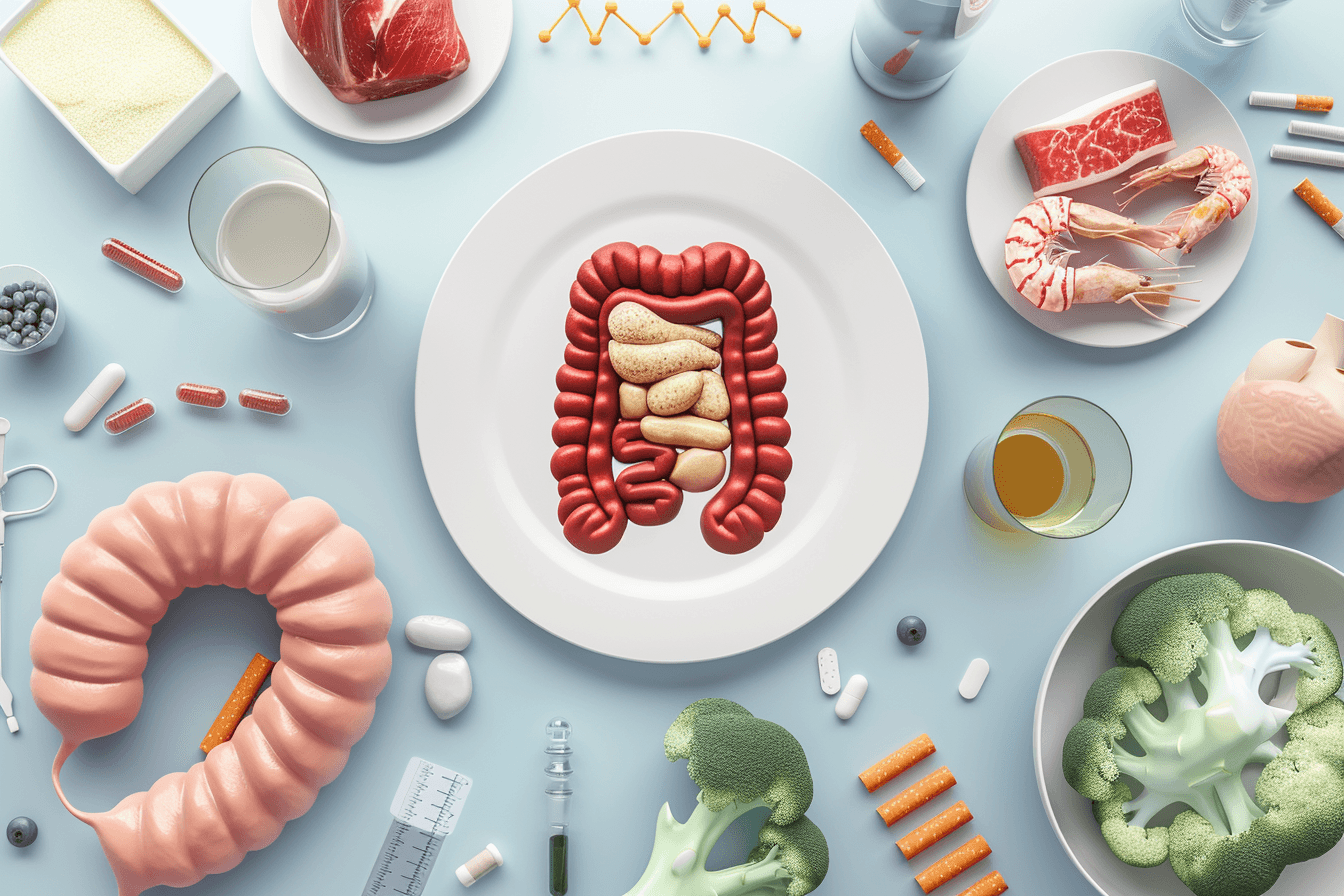
Colorectal cancer does not develop in isolation; it is the result of a complex interplay between genetic predispositions, environmental exposures, and lifestyle choices. In Western countries, one of the most significant contributors is diet. A typical Western diet, rich in red and processed meats, low in fiber, and high in refined carbohydrates, creates an inflammatory gut environment that promotes polyp formation and carcinogenic changes in the intestinal lining. Additionally, excessive alcohol consumption and long-term smoking have been directly associated with increased colorectal cancer risk, particularly when combined with a sedentary lifestyle and central obesity.
Obesity, especially visceral fat accumulation, is more than a cosmetic concern, it is a metabolic condition that drives chronic inflammation, insulin resistance, and hormonal imbalances, all of which are known to promote cancer development. Epidemiological studies consistently show that individuals with a high body mass index (BMI) face a significantly elevated risk of colorectal malignancies.
Table: Conditions That May Be Mistaken for Colorectal Cancer
| Condition | Common Overlap | Key Difference |
|---|---|---|
| Irritable bowel syndrome | Bloating, bowel changes | No tumor growth or progressive bleeding |
| Hemorrhoids | Blood in stool | Fresh blood without systemic symptoms |
| Inflammatory bowel disease | Diarrhea, pain, bleeding | Chronic inflammation seen on colonoscopy |
| Colon polyps | May be silent or bleed | Not always cancerous but may become precancerous |
| Diverticular disease | Abdominal discomfort | Different structural changes in colon |
| Intestinal infection | Diarrhea and cramps | Usually acute and resolves with treatment |
Genetics also plays a crucial role. Inherited syndromes such as Lynch Syndrome (also known as hereditary nonpolyposis colorectal cancer or HNPCC) and familial adenomatous polyposis (FAP) dramatically increase lifetime risk. Individuals with these conditions often develop cancer at a younger age, making early genetic screening and family history assessments essential.
Emerging research has also highlighted the role of the gut microbiome, a delicate ecosystem of trillions of microorganisms that reside in the colon. Disruption in the balance of beneficial and harmful bacteria, a condition known as dysbiosis, can produce carcinogenic metabolites, trigger inflammation, and compromise the gut barrier, setting the stage for tumorigenesis. Chronic diseases such as type 2 diabetes, inflammatory bowel disease (e.g., ulcerative colitis, Crohn’s disease), and a personal history of colorectal polyps or cancer further amplify the risk.
Understanding these risk factors allows patients and healthcare providers to adopt targeted prevention strategies. Lifestyle interventions, such as increasing physical activity, maintaining a healthy weight, adopting a plant-forward diet, and undergoing regular screening, can significantly reduce risk and are particularly effective when implemented early.
Colorectal cancer is no longer limited to older populations. Recent global observations show a steady rise in cases among individuals under the age of 50, particularly in urban regions where lifestyle patterns have shifted rapidly [1]. This trend has been reported across the United States, United Kingdom, Canada, and Australia, as well as in fast-developing regions such as Singapore and Gulf countries including United Arab Emirates and Saudi Arabia. Changes in dietary habits, reduced physical activity, increased consumption of processed foods, and alterations in gut microbiome are considered major contributing factors [2].
At the same time, epidemiological data consistently shows that early detection through screening significantly improves survival rates. Countries with established screening programs have reported better outcomes due to early-stage diagnosis, while delayed detection remains a major concern in populations with low awareness or limited access to preventive healthcare [3]. This highlights an important message for patients: the disease is becoming more common, but outcomes can be dramatically improved with timely action.
In day-to-day practice, I often see how small, long-term habits quietly shape risk. You might feel that your routine is normal, but over years, patterns like low fiber intake, frequent processed foods, irregular meals, poor sleep, and long sitting hours begin to affect gut health. These changes alter the balance of bacteria in the colon and increase low-grade inflammation, which can create conditions where abnormal cells are more likely to grow [4]. Many patients only realize this link after diagnosis, when they look back and notice that symptoms had been building slowly but were easy to ignore.
Another important factor is metabolic health. Conditions like obesity, insulin resistance, and type 2 diabetes are strongly associated with higher colorectal cancer risk [5]. These are not isolated issues. They reflect deeper changes in how the body processes energy, inflammation, and hormones. When this internal environment stays disturbed for years, it can influence how cells behave and how the body responds to early abnormal growth.
Family history also matters, but it is often misunderstood. Some patients believe that if no one in the family had cancer, they are safe. In reality, most colorectal cancer cases are not purely genetic. Lifestyle and environmental factors still play a major role even without a strong family history [6]. At the same time, individuals with known genetic conditions or close relatives affected at a younger age should be more proactive with screening.
From a broader perspective, this is not about one single cause. It is about cumulative exposure over time. What you eat, how you live, how your digestion functions, and how your body handles stress all interact together. When these factors remain imbalanced for years, they gradually create a terrain where disease can develop.
Early Warning Signs

In the early stages, colorectal cancer does not always feel like a serious illness. Most people experience symptoms that seem mild, irregular, or easy to ignore. You might feel that something is slightly off, but not enough to seek immediate medical attention. This is exactly how the disease manages to progress quietly in many patients.
Table: Early Symptoms vs Advanced Symptoms
| Early Symptoms | Advanced Symptoms |
|---|---|
| Mild change in bowel habits | Persistent bowel obstruction or severe constipation |
| Occasional blood in stool | Continuous or heavy rectal bleeding |
| Unexplained fatigue | Severe weakness and significant weight loss |
| Mild abdominal discomfort | Persistent abdominal pain and swelling |
| Change in stool consistency | Narrow stool with progression and worsening symptoms |
Colorectal cancer often develops silently, without any symptoms in the early stages. This asymptomatic nature is one reason why many patients are diagnosed only when the disease has progressed significantly. However, as the tumor grows or begins to obstruct the bowel, a range of warning signs may emerge, signals that should never be dismissed as minor digestive discomfort.
One of the most common early indicators is the presence of blood in the stool. While this may appear as bright red streaks or darker, tar-like stools, it can also be microscopic and only detectable through a fecal occult blood test. Chronic blood loss from a tumor may lead to iron-deficiency anemia, especially in right-sided colon cancers. Patients often report unexplained fatigue, pale skin, and shortness of breath, which are not immediately linked to gastrointestinal issues but may be signs of a slow, internal bleed.
Another significant warning sign is a change in bowel habits. This includes persistent diarrhea, constipation, or a sudden change in stool consistency. A tumor that narrows the intestinal passage can also produce a sensation of incomplete evacuation, leading to frequent trips to the bathroom without relief. Some patients describe thin or ribbon-like stools as the cancer obstructs normal fecal passage.
Unexplained weight loss is another red flag. When cancer disrupts the body’s metabolic balance or spreads systemically, it can lead to rapid loss of muscle mass and appetite, even when the patient is not actively dieting or exercising. In more advanced cases, abdominal pain, rectal discomfort, bloating, or a persistent urge to pass stool (tenesmus) may occur, especially when the rectum is involved.
Many patients describe the same experience when they look back. There were small changes, but nothing felt urgent. You may notice occasional blood in stool, but assume it is due to hemorrhoids. You might feel more tired than usual, but blame it on work or stress. Sometimes bowel habits change, with alternating constipation and loose motions, but it does not seem consistent enough to raise concern. These early signs often overlap with common conditions such as Irritable Bowel Syndrome, which is why they are frequently overlooked or misdiagnosed [7].
Another subtle but important sign is iron deficiency anemia, which may develop slowly due to unnoticed internal bleeding. You may not see visible blood, but the body starts showing signs such as fatigue, weakness, or reduced stamina. In some cases, stool may appear darker or change in shape, but these changes are often ignored unless they become persistent. Research shows that these early symptoms are commonly present months before diagnosis but are not acted upon in time [8].
The key issue is not the absence of symptoms, but the misinterpretation of symptoms. The body often gives early signals, but they are mild and inconsistent. If any change in bowel habits, energy levels, or stool pattern continues for more than two to three weeks, it is important to take it seriously. Early recognition at this stage can significantly simplify treatment and improve outcomes.
Diagnostic Pathway in Western Healthcare
Getting a diagnosis for colorectal cancer is not always straightforward. In many cases, patients go through multiple consultations before the condition is clearly identified. This is because early symptoms can be mild, and initial tests may not always show obvious abnormalities.
I often see patients who say, “All my reports were normal initially.” You might go through basic blood tests, and everything appears within range. This creates a sense of reassurance, and naturally, further testing is delayed. From your perspective, it feels like there is no urgent problem.
However, colorectal cancer in its early stage can remain hidden from routine investigations. It does not always produce clear signals in standard tests, especially if there is no significant bleeding or advanced disease.
Table:Diagnosis and What Each Test Shows
| Test | What It Detects | Limitation |
|---|---|---|
| Colonoscopy | Direct visualization, biopsy, polyp removal | Invasive, requires preparation |
| FIT or stool test | Hidden blood in stool | Cannot confirm cancer alone |
| Stool DNA test | Abnormal genetic markers | Needs confirmation with colonoscopy |
| CT scan | Spread to organs like liver or lungs | Limited for early-stage detection |
| MRI | Local staging, especially rectal cases | Used after suspicion |
| Biopsy | Confirms cancer diagnosis | Depends on correct sampling |
The most reliable way to diagnose colorectal cancer is through a colonoscopy. This procedure allows doctors to directly examine the inner lining of the colon and identify abnormal growths or polyps. If something suspicious is found, a biopsy is taken to confirm whether it is cancer.
Other tests are often used as supportive tools. Stool-based tests can detect hidden blood or abnormal DNA changes. Imaging techniques such as CT scans and MRI help assess how far the disease has spread. Blood markers like CEA may be used to monitor progression, but they are not always reliable for early detection.
The most definitive and widely recommended screening method is colonoscopy, a procedure that uses a flexible tube with a camera to visually inspect the entire colon and rectum. If polyps or suspicious lesions are found during this examination, they can often be removed or biopsied immediately. Colonoscopy is typically recommended starting at age 45 for average-risk individuals and earlier for those with a family history or known genetic predispositions.
For patients seeking less invasive options, two primary stool-based tests are available. The Fecal Immunochemical Test (FIT) detects hidden blood in the stool, a possible sign of polyps or cancer. It is highly specific and does not require dietary restrictions. Another increasingly popular test is Cologuard, which analyzes both blood and abnormal DNA shed from cancerous or precancerous cells into the stool. While not a replacement for colonoscopy, it is a useful tool for those unwilling or unable to undergo more invasive procedures.
If abnormalities are detected through any of these initial screenings, the next steps involve tissue biopsy and histological analysis, typically obtained during colonoscopy. This allows pathologists to determine whether cancer is present, its grade (how aggressive the cells appear), and whether further imaging is needed.
Staging is then completed using imaging techniques such as CT scans of the abdomen and pelvis, MRI for rectal tumors, and sometimes PET scans to assess for distant metastasis. Blood tests, including carcinoembryonic antigen (CEA) levels, may be used to monitor tumor activity and track recurrence over time.
Why Diagnosis Gets Delayed
One of the biggest challenges is delay in diagnosis. This happens for several reasons. Symptoms are often mild and ignored. Patients may hesitate to undergo colonoscopy. In some cases, symptoms are treated as common digestive issues without deeper investigation. These factors together create a gap where the disease continues to develop unnoticed [9].
This structured diagnostic process, symptom recognition, screening, visual confirmation, biopsy, and staging, enables clinicians to accurately define the disease’s extent and plan a personalized treatment protocol. The emphasis on regular screening in Western healthcare has led to significant improvements in early detection rates, especially in countries where screening is integrated into national health policies.
It is important to understand that no single test is perfect. Stool tests can miss early disease. Blood tests may appear normal. Imaging is usually done after suspicion arises. This is why clinical judgment, symptom awareness, and timely decision making play a critical role in early detection [10].
If something does not feel right and symptoms persist, it is always better to investigate further rather than wait. Early diagnosis can change the entire course of treatment, making it simpler, less invasive, and more effective.
Standard Medical Treatment Options
Once a diagnosis of colorectal cancer is confirmed and staged, treatment is guided by a combination of factors including tumor location, stage, genetic profile, and the patient’s overall health status. In Western medicine, a multidisciplinary approach is used, often combining surgery, chemotherapy, radiation, and newer targeted therapies. Each component is carefully selected to maximize tumor eradication while minimizing harm to healthy tissues.
Surgery remains the cornerstone of curative treatment, especially for localized cancers. Depending on the tumor’s location, different types of colectomy procedures may be performed—ranging from partial removal of the colon (hemicolectomy) to total colectomy in extensive cases. Minimally invasive techniques, such as laparoscopic and robotic-assisted surgeries, are increasingly favored in Western centers due to quicker recovery times and fewer complications. For rectal cancers, surgeons may also perform total mesorectal excision (TME) to ensure clean margins and reduce recurrence risk.
Chemotherapy plays a central role in both adjuvant (post-surgical) and neoadjuvant (pre-surgical) settings. Common drug regimens include FOLFOX (5-FU, leucovorin, and oxaliplatin) or CAPOX (capecitabine and oxaliplatin). These agents work by disrupting cancer cell DNA synthesis and replication. In stage III and some high-risk stage II cases, chemotherapy significantly improves survival outcomes by eradicating micrometastases that surgery alone cannot remove.
For advanced or metastatic cases, targeted therapies have expanded treatment options. Drugs like bevacizumab (an anti-VEGF monoclonal antibody) and cetuximab or panitumumab (EGFR inhibitors) are used based on the tumor’s molecular profile, particularly KRAS, NRAS, and BRAF mutation status. These precision medicines are administered alongside chemotherapy to halt tumor progression at the molecular level.
Immunotherapy has shown promise in a subset of colorectal cancers—particularly those classified as microsatellite instability-high (MSI-H) or mismatch repair-deficient (dMMR). In these cases, checkpoint inhibitors like pembrolizumab or nivolumab unleash the body’s immune system to recognize and destroy cancer cells.
Radiation therapy is primarily used for rectal cancer, either before surgery to shrink the tumor and increase operability, or afterward to reduce local recurrence. Advanced techniques such as intensity-modulated radiation therapy (IMRT) and image-guided radiation therapy (IGRT) offer precise targeting of cancer cells while sparing surrounding tissues.
This layered, personalized approach to treatment reflects the sophistication of Western oncology. However, it also underscores the importance of genetic testing, tumor profiling, and coordinated care to optimize outcomes and reduce toxicity.
Limitations of Conventional Treatment and Why Many Patients Start Looking for More

Treatment works, but recovery often feels incomplete
When someone is diagnosed with colorectal cancer, the focus immediately shifts to treatment. Surgery, chemotherapy, and radiation are started with the goal of controlling or removing the disease. These treatments are important, and in many cases, they are necessary.
But what I often hear from patients after treatment is something different. You may complete the treatment, your reports improve, and yet you do not feel like yourself again. Energy is low, digestion feels disturbed, and the body does not feel as strong as before.
This creates a gap. Clinically, things look better. Personally, you may still feel unwell.
Fear of recurrence stays in the background
Even after treatment is completed, many patients carry a constant thought. What if it comes back. This fear does not always go away.
You may notice that every small symptom starts to feel important. Follow up tests become stressful. Waiting for reports can feel overwhelming. This is something I see very commonly, and research also shows that recurrence remains a real concern in colorectal cancer [11].
Side effects affect daily life more than expected
Treatment does not only target cancer cells. It also affects normal body functions.
You may experience fatigue, weakness, changes in appetite, or nerve related symptoms after chemotherapy. Surgery can change bowel habits. Radiation can affect comfort and digestion. Even when these effects are medically managed, many patients still feel that their body has not fully recovered [12].
The deeper questions begin after treatment
At some point, most patients start asking questions that go beyond treatment.
You may ask yourself why this disease developed in the first place. You may wonder how to rebuild your strength and digestion. You may start thinking about what can be done to reduce the chances of recurrence.
These are important questions. They are not always fully addressed in standard treatment plans.
Why patients begin looking for more
This is usually where the shift happens. Not because you want to reject modern medicine, but because you want a more complete recovery.
You want to feel normal again. You want your energy back. You want your digestion to improve. You want confidence that your body is stronger, not just treated.
I have seen this many times. The search does not begin with big decisions. It starts quietly. First, you try to manage side effects. Then you start thinking about long term health. Slowly, you begin to understand that healing is not only about removing the disease, but also about restoring the body.
That is when many patients begin to explore integrative approaches. They are looking for support, balance, and a way to rebuild from within.
Is There a Better Way to Approach Recovery
When treatment ends but questions begin
At some point, most patients reach a stage where the immediate treatment phase is over or under control, but the questions do not stop. You may start thinking about what comes next. You may wonder if removing the disease is enough or if something deeper still needs attention. I hear this often. Patients say their reports are better, but they do not feel completely recovered. Digestion is still not stable, energy is inconsistent, and there is always a thought about whether the condition could return. This is where the focus begins to shift from treatment to recovery.
Table: Conventional Treatment vs Integrative Recovery Approach
| Area | Conventional Approach | Integrative Support Approach |
|---|---|---|
| Main goal | Remove or control tumor | Support whole-body recovery |
| Focus | Disease-centered | Patient-centered |
| Digestion | Not primary focus | Major focus |
| Energy and strength | May decline during treatment | Actively restored |
| Recurrence concern | Monitored through follow-up | Addressed through long-term balance |
| Personalization | Based on stage and protocol | Based on body type, digestion, and history |
Looking at the gap honestly
Modern treatment is designed to remove or control the visible disease, and it does that well in many cases. But it does not always address the internal changes that have developed over time. Factors like long-standing digestive imbalance, inflammation, and reduced resilience of the body are often left unaddressed. This does not mean treatment is wrong. It means it is focused on one part of the problem. Patients who recognize this gap are not rejecting modern care. They are trying to understand how to complete the recovery process.
Understanding what recovery really means
Recovery is not only about what scans show. It is about how your body functions daily. It includes stable digestion, consistent energy, proper sleep, and a sense that your body is working with you rather than against you. When these areas are not addressed, even after treatment, patients often feel incomplete in their recovery. This is the point where many begin to look for an approach that supports the whole system, not just the affected part.
Where integrative thinking becomes relevant
This is where a broader approach begins to make sense. Instead of focusing only on removing disease, the focus expands to restoring balance inside the body. Ayurveda approaches recovery in this way. It looks at digestion, metabolism, tissue strength, and long-term stability. For many patients, this does not feel like an alternative. It feels like a continuation of care that addresses what was not covered earlier.
Why This Approach Is Different

It is not a one formula solution
One of the biggest differences you will notice is that this approach is not based on a single product or fixed formula. In many systems, the same treatment is given to every patient with the same diagnosis. Here, the starting point is different. Your condition, your digestion, your strength, your medical history, and even your response to previous treatment are all considered before anything is planned. I often tell patients that two people with the same diagnosis can still require completely different approaches because their bodies are not the same.
Focus on the internal environment, not just the disease
Most treatments are designed to target the visible problem. This approach also looks at the internal environment where the disease developed. Digestion, metabolism, inflammation, and tissue strength are all part of the picture. If these are not corrected, the body may remain vulnerable even after treatment. Patients usually understand this when they start noticing that recovery is not just about removing the disease, but about how the body functions afterward.
Combination of classical knowledge and modern understanding
This approach does not ignore modern medicine. It works alongside it. Diagnosis, imaging, and necessary treatments remain important. At the same time, classical Ayurvedic principles are used to support recovery and long-term balance. This combination allows patients to benefit from both systems without feeling that they have to choose one over the other.
Supervision and adjustment over time
Another key difference is continuous supervision. The plan is not fixed from the beginning to the end. It is adjusted based on how your body responds. If digestion improves, the formulation changes. If strength increases, the focus shifts. If there are side effects from ongoing treatment, the approach is modified. This ongoing adjustment is what makes the process more responsive and effective.
Designed for long term stability, not short term relief
Many treatments focus on immediate results. Here, the focus is also on long-term stability. The goal is not only to help you feel better now, but to support your body in staying balanced over time. This includes maintaining digestion, reducing internal stress, and improving overall resilience.
What patients usually notice
Patients often describe this approach as more complete. They feel that their body is being supported, not just treated. Over time, they notice improvements in digestion, energy, and overall comfort. More importantly, they feel more confident in their recovery process because they understand what is being done and why.
What Should You Do Next
Start with clarity, not confusion
At this stage, it is natural to feel overwhelmed. You have read about symptoms, diagnosis, treatment options, and different approaches. The most important step now is not to rush into decisions, but to bring clarity to your situation. You need to understand where you stand right now. That means knowing your diagnosis clearly, your stage if it has been defined, your current symptoms, and how your body is responding after treatment or during it.
Do not ignore persistent signs
If you are still experiencing symptoms such as irregular bowel habits, fatigue, or discomfort that does not settle, do not ignore them. Even if previous reports were normal, persistent changes need attention. It is always better to investigate early than to wait for symptoms to become severe. Acting early often makes treatment simpler and recovery smoother.
Review your current treatment plan
If you are already under medical care, take a moment to understand your treatment plan. Ask questions. Know what each step is meant to do. This helps you feel more in control and reduces uncertainty. At the same time, observe how your body is responding. If you feel that recovery is incomplete or side effects are affecting your daily life, this is important information.
Consider a more complete approach
Many patients reach a point where they want more than just disease control. They want strength, stability, and long-term confidence in their health. This is where an integrative approach becomes relevant. It allows you to continue necessary medical care while also supporting digestion, immunity, and overall recovery. The goal is not to replace one system with another, but to bring balance into the process.
Seek proper guidance before starting anything new
One of the most common mistakes is starting multiple remedies without proper guidance. This often leads to confusion and inconsistent results. Instead, it is better to follow a structured plan under supervision. A personalized approach ensures that what you are taking actually suits your condition, your digestion, and your stage of recovery.
Make small but consistent changes
You do not need to change everything at once. Start with simple steps. Improve your diet, follow a consistent routine, stay physically active, and manage stress. These changes may seem small, but they have a strong cumulative effect on your recovery. Consistency matters more than intensity.
Focus on rebuilding, not just treating
The most important shift is in how you think about recovery. It is not only about removing the disease. It is about rebuilding your body so that it becomes stronger and more stable over time. When you focus on this, your decisions become clearer and more purposeful.
Move forward with confidence
You do not have to figure everything out at once. Take one step at a time. Understand your condition, follow a structured plan, and stay consistent. When the approach is clear and guided, patients often feel more confident and less anxious about their journey.
Ayurvedic Perspective on Colorectal Cancer

Seeing the disease beyond the tumor
When I explain this to patients, I do not start with the tumor. I start with the body. In Ayurveda, a disease like colorectal cancer is not seen as something that appeared suddenly in one place. It is understood as the result of long standing imbalance inside the body, especially in digestion, metabolism, and tissue nourishment.
You may have heard me say this before. The body does not move from health to disease overnight. It changes slowly. Digestion weakens, toxins begin to accumulate, tissues do not receive proper nourishment, and over time the internal environment becomes vulnerable.
In classical Ayurvedic texts, conditions that resemble chronic intestinal disorders and abnormal growths are described under Grahani and Arbuda. These are not exactly the same as modern cancer definitions, but the underlying understanding is very close.
Shloka
“अग्निमन्द्यं मूलं सर्वरोगाणां”
Transliteration: Agnimandya moolam sarva roganam
Meaning: Weak digestive fire is the root of all diseases
Source: Charaka Samhita, Sutrasthana, Chapter 12, Verse 11
When I relate this to modern patients, I explain it simply. If digestion is not functioning properly for years, the body cannot process nutrients or eliminate waste efficiently. This leads to accumulation of what Ayurveda calls Ama, which you can think of as metabolic toxins.
Understanding Dosha imbalance in simple terms
In Ayurveda, we look at three functional energies, Vata, Pitta, and Kapha. You do not need to memorize them. Just understand their behavior.
Pitta is related to heat and transformation. When it becomes imbalanced, it can lead to inflammation and irritation in the intestinal lining. Kapha is related to structure and growth. When it becomes excessive, it can contribute to abnormal tissue growth. Vata governs movement. When it is disturbed, it can spread imbalance from one area to another.
I often explain this to patients as a combination problem. Inflammation creates damage, stagnation allows abnormal growth, and disturbed movement allows spread.
Classical description of abnormal growth
Shloka
“मांसाद्यर्बुदं सन्निपातजम्”
Transliteration: Mamsady arbuda sannipatajam
Meaning: Abnormal growths in tissues arise due to combined dosha imbalance
Source: Sushruta Samhita, Nidanasthana, Chapter 11
This description aligns closely with what we see clinically today. It is not a single factor. It is a combined disturbance over time.
Connecting with Gulf patients
When I speak to patients from Gulf countries, I often explain this in a more familiar way.
Urdu: “जब हज़्म सही नहीं होता और जिस्म में गंदगी जमा होती रहती है, तो बीमारियां धीरे धीरे पैदा होती हैं।”
Arabic: “عندما يضعف الهضم وتتراكم السموم في الجسم، تبدأ الأمراض في الظهور تدريجياً.”
Meaning in simple English: When digestion is weak and waste keeps accumulating, the body slowly moves toward disease.
This is something many patients immediately understand because they have already experienced long term digestive issues before diagnosis.
Modern science is now seeing similar patterns
What is interesting is that modern research is now supporting many of these ideas. Studies show that chronic inflammation, gut microbiome imbalance, and metabolic dysfunction play a major role in colorectal cancer development [13]. When beneficial bacteria reduce and harmful bacteria increase, it affects how the colon environment behaves.
You may not feel this change immediately, but over time it creates conditions where abnormal cells are more likely to grow.
Why this perspective matters to you
You might be thinking, how does this help me right now.
It helps because it changes the way you look at the disease. Instead of seeing it as something that appeared suddenly, you start understanding it as a process. And if it is a process, it means there are multiple points where intervention is possible.
This is where Ayurveda becomes relevant for many patients. It does not only ask how to remove the disease. It asks how to correct the internal environment so that the body becomes stronger and more stable.
I have seen that when patients understand this, they feel more in control. Instead of feeling that everything is happening to them, they begin to participate in their own recovery.
Simple takeaway
The core idea is not complicated. If the internal environment of the body supports disease, it will continue. If that environment is corrected, the body becomes less favorable for disease progression.
That is the foundation of the Ayurvedic perspective.
The Rising Interest in Integrative and Holistic Approaches
As survival rates improve and awareness spreads, a growing number of Western patients are seeking integrative strategies that go beyond conventional cancer treatments. While surgery, chemotherapy, and radiation remain the pillars of oncologic care, they often leave behind residual symptoms, fatigue, neuropathy, gut dysbiosis, or emotional trauma, that conventional medicine alone does not always address. This unmet need has driven an increased interest in holistic and complementary therapies that support the body’s resilience, restore internal balance, and enhance quality of life.
Functional medicine, a systems-based model gaining traction in the West, views cancer not only as a disease of uncontrolled cell growth but as a manifestation of metabolic, inflammatory, and immunological dysfunction. Practitioners in this field focus on restoring the terrain, particularly the gut microbiome, detoxification pathways, mitochondrial health, and chronic inflammation,as a way to improve recovery and reduce the chance of recurrence. This philosophy shares parallels with ancient healing systems such as Ayurveda, which emphasize balance, digestion, and detoxification as core pillars of health.
Dietary modification is a cornerstone of integrative care. Anti-inflammatory, high-fiber, plant-forward diets are encouraged to modulate insulin levels, reduce oxidative stress, and improve gut flora, all of which can influence cancer progression and immune function. Foods rich in polyphenols (e.g., berries, green tea, turmeric), cruciferous vegetables, and omega-3 fatty acids have been shown to possess cancer-protective properties. Nutrition plans are often personalized based on genetic markers, bloodwork, and metabolic needs.
Mind-body therapies such as yoga, mindfulness meditation, guided imagery, and breathwork are widely adopted in cancer centers across the U.S. and Europe. These practices not only help patients cope with treatment-related stress and anxiety but also improve immune modulation through measurable changes in cortisol and cytokine levels. Patients often report improved sleep, reduced pain perception, and enhanced emotional resilience.
Supplements and botanical therapies are also being integrated cautiously into care plans. Substances like curcumin (from turmeric), medicinal mushrooms (e.g., reishi, turkey tail), and vitamin D have demonstrated anti-tumor effects in preclinical or small-scale human studies. However, these should only be used under medical supervision to avoid interactions with chemotherapy or radiation.
The Western embrace of integrative oncology reflects a deeper shift in public consciousness: health is no longer viewed as merely the absence of disease, but as a dynamic state of physical, emotional, and spiritual harmony. This evolving model encourages patients to become active participants in their recovery, drawing from both science and tradition to create a personalized path toward healing.
Ayurvedic Treatment Principles
Treatment is not only about removing disease
When patients come to me after diagnosis or even after completing treatment, one question comes up again and again. What should I do now so that this does not come back and my body becomes strong again.
This is where Ayurvedic treatment principles become important. The focus is not only on the visible disease. The focus is on correcting the internal environment that allowed the disease to develop.
In simple terms, treatment is not just about removing something from the body. It is about restoring balance inside the body.
Correcting the root cause, not just the symptoms
Ayurveda works on the idea that disease develops when internal balance is disturbed for a long time. If we only address the surface problem and ignore the root cause, the chances of recurrence remain.
Shloka
“हेतुलिङ्गप्रशमनं चिकित्सा”
Transliteration: Hetu linga prashamanam chikitsa
Meaning: True treatment removes both the cause and the manifestation of disease
Source: Charaka Samhita, Sutrasthana, Chapter 1
When I explain this to patients, I keep it simple. If the reason behind the disease is not corrected, the body may return to the same state again.
Restoring digestion as the foundation
One of the first principles in Ayurveda is restoring Agni, which means digestive and metabolic strength.
Urdu: “इलाज की बुनियाद हज़्म को ठीक करना है।”
Arabic: “أساس العلاج هو تصحيح الهضم.”
If digestion is weak, the body cannot process food properly, cannot absorb nutrients efficiently, and cannot eliminate waste completely. This leads to accumulation of toxins and weakens the system over time.
So the first step is always to stabilize digestion. Without this, no long term recovery is possible.
Removing accumulated toxins
After digestion is improved, the next step is reducing Ama, which refers to accumulated metabolic waste.
Shloka
“आम एव रोगाणां मूलम्”
Transliteration: Ama eva roganam moolam
Meaning: Accumulated toxins are the root of disease
Source: Ashtanga Hridaya, Sutrasthana, Chapter 13
From a modern perspective, you can relate this to chronic inflammation, metabolic waste, and disturbed gut environment. When this is not cleared, it continues to irritate tissues and disturb normal function.
Rebuilding strength and immunity
Once the body is cleaned and digestion improves, the focus shifts to rebuilding.
This is where Rasayana therapy comes in. It is designed to nourish tissues, improve immunity, and restore overall strength.
Patients often notice that this phase helps them feel more stable. Energy improves. Digestion becomes better. Sleep normalizes. The body starts responding differently.
Personalized treatment, not one formula
Another important principle is personalization.
No two patients are the same. Age, body type, stage of disease, previous treatments, digestion, and overall strength all matter. Ayurveda does not follow a one size fits all approach.
I often tell patients that what works for one person may not work for another. That is why treatment needs to be carefully designed and monitored.
Supporting long term stability
The final goal is not only recovery, but stability.
You do not just want to feel better for a few weeks. You want your body to remain strong over time. This includes maintaining digestion, reducing inflammation, supporting gut health, and keeping the system balanced.
Modern research is also moving in this direction. It is now clear that inflammation, immune function, and metabolic health play a major role in long term outcomes in colorectal cancer [14].
Simple understanding
If I explain all of this in one line, it would be this.
Treatment removes the disease, but true healing rebuilds the body.
That is the core principle behind the Ayurvedic approach.
Ayurvedic Interpretation of Colorectal Cancer

A planned approach, not random use of herbs
Many people think Ayurveda means taking a few herbs and expecting results. In practice, management is structured and step by step. I always explain this clearly during consultation. We do not start everything at once. We look at your current condition, your strength, your digestion, and whether you are undergoing or have completed conventional treatment.
Some patients come while they are still in treatment. Some come after surgery or chemotherapy. Others come when symptoms are still mild. The approach changes in each situation. That is why management must be planned carefully and not copied from another person.
Stabilizing digestion comes first
The first priority is always digestion. If digestion is disturbed, the body cannot absorb nutrients properly and cannot eliminate waste efficiently. Over time, this weakens the system further.
At this stage, we focus on improving bowel regularity, reducing bloating, and supporting appetite. Diet is adjusted and mild herbal support is introduced. Many patients begin to notice changes here. The heaviness reduces, bowel movements become more consistent, and energy starts improving gradually.
This stage may seem simple, but it is the base on which further recovery depends.
Cleansing only when the body is ready
Once digestion improves, the next step may involve reducing accumulated toxins. In Ayurveda, this is done through Shodhana, which includes cleansing therapies.
However, I always clarify that Panchakarma is optional. It is not suitable for every patient. It depends on your strength, disease stage, and how your body is responding. In some cases, especially after intensive treatments, a gentler approach is more appropriate.
When selected carefully, therapies like Basti can support colon health and regulate bowel function. But this is always personalized. There is no fixed protocol that fits everyone.
Rebuilding strength through Rasayana
After stabilization and cleansing, the focus shifts to rebuilding the body. This is where Rasayana therapy becomes important.
The aim here is to nourish tissues, support immunity, and improve overall resilience. Patients often report that this phase brings noticeable improvement. Energy levels increase, digestion becomes more stable, and recovery feels more complete.
I have seen many patients regain confidence during this stage. They feel that their body is becoming stronger again, not just treated.
Maintaining balance over the long term
Once improvement begins, the next goal is to maintain that stability. This involves diet, daily routine, stress management, and continued support for digestion and immunity.
Urdu: “इलाज के बाद सेहत को बनाए रखना भी उतना ही ज़रूरी है।”
Arabic: “الحفاظ على الصحة بعد العلاج لا يقل أهمية عن العلاج نفسه.”
This reflects an important idea. Recovery is not just about getting better for a short period. It is about staying well over time.
Patients who follow this phase carefully often experience more consistent digestion, better energy, and fewer fluctuations in their condition.
Why guidance is important
One thing I always emphasize is that proper supervision is essential. Ayurveda is effective when used correctly, but it is not meant for self trial.
Each patient requires a different combination, dosage, and duration of treatment. Using products without proper understanding can lead to poor results or unnecessary complications.
Management works best when it is guided, monitored, and adjusted based on how your body responds.
Core idea
The process follows a clear sequence. First stabilize the system, then cleanse if required, then rebuild strength, and finally maintain balance. When this approach is followed properly, recovery becomes deeper and more sustainable.
Herbs and Natural Interventions

Targeted support, not random use
When patients ask me about natural options, I explain this clearly. This is not about taking a few herbs and expecting results. The goal is to use selected herbs in a structured way to support digestion, reduce inflammation, and rebuild strength after illness or treatment. Each herb has a role, and the effect depends on how it is combined, the dose, and the duration.
Turmeric (Curcuma longa) and inflammation control
Turmeric is widely known, but its clinical relevance is often underestimated. The active compound, curcumin, has been studied for its role in reducing inflammatory pathways and influencing cell signaling related to colorectal conditions.
Research has shown that curcumin can modulate pathways such as NF-kB and COX-2, which are involved in inflammation and tumor progression. Some studies also suggest its potential role in supporting apoptosis, which is the natural process of removing abnormal cells.
Reference:
Gupta, S. C., Patchva, S., & Aggarwal, B. B. (2013). Therapeutic roles of curcumin: Lessons learned from clinical trials. AAPS Journal.
https://pubmed.ncbi.nlm.nih.gov/23392738
Guduchi (Tinospora cordifolia) and immune modulation
Guduchi is commonly used when patients feel weak or depleted. In Ayurveda, it is known for supporting Ojas, which relates to vitality and resilience.
Modern studies show that Tinospora cordifolia has immunomodulatory properties, meaning it helps regulate immune response rather than simply stimulating it. This becomes important in recovery phases where the immune system needs balance, not overstimulation.
Reference:
Upadhyay, A. K., Kumar, K., Kumar, A., & Mishra, H. S. (2010). Tinospora cordifolia: A review on its ethnobotany, phytochemistry and pharmacology. Journal of Ethnopharmacology.
https://pubmed.ncbi.nlm.nih.gov/20416307
Ashwagandha (Withania somnifera) and strength restoration
Ashwagandha is frequently used in patients experiencing fatigue, stress, or weakness after treatment.
Research indicates that it may help reduce stress, improve energy levels, and support overall physiological balance. It has also been studied for its potential role in modulating inflammatory and oxidative pathways.
Reference:
Lopresti, A. L., Smith, S. J., Malvi, H., & Kodgule, R. (2019). An investigation into the stress-relieving and pharmacological effects of ashwagandha. Medicine.
https://pubmed.ncbi.nlm.nih.gov/31517876
Haritaki (Terminalia chebula) and bowel regulation
Haritaki plays an important role in maintaining bowel regularity, which is often disturbed in colorectal conditions.
From a modern perspective, Terminalia chebula has been studied for its antioxidant and mild laxative effects, which help regulate gut function without dependency.
Reference:
Bag, A., Bhattacharyya, S. K., & Pal, N. K. (2013). Evaluation of antibacterial properties of Terminalia chebula. BMC Complementary Medicine and Therapies.
https://pubmed.ncbi.nlm.nih.gov/23497095
Kutaja (Holarrhena antidysenterica) and intestinal stability
Kutaja is traditionally used for chronic intestinal disturbances.
Research supports its role in improving gut function and reducing abnormal bowel patterns, particularly in conditions involving chronic inflammation or infection of the intestines.
Reference:
Singh, B., Singh, S., & Bani, S. (2010). Antidiarrheal activity of Holarrhena antidysenterica. Journal of Ethnopharmacology.
https://pubmed.ncbi.nlm.nih.gov/20637264
Scientific understanding of herbal synergy
Modern research is increasingly showing that plant-based compounds influence inflammation, oxidative stress, microbiome balance, and cellular signaling. These mechanisms are directly relevant to colorectal disease processes.
Reference:
Johnson, C. M., et al. (2013). Meta-analyses of colorectal cancer risk factors. Cancer Causes & Control.
https://pubmed.ncbi.nlm.nih.gov/23640096
Important clinical note
The herbs mentioned above are examples to help you understand the approach.
In actual clinical practice, formulations are much more complex. A complete Ayurvedic protocol may include more than 30 herbs and mineral preparations, carefully selected and combined based on your condition, stage of disease, digestion, strength, and medical history.
This is why self-medication or using ready-made products without guidance often does not produce results. The effectiveness depends on personalization, correct combinations, and proper supervision.
What patients usually notice
When herbs are used correctly within a structured plan, changes are usually gradual.
Digestion stabilizes. Energy improves. The body feels lighter and more balanced. Over time, patients often report that recovery feels deeper, not just at the level of symptoms, but overall well-being
Pippali Rasayana Avaleha for Colorectal Support
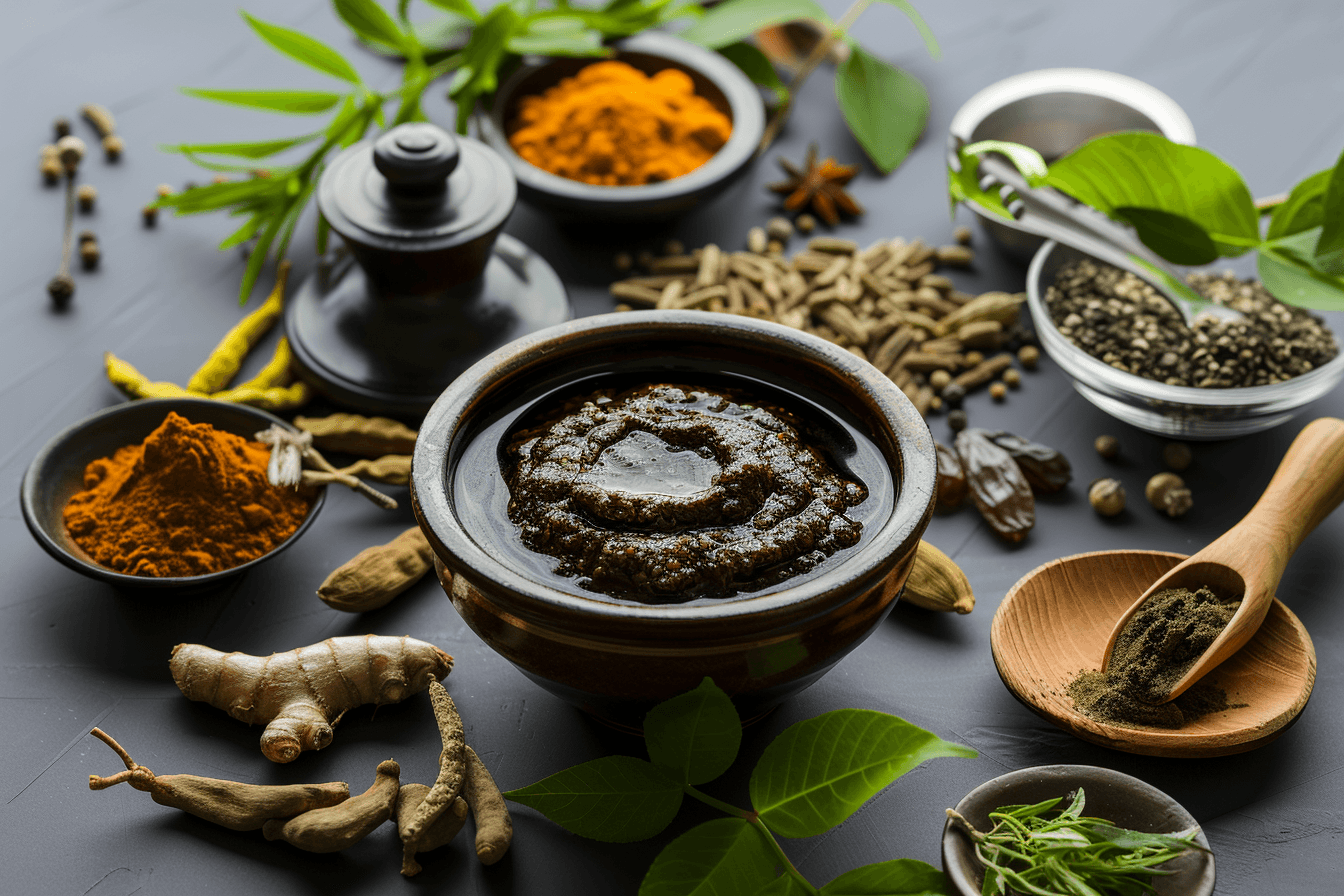
Why this formulation matters in real recovery
When you are dealing with colorectal disease, the biggest concern is not just treatment, it is what happens after that. You may complete surgery or chemotherapy and your reports may improve, but your body may still not feel the same. Digestion may remain unstable, energy may be low, and there is often a constant concern about long term stability. This is where Pippali Rasayana becomes relevant. I do not explain it as a simple herbal remedy, I explain it as a structured approach that helps rebuild the body from within by improving digestion, absorption, tissue strength, and overall resilience, which are usually affected long before the disease becomes visible. In classical Ayurveda, Pippali Rasayana is described as a formulation that supports strength and nourishment. “पिप्पली रसायनं बलवर्णकरं परम्” Transliteration: Pippali rasayanam bala varna karam param Meaning: Pippali Rasayana enhances strength and vitality Source: Charaka Samhita, Chikitsasthana, Rasayana Chapter, and when I explain this to patients, I simplify it by saying that if digestion improves and the body starts absorbing nutrients properly again, recovery becomes stronger and more stable.
How it is used in clinical practice today
You are not given the basic classical version because that alone is not sufficient in modern clinical conditions, instead it is expanded into a comprehensive Rasayana Avaleha where Pippali remains the core but multiple herbs and selected mineral preparations are added to address digestion, inflammation, immunity, and tissue recovery together, Urdu: “यह सिर्फ दवा नहीं, बल्कि जिस्म को दोबारा मज़बूत करने का तरीका है।” Arabic: “هذا ليس مجرد دواء، بل طريقة لإعادة بناء الجسم من الداخل.” which simply means this is not just treatment but rebuilding.
Dose and duration
The formulation is generally given as 15 grams twice daily after meals for a period of 30 days, followed by reassessment based on response and condition.
Ingredient structure for a 30 day clinical batch
| Ingredient | Botanical Name | Quantity | Clinical Role |
|---|---|---|---|
| Pippali | Piper longum | 200 g | Improves absorption and metabolism |
| Guduchi | Tinospora cordifolia | 200 g | Immune support |
| Ashwagandha | Withania somnifera | 200 g | Strength and recovery |
| Haridra | Curcuma longa | 150 g | Inflammation balance |
| Amalaki | Emblica officinalis | 150 g | Tissue nourishment |
| Haritaki | Terminalia chebula | 100 g | Bowel regulation |
| Kutaja | Holarrhena antidysenterica | 100 g | Gut stability |
| Yashtimadhu | Glycyrrhiza glabra | 80 g | Intestinal healing |
| Shunthi | Zingiber officinale | 80 g | Digestive support |
| Musta | Cyperus rotundus | 80 g | Gut balance |
| Neem | Azadirachta indica | 80 g | Detox support |
| Vidanga | Embelia ribes | 60 g | Microbial control |
| Kalmegh | Andrographis paniculata | 60 g | Liver and metabolic support |
Base ingredients
| Ingredient | Quantity | Purpose |
|---|---|---|
| Jaggery | 1.5–2 kg | Avaleha base |
| Cow Ghee (A2) | 250–300 g | Absorption |
| Honey | 200–250 g | Carrier |
Advanced Rasayana mineral support
| Ingredient | Type | Clinical Purpose |
|---|---|---|
| Abhrak Bhasma (Sahastraputi) | Mineral | Tissue repair |
| Lauh Bhasma (Sahastraputi) | Iron | Strength support |
| Swarna Makshik Bhasma | Compound | Metabolic support |
| Gandhak Rasayan | Sulfur | Detox support |
| Mukta Sukti | Calcium | Cooling balance |
| Praval Pishti | Coral | Pitta regulation |
How this formulation is prepared
The preparation follows a structured classical method where selected herbs are first boiled to extract active compounds, the decoction is then concentrated and combined with jaggery to form a thick base, fine powders are added gradually, ghee is incorporated to enhance absorption, once the mixture cools to the appropriate level honey is added, and mineral components are introduced at the final stage under controlled conditions, this process requires precision in heat, timing, and sequencing and cannot be accurately replicated without proper clinical expertise.
Important clinical note
This formulation is provided for understanding the depth of Ayurvedic treatment and is not meant for self preparation or unsupervised use, in actual clinical practice formulations may include more than 30 herbs and mineral preparations and are adjusted based on digestion, disease stage, body strength, and treatment history, the effectiveness depends on personalization and supervision rather than simply following ingredient lists.
Why patients feel a difference
Patients often notice gradual improvement where digestion becomes more stable, energy improves, and the body feels stronger over time, this creates a sense that recovery is happening from within rather than just at the surface level, which is why many patients feel more confident when their treatment includes this approach.
Important Warning About Avaleha Medicine Use
Do not buy Avaleha from the market
This is very important to understand. Many patients assume that buying a ready made Avaleha from the market will give the same results as a clinical formulation. In reality, this approach usually does not work, and in some cases it may even delay proper recovery.
I always explain this clearly during consultation. A clinical Avaleha is not a generic product. It is a personalized formulation designed after understanding your body, your digestion, your disease stage, and your treatment history. Market products are made for general use and cannot match this level of precision.
Why market Avaleha often does not work
There are several reasons why ready made products fail to deliver expected results.
First, the formulation is not personalized. Your condition is unique, but the product is the same for everyone. This creates a mismatch between what your body needs and what you are taking.
Second, ingredient quality varies significantly. Many commercial products may not use properly processed herbs or correctly prepared bhasma. In Ayurveda, the quality of preparation directly affects the outcome.
Third, the ratios are fixed. In clinical practice, even small changes in ingredient proportion can make a significant difference. Market products do not account for this.
Fourth, digestion is not assessed. If your Agni is weak, even the best formulation will not work properly because the body cannot absorb it effectively.
Fifth, disease stage is ignored. Early stage conditions, advanced disease, and post-treatment recovery all require different approaches. A single product cannot address all these situations.
Sixth, interaction with ongoing treatment is not considered. If you are undergoing chemotherapy, taking medications, or have other health conditions, the formulation must be adjusted accordingly.
Seventh, duration of disease matters. A condition that has been present for years requires a different approach compared to a recent diagnosis.
Eighth, lifestyle factors are not addressed. Diet, sleep, stress, and daily routine play a major role in how the body responds. Market products do not correct these.
Ninth, many products do not include full Rasayana depth. In clinical practice, formulations often include more than 30 herbs and carefully selected mineral preparations, which are rarely present in commercial products.
Why self preparation is not recommended
Preparing Avaleha at home may seem simple, but in reality it is a highly controlled process.
It requires:
- Correct selection of herbs
- Proper purification methods
- Accurate heating and timing
- Correct sequence of preparation
- Clinical judgment for mineral inclusion
Even small errors in preparation can affect effectiveness or safety. This is why classical formulations are prepared under supervision or in controlled settings.
Patient-specific factors that affect results
This is where most people underestimate the complexity.
The effectiveness of Avaleha depends on:
- Age of the patient
- Digestive strength
- Presence of other conditions such as diabetes, thyroid disorders, or autoimmune diseases
- Duration of the disease
- Stage of colorectal condition
- Previous treatments such as surgery, chemotherapy, or radiation
- Overall body strength and recovery capacity
Two patients with the same diagnosis may require completely different formulations.
Final guidance
Avaleha works best when it is:
- Properly formulated
- Personalized
- Supervised
- Adjusted over time
Buying it from the market or preparing it without guidance removes all of these critical factors.
If you are serious about recovery, the focus should not be on finding a product, but on following a structured and supervised approach that is designed specifically for your body.
Modern Scientific Research Supporting Key Herbs in This Formulation

What current research really shows
When we look at modern research, one thing becomes clear. Colorectal cancer is not driven by a single factor. It is influenced by inflammation, oxidative stress, immune imbalance, and changes in gut environment. Many of the herbs used in this formulation act on these same pathways. Scientific reviews now confirm that targeting inflammation and cellular signaling plays an important role in colorectal health https://pmc.ncbi.nlm.nih.gov/articles/PMC7438305/
Pippali and its active compound
Pippali is central to this formulation, and its modern relevance comes from compounds like piperlongumine. Research shows that this compound can reduce tumor growth and suppress inflammatory signals such as COX-2 and IL-6 in experimental models. It also affects cancer cell survival mechanisms, which supports its traditional use in improving metabolism and internal balance https://pmc.ncbi.nlm.nih.gov/articles/PMC7748110/
Turmeric and curcumin
Turmeric is one of the most studied natural compounds in colorectal conditions. Curcumin has shown the ability to regulate inflammation, slow abnormal cell growth, and support natural cell death processes. Clinical studies suggest it is safe and may improve biological markers linked to colorectal disease, although large-scale outcome studies are still ongoing https://pmc.ncbi.nlm.nih.gov/articles/PMC7438305/
Guduchi and immune balance
Guduchi is known for supporting immune stability rather than simply boosting it. Research shows it helps regulate immune response and reduce inflammation, which is important during recovery and long-term stability after illness https://pubmed.ncbi.nlm.nih.gov/33480818/
Ashwagandha and recovery strength
Ashwagandha supports both physical and mental recovery. Its active compounds have shown effects on cancer-related pathways and have demonstrated inhibition of colon cancer cell growth in experimental studies. It also helps improve energy and resilience after treatment https://pubmed.ncbi.nlm.nih.gov/37513827/
Ginger and early clinical evidence
Ginger stands out because it has some early human-level evidence. Studies suggest it may reduce inflammation and influence cellular activity in the colon. While the evidence is still developing, it is considered a useful supportive herb in colorectal care https://pmc.ncbi.nlm.nih.gov/articles/PMC9922148/
Kalmegh and metabolic correction
Kalmegh has shown promising results in animal studies, particularly in reducing abnormal cell growth and improving changes in colon tissue linked to disease progression. It is especially relevant in patients with metabolic imbalance or chronic inflammation https://pmc.ncbi.nlm.nih.gov/articles/PMC10049149/
Neem and cellular protection
Neem has demonstrated anti-inflammatory and anti-proliferative effects in laboratory studies. It has also shown the ability to reduce tumor growth in experimental models, supporting its traditional role in detoxification and internal cleansing https://pubmed.ncbi.nlm.nih.gov/29697164/
Yashtimadhu and intestinal support
Yashtimadhu helps protect the intestinal lining and reduce inflammation. Research suggests that its active compounds may support recovery in gastrointestinal conditions and help maintain internal balance https://pmc.ncbi.nlm.nih.gov/articles/PMC7961658/
Supporting herbs and overall effect
Other herbs in the formulation such as Haritaki, Amalaki, Kutaja, Musta, and Vidanga may not have strong direct colorectal cancer trials, but they play an important role in digestion, gut stability, and toxin clearance. These functions are essential because colorectal disease is not only about abnormal cells, but also about the internal environment that allows those cells to grow https://pmc.ncbi.nlm.nih.gov/articles/PMC7438305/
What this means for you
The strength of this formulation does not come from one single herb. It comes from combining multiple ingredients that work on different levels. Some reduce inflammation, some support immunity, some improve digestion, and others help restore tissue balance. This multi-layered approach is what makes it different from single-target treatments.
Final understanding
Modern research is slowly aligning with traditional Ayurvedic principles. While no single herb replaces medical treatment, a well-structured formulation can support recovery, improve internal balance, and address factors that are often overlooked. This is where integrative care becomes meaningful for long-term health.
(Case Study) Real-World Patient Outcomes and Clinical Evidence
Case Study 1: Lifestyle Change and Survival Improvement
Patient pattern seen in research and clinical practice
A large number of colorectal cancer patients show a similar pattern. After diagnosis, they continue with treatment but do not change lifestyle significantly. In contrast, patients who improve diet, increase physical activity, and reduce weight tend to have better outcomes over time. Research shows that patients with healthier lifestyle patterns had significantly lower mortality risk compared to those with poor lifestyle habits https://pubmed.ncbi.nlm.nih.gov/24591061/
What changed
Patients who adopted structured lifestyle changes including better diet, regular movement, and weight control showed improved survival trends and better overall recovery.
What you should understand
This tells you something important. Treatment alone is not the only factor. What you do daily after diagnosis plays a major role in long-term outcome.
Case Study 2: Diet and Recovery in Colorectal Patients
What research shows in real patients
Studies observing colorectal cancer patients found that dietary patterns strongly influence recovery and quality of life. Patients who followed healthier eating patterns showed better daily functioning and overall well-being compared to those consuming processed and high-fat diets https://pmc.ncbi.nlm.nih.gov/articles/PMC4258898/
What changed
Patients who shifted toward fiber-rich foods, vegetables, and balanced meals experienced improved digestion and better tolerance during and after treatment.
What you should understand
This confirms that digestion and gut environment are not just secondary factors. They directly influence how your body responds to disease and recovery.
Case Study 3: Physical Activity and Reduced Risk of Recurrence
Observed patient outcomes
Multiple studies have shown that patients who remain physically active after diagnosis have better survival outcomes and lower recurrence risk compared to inactive patients. Physical activity improves metabolism, reduces inflammation, and supports immune function https://www.ncbi.nlm.nih.gov/books/NBK585999/
What changed
Even simple activities like daily walking improved bowel function, energy levels, and overall recovery patterns in patients.
What you should understand
You do not need extreme exercise. Consistent movement plays a powerful role in long-term stability.
Case Study 4: Combined Lifestyle Factors and Long-Term Outcome
Real-world combined effect
Research consistently shows that when multiple lifestyle factors are combined, such as diet, physical activity, weight management, and avoiding smoking, the overall survival and prognosis improve significantly. Patients with poor lifestyle patterns tend to have worse outcomes and higher recurrence risk https://pmc.ncbi.nlm.nih.gov/articles/PMC3738138/
What changed
Patients who improved multiple areas together did better than those focusing on only one change.
What you should understand
Recovery is not one step. It is a combination of changes that work together over time.
What these case patterns mean for you
If you look at all these cases together, a clear pattern appears. Patients who support their body through diet, movement, and internal balance tend to recover better and feel more stable. This aligns closely with what Ayurveda focuses on, which is improving digestion, reducing internal imbalance, and rebuilding strength.
This does not replace treatment. It completes it.
Diet and Lifestyle for Colorectal Health and Recovery
Why daily habits matter more than you think
When patients ask me what they can do beyond treatment, this is where I start. Your daily routine has a direct effect on your digestion, inflammation, and recovery. You may not notice it immediately, but over time your habits either support healing or slow it down. I have seen patients who follow treatment but ignore lifestyle, and recovery remains incomplete. On the other hand, patients who correct daily habits often feel more stable and confident in their progress.
Diet that supports recovery
Food directly influences how your gut behaves. The focus should be on simple, freshly prepared, and easy-to-digest meals. Warm food is generally better tolerated than cold or processed food. Cooked vegetables, whole grains, and light lentils help regulate bowel movements without putting strain on the colon. At the same time, reducing processed food, excessive red meat, refined sugar, and fried items helps lower internal inflammation. Many patients tell me that once they change their diet, their digestion settles and discomfort reduces. This is one of the earliest positive changes they notice.
Daily routine and digestion rhythm
The body responds well to consistency. Irregular meal timings, late-night eating, or skipping meals can disturb digestion. I usually advise eating at fixed times and avoiding overeating. Even simple habits like sitting calmly and chewing food properly make a difference. Urdu: “अगर खाने का वक़्त और तरीका सही हो, तो हज़्म बेहतर होता है।” Arabic: “عندما يكون توقيت وطريقة تناول الطعام صحيحة، يتحسن الهضم.” This reflects a simple idea. When your routine becomes stable, digestion follows.
Physical activity and bowel function
You do not need intense exercise, but you do need regular movement. A daily walk supports bowel movement, improves circulation, and helps overall metabolism. Patients who remain inactive often experience more digestive irregularities compared to those who maintain basic physical activity. Movement also helps reduce stress, which directly affects gut function.
Stress and its effect on the gut
Stress has a direct impact on digestion. When stress is constant, the gut does not function properly. This can lead to irregular bowel habits and poor absorption. Practices such as breathing exercises, light yoga, or simply taking time to relax can help. Patients who manage stress better often report more stable digestion and improved recovery.
Sleep and recovery
Sleep is when the body repairs itself. Poor sleep affects immunity, digestion, and overall strength. Maintaining a regular sleep schedule and avoiding late-night eating helps the body recover more effectively. Even small improvements in sleep can make a noticeable difference in how you feel.
What patients usually notice
When these changes are followed consistently, patients often report gradual improvement. Digestion becomes more regular, energy improves, and daily discomfort reduces. These are small but meaningful shifts that support long-term recovery.
Key takeaway
Treatment addresses the disease, but daily habits shape recovery. When diet, routine, movement, and stress are aligned, the body becomes more stable and better prepared to heal.
Global Medical Guidance and Evidence-Based Recommendations
What major medical bodies recommend. When patients look for clarity, it helps to see what leading medical organizations actually advise. The World Health Organization explains that colorectal cancer is one of the most common cancers worldwide and emphasizes early detection and prevention through screening as key strategies
The American Society of Clinical Oncology recommends a structured, stage-based approach that includes diagnosis, treatment planning, and follow-up care. Their patient guidance explains how surgery, chemotherapy, targeted therapy, and immunotherapy are used depending on the stage and condition of the patient
The National Institute for Health and Care Excellence provides detailed referral and treatment pathways. It highlights that symptoms such as persistent bowel changes or rectal bleeding should not be ignored and should lead to timely medical evaluation
The National Center for Complementary and Integrative Health states that complementary approaches such as nutrition, mind-body practices, and certain natural therapies can support quality of life and help manage side effects when used alongside conventional care
Screening recommendations you should know
Most international guidelines recommend starting colorectal cancer screening at around 45 years of age for average-risk individuals. Earlier screening is advised for those with family history or higher risk. Methods include colonoscopy, stool-based testing, and imaging techniques depending on availability and clinical need
https://www.uspreventiveservicestaskforce.org/uspstf/recommendation/colorectal-cancer-screening
What this means for you
These recommendations highlight an important reality. Early detection and timely treatment are essential, but they are only one part of the journey. Long-term recovery depends on how well the body is supported during and after treatment. This is why many patients begin to explore a more complete approach that includes lifestyle changes and supportive care.
How integrative care fits into this framework
Integrative care does not replace standard medical treatment. It works alongside it. While organizations like ASCO and NICE focus on diagnosis and treatment protocols, and WHO emphasizes prevention and screening, complementary approaches can support digestion, reduce stress, and improve recovery when applied correctly.
Key takeaway
The strongest approach is not choosing one system over another, but understanding how they work together. Evidence-based medicine provides diagnosis and treatment, while supportive strategies help improve recovery and long-term stability.
Frequently Asked Questions About Colorectal Cancer
Can colorectal cancer be cured completely
If detected early, colorectal cancer can often be treated successfully with surgery and supportive therapies. Outcomes depend on stage, overall health, and how early treatment begins.
Can you have colorectal cancer without symptoms
Yes, many patients have no clear symptoms in the early stages. This is why screening is important, especially after age 45 or earlier if there is risk.
What is the first sign of colorectal cancer
Common early signs include blood in stool, changes in bowel habits, unexplained fatigue, or persistent abdominal discomfort, although these can be mild and easily ignored.
Is colonoscopy necessary for diagnosis
Colonoscopy is considered the most reliable method because it allows direct visualization of the colon and removal or biopsy of abnormal growths.
Can young adults get colorectal cancer
Yes, cases are increasing in people under 50, especially in those with lifestyle risk factors or genetic predisposition.
What foods should be avoided in colorectal cancer
Highly processed foods, red meat in excess, refined sugar, and deep-fried items should be limited as they may increase inflammation and affect gut health.
Can diet really affect colorectal cancer recovery
Yes, diet plays a major role in digestion, inflammation, and overall recovery. A balanced, fiber-rich diet supports better outcomes.
What are the chances of recurrence
Recurrence depends on stage, treatment response, and lifestyle factors. Maintaining long-term health habits can help reduce risk.
Can Ayurveda help in colorectal cancer recovery
Ayurveda focuses on improving digestion, reducing internal imbalance, and supporting recovery. It is often used as an integrative approach alongside conventional treatment.
Is it safe to use herbal formulations during treatment
Herbal formulations should only be used under professional guidance, especially during ongoing medical treatment, to avoid interactions.
Why do many patients feel weak after treatment
Treatments like chemotherapy and surgery affect not only cancer cells but also normal body function, leading to fatigue, digestive changes, and reduced strength.
When should I see a doctor immediately
If you have persistent blood in stool, ongoing bowel changes, unexplained weight loss, or fatigue that does not improve, you should seek medical evaluation without delay.
Modern Research References
- National Cancer Institute. (2023). Possible Signs of Colorectal Cancer in Younger Adults. Retrieved from https://www.cancer.gov/news-events/cancer-currents-blog/2023/colorectal-cancer-young-people-warning-signs
- American Cancer Society. (2024). Colorectal Cancer Screening Tests. Retrieved from https://www.cancer.org/cancer/types/colon-rectal-cancer/detection-diagnosis-staging/screening-tests-used.html
- Mayo Clinic. (2022). Integrative Oncology: Lifestyle Medicine for People with Cancer. Retrieved from https://cancerblog.mayoclinic.org/2022/03/15/integrative-oncology-lifestyle-medicine-for-people-with-cancer/
- PubMed Central. (2023). Update on Targeted Therapy and Immunotherapy for Metastatic Colorectal Cancer. Retrieved from https://pmc.ncbi.nlm.nih.gov/articles/PMC10854977/
- National Center for Biotechnology Information. (2023). The Role of Diet and Lifestyle in Colorectal Cancer Incidence. Retrieved from https://www.ncbi.nlm.nih.gov/books/NBK585999/
- American Cancer Society. (2023). Colorectal Cancer Signs and Symptoms. Retrieved from https://www.cancer.org/cancer/types/colon-rectal-cancer/detection-diagnosis-staging/signs-and-symptoms.html
- PubMed Central. (2023). Integrative Treatment for Colorectal Cancer. Retrieved from https://pubmed.ncbi.nlm.nih.gov/30247965/
- American Cancer Society. (2023). Colorectal Cancer: Screening. Retrieved from https://www.uspreventiveservicestaskforce.org/uspstf/recommendation/colorectal-cancer-screening
Ayurvedic Textual References
- Charaka Samhita. Sutrasthana, Chapter 28. Discusses the concept of Grahani Roga and its relation to digestive disorders.
- Sushruta Samhita. Nidanasthana, Chapter 2. Elaborates on Arsha (hemorrhoids) and its pathogenesis.
- Bhavaprakasha. Madhyamakhanda, Chapter 3. Details the properties and uses of Guduchi (Tinospora cordifolia) in digestive ailments.
- Rasa Tarangini. Chapter 24. Describes the preparation and therapeutic uses of Swarna Bhasma in chronic conditions.
- Ashtanga Hridaya. Chikitsasthana, Chapter 8. Provides insights into the management of Grahani and related disorders.
- Bhaishajya Ratnavali. Chapter 12. Lists formulations beneficial in treating digestive system ailments.
- Kashyapa Samhita. Khilasthana, Chapter 4. Discusses the importance of Agni (digestive fire) in maintaining health.
- Yogaratnakara. Chapter on Grahani Roga. Offers various herbal formulations for managing Grahani.