
4.99

Verified by

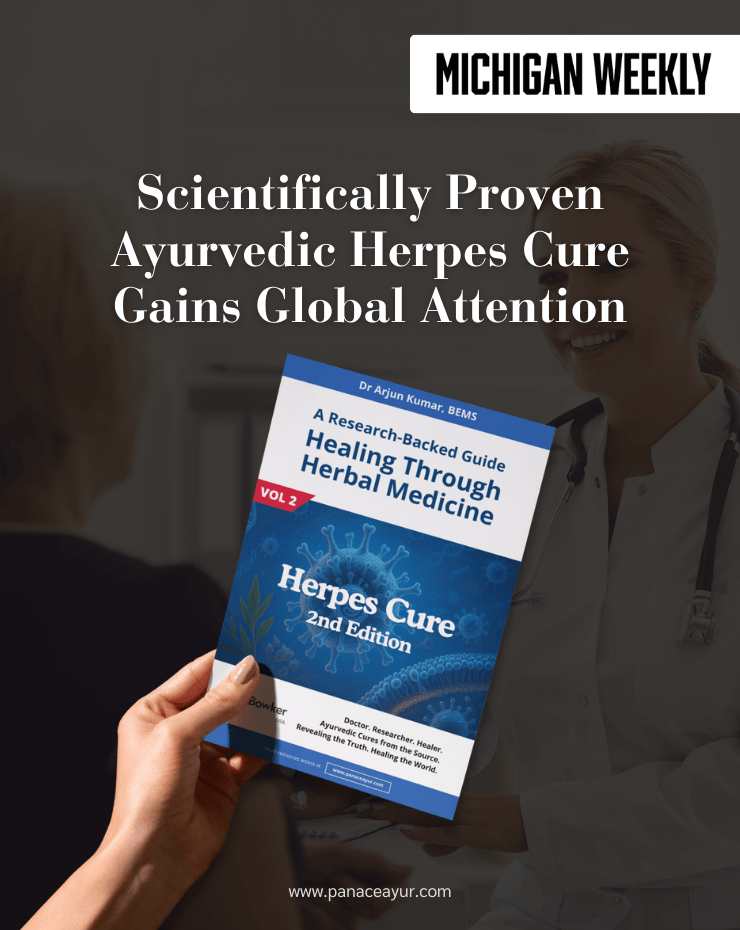
Scientifically Proven Ayurvedic Herpes Cure Gains Global Attention

Ayurvedic physician Dr. Arjun Kumar introduced a scientifically validated approach to herpes recovery—rooted in ancient Rasayana protocols and verified through DNA PCR and IGG blood testing.

Scientifically Proven Ayurvedic Herpes Cure Gains Global Attention

Ayurvedic physician Dr. Arjun Kumar introduced a scientifically validated approach to herpes recovery—rooted in ancient Rasayana protocols and verified through DNA PCR and IGG blood testing. Conducted on himself and shared publicly, this transparent self-trial offers compelling evidence that herpes can be addressed at its root, not merely managed.

Detailed in his book Herpes Cure: A Research-Backed Guide to Healing Through Herbal Medicine, the comprehensive treatment blends purified mineral formulations, antiviral botanicals, and personalized diet and lifestyle guidance. This unique integrative model has captured global attention for bridging classical Ayurveda with modern diagnostics and offering a credible, evidence-backed alternative to conventional therapies.

Read the full press release here:

Panaceayur's Doctor

Panaceayur International Private Limited
Senior Doctor Writer at Panaceayur

Read this Next

Doctor helping a patient learn how to read PTH calcium vitamin D reports in a clinic
How to Read PTH, Calcium, and Vitamin D Reports: Complete Lab Interpretation Guide
Learn how to read PTH calcium vitamin D reports with simple, patient-friendly guidance on high PTH, calcium levels, vitamin D deficiency, corrected calcium, and common lab patterns. Understand what your results may mean, when to seek medical review, and how to discuss next steps with your doctor.
Woman discussing atypical hyperplasia breast biopsy results with breast specialist in modern clinic
Can Atypical Hyperplasia Turn Into Breast Cancer?
Can atypical hyperplasia turn into breast cancer? Learn why atypical hyperplasia is not breast cancer, how ADH and ALH increase future breast cancer risk, when surgery or MRI may be recommended, and what follow-up steps patients in the USA, UK, Australia, Singapore, and Canada should know.
Glass balance scale showing a PTH blood test vial and calcium stone, symbolizing high PTH with normal calcium.
High PTH But Normal Calcium: What It Really Means
High PTH normal calcium can feel confusing, but it is not one final diagnosis. It may be linked to low vitamin D, kidney changes, low calcium intake, poor absorption, urine calcium loss, or normocalcemic primary hyperparathyroidism. Learn what your result means, which tests to ask for, and when to see a specialist.
A medical imaging folder and MRI decision pathway shown as a calm healthcare still life
Dense Breasts and Atypical Hyperplasia MRI: Do You Need It?
Dense Breasts and Atypical Hyperplasia MRI guide for patients who want a clear answer before their next breast clinic visit. Learn when breast MRI may be considered after dense breast tissue, atypical ductal hyperplasia, atypical lobular hyperplasia, family history, genetic risk, or a high lifetime breast cancer risk score. This patient focused guide helps you understand what to ask your doctor, when MRI may be useful, and when mammography or other follow up may be enough.
Doctor discussing follow-up care after atypical hyperplasia excision with patient in breast clinic
After Excision of Atypical Hyperplasia, Why Do You Still Need Follow-Up?
Atypical hyperplasia excision can remove the suspicious tissue, but it does not always remove the future breast cancer risk linked with ADH or ALH. This article explains why follow-up, high-risk screening, risk assessment, and whole-body recovery matter after surgery.
glioma causes shown on brain MRI scan during doctor consultation
Glioma Causes: Why Brain Tumors Happen at Different Ages
Glioma causes are rarely linked to one single reason. This article explains age wise risk patterns, genetic and acquired mutations, radiation exposure, hidden neurological signs, recurrence concerns, and the Ayurvedic view of Majja Dhatu, Vata, Ama, Srotas, and Ojas. Learn how modern diagnosis and integrative Ayurvedic support can guide safer long term glioma care with Dr Arjun Kumar