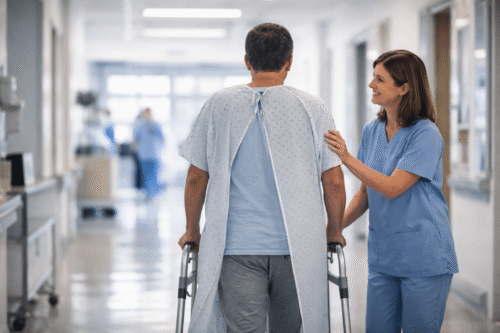
Stroke is a leading cause of paralysis and disability. Learn how Ayurveda explains stroke (Pakshaghata), early warning signs, and how classical Rasayana Avaleha like Kalyanaka Ghrita support nerve recovery, paralysis reversal, and long-term stroke prevention through root-cause healing.
A research-backed Ayurvedic formula offering hope, combining ancient herbs and modern science for natural, lasting healing.
Struggling with HSV1 or HSV2? Discover a proven herbal formula that heals herpes in just three months, backed by science and real-life success stories. Start your healing journey today.
Discover how Ayurveda identifies and eliminates herpes at its root. Volume I reveals HSV behavior, Ayurvedic healing principles, and introduces CMV and EBV. A foundational guide backed by research and classical texts.
Includes real IgG lab reports, CMV/EBV/HHV chapters, and advanced Rasayana therapy. Volume II exposes why pharma suppresses cures—and proves Ayurveda doesn’t. Lab reports verifiable via TATA 1mg.
Stroke is covered in Panaceayur’s Neurology section. Articles explain warning signs, emergency care, risk factors, rehabilitation and prevention, helping readers understand the condition before speaking with a qualified healthcare professional.
Articles separate established medical guidance from Ayurvedic interpretation. Conventional diagnosis and treatment are described as the foundation of care, while Ayurvedic concepts such as dosha balance, diet and Rasayana support are discussed as traditional, complementary approaches whose clinical evidence is often limited.
This information is intended for general education. Seek prompt medical advice for new, severe or worsening symptoms, and discuss any Ayurvedic product with your doctor, especially if you take prescription medicines.
A. This section covers warning signs, emergency care, risk factors, rehabilitation and prevention.
A. No. The content is educational. Diagnosis and treatment decisions should be made with a qualified healthcare professional.
A. Ayurvedic perspectives are presented alongside conventional medical information as complementary approaches, with evidence limitations noted.