


- When Bone Pain Is Not Normal
- The Real Problems Patients Face in Bone Sarcoma — and the Practical Solutions
- Types of Bone Sarcoma
- Types of Bone Sarcoma
- Risk Factors & Etiology
- Pathophysiology
- Clinical Presentation
- Summary
- Diagnosis
- Staging & Prognosis
- Modern Management
- Why Integrative Care Is Needed
- Ayurvedic Interpretation of Bone Sarcoma
- Ayurvedic Management Strategy for Bone Sarcoma
- Ayurvedic Interpretation & Cure
- Kanchnar Guggulu Avaleha (Medicine)for Bone Sarcoma
- Ingredients and Preparation of Medicine – Kanchnar Guggulu Avaleha
- Safety, Caution, and Quality Standards
- Diet and Lifestyle for Bone Sarcoma Recovery
- Support During Chemotherapy, Surgery, and Radiation
- Follow-Up and Recurrence Prevention Support
- Why Our Integrative Approach Is Different
- Placement
- Who May Benefit from This Integrative Approach?
- Medical Disclaimer
- Frequently Asked Questions (FAQ)
- References for the Bone Sarcoma
Bone sarcomas are rare malignant tumors that arise directly from bone or associated connective tissues, distinct from secondary bone metastases. The two most common forms are osteosarcoma, originating from primitive osteoblasts involved in bone formation, and Ewing sarcoma, a small round cell tumor of neuroectodermal origin that often involves long bones, pelvis, or chest wall [1].
Epidemiology: Age Groups and Gender Predilection
Osteosarcoma is most frequently diagnosed in adolescents and young adults, particularly during growth spurts, with peak incidence between 10–20 years and a higher prevalence in males. Ewing sarcoma also primarily affects children and young adults but can extend into the third decade, with some studies noting a more balanced gender ratio [2].
Global Incidence and Mortality Trends
Bone sarcomas represent less than 0.2% of all cancers globally, yet they contribute significantly to cancer-related morbidity and mortality in young populations. Osteosarcoma incidence is approximately 3–4 cases per million per year, whereas Ewing sarcoma occurs in 2–3 cases per million, with higher rates in European populations compared to Asian or African groups. Survival rates for localized osteosarcoma average 60–70%, but fall to 20–30% when metastases, especially to the lungs, are present [3][4].
Importance of Early Diagnosis and Integrative Approaches
Diagnostic delays are common, as bone sarcoma symptoms often mimic sports injuries or benign bone disorders. Early recognition is critical to improving outcomes, as advanced disease is associated with poor prognosis. While conventional oncology focuses on chemotherapy, surgery, and radiation, there is growing interest in integrative frameworks. Ayurveda interprets these malignancies through the lens of Rakta and Majja Dhatu Dushti, with therapies such as Shodhana (purification) and Rasayana (rejuvenation) aimed at restoring systemic balance, enhancing immunity, and potentially reducing recurrence risk [5][6].
When Bone Pain Is Not Normal
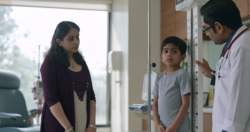
Bone pain is common in children, teenagers, athletes, and adults. Most of the time, it is caused by injury, strain, overuse, infection, or inflammation. However, in rare cases, persistent bone pain may be the first warning sign of bone sarcoma, including osteosarcoma or Ewing sarcoma.
The pain of bone sarcoma is usually different from ordinary muscle or joint pain. It may start mildly, but over time it becomes deeper, more persistent, and more difficult to ignore. Many patients report pain that worsens at night, appears even at rest, or does not improve with usual pain medicines. Swelling, tenderness, limping, reduced movement, or a fracture after minor trauma should raise stronger concern [28][29]. Cancer Research UK and Cancer Council Australia both list persistent pain, night pain, swelling, limp, and reduced movement as important symptoms that require medical evaluation.
For children and young adults, this is especially important. Bone sarcoma often appears during years of rapid growth and physical activity, so early symptoms are easily mistaken for sports injuries or “growing pains.” A painful knee, thigh, hip, arm, or pelvis should not be dismissed if it continues for several weeks, worsens at night, or is associated with swelling.
Warning Signs That Need Medical Evaluation
Patients should seek medical evaluation if they notice any of the following:
Persistent bone pain: Pain lasting more than a few weeks, especially if it is getting worse.
Night pain: Pain that wakes the patient from sleep or becomes worse in bed.
Pain at rest: Pain that occurs even when the patient is not exercising or using the limb.
Swelling or lump: A visible or palpable swelling near a bone or joint.
Limping or reduced movement: Difficulty walking, stiffness, or reduced joint movement near the painful area.
Unexplained fracture: A bone fracture after minor injury or normal activity.
Pain not responding to usual medicines: Pain that continues despite rest, basic pain relief, or routine treatment.
Systemic symptoms: Fever, fatigue, weight loss, anemia, or night sweats, especially in Ewing sarcoma.
Why Early Evaluation Matters
Early diagnosis can change the entire treatment journey. When bone sarcoma is found before it spreads, treatment options are usually stronger, surgery may be more successful, and survival outcomes are better. Delayed diagnosis may allow the tumor to grow into surrounding tissues or spread to the lungs or other bones.
A simple X-ray is often the first investigation. If the X-ray shows suspicious changes, the patient should be referred to a sarcoma specialist team for MRI, CT chest, biopsy planning, and staging. Biopsy should ideally be planned by a specialist team because an incorrectly placed biopsy can make later surgery more difficult.
Message for Patient’s Care Taker
Not every bone pain is cancer. But persistent, worsening, night-dominant, swollen, or unexplained bone pain should never be ignored.
If pain behaves differently from a normal injury, the safest step is early imaging and specialist evaluation.
The Real Problems Patients Face in Bone Sarcoma — and the Practical Solutions
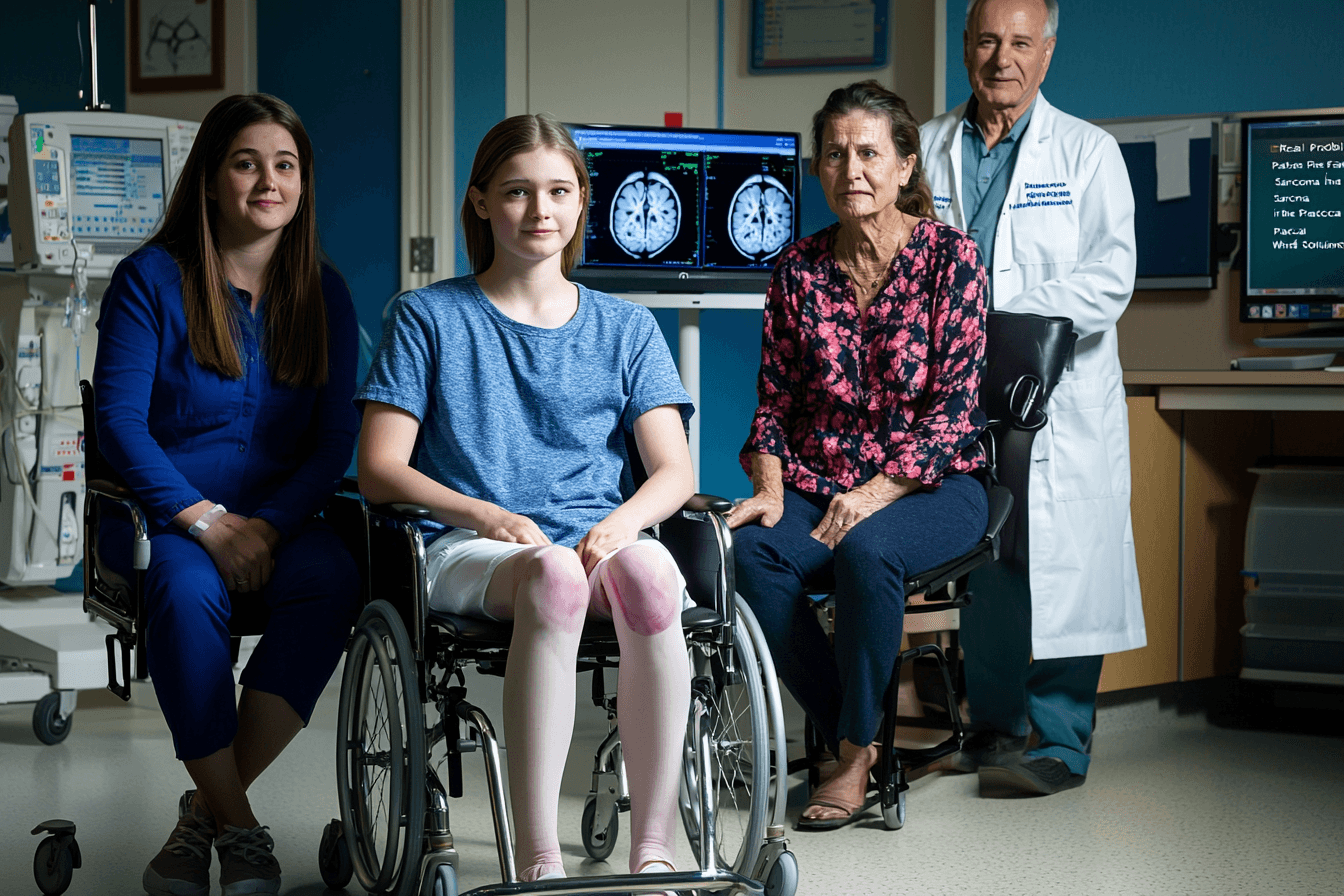
Bone sarcoma is not only a medical diagnosis. For most patients and families, it begins as confusion. A child develops leg pain. A teenager starts limping. A young adult notices swelling near the knee, thigh, arm, or pelvis. At first, it may look like a sports injury, growth pain, muscle strain, infection, or a simple fracture. This is one of the biggest reasons bone sarcoma is often diagnosed late.
The first problem is delayed recognition.
Bone sarcoma pain may not look dangerous in the beginning. It may come and go, improve temporarily with rest, and then return with more intensity. Many patients try painkillers, physiotherapy, home remedies, or repeated consultations before advanced imaging is done. The solution is simple but powerful: persistent bone pain, night pain, swelling, limping, or fracture after minor trauma should be investigated early with imaging and specialist evaluation [28][29].
The second problem is fragmented care.
Because bone sarcoma is rare, patients may move from one clinic to another before reaching the right specialist. Some may receive treatment for infection, injury, or arthritis before cancer is suspected. In suspected bone sarcoma, the biopsy should be planned carefully by a sarcoma-experienced team, because an incorrectly placed biopsy can affect future surgery. The solution is to move the patient quickly toward a specialist sarcoma center where imaging, biopsy, pathology, staging, surgery, chemotherapy, and rehabilitation are planned together.
The third problem is fear of chemotherapy and surgery.
When patients hear words like chemotherapy, limb-sparing surgery, radiation, or amputation, fear becomes natural. Families often ask whether the treatment will weaken the body, damage immunity, or destroy quality of life. This fear should not be ignored. The solution is not to reject modern treatment, but to support the patient through it. Osteosarcoma usually requires chemotherapy before and after surgery, while Ewing sarcoma usually needs multi-agent chemotherapy with surgery or radiation depending on tumor location and response [30][31]. Ayurveda can be integrated carefully to support digestion, strength, immunity, pain control, sleep, and recovery during this difficult phase.
The fourth problem is unsafe alternative medicine in the market.
Many patients search online for natural cancer cures and become exposed to unverified products, exaggerated promises, imported medicines, and formulations without quality testing. This is a serious concern in the USA, UK, Canada, Singapore, and Australia, where patients expect transparency, laboratory safety, and medical accountability. The solution is not blind rejection of Ayurveda; the solution is safe Ayurveda. Any Ayurvedic medicine, especially Bhasma-based formulations or Rasayana preparations, must be prescribed by a qualified Ayurvedic physician, checked for quality, and coordinated with oncology care [34][36][37][39].
The fifth problem is one-size-fits-all treatment.
Bone sarcoma patients are not identical. A 10-year-old child receiving chemotherapy, a 19-year-old after limb-sparing surgery, an adult with pelvic sarcoma, and a patient with lung metastasis cannot receive the same Ayurvedic formulation in the same dose. The solution is personalization. The physician must consider age, digestion, strength, blood counts, liver and kidney function, chemotherapy cycle, stage of disease, pain level, swelling, appetite, sleep, and emotional condition before deciding herbs, Rasayana, Avaleha, Bhasma, or Panchakarma.
The sixth problem is loss of strength during treatment.
Cancer treatment may reduce appetite, disturb digestion, cause fatigue, lower blood counts, weaken muscles, affect sleep, and create emotional exhaustion. Modern oncology focuses on tumor control, which is essential. Ayurveda adds another layer by focusing on the patient’s internal terrain: Agni, Ojas, Dhatu strength, Srotas clarity, and long-term recovery. The solution is an integrated plan where the tumor is treated aggressively, while the patient is strengthened systematically.
The safest and strongest approach is not “modern medicine versus Ayurveda.” It is modern oncology for direct tumor control and Ayurveda for root-cause correction, strength, immunity, digestion, bone marrow nourishment, and long-term recovery support.
For patients and families, the message is clear: do not delay diagnosis, do not avoid specialist oncology care, do not self-medicate, and do not trust unverified cancer claims. Instead, choose a planned, supervised, integrative pathway that protects both survival and quality of life.
Types of Bone Sarcoma
Types of Bone Sarcoma
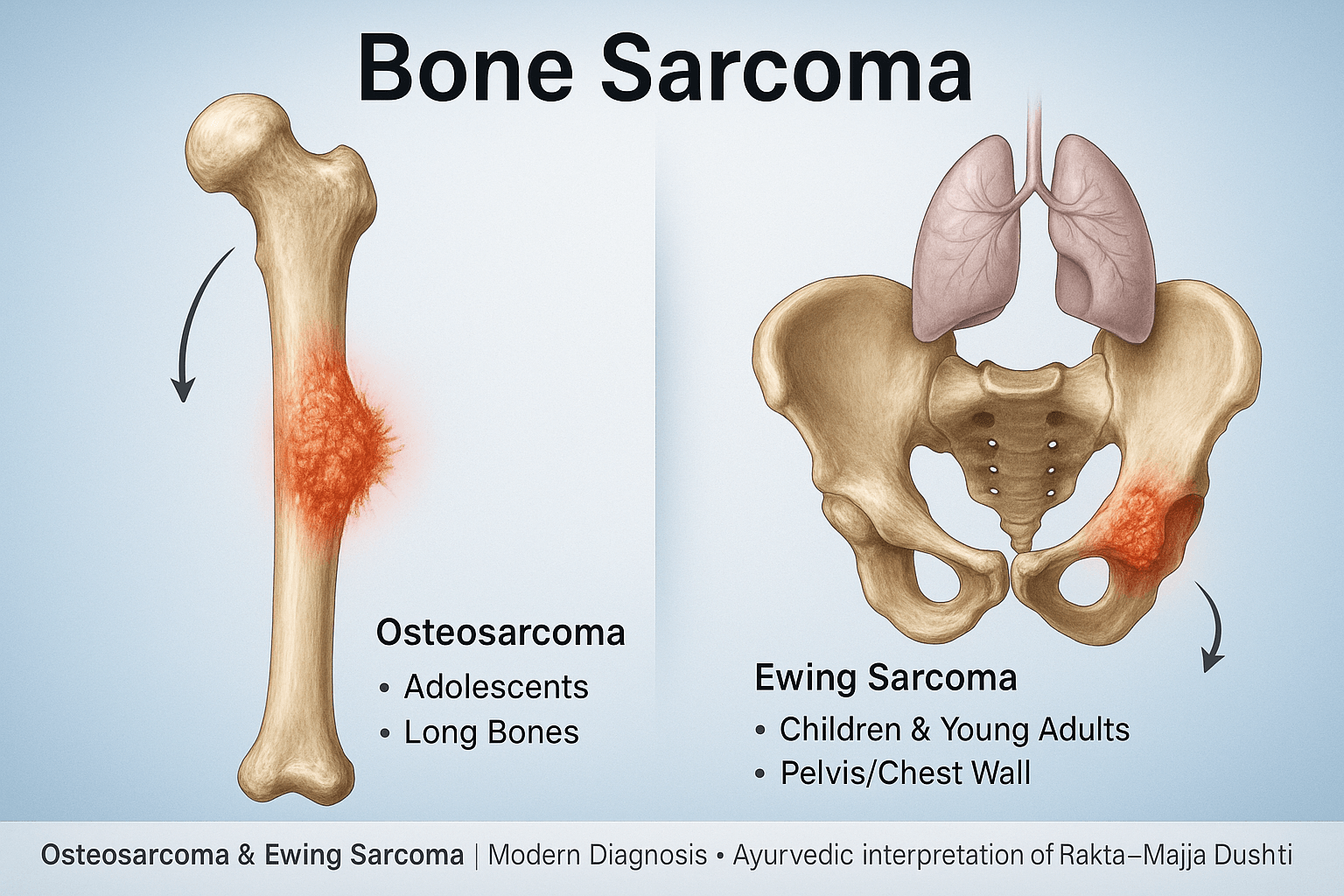
Primary bone sarcomas are cancers that begin in the bone itself. They are different from secondary bone cancer, where cancer starts in another organ and later spreads to bone. Several types of primary bone cancer exist, including osteosarcoma, Ewing sarcoma, chondrosarcoma, undifferentiated pleomorphic sarcoma of bone, and other rare tumors. However, this article focuses mainly on osteosarcoma and Ewing sarcoma because they are among the most important bone sarcomas affecting children, teenagers, and young adults, and both require early diagnosis and specialist treatment [1][7]. Cancer Research UK also lists osteosarcoma and Ewing sarcoma among the major types of primary bone cancer.
Osteosarcoma
Osteosarcoma is a malignant bone-forming tumor. In simple words, the cancer cells behave like abnormal bone-producing cells and create immature, diseased bone called osteoid. This abnormal osteoid is one of the key features that separates osteosarcoma from other sarcomas [1][5]. StatPearls describes osteosarcoma as developing from primitive bone-forming cells and notes that the most common subtype usually occurs near the growth plates of long bones.
Osteosarcoma most often affects adolescents and young adults, especially during the years of rapid bone growth. It can occur at any age, but a large proportion of cases are diagnosed before the age of 25. In older adults, osteosarcoma may sometimes be associated with previous radiation exposure or bone disorders such as Paget’s disease [2][3]. The most common sites are the long bones, especially around the knee, such as the distal femur and proximal tibia, and sometimes the proximal humerus near the shoulder [5].
From a patient’s point of view, osteosarcoma often begins with pain near a bone or joint. The pain may first appear during activity, but later it can occur even at rest or at night. Swelling, tenderness, reduced movement, or a fracture after minor trauma may follow. Because many patients are young and active, the early symptoms may be mistaken for sports injury or growing pain. This is why persistent pain around the knee, thigh, upper arm, or shoulder should not be ignored when it continues, worsens, or appears with swelling [5][6].
Osteosarcoma is aggressive because it can destroy normal bone, extend into surrounding soft tissue, and spread through the bloodstream. The lungs are the most common site of metastasis. This is one reason why chest imaging is an important part of staging after diagnosis [6]. Early diagnosis, correct biopsy planning, chemotherapy, and surgery are central to improving outcomes.
Ewing Sarcoma
Ewing sarcoma is a highly aggressive cancer that can begin in bone or soft tissue. In bone, it often affects the pelvis, thigh bone, ribs, upper arm, or other long bones. Unlike osteosarcoma, Ewing sarcoma does not produce malignant osteoid. Instead, it is classically described as a small round cell tumor, meaning the tumor cells look small, round, and densely packed under the microscope [7][9]. NCI notes that Ewing sarcoma requires specialist care and is treated as a systemic disease because microscopic spread may already be present at diagnosis.
Ewing sarcoma usually affects children, adolescents, and young adults. It may present with bone pain, swelling, tenderness, fever, fatigue, weight loss, or anemia. Because fever and inflammatory blood markers may occur, Ewing sarcoma can sometimes be confused with bone infection such as osteomyelitis. This makes proper imaging, biopsy, pathology, and molecular testing very important [7][8].
A major identifying feature of Ewing sarcoma is a genetic change involving the EWSR1 gene, most commonly the EWSR1-FLI1 translocation. This abnormal fusion acts like a faulty genetic switch that drives tumor growth [8][10]. The NCI PDQ summary specifically discusses the EWSR1::FLI1 translocation in Ewing sarcoma, and modern molecular testing helps confirm the diagnosis when the biopsy appearance suggests Ewing sarcoma.
Ewing sarcoma is also known for early spread. It may spread to the lungs, other bones, or bone marrow. Because of this, treatment usually requires multi-agent chemotherapy along with surgery and/or radiation depending on the tumor location and response. For patients, the most important message is that Ewing sarcoma should be treated in a specialist sarcoma center, where oncology, surgery, radiation, pathology, imaging, and rehabilitation teams work together [8][9].
Osteosarcoma vs Ewing Sarcoma: Simple Patient Difference
Osteosarcoma is mainly a bone-forming cancer. It creates abnormal osteoid and commonly appears around the knee in teenagers and young adults. Ewing sarcoma is mainly a small round cell cancer that often starts in bone marrow spaces or soft tissue and is strongly linked with the EWSR1-FLI1 genetic fusion.
Both cancers can be aggressive. Both can affect young patients. Both can spread to the lungs. But they are not the same disease, and they need different diagnostic confirmation and treatment planning. This is why biopsy, histopathology, immunohistochemistry, molecular testing, and specialist review are essential before deciding treatment.
Risk Factors & Etiology
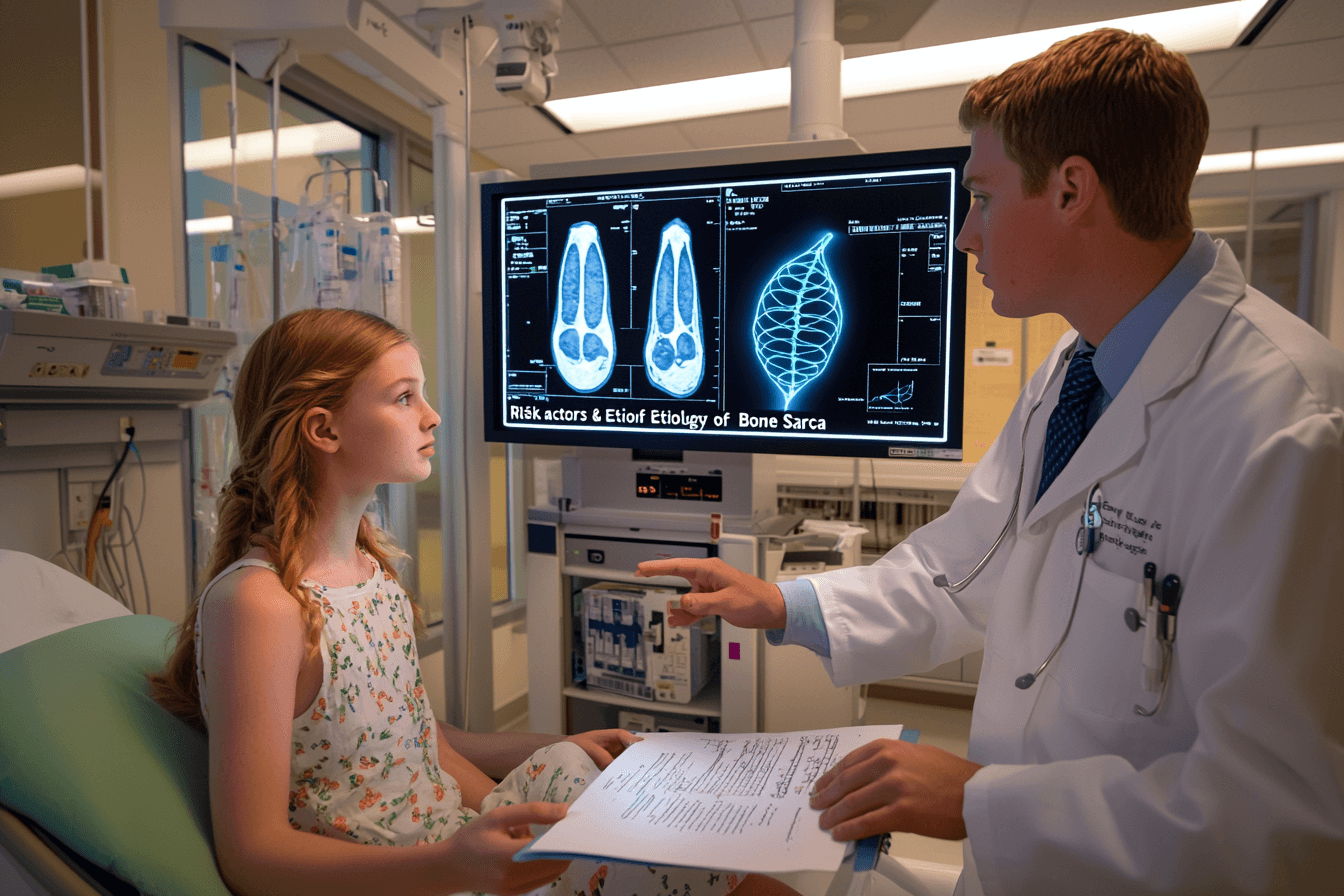
Bone sarcoma usually does not have one single cause. In many patients, especially children and young adults, it develops without any obvious reason. This can be emotionally difficult for families because they often search for something they did wrong. It is important to state clearly: most patients with osteosarcoma or Ewing sarcoma did not cause their disease.
Modern medicine explains bone sarcoma through a combination of genetic susceptibility, abnormal cell growth, previous radiation exposure, certain bone disorders, and biological changes inside bone or marrow tissue. Ayurveda looks at the same disease from a different angle: disturbed Asthi Dhatu, Majja Dhatu, Rakta Dhatu, impaired Agni, and blocked Srotas, creating a body terrain where abnormal growth may develop.
Genetic Predisposition
Some patients have inherited genetic conditions that increase the risk of bone sarcoma. Osteosarcoma is especially linked with mutations affecting tumor-suppressor pathways. Li-Fraumeni syndrome, caused by changes in the TP53 gene, is one important example. TP53 normally helps control abnormal cell growth and protects the body from cancer development. When this protective system is damaged, the risk of several cancers, including osteosarcoma, increases.
Another important genetic association is hereditary retinoblastoma, related to the RB1 gene. Children with inherited RB1 mutations have a higher lifetime risk of developing osteosarcoma, especially after treatment for retinoblastoma. These genetic links show that bone sarcoma is not simply a local bone problem; it may reflect deeper defects in the body’s normal cancer-control mechanisms [2][18].
Ewing sarcoma is different. It is not usually inherited in the same way as Li-Fraumeni syndrome or hereditary retinoblastoma. Instead, Ewing sarcoma is strongly associated with a tumor-specific genetic fusion, most commonly EWSR1-FLI1. This fusion is not usually passed from parent to child; it develops inside the tumor cells and drives aggressive tumor behavior [19].
Age and Rapid Bone Growth
Osteosarcoma often appears during adolescence, especially during periods of rapid skeletal growth. This is one reason it commonly affects long bones near active growth plates, such as the distal femur, proximal tibia, and proximal humerus. The disease is seen more often in teenagers and young adults, and slightly more often in males.
This does not mean that growth itself causes cancer. Rather, rapid bone turnover may create a biological environment where abnormal osteoblast activity can become dangerous if genetic errors occur. For patients, the practical message is simple: persistent pain near the knee, thigh, shoulder, or upper arm in a growing child or teenager should not be automatically dismissed as “growing pain” [1][2].
Previous Radiation Exposure
Previous radiation therapy is a recognized risk factor for secondary bone sarcoma, particularly osteosarcoma. This may occur years after radiation was used to treat another cancer. Radiation can damage DNA inside bone-forming cells, and in rare cases, this damage may later lead to malignant transformation.
This risk does not mean radiation should always be avoided. Radiation can be lifesaving when correctly used. The important point is long-term monitoring. Patients who received radiation in childhood or young adulthood should report persistent bone pain, swelling, or unexplained fractures early, especially if symptoms occur near a previously treated area [18].
Previous Bone Diseases
Certain pre-existing bone disorders can increase the risk of osteosarcoma, especially in older adults. Paget’s disease of bone is one of the best-known examples. In Paget’s disease, bone remodeling becomes abnormal and excessive, creating structurally disorganized bone. Over time, this abnormal environment may increase the risk of malignant transformation.
Other bone conditions, such as fibrous dysplasia or chronic bone abnormalities, may rarely be associated with sarcoma development. However, these are uncommon causes. Most people with benign bone disorders never develop bone cancer. The risk becomes more concerning when there is new persistent pain, rapid swelling, increasing deformity, or sudden worsening of symptoms [2][18].
Environmental and Chemical Factors
Compared with radiation and genetic syndromes, environmental chemical causes are less clearly proven in osteosarcoma and Ewing sarcoma. Some industrial exposures have been studied in relation to sarcoma risk, but the evidence is not as strong or direct as it is for radiation exposure.
For patients, this distinction matters. It prevents unnecessary fear. A person should not assume that routine environmental exposure caused bone sarcoma without evidence. The focus should remain on early diagnosis, staging, specialist treatment, and safe supportive care.
Why Ewing Sarcoma Develops Differently
Ewing sarcoma has a different biological origin from osteosarcoma. It is driven mainly by chromosomal rearrangements involving the EWSR1 gene, most commonly the EWSR1-FLI1 fusion. This abnormal fusion changes how tumor cells grow, divide, and invade surrounding tissues.
Ewing sarcoma also shows differences in population distribution, with higher incidence reported in people of European ancestry and lower incidence in many Asian and African ancestry populations. However, ancestry is not destiny. Ewing sarcoma can occur in any country, any ethnicity, and any family. A patient should never be excluded from proper evaluation because they do not fit a “typical” risk profile [7][19].
Ayurvedic View of Etiology
Ayurveda does not use the modern terms “osteosarcoma” or “Ewing sarcoma.” Instead, these conditions can be interpreted through classical frameworks such as Arbuda, Granthi, Asthi Dhatu Vikara, Majja Dhatu Dushti, Rakta Dushti, and Srotas obstruction.
In Ayurvedic understanding, disease develops when the internal terrain becomes disturbed. Weak or irregular Agni leads to poor metabolism and formation of Ama. Ama obstructs Srotas, the subtle channels responsible for circulation, nutrition, elimination, and tissue communication. When these channels are blocked or distorted, tissues do not receive proper nourishment and waste products are not cleared effectively.
In bone sarcoma, the primary tissues involved are Asthi Dhatu and Majja Dhatu. Osteosarcoma, where abnormal bone-like tissue is produced, can be understood as a severe disturbance of Asthi Dhatu. Ewing sarcoma, with aggressive marrow infiltration, can be understood through Majja Dhatu involvement. Swelling and mass formation reflect Kapha and Mamsa Dhatu imbalance, while vascularity, inflammation, fever, and systemic weakness point toward Rakta Dushti and Pitta involvement [42][44][45].
This Ayurvedic interpretation does not replace modern diagnosis. It provides a deeper treatment logic: cleanse the channels, correct Agni, reduce Ama, pacify disturbed doshas, support Rakta, nourish Asthi and Majja, strengthen Ojas, and rebuild the patient’s resilience.
Summary for Patient
Bone sarcoma may develop due to genetic changes, inherited cancer syndromes, rapid bone growth, previous radiation, or certain bone diseases. In many patients, no clear external cause is found.
From an Ayurvedic perspective, bone sarcoma reflects a deeper disturbance of bone, marrow, blood, metabolism, and body channels. This is why treatment should not focus only on the tumor. The patient’s whole internal terrain must be strengthened.
The practical message is clear: patients should not blame themselves. They should focus on early diagnosis, specialist oncology care, safe Ayurvedic support, and long-term recovery planning.
Pathophysiology
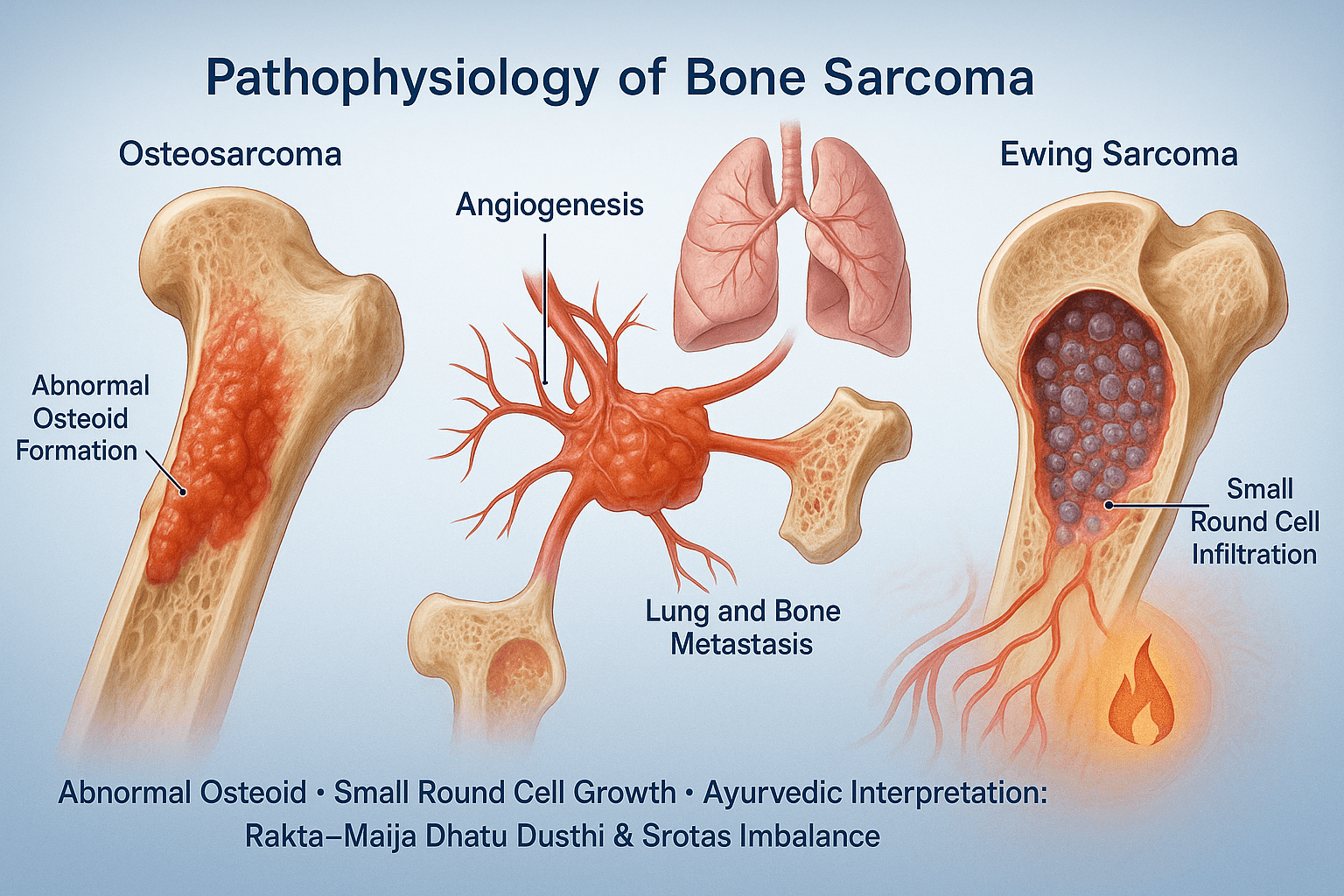
Pathophysiology: How Bone Sarcoma Develops and Spreads
Bone sarcoma becomes dangerous because it does not behave like ordinary swelling or inflammation. It grows from abnormal cells inside bone or marrow tissue, destroys normal bone architecture, invades nearby soft tissues, creates its own blood supply, and may spread through the bloodstream to distant organs. The lungs and other bones are among the most important sites of spread.
Understanding this process helps patients see why bone sarcoma needs early diagnosis and systemic treatment. Surgery may remove the visible tumor, but chemotherapy is often needed because microscopic cancer cells may already be circulating in the body.
Osteosarcoma: Abnormal Osteoid Formation and Bone Destruction
Osteosarcoma begins when primitive bone-forming cells, called osteoblast-producing cells, become malignant. Instead of producing healthy, organized bone, these cancer cells produce immature and abnormal bone-like material known as osteoid. This malignant osteoid is a defining feature of osteosarcoma [5][6].
As the tumor expands, it damages the normal structure of bone. The hard outer layer, called the cortex, may become weakened or destroyed. The tumor may then push outward into surrounding muscles and soft tissues. This is why patients may develop swelling, pain, tenderness, reduced movement, or even pathological fracture.
On imaging, aggressive osteosarcoma may show patterns such as a sunburst periosteal reaction or Codman’s triangle. These appearances occur because the tumor grows rapidly and lifts the periosteum, the thin covering layer of the bone. The body tries to repair the damage, but the growth is too aggressive and disorganized.
The most important point for patients is this: osteosarcoma is not only a “bone lump.” It is an aggressive bone-forming cancer that can weaken bone, invade nearby tissue, and spread early if not treated properly.
Ewing Sarcoma: Small Round Cell Infiltration
Ewing sarcoma behaves differently from osteosarcoma. It does not form malignant osteoid. Instead, it is made of densely packed cancer cells often described as small round cells under the microscope. These cells can infiltrate the bone marrow space and spread into surrounding tissues [7][8].
A key biological driver of Ewing sarcoma is a genetic fusion, most commonly EWSR1-FLI1. This fusion works like an abnormal switch inside the cancer cell, changing gene activity and promoting uncontrolled growth, invasion, and survival of tumor cells [9][10].
Because Ewing sarcoma may affect the marrow and soft tissues, symptoms may sometimes resemble infection. Patients may develop pain, swelling, fever, fatigue, raised inflammatory markers, or anemia. This is one reason Ewing sarcoma can be misdiagnosed as osteomyelitis or another inflammatory condition before the correct diagnosis is made.
In simple terms, Ewing sarcoma is aggressive because it spreads through marrow spaces, invades surrounding tissue, and may already have microscopic disease beyond the visible tumor at the time of diagnosis.
Angiogenesis: How the Tumor Builds Its Own Blood Supply
As bone sarcoma grows, it needs oxygen and nutrients. To support this growth, the tumor stimulates the formation of new blood vessels, a process called angiogenesis. These new vessels are often abnormal, fragile, and leaky. They feed the tumor but also create pathways through which cancer cells may enter the bloodstream.
This helps explain why bone sarcoma is treated as a systemic disease. Even when the main tumor appears localized, doctors worry about microscopic spread. This is especially important in osteosarcoma and Ewing sarcoma, where lung metastasis is a major concern.
Angiogenesis also contributes to local symptoms. Increased blood flow may make the swelling feel warm, and rapidly growing tumor tissue may increase pressure inside the bone, causing deep pain that becomes worse at night or at rest.
Metastasis: Why the Lungs and Other Bones Matter
Metastasis means cancer has spread from the original tumor to another part of the body. In bone sarcoma, the lungs are one of the most common sites of spread. Other bones and bone marrow may also be involved, especially in Ewing sarcoma.
Cancer cells may break away from the main tumor, enter the bloodstream, survive circulation, and settle in distant tissues. Once they form new tumor deposits, treatment becomes more complex and prognosis becomes more serious. This is why staging includes chest imaging and sometimes whole-body imaging, depending on the case.
For patients, this is the reason doctors recommend chemotherapy even when surgery is planned. Surgery treats the local tumor, while chemotherapy is used to target cancer cells that may be too small to see on scans.
Ayurvedic Understanding of the Disease Process
Ayurveda does not describe osteosarcoma or Ewing sarcoma by these modern names. However, their behavior can be understood through classical concepts such as Arbuda, Granthi, Asthi Dhatu Vikara, Majja Dhatu Dushti, Rakta Dushti, and Srotas obstruction [42][44][45].
Osteosarcoma, where abnormal bone-like tissue is produced, can be interpreted as a severe disturbance of Asthi Dhatu, the bone tissue. Ewing sarcoma, with marrow infiltration and systemic symptoms, can be understood through Majja Dhatu and Rakta Dhatu involvement. Swelling and tumor bulk reflect Kapha and Mamsa imbalance, while severe pain indicates Vata aggravation. Fever, inflammation, vascularity, and weight loss suggest Pitta and Rakta disturbance.
The concept of Srotas dushti is especially important. When the body’s channels become blocked, distorted, or inflamed, nourishment and waste removal become disturbed. This creates a terrain where abnormal growth, inflammation, pain, and tissue destruction may progress.
From this viewpoint, Ayurvedic management should not only focus on reducing tumor burden. It should also correct Agni, reduce Ama, purify Rakta, support Asthi and Majja Dhatu, clear Srotas, strengthen Ojas, and restore the body’s internal resistance.
Why This Matters for Treatment
The pathophysiology of bone sarcoma explains why treatment must be multi-layered. The visible tumor must be controlled through surgery, chemotherapy, and sometimes radiation. At the same time, the patient’s strength, digestion, marrow reserve, immunity, pain tolerance, and recovery capacity must be protected.
This is where integrative care becomes meaningful. Modern oncology focuses on direct tumor control. Ayurveda supports the patient’s terrain by improving Agni, clearing Srotas, nourishing Asthi–Majja Dhatu, purifying Rakta, and strengthening Ojas.
The practical message is simple: bone sarcoma spreads because it is biologically aggressive, not because the patient is weak. But strengthening the patient is still essential for completing treatment, recovering better, and supporting long-term resilience.
Summary
Bone sarcoma grows by damaging normal bone and marrow tissue. Osteosarcoma produces abnormal osteoid and destroys bone structure. Ewing sarcoma infiltrates marrow with small round cancer cells driven by genetic changes such as EWSR1-FLI1. Both can create new blood vessels and spread through the bloodstream, especially to the lungs and other bones.
This is why early diagnosis, staging, chemotherapy, surgery, and careful follow-up are essential. Ayurveda adds a deeper supportive framework by focusing on Asthi–Majja Dhatu, Rakta Dushti, Agni correction, Srotas cleansing, and Ojas strengthening.
Clinical Presentation
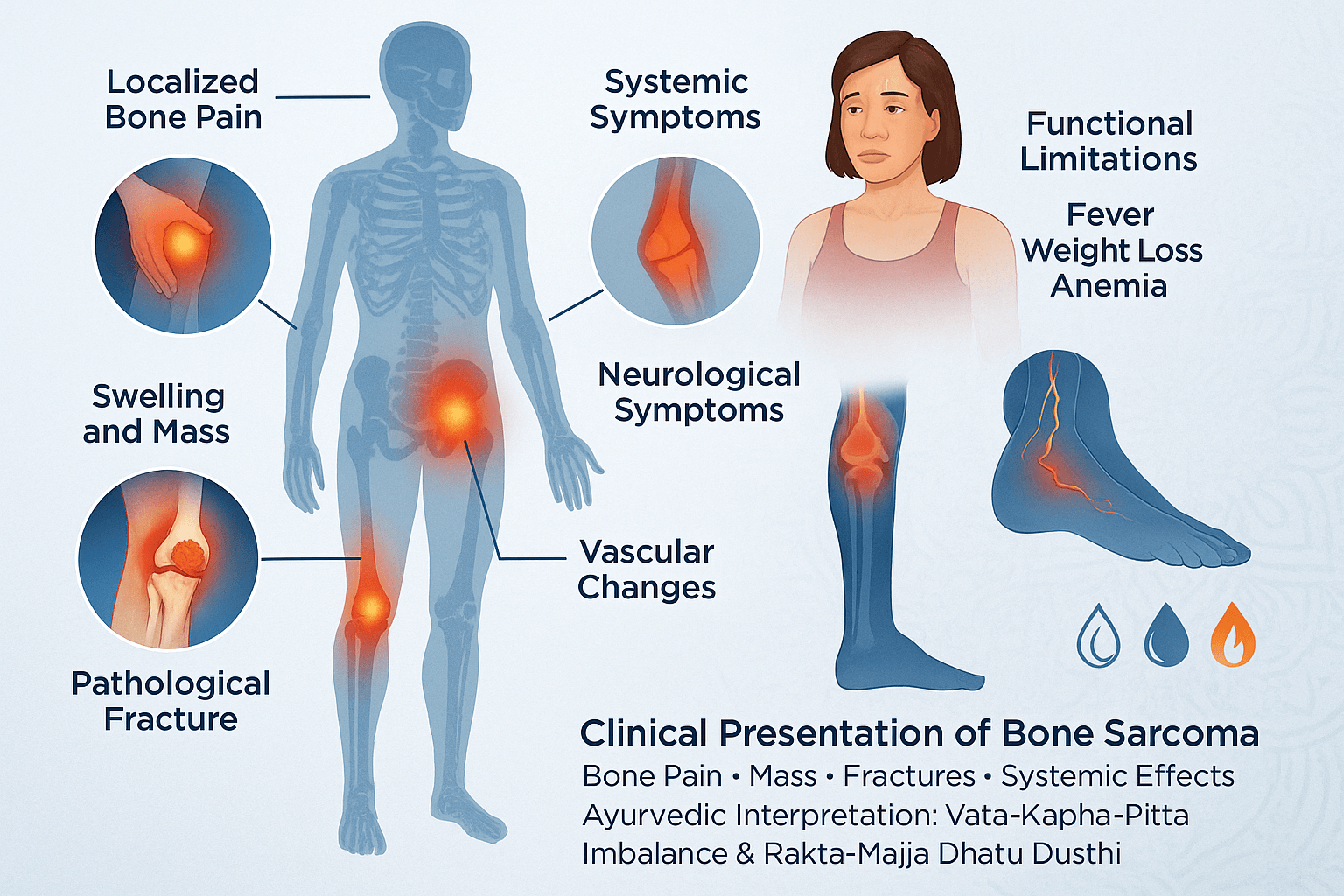
Clinical Presentation: Symptoms Patients Should Notice
Bone sarcoma symptoms can be subtle in the beginning. Many patients first experience pain that looks like a sports injury, muscle strain, growing pain, arthritis, or infection. This is why the clinical presentation must be explained clearly. A patient should not panic over every bone pain, but persistent, worsening, night-dominant, or unexplained bone pain should never be ignored.
The most common symptoms of bone cancer include pain, swelling, and difficulty moving, but symptoms can vary depending on tumor size and location [25]. Cancer Council Australia also advises investigation for persistent non-mechanical bone pain lasting more than a few weeks, referred pain, pain not responding to analgesics, nocturnal bone pain, swelling, limp, limited mobility, loss of limb function, or fracture with minimal trauma [26].
Localized Bone Pain
Pain is usually the earliest and most important symptom of bone sarcoma. At first, it may be mild and intermittent. Over time, it often becomes deeper, more persistent, and more difficult to control. Unlike ordinary injury pain, sarcoma-related pain may continue even at rest and may become worse at night.
Patients often describe the pain as aching, deep, dull, or pressure-like. In osteosarcoma, pain commonly appears near long bones, especially around the knee, thigh, upper arm, or shoulder. In Ewing sarcoma, pain may occur in the pelvis, ribs, spine, thigh, or long bones. Sometimes the pain is felt away from the tumor site. This is called referred pain, and it can delay diagnosis because the painful area may not be the true origin of the tumor [25].
Swelling and Palpable Mass
As the tumor grows, swelling may appear near the affected bone or joint. The swelling may feel firm, tender, warm, or painful. In superficial areas such as the knee, shin, upper arm, or shoulder, the mass may become visible or easy to feel. In deeper locations such as the pelvis, spine, or chest wall, swelling may not be obvious until the tumor becomes larger.
The skin over the swelling may look stretched, shiny, warm, or reddish because the tumor increases local blood flow and pressure. In some patients, superficial veins may become more visible. These signs are not specific to cancer, but when swelling appears with persistent bone pain, urgent evaluation is needed.
Limping, Stiffness, and Reduced Movement
Bone sarcoma near a joint can affect movement early. A child may begin walking differently, avoid running, refuse sports, or complain of stiffness around the knee, hip, shoulder, or ankle. Parents may notice that the child is limping, using one side less, or becoming less active.
In adults, reduced movement may be mistaken for arthritis, tendon injury, or back strain. However, when stiffness is associated with persistent bone pain, swelling, or night pain, imaging should be considered. Cancer Research UK notes that bone cancer can make movement more difficult and may cause limping [25].
Pathological Fractures
A pathological fracture means the bone breaks because it has been weakened by disease, not because of major injury. In bone sarcoma, tumor growth can destroy normal bone structure and make the bone fragile. A fracture may occur after a minor fall, light activity, or even ordinary movement.
This symptom is less common than pain or swelling, but it is clinically important. A fracture with minimal trauma, especially when preceded by weeks or months of pain, should raise concern for an underlying bone lesion. Cancer Council Australia includes fractures with minimal trauma among the signs that should be investigated in suspected bone sarcoma [26].
Systemic Symptoms in Ewing Sarcoma
Ewing sarcoma may produce symptoms beyond the local bone area. Patients may develop fever without a clear infection, fatigue, weight loss, anemia, shortness of breath, or general weakness. These symptoms may confuse the diagnosis because they can look like infection, inflammatory disease, or blood disorders.
The National Cancer Institute lists pain and swelling near the tumor, fever for no known reason, unexplained bone fracture, limp, fatigue, weight loss, anemia, shortness of breath, and back pain with weakness or numbness among symptoms that should prompt medical evaluation in Ewing sarcoma [19].
Nerve Compression and Advanced Local Symptoms
Tumors in the pelvis, spine, or chest wall may press on nerves or nearby structures. This can cause numbness, tingling, shooting pain, weakness, difficulty walking, back pain, or, in severe spinal involvement, bladder or bowel problems. These symptoms usually suggest deeper or more advanced local involvement and need urgent assessment.
In Ewing sarcoma, back pain, weakness, numbness, or paralysis in the arms or legs may occur when the tumor affects the spine or nearby nerves [19]. These symptoms should not be treated as routine back pain without proper evaluation, especially when they occur with fever, weight loss, bone pain, or swelling.
Lesser-Known Symptoms That Can Delay Diagnosis
Some patients do not present with classic swelling or obvious tumor mass. Pelvic tumors may cause vague hip pain, back pain, abdominal discomfort, or difficulty walking. Rib or chest wall tumors may produce chest pain, swelling, or shortness of breath. Tumors near the hip may present as knee pain because of referred pain. These patterns can delay diagnosis if the clinician only treats the painful area and does not investigate the source.
Ewing sarcoma can be especially misleading because fever, fatigue, anemia, and raised inflammatory markers may resemble osteomyelitis. This is why persistent symptoms should be re-evaluated if the patient is not improving as expected.
Ayurvedic Correlation of Symptoms
From an Ayurvedic perspective, the symptoms of bone sarcoma suggest involvement of multiple doshas and dhatus. Deep bone pain, night pain, instability, and fracture tendency indicate aggravated Vata and disturbance of Asthi Dhatu. Swelling, heaviness, mass formation, and tissue bulk suggest Kapha involvement with Mamsa Dhatu imbalance. Fever, redness, warmth, weight loss, anemia, and vascular changes reflect Pitta-Rakta Dushti.
Ewing sarcoma symptoms such as fatigue, anemia, systemic weakness, and marrow involvement can be interpreted through Majja Dhatu Dushti and reduced Ojas. Nerve-related symptoms such as tingling, numbness, weakness, and radiating pain further suggest Vata disturbance affecting Majja and Srotas.
This interpretation helps guide Ayurvedic support. Pain requires Vata balancing, swelling requires Kapha correction, fever and vascular inflammation require Rakta-Pitta pacification, and fatigue requires Rasayana and Ojas-building care. However, these Ayurvedic interpretations should support not replace modern diagnosis and oncology treatment.
Summary
Bone sarcoma usually presents with persistent bone pain, swelling, reduced movement, limp, or fracture after minor trauma. Ewing sarcoma may also cause fever, fatigue, weight loss, anemia, shortness of breath, or nerve symptoms. Pain that is worse at night, present at rest, or not improving with usual treatment needs medical evaluation.
The most important message for patients is simple: do not ignore persistent bone pain with swelling, limp, night pain, or unexplained fracture. Early imaging and specialist evaluation can change the outcome.
Diagnosis
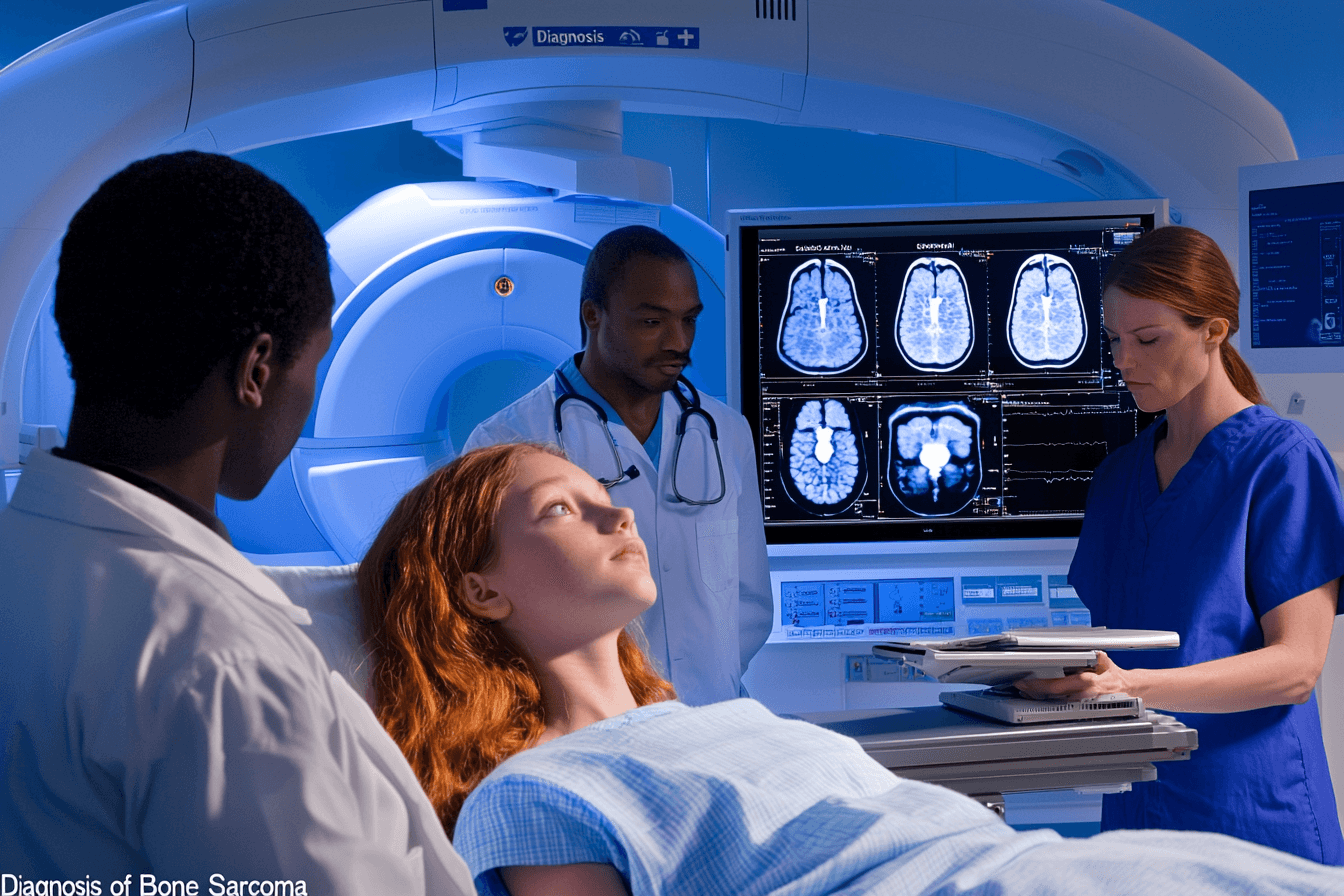
Diagnosis: How Doctors Confirm Bone Sarcoma
Bone sarcoma cannot be diagnosed by symptoms alone. Pain, swelling, fever, limping, or fracture may suggest a serious bone problem, but these features can also occur in infection, injury, arthritis, benign bone tumors, or inflammatory disease. A confirmed diagnosis requires a careful sequence of imaging, biopsy, pathology, and sometimes molecular testing.
The goal of diagnosis is not only to prove whether cancer is present. Doctors also need to identify the exact type of sarcoma, measure how far it has spread, plan surgery safely, and decide whether chemotherapy or radiation is needed.
First Step: X-Ray
An X-ray is often the first test when a patient has persistent bone pain, swelling, limp, or unexplained fracture. It can show whether the bone has suspicious destructive changes, abnormal new bone formation, or aggressive periosteal reaction.
In osteosarcoma, X-ray may show a sunburst appearance, which happens when the tumor produces aggressive new bone radiating outward. It may also show Codman’s triangle, caused by lifting of the periosteum due to rapid tumor growth. In Ewing sarcoma, X-ray may show an onion-skin appearance, where layers of new bone form around the tumor. These signs are not enough for final diagnosis, but they help doctors recognize that the lesion may be aggressive and needs specialist evaluation [11][12].
MRI for Local Tumor Mapping
MRI is one of the most important tests after an abnormal X-ray. It shows the local extent of the tumor in much greater detail. MRI helps doctors understand how much bone is involved, whether the tumor has entered the marrow, whether it has spread into nearby muscles or soft tissues, and whether important nerves, blood vessels, or joints are close to the tumor.
This information is essential for surgery planning. A surgeon cannot safely remove a bone sarcoma unless the full local spread is known. MRI also helps decide whether limb-sparing surgery is possible or whether more complex reconstruction will be needed.
CT Scan and Chest Imaging
A CT scan is commonly used to look for spread, especially to the lungs. This is important because the lungs are one of the most common sites of metastasis in osteosarcoma and Ewing sarcoma.
Even if the patient has no cough or breathing symptoms, small lung deposits may be present. This is why chest imaging is a standard part of staging. In some cases, PET/CT or bone scan may also be used to check whether the disease has spread to other bones or distant sites [18][19].
Biopsy: The Test That Confirms the Diagnosis
A biopsy is the most important test for confirming bone sarcoma. During biopsy, a small piece of tumor tissue is removed and examined under a microscope. This tells doctors whether the tumor is malignant and what type of sarcoma it is.
However, biopsy must be planned carefully. It should ideally be done by, or in consultation with, a sarcoma specialist team. This is because the biopsy tract may need to be removed during surgery. If the biopsy is done in the wrong location, it may contaminate nearby tissues and make later surgery more difficult.
In osteosarcoma, the pathologist looks for malignant cells producing abnormal osteoid. In Ewing sarcoma, the tumor usually appears as sheets of small round blue cells. These findings help separate bone sarcoma from infection, benign tumors, lymphoma, metastatic cancer, and other small round cell tumors [10][11].
Immunohistochemistry and Molecular Testing
Immunohistochemistry is a laboratory method that uses special stains to identify tumor markers. In Ewing sarcoma, CD99 commonly shows strong membranous staining. However, CD99 alone is not enough because other tumors may also express it.
Molecular testing is especially important in Ewing sarcoma. The most common genetic hallmark is the EWSR1-FLI1 translocation. Detecting this fusion helps confirm the diagnosis and distinguish Ewing sarcoma from other tumors that may look similar under the microscope [10][19].
For osteosarcoma, molecular testing is not usually centered on one single defining fusion like Ewing sarcoma. Diagnosis depends more on imaging, histopathology, and identification of malignant osteoid.
Blood Tests: Helpful but Not Diagnostic
Blood tests cannot confirm bone sarcoma by themselves. However, they provide important supporting information.
Alkaline phosphatase may be elevated in osteosarcoma because the tumor is producing abnormal bone. LDH may be raised when the tumor is biologically active or aggressive. These markers can sometimes help estimate tumor burden, prognosis, and treatment response, but normal values do not rule out sarcoma [18].
In Ewing sarcoma, blood tests may show anemia, raised inflammatory markers, or other changes that can mimic infection. This is one reason biopsy and molecular confirmation are so important [19].
Why Diagnosis Must Be Done in the Right Order
The correct order matters. Ideally, suspicious bone lesions should be evaluated with imaging first, then referred to a specialist sarcoma team, and only then biopsied. This protects the patient from avoidable surgical complications and misdiagnosis.
A common mistake is treating persistent bone pain as injury or infection for too long without imaging. Another mistake is doing biopsy before proper MRI planning. Both can delay correct treatment.
For patients, the most practical step is to collect all reports in one place: X-ray, MRI, CT chest, PET/CT or bone scan if done, biopsy report, histopathology, immunohistochemistry, cytogenetics or molecular testing, alkaline phosphatase, LDH, complete blood count, liver function, kidney function, and oncology notes.
Key Patient Takeaway
Bone sarcoma diagnosis requires more than one test. X-ray may raise suspicion, MRI maps the local tumor, CT chest checks for lung spread, biopsy confirms the cancer type, and molecular testing is especially important for Ewing sarcoma.
The safest approach is to get evaluated by a sarcoma-experienced team before biopsy or surgery. Early and accurate diagnosis protects both survival and limb function.
Staging & Prognosis
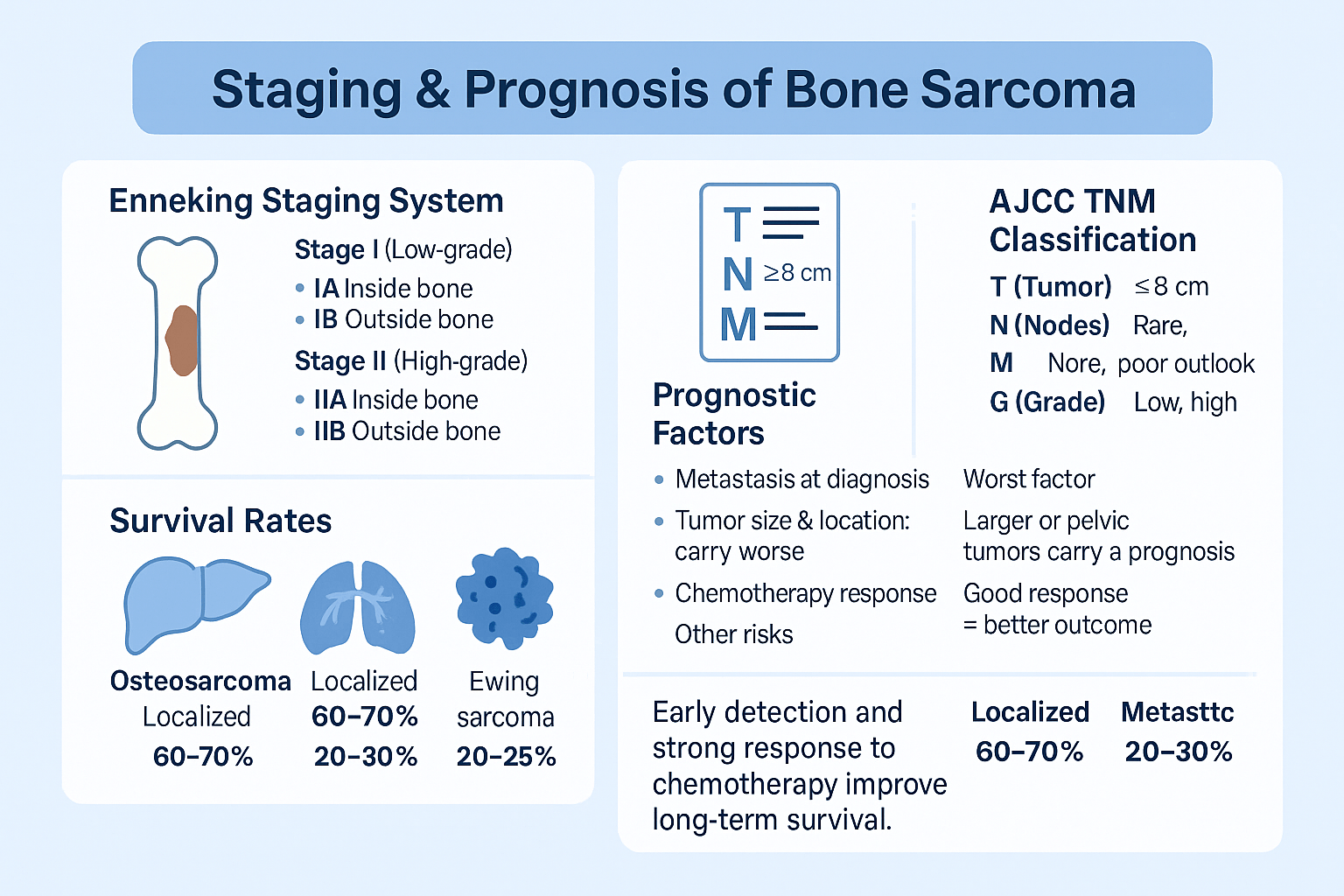
Staging is the process doctors use to understand how much cancer is present in the body, whether it is still localized, and whether it has spread to the lungs, other bones, lymph nodes, or distant organs. It helps the oncology team decide how serious the disease is and what treatment plan is needed. Bone cancer staging is usually based on physical examination, imaging, biopsy, tumor grade, tumor size, and evidence of spread [15]. The American Cancer Society explains that bone cancer may be described as localized or metastatic, low grade or high grade, and may also be staged using systems such as MSTS/Enneking or AJCC TNM.
Enneking Staging System
The Enneking system, also known as the Musculoskeletal Tumor Society (MSTS) staging system, is commonly used in bone and soft tissue tumors. It focuses on three major features: the tumor grade, whether the tumor remains inside its original compartment, and whether metastasis is present.
In this system, low-grade localized tumors are grouped as Stage I. High-grade localized tumors are grouped as Stage II. Tumors that have spread to distant sites are considered Stage III, regardless of grade. Stage I and Stage II are further divided into A and B depending on whether the tumor remains within the bone compartment or has grown beyond it into surrounding tissues [13][15]. The ACS describes this system as based on cancer grade, primary tumor extent, and metastasis, with Stage III representing metastatic disease.
For patients, the simple meaning is this: a high-grade tumor that has grown outside the bone is more serious than a low-grade tumor contained inside the bone. A tumor that has already spread to the lungs or other organs is more serious still. This is why staging is essential before surgery or chemotherapy decisions are finalized.
AJCC TNM Classification
The AJCC TNM system is another important staging method. It is widely used because it gives a structured way to describe tumor size, lymph node involvement, metastasis, and tumor grade.
The “T” describes the main tumor, including whether it is 8 cm or smaller, larger than 8 cm, or present in more than one area of the same bone. The “N” describes lymph node spread, which is uncommon in bone sarcoma but serious when present. The “M” describes metastasis. In bone sarcoma, the lungs and other bones are among the most important distant sites. The “G” describes grade, meaning how abnormal and aggressive the tumor cells look under the microscope [14][15]. The ACS notes that AJCC staging combines T, N, M, and grade into an overall stage from I to IV.
For patients, AJCC staging helps answer practical questions: Is the tumor small or large? Is it low-grade or high-grade? Has it spread to the lungs? Are there other bone lesions? These answers guide treatment intensity and prognosis.
Localized vs Metastatic Disease
One of the most important differences in prognosis is whether the disease is localized or metastatic.
Localized disease means the cancer is found mainly at the original bone site, even if it has grown into nearby soft tissue. Metastatic disease means the cancer has spread to distant sites, most commonly the lungs or other bones. Patients with localized disease generally have a much better outlook than patients with metastasis at diagnosis.
This is why chest CT and sometimes whole-body imaging are important after diagnosis. A patient may feel no lung symptoms, but small lung metastases can still be present. Detecting spread early helps the oncology team choose the right chemotherapy, surgery, radiation, and follow-up plan.
Prognostic Factors
Prognosis means the expected course of the disease. It is not decided by one factor alone. Doctors look at the full picture: tumor type, tumor size, site, grade, metastasis, response to chemotherapy, surgical margins, and the patient’s overall condition.
Metastasis at diagnosis is one of the strongest negative prognostic factors. Patients whose cancer has already spread to the lungs, other bones, or bone marrow usually need more intensive treatment and have a more guarded outlook.
Tumor size and location also matter. Large tumors are generally harder to treat than smaller tumors. Tumors in the pelvis, spine, or axial skeleton may have a worse prognosis than tumors in the arms or legs because they are harder to remove completely and may be diagnosed later.
Response to chemotherapy is especially important in osteosarcoma. After chemotherapy and surgery, the removed tumor is examined to see how much of it has died. A strong chemotherapy response usually suggests a better outlook, while poor necrosis after initial chemotherapy is associated with worse prognosis [18]. The NCI PDQ notes that patients with less necrosis after initial chemotherapy have an inferior prognosis compared with those who show more necrosis.
In Ewing sarcoma, prognosis is influenced by whether the disease is localized or metastatic, tumor size, tumor site, patient age, surgical margins, and response to chemotherapy. NCI data show that outcomes vary across treatment groups; localized Ewing sarcoma can have favorable survival in modern protocols, while axial primary tumors and larger tumors are associated with worse outcomes in some studies [19].
Survival Rates: How Patients Should Understand the Numbers
Survival rates are useful, but they are not personal predictions. They are based on groups of patients treated in the past. A patient’s individual outlook depends on tumor biology, stage, treatment response, surgical success, available expertise, general health, and follow-up care.
In general, localized osteosarcoma and localized Ewing sarcoma have much better outcomes than metastatic disease. Earlier article sections may use approximate patient-friendly figures such as 60–70% five-year survival for localized osteosarcoma and around 70% or higher for localized Ewing sarcoma, depending on study population and treatment protocol. Metastatic disease has a much lower survival range, especially when spread involves multiple lungs lesions, other bones, or bone marrow.
The key point is not to memorize one survival number. The key point is to diagnose early, stage accurately, treat through a sarcoma-experienced team, complete planned therapy, monitor response, and support the patient’s strength during and after treatment.
Ayurvedic View of Prognosis
Ayurveda understands prognosis through the strength of the patient, depth of tissue involvement, dosha severity, Agni status, Srotas obstruction, Ojas reserve, and whether the disease has spread into deeper dhatus.
When bone sarcoma is localized and the patient has better strength, stable digestion, manageable pain, and preserved Ojas, supportive Ayurvedic care can focus on strengthening Asthi Dhatu, Majja Dhatu, Rakta Shodhana, Agni correction, and recovery support. When disease is advanced, metastatic, associated with severe weight loss, intense pain, poor appetite, anemia, or profound weakness, the Ayurvedic approach must become more cautious, supportive, and individualized.
This does not replace modern staging. Instead, it adds a patient-centered layer: prognosis is not only about the tumor, but also about the patient’s strength, digestion, immunity, marrow reserve, mobility, mental resilience, and ability to complete treatment.
Key Patient Takeaway
Staging tells doctors how serious bone sarcoma is and how far it has spread. The Enneking system focuses on grade, local extent, and metastasis. The AJCC TNM system focuses on tumor size, lymph nodes, metastasis, and grade.
The strongest prognostic factor is whether the cancer has spread at diagnosis. Tumor size, location, chemotherapy response, surgical margins, and overall patient strength also matter. Early staging, specialist sarcoma care, and safe integrative support give the patient the best chance of completing treatment and recovering with strength.
Modern Management
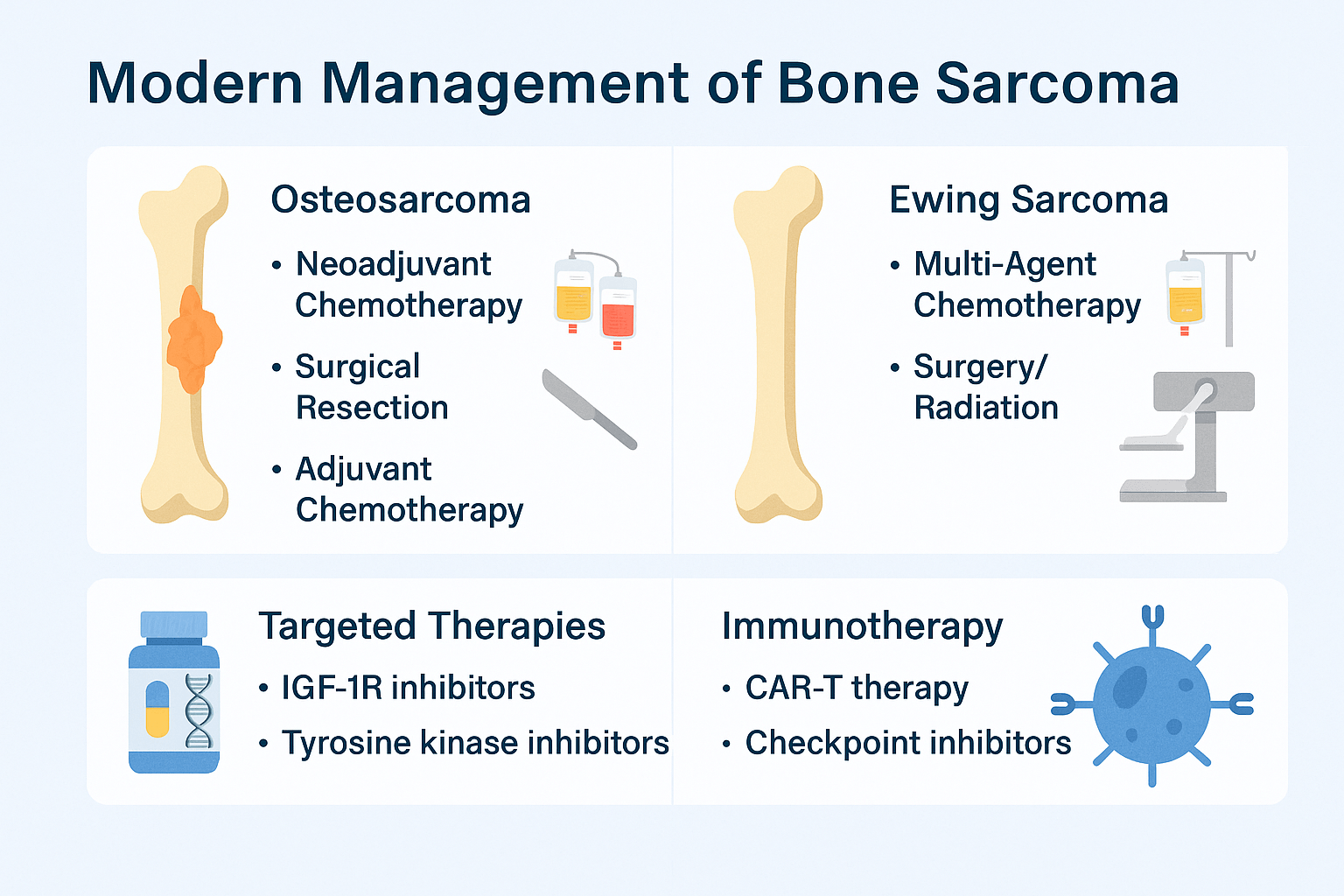
Modern treatment of bone sarcoma is not based on one method alone. Osteosarcoma and Ewing sarcoma usually need a multidisciplinary treatment plan, meaning several specialists work together to control the tumor, prevent spread, preserve limb function, reduce recurrence risk, and support recovery. This team may include a medical oncologist, orthopedic oncologist, radiation oncologist, radiologist, pathologist, oncology nurse, physiotherapist, dietitian, pain specialist, psychologist, and rehabilitation team.
The exact plan depends on the sarcoma type, tumor site, tumor size, stage, metastasis, chemotherapy response, surgical feasibility, age, general health, and patient preference. For patients, the most important point is this: bone sarcoma should be treated by a sarcoma-experienced team, not through scattered or delayed decisions.
Osteosarcoma Treatment
Osteosarcoma treatment usually follows a sequence of chemotherapy, surgery, and more chemotherapy. This approach is used because osteosarcoma is not only a local bone tumor. Even when scans show disease only in one bone, microscopic cancer cells may already be present elsewhere in the body. The National Cancer Institute states that patients with high-grade osteosarcoma require both surgery and systemic chemotherapy [18].
Treatment commonly begins with neoadjuvant chemotherapy, which means chemotherapy given before surgery. The purpose is to attack microscopic disease early, shrink or control the primary tumor, and help doctors understand how sensitive the tumor is to chemotherapy. After this, the main tumor is removed surgically.
Surgery aims to remove the cancer completely with clear margins. In many patients, limb-sparing surgery is possible, where the tumor-bearing bone is removed and the limb is reconstructed using a prosthesis, bone graft, or other reconstructive method. Amputation is not the first choice in most cases, but it may be required when the tumor involves major nerves, blood vessels, infection risk, uncontrolled fracture contamination, or when limb-sparing surgery cannot safely remove the cancer.
After surgery, adjuvant chemotherapy is given to reduce the risk of recurrence. The removed tumor is examined by the pathologist to see how much cancer has been destroyed by chemotherapy. A strong response, often described as high tumor necrosis, is a favorable sign. A poor response may indicate a higher risk and may influence further treatment planning [18][20]. The standard modern treatment backbone for osteosarcoma has improved survival compared with surgery alone, although progress in frontline therapy has been limited in recent decades [20].
Ewing Sarcoma Treatment
Ewing sarcoma is treated differently from osteosarcoma because it is highly sensitive to chemotherapy and radiation, and because microscopic spread is common even when the disease appears localized. The National Cancer Institute describes Ewing sarcoma treatment options as multidrug chemotherapy, surgery, and radiation therapy [19].
Treatment usually begins with multi-agent chemotherapy. This first phase is designed to control the primary tumor and treat microscopic disease throughout the body. After initial chemotherapy, doctors plan local control, which means treatment directed at the original tumor site. Local control may involve surgery, radiation therapy, or a combination of both.
Surgery is preferred when the tumor can be removed safely without causing unacceptable loss of function. Radiation therapy is often used when surgery is not possible, when the tumor is in a difficult location such as the pelvis or spine, or when microscopic tumor may remain after surgery. In some cases, both surgery and radiation are used to improve local control.
After local control, chemotherapy usually continues to complete the planned treatment course. This is important because Ewing sarcoma is treated as a systemic disease. Gaspar and colleagues describe Ewing sarcoma management as a multidisciplinary approach combining risk-adapted chemotherapy with surgery and/or radiotherapy for control of the primary site and possible metastatic disease [8].
Radiation Therapy
Radiation therapy has a larger role in Ewing sarcoma than in osteosarcoma. Ewing sarcoma is generally more radiosensitive, so radiation can be useful when surgery is not safe, when the tumor is located in a difficult anatomical region, or when residual disease remains after surgery.
In osteosarcoma, radiation is less commonly used because osteosarcoma is usually less radiosensitive. However, radiation may still be considered in selected cases, such as unresectable tumors, incomplete surgical margins, painful metastases, or palliative care situations.
For patients, the practical message is that radiation is not automatically good or bad. It is chosen based on tumor type, location, surgical margins, expected function, and treatment goals.
Targeted Therapies
Targeted therapies are medicines designed to interfere with specific cancer growth pathways. In bone sarcoma, targeted therapy is an active area of research, especially for recurrent, metastatic, or treatment-resistant disease.
In Ewing sarcoma, researchers have studied IGF-1R inhibitors because the insulin-like growth factor pathway may support tumor growth. Some patients have shown responses, but these drugs have not become a universal cure or standard first-line replacement for chemotherapy [21]. In osteosarcoma and other sarcomas, tyrosine kinase inhibitors and other molecular therapies are being studied, particularly in advanced disease [22].
Patients should understand this clearly: targeted therapy may be useful in selected cases, but it is usually not the first treatment for newly diagnosed osteosarcoma or Ewing sarcoma. It is most often considered through clinical trials, relapse protocols, or specialist oncology decisions.
Immunotherapy and CAR-T Research
Immunotherapy is one of the most exciting areas in cancer research, but bone sarcoma is more complicated than some other cancers. Immune checkpoint inhibitors have transformed treatment in melanoma, lung cancer, and some other tumors, but results in osteosarcoma and Ewing sarcoma have been more limited so far.
Research is ongoing into checkpoint inhibitors, cancer vaccines, engineered immune-cell therapies, and CAR-T cell therapy. In CAR-T therapy, immune cells are modified to recognize and attack cancer targets. This approach is promising, but for bone sarcoma it remains mainly investigational and should be considered through clinical trials when appropriate [23][24]. Current literature describes immunotherapy for Ewing sarcoma as an area of hope and active research, not yet a guaranteed standard cure [23].
Patients should be encouraged to ask their oncologist about clinical trials, especially if the disease is metastatic, recurrent, or not responding well to standard therapy.
Supportive Care During Modern Treatment
Supportive care is not secondary. It is a major part of successful treatment. Chemotherapy, surgery, and radiation can affect appetite, digestion, blood counts, immunity, fertility, mood, sleep, strength, mobility, and quality of life.
Before treatment begins, patients should discuss fertility preservation when appropriate, because some chemotherapy drugs may affect fertility. They should also ask about infection prevention, nausea control, mouth care, pain management, nutrition, psychological support, school or work planning, and rehabilitation.
After surgery, rehabilitation becomes essential. Physiotherapy helps restore movement, strength, balance, walking ability, and confidence. For children and teenagers, rehabilitation also supports emotional recovery, school return, and independence. For adults, it helps with work, mobility, and long-term function.
This is where integrative care becomes important. Modern treatment targets the tumor, but the patient also needs strength, digestion, sleep, pain control, emotional stability, tissue healing, and long-term recovery support.
How Patients Should Prepare for Treatment
Patients should keep all medical records organized, including imaging reports, biopsy results, pathology reports, staging scans, blood tests, chemotherapy plans, surgical notes, and medication lists. This helps both the oncology team and the Ayurvedic physician make safer decisions.
Patients should also tell their oncology team about any herbs, supplements, Ayurvedic medicines, Rasayana, Avaleha, or Bhasma preparations they are taking. This is important because some products can interact with chemotherapy, radiation, surgery, anesthesia, blood counts, liver function, or kidney function.
The goal is not to create fear around Ayurveda. The goal is safe integration. Modern treatment must not be delayed, and Ayurvedic support must be timed, personalized, and supervised.
Key Patient Takeaway
Modern management of bone sarcoma usually requires aggressive, planned, specialist care. Osteosarcoma is commonly treated with chemotherapy before surgery, surgical removal of the tumor, and chemotherapy after surgery. Ewing sarcoma usually requires multi-agent chemotherapy with surgery and/or radiation.
Targeted therapies and immunotherapy are promising but are mostly used in selected advanced cases or clinical trials. The best results come from early diagnosis, correct staging, sarcoma-specialist treatment, careful supportive care, rehabilitation, and safe integration of Ayurveda for strength, digestion, immunity, and recovery.
Why Integrative Care Is Needed
Modern oncology is essential in bone sarcoma because osteosarcoma and Ewing sarcoma are aggressive cancers. Chemotherapy, surgery, radiation, and specialist monitoring are used to control the tumor, reduce microscopic spread, and improve survival. Osteosarcoma commonly needs chemotherapy and surgery, while Ewing sarcoma usually needs multi-agent chemotherapy with surgery and/or radiation [18][19].
However, patients often experience a second battle that is not always addressed fully by tumor-directed treatment alone. They may struggle with fatigue, poor appetite, nausea, disturbed digestion, low immunity, pain, sleep problems, anxiety, weakness, reduced mobility, and fear of recurrence. Families may ask, “How do we keep the body strong enough to complete treatment?” This is where integrative care becomes valuable.
The purpose of integrative care is not to choose between modern medicine and Ayurveda. The purpose is to combine their strengths safely. Modern oncology controls the tumor; Ayurveda strengthens the patient.
Modern Treatment Targets the Cancer
Modern treatment directly attacks cancer cells. Chemotherapy works throughout the body to control visible and microscopic disease. Surgery removes the primary tumor when possible. Radiation helps in selected cases, especially in Ewing sarcoma or when surgery is difficult. Imaging and staging help doctors track disease spread and response.
This approach is necessary because bone sarcoma may spread early, especially to the lungs or other bones. A patient should never delay biopsy, staging, chemotherapy, surgery, radiation, or sarcoma specialist referral while trying herbs, supplements, diet changes, or alternative therapies.
Ayurveda Supports the Patient’s Internal Terrain
Ayurveda looks at the patient’s inner strength. It asks why digestion is weak, why tissues are depleted, why pain is severe, why immunity is falling, why inflammation is high, and why recovery is slow. In Ayurvedic terms, this involves Agni, Ama, Srotas, Rakta Dhatu, Asthi Dhatu, Majja Dhatu, and Ojas.
In bone sarcoma, the tumor affects bone and marrow directly. Chemotherapy and surgery may control the disease, but the patient still needs support for bone strength, marrow recovery, digestion, immunity, sleep, and long-term resilience. Ayurveda addresses this through Rasayana therapy, Agni correction, Rakta Shodhana, Asthi–Majja nourishment, Vata pain management, and Ojas strengthening [42].
Why Patients Need More Than Tumor Control
A patient may complete chemotherapy but feel exhausted. Another may undergo successful surgery but struggle with pain, mobility, appetite, or fear. A child may survive treatment but need long-term support for strength, growth, immunity, and confidence. An adult may need help rebuilding energy, digestion, muscle strength, and emotional stability.
This is the gap integrative care fills. It does not replace the oncologist’s treatment plan. It supports the patient so they can tolerate treatment better, recover more steadily, and rebuild life after cancer.
For global patients in the USA, UK, Canada, Singapore, and Australia, this distinction is very important. Many patients want natural support, but they also want safety, transparency, and medical accountability. Integrative care should therefore be physician-guided, evidence-aware, quality-controlled, and coordinated with the oncology team.
The Correct Timing of Ayurveda
Ayurvedic support should change according to the treatment phase. During active chemotherapy, the focus should be gentle: digestion support, appetite, hydration, bowel regularity, sleep, fatigue reduction, and physician-approved Rasayana. Strong detoxification or aggressive Panchakarma is usually not suitable when the patient is weak, immunocompromised, or has low blood counts.
Before surgery, the goal is to improve strength, nutrition, sleep, and stability. After surgery, the focus shifts to wound recovery, pain control, Vata balance, physiotherapy support, and tissue rebuilding. During remission or follow-up, Rasayana therapy becomes more important for long-term strength, Agni maintenance, Dhatu restoration, and recurrence-risk awareness.
This timing is critical. The same Ayurvedic medicine cannot be used in the same way for every patient or every phase.
Safety Must Be Part of Integration
Many patients assume that natural medicines are automatically safe. This is not always true. Herbs, supplements, Avaleha, Rasayana, and Bhasma-based preparations may interact with chemotherapy, radiation, anesthesia, blood thinners, liver metabolism, kidney function, or blood counts. The National Cancer Institute notes that foods and dietary supplements may interact with cancer therapy, which is why patients should disclose everything they take to their cancer team [32].
Therefore, safe integration requires three rules. The oncologist must know what the patient is taking. The Ayurvedic physician must know the cancer diagnosis, staging, reports, chemotherapy cycle, liver function, kidney function, and blood counts. The formulation must be personalized, quality-tested, and adjusted according to the patient’s strength and condition.
The Strongest Model: Treat the Tumor, Strengthen the Patient
A bone sarcoma patient needs two types of care at the same time. The first is direct tumor control through oncology. The second is whole-body strengthening through safe Ayurveda.
Modern medicine asks, “How do we remove, shrink, or control the tumor?” Ayurveda adds, “How do we restore the patient’s digestion, strength, marrow, immunity, pain balance, sleep, and vitality?”
Both questions matter. A patient is not only a tumor site, a scan report, or a chemotherapy protocol. A patient is a whole person who needs survival, strength, movement, confidence, and long-term recovery.
Ayurvedic Interpretation of Bone Sarcoma
Ayurveda does not use the modern diagnostic terms osteosarcoma or Ewing sarcoma. These are modern oncology diagnoses confirmed through imaging, biopsy, histopathology, immunohistochemistry, and molecular testing. However, the clinical behavior of bone sarcoma can be interpreted through classical Ayurvedic frameworks such as Arbuda, Granthi, Asthi Dhatu Vikara, Majja Dhatu Dushti, Rakta Dushti, Agni impairment, and Srotas obstruction.
For global and Gulf patients, this explanation is important because it shows that Ayurveda is not merely “herbal support.” It is a complete biological system that studies the patient’s bone tissue, marrow, blood, metabolism, channels, immunity, pain, and vitality.
Classical Foundation of Arbuda
Text: Sushruta Samhita
Section: Nidana Sthana
Chapter: 11 — Granthi-Apachi-Arbuda-Galaganda Nidana
Verse: 13–14
Article reference number: [45]
Sanskrit Shloka
गात्रप्रदेशे क्वचिदेव दोषाः सम्मूर्च्छिता मांसमभिप्रदूष्य ।
वृत्तं स्थिरं मन्दरुजं महान्तमनल्पमूलं चिरवृद्ध्यपाकम् ॥१३॥
कुर्वन्ति मांसोपचयं तु शोफं तमर्बुदं शास्त्रविदो वदन्ति ॥१४॥
Transliteration
gātrapradeśe kvacideva doṣāḥ sammūrcchitā māṃsam abhipradūṣya |
vṛttaṃ sthiraṃ mandarujam mahāntam analpamūlaṃ ciravṛddhyapākam ||13||
kurvanti māṃsopacayaṃ tu śophaṃ tam arbudaṃ śāstravido vadanti ||14||
Translation
When the aggravated doshas become localized in any part of the body and vitiate the tissue, they produce a swelling that is round, firm, mildly painful, large, deep-rooted, slowly growing, and non-suppurating. The learned physicians describe this condition as Arbuda.
Sushruta’s description is not a direct modern label for osteosarcoma or Ewing sarcoma, but it provides the classical Ayurvedic disease framework for deep, firm, persistent, tumor-like growths. The features of firmness, deep root, progressive growth, and tissue involvement make Arbuda the closest conceptual framework for understanding malignant growths from an Ayurvedic perspective. The online edition of Sushruta Samhita, Nidana Sthana Chapter 11, gives this chapter as Granthi-Apachi-Arbuda-Galaganda Nidana and describes Arbuda pathogenesis in verses 13–14.
Gulf Patient Connection
Urdu lipi:
آیوروید میں “اربُد” ایسی گہری اور مضبوط رسولی کے لیے استعمال ہوتا ہے جو جسم کے بافتوں کو متاثر کرتی ہے۔
Arabic lipi:
في الأيورفيدا، يُستخدم مفهوم “أربودا” لفهم الكتل العميقة والثابتة التي تؤثر في أنسجة الجسم.
Bone Sarcoma as Asthi–Majja Dhatu Dushti
In Ayurveda, Asthi Dhatu refers to bone tissue, while Majja Dhatu refers to bone marrow and deeper nourishing tissues. Osteosarcoma, where abnormal osteoid or diseased bone-like tissue forms, can be understood as a severe disturbance of Asthi Dhatu. Ewing sarcoma, which commonly infiltrates marrow spaces and may cause fatigue, anemia, fever, and systemic weakness, can be interpreted through Majja Dhatu Dushti.
This interpretation is clinically useful because bone sarcoma does not affect only a visible tumor site. It disturbs the patient’s structural strength, marrow reserve, circulation, pain regulation, immunity, and vitality. Therefore, Ayurvedic management should not focus only on “shrinking the mass.” It should also restore Asthi, support Majja, purify Rakta, correct Agni, clear Srotas, and rebuild Ojas.
Classical Support for Asthivaha and Majjavaha Srotas
Text: Charaka Samhita
Section: Vimana Sthana
Chapter: 5 — Sroto Vimana
Verse: 17–18
Article reference number: [44]
Sanskrit Shloka
व्यायामादतिसङ्क्षोभादस्थ्नामतिविघट्टनात् ।
अस्थिवाहीनि दुष्यन्ति वातलानां च सेवनात् ॥१७॥
उत्पेषादत्यभिष्यन्दादभिघातात् प्रपीडनात् ।
मज्जवाहीनि दुष्यन्ति विरुद्धानां च सेवनात् ॥१८॥
Transliteration
vyāyāmād atisaṅkṣobhād asthnām ativighaṭṭanāt |
asthivāhīni duṣyanti vātalānāṃ ca sevanāt ||17||
utpeṣād atyabhiṣyandād abhighātāt prapīḍanāt |
majjavāhīni duṣyanti viruddhānāṃ ca sevanāt ||18||
Translation
The channels carrying bone tissue become vitiated by excessive exertion, excessive trauma or disturbance to bones, and intake of Vata-aggravating substances. The channels carrying marrow become vitiated by crushing, excessive clogging, injury, pressure, and incompatible factors.
This is highly relevant to the Ayurvedic interpretation of bone sarcoma because the disease primarily affects bone and marrow. The verse supports the idea that Asthivaha Srotas and Majjavaha Srotas are central in bone-related and marrow-related pathology. Charaka’s Sroto Vimana lists the causes of vitiation for Asthivaha and Majjavaha Srotas in verses 17–18.
Gulf Patient Connection
Urdu lipi:
آستھی دھاتو ہڈیوں سے متعلق ہے، جبکہ مجّا دھاتو بون میرو اور اندرونی طاقت سے متعلق ہے۔
Arabic lipi:
أستي داتو يرتبط بالعظام، بينما ماجّا داتو يرتبط بنخاع العظم والقوة الداخلية.
Rakta Dushti, Mamsa Involvement, and Tumor Bulk
Bone sarcoma often presents with swelling, warmth, vascularity, pain, and sometimes systemic symptoms. From an Ayurvedic standpoint, this indicates involvement of Rakta Dhatu and Mamsa Dhatu along with doshic disturbance. Rakta Dushti explains inflammatory heat, vascular changes, spread tendency, and systemic weakness. Mamsa involvement explains tissue mass, swelling, firmness, and tumor bulk.
Sushruta also describes different types of Arbuda arising through Vata, Pitta, Kapha, Rakta, Mamsa, and Meda involvement. This supports the concept that tumor-like disorders are not limited to one tissue but may involve multiple dhatus.
Text: Sushruta Samhita
Section: Nidana Sthana
Chapter: 11 — Granthi-Apachi-Arbuda-Galaganda Nidana
Verse: 14–15
Article reference number: [45]
Sanskrit Shloka
वातेन पित्तेन कफेन चापि रक्तेन मांसेन च मेदसा च ॥१४॥
तज्जायते तस्य च लक्षणानि ग्रन्थेः समानानि सदा भवन्ति ॥१५॥
Transliteration
vātena pittena kaphena cāpi raktena māṃsena ca medasā ca ||14||
tajjāyate tasya ca lakṣaṇāni grantheḥ samānāni sadā bhavanti ||15||
Translation
Arbuda may arise due to Vata, Pitta, Kapha, Rakta, Mamsa, and Meda involvement, and its features resemble the corresponding types of Granthi.
For bone sarcoma, this gives a strong Ayurvedic logic. Pain reflects Vata. Swelling and heaviness reflect Kapha and Mamsa. Fever, inflammation, redness, anemia, vascularity, and systemic weakness reflect Pitta and Rakta Dushti. Sushruta’s Arbuda section mentions these doshic and dhatu-based classifications in Nidana Sthana Chapter 11.
Gulf Patient Connection
Urdu lipi:
رکت دشٹی خون کی خرابی، سوزش، گرمی اور پھیلاؤ کے رجحان کو ظاہر کرتی ہے۔
Arabic lipi:
راكتا دوشتي تعني اضطراب الدم، الالتهاب، الحرارة، وقابلية الانتشار.
Srotas Obstruction: The Channel-Based Explanation
Ayurveda explains that the body functions through Srotas, the channels responsible for transport, nutrition, circulation, elimination, and tissue communication. When these channels become obstructed, distorted, overactive, or misdirected, disease develops.
In bone sarcoma, Srotas obstruction can be used to understand swelling, stagnation, abnormal tissue growth, vascular changes, impaired nutrition, and spread through abnormal pathways. This does not replace modern metastasis biology, but it gives an Ayurvedic explanation for why internal channels must be corrected.
Text: Charaka Samhita
Section: Vimana Sthana
Chapter: 5 — Sroto Vimana
Verse: 24
Article reference number: [44]
Sanskrit Shloka
अतिप्रवृत्तिः सङ्गो वा सिराणां ग्रन्थयोऽपि वा ।
विमार्गगमनं चापि स्रोतसां दुष्टिलक्षणम् ॥२४॥
Transliteration
atipravṛttiḥ saṅgo vā sirāṇāṃ granthayo’pi vā |
vimārgagamanaṃ cāpi srotasāṃ duṣṭilakṣaṇam ||24||
Translation
Excessive flow, obstruction, formation of nodules in vessels or channels, and movement through abnormal pathways are signs of Srotas vitiation.
This verse is extremely valuable for explaining cancer-like behavior to patients. The words saṅga and granthi help explain obstruction and nodular growth, while vimārga-gamana helps describe abnormal movement or misdirected spread. Charaka’s Sroto Vimana lists these four features of Srotas morbidity in verse 24.
Gulf Patient Connection
Urdu lipi:
سروتس جسم کے راستے ہیں؛ جب یہ بند یا خراب ہو جائیں تو سوجن، درد اور غیر معمولی بڑھوتری پیدا ہو سکتی ہے۔
Arabic lipi:
سروتاس هي قنوات الجسم؛ وعندما تنسد أو تضطرب قد يظهر تورم وألم ونمو غير طبيعي.
Agni, Ama, and the Internal Terrain
The foundation of Ayurvedic pathology is Agni, the metabolic and digestive fire. When Agni is balanced, tissues are nourished properly and waste is cleared. When Agni becomes weak or irregular, Ama forms. Ama blocks Srotas, disturbs tissue nourishment, and weakens immunity.
For bone sarcoma patients, this concept is clinically important. A patient with weak digestion, low appetite, constipation, fatigue, or poor tolerance to medicines cannot be treated with the same intensity as a strong patient. This is why Ayurvedic therapy must be personalized according to Agni, Bala, Ojas, stage of disease, chemotherapy cycle, blood counts, liver function, and kidney function.
In modern terms, this means Ayurveda does not treat only the tumor. It treats the patient’s terrain: digestion, metabolism, tissue strength, detoxification capacity, immunity, pain tolerance, sleep, and recovery potential.
Rasayana: The Recovery and Ojas-Building Principle
Bone sarcoma patients often need long-term recovery support. Chemotherapy, surgery, radiation, pain, stress, and malnutrition can reduce strength and vitality. Ayurveda uses Rasayana to support longevity, strength, immunity, tissue nourishment, and Ojas.
Text: Charaka Samhita
Section: Chikitsa Sthana
Chapter: 1 — Rasayana Adhyaya
Verse: 1.1/7–8
Article reference number: [42]
Sanskrit Shloka
दीर्घमायुः स्मृतिं मेधामारोग्यं तरुणं वयः ।
प्रभावर्णस्वरौदार्यं देहेन्द्रियबलं परम् ॥७॥
वाक्सिद्धिं प्रणतिं कान्तिं लभते ना रसायनात् ।
लाभोपायो हि शस्तानां रसादीनां रसायनम् ॥८॥
Transliteration
dīrghamāyuḥ smṛtiṃ medhām ārogyaṃ taruṇaṃ vayaḥ |
prabhāvarṇasvaraudāryaṃ dehendriyabalaṃ param ||7||
vāksiddhiṃ praṇatiṃ kāntiṃ labhate nā rasāyanāt |
lābhopāyo hi śastānāṃ rasādīnāṃ rasāyanam ||8||
Translation
Through Rasayana, one attains long life, memory, intellect, health, youthfulness, radiance, complexion, good voice, excellence, strength of body and senses, clarity of speech, grace, and vitality. Rasayana is the means of obtaining the best quality of body tissues.
For bone sarcoma, Rasayana does not mean a simple tonic. It means a deeper rebuilding strategy: strengthening Asthi Dhatu, supporting Majja Dhatu, improving Ojas, helping recovery after chemotherapy or surgery, and restoring the body’s resilience. Charaka’s Rasayana Adhyaya lists the benefits of Rasayana in verses 7–8.
Gulf Patient Connection
Urdu lipi:
رسایَن کا مقصد جسم کی طاقت، قوتِ مدافعت، ہڈی، بون میرو اور اوجس کو بحال کرنا ہے۔
Arabic lipi:
راسايانا تهدف إلى استعادة القوة، المناعة، العظم، نخاع العظم، والأوجاس.
Urdu and Arabic Lipi for Key Ayurvedic Concepts
| Ayurvedic Concept | Urdu Lipi | Arabic Lipi | Patient Meaning |
|---|---|---|---|
| Asthi Dhatu | آستھی دھاتو | أستي داتو | Bone tissue / ہڈی / العظم |
| Majja Dhatu | مجّا دھاتو | ماجّا داتو | Bone marrow / بون میرو / نخاع العظم |
| Rakta Dushti | رکت دشٹی | راكتا دوشتي | Blood imbalance / خون کی خرابی / اضطراب الدم |
| Srotas | سروتس | سروتاس | Body channels / جسمانی راستے / قنوات الجسم |
| Agni | اگنی | أغني | Digestion-metabolism / ہاضمہ / الهضم والاستقلاب |
| Ojas | اوجس | أوجاس | Vital strength / قوتِ حیات / القوة الحيوية |
| Rasayana | رسایَن | راسايانا | Rejuvenation / تجدیدِ قوت / التجديد الحيوي |
| Arbuda | اربُد | أربودا | Tumor-like growth / رسولی / ورم أو كتلة |
Patient-Centered Ayurvedic Meaning
In simple words, Ayurveda understands bone sarcoma as a deep disturbance of bone, marrow, blood, metabolism, channels, immunity, and vitality. Osteosarcoma can be linked conceptually with severe Asthi Dhatu Vikara, because abnormal bone-like tissue is produced. Ewing sarcoma can be linked with Majja Dhatu Dushti, because marrow spaces and systemic strength may be affected.
Pain reflects Vata. Swelling and mass formation reflect Kapha and Mamsa involvement. Fever, warmth, inflammation, anemia, and vascularity reflect Pitta and Rakta Dushti. Metabolic weakness reflects Agni impairment. Tumor spread and abnormal circulation can be understood through Srotas Dushti.
This Ayurvedic interpretation does not replace modern diagnosis or treatment. Bone sarcoma still requires imaging, biopsy, staging, chemotherapy, surgery, radiation when needed, and specialist oncology care. Ayurveda adds a second layer: strengthening the patient’s internal terrain through Agni correction, Srotas cleansing, Rakta Shodhana, Asthi–Majja Rasayana, Vata pain support, and Ojas rebuilding.
Key Patient Takeaway
Bone sarcoma should be treated with modern oncology for direct tumor control. Ayurveda provides a classical root-cause framework for strengthening the body’s bone, marrow, blood, digestion, channels, immunity, and vitality.
Urdu lipi:
جدید علاج رسولی کو نشانہ بناتا ہے، جبکہ آیوروید جسم کی اندرونی طاقت، ہڈی، بون میرو، خون، ہاضمہ اور قوتِ مدافعت کو مضبوط کرتا ہے۔
Arabic lipi:
العلاج الحديث يستهدف الورم مباشرة، بينما تدعم الأيورفيدا قوة الجسم الداخلية، العظام، نخاع العظم، الدم، الهضم، والمناعة.
Ayurvedic Management Strategy for Bone Sarcoma
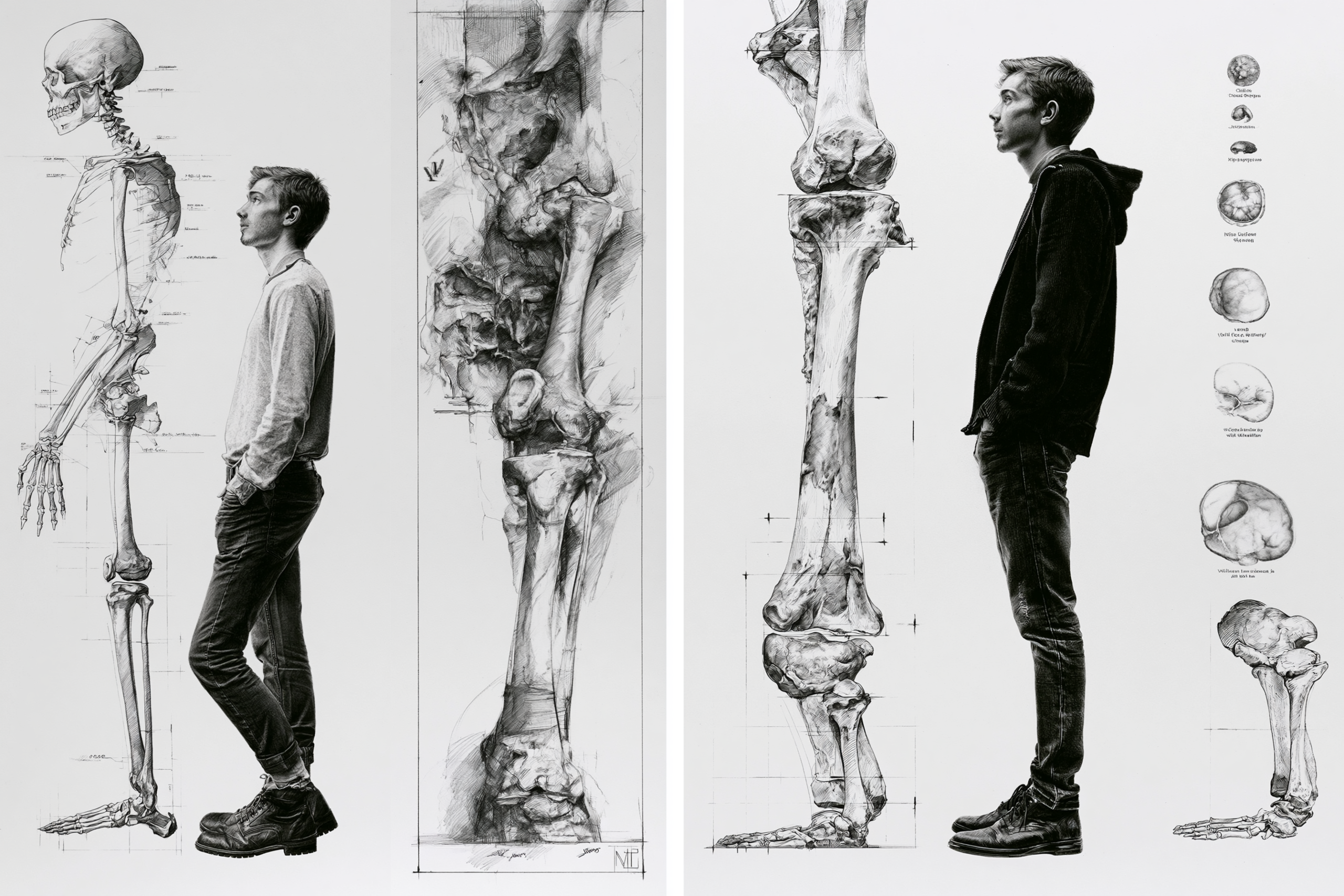
Ayurvedic management of bone sarcoma must be approached with seriousness, precision, and patient safety. Osteosarcoma and Ewing sarcoma are aggressive cancers, so Ayurveda should never delay biopsy, staging, chemotherapy, surgery, radiation, or specialist oncology care. The correct role of Ayurveda is to work as a supervised integrative system that supports the patient’s strength, digestion, immunity, pain balance, bone–marrow health, and long-term recovery.
The Ayurvedic treatment strategy is not the same for every patient. A child receiving chemotherapy, an adult after limb-sparing surgery, a patient with pelvic disease, and a patient with lung metastasis require different levels of support. The physician must assess Bala (strength), Agni (digestion and metabolism), Ojas (vital resilience), Rakta, Asthi, Majja, pain level, swelling, appetite, sleep, blood counts, liver function, kidney function, chemotherapy phase, and overall stability before selecting medicines or procedures.
For global patients, especially in the USA, UK, Canada, Singapore, Australia, and Gulf countries, this point is critical: Ayurvedic treatment should be personalized, quality-tested, medically supervised, and coordinated with oncology care.
The Core Ayurvedic Principle: Treat the Terrain, Not Only the Tumor
Modern oncology focuses on the visible and microscopic tumor through chemotherapy, surgery, radiation, and advanced therapies. Ayurveda adds a deeper layer by correcting the internal terrain in which disease develops. This includes clearing Ama, improving Agni, opening Srotas, purifying Rakta, supporting Asthi–Majja Dhatu, pacifying Vata pain, reducing Kapha swelling, calming Pitta-Rakta inflammation, and rebuilding Ojas.
In simple terms, Ayurveda asks: Is the patient digesting properly? Is the marrow strong? Is pain controlled? Is the blood inflamed? Is the body exhausted? Are channels blocked? Is the patient strong enough to tolerate therapy? This makes Ayurvedic management highly individualized.
Urdu lipi:
آیوروید صرف رسولی کو نہیں دیکھتا، بلکہ جسم کی اندرونی زمین، ہاضمہ، خون، ہڈی، بون میرو، قوتِ مدافعت اور اوجس کو بھی مضبوط کرتا ہے۔
Arabic lipi:
الأيورفيدا لا تنظر إلى الورم فقط، بل تقوي البيئة الداخلية للجسم: الهضم، الدم، العظام، نخاع العظم، المناعة، والأوجاس.
Shodhana: Cleansing the Channels Carefully
Shodhana means purification. In bone sarcoma, Shodhana is not used casually. It may include carefully selected measures such as mild Deepana-Pachana, Virechana, or Basti depending on the patient’s strength and disease phase. The goal is to reduce Ama, clear Srotas, balance doshas, and prepare the body for Rasayana.
However, aggressive Panchakarma is not suitable for every cancer patient. If the patient has low blood counts, severe weakness, active infection, uncontrolled vomiting, poor appetite, liver or kidney dysfunction, or is in an intense chemotherapy phase, strong Shodhana may be unsafe. In such patients, the physician may begin with gentle Agni correction and supportive Rasayana instead.
Classical Foundation for Shodhana
Text: Charaka Samhita
Section: Sutra Sthana
Chapter: 22 — Langhanabrimhaniya Adhyaya
Verse: 18
Article reference number to add: [64]
Sanskrit Shloka
चतुष्प्रकारा संशुद्धिः पिपासा मारुतातपौ ।
पाचनान्युपवासश्च व्यायामश्चेति लङ्घनम् ॥१८॥
Transliteration
catuṣprakārā saṃśuddhiḥ pipāsā mārutātapau |
pācanāny upavāsaś ca vyāyāmaś ceti laṅghanam ||18||
Translation
The four purification therapies, along with controlled thirst, exposure to wind and sunlight, digestive measures, fasting, and exercise, are described as forms of Langhana or lightening therapy.
This verse supports the principle that cleansing and reducing therapies must be selected according to the patient’s condition. In bone sarcoma care, this does not mean that all patients need strong detoxification. It means the physician must decide whether the patient needs mild channel-clearing, digestive correction, or deeper purification. Charaka’s Langhanabrimhaniya Adhyaya describes Langhana and its methods, including the four purification therapies, in verse 18.
Urdu lipi:
شودھن کا مطلب جسم کو کمزور کرنا نہیں، بلکہ زہریلے مادّوں کو احتیاط سے صاف کر کے راستوں کو کھولنا ہے۔
Arabic lipi:
شودانا لا تعني إضعاف الجسم، بل تنظيف السموم وفتح القنوات بحذر وتحت إشراف الطبيب.
Virechana: When Pitta-Rakta Features Dominate
Virechana may be considered when Pitta and Rakta features are prominent, such as heat, inflammation, redness, burning, irritability, skin changes, feverish tendency, or excessive inflammatory load. In the context of bone sarcoma, Virechana is not given as a routine cancer treatment. It is considered only when the patient has sufficient strength and when the timing does not interfere with chemotherapy, surgery, radiation, or recovery.
For weak patients, the physician may avoid classical Virechana and instead use gentle Pitta-Rakta pacifying measures, light diet, digestive support, and mild herbal correction. This distinction is important because the aim is not to “force detox,” but to improve the patient’s internal balance safely.
Basti: Vata Control and Asthi–Majja Support
Bone pain, night pain, fracture tendency, nerve symptoms, post-surgical pain, weakness, and instability indicate strong Vata involvement. Ayurveda considers Basti one of the most important therapies for Vata disorders. In bone sarcoma, Basti may be considered in selected patients to support Vata balance, pain resilience, bowel function, nourishment, and Asthi–Majja health.
But Basti must be timed carefully. It is not suitable during severe weakness, neutropenia, active infection, diarrhea, dehydration, or immediately around surgery unless the physician and oncology team consider it safe. In many patients, mild internal Rasayana, diet correction, and external Vata-pacifying care may be safer than procedural Panchakarma during active cancer treatment.
Urdu lipi:
بستی واتا کو متوازن کرنے، درد کم کرنے اور ہڈی و بون میرو کی طاقت بڑھانے کے لیے منتخب مریضوں میں استعمال کی جا سکتی ہے۔
Arabic lipi:
بَستي قد تُستخدم في حالات مختارة لتوازن فاتا، تخفيف الألم، ودعم العظام ونخاع العظم.
Shamana: Controlling the Disease Process
Shamana means pacification. It is used when the patient cannot tolerate strong purification or when long-term disease control is needed. In bone sarcoma, Shamana may focus on reducing swelling, controlling pain, improving digestion, clearing Ama, supporting blood quality, and stabilizing the patient during chemotherapy or recovery.
This is where herbs such as Kanchnar, Varuna, Guggulu, Triphala, Trikatu, Guduchi, Ashwagandha, Haridra, Neem, Manjishtha, Daruharidra, and Nirgundi may be selected according to the patient’s condition. The exact combination is never fixed. A patient with strong Kapha swelling may need a different approach from a patient with severe Vata pain, fever, anemia, or digestive weakness.
Shamana is often more practical than aggressive Panchakarma during active oncology treatment because it can be adjusted gradually, monitored closely, and combined with modern care more safely.
Granthi–Arbuda Shamana: Managing Tumor-Like Growths
Classical Ayurveda describes Granthi and Arbuda as tumor-like growths. In this framework, the treatment goal is to reduce abnormal accumulation, correct doshas, purify affected tissues, prevent recurrence, and restore healthy function.
Sushruta’s treatment section on Arbuda gives a powerful classical principle: residual pathological material may lead to recurrence. In modern language, this resembles the importance of complete tumor control, clear surgical margins, and avoiding residual disease.
Classical Foundation for Complete Removal and Recurrence Prevention
Text: Sushruta Samhita
Section: Chikitsa Sthana
Chapter: 18 — Granthi-Apachi-Arbuda-Galaganda Chikitsa
Verse: 42–43
Article reference number to add: [65]
Sanskrit Shloka
सशेषदोषाणि हि योऽर्बुदानि करोति तस्याशु पुनर्भवन्ति ॥४२॥
तस्मादशेषाणि समुद्धरेत्तु हन्युः सशेषाणि यथा हि वह्निः ॥४३॥
Transliteration
saśeṣadoṣāṇi hi yo’rbudāni karoti tasyāśu punarbhavanti ||42||
tasmād aśeṣāṇi samuddharet tu hanyuḥ saśeṣāṇi yathā hi vahniḥ ||43||
Translation
If Arbuda is treated while leaving residual morbid material, it quickly recurs. Therefore, it should be removed completely, because remnants may destroy the patient like fire.
This verse should be explained carefully to modern patients. It does not mean Ayurveda replaces cancer surgery. Rather, it shows that classical Ayurveda understood the danger of incomplete tumor control and recurrence. In modern bone sarcoma care, this principle supports the need for specialist surgery, clear margins, chemotherapy where required, and careful follow-up. Sushruta’s Chikitsa Sthana Chapter 18 discusses Arbuda treatment and warns that residual disease may recur rapidly.
Urdu lipi:
اگر رسولی کا اثر باقی رہ جائے تو دوبارہ بڑھنے کا خطرہ رہتا ہے؛ اس لیے مکمل اور صحیح علاج ضروری ہے۔
Arabic lipi:
إذا بقي أثر من الورم فقد يعود بسرعة؛ لذلك يجب أن يكون العلاج كاملاً ودقيقاً وتحت إشراف متخصص.
Rasayana: Rebuilding Strength, Immunity, Bone, and Marrow
After cleansing, pacification, surgery, chemotherapy, or radiation, the patient needs rebuilding. This is the role of Rasayana. Rasayana is not just a tonic. It is a deep rejuvenation strategy that supports tissue quality, Ojas, immunity, recovery, and long-term resilience.
In bone sarcoma, Rasayana is directed toward Asthi Dhatu, Majja Dhatu, Rakta Dhatu, and Ojas. Guduchi, Ashwagandha, Shatavari, Amalaki, Laksha, and carefully selected mineral preparations such as Swarna Bhasma, Abhrak Bhasma, Heerak Bhasma, Lauh Bhasma, and others may be considered only under physician supervision. These are not universal prescriptions. They must be modified according to age, digestion, blood counts, chemotherapy status, organ function, and patient strength.
Classical Foundation for Rasayana
Text: Charaka Samhita
Section: Chikitsa Sthana
Chapter: 1 — Rasayana Adhyaya
Verse: 1.1/7–8
Article reference number: [42]
Sanskrit Shloka
दीर्घमायुः स्मृतिं मेधामारोग्यं तरुणं वयः ।
प्रभावर्णस्वरौदार्यं देहेन्द्रियबलं परम् ॥७॥
वाक्सिद्धिं प्रणतिं कान्तिं लभते ना रसायनात् ।
लाभोपायो हि शस्तानां रसादीनां रसायनम् ॥८॥
Transliteration
dīrgham āyuḥ smṛtiṃ medhām ārogyaṃ taruṇaṃ vayaḥ |
prabhā-varṇa-svaraudāryaṃ dehendriya-balaṃ param ||7||
vāk-siddhiṃ praṇatiṃ kāntiṃ labhate nā rasāyanāt |
lābhopāyo hi śastānāṃ rasādīnāṃ rasāyanam ||8||
Translation
Through Rasayana, one attains long life, memory, intellect, health, youthfulness, radiance, complexion, good voice, excellence, and strength of body and senses. Rasayana is the means of obtaining the best quality of body tissues.
For bone sarcoma patients, Rasayana means rebuilding the body after the stress of disease and treatment. It supports strength, tissue quality, marrow health, immunity, and recovery. Charaka’s Rasayana Adhyaya describes these benefits in verses 7–8.
Urdu lipi:
رسایَن جسم کی طاقت، قوتِ مدافعت، ہڈی، بون میرو اور اوجس کو بحال کرنے کا اصول ہے۔
Arabic lipi:
راسايانا هي مبدأ إعادة بناء القوة، المناعة، العظام، نخاع العظم، والأوجاس.
Rakta Shodhana: Supporting Blood and Inflammation Balance
Bone sarcoma often shows vascularity, warmth, inflammation, systemic weakness, feverish features, and spread through blood pathways. From the Ayurvedic view, this suggests Rakta Dushti. Rakta Shodhana is therefore an important part of supportive care.
Herbs such as Manjishtha, Neem, Daruharidra, Haridra, Guduchi, and physician-selected mineral preparations may be used to support Rakta balance. The aim is to reduce inflammatory burden, support cleaner circulation, and help the body maintain healthier tissue communication.
This should not be misunderstood as a replacement for chemotherapy, anticoagulation, infection treatment, or modern blood monitoring. Rakta Shodhana is an Ayurvedic support principle and must be used with medical awareness, especially if the patient has anemia, low platelets, bleeding risk, liver dysfunction, or is receiving chemotherapy.
Asthi–Majja Rasayana: Bone and Marrow Support
Because bone sarcoma directly affects bone and marrow, Ayurvedic support must include Asthi–Majja Rasayana. Osteosarcoma damages bone structure through abnormal osteoid and cortical destruction. Ewing sarcoma often infiltrates marrow spaces and may cause anemia, fatigue, and systemic weakness. These features make bone–marrow support essential.
Asthi–Majja Rasayana may include Laksha, Guduchi, Ashwagandha, Shatavari, Amalaki, medicated ghee, milk-based anupana where suitable, and carefully selected Bhasma-based preparations. In patients with weak digestion or Kapha dominance, milk and ghee may not be suitable immediately and may need modification.
This is why a fixed diet or fixed formulation is not appropriate. The treatment must be matched with the patient’s Agni, disease phase, and tolerance.
Agni Deepana and Ama Pachana
No Ayurvedic cancer-support plan is complete without correcting Agni. If digestion is weak, even the best Rasayana may not be absorbed properly. Weak Agni may produce Ama, leading to heaviness, poor appetite, bloating, coated tongue, constipation, nausea, fatigue, and low medicine tolerance.
Agni Deepana and Ama Pachana may include light diet, warm water, Trikatu in selected patients, ginger-based support, digestive herbs, and simple food routines. But strong heating herbs are not suitable for everyone. A patient with burning, ulcers, high Pitta, bleeding tendency, or severe inflammation may need a gentler approach.
The aim is to make the patient digest food, medicines, and recovery support more effectively.
Diet and Lifestyle as Treatment Support
Diet and lifestyle are not minor additions. They are part of the treatment terrain. The patient should eat warm, fresh, digestible food that supports strength without creating Ama. Soups, mung dal, cooked vegetables, barley, rice, turmeric, small amounts of ghee when suitable, and milk-based nourishment when digestion allows may be used. Heavy, stale, oily, ultra-processed, excessively sweet, cold, fermented, or difficult-to-digest foods should be avoided.
Lifestyle should focus on regular sleep, gentle movement, emotional calm, sunlight exposure when suitable, breathing practices, and physiotherapy-guided mobility. During chemotherapy, the patient should avoid extreme fasting, exhausting exercise, or intense detox routines. During recovery, Rasayana diet and gentle rehabilitation can gradually rebuild strength.
Monitoring During Ayurvedic Management
Safe Ayurvedic management must be monitored. The physician should track pain, swelling, appetite, digestion, bowel habits, sleep, fatigue, weight, fever tendency, mobility, emotional state, and treatment tolerance. Medical reports such as CBC, liver function, kidney function, alkaline phosphatase, LDH, imaging reports, chemotherapy schedule, surgical notes, and oncology updates should be reviewed regularly.
If Bhasma or herbo-mineral preparations are used, monitoring becomes even more important. The medicine should be properly purified, prepared, tested, and prescribed. Patients should never buy unverified cancer medicines online or use Bhasma without expert supervision.
Ayurvedic Interpretation & Cure
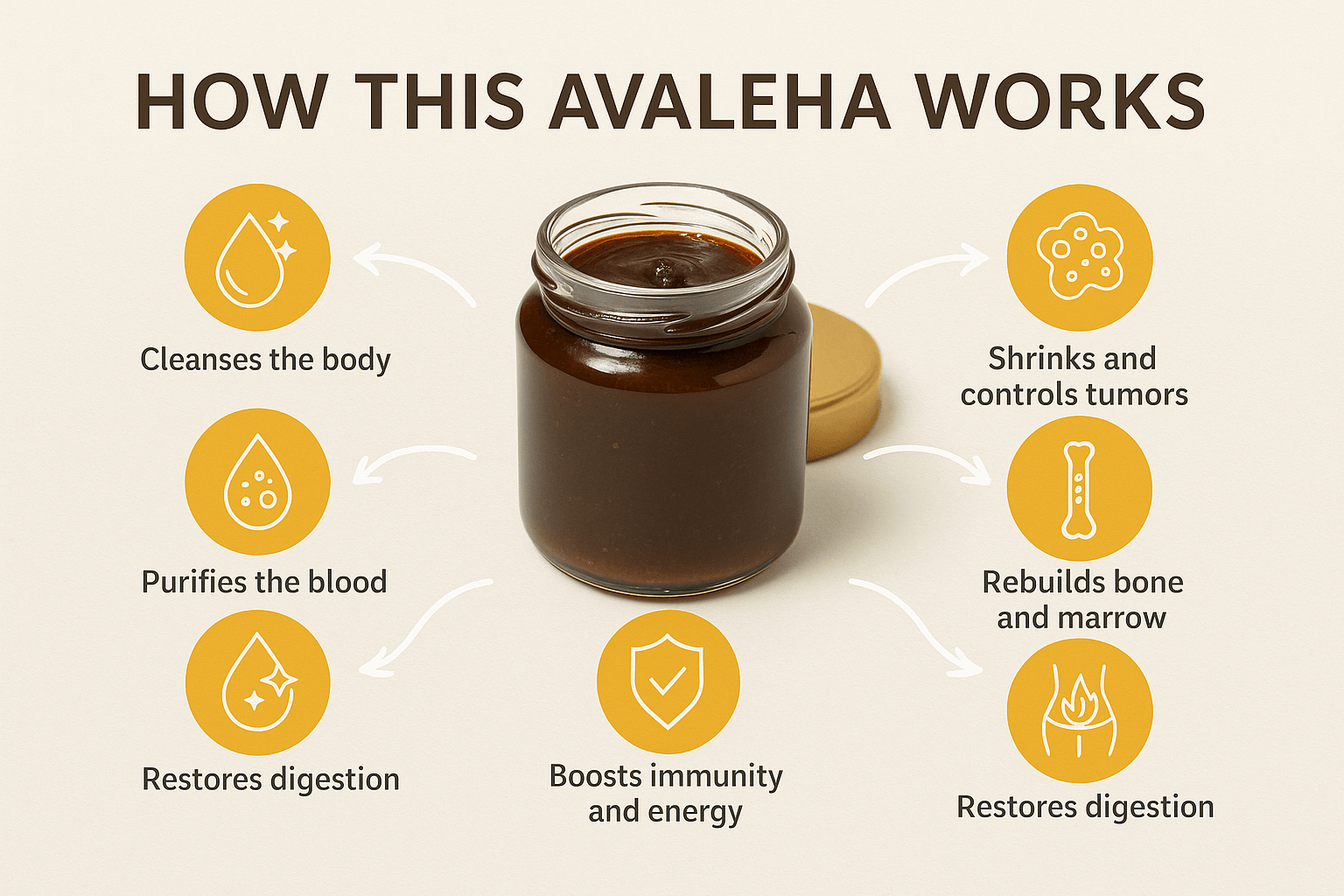
Kanchnar Guggulu Avaleha (Medicine)for Bone Sarcoma
What This Formulation Is
Kanchnar Guggulu Avaleha is a physician-designed Ayurvedic formulation inspired by the classical Kanchnar Guggulu tradition and adapted into an Avaleha form for deeper Rasayana support. Avaleha is a semi-solid, jam-like preparation used in Ayurveda to deliver herbs, ghee, honey, minerals, and Rasayana substances in a nourishing and sustained manner.
For bone sarcoma, including osteosarcoma and Ewing sarcoma, this Avaleha is designed to support the body at multiple levels: abnormal growth control, swelling reduction, bone–marrow nourishment, blood purification, digestion correction, immunity support, pain resilience, and long-term recovery. It should be clearly understood as a supervised integrative Ayurvedic formulation, not an over-the-counter cancer remedy and not a replacement for chemotherapy, surgery, radiation, biopsy, or oncology care.
Classical Foundation
The classical base of this formulation comes from Kanchnar Guggulu, which is traditionally used in conditions involving glandular swelling, Granthi, Apachi, Gandamala, and tumor-like growth patterns. Modern analytical literature confirms that Kanchnar Guggulu is described in classical references including Sharangadhara Samhita and Bhaishajya Ratnavali, and one analytical study specifically examined Kanchnar Guggulu tablets prepared according to these references [50].
In the corrected reference scheme for this article, the main classical reference should be given as Bhaishajya Ratnavali, Galagandadi Roga Chikitsa, Chapter 44, verses 64–69, with the caution that verse numbering may vary by edition. A review of Kanchnar Guggulu also lists its classical references and describes core ingredients such as Kanchnar twak, Triphala, Trikatu, Varuna, Trijataka, Shuddha Guggulu, and honey; it also mentions classical indications including Granthi, Gandamala, Apachi, Gulma, Vrana, Kushta, Bhagandara, and Shlipada [46][50].
For bone sarcoma, this formulation is not presented as a direct textual prescription named for osteosarcoma or Ewing sarcoma. Instead, it is a modern Ayurvedic adaptation built from classical Granthi-Arbuda logic, Asthi–Majja Dhatu support, Rakta Shodhana, Rasayana therapy, and the traditional use of Kanchnar Guggulu in abnormal growth patterns.
Why Avaleha Form Is Chosen
Classical Kanchnar Guggulu is commonly prepared as Gutika or tablet form. In this article, the Avaleha form is proposed as a physician-supervised modification to make the formulation more nourishing, sustained, and suitable for long-term Rasayana support.
This is important in bone sarcoma because patients often suffer from weakness, poor appetite, chemotherapy-related fatigue, tissue depletion, marrow stress, pain, and reduced vitality. A tablet may support Granthi-Kapha-Meda type correction, but an Avaleha can also provide a nourishing base through ghee, honey, jaggery, Rasayana herbs, and selected Bhasma support when clinically appropriate.
The Avaleha form therefore aims to combine two actions: Lekhana and Shodhana to reduce abnormal accumulation, and Brimhana and Rasayana to rebuild strength, bone, marrow, immunity, and Ojas.
Why It Is Relevant to Bone Sarcoma
Bone sarcoma affects deeper tissues. Osteosarcoma involves abnormal bone-producing cells and diseased osteoid formation, while Ewing sarcoma often affects marrow spaces and may produce systemic weakness. From an Ayurvedic view, this makes Asthi Dhatu, Majja Dhatu, Rakta Dhatu, Mamsa Dhatu, Agni, Srotas, and Ojas central to treatment planning.
Kanchnar Guggulu Avaleha is designed around this multi-tissue understanding. Kanchnar, Varuna, and Guggulu support Granthi-Arbuda Shamana and reduction of abnormal growth tendencies. Triphala, Trikatu, Kutki, and Musta support Agni correction, Ama Pachana, and Srotas cleansing. Guduchi, Ashwagandha, Shatavari, and Amalaki-like Rasayana logic support strength, immunity, and recovery. Manjishtha, Neem, Daruharidra, Haridra, Tamra, and Lauh are used conceptually for Rakta Shodhana and inflammatory balance. Laksha, Abhrak Bhasma, Swarna Bhasma, and Heerak Bhasma are included only under expert supervision for Asthi–Majja Rasayana and Ojas support [42][44][46][48][49].
How Patients Should Understand Its Action
Patients should understand this Avaleha in simple terms. It is designed to cleanse, control, rebuild, purify, strengthen, and balance.
It cleanses by improving Agni, reducing Ama, and opening blocked Srotas. It controls abnormal growth through Kanchnar, Varuna, Guggulu, and Granthi-Arbuda Shamana principles. It rebuilds by supporting bone and marrow through Asthi–Majja Rasayana. It purifies by addressing Rakta Dushti and inflammatory heat. It strengthens by improving Ojas, immunity, digestion, appetite, sleep, and recovery potential. It balances by reducing Vata-driven pain, Kapha-driven swelling, and Pitta-Rakta inflammation.
This makes the Avaleha different from a simple herbal supplement. It is a complete Ayurvedic terrain-support formula that works on tumor-like growth patterns and the patient’s internal strength at the same time.
The Six-Level Ayurvedic Mode of Action
The first level is Shodhana and Srotas cleansing. Triphala, Trikatu, Kutki, Musta, and Daruharidra are used to support digestion, reduce Ama, and improve channel clarity. When Srotas are blocked, the body cannot properly nourish tissues or eliminate waste. By improving Srotas function, the formulation prepares the body for deeper Rasayana action.
The second level is Granthi-Arbuda Shamana. Kanchnar, Varuna, and Shuddha Guggulu are the core ingredients for abnormal growth, swelling, stagnation, and hard tissue accumulation. A review of Kanchnar Guggulu describes Kanchnar as important in Granthi Vikara and Galaganda and notes its traditional role in glandular and swelling-related conditions [46].
The third level is Asthi–Majja Rasayana. Bone sarcoma directly affects bone and marrow, so treatment must support Asthi Dhatu and Majja Dhatu. Laksha, Abhrak Bhasma, Heerak Bhasma, Swarna Bhasma, Shatavari, Guduchi, and Ashwagandha are selected according to the patient’s condition to nourish bone, marrow, vitality, and deeper tissue strength [42][48][49][60][61][62].
The fourth level is Rakta Shodhana. Bone sarcoma may present with warmth, swelling, inflammation, vascularity, anemia, systemic symptoms, and spread tendency. Neem, Manjishtha, Daruharidra, Haridra, Lauh Bhasma, and Tamra Bhasma are included conceptually to support Rakta balance, inflammatory control, and healthier tissue communication. This should always be monitored carefully, especially in patients with anemia, low platelets, chemotherapy-induced cytopenia, bleeding tendency, or liver dysfunction.
The fifth level is Ojasvardhana. Cancer and cancer treatment can reduce energy, appetite, sleep, immunity, emotional stability, and resilience. Guduchi, Ashwagandha, Tulsi, Swarna Bhasma, and Rasayana support are used to strengthen Ojas and help the patient tolerate treatment and recovery more effectively [42][52][54][60].
The sixth level is Agni Deepana and pain-supportive balance. Trikatu, Shankha Bhasma, Godanti Bhasma, Haridra, Nirgundi, and related supports may be used according to the patient’s constitution and symptoms. The goal is to improve digestion, reduce toxin formation, support pain control, and prevent the body from becoming too weak during long-term treatment.
Urdu lipi:
کانچنار گگلو اوالہ ایک حکیمانہ آیورویدک تیاری ہے جو رسولی، سوجن، ہڈی، بون میرو، خون، ہاضمہ اور قوتِ مدافعت کو ساتھ ساتھ سہارا دیتی ہے۔
Arabic lipi:
كانشنار غوغولو أفاليها هو تحضير أيورفيدي داعم يهدف إلى دعم الورم، التورم، العظام، نخاع العظم، الدم، الهضم، والمناعة معًا.
For Gulf patients, the key message is that this is not a random herbal jam. It is a physician-supervised Ayurvedic Rasayana formulation designed to support the body’s deeper tissues while modern oncology treats the tumor directly.
Why This Avaleha Is Not One-Size-Fits-All
This formulation must be personalized. A child receiving chemotherapy, an adult after limb-sparing surgery, a patient with lung metastasis, a patient with low blood counts, and a patient with poor digestion cannot receive the same ingredients, same dose, or same intensity.
Ingredients may change depending on age, body strength, Agni, appetite, bowel habits, liver function, kidney function, CBC, chemotherapy cycle, surgery timing, radiation status, pain severity, swelling, fever, anemia, and overall stability. This personalization is not optional. It is the core of safe Ayurvedic practice.
If the patient is weak, the formula may need to be lighter and more digestive. If the patient has severe Vata pain, more Vata-pacifying and nourishing support may be needed. If Kapha swelling dominates, Lekhana and Srotas-clearing herbs may be emphasized. If Pitta-Rakta inflammation is strong, Rakta Shodhana and cooling support may be adjusted. If marrow depletion is severe, Rasayana must be introduced carefully and gradually.
Safety and Physician Supervision
Kanchnar Guggulu Avaleha should be taken only under qualified Ayurvedic physician supervision. This is especially important because the formulation may include potent herbs, Guggulu resin, and herbo-mineral preparations such as Swarna Bhasma, Abhrak Bhasma, Heerak Bhasma, Lauh Bhasma, Tamra Bhasma, and Ras-Rasayana components.
The patient’s oncologist should also know about the formulation. This is necessary because herbs and supplements can interact with chemotherapy, radiation, anesthesia, blood thinners, liver metabolism, kidney function, and blood counts [32]. In international markets, quality control is also essential because unverified Ayurvedic products may carry contamination or heavy-metal risks if they are not properly prepared, purified, and tested [34][37][39].
For global patients in the USA, UK, Canada, Singapore, Australia, and Gulf countries, the safest standard is clear: the formulation should be prescribed, personalized, quality-tested, and medically monitored.
Patient Takeaway
Kanchnar Guggulu Avaleha is a classical-inspired Ayurvedic formulation designed for deep integrative support in bone sarcoma. It is based on Granthi-Arbuda Shamana, Rakta Shodhana, Asthi–Majja Rasayana, Agni correction, Srotas cleansing, and Ojas strengthening.
It should not be presented as a casual supplement or a guaranteed stand-alone cure. Its strongest role is as a supervised Ayurvedic cure-support approach used alongside appropriate modern oncology care. The tumor must be treated with specialist oncology. The patient’s internal strength must be rebuilt through personalized Ayurveda.
Ingredients and Preparation of Medicine – Kanchnar Guggulu Avaleha
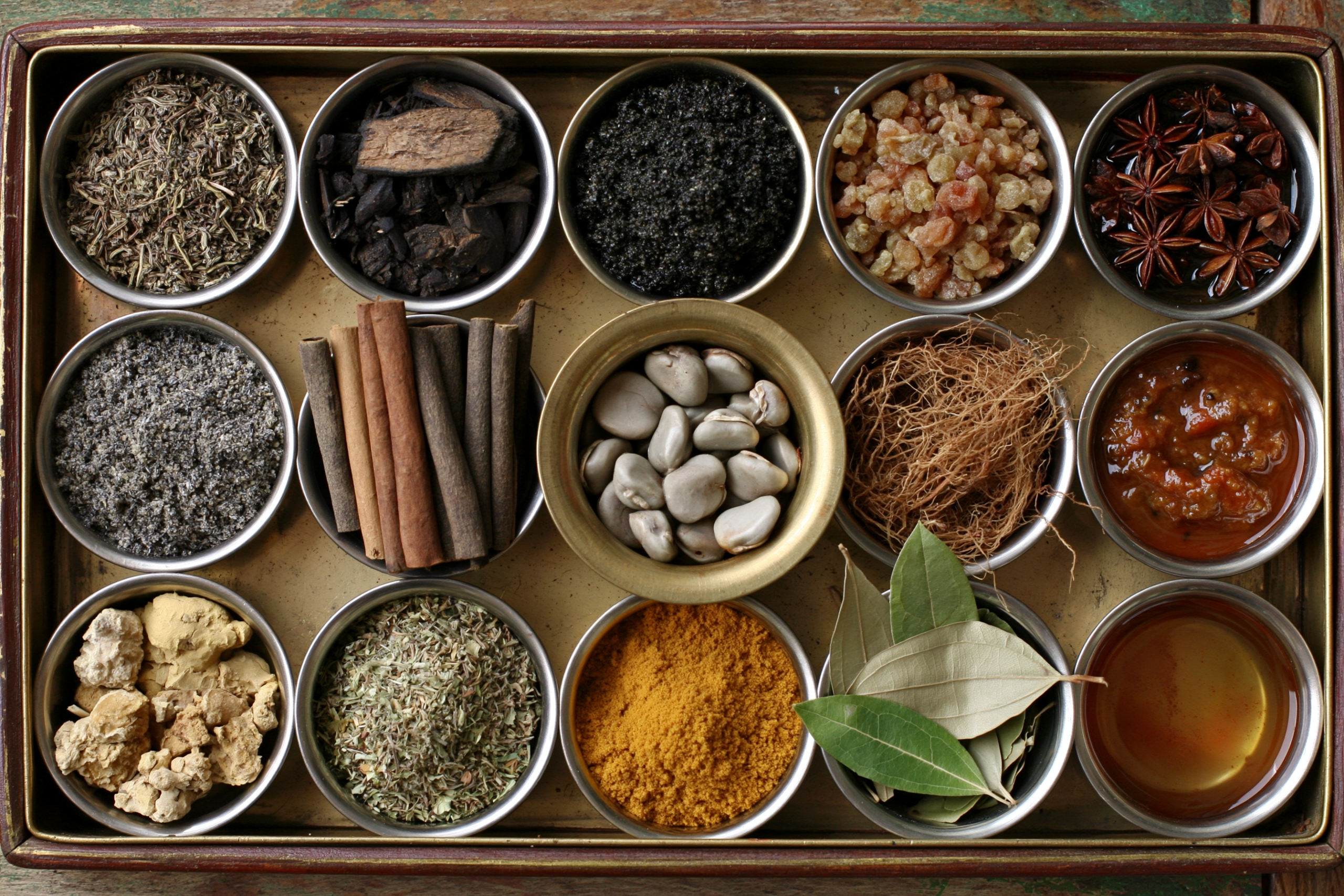
The following formulation is a prototype physician-level Ayurvedic formulation for educational and clinical discussion. It should not be treated as a fixed prescription for every patient. In bone sarcoma, the ingredients, dose, potency, Anupana, and duration may change according to the patient’s age, strength, digestion, blood counts, liver function, kidney function, chemotherapy cycle, surgery timing, radiation status, metastasis, pain, swelling, fever, anemia, and overall health.
For international patients in the USA, UK, Canada, Singapore, Australia, and Gulf countries, this caution is essential. Any Avaleha containing Bhasma, Ras-Rasayana, Guggulu, or strong herbs must be prepared, prescribed, and monitored by a qualified Ayurvedic physician. The oncology team should also be informed.
Batch Size and Yield Clarification
This formula may be described as a clinical prototype batch, not as a rigid “exact 1,000 g final yield.” In Avaleha preparation, the final weight can vary depending on decoction concentration, heat, moisture loss, jaggery consistency, ghee absorption, powder incorporation, and final Paka. Therefore, for professional writing, it is better to say: “Prototype batch; final yield may vary after Avaleha Paka and physician adjustment.”
This correction makes the article more credible because the ingredient weights include decoction, base material, herbs, Guggulu, and mineral fortifications, and the final yield depends on the cooking process.
Decoction Ingredients: Kwatha Dravya
The decoction forms the therapeutic foundation of the Avaleha. These herbs are selected for Granthi-Arbuda Shamana, Srotas cleansing, Rakta Shodhana, Agni correction, and Kapha-Meda regulation.
| Ingredient | Botanical name | Quantity | Main Ayurvedic purpose |
|---|---|---|---|
| Kanchnar bark | Bauhinia variegata | 100 g | Granthi-Arbuda Shamana, swelling reduction |
| Varuna | Crataeva nurvala | 50 g | Lekhana, swelling and channel support |
| Haritaki | Terminalia chebula | 40 g | Vata regulation, mild detoxification |
| Vibhitaki | Terminalia bellirica | 40 g | Kapha regulation, tissue cleansing |
| Amalaki | Emblica officinalis | 40 g | Rasayana, Pitta-Rakta support |
| Shunthi | Zingiber officinale | 20 g | Agni Deepana, Ama Pachana |
| Maricha | Piper nigrum | 20 g | Bioavailability and Kapha reduction |
| Pippali | Piper longum | 20 g | Rasayana, Agni support, channel opening |
| Musta | Cyperus rotundus | 50 g | Pitta-Kapha balance, digestion support |
| Daruharidra | Berberis aristata | 50 g | Rakta Shodhana, inflammatory balance |
| Kutki | Picrorhiza kurroa | 30 g | Pitta regulation, liver and detox support |
These herbs are boiled in approximately 16 times water, which is about 7.36 liters for the above decoction group. The liquid is reduced to one-fourth, approximately 1.84 liters, and filtered carefully. This concentrated decoction becomes the liquid base for the Avaleha.
Avaleha Base
The Avaleha base gives stability, palatability, nourishment, and sustained delivery. It also helps carry the herbal and Rasayana components deeper into the tissues when properly prepared.
| Base ingredient | Quantity | Purpose |
|---|---|---|
| Guda, or jaggery | 800 g | Avaleha body, energy support, binding base |
| Cow ghee | 200 g | Vata pacification, Rasayana carrier, tissue nourishment |
| Honey | 200 g | Yogavahi effect, scraping and channel support |
Honey should be added only after the Avaleha has cooled below 40°C. Heating honey directly is avoided in Ayurveda. This also gives the final preparation a safer and more classical handling method.
Rasayana Herbal Powders
These powders are added after the Avaleha base reaches proper consistency and the temperature has reduced enough to protect the potency of the herbs. They are selected for immunity, marrow strength, inflammation control, blood purification, cognition, pain support, and tissue rebuilding.
| Herb | Botanical name | Quantity | Main purpose |
|---|---|---|---|
| Guduchi | Tinospora cordifolia | 40 g | Rasayana, immunity, Ojas support |
| Ashwagandha | Withania somnifera | 40 g | Strength, anti-stress, tissue support |
| Shatavari | Asparagus racemosus | 20 g | Nourishment, Pitta balance, recovery |
| Haridra | Curcuma longa | 20 g | Inflammation balance, Rakta support |
| Neem | Azadirachta indica | 20 g | Rakta Shodhana, Pitta-Kapha balance |
| Tulsi | Ocimum sanctum | 10 g | Immunity, Prana support |
| Manjishtha | Rubia cordifolia | 10 g | Blood purification, circulation support |
| Brahmi | Bacopa monnieri | 10 g | Mental resilience, nervous system support |
| Nirgundi | Vitex negundo | 10 g | Pain and swelling support |
| Laksha | Laccifer lacca resin | 20 g | Asthi support, fracture and bone healing logic |
The total Rasayana herbal powder group is approximately 200 g. In clinical practice, this group may be modified. For example, if the patient has strong Pitta, heating herbs may be reduced. If digestion is weak, heavy nourishing herbs may be delayed or given in smaller quantity. If the patient is on active chemotherapy with nausea or mucositis, the formula must be gentler.
Guggulu Resin
Shuddha Guggulu is added at approximately 150 g in this prototype. It should always be purified according to classical Shodhana procedure before use.
Guggulu is central to this formulation because it supports Lekhana, Shothahara action, Kapha-Meda regulation, Granthi-related pathology, and channel cleansing. However, it is not suitable in the same dose for every patient. Patients with severe Pitta aggravation, gastritis, bleeding tendency, liver concerns, or strong inflammatory heat may need dose adjustment or alternative handling.
Mineral and Ras-Rasayana Fortifications
This group is the most sensitive part of the formula. These ingredients should not be used casually or commercially without strict supervision, purification, quality testing, and clinical monitoring.
| Ingredient | Quantity | Intended Ayurvedic role |
|---|---|---|
| Swarna Bhasma | 1-2 g | Ojas, immunity, Rasayana support |
| Heerak Bhasma | 0.5 -1 g | Deep Rasayana, cellular resilience |
| Abhrak Bhasma, 100 Puti | 10 g | Majja support, strength, Rasayana |
| Tamra Bhasma | 2 g | Lekhana, Rakta-Meda-Kapha regulation |
| Lauh Bhasma | 10 g | Rakta support, anemia-related weakness |
| Godanti Bhasma | 20 g | Pitta balance, fever and pain support |
| Mukta Sukti Bhasma | 10 g | Pitta pacification, acid balance |
| Praval Pishti | 10 g | Cooling, Pitta-Rakta support |
| Trivanga Bhasma | 5 g | Metabolic and tissue support |
| Rasa Sindoor | 0.5 g | Ras-Rasayana, Yogavahi action |
| Tal Sindoor | 0.5 g | Deep Rasayana action, used only if suitable |
| Shankha Bhasma | 10 g | Agni support, acid balance |
| Sphatika Bhasma | 5 g | Rakta-Pitta and wound-related support |
| Nag Bhasma | 1 g | Used only in selected cases |
| Rajat Bhasma | 2 g | Nervous system, strength, cooling Rasayana |
The total mineral and Ras-Rasayana group in this prototype is approximately 86.1 g. This entire group is optional and must be individualized. In weak patients, pediatric patients, patients receiving intensive chemotherapy, patients with liver or kidney stress, or patients with uncertain product quality, the physician may reduce, delay, replace, or completely omit some mineral components.
Preparation Method: Avaleha Kalpana
The preparation begins with authentication and cleaning of raw herbs. All herbs should be properly identified, free from adulteration, and sourced from a reliable supplier. Guggulu must be purified. Bhasma ingredients must be classical, properly prepared, and laboratory-tested for safety.
The Kwatha Dravya group is boiled in approximately 16 times water and reduced to one-fourth. The decoction is filtered through clean cloth to remove coarse particles. This filtered decoction is then placed on mild heat.
Jaggery is added to the decoction and cooked slowly until the mixture begins to thicken. The cooking should continue until Avaleha Paka is reached. In practical terms, this means the preparation becomes sticky, semi-solid, and capable of forming a soft consistency when tested. Overcooking may harden the preparation, while undercooking may reduce shelf stability.
Cow ghee is added after the jaggery base begins to thicken. The mixture is stirred continuously so that the ghee integrates smoothly into the Avaleha base. This step improves texture, Vata-pacifying quality, and Rasayana delivery.
When the temperature comes down to around 60–70°C, the Rasayana herbal powders and Shuddha Guggulu are added gradually. Continuous mixing is necessary to avoid clumping and ensure uniform distribution.
When the temperature falls below 40°C, the selected Bhasma and Ras-Rasayana ingredients are incorporated carefully. This lower-temperature addition also protects the integrity of temperature-sensitive components and prepares the mixture for honey addition.
Honey is added at the final stage after cooling below 40°C. The mixture is homogenized thoroughly until the texture becomes smooth and uniform. The finished Avaleha is stored in airtight amber glass jars, protected from heat, light, moisture, and contamination.
Quality-Control Standards
For global patients, quality control is not optional. Each batch should ideally be tested for heavy metals, microbial contamination, pesticides, adulterants, and identity of raw drugs. This is especially important when Bhasma, Ras-Rasayana, or imported Ayurvedic materials are used.
The final preparation should have clear labeling, batch number, preparation date, ingredient list, physician name or pharmacy source, dosage instructions, storage guidance, and caution statements. Patients should never use unlabeled, untested, or online “cancer cure” Ayurvedic products.
Storage and Handling
The Avaleha should be stored in clean, dry, airtight amber glass jars. A dry spoon should be used every time. Moisture contamination can spoil the preparation. The jar should not be exposed to direct sunlight or excessive heat.
If the Avaleha develops fungal growth, unusual odor, fermentation, separation, discoloration, or abnormal taste, it should not be consumed. Patients undergoing chemotherapy or immunosuppression must be especially careful about microbial contamination.
Dose and Anupana
The commonly suggested dose is 5–10 g twice daily, but this must be individualized. A weak patient may need a smaller starting dose. A patient with strong digestion may tolerate a standard dose. Pediatric patients require weight, age, digestion, and oncology-cycle-based adjustment.
The Anupana may be lukewarm milk when the goal is Asthi–Majja nourishment, strength, and Vata pacification. It may be lukewarm water when Kapha, swelling, heaviness, or poor digestion dominates. In patients with lactose intolerance, severe Kapha, mucous accumulation, poor appetite, or chemotherapy-related nausea, milk may not be suitable.
When the Formula Should Be Modified
The formula should be modified if the patient has poor appetite, vomiting, diarrhea, constipation, mucositis, liver stress, kidney stress, anemia, low platelets, neutropenia, fever, infection, gastritis, bleeding tendency, high Pitta, severe weakness, or active chemotherapy intolerance.
The formula should also be adjusted around surgery. Herbs or ingredients that may affect bleeding, digestion, wound healing, or anesthesia safety should be reviewed before surgery. The oncologist and Ayurvedic physician should both know the full medicine list.
Gulf Patient Safety Note
Urdu lipi:
اس اوالہ کے اجزاء ہر مریض کے لیے ایک جیسے نہیں ہوتے۔ عمر، طاقت، ہاضمہ، کیموتھراپی، خون کی رپورٹ، جگر اور گردے کی حالت کے مطابق نسخہ بدل سکتا ہے۔
Arabic lipi:
مكوّنات هذا الأفاليها ليست ثابتة لكل مريض. قد تتغير حسب العمر، القوة، الهضم، العلاج الكيميائي، تحاليل الدم، ووظائف الكبد والكلى.
For Gulf patients, the message should be simple and reassuring: this is not a general market product. It is a personalized physician-supervised Ayurvedic preparation that must be adjusted according to the patient’s medical condition.
Patient Takeaway
Kanchnar Guggulu Avaleha should be prepared with proper ingredient authentication, classical method, careful heating, correct addition sequence, purified Guggulu, selected Rasayana herbs, and quality-tested Bhasma only when clinically suitable.
This is not a fixed commercial jam or a one-dose-fits-all product. It is a personalized Ayurvedic formulation that must change according to the patient’s strength, digestion, cancer stage, chemotherapy cycle, blood reports, organ function, and recovery needs.
Safety, Caution, and Quality Standards
Why This Section Is Necessary
Ayurvedic treatment for bone sarcoma must be presented with honesty and responsibility. Bone sarcoma is an aggressive cancer. Osteosarcoma and Ewing sarcoma require proper diagnosis, staging, oncology treatment, and specialist follow-up. Ayurveda can play an important supportive role, but it should never delay biopsy, chemotherapy, surgery, radiation, or emergency care.
This is especially important because the market has real problems. Many patients search online for “natural cancer cure” and may find products with exaggerated claims, unclear ingredients, poor testing, unsafe mineral content, or no physician supervision.
For this reason, the correct message is not “avoid Ayurveda.” The correct message is use safe Ayurveda: physician-prescribed, personalized, quality-tested, oncology-aware, and medically monitored.
Ayurveda Must Not Replace Oncology
Kanchnar Guggulu Avaleha, Rasayana herbs, Bhasma preparations, diet, Panchakarma, yoga, and lifestyle support should not be used as a substitute for modern bone sarcoma treatment. Osteosarcoma and Ewing sarcoma may spread early, especially to the lungs and other bones. The visible tumor and microscopic disease require oncology-led treatment.
The safest model is integrative care. Modern oncology treats the tumor directly. Ayurveda supports the patient’s digestion, strength, immunity, bone–marrow health, pain resilience, sleep, appetite, and long-term recovery. This distinction should be repeated clearly throughout the article.
Why Self-Medication Is Unsafe
Self-medication is dangerous in bone sarcoma because the patient may be receiving chemotherapy, radiation, pain medicines, antibiotics, anticoagulants, anti-nausea medicines, steroids, anesthesia, or blood-supportive medicines. Herbs and supplements can affect drug absorption, liver metabolism, kidney clearance, bleeding risk, immunity, blood counts, and treatment response.
The National Cancer Institute notes that foods and dietary supplements may interact with cancer therapy, and specifically warns that antioxidant supplements taken during chemotherapy or radiation may reduce the chance of staying cancer-free in some treatment contexts [32].
This does not mean all supplements are harmful. It means they must be selected carefully, timed correctly, and disclosed to the oncology team.
Special Caution with Bhasma and Ras-Rasayana
Bhasma-based preparations can be powerful when properly purified, prepared, tested, and prescribed. However, they also require the highest level of safety control. Swarna Bhasma, Abhrak Bhasma, Heerak Bhasma, Tamra Bhasma, Lauh Bhasma, Rasa Sindoor, Tal Sindoor, Nag Bhasma, and similar preparations should never be used casually or bought from unknown online sellers.
The danger is not classical Ayurveda itself. The danger is poor manufacturing, wrong purification, adulteration, contamination, wrong dose, wrong patient selection, and lack of monitoring. Australia’s TGA has reported lead poisoning linked to imported or unregistered Ayurvedic medicines contaminated with lead, mercury, and arsenic [37].
For bone sarcoma patients, this is even more serious because chemotherapy may already stress the liver, kidney, marrow, digestion, and immunity. Any herbo-mineral medicine must be selected only after reviewing medical reports.
Ingredients Get Change for Each Patient
Kanchnar Guggulu Avaleha should not be treated as a fixed formula for everyone. The ingredients, dose, Anupana, duration, and intensity may change according to the patient’s age, weight, digestion, strength, disease stage, chemotherapy cycle, surgery timing, radiation plan, blood counts, liver function, kidney function, pain, swelling, fever, anemia, appetite, sleep, and emotional condition.
A child receiving intensive chemotherapy cannot be treated like an adult in remission. A patient with low platelets cannot be treated like a patient with stable blood counts. A patient with weak digestion cannot be given heavy Rasayana in the same way as a patient with strong Agni. A patient with kidney or liver stress needs special caution.
This is not a weakness of Ayurveda. This is the strength of Ayurveda: treatment is personalized.
Quality Testing Should Be Mandatory
Every serious Ayurvedic formulation used in cancer support should follow strict quality standards. Raw herbs should be authenticated botanically. Guggulu should be purified properly. Bhasma should be prepared according to classical procedure and tested using modern safety methods. Finished products should be checked for heavy metals, microbial contamination, pesticides, aflatoxins, adulterants, and batch consistency.
For Singapore patients, HSA states that traditional medicines are not subject to the same approval and licensing system as some other medicines, but it prohibits added medicinal ingredients such as steroids and sets strict limits for toxic heavy metals [39].
For Canada patients, Health Canada states that products with an NPN or DIN-HM have been authorized for sale in Canada and are considered safe and effective when used according to label instructions [35].
For UK patients, MHRA warns that herbal products can cause adverse reactions and may interact with conventional medicines [38].
What a Safe Ayurvedic Product Should Have
A safe formulation should have a clear ingredient list, batch number, preparation date, expiry or best-before date, manufacturer or pharmacy details, physician prescription, dosage instructions, storage instructions, and quality-testing documentation. If Bhasma is used, there should be evidence of proper purification, classical preparation, and modern safety testing.
Patients should avoid products that promise guaranteed cancer cure, hide ingredients, do not disclose mineral content, have no batch number, are sold only through social media claims, or ask the patient to stop chemotherapy or surgery.
Safety During Chemotherapy
During chemotherapy, the patient may develop nausea, vomiting, mouth ulcers, low blood counts, infection risk, fatigue, appetite loss, constipation, diarrhea, liver stress, kidney stress, or weakness. Ayurvedic support during this period should be gentle and carefully timed.
Strong detoxification, aggressive Panchakarma, high-dose herbs, heavy Rasayana, or unmonitored Bhasma should generally be avoided during unstable blood counts or active chemotherapy intolerance. Support should focus on digestion, appetite, hydration, bowel regularity, sleep, mild Rasayana when appropriate, and physician-approved strength support.
If the patient develops fever, severe vomiting, diarrhea, mouth ulcers, bleeding, jaundice, confusion, sudden weakness, or signs of infection, Ayurvedic medicines should be paused and urgent medical evaluation should be done.
Safety Before and After Surgery
Before surgery, patients should disclose all Ayurvedic medicines, herbs, supplements, oils, Avaleha, and Bhasma to the surgical and anesthesia team. Some medicines may affect bleeding risk, digestion, liver metabolism, or anesthesia safety. The Ayurvedic physician should adjust or temporarily stop medicines when needed.
After surgery, Ayurvedic care may support digestion, sleep, pain resilience, Vata balance, tissue repair, and strength rebuilding. However, medicines should be restarted only after assessing wound status, infection risk, digestion, blood reports, and surgeon guidance.
Safety During Radiation Therapy
During radiation therapy, patients may experience fatigue, skin irritation, inflammation, appetite changes, or localized discomfort. Ayurvedic support should be gentle and should avoid unapproved high-dose supplements unless cleared by the oncology team. This is important because some supplements may interfere with cancer treatment response [32].
Ayurveda may support hydration, Pitta balance, sleep, digestion, and recovery, but radiation should not be delayed or interrupted without oncologist approval.
Warning Signs to Stop and Report
Patients should stop the formulation and contact their physician if they develop unusual fatigue, severe abdominal pain, repeated vomiting, diarrhea, constipation with severe discomfort, yellow eyes, dark urine, skin rash, itching, bleeding, fever, confusion, dizziness, tingling, numbness, swelling of face or limbs, reduced urination, or sudden worsening of weakness.
These symptoms may be due to infection, chemotherapy toxicity, liver or kidney stress, drug interaction, disease progression, or product-related adverse reaction. They should not be ignored or explained away as “detox.”
Gulf Patient Safety Note
Urdu lipi:
یہ اوالہ خود سے استعمال نہیں کرنا چاہیے۔ ہر مریض کی عمر، طاقت، ہاضمہ، کیموتھراپی، خون کی رپورٹ، جگر، گردے اور بیماری کے مرحلے کے مطابق دوا بدل سکتی ہے۔
Arabic lipi:
لا ينبغي استخدام هذا الأفاليها بدون إشراف طبي. قد تتغير المكوّنات والجرعة حسب العمر، القوة، الهضم، العلاج الكيميائي، تحاليل الدم، الكبد، الكلى، ومرحلة المرض.
For Gulf patients, the message should be direct: safe Ayurveda is not a market product. It is a physician-supervised, personalized, quality-tested treatment support system.
Diet and Lifestyle for Bone Sarcoma Recovery
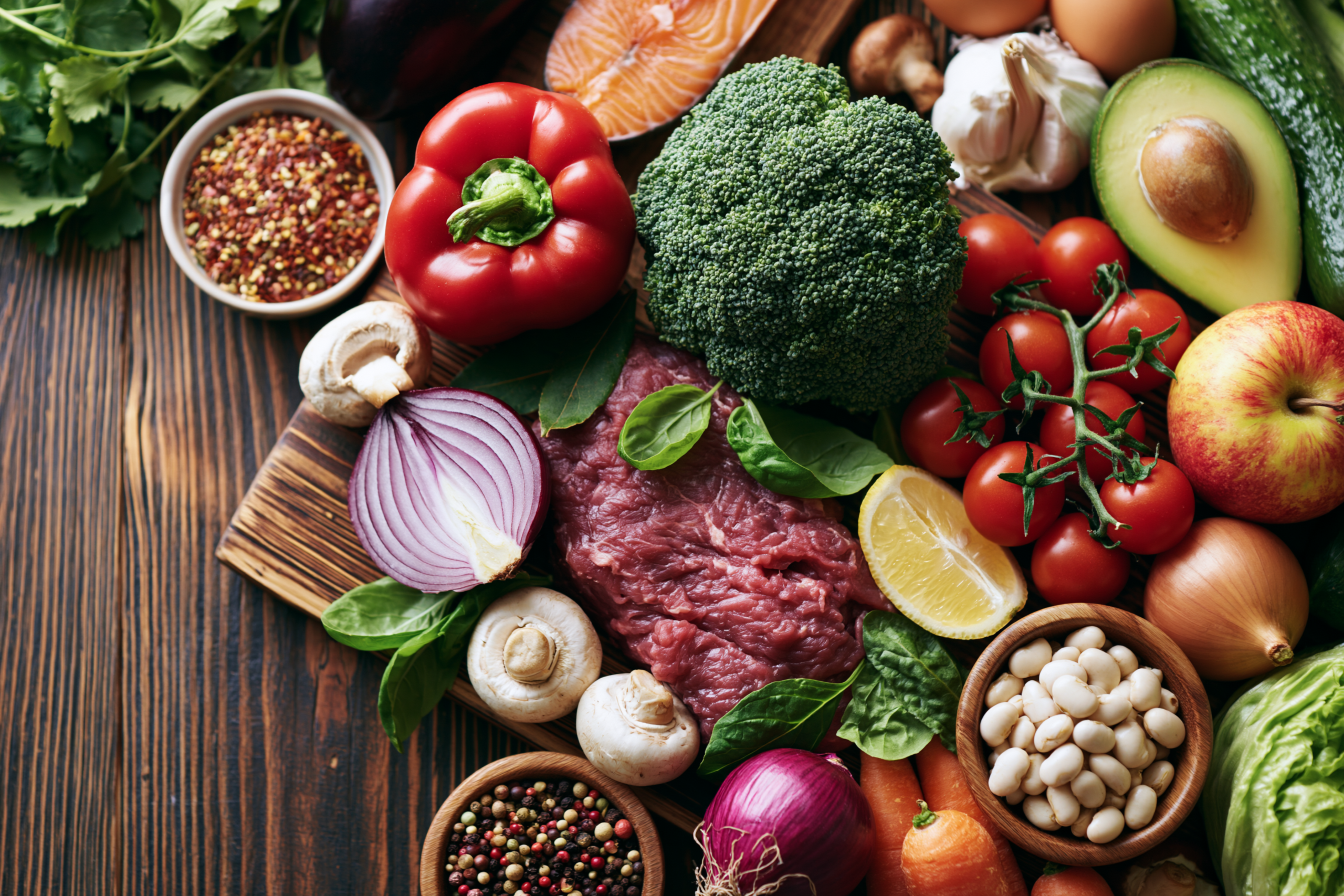
Why Diet and Lifestyle Matter
Diet and lifestyle cannot replace chemotherapy, surgery, radiation, biopsy, staging, or specialist oncology care. However, they can strongly influence how well a patient tolerates treatment, maintains strength, preserves weight, supports immunity, heals after surgery, and recovers after chemotherapy.
For bone sarcoma patients, food is not only about calories. It is about maintaining muscle, supporting marrow function, protecting digestion, reducing unnecessary inflammation, preserving energy, and improving quality of life. The American Cancer Society states that eating well during cancer treatment may help patients keep up strength and energy, maintain weight and nutrient stores, better tolerate side effects, lower infection risk, and heal and recover more effectively.
From an Ayurvedic perspective, diet is central because food directly influences Agni, Ama, Rakta Dhatu, Asthi Dhatu, Majja Dhatu, and Ojas. If digestion is weak, even good medicines and nourishing foods may not be properly absorbed. If Ama accumulates, the body becomes heavier, weaker, more inflamed, and less resilient. Therefore, the goal is not extreme dieting. The goal is digestible nourishment.
The Main Diet Goal During Bone Sarcoma Treatment
The main goal is to keep the patient nourished enough to continue treatment. Many patients lose appetite during chemotherapy. Some develop nausea, mouth ulcers, taste changes, constipation, diarrhea, fatigue, or early fullness. In these situations, the best diet is the one the patient can digest, tolerate, and repeat safely.
The National Cancer Institute advises patients with eating problems during cancer treatment to focus on high-protein and high-calorie foods when needed, eat high-protein foods first, add extra protein and calories to meals, and drink fluids between meals when appetite is low. This is especially relevant for bone sarcoma patients because treatment may continue for months, and weakness can build gradually.
In Ayurvedic language, this means food should protect Bala and Ojas without overloading Agni.
Foods That Support Strength and Recovery
Bone sarcoma patients generally need a balanced diet that includes adequate protein, healthy fats, carbohydrates, fluids, vitamins, and minerals. Protein is especially important because it supports wound healing, muscle maintenance, immune function, and recovery after chemotherapy or surgery.
Good protein sources may include mung dal, lentils, beans, tofu, paneer if tolerated, yogurt if tolerated, eggs, fish, chicken, or other lean proteins depending on the patient’s diet preference, digestion, culture, and medical advice. For vegetarian patients, mung dal, lentils, chickpeas, soy foods, nuts, seeds, milk, curd, and paneer may be considered according to tolerance.
Warm soups, cooked vegetables, rice, barley, oats, mung dal khichadi, soft stews, bone-supportive mineral-rich foods, and small amounts of ghee may be helpful when digestion is weak. Cancer Research UK advises patients preparing for treatment to eat a varied diet and drink plenty of fluids to help maintain weight and prepare the body for treatment.
Ayurvedic Food Logic for Asthi and Majja Support
Since bone sarcoma affects Asthi Dhatu and Majja Dhatu, the diet should support tissue rebuilding without creating heaviness. Milk, ghee, sesame, almonds, dates, mung dal, cooked grains, and nourishing soups may support strength in selected patients. However, these foods are not suitable for everyone in the same way.
If the patient has strong digestion and weight loss, nourishing foods with milk, ghee, dates, almond preparations, and Rasayana support may be useful. If the patient has Kapha dominance, swelling, heaviness, mucus, poor appetite, nausea, or slow digestion, the same foods may worsen symptoms. In such cases, lighter meals, warm water, digestive herbs, and smaller portions are safer.
This is why Ayurvedic diet must be personalized. The same “bone-strengthening” food can help one patient and burden another.
What to Eat When Appetite Is Low
Loss of appetite is common during chemotherapy and advanced disease. The patient should not be forced to eat large meals. Small, frequent meals are often better than three heavy meals. Warm soups, smoothies, soft khichadi, yogurt-based preparations if tolerated, protein drinks approved by the oncology team, and easy-to-digest foods may help.
The NCI recommends bland, soft, easy-to-digest foods rather than heavy meals for certain treatment-related eating problems, and also suggests dry foods such as toast or crackers when nausea is present. From an Ayurvedic view, this approach protects Agni by reducing digestive burden.
If appetite remains poor, the patient should be assessed for nausea, constipation, mouth ulcers, depression, uncontrolled pain, infection, anemia, or treatment toxicity. Poor appetite should not be ignored.
What to Eat During Nausea or Vomiting
During nausea, food should be simple, light, and low odor. Strong smells, spicy foods, oily meals, fried foods, and large portions may worsen nausea. Some patients tolerate cool or room-temperature foods better because they produce less smell. Others prefer warm fluids and light soups.
From an Ayurvedic view, nausea may reflect disturbed Agni, Ama, Pitta aggravation, medication effects, or chemotherapy toxicity. Gentle ginger support may help some patients, but it is not suitable for everyone, especially those with severe acidity, bleeding risk, or medication interactions. The safest approach is to coordinate with the oncology team for anti-nausea medicines and use Ayurvedic digestive support only when appropriate.
What to Eat During Mouth Ulcers
Mouth ulcers can make eating painful. In this phase, the patient may tolerate soft, moist, non-spicy foods better. Soups, porridge, soft rice, smoothies, yogurt if tolerated, mashed vegetables, and mild protein preparations may be easier. Very spicy, acidic, rough, salty, or hot foods may irritate the mouth.
Ayurveda would view this as Pitta-Rakta irritation with impaired tissue healing. Cooling and soothing foods may be used, but the patient must also report mouth ulcers to the oncology team because severe mucositis can affect hydration, nutrition, infection risk, and chemotherapy planning.
What to Avoid
Patients should avoid extreme diets unless specifically supervised by a qualified oncology dietitian or physician. Starvation diets, prolonged fasting, juice-only diets, unsupervised ketogenic diets, raw-food-only regimens, and aggressive detox programs can be risky during cancer treatment. They may worsen weight loss, reduce protein intake, weaken immunity, disturb electrolytes, and make chemotherapy harder to tolerate.
The patient should also avoid alcohol, smoking, ultra-processed foods, excessive sugar, reheated stale foods, contaminated foods, and heavy fried meals. Ayurveda additionally advises avoiding foods that produce Ama, such as stale, excessively oily, incompatible, very cold, or difficult-to-digest meals.
The purpose is not to create fear of food. The purpose is to protect digestion and recovery.
Food Safety During Low Immunity
Chemotherapy may reduce white blood cells and increase infection risk. During such times, food hygiene becomes very important. Patients should eat freshly prepared food, wash hands before meals, avoid spoiled or contaminated food, avoid unsafe street food, and be cautious with raw or undercooked meat, eggs, seafood, and unpasteurized products.
For patients with neutropenia or repeated infections, the oncology team may give specific food safety instructions. Ayurveda should not contradict these instructions. Fresh, clean, well-cooked, digestible food is compatible with both modern food safety and Ayurvedic Agni protection.
Hydration and Electrolyte Balance
Hydration supports kidney function, chemotherapy tolerance, bowel movement, appetite, and energy. Patients should drink according to medical advice, especially if they have kidney issues, vomiting, diarrhea, fever, or chemotherapy-related dehydration.
Warm water, herbal water prescribed by the physician, thin soups, coconut water if appropriate, oral rehydration solution when medically advised, and clear fluids may be used according to the patient’s condition. In Ayurveda, warm water is often preferred when Ama, Kapha, heaviness, or poor digestion is present. However, patients with dehydration, electrolyte imbalance, or kidney problems need medical guidance.
Lifestyle During Active Treatment
Lifestyle should be gentle and realistic. The goal is not intense exercise or strict discipline. The goal is rhythm, rest, movement, emotional stability, and recovery.
Sleep should be protected because poor sleep worsens fatigue, pain sensitivity, appetite, and emotional distress. Gentle movement, if approved by the oncology and rehabilitation team, can help maintain circulation, muscle strength, confidence, and joint mobility. Patients should avoid overexertion, especially during low blood counts, fever, severe fatigue, uncontrolled pain, or after surgery.
Breathing practices, guided relaxation, meditation, prayer, light stretching, and family support can reduce stress and improve emotional resilience. From an Ayurvedic perspective, this supports Vata balance and Ojas preservation.
Lifestyle After Surgery
After surgery, nutrition and movement must be aligned with the surgical plan. Protein, calories, hydration, and micronutrients support wound healing. Physiotherapy supports mobility, strength, posture, and confidence. The patient should not begin massage, oil therapy, strong yoga, or external Ayurvedic treatments near the surgical site without clearance from the surgeon.
Vata often increases after surgery because of pain, tissue injury, fear, sleep disruption, and mobility limitation. Ayurveda may support recovery through warm food, stable routine, gentle oiling away from the surgical area if approved, sleep support, bowel regulation, and Rasayana after the acute healing phase.
Lifestyle During Remission and Follow-Up
After active treatment, the patient may still experience fatigue, weakness, fear, stiffness, appetite changes, or emotional stress. This is where long-term diet and lifestyle become very important.
The diet should gradually shift toward balanced nourishment: adequate protein, cooked vegetables, whole grains, healthy fats, herbs and spices suitable for digestion, and regular hydration. Ayurveda focuses on maintaining Agni, preventing Ama, supporting Ojas, and rebuilding Asthi–Majja Dhatu.
Follow-up scans and oncology visits should never be skipped. Lifestyle support reduces vulnerability and improves quality of life, but it does not replace surveillance.
Gulf Patient Diet Connection
Urdu lipi:
ہڈی کے کینسر میں غذا کا مقصد صرف پیٹ بھرنا نہیں، بلکہ ہاضمہ، طاقت، بون میرو، خون، قوتِ مدافعت اور اوجس کو سہارا دینا ہے۔
Arabic lipi:
في سرطان العظام، الهدف من الغذاء ليس الشبع فقط، بل دعم الهضم، القوة، نخاع العظم، الدم، المناعة، والأوجاس.
For Gulf patients, familiar foods can be adapted safely. Lentil soups, rice, soft cooked vegetables, dates in moderation, milk if tolerated, yogurt if suitable, fish, lean meats, olive oil, and warm herbal drinks may be used according to digestion and medical status. Very heavy, oily, excessively sweet, or late-night meals may worsen digestion and fatigue.
Patient Takeaway
Diet and lifestyle are not a cure for bone sarcoma, but they are essential for treatment tolerance and recovery. The best diet is nourishing, digestible, clean, personalized, and compatible with chemotherapy, surgery, radiation, and the patient’s digestion.
Modern nutrition focuses on strength, protein, calories, hydration, and treatment tolerance. Ayurveda adds Agni, Ama, Srotas, Asthi–Majja nourishment, Rakta balance, and Ojas. Together, they help the patient remain stronger during treatment and rebuild more steadily after it.
Support During Chemotherapy, Surgery, and Radiation
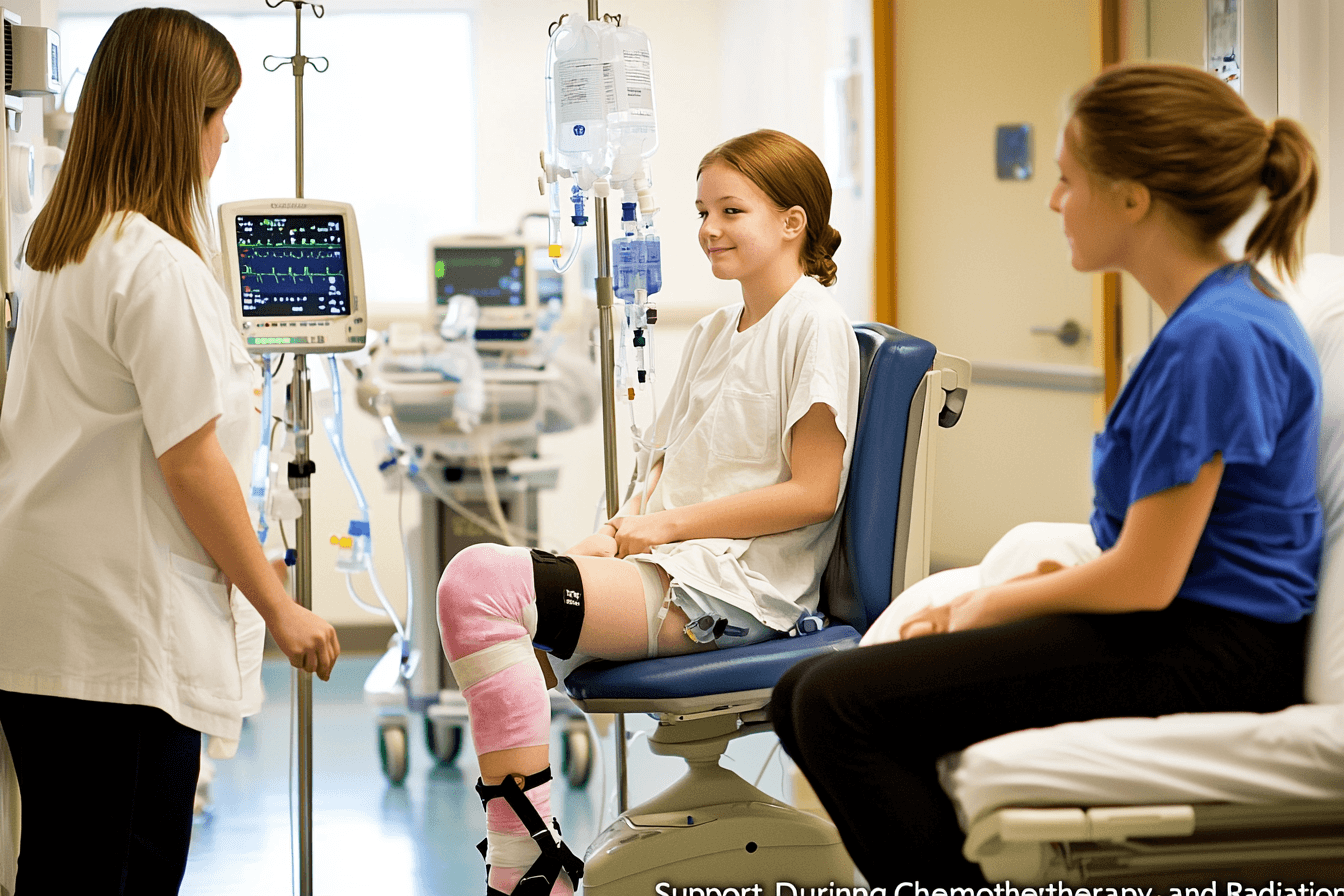
Why Supportive Care Is Essential
Bone sarcoma treatment can be intense. Osteosarcoma usually requires chemotherapy and surgery, while Ewing sarcoma usually requires chemotherapy with surgery and/or radiation depending on the tumor site, spread, and response to treatment [18][19]. The National Cancer Institute describes Ewing sarcoma treatment as including multidrug chemotherapy, surgery, and radiation therapy, while osteosarcoma treatment commonly requires systemic chemotherapy and local tumor control.
Supportive care does not mean weak or secondary care. It is the care that helps patients complete treatment with fewer interruptions, better strength, better digestion, safer recovery, and improved quality of life. A patient may receive the correct chemotherapy protocol, but if appetite collapses, blood counts fall, sleep is poor, pain is uncontrolled, or infection develops, the treatment journey becomes harder.
From an Ayurvedic perspective, this phase requires protection of Agni, Bala, Ojas, Rakta Dhatu, Asthi Dhatu, and Majja Dhatu. The goal is not aggressive detoxification during active treatment. The goal is to keep the patient stable, nourished, digesting, sleeping, eliminating properly, and strong enough to continue the oncology plan.
Support During Chemotherapy
Chemotherapy is used to destroy cancer cells and microscopic disease that may not be visible on scans. In osteosarcoma, chemotherapy is commonly given before and after surgery. In Ewing sarcoma, multi-agent chemotherapy is central because the disease is treated as systemic from the beginning [18][19].
During chemotherapy, patients may experience nausea, vomiting, loss of appetite, mouth ulcers, constipation, diarrhea, fatigue, low blood counts, infection risk, hair loss, taste changes, sleep disturbance, emotional stress, and weakness. The support plan should focus on keeping the patient hydrated, nourished, mentally stable, and medically monitored.
Ayurvedic care during chemotherapy should be gentle and phase-specific. The focus should be on improving digestion, reducing Ama formation, supporting appetite, maintaining bowel regularity, calming Vata, protecting sleep, and building mild Ojas support. Heavy Rasayana, strong Panchakarma, aggressive Virechana, unmonitored Basti, or high-dose mineral preparations should not be used when the patient is weak, vomiting, febrile, neutropenic, severely anemic, or medically unstable.
Food and supplement interactions must also be handled carefully. The National Cancer Institute warns that foods and dietary supplements may interact with cancer therapy, and antioxidant supplements during chemotherapy or radiation may reduce the chance of staying cancer-free in some treatment contexts [32]. This is why every herb, supplement, Avaleha, Rasayana, Bhasma, vitamin, or herbal tea should be disclosed to the oncologist.
Ayurvedic Priorities During Chemotherapy
The Ayurvedic priority during chemotherapy is not to “detox” the patient aggressively. Chemotherapy itself is already a major physiological stress. The correct Ayurvedic priority is supportive stabilization.
Agni should be protected with light, warm, digestible food and physician-selected digestive support. Vata should be controlled through routine, warmth, rest, bowel regulation, and pain support. Ojas should be protected through sleep, nourishment, emotional calm, and mild Rasayana when the patient can tolerate it. Rakta and Majja should be monitored through blood reports, because chemotherapy can affect marrow function.
Kanchnar Guggulu Avaleha may need dose adjustment during chemotherapy. In some patients, only a small supportive dose may be suitable. In others, the physician may pause the Avaleha during the most intense chemotherapy days and restart when appetite, bowel function, and blood counts are stable. This flexibility is important because the same formula cannot be used in the same way throughout the entire treatment cycle.
When to Pause Ayurvedic Medicines During Chemotherapy
Ayurvedic medicines should be paused and reviewed if the patient develops fever, severe vomiting, uncontrolled diarrhea, mouth ulcers preventing food intake, bleeding, jaundice, dark urine, severe abdominal pain, confusion, sudden weakness, reduced urination, rash, breathlessness, or signs of infection. These symptoms should not be dismissed as “healing reaction” or “detox.”
In a bone sarcoma patient, fever during chemotherapy can be urgent because low white blood cell counts may increase infection risk. The patient should contact the oncology team immediately if fever occurs during chemotherapy. Ayurvedic support can resume only after medical stability is confirmed.
Support Before Surgery
Surgery is used to remove the primary tumor when possible. In osteosarcoma, surgery is usually a major part of treatment. In Ewing sarcoma, surgery may be used alone or with radiation depending on the tumor site and feasibility. Before surgery, the patient’s body should be prepared carefully.
The pre-surgery goal is to improve strength, nutrition, sleep, bowel movement, hydration, emotional stability, and infection prevention. The patient should also inform the surgeon and anesthetist about every Ayurvedic medicine, supplement, oil, Avaleha, Rasayana, or Bhasma being taken. Some products may need to be stopped before surgery because of bleeding risk, anesthesia concerns, digestion issues, or possible drug interactions.
From an Ayurvedic view, pre-surgery care should be gentle and strengthening. Strong detoxification is usually not appropriate close to surgery. The focus should be on stable Agni, good sleep, calm Vata, adequate protein, clean food, and emotional reassurance.
Support After Surgery
After surgery, the patient needs wound healing, pain control, infection prevention, physiotherapy, bowel regulation, sleep support, and gradual mobility restoration. If limb-sparing surgery was performed, rehabilitation may be long and requires patience. If amputation was required, the patient may need prosthetic training, emotional support, pain management, and confidence rebuilding.
Ayurveda can support the post-surgical phase by focusing on Vata pacification, Agni restoration, tissue nourishment, sleep support, bowel regularity, and Rasayana after the acute wound phase. However, oils, massage, lepa, external therapies, or strong herbs should not be used near the surgical site unless cleared by the surgical team.
Kanchnar Guggulu Avaleha may be restarted only when digestion is stable, the wound is healing properly, there is no active infection, and the physician judges that the patient can tolerate it. If the patient has poor appetite, constipation, nausea, fever, or wound complications, the formulation may need to be delayed or modified.
Support During Radiation Therapy
Radiation therapy has a stronger role in Ewing sarcoma than in osteosarcoma. It may be used when surgery is not possible, when the tumor is in a difficult location, when microscopic disease may remain after surgery, or for symptom control in selected cases [19]. NCI patient guidance notes that Ewing sarcoma treatment may involve chemotherapy and/or radiation followed by surgery to remove remaining cancer in certain situations.
During radiation therapy, patients may experience fatigue, skin irritation, appetite changes, local inflammation, pain, swelling, or site-specific symptoms depending on the treated area. Pelvic radiation, chest radiation, spine radiation, and limb radiation may all produce different side-effect patterns.
Ayurvedic support during radiation should focus on Pitta balance, hydration, digestion, sleep, gentle nourishment, and recovery. High-dose supplements, antioxidant megadoses, or unapproved herbal combinations should be avoided unless cleared by the oncology team because of possible interactions with treatment response [32].
Managing Fatigue During Treatment
Fatigue is one of the most common and distressing problems during bone sarcoma treatment. It may be caused by chemotherapy, radiation, surgery, anemia, poor sleep, pain, emotional stress, low appetite, infection, or disease burden. The solution is not simply “rest more.” The cause must be identified.
Modern care may assess blood counts, infection, nutrition, pain medicines, sleep, thyroid or metabolic issues, and treatment toxicity. Ayurveda assesses Agni, Ojas, Bala, Vata aggravation, Dhatu depletion, and Ama. The best plan combines both.
The patient should follow a rhythm of rest and gentle movement. Complete inactivity can worsen weakness, but overexertion can worsen fatigue. Short walks, breathing practices, physiotherapy-guided movement, and restorative routines may help when medically appropriate.
Managing Pain During Treatment
Bone sarcoma pain can be deep, severe, and emotionally exhausting. Pain may come from the tumor, fracture, surgery, nerve compression, swelling, chemotherapy effects, or radiation-related inflammation. Pain should be treated seriously.
Modern pain control may include analgesics, anti-inflammatory medicines when safe, neuropathic pain medicines, radiation for painful lesions, surgery, physiotherapy, and palliative care support. Ayurveda adds Vata-pacifying care, warm digestible food, sleep support, bowel regulation, gentle external measures where appropriate, and physician-selected herbs for pain and swelling.
Patients should not reduce prescribed pain medicines suddenly without medical advice. Severe pain can disturb sleep, appetite, immunity, mood, and recovery. Good pain control is part of good cancer care.
Managing Digestion and Appetite During Treatment
Digestion often becomes unstable during chemotherapy and radiation. Some patients feel nausea and cannot eat. Others develop constipation from pain medicines or reduced movement. Some develop diarrhea, mouth ulcers, or taste changes. The American Cancer Society notes that eating well during cancer treatment may help patients keep strength and energy, maintain weight and nutrient stores, tolerate side effects, lower infection risk, and recover more effectively.
Ayurveda places Agni at the center of recovery. If Agni is weak, heavy Rasayana may not help. The patient may first need simple food, warm fluids, small meals, digestive correction, and bowel regulation. Once digestion improves, stronger nourishment and Rasayana can be introduced gradually.
Emotional and Family Support During Treatment
Bone sarcoma treatment can affect the entire family. Children may fear hospital visits, hair loss, injections, surgery, or missing school. Teenagers may worry about appearance, independence, fertility, mobility, and social life. Adults may worry about work, finances, recurrence, pain, and family responsibilities.
Emotional care should be part of the treatment plan. Counseling, support groups, family education, meditation, prayer, breathing practices, and clear communication with doctors can reduce fear. Ayurveda also recognizes the importance of Sattva, mental steadiness, routine, sleep, and emotional nourishment in healing.
Patients should not be made to feel weak for feeling afraid. Fear is natural. A good care plan gives information, structure, and support.
Fertility and Long-Term Effects
Some chemotherapy drugs and radiation fields may affect fertility. This is especially important for teenagers, young adults, and parents of children undergoing treatment. Fertility preservation should be discussed before starting treatment whenever possible.
Long-term effects may include fatigue, growth concerns in children, heart or kidney monitoring depending on drugs used, limb function issues, prosthesis needs, emotional trauma, school or work disruption, and fear of recurrence. These concerns should be discussed early, not after treatment ends.
Ayurvedic recovery support can help with strength, digestion, sleep, Ojas, and tissue rebuilding, but it does not replace medical long-term follow-up.
Gulf Patient Connection
Urdu lipi:
کیموتھراپی، سرجری اور ریڈی ایشن کے دوران آیوروید کا مقصد علاج کو روکنا نہیں، بلکہ ہاضمہ، طاقت، نیند، درد، بون میرو، خون اور قوتِ مدافعت کو سہارا دینا ہے۔
Arabic lipi:
أثناء العلاج الكيميائي والجراحة والإشعاع، لا تهدف الأيورفيدا إلى إيقاف العلاج، بل إلى دعم الهضم، القوة، النوم، الألم، نخاع العظم، الدم، والمناعة.
For Gulf patients, the message should be clear: Ayurveda can be used as supportive care only when it is coordinated with the oncology team, personalized by a qualified physician, and adjusted according to blood reports and treatment phase.
Patient Takeaway
Support during chemotherapy, surgery, and radiation is not optional. It helps the patient complete treatment, maintain strength, reduce avoidable complications, recover mobility, and rebuild confidence.
Modern oncology treats the cancer directly. Ayurveda supports the patient through Agni correction, Vata balance, Ojas strengthening, digestion support, pain resilience, sleep support, Asthi–Majja nourishment, and careful Rasayana therapy. The safest approach is supervised integration, not self-medication and not treatment delay.
Follow-Up and Recurrence Prevention Support
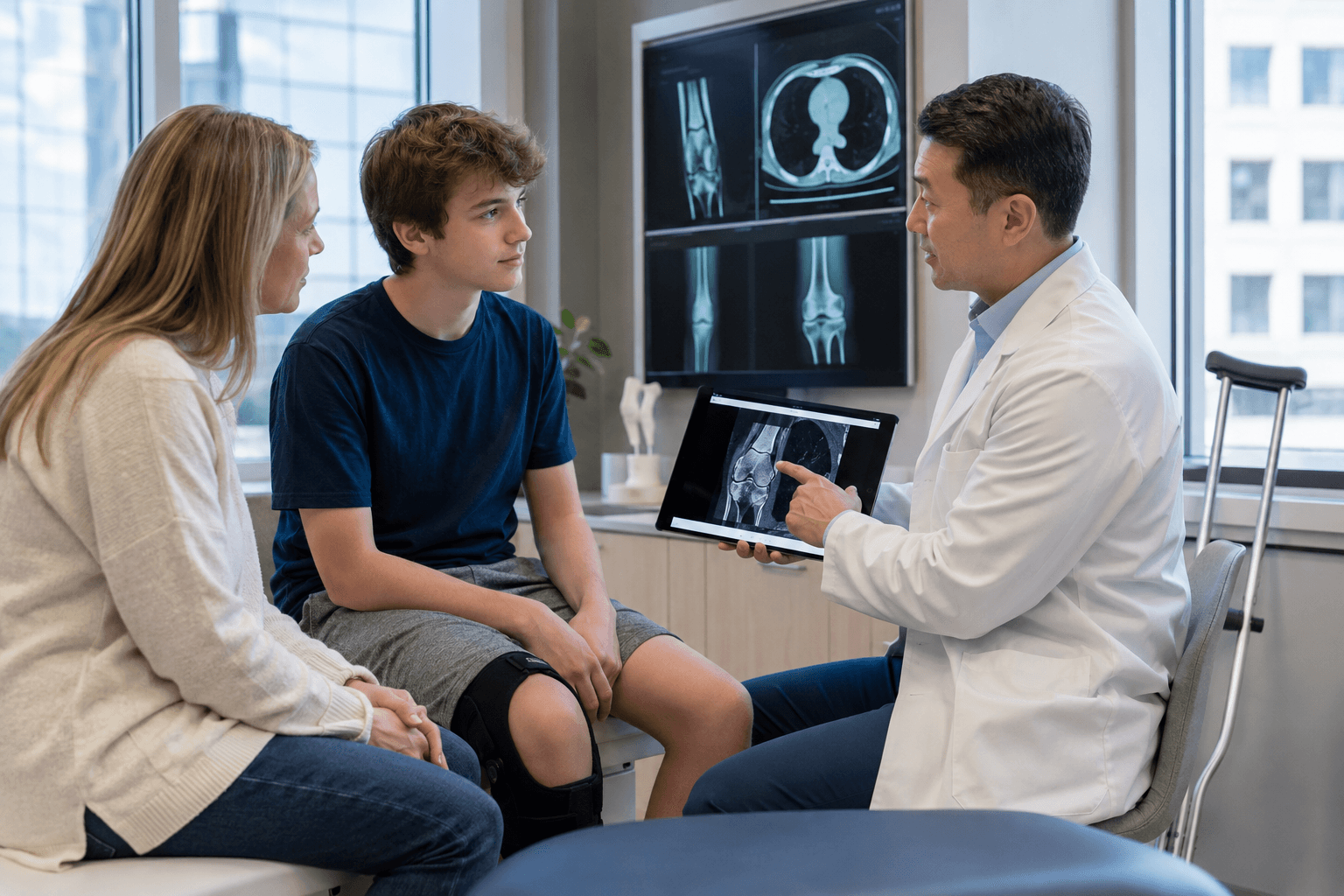
Why Follow-Up Matters After Bone Sarcoma Treatment
Finishing chemotherapy, surgery, or radiation does not mean the care journey is over. Bone sarcoma patients need regular follow-up because doctors must watch for recurrence, late side effects, reconstruction problems, mobility issues, emotional distress, and long-term recovery needs. Cancer Research UK explains that follow-up after bone cancer treatment includes regular check-ups, tests, and scans, and that the exact follow-up depends on the type of bone cancer, treatment received, symptoms, and side effects.
Follow-up is not meant to frighten patients. It is meant to protect them. If recurrence is detected early, the oncology team can act faster. If late effects from chemotherapy, radiation, or surgery are found early, they can be managed before they become more serious.
The Highest-Risk Period for Recurrence
The risk of recurrence is usually highest in the early years after completing treatment. The Canadian Cancer Society states that childhood bone cancer recurrence is greatest within 18 months after treatment for osteosarcoma and within 2 years after treatment for Ewing sarcoma, and close follow-up is usually done during the first 5 years.
This does not mean recurrence cannot happen later. It means the early follow-up period is especially important. Patients should not miss appointments because they feel well. Some recurrences may be detected before symptoms become obvious.
How Often Follow-Up Is Usually Done
Follow-up schedules can vary by hospital, country, tumor type, stage, treatment response, and patient condition. Cancer Research UK gives a general guide: follow-up appointments may happen every 2 to 4 months during the first 3 years, then every 6 months, and after year 5, yearly check-ups may be done if all is well.
Recent UK bone sarcoma guidelines also state that current protocols recommend follow-up every 2–4 months for the first 3 years, every 6 months for years 4 and 5, and annually thereafter. These guidelines also note that late metastases, local recurrence, and reconstruction problems can occur more than 10 years after diagnosis, so there is no universally accepted stopping point for follow-up.
For patients, the practical message is simple: follow-up should be regular, long-term, and personalized.
What Happens During Follow-Up Visits
Follow-up visits usually include a discussion about symptoms, side effects, pain, mobility, appetite, fatigue, emotional health, and daily function. The doctor may examine the original tumor site, check the limb or reconstruction, assess movement, and ask whether the patient has noticed new pain, swelling, cough, breathing difficulty, unexplained fatigue, weight loss, or neurological symptoms.
Tests may include blood tests, X-rays of the primary tumor site, chest imaging because bone sarcoma can spread to the lungs, and CT or MRI when symptoms or earlier tests suggest concern. Cancer Research UK also notes that some patients may need heart scans such as ECHO because drugs like doxorubicin can affect the heart, and hearing tests because cisplatin can affect hearing.
Do Not Wait Until the Next Appointment
Patients should not wait for the next scheduled follow-up if something feels wrong. New pain, increasing swelling, a lump, unexplained fever, cough, breathlessness, weight loss, weakness, numbness, difficulty walking, or sudden decline in energy should be reported early.
Cancer Research UK advises patients to contact their doctor or specialist nurse between appointments if they notice new symptoms or have concerns. The Canadian Cancer Society also advises families not to wait until the next scheduled appointment if a child develops new symptoms such as pain, swelling, or a lump.
Survivorship Care Plan
Every bone sarcoma patient should ask for a written survivorship care plan. The American Cancer Society states that a survivorship care plan may include a diagnosis and treatment record, suggested follow-up schedule, future tests, possible late or long-term side effects, symptoms to watch for, and diet or physical activity suggestions.
This plan is especially useful for patients who move between hospitals, countries, oncologists, pediatric and adult care, rehabilitation teams, or integrative physicians. It also helps the Ayurvedic physician understand exactly what treatment the patient received and what long-term risks must be respected.
What Recurrence Prevention Means
The phrase “recurrence prevention” must be used carefully. No diet, herb, Avaleha, Bhasma, supplement, Panchakarma, or lifestyle plan can guarantee that bone sarcoma will never return. True recurrence prevention begins with complete oncology treatment, clear surgical margins when possible, chemotherapy completion, radiation when needed, correct staging, and long-term surveillance.
Ayurveda adds a supportive layer. It focuses on improving the patient’s internal terrain: Agni, Ama, Srotas, Rakta Dhatu, Asthi Dhatu, Majja Dhatu, Ojas, digestion, sleep, strength, pain balance, and immunity. The goal is to reduce avoidable weakness, support tissue recovery, maintain metabolic balance, and strengthen long-term resilience.
Ayurvedic Recurrence-Risk Support
After active treatment, many patients remain weak, anxious, underweight, fatigued, or fearful. This is the phase where Ayurveda can become especially valuable. Rasayana therapy may help rebuild strength, support Ojas, nourish Asthi and Majja Dhatu, stabilize digestion, improve sleep, and support recovery after chemotherapy or surgery.
Kanchnar Guggulu Avaleha may be considered in selected patients during follow-up, but the dose and ingredients must be adjusted according to digestion, blood reports, liver function, kidney function, appetite, pain, swelling, and oncology status. A patient in remission with good digestion may need a different Rasayana plan than a patient with poor appetite, anemia, high fatigue, or ongoing chemotherapy effects.
The Ayurvedic goal is not to replace scans or oncology follow-up. The goal is to help the patient remain strong enough to recover, rebuild, and respond early if symptoms change.
Follow-Up After Limb-Sparing Surgery or Amputation
Patients who had limb-sparing surgery need orthopedic follow-up to monitor reconstruction, prosthesis, bone healing, implant function, joint movement, pain, and limb strength. The Canadian Cancer Society states that children who undergo limb-sparing surgery require careful orthopedic follow-up, rehabilitation medicine, physiotherapy, and occupational therapy, and that limb-sparing surgery or amputation may require lifelong orthopedic follow-up.
Ayurveda can support this phase through Vata balance, digestion correction, sleep support, tissue nourishment, and pain resilience. However, surgical implants, wounds, prostheses, and reconstruction problems must be managed by orthopedic and rehabilitation specialists.
Monitoring Late Effects
Bone sarcoma survivors may need monitoring for late effects of chemotherapy, radiation, and surgery. These may include heart health, hearing, kidney function, fertility, growth in children, limb function, pain, fatigue, emotional health, and second cancer risk. UK bone sarcoma guidelines emphasize that follow-up should manage long-term toxicity of chemotherapy and radiotherapy as well as complications of surgery.
This is where integrative care should be careful and coordinated. If the patient has heart, kidney, liver, hearing, fertility, or growth-related concerns, Ayurvedic treatment must be adapted and should not overload the body.
Emotional Follow-Up and Scan Anxiety
Many patients feel anxious before follow-up scans. This is often called scan anxiety. It is common and understandable. Follow-up appointments can bring back memories of diagnosis, chemotherapy, surgery, pain, hospital stays, and uncertainty.
Cancer Research UK notes that many people find check-ups worrying and that counselling may be helpful after cancer treatment. Ayurveda can support emotional recovery through Sattva-strengthening routines, meditation, breathing practices, prayer, sleep correction, family support, and gentle Rasayana when appropriate. However, severe anxiety, depression, panic, or trauma should be managed with professional psychological support.
Lifestyle During Follow-Up
Follow-up care should include more than scans. The patient should continue a recovery-focused lifestyle: clean and digestible food, adequate protein, hydration, sleep, physiotherapy, gradual movement, emotional support, and avoidance of smoking, alcohol abuse, and unverified supplements.
The American Cancer Society notes that survivorship planning may include diet and physical activity suggestions. From an Ayurvedic view, this means maintaining Agni, preventing Ama, supporting Ojas, protecting Asthi–Majja Dhatu, and keeping the daily routine stable.
Gulf Patient Connection
Urdu lipi:
علاج مکمل ہونے کے بعد بھی فالو اَپ ضروری ہے۔ نئی درد، سوجن، کھانسی، سانس کی تکلیف، کمزوری یا وزن کم ہونا فوراً ڈاکٹر کو بتانا چاہیے۔
Arabic lipi:
حتى بعد انتهاء العلاج، المتابعة ضرورية. يجب إبلاغ الطبيب فورًا عند ظهور ألم جديد، تورم، سعال، ضيق تنفس، ضعف، أو نقص في الوزن.
For Gulf patients, follow-up should be explained as protection, not fear. Regular scans, blood tests, rehabilitation, and Ayurvedic recovery support together help the patient remain safer and stronger.
Why Our Integrative Approach Is Different

We Treat the Patient, Not Only the Tumor
Bone sarcoma is not only a tumor in the bone. It affects the whole patient. Osteosarcoma and Ewing sarcoma may disturb pain, mobility, appetite, sleep, emotional strength, marrow reserve, blood health, immunity, and confidence. A patient may receive chemotherapy, surgery, or radiation, but still struggle with fatigue, weakness, fear, poor digestion, weight loss, stiffness, pain, or slow recovery.
This is where our integrative approach becomes different. Modern oncology focuses on direct tumor control through chemotherapy, surgery, radiation, targeted therapy, and clinical trials when needed [18][19]. Ayurveda focuses on the patient’s internal terrain: Agni, Ama, Srotas, Rakta Dhatu, Asthi Dhatu, Majja Dhatu, Ojas, pain balance, digestion, strength, and recovery [42][44].
The core principle is simple: the tumor must be treated, and the patient must be strengthened. Both are necessary.
We Do Not Sell False Hope
Many patients search for natural cancer cures because they are afraid of chemotherapy, surgery, amputation, recurrence, or side effects. Unfortunately, the market often gives them exaggerated promises, untested products, and one-formula-for-all claims.
Our approach is different because it does not ask patients to abandon modern treatment. We do not present Ayurveda as a shortcut that replaces biopsy, staging, chemotherapy, surgery, radiation, or specialist follow-up. Bone sarcoma is aggressive, and delaying oncology treatment can be dangerous.
Instead, Ayurveda is used responsibly as a cure-support and recovery-support system. It helps the patient build strength, protect digestion, reduce avoidable weakness, support bone and marrow, improve resilience, and maintain quality of life during and after treatment.
We Combine Tumor Control with Terrain Correction
Modern oncology asks, “How do we remove, shrink, or control the cancer?” Ayurveda asks, “Why is the patient becoming weak, inflamed, depleted, blocked, painful, and unable to recover?”
Both questions matter.
Chemotherapy may target microscopic cancer cells. Surgery may remove the primary tumor. Radiation may help with local control, especially in Ewing sarcoma. But the patient still needs support for appetite, sleep, strength, pain, marrow recovery, emotional stability, and rehabilitation.
Ayurveda works on this second layer. It corrects Agni so food and medicine can be digested. It reduces Ama so the body does not remain heavy, toxic, and blocked. It clears Srotas so nourishment and elimination improve. It supports Rakta to balance inflammation and circulation. It nourishes Asthi and Majja Dhatu because bone and marrow are directly affected. It builds Ojas, the deeper vitality needed for immunity, endurance, and recovery.
We Personalize the Ayurvedic Plan
A serious Ayurvedic plan cannot be the same for every bone sarcoma patient. A child receiving intensive chemotherapy, a teenager after limb-sparing surgery, an adult with pelvic disease, a patient with lung metastasis, and a patient in remission all need different levels of care.
The formulation, dose, Anupana, diet, Rasayana, Panchakarma decision, and duration must change according to the patient’s age, digestion, strength, blood counts, liver function, kidney function, tumor stage, chemotherapy cycle, surgery timing, radiation status, pain, swelling, appetite, sleep, and emotional state.
This is especially important for Kanchnar Guggulu Avaleha. It should not be treated as a fixed commercial product. It is a physician-guided formulation that may be modified depending on patient condition. In weak patients, the formula may need to be lighter. In patients with strong Kapha swelling, channel-clearing herbs may be emphasized. In patients with Vata pain and tissue depletion, nourishing Rasayana support may be increased. In patients with Pitta-Rakta signs, blood-purifying and cooling support may need more attention.
Personalization is not optional. It is the heart of safe Ayurveda.
We Respect Both Science and Shastra
A strong integrative model must respect both modern science and classical Ayurveda. Modern diagnosis identifies whether the disease is osteosarcoma, Ewing sarcoma, metastatic, localized, high-grade, recurrent, or treatment-resistant. It uses imaging, biopsy, histopathology, immunohistochemistry, molecular testing, staging, and response monitoring.
Ayurveda adds another dimension by studying dosha, dhatu, Agni, Srotas, Ojas, Bala, and the patient’s overall state. Classical frameworks such as Arbuda, Granthi, Asthi Dhatu Vikara, Majja Dhatu Dushti, Rakta Dushti, and Srotas Dushti help guide supportive treatment [42][44][45].
This combination gives the patient a wider care model. The scan shows the tumor. The biopsy confirms the type. The blood reports show marrow and organ status. Ayurveda shows the patient’s terrain, digestion, strength, depletion, and recovery capacity.
We Prioritize Safety and Quality
One of the biggest problems in the market is unsafe alternative medicine. Patients may buy online cancer products without knowing the ingredients, dose, quality, purification method, or interaction risk. This is especially dangerous when the patient is receiving chemotherapy or radiation.
Our approach requires disclosure, testing, and supervision. The oncology team should know what the patient is taking. The Ayurvedic physician should know the diagnosis, stage, reports, treatment plan, chemotherapy cycle, liver function, kidney function, CBC, and current medications. If Bhasma or Ras-Rasayana ingredients are used, quality testing and correct preparation are essential.
Safe Ayurveda does not mean weak Ayurveda. It means precise Ayurveda. A powerful medicine must be used with more responsibility, not less.
We Support the Treatment Journey, Not Just the Prescription
Many patients are given a treatment plan but not enough support for the journey. They need help during chemotherapy, before surgery, after surgery, during radiation, during rehabilitation, and during follow-up. Each phase requires different support.
During chemotherapy, the focus may be digestion, nausea support, bowel regulation, fatigue, sleep, and blood-count-aware care. Before surgery, the focus may be nutrition, strength, emotional stability, and medication safety. After surgery, the focus may be wound recovery, pain control, Vata balance, mobility, and tissue rebuilding. During follow-up, the focus may be Rasayana, Ojas, recurrence-risk awareness, and long-term strength.
This phase-wise approach is more practical than giving the same medicine continuously without adjustment.
We Help Patients Avoid the Two Extremes
Many patients fall into one of two extremes. One extreme is complete dependence on modern treatment while ignoring digestion, strength, nutrition, sleep, emotional health, and recovery. The other extreme is rejecting oncology and trusting only natural products.
Both extremes are unsafe.
The balanced path is integrative. Modern oncology is used for tumor control. Ayurveda is used for patient strengthening. Rehabilitation restores function. Nutrition supports treatment tolerance. Monitoring protects safety. Follow-up detects recurrence early. Emotional care protects the mind.
This is the model that gives patients clarity instead of confusion.
We Address the Real Questions Patients Ask
Patients rarely ask only textbook questions. They ask practical, emotional, and survival-focused questions.
They ask whether chemotherapy will destroy their strength. They ask whether Ayurveda can reduce weakness. They ask whether surgery is necessary. They ask whether a limb can be saved. They ask whether recurrence can be prevented. They ask whether Bhasma is safe. They ask whether herbs can be taken during chemotherapy. They ask what to eat, what to avoid, how to sleep, how to recover, and how to feel hopeful without being misled.
Our approach answers these questions honestly. Ayurveda can support strength, digestion, immunity, pain resilience, bone–marrow recovery, and long-term wellness. But it must not delay or replace essential oncology treatment.
Gulf Patient Connection
Urdu lipi:
ہمارا طریقہ صرف رسولی کو نہیں دیکھتا۔ جدید علاج رسولی کو قابو کرتا ہے، جبکہ آیوروید مریض کی طاقت، ہاضمہ، خون، ہڈی، بون میرو، نیند، درد اور قوتِ مدافعت کو مضبوط کرتا ہے۔
Arabic lipi:
نهجنا لا ينظر إلى الورم فقط. العلاج الحديث يسيطر على الورم، بينما تدعم الأيورفيدا قوة المريض، الهضم، الدم، العظام، نخاع العظم، النوم، الألم، والمناعة.
For Gulf patients, this distinction is very important. Ayurveda is not presented as an unsafe alternative. It is presented as a physician-guided recovery system that works alongside oncology, respects medical reports, and supports the whole patient.
Patient Takeaway
Our integrative approach is different because it does not force patients to choose between modern medicine and Ayurveda. It uses both intelligently.
Modern oncology treats the cancer directly. Ayurveda strengthens the patient’s terrain through Agni correction, Srotas cleansing, Rakta support, Asthi–Majja nourishment, Rasayana therapy, Ojas building, diet, lifestyle, rehabilitation, and long-term monitoring.
The goal is not only to fight the tumor. The goal is to help the patient complete treatment, recover strength, protect quality of life, and rebuild confidence for the future.
Placement
Place this section after “Why Our Integrative Approach Is Different” and before “FAQ.”
This section helps patients understand whether your integrative approach applies to them. It also protects credibility because it clearly explains who may benefit, who needs caution, and why this care must be personalized.
Who May Benefit from This Integrative Approach?
Why This Section Matters
Bone sarcoma patients are not all at the same stage. Some are newly diagnosed and frightened. Some are undergoing chemotherapy. Some are preparing for limb-sparing surgery. Some are recovering after amputation. Some are in remission but fear recurrence. Some have metastatic or relapsed disease and need strength, comfort, and quality-of-life support.
Because every patient is different, an integrative Ayurvedic plan should never be presented as a fixed formula for everyone. The right plan depends on the tumor type, stage, treatment phase, blood reports, digestion, strength, pain, swelling, age, emotional state, and the oncology plan.
The purpose of this approach is not to replace modern treatment. Osteosarcoma and Ewing sarcoma require specialist oncology care, including chemotherapy, surgery, radiation, or clinical trials when needed [18][19]. Ayurveda can support the patient’s internal strength, digestion, immunity, bone–marrow recovery, pain resilience, and long-term quality of life.
Newly Diagnosed Patients
Newly diagnosed patients often feel overwhelmed. They may have just heard the words “osteosarcoma,” “Ewing sarcoma,” “chemotherapy,” “biopsy,” “metastasis,” or “surgery.” At this stage, the most important priority is correct diagnosis, staging, specialist referral, and treatment planning.
Ayurveda may benefit newly diagnosed patients by supporting digestion, sleep, anxiety control, appetite, pain resilience, and emotional stability while the oncology plan is being finalized. However, Ayurveda should not delay biopsy, staging scans, chemotherapy, surgery, or referral to a sarcoma specialist.
For these patients, the Ayurvedic approach should usually be gentle. The focus should be on stabilizing Agni, reducing fear, supporting food tolerance, maintaining bowel regularity, and preparing the body for treatment. Strong Panchakarma, heavy Rasayana, or Bhasma-based formulations should be considered only after careful medical review.
Patients Undergoing Chemotherapy
Patients receiving chemotherapy may benefit from integrative support because chemotherapy can affect appetite, digestion, blood counts, sleep, energy, mood, and immunity. This is one of the most important phases where Ayurveda can support the patient, but it must be done carefully.
The aim is to help the patient tolerate treatment better. Ayurvedic care may focus on mild Agni correction, nausea support, bowel regulation, fatigue reduction, sleep support, Ojas protection, and gentle Rasayana when appropriate. Kanchnar Guggulu Avaleha may need dose adjustment during chemotherapy cycles. In some patients, it may be used in a small supportive dose. In others, it may be paused during intense nausea, low blood counts, mouth ulcers, fever, or poor appetite.
This phase requires full disclosure to the oncology team because herbs, supplements, Avaleha, Rasayana, and Bhasma may interact with cancer therapy or affect safety [32]. The safest approach is coordinated care between the oncologist and Ayurvedic physician.
Patients Preparing for Surgery
Patients preparing for surgery may benefit from integrative care that improves strength, nutrition, sleep, bowel movement, emotional calm, and recovery readiness. Surgery for bone sarcoma may be complex, especially when limb-sparing reconstruction, prosthesis, grafting, or amputation is involved.
Ayurvedic support before surgery should not be aggressive. The patient does not need harsh detoxification near surgery. The focus should be stability. Agni should be supported, constipation should be prevented, sleep should be improved, and anxiety should be reduced. Any Ayurvedic medicine that may affect bleeding, anesthesia, digestion, or liver metabolism should be reviewed before surgery.
The surgeon and anesthetist should be informed about every herb, supplement, Avaleha, oil, Rasayana, and Bhasma being used. This protects the patient and prevents avoidable complications.
Patients Recovering After Surgery
After surgery, patients often need help with pain, wound healing, digestion, sleep, mobility, confidence, and tissue recovery. Ayurveda may be especially useful in this phase when applied safely and at the right time.
Post-surgical care should focus on Vata balance, gentle nourishment, bowel regularity, sleep support, pain resilience, and gradual Rasayana introduction. If the surgical wound is still healing, external therapies such as massage, oil application, lepa, or heat should not be used near the surgical area unless cleared by the surgeon.
Kanchnar Guggulu Avaleha may be restarted or introduced only when digestion is stable, wound healing is satisfactory, there is no active infection, and the physician confirms that the patient can tolerate it. If the patient has nausea, fever, constipation, low appetite, wound discharge, or abnormal blood reports, the formula may need to be delayed or modified.
Patients Receiving Radiation Therapy
Radiation therapy is more commonly used in Ewing sarcoma than osteosarcoma, especially when surgery is difficult, incomplete, or functionally risky. Patients receiving radiation may experience fatigue, skin irritation, local inflammation, appetite disturbance, and site-specific discomfort.
Ayurveda may support these patients through hydration, digestion support, sleep, Pitta balance, gentle nourishment, and recovery care. However, high-dose supplements, strong herbs, or antioxidant-heavy regimens should not be used without oncology approval because some supplements may interfere with cancer treatment response [32].
The Ayurvedic plan during radiation should be simple, safe, and non-interfering. The goal is to help the patient remain comfortable, nourished, and stable while radiation does its work.
Patients in Remission
Patients in remission often ask, “What can I do now to stay strong and reduce the risk of recurrence?” This is one of the best phases for carefully planned Ayurvedic support because the patient may be more stable, digestion may be improving, and active chemotherapy stress may be reduced.
Ayurveda can support remission care through Rasayana therapy, Agni maintenance, Ojas building, Asthi–Majja nourishment, Rakta Shodhana when appropriate, lifestyle correction, sleep regulation, and long-term dietary discipline. The aim is not to promise guaranteed recurrence prevention. The aim is to improve the patient’s internal terrain and long-term resilience.
Follow-up scans and oncology appointments must continue. Ayurveda should support survivorship, not replace surveillance.
Patients with Fatigue, Weakness, and Poor Appetite
Many bone sarcoma patients struggle with fatigue, poor appetite, weight loss, weakness, and low motivation. These symptoms may occur during treatment or after treatment. They may be related to chemotherapy, anemia, poor sleep, pain, low food intake, emotional stress, or disease burden.
Ayurveda may help by assessing Agni, Ama, Bala, Ojas, Vata aggravation, and Dhatu depletion. Treatment may begin with light digestion support before moving into deeper Rasayana. This sequencing matters. If the patient cannot digest properly, heavy nourishment may worsen heaviness, nausea, bloating, or Ama.
For these patients, the goal is gradual rebuilding: better appetite, better sleep, improved bowel movement, improved strength, and improved tolerance to food and medicine.
Patients with Pain and Mobility Problems
Bone sarcoma patients may have pain from the tumor, surgery, nerve compression, fracture, prosthesis, radiation, or chemotherapy-related weakness. Mobility may also be affected by stiffness, muscle loss, fear of movement, amputation, or limb-sparing reconstruction.
Ayurveda can support pain and mobility through Vata balancing, bowel regulation, sleep correction, nourishment, gentle external therapies when medically safe, and physician-selected herbs. However, severe pain, new neurological symptoms, sudden weakness, or rapidly increasing swelling should be medically evaluated immediately.
The best approach combines modern pain control, physiotherapy, rehabilitation, and Ayurvedic Vata-pacifying support. Pain should not be tolerated silently. Good pain control improves sleep, appetite, mood, mobility, and recovery.
Advanced or Metastatic Bone Sarcoma Patients
Patients with metastatic, recurrent, or advanced bone sarcoma may still benefit from integrative care, but the goals must be realistic and compassionate. In these cases, the focus may include strength preservation, pain control, appetite support, emotional support, sleep, digestion, mobility, and quality of life.
Ayurveda may help support Ojas, reduce avoidable weakness, improve comfort, and maintain dignity. However, strong claims of guaranteed cure should not be made. Advanced disease requires careful coordination with oncology, palliative care, pain specialists, nutrition teams, and family support.
For these patients, Ayurvedic treatment should be gentle, individualized, and focused on what the patient needs most: comfort, strength, clarity, and quality of life.
Pediatric and Young Adult Patients
Children, teenagers, and young adults need special care. Bone sarcoma often affects this age group, and treatment may disrupt school, growth, friendships, sports, fertility, body image, and emotional development.
Ayurvedic care in pediatric and young adult patients must be extremely cautious. Dose, formulation, Anupana, Rasayana, and Bhasma use must be adjusted according to age, weight, digestion, chemotherapy protocol, blood reports, and organ function. Parents should never give adult formulations to children without physician supervision.
For this group, Ayurveda may support appetite, sleep, digestion, emotional calm, strength, and recovery, but oncology treatment must remain central.
Who Needs Extra Caution?
Some patients need extra caution before using Ayurvedic formulations. This includes patients with very low blood counts, active fever, severe infection, uncontrolled vomiting, severe diarrhea, mouth ulcers preventing food intake, liver dysfunction, kidney dysfunction, bleeding tendency, very low platelets, severe anemia, dehydration, severe weakness, or unstable disease.
Patients enrolled in clinical trials also need caution because trial protocols may restrict herbs, supplements, Avaleha, Rasayana, or Bhasma. Using unapproved products during a trial may affect safety, eligibility, or interpretation of results.
Patients with unknown product quality, unverified online medicines, or imported formulations without testing should stop and consult a qualified physician before use. This is especially important for Bhasma-based preparations and Ras-Rasayana medicines.
Who Should Not Use This Approach Without Specialist Supervision?
No bone sarcoma patient should self-prescribe Kanchnar Guggulu Avaleha, Bhasma, Rasayana, Panchakarma, or high-dose herbs. This is especially true during chemotherapy, before surgery, during radiation, in children, in patients with organ dysfunction, and in patients with advanced disease.
Ayurveda is powerful when personalized. It can become unsafe when generalized. A formula that supports one patient may harm another if used at the wrong time, in the wrong dose, or with the wrong Anupana.
Gulf Patient Connection
Urdu lipi:
یہ طریقہ ہر مریض کے لیے ایک جیسا نہیں ہوتا۔ بچے، کیموتھراپی لینے والے مریض، سرجری کے بعد والے مریض، اور پھیل چکے کینسر والے مریض سب کے لیے نسخہ الگ ہونا چاہیے۔
Arabic lipi:
هذا النهج ليس واحدًا لكل مريض. الأطفال، مرضى العلاج الكيميائي، المرضى بعد الجراحة، ومرضى السرطان المنتشر يحتاجون إلى خطط مختلفة.
For Gulf patients, the message is clear: personalized care is the safest care. Ayurveda should be adapted to the patient’s medical reports, strength, digestion, treatment phase, and family needs.
Patient Takeaway
This integrative approach may benefit newly diagnosed patients, patients undergoing chemotherapy, patients preparing for surgery, post-surgical patients, radiation patients, remission patients, and those needing support for fatigue, pain, digestion, immunity, mobility, and quality of life.
But it must be personalized. It should not replace oncology. It should not be self-prescribed. The safest model is specialist cancer care combined with physician-guided Ayurveda that is adjusted according to the patient’s condition, reports, treatment phase, and recovery goals.
Medical Disclaimer
General Medical Disclaimer
This article is for educational and informational purposes only. It is not intended to diagnose, treat, cure, or prevent any disease. Bone sarcoma, including osteosarcoma and Ewing sarcoma, is an aggressive cancer that requires urgent evaluation by qualified medical professionals.
The information provided here should not be used as a substitute for consultation with an oncologist, orthopedic oncologist, radiation oncologist, pediatric oncologist, surgical specialist, Ayurvedic physician, or other qualified healthcare provider.
Do Not Delay Modern Cancer Treatment
Patients should not delay or avoid medical diagnosis, biopsy, imaging, staging, chemotherapy, surgery, radiation therapy, targeted therapy, immunotherapy, clinical trials, emergency care, or specialist oncology follow-up because of any Ayurvedic medicine, herbal product, diet plan, Panchakarma therapy, Rasayana therapy, Avaleha, Bhasma, supplement, or natural treatment.
Modern oncology is essential for tumor diagnosis, staging, direct tumor control, metastasis assessment, and survival-focused treatment. Ayurveda may be used as a supportive and integrative system only when it is supervised, personalized, and coordinated with the patient’s oncology team.
Meaning of “Ayurvedic Cure” in This Article
When this article uses the term Ayurvedic cure, it refers to Ayurveda’s root-cause healing framework, including Agni correction, Srotas cleansing, Rakta Shodhana, Asthi–Majja Dhatu support, Rasayana therapy, Ojas strengthening, pain support, diet, lifestyle, and long-term recovery care.
It does not mean a guaranteed cancer cure for every patient. It does not mean that Ayurveda can replace chemotherapy, surgery, radiation, biopsy, staging, or oncology treatment. Bone sarcoma outcomes depend on tumor type, stage, metastasis, chemotherapy response, surgical margins, patient strength, available oncology care, and long-term follow-up.
Ayurvedic Medicines Must Be Personalized
Kanchnar Guggulu Avaleha, Rasayana herbs, Panchakarma, Bhasma preparations, and other Ayurvedic formulations should be used only under the supervision of a qualified Ayurvedic physician.
The ingredients, dose, Anupana, duration, and treatment intensity may change according to the patient’s age, weight, digestion, strength, blood counts, liver function, kidney function, chemotherapy cycle, surgery timing, radiation status, disease stage, metastasis, pain, swelling, fever, anemia, appetite, sleep, and other medical conditions.
No single Ayurvedic formulation is suitable for every bone sarcoma patient.
Special Warning About Bhasma and Herbo-Mineral Preparations
Bhasma and Ras-Rasayana preparations such as Swarna Bhasma, Abhrak Bhasma, Heerak Bhasma, Tamra Bhasma, Lauh Bhasma, Rasa Sindoor, Tal Sindoor, Nag Bhasma, and similar formulations should never be taken without expert supervision.
These preparations must be properly purified, classically prepared, quality-tested, and prescribed according to the patient’s condition. Unverified or poorly manufactured products may be harmful, especially in patients receiving chemotherapy or radiation, or in those with liver, kidney, blood count, or immune system problems.
Patients should avoid unlabeled products, online “cancer cure” medicines, social-media remedies, imported products without safety testing, and formulations that hide their ingredients.
Tell Your Oncology Team About All Ayurvedic Medicines
Patients must inform their oncologist, surgeon, radiation oncologist, anesthetist, and oncology nurse about every Ayurvedic medicine, Avaleha, Rasayana, Bhasma, herb, supplement, vitamin, oil, or natural product they are using.
This is important because some products may interact with chemotherapy, radiation therapy, anesthesia, pain medicines, blood thinners, antibiotics, steroids, anti-nausea medicines, liver metabolism, kidney function, blood counts, or immune response.
Ayurvedic treatment should be integrated transparently, not secretly.
Emergency Warning
Seek urgent medical attention if the patient develops fever during chemotherapy, uncontrolled vomiting, severe diarrhea, bleeding, black stools, sudden breathlessness, chest pain, severe weakness, confusion, seizures, yellow eyes, dark urine, reduced urination, severe abdominal pain, rapidly increasing swelling, new severe bone pain, new numbness, paralysis, or difficulty walking.
These symptoms should not be considered a “detox reaction” or normal healing response. They may indicate infection, low blood counts, organ stress, treatment toxicity, spinal compression, fracture, disease progression, or another serious medical emergency.
Pediatric and Young Adult Safety
Children, teenagers, and young adults with bone sarcoma require special caution. Adult Ayurvedic doses, Bhasma preparations, detox therapies, or strong Rasayana medicines should never be given to children without expert supervision.
Pediatric and adolescent patients must be managed with coordination between pediatric oncology, orthopedic oncology, rehabilitation specialists, nutrition experts, mental health professionals, and a qualified Ayurvedic physician if integrative care is being used.
Pregnancy, Fertility, and Special Conditions
Patients who are pregnant, planning pregnancy, breastfeeding, undergoing fertility preservation, or receiving fertility-affecting chemotherapy should consult their oncology team before using any Ayurvedic medicine or supplement.
Patients with kidney disease, liver disease, heart disease, bleeding disorders, severe anemia, low platelets, neutropenia, active infection, autoimmune disease, uncontrolled diabetes, or major digestive weakness need individualized medical assessment before starting any Ayurvedic formulation.
No Guarantee of Outcome
Cancer outcomes vary from patient to patient. No article, doctor, medicine, herb, Avaleha, Bhasma, diet, supplement, or therapy can guarantee complete cure, survival, remission, or recurrence prevention in every case.
The goal of integrative care is to support the patient responsibly: improve strength, digestion, immunity, pain resilience, quality of life, recovery capacity, and long-term health while respecting evidence-based oncology treatment.
Final Safety Message
Bone sarcoma should be treated through a specialist oncology team. Ayurveda may support the patient’s internal strength and recovery when used safely, personally, and under professional supervision.
The safest path is clear: diagnose early, treat the tumor with modern oncology, strengthen the patient with supervised Ayurveda, monitor progress carefully, and never replace essential cancer treatment with unverified remedies.
Frequently Asked Questions (FAQ)
What is bone sarcoma?
Bone sarcoma is a rare type of cancer that starts in the bones. The two most common forms are osteosarcoma, which usually affects teenagers and young adults, and Ewing sarcoma, which mainly occurs in children and adolescents.
What are the early warning signs?
Persistent bone pain (often worse at night), swelling, and reduced movement in nearby joints are common. In advanced cases, patients may develop pathological fractures (bones breaking with little trauma). Ewing sarcoma may also cause fever, weight loss, and anemia.
How is bone sarcoma diagnosed?
Doctors use imaging (X-ray, MRI, CT), biopsy for histopathology, immunohistochemistry, and genetic tests (like the EWSR1-FLI1 translocation in Ewing’s). Blood tests such as alkaline phosphatase and LDH levels can also help monitor disease and treatment progress.
What staging systems are used?
Doctors use the Enneking system and the AJCC TNM classification. Both describe tumor grade, size, spread to lymph nodes, and metastasis (especially to the lungs). Staging helps guide treatment and predict prognosis.
What are the survival rates?
Osteosarcoma: About 60–70% survive 5 years if the disease is localized, but only 20–30% if metastasis is present.
Ewing sarcoma: About 70% survive 5 years if localized, but only 20–25% if metastatic.
How is bone sarcoma treated in modern medicine?
Osteosarcoma treatment usually combines chemotherapy → surgery → chemotherapy. Ewing sarcoma uses multi-agent chemotherapy plus surgery or radiation. Newer options include targeted therapies (IGF-1R inhibitors, tyrosine kinase inhibitors) and immunotherapy trials (CAR-T cells, checkpoint inhibitors).
What role does Ayurveda play?
Ayurveda interprets bone sarcoma as a disorder of Asthi Dhatu (bone tissue), Majja Dhatu (marrow), and Rakta Dushti (blood imbalance). Treatment includes Shodhana (cleansing therapies like Panchakarma), Rasayana therapies (Guduchi, Ashwagandha, Kanchnar Guggulu), and mineral preparations (Swarna Bhasma, Heerak Bhasma, Abhrak Bhasma). Diet and lifestyle are adjusted to balance doshas and restore tissue health.
What is Kanchnar Guggulu Avaleha?
It is a classical Ayurvedic formulation mentioned in Bhaishajya Ratnavali (Granthi Arbuda Chikitsa), transformed into Avaleha (jam-like form) for deeper absorption. It combines herbs (Kanchnar, Varuna, Triphala, Guduchi, Ashwagandha), Guggulu resin, and fortified mineral Bhasmas. It is designed to suppress abnormal growths, cleanse toxins, restore bone–marrow health, purify blood, and boost immunity.
Is Kanchnar Guggulu Avaleha safe?
When properly prepared and prescribed by a qualified Ayurvedic physician, it is safe. However, because it contains potent mineral Bhasmas, self-medication is dangerous. Dosage and ingredients may vary based on patient health, stage, and strength. Strict supervision is essential.
How long does Ayurvedic treatment take?
Patients may feel stronger within weeks, but complete results like improved immunity, reduced swelling, or tumor control , may take several months. Ayurveda works on restoring balance and resilience, not just shrinking tumors.
References for the Bone Sarcoma
Modern Oncology References
[1] Ottaviani, G., & Jaffe, N. (2009). The epidemiology of osteosarcoma. Cancer Treatment and Research, 152, 3–13. Available at: PubMed
[2] Mirabello, L., Troisi, R. J., & Savage, S. A. (2009). Osteosarcoma incidence and survival rates from 1973 to 2004: Data from the Surveillance, Epidemiology, and End Results Program. Cancer, 115(7), 1531–1543. Available at: PMC
[3] Mirabello, L., Troisi, R. J., & Savage, S. A. (2009). International osteosarcoma incidence patterns in children and adolescents, middle ages and elderly persons. International Journal of Cancer, 125(1), 229–234. Available at: PMC
[4] Hameed, M., & Dorfman, H. (2011). Primary malignant bone tumors—recent developments. Seminars in Diagnostic Pathology, 28(1), 86–101. Available at: PubMed
[5] Meyers, P. A., & Gorlick, R. (1997). Osteosarcoma. Pediatric Clinics of North America, 44(4), 973–989. Available at: PubMed
[6] Marina, N., Gebhardt, M., Teot, L., & Gorlick, R. (2004). Biology and therapeutic advances for pediatric osteosarcoma. The Oncologist, 9(4), 422–441. Available at: PubMed
[7] Balamuth, N. J., & Womer, R. B. (2010). Ewing’s sarcoma. The Lancet Oncology, 11(2), 184–192. Available at: PubMed
[8] Gaspar, N., Hawkins, D. S., Dirksen, U., Lewis, I. J., Ferrari, S., Le Deley, M. C., Kovar, H., Grimer, R., Whelan, J., Claude, L., Delattre, O., Paulussen, M., Picci, P., Sundby Hall, K., van den Berg, H., & Ladenstein, R. (2015). Ewing sarcoma: Current management and future approaches through collaboration. Journal of Clinical Oncology, 33(27), 3036–3046. Available at: PubMed
[9] Zöllner, S. K., Amatruda, J. F., Bauer, S., Collaud, S., de Álava, E., DuBois, S. G., Hardes, J., Hartmann, W., Kovar, H., Metzler, M., Shulman, D. S., Streitbürger, A., Timmermann, B., Toretsky, J. A., Uhlenbruch, Y., & Dirksen, U. (2021). Ewing sarcoma—Diagnosis, treatment, clinical challenges and future perspectives. Journal of Clinical Medicine, 10(8), 1685. Available at: PMC
[10] Gamberi, G., Cocchi, S., Benini, S., Magagnoli, G., Morandi, L., Kreshak, J., Gambarotti, M., Picci, P., Zanella, L., & Alberghini, M. (2011). Molecular diagnosis in Ewing family tumors: The Rizzoli experience—222 consecutive cases in four years. Journal of Molecular Diagnostics, 13(3), 313–324. Available at: PMC
[11] Kundu, Z. S. (2014). Classification, imaging, biopsy and staging of osteosarcoma. Indian Journal of Orthopaedics, 48(3), 238–246. Available at: Europe PMC
[12] American Cancer Society. (2025). Tests for osteosarcoma. Available at: American Cancer Society
[13] Enneking, W. F. (1986). A system of staging musculoskeletal neoplasms. Clinical Orthopaedics and Related Research, 204, 9–24. Available at: PubMed
[14] Tanaka, K. (2019). Eighth edition of the American Joint Committee on Cancer staging system for soft tissue sarcoma of the trunk and extremity: In search of a better staging system. Japanese Journal of Clinical Oncology, 49(2), 103–107. Available at: PMC
[15] American Cancer Society. (2026). Stages of bone cancer. Available at: American Cancer Society
[16] Daw, N. C., Billups, C. A., Rodriguez-Galindo, C., McCarville, M. B., Rao, B. N., Cain, A. M., Jenkins, J. J., Neel, M. D., Meyer, W. H., & Pratt, C. B. (2006). Metastatic osteosarcoma. Cancer, 106(2), 403–412. Available at: PubMed
[17] Bacci, G., Longhi, A., Versari, M., Mercuri, M., Briccoli, A., & Picci, P. (2006). Prognostic factors in non-metastatic Ewing’s sarcoma of bone treated with adjuvant and neoadjuvant chemotherapy. Acta Oncologica, 45(4), 469–475. Available at: PubMed
[18] National Cancer Institute. (2025). Osteosarcoma treatment (PDQ®): Patient version. Available at: NCI
[19] National Cancer Institute. (2025). Ewing sarcoma treatment (PDQ®): Patient version. Available at: NCI
[20] Isakoff, M. S., Bielack, S. S., Meltzer, P., & Gorlick, R. (2015). Osteosarcoma: Current treatment and a collaborative pathway to success. Journal of Clinical Oncology, 33(27), 3029–3035. Available at: PMC
[21] Olmos, D., Martins, A. S., Jones, R. L., Alam, S., Scurr, M., Judson, I. R. (2011). Targeting the insulin-like growth factor 1 receptor in Ewing’s sarcoma: Reality and expectations. Sarcoma, 2011, 402508. Available at: PMC
[22] Nakano, K., Takahashi, N., & Kawai, A. (2018). Current molecular targeted therapies for bone and soft tissue sarcomas. International Journal of Molecular Sciences, 19(3), 739. Available at: PMC
[23] Morales, E., Olson, M., Iglesias, F., Dahiya, S., Luetkens, T., Atanackovic, D., & Anwer, F. (2020). Role of immunotherapy in Ewing sarcoma. Journal for ImmunoTherapy of Cancer, 8(2), e000653. Available at: PMC
[24] Han, Z., Guo, Y., Zhang, Y., & Zhang, X. (2025). Emerging immunotherapies in osteosarcoma: From checkpoint blockade to cellular therapy. Frontiers in Immunology / related PMC-indexed review. Available at: PMC
Patient Warning Signs, Pathway, and Country-Specific Care References
[25] Cancer Research UK. (n.d.). Bone cancer symptoms. Available at: Cancer Research UK
[26] Cancer Council Australia. (n.d.). Optimal care pathway for people with sarcoma: Quick reference guide. Available at: Cancer Council Australia
[27] Cancer Council Australia. (2026). Bone cancer. Available at: Cancer Council Australia
[28] National Cancer Institute. (2026). Ewing sarcoma clinical trials. Available at: NCI Clinical Trials
[29] National Cancer Institute. (2026). Treatment clinical trials for osteosarcoma. Available at: NCI Clinical Trials
[30] eviQ. (2026). Ewing sarcoma VDC/IE overview. Cancer Institute NSW. Available at: eviQ
[31] Sarcoma UK. (2026). Sarcoma clinical trials hub. Available at: Sarcoma UK
Integrative Oncology, Supplement Interaction, and Safety References
[32] National Cancer Institute. (2024). Cancer therapy interactions with foods and dietary supplements (PDQ®): Patient version. Available at: NCI
[33] National Cancer Institute. (2020). Cancer therapy interactions with foods and dietary supplements (PDQ®). Available at: NCBI Bookshelf
[34] U.S. Food and Drug Administration. (2025). FDA warns about heavy metal poisoning associated with certain unapproved Ayurvedic drug products. Available at: FDA
[35] Health Canada. (2025). About natural health products. Available at: Health Canada
[36] Health Canada. (2019). Licensed Natural Health Products Database. Available at: Health Canada
[37] Therapeutic Goods Administration. (2025). Imported Ayurvedic products found to contain dangerous heavy metals. Australian Government Department of Health and Aged Care. Available at: TGA
[38] Therapeutic Goods Administration. (2025). Understanding complementary medicines. Australian Government Department of Health and Aged Care. Available at: TGA
[39] Health Sciences Authority. (2018). Regulatory overview of traditional medicines. Government of Singapore. Available at: HSA Singapore
[40] Mikulski, M. A., Wichman, M. D., Simmons, D. L., Pham, A. N., Clottey, V., Fuortes, L. J. (2018). Toxic metals in Ayurvedic preparations from a public health lead poisoning cluster investigation. International Journal of Occupational and Environmental Health, 23(3), 187–192. Available at: PMC
[41] Bhalla, A., Vashistha, R. K., & Krishnan, A. (2022). Are Ayurvedic medications store house of heavy metals? Toxicology Reports / PMC-indexed article. Available at: PMC
Classical Ayurvedic References
[42] Agnivesha. (2024). Rasayana Adhyaya. In Charaka Samhita (Chikitsa Sthana, Chapter 1). Charak Samhita New Edition. Available at: Charak Samhita Online
[43] Agnivesha. (2024). Nidana Sthana. In Charaka Samhita. Charak Samhita New Edition. Available at: Charak Samhita Online
[44] Agnivesha. (2024). Sroto Vimana. In Charaka Samhita (Vimana Sthana, Chapter 5). Charak Samhita New Edition. Available at: Charak Samhita Online
[45] Sushruta. (2024). Granthi, Apachi, Arbuda, Galaganda Nidana. In Sushruta Samhita (Nidana Sthana, Chapter 11). Available at: Easy Ayurveda
[46] Sen, G. D. (1942). Bhaishajya Ratnavali of Govind Das Sen with Bhasha Tika and Hindi translation. Khemraj. Available at: Internet Archive
[47] Bhavamishra. (n.d.). Bhavaprakasha Nighantu with Hindi commentary. Chaukhamba Bharati Academy. Available at: Internet Archive
[48] Krishna Gopal Ayurveda Bhavan. (n.d.). Ras Tantra Saar and Siddha Prayog Sangrah, Part 1. Available at: Internet Archive
[49] Krishna Gopal Ayurveda Bhavan. (n.d.). Ras Tantra Saar and Siddha Prayog Sangrah, Part 2. Available at: Internet Archive
Ayurvedic Formulation and Herbal Research References
[50] Sunny, S. E., & Lakshmi, S. T. (2022). Analytical profile of Kanchanara Guggulu tablets prepared as per references in Sharangadhara Samhita and Bhaishajya Ratnavali. International Journal of Ayurveda and Pharma Research, 10(6), 29–35. Available at: IJAPR
[51] Dhiman, K., Kumar, A., & Dhiman, K. S. (2014). Ayurvedic intervention in the management of uterine fibroids: A case series. Journal of Ayurveda and Integrative Medicine, 5(3), 169–172. Available at: PMC
[52] Gupta, A., Singh, S., Pandey, R., & Kumar, A. (2024). Tinospora cordifolia (Giloy): An insight on the multifarious pharmacological properties. Journal / PMC-indexed review. Available at: PMC
[53] Saha, S., & Ghosh, S. (2012). Tinospora cordifolia: One plant, many roles. Ancient Science of Life, 31(4), 151–159. Available at: PMC
[54] Kumar, S., Kashyap, V. K., Yadav, U. C. S., & Ahmad, A. (2023). Withaferin A: A pleiotropic anticancer agent from the Indian medicinal plant Withania somnifera. Biomolecules / PMC-indexed review. Available at: PMC
[55] Lv, T. Z., Li, X. H., Luo, L., & Liu, X. (2015). Antiproliferation potential of withaferin A on human osteosarcoma cells. Oncology Letters, 10(3), 1692–1698. Available at: PMC
[56] Mishra, A., Sharma, A. K., Kumar, S., Saxena, A. K., & Pandey, A. K. (2013). Bauhinia variegata leaf extracts exhibit considerable antibacterial, antioxidant, and anticancer activities. BioMed Research International, 2013, 915436. Available at: PMC
[57] Sharma, N., Samarakoon, K. W., Gyawali, R., Park, Y.-H., Lee, S.-J., Oh, S. J., Lee, T. H., Jeong, D. K. (2019). Isolation of phytochemicals from Bauhinia variegata L. bark and their biological activities. Molecules, 24(11), 2134. Available at: PMC
[58] Gupta, M., Dwivedi, U. N., & Khandelwal, S. (2023). Anti-cancer activity of guggulsterone by modulating apoptotic markers: A systematic review and meta-analysis. Phytomedicine Plus / PMC-indexed article. Available at: PMC
[59] Girisa, S., Shabnam, B., Monisha, J., Fan, L., Halim, C. E., Arfuso, F., Ahn, K. S., Sethi, G., & Kunnumakkara, A. B. (2020). Potential of guggulsterone, a farnesoid X receptor antagonist, in cancer prevention and treatment. Cancers, 12(7), 1864. Available at: PMC
Bhasma and Herbo-Mineral Research References
[60] Das, S., Das, J., Samadder, A., Bhattacharyya, S. S., Das, D., Khuda-Bukhsh, A. R. (2012). Swarna Bhasma in cancer: A prospective clinical study. Ayu, 33(3), 365–369. Available at: PMC
[61] Tamhankar, Y. L., Gharat, A., & Kulkarni, R. (2018). Effect of Puta on in vitro anticancer activity of Shataputi Abhraka Bhasma. Journal of Ayurveda and Integrative Medicine, 11(3), 336–343. Available at: PMC
[62] Paladhi, A., Biswas, S., Saha, A., & Das, S. (2022). Nanoscale diamond-based formulation as an adjuvant in cancer therapy: A traditional Ayurvedic medicine approach. ACS Omega / PMC-indexed article. Available at: PMC
[63] Pillai, D. S., et al. (2025). Abhraka Bhasma: Mica-based nanomedicine—A review of traditional preparation, characterization, and biological activity. Journal / PMC-indexed review. Available at: PMC