



- What Pleural Mesothelioma Is
- Causes, Symptoms, Diagnosis and Stages of Pleural Mesothelioma
- Available Treatment Options for Pleural Mesothelioma
- Why Some Patients Cannot Undergo Surgery
- Ayurvedic Understanding of Pleural Mesothelioma
- Ayurveda Led Treatment Objectives in Pleural Mesothelioma
- Personalised Avaleha Overview for Pleural Mesothelioma
- Medicine – Pranavaha Bala Rasayana Avaleha
- Research Evidence for the Selected Ingredients
- Ayurveda During Chemotherapy, Immunotherapy and Radiotherapy
- Recovery After Surgery or Active Treatment
- Ayurveda After Remission and During Surveillance
- Safety, Monitoring and Emergency Warning Signs
- Frequently Asked Questions
- Reference
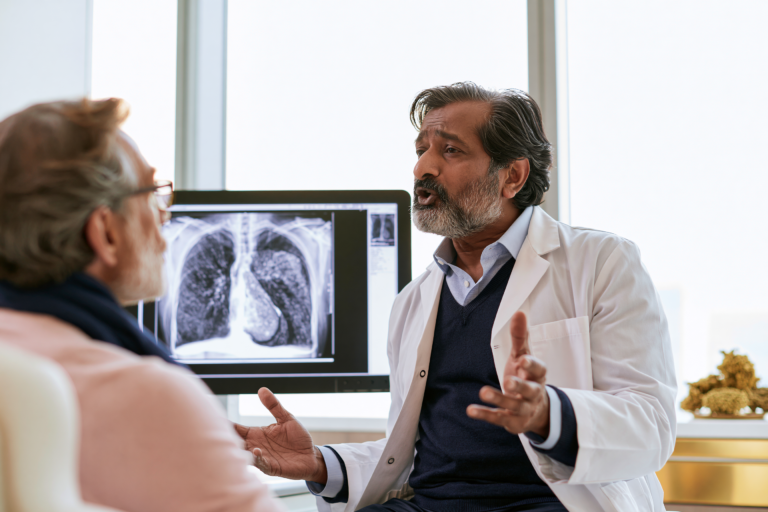
What Pleural Mesothelioma Is
Pleural mesothelioma is a rare cancer that begins in the mesothelial cells forming the pleura. The pleura is the thin membrane that surrounds your lungs and lines the inside of your chest. Although this cancer develops close to your lungs, it is not the same as lung cancer. Lung cancer usually begins within the airways or lung tissue, whereas pleural mesothelioma begins in the membrane outside the lungs [1, 2, 3, 4, 5, 7].
This difference is important because pleural mesothelioma behaves differently from ordinary lung cancer. It requires different diagnostic procedures, pathological tests, staging methods and treatment planning. Your doctors therefore need to confirm that the disease is mesothelioma before deciding whether surgery, chemotherapy, immunotherapy, radiotherapy or symptom focused care is appropriate [1, 2, 3, 4, 5].
Understanding the Pleura
Your lungs are covered by two thin layers of tissue that together are called the pleura. The inner layer is known as the visceral pleura. It lies directly over the surface of each lung. The outer layer is known as the parietal pleura. It lines the inner surface of your chest wall, diaphragm and central chest area.
A very small amount of fluid normally lies between these layers. This fluid allows your lungs to move smoothly while you breathe. The narrow space between the two layers is called the pleural cavity.
When pleural mesothelioma develops, malignant mesothelial cells begin multiplying abnormally along the pleural surface. Over time, the pleura may become thicker, irregular or nodular. The cancer can gradually restrict the normal movement and expansion of your lung [1, 3, 4, 5, 7].
This is one reason why you may experience increasing breathlessness even though the cancer did not begin inside the lung tissue. Pleural thickening, fluid accumulation, pain and reduced chest movement can all limit how fully your lung expands.
Where Pleural Mesothelioma Begins
Mesothelioma can develop in different mesothelial linings within your body. Pleural mesothelioma begins in the lining around the lungs and inside the chest. Peritoneal mesothelioma begins in the lining of the abdominal cavity. Pericardial mesothelioma begins in the membrane surrounding the heart. Mesothelioma of the tunica vaginalis begins in the lining surrounding the testes.
Pleural mesothelioma is the most common form of the disease. Even when your diagnosis is described simply as mesothelioma, you should confirm the primary site because pleural, peritoneal and other forms of mesothelioma are not investigated, staged or treated in exactly the same way [1, 3, 4, 7].
Why Pleural Mesothelioma Is Not Lung Cancer
You may hear pleural mesothelioma described as cancer around the lung or as an asbestos related chest cancer. These descriptions may help patients understand the location, but they can also create confusion.
Pleural mesothelioma and lung cancer are separate diseases because they begin in different cells. Pleural mesothelioma begins in mesothelial cells within the pleural lining. Most lung cancers begin in epithelial cells inside the airways or lung tissue. The two cancers also differ in their pathological appearance, molecular features, staging systems, patterns of spread and treatment options [1, 2, 3, 4, 5].
Smoking is a major cause of most forms of lung cancer, whereas asbestos exposure is the strongest established risk factor for pleural mesothelioma. Smoking itself has not been shown to be a direct cause of mesothelioma. However, smoking may damage your lungs and heart and can reduce your ability to tolerate intensive cancer treatment.
In rare situations, a person can develop both lung cancer and pleural mesothelioma. This is one reason why your diagnosis should be confirmed with adequate tissue examination rather than being assumed from a scan or a history of asbestos exposure.
How Pleural Mesothelioma Usually Grows
Many cancers initially grow as a single rounded mass. Pleural mesothelioma often grows in a different way.
The disease may begin as several small areas of abnormal growth scattered along the pleural surface. These separate areas can gradually join together and spread across the lining of the chest. As the cancer advances, it may form a thick layer of tumor around part or all of the affected lung [1, 3, 4, 5].
This pattern of growth can make pleural mesothelioma difficult to measure and remove. Instead of having one clearly defined tumor with a visible border, you may have cancer spread across several connected pleural surfaces.
The tumor may involve the inner surface of your chest wall, the outer surface of your lung, the diaphragm beneath the lung, the space between the lungs and the tissues surrounding important structures within the chest.
In more advanced disease, the cancer may invade the chest wall, ribs, diaphragm, lung tissue, pericardium or nearby organs. Cancer cells may also spread to lymph nodes or distant parts of the body. The extent of this spread is assessed during staging.
Pleural Thickening and Pleural Effusion
Pleural mesothelioma commonly causes pleural thickening and pleural effusion.
Pleural thickening means that part of the pleural membrane has become abnormally thick. It may appear smooth, irregular, nodular or widespread on a scan. Pleural thickening does not always mean cancer because previous infection, inflammation, asbestos exposure and other noncancerous conditions can also cause pleural changes.
A pleural effusion is an abnormal collection of fluid between your lung and chest wall. As the amount of fluid increases, it can compress the lung and make breathing more difficult. You may experience breathlessness, chest heaviness, cough or discomfort. Smaller effusions may cause few or no symptoms [3, 4, 5, 7].
Removing the fluid may help you breathe more comfortably, but drainage does not treat the underlying cancer. The fluid may return if the tumor continues to produce fluid or prevents the body from absorbing it normally.
Pleural fluid testing may sometimes identify malignant cells. However, a negative fluid test does not reliably exclude mesothelioma. The disease can be difficult to diagnose from fluid cytology or a very small tissue sample. Many patients need a larger biopsy obtained through image guided sampling or thoracoscopy [1, 4, 5].
The Main Histological Subtypes
After your biopsy, a pathologist examines the tissue under a microscope. Additional laboratory tests may be performed to confirm that the tumor originated from mesothelial cells and to determine its histological subtype.
The three principal subtypes are epithelioid mesothelioma, sarcomatoid mesothelioma and biphasic mesothelioma [1, 2, 3, 4, 5].
Epithelioid Mesothelioma
Epithelioid mesothelioma is the most common subtype. The malignant cells tend to resemble epithelial cells and may form several different microscopic patterns.
Compared with the other major subtypes, epithelioid mesothelioma generally has a more favourable average prognosis and may respond better to some treatments. However, the word epithelioid does not mean that the cancer is mild. It remains a serious disease, and its behaviour depends on the stage, microscopic features, tumor biology, your general health and your response to treatment [1, 2, 3, 4].
The pathologist may also describe additional patterns within the epithelioid category. Some of these features can provide further information about the likely behaviour of the tumor.
Sarcomatoid Mesothelioma
Sarcomatoid mesothelioma is less common. Its cells are often long and spindle shaped and may resemble cells found in some connective tissue cancers.
This subtype generally behaves more aggressively and has a less favourable average prognosis than epithelioid mesothelioma. It may also be more difficult to distinguish from other spindle cell cancers, which makes expert pathological review especially important [1, 2, 3, 4, 5].
The presence of sarcomatoid histology can affect whether major surgery is considered appropriate. Your medical team will assess the likely benefit of surgery against its risks instead of making the decision only on whether the tumor can technically be removed.
Biphasic Mesothelioma
Biphasic mesothelioma contains both epithelioid and sarcomatoid components. Its behaviour may vary depending on how much of each component is present.
A small biopsy may not always represent the entire tumor. One area may appear mainly epithelioid, while another area may contain a sarcomatoid component. Your final pathological classification may therefore change if a larger or more representative sample later becomes available [1, 4, 5].
Because the histological subtype can influence prognosis and treatment planning, an uncertain or unusual diagnosis may need to be reviewed by a pathologist with specific experience in mesothelioma.
Why an Adequate Biopsy Matters
Pleural mesothelioma can resemble metastatic lung adenocarcinoma, other cancers involving the pleura and some benign reactive conditions. A scan may strongly suggest mesothelioma, but imaging alone is usually not enough to confirm the diagnosis.
Your pathologist needs enough tissue to determine whether the abnormal cells are mesothelial in origin, whether the growth is benign or malignant, which histological subtype is present and whether the tissue could represent another primary or metastatic cancer.
Immunohistochemical tests are commonly used to support mesothelial differentiation and to exclude other cancers. Additional molecular or pathological tests may be needed when it is difficult to distinguish malignant mesothelioma from a benign mesothelial reaction [1, 4, 5].
A small biopsy may sometimes be insufficient because pleural mesothelioma can contain different patterns in different areas. The sample may also fail to show tissue invasion, which can be necessary for confirming malignancy.
This explains why your doctor may recommend another biopsy when pleural fluid testing or an earlier needle biopsy was inconclusive. A second procedure does not necessarily mean that the first investigation was performed incorrectly. It may simply mean that the earlier sample did not contain enough representative tissue.
How Pleural Mesothelioma Affects Your Breathing
Pleural mesothelioma can affect your breathing through several mechanisms.
Fluid may collect around the lung and compress it. Pleural thickening may restrict lung expansion. Tumor related pain may prevent you from taking deep breaths. The cancer may involve the diaphragm or chest wall. Reduced activity, muscle loss, anaemia, infection and treatment related inflammation may also make breathlessness worse.
The severity of your breathlessness does not always directly match the size of one visible tumor. A relatively limited amount of pleural disease may cause significant breathing difficulty when it is accompanied by a large pleural effusion, trapped lung, pain, infection, anaemia or an existing heart or lung condition.
Severe or worsening breathlessness should not automatically be attributed to mesothelioma. Your doctors may need to assess you for infection, blood clots, treatment related lung inflammation, anaemia, heart disease or other potentially treatable causes.
How the Disease Differs Between Patients
Pleural mesothelioma does not behave in exactly the same way in every person.
Your individual disease course may be influenced by the histological subtype, cancer stage, lymph node involvement, heart and lung function, age, physical fitness, nutritional condition, muscle strength, other medical conditions, tumor biology and response to treatment.
The availability of specialist surgery, immunotherapy, radiotherapy and clinical trials may also affect your treatment options.
You should therefore not assume that another patient’s treatment experience or survival outcome will apply directly to you. Survival statistics describe what happened in groups of patients. They cannot predict precisely how long you will live or how your tumor will respond.
What Malignant Means in Your Diagnosis
The word malignant means that the abnormal cells can invade nearby tissues and may spread to other parts of your body. It distinguishes pleural mesothelioma from benign pleural abnormalities.
Not every asbestos related pleural finding is malignant. Pleural plaques, benign pleural thickening and some pleural effusions can occur without mesothelioma. However, these conditions still require proper medical assessment because their appearance may overlap with cancer and because asbestos exposure can increase the risk of several respiratory diseases.
You should not assume that any pleural thickening confirms cancer. At the same time, persistent fluid around one lung or progressive pleural thickening should not be dismissed simply because an initial fluid test was negative.
What This Diagnosis Means for You
A diagnosis of pleural mesothelioma means that you have a cancer arising from the pleural lining. It is not simply a collection of fluid around the lung and it is not an ordinary form of lung cancer.
Your next steps usually require assessment by a multidisciplinary team. This team may include a thoracic oncologist, respiratory physician, thoracic surgeon, radiologist, pathologist, radiation oncologist, palliative care specialist, dietitian and specialist nurse.
Your medical team needs to confirm that the diagnosis is secure, identify the histological subtype, determine how far the disease has spread, assess whether surgery is appropriate and decide which systemic treatment may offer the greatest benefit.
Your symptoms, nutritional condition, breathing capacity, pain, emotional well being and ability to carry out daily activities should also be evaluated. These factors are essential because pleural mesothelioma treatment must be personalised to both the cancer and the person living with it.
Understanding what pleural mesothelioma is gives you a stronger foundation for discussing your diagnosis and treatment options. It also helps you understand why accurate biopsy interpretation, specialist staging and personalised treatment planning are necessary before you begin cancer directed treatment or complementary care [1, 2, 3, 4, 5, 7].
Causes, Symptoms, Diagnosis and Stages of Pleural Mesothelioma

Pleural mesothelioma develops when mesothelial cells in the lining around your lungs undergo malignant changes and begin to grow abnormally. The disease often spreads across the pleural surface, causes thickening of the pleura and leads to fluid accumulation around the affected lung.
Table : Common and Rare Symptoms
| Symptom | Frequency or clinical importance | What it may mean |
|---|---|---|
| Breathlessness | One of the most common symptoms | May result from pleural fluid, lung compression, pleural thickening or reduced lung expansion |
| Chest pain | Common | May arise from pleural inflammation, chest wall involvement or pressure from fluid |
| Pleural effusion | Frequently present at diagnosis | Fluid around the lung can compress the lung and worsen breathing |
| Persistent dry cough | Common | May result from pleural irritation, fluid accumulation or compression |
| Fatigue | Common | May be related to cancer inflammation, anaemia, poor sleep, pain or treatment |
| Appetite loss and weight loss | Common | May indicate reduced intake, cancer related inflammation or muscle depletion |
| Hoarseness | Rare | May occur if the recurrent laryngeal nerve is affected |
| Difficulty swallowing | Rare | May occur when disease compresses or involves the oesophagus |
| Facial or neck swelling | Rare but urgent | May indicate superior vena cava obstruction |
| Shoulder or arm pain | Uncommon | May reflect nerve or upper chest involvement |
| Horner syndrome | Very rare | May indicate involvement of sympathetic nerves in the upper chest |
| Coughing up blood | Uncommon but important | Requires prompt medical assessment |
Asbestos exposure is the most important recognised cause. However, not every person with pleural mesothelioma remembers a definite exposure, and a small proportion of cases may be associated with rare mineral, genetic or treatment related factors. Your symptoms can also vary considerably. Breathlessness and chest pain are common, while swallowing difficulty, facial swelling, voice changes and neurological symptoms are much less common and usually require urgent investigation.
The symptoms of pleural mesothelioma are not specific to cancer. Similar complaints may occur with pneumonia, tuberculosis, heart disease, pulmonary embolism, metastatic cancer, benign pleural disease and other respiratory conditions. Your diagnosis therefore cannot be confirmed from symptoms or an asbestos history alone. Imaging, pleural procedures and adequate tissue examination are usually required [1, 3, 4, 5, 7].
The Most Common Cause of Pleural Mesothelioma
Asbestos exposure is the dominant recognised cause of pleural mesothelioma. The British Thoracic Society guideline reports that approximately 85 percent of mesothelioma cases in men are attributable to occupational asbestos exposure, although the attributable proportion can vary by sex, country, occupation and the quality of exposure records [5].
Asbestos is a collective term for naturally occurring fibrous minerals that were widely used because they resisted heat, fire, friction and chemical damage. These properties made asbestos useful in construction, insulation, shipbuilding, cement products, boilers, pipes, railway equipment, factories, power stations and vehicle components.
When asbestos containing material is cut, broken, drilled, sanded, removed or allowed to deteriorate, very small fibres may become airborne. You can inhale these fibres without seeing or feeling them. Some may travel deep into your respiratory system and reach the pleura.
Your body may not be able to remove all retained fibres. Persistent fibres may contribute to repeated tissue irritation, oxidative stress, inflammation, chromosome damage and changes in cellular regulation. These processes can gradually increase the likelihood that mesothelial cells will become malignant [1, 3, 4, 5, 6, 7].
Exposure does not mean that you will definitely develop mesothelioma. Most people who encounter asbestos do not develop this cancer. Your risk depends on the amount inhaled, the duration and frequency of exposure, the type of fibre, the age at exposure and your individual susceptibility.
Occupational Asbestos Exposure
Occupational exposure is the most common recognised exposure pathway. You may have encountered asbestos while working in construction, demolition, insulation, plumbing, electrical work, shipbuilding, boiler maintenance, railway engineering, manufacturing, mining, milling or vehicle repair.
You may also have been exposed while serving in the armed forces, working in a power station, repairing older buildings, maintaining industrial equipment or handling fire resistant materials.
Your job title alone may not accurately describe your exposure. You should tell your doctor about the tasks you performed, the materials you handled, the buildings in which you worked, the presence of dust and whether protective equipment was available.
Temporary employment, apprenticeships, military work and informal labour should also be discussed. Exposure may have occurred during a short period many decades before your symptoms began.
Household Asbestos Exposure
You may have experienced secondary household exposure even if you never worked directly with asbestos.
In the past, workers sometimes returned home with asbestos fibres on their clothing, shoes, tools, hair or skin. Family members could then inhale fibres while shaking, cleaning or washing contaminated clothing.
This form of exposure is less common than direct occupational exposure, but it is well recognised. Living with a person who worked around asbestos is therefore relevant to your medical history [6, 7].
Environmental Asbestos Exposure
Environmental exposure can occur when asbestos is naturally present in local soil or rock, or when you live near mines, mills, factories, demolition sites or buildings releasing asbestos fibres.
Older homes, schools, hospitals, offices and industrial buildings may still contain asbestos products. Intact material that remains sealed may pose less risk than damaged or disturbed material. Renovation, drilling and demolition can release fibres into the air.
You should never break or remove suspected asbestos material yourself. Inspection and removal should be performed by appropriately trained professionals according to local regulations.
Long Delay Between Exposure and Disease
Pleural mesothelioma usually develops after a long latency period. Latency means the interval between your initial exposure and the later diagnosis of cancer.
The interval is often several decades. WHO materials describe latency for asbestos related diseases as commonly ranging from about 10 to 50 years, while occupational monitoring literature often places the average around 40 years [6].
This long interval explains why you may be diagnosed after retirement or long after leaving the workplace where exposure occurred. It also explains why cases continue to appear in countries that restricted asbestos use many years ago.
The long latency period does not mean that a detectable cancer was continuously present for all those years. It means that the biological changes leading to malignant transformation can develop slowly over time.
Rare Causes and Risk Factors
Although asbestos accounts for most recognised cases, uncommon causes and susceptibility factors have also been reported.
These rare factors should be considered cautiously. Their presence does not automatically prove that they caused your cancer, and their absence does not exclude mesothelioma.
Erionite Exposure
Erionite is a naturally occurring fibrous mineral belonging to the zeolite group. It is not asbestos, but its fibres can behave in a similar way when inhaled.
Very high rates of pleural mesothelioma have been reported in certain regions where erionite was present in local rock, soil, road dust or building materials. The best documented clusters have occurred in parts of Türkiye [3, 4].
For most patients worldwide, erionite is a rare exposure. It becomes more relevant when you have lived in a known geological region or in a community where erionite containing stone was used for construction.
Previous Radiation Exposure
Pleural mesothelioma has occasionally been reported years after therapeutic radiation to the chest.
This association is rare and represents only a small proportion of cases. It may be considered when you previously received radiotherapy for lymphoma, breast cancer, childhood cancer or another chest condition and later developed pleural mesothelioma within or near the treated field.
A history of radiotherapy does not mean that your present cancer was necessarily caused by radiation. Your oncology team must consider the radiation field, dose, latency period, asbestos history and other possible explanations.
Inherited BAP1 Tumor Predisposition Syndrome
Rare inherited changes in the BAP1 gene can increase susceptibility to mesothelioma and several other tumors.
BAP1 is a tumor suppressor gene involved in the control of cell growth and DNA damage responses. When you inherit a disease causing BAP1 variant, your lifetime risk of mesothelioma, uveal melanoma, certain skin tumors and kidney cancer may be higher.
Inherited BAP1 alterations account for only a small minority of mesothelioma cases. Genetic counselling may be considered if you were diagnosed unusually young, have several close relatives with mesothelioma or have a personal or family history of cancers associated with BAP1.
Most alterations found within a tumor are acquired changes rather than inherited changes. A tumor result therefore does not automatically mean that your children or relatives carry the same variant.
Family Clustering Without a Confirmed Gene
Mesothelioma may occasionally occur in more than one member of the same family.
This may result from shared occupational exposure, shared household exposure, residence in the same environmental region or an inherited susceptibility. Family clustering does not always mean that a specific genetic syndrome is present.
You should tell your doctor if a parent, sibling or child has had mesothelioma, melanoma, kidney cancer or another unusual cancer. This information may help determine whether genetic evaluation is appropriate.
Mesothelioma Without Identified Exposure
A proportion of patients cannot recall or document asbestos exposure. This may happen because the exposure was indirect, brief, forgotten or never recognised.
You may have encountered asbestos during childhood, home renovation, neighbourhood demolition or occasional work without being informed that the material contained asbestos.
The absence of a known exposure should never be used to dismiss suspicious symptoms or imaging findings. Pleural mesothelioma is diagnosed by tissue pathology, not by exposure history alone [1, 3, 4, 5].
Factors That Are Not Established Causes
Smoking is not considered a direct cause of pleural mesothelioma. However, smoking can cause lung cancer, chronic obstructive pulmonary disease, heart disease and reduced respiratory reserve.
If you have both smoking related lung damage and pleural mesothelioma, you may experience more severe breathlessness and may be less able to tolerate major surgery or intensive treatment.
Asbestos exposure and smoking together substantially increase the risk of lung cancer. This combined effect applies to lung cancer and should not be misinterpreted as proof that smoking causes mesothelioma.
Earlier research considered whether simian virus 40 might contribute to human mesothelioma. Current evidence has not established this virus as a routine clinical cause. Testing for it is not part of standard mesothelioma diagnosis.
An isolated chest injury, ordinary chest infection, emotional stress or a single episode of pneumonia does not cause mesothelioma. These events may bring existing symptoms to medical attention, but they are not recognised primary causes of the malignancy.
Common Symptoms of Pleural Mesothelioma
The commonest presenting complaints are progressive breathlessness and chest pain. Reviews report that the combination of pleural effusion, breathlessness and chest wall pain may be present in about 60 percent of patients at presentation [3, 4].
Pleural effusion is among the most frequent initial clinical or imaging findings. Some reviews report it in approximately 75 to 90 percent of patients, although the figure varies according to the population studied, disease stage and method of detection [1, 3, 4, 5].
Other common symptoms include persistent cough, fatigue, loss of appetite, reduced physical stamina and unintentional weight loss.
These symptoms may develop gradually. Because they resemble many common respiratory and general medical conditions, diagnosis is often delayed until imaging identifies pleural fluid or pleural thickening.
Breathlessness
Breathlessness is one of the most frequent symptoms.
You may first notice difficulty while climbing stairs, walking uphill or carrying objects. Later, you may become breathless during ordinary activity or even at rest.
Pleural fluid can compress your lung and reduce the space available for expansion. Thickened pleura can restrict chest movement. Pain can prevent deep breathing. Tumor involvement of the diaphragm may further reduce breathing efficiency.
Breathlessness may also be worsened by anaemia, infection, blood clots, heart disease, reduced muscle strength or treatment related lung inflammation.
A sudden change in your breathing must not automatically be attributed to the cancer. Sudden severe breathlessness can indicate pulmonary embolism, infection, pneumothorax, cardiac problems or another urgent condition.
Chest Pain
Chest pain is another common presenting symptom.
You may feel a persistent dull ache, pressure, sharp pain, burning discomfort or heaviness on the affected side. Pain can extend into your shoulder, back, ribs or upper abdomen.
The pain may arise from inflammation of the pleura, stretching caused by fluid, invasion of the chest wall or ribs, or irritation of nearby nerves.
Pain severity does not reliably indicate cancer stage. Limited disease can sometimes cause severe pain, while more extensive disease may initially cause little discomfort.
Your pain should be assessed early because uncontrolled pain can interfere with sleep, appetite, breathing, mobility and emotional wellbeing.
Pleural Effusion
Pleural effusion is the accumulation of excess fluid between the lung and chest wall.
You may feel breathless, heavy or uncomfortable on one side of your chest. A large effusion can compress a substantial part of the lung.
Your doctor may remove fluid through pleural aspiration. This can provide symptom relief and allow laboratory analysis.
A negative cytology result does not exclude pleural mesothelioma. Mesothelioma cells may not be present in the drained sample, or they may be difficult to distinguish from reactive mesothelial cells. Tissue biopsy is commonly needed for confirmation [1, 4, 5].
Fluid may return after drainage. Recurrent symptomatic effusion may require pleurodesis or an indwelling pleural catheter, depending on whether your lung can expand and what is most appropriate for your condition.
Persistent Cough
You may develop a dry or persistent cough.
The cough can result from pleural irritation, lung compression, fluid accumulation or involvement of nearby structures. It can also arise from infection, asthma, reflux, medication effects or a separate lung condition.
Coughing up blood is not one of the most typical early symptoms of mesothelioma. When it occurs, it requires prompt evaluation because it may indicate airway involvement, infection, pulmonary embolism or another disease.
Fatigue and Reduced Stamina
Cancer related fatigue is a persistent sense of physical or mental exhaustion that is not fully relieved by rest.
You may find that work, walking, bathing, cooking or social activity requires much more effort than before. Fatigue may be caused by inflammation, poor sleep, pain, breathlessness, anaemia, emotional distress, reduced nutrition or muscle loss.
Fatigue is common but nonspecific. Your medical team should assess whether anaemia, infection, thyroid dysfunction, medication effects, depression or poor nutritional intake are contributing.
Reduced Appetite and Weight Loss
You may lose interest in food, feel full after small meals or experience unintentional weight loss.
Cancer related inflammation can change the way your body uses energy and protein. You may lose muscle even when the change on the weighing scale appears modest.
Loss of muscle can reduce your strength, treatment tolerance, breathing capacity and ability to recover. Early nutritional assessment is therefore important.
Weight loss does not prove that the disease is advanced, but persistent unexplained weight loss requires careful evaluation.
Common General Symptoms
You may experience weakness, poor sleep, reduced activity, mild fever, night sweating or a general feeling of being unwell.
These symptoms can occur with cancer, but they are not specific. Infection, medication effects, anaemia and other medical conditions should also be considered.
Fever during chemotherapy or another treatment that lowers immunity requires urgent contact with your medical team.
Rare Symptoms of Pleural Mesothelioma
Rare symptoms usually occur when the tumor affects particular nerves, blood vessels, the diaphragm, the chest wall or structures in the central chest.
Their presence does not automatically confirm advanced mesothelioma, but they require prompt investigation because they may reflect local progression, treatment toxicity or another serious condition.
Hoarseness or Voice Change
You may develop a persistent hoarse voice if the tumor or enlarged lymph nodes affect the recurrent laryngeal nerve.
Hoarseness is not a common early symptom. It can also result from infection, reflux, vocal cord disease or another cancer. A persistent unexplained voice change should be evaluated.
Difficulty Swallowing
Difficulty swallowing can occur when disease in the central chest compresses or involves the oesophagus.
You may feel that food sticks behind your breastbone, cough while swallowing or avoid solid foods. Swallowing difficulty can lead to dehydration, poor nutrition and aspiration.
This symptom should be assessed promptly, particularly when it is progressive or associated with weight loss.
Facial, Neck or Arm Swelling
Tumor or enlarged lymph nodes can rarely compress the superior vena cava, the large vein returning blood from your upper body to your heart.
You may develop swelling of the face, neck or arms, prominent veins on the chest, headache, dizziness or increasing breathlessness.
These symptoms may indicate superior vena cava obstruction and require urgent medical assessment.
Shoulder or Arm Pain
Disease affecting the upper chest or nearby nerves can cause pain that extends into your shoulder or arm.
You may also experience tingling, numbness or weakness. These symptoms are uncommon and can have many other causes, including spinal or joint disease.
Progressive neurological symptoms require careful examination and imaging.
Horner Syndrome
Horner syndrome is a rare neurological presentation caused by disruption of sympathetic nerves in the upper chest.
You may notice a drooping eyelid, a smaller pupil on one side or reduced sweating on part of your face.
These signs require prompt assessment because they can indicate involvement of nerves at the top of the chest or another neurological condition.
Chest Wall Swelling or a Palpable Mass
You may rarely notice a firm swelling over the ribs or chest wall.
This can occur when the tumor extends through the pleura into the soft tissues. A lump may also develop around a previous biopsy, drain or surgical site, although modern procedural planning attempts to minimise complications.
Any new chest wall mass should be examined and imaged.
Abdominal Fullness or Pain
Advanced pleural disease may occasionally extend through the diaphragm or affect the upper abdomen.
You may develop abdominal discomfort, fullness, swelling or reduced appetite. These symptoms are not specific and may result from liver, gastrointestinal or treatment related conditions.
Night Sweats and Persistent Fever
Night sweats and low grade fever are less specific presentations.
They may arise from cancer related inflammation, but infection and tuberculosis must be considered, especially in regions where tuberculosis is common.
You should not assume that recurrent fever represents a cleansing response or a normal part of cancer treatment.
Blood Clots
Cancer can increase your risk of venous thrombosis and pulmonary embolism.
A clot in the leg may cause one sided swelling, warmth, redness or pain. A clot travelling to the lung can cause sudden breathlessness, sharp chest pain, rapid heartbeat, coughing up blood or fainting.
These symptoms require urgent medical care.
Symptoms May Be Mild in Early Disease
Some patients have few symptoms in the early stages. Pleural fluid or thickening may be discovered incidentally during imaging for another condition.
The intensity of symptoms does not reliably determine the stage. A large effusion may cause severe breathlessness even when distant spread is absent. Conversely, more extensive disease may progress with only moderate symptoms.
You should therefore not estimate your stage from symptoms alone.
How Pleural Mesothelioma Is Diagnosed
Diagnosis usually begins with a detailed medical history and physical examination.
Your doctor will ask about occupational exposure, household exposure, residence near asbestos related industries, military service, construction work and previous radiotherapy.
You may undergo chest radiography as an initial test. A chest radiograph may show pleural effusion, pleural thickening, reduced lung volume or another abnormality, but it cannot confirm mesothelioma.
Contrast enhanced computed tomography of the chest and upper abdomen is commonly used to examine pleural thickening, nodules, fluid, chest wall involvement, lymph nodes and possible extension through the diaphragm [1, 3, 4, 5].
Positron emission tomography combined with computed tomography may help evaluate metabolically active disease and possible spread, particularly when major treatment is being considered. Inflammation and recent pleural procedures can also produce increased uptake, so the scan must be interpreted in context.
Magnetic resonance imaging may be used selectively when your team needs more detail about the diaphragm, chest wall, spine or nearby soft tissues.
Pleural Fluid Testing
If you have a pleural effusion, fluid may be removed for analysis.
The laboratory may assess the fluid chemistry, cell count, microbiology and cytology. These tests can help distinguish infection, heart failure, inflammatory disease and malignancy.
Pleural fluid cytology has limited sensitivity for mesothelioma. A negative result therefore cannot rule it out [4, 5].
Repeatedly draining fluid without establishing the cause may delay diagnosis. Persistent unilateral fluid, nodular pleural thickening or a strong exposure history usually requires further investigation.
Tissue Biopsy
A tissue biopsy is generally required to confirm pleural mesothelioma.
The sample may be obtained through image guided core biopsy, medical thoracoscopy or video assisted thoracic surgery. The best method depends on your imaging, physical condition, fluid volume and local expertise.
The biopsy should provide enough tissue to demonstrate malignancy, identify the histological subtype and distinguish mesothelioma from metastatic lung cancer or another pleural tumor.
An experienced pathologist may use several immunohistochemical markers. Additional tests can help distinguish malignant mesothelial proliferation from benign reactive changes.
A second pathological opinion may be valuable when the diagnosis is unusual, the sample is small or major surgery is being considered.
How Pleural Mesothelioma Is Staged
Staging describes how far your cancer has spread at the time of assessment.
The TNM system evaluates the extent of the primary tumor, involvement of regional lymph nodes and the presence or absence of distant metastasis.
Stage alone does not determine treatment. Your histological subtype, age, physical fitness, lung function, heart function, nutrition and personal preferences are also important.
Table: Stages of Pleural Mesothelioma
| Stage | General disease extent | Usual treatment direction |
|---|---|---|
| Stage 1 | Disease remains mainly limited to the pleura on one side of the chest | Specialist assessment may consider surgery, systemic therapy or multimodal treatment in carefully selected patients |
| Stage 2 | Greater local extension into nearby pleural or adjacent structures | Treatment may include chemotherapy, immunotherapy, surgery in selected cases or combined treatment |
| Stage 3 | More extensive local disease or regional lymph node involvement | Systemic treatment is usually central, with surgery considered only in highly selected cases |
| Stage 4 | Extensive chest involvement or distant spread | Treatment usually focuses on systemic therapy, symptom relief, pleural procedures and quality of life |
| Any stage with poor physical fitness | Disease stage may be limited or advanced | Treatment intensity may be reduced according to lung function, heart health, frailty, nutrition and treatment tolerance |
Stage One Pleural Mesothelioma
At stage one, disease is generally confined to the pleura on one side of your chest, although the exact anatomical definition depends on the current staging system.
Some patients may be considered for a multimodal treatment approach at a specialist centre. However, stage one does not automatically mean that surgery is necessary or beneficial.
Stage Two Pleural Mesothelioma
At stage two, the tumor has extended further into nearby pleural or adjacent structures but remains regionally confined.
Your team will assess whether the disease can be treated with systemic therapy alone or whether a carefully selected multimodal approach is appropriate.
Stage Three Pleural Mesothelioma
At stage three, the cancer has more extensive local involvement or has spread to regional lymph nodes.
Many patients at this stage are not candidates for major surgery. Systemic therapy, symptom control, pleural fluid management and palliative care become central components of treatment.
Stage Four Pleural Mesothelioma
At stage four, disease has spread extensively within the chest or to distant parts of your body.
Treatment usually focuses on systemic anticancer therapy when appropriate, relief of breathlessness and pain, preservation of strength and quality of life, and early palliative care.
Stage four does not mean that nothing can be done. Treatment may reduce symptoms, slow progression and help you maintain daily function.
Why Staging Can Change
Your stage may change when additional scans, lymph node sampling, surgery or follow up imaging provides new information.
Clinical staging is based on examinations and imaging before treatment. Pathological staging uses tissue obtained during surgery and may be more detailed.
A change in stage does not always mean that the cancer suddenly progressed. It may mean that previously hidden disease has now been identified.
Ayurvedic View of Causes and Symptoms
Classical Ayurveda does not describe pleural mesothelioma as a disease that is directly equivalent to a modern pathological cancer diagnosis. You should therefore not replace the confirmed medical diagnosis with a single Ayurvedic label.
An Ayurvedic physician may interpret your condition through the combined concepts of Dosha, Dhatu, Agni, Ama and Srotas. This assessment is intended to understand your strength, digestion, symptom pattern and ability to tolerate treatment. It does not replace biopsy, imaging or cancer staging [15, 16, 17].
The chest is understood as an important location of Prana and respiratory function. Breathlessness may be considered within the clinical framework of Shwasa. Persistent cough may be considered within Kasa. Chest pain may be understood as Shula. Fluid accumulation may be interpreted in relation to disturbed fluid regulation and Udakavaha Srotas.
A hard, progressive or infiltrative growth may invite discussion of Granthi or Arbuda concepts. However, classical descriptions of Granthi and Arbuda must not be presented as exact synonyms for pleural mesothelioma. Modern mesothelioma is defined by tissue origin, histopathology, invasion and staging, which are not determined through Dosha assessment.
Ayurvedic Interpretation of Common Symptoms
When you have breathlessness, Vata disturbance may be considered because normal respiratory movement has become restricted. Kapha may be considered when heaviness, mucus, congestion or fluid accumulation is prominent. Pitta involvement may be considered when inflammation, burning pain, fever or treatment related irritation is present.
These patterns are not fixed. You may have a mixed presentation that changes during chemotherapy, immunotherapy, radiotherapy, surgery or disease progression.
Reduced appetite and weak digestion may be assessed as impaired Agni. Weight loss, fatigue and muscle depletion may be considered signs of progressive Dhatu Kshaya. Sleep disturbance, anxiety and variable pain may indicate greater Vata involvement.
This traditional interpretation may help guide supportive diet, daily routine, symptom observation and carefully selected interventions. It cannot determine whether the cancer is responding or progressing.
Ayurvedic View of Exposure Related Disease
Ayurveda did not historically describe industrial asbestos exposure in the modern occupational health sense.
A contemporary Ayurvedic interpretation may view chronic inhalation of harmful dust as repeated external injury to the respiratory channels. However, the established medical explanation remains inhaled carcinogenic mineral fibres causing long term cellular and genetic damage.
Concepts such as Ama should not be used to imply that asbestos fibres can be removed through detoxification, purgation, sweating or herbal cleansing. No Ayurvedic cleansing procedure has been shown to remove retained asbestos fibres from the pleura or prevent mesothelioma after exposure.
Role of Ayurveda During Diagnostic Assessment
Ayurveda may support your general wellbeing while diagnostic investigations are being completed, but it should not delay pleural biopsy, imaging or oncology consultation.
You should not begin strong cleansing procedures, fasting, unverified mineral preparations or multiple herbs immediately before a biopsy or operation. These approaches may affect hydration, bleeding risk, liver function, kidney function or interactions with anaesthesia and medicines.
Every Ayurvedic medicine should be disclosed to your respiratory physician, surgeon and oncologist.
Your symptom pattern may guide supportive care, but only scans and pathological examination can confirm mesothelioma and establish its stage.
Symptoms That Require Immediate Medical Care
You require urgent medical assessment if you develop sudden severe breathlessness, chest pressure, fainting, confusion, blue or grey discoloration, coughing up blood, high fever during treatment, one sided leg swelling or rapidly increasing facial and neck swelling.
These symptoms may indicate pulmonary embolism, severe infection, pneumothorax, superior vena cava obstruction, cardiac complications or rapid pleural fluid accumulation.
Emergency symptoms should never be managed first with home remedies, breathing exercises, herbal medicines or Ayurvedic procedures. Once the urgent cause has been evaluated and stabilised, supportive Ayurvedic care can be reconsidered in coordination with your medical team.
Understanding both the common and rare causes and symptoms of pleural mesothelioma helps you recognise why exposure history, tissue diagnosis and accurate staging are essential. Ayurveda may contribute a personalised framework for symptom focused supportive care, but it cannot replace the medical investigation needed to identify the cancer, determine its extent or select the appropriate oncology treatment [1, 3, 4, 5, 6, 7, 15, 16, 17].
Available Treatment Options for Pleural Mesothelioma

Your treatment for pleural mesothelioma depends on the stage and location of the cancer, its histological subtype, your age, your heart and lung function, your physical strength, your nutritional condition and whether the disease can be removed safely.
There is no single treatment plan that is suitable for every patient. Some people may receive immunotherapy, while others may benefit from chemotherapy or a combination of chemotherapy and immunotherapy. Surgery is considered only for a carefully selected group of patients. Radiotherapy may be used to relieve symptoms or control disease in a specific area. Procedures may also be needed to manage fluid around your lung, pain, breathlessness and other complications [1, 2, 3, 4, 5].
Your treatment plan should be discussed by a multidisciplinary team experienced in pleural mesothelioma. This team may include a medical oncologist, thoracic surgeon, respiratory physician, radiation oncologist, radiologist, pathologist, palliative care physician, dietitian and specialist nurse.
The purpose of treatment may be to control the cancer, slow its progression, reduce the tumor burden, relieve symptoms, preserve your breathing capacity and help you maintain your daily activities. In selected patients with limited disease, treatment may aim for prolonged disease control through a carefully planned combination of therapies. However, even when scans show a strong response, long term follow up remains necessary because recurrence can occur.
How Your Treatment Plan Is Selected
Before recommending treatment, your medical team needs to understand both the cancer and your overall health.
Your biopsy establishes whether you have epithelioid, sarcomatoid or biphasic mesothelioma. Histology is important because these subtypes do not behave in exactly the same way and may respond differently to treatment.
Your scans show how far the cancer has spread across the pleura, whether nearby structures are involved, whether lymph nodes appear abnormal and whether distant metastases are present.
Your doctors also assess your performance status. This describes how well you can walk, work, care for yourself and complete ordinary daily activities. A person who remains physically independent may tolerate intensive treatment differently from someone who is already spending most of the day in bed or requiring assistance.
Your lung function, heart function, kidney function, liver function, blood counts, nutritional status and other medical conditions are also important. The treatment that appears strongest against the cancer may not be the safest option when your body is unlikely to tolerate it.
Your goals and preferences must also be considered. You may prioritise the longest possible cancer control, fewer hospital visits, preservation of independence, symptom relief or avoidance of a particular side effect. Shared decision making allows your medical team to explain the benefits and limitations of each option while respecting what matters most to you [1, 2, 3, 4].
Treatment for Resectable and Unresectable Disease
Pleural mesothelioma is often described as resectable or unresectable.
Resectable disease means that a specialist surgical team believes the visible cancer may be removable through a major operation. This does not automatically mean that surgery will improve your survival or that you are medically fit enough to undergo it.
Unresectable disease means that surgery is not expected to remove the cancer adequately or that the risks are greater than the likely benefit. Disease may be considered unresectable because of extensive pleural involvement, invasion of vital structures, lymph node involvement, distant spread, unfavourable histology or poor cardiopulmonary fitness.
Many people with pleural mesothelioma have unresectable disease at diagnosis. This does not mean that no treatment is available. Immunotherapy, chemotherapy, combined systemic treatment, radiotherapy, pleural procedures and palliative care may still reduce symptoms and control the disease [1, 2, 3, 4].
Systemic Treatment
Systemic treatment travels through your bloodstream and can reach cancer cells in different areas of your body.
The main systemic options for pleural mesothelioma include chemotherapy, immune checkpoint inhibitors and combinations of chemotherapy with immunotherapy. The most suitable option depends on your histology, previous treatment, medical fitness, autoimmune history, organ function, local approval and treatment availability [1, 2, 3, 10, 11, 12].
Systemic treatment is usually the principal cancer directed approach when surgery is not possible. It may also be given before or after surgery within a multimodal plan at a specialist centre.
Platinum and Pemetrexed Chemotherapy
The most established chemotherapy regimen for pleural mesothelioma combines pemetrexed with a platinum medicine.
Cisplatin has historically been the main platinum drug used with pemetrexed. Carboplatin may be chosen when cisplatin is considered too difficult for you to tolerate because of age, kidney function, hearing problems, nerve damage, frailty or other medical factors.
The pivotal phase 3 trial that established this approach compared cisplatin alone with cisplatin plus pemetrexed. Median overall survival was approximately 12.1 months with the combination compared with 9.3 months with cisplatin alone. The response rate was approximately 41.3 percent with pemetrexed and cisplatin compared with 16.7 percent with cisplatin alone [8].
These results describe averages from a clinical trial. They cannot predict exactly how your cancer will respond or how long you will live.
Pemetrexed interferes with folate dependent processes that cancer cells require for growth and division. Because it also affects healthy cells, you normally receive folic acid and vitamin B12 supplementation to reduce certain serious toxicities.
Your doctor may also prescribe medicines to reduce nausea and prevent skin reactions. Blood tests are performed before each cycle to assess your blood counts, kidney function, liver function and general safety.
Common adverse effects can include tiredness, nausea, reduced appetite, mouth soreness, constipation, diarrhoea, anaemia and reduced white blood cells. Cisplatin may also affect your kidneys, hearing and nerves. Carboplatin generally causes less kidney and hearing toxicity but may have a greater effect on blood counts.
You should report fever, unusual bleeding, persistent vomiting, severe diarrhoea, reduced urine, worsening numbness, hearing changes or severe weakness promptly.
Adding Bevacizumab to Chemotherapy
Bevacizumab is a targeted medicine that interferes with vascular endothelial growth factor. This pathway helps tumors form blood vessels.
A phase 3 trial evaluated bevacizumab combined with cisplatin and pemetrexed. Median overall survival was approximately 18.8 months with bevacizumab and chemotherapy compared with 16.1 months with chemotherapy alone [9].
Bevacizumab is not suitable for every patient. It can increase the risk of high blood pressure, bleeding, blood clots, impaired wound healing, kidney related protein loss and other complications.
Your doctor needs to consider your cardiovascular health, blood pressure, bleeding history, recent surgery, medications and other risk factors before recommending it. Availability and regulatory approval also vary between countries.
Nivolumab and Ipilimumab Immunotherapy
Nivolumab and ipilimumab are immune checkpoint inhibitors. They help your immune system recognise and attack cancer cells by blocking signals that can suppress immune activity.
The CheckMate 743 phase 3 trial compared first line nivolumab plus ipilimumab with platinum and pemetrexed chemotherapy in patients with unresectable pleural mesothelioma.
Median overall survival was approximately 18.1 months with nivolumab and ipilimumab compared with 14.1 months with chemotherapy. The estimated proportion of patients alive at two years was approximately 41 percent with immunotherapy and 27 percent with chemotherapy [10].
The treatment benefit was particularly important in patients with non epithelioid disease, although treatment decisions should not be based on histology alone. Your overall condition, autoimmune history, need for rapid tumor reduction and risk of toxicity must also be considered.
Immunotherapy does not directly destroy cancer cells in the same way as chemotherapy. It alters immune regulation so that immune cells can act against the tumor.
This means that its adverse effects are also different. Your immune system may begin attacking healthy tissues and cause inflammation in almost any organ.
Possible immune related complications include inflammation of the lungs, bowel, liver, thyroid gland, pituitary gland, adrenal glands, kidneys, skin, nerves, muscles or heart.
You must report new cough, worsening breathlessness, diarrhoea, abdominal pain, yellowing of the skin, severe rash, unusual headaches, visual changes, profound weakness or confusion promptly.
Immune related toxicity can occur during treatment or after treatment has ended. Early recognition is essential because some reactions require corticosteroids or other immune suppressing treatment.
Pembrolizumab Combined With Chemotherapy
Pembrolizumab is another immune checkpoint inhibitor. It blocks the programmed death 1 pathway and can be combined with pemetrexed and platinum chemotherapy.
A phase 3 trial compared pembrolizumab with platinum and pemetrexed against chemotherapy alone in previously untreated advanced pleural mesothelioma.
Median overall survival was approximately 17.3 months with pembrolizumab and chemotherapy compared with 16.1 months with chemotherapy alone. The combination produced a statistically significant reduction in the risk of death [11].
In September 2024, the United States Food and Drug Administration approved pembrolizumab with pemetrexed and platinum chemotherapy as first line treatment for adults with unresectable advanced or metastatic pleural mesothelioma [12]. Treatment availability and approval may differ in your country.
This combination exposes you to possible adverse effects from both chemotherapy and immunotherapy. Your doctors must monitor your blood counts, organs and symptoms carefully.
The combination may be considered when your medical team believes that adding immunotherapy to chemotherapy offers a reasonable balance between potential benefit and toxicity.
How Chemotherapy and Immunotherapy Are Compared
There is no universal rule that immunotherapy is always better than chemotherapy or that chemotherapy is outdated.
Immunotherapy may offer durable disease control in some patients, but it does not work for everyone. Some people experience early progression despite treatment. Others develop serious immune related toxicities.
Chemotherapy may reduce the tumor and symptoms more predictably in certain patients. It may be preferred when your doctors believe that rapid disease control is important or when immunotherapy is unsafe because of an active autoimmune disorder, organ transplant or another contraindication.
A chemotherapy and immunotherapy combination may offer another option, but it can increase the complexity of side effects.
Your histology, disease burden, symptoms, medical history and treatment goals should guide the decision. The choice should not be based only on advertisements, patient testimonials or the assumption that the newest treatment is automatically the best treatment for you [2, 3, 10, 11, 12].
Surgery for Pleural Mesothelioma
Surgery is considered only for a small and carefully selected group of patients.
The purpose of surgery is to remove as much visible disease as possible. Because pleural mesothelioma often spreads diffusely across the chest lining, microscopic cancer cells may remain even after an extensive operation.
For this reason, surgery is usually discussed as one part of a multimodal strategy rather than as a guaranteed cure.
Your suitability depends on the stage, histological subtype, lymph node status, invasion of nearby structures, heart function, lung function, performance status, age, nutritional condition and the expertise of the treating centre [1, 2, 3, 4, 13].
Pleurectomy and Decortication
Pleurectomy and decortication aims to remove the diseased pleura while preserving the lung.
The surgeon removes tumor from the chest wall lining and releases the lung from the thick tumor tissue surrounding it. Depending on disease extent, parts of the diaphragm or pericardium may also need to be removed and reconstructed.
A more extensive form is commonly called extended pleurectomy and decortication.
Preserving the lung may offer functional advantages compared with removing it. However, the operation remains major surgery and can cause bleeding, infection, prolonged air leakage, heart rhythm problems, blood clots, respiratory complications and a lengthy recovery.
You may also require chemotherapy, radiotherapy or another systemic treatment as part of the broader plan.
Extrapleural Pneumonectomy
Extrapleural pneumonectomy is a very extensive operation in which the surgeon removes the affected lung together with the pleura. The diaphragm and pericardium on that side may also be removed and reconstructed.
This operation has substantial risks and can permanently reduce your breathing reserve.
Its use has declined in many centres because of concerns about complications, recovery and uncertain overall benefit. It should only be considered in exceptional circumstances at a highly experienced mesothelioma centre.
What Current Evidence Says About Surgery
The role of major surgery in pleural mesothelioma remains controversial.
The MARS 2 randomised trial compared extended pleurectomy and decortication plus chemotherapy with chemotherapy alone. The surgery group experienced more serious adverse events, poorer quality of life during parts of follow up and no survival advantage. Median survival was approximately 19.3 months in the surgery group and 24.8 months in the chemotherapy alone group [13].
These findings have strengthened the need for extreme caution when recommending extended pleurectomy and decortication. They do not mean that surgery can never be considered, but they show that technical removal of the tumor does not automatically improve survival.
Your case should be reviewed by a specialist multidisciplinary team, and you should receive a balanced explanation of potential benefit, operative mortality, serious complications, recovery time and available non surgical alternatives [2, 13].
Radiotherapy
Radiotherapy uses high energy radiation to damage cancer cells in a defined area.
Pleural mesothelioma can be difficult to treat with radiation because the cancer may spread over a large curved surface close to the lung, heart, oesophagus, spinal cord, liver and kidneys.
Modern planning techniques can shape the radiation dose more accurately, but the risk to healthy tissues remains an important consideration.
Radiotherapy may be used to relieve pain, control a troublesome tumor deposit, treat chest wall involvement or manage symptoms from a particular site.
In selected specialist settings, it may be incorporated into a multimodal plan before or after surgery. The benefit and safety depend on the operation performed, the amount of lung remaining and the experience of the radiation centre [1, 2, 3, 4].
Palliative Radiotherapy for Pain
Palliative radiotherapy is given to reduce symptoms rather than eliminate all cancer cells.
It may be considered when a specific area of pleural or chest wall disease is causing persistent pain. Some patients experience meaningful pain relief, although the response is not guaranteed and may take time to develop.
Possible side effects depend on the treated area. They can include fatigue, skin irritation, swallowing discomfort, cough or inflammation of nearby lung tissue.
You should tell your team if breathlessness, cough or fever worsens after chest radiotherapy because treatment related pneumonitis and infection need to be considered.
Tumour Treating Fields
Tumour Treating Fields use low intensity alternating electrical fields delivered through adhesive arrays placed on your chest.
The electrical fields are intended to interfere with cancer cell division. The device is usually worn for many hours each day and is used with chemotherapy.
The STELLAR phase 2 study evaluated Tumour Treating Fields with platinum and pemetrexed in unresectable pleural mesothelioma. Median overall survival was approximately 18.2 months. Because the study did not include a randomised comparison group, it cannot prove that the device alone produced the survival outcome [14].
The most common device related problem was skin irritation beneath the arrays.
Tumour Treating Fields may not be available in every country or suitable for every patient. You need to consider daily device use, skin care, cost, mobility and the practical effect on your routine.
Treatment of Pleural Effusion
Pleural fluid can cause severe breathlessness even before systemic cancer treatment has had time to work.
Pleural aspiration may remove fluid temporarily and provide immediate relief. However, the fluid often returns.
Pleurodesis attempts to seal the pleural space so that fluid cannot continue collecting. A substance such as sterile talc is introduced to create inflammation and adherence between the pleural surfaces.
Pleurodesis is more likely to work when your lung can expand adequately after drainage.
An indwelling pleural catheter is a flexible tube that remains in your chest and allows fluid to be drained periodically at home. It may be useful when the fluid returns repeatedly, your lung is trapped or repeated hospital procedures would be difficult.
The choice depends on lung expansion, expected survival, infection risk, your home support and your personal preference.
These procedures treat the fluid and breathlessness. They do not directly control all mesothelioma cells.
Treatment for Trapped Lung
A trapped lung occurs when your lung cannot expand fully after the pleural fluid is removed. A thick tumor layer or fibrous tissue may restrict the lung surface.
When the lung remains trapped, pleurodesis may be less successful because the two pleural surfaces cannot come into contact.
An indwelling pleural catheter may provide ongoing symptom relief in this situation. More invasive procedures are considered individually because the risks may outweigh the benefit in advanced disease.
Treatment for Pain
Your pain treatment should begin early and be adjusted according to severity and cause.
Mild pain may respond to simple analgesics. Moderate or severe cancer pain may require opioid medicines. Medicines for nerve pain may be added when burning, shooting or tingling pain suggests nerve involvement.
Radiotherapy may help when pain arises from a defined tumor deposit. Nerve blocks or specialist pain procedures may be considered when medication alone is insufficient.
You should not avoid reporting pain because of fear of addiction. When opioid medicines are prescribed and monitored appropriately for cancer pain, the clinical goal is relief, mobility, sleep and quality of life.
Constipation, nausea, drowsiness and other adverse effects should be anticipated and managed.
Palliative Care Alongside Cancer Treatment
Palliative care is specialised medical care focused on symptom relief, quality of life, communication and support for you and your family.
It is not limited to the final days of life. You can receive palliative care at the same time as chemotherapy, immunotherapy, radiotherapy or other cancer directed treatment.
A palliative care team can help manage breathlessness, pain, fatigue, appetite loss, anxiety, sleep problems and difficult decisions.
Early palliative care may help you remain active, reduce distress and receive treatment that remains aligned with your goals.
Treatment After the Cancer Progresses
Pleural mesothelioma may eventually progress despite first line treatment.
Your next option depends on what you previously received, how long the response lasted, your current fitness, your symptoms and available clinical trials.
If you initially received chemotherapy, immunotherapy may be considered in an appropriate setting. If you initially received immunotherapy, chemotherapy may remain an option.
Selected patients may receive another course of pemetrexed based treatment when the earlier response was meaningful and sufficiently durable.
Other medicines may be considered according to national guidelines, previous treatment and individual circumstances. The evidence supporting later line treatment is generally more limited than first line evidence.
Your team should explain the expected likelihood of benefit, possible toxicity and effect on quality of life before changing treatment.
Clinical Trials
Clinical trials are important in pleural mesothelioma because the disease is rare and treatment options remain limited.
A trial may evaluate a new immunotherapy combination, targeted medicine, vaccine, metabolic treatment, cell based therapy, radiation strategy or biomarker guided approach.
Participating in a clinical trial does not guarantee that you will receive an effective new treatment. The investigational therapy may not work and may cause unexpected adverse effects.
However, a suitable trial can give you access to a carefully monitored treatment that is not otherwise available and can contribute to future mesothelioma care.
You should ask whether a trial is available at diagnosis and again if the cancer progresses.
Biomarker and Genetic Testing
Biomarker testing is increasingly relevant in mesothelioma, although it does not currently guide treatment as routinely as it does in some forms of lung cancer.
Your tumor may be assessed for features that could provide prognostic information, support the diagnosis or determine eligibility for a clinical trial.
Genetic counselling may be considered if your age, family history or tumor findings suggest an inherited BAP1 alteration or another cancer predisposition.
A genetic finding does not automatically identify the best drug for you. Its significance must be interpreted by specialists.
Ayurveda Alongside Mesothelioma Treatment
Ayurveda should not replace surgery, chemotherapy, immunotherapy, radiotherapy, pleural drainage or emergency medical care.
A personalised Ayurvedic programme may be considered as supportive care when it is coordinated with your oncology team. Its objectives may include supporting appetite, digestion, sleep, emotional wellbeing, bowel regularity and gradual recovery of strength.
The Ayurvedic plan should change according to your treatment phase. What may be considered during recovery may not be safe during chemotherapy, immunotherapy or immediately before surgery.
You should provide your oncologist with a complete written list of every Ayurvedic herb, Avaleha, Bhasma, supplement and over the counter medicine you use.
Ayurveda During Chemotherapy
Chemotherapy can affect appetite, digestion, blood counts, kidney function, liver function and the lining of your mouth and intestines.
An Ayurvedic physician may assess Agni, bowel pattern, strength and Dosha presentation when planning supportive care. However, traditional interpretation must not replace laboratory monitoring or oncology treatment.
Strong purgation, emesis, prolonged fasting and dehydrating procedures are generally inappropriate during cytotoxic chemotherapy unless there is an exceptional medical reason and direct coordination between clinicians.
Some herbs may affect drug metabolism, platelet function, blood sugar, blood pressure, liver enzymes or kidney function. A natural origin does not guarantee safety.
Any formulation intended to reduce chemotherapy toxicity must be reviewed before use because it could alter treatment exposure or create additional organ stress.
Ayurveda During Immunotherapy
Immunotherapy depends on controlled activation of your immune system. This makes unsupported claims about immune stimulation potentially unsafe.
You should not take an Ayurvedic medicine merely because it is advertised as an immune booster. A substance that influences immune activity may theoretically interfere with immune related toxicity, corticosteroid treatment or autoimmune disease.
New diarrhoea, cough, breathlessness, rash, jaundice, severe fatigue or hormonal symptoms must be reported to your oncology team. These symptoms should not be interpreted as cleansing, toxin release or proof that an Ayurvedic treatment is working.
Ayurvedic support during immunotherapy should remain conservative, symptom focused and fully disclosed.
Ayurveda During Radiotherapy
Radiotherapy may cause fatigue, skin irritation, swallowing discomfort, cough or inflammation, depending on the area treated.
Supportive Ayurvedic care may focus on suitable nutrition, hydration, bowel regularity, sleep and gentle recovery.
Oils, herbal pastes or topical preparations should not be applied to the radiation field unless your radiation team has approved them. Skin products can increase irritation, interfere with markings or create problems during treatment.
Strong antioxidant supplements and concentrated herbal extracts should be discussed with the radiation oncologist rather than used independently.
Ayurveda Before and After Surgery
Before surgery, your surgeon and anaesthetist need to know every medicine and supplement you take.
Some herbs may affect bleeding, blood pressure, blood sugar, sedation or drug metabolism. You may be instructed to stop certain products before the operation.
Immediately after surgery, priorities include pain control, breathing exercises, early mobilisation, fluid balance, prevention of blood clots, wound healing and adequate nutrition.
Ayurvedic medicines should not be restarted automatically. Your surgical team should first confirm that your swallowing, bowel function, liver function, kidney function and wound recovery are stable.
Why Personalisation Is Essential
Your treatment should not be copied from another patient with mesothelioma.
Two people with the same stage may have different histology, symptoms, organ function and treatment goals. One may tolerate dual immunotherapy, while another may need carboplatin based chemotherapy. One may be eligible for a clinical trial, while another may need immediate control of pleural fluid and pain.
Personalisation in modern oncology is based on pathology, staging, performance status, organ function, treatment evidence and your preferences.
Ayurvedic personalisation may additionally consider Prakriti, Agni, bowel pattern, appetite, sleep, strength and symptom presentation. These assessments may guide supportive care, but they cannot determine whether a tumor is responding.
Treatment response must be evaluated through clinical assessment, imaging and appropriate laboratory tests.
Making an Informed Treatment Decision
Before accepting a treatment plan, you should understand its objective, expected benefit, major risks, alternatives and effect on your daily life.
You may ask whether the treatment is intended to shrink the cancer, delay progression, relieve symptoms or support recovery after another therapy.
You should also understand how often treatment will be given, which tests are required, what side effects need urgent attention and what will happen if the cancer does not respond.
A second opinion from a specialist mesothelioma centre may be valuable, especially before major surgery or when several first line systemic options are available.
The best treatment is not necessarily the most aggressive treatment. It is the plan that offers you a medically reasonable balance between cancer control, safety, function and quality of life.
Pleural mesothelioma treatment is increasingly personalised, but no current option guarantees permanent disease elimination for every patient. Surgery, chemotherapy, immunotherapy, radiotherapy, pleural procedures and palliative care each have specific roles. Ayurveda may provide carefully supervised supportive care, but it must remain coordinated with the cancer treatment that addresses the tumor directly [1, 2, 3, 4, 5, 8, 9, 10, 11, 12, 13, 14].
Why Some Patients Cannot Undergo Surgery

Surgery for pleural mesothelioma is not suitable for every patient. Even when a tumor appears technically removable on a scan, your medical team must determine whether an operation is likely to provide meaningful benefit without exposing you to an unacceptable risk of severe complications, prolonged disability or death.
Table: Why Some Patients Cannot Undergo Surgery
| Reason | Why it may prevent surgery | What may be considered instead |
|---|---|---|
| Extensive pleural spread | The cancer cannot be removed adequately without unacceptable damage | Chemotherapy, immunotherapy, radiotherapy and pleural procedures |
| Distant metastasis | Surgery on one side of the chest cannot control cancer elsewhere | Systemic treatment and symptom focused care |
| Unfavourable lymph node involvement | Suggests broader spread and a greater risk of microscopic disease remaining | Systemic treatment and specialist review |
| Sarcomatoid histology | Usually more aggressive and less suitable for radical surgery | Immunotherapy or other systemic treatment |
| Poor lung function | The remaining respiratory capacity may be insufficient after surgery | Non surgical treatment and pulmonary rehabilitation |
| Serious heart disease | Major chest surgery may create excessive cardiac risk | Systemic treatment with adjusted intensity |
| Severe frailty | Recovery may be prolonged and complications more likely | Lower intensity treatment, rehabilitation and palliative care |
| Severe weight or muscle loss | Poor wound healing and weak recovery capacity | Nutritional rehabilitation and supportive care |
| Kidney or liver dysfunction | Anaesthesia and postoperative medicines may be unsafe | Modified systemic treatment and careful monitoring |
| Patient preference | You may decide that the risks and recovery burden are unacceptable | Active non surgical treatment and symptom management |
Pleural mesothelioma surgery is considerably more complex than removing a small isolated lung tumor. The disease often grows as a diffuse layer across the pleura and may involve the diaphragm, chest wall, pericardium, lymph nodes and nearby structures. Removing visible disease may therefore require a long and demanding operation followed by intensive rehabilitation.
Your doctors must evaluate two separate questions. The first is whether the cancer can be removed technically. The second is whether you are physically strong enough to undergo the procedure and whether surgery is likely to improve your overall outcome.
You may be unable to undergo surgery because the disease is too extensive, your histological subtype is unfavourable, your heart or lungs cannot tolerate the procedure, your nutritional condition is poor or your general strength is too low. In some situations, your doctors may advise against surgery because evidence suggests that the risks are greater than the expected benefit [1, 2, 3, 4, 13].
Surgery Is Suitable Only for Carefully Selected Patients
Only a limited proportion of patients with pleural mesothelioma are considered potential candidates for major surgery.
The decision should be made by a multidisciplinary team at a centre experienced in mesothelioma. The team generally includes a thoracic surgeon, medical oncologist, respiratory physician, radiation oncologist, radiologist, pathologist, anaesthetist and specialist supportive care professionals.
Your eligibility is not based on one scan result or one laboratory value. Your team considers the location of the tumor, the structures involved, lymph node status, distant spread, histological subtype, lung capacity, heart function, kidney function, liver function, age, muscle strength, nutrition and ability to perform daily activities.
This comprehensive assessment closely resembles the classical Ayurvedic principle that both the disease and the patient must be examined before selecting an intensive treatment.
Classical Ayurvedic Principle of Tenfold Patient Examination
The Charaka Samhita explains that the patient should be examined through ten major dimensions to determine the true level of strength before treatment is selected.
Book and textual location: Charaka Samhita, Vimana Sthana, Rogabhishagjitiya Vimana Adhyaya, Chapter 8, Text 94.
Sanskrit
तस्मादातुरं परीक्षेत प्रकृतितश्च, विकृतितश्च, सारतश्च, संहननतश्च, प्रमाणतश्च, सात्म्यतश्च, सत्त्वतश्च, आहारशक्तितश्च, व्यायामशक्तितश्च, वयस्तश्चेति, बलप्रमाणविशेषग्रहणहेतोः ॥९४॥
Transliteration
Tasmād āturaṁ parīkṣeta prakṛtitaśca, vikṛtitaśca, sārataśca, saṁhananataśca, pramāṇataśca, sātmyataśca, sattvataśca, āhāraśaktitaśca, vyāyāmaśaktitaśca, vayastaśceti, balapramāṇaviśeṣagrahaṇahetoḥ.
English translation
Therefore, you should be examined according to your constitution, present disease state, tissue excellence, body compactness, physical proportions, adaptability, mental strength, capacity for food, capacity for physical work and age so that your actual degree of strength can be understood.
Urdu lipi
تسماد آترم پریکشیت پرکرتتش چ، وکرتتش چ، سارتش چ، سنگھننتش چ، پرمانتش چ، ساتمیتش چ، ستّوتش چ، آہار شکتی تش چ، ویایام شکتی تش چ، ویستش چیتی، بل پرمان وشیش گرہن ہیتوہ۔
Urdu meaning
اس لیے مریض کی جسمانی ساخت، موجودہ بیماری، بافتوں کی مضبوطی، جسمانی استحکام، موافقت، ذہنی قوت، غذا ہضم کرنے کی صلاحیت، جسمانی کام کرنے کی طاقت اور عمر کا جائزہ لینا چاہیے تاکہ اس کی اصل قوت معلوم ہو سکے۔
Arabic lipi
تَسْمَاد آتُرَم بَرِيكْشِيتَ بْرَكْرِتِتَشْ تْشَ، فِكْرِتِتَشْ تْشَ، سَارَتَشْ تْشَ، سَنْغَنَنَتَشْ تْشَ، بْرَمَانَتَشْ تْشَ، سَاتْمِيَتَشْ تْشَ، سَتْفَتَشْ تْشَ، آهَارَ شَكْتِتَشْ تْشَ، فْيَايَامَ شَكْتِتَشْ تْشَ، فَيَسْتَشْ تْشِيتِي، بَلَ بْرَمَانَ فِشِيشَ غْرَهَنَ هِيتُوهْ.
Arabic meaning
لذلك ينبغي تقييم المريض من حيث طبيعته الجسدية، وحالته المرضية الحالية، وقوة الأنسجة، وتماسك الجسم، والقدرة على التكيف، والقوة النفسية، والقدرة على تناول الطعام وهضمه، والقدرة على بذل الجهد، والعمر، حتى يمكن تقدير قوته الحقيقية.
This classical passage does not refer specifically to mesothelioma surgery. However, it provides a relevant principle for personalised assessment. Modern surgical teams similarly evaluate the severity of your disease and your physiological ability to tolerate a major operation before making a recommendation. The verified classical text lists constitution, disease state, tissue quality, food capacity, exercise capacity and age as dimensions of patient strength. (Charak Samhita)
Advanced or Widely Spread Disease
The most common reason surgery is not offered is that the cancer has spread too extensively.
Pleural mesothelioma may extend across the entire pleural surface and invade the diaphragm, chest wall, ribs, pericardium, mediastinal tissues or the opposite side of the chest. It may also spread to lymph nodes or distant organs.
When the tumor involves structures that cannot be removed safely, surgery is unlikely to achieve useful macroscopic tumor clearance. Attempting a highly invasive operation in this situation may delay systemic treatment and expose you to major complications without providing a realistic benefit.
Distant metastasis generally makes radical surgery inappropriate because removing disease from one side of your chest cannot control cancer that is already present elsewhere in your body [1, 2, 3, 4].
Lymph Node Involvement
The presence and location of involved lymph nodes can influence whether surgery is considered.
Cancer in regional lymph nodes suggests that mesothelioma cells have moved beyond the original pleural surfaces. More extensive or unfavourably located nodal disease is associated with a poorer prognosis and a greater likelihood that microscopic cancer will remain after surgery.
Imaging may suggest lymph node involvement, but scans do not always provide a definitive answer. Your team may recommend endobronchial ultrasound, endoscopic ultrasound, mediastinoscopy or another sampling procedure when lymph node information would change the treatment plan.
If extensive nodal disease is confirmed, systemic treatment is usually prioritised over radical surgery [2, 3, 4].
Sarcomatoid Histology
Sarcomatoid mesothelioma generally behaves more aggressively than epithelioid mesothelioma. It is also less likely to benefit from major surgical removal.
For this reason, patients with a purely sarcomatoid subtype are usually not offered radical surgery. Systemic treatment and symptom directed care are generally more appropriate.
Biphasic mesothelioma contains both epithelioid and sarcomatoid components. Your suitability for surgery may depend on the proportion of sarcomatoid disease, the stage, your overall fitness and the judgement of the specialist multidisciplinary team.
A small biopsy may not always show every component present within the tumor. Expert pathological review is therefore especially important before an irreversible operation is planned [1, 2, 3, 4].
Poor Lung Function
Pleural mesothelioma surgery places a major burden on your respiratory system.
If extrapleural pneumonectomy is considered, one entire lung would be removed. Your remaining lung must therefore be able to provide sufficient respiratory function after surgery.
Even lung preserving pleurectomy and decortication can cause significant respiratory complications. Your affected lung may already be restricted by tumor, pleural thickening, trapped lung, previous infection or fluid accumulation.
Your doctors may perform spirometry, lung volume measurement, gas transfer testing, arterial blood gas analysis, exercise testing and ventilation perfusion imaging.
If your lung function is severely reduced, surgery may leave you dependent on oxygen, unable to complete ordinary activities or at high risk of respiratory failure.
Chronic obstructive pulmonary disease, pulmonary fibrosis, previous tuberculosis, severe asthma, pulmonary hypertension and disease in the opposite lung may further increase risk.
Reduced Exercise Capacity
Your ability to walk, climb stairs and perform ordinary physical work provides important information about your cardiopulmonary reserve.
A major operation requires your heart, lungs and muscles to respond to substantial physiological stress. If very light activity already causes severe breathlessness, chest pain, dizziness or exhaustion, your recovery from surgery may be difficult.
Cardiopulmonary exercise testing may be used to measure oxygen consumption and identify whether your heart and lungs can meet the increased demands associated with surgery.
This modern assessment has a close conceptual parallel in the Ayurvedic evaluation of Vyayama Shakti, meaning your capacity for physical work.
Classical Ayurvedic Assessment of Exercise Capacity
Book and textual location: Charaka Samhita, Vimana Sthana, Rogabhishagjitiya Vimana Adhyaya, Chapter 8, Text 121.
Sanskrit
व्यायामशक्तितश्चेति व्यायामशक्तिरपि कर्मशक्त्या परीक्ष्या। कर्मशक्त्या ह्यनुमीयते बलत्रैविध्यम् ॥१२१॥
Transliteration
Vyāyāmaśaktitaśceti vyāyāmaśaktirapi karmaśaktyā parīkṣyā. Karmaśaktyā hyanumīyate balatraividhyam.
English translation
Your capacity for exercise should be examined through your ability to perform physical work. Your degree of strength can be inferred from this functional capacity.
Urdu lipi
ویایام شکتی تش چیتی، ویایام شکتی رپی کرم شکتی یا پریکشیا۔ کرم شکتی یا ہی انومیتے بل تری ویدھیم۔
Urdu meaning
جسمانی ورزش کی صلاحیت کو عملی کام کرنے کی طاقت سے جانچنا چاہیے۔ کام کرنے کی صلاحیت سے مریض کی قوت کے درجے کا اندازہ کیا جا سکتا ہے۔
Arabic lipi
فْيَايَامَ شَكْتِتَشْ تْشِيتِي، فْيَايَامَ شَكْتِرَبِي كَرْمَ شَكْتِيَا بَرِيكْشْيَا. كَرْمَ شَكْتِيَا هْيَنُمِيَيَتِ بَلَ تْرَيْفِدْهْيَمْ.
Arabic meaning
ينبغي تقييم القدرة على التمرين من خلال القدرة الفعلية على أداء العمل والحركة. ويمكن الاستدلال على درجة قوة المريض من قدرته الوظيفية.
This text supports the principle that functional ability is an important indicator of strength. It should not be presented as an ancient version of modern cardiopulmonary exercise testing. Modern testing measures specific physiological variables, whereas the classical passage provides a broader clinical principle based on work capacity. (Charak Samhita)
Serious Heart Disease
Major thoracic surgery places considerable stress on your heart and circulation.
You may be unsuitable for surgery if you have severe heart failure, uncontrolled coronary artery disease, serious heart valve disease, unstable angina, recent heart attack or poorly controlled abnormal heart rhythms.
Removal of a lung can increase pressure within the pulmonary circulation and place additional stress on the right side of your heart. Even lung preserving surgery may involve major blood loss, fluid shifts and prolonged anaesthesia.
Your assessment may include electrocardiography, echocardiography, cardiac stress testing and specialist cardiology review.
If the likelihood of heart failure, heart attack, stroke or death is unacceptably high, your team may advise systemic treatment instead of surgery.
Poor Nutritional Condition and Muscle Loss
Your weight alone does not fully describe your nutritional strength.
You may have a normal or high body weight while still losing substantial muscle. Cancer associated inflammation, poor appetite, breathlessness and inactivity can contribute to sarcopenia and cachexia.
Low muscle mass and reduced protein reserves can increase the risk of infection, delayed wound healing, weakness, falls and prolonged hospitalisation.
If you have severe unintentional weight loss, low food intake or significant muscle depletion, your doctors may recommend nutritional rehabilitation before reconsidering surgery. In some patients, the cancer is progressing too quickly or the physical decline is too advanced for surgery to become safe.
Classical Ayurvedic Assessment of Food Capacity
Charaka describes food capacity as an important part of assessing strength and longevity.
Book and textual location: Charaka Samhita, Vimana Sthana, Rogabhishagjitiya Vimana Adhyaya, Chapter 8, Text 120.
Sanskrit
आहारशक्तितश्चेति आहारशक्तिरभ्यवहरणशक्त्या जरणशक्त्या च परीक्ष्या। बलायुषी ह्याहारायत्ते ॥१२०॥
Transliteration
Āhāraśaktitaśceti āhāraśaktirabhyavaharaṇaśaktyā jaraṇaśaktyā ca parīkṣyā. Balāyuṣī hyāhārāyatte.
English translation
Your capacity for food should be assessed through your ability to consume food and your ability to digest it. Strength and life are dependent upon adequate nourishment.
Urdu lipi
آہار شکتی تش چیتی، آہار شکتی ر ابھیوہرن شکتی یا جرن شکتی یا چ پریکشیا۔ بلایوشی ہی آہارایتے۔
Urdu meaning
غذا کی صلاحیت کو اس بات سے جانچنا چاہیے کہ مریض کتنی غذا لے سکتا ہے اور اسے کس حد تک ہضم کر سکتا ہے۔ جسمانی قوت اور زندگی مناسب غذائیت پر منحصر ہیں۔
Arabic lipi
آهَارَ شَكْتِتَشْ تْشِيتِي، آهَارَ شَكْتِرَ بْهْيَفَهَرَنَ شَكْتِيَا جَرَنَ شَكْتِيَا تْشَ بَرِيكْشْيَا. بَلَايُشِي هْيَاهَارَايَتِ.
Arabic meaning
ينبغي تقييم القدرة الغذائية من خلال قدرة المريض على تناول الطعام وقدرته على هضمه. فالقوة واستمرار الحياة يعتمدان على التغذية الكافية.
This passage is particularly relevant when you have appetite loss, early fullness, digestive difficulty or cancer associated weight loss. It does not mean that improving digestion alone can make an inoperable tumor operable. Rather, it supports the principle that nutritional capacity is essential when assessing whether you can withstand a major intervention. (Charak Samhita)
Severe Frailty or Poor Performance Status
Frailty refers to reduced physiological reserve across several body systems.
You may be considered frail if you have marked weakness, slow walking speed, frequent falls, severe fatigue, loss of independence or difficulty recovering from minor illnesses.
Performance status describes how well you can carry out daily activities. If you spend most of the day in bed or require extensive help with personal care, major surgery may cause more harm than benefit.
Age alone should not automatically exclude you from surgery. A physically strong older person may tolerate treatment better than a younger person with severe heart disease, muscle loss and poor functional capacity.
Your biological fitness is therefore more important than your age in years alone.
Advanced Age Combined With Reduced Reserve
Older age can increase the likelihood of complications, but it should be interpreted together with your overall health.
As you age, lung elasticity, kidney function, muscle mass, immune response and recovery capacity may decline. You may also have several chronic conditions and take multiple medicines.
An older patient who remains active, nourished and medically stable may still be considered for treatment. However, advanced age combined with severe frailty, poor lung function, heart disease or cognitive impairment may make surgery unsafe.
The Ayurvedic concept of Vayas Pariksha also recognises age as one of several factors affecting strength. It should be considered together with functional and nutritional assessment rather than used as an isolated reason to deny treatment.
Kidney or Liver Dysfunction
Your kidneys and liver help process anaesthetic medicines, pain medicines, antibiotics and other drugs used during and after surgery.
Severe kidney dysfunction can increase the risk of fluid imbalance, electrolyte disturbance, medication accumulation and the need for dialysis.
Advanced liver disease can impair blood clotting, protein production, infection defence and wound healing.
If organ function is severely compromised, your anaesthetist and surgical team may conclude that the operation carries an excessive risk.
Milder abnormalities may be treated or stabilised before your case is reconsidered.
Uncontrolled Infection
Major surgery is generally delayed when you have an active serious infection.
Pneumonia, infected pleural fluid, sepsis, uncontrolled tuberculosis or another systemic infection can significantly increase operative risk.
Your team may first provide antibiotics, drainage or specific infection treatment. Surgery can be reconsidered after the infection has resolved if your cancer stage and general fitness remain suitable.
A fever should never be assumed to represent cancer related heat, Pitta aggravation or detoxification without excluding infection.
Extensive Pleural Adhesions or Trapped Lung
Previous infection, pleural procedures, bleeding or long standing inflammation may create dense adhesions within your chest.
The tumor itself may also encase the lung and prevent normal expansion. This is called trapped lung.
Dense adhesions can make surgery technically more difficult and increase the risk of bleeding, air leakage and injury to surrounding structures.
The surgeon must decide whether meaningful tumor removal is possible without causing disproportionate damage.
Previous Major Chest Treatment
Previous thoracic surgery, high dose radiotherapy or extensive treatment in the same region may complicate another major operation.
Scar tissue can distort normal anatomy and increase the risk of bleeding, poor healing or injury to nearby organs.
Previous treatment does not automatically exclude surgery, but it requires highly specialised review.
Inability to Withstand a Long Recovery
Surgery for pleural mesothelioma may require prolonged hospitalisation, intensive respiratory rehabilitation and considerable support after discharge.
You may be unable to proceed if you lack sufficient physical reserve or if severe cognitive, neurological or social limitations make safe recovery unlikely.
Your home environment, caregiver availability and access to rehabilitation may influence practical planning. However, surgery should not be denied simply because you live alone. Your care team should explore whether additional rehabilitation or social support can be arranged.
When Surgery Is Technically Possible but Not Recommended
One of the most important distinctions is the difference between technical resectability and clinical benefit.
A surgeon may be physically capable of removing much of the visible tumor, yet the operation may not improve survival or quality of life.
The MARS 2 randomised trial compared extended pleurectomy and decortication plus chemotherapy with chemotherapy alone. The study found more serious adverse events and no survival advantage in the surgery group. Median survival was approximately 19.3 months with surgery plus chemotherapy and approximately 24.8 months with chemotherapy alone [13].
These findings mean that major surgery should not be promoted automatically to every patient with apparently removable disease. Your team should explain the uncertainty, the possibility of severe complications and the non surgical options available to you.
Your Personal Preference
You have the right to decline surgery after receiving clear information about its expected benefits, risks and alternatives.
You may decide that the possibility of a prolonged recovery, permanent reduction in breathing capacity or serious complications is not acceptable to you.
Declining surgery does not mean refusing all treatment. You may still receive immunotherapy, chemotherapy, pleural fluid management, radiotherapy, rehabilitation and palliative care.
Your decision should be respected as long as you understand the information and have the capacity to make an informed choice.
Ayurvedic Interpretation of Surgical Fitness
Classical Ayurveda emphasises that treatment intensity should be adjusted according to both Roga Bala and Rogi Bala.
Roga Bala refers to the strength and severity of the disease. Rogi Bala refers to your physical, digestive, mental and functional strength.
When a powerful disease is present in a person with reduced strength, aggressive intervention may produce greater harm. This principle is relevant when your body is already depleted by breathlessness, weight loss, poor appetite, previous treatment or advanced age.
An Ayurvedic assessment may consider Prakriti, Vikriti, Sara, Samhanana, Satmya, Sattva, Ahara Shakti, Vyayama Shakti and Vayas. These factors can help describe how much supportive intervention you may tolerate.
They cannot establish whether your tumor is surgically resectable. Only imaging, pathology, cardiopulmonary testing and specialist surgical assessment can answer that question.
Ayurveda When Surgery Is Deferred Temporarily
Sometimes surgery is postponed rather than permanently excluded.
You may need treatment for anaemia, infection, poor nutrition, uncontrolled diabetes, weak physical conditioning or another reversible problem.
During this period, supervised Ayurvedic supportive care may focus on appetite, digestion, sleep, bowel regularity, emotional stability and gradual restoration of daily activity.
The objective should be to improve your overall condition without delaying time sensitive oncology treatment.
Strong purification procedures, prolonged fasting, emesis, purgation or unverified mineral medicines may further weaken you and should not be used in an attempt to make you fit for surgery.
Ayurveda When Surgery Is Permanently Not Possible
If your cancer is unresectable or surgery is medically unsafe, Ayurveda should not be presented as a substitute operation or as a guaranteed method of removing the tumor.
Your oncology plan may include immunotherapy, chemotherapy, combined systemic treatment, pleural drainage, radiotherapy and palliative care.
Ayurvedic supportive treatment can be personalised around your symptoms, digestion, nutritional tolerance, sleep, bowel function, pain experience and recovery between treatment cycles.
Your Ayurvedic physician should review your scan reports, pathology, blood results, medications and treatment schedule. Every formulation should be checked for interactions and organ safety.
The purpose is to support you through the treatment pathway while the oncology team continues to monitor the cancer.
Being Inoperable Does Not Mean Being Untreatable
Being told that surgery is not possible can be emotionally devastating. You may interpret it as meaning that nothing more can be done.
Inoperable disease does not mean untreatable disease.
Many patients receive meaningful benefit from immunotherapy, chemotherapy, pleural procedures, radiotherapy, rehabilitation and early palliative care. Treatment may reduce symptoms, control fluid accumulation, slow progression and preserve your independence.
Your care plan can still be active, personalised and purposeful.
The most appropriate strategy is not always the most invasive one. A treatment is valuable when its expected benefits justify its risks and when it supports the goals that matter to you.
Classical Ayurveda also teaches that the intensity of treatment should be chosen after examining the disease, your strength, your nutritional capacity, your functional ability and your age. These principles can complement modern assessment, but they cannot replace oncology staging or surgical judgement.
When surgery is not possible, your treatment should shift toward the safest evidence based cancer control available, combined with carefully supervised supportive care for your strength, nutrition, breathing, sleep and quality of life [1, 2, 3, 4, 13, 15, 16, 17].
Ayurvedic Understanding of Pleural Mesothelioma

Classical Ayurvedic texts do not describe pleural mesothelioma as a distinct disease that corresponds exactly with its modern pathological definition. You should therefore not equate pleural mesothelioma with a single classical term such as Arbuda, Granthi, Shotha, Shwasa or Kasa.
Your modern diagnosis must continue to be defined by the tissue of origin, histological subtype, imaging findings and cancer stage. Ayurveda provides an additional framework for understanding how the disease and its symptoms affect your respiratory function, tissue strength, digestion, fluid regulation, mental state and ability to tolerate treatment.
An Ayurvedic physician may examine pleural mesothelioma through the combined involvement of Pranavaha Srotas, Udakavaha Srotas, Rasavaha Srotas, Mamsavaha Srotas, Agni, Ama, Dosha, Dhatu, Ojas and Bala. This assessment is intended to individualise supportive care. It cannot replace biopsy, computed tomography, positron emission tomography, laboratory monitoring or oncology treatment [15, 16, 17].
Why Pleural Mesothelioma Cannot Be Given One Classical Name
Pleural mesothelioma has several features that overlap with different Ayurvedic disease concepts.
The progressive tumor growth may resemble certain features described under Arbuda. Pleural thickening or a localised mass may share some conceptual similarities with Granthi. Pleural effusion may be considered through Shotha and disturbed Udakavaha Srotas. Breathlessness may be evaluated under Shwasa and Pranavaha Srotodushti. Persistent cough may be considered through Kasa. Weight loss and muscle depletion may be assessed as Dhatu Kshaya. Reduced appetite and poor digestion may indicate Agnimandya.
These comparisons help your Ayurvedic physician organise the clinical picture, but none of them is an exact translation of pleural mesothelioma.
Arbuda in classical literature refers broadly to a significant abnormal growth. It does not identify mesothelial origin, asbestos related cellular damage, epithelioid or sarcomatoid histology, lymph node involvement or distant metastasis. You should therefore not assume that every classical Arbuda prescription is appropriate for your condition.
Your treatment must be based on the complete modern diagnosis together with your personalised Ayurvedic assessment.
The Role of Pranavaha Srotas
Pranavaha Srotas represents the functional pathways associated with breathing, movement of Prana and the support of vital activity.
When pleural mesothelioma causes pleural fluid, lung compression, painful breathing or restricted chest expansion, the normal movement associated with Prana Vayu may become disturbed. You may experience short breathing, prolonged breathing, frequent breathing, painful breathing or breathing accompanied by abnormal sounds.
Charaka describes disturbed breathing patterns as important signs of impairment of Pranavaha Srotas.
Book and textual location: Charaka Samhita, Vimana Sthana, Sroto Vimana Adhyaya, Chapter 5, Texts 7 and 8.
Sanskrit
अतिसृष्टमतिबद्धं कुपितमल्पाल्पमभीक्ष्णं वा सशब्दशूलमुच्छ्वसन्तं दृष्ट्वा प्राणवहान्यस्य स्रोतांसि प्रदुष्टानीति विद्यात्।
तेषां खलु प्राणवहानां स्रोतसां हृदयं मूलं महास्रोतश्च।
Transliteration
Atisṛṣṭam atibaddhaṁ kupitam alpālpam abhīkṣṇaṁ vā saśabdaśūlam ucchvasantaṁ dṛṣṭvā prāṇavahānyasya srotāṁsi praduṣṭānīti vidyāt.
Teṣāṁ khalu prāṇavahānāṁ srotasāṁ hṛdayaṁ mūlaṁ mahāsrotaśca.
English translation
When you breathe excessively, with excessive restriction, with distress, in short repeated breaths, very frequently, with abnormal sound or with pain, impairment of the channels carrying Prana should be recognised. The heart and Mahasrotas are described as the principal roots of Pranavaha Srotas.
Urdu lipi
اتِسِرشٹم اتِبدّھم کُپِتم الپ الپم ابھی کشنم وا، سشبد شولم اُچھوسنتَم درشٹوا پران وہانی اسیہ سروتانسی پردشٹانی تی ودیات۔
تیشام کھلو پران وہانام سروتسام ہردیم مولم مہاسروتش چ۔
Urdu meaning
اگر آپ کی سانس بہت زیادہ، بہت محدود، بے ترتیب، مختصر وقفوں میں بار بار، آواز کے ساتھ یا درد کے ساتھ چل رہی ہو تو اسے پران وہ سروتس کی خرابی کے طور پر سمجھا جاتا ہے۔ آیوروید میں ہردیہ اور مہاسروتس کو ان راستوں کی بنیادی جڑیں بیان کیا گیا ہے۔
Arabic lipi
أَتِسْرِشْتَم أَتِبَدْهَم كُبِتَم أَلْبَ أَلْبَم أَبْهِيكْشْنَم فَا، سَشَبْدَ شُولَم أُتْشْفَسَنْتَم دْرِشْتْفَا بْرَانَ فَهَانِي أَسْيَا سْرُوتَانْسِي بْرَدُشْتَانِيتِي فِدْيَاتْ.
تِيشَامْ خَلُ بْرَانَ فَهَانَامْ سْرُوتَسَامْ هْرِدَيَمْ مُولَمْ مَهَاسْرُوتَشْ تْشَ.
Arabic meaning
عندما يكون تنفسك مفرطاً أو شديد التقييد أو متقطعاً أو متكرراً أو مصحوباً بصوت غير طبيعي أو ألم، فإن ذلك يدل في المفهوم الأيورفيدي على اضطراب مسارات برانا. ويذكر النص أن القلب والمهَاسروتاس يمثلان الجذور الأساسية لهذه المسارات.
This verse is relevant to symptom assessment because pleural mesothelioma can alter your breathing pattern. It should not be interpreted as a classical description of mesothelioma itself. The causes of your breathlessness must still be identified through medical examination and imaging. (Charak Samhita)
Pleural Restriction as Sanga
Ayurveda describes several general ways in which the function of a Srotas can become disturbed.
Sanga means obstruction or restriction. In pleural mesothelioma, the lung may not expand normally because of pleural thickening, tumor encasement, trapped lung or fluid pressure. An Ayurvedic physician may interpret this restricted functional movement through the concept of Sanga within Pranavaha Srotas.
This does not mean that the tumor is simply blocked Kapha. The mechanical restriction is caused by measurable pleural disease. The Ayurvedic concept is used to describe the functional consequence rather than replace the anatomical explanation.
Classical Features of Srotodushti
Charaka describes four broad expressions of disturbed channel function.
Book and textual location: Charaka Samhita, Vimana Sthana, Sroto Vimana Adhyaya, Chapter 5, Text 24.
Sanskrit
अतिप्रवृत्तिः सङ्गो वा सिराणां ग्रन्थयोऽपि वा।
विमार्गगमनं चापि स्रोतसां दुष्टिलक्षणम् ॥२४॥
Transliteration
Atipravṛttiḥ saṅgo vā sirāṇāṁ granthayo api vā.
Vimārgagamanaṁ cāpi srotasāṁ duṣṭilakṣaṇam.
English translation
Excessive activity, obstruction, the formation of nodular changes and movement through an abnormal pathway are described as signs of disturbed Srotas.
Urdu lipi
اتِپرورتیہ سنگو وا سِرانام گرنتھیو اپی وا۔
ومارگ گمنم چاپی سروتسام دشٹی لکشنم۔
Urdu meaning
کسی جسمانی راستے میں ضرورت سے زیادہ حرکت، رکاوٹ، گرہ یا گانٹھ بننا اور مواد کا غیر معمولی راستے میں جانا سروتس کی خرابی کی نشانیاں سمجھی جاتی ہیں۔
Arabic lipi
أَتِبْرَفْرِتِّه سَنْغُو فَا سِرَانَامْ غْرَنْتَهْيُو أَبِي فَا.
فِمَارْغَ غَمَنَمْ تْشَابِي سْرُوتَسَامْ دُشْتِي لَكْشَنَمْ.
Arabic meaning
تشمل علامات اضطراب القنوات في الأيورفيدا النشاط المفرط أو الانسداد أو تكوّن العقد أو انتقال المواد في مسار غير طبيعي.
In pleural mesothelioma, these concepts may be used cautiously to organise features such as rapid fluid production, restricted lung movement, nodular pleural thickening and abnormal fluid accumulation. The verse should not be portrayed as a microscopic description of malignant transformation. (Charak Samhita)
Atipravritti and Recurrent Pleural Fluid
Atipravritti refers to excessive or uncontrolled activity or flow.
When pleural fluid repeatedly accumulates after drainage, an Ayurvedic physician may consider the pattern through excessive fluid production or disturbed fluid handling. However, recurrent malignant pleural effusion occurs because tumor activity changes pleural permeability, drainage and fluid balance.
Ayurvedic supportive treatment must not delay thoracentesis, pleurodesis or placement of an indwelling pleural catheter when these are medically required.
Siragranthi and Nodular Pleural Growth
Siragranthi refers to nodular or knot like alterations within a channel or vascular structure.
The nodular pleural thickening seen on imaging may create a broad conceptual comparison with Granthi formation. This is a descriptive parallel only.
A radiological pleural nodule may represent mesothelioma, metastatic cancer, infection or another pleural abnormality. Ayurveda cannot determine its pathology. Tissue examination remains necessary.
Vimargagamana and Abnormal Fluid Distribution
Vimargagamana means movement through an abnormal pathway.
Pleural fluid accumulating around your lung rather than remaining within normal physiological circulation may be viewed through this concept. The same framework may be considered when disease extends through tissue planes or disrupts normal anatomical boundaries.
This traditional interpretation should not be confused with formal cancer invasion or metastasis. Those processes must be evaluated through imaging and pathology.
The Role of Udakavaha Srotas
Udakavaha Srotas relates to the regulation, distribution and transformation of bodily fluids.
Pleural effusion is not merely excess water. It may contain protein, inflammatory cells, blood, lymphatic material and malignant cells. Nevertheless, the presence of abnormal fluid around your lung makes fluid regulation an important part of Ayurvedic assessment.
Your physician may evaluate thirst, dryness, swelling, urine output, hydration, appetite and the tendency for fluid to accumulate.
A treatment that indiscriminately dries or dehydrates your body can be harmful. You may already have poor intake, low blood pressure, kidney stress or treatment related dehydration. Any approach to fluid balance must therefore be guided by your laboratory values, kidney function, heart function and oncology plan.
Pleural Effusion and Shotha
Shotha is a broad Ayurvedic term for swelling or abnormal enlargement.
Pleural fluid is internal and cannot be understood completely through descriptions of visible external swelling. However, the principles of fluid accumulation, Dosha involvement and tissue response may contribute to an Ayurvedic interpretation.
Kapha may be considered when heaviness, fluid accumulation, sluggishness and reduced movement are prominent. Vata may become disturbed when the fluid or tumor mechanically restricts breathing. Pitta may be involved when inflammation, heat, burning pain or fever is present.
This does not mean that pleural effusion should be treated only by balancing Kapha. Malignant effusion can rapidly compromise breathing and may require urgent drainage.
The Concept of Arbuda
Arbuda is one of the principal classical terms used for a large or significant abnormal growth.
Classical descriptions associate Arbuda with Dosha disturbance, involvement of tissues and a slowly progressive mass. However, Arbuda is a broad traditional category rather than a histological diagnosis.
Pleural mesothelioma may share certain general features with Arbuda, including progressive growth, tissue involvement, firmness, recurrence and possible resistance to simple treatment.
You should not conclude that pleural mesothelioma is exactly the same as an Arbuda described in one classical chapter. Modern cancer classification is much more specific.
The Charaka Samhita discusses Arbuda within the chapter on swellings and differentiates it from smaller nodular growths. The same chapter recognises that certain growths may require expert surgical management. (Charak Samhita)
Difference Between Granthi and Arbuda
Granthi generally indicates a localised knot like or nodular swelling. Arbuda usually indicates a larger, deeper or more substantial growth.
Pleural mesothelioma may initially appear as small pleural nodules that later merge into diffuse thickening around the lung. This pattern can be discussed conceptually as progression from multiple nodular formations toward extensive abnormal tissue growth.
This comparison is educational rather than diagnostic. You cannot determine whether a pleural lesion is benign Granthi or malignant Arbuda through pulse examination, Dosha assessment or symptoms alone.
Why Classical Arbuda Treatment Cannot Be Copied Directly
A classical formulation may have been written for a growth in a particular anatomical location, with a particular Dosha pattern and a particular level of patient strength.
Pleural mesothelioma affects a vital area and may coexist with respiratory restriction, fluid accumulation, cachexia, anaemia, kidney dysfunction or treatment related toxicity.
A medicine chosen only because the word Arbuda appears in its indication may be unsuitable for you. Strong, heating, corrosive or purifying interventions may worsen dehydration, bleeding, weakness or organ stress.
Your Ayurvedic plan must consider the exact oncology diagnosis, current medicines, laboratory results, treatment schedule and capacity to digest and tolerate the formulation.
The Role of Vata Dosha
Vata governs movement, respiration, nerve activity and physiological transport.
In pleural mesothelioma, Vata may become prominent when you experience painful breathing, variable breathlessness, dry cough, anxiety, insomnia, constipation, muscle wasting or progressive weakness.
Mechanical restriction of the lung may disturb the normal movement of Prana Vayu. Pain and fear may further alter your breathing rhythm. Repeated procedures, chemotherapy and nutritional depletion can contribute to Vata aggravation.
Supportive care may therefore aim to reduce unnecessary dryness, stabilise your daily routine, maintain bowel regularity and support sleep. However, heavy oil use or aggressive oleation may not be appropriate when you have nausea, weak digestion, fluid overload or respiratory distress.
The Role of Kapha Dosha
Kapha provides stability, lubrication and structural support under healthy conditions.
Kapha related features may become clinically relevant when there is heaviness, reduced movement, poor appetite, excessive mucus, lethargy or fluid accumulation.
Pleural effusion may appear Kapha dominant from a traditional perspective, but malignant pleural fluid is not simply excess Kapha. It results from cancer related anatomical and cellular changes.
Attempts to reduce Kapha through severe fasting, excessive heating or dehydration can weaken you and may impair treatment tolerance.
The Role of Pitta Dosha
Pitta is associated with transformation, heat and metabolic activity.
Pitta features may be considered when you have burning pain, inflammatory symptoms, fever, excessive thirst, mouth ulcers, diarrhoea, skin irritation or treatment related liver disturbance.
Chemotherapy, immunotherapy and radiotherapy can produce symptoms that resemble Pitta aggravation. However, these symptoms may represent medically important toxicities.
Diarrhoea during immunotherapy may indicate immune mediated colitis. Jaundice may indicate hepatitis or bile duct obstruction. Breathlessness with fever may indicate infection or pneumonitis. These symptoms require medical evaluation and must not be treated solely as Pitta imbalance.
Tridosha Involvement
Advanced pleural mesothelioma commonly produces a mixed pattern rather than a single Dosha presentation.
Kapha may be associated with fluid and heaviness. Vata may be associated with restriction, pain, breathlessness and wasting. Pitta may be associated with inflammation, burning and treatment toxicity.
Your Dosha pattern may change during the course of illness. A patient who initially has Kapha predominant fluid accumulation may later develop Vata predominant depletion after repeated drainage, weight loss and systemic treatment.
The prescription should therefore be reviewed regularly rather than fixed for the entire course of treatment.
The Role of Agni
Agni refers to the functional capacity for digestion, transformation and metabolism.
Your Agni may become impaired because of cancer related inflammation, breathlessness, reduced activity, anxiety, chemotherapy, pain medicines, antibiotics or irregular eating.
You may experience poor appetite, early fullness, nausea, abdominal heaviness, constipation or loose stools.
Supporting Agni does not mean using very hot or irritating herbs in every patient. Your digestive support must be mild enough to avoid worsening mouth ulcers, reflux, diarrhoea, liver irritation or dehydration.
The objective is to help you tolerate adequate nutrition and prescribed treatment.
The Concept of Ama
Ama traditionally refers to incompletely processed or poorly transformed material arising when digestion or metabolism is impaired.
In a patient facing explanation, Ama should not be translated simplistically as a physical toxin that can be flushed from your body.
Asbestos fibres, malignant cells and chemotherapy metabolites are not identical to Ama. No detoxification procedure has been shown to remove embedded asbestos fibres from the pleura or eliminate mesothelioma.
The concept may instead be used to describe poor digestion, metabolic inefficiency, heaviness, coating of the tongue, loss of appetite and reduced tolerance of food.
Mamsa Dhatu and Pleural Tissue Involvement
Mamsa Dhatu broadly corresponds to structural and muscular tissue within the Ayurvedic framework.
Pleural mesothelioma involves the pleural membrane and may later invade the chest wall, diaphragm or nearby muscle. Your physician may therefore consider Mamsa Dhatu involvement when evaluating tissue growth, firmness, chest wall pain or reduced muscular function.
This does not mean that the pleura is anatomically identical to Mamsa Dhatu. The comparison is functional and interpretive.
Rasa Dhatu and Nutritional Circulation
Rasa Dhatu represents the initial nourishing fluid derived after digestion and its distribution through the body.
Loss of appetite, reduced intake, systemic inflammation and recurrent fluid drainage can compromise your nutritional state. You may feel weak even when your weight has not fallen substantially.
An Ayurvedic physician may assess the quality of Rasa formation through appetite, digestion, hydration, energy, skin condition and general nourishment.
Modern nutritional evaluation must still include weight change, muscle mass, food intake and relevant laboratory findings.
Rakta Dhatu and Blood Related Changes
Rakta Dhatu may become relevant when you have anaemia, inflammatory changes, bleeding risk or treatment related alterations in blood counts.
Chemotherapy can reduce haemoglobin, white blood cells and platelets. Cancer may also contribute to inflammation and anaemia.
These changes require blood testing and oncology management. Ayurvedic interpretation cannot replace complete blood counts or determine whether chemotherapy is safe to continue.
Dhatu Kshaya and Cancer Related Wasting
Dhatu Kshaya refers to depletion of body tissues.
You may develop weight loss, muscle loss, weakness, reduced stamina and poor recovery. These features may arise from cancer related cachexia, reduced food intake, treatment toxicity and inactivity.
A nourishing approach may be considered only after your digestive capacity and medical safety are assessed. Heavy preparations can worsen nausea, reflux or early fullness when Agni is weak.
Ojas and Overall Resilience
Ojas represents the integrated strength and resilience associated with well nourished tissues.
You may show reduced resilience through recurrent infection, severe fatigue, poor recovery, disturbed sleep and diminished physical or mental endurance.
Ojas should not be marketed as a measurable immune substance or equated directly with white blood cell count. It is a traditional clinical concept.
Supportive care directed toward Ojas may include adequate nutrition, sleep, emotional stability and avoidance of unnecessarily exhausting therapies.
Bala as a Treatment Guide
Bala means strength or treatment bearing capacity.
Your Bala is assessed through your functional status, muscle strength, appetite, digestion, age, mental resilience, organ function and response to previous treatment.
If your Bala is low, strong purification, fasting or multiple concentrated preparations may worsen your condition. Supportive treatment should initially be gentle and nourishing when clinically appropriate.
If your Bala improves, the plan may be adjusted gradually.
Ayurvedic Samprapti of Pleural Mesothelioma
A proposed Ayurvedic Samprapti for pleural mesothelioma must be presented as a contemporary clinical interpretation rather than a classical disease pathway.
Long term inhalation of harmful fibres represents an external causative exposure. These fibres produce chronic injury and malignant cellular changes according to modern medicine.
Within the Ayurvedic framework, the external insult may be considered an Agantuja factor affecting a vital respiratory region. Progressive tissue injury may create Khavaigunya, meaning susceptibility within a particular site.
Dosha disturbance may then manifest through impaired movement of Prana Vayu, Kapha associated obstruction and fluid accumulation, and Pitta associated inflammation and tissue transformation.
As the disease progresses, Pranavaha, Udakavaha, Rasavaha and Mamsavaha Srotas may all become involved. Reduced Agni and poor nutrition may lead to Dhatu Kshaya and reduced Bala.
This model is used to organise supportive treatment. It is not a proven molecular explanation of mesothelioma.
Ayurvedic Assessment of Your Individual Presentation
Your physician should not prescribe from the cancer name alone.
Your evaluation should include your Prakriti, current Dosha disturbance, appetite, bowel pattern, sleep, pain, breathing, pleural fluid, nutritional status, muscle loss, current oncology treatment and organ function.
The same Ayurvedic formulation should not be given to every patient with pleural mesothelioma.
A patient with substantial fluid accumulation, poor appetite and heaviness requires a different approach from a patient with severe dryness, pain, constipation and tissue depletion.
Ayurveda Must Follow the Treatment Phase
Your Ayurvedic strategy should change according to whether you are newly diagnosed, undergoing chemotherapy, receiving immunotherapy, preparing for surgery, recovering from treatment or living under surveillance.
During active treatment, the priority is safety, interaction prevention and maintenance of strength.
During recovery, nutritional rebuilding, sleep, gentle activity and digestive restoration may receive greater attention.
During advanced disease, comfort, breathing, pain, appetite and quality of life may become the principal objectives.
What Ayurveda Can and Cannot Determine
Ayurveda can help your physician assess symptom patterns, appetite, digestion, sleep, bowel function, physical strength and treatment tolerance.
It cannot determine your histological subtype, measure tumor response, identify lymph node involvement or establish remission.
You still need imaging, pathology, blood tests and specialist oncology review.
An improvement in appetite or energy is valuable, but it does not prove that the cancer has reduced. Likewise, temporary worsening of symptoms should not be described as healing crisis, cleansing or tumor breakdown without medical evidence.
A Responsible Integrative Interpretation
A responsible Ayurvedic interpretation of pleural mesothelioma does not deny its modern pathology.
It recognises the cancer as a malignant disease of the pleural lining while assessing how respiratory obstruction, fluid accumulation, inflammation, digestive weakness, tissue depletion and reduced resilience differ in each patient.
Your oncology team should continue to direct tumor focused treatment and emergency care. Your Ayurvedic physician may provide individualised supportive care when the formulation is compatible with your treatment and organ function.
The strongest integrative approach is not created by replacing one system with another. It is created by using modern oncology to define and monitor the cancer while using carefully supervised Ayurvedic principles to support your strength, nutrition, symptoms and recovery [15, 16, 17].
Ayurveda Led Treatment Objectives in Pleural Mesothelioma

Ayurveda led care for pleural mesothelioma should begin with a clear understanding of what needs to be achieved at each stage of your illness. Your objectives may change according to whether you are preparing for oncology treatment, receiving chemotherapy or immunotherapy, recovering after surgery, living with inoperable disease or undergoing surveillance after a favourable response.
Table: Ayurveda Support According to the Treatment Phase
| Treatment phase | Main Ayurveda led objective | Appropriate supportive focus | What must not be delayed or replaced |
|---|---|---|---|
| Before active treatment | Improve treatment readiness | Appetite, digestion, hydration, bowel regularity, sleep and nutritional preparation | Oncology consultation, staging and laboratory testing |
| During chemotherapy | Support treatment tolerance | Nausea, appetite loss, constipation, fatigue, sleep and recovery between cycles | Fever management, blood tests, intravenous fluids and oncology dose review |
| During immunotherapy | Maintain conservative supportive care | Nutrition, sleep, bowel observation and fatigue support | Assessment of diarrhoea, breathlessness, rash, jaundice or endocrine symptoms |
| During radiotherapy | Support nutrition and local recovery | Hydration, swallowing comfort, fatigue and sleep | Radiation planning, skin care instructions and evaluation of pneumonitis |
| Before surgery | Reduce avoidable risks | Nutrition, bowel regularity and safe preparation | Anaesthesia review, stopping interacting herbs and surgical instructions |
| After surgery | Support gradual rebuilding | Appetite, sleep, bowel function, strength and rehabilitation | Pain control, breathing exercises, wound care and mobilisation |
| When surgery is not possible | Preserve strength and quality of life | Appetite, digestion, sleep, fatigue, bowel function and emotional stability | Chemotherapy, immunotherapy, pleural procedures and palliative care |
| During remission | Support long term recovery | Nutrition, activity, sleep, muscle preservation and routine | Surveillance scans and oncology follow up |
| During recurrence or progression | Reassess the complete plan | Symptom focused supportive care according to current strength | Restaging, oncology treatment review and emergency management |
The Ayurvedic plan should not be based only on the name of the cancer. It should be designed after examining your pathology, stage, symptoms, pleural fluid, breathing capacity, appetite, digestion, body weight, muscle strength, organ function, current medicines and overall treatment tolerance.
Your oncology team remains responsible for diagnosing, staging and directly treating the cancer. The Ayurveda led component should focus on strengthening your capacity to tolerate treatment, reducing avoidable suffering, maintaining nutrition, supporting recovery and improving your quality of life.
Ayurveda should not be used to promise that the tumor will disappear, that recurrence will certainly be prevented or that surgery, chemotherapy or immunotherapy can always be avoided. Any claim of cancer control must be supported by imaging, pathological assessment and oncology review [15, 16, 20, 21].
The Fundamental Objective of Ayurveda
Charaka describes two fundamental purposes of Ayurveda. The first is to preserve health where health remains. The second is to reduce disease and suffering in a person who is unwell.
Book and textual location: Charaka Samhita, Sutra Sthana, Arthedashamahamuliya Adhyaya, Chapter 30, Text 26.
Sanskrit
प्रयोजनं चास्य स्वस्थस्य स्वास्थ्यरक्षणमातुरस्य विकारप्रशमनं च ॥२६॥
Transliteration
Prayojanaṁ cāsya svasthasya svāsthyarakṣaṇam āturasya vikārapraśamanaṁ ca.
English translation
The purpose of Ayurveda is to preserve the health of a healthy person and to reduce or pacify the disorder of a person who is unwell.
Urdu pronunciation guide
پریوجنم چاسیہ سوستھسیہ سواستھیہ رکشنم آترسیہ وکار پرشمنم چ۔
Urdu meaning
آیوروید کا مقصد صحت مند شخص کی صحت کی حفاظت کرنا اور بیمار شخص کی بیماری اور تکلیف کو کم کرنا ہے۔
Arabic pronunciation guide
بْرَيُوجَنَمْ تْشَاسْيَا سْفَسْتَهَسْيَا سْفَاسْتْهْيَا رَكْشَنَمْ آتُرَسْيَا فِكَارَ بْرَشَمَنَمْ تْشَ.
Arabic meaning
يتمثل هدف الأيورفيدا في المحافظة على صحة الشخص السليم والعمل على تخفيف الاضطراب والمعاناة لدى الشخص المريض.
This verse provides an important foundation for integrative mesothelioma care. When you are undergoing treatment, preserving the functions that remain healthy is as important as addressing your active symptoms. Your appetite, sleep, bowel function, muscle strength, emotional stability, kidney function and liver function should be protected wherever possible.
The word Vikara Prashamana should be understood responsibly. In a cancer setting, it can include reducing symptoms and supporting physiological balance. It should not be translated automatically as proof that an Ayurvedic formulation can eradicate pleural mesothelioma.
Your First Objective Is to Understand the Treatment Phase
Your Ayurvedic treatment cannot remain the same throughout the entire course of pleural mesothelioma.
Before chemotherapy, the emphasis may be on improving food intake, correcting dehydration, supporting bowel regularity and preparing you to tolerate treatment.
During chemotherapy, the emphasis may shift toward nausea, mouth discomfort, appetite loss, constipation, diarrhoea, fatigue and recovery between cycles.
During immunotherapy, the plan must remain conservative because new symptoms may represent immune related toxicity. Diarrhoea, jaundice, severe weakness, skin rash or worsening breathlessness should never be managed only as a Dosha imbalance.
Before surgery, the principal objective is to avoid medicines that may increase bleeding, alter blood pressure, affect anaesthesia or interfere with liver and kidney function.
After surgery, the focus shifts toward breathing exercises, pain control, nutrition, bowel function, sleep, mobilisation and gradual rebuilding of strength.
When surgery is not possible, the objectives may include treatment tolerance, symptom relief, preservation of daily function and maintenance of quality of life.
During surveillance, the emphasis may shift toward long term nourishment, physical rehabilitation, emotional stability and early reporting of new symptoms.
Your Treatment Must Be Based on What Is Wholesome for You
Ayurveda considers not only disease, but also what supports or harms your life, comfort and functional wellbeing.
Book and textual location: Charaka Samhita, Sutra Sthana, Dirghanjivitiya Adhyaya, Chapter 1, Text 41.
Sanskrit
हिताहितं सुखं दुःखमायुस्तस्य हिताहितम्।
मानं च तच्च यत्रोक्तमायुर्वेदः स उच्यते ॥४१॥
Transliteration
Hitāhitaṁ sukhaṁ duḥkham āyustasya hitāhitam.
Mānaṁ ca tacca yatroktam Āyurvedaḥ sa ucyate.
English translation
Ayurveda explains what is beneficial and harmful for life, what supports comfort and what produces suffering, the factors that favour or oppose life and the proper understanding of life itself.
Urdu pronunciation guide
ہتاہتم سکھم دکھم آیُس تسیہ ہتاہتم۔
مانم چ تچ یتروکتم آیُرویدہ س اُچیتے۔
Urdu meaning
آیوروید اس بات کی وضاحت کرتا ہے کہ آپ کی زندگی اور صحت کے لیے کیا فائدہ مند ہے اور کیا نقصان دہ، کیا سکون دیتا ہے اور کیا تکلیف بڑھاتا ہے۔
Arabic pronunciation guide
هِتَاهِتَمْ سُكْهَمْ دُكْهَمْ آيُسْ تَسْيَا هِتَاهِتَمْ.
مَانَمْ تْشَ تَتْشَ يَتْرُوكْتَمْ آيُرْفِيدَهْ سَ أُتْشْيَتِ.
Arabic meaning
توضح الأيورفيدا ما يفيد حياتك وصحتك وما يضر بهما، وما يحقق الراحة وما يزيد المعاناة، وكيف ينبغي فهم العوامل المؤثرة في الحياة.
For you, a treatment is not beneficial simply because it is described as Ayurvedic, natural or traditional. It must be appropriate for your current condition, compatible with your oncology medicines and capable of being tolerated without creating additional harm.
A heavy Avaleha may be nourishing for one patient but may worsen nausea, early fullness or uncontrolled blood glucose in another. A warming herb may improve appetite in one situation but aggravate mouth ulcers, reflux or diarrhoea in another. A diuretic herb may appear useful for fluid accumulation but may worsen dehydration, low blood pressure or kidney stress.
Your treatment must therefore be evaluated through both Hita and Ahita, meaning what is beneficial and what may be harmful in your present clinical situation.
Supporting Cancer Directed Treatment
The first major objective of Ayurveda led care is to support you while the cancer itself is being treated through evidence based oncology.
Ayurvedic care should not compete with chemotherapy, immunotherapy, radiotherapy or surgery. It should help you remain nutritionally and functionally capable of receiving the treatment selected for you.
This may include supporting your appetite, bowel movements, sleep, hydration and recovery between treatment cycles. It may also involve reducing unnecessary dietary restrictions and helping you maintain a routine that is realistic during treatment.
An improvement in strength can be clinically valuable because treatment interruptions, severe weight loss and prolonged inactivity may reduce your ability to continue therapy.
However, an Ayurvedic medicine should never be claimed to improve chemotherapy or immunotherapy outcomes unless reliable clinical evidence exists for the specific medicine, dose, cancer type and treatment combination.
Preserving Your Breathing Capacity
Breathlessness is one of the most important symptoms in pleural mesothelioma. Your Ayurveda led plan should aim to reduce avoidable factors that make breathing more difficult.
The plan may support upright posture, gentle movement, relaxation, sleep and bowel regularity. Constipation, abdominal distension, anxiety and physical deconditioning can all increase your perception of breathlessness.
Your physician may assess Prana Vayu, Kapha related heaviness, fluid accumulation and Vata related restriction. These observations can help guide supportive care.
Ayurveda cannot drain a large pleural effusion mechanically or reopen a severely trapped lung. When fluid is compressing your lung, pleural drainage, pleurodesis or an indwelling pleural catheter may be required.
Sudden or severe breathlessness requires immediate medical evaluation because pulmonary embolism, infection, pneumothorax, cardiac problems or treatment related pneumonitis may be responsible.
Reducing the Burden of Pleural Effusion Symptoms
Pleural effusion can cause breathlessness, chest heaviness, cough and reduced appetite.
From an Ayurvedic perspective, your physician may assess disturbed Udakavaha Srotas, Kapha accumulation and obstruction of Pranavaha Srotas. The objective is not merely to use drying herbs. Excessive drying or diuresis can weaken you and disturb kidney function.
The oncology team must decide whether the effusion requires aspiration, pleurodesis or catheter drainage. Ayurveda may then be used to support appetite, sleep, mobility and recovery after the procedure.
Fluid reduction seen after medical drainage should not be attributed inaccurately to an Ayurvedic medicine. Changes in fluid must be interpreted through examination and imaging.
Maintaining Your Appetite and Digestive Capacity
Loss of appetite is common in pleural mesothelioma. It may result from inflammation, breathlessness, pain, anxiety, medication, chemotherapy, constipation or pressure within the chest and upper abdomen.
Ayurveda gives considerable importance to Agni because food cannot support your tissues when you are unable to eat or tolerate it.
Your treatment objective is not to produce intense hunger through very hot or irritating medicines. It is to help you consume and digest enough food without worsening nausea, reflux, mouth soreness or diarrhoea.
Your physician may use mild digestive support according to your symptoms and treatment phase. Meals may be divided into smaller portions when breathlessness or early fullness makes large meals difficult.
You should not be advised to follow prolonged fasting, juice only regimens or highly restrictive anticancer diets. These approaches can accelerate muscle loss and reduce treatment tolerance [27, 29, 30].
Preventing Severe Weight and Muscle Loss
Cancer related weight loss is not always caused only by reduced food intake. Inflammation can alter your metabolism and contribute to the breakdown of muscle and fat.
Your objective should therefore include maintaining muscle strength and functional ability, not merely increasing body weight.
Ayurvedic assessment may describe progressive tissue depletion as Dhatu Kshaya. This can guide a gradual nourishing approach when your digestion permits it.
Nourishing treatment should not begin with excessively heavy preparations when you have severe nausea, weak digestion or early fullness. Your physician may need to support digestion first and then introduce nutrition gradually.
Protein intake, adequate calories, resistance activity when safe and dietetic assessment remain important. Ayurveda may complement this process through personalised food planning and careful use of tolerated formulations [27, 29, 30].
Supporting Your Strength and Bala
Bala represents your physical, functional and treatment bearing capacity.
Your strength should be assessed through your ability to walk, perform daily activities, eat, digest, sleep and recover after treatment. Your age alone does not define your Bala.
A person with good muscle strength and appetite may tolerate treatment differently from a person of the same age with severe weight loss and breathlessness.
The objective is to preserve the strength you still have and rebuild it gradually when possible.
Strong cleansing treatments are generally unsuitable when your Bala is reduced. Vamana, strong Virechana, prolonged fasting and exhausting procedures may worsen dehydration, electrolyte disturbance and tissue depletion.
Supporting Ojas Without Making False Immune Claims
Ojas is traditionally associated with resilience, stability and the integrated strength of well nourished tissues.
In modern patient communication, Ojas should not be equated directly with immunity, white blood cell count or a particular laboratory marker.
Your supportive objective may include adequate sleep, nutrition, emotional reassurance, symptom control and recovery between treatments. These measures can help preserve your overall resilience.
An Ayurvedic medicine should not be promoted as an immune booster during immunotherapy without careful evaluation. Immune checkpoint treatment already modifies immune activity, and excessive or unpredictable immune stimulation may be unsafe.
Any new fever, rash, diarrhoea, cough, jaundice or profound weakness during immunotherapy must be assessed by your oncology team.
Reducing Fatigue
Cancer related fatigue can affect your body, concentration, mood and motivation. It is not always relieved by sleep.
Your fatigue may result from anaemia, poor nutrition, pain, infection, thyroid dysfunction, treatment toxicity, reduced activity or emotional distress.
The Ayurveda led objective is to identify the pattern rather than treating every form of fatigue with stimulating herbs or tonics.
When fatigue is associated with poor sleep and anxiety, Vata stabilising measures may be considered. When heaviness and inactivity dominate, gentle mobilisation may be more useful. When fever, burning or diarrhoea are present, treatment toxicity or infection must be excluded.
Evidence based approaches such as gradual activity, exercise when safe, sleep support and treatment of contributing medical conditions should remain part of your care [26].
Managing Pain Without Weakening You
Pleural mesothelioma can cause chest wall, rib, shoulder, back or nerve related pain.
Your pain control should be sufficient to allow you to sleep, breathe deeply and remain mobile.
Ayurveda may contribute supportive measures according to the pain pattern, but it should not delay appropriate analgesics, radiotherapy, nerve pain medicines or specialist procedures.
External oil application may not be suitable over a radiotherapy field, surgical wound, infected area or pleural catheter site.
Pain that suddenly becomes severe or changes in character should be medically reassessed because disease progression, fracture, infection or pulmonary embolism may be responsible.
Supporting Sleep and Mental Stability
A diagnosis of pleural mesothelioma can cause fear, uncertainty, insomnia and repeated thoughts about survival.
Your Ayurveda led objectives should include supporting mental stability and restoring a predictable sleep routine.
Vata may become aggravated through anxiety, pain, repeated procedures and uncertainty. Pitta may become prominent when irritability, heat or disturbed sleep follows treatment. Kapha may contribute to lethargy and withdrawal.
A personalised routine, relaxation, counselling, family support and appropriate medication may all be required.
Mindfulness based approaches and selected integrative interventions may help reduce anxiety and depressive symptoms when used appropriately [25].
Emotional distress should never be dismissed as a lack of willpower or spiritual weakness.
Maintaining Bowel Regularity
Constipation can result from opioid medicines, reduced activity, dehydration, low food intake and antiemetic medication.
Diarrhoea may result from infection, chemotherapy, antibiotics or immune related colitis.
Your bowel treatment must therefore be based on the cause.
An Ayurvedic laxative may be helpful in selected constipation, but it may cause dangerous dehydration if taken during diarrhoea or poor intake.
Diarrhoea during immunotherapy must be reported immediately because immune mediated inflammation may require urgent treatment.
Your objective is regular, comfortable bowel function without straining, dehydration or dependence on harsh purgatives.
Supporting Liver and Kidney Safety
Your liver and kidneys process many medicines used during cancer treatment.
Ayurvedic formulations should not be described as liver cleansing or kidney cleansing without evidence. Some herbs and mineral preparations can themselves affect these organs.
Your liver enzymes, bilirubin, creatinine and electrolytes may need monitoring according to your oncology treatment and formulation.
Any yellowing of your eyes, dark urine, reduced urine output, severe itching, confusion or abdominal swelling requires medical evaluation.
The objective is to avoid adding preventable organ stress while supporting your overall treatment tolerance.
Reducing the Risk of Herb and Drug Interactions
Your oncology medicines may be affected by products that alter liver enzymes, drug transport, platelet function, blood pressure or blood glucose.
Every Ayurvedic herb, Avaleha, Bhasma, tablet, decoction and supplement should be documented.
Your oncologist should know the complete ingredient list, dose and timing. Your Ayurvedic physician should know the names and schedules of your chemotherapy, immunotherapy, anticoagulants, pain medicines and other prescriptions.
A medicine should not be considered safe merely because you have used it previously. Your organ function and drug combination may now be different.
Interaction prevention is one of the most important Ayurveda led treatment objectives during active oncology care [21].
Using Avaleha Only When Appropriate
A personalised Avaleha may be considered when you can swallow safely, your digestion can tolerate a semisolid preparation and the ingredients are compatible with your medical treatment.
The objective of Avaleha may include nutritional support, digestive tolerance, bowel regularity or gradual rebuilding of strength.
It should not be presented as a universal medicine for every patient with mesothelioma.
The base, sweetness, fat content, herbs and minerals must be adapted to your diabetes status, liver function, kidney function, appetite and current treatment.
You should not purchase a general cancer Avaleha from the market and assume that it is appropriate for your condition.
Supporting Recovery Between Treatment Cycles
The days after chemotherapy or combined treatment may involve nausea, weakness, reduced food intake and bowel changes.
Your Ayurvedic plan may be adjusted according to the predictable pattern of each treatment cycle.
A lighter approach may be required during the acute period of nausea. Gentle nutritional rebuilding may become appropriate as your appetite returns.
The objective is to help you reach the next cycle with adequate hydration, stable weight, manageable symptoms and acceptable laboratory values.
An Ayurvedic medicine should not be used to conceal symptoms that your oncologist needs to know.
Supporting Recovery After Surgery
After surgery, the immediate objectives are breathing, pain relief, mobilisation, prevention of blood clots, wound healing and nutrition.
Ayurvedic medicines should not be restarted until your surgical team confirms that you are medically stable.
Your supportive plan may later address appetite, sleep, constipation, muscle loss and gradual rehabilitation.
You should not apply oils, powders or herbal pastes over surgical wounds or drain sites without approval.
Your recovery plan must complement chest physiotherapy, walking, pain control and follow up assessment.
Supporting You When Surgery Is Not Possible
When surgery is not possible, the Ayurveda led objective should not be framed as replacing surgery with a guaranteed natural cure.
Your treatment may still include immunotherapy, chemotherapy, pleural procedures and radiotherapy.
Ayurveda may support your appetite, sleep, bowel function, strength, emotional wellbeing and recovery between treatments.
When cancer directed treatment is no longer appropriate, the objectives may become comfort, dignity, breathing support, pain relief and preservation of meaningful daily activities.
Supportive care remains active care.
Supporting Quality of Life
Quality of life includes more than the absence of pain.
It includes your ability to breathe comfortably, eat, sleep, communicate, move, remain involved with your family and make decisions about your care.
Your treatment should not be judged only by the number of medicines prescribed. A simpler plan that you can tolerate may be more beneficial than a complex plan that causes nausea, expense or confusion.
Your objectives should be reviewed regularly because what matters most to you may change during the course of illness.
Early palliative care can be combined with oncology and Ayurveda to provide more complete support [28].
Monitoring Whether the Objectives Are Being Achieved
Your Ayurveda led plan should include measurable clinical objectives.
Your progress may be evaluated through appetite, food intake, weight, muscle strength, walking ability, sleep, bowel pattern, pain scores, breathlessness, treatment completion and quality of life.
Blood counts, liver function, kidney function and imaging should be reviewed according to your oncology plan.
An improvement in appetite or energy is important, but it does not prove tumor regression.
Cancer response must be assessed through clinical examination and imaging. Remission should never be declared from pulse examination, tongue appearance, symptom improvement or general wellbeing alone.
When the Ayurvedic Plan Must Be Stopped or Changed
The plan should be stopped and reviewed if you develop jaundice, rapidly rising liver enzymes, kidney dysfunction, unexplained bleeding, severe diarrhoea, persistent vomiting, allergic reaction or sudden worsening of breathlessness.
A formulation should also be reconsidered if it interferes with eating, produces excessive sedation or creates a financial burden without a clear supportive benefit.
Personalised care requires willingness to change or discontinue a medicine when your condition changes.
The Central Ayurveda Led Objective
The central objective is to protect your strength while you receive the most appropriate cancer directed treatment.
Ayurveda may contribute through personalised nutrition, digestive support, sleep regulation, bowel care, gradual rehabilitation and symptom focused interventions.
It should not replace pathology, staging, imaging, pleural drainage, surgery, chemotherapy, immunotherapy, radiotherapy or emergency care.
A responsible plan brings together Roga Bala, meaning the strength of the disease, and Rogi Bala, meaning your capacity to tolerate treatment.
When these are assessed together, your care can remain personalised, realistic and directed toward both cancer control and your lived experience of the illness [15, 16, 17, 20, 21, 24, 25, 26, 27, 28, 29, 30].
Personalised Avaleha Overview for Pleural Mesothelioma
A personalised Avaleha is a semisolid Ayurvedic formulation prepared specifically for your constitution, present symptoms, digestive capacity, strength, nutritional requirements, organ function and current oncology treatment.
Avaleha is traditionally prepared by combining a prescribed herbal decoction or juice with an appropriate sweetening base and selected medicinal powders. Depending on the classical formulation and your clinical needs, ghee, oil, honey or other supporting substances may be incorporated at particular stages of preparation.
Avaleha should not be understood simply as an herbal jam. Its ingredients, consistency, method of heating, sequence of addition, dose, timing and accompanying drink all influence how the formulation behaves.
The Ayurvedic Formulary of India officially recognises Avaleha or Leha as a distinct Ayurvedic dosage form and contains several classical formulations within this category [18]. However, no classical or modern Avaleha has been clinically proven to cure pleural mesothelioma.
A personalised Avaleha may be considered as part of supervised supportive care. Its objectives may include improving your ability to eat, supporting digestion, maintaining bowel regularity, reducing nutritional decline, supporting recovery between treatments and helping you regain strength when your medical condition allows.
It must not replace chemotherapy, immunotherapy, radiotherapy, pleural drainage, surgery, clinical monitoring or emergency treatment [15, 18, 19, 20, 21, 22, 23, 30].
What Avaleha Means
The word Avaleha is derived from the concept of licking or slowly consuming a semisolid preparation.
Its texture allows medicinal ingredients to remain mixed within a concentrated base. This may make certain herbs easier to consume than large quantities of decoction or powder.
The preparation can contain a liquid component such as a decoction or fresh juice, a sweet or binding substance, finely powdered medicinal ingredients and selected fats or honey.
The exact composition varies according to the classical formula and the condition for which it is prepared.
Avaleha is not automatically a Rasayana. Some Avaleha preparations are intended for nourishment, while others are directed toward respiratory, digestive, bleeding or bowel disorders. The name of the dosage form does not determine its therapeutic action.
Classical Textual Basis of Avaleha Kalpana
A detailed account of Avaleha Kalpana is found in the Sharangadhara Samhita.
Book and textual location: Sharangadhara Samhita, Madhyama Khanda, Avaleha Kalpana Adhyaya, Chapter 8.
This chapter describes the general method of preparing Avaleha, the quantity of sweetening substances when not otherwise specified, the stage at which medicinal powders are introduced, the characteristics of proper completion, suitable accompanying drinks and examples of classical Avaleha preparations.
The seventh and subsequent formulations in this chapter include classical Avaleha preparations such as Kushmanda Avaleha, Agastya Haritaki Avaleha and other condition specific formulations.
The chapter should be understood as pharmaceutical guidance. It does not state that every Avaleha is appropriate for every respiratory disease and it does not describe pleural mesothelioma.
Why Avaleha Must Be Personalised
Two patients with the same cancer diagnosis may have very different clinical needs.
You may have a large pleural effusion, heaviness, poor appetite and nausea. Another patient may have severe weight loss, dryness, constipation and muscle depletion. A third patient may have diabetes, liver dysfunction or kidney impairment.
A formulation that is appropriate for one of these patients may be unsuitable for another.
Your Avaleha must therefore be selected according to your Prakriti, Vikriti, Agni, Ahara Shakti, bowel pattern, nutritional state, treatment schedule and current blood results.
The amount of sweetness, fat and concentrated herbs must be adjusted according to your ability to tolerate them.
Personalisation does not mean adding many expensive ingredients. It means selecting only those ingredients that have a clear supportive purpose and a reasonable safety profile for your present condition.
Classical Principle of Assessing Food Capacity
Charaka explains that your ability to consume and digest food is an important indicator of your strength.
Book and textual location: Charaka Samhita, Vimana Sthana, Rogabhishagjitiya Vimana Adhyaya, Chapter 8, Text 120.
Sanskrit
आहारशक्तितश्चेति आहारशक्तिरभ्यवहरणशक्त्या जरणशक्त्या च परीक्ष्या। बलायुषी ह्याहारायत्ते ॥१२०॥
Transliteration
Āhāraśaktitaśceti āhāraśaktirabhyavaharaṇaśaktyā jaraṇaśaktyā ca parīkṣyā. Balāyuṣī hyāhārāyatte.
English translation
Your food capacity should be examined through your ability to consume food and your ability to digest it. Strength and life depend upon adequate nourishment.
Urdu pronunciation guide
آہار شکتی تش چیتی، آہار شکتی ر ابھیوہرن شکتی یا جرن شکتی یا چ پریکشیا۔ بلایوشی ہی آہارایتے۔
Urdu meaning
آپ کی غذائی صلاحیت کو اس بات سے جانچنا چاہیے کہ آپ کتنی غذا لے سکتے ہیں اور اسے کس حد تک ہضم کر سکتے ہیں۔ جسمانی قوت اور زندگی مناسب غذائیت پر منحصر ہیں۔
Arabic pronunciation guide
آهَارَ شَكْتِتَشْ تْشِيتِي، آهَارَ شَكْتِرَ بْهْيَفَهَرَنَ شَكْتِيَا جَرَنَ شَكْتِيَا تْشَ بَرِيكْشْيَا. بَلَايُشِي هْيَاهَارَايَتِ.
Arabic meaning
ينبغي تقييم قدرتك الغذائية من خلال قدرتك على تناول الطعام وقدرتك على هضمه. فالقوة واستمرار الحياة يعتمدان على التغذية الكافية.
This principle is directly relevant before an Avaleha is prescribed. You should not receive a heavy nourishing preparation merely because you have lost weight. Your ability to eat, digest and tolerate the formulation must first be assessed.
Why Weak Digestion Changes the Formula
Weak digestion may cause early fullness, nausea, bloating, reflux, heaviness, constipation or loose stools.
If a rich Avaleha is given when your digestion is severely impaired, it may reduce food intake further rather than improve nutrition.
Your physician may therefore begin with a lighter preparation or a smaller dose. Digestive support may be introduced cautiously before more nourishing ingredients are added.
Very pungent or heating ingredients are not automatically appropriate. They may aggravate mouth ulcers, gastritis, reflux, diarrhoea or treatment related inflammation.
The aim is not to stimulate appetite at any cost. The aim is to help you eat and digest sufficient food without producing new symptoms.
Classical Principle of Benefit and Harm
Ayurveda requires every intervention to be examined according to whether it is beneficial or harmful in your individual situation.
Book and textual location: Charaka Samhita, Sutra Sthana, Dirghanjivitiya Adhyaya, Chapter 1, Text 41.
Sanskrit
हिताहितं सुखं दुःखमायुस्तस्य हिताहितम्।
मानं च तच्च यत्रोक्तमायुर्वेदः स उच्यते ॥४१॥
Transliteration
Hitāhitaṁ sukhaṁ duḥkham āyustasya hitāhitam.
Mānaṁ ca tacca yatroktam Āyurvedaḥ sa ucyate.
English translation
Ayurveda explains what is beneficial and harmful for life, what produces comfort and suffering, what supports or opposes life and how life should be understood.
Urdu pronunciation guide
ہتاہتم سکھم دکھم آیُس تسیہ ہتاہتم۔
مانم چ تچ یتروکتم آیُرویدہ س اُچیتے۔
Urdu meaning
آیوروید اس بات کی وضاحت کرتا ہے کہ آپ کی زندگی اور صحت کے لیے کیا فائدہ مند ہے اور کیا نقصان دہ، کیا سکون دیتا ہے اور کیا تکلیف بڑھاتا ہے۔
Arabic pronunciation guide
هِتَاهِتَمْ سُكْهَمْ دُكْهَمْ آيُسْ تَسْيَا هِتَاهِتَمْ.
مَانَمْ تْشَ تَتْشَ يَتْرُوكْتَمْ آيُرْفِيدَهْ سَ أُتْشْيَتِ.
Arabic meaning
توضح الأيورفيدا ما يفيد حياتك وصحتك وما يضر بهما، وما يمنح الراحة وما يزيد المعاناة.
This verse is especially important when deciding whether an Avaleha is appropriate. A formulation is not beneficial merely because it is classical, natural or costly. It must remain suitable for your present symptoms, organ function and cancer treatment.
The Role of the Liquid Component
The liquid component of an Avaleha may be prepared from a decoction, fresh herbal juice or another prescribed liquid.
This portion extracts water soluble constituents from the selected herbs and creates the base in which the remaining ingredients are incorporated.
The choice of liquid must reflect your condition. A formulation intended to support appetite will differ from one intended to address constipation, weakness or respiratory discomfort.
Concentrated decoctions can also place a greater digestive burden on some patients. Their strength and volume must therefore be adjusted carefully.
The Role of the Sweetening Base
Traditional Avaleha preparations often contain sugar, jaggery or sugar candy. These substances contribute sweetness, consistency, preservation and energy.
They can improve palatability when you have difficulty consuming bitter herbs. They can also provide calories when your appetite and body weight are reduced.
However, a sweet base is not suitable in the same quantity for every patient.
If you have diabetes, steroid induced high blood glucose, severe insulin resistance, oral thrush or another condition affected by sugar intake, the base must be reconsidered.
A product should not be advertised as sugar free merely because refined sugar has been replaced by jaggery or honey. Jaggery and honey can also raise blood glucose.
The total carbohydrate content must be assessed honestly.
The Role of Ghee or Other Fats
Ghee may be included in certain Avaleha formulations as a processing and carrying substance.
It may contribute energy and help disperse fat soluble constituents. It can also improve texture and reduce excessive dryness in selected patients.
However, ghee should not be added automatically.
You may not tolerate a high fat preparation if you have nausea, early fullness, pancreatic insufficiency, biliary disease, diarrhoea or difficulty digesting fats.
A large quantity of fat may also make the Avaleha too heavy when your appetite is already poor.
Your dose and composition must be adjusted according to your digestive response rather than a fixed recipe.
The Role of Honey
Honey is used in some classical Avaleha preparations, commonly after the mixture has cooled sufficiently.
It may improve taste and consistency and serve as an Anupana or supporting substance in selected formulations.
Honey should not be heated directly or added while the preparation remains excessively hot according to traditional pharmaceutical principles.
It must also be considered carefully if you have diabetes or unstable blood glucose.
Honey is not an anticancer substance and should not be presented as a method of delivering herbs directly to a pleural tumor.
The Role of Prakshepa Dravya
Prakshepa Dravya are finely powdered medicinal ingredients introduced during the later stage of preparation.
These powders may influence the final therapeutic character, aroma, taste and digestive effect of the Avaleha.
Their quality is important because poorly powdered material can make the preparation gritty and difficult to consume.
The quantity should be controlled precisely. Adding many concentrated powders can increase the risk of nausea, interactions and organ stress.
More ingredients do not necessarily create a stronger or better formulation.
The Importance of Proper Avaleha Paka
Paka refers to the stage and degree of cooking.
An undercooked Avaleha may contain excessive moisture and may spoil more easily. An overcooked preparation may become too hard, burnt or difficult to digest.
Classical pharmacy describes characteristic signs of proper completion. These may include the development of an appropriate thread like consistency, the ability to retain an impression when pressed, expected aroma and colour and a consistency that behaves appropriately when tested in water.
These traditional signs help assess pharmaceutical completion. Modern quality control should additionally assess microbial safety, moisture, identity, contaminants and batch consistency.
Why Market Avaleha May Not Be Appropriate for You
A commercially available cancer Avaleha is generally prepared for a broad market rather than your specific clinical condition.
The label may not provide the exact quantity of every ingredient. The product may contain excessive sugar, unsuitable herbs, mineral ingredients or substances that interact with your medicines.
The formulation may not account for your histological subtype, pleural effusion, diabetes, kidney function, liver function or treatment schedule.
A general respiratory Avaleha may also be inappropriate. Pleural mesothelioma is not ordinary cough or asthma.
You should never buy an Avaleha merely because the label mentions cancer, lungs, immunity, Rasayana or detoxification.
Why Another Patient’s Formula May Not Work for You
Another patient may have a different Prakriti, Dosha pattern, stage, treatment, digestive capacity and organ function.
A formula that improved appetite in one patient may cause nausea in you. A strongly drying formula used for heaviness and fluid may worsen your constipation and tissue depletion.
A sweet nourishing Avaleha used after treatment may be inappropriate when you are experiencing acute nausea or uncontrolled blood glucose.
A formulation should never be copied from a testimonial, video, prescription photograph or social media post.
Avaleha During Chemotherapy
Chemotherapy can affect your appetite, mouth, stomach, bowel, liver, kidneys and blood counts.
Your Avaleha may need to be reduced, paused or modified during the days when nausea and digestive sensitivity are greatest.
A preparation that contains many herbs should not be started on the day of chemotherapy without prior review.
If you develop fever, severe vomiting, diarrhoea, mouth ulcers, unusual bleeding or profound weakness, the formulation should not be used to conceal these symptoms.
Your oncology team may need to investigate infection, dehydration or treatment toxicity.
Avaleha During Immunotherapy
Immunotherapy can produce inflammation in healthy organs.
You should not use an Avaleha solely because it is described as immune stimulating.
New diarrhoea, cough, breathlessness, rash, jaundice, headache, visual disturbance or severe fatigue may represent an immune related adverse event.
These symptoms must not be interpreted as detoxification or proof that the Avaleha is working.
The formulation may need to be stopped while your oncology team investigates the cause.
Avaleha During Radiotherapy
Your Avaleha may support food intake and bowel regularity during radiotherapy if it is compatible with your treatment.
Thoracic radiotherapy may cause fatigue, swallowing discomfort or reduced appetite. The formulation should remain easy to swallow and should not worsen reflux or mouth irritation.
Strong concentrated antioxidants and herbal extracts should be discussed with your radiation oncologist.
A topical Avaleha or paste should never be applied over the radiation field.
Avaleha Before Surgery
Every ingredient in your Avaleha should be disclosed to your surgeon and anaesthetist.
Some herbs may affect blood clotting, blood pressure, blood glucose, sedation or the metabolism of anaesthetic drugs.
You may be advised to stop the formulation before surgery.
Continuing a product secretly because it is natural can increase avoidable risk.
Avaleha After Surgery
Avaleha should not be restarted immediately after major chest surgery without approval.
Your first priorities are breathing, pain control, mobilisation, hydration, wound healing, bowel recovery and adequate nutrition.
Your medical team should confirm that you can swallow safely and that your liver, kidneys and bowel function are stable.
A smaller dose or lighter preparation may be introduced gradually once your digestive capacity returns.
Avaleha When Surgery Is Not Possible
When surgery is not possible, Avaleha may be used as one component of your supportive treatment.
Its objectives may include supporting appetite, bowel function, sleep, nutrition and recovery between treatment cycles.
It must not be presented as a substitute for surgery or as a guaranteed method of reducing the tumor.
Your scans and oncology assessment must continue according to schedule.
Improved appetite or energy is clinically useful, but it does not prove that the cancer has regressed.
Avaleha for Weight and Muscle Loss
A nourishing Avaleha may provide additional calories and selected medicinal ingredients when your appetite is reduced.
However, weight gain alone is not enough. Your objective should include preserving muscle strength and physical function.
A high sugar preparation can increase body weight without restoring muscle.
Your broader plan should include adequate protein, calories, gentle resistance activity when safe and dietetic support.
Avaleha should complement food rather than replace complete meals.
Avaleha for Constipation
Constipation is common when you take opioid pain medicines, anti nausea medicines or reduced amounts of food and fluid.
A carefully selected Avaleha may help maintain softer bowel movements in some patients.
The formulation must not contain a strong purgative when you are weak, dehydrated or receiving treatment that can cause diarrhoea.
Persistent abdominal pain, vomiting or inability to pass stool or gas requires medical evaluation rather than repeated laxative dosing.
Avaleha for Sleep and Anxiety
Certain ingredients may be selected to support sleep and mental calmness.
However, sedating herbs can interact with opioid medicines, sleeping tablets, anti anxiety medicines and other drugs.
Your formulation should not cause excessive daytime drowsiness, falls or confusion.
Severe anxiety, depression or insomnia may require psychological, psychiatric or palliative care in addition to Ayurvedic support.
Mineral and Metallic Ingredients
Some personalised Avaleha formulations may contain Bhasma or other processed mineral ingredients.
These substances require exact identification, classical purification, controlled manufacturing, dose precision and reliable laboratory testing.
Unverified products may contain unsafe amounts of lead, mercury, arsenic or other contaminants [15, 22, 23].
A traditional name on the label does not prove purity or safety.
Your doctor should consider liver function, kidney function, blood counts and possible interactions before including any mineral preparation.
You should never add Bhasma independently to an existing Avaleha.
Why Gold or Diamond Bhasma Is Not Automatically Necessary
Expensive ingredients should not be included merely to increase the perceived strength or value of the formulation.
The decision to use Suvarna Bhasma, Heeraka Bhasma or another costly ingredient requires a clear therapeutic rationale, verified sourcing, precise dosing and medical supervision.
There is no reliable clinical evidence that these substances cure pleural mesothelioma.
The quality of personalised care should be judged by appropriateness and safety rather than the price or rarity of its ingredients.
Quality Control Requirements
A personalised Avaleha should have a complete written ingredient list.
The botanical identity, plant part, quantity and processing method should be documented.
The preparation should be assessed for microbial contamination, heavy metals, pesticides and other relevant contaminants when appropriate.
The batch number, preparation date, expected storage period and recommended conditions should be recorded.
The container should protect the formulation from moisture, contamination and excessive heat.
You should not use the product if you notice mould, gas formation, unusual odour, separation or an unexpected change in colour or texture.
Determining Your Dose
Your dose should be based on age, digestion, strength, glucose control, treatment phase and the concentration of the formulation.
A large standard dose may be unsuitable when you are frail or experiencing nausea.
Your physician may begin with a smaller amount and increase it only when it is tolerated.
Dose changes should be documented. You should not increase the dose because you believe that more medicine will act faster against the cancer.
Selecting the Anupana
Anupana is the drink or supporting substance taken with or after medicine.
Warm water, milk or another suitable liquid may be recommended depending on the formulation and your condition.
Milk is not suitable for every patient. It may worsen nausea, lactose intolerance, mucus sensation or diarrhoea in some people.
The Anupana should be selected individually and should not interfere with your prescribed medicines.
Timing the Avaleha
The time of administration may depend on your appetite, digestive response and oncology schedule.
Taking a heavy formulation immediately before a meal may reduce food intake. Taking it on an empty stomach may cause nausea in some patients.
Your physician may recommend a particular interval from meals and conventional medicines.
You should not take the Avaleha at the same time as every prescription medicine unless compatibility has been reviewed.
Monitoring Your Response
Your response should be evaluated through specific supportive outcomes.
These may include appetite, food intake, bowel pattern, sleep, weight stability, muscle strength, fatigue, walking ability and tolerance of oncology treatment.
Blood glucose, liver function, kidney function and blood counts may need monitoring according to the ingredients and your medical condition.
Tumor response cannot be determined from appetite, pulse, tongue appearance or general wellbeing.
Imaging and oncology review remain necessary.
When the Avaleha Must Be Stopped
The Avaleha should be stopped and medically reviewed if you develop jaundice, dark urine, reduced urine, unexplained bleeding, severe vomiting, persistent diarrhoea, allergy, confusion or rapidly worsening breathlessness.
It should also be reconsidered if it suppresses your appetite, causes abdominal heaviness, worsens blood glucose or produces excessive sedation.
The formulation may need to be paused before surgery, biopsy, radiation planning or changes in systemic treatment.
Personalisation includes recognising when a medicine has become unsuitable.
What a Personalised Avaleha Can Realistically Achieve
A properly selected Avaleha may help you consume supportive medicinal ingredients in a tolerable form.
It may support appetite, digestion, bowel regularity, sleep, nutrition and gradual recovery of strength in selected patients.
Its benefit should be assessed honestly and should remain proportionate to its cost and complexity.
It cannot replace oncology treatment, drain pleural fluid, reopen a trapped lung, determine cancer stage or prove remission.
No Avaleha should be advertised as a guaranteed cure for pleural mesothelioma.
The Responsible Role of Personalised Avaleha
The responsible use of Avaleha begins with your complete medical assessment.
Your formula should consider your pathology, cancer stage, pleural complications, current treatment, organ function, diabetes status, digestion, nutrition and personal tolerance.
The preparation should use verified ingredients, controlled manufacturing and clear dosing.
Your oncologist and Ayurvedic physician should both know what you are taking.
When these safeguards are followed, a personalised Avaleha can become a carefully supervised supportive component of your wider care. It may help preserve nutrition, digestion and strength, but the cancer itself must continue to be monitored and treated through appropriate oncology care [15, 18, 19, 20, 21, 22, 23, 30].
Descriptive name for publication: Pranavaha Bala Rasayana Avaleha for Personalised Support in Pleural Mesothelioma
This is a newly designed, nonclassical supportive formulation. It should not be presented as an original formula quoted directly from one Ayurvedic text. The name reflects its intended supportive objectives for Pranavaha Srotas, respiratory comfort, appetite, tissue nourishment, strength and recovery.
Classical Formulations That Inspire This Concept
The formulation concept is inspired by Agastya Haritaki Avaleha for respiratory symptoms and Pranavaha support, Chyavanaprasha Avaleha for Brimhana and Rasayana principles, Drakshavaleha for nourishment and digestive tolerance, Kushmanda Avaleha for weakness and respiratory support, and the general Avaleha Kalpana described in Sharangadhara Samhita.
The principal textual inspirations include Charaka Samhita, Chikitsa Sthana, Kasa Chikitsa Adhyaya, Chapter 18, for Agastya Haritaki; Charaka Samhita, Chikitsa Sthana, Rasayana Adhyaya, Chapter 1, Abhaya Amalaka Rasayana Pada, for Chyavanaprasha; and Sharangadhara Samhita, Madhyama Khanda, Avaleha Kalpana Adhyaya, Chapter 8, for the pharmaceutical principles of Avaleha preparation.
This proposed formulation is not identical to Agastya Haritaki, Chyavanaprasha or any other classical medicine. It is a physician designed supportive adaptation inspired by their therapeutic and pharmaceutical principles.
Important Clinical Limitation
There is no human clinical trial proving that this Avaleha, or any Ayurvedic Avaleha, cures pleural mesothelioma, shrinks pleural tumors, eliminates asbestos fibres, prevents metastasis or replaces chemotherapy, immunotherapy, radiotherapy, pleural drainage or surgery.
Curcumin has shown activity against mesothelioma cells and animal tumor models, including effects on apoptosis, autophagy, pyroptosis, angiogenesis and cell growth. However, these findings remain preclinical and do not establish that oral turmeric or curcumin treats mesothelioma in patients.
For most other herbs proposed below, research relates to general inflammation, nutrition, fatigue, experimental cancer pathways or traditional respiratory use. Direct pleural mesothelioma evidence is absent. These herbs must therefore be described as supportive ingredients rather than mesothelioma destroying medicines.
Cancer medicines can interact with herbs and supplements by altering drug metabolism, transport, clotting, immune activity or organ toxicity. NCI guidance therefore recommends review of all complementary products during anticancer treatment.
Why I Am Not Adding Potent Minerals Automatically
A universal “strongest” formula containing Suvarna Bhasma, Heeraka Bhasma, Tamra Bhasma, Abhraka Bhasma, Makshika Bhasma, Rasa Sindura or other metallic preparations would be medically unsafe without knowing your kidney function, liver function, blood counts, treatment protocol, diabetes status, body weight, histology and concurrent medicines.
Some Ayurvedic products have been found to contain clinically important levels of lead, mercury or arsenic. NCCIH advises that Ayurvedic products may contain metals and should be used only under qualified supervision.
Therefore, the base formulation below is deliberately herbal and food based. A mineral preparation should be considered only as a separately documented physician prescription after laboratory review, verified pharmaceutical sourcing and written oncology coordination. It should never be mixed into a general website recipe.
Thirty Day Quantity Calculation
Your prescribed dose is 15 grams twice daily.
Daily quantity equals 30 grams.
Thirty days require a finished quantity of 900 grams.
Because a small quantity may remain on the preparation vessel or spoon, a pharmacy may prepare approximately 930 grams and dispense a net 900 gram course. The labelled patient dose remains 900 grams for 30 days.
Proposed Thirty Day Herbal Formulation
Finished Dispensing Weight: 900 Grams
| Ingredient | Botanical or pharmaceutical identity | Quantity in finished batch | Intended supportive role |
|---|---|---|---|
| Draksha pulp | Vitis vinifera fruit | 180 g | Palatability, calories and gentle nourishing base |
| Amalaki pulp | Phyllanthus emblica fruit | 100 g | Traditional Rasayana and nutritional support |
| Sharkara or pharmaceutical sugar base | Purified sucrose | 190 g | Avaleha consistency, preservation and energy |
| Go ghrita | Clarified cow ghee | 55 g | Fat based carrier and calorie support where tolerated |
| Madhu | Honey, added after cooling | 45 g | Palatability and traditional Avaleha vehicle |
| Guduchi extract | Tinospora cordifolia stem extract | 35 g | Traditional supportive use during weakness and recovery |
| Ashwagandha extract | Withania somnifera root extract | 30 g | Strength, sleep and fatigue support |
| Yashtimadhu powder | Glycyrrhiza glabra root | 30 g | Throat and digestive comfort |
| Shatavari extract | Asparagus racemosus root extract | 25 g | Nourishing support where digestion permits |
| Bala powder | Sida cordifolia root | 20 g | Traditional support for Bala and tissue depletion |
| Haritaki powder | Terminalia chebula fruit pericarp | 20 g | Bowel regulation and classical Avaleha foundation |
| Punarnava extract | Boerhavia diffusa root | 18 g | Traditional fluid and urinary support, subject to kidney review |
| Kantakari powder | Solanum xanthocarpum whole plant or fruit | 15 g | Traditional respiratory support |
| Brihati powder | Solanum indicum whole plant or root | 12 g | Traditional respiratory and Vata Kapha support |
| Vasa leaf powder | Adhatoda vasica leaf | 12 g | Traditional cough support, with bleeding precautions |
| Bharangi root powder | Clerodendrum serratum root | 10 g | Traditional respiratory support |
| Tulsi leaf powder | Ocimum tenuiflorum leaf | 8 g | Traditional respiratory and digestive support |
| Pippali powder | Piper longum fruit | 6 g | Deepana and formulation bioavailability support |
| Shunthi powder | Zingiber officinale dried rhizome | 5 g | Nausea and digestive support where tolerated |
| Maricha powder | Piper nigrum fruit | 2 g | Digestive support and formulation potentiation |
| Ela powder | Elettaria cardamomum seed | 3 g | Palatability and digestive comfort |
| Tvak powder | Cinnamomum verum bark | 2 g | Aroma and digestive support |
| Vanshalochana | Bambusa bambos silica rich concretion | 5 g | Traditional Avaleha respiratory ingredient |
| Curcuma longa extract | Standardised turmeric rhizome extract | 5 g | Experimental mesothelioma relevance, only after interaction review |
| Purified water for processing | Potable or pharmaceutical grade water | Quantity sufficient | Used for decoction and evaporation, not included as a fixed final solid weight |
| Final weight adjustment | Draksha pulp or Amalaki pulp | Quantity sufficient | Used only to standardise net finished weight to 900 g |
The quantities above add to 833 grams before final moisture and fruit pulp adjustment. After cooking and incorporation of the final Prakshepa ingredients, the pharmacist should adjust the finished batch with Draksha and Amalaki pulp to a precise net weight of 900 grams.
The final product should not be adjusted by adding extra sugar merely to reach the target weight.
Why This Is Not a Ready Made Prescription
Even this herbal version is not appropriate for every patient.
If you have diabetes or steroid induced hyperglycaemia, the sugar, Draksha pulp and honey require major modification.
If you have kidney dysfunction, Punarnava and the total formulation require review.
If you have uncontrolled hypertension, heart failure, low potassium or fluid retention, Yashtimadhu may be unsuitable because glycyrrhizin can contribute to sodium retention, potassium loss and raised blood pressure.
If you use anticoagulants, have low platelets or experience bleeding, Vasa, ginger, turmeric and other ingredients require review.
If you are receiving nivolumab, ipilimumab or pembrolizumab, Guduchi, Tulsi and other herbs promoted as immunomodulatory should not be used casually because clinical interaction data with immune checkpoint inhibitors are lacking.
If you have severe reflux, mouth ulcers or diarrhoea, Pippali, Maricha, Shunthi and Tvak may need to be reduced or removed.
Patient Friendly Preparation Method
Step One: Verify Every Raw Material
Each herb should be authenticated by botanical name, plant part and quality certificate. Powders should be free from insects, mould, adulteration and visible contamination.
Extracts should state their extraction ratio or marker standardisation. A label that merely says herbal extract is not sufficient.
Step Two: Prepare the Decoction Group
Guduchi, Punarnava, Kantakari, Brihati, Vasa, Bharangi and Bala may be processed as the decoction group when raw coarse herbs are being used.
Place the prescribed coarse herbs in a stainless steel vessel and add the calculated quantity of clean water. Traditionally, a decoction is reduced gradually over mild heat. For a modern controlled batch, the final decoction volume and solid content should be recorded rather than judged only by appearance.
Filter the decoction through clean pharmaceutical grade cloth or an appropriate filter while warm.
When standardised dry extracts are used instead, they should not be boiled for prolonged periods. They may be incorporated later according to their manufacturing specifications.
Step Three: Prepare the Fruit Base
Wash and process Draksha and Amalaki hygienically. Remove seeds and hard foreign material. Prepare a smooth pulp.
The fruit pulp should be gently cooked with the filtered decoction until the excess water reduces and the mixture becomes uniform.
Step Four: Add the Sweet Base
Add the measured sugar to the warm fruit and decoction mixture.
Continue heating on a low flame while stirring continuously. Avoid direct high heat because the bottom may burn while the upper portion remains underprocessed.
The preparation should gradually develop a semisolid Avaleha consistency.
Step Five: Add Ghee
Add ghee gradually when the mixture has thickened sufficiently.
Continue stirring until the ghee is evenly incorporated and there is no separate greasy layer.
Ghee must be reduced or omitted when you cannot tolerate fats, have severe nausea or have a medical condition requiring fat restriction.
Step Six: Confirm Avaleha Paka
The formulation should become semisolid and should not release free water.
When a small cooled portion is taken between the fingers, it should form a soft thread rather than behave like thin syrup.
A cooled sample should retain a light impression when pressed.
The aroma and colour should correspond to the ingredients without a burnt smell.
Modern manufacturing should additionally confirm moisture, microbial quality and finished weight.
Step Seven: Add the Prakshepa Powders
Remove the vessel from strong heat.
When the mixture remains warm but is no longer boiling, add finely sieved Haritaki, Ashwagandha, Shatavari, Yashtimadhu, Pippali, Shunthi, Maricha, Ela, Tvak, Vanshalochana and any reviewed extract powders.
Add the powders gradually while stirring continuously to prevent clumping.
Turmeric extract should be included only when the oncology interaction review permits it.
Step Eight: Add Honey Only After Cooling
Allow the Avaleha to cool to a temperature at which honey can be incorporated safely without active heating.
Add the measured honey and mix thoroughly.
Honey must not be used as a sugar free substitute for a patient with diabetes.
Step Nine: Standardise the Final Weight
Weigh the completed batch.
Adjust the preparation to a precise net finished weight of 900 grams using the reserved Draksha and Amalaki pulp, provided the final consistency remains pharmaceutically acceptable.
Do not add unmeasured water after completion because this can reduce stability and increase microbial risk.
Step Ten: Pack and Label
Transfer the Avaleha into clean, dry, food grade or pharmaceutical grade containers.
For easier handling, it may be dispensed in three jars of 300 grams each.
The label should state the complete ingredient list, batch number, preparation date, net weight, dose, storage conditions, prescriber and monitoring requirements.
Dosage
Standard Requested Dose
Take 15 grams twice daily for 30 days.
The total daily dose is 30 grams.
The complete thirty day course is 900 grams.
Suggested Timing
Take the first dose after breakfast and the second dose after the evening meal unless your physician gives different instructions.
Taking the Avaleha after food may be better tolerated when you have reflux, nausea or weak digestion.
Do not take it simultaneously with chemotherapy tablets or other critical oral medicines unless the timing has been reviewed.
Suggested Anupana
A small quantity of lukewarm water may be used after the dose.
Milk should not be prescribed automatically because some patients experience lactose intolerance, mucus sensation, nausea or diarrhoea.
Research Evidence for the Selected Ingredients
Curcuma Longa and Curcumin
Curcumin is the only proposed ingredient with a meaningful body of direct malignant mesothelioma laboratory research.
In cultured human and mouse mesothelioma cells, curcumin reduced growth in a dose dependent manner and activated pathways associated with apoptosis. One study also reported enhanced cisplatin effects in laboratory models.
Another study found that curcumin activated caspase 1 dependent pyroptosis while suppressing several inflammatory pathways in malignant mesothelioma cells.
Experiments using mesothelioma cell lines and mouse xenograft models found reduced proliferation, migration, self renewal and angiogenesis, together with delayed experimental tumor growth.
These were cell and animal experiments. They do not prove that turmeric powder or an Avaleha containing curcumin improves survival in human pleural mesothelioma. The concentrations used in laboratory studies may not be achieved through oral Avaleha dosing.
Curcumin may also affect drug handling or platelet activity. It therefore requires oncology review during chemotherapy, immunotherapy, anticoagulation and radiotherapy.
Guduchi
Guduchi is traditionally used as a Rasayana and supportive herb during weakness and recurrent illness.
Laboratory research has described immunological and anti inflammatory actions, but there is no direct human evidence that Guduchi treats pleural mesothelioma.
Guduchi should not be described as destroying mesothelioma cells. Its inclusion is based on traditional supportive reasoning rather than established mesothelioma efficacy.
Reports of liver injury associated with some Tinospora products mean that liver enzymes and product identity require attention, especially during immunotherapy or chemotherapy.
Ashwagandha
Ashwagandha is traditionally used to support Bala, sleep, stress tolerance and recovery.
Withaferin A, one of its experimental constituents, has shown anticancer activity in several laboratory cancer models, but there is insufficient direct evidence in pleural mesothelioma patients.
The amount of withaferin A in a traditional root preparation may be very different from the concentrated compounds used in laboratory research.
Ashwagandha may affect sedation, thyroid function, blood glucose and immune activity. It should therefore be reviewed during immunotherapy and endocrine complications.
Yashtimadhu
Yashtimadhu is traditionally used for throat comfort, mucosal support and digestive irritation.
It may be useful when you have throat discomfort or mild gastric irritation, but it has no demonstrated clinical antimesothelioma effect.
Long term or high dose glycyrrhizin exposure may raise blood pressure, lower potassium and cause fluid retention. These effects are particularly relevant if you have heart disease, kidney dysfunction or steroid treatment.
Amalaki
Amalaki is a classical Rasayana ingredient and provides a palatable fruit base.
It is used here for nourishment and formulation support rather than as a proven anticancer agent.
Laboratory antioxidant findings should not be translated into claims of tumor shrinkage. Concentrated antioxidant use during chemotherapy or radiotherapy requires caution because evidence concerning supplement interactions is incomplete. NCI notes that many supplement and cancer treatment interactions remain insufficiently studied.
Draksha
Draksha contributes calories, palatability and a softer nourishing base.
It may help you consume the formulation when bitter powders are otherwise difficult to tolerate.
Draksha does not have established clinical activity against pleural mesothelioma. Its function in this Avaleha is pharmaceutical and nutritional.
Haritaki
Haritaki is traditionally used for bowel regulation and is an important component of several classical Avaleha formulations.
It may be useful when opioid medicines, inactivity or reduced food intake contribute to constipation.
It does not have clinical evidence for treating pleural mesothelioma. Excessive dosing may cause loose stools or dehydration.
Shatavari
Shatavari is included as a nourishing supportive herb when digestion permits.
Experimental studies describe anti inflammatory and immunological activities, but direct mesothelioma evidence is absent.
It should be removed or reduced if it causes heaviness, loose stools or worsened appetite.
Bala
Bala is selected according to the traditional concept of supporting strength and tissue recovery.
There is no clinical evidence that Bala controls mesothelioma.
Sida species require reliable botanical identification because substitution and contamination are possible.
Punarnava
Punarnava is traditionally used in conditions involving swelling and urinary regulation.
It must not be presented as a method of draining malignant pleural effusion. Pleural fluid often requires thoracentesis, pleurodesis or an indwelling catheter.
A diuretic effect can reduce circulating fluid without adequately removing fluid trapped around the lung. Kidney function, blood pressure and hydration therefore require monitoring.
Vasa
Vasa is traditionally used in cough and respiratory formulations.
It may support symptom focused care in selected patients but cannot remove pleural tumors or reopen a trapped lung.
Because it may affect bleeding related pathways, it requires caution when your platelets are low, you are using anticoagulants or you are undergoing an invasive pleural procedure.
Kantakari, Brihati and Bharangi
These herbs are traditionally used in respiratory and Vata Kapha presentations.
Their inclusion is inspired by classical respiratory formulation logic.
There is no reliable direct evidence that they inhibit pleural mesothelioma in human patients.
They should be described as respiratory supportive ingredients only.
Pippali and Maricha
Pippali and Maricha are traditionally used as Deepana, Pachana and formulation potentiating ingredients.
Piperine can alter the bioavailability and metabolism of medicines. This property may appear desirable in experimental studies but can be unsafe with anticancer drugs because it may change drug exposure.
The quantities are therefore kept low, and the ingredients should be omitted when drug interaction concerns exist.
Shunthi
Shunthi may help selected patients with nausea, digestive discomfort and reduced appetite.
It can worsen burning, reflux or mouth irritation in some patients.
It may also affect bleeding risk at higher doses, making review necessary before surgery, biopsy or pleural procedures.
Tulsi
Tulsi is traditionally used for respiratory and digestive support.
General laboratory studies describe anti inflammatory and immunomodulatory effects, but there is no human mesothelioma efficacy evidence.
Its immune related claims should be handled carefully during checkpoint inhibitor treatment.
Vanshalochana
Vanshalochana is a classical ingredient in several respiratory Avaleha preparations.
Its role is based primarily on traditional formulation practice rather than modern mesothelioma research.
Quality and identity require verification because commercial substitution is possible.
Ghee and Honey
Ghee and honey are pharmaceutical and nutritional components rather than cancer treatments.
Ghee contributes energy and helps carry fat soluble constituents but may worsen nausea or early fullness.
Honey improves palatability but raises blood glucose and is unsuitable as a free food in uncontrolled diabetes.
Neither should be claimed to attack pleural mesothelioma.
Evidence Summary
The proposed formulation contains one ingredient, curcumin, with direct mesothelioma cell and animal research. Even this evidence is preclinical and does not establish human benefit.
The remaining herbs are included for traditional respiratory support, appetite, bowel function, sleep, strength or formulation quality. They do not have adequate evidence for direct pleural mesothelioma control.
This distinction must remain visible in the published article. Laboratory findings must not be rewritten as clinical cure evidence.
When This Avaleha Should Not Be Used
You should not use this formulation without major modification when you have uncontrolled diabetes, severe liver injury, significant kidney dysfunction, active diarrhoea, bowel obstruction, severe vomiting, inability to swallow, uncontrolled fluid overload, dangerously low platelets or a known allergy to any ingredient.
The Avaleha should be paused before surgery, biopsy or an invasive pleural procedure when instructed by the treating team.
It should also be stopped if you develop jaundice, dark urine, markedly reduced urine, unexplained bleeding, severe diarrhoea, allergy, rapidly worsening breathlessness or persistent vomiting.
Monitoring During the Thirty Day Course
Your appetite, bowel pattern, weight, blood glucose, nausea, fatigue, sleep and breathing should be reviewed.
Complete blood count, liver function and kidney function should be checked according to your oncology treatment and clinical condition.
Your cancer response cannot be assessed from appetite, energy, pulse or tongue appearance.
Computed tomography, positron emission tomography when indicated, clinical examination and oncology review remain necessary.
Patient Warning
Do not purchase this formulation from the market under the same or a similar name.
The proposed name is descriptive and does not guarantee that another manufacturer will use the same ingredients, quantities, quality controls or preparation method.
Do not prepare it at home for a patient receiving chemotherapy, immunotherapy or radiotherapy.
Do not add gold, diamond, mercury, copper, arsenic or any other mineral preparation without a separate physician prescription, verified batch testing and appropriate clinical monitoring.
Research References
- Miller, J. M., Thompson, J. K., MacPherson, M. B., et al. (2014). Curcumin: A double hit on malignant mesothelioma. Cancer Prevention Research, 7(3), 330–340. https://pubmed.ncbi.nlm.nih.gov/24431405/
Used for: Curcumin induced caspase dependent pyroptosis and altered inflammatory signalling in experimental malignant mesothelioma cells.
- Wang, Y., Rishi, A. K., & Wu, W. (2011). Curcumin suppresses growth of mesothelioma cells in vitro and in vivo, in part, by stimulating apoptosis. Molecular and Cellular Biochemistry, 357(1–2), 83–94. https://pubmed.ncbi.nlm.nih.gov/21594647/
Used for: Curcumin inhibited experimental mesothelioma cell growth and enhanced cisplatin related effects in laboratory models.
- Masuelli, L., Benvenuto, M., Di Stefano, E., et al. (2017). Curcumin blocks autophagy and activates apoptosis of malignant mesothelioma cell lines and increases survival of mice intraperitoneally transplanted with a malignant mesothelioma cell line. Oncotarget, 8(21), 34405–34422. https://pmc.ncbi.nlm.nih.gov/articles/PMC5470978/
Used for: Cell and animal evidence concerning apoptosis, autophagy and experimental mesothelioma growth.
- Bonucci, M., et al. (2019). Curcumin C3 Complex and Bioperine have antineoplastic activity in mesothelioma cell and xenograft models. https://pubmed.ncbi.nlm.nih.gov/31419989/
Used for: Experimental effects on mesothelioma cell proliferation, migration, self renewal, angiogenesis and xenograft growth.
- National Cancer Institute. (2024). Cancer therapy interactions with foods and dietary supplements. https://www.cancer.gov/about-cancer/treatment/cam/hp/dietary-interactions-pdq
Used for: Herb and supplement interactions with anticancer drugs, including possible effects on cytochrome enzymes, transport proteins and treatment toxicity.
- National Center for Complementary and Integrative Health. (n.d.). Ayurvedic medicine: In depth. https://www.nccih.nih.gov/health/ayurvedic-medicine-in-depth
Used for: General Ayurveda safety, evidence limitations and risks associated with some metal containing products.
- National Cancer Institute. (2024). Nutrition during cancer treatment. https://www.cancer.gov/about-cancer/treatment/side-effects/nutrition
Used for: Cancer related appetite changes, malnutrition, muscle loss and the importance of maintaining calorie and protein intake.
The safety principles in this section align with NCI guidance on food and supplement interactions, ASCO guidance on immune related adverse events, and NCI information on thoracic radiotherapy effects.
Ayurveda During Chemotherapy, Immunotherapy and Radiotherapy

Ayurveda may be used during chemotherapy, immunotherapy or radiotherapy only when your Ayurvedic physician and oncology team understand the complete treatment plan. Your supportive formulation must be selected according to the cancer treatment you are receiving, your current symptoms, blood results, liver and kidney function, appetite, digestion, body weight, muscle strength and treatment tolerance.
The same Ayurvedic medicine should not be continued automatically through every phase of treatment. A formulation that is tolerated before chemotherapy may become unsuitable when your blood counts fall, nausea begins or kidney function changes. A nourishing preparation used during recovery may become too heavy during acute vomiting or diarrhoea. A herb promoted for stimulating immunity may be inappropriate when you are receiving immune checkpoint treatment.
Your Ayurvedic plan must therefore remain flexible. Its purpose is to support appetite, nutrition, bowel function, sleep, emotional stability and gradual recovery without interfering with the treatment directed against the cancer.
Ayurveda should never be used to hide treatment toxicity, delay laboratory testing or persuade you to continue a medicine that is causing harm. Chemotherapy, immunotherapy and radiotherapy can produce serious complications that may initially resemble ordinary digestive, respiratory or skin symptoms [15, 19, 20, 21, 26, 27, 30, 33, 36].
Why Coordination With Your Oncology Team Is Essential
Cancer medicines can interact with herbs, supplements, mineral preparations, concentrated extracts and certain foods.
An interaction can change how quickly a medicine is absorbed, metabolised or removed from your body. This may increase toxicity or reduce the amount of active cancer medicine reaching the tumor.
Some herbs can affect liver enzymes and transport proteins involved in drug metabolism. Others may affect blood clotting, blood pressure, blood glucose, kidney function or immune activity.
Your oncologist should receive the complete ingredient list rather than only the commercial or Ayurvedic name of the formulation. A name such as Rasayana Avaleha does not reveal which herbs, minerals, sweeteners or fats are present.
Your Ayurvedic physician should know the exact names of your cancer medicines, the date of each cycle, your laboratory results and any supportive medicines such as steroids, antibiotics, anticoagulants, anti nausea medicines or pain medicines.
Verbal statements that a product is safe with all treatments are not sufficient. Safety must be evaluated for the exact ingredients, doses and medicines you are taking [21].
The Classical Principle of Beneficial and Harmful Treatment
Ayurveda requires every medicine and dietary intervention to be assessed according to whether it is beneficial or harmful in your present condition.
Book and textual location: Charaka Samhita, Sutra Sthana, Dirghanjivitiya Adhyaya, Chapter 1, Text 41.
Sanskrit
हिताहितं सुखं दुःखमायुस्तस्य हिताहितम्।
मानं च तच्च यत्रोक्तमायुर्वेदः स उच्यते ॥४१॥
Transliteration
Hitāhitaṁ sukhaṁ duḥkham āyustasya hitāhitam.
Mānaṁ ca tacca yatroktam Āyurvedaḥ sa ucyate.
English translation
Ayurveda explains what is beneficial and harmful for life, what creates comfort and suffering, what supports or opposes life and how these factors should be understood.
Urdu pronunciation guide
ہتاہتم سکھم دکھم آیُس تسیہ ہتاہتم۔
مانم چ تچ یتروکتم آیُرویدہ س اُچیتے۔
Urdu meaning
آیوروید یہ سمجھاتا ہے کہ آپ کی زندگی اور صحت کے لیے کیا فائدہ مند ہے اور کیا نقصان دہ، کیا سکون دیتا ہے اور کیا تکلیف کو بڑھاتا ہے۔
Arabic pronunciation guide
هِتَاهِتَمْ سُكْهَمْ دُكْهَمْ آيُسْ تَسْيَا هِتَاهِتَمْ.
مَانَمْ تْشَ تَتْشَ يَتْرُوكْتَمْ آيُرْفِيدَهْ سَ أُتْشْيَتِ.
Arabic meaning
توضح الأيورفيدا ما يفيد حياتك وصحتك وما يضرهما، وما يمنح الراحة وما يزيد المعاناة.
This principle is especially relevant during active cancer treatment. An Ayurvedic medicine cannot be considered beneficial merely because it is traditional or natural. It must remain compatible with your oncology treatment and must not worsen toxicity, digestion, organ function or nutritional intake.
Ayurveda During Chemotherapy
Chemotherapy affects rapidly dividing cancer cells, but it can also affect healthy cells in your bone marrow, digestive tract, mouth, skin and hair.
The platinum and pemetrexed regimen commonly used for pleural mesothelioma may cause nausea, fatigue, reduced appetite, anaemia, low white blood cells, reduced platelets, kidney stress, mouth soreness, constipation or diarrhoea.
Cisplatin may also affect hearing, nerves and kidney function. Carboplatin may have a greater effect on blood counts in some patients.
Your Ayurvedic treatment must be planned around the chemotherapy cycle. The days immediately after treatment may require a lighter and more conservative approach. As your appetite and energy return, nutritional support may be increased gradually.
Preparing for a Chemotherapy Cycle
Before each cycle, your oncology team may assess your blood counts, kidney function, liver function, hydration and general condition.
Your Ayurvedic physician should review these results before continuing concentrated formulations.
If your white blood cells, platelets or haemoglobin are significantly reduced, medicines that may affect marrow function, bleeding or digestion require particular caution.
If your kidney function has declined, a formulation that was previously tolerated may no longer be safe. Certain herbs and mineral ingredients can add further renal stress.
If your liver enzymes or bilirubin are elevated, the formulation should be reviewed rather than automatically continued.
Your primary objective before chemotherapy is to enter the cycle with adequate hydration, manageable symptoms and the best possible nutritional condition.
Supporting Nausea and Vomiting
Nausea may begin during chemotherapy or several hours or days later.
You may experience loss of appetite, sensitivity to smells, reflux, abdominal heaviness or vomiting.
Your oncology team should provide appropriate anti nausea medicines. These medicines should not be stopped merely because an Ayurvedic remedy is introduced.
An Ayurvedic physician may consider Agnimandya, Vata disturbance, Kapha related heaviness or Pitta related irritation when choosing supportive measures.
Very pungent herbs may worsen reflux, mouth irritation or gastritis. Rich Avaleha preparations may increase nausea when you already feel full.
Small amounts of a tolerated preparation may be more appropriate than a large standard dose.
Persistent vomiting can cause dehydration, kidney injury and electrolyte imbalance. You need medical assessment if you cannot retain fluids, your urine decreases or you become dizzy or confused.
Supporting Appetite
Poor appetite during chemotherapy may result from nausea, taste changes, mouth soreness, constipation, anxiety or cancer related inflammation.
The objective is to help you maintain adequate food intake rather than relying on medicine alone.
Small frequent meals may be easier than three large meals. Soft foods may be more comfortable when your mouth or throat is sore.
An Avaleha should not replace protein, calories and complete meals. It may contribute supportive calories or medicinal ingredients, but it cannot provide all nutritional requirements.
Prolonged fasting and restrictive detoxification diets should be avoided because they may accelerate weight and muscle loss [27, 30].
The Classical Importance of Food Capacity
Charaka explains that both your ability to consume food and your ability to digest it should be evaluated.
Book and textual location: Charaka Samhita, Vimana Sthana, Rogabhishagjitiya Vimana Adhyaya, Chapter 8, Text 120.
Sanskrit
आहारशक्तितश्चेति आहारशक्तिरभ्यवहरणशक्त्या जरणशक्त्या च परीक्ष्या। बलायुषी ह्याहारायत्ते ॥१२०॥
Transliteration
Āhāraśaktitaśceti āhāraśaktirabhyavaharaṇaśaktyā jaraṇaśaktyā ca parīkṣyā. Balāyuṣī hyāhārāyatte.
English translation
Your food capacity should be examined through your ability to consume food and your ability to digest it. Strength and life depend upon adequate nourishment.
Urdu pronunciation guide
آہار شکتی تش چیتی، آہار شکتی ر ابھیوہرن شکتی یا جرن شکتی یا چ پریکشیا۔ بلایوشی ہی آہارایتے۔
Urdu meaning
آپ کی غذائی صلاحیت کو اس بات سے جانچنا چاہیے کہ آپ کتنی غذا لے سکتے ہیں اور اسے کس حد تک ہضم کر سکتے ہیں۔ جسمانی قوت اور زندگی مناسب غذائیت پر منحصر ہیں۔
Arabic pronunciation guide
آهَارَ شَكْتِتَشْ تْشِيتِي، آهَارَ شَكْتِرَ بْهْيَفَهَرَنَ شَكْتِيَا جَرَنَ شَكْتِيَا تْشَ بَرِيكْشْيَا. بَلَايُشِي هْيَاهَارَايَتِ.
Arabic meaning
ينبغي تقييم قدرتك على تناول الطعام وقدرتك على هضمه، لأن القوة واستمرار الحياة يعتمدان على التغذية الكافية.
This principle means that your supportive formulation must match your actual digestive capacity. A heavy nourishing medicine may not benefit you when it reduces your ability to eat ordinary food.
Mouth Ulcers and Throat Discomfort
Chemotherapy can damage the lining of your mouth and throat.
You may develop soreness, ulcers, dryness, altered taste or difficulty swallowing.
Strong spices, acidic preparations, alcohol containing herbal extracts and irritating powders may worsen these symptoms.
Your mouth should be examined if ulcers are severe, persistent or associated with fever. Infection, fungal overgrowth or treatment related inflammation may require medical treatment.
Herbal liquids used as mouth rinses should not be swallowed automatically, and they should not replace prescribed oral care.
Abrasive powders and strong topical substances should not be applied to ulcerated tissue.
Constipation During Chemotherapy
Constipation may result from anti nausea medicines, opioid pain medicines, reduced activity, dehydration and low food intake.
Your Ayurvedic physician may recommend mild bowel support when appropriate. However, strong purgatives can produce dehydration, abdominal pain and electrolyte imbalance.
Your bowel plan should be preventive when you are using regular opioid medicines.
Severe abdominal pain, vomiting, marked abdominal swelling or inability to pass stool or gas requires urgent medical assessment.
Diarrhoea During Chemotherapy
Diarrhoea can result from chemotherapy, antibiotics, infection, supplements or dietary changes.
Repeated loose stools can cause dehydration and kidney injury.
An Ayurvedic medicine should not be continued when it appears to worsen diarrhoea.
Strong digestive herbs, oils and laxative ingredients should be stopped and reviewed.
Fever, blood in the stool, severe abdominal pain, dizziness or reduced urine requires prompt oncology assessment.
Low Blood Counts
Chemotherapy can reduce white blood cells, haemoglobin and platelets.
Low white blood cells can increase infection risk. Low platelets can increase bleeding risk. Anaemia can worsen fatigue and breathlessness.
Ayurvedic assessment cannot determine whether your blood counts are safe. You need laboratory testing before treatment decisions are made.
Fever during a period of reduced immunity may represent a medical emergency. You should not first attempt to lower the fever with herbal medicines or home remedies.
Unusual bruising, bleeding from the gums, blood in urine or stool and persistent nosebleeds require prompt assessment.
Ayurveda and Kidney Protection During Platinum Treatment
Cisplatin can affect kidney function, particularly when hydration is inadequate or other kidney stressing substances are present.
You should not assume that an herbal diuretic will protect your kidneys. Excessive diuresis may worsen dehydration.
Your fluid intake should follow the instructions of your oncology team, especially if you also have heart or kidney disease.
Reduced urine, swelling, severe weakness, vomiting or rapidly rising creatinine requires medical management.
Any Ayurvedic medicine containing concentrated minerals or herbs with uncertain renal effects should be reviewed carefully.
Ayurveda and Hearing or Nerve Symptoms
Cisplatin may cause hearing changes, ringing in the ears or nerve symptoms.
You should report new tinnitus, hearing difficulty, numbness, tingling or balance problems.
These symptoms should not be interpreted only as Vata aggravation. They may require dose modification or specialist assessment.
Ayurvedic supportive care may address comfort and function, but it cannot replace monitoring for treatment related nerve or hearing damage.
Ayurveda During Immunotherapy
Immune checkpoint medicines such as nivolumab, ipilimumab and pembrolizumab work by reducing signals that normally restrain immune activity.
This can help your immune system attack cancer cells, but it can also cause immune cells to attack healthy organs.
Immune related adverse events may affect the lungs, bowel, liver, thyroid gland, pituitary gland, adrenal glands, kidneys, skin, nerves, muscles and heart.
Your Ayurvedic plan must be especially cautious during immunotherapy. New symptoms should be treated as possible immune toxicity until your oncology team has assessed them.
ASCO guidance advises a high level of suspicion that new symptoms during immune checkpoint treatment may be treatment related. (ascopubs.org)
Why Immune Boosting Claims Can Be Unsafe
Immunotherapy does not simply strengthen weak immunity. It changes immune regulation.
A herb marketed as an immune booster may have unpredictable effects when used with immune checkpoint treatment.
There is rarely reliable clinical information about the interaction between a complex Ayurvedic formulation and nivolumab, ipilimumab or pembrolizumab.
You should not begin a new immune stimulating herb, medicinal mushroom, concentrated extract or mineral preparation without review.
The absence of a documented interaction does not prove safety. It may mean that the combination has not been studied.
Breathlessness During Immunotherapy
New or worsening breathlessness during immunotherapy may indicate progression of mesothelioma, pleural fluid, infection, pulmonary embolism or immune related pneumonitis.
Pneumonitis is inflammation of lung tissue and can become life threatening.
You may also develop a new dry cough, chest discomfort, fever or reduced oxygen level.
These symptoms must not be labelled as temporary detoxification, cleansing, Kapha elimination or tumor breakdown.
You require prompt oncology assessment and may need imaging, oxygen measurement, infection testing or corticosteroid treatment.
Diarrhoea During Immunotherapy
Diarrhoea may indicate immune mediated colitis.
You should report an increase in bowel frequency, abdominal pain, blood or mucus in the stool, fever or night time diarrhoea.
Taking a strong astringent herb without assessment may mask symptoms while inflammation continues.
Similarly, taking a purgative because the symptoms are interpreted as Ama can worsen dehydration and intestinal injury.
Your oncology team may need to pause immunotherapy and begin corticosteroids or another treatment according to severity.
Liver Symptoms During Immunotherapy
Immune related hepatitis may initially produce few symptoms and may first appear as abnormal liver enzymes.
Possible symptoms include jaundice, dark urine, itching, nausea, pain in the right upper abdomen, severe fatigue or confusion.
These symptoms should not be described only as Pitta aggravation.
Your liver function should be monitored according to your oncology schedule. An Ayurvedic formulation may need to be stopped while the cause is investigated.
Endocrine Effects During Immunotherapy
Immunotherapy may affect the thyroid, pituitary or adrenal glands.
You may experience severe fatigue, headache, dizziness, low blood pressure, weight change, intolerance to heat or cold, constipation or confusion.
These symptoms can resemble ordinary weakness, Vata disturbance or Agnimandya.
Blood tests are required to identify hormonal abnormalities. Some conditions require long term hormone replacement.
An Ayurvedic tonic cannot replace essential thyroid or adrenal hormone treatment.
Skin Reactions During Immunotherapy
Skin rash and itching can occur during immunotherapy.
A mild rash may be manageable, but widespread blistering, painful skin, mouth involvement, facial swelling or fever can indicate a severe reaction.
You should not apply strong herbal pastes, irritant oils or unknown products before the rash is assessed.
Topical treatment must be compatible with the oncology plan.
Ayurveda During Radiotherapy
Radiotherapy is a local treatment directed at a defined anatomical area.
When radiation is delivered to the chest, possible side effects include fatigue, skin changes, cough, breathlessness and swallowing difficulty. (Cancer.gov)
The risk and severity depend on the dose, treatment area, number of sessions, amount of healthy lung exposed and treatments you have previously received.
Your Ayurveda plan should focus on hydration, adequate nutrition, bowel regularity, sleep and gradual maintenance of activity.
It should not interfere with skin care instructions, treatment markings or radiation scheduling.
Skin Care During Radiotherapy
The skin within the radiation field may become dry, red, tender, itchy or darker.
You should use only products approved by your radiation team.
Oil, herbal paste, powder, perfume or heating substances should not be applied to the treatment area without permission.
Some products can increase irritation, interfere with dressings or leave residue during treatment.
The skin should not be rubbed vigorously or exposed to excessive heat.
Swallowing Difficulty During Chest Radiotherapy
Radiation near the oesophagus can cause inflammation and painful swallowing.
You may feel that food sticks, burns or causes discomfort behind the chest.
Soft, moist foods and smaller meals may be easier to tolerate. Adequate calories and protein remain important because your body requires energy for tissue repair.
A thick Avaleha may become difficult to swallow and may need to be diluted, reduced or paused.
Progressive inability to swallow fluids, dehydration or severe chest pain requires medical assessment.
Cough and Breathlessness After Radiotherapy
Radiation related lung inflammation may develop during treatment or later.
You may experience dry cough, breathlessness, fever or chest discomfort.
These symptoms can also result from infection, pleural fluid, cancer progression or pulmonary embolism.
You should not attempt to distinguish these causes through Dosha assessment alone.
New respiratory symptoms require evaluation by the radiation or oncology team.
Fatigue During Radiotherapy
Fatigue may increase gradually during a course of radiotherapy.
Your supportive plan should balance activity and rest. Complete inactivity can worsen muscle loss and physical deconditioning.
Gentle walking or prescribed exercise may be appropriate when your breathing and general condition permit.
Stimulant herbs should not be used to force activity when your body requires assessment and recovery.
Persistent severe fatigue may also be related to anaemia, infection, poor nutrition or another medical problem.
Antioxidants During Chemotherapy and Radiotherapy
Some patients take large doses of antioxidants because they hope to protect healthy cells.
However, certain chemotherapy medicines and radiotherapy depend partly on oxidative mechanisms to damage cancer cells. The effects of concentrated antioxidant supplements during treatment remain uncertain and may differ according to the medicine, dose and timing.
You should not begin high dose antioxidant supplements, concentrated herbal extracts or intravenous vitamins without discussing them with your oncology team.
Food containing natural antioxidants is not the same as taking a concentrated supplement. A balanced diet should not be unnecessarily restricted.
NCI information notes that food and dietary supplements can interact with cancer treatment and that the safety of antioxidant supplements during chemotherapy or radiotherapy remains uncertain. (Cancer.gov)
Use of Avaleha During Active Treatment
A personalised Avaleha may be used during active treatment only when you can tolerate it and its ingredients have been reviewed.
The dose may need to change during different stages of a treatment cycle.
A smaller amount may be appropriate during nausea. A more nourishing dose may be considered during recovery when appetite returns.
The Avaleha should not contain ingredients selected only because they are expensive, rare or advertised as anticancer.
Its sugar and fat content must be considered if you have diabetes, steroid induced high blood glucose, nausea or early fullness.
Mineral ingredients require verified quality, exact dosing and appropriate monitoring.
When to Pause Ayurvedic Medicines
Your formulation may need to be paused when you develop acute vomiting, persistent diarrhoea, fever, jaundice, kidney dysfunction, unexplained bleeding or a severe skin reaction.
It may also need to be stopped before a biopsy, surgery, invasive pleural procedure or change in cancer treatment.
You should not restart it automatically after hospital discharge. Your current medicines, organ function and symptoms may have changed.
Monitoring Your Safety
Your monitoring plan may include complete blood counts, liver function, kidney function, electrolytes, blood glucose and other tests according to your treatment.
The need for monitoring depends on your cancer medicines and Ayurvedic ingredients.
Your supportive benefit may be assessed through appetite, weight, bowel pattern, sleep, walking ability, pain, fatigue and treatment completion.
Tumor response must continue to be assessed through imaging and oncology review.
Feeling better does not prove that the cancer has reduced. Feeling tired after treatment does not prove that the cancer is worsening.
Emergency Warning Signs During Active Treatment
You require urgent medical advice if you develop high fever, sudden breathlessness, chest pressure, confusion, fainting, coughing up blood, severe diarrhoea, persistent vomiting, jaundice, rapidly spreading rash or very low urine output.
One sided leg swelling, severe weakness, new neurological symptoms or swelling of the face and neck also require prompt assessment.
These symptoms should not be treated initially with herbal tea, steam, fasting, massage or Avaleha.
Ayurvedic care can be reconsidered after the urgent cause has been diagnosed and stabilised.
The Responsible Integrative Approach
Ayurveda during chemotherapy, immunotherapy and radiotherapy should remain conservative, personalised and transparent.
Your Ayurvedic physician should understand the treatment mechanism, expected toxicities and laboratory monitoring required by your oncology plan.
Your oncologist should know the complete composition and dose of every formulation you use.
The purpose is to preserve your ability to eat, digest, sleep, move and recover without weakening cancer treatment or delaying the recognition of serious toxicity.
The safest integrative plan is not the plan containing the greatest number of herbs. It is the plan that provides a clear supportive benefit with the lowest reasonable risk.
When Ayurveda is coordinated carefully, it may support nutrition, bowel regularity, sleep, emotional wellbeing and recovery between treatments. It cannot replace chemotherapy, immunotherapy, radiotherapy, pleural procedures or the emergency management of treatment complications [15, 19, 20, 21, 26, 27, 30, 33, 36].
Recovery After Surgery or Active Treatment

Recovery after pleural mesothelioma treatment is a gradual process. You may need time to rebuild breathing capacity, muscle strength, appetite, sleep, confidence and independence. Recovery does not mean that every symptom disappears immediately or that you should return to your previous activity level within a few days.
Your recovery plan should begin as soon as your medical condition allows. It may include respiratory rehabilitation, pain control, nutritional support, gradual physical activity, fatigue management, emotional care and regular oncology follow up.
The recovery pathway differs according to the treatment you received. Recovery after major chest surgery is usually more demanding than recovery after a short course of radiotherapy. Chemotherapy may affect your blood counts, digestion and stamina, while immunotherapy may cause delayed inflammation in different organs. Your plan must therefore be based on your actual symptoms, laboratory results, organ function and physical ability [26, 27, 28, 29, 30, 31, 32].
Ayurveda may support your recovery through personalised food planning, restoration of digestive capacity, regulation of sleep and bowel function, gradual rebuilding of strength and careful Rasayana principles. It should remain coordinated with chest physiotherapy, prescribed medicines, nutrition care and oncology surveillance.
Recovery Is Not the Same as Complete Rest
You may believe that remaining in bed is the safest way to recover after cancer treatment. Short periods of rest are necessary, especially after surgery or during severe treatment related fatigue. However, prolonged inactivity can lead to muscle loss, reduced lung expansion, constipation, blood clots, poor balance and greater dependence.
Modern recovery programmes encourage gradual mobilisation as soon as it is medically safe. After thoracic surgery, you may begin with sitting upright, standing with assistance and taking short supervised walks. The distance and frequency are then increased according to your breathing, pain and stability [31].
Recovery requires a balance between activity and rest. Excessive activity can worsen pain and exhaustion, while excessive rest can increase weakness.
Your progress should be based on function rather than comparison with another patient.
Classical Ayurvedic Principle of Assessing Exercise Capacity
Charaka explains that your strength can be assessed through your actual ability to perform physical work.
Book and textual location: Charaka Samhita, Vimana Sthana, Rogabhishagjitiya Vimana Adhyaya, Chapter 8, Text 121.
Sanskrit
व्यायामशक्तितश्चेति व्यायामशक्तिरपि कर्मशक्त्या परीक्ष्या।
कर्मशक्त्या ह्यनुमीयते बलत्रैविध्यम् ॥१२१॥
Transliteration
Vyāyāmaśaktitaśceti vyāyāmaśaktirapi karmaśaktyā parīkṣyā.
Karmaśaktyā hyanumīyate balatraividhyam.
English translation
Your capacity for exercise should be assessed through your ability to perform physical work. The degree of your strength can be understood from your functional capacity.
Urdu pronunciation guide
ویایام شکتی تش چیتی ویایام شکتی رپی کرم شکتی یا پریکشیا۔
کرم شکتی یا ہی انومیتے بل تری ویدھیم۔
Urdu meaning
آپ کی ورزش اور جسمانی سرگرمی کی صلاحیت کو اس بات سے جانچنا چاہیے کہ آپ عملی طور پر کتنا کام کر سکتے ہیں۔ آپ کی حقیقی طاقت کا اندازہ آپ کی فعلی صلاحیت سے کیا جا سکتا ہے۔
Arabic pronunciation guide
فْيَايَامَ شَكْتِتَشْ تْشِيتِي فْيَايَامَ شَكْتِرَبِي كَرْمَ شَكْتِيَا بَرِيكْشْيَا.
كَرْمَ شَكْتِيَا هْيَنُمِيَيَتِ بَلَ تْرَيْفِدْهْيَمْ.
Arabic meaning
ينبغي تقييم قدرتك على التمرين من خلال قدرتك الفعلية على الحركة والعمل. ويمكن تقدير مستوى قوتك من خلال أدائك الوظيفي.
This classical principle is relevant during rehabilitation because your ability to walk, stand, climb steps and perform daily activities provides more useful information than age alone. It does not replace modern exercise testing or physiotherapy assessment.
Recovery After Pleurectomy and Decortication
After pleurectomy and decortication, your affected lung remains in place, but the diseased pleural tissue has been removed as extensively as possible.
You may experience significant chest pain, reduced lung expansion, fatigue, weakness and difficulty taking deep breaths. Chest drains may remain temporarily to remove fluid and air.
Your immediate recovery priorities include adequate pain relief, breathing exercises, supported coughing, early mobilisation, prevention of blood clots and restoration of food intake.
You may initially need help to sit, stand, walk and perform personal care. Your endurance should increase gradually.
Persistent air leakage, fever, worsening breathlessness, increasing wound pain or drainage from the wound requires prompt surgical assessment.
Recovery After Extrapleural Pneumonectomy
Extrapleural pneumonectomy removes the affected lung together with the pleura and, in some cases, parts of the diaphragm and pericardium.
Recovery is usually prolonged because your body must adapt to functioning with one lung.
You may experience breathlessness during activities that were previously easy. Rehabilitation focuses on improving the efficiency of the remaining lung, strengthening your muscles and teaching you to manage daily activities without excessive strain.
You should not compare your breathing capacity with your condition before surgery. Your rehabilitation goals should reflect the permanent anatomical change.
Sudden deterioration must not be accepted as a normal part of recovery. Infection, blood clots, heart rhythm disturbance, fluid changes and other postoperative complications require medical investigation.
Breathing Exercises and Lung Rehabilitation
Breathing exercises help improve lung expansion, reduce retained secretions and restore confidence in breathing.
Your physiotherapist may teach you diaphragmatic breathing, controlled deep breathing and supported coughing. You may also be given an incentive spirometer or another respiratory device.
These exercises should be performed according to medical instructions. Excessively forceful breathing may worsen pain or dizziness.
Ayurvedic breathing practices should be introduced only after your surgeon or respiratory physician confirms that they are safe. Gentle awareness of breathing may be appropriate earlier than forceful Pranayama.
Kapalabhati, prolonged breath retention and rapid forceful breathing are generally unsuitable during early recovery from thoracic surgery, severe breathlessness or unstable cardiopulmonary disease.
Managing Postoperative Pain
Pain can prevent you from taking deep breaths, coughing effectively, walking and sleeping.
Your pain medicines should be taken according to the prescribed schedule rather than waiting until the pain becomes unbearable.
Opioid medicines may cause constipation, nausea, drowsiness and confusion. These effects should be managed rather than allowing severe pain to remain untreated.
Ayurvedic external treatment must be used cautiously. Oil, paste, powder or heat should not be applied over a fresh incision, chest drain site, infected area or radiation field.
Persistent severe pain, new burning pain, chest wall swelling or sudden change in pain requires medical reassessment.
Nutrition After Surgery
Your body needs adequate energy and protein for wound healing, immune function and rebuilding muscle.
You may have reduced appetite because of pain, nausea, constipation, anxiety, breathlessness or medication.
Small frequent meals may be easier to tolerate than large meals. You should include protein containing foods according to your dietary preferences, kidney function and medical advice.
If you become breathless while eating, you may benefit from resting before meals, sitting upright and eating slowly.
Restrictive anticancer diets, prolonged fasting and juice only plans can delay recovery and worsen muscle loss [29, 30].
Classical Ayurvedic Assessment of Food Capacity
Charaka describes the importance of evaluating both your ability to consume food and your ability to digest it.
Book and textual location: Charaka Samhita, Vimana Sthana, Rogabhishagjitiya Vimana Adhyaya, Chapter 8, Text 120.
Sanskrit
आहारशक्तितश्चेति आहारशक्तिरभ्यवहरणशक्त्या जरणशक्त्या च परीक्ष्या।
बलायुषी ह्याहारायत्ते ॥१२०॥
Transliteration
Āhāraśaktitaśceti āhāraśaktirabhyavaharaṇaśaktyā jaraṇaśaktyā ca parīkṣyā.
Balāyuṣī hyāhārāyatte.
English translation
Your capacity for food should be assessed through your ability to consume food and your ability to digest it. Strength and life depend upon adequate nourishment.
Urdu pronunciation guide
آہار شکتی تش چیتی آہار شکتی ر ابھیوہرن شکتی یا جرن شکتی یا چ پریکشیا۔
بلایوشی ہی آہارایتے۔
Urdu meaning
آپ کی غذائی صلاحیت کو اس بات سے جانچنا چاہیے کہ آپ کتنی غذا لے سکتے ہیں اور اسے کس حد تک ہضم کر سکتے ہیں۔ جسمانی طاقت اور زندگی مناسب غذائیت پر منحصر ہیں۔
Arabic pronunciation guide
آهَارَ شَكْتِتَشْ تْشِيتِي، آهَارَ شَكْتِرَ بْهْيَفَهَرَنَ شَكْتِيَا جَرَنَ شَكْتِيَا تْشَ بَرِيكْشْيَا.
بَلَايُشِي هْيَاهَارَايَتِ.
Arabic meaning
ينبغي تقييم قدرتك على تناول الطعام وقدرتك على هضمه، لأن القوة واستمرار الحياة يعتمدان على التغذية الكافية.
This principle means that you should not be given heavy nourishing medicines simply because you have lost weight. Nourishment must match your digestive capacity.
Ayurvedic Diet During Early Recovery
During early recovery, your food should be easy to consume, nutritionally adequate and suited to your digestive response.
You may tolerate warm, freshly prepared and moderately soft meals better than large dry meals. However, there is no requirement that every patient follow the same Ayurvedic diet.
If you have weak appetite, small portions may be offered more frequently. If constipation is present, adequate fluid and appropriate fibre may help when there is no bowel obstruction.
If diarrhoea is present, purgative herbs and excessive oily food should be avoided.
If you have diabetes, sweet Avaleha preparations, honey and concentrated fruit products must be adjusted.
If you have kidney disease, protein, potassium, fluid and mineral intake may need specific medical modification.
Restoring Agni After Treatment
Chemotherapy, anaesthesia, antibiotics, pain medicines and irregular food intake may disturb your digestion.
You may experience poor appetite, nausea, bloating, constipation, reflux or loose stools.
Ayurvedic care may focus on restoring Agni gradually. This does not mean using strong heating herbs in every patient.
Very pungent medicines may worsen reflux, mouth ulcers and treatment related irritation. Heavy Rasayana preparations may worsen nausea and early fullness.
Your digestive support should help you tolerate food rather than replace food.
Rebuilding Muscle and Functional Strength
Cancer treatment can lead to loss of muscle even when your body weight changes only slightly.
Muscle loss can affect walking, breathing, balance and treatment tolerance.
Your recovery plan should include gradual physical activity and adequate nutritional intake. Resistance exercise may be introduced when your medical team confirms that it is safe [27].
You may begin with simple movements such as standing from a chair, walking short distances or using light resistance under supervision.
Progress should be gradual. Severe breathlessness, chest pain, dizziness or oxygen desaturation requires reassessment.
Managing Cancer Related Fatigue
Fatigue after surgery or active treatment can persist for weeks or months.
You may feel physically exhausted, mentally slowed or unable to complete ordinary tasks. Rest alone may not correct this fatigue.
Your medical team should evaluate anaemia, infection, thyroid dysfunction, adrenal problems, pain, sleep disturbance, depression, medication effects and nutritional deficiency.
Evidence based fatigue management includes gradual activity, exercise where safe, sleep support, treatment of contributing medical conditions and selected psychological interventions [26].
Ayurvedic assessment may consider reduced Bala, Dhatu Kshaya, disturbed sleep and weak Agni. The treatment should remain gentle when you are depleted.
A stimulant or tonic should not be used to force activity when your body requires investigation or rest.
Planning Activity Without Exhaustion
You may find it helpful to divide activities into smaller stages.
You can alternate activity with planned rest rather than waiting until complete exhaustion occurs.
Your most demanding activity may be scheduled during the part of the day when your energy is better.
As your strength improves, the duration of activity can increase gradually.
A sudden major increase in exercise is not necessary and may cause a setback.
Recovery should be measured across weeks rather than from one day to the next.
Managing Breathlessness During Recovery
Breathlessness may remain after treatment because of reduced lung capacity, pleural thickening, pain, muscle weakness or loss of conditioning.
You may benefit from respiratory rehabilitation, pacing and breathing control.
Breathlessness that is stable and predictable during activity differs from sudden or rapidly worsening breathlessness.
A new change may indicate pleural fluid, infection, pulmonary embolism, pneumonitis, anaemia, heart problems or cancer progression.
Ayurvedic treatment must not delay investigation of these conditions.
Recovery After Chemotherapy
After chemotherapy, your blood counts, appetite and energy may decline before recovering.
You may notice a repeated pattern after each cycle. The first few days may involve nausea and weakness, followed by gradual improvement.
Your supportive plan should follow this pattern. A lighter diet and reduced Avaleha dose may be necessary during nausea. More nourishing support may be introduced as your appetite returns.
Fever, unusual bleeding, persistent vomiting, severe diarrhoea or very low urine output requires urgent oncology assessment.
Your recovery should be supported between cycles without masking side effects that may influence the next treatment decision.
Recovery After Immunotherapy
Immunotherapy side effects can appear during treatment or after treatment has ended.
New fatigue, diarrhoea, cough, breathlessness, rash, headache, dizziness, jaundice or hormonal symptoms require medical evaluation.
These symptoms should not be assumed to be ordinary recovery weakness or Dosha imbalance.
Some immune related complications require corticosteroids or hormone replacement.
Ayurvedic medicines may need to be paused during assessment and treatment of immune related toxicity [33].
Recovery After Radiotherapy
Fatigue and local tissue irritation can continue after radiotherapy has finished.
If your chest was treated, cough, swallowing discomfort or breathlessness may develop or persist.
Your skin may remain sensitive within the treated area. You should continue following the radiation team’s skin care instructions.
Do not apply herbal oils, pastes or heating substances over the treated area without approval.
New fever, worsening cough or increasing breathlessness requires medical assessment because radiation pneumonitis, infection and disease related causes can appear similar.
Sleep During Recovery
Pain, breathlessness, anxiety, hospital routines and medication can disturb sleep.
A stable sleep routine may support recovery. You may benefit from consistent sleeping and waking times, reduced daytime inactivity and adequate pain control before bed.
Ayurvedic support may consider Vata disturbance, but sedating herbs should be reviewed carefully when you are using opioids, sleeping tablets or anti anxiety medicines.
Excessive daytime drowsiness, confusion or repeated falls requires medication review.
Emotional Recovery
You may continue to experience fear even after active treatment has ended.
Waiting for scan results, worrying about recurrence and adjusting to physical limitations can cause anxiety, low mood and sleep disturbance.
Psychological recovery deserves the same attention as physical recovery.
Counselling, support groups, mindfulness based care and appropriate medication may help [25].
You should not be told that fear or sadness is responsible for the cancer. Emotional support should reduce suffering rather than create guilt.
Pain That Continues After Treatment
Pain may persist because of surgery, nerve injury, chest wall changes, scar tissue, radiotherapy or continuing disease.
Your pain plan may include analgesics, medicines for nerve pain, physiotherapy, radiotherapy or specialist pain procedures.
Ayurvedic supportive care may be added when safe, but persistent pain should not be treated only with massage or herbal medicines.
New pain, increasing pain or pain associated with weakness, swelling or neurological symptoms requires reassessment.
Constipation During Recovery
Constipation may continue because of opioid medicines, reduced activity, low fluid intake and dietary changes.
Your bowel plan should be preventive when you use regular opioids.
Mild Ayurvedic bowel support may be considered, but strong purgation can worsen dehydration and weakness.
Severe abdominal pain, vomiting, marked distension or inability to pass stool or gas requires medical assessment.
Classical Purpose of Preserving Health After Illness
Charaka explains that Ayurveda aims not only to reduce disease but also to preserve the health and function that remain.
Book and textual location: Charaka Samhita, Sutra Sthana, Arthedashamahamuliya Adhyaya, Chapter 30, Text 26.
Sanskrit
प्रयोजनं चास्य स्वस्थस्य स्वास्थ्यरक्षणमातुरस्य विकारप्रशमनं च ॥२६॥
Transliteration
Prayojanaṁ cāsya svasthasya svāsthyarakṣaṇam āturasya vikārapraśamanaṁ ca.
English translation
The purpose of Ayurveda is to preserve the health of a healthy person and to reduce the disorder of a person who is unwell.
Urdu pronunciation guide
پریوجنم چاسیہ سوستھسیہ سواستھیہ رکشنم آترسیہ وکار پرشمنم چ۔
Urdu meaning
آیوروید کا مقصد صحت مند حصوں اور افعال کی حفاظت کرنا اور بیمار شخص کی بیماری اور تکلیف کو کم کرنا ہے۔
Arabic pronunciation guide
بْرَيُوجَنَمْ تْشَاسْيَا سْفَسْتَهَسْيَا سْفَاسْتْهْيَا رَكْشَنَمْ آتُرَسْيَا فِكَارَ بْرَشَمَنَمْ تْشَ.
Arabic meaning
يتمثل هدف الأيورفيدا في الحفاظ على الصحة والوظائف السليمة والعمل على تخفيف الاضطراب لدى الشخص المريض.
During recovery, this principle means protecting the function that remains while rebuilding what treatment and illness have weakened. It does not mean that you are medically cancer free without imaging and oncology confirmation.
When Rasayana May Be Considered
Rasayana should not begin automatically on the day active treatment ends.
Your physician should first assess appetite, digestion, bowel function, liver function, kidney function, blood counts, glucose control and current medicines.
A heavy nourishing Rasayana may be unsuitable when you have nausea, diarrhoea, fluid overload or poor digestion.
A lighter approach may be used initially, followed by gradual nourishment as your Agni and strength improve.
Rasayana should support recovery and resilience. It should not be promoted as a guaranteed method of preventing recurrence.
Use of Personalised Avaleha During Recovery
A personalised Avaleha may be useful when you can swallow safely and tolerate a semisolid formulation.
Its objectives may include nutritional support, bowel regulation, sleep support and gradual restoration of strength.
The dose may need to begin below the full prescribed amount after surgery or during digestive weakness.
Sugar and honey require adjustment if you have diabetes or steroid related high blood glucose.
The formulation should be stopped if it causes heaviness, nausea, diarrhoea, allergy, jaundice or reduced appetite.
Rehabilitation After Hospital Discharge
Leaving hospital does not mean that recovery is complete.
You may need help with bathing, cooking, walking, medication management and transport to follow up appointments.
Your discharge plan should include wound care instructions, pain medicines, breathing exercises, activity limits and warning signs.
You should know whom to contact if symptoms worsen.
Home rehabilitation, outpatient physiotherapy or specialist pulmonary rehabilitation may be appropriate according to your condition.
Long Term Nutrition After Treatment
Long term nutrition should support muscle, bone health, energy and overall health.
You do not need an extreme anticancer diet.
A balanced pattern should include adequate protein, vegetables, fruits, whole grains and suitable fats according to your tolerance and medical conditions [30, 32].
If you continue to lose weight, you may need dietetic assessment and nutritional supplements.
If you are gaining excess weight after steroids or reduced activity, the plan should still protect muscle rather than relying on severe calorie restriction.
Returning to Daily Activities
Your return to household work, professional work, driving and travel depends on your surgery, medicines, pain, concentration and breathing.
You may need a phased return rather than resuming all responsibilities at once.
You should avoid driving while taking sedating medicines or when chest movement remains restricted.
Air travel may require medical review after thoracic surgery, pleural procedures or recent pneumothorax.
Your treating team should advise when your condition is sufficiently stable.
Sexual Health and Intimacy
Fatigue, breathlessness, pain, surgery and emotional distress can affect intimacy.
You may need time to adjust to body changes, scars and reduced stamina.
Open communication with your partner can reduce misunderstanding and anxiety.
Sexual activity can usually resume gradually when you feel comfortable and your medical team has not advised restrictions.
New chest pain, severe breathlessness or dizziness during activity requires medical review.
Survivorship Care
Recovery continues into survivorship even when active treatment has ended.
Your survivorship plan should document the treatment you received, expected long term effects, follow up schedule and symptoms that require attention.
You may need continued support for fatigue, pain, breathing, nutrition, emotional wellbeing and physical activity.
Survivorship does not mean that you should ignore new symptoms. It means that care shifts toward monitoring, rehabilitation and maintaining health while remaining alert to recurrence or late treatment effects.
Monitoring During Recovery
Your recovery should be monitored through both subjective and objective measures.
You may track appetite, weight, walking distance, sleep, bowel pattern, pain and daily activity.
Your medical team may monitor blood counts, liver function, kidney function, oxygen level and imaging according to your treatment plan.
Improved energy and appetite are valuable signs of supportive recovery, but they do not prove that mesothelioma has disappeared.
Cancer status must continue to be assessed through oncology review and appropriate imaging.
Warning Signs During Recovery
You should seek urgent medical care for sudden severe breathlessness, chest pressure, fainting, confusion, coughing up blood, high fever, one sided leg swelling, blue discolouration or rapidly increasing facial and neck swelling.
You should contact your treatment team promptly for persistent wound discharge, worsening cough, jaundice, severe diarrhoea, repeated vomiting, very low urine output or rapidly increasing pain.
These symptoms should not be managed first with home remedies, fasting, steam, massage or Avaleha.
The Central Goal of Recovery
The goal of recovery is not simply to complete treatment.
It is to help you regain the highest safe level of breathing capacity, nutrition, strength, emotional stability and independence available to you.
Modern rehabilitation provides structured support through exercise, nutrition, fatigue management, pain care, psychological support and long term follow up [26, 27, 28, 29, 30, 31, 32].
Ayurveda may complement this process by evaluating Agni, Bala, Ahara Shakti, Vyayama Shakti, sleep, bowel function and tissue depletion.
Your recovery plan should remain gradual, measurable and responsive to change. It should preserve the health that remains, rebuild lost capacity and ensure that new symptoms are investigated rather than attributed automatically to normal recovery.
Ayurveda After Remission and During Surveillance
Remission means that the signs of pleural mesothelioma have reduced substantially or are no longer detectable through the tests currently available. It does not always mean that every cancer cell has been eliminated permanently.
After surgery, chemotherapy, immunotherapy, radiotherapy or combined treatment, your oncology team may describe your condition as complete response, partial response, stable disease or remission. The exact meaning depends on your scans, clinical examination and the treatment you received.
Surveillance is the structured period of follow up after treatment. Its purpose is to detect recurrence, progression, delayed treatment effects and changes in your overall health as early as possible.
Ayurveda may support your nutrition, digestion, sleep, physical strength, emotional stability and long term recovery during this period. It cannot replace scheduled scans, oncology consultations or investigation of new symptoms [1, 3, 4, 25, 26, 27, 32].
What Remission Means for You
A complete radiological response means that no measurable disease is visible on the scan. It does not guarantee that microscopic cancer cells are absent.
A partial response means that the measurable cancer has reduced but has not disappeared completely.
Stable disease means that the cancer has not reduced sufficiently to qualify as a response, but it has also not increased enough to be classified as progression.
These terms describe what your doctors can observe at a particular time. Your cancer status may change later.
You should therefore continue follow up even when you feel completely well.
Why Surveillance Remains Necessary
Pleural mesothelioma can recur after an initial response because microscopic cells may remain within the pleura, chest wall, lymphatic system or another area.
Recurrence may develop locally within the chest or at a distant site.
Regular clinical review allows your team to compare new symptoms and imaging with your previous findings.
The timing and type of surveillance depend on your stage, treatment, response, symptoms and local guidelines. Your oncologist may recommend computed tomography at defined intervals and additional testing when clinically indicated [1, 3, 4].
You should not postpone imaging because your appetite, energy or breathing has improved with supportive care.
The Ayurvedic Objective After Remission
The Ayurvedic objective after remission is to preserve the health and function that remain while helping you recover from the effects of cancer and treatment.
Your plan may focus on digestive stability, adequate nutrition, muscle preservation, sleep, bowel regularity, emotional wellbeing and gradual return to normal activity.
The strategy should not be promoted as a guaranteed method of preventing recurrence.
Ayurveda may help you maintain a disciplined health routine, but the effect of a formulation on recurrence risk has not been established in pleural mesothelioma.
Classical Principle of Preserving Health
Charaka explains that one of the central purposes of Ayurveda is to preserve health.
Book and textual location: Charaka Samhita, Sutra Sthana, Arthedashamahamuliya Adhyaya, Chapter 30, Text 26.
Sanskrit
प्रयोजनं चास्य स्वस्थस्य स्वास्थ्यरक्षणमातुरस्य विकारप्रशमनं च ॥२६॥
Transliteration
Prayojanaṁ cāsya svasthasya svāsthyarakṣaṇam āturasya vikārapraśamanaṁ ca.
English translation
The purpose of Ayurveda is to preserve the health of a healthy person and to reduce the disorder of a person who is unwell.
Urdu pronunciation guide
پریوجنم چاسیہ سوستھسیہ سواستھیہ رکشنم آترسیہ وکار پرشمنم چ۔
Urdu meaning
آیوروید کا مقصد صحت مند حالت اور باقی صحت مند افعال کی حفاظت کرنا اور بیمار شخص کی تکلیف اور خرابی کو کم کرنا ہے۔
Arabic pronunciation guide
بْرَيُوجَنَمْ تْشَاسْيَا سْفَسْتَهَسْيَا سْفَاسْتْهْيَا رَكْشَنَمْ آتُرَسْيَا فِكَارَ بْرَشَمَنَمْ تْشَ.
Arabic meaning
يتمثل هدف الأيورفيدا في المحافظة على الصحة والوظائف السليمة والعمل على تخفيف الاضطراب لدى الشخص المريض.
During surveillance, this principle means protecting your remaining respiratory function, nutritional status, muscle strength, mental stability and ability to perform daily activities.
It does not mean that you should be declared cured without appropriate medical evidence.
Your Surveillance Plan Must Remain Oncology Led
Your oncologist should determine how often you need clinical review and imaging.
The schedule may depend on whether you received surgery, systemic treatment, radiotherapy or a combination of these treatments.
Your follow up may include discussion of breathlessness, chest pain, cough, appetite, weight, fatigue, swallowing, neurological symptoms and your ability to perform daily activities.
Blood tests may be requested according to your treatment history and current symptoms.
Imaging remains the principal method of assessing whether the disease has returned or progressed.
Pulse examination, tongue assessment, appetite improvement or a feeling of increased energy cannot establish remission.
Do Not Wait for Severe Symptoms
Recurrence may initially produce mild or nonspecific symptoms.
You should report persistent or increasing breathlessness, chest pain, cough, unexplained weight loss, reduced appetite, unusual fatigue, new swelling or a clear decline in your daily ability.
You should not wait until symptoms become severe before contacting your medical team.
Early investigation does not always mean that recurrence will be found. It allows potentially treatable causes such as infection, anaemia, pleural fluid, blood clots or treatment related inflammation to be identified promptly.
Ayurvedic Follow Up During Surveillance
Your Ayurvedic review should occur at regular intervals rather than continuing the same prescription indefinitely.
Your physician should reassess your appetite, digestion, bowel pattern, sleep, body weight, muscle strength, breathlessness, current medicines and laboratory findings.
The formulation may need to change as your recovery progresses.
A medicine used for severe weakness immediately after treatment may become unnecessarily heavy once your appetite and activity improve.
A digestive preparation used during poor appetite may become irritating when your digestion becomes stable.
Personalisation requires repeated reassessment.
Maintaining Agni Without Overstimulation
Stable digestion supports adequate food intake and tissue nourishment.
You may continue to experience early fullness, altered taste, reflux, constipation or irregular appetite after treatment.
Ayurvedic support may be used to improve digestive comfort, but strong heating medicines should not be continued automatically for months.
Pippali, Maricha, Shunthi and similar ingredients may aggravate reflux, mouth irritation or heat related symptoms in some patients.
Your objective is stable appetite and digestion, not constant stimulation.
Maintaining Ahara Shakti
Your ability to consume and digest food remains important during long term recovery.
Charaka describes Ahara Shakti through both food intake and digestion.
Book and textual location: Charaka Samhita, Vimana Sthana, Rogabhishagjitiya Vimana Adhyaya, Chapter 8, Text 120.
Sanskrit
आहारशक्तितश्चेति आहारशक्तिरभ्यवहरणशक्त्या जरणशक्त्या च परीक्ष्या।
बलायुषी ह्याहारायत्ते ॥१२०॥
Transliteration
Āhāraśaktitaśceti āhāraśaktirabhyavaharaṇaśaktyā jaraṇaśaktyā ca parīkṣyā.
Balāyuṣī hyāhārāyatte.
English translation
Your food capacity should be assessed through your ability to consume food and your ability to digest it. Strength and life depend upon adequate nourishment.
Urdu pronunciation guide
آہار شکتی تش چیتی آہار شکتی ر ابھیوہرن شکتی یا جرن شکتی یا چ پریکشیا۔
بلایوشی ہی آہارایتے۔
Urdu meaning
آپ کی غذائی صلاحیت کو اس بات سے جانچنا چاہیے کہ آپ کتنی غذا لے سکتے ہیں اور اسے کس حد تک ہضم کر سکتے ہیں۔ طاقت اور زندگی مناسب غذائیت پر منحصر ہیں۔
Arabic pronunciation guide
آهَارَ شَكْتِتَشْ تْشِيتِي، آهَارَ شَكْتِرَ بْهْيَفَهَرَنَ شَكْتِيَا جَرَنَ شَكْتِيَا تْشَ بَرِيكْشْيَا.
بَلَايُشِي هْيَاهَارَايَتِ.
Arabic meaning
ينبغي تقييم قدرتك على تناول الطعام وقدرتك على هضمه، لأن القوة واستمرار الحياة يعتمدان على التغذية الكافية.
During surveillance, this means that your food plan should remain adequate and sustainable.
You do not need an extreme anticancer diet.
Highly restrictive diets can worsen weight loss, reduce protein intake and create unnecessary anxiety around food.
Long Term Nutrition Strategy
Your long term diet should support muscle, energy, bowel health, bone health and cardiovascular health.
Adequate protein is important, particularly if you lost muscle during treatment.
Vegetables, fruits, whole grains and suitable fats may form part of a balanced dietary pattern according to your tolerance and medical conditions [27, 32].
If you continue losing weight, a dietitian should assess your calorie and protein intake.
If you gain weight because of steroids or reduced activity, your plan should still protect muscle and avoid severe calorie restriction.
Avaleha should complement your diet rather than replace meals.
Personalised Avaleha During Surveillance
A personalised Avaleha may be continued in selected patients when it provides a clear supportive benefit.
Its purpose may include maintaining appetite, bowel regularity, sleep and gradual recovery of strength.
The dose may need to be reduced once your food intake and energy improve.
A heavy or sweet Avaleha should not be continued indefinitely without reviewing blood glucose, body weight, digestion and liver function.
You should not assume that continuous use will prevent recurrence.
There is no clinical evidence that a personalised Avaleha eliminates microscopic mesothelioma cells after remission.
Rasayana During Surveillance
Rasayana principles may be considered after your digestion, organ function and treatment related symptoms have stabilised.
The objective is to support resilience, nourishment, sleep, mental stability and long term function.
Rasayana should not be interpreted as a proven anticancer maintenance treatment.
The formulation must be selected according to your current condition rather than your previous condition during active disease.
A patient with stable weight, good appetite and good exercise capacity may need a lighter plan than a patient with continuing muscle loss and fatigue.
Why Strong Cleansing Is Usually Unnecessary
After completing cancer treatment, you may be told that chemotherapy toxins must be removed through strong purification.
There is no evidence that Vamana, strong Virechana, prolonged fasting or repeated detoxification removes residual chemotherapy from your tissues or prevents mesothelioma recurrence.
Your liver, kidneys and other physiological systems process and eliminate medicines according to their pharmacology.
Aggressive cleansing can produce dehydration, weakness, electrolyte disturbance and weight loss.
During surveillance, Ayurveda should prioritise stability and nourishment rather than repeated depletion.
Physical Activity After Remission
Gradual physical activity remains one of the most important parts of survivorship.
Exercise can support muscle strength, balance, cardiovascular health, mood and fatigue management [26, 27, 32].
Your activity plan should reflect your lung capacity, surgery, pain and current fitness.
Walking, supervised resistance exercise and breathing rehabilitation may be appropriate.
You should increase activity gradually rather than attempting to return immediately to your previous level.
Chest pain, severe breathlessness, dizziness or fainting during activity requires medical assessment.
Classical Assessment of Functional Strength
Charaka explains that exercise capacity should be assessed through functional ability.
Book and textual location: Charaka Samhita, Vimana Sthana, Rogabhishagjitiya Vimana Adhyaya, Chapter 8, Text 121.
Sanskrit
व्यायामशक्तितश्चेति व्यायामशक्तिरपि कर्मशक्त्या परीक्ष्या।
कर्मशक्त्या ह्यनुमीयते बलत्रैविध्यम् ॥१२१॥
Transliteration
Vyāyāmaśaktitaśceti vyāyāmaśaktirapi karmaśaktyā parīkṣyā.
Karmaśaktyā hyanumīyate balatraividhyam.
English translation
Your exercise capacity should be examined through your ability to perform physical work. Your level of strength can be understood from your functional capacity.
Urdu pronunciation guide
ویایام شکتی تش چیتی ویایام شکتی رپی کرم شکتی یا پریکشیا۔
کرم شکتی یا ہی انومیتے بل تری ویدھیم۔
Urdu meaning
آپ کی جسمانی قوت کا اندازہ اس بات سے لگایا جانا چاہیے کہ آپ عملی طور پر کتنا چل سکتے ہیں اور روزمرہ کے کام کس حد تک انجام دے سکتے ہیں۔
Arabic pronunciation guide
فْيَايَامَ شَكْتِتَشْ تْشِيتِي فْيَايَامَ شَكْتِرَبِي كَرْمَ شَكْتِيَا بَرِيكْشْيَا.
كَرْمَ شَكْتِيَا هْيَنُمِيَيَتِ بَلَ تْرَيْفِدْهْيَمْ.
Arabic meaning
ينبغي تقييم قدرتك البدنية من خلال قدرتك الفعلية على الحركة وأداء الأنشطة اليومية، ويمكن تقدير مستوى قوتك من خلال أدائك الوظيفي.
This principle supports gradual rehabilitation based on what you can safely perform.
It does not replace oxygen monitoring, pulmonary rehabilitation or cardiopulmonary assessment.
Managing Long Term Fatigue
Fatigue may continue after active treatment has ended.
You may feel physically exhausted, mentally slowed or unable to return to work and family responsibilities.
Long term fatigue should be assessed for anaemia, thyroid dysfunction, adrenal problems, sleep disorder, depression, pain, medication effects, nutritional deficiency and reduced physical conditioning.
Evidence based fatigue management includes gradual exercise, psychological support and treatment of contributing medical causes [26].
Ayurvedic support may focus on Bala, Agni, sleep and Dhatu Kshaya.
A stimulant should not be used to hide a medical cause of fatigue.
Sleep and Daily Routine
A stable daily routine can support physical and emotional recovery.
You may benefit from consistent sleeping and waking times, regular meals, planned physical activity and reduced daytime inactivity.
Pain, anxiety, breathlessness and scan related fear may disturb sleep.
Ayurvedic support may consider Vata disturbance, but sedating herbs must be reviewed if you use opioid medicines, sleeping tablets or anxiety medicines.
Persistent insomnia may require psychological or medical treatment.
Fear of Recurrence
Fear of recurrence is common after cancer treatment.
You may become anxious before scans or interpret every chest sensation as evidence that the cancer has returned.
This fear should not be dismissed.
Counselling, mindfulness based approaches, support groups and appropriate psychological treatment may help [25].
You should be given clear instructions about which symptoms require prompt review and which symptoms can be monitored.
A structured surveillance plan can reduce uncertainty by defining when you will be reviewed and how new symptoms will be assessed.
Do Not Blame Yourself for Recurrence
Cancer recurrence is not caused by negative thinking, imperfect diet, lack of faith or failure to follow Ayurveda correctly.
You should not be made to feel responsible if mesothelioma returns.
The disease can recur because of its biological behaviour and the persistence of microscopic malignant cells.
Supportive care should reduce fear and guilt rather than create additional psychological burden.
Pain During Surveillance
Persistent pain may result from surgery, nerve injury, scar tissue, radiotherapy or continuing disease.
Pain that remains stable should still be reviewed and treated appropriately.
New or increasing chest pain, shoulder pain, rib pain or back pain may require imaging.
Ayurvedic massage or external oils should not be used over areas of unexplained swelling, recent surgery, radiotherapy injury or suspected recurrence without medical review.
Breathlessness During Surveillance
Some breathlessness may remain after surgery or treatment because of reduced lung function, pleural scarring or physical deconditioning.
A new increase in breathlessness requires assessment.
Possible causes include recurrent pleural fluid, infection, pulmonary embolism, heart disease, anaemia, pneumonitis or recurrence.
You should not assume that worsening breathlessness is only Vata or Kapha imbalance.
Weight Loss During Surveillance
Unintentional weight loss may result from reduced appetite, digestive problems, depression, endocrine complications or recurrence.
Your weight should be interpreted together with muscle strength and food intake.
A high calorie Avaleha may increase weight without restoring muscle.
Your plan should include adequate protein and physical activity where safe.
Persistent weight loss requires medical and nutritional assessment.
Monitoring Delayed Immunotherapy Effects
Immune related adverse events may appear after immunotherapy has ended.
You should report new diarrhoea, jaundice, rash, breathlessness, headache, dizziness, severe fatigue or intolerance to heat or cold.
These symptoms may indicate inflammation of the bowel, liver, lungs or endocrine glands.
They should not be treated only as Dosha imbalance.
Some endocrine effects require long term hormone replacement.
Monitoring Delayed Radiotherapy Effects
Thoracic radiotherapy can produce delayed changes in lung tissue, oesophagus, skin or chest wall.
You may develop persistent cough, breathlessness, swallowing difficulty or chest discomfort.
These symptoms can overlap with recurrence and require medical evaluation.
Herbal oils or heating applications should not be applied to damaged or sensitive tissue without approval.
Medication Review During Surveillance
Your need for pain medicines, anticoagulants, steroids, acid reducing medicines and other drugs may change over time.
Do not stop prescribed medicines because you feel better.
Your oncology or primary care team should review which medicines remain necessary.
Ayurvedic formulations should also be reviewed because an ingredient that was appropriate during active treatment may no longer be needed.
Laboratory Monitoring
Blood tests may be required according to your previous treatment and current symptoms.
Your team may assess blood counts, liver function, kidney function, thyroid function, adrenal hormones, blood glucose or other values.
Ayurvedic medicines containing concentrated extracts or mineral ingredients may require additional monitoring.
Normal laboratory results do not prove that mesothelioma cannot recur, but they help assess your recovery and treatment safety.
Avoiding Unproven Maintenance Treatments
You may encounter products claiming to keep cancer dormant, remove microscopic cells or guarantee that recurrence will not occur.
Such claims should be evaluated carefully.
A testimonial does not establish clinical effectiveness.
A laboratory study in cancer cells does not prove that a product prevents recurrence in patients.
You should not replace surveillance with an unproven maintenance protocol.
When a New Biopsy May Be Needed
If imaging shows a new or enlarging abnormality, your team may recommend further assessment.
A biopsy may be required when the finding could represent recurrence, treatment related inflammation, infection or another cancer.
You should not assume that every new scan finding confirms recurrence.
Similarly, you should not assume that an Ayurvedic medicine has caused healing without tissue or imaging evidence.
Planning for Work and Daily Life
Returning to work depends on your breathing, fatigue, pain, concentration and job demands.
You may need a phased return or temporary modification of your duties.
Physically demanding work may require additional pulmonary and functional assessment.
You should plan activity around your current capacity rather than forcing yourself to prove that you have fully recovered.
Travel During Surveillance
Travel may be possible when your condition is stable.
You should carry a summary of your diagnosis, treatment history, medicines and emergency contacts.
Air travel may require assessment when you have recent chest surgery, unresolved pleural air, severe breathlessness or oxygen dependence.
Your Ayurvedic medicines should remain in labelled containers with a complete ingredient list, especially during international travel.
Long Term Cardiovascular and General Health
Survivorship care should not focus only on cancer.
Blood pressure, diabetes, cholesterol, bone health, vaccinations and routine medical care remain important.
Smoking cessation, balanced nutrition and physical activity can support your general health.
You should not neglect common medical conditions because all attention has shifted toward mesothelioma.
When Surveillance Changes to Active Treatment
If recurrence or progression is confirmed, your oncology team will reassess treatment options.
The plan may include immunotherapy, chemotherapy, radiotherapy, pleural procedures, clinical trials or symptom directed care.
Your Ayurvedic plan must also be reviewed because your symptoms, treatment interactions and nutritional needs may have changed.
A surveillance Avaleha should not be continued automatically when systemic treatment restarts.
Emergency Warning Signs During Surveillance
You need urgent medical care if you develop sudden severe breathlessness, chest pressure, fainting, confusion, coughing up blood, one sided leg swelling, blue discolouration or rapidly increasing facial and neck swelling.
You should contact your medical team promptly for persistent fever, worsening chest pain, unexplained weight loss, progressive swallowing difficulty, jaundice, severe diarrhoea or a rapid decline in activity.
These symptoms should not be managed first with fasting, steam, massage, herbal tea or Avaleha.
Safety, Monitoring and Emergency Warning Signs
Safety must remain central throughout your pleural mesothelioma treatment. This is especially important when you combine chemotherapy, immunotherapy, radiotherapy, pleural procedures or surgery with Ayurvedic medicines, Avaleha, herbal extracts, supplements or mineral preparations.
Your treatment plan should include regular monitoring of symptoms, blood counts, liver function, kidney function, blood glucose, body weight, nutrition, breathing and treatment tolerance. The exact tests you need depend on your oncology medicines, other health conditions and the ingredients used in your Ayurvedic formulation.
You should not assume that a medicine is safe because it is natural, traditional or available without prescription. Herbs can influence blood clotting, blood pressure, blood glucose, kidney function, liver enzymes, sedation and drug metabolism. Some mineral preparations may contain toxic concentrations of lead, mercury, arsenic or other metals when manufacturing and testing are inadequate [15, 19, 21, 22, 23].
Your medical team should know everything you take. Your Ayurvedic physician should also review your pathology, stage, treatment schedule, laboratory results and current prescription medicines before recommending any formulation.
Why Continuous Monitoring Is Necessary
Your condition can change during treatment even when the original prescription was appropriate.
Chemotherapy may reduce your blood counts or affect your kidneys. Immunotherapy may cause inflammation in the lungs, bowel, liver, endocrine glands, skin, muscles or nervous system. Radiotherapy may produce delayed inflammation and tissue injury. Cancer progression may also cause new breathlessness, pain, fluid accumulation or weakness.
An Ayurvedic medicine that was tolerated during one phase may become unsuitable when your liver enzymes rise, your kidney function declines or your appetite changes.
Personalised care therefore requires repeated reassessment rather than one prescription continued without review.
The Classical Principle of Careful Examination
Charaka explains that a physician should examine both the patient and the disease carefully before selecting treatment.
Book and textual location: Charaka Samhita, Vimana Sthana, Rogabhishagjitiya Vimana Adhyaya, Chapter 8, Text 94.
Sanskrit
तस्मादातुरं परीक्षेत प्रकृतितश्च विकृतितश्च सारतश्च संहननतश्च प्रमाणतश्च सात्म्यतश्च सत्त्वतश्च आहारशक्तितश्च व्यायामशक्तितश्च वयस्तश्चेति बलप्रमाणविशेषग्रहणहेतोः ॥९४॥
Transliteration
Tasmād āturaṁ parīkṣeta prakṛtitaśca vikṛtitaśca sārataśca saṁhananataśca pramāṇataśca sātmyataśca sattvataśca āhāraśaktitaśca vyāyāmaśaktitaśca vayastaśceti balapramāṇaviśeṣagrahaṇahetoḥ.
English translation
You should be examined according to your constitution, present disease state, tissue quality, body strength, physical proportions, adaptability, mental strength, food capacity, exercise capacity and age so that your actual level of strength can be understood.
Urdu pronunciation guide
تسماد آترم پریکشیت پرکرتتش چ وکرتتش چ سارتش چ سنگھننتش چ پرمانتش چ ساتمیتش چ ستوتش چ آہار شکتی تش چ ویایام شکتی تش چ ویستش چیتی بل پرمان وشیش گرہن ہیتوہ۔
Urdu meaning
آپ کی جسمانی ساخت، موجودہ بیماری، بافتوں کی مضبوطی، جسمانی صلاحیت، موافقت، ذہنی قوت، غذا لینے اور ہضم کرنے کی طاقت، جسمانی کام کرنے کی صلاحیت اور عمر کا جائزہ لینا چاہیے تاکہ آپ کی اصل قوت معلوم ہو سکے۔
Arabic pronunciation guide
تَسْمَاد آتُرَم بَرِيكْشِيتَ بْرَكْرِتِتَشْ تْشَ فِكْرِتِتَشْ تْشَ سَارَتَشْ تْشَ سَنْغَنَنَتَشْ تْشَ بْرَمَانَتَشْ تْشَ سَاتْمِيَتَشْ تْشَ سَتْفَتَشْ تْشَ آهَارَ شَكْتِتَشْ تْشَ فْيَايَامَ شَكْتِتَشْ تْشَ فَيَسْتَشْ تْشِيتِي بَلَ بْرَمَانَ فِشِيشَ غْرَهَنَ هِيتُوهْ.
Arabic meaning
ينبغي تقييمك من حيث طبيعتك الجسدية، وحالتك المرضية الحالية، وقوة الأنسجة، وتماسك الجسم، والقدرة على التكيف، والقوة النفسية، والقدرة على تناول الطعام وهضمه، والقدرة على بذل الجهد، والعمر، حتى يمكن تقدير قوتك الحقيقية.
This principle supports repeated clinical review. It does not replace blood tests, scans, oxygen measurement or oncology assessment.
Complete Blood Count Monitoring
Your complete blood count measures haemoglobin, white blood cells and platelets.
Chemotherapy can reduce all three. Low haemoglobin may worsen fatigue, dizziness and breathlessness. Low white blood cells may increase infection risk. Low platelets may increase bruising and bleeding.
Ayurvedic examination cannot determine whether your blood counts are safe.
You should not continue a formulation containing herbs that may affect blood clotting when your platelets are very low or when you are undergoing a biopsy, pleural drainage or surgery.
Fever during a period of low white blood cells can become life threatening. You should seek urgent medical advice rather than first trying herbal fever remedies [34].
Liver Function Monitoring
Your liver processes many cancer medicines, pain medicines, antibiotics and herbal constituents.
Monitoring may include bilirubin, alanine aminotransferase, aspartate aminotransferase, alkaline phosphatase and albumin.
Liver abnormalities may result from chemotherapy, immunotherapy, infection, bile duct obstruction, cancer spread or a herbal product.
Jaundice, dark urine, pale stool, severe itching, right upper abdominal pain or confusion requires prompt assessment.
These symptoms should not be described only as Pitta aggravation or detoxification.
A formulation should be stopped and reviewed when liver injury is suspected.
Kidney Function Monitoring
Your kidneys regulate fluid, electrolytes and the removal of many medicines.
Cisplatin can cause kidney injury. Dehydration, vomiting, diarrhoea, herbal diuretics and some mineral preparations may increase this risk.
Monitoring may include creatinine, estimated glomerular filtration rate, urea, sodium, potassium and magnesium.
Very low urine output, swelling, severe weakness, confusion or persistent vomiting requires medical assessment.
You should not use strong diuretic herbs to treat pleural fluid without medical supervision. Pleural effusion is not equivalent to ordinary body swelling and may still require drainage.
Blood Glucose Monitoring
Steroids used with chemotherapy, immunotherapy toxicity or anti nausea treatment may raise your blood glucose.
Avaleha preparations containing sugar, honey, jaggery, dates, raisins or concentrated fruit pulp can add a significant carbohydrate load.
Honey and jaggery are not sugar free alternatives.
If you have diabetes or steroid induced hyperglycaemia, the Avaleha base and dose require modification.
Excessive thirst, frequent urination, blurred vision, severe weakness, vomiting or confusion may indicate dangerously high blood glucose.
Blood Pressure and Electrolyte Monitoring
Yashtimadhu and some other ingredients may contribute to sodium retention, high blood pressure or low potassium when used in substantial quantities or for prolonged periods.
Low potassium can cause weakness, muscle cramps, constipation or abnormal heart rhythms.
Your blood pressure and electrolytes should be reviewed when a formulation contains ingredients that can affect fluid and mineral balance.
Severe headache, chest pain, fainting or irregular heartbeat requires urgent assessment.
Monitoring Body Weight and Muscle Loss
Your body weight should be checked regularly, but weight alone does not reveal whether you are losing muscle.
Pleural fluid, swelling or steroid related weight gain can hide muscle depletion.
Your medical team may assess food intake, walking ability, grip strength and muscle mass where appropriate.
Rapid unintentional weight loss, reduced appetite and declining activity require nutritional review [29, 30].
A sweet Avaleha may increase calorie intake, but it should not replace protein rich food or physical rehabilitation.
Monitoring Breathlessness
You should understand your usual level of breathlessness and report meaningful changes.
Gradual breathlessness may result from pleural fluid, reduced lung expansion, anaemia, muscle loss or cancer progression.
Sudden breathlessness may indicate pulmonary embolism, pneumothorax, infection, heart problems or immune related pneumonitis.
Your oxygen level may be measured during rest and activity when clinically appropriate.
Feeling temporarily calmer after an herbal medicine does not prove that the cause of breathlessness has been treated.
Monitoring Pleural Fluid
Recurrent pleural effusion can cause increasing breathlessness, chest heaviness, cough and reduced appetite.
Your team may use examination, chest imaging or ultrasound to assess the amount of fluid.
The effectiveness of pleural drainage, pleurodesis or an indwelling catheter must be monitored medically.
Herbal diuretics cannot reliably remove malignant pleural fluid.
Rapid recurrence of symptoms requires review rather than repeated self treatment.
Monitoring Pain
Pain should be assessed according to its intensity, location, quality and effect on sleep and movement.
New pain may indicate chest wall involvement, rib disease, nerve compression, infection or another complication.
Persistent postoperative pain may also result from nerve injury or scar tissue.
Ayurvedic oils or external applications should not be used over an unexplained swelling, fresh wound, catheter site or radiotherapy field without approval.
Pain that becomes suddenly severe or is associated with breathlessness, sweating or fainting requires urgent assessment.
Monitoring During Immunotherapy
Immune checkpoint inhibitors can produce adverse effects during treatment or after treatment has stopped.
You should report new cough, breathlessness, diarrhoea, abdominal pain, rash, jaundice, severe headache, dizziness, muscle weakness or unusual fatigue.
Your oncology team may test thyroid, pituitary, adrenal, liver, kidney and inflammatory markers according to your symptoms.
These complications may require steroids or hormone replacement [33].
You should not use an immune stimulating Ayurvedic product simply because it is described as Rasayana.
Monitoring During Radiotherapy
Thoracic radiotherapy may cause skin changes, swallowing discomfort, cough, fatigue or lung inflammation.
Your skin should be inspected according to the radiation team’s instructions.
Do not apply oils, powders, pastes or perfumes to the treatment field unless approved.
New cough, fever or worsening breathlessness after radiotherapy requires assessment because infection, radiation pneumonitis and cancer related causes can appear similar [36].
Monitoring Ayurvedic Mineral Preparations
Bhasma and other mineral preparations require particularly strict quality control.
The exact pharmaceutical identity, batch, manufacturer, dose and testing results should be documented.
Testing may include lead, mercury, arsenic and other relevant contaminants.
A traditional label or expensive price does not prove safety.
You should never add Suvarna Bhasma, Heeraka Bhasma, Tamra Bhasma, Abhraka Bhasma, Rasa Sindura or another mineral ingredient to your Avaleha without a separate prescription and monitoring plan.
Unverified Ayurvedic products have been associated with heavy metal exposure and toxicity [15, 22, 23].
The Classical Principle of Avoiding Harmful Treatment
Ayurveda places importance on distinguishing beneficial treatment from harmful treatment.
Book and textual location: Charaka Samhita, Sutra Sthana, Dirghanjivitiya Adhyaya, Chapter 1, Text 41.
Sanskrit
हिताहितं सुखं दुःखमायुस्तस्य हिताहितम्।
मानं च तच्च यत्रोक्तमायुर्वेदः स उच्यते ॥४१॥
Transliteration
Hitāhitaṁ sukhaṁ duḥkham āyustasya hitāhitam.
Mānaṁ ca tacca yatroktam Āyurvedaḥ sa ucyate.
English translation
Ayurveda explains what is beneficial and harmful for life, what brings comfort and suffering, and what supports or opposes life.
Urdu pronunciation guide
ہتاہتم سکھم دکھم آیُس تسیہ ہتاہتم۔
مانم چ تچ یتروکتم آیُرویدہ س اُچیتے۔
Urdu meaning
آیوروید یہ بتاتا ہے کہ آپ کی زندگی اور صحت کے لیے کیا فائدہ مند ہے اور کیا نقصان دہ، کیا سکون دیتا ہے اور کیا تکلیف کو بڑھاتا ہے۔
Arabic pronunciation guide
هِتَاهِتَمْ سُكْهَمْ دُكْهَمْ آيُسْ تَسْيَا هِتَاهِتَمْ.
مَانَمْ تْشَ تَتْشَ يَتْرُوكْتَمْ آيُرْفِيدَهْ سَ أُتْشْيَتِ.
Arabic meaning
توضح الأيورفيدا ما يفيد حياتك وصحتك وما يضر بهما، وما يمنح الراحة وما يزيد المعاناة.
In your case, a treatment is harmful when it delays emergency care, interacts with cancer medicine, worsens organ function or prevents adequate nutrition.
Fever During Cancer Treatment
A fever during chemotherapy may indicate infection when your immune defence is reduced.
You should follow the temperature threshold and emergency instructions given by your oncology centre.
Do not wait for fever to settle with herbal tea, cold sponging or an Ayurvedic antipyretic.
Fever with chills, confusion, low blood pressure, severe weakness or breathlessness may indicate sepsis.
During immunotherapy, fever may also occur with immune related inflammation, but infection must still be excluded.
Sudden or Severe Breathlessness
Sudden severe breathlessness is an emergency.
Possible causes include pulmonary embolism, pneumothorax, rapidly increasing pleural fluid, infection, cardiac complications or severe pneumonitis.
You may also experience chest pain, rapid heartbeat, fainting, confusion or blue discolouration.
Do not attempt forceful Pranayama, steam inhalation or massage during sudden respiratory distress.
Seek immediate medical care [35].
Coughing Up Blood
Coughing up blood requires prompt medical assessment.
It may result from airway irritation, infection, pulmonary embolism, tumor involvement or another lung condition.
A small streak and a large amount of blood are not equally severe, but both should be reported.
Large or repeated bleeding, breathlessness, dizziness or fainting requires emergency care.
Do not continue herbs that may affect clotting until the cause has been reviewed.
Chest Pain or Pressure
New chest pressure, severe chest pain or pain associated with sweating, nausea, fainting or breathlessness requires urgent assessment.
Not every chest pain is caused by mesothelioma.
Possible causes include heart attack, pulmonary embolism, pneumothorax, infection or chest wall complications.
You should not first treat sudden chest pain with oil massage, herbal medicine or heat.
One Sided Leg Swelling
Cancer increases the risk of blood clots.
A clot in your leg may cause swelling, pain, warmth or redness, usually on one side.
If the clot travels to your lungs, it can cause sudden breathlessness, chest pain, rapid heartbeat or collapse.
One sided leg swelling should be assessed promptly.
Facial, Neck or Arm Swelling
Rapid swelling of your face, neck or arms may indicate obstruction of the superior vena cava.
You may also notice prominent chest veins, headache, dizziness or increasing breathlessness.
This condition requires urgent medical assessment.
It should not be treated as ordinary Kapha swelling or water retention.
Severe Diarrhoea
Severe diarrhoea during immunotherapy may indicate immune mediated colitis.
You should report increased stool frequency, abdominal pain, blood, mucus, fever or night time diarrhoea.
Strong purgatives and self prescribed astringents can worsen or mask the condition.
Persistent diarrhoea can cause dehydration, kidney injury and electrolyte imbalance.
Persistent Vomiting
Repeated vomiting can cause dehydration, low blood pressure, kidney injury and inability to take essential medicines.
You require medical advice when you cannot retain fluids, your urine decreases or you become dizzy or confused.
A heavy Avaleha should be paused during persistent vomiting.
Jaundice
Yellowing of your eyes or skin may indicate liver inflammation, bile duct obstruction, infection, cancer progression or medicine related injury.
Dark urine, pale stool, itching, confusion or abdominal swelling may occur.
Jaundice during immunotherapy can indicate immune related hepatitis.
You should stop nonessential supplements and seek medical assessment.
Very Low Urine Output
Markedly reduced urine may indicate dehydration, kidney injury, urinary obstruction or severe illness.
It is particularly important during cisplatin treatment, vomiting, diarrhoea or use of diuretic herbs.
Do not attempt to correct it by taking additional herbal diuretics.
You may need blood tests, fluids or urgent hospital treatment.
Confusion, Fainting or New Neurological Symptoms
Confusion, fainting, weakness on one side, seizure, severe headache or sudden difficulty speaking requires emergency care.
Possible causes include stroke, infection, low oxygen, electrolyte disturbance, endocrine crisis or brain involvement.
These symptoms should not be interpreted as mental weakness, Vata imbalance or treatment cleansing.
Severe Rash or Blistering
A rapidly spreading rash, blistering, painful skin, facial swelling or involvement of the mouth and eyes may indicate a severe drug or immune related reaction.
You should not apply herbal paste or oil before medical assessment.
Some severe skin reactions require immediate hospital treatment.
Severe Weakness During Immunotherapy
Profound weakness, dizziness, low blood pressure, vomiting or confusion may indicate adrenal or pituitary dysfunction.
These complications can become life threatening.
Blood hormone testing and urgent steroid treatment may be required.
An Ayurvedic tonic cannot replace essential hormone treatment.
Wound or Catheter Warning Signs
Redness, swelling, pus, increasing pain, fever or foul smelling discharge around a surgical wound or pleural catheter may indicate infection.
Sudden reduction in catheter drainage with worsening breathlessness may indicate blockage or loculated fluid.
Do not apply powders, oils or herbal pastes around the catheter.
Contact the pleural or surgical team.
Keeping a Written Treatment Record
You should maintain an updated record of your diagnosis, pathology, treatment history, allergies, current medicines and emergency contacts.
The record should include every Ayurvedic herb, Avaleha, Bhasma, supplement and over the counter product.
Carry this information during hospital visits and travel.
Clear documentation reduces the risk of interactions and helps emergency teams make safer decisions.
The Central Safety Principle
Your safety depends on early recognition, transparent communication and regular monitoring.
Ayurveda can support appetite, digestion, sleep, bowel function and recovery when it is personalised and coordinated.
It should never interfere with emergency care, oncology treatment or required laboratory testing.
The safest plan is one that changes when your clinical condition changes.
Sudden severe breathlessness, chest pain, coughing up blood, high fever, confusion, fainting, one sided leg swelling, rapidly increasing facial swelling, severe diarrhoea, jaundice and very low urine output require urgent medical assessment [15, 19, 21, 22, 23, 30, 33, 34, 35, 36].
Here is the corrected featured snippet FAQ section without numbering, reference numbers, links or bullet points.
Frequently Asked Questions
What is pleural mesothelioma?
Pleural mesothelioma is a rare cancer that begins in the pleura, the thin membrane surrounding your lungs and lining your chest. It commonly causes pleural thickening, fluid accumulation, chest pain and breathlessness. It is different from lung cancer and requires specialised diagnosis and treatment.
What is the main cause of pleural mesothelioma?
Asbestos exposure is the main recognised cause of pleural mesothelioma. You may have been exposed through construction work, shipbuilding, insulation, factories, military service, vehicle repair, household contact or contaminated environments. The cancer may develop several decades after the original exposure.
What are the early symptoms of pleural mesothelioma?
Early symptoms may include increasing breathlessness, persistent chest discomfort, dry cough, fatigue, reduced appetite and unexplained weight loss. Fluid around one lung is also a common early finding. Because these symptoms resemble many other conditions, imaging and biopsy are usually needed.
How is pleural mesothelioma diagnosed?
Diagnosis usually involves a medical history, chest imaging, pleural fluid assessment and tissue biopsy. Computed tomography helps identify pleural thickening, nodules and fluid, while biopsy allows a pathologist to confirm the cancer type and histological subtype.
What is the best treatment for pleural mesothelioma?
The best treatment depends on your cancer stage, histological subtype, lung and heart function, physical strength and treatment goals. Options may include chemotherapy, immunotherapy, combined treatment, radiotherapy, pleural fluid procedures, clinical trials and surgery in carefully selected patients.
Can pleural mesothelioma be cured?
Pleural mesothelioma is difficult to cure because it often spreads widely across the pleural lining. Some carefully selected patients may achieve prolonged disease control after combined treatment. However, no treatment can guarantee permanent cure for every patient.
Is surgery necessary for every patient?
No. Surgery is appropriate only for selected patients whose disease extent, histology and physical condition make a major operation reasonable. Many patients cannot undergo surgery because the cancer is too extensive or because the risks are greater than the expected benefit.
What happens when surgery is not possible?
You may still receive active treatment through chemotherapy, immunotherapy, radiotherapy, pleural drainage and palliative care. These treatments may slow progression, reduce symptoms, control pleural fluid and help you remain active. Inoperable disease does not mean that nothing can be done.
Can Ayurveda be used during chemotherapy or immunotherapy?
Ayurveda may be used only after every herb, supplement and mineral ingredient has been reviewed for possible interactions. Some products may affect liver function, kidney function, blood clotting, drug metabolism or immune activity. Your oncologist and Ayurvedic physician should both know what you are taking.
Can Ayurvedic medicine remove pleural fluid?
Ayurvedic medicine cannot reliably drain malignant pleural fluid. A large or recurrent pleural effusion may require aspiration, pleurodesis or an indwelling pleural catheter. Ayurveda may support recovery after these procedures but should not delay drainage when breathing is affected.
How long does recovery take after treatment?
Recovery varies according to the treatment you received, your breathing capacity, nutrition, pain, muscle strength and general health. Some symptoms improve within weeks, while fatigue, weakness and reduced stamina may continue for several months.
Can pleural mesothelioma return after remission?
Yes. Pleural mesothelioma may return after surgery or a favourable treatment response because microscopic cancer cells can remain. Regular scans, clinical reviews and early reporting of new symptoms are essential during surveillance.
Which symptoms need urgent medical care?
Seek urgent medical care for sudden severe breathlessness, coughing up blood, chest pressure, fainting, confusion, blue discolouration, high fever during treatment, one sided leg swelling, jaundice, severe diarrhoea or rapidly increasing swelling of your face and neck.
Reference
1. PDQ Adult Treatment Editorial Board. (2025, May 12). Malignant mesothelioma treatment (PDQ®): Health professional version. National Cancer Institute.
Used for: Core medical reference for the definition, histology, diagnosis, staging, prognosis and treatment of malignant mesothelioma. It is particularly useful for structuring the overall treatment pathway and distinguishing localized, potentially operable disease from advanced or unresectable disease.
2. Kindler, H. L., Ismaila, N., Bazhenova, L., et al. (2025). Treatment of pleural mesothelioma: ASCO guideline update. Journal of Clinical Oncology, 43(8), 1006–1038.
Used for: Current specialist recommendations on pathological diagnosis, multidisciplinary evaluation, surgical selection, systemic therapy, immunotherapy, radiotherapy and management of pleural mesothelioma. This should be one of the principal references throughout the pillar article.
3. Popat, S., Baas, P., Faivre-Finn, C., et al. (2022). Malignant pleural mesothelioma: ESMO Clinical Practice Guidelines for diagnosis, treatment and follow-up. Annals of Oncology, 33(2), 129–142.
Used for: European evidence-based recommendations covering diagnostic assessment, staging, treatment selection, systemic therapy, surgery, radiotherapy, response assessment and follow-up. It is especially helpful for the treatment, surveillance and surgery-eligibility sections.
4. Scherpereel, A., Opitz, I., Berghmans, T., et al. (2020). European Respiratory Society/European Society of Thoracic Surgeons/European Association for Cardio-Thoracic Surgery/European Society for Radiotherapy and Oncology guidelines for the management of malignant pleural mesothelioma. European Respiratory Journal, 55(6), Article 1900953.
Used for: Multidisciplinary guidance involving respiratory medicine, thoracic surgery and radiotherapy. It supports discussion of diagnostic methods, patient selection for surgery, nonsurgical treatment and the need for care at experienced mesothelioma centres.
5. Woolhouse, I., Bishop, L., Darlison, L., et al. (2018). British Thoracic Society guideline for the investigation and management of malignant pleural mesothelioma. Thorax, 73(Supplement 1), i1–i30.
Used for: Symptoms, initial evaluation, chest imaging, pleural fluid assessment, biopsy, histopathology, staging and general clinical management. It is particularly valuable for explaining why pleural-fluid cytology alone may not always provide a definitive diagnosis.
6. World Health Organization. (2024, September 27). Asbestos.
Used for: Authoritative information on asbestos exposure and asbestos-related disease. Use it for occupational exposure, environmental exposure, prevention and the long interval that can exist between exposure and the eventual diagnosis of mesothelioma.
7. National Cancer Institute. (n.d.). Mesothelioma. Retrieved July 13, 2026.
Used for: A patient-accessible overview of what mesothelioma is, where it develops, common symptoms, diagnostic evaluation and the main categories of treatment. It is useful for writing clear introductory content without excessive technical terminology.
8. Vogelzang, N. J., Rusthoven, J. J., Symanowski, J., et al. (2003). Phase III study of pemetrexed in combination with cisplatin versus cisplatin alone in patients with malignant pleural mesothelioma. Journal of Clinical Oncology, 21(14), 2636–2644.
Used for: Landmark clinical-trial evidence establishing pemetrexed combined with cisplatin as an important chemotherapy regimen for malignant pleural mesothelioma. Use it when explaining the historical foundation of platinum–pemetrexed treatment.
9. Zalcman, G., Mazieres, J., Margery, J., et al. (2016). Bevacizumab for newly diagnosed pleural mesothelioma in the Mesothelioma Avastin Cisplatin Pemetrexed Study: A randomised, controlled, open-label, phase 3 trial. The Lancet, 387(10026), 1405–1414.
Used for: Evidence concerning the addition of bevacizumab to cisplatin and pemetrexed in appropriately selected patients. The article should state that bevacizumab is not suitable for everyone because contraindications, bleeding risk, cardiovascular factors and regional availability must be considered.
10. Baas, P., Scherpereel, A., Nowak, A. K., et al. (2021). First-line nivolumab plus ipilimumab in unresectable malignant pleural mesothelioma: CheckMate 743, a multicentre, randomised, open-label, phase 3 trial. The Lancet, 397(10272), 375–386.
Used for: Principal phase 3 evidence supporting first-line nivolumab plus ipilimumab for unresectable pleural mesothelioma. It is also important for explaining that immunotherapy can produce immune-related adverse effects that differ from conventional chemotherapy side effects.
11. Chu, Q., Perrone, F., Greillier, L., et al. (2023). Pembrolizumab plus chemotherapy versus chemotherapy in untreated advanced pleural mesothelioma in Canada, Italy, and France: A phase 3, open-label, randomised controlled trial. The Lancet, 402(10419), 2295–2306.
Used for: Evidence evaluating pembrolizumab combined with platinum–pemetrexed chemotherapy in previously untreated advanced pleural mesothelioma. Use it when explaining newer chemo-immunotherapy options and the need to individualise first-line treatment.
12. U.S. Food and Drug Administration. (2024, September 17). FDA approves pembrolizumab with chemotherapy for unresectable advanced or metastatic malignant pleural mesothelioma.
Used for: The United States regulatory indication for pembrolizumab combined with pemetrexed and platinum chemotherapy. Describe it specifically as a U.S. FDA approval because regulatory approvals and availability may differ between India and other countries.
13. Lim, E., Waller, D., Lau, K., et al. (2024). Extended pleurectomy decortication and chemotherapy versus chemotherapy alone for pleural mesothelioma: MARS 2, a phase 3 randomised controlled trial. The Lancet Respiratory Medicine, 12(6), 457–466.
Used for: Contemporary randomised evidence relevant to extended pleurectomy/decortication. This reference is essential for presenting surgery as a complex and controversial decision rather than implying that more extensive surgery is automatically beneficial for every technically operable patient.
14. Ceresoli, G. L., Aerts, J. G., Dziadziuszko, R., et al. (2019). Tumour Treating Fields in combination with pemetrexed and cisplatin or carboplatin as first-line treatment for unresectable malignant pleural mesothelioma: STELLAR, a multicentre, single-arm phase 2 trial. The Lancet Oncology, 20(12), 1702–1709.
Used for: An overview of Tumour Treating Fields combined with chemotherapy. Clearly identify STELLAR as a single-arm phase 2 study, and do not describe Tumour Treating Fields as universally available or appropriate for every patient.
15. National Center for Complementary and Integrative Health. (n.d.). Ayurvedic medicine: In depth. Retrieved July 13, 2026.
Used for: A balanced description of Ayurveda, the limited state of evidence for many claimed benefits, possible heavy-metal exposure and the importance of not postponing conventional medical care. This should be the principal safety reference in every Ayurveda-related section.
16. World Health Organization. (2025). Global traditional medicine strategy 2025–2034. World Health Organization.
Used for: The broader framework for evidence-based, safe, regulated and person-centred integration of traditional medicine into health systems. It supports responsible integration but should not be represented as WHO endorsement of any Ayurvedic product for mesothelioma.
17. Jaiswal, Y. S., & Williams, L. L. (2017). A glimpse of Ayurveda—The forgotten history and principles of Indian traditional medicine. Journal of Traditional and Complementary Medicine, 7(1), 50–53.
Used for: General background on the history and traditional principles of Ayurveda, including its constitutional and individualised approach. Use this for cultural and conceptual explanation only, not as clinical evidence for mesothelioma treatment.
18. Pharmacopoeia Commission for Indian Medicine & Homoeopathy. (2003). Drākṣāvaleha: Avaleha or Leha and Pākā. In The Ayurvedic Formulary of India, Part I. Ministry of Ayush, Government of India.
Used for: Official recognition of Avaleha or Leha as a traditional semisolid Ayurvedic dosage form. It may be used to explain formulation terminology and preparation categories, but it does not establish anticancer efficacy or validate a personalised Avaleha for pleural mesothelioma.
19. Directorate of AYUSH, Government of NCT of Delhi. (2026, April 30). Ayurveda: Frequently asked questions.
Used for: Traditional individualisation of Ayurvedic care and practical warnings against self-medication. It also supports asking patients to disclose their conventional medicines and other products before starting an Ayurvedic formulation.
20. National Cancer Institute. (2024, October 31). Complementary and alternative medicine.
Used for: The distinction between complementary approaches used with standard treatment and alternative approaches used instead of standard treatment. This reference supports presenting Ayurveda only as supervised complementary or integrative care.
21. PDQ Integrative, Alternative, and Complementary Therapies Editorial Board. (2024, April 5). Cancer therapy interactions with foods and dietary supplements (PDQ®): Health professional version. National Cancer Institute.
Used for: Herb–drug and supplement–drug interactions, including effects on drug-metabolising enzymes, transport pathways and treatment toxicity. It supports the requirement that all herbs, supplements, mineral preparations and Avaleha ingredients be reviewed during chemotherapy, immunotherapy and radiotherapy.
22. U.S. Food and Drug Administration. (2025, December 2). FDA warns about heavy metal poisoning associated with certain unapproved Ayurvedic drug products.
Used for: Product-quality risks, particularly lead, mercury, arsenic and other potentially toxic substances in certain unapproved products. Use it to justify batch testing, reputable manufacturing, full ingredient disclosure and avoidance of unverified online preparations.
23. Saper, R. B., Phillips, R. S., Sehgal, A., et al. (2008). Lead, mercury, and arsenic in U.S.- and Indian-manufactured Ayurvedic medicines sold via the Internet. JAMA, 300(8), 915–923.
Used for: Published evidence that some Ayurvedic products sampled from online markets contained detectable heavy metals. This reference supports product-testing and contamination warnings; it should not be used to imply that every Ayurvedic medicine is contaminated.
24. Mao, J. J., Ismaila, N., Bao, T., et al. (2022). Integrative medicine for pain management in oncology: Society for Integrative Oncology–ASCO guideline. Journal of Clinical Oncology, 40(34), 3998–4024.
Used for: Evidence-based integrative approaches to cancer-related pain, including selected nonpharmacological interventions in appropriate clinical settings. It supports a symptom-management section but does not validate Ayurvedic herbal medicines as tumor-directed therapy.
25. Carlson, L. E., Ismaila, N., Addington, E. L., et al. (2023). Integrative oncology care of symptoms of anxiety and depression in adults with cancer: Society for Integrative Oncology–ASCO guideline. Journal of Clinical Oncology, 41(28), 4562–4591.
Used for: Supportive management of anxiety and depressive symptoms through evidence-based approaches such as mindfulness-based interventions, relaxation and selected mind–body practices. Use it for emotional well-being during treatment, recovery and surveillance.
26. Bower, J. E., Lacchetti, C., Alici, Y., et al. (2024). Management of fatigue in adult survivors of cancer: ASCO–Society for Integrative Oncology guideline update. Journal of Clinical Oncology, 42(20), 2456–2487.
Used for: Cancer-related fatigue during and after treatment. It supports graded exercise, cognitive-behavioural approaches, mindfulness-based interventions and assessment for treatable causes of fatigue rather than relying on unverified “energy-boosting” supplements.
27. Ligibel, J. A., Bohlke, K., May, A. M., et al. (2022). Exercise, diet, and weight management during cancer treatment: ASCO guideline. Journal of Clinical Oncology, 40(22), 2491–2507.
Used for: Physical activity, nutrition and weight management during active cancer treatment. It supports practical advice on maintaining function and avoiding overly restrictive diets or unsupported dietary regimens.
28. Sanders, J. J., Temin, S., Ghoshal, A., et al. (2024). Palliative care for patients with cancer: ASCO guideline update. Journal of Clinical Oncology, 42(19), 2336–2357.
Used for: Early specialist palliative-care involvement, symptom control, quality of life, communication, decision support and family or caregiver needs. It is especially important for patients with unresectable disease or a high symptom burden and should not be equated only with end-of-life care.
29. Roeland, E. J., Bohlke, K., Baracos, V. E., et al. (2020). Management of cancer cachexia: ASCO guideline. Journal of Clinical Oncology, 38(21), 2438–2453.
Used for: Unintentional weight loss, reduced appetite, muscle loss and cancer cachexia. It supports dietary counselling and realistic treatment goals while cautioning against exaggerated claims for appetite tonics or nutritional products.
30. National Cancer Institute. (2024, September 20). Nutrition in cancer care (PDQ®): Health professional version.
Used for: Malnutrition screening, nutritional assessment, calorie and protein needs, appetite problems, nausea, swallowing difficulties and nutrition during treatment and recovery. It can also guide safety considerations when an Avaleha contains sugar, ghee or other calorie-dense ingredients.
31. Batchelor, T. J. P., Rasburn, N. J., Abdelnour-Berchtold, E., et al. (2019). Guidelines for enhanced recovery after lung surgery: Recommendations of the Enhanced Recovery After Surgery Society and the European Society of Thoracic Surgeons. European Journal of Cardio-Thoracic Surgery, 55(1), 91–115.
Used for: Principles of recovery after major thoracic surgery, including preoperative preparation, pain management, early mobilisation, nutrition, complication prevention and rehabilitation. Mesothelioma operations are specialised, so individual instructions from the treating surgical centre take priority.
32. Rock, C. L., Thomson, C., Gansler, T., et al. (2022). American Cancer Society guideline for diet and physical activity for cancer prevention. CA: A Cancer Journal for Clinicians, 72(3), 230–262.
Used for: Long-term diet, activity and healthy-weight principles relevant to cancer survivors. It is suitable for the recovery and surveillance sections, while recognising that patients with weight loss or cachexia need personalised nutrition rather than routine weight-reduction advice.
Editorial note: The linked paper is primarily titled as a cancer-prevention guideline. When discussing survivorship, use only recommendations within the document that are applicable to people living after a cancer diagnosis, and combine them with references [26–30].
33. Schneider, B. J., Naidoo, J., Santomasso, B. D., et al. (2021). Management of immune-related adverse events in patients treated with immune checkpoint inhibitor therapy: ASCO guideline update. Journal of Clinical Oncology, 39(36), 4073–4126.
Used for: Recognition and management of immune-related adverse effects involving the lungs, bowel, liver, endocrine glands, skin, nervous system and other organs. It supports the warning that new symptoms during immunotherapy must not automatically be attributed to “detoxification,” Ayurveda or the cancer itself.
34. National Cancer Institute. (2020, January 23). Infection and neutropenia during cancer treatment.
Used for: Fever, infection risk and low white-blood-cell counts during cancer treatment. It supports urgent instructions for patients to contact their treatment team for fever or signs of infection rather than first attempting home or herbal remedies.
35. American Cancer Society. (2026, June 22). Shortness of breath.
Used for: Evaluation of breathlessness and warning signs such as sudden or severe breathing difficulty, chest discomfort, bluish skin, confusion or inability to speak normally. This is particularly relevant because pleural effusion, infection, pulmonary embolism, pneumonitis and disease progression can all present with worsening breathlessness.
36. National Cancer Institute. (2025, May 15). Radiation therapy side effects.
Used for: General adverse effects of radiotherapy, including fatigue, skin changes and treatment-area-specific reactions. For thoracic radiotherapy, the article should additionally instruct readers to report new cough, fever, swallowing difficulty or worsening breathlessness to their radiation-oncology team.