

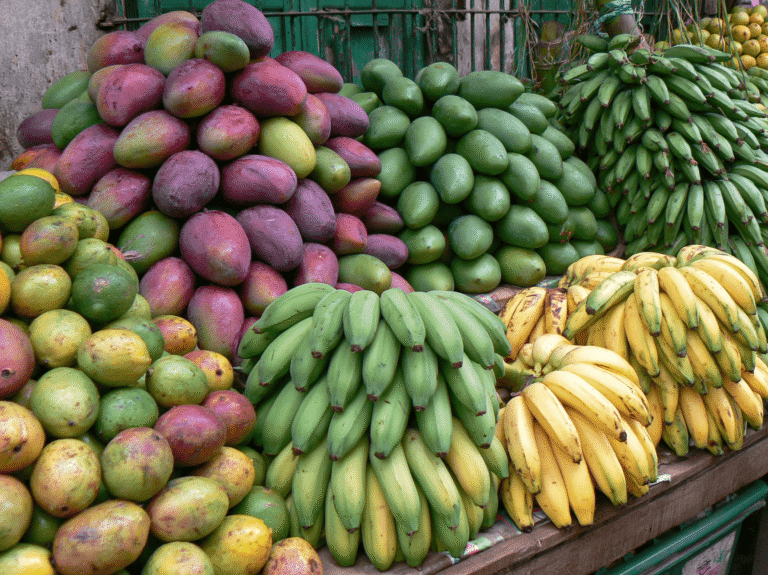
FSSAI warning on artificial fruit ripening has raised serious concerns across India during the summer fruit season, especially regarding mangoes and bananas that may be ripened using banned chemicals such as calcium carbide, commonly called “masala.” The Food Safety and Standards Authority of India has warned traders, wholesalers, distributors and consumers about the illegal use of unsafe ripening agents that can make fruits appear yellow and ready to eat even when they may be chemically treated, unevenly ripened or unsafe for consumption. [1]
As mangoes and bananas flood markets during peak summer demand, food safety officials have intensified inspections at fruit mandis, storage facilities and distribution chains to identify the use of prohibited artificial ripening methods. FSSAI has reiterated that calcium carbide is banned for ripening fruits under the Food Safety and Standards Regulations because of possible health risks linked to arsenic and phosphorus contamination. [1][2]
The concern around artificial fruit ripening has become a major public health topic because consumers often cannot easily distinguish naturally ripened fruits from chemically ripened ones. Many chemically ripened mangoes and bananas may look bright yellow outside while remaining raw, hard or starchy inside. In some cases, suspicious fruits may show black blotches, abnormal smell, uneven ripening or unusual taste. [2]
Unlike calcium carbide, controlled ethylene gas ripening is permitted by FSSAI under prescribed safety conditions. Ethylene is a natural plant hormone involved in the normal ripening process of fruits. However, FSSAI has strictly prohibited the use of carbide gas, direct chemical dipping and unsafe ripening practices that expose consumers to unnecessary health risks. [2]
Why FSSAI Is Concerned About Artificial Fruit Ripening
Mangoes and bananas are commonly harvested before they become fully ripe because ripe fruits are soft, perishable and difficult to transport over long distances. Artificial ripening, when done safely, helps such fruits reach consumers in edible condition. FSSAI’s guidance note explains that artificial ripening is generally used for climacteric fruits such as mango, banana and papaya to achieve faster and more uniform ripening. [2]
However, the problem begins when traders use banned chemicals to speed up ripening and improve the appearance of fruits. Calcium carbide is one such illegal ripening agent. It releases acetylene gas, which can force fruits to change colour quickly. FSSAI has warned that industrial-grade calcium carbide may contain traces of arsenic and phosphorus, which can be harmful to humans. [2]
What Is Calcium Carbide or “Masala”?
Calcium carbide is an industrial chemical that some traders use illegally to ripen fruits quickly. In many fruit markets, it is referred to as “masala.” When calcium carbide comes in contact with moisture, it releases acetylene gas. This gas can trigger external ripening signs, especially yellowing of the peel.
FSSAI has clearly stated that carbide gas or acetylene gas is not permitted for artificial ripening of fruits under the Food Safety and Standards Regulations, 2011. The authority’s guidance note says calcium carbide may contain harmful traces of arsenic and phosphorus and may cause dizziness, frequent thirst, irritation, weakness, difficulty in swallowing, vomiting and skin ulcers. The acetylene gas released from calcium carbide can also be harmful to handlers. [2]
This is why FSSAI has repeatedly warned fruit traders, wholesalers, distributors and food business operators not to use calcium carbide for ripening mangoes, bananas, papayas or any other fruits.
Is All Artificial Ripening Unsafe?
No. This distinction is very important for consumers.
Artificial ripening is not automatically unsafe. FSSAI permits the use of ethylene gas for artificial ripening at a concentration of up to 100 ppm, depending on the crop, variety and maturity of the fruit. Ethylene is naturally produced by fruits and plays an important role in the normal ripening process. [2]
The unsafe practices include:
- Using calcium carbide or carbide gas.
- Dipping fruits directly in chemical solutions.
- Allowing ethylene-releasing powders, liquids or sachets to directly touch the fruit.
- Using non-permitted ripening agents.
- Selling fruits ripened through banned, unhygienic or unverified methods.
FSSAI’s 2026 advisory also flagged the practice of dipping fruits in ethephon solution for artificial ripening of bananas and other fruits. The regulator stated that direct contact of fruits and vegetables with ethylene in powder or liquid form is prohibited. [1]
In simple terms, controlled ethylene gas ripening is permitted, but calcium carbide and direct chemical contact are not.
Why Mangoes and Bananas Are Commonly Targeted
Mangoes and bananas are among the most commonly transported and stored seasonal fruits. They are often moved in a green or semi-ripe stage to prevent spoilage. Once they reach the destination market, some traders try to ripen them quickly to meet high consumer demand.
FSSAI recognises that safe artificial ripening has a role in the fruit supply chain. However, illegal chemical ripening becomes a public-health concern when fruits are made to appear ripe from outside while remaining raw, unevenly ripened, or contaminated through unsafe handling practices. [2]
How to Identify Suspicious Mangoes
Consumers should understand that there is no simple visual method that can prove calcium carbide use with complete certainty. A mango can look unusual for several reasons, including variety, storage conditions, weather, transport damage or natural disease. However, certain warning signs should make buyers cautious.
The first red flag is a mango that looks bright yellow outside but remains hard, raw, sour or starchy inside. Natural ripening usually changes colour, aroma, sweetness and texture together. If the fruit has turned yellow but has not developed the normal mango smell or softness, it may have been forced to ripen unnaturally.
FSSAI specifically advises consumers to avoid fruits with black blotches on the skin, as these fruits are likely to have been ripened by acetylene gas produced from calcium carbide. [2]
Consumers should be cautious if mangoes show several of these signs together:
- Very bright or uniform yellow colour but hard pulp inside.
- Green patches mixed with sudden yellowing.
- Black blotches or abnormal dark spots on the skin.
- Lack of natural mango aroma.
- Sharp, unusual or chemical-like smell near the stem.
- Uneven ripening, where some portions are soft while others remain raw.
- Fruit that looks ripe outside but tastes raw, sour, chalky or starchy inside.
- Skin that appears unnaturally shiny or patchy.
A naturally ripened mango usually develops a pleasant fruity smell, gradual colour change and even softening. Suspicious mangoes should not be eaten just because they look attractive.
How to Identify Suspicious Bananas
Bananas are also commonly ripened before sale because they are transported in a green or semi-mature condition. Safe ripening is allowed when it is done through approved ethylene gas methods. However, bananas that are force-ripened unsafely may show abnormal ripening patterns.
A suspicious banana may look yellow outside while the stem, crown or tips remain unusually green. It may feel soft outside but taste raw, dry, chalky or starchy inside. Some bananas may also show uneven patches, harsh smell, abnormal dark spots or wet damaged areas.
Consumers should be cautious if bananas show these signs:
- Yellow peel but very green stem or crown.
- Raw or chalky taste despite yellow skin.
- No normal ripe-banana aroma.
- Uneven ripening within the same bunch.
- Harsh or chemical-like smell.
- Abnormal black spots, wet patches or bruised areas.
- Fruit that causes throat irritation or burning sensation after eating.
These signs are not laboratory proof of calcium carbide. However, they are enough reason to avoid the fruit, especially when multiple warning signs appear together.
Health Risks Linked to Calcium Carbide-Ripened Fruits
FSSAI has warned that calcium carbide may contain traces of arsenic and phosphorus. Exposure may cause symptoms such as dizziness, frequent thirst, irritation, weakness, difficulty in swallowing, vomiting and skin ulcers. Calcium carbide may also come in direct contact with fruits during application and leave harmful residues. [2]
Consumers should take symptoms seriously, especially after eating fruit that smelled chemical-like, tasted abnormal or appeared suspicious. Children, pregnant women, elderly people and individuals with chronic illness should be extra cautious because food-related illness can affect them more severely.
When to Seek Medical Help
Stop eating the fruit immediately if you notice any unusual reaction after consuming suspected chemically ripened mangoes or bananas.
Seek medical help if symptoms include:
- Vomiting or repeated nausea.
- Burning in the mouth or throat.
- Difficulty in swallowing.
- Dizziness or severe weakness.
- Stomach pain or persistent discomfort.
- Skin irritation or ulcers.
- Breathing difficulty.
- Fainting.
- Severe dehydration.
- Symptoms in children, pregnant women, elderly people or people with chronic disease.
This article is for food-safety awareness only. It does not replace medical diagnosis or treatment. If symptoms are severe or persistent, consult a doctor or visit the nearest emergency facility.
What Consumers Should Do Before Eating Mangoes and Bananas
FSSAI advises consumers to wash fruits thoroughly with running potable water before eating. Consumers should also buy fruits from known sellers, reputed stores or dealers who can confirm that fruits have not been ripened using harmful or banned chemicals. [2]
For mangoes, wash the fruit properly before cutting. Avoid eating the peel if the fruit looks suspicious. Do not eat mangoes that smell chemical-like, have abnormal black blotches, taste raw despite looking ripe, or cause irritation in the mouth or throat.
For bananas, avoid bunches that look unnaturally yellow but have very green stems and raw taste. Do not eat bananas that smell unusual, have wet or rotten patches, or taste bitter, chalky or chemical-like.
Consumers should also avoid buying fruits from sellers who store fruits near suspicious chemical packets, powders, sachets or industrial materials.
Can You Test Chemically Ripened Fruits at Home?
Consumers should be careful about viral “home tests” for detecting carbide-ripened fruits. Many social media videos suggest water tests, burning tests or smell tests, but these are not reliable scientific methods for consumers.
FSSAI’s 2026 advisory mentions that enforcement officials may use strip paper tests to detect acetylene in godowns or ripening chambers. The advisory also states that since no residue may be left on or inside the fruit, it is not possible to carry out this qualitative test directly on the fruit; it can be performed at the godown level. [1]
This means consumers should not depend on unverified home experiments. Safer steps include buying from trusted sellers, checking colour, smell and texture, washing fruits properly, avoiding suspicious fruit, and reporting illegal practices to food-safety authorities.
Safe Buying Checklist for Mangoes and Bananas
Before buying mangoes or bananas, check the fruit carefully. Do not buy only by colour. A bright yellow fruit is not always the safest or the ripest.
Choose fruits that have:
- Natural aroma.
- Gradual colour change.
- Normal texture.
- No chemical-like smell.
- No abnormal black blotches.
- No uneven soft and hard patches.
- No raw taste despite yellow appearance.
- No suspicious storage around chemicals or powders.
For mangoes, press gently. The fruit should not be rock hard if it looks fully ripe. For bananas, check whether peel colour, smell and softness are consistent with normal ripening. If the fruit looks ripe but tastes raw, do not continue eating it.
What Traders and Fruit Handlers Must Know
FSSAI’s warning is not only for consumers. It is also a strict compliance message for fruit traders, wholesalers, distributors, storage operators and food business operators.
Food business operators must not use calcium carbide or any non-permitted ripening agent. They must not dip fruits in ethephon solution or allow ethylene-releasing chemicals to directly touch fruits. Approved ethylene-based ripening must be done only as per FSSAI’s guidance and standard operating procedure. [1][2]
FSSAI’s 2026 advisory states that food safety officials have been advised to intensify inspections and maintain strict vigilance over fruit markets, mandis, storage facilities, wholesalers and distributors. The presence of calcium carbide on premises or alongside fruit crates may be treated as circumstantial evidence for prosecution under applicable provisions. [1]
Where to Report Suspicious Fruit Ripening
Consumers who suspect the use of calcium carbide or unsafe ripening practices can report the matter through FSSAI’s Food Safety Connect platform. The portal allows consumers to share food-safety concerns, know their rights, track food business licence or registration authenticity, and access food-safety information. [3]
When reporting, consumers should provide clear details such as:
- Seller’s name.
- Shop or market location.
- Date of purchase.
- Type of fruit purchased.
- Photos or videos, if available.
- Details of suspicious packets, powders or sachets near the fruit.
- Any symptoms noticed after consumption.
Consumers may also approach the concerned State Food Safety Commissioner or local food-safety department for action.
Bottom Line
FSSAI’s warning on artificial fruit ripening is a serious public-health reminder. Mangoes and bananas are not unsafe simply because they are artificially ripened, but the method used for ripening matters. Controlled ethylene gas ripening is permitted under FSSAI rules, while calcium carbide or “masala” is banned. [1][2]
Consumers should not judge fruit only by bright colour. A safer fruit should smell natural, ripen evenly, have normal texture and come from a trusted seller. Avoid mangoes and bananas with black blotches, chemical smell, uneven ripening, raw taste despite yellow skin or abnormal texture.
Wash fruits thoroughly before eating and report suspicious practices to FSSAI or the concerned food-safety authority. The safest fruit is not the one that looks the brightest. It is the one ripened through a lawful, hygienic and safe process.
FAQs
Is calcium carbide banned for fruit ripening in India?
Yes. FSSAI has reiterated that calcium carbide, commonly called “masala,” is prohibited for use as an artificial ripening agent in fruits such as mangoes, bananas and papayas.
Are artificially ripened mangoes and bananas always unsafe?
No. Artificial ripening is considered safe when done using approved ethylene gas methods under prescribed conditions. FSSAI permits ethylene gas ripening up to 100 ppm depending on the fruit, variety and maturity.
What is the biggest warning sign of carbide-ripened fruit?
FSSAI advises consumers to avoid fruits with black blotches on the skin because such fruits are likely to have been ripened by acetylene gas produced from calcium carbide. However, visual signs alone cannot confirm chemical ripening with certainty.
How can I identify suspicious mangoes?
Avoid mangoes that look bright yellow outside but remain raw, hard or sour inside. Also be cautious of mangoes with black blotches, chemical-like smell, uneven ripening, lack of natural aroma or abnormal texture.
How can I identify suspicious bananas?
Avoid bananas that look yellow outside but taste raw, dry or chalky inside. Be cautious if bananas have an unusual smell, uneven softness, abnormal dark patches or a green crown with unnaturally yellow peel.
Can I test calcium carbide in fruits at home?
There is no simple reliable home test for consumers. FSSAI’s advisory mentions strip paper tests for detecting acetylene in godowns or ripening chambers by enforcement officials, not as a routine home fruit test.
What should I do after buying suspected chemically ripened fruit?
Do not eat fruit that smells chemical-like, tastes abnormal, causes throat irritation or shows suspicious black blotches. Preserve purchase details and report the seller through FSSAI’s Food Safety Connect platform or to the concerned State food-safety authority.
What symptoms should I watch for after eating suspicious fruit?
Watch for vomiting, dizziness, weakness, throat irritation, difficulty in swallowing, stomach discomfort, skin irritation or other unusual symptoms. Seek medical help if symptoms are severe, persistent or occur in children, pregnant women, elderly people or people with chronic illness.
Medical and Food-Safety Disclaimer
This article is intended for public awareness and food-safety education. It is not a substitute for professional medical advice, diagnosis or treatment. If you experience severe symptoms after consuming suspected chemically ripened fruit, seek medical care immediately. For suspected illegal ripening practices, report the matter to FSSAI or the concerned State food-safety authority.
References
[1] Food Safety and Standards Authority of India (FSSAI). (2026). Advisory dated 16 April 2026: Monitoring the sale of fresh fruits for the use of unauthorized or prohibited artificial ripening agents.
https://www.fssai.gov.in/upload/advisories/2026/04/69f1fd75afea7Advisory%20dated%2016.04.2026.pdf
[2] Food Safety and Standards Authority of India (FSSAI). (2020). Guidance Note No. 04/2018: Artificial ripening of fruits — Ethylene gas: A safe fruit ripener.
https://fssai.gov.in/upload/uploadfiles/files/Guidance_Note_Ver2_Artificial_Ripening_Fruits_03_01_2019_Revised_10_02_2020.pdf
[3] Food Safety and Standards Authority of India (FSSAI). Food Safety Connect consumer grievance platform.
https://fssai.gov.in/cms/food-safety-connect.php
[4] Google Search Central. Creating helpful, reliable, people-first content.
https://developers.google.com/search/docs/fundamentals/creating-helpful-content
[5] Food Safety and Standards Authority of India (FSSAI). (2023). Press release regarding artificial ripening of fruits and use of calcium carbide.
https://www.fssai.gov.in/upload/press_release/2023/03/640eb634762f0Press%20Release-%20Fruits%20English.pdf
[6] World Health Organization (WHO). Food safety fact sheet.
https://www.who.int/news-room/fact-sheets/detail/food-safety
[7] United States Food and Drug Administration (FDA). Foodborne illness and food safety information.
https://www.fda.gov/food/foodborne-pathogens
[8] National Centre for Disease Control (NCDC), Government of India. Food safety and foodborne disease prevention guidance.
https://ncdc.mohfw.gov.in
[9] Food and Agriculture Organization (FAO). Food safety and quality overview.
https://www.fao.org/food-safety/en/
[10] European Food Safety Authority (EFSA). Chemical contaminants in food and consumer safety.
https://www.efsa.europa.eu/en/topics/topic/chemical-contaminants-food