



India Heatwave 2026: What Patients Need to Know First
India Heatwave 2026 is becoming a serious public health concern, especially for children, elderly people, pregnant women, outdoor workers, and patients with chronic diseases. During extreme summer temperatures, the body can lose water and salts quickly, leading to dehydration, heat exhaustion, and in severe cases, heatstroke.
India is facing increased heat-related health risks during the 2026 summer season. The Ministry of Health and Family Welfare, through the National Centre for Disease Control, has advised states to strengthen heat-health preparedness, including ORS availability, IV fluids, ice packs, ambulance readiness, heatstroke management units and public awareness activities.
Heatstroke is a medical emergency. It can affect the brain, heart, kidneys and other organs if not treated quickly. Early recognition of symptoms such as dizziness, weakness, headache, vomiting, muscle cramps, confusion, fainting or seizures can save lives.
What is the latest heatwave update for India in 2026?
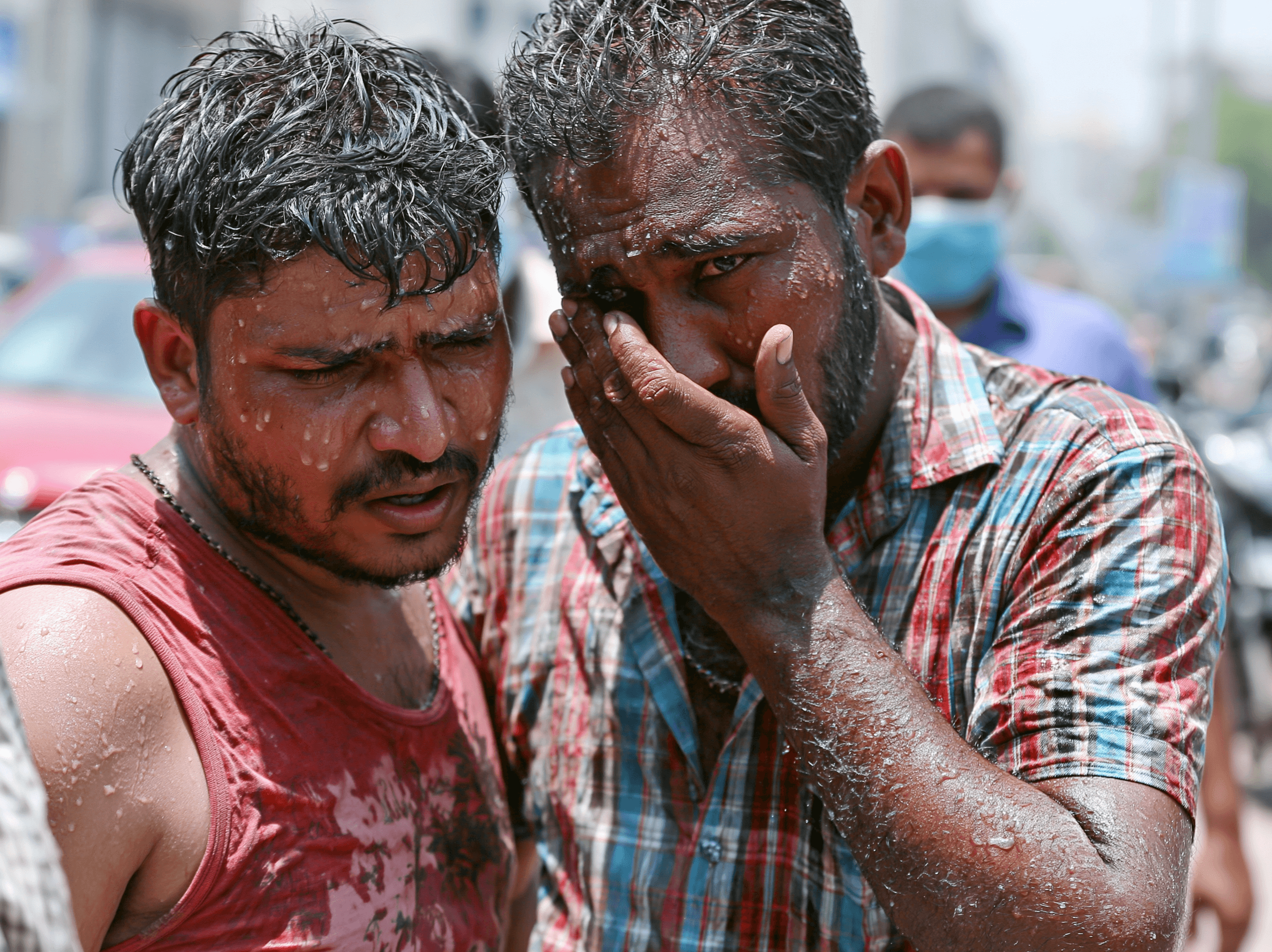
According to a 23 April 2026 communication from the Department of Health and Family Welfare, Government of India, above-normal heatwave days were expected from April to June 2026 across parts of East, Central and North-West India and the South-East Peninsula. The advisory specifically mentioned coastal areas of Odisha, West Bengal, Tamil Nadu, Puducherry and Andhra Pradesh, along with isolated regions of Gujarat, Maharashtra and Karnataka.
The National Centre for Disease Control also issued an advisory for State Health Departments for Summer 2026, noting that India may observe above-normal seasonal maximum temperatures and that health departments should ensure preparedness and timely response.
This makes public awareness extremely important, especially for children, elderly people, pregnant women, outdoor workers and patients with chronic diseases.
What is a heatwave?
The India Meteorological Department defines a heatwave using both temperature thresholds and departure from normal temperature. A heatwave is considered when maximum temperature reaches at least 40°C in plains or 30°C in hilly regions. It may also be declared when actual maximum temperature reaches 45°C or more, while severe heatwave conditions may be declared when actual maximum temperature reaches 47°C or more.
For coastal stations, IMD states that a heatwave may be described when maximum temperature departure is 4.5°C or more from normal, provided the actual maximum temperature is 37°C or more.
However, from a health point of view, even temperatures below official heatwave criteria can be dangerous when humidity is high, nights remain warm, drinking water is inadequate, or people are exposed to direct sun for long hours.
Why heatwaves are dangerous for health
Extreme heat increases the body’s thermal load. When the body cannot cool itself properly, it may lead to dehydration, heat cramps, heat exhaustion or heatstroke. WHO describes heat as an important environmental and occupational health hazard and notes that heat can worsen cardiovascular disease, diabetes, respiratory disease, mental health conditions and other illnesses. WHO also states that heatstroke is a medical emergency with a high case-fatality risk.
A 2024 multi-city Indian study published in Environment International found strong evidence that heatwaves increase daily mortality. The study analyzed about 3.6 million deaths across ten Indian cities and found that temperatures above the 97th percentile for two consecutive days were associated with a 14.7% increase in daily mortality.
This means heatwave protection is not only about comfort. It is a serious public health issue.
Heat exhaustion vs heatstroke: know the difference
| Condition | Common symptoms | What to do |
|---|---|---|
| Heat cramps | Muscle cramps, swelling, fainting, mild fever | Move to shade, drink water/ORS, rest |
| Heat exhaustion | Fatigue, weakness, dizziness, headache, nausea, vomiting, muscle cramps and sweating | Move to a cool place, give ORS/water if conscious, cool the body, seek medical help if symptoms persist |
| Heatstroke | Body temperature around 40°C/104°F or more, confusion, delirium, seizures, coma or unconsciousness | Medical emergency. Start cooling and seek urgent hospital care |
NDMA lists heat exhaustion symptoms such as fatigue, weakness, dizziness, headache, nausea, vomiting, muscle cramps and sweating. It describes heatstroke as a potentially fatal condition with body temperature around 40°C/104°F or more, along with delirium, seizures or coma.
Do not wait for all symptoms to appear. A person with confusion, fainting, seizures, persistent vomiting, very high temperature, severe weakness or altered consciousness needs urgent medical care.
Who is at higher risk during heatwaves?
Anyone can suffer from heat-related illness, but some groups need special protection:
- Infants and young children
- Elderly people
- Pregnant women
- Outdoor workers, farmers, traffic police, delivery workers and construction workers
- People with heart disease, high blood pressure, diabetes, kidney disease or respiratory illness
- People with mental illness or reduced ability to recognize danger
- People living alone
- People travelling from cooler climates to hot regions
- Athletes and people doing strenuous outdoor activity
NCDC identifies infants, young children, pregnant women, outdoor workers, people with mental illness, and people with heart disease or high blood pressure as vulnerable groups. It also advises travellers from colder climates to allow time for acclimatization
Early symptoms you should not ignore

During a heatwave, watch for:
- Unusual thirst
- Dry mouth
- Dizziness
- Headache
- Weakness
- Nausea or vomiting
- Muscle cramps
- Excessive sweating or sudden absence of sweating
- Fast heartbeat
- Dark yellow urine or reduced urination
- Irritability or confusion
- Fainting
- Seizures
- Unconsciousness
Mild symptoms may progress quickly in children, elderly people and outdoor workers. If symptoms worsen despite rest, cooling and fluids, medical evaluation is necessary.
ORS use during heatwave: what patients should know
ORS can be useful in heat-related dehydration, especially when there is excessive sweating, weakness, dizziness or fluid loss. NCDC advises people to use Oral Rehydration Solution and consume fluids such as lemon water, buttermilk/lassi and fruit juices with some added salt during extreme heat.
Safe ORS rules
- Use a standard ORS packet whenever available.
- Mix it exactly as written on the packet. Do not make it too concentrated.
- Use clean drinking water.
- Take small, frequent sips.
- Do not give oral fluids to an unconscious person.
- Children, elderly people, pregnant women and patients with kidney disease, heart failure, severe vomiting or altered consciousness should be medically assessed.
- ORS is supportive care. It is not a treatment for severe heatstroke.
When water may not be enough
Plain water may be enough for mild thirst, but if sweating is heavy or symptoms of dehydration are present, ORS can help replace fluid and electrolytes. However, if there is confusion, fainting, persistent vomiting, very high body temperature or seizures, hospital care is required.
Heatwave prevention: practical rules for the public
1. Stay hydrated
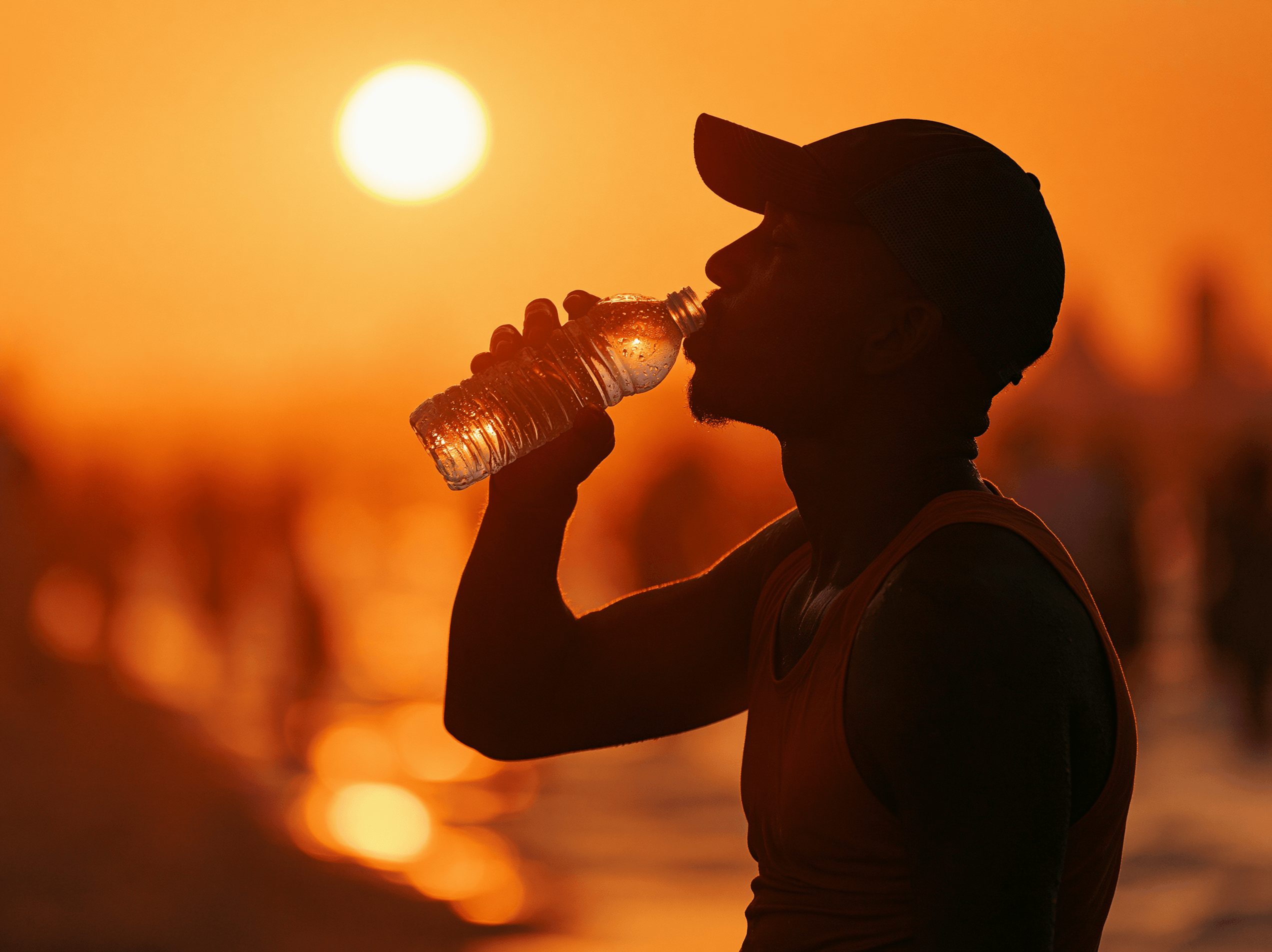
Drink water regularly, even if you do not feel thirsty. NCDC clearly states that thirst is not a good indicator of dehydration. Carry drinking water when travelling.
Good options include:
- Clean water
- ORS
- Lemon water
- Buttermilk or lassi
- Coconut water
- Light homemade fluids
- Seasonal fruits with high water content such as watermelon, muskmelon, orange, grapes, pineapple and cucumber
Avoid excessive sugary drinks.
2. Avoid peak sun exposure
Avoid going out in direct sun, especially between 12 noon and 3 PM. NCDC also advises avoiding strenuous outdoor activities during the afternoon.
Outdoor work should be shifted to early morning or evening whenever possible.
3. Wear protective clothing
Wear thin, loose, light-coloured cotton clothing. Cover your head with an umbrella, cap, towel or traditional head covering when exposed to direct sunlight. Wear footwear when going outdoors.
4. Keep your home cool
Keep windows and curtains closed during the hottest part of the day, especially on the sunny side of the house. Open them at night when the air is cooler. Try to remain on lower floors during the day if the upper floors are very hot.
Use fans, damp cloths, spray bottles and ice towels to cool the body when needed.
5. Avoid unsafe drinks and food habits
During peak heat, avoid:
- Alcohol
- Excess tea
- Excess coffee
- Carbonated soft drinks
- Very sugary drinks
- Stale food
- Very heavy, high-protein meals
- Excess spicy, salty and oily foods
NCDC advises avoiding alcohol, tea, coffee, carbonated soft drinks and drinks with large amounts of sugar, as they may contribute to fluid loss or stomach cramps. It also advises avoiding high-protein food and stale food during extreme heat.
6. Do not leave children or pets in parked vehicles
Never leave a child, elderly person or pet inside a parked vehicle, even for a short time. NCDC warns that the temperature inside a parked vehicle can become dangerous.
Special precautions for outdoor workers
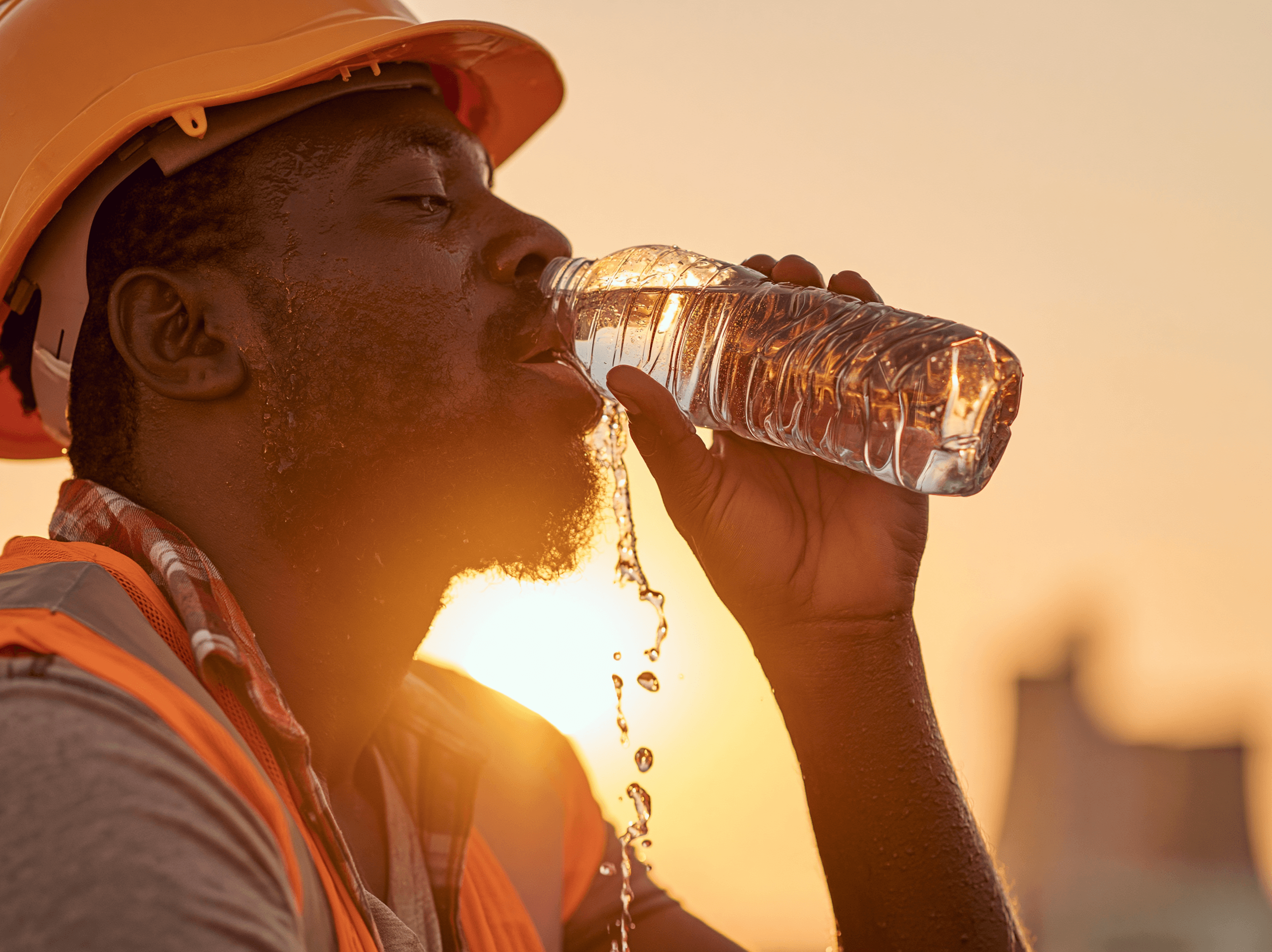
Outdoor workers are among the highest-risk groups during heatwaves. NCDC advises workplaces to provide cool drinking water, shaded work areas, rest breaks, acclimatization, first-aid preparedness and heat illness awareness training. Workers should be reminded to drink water regularly, and strenuous work should be scheduled during cooler hours.
Employers should:
- Provide cool drinking water at the workplace
- Provide shade or temporary shelters
- Schedule heavy work in morning or evening
- Increase rest breaks
- Train workers to recognize symptoms
- Use a buddy system
- Keep ORS and first-aid material available
- Arrange emergency response plans
- Give special protection to pregnant workers and workers with medical conditions
Heat safety should be treated as an occupational health responsibility.
First aid for suspected heat exhaustion or heatstroke
If you think someone is suffering from heat-related illness:
- Move the person to a cool place or shade.
- Loosen tight clothing.
- Fan the person.
- Apply cool wet cloths to the face and body.
- Give water or ORS only if the person is fully conscious and able to drink.
- Do not give alcohol, caffeine or aerated drinks.
- Seek urgent medical help if symptoms worsen, persist, or the person becomes confused, drowsy, unconscious or has seizures.
NDMA advises moving the person to a cool shaded place, giving water or a rehydrating drink if conscious, fanning the person, cooling with wet cloths, loosening clothes and consulting a doctor if symptoms worsen, last long or the person is unconscious.
Emergency warning signs
Seek urgent care immediately if there is:
- Confusion
- Unconsciousness
- Seizure
- Very high body temperature
- Persistent vomiting
- Severe weakness
- Breathlessness
- Chest pain
- No urination for many hours
- Fainting
- Severe dehydration
- Symptoms in a child, elderly person, pregnant woman or patient with chronic disease
Heatstroke is not ordinary fever. Do not rely only on fever medicines. Rapid cooling and medical care are essential.
Doctor’s advice by Dr Arjun Kumar
Heatwave illness is preventable, but it can become dangerous when early symptoms are ignored. Many patients continue working outdoors despite dizziness, headache, cramps or weakness. These symptoms should be taken seriously, especially during April to June in India.
ORS, water, rest and cooling can help in mild heat exhaustion, but heatstroke requires emergency medical care. A confused, unconscious or convulsing person should never be forced to drink water. Shift the person to a cooler place, start external cooling and arrange urgent transport to a hospital.
For families, the most important rule is simple: protect children, elderly people, pregnant women and outdoor workers before symptoms become severe. Keep ORS at home, avoid direct afternoon sun, use light meals, and follow local IMD and health department advisories.
Ayurveda perspective: Grishma Ritucharya and heat protection

Ayurveda has long recognized the importance of seasonal adaptation. In Charaka Samhita, Sutra Sthana, Chapter 6 — Tasyashiteeya Adhyaya, Grishma Ritu is discussed as the summer season. The text describes seasonal diet and lifestyle as important for maintaining health and preventing disease.
For Grishma Ritu, Charaka Samhita recommends foods and lifestyle measures that are madhura, drava, sheeta, laghu and snigdha in nature, along with protection from heat, living in cooler places, cold water bathing and light clothing. The same section advises avoiding excessive salty, sour, pungent and hot substances, curd, alcohol, heavy exercise and direct sun exposure.
Ashtanga Hridaya, Sutra Sthana, Chapter 3 — Ritucharya Adhyaya also explains that Grishma occurs during Adana Kala, when the sun and wind become strong, hot and dry, and human strength gradually reduces.
Practical Ayurvedic summer care
Supportive summer care may include:
- Light, freshly prepared meals
- Adequate fluids
- Avoiding excessive spicy, sour, salty and fried food
- Avoiding heavy exercise in peak heat
- Using cooling lifestyle measures
- Avoiding unnecessary sun exposure
- Supporting digestion with simple seasonal food
Important safety note: Ayurveda-based seasonal care is preventive and supportive. It should not replace emergency treatment for heatstroke, severe dehydration, unconsciousness, seizures or serious illness.
What not to do during heatwave
Avoid these mistakes:
- Do not ignore dizziness, fainting or confusion.
- Do not force water into an unconscious person’s mouth.
- Do not depend only on fever tablets for heatstroke.
- Do not continue outdoor work after warning symptoms.
- Do not drink alcohol during extreme heat.
- Do not consume excessive tea, coffee or sugary soft drinks.
- Do not leave children, elderly people or pets inside vehicles.
- Do not eat stale food.
- Do not exercise heavily in afternoon heat.
- Do not delay medical care in high-risk patients.
Frequently asked questions
Is heatstroke the same as fever?
No. Fever usually occurs due to infection or inflammation, while heatstroke occurs when the body fails to control its temperature after heat exposure. Heatstroke is a medical emergency and requires rapid cooling and medical care.
Can ORS prevent heatstroke?
ORS can help prevent and manage dehydration, but it cannot treat severe heatstroke by itself. Heatstroke requires urgent cooling and hospital care.
Can children take ORS during heatwave?
Children may take ORS when needed, but it must be prepared correctly. If a child has repeated vomiting, drowsiness, poor urination, high fever, confusion or inability to drink, consult a doctor urgently.
Is coconut water useful?
Coconut water may help with hydration in healthy individuals, but it is not a replacement for medical care. Patients with kidney disease, electrolyte problems or fluid restrictions should take medical advice.
Why should tea, coffee and alcohol be avoided?
NCDC advises avoiding alcohol, tea, coffee, carbonated soft drinks and very sugary drinks during extreme heat because they may contribute to fluid loss or stomach cramps.
Which foods are better during heatwave?
Prefer light, fresh, easy-to-digest food, seasonal fruits, adequate fluids and freshly prepared meals. Avoid stale food, heavy high-protein meals, excess spicy foods and alcohol.
Can Ayurveda help during heatwave?
Ayurveda can guide preventive seasonal care through Grishma Ritucharya, including cooling diet, hydration, reduced exertion and avoidance of direct sun. However, heatstroke is an emergency and needs modern medical management.
Patient safety message
Heatwave-related illness is largely preventable. Keep ORS at home, stay hydrated, avoid direct afternoon sun, protect vulnerable family members and follow local weather alerts. Seek urgent medical help if there is confusion, fainting, seizures, persistent vomiting, severe weakness or unconsciousness.
Medical disclaimer
This article is for educational purposes only. It does not replace consultation with a qualified physician. Heatstroke, severe dehydration, unconsciousness, seizures, chest pain, breathlessness or altered consciousness require urgent medical care.
References
National Centre for Disease Control. (2026). Advisory for State Health Departments for Summer 2026. Ministry of Health and Family Welfare, Government of India.
https://ncdc.mohfw.gov.in/uploads/pdf/1.%20Heat%20wave%20advisory%20for%20State%20Health%20department_2026.pdf
Department of Health and Family Welfare. (2026, April 23). Communication regarding heat wave preparedness for 2026. Ministry of Health and Family Welfare, Government of India.
https://ncdc.mohfw.gov.in/uploads/pdf/DO%20letter%20from%20Secy%20(H)%20reg.%20Heat%20Wave_23rd%20April%202026.pdf
National Centre for Disease Control. (2026). Public Health Advisory: Extreme Heat/Heatwave. Ministry of Health and Family Welfare, Government of India.
https://ncdc.mohfw.gov.in/uploads/pdf/5.%20Public%20Health%20Advisory_Extreme%20HeatHeatwave.pdf
India Meteorological Department. (n.d.). Heat wave definition. Ministry of Earth Sciences, Government of India.
https://internal.imd.gov.in/section/nhac/dynamic/Definition.pdf
National Disaster Management Authority. (n.d.). Heat Wave. Ministry of Home Affairs, Government of India.
https://ndma.gov.in/heat-wave
World Health Organization. (2026). Climate change: Heat and health. WHO.
https://www.who.int/news-room/fact-sheets/detail/climate-change-heat-and-health
de Bont, J., Nori-Sarma, A., Stafoggia, M., Banerjee, T., Ingole, V., Jaganathan, S., Mandal, S., Rajiva, A., Krishna, B., Kloog, I., Lane, K., Mall, R. K., Tiwari, A., Wei, Y., Wellenius, G. A., Prabhakaran, D., Schwartz, J., Prabhakaran, P., & Ljungman, P. (2024). Impact of heatwaves on all-cause mortality in India: A comprehensive multi-city study. Environment International, 184, 108461.
https://www.sciencedirect.com/science/article/pii/S0160412024000473
Lancet Countdown. (2025). Health and climate change in India: Data sheet 2025.
https://lancetcountdown.org/wp-content/uploads/2025/10/India_Lancet-Countdown_2025_Data-Sheet-2.pdf
Charaka Samhita Online. (n.d.). Tasyashiteeya Adhyaya (Sutra Sthana Chapter 6).
https://www.carakasamhitaonline.com/index.php/Tasyashiteeya_Adhyaya
Easy Ayurveda. (n.d.). Ritucharya – Ayurvedic seasonal regimen (Ashtanga Hridaya, Sutra Sthana Chapter 3).
https://www.easyayurveda.com/ritucharya-ayurvedic-seasonal-regimen-3rd-chapter-ashtang-hriday/