


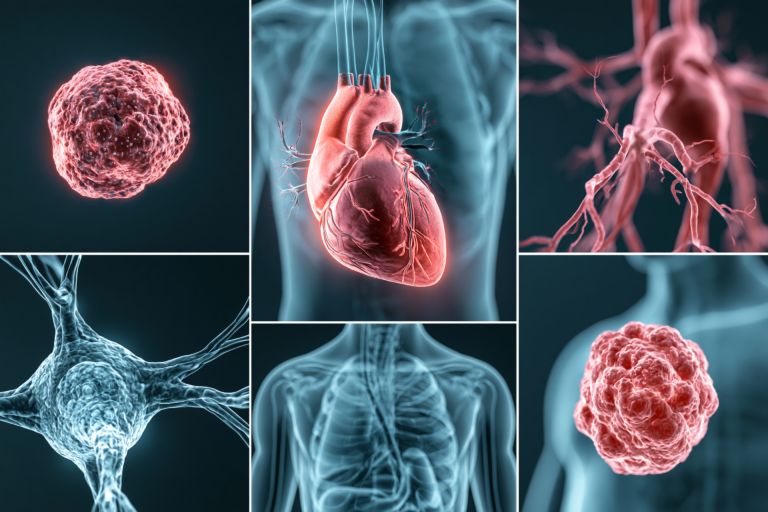
Chronic inflammation is one of the most important health topics of our time because it often works quietly. It may not always appear as dramatic swelling or sudden pain. For many people, it feels like low energy, joint stiffness, digestive discomfort, poor sleep, brain fog, recurring skin flare-ups, or the sense that the body is always under stress [3][4]. Acute inflammation is part of normal healing, but chronic inflammation is different. It can continue for months or years, keeping the immune system switched on long after the original trigger should have settled [3].
Modern chronic inflammation research shows why this matters. Systemic chronic inflammation has been linked with several long-term diseases, including cardiovascular disease, type 2 diabetes, cancer, chronic kidney disease, fatty liver disease, autoimmune conditions, and neurodegenerative disorders [2]. This does not mean inflammation is the only cause of these conditions, and it does not mean every ache or tired day is dangerous. It means inflammation is a major biological signal worth understanding early.
The good news is that chronic inflammation is not only a laboratory topic. It is deeply connected with everyday life: food quality, sleep, stress, movement, gut health, smoking, alcohol, air pollution, body weight, infections, and immune balance all matter [5][6]. This is also where Ayurveda can be positioned powerfully and responsibly. Ayurveda should not be presented as a quick “magic cure.” A more trustworthy message is that Ayurveda supports the body’s return to balance by working on digestion, daily routine, food choices, stress regulation, sleep rhythm, and carefully selected herbs under professional guidance [12][16].
What chronic inflammation really means
Inflammation is the body’s natural defense response. When you cut your finger, fight an infection, or recover from an injury, inflammatory cells help remove threats and begin repair [3]. That short-term response is useful. Problems begin when the immune system remains activated at a low level for too long.
Chronic inflammation can be driven by unresolved infections, autoimmune disease, repeated exposure to irritants, excess visceral fat, poor diet, lack of movement, long-term stress, poor sleep, smoking, alcohol, environmental pollutants, or an imbalanced gut barrier [3][5][11]. In simple language, the body can start living as if it is always under attack.
This is why people search for chronic inflammation symptoms even when standard tests do not always show a clear answer. The signs can be vague. Fatigue, insomnia, joint pain, stiffness, abdominal pain, reflux, constipation, diarrhea, skin rashes, weight changes, mood changes, and frequent infections can all appear with chronic inflammation, although none of these symptoms proves inflammation by itself [4]. A qualified clinician may use history, examination, and tests such as CRP, hs-CRP, ESR, blood sugar, lipid profile, liver markers, thyroid tests, autoimmune markers, or gut-related investigations depending on the case.
Why chronic inflammation is increasing
Many modern lifestyles create a perfect environment for persistent immune irritation. The World Health Organization identifies unhealthy diets, physical inactivity, tobacco, harmful alcohol use, air pollution, high blood pressure, high blood glucose, abnormal blood lipids, and obesity as major risk factors for chronic noncommunicable diseases [5]. These same patterns are also commonly discussed in chronic inflammation research because they affect metabolism, oxidative stress, immune signaling, and tissue repair [2][5].
Food is one of the biggest daily signals. Diets high in refined carbohydrates, sugary drinks, fried foods, processed meats, and unhealthy fats are associated with inflammatory risk, while diets rich in vegetables, fruits, whole grains, legumes, nuts, olive oil, and fatty fish are more consistent with an anti-inflammatory pattern [6][7]. In the USA, people often search for “fiber,” while readers in the UK, Canada, Singapore, and Australia may search for “fibre,” so a global article should include both terms naturally.
Movement is another major signal. Adults are generally advised to get at least 150 minutes of moderate-intensity physical activity per week, or 75 minutes of vigorous activity, along with muscle-strengthening activities on two or more days weekly [8]. This does not mean everyone must join a gym. Brisk walking, cycling, swimming, resistance bands, body-weight training, yoga, and active commuting can all help the body move away from a sedentary inflammatory pattern.
Sleep and stress also deserve serious attention. Sleep loss can influence inflammatory markers such as IL-6 and CRP, and chronic stress is connected with immune and inflammatory pathways through the nervous system and hormonal stress response [9][10]. This is one reason people can eat well but still feel inflamed when they are exhausted, anxious, overworked, or sleeping irregularly.
The gut-inflammation connection
One of the strongest areas of newer research is the gut. The gut is not only a digestion tube; it is a major immune interface. The gut barrier helps decide what should enter the bloodstream and what should stay out. When the gut microbiome, intestinal lining, and immune system are disrupted, systemic inflammation may be affected [11].
This is where daily meals become more than calories. Fiber or fibre feeds beneficial gut bacteria that produce short-chain fatty acids, which are involved in immune regulation and gut barrier support [11]. A practical anti-inflammatory plate should include colorful vegetables, beans or lentils, whole grains, herbs, spices, nuts or seeds, good-quality protein, and healthy fats. Fermented foods may help some people, although they should be introduced carefully in those with histamine intolerance, severe IBS, IBD, or immune conditions.
What research suggests can help calm chronic inflammation
The most convincing approach is not one supplement or one trend. It is a layered plan. Food, movement, sleep, stress, gut health, medical care, and personalized support work better together than any single “hack.”
An anti-inflammatory diet does not need to be extreme. The best foundation is a Mediterranean-style or whole-food pattern with vegetables, fruits, legumes, whole grains, nuts, olive oil, herbs, and omega-3-rich fish if suitable [6][7]. Reducing sugary drinks, refined grains, fried foods, processed meats, and ultra-processed snacks is just as important as adding healthy foods [6].
Exercise should be consistent, not punishing. A person who is inflamed, overweight, exhausted, or in pain may do better starting with walking, gentle strength work, stretching, or yoga rather than intense workouts. The aim is to build a body that feels safe, mobile, and metabolically active [8].
Sleep should be treated as part of recovery. A regular sleep schedule, morning light exposure, reduced late-night screens, earlier caffeine cutoff, and calming evening routine can support the body’s circadian rhythm. When insomnia, sleep apnea, restless legs, night sweats, or pain disturb sleep, medical evaluation is important.
Stress regulation is not just emotional advice. Long-term stress can keep the body in a threat state, and that can influence inflammatory pathways [10]. Breathwork, meditation, prayer, journaling, time in nature, therapy, meaningful connection, and gentle yoga can all help the nervous system shift toward repair.
How Ayurveda helps support inflammatory balance
Ayurveda becomes convincing when it is explained as a personalized system rather than a generic herbal list. In Ayurvedic thinking, long-term imbalance often begins with disturbed agni, or digestive fire, and the accumulation of ama, often described as poorly processed metabolic waste. These traditional ideas are not identical to modern biomedical terms, but they offer a useful framework: when digestion, elimination, sleep, food timing, stress, and daily routine are disturbed, the body’s internal environment becomes less stable [12].
A good Ayurvedic approach asks a deeper question: what keeps pushing this person’s body into irritation? For one person, it may be heavy late meals, alcohol, poor sleep, and acidity. For another, it may be stress, constipation, irregular eating, and joint stiffness. For another, it may be excess heat, skin flare-ups, loose stools, and anger or burnout. This is why Ayurveda focuses on prakriti, current imbalance, digestion, season, age, lifestyle, and symptoms before choosing a plan [12][16].
Ayurveda can support long-term inflammatory balance through warm, digestible meals, personalized food combinations, herbs and spices, oil therapies, yoga, breathing practices, sleep rhythm, bowel regularity, and stress reduction. This gives readers a hopeful but realistic message: the goal is not to silence the body by force, but to help the body feel safe enough to settle, repair, and regain rhythm.
Certain Ayurvedic botanicals also have modern research interest. Curcumin from turmeric has been studied for effects on inflammatory and oxidative stress markers [13]. Ashwagandha has been studied for stress, oxidative stress, and inflammation-related outcomes [14]. Boswellia serrata, also known as shallaki or Indian frankincense, has evidence suggesting benefits for pain and function in osteoarthritis, although more high-quality studies are still needed [15]. These should not be sold as guaranteed solutions. They should be recommended only after checking medications, pregnancy status, liver health, autoimmune conditions, allergies, and product quality.
The safety point readers need to trust you
Ayurveda is powerful when practiced carefully, but quality matters. Some Ayurvedic products have been found to contain unsafe levels of heavy metals such as lead, mercury, or arsenic, especially when products are unregulated or bought from unreliable sellers [16]. Readers should work with qualified practitioners, use tested products, and tell their doctor about all herbs and supplements they take.
This honesty does not weaken the article. It strengthens it. Health readers in the USA, UK, Singapore, Canada, and Australia are more likely to trust content that sounds balanced, medically aware, and realistic.
A simple first step for the next seven days
Start with rhythm. Eat your last heavy meal earlier. Build one colorful anti-inflammatory meal per day with vegetables, protein, healthy fat, and fiber or fibre. Walk for 20 to 30 minutes most days if your body allows it. Sleep and wake at consistent times. Reduce sugary drinks, fried foods, and processed snacks. Add calming practices such as five minutes of slow breathing before bed. If digestion is weak, choose warm, cooked, lightly spiced meals instead of cold, heavy, irregular eating.
This simple week will not solve every inflammatory condition, but it can give the body a clearer signal. Less chaos. More rhythm. Better digestion. More movement. Better sleep. That is the beginning of inflammatory balance.
When to seek medical help
Chronic inflammation should not be self-managed when symptoms are severe, worsening, or unexplained. Seek medical care for chest pain, shortness of breath, blood in stool, persistent fever, unexplained weight loss, severe fatigue, swollen joints, neurological symptoms, ongoing abdominal pain, or symptoms that interfere with daily life. Ayurveda, nutrition, and lifestyle support can work alongside medical diagnosis and treatment, but they should not delay urgent care [16].
Frequently asked questions
Can chronic inflammation be reduced naturally?
Many inflammation-related risk factors can be influenced naturally through diet, movement, sleep, stress management, gut health, weight management, and avoiding tobacco or harmful alcohol use. However, autoimmune disease, infections, inflammatory bowel disease, arthritis, and other medical conditions may require diagnosis and treatment.
What is the best diet for chronic inflammation?
The best-supported pattern is a whole-food, anti-inflammatory diet rich in vegetables, fruits, legumes, whole grains, nuts, healthy fats, herbs, and suitable protein, while reducing sugary drinks, refined carbohydrates, fried foods, processed meats, and ultra-processed foods.
Does Ayurveda help chronic inflammation?
Ayurveda may help by personalizing food, digestion support, sleep rhythm, stress practices, movement, and herbal support. Some Ayurvedic herbs have research interest, but Ayurveda should be positioned as supportive care, not as a guaranteed cure.
How long does it take to feel better?
Some people notice better digestion, energy, sleep, or stiffness within a few weeks of consistent lifestyle changes. Deeper inflammatory conditions often require longer support, medical evaluation, and a personalized plan. The most reliable path is steady improvement rather than extreme short-term fixes.
Chronic inflammation research gives us a clear message: the body is always listening to the environment we create for it. Food, sleep, stress, movement, gut health, toxins, infections, and emotional load all shape immune behavior [2][5][11]. Ayurveda adds a valuable layer by helping people personalize that environment and rebuild rhythm from the inside out [12][16].
The most convincing promise is not an instant cure. The real promise is better balance, deeper recovery, stronger digestion, calmer immune signaling, and a body that no longer feels forced to live in constant defense mode.
References
- Google Search Central. Creating helpful, reliable, people-first content. Brief: official Google guidance explaining that content should be created to help people, not manipulate rankings. https://developers.google.com/search/docs/fundamentals/creating-helpful-content (Google for Developers)
- Furman D, Campisi J, Verdin E, et al. Chronic inflammation in the etiology of disease across the life span. Nature Medicine, 2019. Brief: major review linking systemic chronic inflammation with leading chronic diseases. https://www.nature.com/articles/s41591-019-0675-0 (nature.com)
- StatPearls, NCBI Bookshelf. Chronic Inflammation. Brief: explains chronic inflammation as long-term inflammation lasting months to years and outlines common causes. https://www.ncbi.nlm.nih.gov/books/NBK493173/ (NCBI)
- Cleveland Clinic. Inflammation: Types, Causes, Symptoms and Treatment. Brief: patient-friendly summary of chronic inflammation symptoms and associated conditions. https://my.clevelandclinic.org/health/symptoms/21660-inflammation (Cleveland Clinic)
- World Health Organization. Noncommunicable diseases. Brief: summarizes major chronic disease risk factors including unhealthy diet, physical inactivity, tobacco, alcohol, air pollution, high blood pressure, obesity, and high blood glucose. https://www.who.int/news-room/fact-sheets/detail/noncommunicable-diseases (World Health Organization)
- Harvard Health Publishing. Foods that fight inflammation. Brief: explains anti-inflammatory and pro-inflammatory food patterns. https://www.health.harvard.edu/healthy-aging-and-longevity/foods-that-fight-inflammation (Harvard Health)
- Koelman L, et al. Effects of Dietary Patterns on Biomarkers of Inflammation and Immune Responses. Brief: review discussing dietary patterns and inflammatory biomarkers, with support for Mediterranean-style eating. https://pmc.ncbi.nlm.nih.gov/articles/PMC8803482/ (PMC)
- World Health Organization. Physical activity. Brief: recommends at least 150 minutes of moderate-intensity physical activity weekly for adults, plus strengthening activity. https://www.who.int/initiatives/behealthy/physical-activity (World Health Organization)
- Ballesio A, et al. Effects of Experimental Sleep Deprivation on Peripheral Inflammatory Markers. Brief: meta-analysis discussing sleep deprivation and inflammatory markers such as IL-6 and CRP. https://pubmed.ncbi.nlm.nih.gov/40474574/ (PubMed)
- Liu YZ, et al. Inflammation: The Common Pathway of Stress-Related Diseases. Brief: review explaining links between stress biology and inflammatory pathways. https://pmc.ncbi.nlm.nih.gov/articles/PMC5476783/ (PMC)
- Di Vincenzo F, et al. Gut microbiota, intestinal permeability, and systemic inflammation. Brief: review on gut barrier function and systemic inflammation. https://pmc.ncbi.nlm.nih.gov/articles/PMC10954893/ (PMC)
- Nair PP, et al. Chronic inflammation: Cross linking insights from Ayurvedic biology, systems biology and personalized medicine. Brief: discusses chronic inflammation through Ayurvedic and systems-biology perspectives. https://pmc.ncbi.nlm.nih.gov/articles/PMC11298630/ (PMC)
- Naghsh N, et al. Effects of curcumin on inflammatory biomarkers: umbrella meta-analysis of randomized clinical trials. Brief: reviews clinical-trial evidence on curcumin and inflammatory biomarkers. https://pmc.ncbi.nlm.nih.gov/articles/PMC9870680/ (PMC)
- Afonso AG, et al. Effects of Withania somnifera on stress, inflammation and oxidative stress. Brief: review of ashwagandha research related to stress, inflammation, and oxidative balance. https://pmc.ncbi.nlm.nih.gov/articles/PMC10444651/ (PMC)
- Yu G, et al. Effectiveness of Boswellia and Boswellia extract for osteoarthritis patients: systematic review and meta-analysis. Brief: reviews Boswellia evidence for osteoarthritis pain, stiffness, and function. https://pmc.ncbi.nlm.nih.gov/articles/PMC7368679/ (PMC)
- National Center for Complementary and Integrative Health. Ayurvedic Medicine: In Depth. Brief: balanced overview of Ayurveda, evidence limits, and safety concerns including heavy metals in some products. https://www.nccih.nih.gov/health/ayurvedic-medicine-in-depth (nccih.nih.gov)