
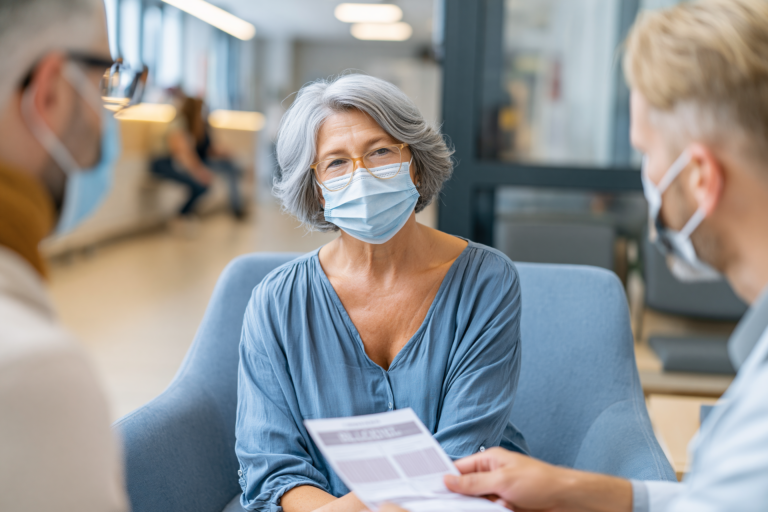
Long COVID immune dysfunction is now one of the most important explanations for why many people continue to suffer from fatigue, brain fog, breathlessness, palpitations, poor sleep and post-exertional crashes months after COVID-19. Scientists now believe long COVID is not simply “weakness after infection,” but a complex immune recovery disorder involving inflammation, viral persistence, autoimmunity, gut imbalance and nervous system stress.
COVID may feel like old news to many people, but for millions of patients, the story never ended. Across the India, USA, UK, Singapore, Canada, Australia and across the world, people are still searching for answers to fatigue, brain fog, breathlessness, palpitations, dizziness, poor sleep, digestive changes, pain, and post-exertional crashes that continue long after the original infection. Scientists now understand that long COVID is not simply “being tired after a virus.” It is a complex post-infectious condition that can affect the immune system, nervous system, blood vessels, gut, hormones, lungs, heart, and brain [1], [2], [3].
The most important shift in long COVID research is this: many patients are not imagining their symptoms. Their immune system may be stuck in a disturbed recovery state. Instead of switching off smoothly after infection, the body may remain inflamed, reactive, depleted, or poorly coordinated. Researchers describe this as immune dysregulation, and it is becoming one of the central explanations for why long COVID can feel so widespread, unpredictable, and difficult to treat [4], [5].
What is long COVID?
Long COVID, also called post-COVID condition or PASC, refers to symptoms or health problems that continue or appear after SARS-CoV-2 infection. The National Academies’ 2024 definition describes long COVID as an infection-associated chronic condition that occurs after SARS-CoV-2 infection and lasts at least three months. The condition may be continuous, relapsing and remitting, or progressive, and it can affect one or more organ systems [3]. WHO also states that post-COVID condition usually starts within three months of the initial illness and lasts at least two months, while CDC notes that symptoms can last months or years and may improve, worsen, or return over time [1], [2].
This matters because many patients had only mild COVID, no positive test, or an infection they barely noticed. A mild start does not always mean a mild recovery. Long COVID can appear after severe infection, but it can also follow a mild or unrecognized infection [2], [3].
Why immune dysfunction is now a major focus
The immune system is designed to attack threats, clean up damage, and then calm down. In long COVID, scientists are seeing signs that this process may not reset properly. Some studies have found chronic inflammation, altered T-cell behavior, exhausted immune cells, abnormal cytokine activity, complement activation, and immune signaling patterns that remain active months after infection [4], [5].
In one Nature Immunology study, researchers found that people with long COVID showed systemic inflammation, immune dysregulation, altered T-cell subset distribution, higher SARS-CoV-2 antibody levels, and signs of exhausted SARS-CoV-2-specific CD8 T cells eight months after infection [4]. Another 2025 Nature Immunology study reported chronic inflammatory pathways, T-cell exhaustion, metabolic dysregulation, and upregulation of JAK-STAT and IL-6 signaling in long COVID, suggesting that immune pathways may become stuck in a prolonged alarm state [5].
For readers, the plain meaning is powerful: long COVID symptoms may come from a body that is still trying to defend, repair, and regulate itself long after the acute virus has passed.
The main immune theories scientists are studying
One theory is viral persistence. Some researchers suspect that fragments of SARS-CoV-2, or hidden viral reservoirs, may remain in certain tissues and continue to irritate the immune system. This does not mean every person with long COVID is actively contagious. It means the body may still be reacting to viral material or tissue-level immune signals [1], [6].
A second theory is immune exhaustion. T cells are immune soldiers that help detect and control infected cells. When immune stimulation continues for too long, some T cells can become exhausted and less effective. This may help explain why patients feel drained, inflamed, and vulnerable to relapse after exertion or stress [4], [5].
A third theory is autoimmunity. Autoimmunity happens when the immune system mistakenly reacts against the body’s own tissues. WHO notes that altered immune responses and autoimmunity are among the mechanisms found in post-COVID condition research [1]. Yale researchers have also highlighted evidence that autoimmunity may drive symptoms in some long COVID subgroups, although more clinical trials are needed before this becomes a routine treatment pathway [7].
A fourth theory is gut and microbiome disruption. The gut is not only for digestion. It is one of the body’s largest immune-regulating environments. If COVID disturbs the gut barrier, microbiome, bile flow, appetite, bowel habits, or inflammatory signaling, the immune system may become more reactive. This could connect digestive symptoms with fatigue, brain fog, inflammation, and immune instability [6].
A fifth theory involves blood vessels, microclots, and autonomic dysfunction. Some people with long COVID develop palpitations, dizziness, breathlessness, chest tightness, exercise intolerance, or POTS-like symptoms. These may involve disturbed vascular tone, nervous system regulation, inflammation, or blood-flow changes. This is why long COVID care often needs a whole-body approach rather than a single organ explanation [1], [2].
Common symptoms linked with immune dysfunction
Long COVID can look different from person to person, which is one reason it is so frustrating. Some people mainly experience fatigue and post-exertional malaise. Others struggle with brain fog, memory issues, dizziness, palpitations, breathlessness, poor sleep, anxiety, depression, muscle pain, joint pain, headaches, numbness, gut symptoms, rashes, menstrual changes, or recurrent viral flare-ups [1], [2], [8].
Post-exertional malaise is especially important. This means symptoms worsen after physical, mental, emotional, or sensory effort. A person may feel briefly better, do too much, and then crash hours or days later. Canada’s public health guidance notes that symptoms can worsen after minimal physical or mental activities and may last for days or weeks [8]. This is why “just exercise more” can be harmful for some patients. Recovery often needs pacing, energy budgeting, and gradual rehabilitation tailored to the individual.
Table : Common Symptoms Linked With Immune Dysfunction
| Symptom | What Patients Experience | Possible Biological Mechanism |
|---|---|---|
| Fatigue | Persistent exhaustion | Immune dysregulation |
| Brain Fog | Poor concentration and memory | Neuroinflammation |
| Breathlessness | Difficulty breathing | Lung and vascular changes |
| Palpitations | Racing heartbeat | Autonomic dysfunction |
| Dizziness | Lightheadedness | Blood pressure regulation changes |
| Sleep Problems | Insomnia or poor sleep quality | Nervous system imbalance |
Why routine tests can look normal
Many long COVID patients feel dismissed because their blood tests, X-rays, ECGs, or scans appear normal. This does not mean symptoms are fake. CDC states that there is no approved laboratory test that can determine whether symptoms are due to long COVID, and clinical evaluations may be normal in some patients [2]. The National Academies also states that long COVID can be diagnosed on clinical grounds because there are no biomarkers that conclusively determine its presence [3].
This is one of the hardest parts of long COVID. The patient feels the illness every day, but the healthcare system may not yet have the right test to measure it. Better biomarkers are being researched, but care today still depends on listening carefully, ruling out dangerous conditions, treating specific symptoms, and supporting function.
What conventional care can do now
There is no single approved treatment that reverses long COVID for everyone. Current care is usually symptom-based and personalized. Depending on the person, doctors may assess heart rhythm, blood pressure changes, oxygen levels, lung function, inflammation markers, thyroid function, iron, B12, vitamin D, diabetes risk, autoimmune markers, clotting risk, sleep problems, mental health, and neurological symptoms.
For some patients, rehabilitation, breathing exercises, pacing, sleep support, nutrition, psychological support, and treatment of specific conditions can help. A BMJ living systematic review found moderate-certainty evidence that cognitive behavioural therapy and physical and mental health rehabilitation probably improve symptoms for some people, although treatment must be individualized, especially when post-exertional malaise is present [9]. Australia’s healthdirect guidance also emphasizes that there is no single treatment and that people with post-exertional malaise may need an individual approach to exercise [10].
The key message is not hopelessness. The key message is precision. Long COVID is not one disease pathway, so recovery usually needs a layered plan.
Where Ayurveda may help in long COVID recovery
Ayurveda becomes relevant because long COVID is not only a virus story. It is also a recovery terrain story. Ayurveda looks at the strength of digestion, sleep, nervous system balance, tissue nourishment, toxin-like metabolic burden, immune resilience, and the body’s ability to rebuild after stress. In Ayurvedic language, long COVID recovery may involve Agni, Ama, Ojas, Vata balance, Rasayana support, Dhatu nourishment, and Srotas cleansing.
Agni refers to digestive and metabolic fire. When Agni is weak, a person may feel bloated, heavy, foggy, intolerant to foods, tired after eating, or slow to recover. Modern research increasingly connects gut health with immune regulation, so the Ayurvedic focus on digestion can be a practical recovery entry point [6].
| Recovery Goal | Modern Research Focus | Ayurvedic Perspective |
|---|---|---|
| Reduce inflammation | Immune regulation | Ama reduction |
| Improve energy | Rehabilitation | Ojas restoration |
| Support digestion | Gut microbiome health | Agni balance |
| Improve sleep | Sleep medicine | Vata calming |
| Long-term recovery | Multidisciplinary care | Rasayana support |
Ama refers to poorly processed metabolic residue or toxic burden from an Ayurvedic perspective. In a modern explanation, this can be understood as a state where the body feels inflamed, sluggish, congested, and unable to clear stress efficiently. Ayurveda aims to reduce this burden through suitable diet, herbs, routines, sleep timing, gentle sweating when appropriate, and bowel regularity.
Ojas is the Ayurvedic idea of deep vitality, immunity, and resilience. Long COVID patients often describe exactly the opposite of Ojas: weakness, anxiety, poor sleep, recurrent infections, low stamina, and slow healing. Rasayana therapy, when selected by a qualified practitioner, is traditionally used to rebuild strength, nourish tissues, support immune balance, and help the body return to a steadier baseline.
Vata imbalance is also highly relevant. Many long COVID symptoms feel “Vata-like”: palpitations, dizziness, insomnia, anxiety, nerve sensations, tremors, irregular digestion, dryness, sound sensitivity, and energy crashes. A Vata-calming plan may include warm meals, regular sleep, oil massage, grounding routines, gentle breathwork, restorative yoga, reduced overstimulation, and carefully chosen herbs.
This does not mean Ayurveda should replace emergency care, cardiology, neurology, pulmonology, or medical testing. It means Ayurveda may support the recovery phase by helping the body rebuild steadiness, improve digestion, calm the nervous system, support sleep, and restore strength. For readers wanting a deeper Ayurvedic recovery explanation, Panaceayur’s guide on COVID-19 vaccine side effects and Ayurvedic recovery can be used as a relevant internal resource: https://panaceayur.com/covid-19-vaccine-side-effects-ayurvedic-recovery/ [11].
Why Ayurveda should be personalized, not copied from the internet
The same herb or diet will not suit every long COVID patient. One person may need Vata calming and nourishment. Another may need Pitta inflammation control. Another may need Kapha clearing and metabolic lightness. Some may be too weak for detoxification. Some may worsen with aggressive Panchakarma. Some may need urgent medical evaluation before any herbal plan.
This is why Ayurveda is most convincing when it is individualized. A safe practitioner will ask about the timeline of infection, vaccination, fever history, breathlessness, chest pain, menstrual changes, sleep, digestion, bowel habits, exertional crashes, anxiety, medications, autoimmune disease, pregnancy, liver or kidney problems, and red flags.
The London School of Hygiene & Tropical Medicine and All India Institute of Ayurveda are running the APRIL trial, a randomized placebo-controlled study of Ashwagandha for long COVID recovery in adults in the UK [12]. This does not prove that every Ayurvedic herb works for every patient, but it shows that serious institutions are studying Ayurvedic approaches in a modern research framework.
Safety comes first
Ayurvedic support should be clean, supervised, and compatible with modern medicines. NCCIH notes that Ayurvedic treatment may combine products, diet, exercise, and lifestyle, but it also warns that some Ayurvedic preparations can contain metals, minerals, or contaminants and should not be used to delay conventional medical care [13]. This is especially important for patients taking blood thinners, heart medicines, steroids, antidepressants, thyroid medicine, diabetes medicine, immune suppressants, or seizure medicines.
Anyone with severe chest pain, shortness of breath, fainting, oxygen drop, one-sided weakness, new seizures, severe headache, leg swelling, coughing blood, uncontrolled bleeding, or signs of allergic reaction should seek urgent medical care first. Ayurveda can support recovery, but emergencies need emergency medicine.
The hopeful takeaway
Long COVID is teaching scientists that recovery from infection is not always simple. The immune system may remain inflamed, exhausted, misdirected, or poorly regulated. Viral persistence, autoimmunity, gut disruption, endothelial stress, nervous system imbalance, and metabolic changes may all play a role in different patients [1], [4], [5], [6].
The hopeful news is that long COVID research is moving from confusion toward biological patterns. The more scientists identify subtypes, the closer medicine gets to targeted treatment. Meanwhile, patients need practical support now. The strongest recovery approach is not denial, fear, or one-size-fits-all treatment. It is careful evaluation, pacing, symptom-based care, nervous system calming, digestive repair, sleep restoration, immune balance, and individualized rehabilitation.
Ayurveda can fit into this journey when used responsibly. Its strength is not in making reckless promises. Its strength is in seeing the whole person: digestion, energy, sleep, mind, tissues, immunity, and daily rhythm. For many long COVID patients, that whole-person approach may be the missing bridge between surviving and truly rebuilding.
References
[1] World Health Organization. Post COVID-19 condition (long COVID). This fact sheet explains definition, symptoms, risk factors, possible mechanisms, prevention, and recovery.
https://www.who.int/news-room/fact-sheets/detail/post-covid-19-condition-%28long-covid%29 (World Health Organization)
[2] Centers for Disease Control and Prevention. Long COVID Basics. This page explains long COVID definition, risk, diagnosis limitations, prevention, and lack of approved diagnostic tests or treatments.
https://www.cdc.gov/long-covid/about/index.html (CDC)
[3] National Academies of Sciences, Engineering, and Medicine. A Long COVID Definition: A Chronic, Systemic Disease State with Profound Consequences. This 2024 report defines long COVID as an infection-associated chronic condition lasting at least three months.
https://www.nationalacademies.org/projects/HMD-HSP-23-01/publication/27768 (National Academies)
[4] Yin K, Peluso MJ, et al. Long COVID manifests with T cell dysregulation, inflammation and an uncoordinated adaptive immune response to SARS-CoV-2. Nature Immunology, 2024. This study describes immune dysregulation, altered T-cell patterns, and exhausted SARS-CoV-2-specific CD8 T cells.
https://www.nature.com/articles/s41590-023-01724-6 (Nature)
[5] Aid M, et al. Long COVID involves activation of proinflammatory and immune exhaustion pathways. Nature Immunology, 2025. This study reports chronic inflammation, T-cell exhaustion, metabolic dysregulation, and IL-6/JAK-STAT pathway activation.
https://www.nature.com/articles/s41590-025-02353-x (Nature)
[6] Peluso MJ, Deeks SG. Mechanisms of long COVID and the path toward therapeutics. Cell, 2024. This open-access review summarizes leading mechanisms and the need for targeted therapeutic trials.
https://www.sciencedirect.com/science/article/pii/S0092867424008869 (ScienceDirect)
[7] Yale School of Medicine. New Evidence Supports Autoimmunity as One of Long COVID’s Underlying Drivers. This article summarizes research exploring antibody-driven symptoms and autoimmune mechanisms in some long COVID patients.
https://medicine.yale.edu/news-article/new-evidence-supports-autoimmunity-as-one-of-long-covids-underlying-drivers/ (Yale School of Medicine)
[8] Government of Canada. Post COVID-19 condition: Symptoms and treatment. This page explains Canadian definitions, symptoms, post-exertional malaise, diagnosis, and treatment limitations.
https://www.canada.ca/en/public-health/services/diseases/2019-novel-coronavirus-infection/symptoms/post-covid-19-condition.html (Canada)
[9] Zeraatkar D, et al. Interventions for the management of long covid: living systematic review. BMJ, 2024. This review found moderate-certainty evidence that CBT and physical and mental health rehabilitation probably improve symptoms in some patients.
https://www.bmj.com/content/387/bmj-2024-081318 (BMJ)
[10] Healthdirect Australia. Long COVID: symptoms, treatment and management. This Australian resource explains symptoms, no single treatment, self-care, pacing, and individualized exercise caution.
https://www.healthdirect.gov.au/long-covid (Healthdirect)
[11] Panaceayur. COVID-19 Vaccine Side Effects and Ayurvedic Recovery Guide. Internal resource explaining Ayurveda-based recovery concepts such as Agni, Ama, Ojas, Vata calming, Rasayana, pacing, and personalized support.
https://panaceayur.com/covid-19-vaccine-side-effects-ayurvedic-recovery/ (Panaceayur)
[12] London School of Hygiene & Tropical Medicine. APRIL Trial: Ayurveda for Promoting Recovery in Long COVID. This randomized placebo-controlled UK trial is studying Ashwagandha for functional status, quality of life, and symptoms in adults with long COVID.
https://www.lshtm.ac.uk/research/centres-projects-groups/april (LSHTM)
[13] National Center for Complementary and Integrative Health. Ayurvedic Medicine: In Depth. This resource explains Ayurveda as a traditional medical system and highlights safety concerns, including contamination risks and the need not to delay conventional care.
https://www.nccih.nih.gov/health/ayurvedic-medicine-in-depth (nccih.nih.gov)