

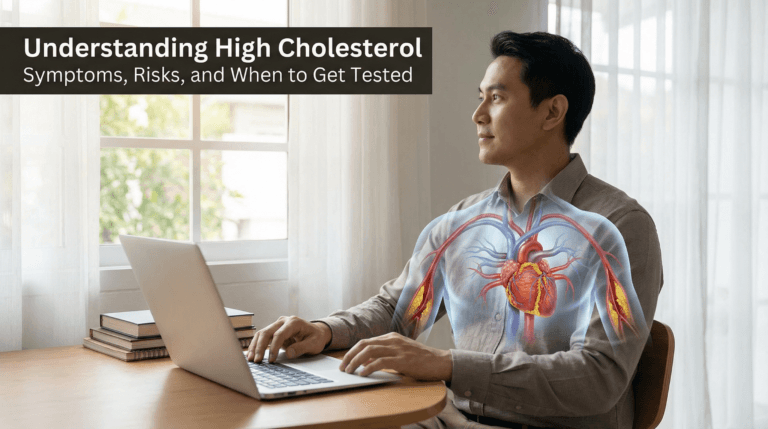
High cholesterol is one of the most common yet silent health risks affecting millions of people worldwide. Many individuals live with elevated cholesterol levels without realizing it because high cholesterol rarely causes noticeable symptoms.
Cholesterol itself is a waxy substance found in your blood. It plays an essential role in building cells, producing hormones, and supporting vital bodily functions. However, excessive cholesterol can accumulate in blood vessels, increasing the risk of serious cardiovascular conditions.
The condition medically known as High Cholesterol can silently damage arteries over time, potentially leading to heart disease, stroke, and other complications if left unmanaged.
What Is Cholesterol?
Cholesterol is a fatty substance produced by the liver and also obtained from certain foods. While it is necessary for normal body function, excessive levels can lead to health risks.
There are two primary types of cholesterol that doctors monitor:
LDL Cholesterol (Bad Cholesterol)
Low-Density Lipoprotein (LDL) is often referred to as bad cholesterol. When LDL levels become too high, cholesterol can build up along artery walls and form plaque.
This plaque buildup narrows the arteries and can lead to a condition called Atherosclerosis, which restricts blood flow and increases the risk of heart attacks and strokes.
HDL Cholesterol (Good Cholesterol)
High-Density Lipoprotein (HDL) is considered good cholesterol because it helps remove excess cholesterol from the bloodstream and transport it back to the liver for elimination.
Maintaining healthy HDL levels helps protect the heart.
Are There Any Symptoms of High Cholesterol?
One of the biggest challenges with high cholesterol is that it typically does not produce obvious symptoms.
Most people only discover the condition through a routine blood test. However, in some cases, physical signs related to high cholesterol or its complications may appear.
Possible signs associated with elevated cholesterol levels include:
Chest pain (angina)
Shortness of breath
Persistent fatigue
Yellowish fatty deposits under the skin
Yellow patches around the eyelids
A white or grey ring around the iris of the eye
These symptoms usually appear only when cholesterol has already begun affecting the arteries.
Physical Signs That May Indicate High Cholesterol
Although rare, certain visible signs can sometimes indicate extremely high cholesterol levels.
Xanthomas (Fatty Deposits Under the Skin)
These are waxy, yellowish lumps that may appear on:
Elbows
Knees
Hands
Tendons
These deposits form due to excess fat accumulation beneath the skin.
Xanthelasma (Yellow Patches Around the Eyes)
Yellowish plaques that appear near the inner corners of the eyelids may signal high cholesterol levels.
Corneal Arcus (Ring Around the Eye)
A pale white or grey ring around the iris can occur due to cholesterol deposits in the cornea. While common in older adults, it may indicate high cholesterol in younger individuals.
Symptoms Caused by Cholesterol Complications
Even though high cholesterol itself has few symptoms, complications caused by plaque buildup can produce noticeable health problems.
When arteries become narrowed, blood circulation may be restricted, leading to several warning signs.
Chest Pain (Angina)
A feeling of pressure, tightness, or squeezing in the chest may occur when blood flow to the heart becomes limited.
Shortness of Breath
Reduced blood circulation can make the heart work harder, causing breathlessness during physical activity.
Leg Pain During Walking
A condition called Peripheral Artery Disease (PAD) can cause cramping or pain in the legs due to poor circulation.
Numbness and Tingling
Poor blood flow may lead to tingling sensations in the hands, feet, or limbs.
Dizziness and Fatigue
When organs receive less oxygen-rich blood, people may experience tiredness or lightheadedness.
When Should You Get Your Cholesterol Tested?
Because high cholesterol rarely causes symptoms, regular screening is the best way to detect it early.
Health authorities like the Centers for Disease Control and Prevention recommend routine cholesterol testing for adults.
Recommended Screening Guidelines
Adults
Healthy adults aged 20 and older should check their cholesterol every 4 to 6 years.
Higher-Risk Individuals
People with the following risk factors may need more frequent testing:
Family history of heart disease
Diabetes
Obesity
Smoking
High blood pressure
In these cases, doctors may recommend cholesterol testing every 1–2 years.
Children and Adolescents
Early screening can also help identify genetic cholesterol disorders.
Children should be tested once between ages 9 and 11
Adolescents should be tested again between ages 17 and 21
Children with obesity or diabetes may require earlier screening.
Risk Factors That Increase Cholesterol Levels
Several lifestyle and genetic factors can contribute to high cholesterol.
Common risk factors include:
Diet high in saturated fats
Lack of physical activity
Smoking
Excess body weight
Diabetes
Genetic predisposition
Age and hormonal changes
Men over 45 and women over 55 generally face higher cholesterol risks.
How to Manage and Lower High Cholesterol
Fortunately, high cholesterol can often be controlled through lifestyle changes and medical treatment when necessary.
Healthy Diet
Eating heart-friendly foods can help lower LDL levels.
Recommended foods include:
Fruits and vegetables
Whole grains
Nuts and seeds
Lean proteins
Healthy fats such as olive oil
Limiting processed foods, fried foods, and sugary drinks is also important.
Regular Exercise
Physical activity helps improve cholesterol balance.
Experts recommend at least 150 minutes of moderate exercise per week, such as walking, cycling, or swimming.
Weight Management
Maintaining a healthy weight can significantly improve cholesterol levels.
Avoid Smoking
Smoking damages blood vessels and lowers HDL (good cholesterol), increasing cardiovascular risk.
Medication When Needed
Doctors may prescribe cholesterol-lowering medications such as statins for individuals at higher risk of cardiovascular disease.
Why Early Detection Is Important
Detecting high cholesterol early can prevent serious complications such as:
Heart attacks
Stroke
Peripheral artery disease
Coronary artery disease
Simple blood tests and regular health checkups can significantly reduce long-term health risks.
Conclusion
High cholesterol is often called a silent condition because it usually develops without noticeable symptoms. Many individuals remain unaware of their cholesterol levels until complications arise.
Regular screening, a balanced diet, physical activity, and medical guidance can help manage cholesterol effectively and protect long-term heart health.
If you have risk factors such as obesity, diabetes, or a family history of heart disease, consulting a healthcare professional and scheduling regular cholesterol tests is an important step toward preventing serious cardiovascular conditions.
For more health awareness articles and natural wellness guidance, visit:
https://panaceayur.com/
Frequently Asked Questions (FAQs)
Can you feel symptoms of high cholesterol?
No. High cholesterol usually does not cause noticeable symptoms. A blood test is required to detect it.
Can lifestyle changes lower cholesterol?
Yes. Healthy eating, exercise, weight management, and avoiding smoking can significantly reduce cholesterol levels.
How often should cholesterol be tested?
Most adults should test cholesterol every 4–6 years, while high-risk individuals may require more frequent checks.
Can high cholesterol cause chest pain?
High cholesterol itself does not cause pain, but plaque buildup in arteries can lead to chest pain due to reduced blood flow.
What is considered high cholesterol?
Generally, total cholesterol levels above 200 mg/dL are considered high and may require medical evaluation.