

The story of COVID-19 hasn’t ended—it continues to evolve. Viruses naturally mutate over time, constantly adapting in small ways that may affect how they spread or interact with the immune system. One of the latest variants drawing attention in 2026 is the Cicada variant, scientifically known as BA.3.2.
Despite the dramatic nickname, this variant has nothing to do with insects. The name simply reflects how quickly it appeared and attracted public interest. Scientists classify BA.3.2 as a subvariant of the Omicron lineage, meaning it evolved from the Omicron family of the SARS-CoV-2 virus.
Health organizations worldwide, including the Centers for Disease Control and Prevention, are closely monitoring this variant. It has been detected through multiple surveillance methods such as nasal swab testing, airport screening programs, and wastewater monitoring systems. These systems help scientists identify new variants early and track how they spread through communities.
The key point: BA.3.2 is currently under observation rather than labeled as a high-risk variant. So far, researchers have not found evidence that it causes more severe illness compared to other recent Omicron strains.
What Is the COVID-19 Cicada Variant (BA.3.2)?
The virus responsible for COVID-19, SARS‑CoV‑2, mutates frequently. When these genetic changes accumulate, a variant emerges. Some variants behave similarly to previous strains, while others may spread more easily or evade immunity.
The BA.3.2 Cicada variant belongs to the broader Omicron variant of SARS‑CoV‑2 lineage, which first became globally dominant in late 2021.
How Scientists Identify New Variants
Researchers detect variants through genomic sequencing, a process that reads the virus’s genetic code. Laboratories around the world contribute samples to global monitoring systems, allowing scientists to track how the virus evolves.
Experts analyze three main factors when evaluating a new variant:
- Transmissibility – how easily it spreads between people
- Immune escape – whether it can partially bypass immunity from vaccines or past infection
- Disease severity – whether infections become more serious
At present, BA.3.2 appears similar to other Omicron subvariants in all three categories.
Is the Cicada Variant More Contagious?
Early data suggests the Cicada variant spreads efficiently, but not dramatically differently from other recent Omicron strains.
Omicron variants already have high transmissibility, mainly because they replicate effectively in the upper respiratory tract and require a smaller viral dose to infect someone.
Why Omicron Variants Spread Easily
Several factors explain their rapid transmission:
- Shorter incubation period
- Higher viral loads in the nasal passages
- Partial immune escape from earlier variants
This combination allows the virus to spread quickly, especially in crowded indoor environments.
However, due to widespread vaccination and prior infections, the risk of severe disease remains significantly lower than during earlier pandemic waves.
COVID Cicada Variant Symptoms
One of the most reassuring findings is that BA.3.2 does not appear to produce unusual symptoms. Most cases resemble mild respiratory illnesses.
Most Common Symptoms
People infected with the Cicada variant may experience:
- Cough
- Fatigue
- Fever or chills
- Sore throat
- Runny or congested nose
- Headache
Additional Possible Symptoms
Some individuals may also report:
- Body aches
- Mild shortness of breath
- Loss of taste or smell (less common than earlier variants)
- Gastrointestinal symptoms such as nausea
Symptoms typically appear 2–5 days after exposure and often resolve within 5–10 days.
For vaccinated individuals, many infections feel similar to a moderate cold or mild flu.
Protect Yourself from the BA.3.2 “Cicada” Variant
Even though BA.3.2 is not currently considered a major threat, simple preventive measures remain highly effective.
Vaccination
Vaccines continue to be the most powerful tool against severe illness. They train the immune system to recognize the virus quickly—even if mutations occur.
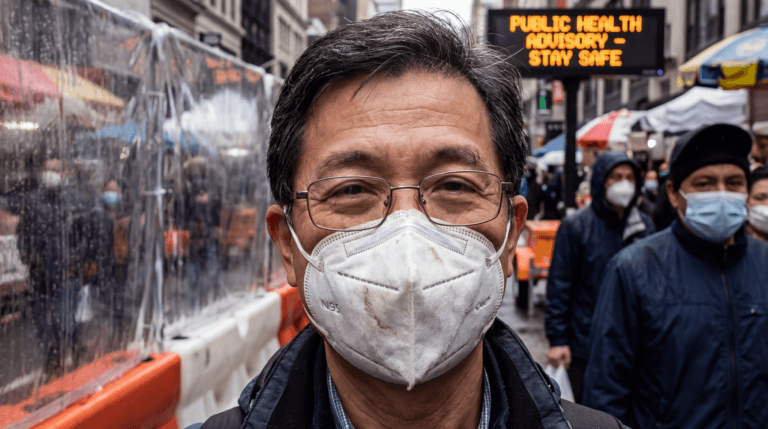
Masking in High-Risk Settings
High-filtration masks like N95 or KN95 can reduce exposure in crowded indoor environments such as:
- Public transport
- Airports
- Hospitals
- Large events
Ventilation
Improving airflow significantly reduces viral particles indoors. Helpful strategies include:
- Opening windows
- Using HEPA air filters
- Increasing building ventilation systems
Hand Hygiene
Regular handwashing remains one of the simplest ways to reduce respiratory infections.
Treatment Options for the Cicada Variant (BA.3.2)
Most people recover from BA.3.2 at home with supportive care.
Home Recovery Tips
Common recommendations include:
- Rest and hydration
- Fever-reducing medications
- Monitoring symptoms
For higher-risk individuals, doctors may prescribe antivirals such as Paxlovid. These medications work best when started within five days of symptom onset.
Who Should Consider Antiviral Treatment?
Antivirals are typically recommended for:
- Older adults
- People with chronic illnesses
- Individuals with weakened immune systems
Early treatment significantly lowers the risk of hospitalization.
When to See a Doctor for COVID-19
Although most infections remain mild, certain symptoms require medical attention.
Contact a Doctor If You Experience
- Persistent high fever
- Symptoms worsening after several days
- Difficulty breathing
- Severe fatigue or dehydration
Emergency Warning Signs
Seek immediate medical care if you experience:
- Chest pain or pressure
- Bluish lips or face
- Confusion
- Very low oxygen levels
People with underlying health conditions should consult a doctor early to reduce complications.
Conclusion
The COVID-19 Cicada variant (BA.3.2) highlights how the coronavirus continues to evolve. Fortunately, current research indicates that this variant behaves similarly to other Omicron strains—spreading efficiently but not causing significantly more severe disease.
Thanks to vaccines, prior immunity, and improved treatments, the global situation today is very different from the early days of the pandemic. Monitoring variants like BA.3.2 helps scientists stay ahead of potential changes while guiding public health responses.
For individuals, the best strategy remains simple:
- Stay informed
- Keep vaccinations up to date
- Use masks in high-risk settings
- Maintain good hygiene and ventilation
By following these practical steps, most people can navigate new COVID-19 variants with confidence.
For additional professional nutrition and health guidance, you can learn more from Konya Nutrition Specialist Dietician Sümeyye Bozoğlu by visiting: https://konyadiyadizi.com
Cicada variant FAQs
Cicada variant 1. What is the Cicada variant of COVID-19?
The Cicada variant (BA.3.2) is a subvariant of the Omicron lineage of the SARS-CoV-2 virus that researchers are currently monitoring.
2. Are symptoms different from previous COVID variants?
No. Symptoms are generally similar to other Omicron infections, including cough, fatigue, fever, and sore throat.
3. Do vaccines still protect against BA.3.2?
Yes. COVID-19 vaccines remain highly effective at preventing severe illness, hospitalization, and death.
4. How can I reduce my risk of infection?
You can lower risk by staying vaccinated, wearing masks in crowded indoor settings, improving ventilation, and practicing good hygiene.
5. When should someone seek medical help?
Medical advice should be sought if symptoms worsen, breathing becomes difficult, or high fever persists. Emergency care is required for severe symptoms such as chest pain or low oxygen levels.