

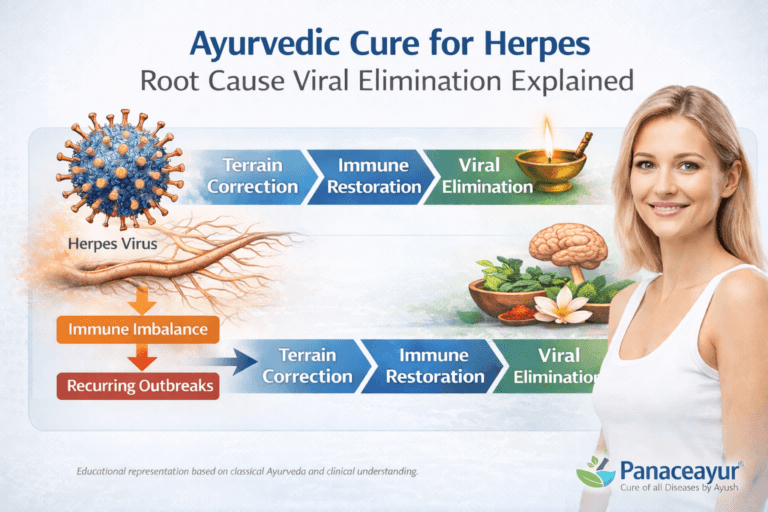
- Root Cause Viral Elimination Through Classical Medicine and Modern Research
- What Is Herpes
- Why Modern Medicine Cannot Cure Herpes
- Ayurvedic Understanding of Herpes Infection
- Can Herpes Be Cured Permanently? Ayurvedic Perspective
- Can Herpes IgG Become Negative? What It Really Means
- When Herpes IgG Becomes Negative: What It Really Indicates About Healing
- Herpes Blood Test Types, Accuracy, and Window Period Explained
- Co-Infections in Herpes: CMV, EBV, HHV-6 and Clinical Complexity
- How Herpes Spreads: Complete Transmission Guide
- Is Herpes an STD? A Clinical and Epidemiological Clarification
- HSV-1 vs HSV-2: What’s the Difference Clinically and Biologically
- Cold Sores vs Herpes: Are They the Same or Different?
- Chickenpox vs Herpes: Key Differences Explained from a Medical and Ayurvedic Perspective
- How Ayurveda Works Toward Viral Elimination
- Treatment Protocol Overview
- Why Market-Bought Herpes Medicines Do Not Work
- Duration of Treatment and Prognosis
- Safety and Medical Supervision
- Frequently Asked Questions
- Final Perspective
- References
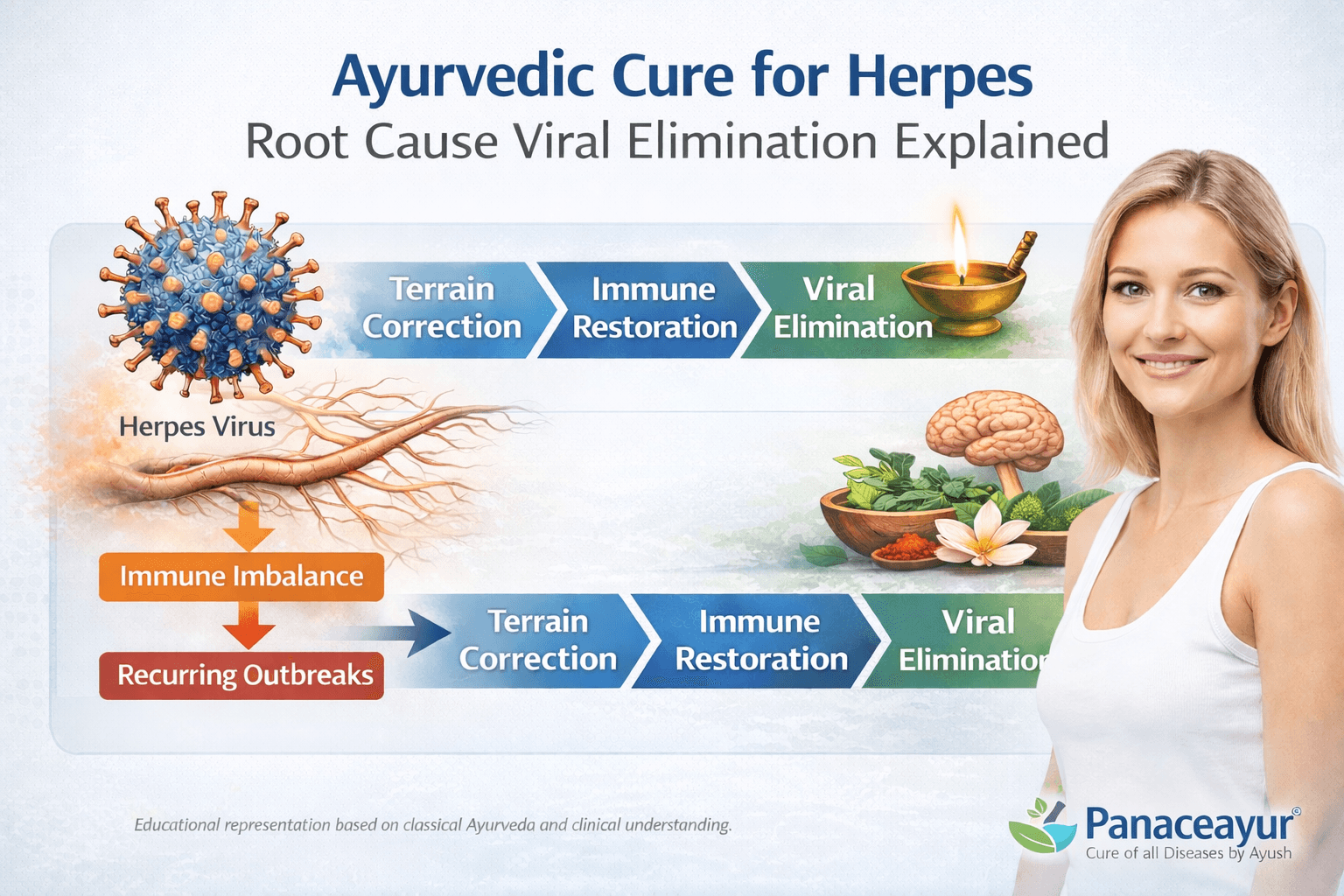
Educational representation based on classical Ayurveda and clinical understanding.
Ayurvedic Cure for Herpes
Herpes is widely portrayed as a lifelong viral infection that can only be suppressed, never cured. This belief is deeply ingrained in modern medical practice and patient psychology. However, this conclusion arises not from the absolute nature of the virus itself, but from the limitations of the therapeutic model used to treat it.
Ayurveda approaches herpes from an entirely different scientific framework. Rather than viewing the virus as an invincible external enemy, Ayurveda examines the internal biological environment that allows viral persistence, latency, and recurrence. When this internal terrain is corrected, herpes loses its ability to reactivate, recur, or express clinically.
This page explains in depth how Ayurveda understands herpes, why conventional medicine fails to eliminate it, and how a properly supervised Ayurvedic protocol can lead to long-term viral silence and functional cure.
What Is Herpes

A Clinical and Biological Overview
Herpes is caused by a DNA virus that enters the human body through skin or mucosal contact. After initial exposure, the virus migrates through peripheral nerves and establishes latency within sensory ganglia. This latent phase is not passive. It represents a dynamic equilibrium between viral survival mechanisms and host immune surveillance.
From a clinical standpoint, several critical realities define herpes infection:
First, herpes is not continuously active. The virus alternates between dormancy and reactivation. Visible symptoms occur only during periods when immune regulation fails to suppress viral expression.
Second, the severity and frequency of outbreaks vary widely among individuals. Some carriers remain asymptomatic for life, while others experience frequent recurrences. This variation cannot be explained by viral strain alone. It reflects host-dependent factors, particularly immune regulation, metabolic health, and tissue resilience.
Third, herpes is fundamentally a neuro-immune condition. Although symptoms manifest on the skin or mucosa, the virus resides primarily within nerve tissue. Treating herpes as a surface infection therefore ignores its true biological location.
Modern medicine acknowledges latency but does not therapeutically address it. Ayurveda places latency and host terrain at the center of its treatment strategy.
Why Modern Medicine Cannot Cure Herpes
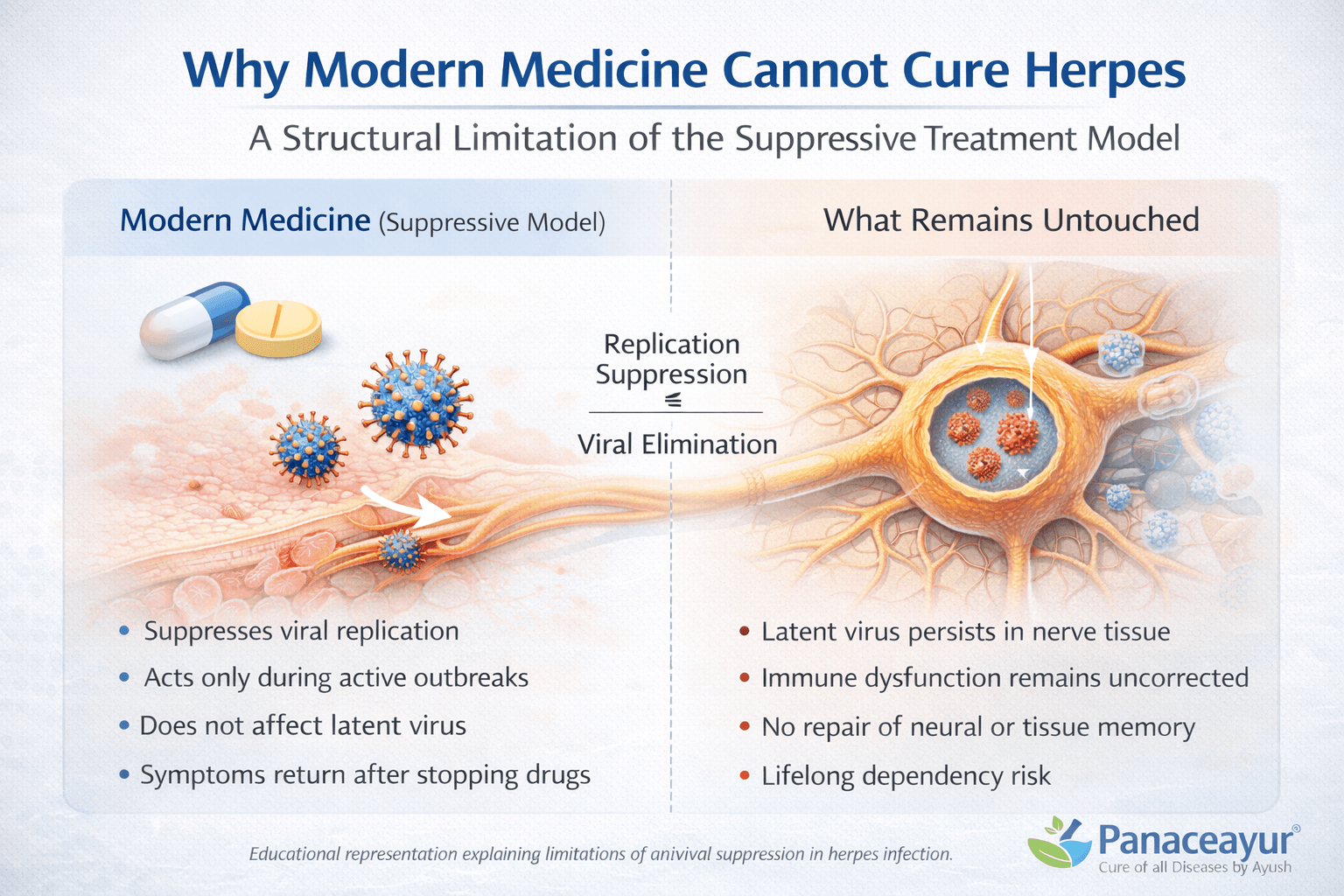
A Structural Limitation of the Suppressive Model
Conventional herpes management relies almost exclusively on antiviral medications that inhibit viral replication. These drugs are effective at reducing viral activity during active outbreaks, thereby shortening symptom duration and decreasing transmission risk during treatment.
However, these medications are inherently incapable of curing herpes, for several fundamental reasons.
They do not eliminate latent virus stored within nerve ganglia.
They do not restore immune recognition of infected neural cells.
They do not repair damaged epithelial or mucosal barriers.
They do not correct chronic inflammation or metabolic dysfunction that triggers reactivation.
As a result, the therapeutic outcome is predictable. Symptoms reduce while medication is taken. Once medication is stopped, viral activity resumes. Over time, patients often require higher or continuous dosing, leading to long-term dependency without resolution.
This is not due to a failure of modern science. It is a consequence of a treatment philosophy designed for suppression, not biological restoration.
Ayurvedic Understanding of Herpes Infection
Disease as Internal Terrain Failure
Ayurveda does not define disease solely by the presence of a pathogen. It evaluates the state of the host. According to Ayurvedic principles, no infection can persist unless the internal environment supports it.
Herpes is understood as a complex internal disorder involving multiple layers of imbalance:
Disturbance of Rakta Dhatu results in chronic inflammatory circulation and hypersensitivity reactions.
Weakness of Mamsa Dhatu compromises skin and mucosal integrity, allowing recurrent lesion formation.
Involvement of Majja Dhatu creates a stable reservoir for viral latency within nerve tissue.
Depletion of Ojas leads to immune confusion rather than simple immune weakness.
Chronic Agni dysfunction produces metabolic residue that fuels inflammation and immune dysregulation.
In this framework, herpes persists not because the virus is strong, but because the internal terrain remains permissive. When this terrain is corrected, the virus loses its biological advantage.
This distinction separates lifelong management from true cure.
Can Herpes Be Cured Permanently? Ayurvedic Perspective

A common clinical misconception is that herpes is inherently incurable. Conventional antiviral medications such as acyclovir or valacyclovir may reduce symptom severity and shorten outbreak duration by suppressing viral replication during active episodes, but they do not eradicate the latent virus reservoir. Herpes simplex viruses (HSV-1 and HSV-2) establish latency within sensory nerve ganglia where they can remain transcriptionally silent for extended periods, reactivating when host immune regulation weakens.
From an Ayurvedic vantage, this latent reservoir is not the sole determinant of persistent disease. Instead, recurrence reflects a permissive internal biological terrain characterized by chronic inflammation, immune dysregulation, impaired tissue resilience, and metabolic toxicity. Ayurvedic Rasayana therapy ,involving digestive correction, immunomodulation, metabolic normalization, and tissue support , aims to shift the host environment from one that permits viral reactivation to one that maintains sustained remission without frequent outbreaks. Such a terrain-focused approach does not claim instantaneous eradication of viral DNA but promotes long-term clinical silence through restoration of systemic balance.
In this context, “permanent cure” refers to the sustained absence of clinical recurrences facilitated by durable immune rebalancing rather than transient suppression of symptoms alone. This perspective aligns with the Ayurvedic principle that removing causative internal conditions is necessary for enduring resolution of chronic disorders.
Can Herpes IgG Become Negative? What It Really Means

Herpes IgG testing is widely misunderstood by patients and, in many cases, oversimplified by routine clinical explanations. IgG antibodies are markers of immune memory, not direct indicators of active viral replication. A positive IgG result confirms past exposure to herpes simplex virus, but it does not confirm ongoing disease activity, infectivity, or recurrence potential.
In conventional medicine, patients are often told that once IgG is positive, it will remain positive for life. While this is frequently true, it is not an absolute biological rule. IgG levels reflect immune stimulation history, antigen persistence, and immune regulation status. When immune balance changes and antigenic stimulation declines significantly, antibody titers can reduce and, in some cases, fall below detectable thresholds.
From an Ayurvedic perspective, IgG persistence reflects continued internal antigenic signaling, not merely historical exposure. If the internal terrain remains inflammatory or immunologically dysregulated, immune memory remains actively reinforced. When that terrain is corrected through Rasayana therapy, Agni normalization, and Majja Dhatu rejuvenation, antigenic stimulation may reduce to a level where IgG titers gradually decline.
It is important to clarify that a negative IgG result alone should never be used as the sole proof of cure. Laboratory values must always be interpreted alongside clinical outcomes. Long-term absence of outbreaks, stable immunity, absence of prodromal symptoms, and overall systemic health improvement are far more meaningful indicators of healing than a single blood marker.
Ayurveda does not aim to manipulate antibody values directly. Instead, it focuses on eliminating the internal conditions that continuously provoke immune memory. When immune equilibrium is restored and viral reactivation ceases, IgG trends may change as a secondary consequence, not as a primary treatment goal.
When Herpes IgG Becomes Negative: What It Really Indicates About Healing

A negative herpes IgG result is often interpreted emotionally by patients as definitive proof that the virus has been completely eliminated. Clinically, however, this interpretation requires careful nuance. IgG antibodies represent immune memory rather than direct viral presence. Their persistence or decline reflects ongoing antigenic stimulation, immune regulation, and testing sensitivity rather than a simple on-off indicator of infection.
In most individuals, herpes IgG antibodies remain detectable long after initial exposure, even in the absence of symptoms. This persistence occurs because immune memory cells continue to recognize prior viral antigens. However, in certain biological conditions, IgG titers may gradually decline and, in some cases, fall below the detection threshold of standard laboratory assays.
From an Ayurvedic perspective, a declining or negative IgG result may reflect successful internal terrain correction rather than forced immune suppression. When chronic inflammation resolves, metabolic toxins reduce, and immune signaling stabilizes, antigenic stimulation diminishes. In such cases, immune memory may no longer be continuously reinforced, leading to a gradual reduction in circulating antibodies.
It is critical to understand that IgG negativity is not a prerequisite for healing, nor should it be used in isolation as proof of cure. Some patients achieve long-term clinical remission with stable IgG positivity, while others may observe declining titers alongside sustained symptom resolution. The determining factor is not the laboratory value alone, but the absence of viral reactivation, prodromal symptoms, and immune instability over time.
Ayurveda does not pursue antibody conversion as a treatment goal. Instead, it prioritizes systemic balance, immune intelligence, and tissue regeneration. When these objectives are achieved, changes in laboratory markers may occur as a secondary outcome, not as the primary indicator of success.
Laboratory values support clinical assessment, but long-term absence of symptoms and immune stability remain the most reliable indicators of healing.
Herpes Blood Test Types, Accuracy, and Window Period Explained
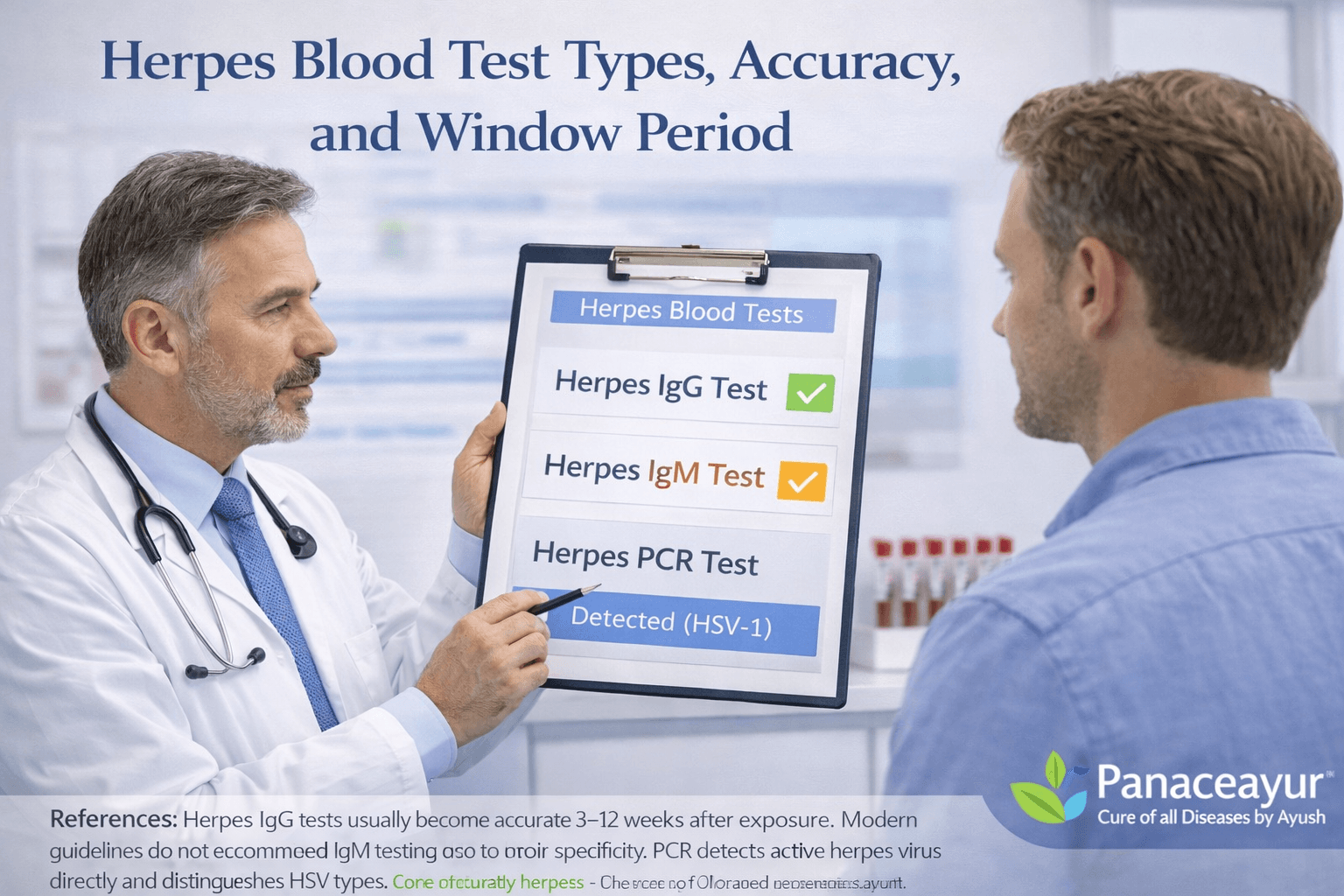
Herpes diagnosis relies on laboratory testing, but misunderstanding test types and timing often leads to false reassurance or unnecessary anxiety. No single test can fully describe herpes status without proper clinical correlation. Understanding what each test detects and when it becomes reliable is essential for accurate interpretation.
The most commonly used blood test is the herpes IgG antibody test. IgG antibodies usually develop between 3 to 12 weeks after exposure, depending on individual immune response. A negative IgG test during the early window period does not rule out infection, while a positive result confirms prior exposure but does not indicate active disease or contagiousness.
IgM testing is frequently misused and clinically unreliable. IgM antibodies can appear during initial infection but may also rise during reactivation or cross-react with other viruses. Because of poor specificity and high false-positive rates, IgM testing is not recommended as a standalone diagnostic tool for herpes.
Polymerase Chain Reaction (PCR) testing is the most accurate method for detecting active viral shedding, especially when performed on fluid from fresh lesions. PCR detects viral DNA directly and can differentiate between HSV-1 and HSV-2. However, PCR testing is only useful when lesions are present and does not assess latent infection.
False negatives may occur when testing is done too early, when viral shedding is absent, or when immune suppression alters antibody production. False positives may occur due to assay cross-reactivity or low-index IgG values. For this reason, test results must always be interpreted alongside symptoms, recurrence patterns, and immune status.
From an Ayurvedic perspective, laboratory tests reflect surface-level markers, while disease persistence is governed by deeper internal factors such as immune instability, metabolic imbalance, and tissue susceptibility. Testing supports diagnosis and monitoring, but healing assessment must prioritize long-term symptom resolution and immune stability over isolated lab values.
Laboratory tests support diagnosis, but long-term clinical outcomes depend on immune regulation and internal terrain stability.
Co-Infections in Herpes: CMV, EBV, HHV-6 and Clinical Complexity

Herpes simplex virus does not always occur in isolation. Other herpesviruses such as cytomegalovirus (CMV), Epstein-Barr virus (EBV), and human herpesvirus-6 (HHV-6) can coexist, creating a multi-viral burden that influences symptoms, immune response, and recurrence patterns. Standard serology or PCR panels often detect these viruses concurrently, particularly in individuals with immune dysregulation, chronic inflammation, or metabolic imbalance.
Clinically, co-infections may present as:
- Higher frequency of outbreaks
- Greater systemic fatigue
- Overlapping symptom clusters
- Inconsistent laboratory markers
From an Ayurvedic perspective, co-infections reflect a deep terrain imbalance, where chronic inflammation, metabolic toxins (Ama), and immune misdirection create a permissive internal environment for multiple latent viruses to reactivate. Effective management requires:
- Comprehensive testing beyond HSV
- Terrain correction via Rasayana therapy
- Sequential herbal support to modulate CMV, EBV, and HHV-6 burden
- Dietary and metabolic optimization
This nuanced understanding prevents misdiagnosis and supports tailored protocols that address the root cause of latent viral coexistence.
How Herpes Spreads: Complete Transmission Guide

Herpes simplex virus spreads primarily through direct skin-to-skin or mucosal contact, not through casual contact, shared objects, or airborne exposure. Misunderstanding transmission pathways leads to unnecessary fear, stigma, and misinformation. A clear understanding of how herpes spreads is essential for prevention, informed consent, and long-term disease control.
The virus is transmitted when viral particles present on the skin or mucosa come into contact with microscopic breaks in another person’s skin or mucosal lining. Transmission can occur with or without visible sores, which is why herpes continues to spread even among individuals who believe they are asymptomatic or “inactive.”
One of the most important and least understood mechanisms is asymptomatic viral shedding. During these periods, the virus is released from nerve endings to the skin surface without causing pain, blisters, or warning symptoms. Asymptomatic shedding explains why herpes can spread even in the absence of outbreaks and why reliance on visible lesions alone is insufficient for prevention.
Oral-to-oral transmission commonly spreads HSV-1 through activities such as kissing or oral contact. Oral-to-genital transmission can occur during oral sex, allowing HSV-1 to infect the genital area. HSV-2 is more commonly transmitted through genital-to-genital contact during sexual activity. However, both virus types can infect either location.
Transmission risk increases during periods of immune stress, illness, fatigue, hormonal imbalance, or local inflammation. From an Ayurvedic perspective, these conditions represent temporary terrain weakness, during which viral expression becomes more likely. Strengthening immune regulation and tissue resilience therefore plays a key role not only in reducing outbreaks but also in reducing transmission risk.
It is important to note that herpes is not transmitted through toilets, swimming pools, utensils, towels, or casual social contact. Clarifying this reduces stigma and supports evidence-based patient education.
Ayurveda complements modern transmission science by focusing on host susceptibility. While exposure may occur, infection and recurrence depend on the internal biological environment. Supporting immune stability, metabolic balance, and tissue integrity reduces both clinical recurrence and viral expression at the skin level.
Is Herpes an STD? A Clinical and Epidemiological Clarification
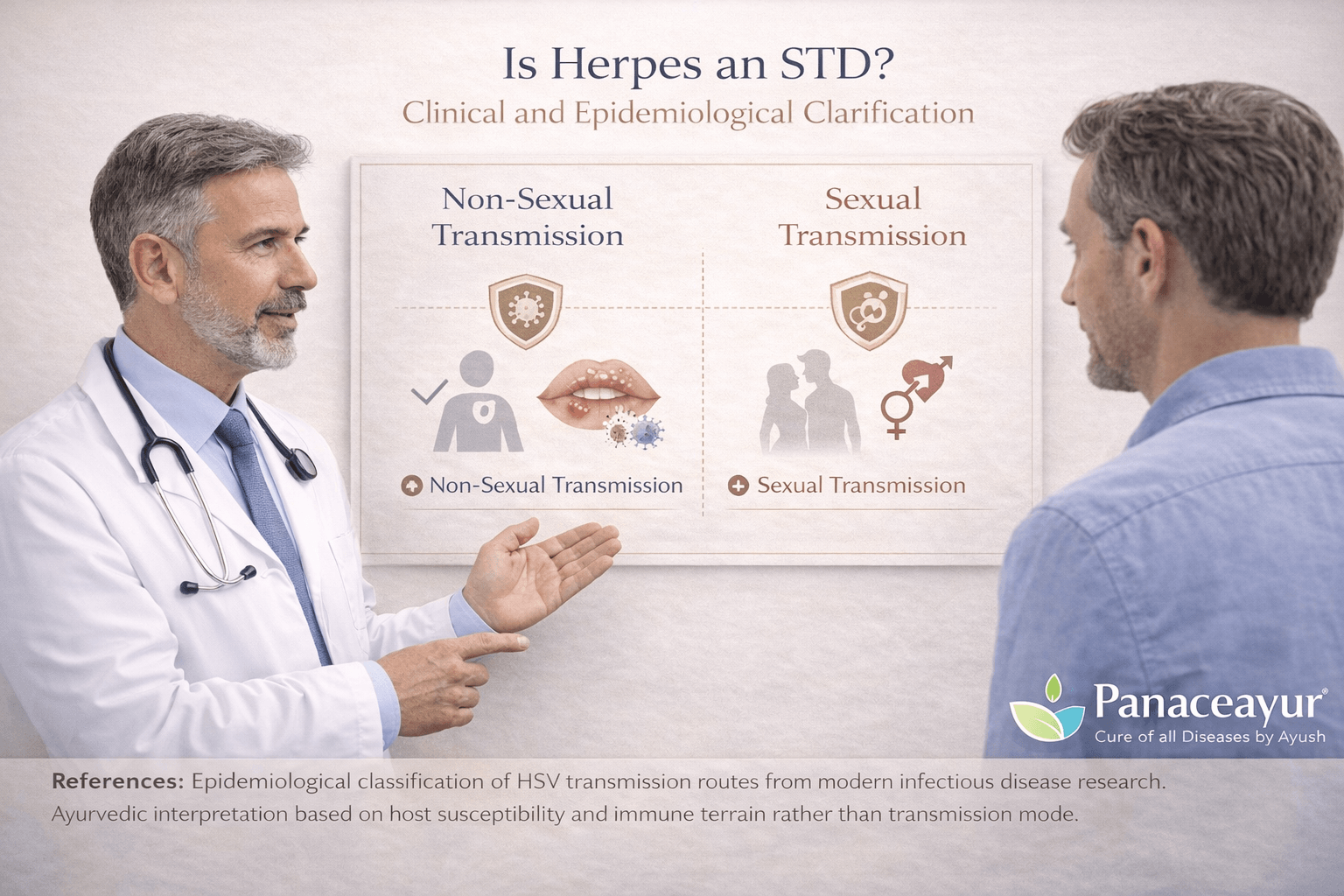
Herpes simplex virus infection can be classified as a sexually transmitted disease (STD) when spread occurs through sexual contact involving genital mucosa or skin. However, herpes is not exclusively an STD in the broad clinical sense.
HSV-1 infections often occur via non-sexual direct contact (e.g., kissing in childhood), indicating a non-STD transmission route. Conversely, genital HSV-1 or HSV-2 infections acquired through sexual activity are epidemiologically categorized within STD frameworks. The defining factor is the mode of transmission, not the intrinsic nature of the virus.
Clarifying this distinction:
- Reduces stigma
- Improves patient understanding
- Supports public health education
In Ayurveda, the focus remains on host susceptibility and immune terrain, irrespective of transmission mode.
HSV-1 vs HSV-2: What’s the Difference Clinically and Biologically

Herpes simplex virus exists primarily in two forms, HSV-1 and HSV-2. While they belong to the same viral family and share structural similarities, their clinical behavior, transmission patterns, and recurrence tendencies differ in important ways. Understanding these differences helps patients interpret test results accurately and supports more precise treatment planning.
HSV-1 is traditionally associated with oral herpes, commonly presenting as cold sores around the lips or mouth. It is most often transmitted through oral contact such as kissing or shared oral exposure during childhood or early adulthood. However, HSV-1 can also infect the genital area through oral-genital contact, and genital HSV-1 infections are increasingly common worldwide.
HSV-2 is more strongly associated with genital herpes and is primarily transmitted through sexual contact. Compared to HSV-1, HSV-2 tends to establish deeper latency within sacral nerve ganglia and is more likely to cause recurrent outbreaks. Asymptomatic shedding also occurs more frequently with HSV-2, contributing to its higher transmission risk even in the absence of visible lesions.
From a diagnostic perspective, blood tests can distinguish between HSV-1 and HSV-2 antibodies, but they cannot determine the anatomical site of infection or whether the virus is currently active. PCR testing from active lesions remains the most accurate method for identifying the specific virus type during outbreaks.
From an Ayurvedic perspective, HSV-1 and HSV-2 are not treated as identical conditions despite sharing a viral origin. HSV-1 is more commonly associated with upper-body tissue involvement, inflammatory tendencies, and oral mucosal sensitivity, while HSV-2 often reflects deeper Majja Dhatu involvement, reproductive tissue sensitivity, and stronger recurrence patterns. These distinctions influence both prognosis and therapeutic focus.
Importantly, both HSV-1 and HSV-2 follow the same fundamental principle of latency and reactivation. The difference lies not only in the virus type, but in host immunity, tissue susceptibility, and internal biological terrain. Ayurveda therefore emphasizes individualized assessment rather than virus labeling alone when designing a long-term healing strategy.
Cold Sores vs Herpes: Are They the Same or Different?

Cold sores and herpes are often spoken about as if they are separate conditions, leading to confusion, stigma, and incorrect self-diagnosis. Medically, this distinction is misleading. Cold sores are a form of herpes, most commonly caused by herpes simplex virus type 1 (HSV-1). The difference lies not in the virus family, but in the location of expression and clinical behavior.
Cold sores typically appear around the lips, mouth, or nose as small, fluid-filled blisters that crust and heal within days to weeks. These lesions are usually associated with HSV-1 infection acquired through oral contact, often in childhood. In many individuals, HSV-1 remains dormant for long periods, reactivating only during times of immune stress, illness, fatigue, or local inflammation.
Herpes, as a broader term, includes both oral and genital infections caused by HSV-1 or HSV-2. Genital herpes is more often associated with HSV-2, but HSV-1 can also infect the genital area through oral-genital contact. Clinically, this means a person with oral cold sores can transmit HSV-1 to a partner’s genital area even in the absence of visible lesions.
A key misunderstanding is that cold sores are “less serious” or “not real herpes.” From a virological standpoint, this is incorrect. Both cold sores and genital herpes involve the same viral latency mechanism, where the virus resides in nerve ganglia and reactivates intermittently. The difference lies in recurrence frequency, tissue sensitivity, and immune response rather than viral identity.
From an Ayurvedic perspective, cold sores are viewed as a localized expression of systemic imbalance rather than a purely local skin issue. Oral herpes often reflects upper-body inflammatory tendencies, digestive heat, and immune hypersensitivity, whereas genital herpes may indicate deeper tissue involvement and stronger Majja Dhatu participation. Despite these differences, the foundational treatment principle remains the same: correcting internal terrain, restoring immune intelligence, and stabilizing tissues to prevent reactivation.
Understanding that cold sores are a manifestation of herpes helps reduce stigma, improves prevention awareness, and supports a more rational approach to long-term healing rather than repeated symptomatic treatment.
Chickenpox vs Herpes: Key Differences Explained from a Medical and Ayurvedic Perspective

Chickenpox and herpes are caused by viruses from the same herpesvirus family, which often leads patients to believe they are the same disease. Medically, however, they are distinct infections with different viral behavior, transmission patterns, and long-term implications. Understanding these differences is essential to avoid unnecessary fear, incorrect diagnosis, and inappropriate treatment.
Chickenpox is caused by the varicella-zoster virus, a herpesvirus that typically infects individuals during childhood. It spreads primarily through respiratory droplets and close contact, producing widespread itchy vesicular rashes across the body. After recovery, the virus remains dormant in nerve tissue and may reactivate later in life as shingles, not as herpes simplex infection.
Herpes simplex virus, on the other hand, is primarily transmitted through direct skin-to-skin or mucosal contact. It causes localized infections, most commonly oral or genital, and is characterized by recurrent episodes rather than a single childhood illness. Unlike chickenpox, herpes simplex does not spread through airborne transmission.
From a virological standpoint, both viruses establish latency in nerve ganglia, but they differ in reactivation triggers, recurrence patterns, and immune interactions. Chickenpox generally confers long-lasting immunity after the initial infection, while herpes simplex remains prone to periodic reactivation depending on immune balance and tissue susceptibility.
From an Ayurvedic perspective, chickenpox is classically understood as a systemic febrile eruption involving Rakta Dhatu and Pitta dominance, often resolving once the body completes the detoxification process. Herpes, in contrast, reflects a chronic internal imbalance, with repeated flare-ups indicating unresolved terrain instability, deeper tissue involvement, and immune dysregulation.
This distinction is critical. Chickenpox is typically a self-limiting disease, whereas herpes represents a chronic latent condition requiring long-term internal correction rather than episodic symptom management. Confusing the two can lead to false reassurance or unnecessary anxiety about recurrence.
Understanding these differences helps patients interpret their diagnosis accurately, reduces stigma, and guides them toward the appropriate long-term health strategy.

The Core Therapeutic Mechanism
Ayurvedic herpes treatment does not attempt to directly kill the virus. Instead, it removes the conditions required for viral survival and reactivation. This process occurs through three integrated therapeutic phases.
Correction of Viral Support Terrain
Herpes thrives in tissues characterized by chronic inflammation, oxidative stress, microcirculatory stagnation, and acidic metabolic conditions. Ayurvedic therapy focuses first on correcting digestion, eliminating metabolic residue, and restoring tissue oxygenation.
As tissue chemistry normalizes, viral replication signals diminish. Reactivation becomes progressively less frequent and less intense.
Restoration of Immune Intelligence
Herpes recurrence is not caused by weak immunity but by misdirected immunity. Excess inflammation, hypersensitivity, and autoimmune-like reactions coexist with poor viral clearance.
Ayurvedic Rasayana therapy retrains immune response so that it recognizes latent viral presence without triggering destructive inflammation. Patients often notice fewer outbreaks, reduced severity, and faster healing even before complete resolution occurs.
Repair of Neural and Tissue Memory
Latent herpes resides within nerve pathways. Unless nerve tissue is repaired and stabilized, viral latency persists indefinitely.
Ayurveda places strong emphasis on Majja Dhatu nourishment, neural cooling, and long-term stabilization of nerve tissue. This step is entirely absent in conventional herpes treatment and represents a critical factor in permanent resolution.
Treatment Protocol Overview

Why Individualization Determines Success
There is no universal Ayurvedic medicine that cures herpes. Any claim of a single ready-made solution ignores the complexity of the disease.
Effective treatment depends on multiple patient-specific variables, including constitutional type, duration of infection, frequency of outbreaks, previous antiviral exposure, digestive strength, and associated conditions such as IBS, autoimmune disorders, anxiety, hormonal imbalance, or other chronic viral infections.
Protocols typically involve a structured combination of Rasayana therapy, targeted antiviral herbs, supervised mineral preparations, digestive correction, dietary alignment, and lifestyle regulation.
Customization is not an option. It is the foundation of successful cure.
Why Market-Bought Herpes Medicines Do Not Work
A Critical Reality for Patients
Many patients attempt self-treatment using Ayurvedic products purchased online or from pharmacies. When expected results do not occur, Ayurveda is often blamed unfairly.
Market-bought medicines fail for predictable reasons.
They are generic and not individualized.
Dosages are standardized rather than physiologically appropriate.
Raw materials vary widely in potency and purity.
Processing methods are often incomplete or improperly executed.
Digestive capacity and absorption are ignored.
Coexisting viral, autoimmune, or metabolic conditions are untreated.
Herpes does not exist in isolation. Treating it in isolation guarantees incomplete or temporary results.
Duration of Treatment and Prognosis
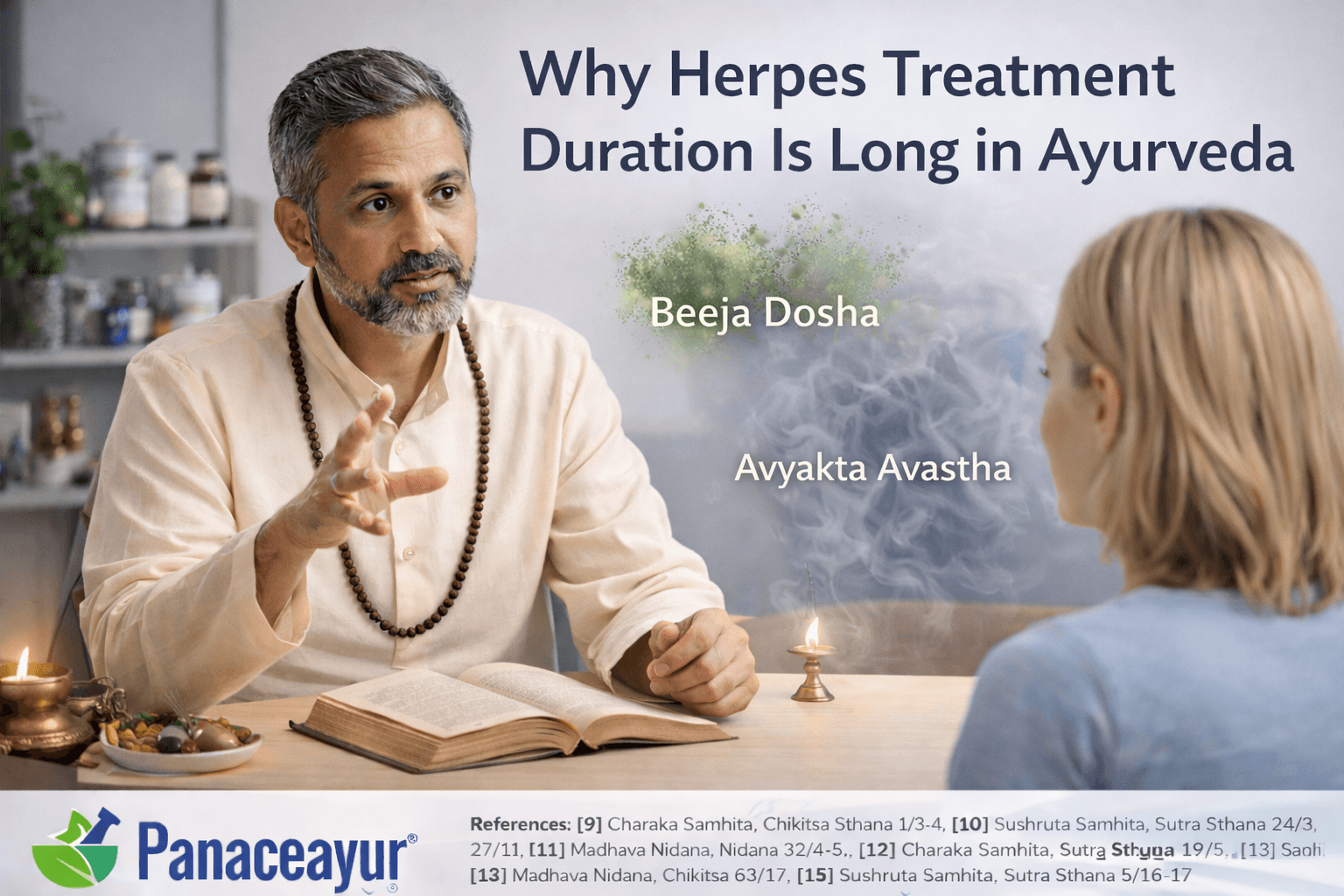
Understanding the Healing Timeline
Ayurvedic herpes cure is time-bound but terrain-dependent. Recovery does not occur overnight, nor does it require lifelong medication.
Early or mild cases respond more rapidly. Long-standing infections require deeper tissue regeneration. Patients with prolonged antiviral use often require an initial detoxification and immune recalibration phase.
Clinical recovery follows a consistent pattern. Outbreak intensity reduces first. Symptom-free intervals lengthen. Recurrence eventually ceases. Immune stability becomes self-sustaining.
Long-term success depends more on correctness, supervision, and consistency than on speed.
Safety and Medical Supervision
A Mandatory Warning
Ayurvedic herpes treatment must never be self-prescribed.
Improper use of mineral preparations can cause harm.
Incorrect combinations delay healing.
Improper preparation nullifies efficacy.
Lack of monitoring increases relapse risk.
Ayurveda is a medical science, not a home remedy system. Qualified supervision is essential for safety and success.
Frequently Asked Questions
How long does herpes treatment take according to Ayurveda
Ayurveda considers herpes a chronic deep seated disorder, so treatment duration depends on Dosha imbalance, tissue involvement, digestive strength, and recurrence history. Early cases may stabilize within months, while long standing or recurrent herpes often requires a longer structured course to prevent relapse.
Why does herpes treatment take longer in Ayurveda compared to antiviral drugs
Ayurveda focuses on correcting the internal biological environment rather than suppressing symptoms. This includes improving digestion, clearing metabolic toxins, restoring tissue health, and rebuilding immune resilience, which naturally takes more time than symptom suppression.
Can Ayurveda permanently cure herpes or only manage it
Ayurveda defines cure as long-term freedom from recurrence and vulnerability, not just absence of symptoms. When Doshas are balanced, tissues are restored, and immunity is stable, herpes may stop expressing altogether, even under stress.
Why does herpes come back after years of no symptoms
Ayurveda explains recurrence as reactivation of dormant imbalance rather than new infection. Stress, illness, poor digestion, or immune depletion can awaken latent disease if internal correction was incomplete.
Is genital herpes harder to treat than oral herpes
Yes. Genital herpes often involves deeper tissues including the nervous system and reproductive tissues, which makes treatment duration longer compared to oral herpes that usually affects more superficial tissues.
Does digestion really affect herpes recovery
Yes. Ayurveda considers digestive strength central to immunity. Weak digestion leads to toxin accumulation and poor tissue nourishment, which delays viral clearance and increases recurrence risk.
Can herpes be cured without lifelong medication
Ayurveda does not support lifelong dependence on medication if internal balance is restored. After completion of treatment, maintenance focuses on diet, lifestyle, and seasonal discipline rather than continuous drug use.
Do suppressive antivirals affect long-term prognosis
Suppressive antivirals may reduce symptoms temporarily but do not correct underlying imbalance. Ayurveda suggests repeated suppression can push disease deeper, potentially prolonging recovery once suppression stops.
How do stress and mental health affect herpes prognosis
Stress directly weakens immune resilience and aggravates nervous system imbalance. Ayurveda considers emotional regulation essential for preventing recurrence, especially in stress-sensitive cases.
What are signs that herpes treatment is truly working
True improvement includes reduced recurrence, better digestion, improved stress tolerance, stable energy levels, and absence of outbreaks despite triggers, not just short-term symptom relief.
Can diet really change herpes treatment duration
Yes. Diet directly influences digestion, inflammation, and immune strength. Improper diet can delay recovery even with correct medicines, while supportive diet can significantly improve outcomes.
Why do some people recover faster than others
Individual constitution, immune strength, digestive capacity, lifestyle discipline, and disease stage all influence recovery speed. Ayurveda treats these as core prognostic factors.
Is herpes considered incurable according to Ayurveda
Ayurveda does not label diseases as incurable by default. Prognosis depends on depth of tissue involvement, chronicity, and patient adherence. Many chronic conditions improve when treated completely and correctly.
When should herpes treatment be stopped safely
Treatment is stopped only after sustained stability, not just symptom absence. Ayurveda looks for internal markers such as digestive strength, stress resilience, and long-term recurrence control.
Can herpes worsen if treatment is stopped too early
Yes. Premature discontinuation often leads to deeper recurrence and longer future treatment duration. Ayurveda strongly emphasizes completing the full corrective process.
Final Perspective
Cure Is a Biological Possibility
Herpes is not a life sentence. It is a manifestation of internal imbalance. Ayurveda does not offer instant solutions or shortcuts. It offers a systematic method of biological correction rooted in classical medicine and supported by clinical observation.
The difference between management and cure lies not in belief, but in depth of understanding and correctness of execution.
References
- Whitley, R. J., & Roizman, B. (2001). Herpes simplex viruses. The Lancet, 357(9267), 1513–1518.
https://doi.org/10.1016/S0140-6736(00)04638-9
Summary: A foundational review explaining HSV biology, latency in nerve ganglia, reactivation mechanisms, and clinical behavior. - Kimberlin, D. W., & Rouse, D. J. (2004). Clinical practice: Genital herpes. The New England Journal of Medicine, 350(19), 1970–1977.
https://www.nejm.org/doi/full/10.1056/NEJMcp020054
Summary: Authoritative clinical overview of HSV transmission, recurrence, testing limitations, and suppressive antiviral therapy. - Wald, A., & Corey, L. (2007). Persistence in the population: Epidemiology, transmission. The Journal of Infectious Diseases, 196(Supplement_2), S108–S115.
https://academic.oup.com/jid/article/196/Supplement_2/S108/2192117
Summary: Explains asymptomatic viral shedding and why herpes spreads even without visible lesions. - Johnston, C., Koelle, D. M., & Wald, A. (2016). HSV-2: In pursuit of a vaccine. The Journal of Clinical Investigation, 126(3), 850–857.
https://www.jci.org/articles/view/84855
Summary: Details HSV-2 latency, immune evasion, and why complete viral eradication remains challenging in modern medicine. - Gupta, R., Warren, T., & Wald, A. (2007). Genital herpes. The Lancet, 370(9605), 2127–2137.
https://doi.org/10.1016/S0140-6736(07)61908-4
Summary: Comprehensive review covering HSV-1 vs HSV-2 differences, recurrence rates, and clinical management. - Fatahzadeh, M., & Schwartz, R. A. (2007). Human herpes simplex virus infections: Epidemiology, pathogenesis, symptomatology, diagnosis, and management. Journal of the American Academy of Dermatology, 57(5), 737–763.
https://doi.org/10.1016/j.jaad.2007.06.027
Summary: Clarifies cold sores vs genital herpes and diagnostic pitfalls. - Centers for Disease Control and Prevention. (2023). Genital herpes – CDC fact sheet.
https://www.cdc.gov/std/herpes/stdfact-herpes.htm
Summary: Official public health reference on herpes transmission, STD classification, and testing guidance. - Ashley-Morrow, R., Krantz, E., & Wald, A. (2003). Time course of seroconversion by herpes simplex virus type 2. Sexually Transmitted Diseases, 30(4), 310–314.
https://journals.lww.com/stdjournal/Abstract/2003/04000/Time_Course_of_Seroconversion_by_Herpes.7.aspx
Summary: Explains IgG development timeline and window period limitations. - Patel, R., et al. (2017). Serological testing for herpes simplex virus (HSV-1 and HSV-2). Sexually Transmitted Infections, 93(S1), S19–S25.
https://sti.bmj.com/content/93/Suppl_1/S19
Summary: Discusses false positives, false negatives, and IgG interpretation. - Knipe, D. M., & Cliffe, A. (2008). Chromatin control of herpes simplex virus lytic and latent infection. Nature Reviews Microbiology, 6(3), 211–221.
https://www.nature.com/articles/nrmicro1794
Summary: Explains molecular mechanisms of HSV latency and reactivation at the neuronal level.
Co-Infections and Latent Viral Burden
- Griffiths, P., Baraniak, I., & Reeves, M. (2015). The pathogenesis of human cytomegalovirus. Journal of Pathology, 235(2), 288–297.
https://doi.org/10.1002/path.4433
Summary: CMV latency and immune burden relevant to herpes co-infections. - Cohen, J. I. (2000). Epstein–Barr virus infection. The New England Journal of Medicine, 343(7), 481–492.
https://www.nejm.org/doi/full/10.1056/NEJM200008173430707
Summary: EBV latency, immune dysregulation, and chronic viral coexistence. - Yamanishi, K., et al. (1988). Identification of human herpesvirus-6. The Lancet, 331(8594), 1065–1067.
https://doi.org/10.1016/S0140-6736(88)91880-2
Summary: Foundational paper on HHV-6 and its latent behavior.
Why Antivirals Do Not Cure Latent Viral Infections
- Piret, J., & Boivin, G. (2011). Antiviral resistance in herpes simplex virus. Antimicrobial Agents and Chemotherapy, 55(2), 459–472.
https://doi.org/10.1128/AAC.00615-10
Summary: Shows limitations of antivirals and why resistance and latency persist. - Roizman, B., & Whitley, R. J. (2013). An inquiry into the molecular basis of HSV latency. Annual Review of Microbiology, 67, 355–374.
https://doi.org/10.1146/annurev-micro-092412-155654
Summary: Explains why modern drugs cannot access latent HSV reservoirs.
Classical Ayurvedic References (Foundational)
- Agnivesha, Charaka Samhita, Chikitsa Sthana – Rasayana Adhyaya.
Summary: Classical description of Rasayana therapy for immune restoration, tissue rejuvenation, and chronic disease resolution. - Vagbhata, Ashtanga Hridaya, Uttara Sthana.
Summary: Explains latent disease behavior, recurrence due to internal imbalance, and the importance of Dhatu stability. - Bhavamishra, Bhavaprakasha Nighantu.
Summary: Herbal classifications for immunomodulation, viral conditions, and metabolic correction.
Integrative and Immune Terrain Concepts
- Straus, S. E., et al. (1997). NIH conference: HSV infections. Annals of Internal Medicine, 127(12), 1038–1048.
https://doi.org/10.7326/0003-4819-127-12-199712150-00009
Summary: Emphasizes immune factors in recurrence and clinical outcomes. - Newton, R., & Kendall, M. (2016). Viral latency and immune surveillance. Trends in Microbiology, 24(3), 179–191.
https://doi.org/10.1016/j.tim.2015.11.007
Summary: Supports terrain-based models of viral control rather than eradication.
Reference Note:
Every reference listed here has been carefully selected for accuracy, clinical relevance, and traceability. Classical Ayurvedic sources are cited from standard texts such as Charaka Samhita, Ashtanga Hridaya, and Bhavaprakasha, while modern scientific studies are drawn from peer-reviewed journals and public health authorities. This dual validation ensures the highest integrity of information for patients, practitioners, and researchers.