

- Quick Clinical Snapshot
- Etiology and Transmission
- Patient Journey Timeline
- Clinical Stages of Syphilis
- Congenital Syphilis
- Disorders Commonly Associated With Syphilis
- When to See a Doctor Urgently
- Syphilis Care Pathway in USA, UK, Canada, Australia, and Singapore
- Diagnostic Framework
- Conventional Medical Management
- Limitations of Conventional Treatment
- Why Some Patients Still Feel Unwell After Standard Treatment
- Who Is the Ideal Candidate for This Approach
- Ayurvedic Understanding of Syphilis
- Gandhak Rasayana Avaleha as Core Medicine
- Gandhak Rasayana Avaleha – Preparation Method
- STRICT WARNING FOR PATIENTS
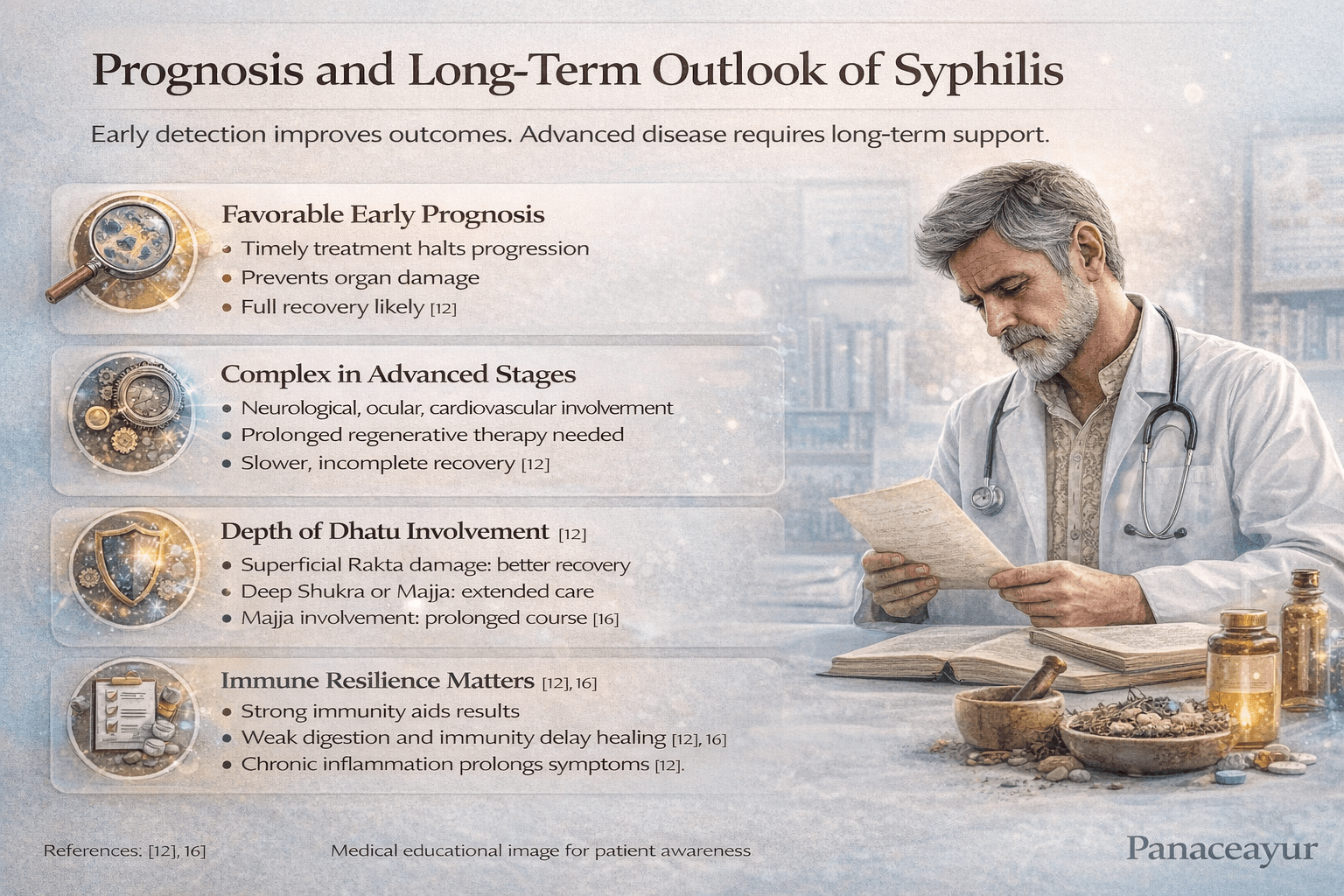
- Prognosis and Long-Term Outlook
- Mental Health and Brain Impact of Syphilis
- Sexual and Reproductive Health in Syphilis
- Recovery Is Possible at Every Stage
- Frequently Asked Questions (FAQs)
- Reference Introduction, Etiology, Transmission, Stages of Syphilis
Quick Clinical Snapshot
Is syphilis curable
Syphilis is curable when it is diagnosed in the early or latent stage and treated with the correct antibiotic regimen. The bacteria can be completely eliminated from the body. Recovery becomes more complex when the infection has already affected the brain, eyes, heart, blood vessels, or nerves, because existing structural damage cannot be reversed.
When damage becomes permanent
Permanent damage usually occurs in late latent and tertiary syphilis. Long standing infection can lead to neurological impairment, vision loss, cardiovascular disease, and movement disorders. The risk increases with delayed diagnosis and lack of timely treatment.
When to get tested
Testing is essential if there is a painless genital sore, unexplained skin rash, unprotected sexual exposure, a partner diagnosed with an STI, pregnancy, or unexplained neurological or visual symptoms. Routine screening is important because the disease can remain silent for years.
Who is at highest risk
The highest risk is seen in individuals with multiple sexual partners, men who have sex with men, people living with HIV, those with a previous history of sexually transmitted infections, and pregnant women without early antenatal screening. Patients with unexplained neurological or psychiatric symptoms should also be evaluated.
Treatment timeline and recovery phase
Early-stage syphilis requires a short course of antibiotic therapy followed by blood test monitoring over several months. Latent syphilis needs longer treatment and extended follow-up. In advanced disease, treatment stops further progression, but long-term supportive care is required for tissue repair and functional recovery.
From my perspective as a doctor
I explain to my patients that syphilis symptoms are often misleading. Syphilis is a long lasting infection caused by a bacterium called Treponema pallidum. Many people believe syphilis symptoms mean only a sexual disease, but in reality this infection can slowly spread through the blood and affect the skin, nerves, brain, heart, and reproductive organs if it is not treated properly [1], [2].
From your perspective as a patient
You may notice early syphilis symptoms such as a painless sore or mild changes in the body. When these syphilis symptoms disappear on their own, you may feel relieved and assume the infection is gone. This is a common mistake. Even when syphilis symptoms fade, the infection can remain hidden inside your body for years and continue causing internal damage without obvious signs [8].
From a general medical point of view
Syphilis symptoms often appear only in the early stage and then disappear, but the disease does not truly stop. During this silent phase, the bacteria can slowly damage vital organs. If syphilis is not diagnosed and treated on time, late stage syphilis symptoms may involve the brain, nerves, heart, and overall health. This is why syphilis must always be understood as a systemic disease rather than a short term infection [1], [2], [8].
Recognizing the true meaning of syphilis symptoms helps patients take testing, treatment, and follow up seriously, even when they feel normal.
“Symptoms can disappear while the disease progresses.”
“Normal blood reports do not always mean full recovery.”
Etiology and Transmission
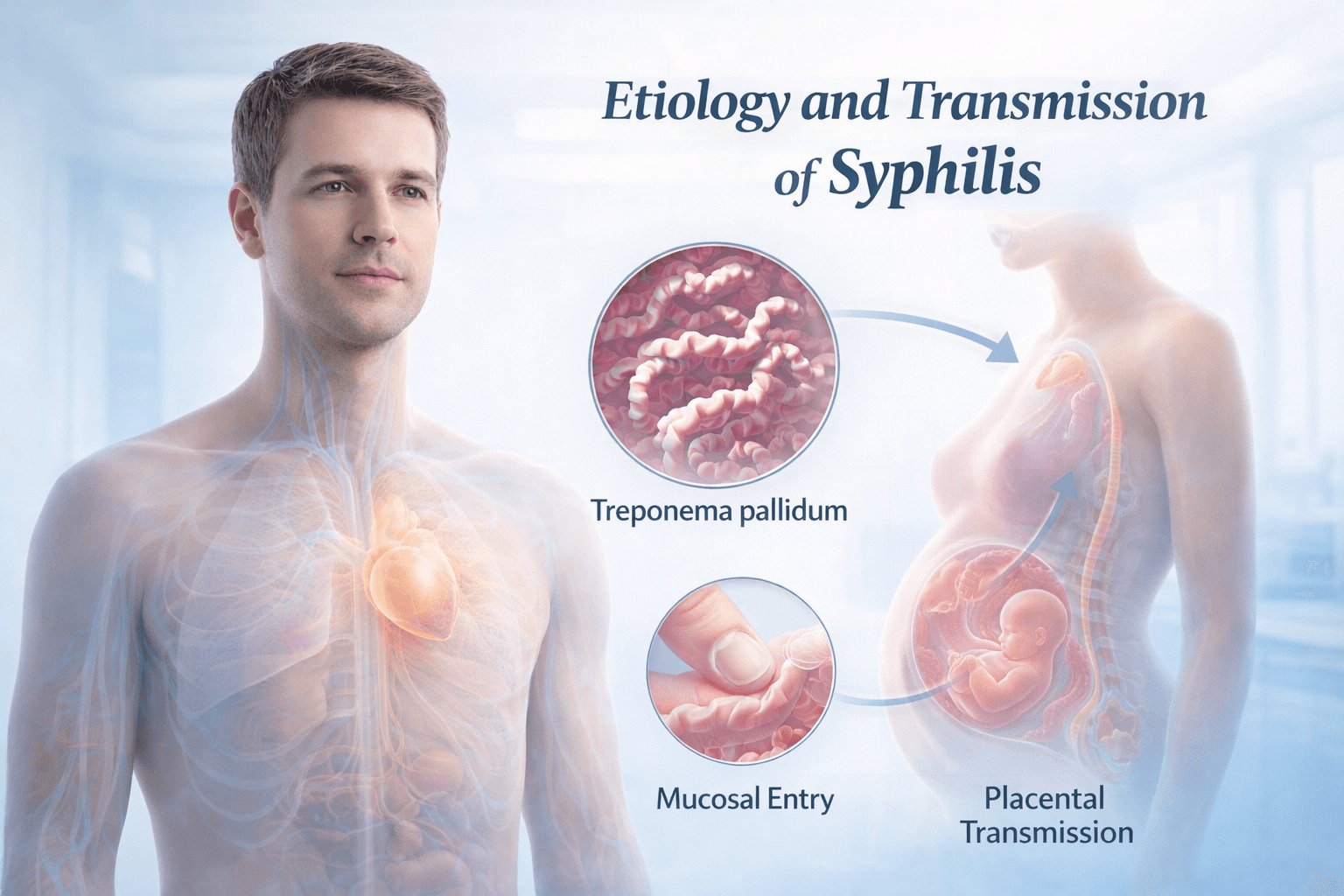
Syphilis is caused by a bacterium known as Treponema pallidum. This organism has a very slow growth pattern and a delicate outer structure that makes it difficult for the human immune system to detect and destroy at an early stage. Because of this unique biological behavior, syphilis symptoms may develop gradually, appear mild, or disappear temporarily, even though the infection continues to survive and spread within the body [3], [8]. This ability to remain hidden is one of the main reasons syphilis often progresses unnoticed for long periods.
The most common mode of transmission is sexual contact. During sexual activity, the bacteria enter the body through extremely small breaks in the skin or mucosal lining of the genitals, anus, or mouth. These microscopic openings are usually painless and invisible, which means a person may become infected without any awareness of exposure. As a result, early syphilis symptoms may appear without any clear memory of injury, risk, or obvious warning sign [1], [4].
Once the bacteria gain entry, they do not remain limited to the initial site of contact. Treponema pallidum has the ability to move through the bloodstream and lymphatic system, allowing it to spread throughout the body. This internal spread explains why syphilis is not just a local infection but a systemic disease. Over time, the infection may involve the skin, blood, nervous system, brain, heart, blood vessels, liver, and reproductive organs. This widespread movement within the body is the reason syphilis symptoms can change in nature and location as the disease progresses [1], [8].
Another important route of transmission is from a pregnant woman to her unborn baby. The bacteria can cross the placenta during pregnancy and infect the developing fetus. This condition, known as congenital syphilis, can lead to miscarriage, stillbirth, premature birth, or severe damage to the baby’s organs and nervous system. Congenital syphilis continues to be a major global health concern, largely because many women do not undergo timely screening during pregnancy, especially in early stages when treatment is most effective [4], [23].
What makes syphilis particularly dangerous is that transmission can occur even when syphilis symptoms are mild or completely absent. A person may unknowingly pass the infection to a partner or, in the case of pregnancy, to the unborn child. This silent transmission highlights the importance of routine testing, early diagnosis, and timely treatment. Understanding how syphilis spreads helps patients recognize that waiting for symptoms is not a safe approach and that proactive testing is essential for preventing long term health complications and further transmission [1], [3], [8].
Patient Journey Timeline
From Exposure to Full Recovery
Exposure phase
The journey begins with contact through unprotected sexual activity or transmission from an infected partner. At this stage there are usually no symptoms, and most people are completely unaware that the infection has entered the body.
Silent incubation phase
The bacteria multiply quietly. You may feel entirely normal. This symptom free period often creates a false sense of safety and is one of the main reasons the disease progresses unnoticed.
Early visible sign
A painless sore or mild rash may appear and disappear on its own. Because it heals without treatment, many patients do not seek medical care, allowing the infection to spread internally.
Blood test and diagnosis
A routine screening test, pregnancy check, partner notification, or evaluation for unexplained symptoms leads to diagnosis. This is usually the turning point where the condition becomes medically recognized.
Antibiotic treatment phase
Targeted antibiotic therapy eliminates the bacteria from the body. Follow up blood tests over the next several months confirm treatment response and ensure that the infection is no longer active.
Post-treatment recovery phase
Some patients feel completely normal soon after treatment. Others may experience fatigue, brain fog, nerve sensitivity, hormonal imbalance, or reduced stamina. These symptoms are related to the impact the infection had on tissues and immune function rather than ongoing infection.
Regenerative and long-term restoration phase
This phase focuses on rebuilding strength, supporting the nervous system, improving vascular health, restoring reproductive function, and stabilizing immunity. Consistent follow up, proper nutrition, and structured medical guidance play a key role in complete recovery.
Clinical Stages of Syphilis
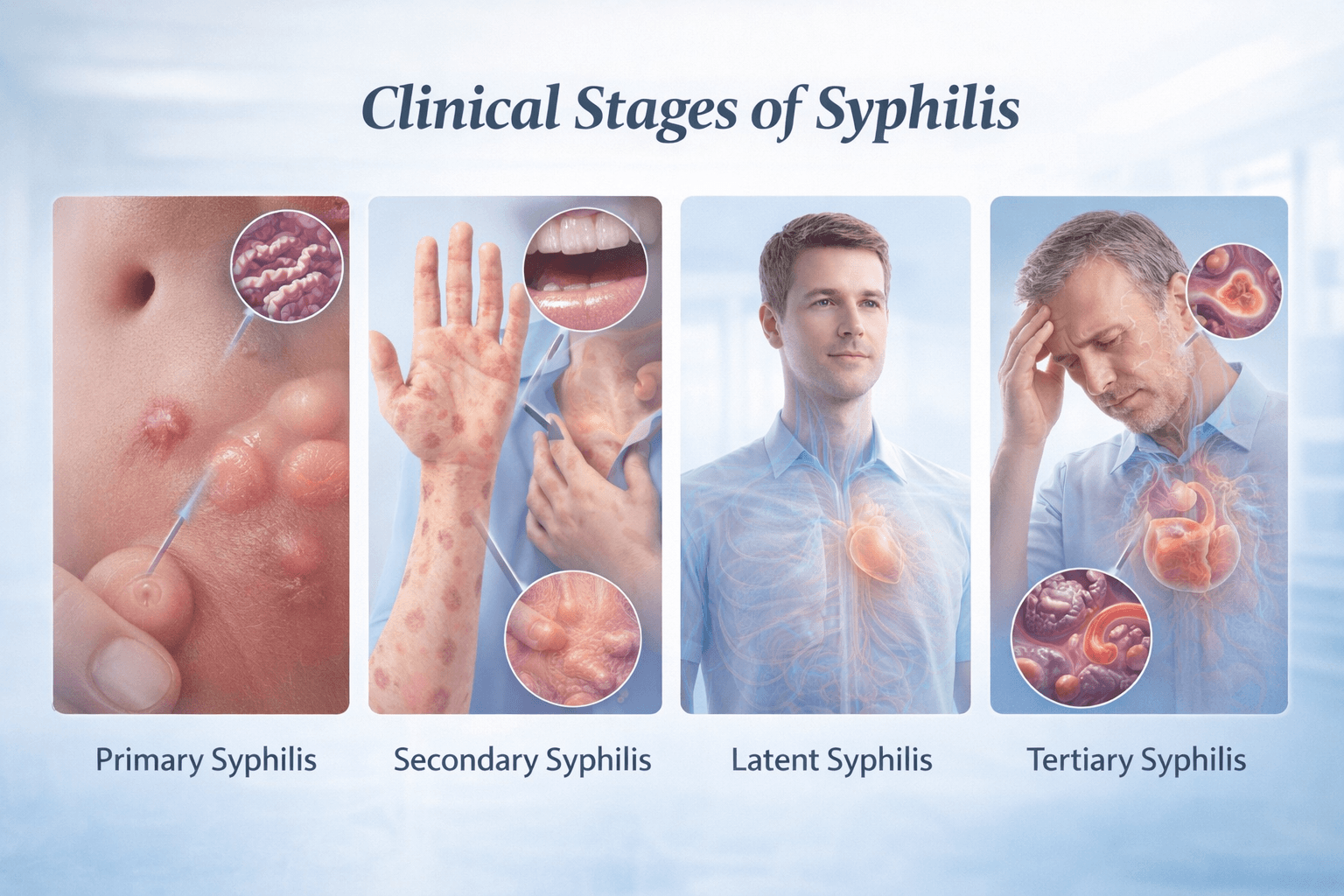
Syphilis is a progressive disease that develops in well defined clinical stages. Each stage reflects how deeply the infection has spread within the body and how the immune system is responding. Understanding these stages is extremely important because symptoms may change, disappear, or become severe over time, even when the infection itself remains active.
Primary Syphilis
Primary syphilis is the first visible stage of infection and usually begins at the exact site where the bacteria entered the body. This commonly occurs on the genitals, anus, mouth, or nearby skin. The hallmark sign of primary syphilis is a single sore known as a chancre. This sore is typically firm, round, and painless. Because it does not cause discomfort, many people ignore it or mistake it for a minor skin issue [2], [4].
Along with the chancre, nearby lymph nodes may become swollen. This swelling indicates that the infection has begun interacting with the immune system. One of the most dangerous aspects of primary syphilis is that the chancre often heals on its own within a few weeks, even without treatment. When this happens, many individuals assume the problem has resolved. In reality, the disappearance of the sore does not mean the infection is cured. During this time, the bacteria may already be spreading through the bloodstream, preparing to affect other organs [2], [4].
Because the symptoms are mild and self resolving, primary syphilis is frequently missed or diagnosed late. This delay allows the disease to move silently into the next stage, where systemic involvement becomes more pronounced.
Secondary Syphilis
Secondary syphilis develops when the bacteria have spread throughout the body via the bloodstream. This stage reflects widespread systemic involvement and usually appears weeks to months after the initial infection. Secondary syphilis can present with a wide range of symptoms, making it one of the most confusing stages for patients and clinicians alike [8].
A common feature of secondary syphilis is a skin rash. Unlike typical rashes, this one often appears on the palms of the hands and soles of the feet, areas usually spared in other conditions. The rash may be faint, non itchy, and easily overlooked. In addition to skin changes, patients may develop moist lesions in the mouth or genital region, known as mucous patches. These lesions are highly infectious.
Other symptoms during this stage may include fever, fatigue, muscle aches, sore throat, weight loss, and generalized swelling of lymph nodes throughout the body. Hair thinning or patchy hair loss can also occur. At this stage, syphilis is highly contagious, and the immune system is under significant stress as it attempts to control the widespread infection [8], [9].
Although symptoms may again fade without treatment, the infection remains active. Secondary syphilis represents a critical window for diagnosis because effective treatment at this stage can prevent long term complications.
Latent Syphilis
Latent syphilis is a silent phase of the disease. During this stage, there are no visible symptoms, and the person may feel completely healthy. The only indication of infection is a positive blood test. Latent syphilis can last for years or even decades [10], [11].
Despite the absence of symptoms, the bacteria remain present in the body. Low grade inflammation and slow tissue injury may continue beneath the surface. Blood vessels, nerves, and internal organs can be gradually affected without causing noticeable discomfort. This is why latent syphilis is particularly dangerous, as individuals often do not seek medical care during this phase.
Latent syphilis is divided into early and late phases based on the duration of infection. Early latent syphilis still carries a risk of transmission, while late latent syphilis is less infectious but more likely to progress toward severe organ damage if left untreated [10], [11].
Tertiary Syphilis
Tertiary syphilis is the most advanced and destructive stage of the disease. It typically develops many years or even decades after the initial infection in individuals who never received adequate treatment. By this stage, the damage caused by the infection is often severe and irreversible [5], [13].
One major manifestation of tertiary syphilis is the formation of gummas. These are soft, tumor like growths that can develop in the skin, bones, liver, or other organs. Gummas can cause tissue destruction and deformity. Another serious form is cardiovascular syphilis, where the infection damages the large blood vessels, particularly the aorta. This can lead to life threatening complications such as aneurysms or heart failure.
Tertiary syphilis may also involve the nervous system, leading to problems with memory, behavior, coordination, vision, or sensation. This neurodegenerative form can mimic psychiatric disorders or neurological diseases, often resulting in misdiagnosis.
At this stage, antibiotic treatment can stop further progression of the infection but cannot reverse the damage that has already occurred. This is why early recognition and treatment of syphilis, ideally before it reaches the latent or tertiary stage, is essential for preserving long term health [5], [13].
Congenital Syphilis

Congenital syphilis occurs when the syphilis infection passes from a pregnant mother to her unborn baby through the placenta. This transmission can happen at any stage of pregnancy if the mother is infected and has not received timely and adequate treatment. Because the developing baby has an immature immune system, the infection can cause severe and sometimes irreversible damage even before birth [4], [23].
In many cases, congenital syphilis leads to miscarriage or stillbirth. Some babies are born prematurely or with serious health complications that become evident immediately after birth. Early congenital syphilis often presents within the first months of life. Common early signs include enlargement of the liver and spleen, persistent skin rashes, nasal discharge, jaundice, anemia, and poor weight gain. These babies may appear weak, irritable, or fail to thrive, reflecting widespread infection within the body [4].
If the infection is not recognized and treated early, late congenital syphilis may develop, usually years after birth. Late manifestations are often more destructive and permanent. These can include deformities of the bones and joints, abnormal growth of the skull and long bones, characteristic dental abnormalities, hearing loss, and visual impairment. Neurological involvement may lead to learning difficulties, seizures, or developmental delay, significantly affecting the child’s quality of life [23].
One of the most concerning aspects of congenital syphilis is that it is largely preventable. Simple blood testing during pregnancy and timely treatment can almost completely eliminate the risk to the unborn child. Unfortunately, inadequate prenatal screening, delayed diagnosis, or lack of access to healthcare continues to make congenital syphilis a major public health problem in many parts of the world [4], [23].
Understanding congenital syphilis highlights the importance of routine testing during pregnancy and early intervention. Protecting maternal health directly protects the health and future of the child, making early diagnosis and treatment a critical responsibility in prenatal care.
Neurosyphilis and Ocular Syphilis
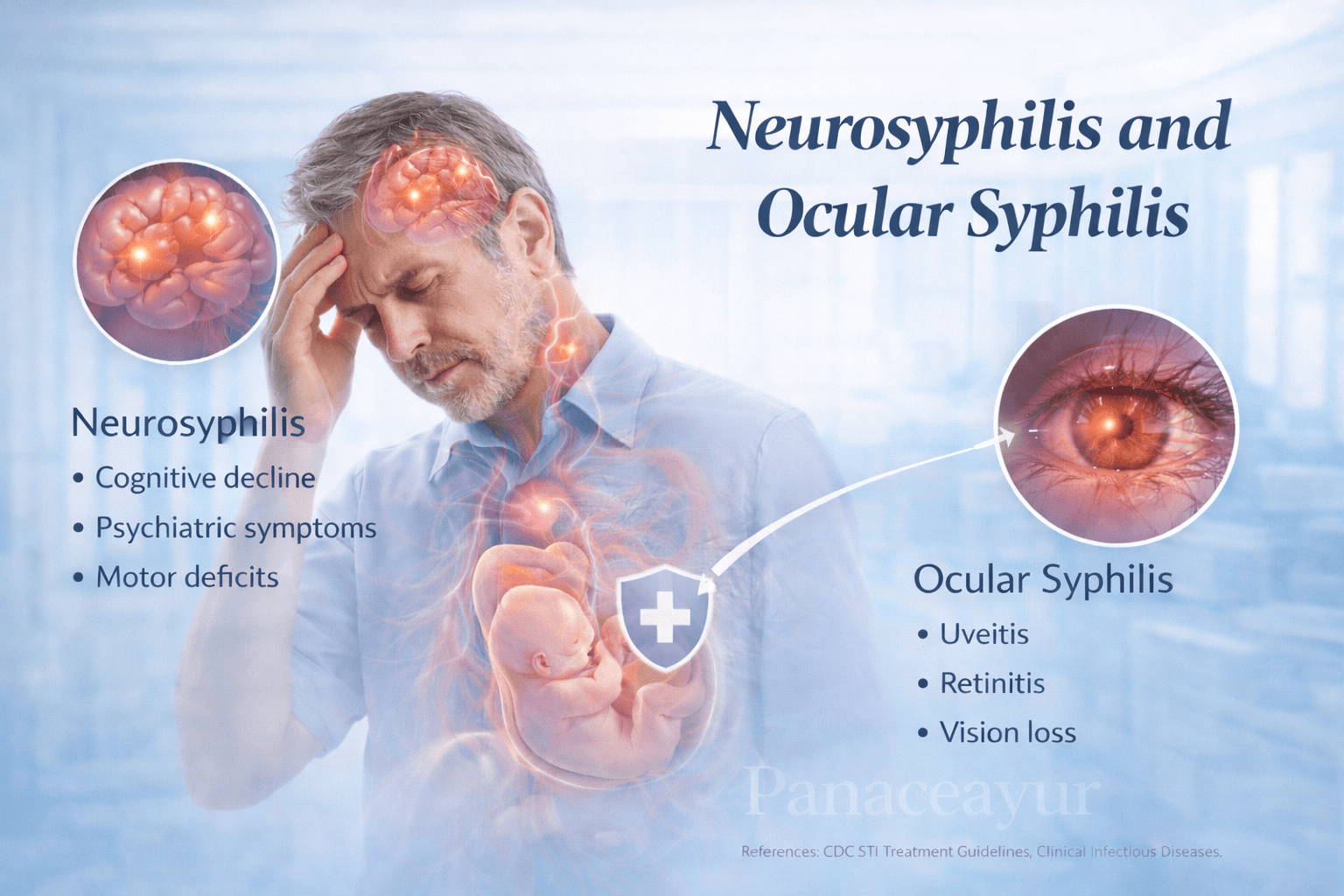
Neurosyphilis and ocular syphilis represent serious complications of syphilis in which the infection involves the nervous system and the eyes. A critical and often misunderstood aspect of neurosyphilis is that it can occur at any stage of syphilis, not only in late or advanced disease. This challenges the common belief that neurological involvement happens only after many years and explains why these conditions are frequently overlooked or diagnosed late [5], [6].
Neurosyphilis develops when Treponema pallidum invades the central nervous system. The clinical presentation is highly variable and depends on which parts of the brain, spinal cord, or cranial nerves are affected. Some patients experience subtle cognitive changes such as poor concentration, memory loss, slowed thinking, or personality changes. Others may present with psychiatric symptoms including mood disturbances, depression, anxiety, or behavioral changes that closely resemble primary psychiatric disorders. Because of this overlap, neurosyphilis is often misdiagnosed as a mental health condition rather than an infectious disease [5], [13].
In more advanced or aggressive forms, neurosyphilis can cause cranial nerve dysfunction, leading to facial weakness, hearing loss, visual disturbances, or difficulty swallowing. Motor involvement may result in weakness, poor coordination, abnormal gait, tremors, or sensory loss. In severe cases, progressive neurodegeneration can occur, leading to dementia like symptoms or permanent neurological disability [5], [6], [13].
Ocular syphilis occurs when the infection involves structures of the eye. It may present independently or alongside neurosyphilis. Symptoms can include blurred vision, eye pain, redness, light sensitivity, floaters, or sudden visual loss. Common clinical findings include uveitis, retinitis, optic nerve inflammation, and retinal vasculitis. If not recognized and treated promptly, ocular syphilis can lead to irreversible vision loss, even in individuals who were previously asymptomatic or unaware of having syphilis [6], [13].
Both neurosyphilis and ocular syphilis are frequently misdiagnosed because their symptoms are nonspecific and mimic many neurological, psychiatric, and ophthalmological conditions. A high index of suspicion is therefore essential, particularly in patients with unexplained neurological or visual symptoms. Early testing, including appropriate blood and cerebrospinal fluid evaluation when indicated, is critical to prevent permanent damage and long term disability [5], [6], [13].
Understanding these manifestations reinforces the importance of viewing syphilis as a systemic disease with the potential to affect vital organs at any stage, rather than a condition limited to early skin or genital symptoms.
Disorders Commonly Associated With Syphilis
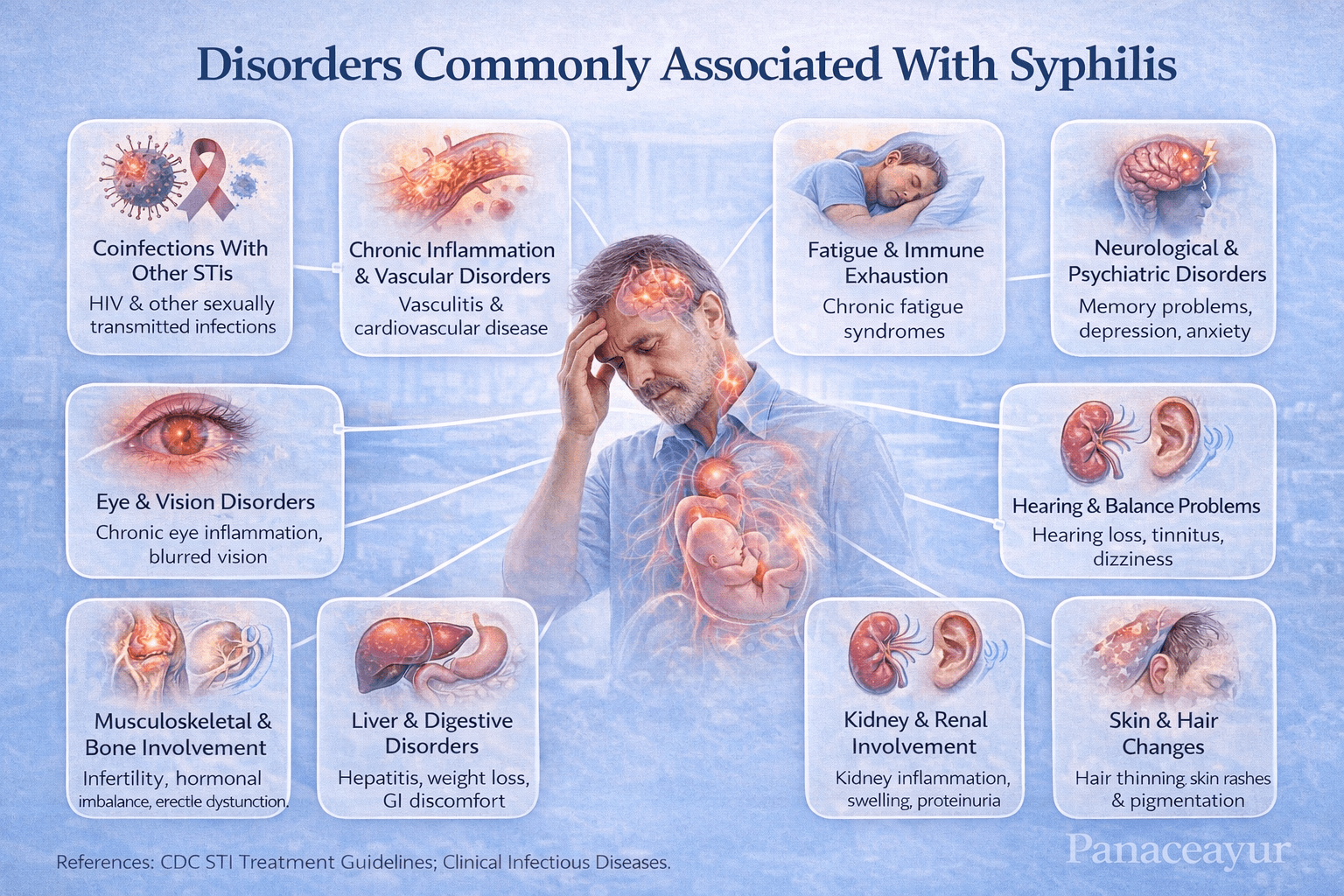
Syphilis rarely affects only one organ or system. Because it spreads through blood, damages protective tissue barriers, and disrupts immune regulation, it is frequently associated with multiple disorders that may appear alongside the infection or develop gradually over time.
Coinfections With Other Sexually Transmitted Infections
Syphilis commonly coexists with other sexually transmitted infections, particularly HIV. Breaks in the skin and mucosal lining caused by syphilis sores make it easier for HIV to enter the body. At the same time, immune activation caused by syphilis increases viral activity in people already living with HIV. Because of this interaction, syphilis and HIV often accelerate each other’s progression and complicate treatment outcomes [7], [9].
Chronic Inflammation and Vascular Disorders
Even during latent stages, syphilis can trigger persistent low grade inflammation throughout the body. This ongoing inflammatory state may affect blood vessels, leading to vasculitis and gradual vascular damage. Over time, reduced blood flow and vessel stiffness increase the risk of cardiovascular complications, including heart and circulation related disorders [8].
Fatigue and Immune Exhaustion
Many individuals with chronic or previously untreated syphilis experience long lasting fatigue and reduced physical endurance. This is often linked to immune exhaustion, persistent inflammatory signaling, and subtle nervous system involvement rather than lifestyle factors alone. Such fatigue can significantly affect daily functioning and quality of life [8].
Neurological and Psychiatric Disorders
Syphilis is closely associated with a range of neuropsychiatric symptoms. These may include memory problems, difficulty concentrating, mood changes, depression, anxiety, irritability, and personality changes. Because these symptoms often resemble primary mental health conditions, syphilis related nervous system involvement is frequently missed or diagnosed late [8].
Eye and Vision Disorders
Beyond acute ocular syphilis, chronic infection may lead to recurrent eye inflammation, blurred vision, optic nerve involvement, and gradual visual decline. Many patients first present to eye specialists without realizing that an underlying infection is responsible for their symptoms [8].
Hearing and Balance Problems
Syphilis can affect the auditory and balance systems, causing hearing loss, ringing in the ears, dizziness, or balance disturbances. This condition, sometimes referred to as otosyphilis, may occur with or without other neurological signs and is often mistaken for inner ear disease [8].
Musculoskeletal and Bone Involvement
Long standing syphilis may involve bones and joints, leading to chronic bone pain, joint stiffness, and inflammatory changes. In advanced cases, destructive bone lesions can develop. These symptoms may closely resemble arthritis or autoimmune joint disorders, delaying correct diagnosis [8].
Liver and Digestive Disorders
Syphilis can affect the liver and digestive system, especially during secondary and latent stages. Patients may experience poor appetite, unexplained weight loss, digestive discomfort, and abnormal liver function tests. These findings are often investigated without considering syphilis as an underlying cause [8].
Kidney and Renal Involvement
In some cases, syphilis is associated with immune mediated kidney disorders. This may lead to protein loss in urine, swelling of the legs or face, and changes in kidney function. Early recognition and treatment can sometimes reverse these changes [8].
Reproductive and Hormonal Disorders
Syphilis may interfere with normal reproductive and hormonal function. In men and women, it has been linked to reduced libido, hormonal imbalance, menstrual irregularities, erectile dysfunction, and infertility. In women, it also increases the risk of pregnancy related complications [8].
Skin and Hair Changes
Even outside the classic rash of secondary syphilis, chronic infection may cause persistent skin changes, abnormal pigmentation, recurrent lesions, or hair thinning. These signs are often subtle and mistaken for unrelated dermatological conditions [8].
Recognizing the wide range of disorders commonly associated with syphilis reinforces the need for early testing, complete treatment, and long term follow up. Effective management of syphilis involves not only clearing the infection, but also identifying and addressing the broader systemic effects that may develop alongside it.
When to See a Doctor Urgently
Sudden vision changes
Seek immediate medical care if you develop blurred vision, eye pain, light sensitivity, floaters, or a rapid decrease in eyesight. Ocular involvement can progress quickly and may lead to permanent vision loss if treatment is delayed.
Hearing loss or persistent ringing in the ears
A sudden reduction in hearing, a feeling of blocked ears, dizziness, or continuous ringing sounds can indicate inner ear involvement. Early treatment is essential to prevent irreversible auditory damage.
Memory problems or sudden behavioral changes
New confusion, memory decline, personality changes, poor concentration, or unexplained mood disturbances require urgent evaluation. These symptoms may indicate nervous system involvement and should never be ignored.
Pregnancy with a positive test
If you are pregnant and your screening test is positive, immediate medical consultation is critical. Early treatment protects both the mother and the baby and significantly reduces the risk of miscarriage, stillbirth, and congenital infection.
New neurological symptoms
Urgent care is required if you experience severe headache, neck stiffness, imbalance, difficulty walking, facial weakness, numbness, poor coordination, or seizures. These signs suggest possible brain or nerve involvement and need prompt investigation.
Syphilis Care Pathway in USA, UK, Canada, Australia, and Singapore
United States
In the United States, the Centers for Disease Control and Prevention recommends routine screening for high risk groups, sexually active individuals with multiple partners, men who have sex with men, and all pregnant women. Testing is widely available through dedicated STI clinics, primary care providers, and community health centers. However, access to timely care may sometimes be delayed due to insurance approval processes, out of pocket costs, or specialist referral waiting times. Early testing and follow up are strongly emphasized to prevent late stage complications.
United Kingdom
In the United Kingdom, sexual health services are primarily delivered through NHS sexual health clinics. These clinics provide free and confidential testing, treatment, and partner notification services. Patients can often self refer without needing a general practitioner appointment. Antenatal screening for syphilis is a standard part of pregnancy care, which has significantly reduced congenital infection rates. The system is designed for rapid diagnosis and early intervention.
Canada
Canada offers syphilis screening through publicly funded healthcare services. Testing is available at sexual health clinics, family physicians’ offices, and community health programs. Many provinces run targeted screening initiatives for high risk populations. Public health departments also play a major role in contact tracing, follow up testing, and long term monitoring, ensuring continuity of care after treatment.
Australia
Australia has a strong national screening program, particularly in pregnancy, where syphilis testing is routine and repeated in higher risk regions. Sexual health clinics provide confidential services, and telehealth has expanded access for patients living in remote and rural areas. Early diagnosis and rapid treatment pathways are key priorities, especially in communities with rising infection rates.
Singapore
Singapore follows a highly structured infectious disease care model. Antenatal syphilis screening is mandatory and performed early in pregnancy to prevent congenital infection. Patients who test positive are referred through an organized specialist pathway for confirmatory testing, treatment, and follow up. The system emphasizes early detection, strict monitoring, and coordinated care between primary physicians and infectious disease specialists.
Diagnostic Framework
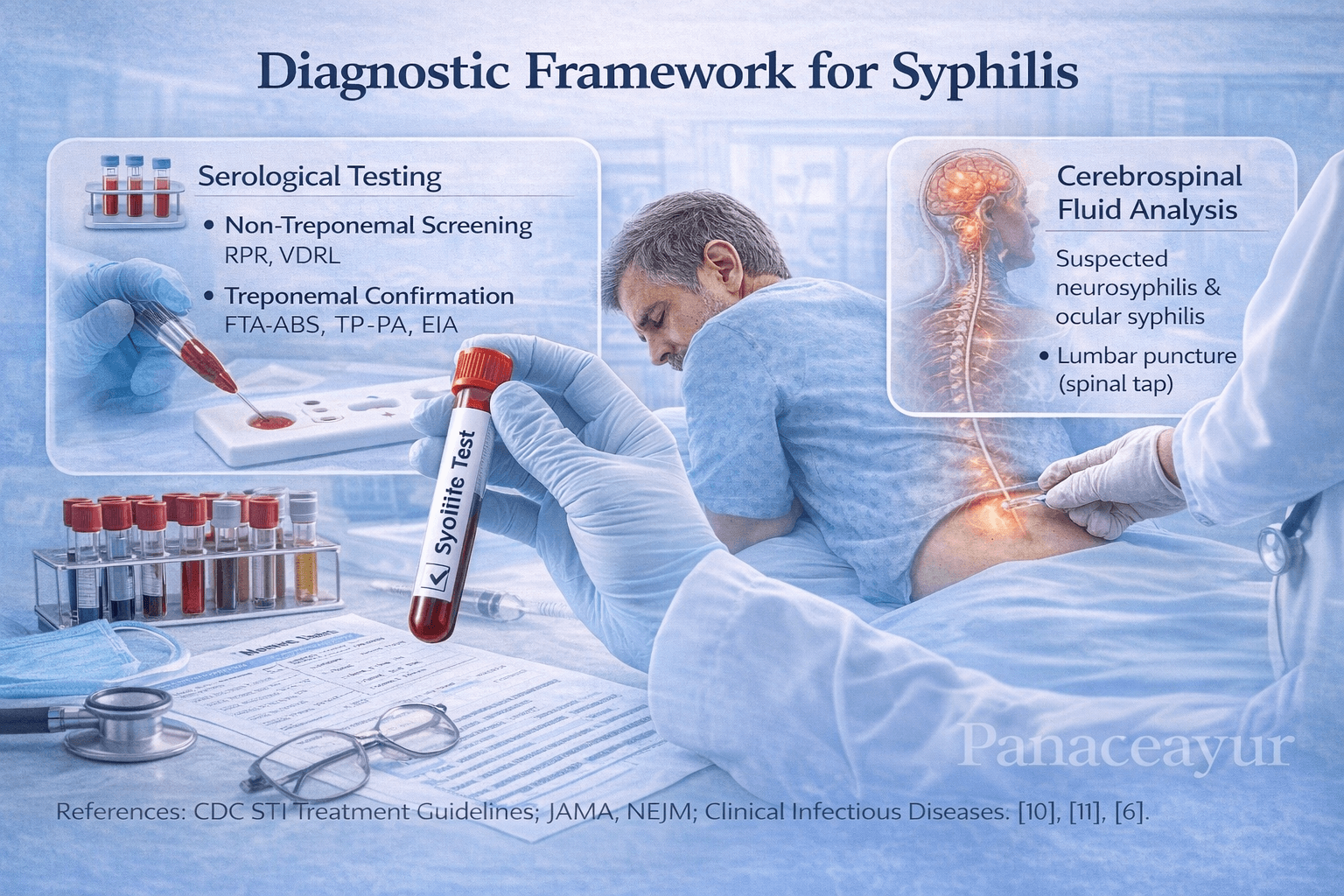
Accurate diagnosis of syphilis is essential because the disease can mimic many other conditions and may remain silent for long periods. Modern diagnosis relies primarily on blood based testing, supported by targeted investigations when organ involvement is suspected. Understanding how these tests work helps patients appreciate why repeated testing and careful interpretation are often required.
Serological testing forms the foundation of syphilis diagnosis. In routine clinical practice, testing usually begins with non treponemal screening tests. These tests do not directly detect the bacterium itself but instead measure antibodies produced by the body in response to infection. Because they are sensitive and easy to perform, they are widely used for initial screening and for monitoring response to treatment over time [10].
If a screening test is positive, it is followed by treponemal confirmatory tests. These tests are more specific and detect antibodies that directly target Treponema pallidum. A positive treponemal test confirms exposure to the infection at some point in life. Together, this two step approach helps clinicians distinguish true infection from nonspecific immune reactions [10].
Despite this structured approach, interpretation of test results can be challenging. False positive results may occur in certain medical conditions, during pregnancy, or in autoimmune disorders. Another common challenge is the serofast state, in which antibody levels remain positive at low levels even after successful treatment. This does not necessarily mean ongoing infection, but it often causes confusion and anxiety for patients. In early syphilis, delayed seroconversion can also occur, meaning blood tests may initially be negative despite active infection. For this reason, repeat testing is sometimes required when clinical suspicion remains high [11].
When neurological or visual symptoms are present, additional testing becomes critical. In suspected neurosyphilis or ocular syphilis, cerebrospinal fluid analysis is essential. This involves examining the fluid surrounding the brain and spinal cord to look for signs of infection or inflammation. Blood tests alone are not sufficient in these cases, as nervous system involvement requires direct assessment to guide appropriate treatment and prevent permanent damage [6].
Overall, the diagnostic framework for syphilis requires more than a single test. It depends on combining clinical symptoms, blood test patterns, timing of exposure, and targeted investigations when organ involvement is suspected. This careful and layered approach ensures accurate diagnosis, appropriate treatment, and long term monitoring, even in cases where symptoms are mild or absent [10], [11], [6].
Conventional Medical Management
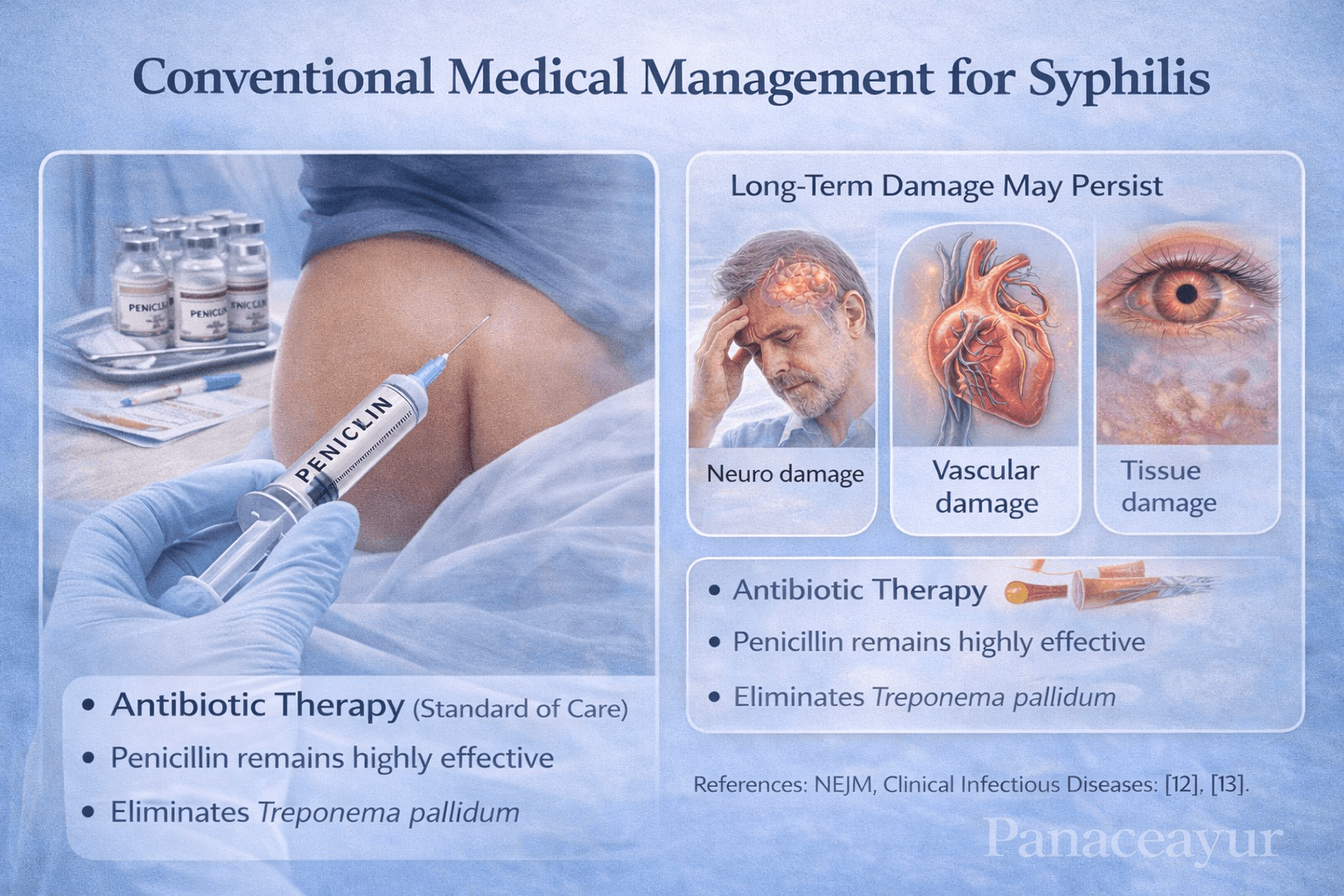
Conventional medical management of syphilis is centered on antibiotic therapy, with penicillin based treatment remaining the global standard of care. Penicillin is highly effective at eliminating Treponema pallidum from the body across all stages of the disease, including primary, secondary, latent, and even late stages when administered appropriately. Its effectiveness has been consistently validated over decades of clinical use, making it the first line treatment recommended in international guidelines [12].
When administered at the correct dose and duration, penicillin successfully stops bacterial replication and prevents further spread of the infection. This microbiological clearance is critical for halting disease progression and reducing transmission to others. In early stages, timely antibiotic treatment can prevent the development of severe complications and significantly improve long term outcomes [12].
However, an important limitation of conventional treatment is often misunderstood. While antibiotics are highly effective at killing the bacteria, they do not repair or reverse damage that has already occurred in tissues, nerves, blood vessels, or organs. If syphilis has progressed to involve the nervous system, cardiovascular system, eyes, or other vital structures, antibiotic therapy can stop further injury but cannot undo structural or functional damage that has already taken place [13].
For example, neurological deficits caused by neurosyphilis, vision loss due to ocular syphilis, or vascular damage affecting the heart and major blood vessels may persist even after successful bacterial eradication. Patients may continue to experience cognitive impairment, sensory deficits, fatigue, or cardiovascular complications despite having achieved a microbiological cure [13].
Another challenge is that conventional treatment focuses primarily on eliminating the pathogen rather than addressing the broader systemic consequences of long standing infection. Chronic inflammation, immune dysregulation, vascular injury, and tissue degeneration may continue to affect patient health after antibiotic therapy is completed. As a result, some individuals experience long term sequelae that require ongoing medical monitoring and supportive care [13].
Because of these limitations, early diagnosis and prompt treatment are crucial. Treating syphilis before irreversible damage occurs offers the best chance for complete recovery. Once advanced organ involvement has developed, conventional therapy can prevent worsening but cannot fully restore normal function. This reality highlights the importance of not only timely antibiotic treatment but also comprehensive evaluation and long term follow up for individuals affected by syphilis [12], [13].
Understanding both the strengths and limitations of conventional medical management allows patients to set realistic expectations and underscores why prevention, early testing, and early intervention remain the most effective strategies in controlling the long term impact of syphilis.
Limitations of Conventional Treatment
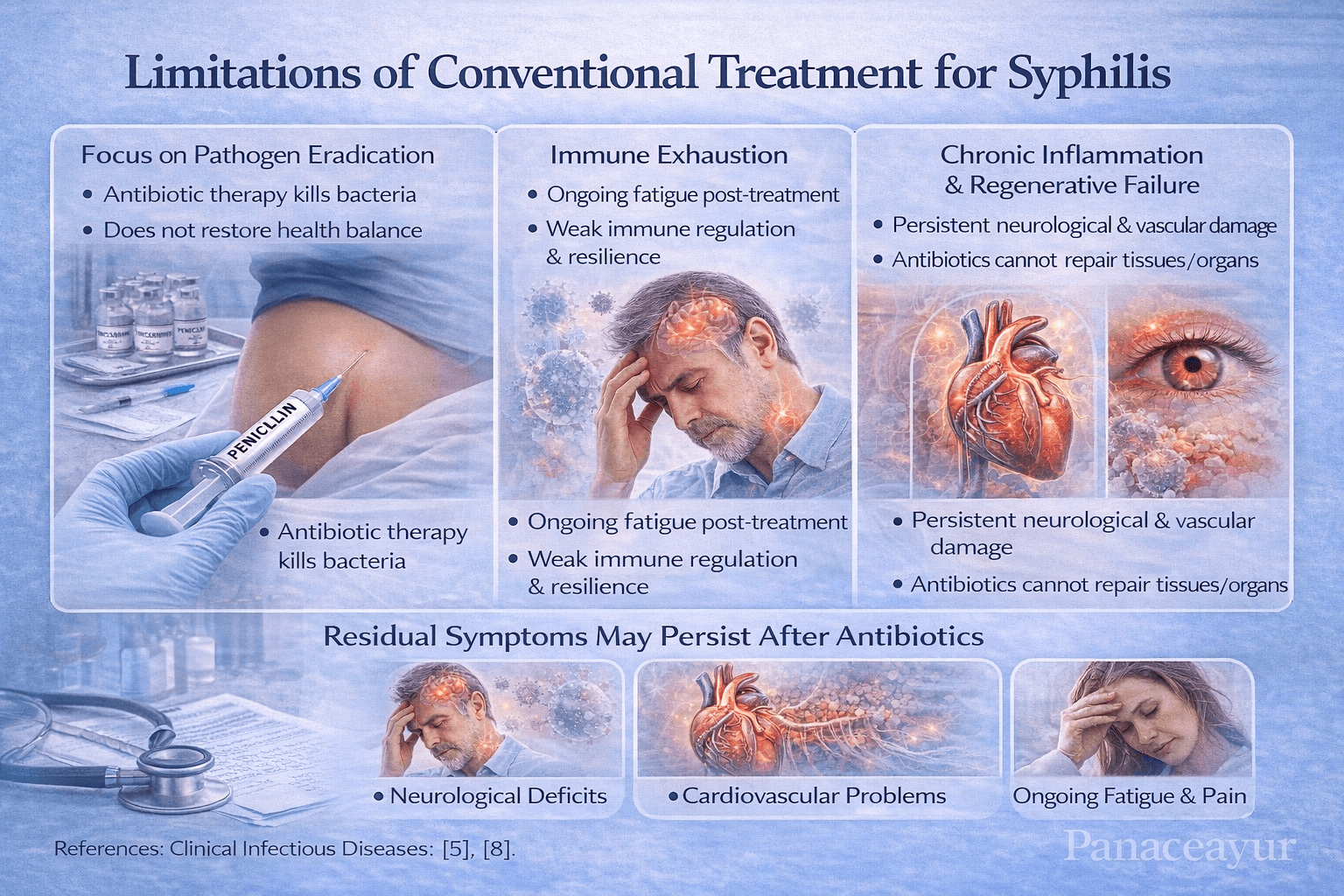
Conventional treatment of syphilis is highly effective at eliminating the causative bacterium, but it has important limitations that are often not clearly explained to patients. Modern medical strategies are primarily designed to achieve pathogen eradication. Once the bacteria are cleared, treatment is considered complete from a microbiological standpoint. However, this approach does not fully address the broader biological consequences of long standing infection [5], [8].
One major limitation is that conventional therapy does not correct immune exhaustion that may develop during chronic or untreated syphilis. Prolonged immune activation can weaken normal immune regulation, leaving patients vulnerable to persistent fatigue, reduced resilience, and delayed recovery even after antibiotic treatment has ended. Antibiotics do not restore immune balance or repair immune system dysfunction that has developed over time [8].
Another significant gap is the lack of intervention for chronic inflammation. Syphilis can trigger long lasting inflammatory processes affecting blood vessels, nerves, and internal organs. Although antibiotics stop further bacterial damage, they do not actively resolve inflammation that has already become established. Ongoing inflammatory activity may continue to contribute to pain, vascular stiffness, neurological symptoms, or organ dysfunction [5], [8].
Conventional treatment also does not promote tissue regeneration or functional recovery. Damage to nerves, brain tissue, eyes, or cardiovascular structures may persist because antibiotics cannot reverse structural injury. As a result, patients who have experienced neurosyphilis, ocular syphilis, or cardiovascular involvement may continue to suffer from neurological deficits, vision problems, or heart related complications despite successful bacterial clearance [5].
Because modern treatment focuses narrowly on killing the pathogen, residual symptoms are sometimes dismissed as unrelated or permanent. This can leave patients feeling untreated despite having completed therapy. The persistence of symptoms after antibiotic treatment highlights the need for a broader understanding of recovery that includes immune restoration, inflammation control, and tissue support [8].
Recognizing these limitations does not diminish the importance of antibiotics in syphilis management. Instead, it emphasizes that pathogen eradication alone may not be sufficient for full clinical recovery, especially in advanced or long standing disease. Early diagnosis remains critical, as treatment before immune and tissue damage occurs offers the best chance for complete and lasting recovery [5], [8].
Why Some Patients Still Feel Unwell After Standard Treatment
Many patients are told that once antibiotic therapy is completed and blood reports improve, the illness is over. From a microbiological perspective this is true because the bacteria have been eliminated. However, recovery of the body does not always occur at the same speed. This is the stage where patients commonly search for answers because they still experience fatigue, low stamina, poor concentration, or reduced overall wellbeing.
Immune exhaustion after prolonged infection
During long standing infection the immune system remains in a continuous state of activation. Even after the bacteria are cleared, the immune response may remain weak or imbalanced for some time. This can make you feel tired, slow to recover from minor illnesses, and less energetic than before treatment. It is not a sign of treatment failure. It reflects the time required for immune restoration.
Persistent vascular inflammation
Syphilis can affect the inner lining of blood vessels. Antibiotics stop further bacterial injury, but the inflammation that developed earlier may take longer to settle. This can contribute to headaches, reduced exercise tolerance, cold extremities, or a feeling of poor circulation. Healing of vascular tissue is gradual and depends on overall metabolic and immune health.
Nerve tissue requires longer to repair
When the nervous system has been involved, recovery is naturally slow. Nerve tissue regenerates much more slowly than skin or blood. Symptoms such as brain fog, altered sensation, sleep disturbance, anxiety, or reduced memory may persist for some time even after successful treatment. Improvement usually occurs in phases rather than immediately.
Hormonal and reproductive axis imbalance
Chronic infection places stress on the endocrine system. Both men and women may notice reduced libido, menstrual irregularity, low mood, or reduced physical strength during the recovery period. This happens because the body has been in a prolonged inflammatory and catabolic state. Hormonal balance gradually returns as systemic health improves.
Gut microbiome disruption after antibiotics
Antibiotic therapy is essential and life saving, but it also affects beneficial intestinal bacteria. This may lead to bloating, altered digestion, reduced nutrient absorption, and low energy. Restoration of gut health is an important part of complete recovery because digestion and immunity are closely linked.
Who Is the Ideal Candidate for This Approach
Patients with persistent symptoms after standard treatment
This approach is suitable for individuals who have completed antibiotic therapy and show improvement in blood reports but continue to experience fatigue, brain fog, low stamina, nerve sensitivity, hormonal imbalance, reduced sexual strength, or poor overall recovery. These patients are often told that everything is normal, yet they do not feel clinically well.
Individuals diagnosed in the latent stage
Patients in the silent or latent phase benefit from a structured systemic recovery plan because the infection may have already influenced deeper tissues even in the absence of visible symptoms. The goal at this stage is long-term stability, immune strengthening, and prevention of late complications.
Neurosyphilis recovery phase
Patients who have received appropriate antimicrobial therapy for nervous system involvement but still experience memory issues, sleep disturbance, mood changes, coordination problems, or reduced mental clarity require a focused restorative phase. Recovery of nerve tissue is slow and needs sustained support.
Ocular involvement after medical treatment
Those who have been treated for ocular syphilis and want to protect vision, improve vascular health, and support neurological function are ideal candidates for long-term regenerative care under supervision.
Individuals planning fertility and healthy conception
Men and women who wish to restore reproductive strength after infection, normalize hormonal balance, improve sperm and ovum quality, and prepare for a healthy pregnancy benefit from a structured preconception recovery program.
Women with a history of pregnancy loss or those planning pregnancy
Patients who want to ensure systemic stability before conception and reduce the risk of complications require a carefully monitored restorative phase after infection clearance.
Patients in the immune restoration phase
Individuals who frequently fall ill, have low energy, slow healing, digestive weakness, or reduced resilience after treatment are strong candidates for immune rebuilding and metabolic correction.
Those seeking long-term systemic recovery and relapse prevention
Patients who want to move beyond bacterial clearance and focus on vascular health, nervous system stability, hormonal balance, tissue regeneration, and sustained strength are ideal for this comprehensive approach.
Ayurvedic Understanding of Syphilis

In Ayurveda, syphilis is not viewed as a single localized infection but as a progressive systemic disorder that develops due to deep seated imbalance of blood, reproductive tissues, and immunity. Classical Ayurvedic texts describe conditions resembling venereal and sexually transmitted diseases under the framework of Upadansha and Dushta Vrana, which primarily involve contamination of Rakta Dhatu, deterioration of Shukra Dhatu, and chronic tissue inflammation [14], [15].
According to Ayurvedic pathology, Rakta Dushti plays a central role in the early and middle stages of syphilis. Rakta Dhatu is responsible for nourishment, circulation, skin health, and immune defense. When Rakta becomes vitiated due to improper diet, lifestyle, sexual excess, or infectious exposure, it loses its purity and stability. This manifests clinically as skin lesions, rashes, ulcers, mucosal involvement, and systemic inflammatory symptoms, closely resembling the early and secondary stages of syphilis described in modern medicine [14].
As the disease progresses, Ayurveda explains deeper involvement of Shukra Dhatu, the reproductive and regenerative tissue. Vitiation of Shukra Dhatu leads to sexual weakness, reduced fertility, reproductive dysfunction, and transmission of disease to partners or offspring. This concept aligns with the chronic infectivity and reproductive complications observed in untreated or inadequately treated syphilis [15].
In advanced stages, Ayurvedic texts emphasize the downward progression of disease through successive Dhatus. When the pathological process penetrates deeper tissues such as Majja Dhatu, which governs the nervous system and bone marrow, neurological and cognitive symptoms begin to appear. This provides a classical explanation for neurosyphilis, psychiatric manifestations, sensory deficits, and neurodegenerative changes seen in late stage disease [16].
Finally, prolonged disease leads to depletion of Ojas, the essence of all Dhatus and the foundation of immunity, vitality, and resilience. Loss of Ojas results in chronic fatigue, immune exhaustion, delayed healing, susceptibility to secondary infections, and overall degeneration of physical and mental health. This Ayurvedic concept explains why advanced syphilis behaves as a chronic, debilitating condition even when overt symptoms fluctuate or temporarily subside [16].
From an Ayurvedic standpoint, syphilis is therefore understood as a progressive Dhatu level disorder, beginning with Rakta contamination, advancing through Shukra impairment, and ultimately affecting Majja and Ojas. This layered understanding highlights why surface level treatment alone is insufficient in advanced cases and why comprehensive therapy must address blood purification, tissue restoration, immune strengthening, and long term rejuvenation rather than focusing only on symptom suppression [14], [15], [16].
This Ayurvedic framework provides a coherent explanation for the chronic, relapsing, and degenerative nature of syphilis and forms the basis for individualized treatment strategies aimed at deeper healing and systemic recovery.
Gandhak Rasayana Avaleha as Core Medicine
Gandhak Rasayana Avaleha holds a central position in classical Ayurvedic management of chronic infectious and venereal disorders. Traditional texts consistently describe its use in conditions involving long standing contamination of Rakta Dhatu, chronic skin and mucosal diseases, and disorders arising from deep seated pathogenic persistence. Within this framework, Gandhak Rasayana Avaleha is considered especially relevant for chronic and latent syphilitic pathology, where surface symptoms may subside but deeper tissue imbalance continues [17], [18], [19].
From an Ayurvedic standpoint, Gandhak Rasayana Avaleha is valued for its Krimighna action, meaning its ability to counter pathogenic organisms and abnormal internal factors responsible for chronic disease. In venereal conditions, this action is not understood merely as antimicrobial, but as a broader correction of the internal terrain that allows persistent infection to survive. By purifying Rakta Dhatu and supporting metabolic balance at the tissue level, Gandhak Rasayana Avaleha addresses the root environment that sustains chronic disease [17], [18].
Equally important is its Rasayana property. Rasayana therapy in Ayurveda is not limited to symptomatic relief but aims to restore tissue strength, resilience, and regenerative capacity. In the context of syphilis, this is particularly significant because prolonged infection often leads to tissue degeneration, immune exhaustion, and delayed healing. Gandhak Rasayana Avaleha supports gradual tissue repair, improves vitality, and enhances the body’s ability to recover from long standing inflammatory and infectious stress [18], [19].
Classical descriptions also emphasize the Ojas-restorative role of Gandhak Rasayana Avaleha. Ojas represents the essence of all Dhatus and is responsible for immunity, endurance, and overall vitality. Chronic venereal diseases are known to deplete Ojas, resulting in fatigue, recurrent symptoms, susceptibility to secondary infections, and poor long term recovery. By nourishing Ojas, Gandhak Rasayana Avaleha helps rebuild immune strength and systemic stability, which is essential for preventing relapse in latent or previously treated syphilis [19].
From a modern interpretative perspective, the pharmacological attributes of Gandhak Rasayana Avaleha include immune modulation, support of tissue regeneration, and stabilization of inflammatory responses. These effects are particularly relevant in patients who continue to experience residual symptoms, immune imbalance, or degenerative changes even after conventional antibiotic therapy. When used appropriately, Gandhak Rasayana Avaleha complements microbial clearance by supporting deeper biological recovery rather than focusing solely on pathogen elimination [20].
It is important to emphasize that Gandhak Rasayana Avaleha is intended for use under proper Ayurvedic medical supervision. Its preparation, dosage, timing, and combination with other therapies must be individualized based on disease stage, tissue involvement, digestive strength, and overall health status. When administered correctly, classical texts describe its role not only in symptom control but in long term stabilization, relapse prevention, and restoration of systemic balance in chronic venereal disorders such as syphilis [17], [18], [19], [20].
In this way, Gandhak Rasayana Avaleha functions as a core curative therapy within the Ayurvedic model, addressing chronic infection at the levels of Rakta, deeper Dhatus, and Ojas, and offering a comprehensive approach to healing that extends beyond surface level disease control.
Gandhak Rasayana Avaleha – Preparation Method
Patient Friendly Preparation Method and Dosage Guide
Important Medical Notice
This formulation involves purified minerals and Bhasma. It must never be prepared or consumed without direct supervision of a qualified Ayurvedic physician. Incorrect purification, dose imbalance, or improper heating can lead to serious health risks. Patients should not attempt this formulation independently.
Purpose of This Avaleha
Gandhak Rasayana Avaleha is traditionally used in chronic infectious and venereal disorders, where long standing Rakta Dushti, Shukra Dhatu depletion, and Ojas loss are present. This formulation is designed to support immune restoration, tissue regeneration, and relapse prevention when used correctly under supervision.
Dosage Plan
- Dose: 15 grams
- Frequency: Twice daily
- Timing: After meals
- Duration: 30 days
Total quantity required for 30 days:
15 g × 2 times × 30 days = 900 grams
Ingredients for 30 Day Batch (900 grams)
Core Mineral and Bhasma Components
(All must be properly purified and processed)
- Shuddha Gandhak (Purified Sulphur): 120 g
- Abhrak Bhasma 100 puta: 30 g
- Lauh Bhasma Shatputi: 25 g
- Swarna Makshik Bhasma: 25 g
- Praval Pishti: 20 g
- Mukta Sukti Bhasma: 20 g
- Godanti Bhasma: 20 g
Potent Antimicrobial and Rasayana Herbs
(Fine powders)
- Haritaki: 60 g
- Amalaki: 60 g
- Bibhitaki: 60 g
- Guduchi Satva: 40 g
- Neem Bark Powder: 40 g
- Manjistha: 40 g
- Yashtimadhu: 30 g
- Ashwagandha: 30 g
Avaleha Base and Binding Agents
- Shuddha Ghee: 150 g
- Raw Organic Honey: 150 g
- Khanda Sharkara or Jaggery syrup base: 170 g
Step by Step Preparation Method
Selection of Raw Materials
All herbs must be fresh, authenticated, and free from adulteration.
All Bhasma must be:
- Properly purified
- Finely processed
- Tested for safety
- Prepared according to classical methods
A patient cannot verify these things on their own. This is why doctor supervision is mandatory.
Step 2. Preparation of the Avaleha Base
First, the sweet base is prepared using jaggery or sugar syrup on mild heat.
This base acts as the carrier for herbs and minerals and allows slow absorption in the body.
If the base is undercooked, the medicine spoils early.
If overcooked, it becomes heavy, irritating, and difficult to digest.
This balance is judged only through experience.
Step 3. Controlled Use of Ghee
Purified ghee is added to the base at the correct stage.
Ghee helps carry the medicine deep into tissues and protects digestion.
Wrong timing or excess ghee can cause nausea, heaviness, or loose stools.
Step 4. Mixing of Herbs and Bhasma
All herbal powders and Bhasma are mixed separately until they become uniform.
This dry blend is then slowly added to the prepared base while stirring continuously.
This step ensures:
- Even distribution of minerals
- Correct dose in every spoon
- No concentration of Bhasma in one place
Improper mixing can make one dose too strong and another too weak.
Step 5. Temperature Control During Mixing
The mixture must never be overheated after adding herbs and Bhasma.
High heat can:
- Destroy herbal potency
- Alter mineral behavior
- Reduce safety
This is one of the most critical steps and cannot be judged by a normal person.
Step 6. Addition of Honey
Honey is added only after the mixture cools to a safe warm temperature.
Adding honey to hot preparation damages quality and stability.
This step improves absorption and palatability.
Step 7. Final Consistency Check
A correctly prepared Avaleha should:
- Be smooth and uniform
- Have no gritty feeling
- Have no burnt smell
- Not separate into layers
If any of these are present, the medicine is not suitable for use.
STRICT WARNING FOR PATIENTS
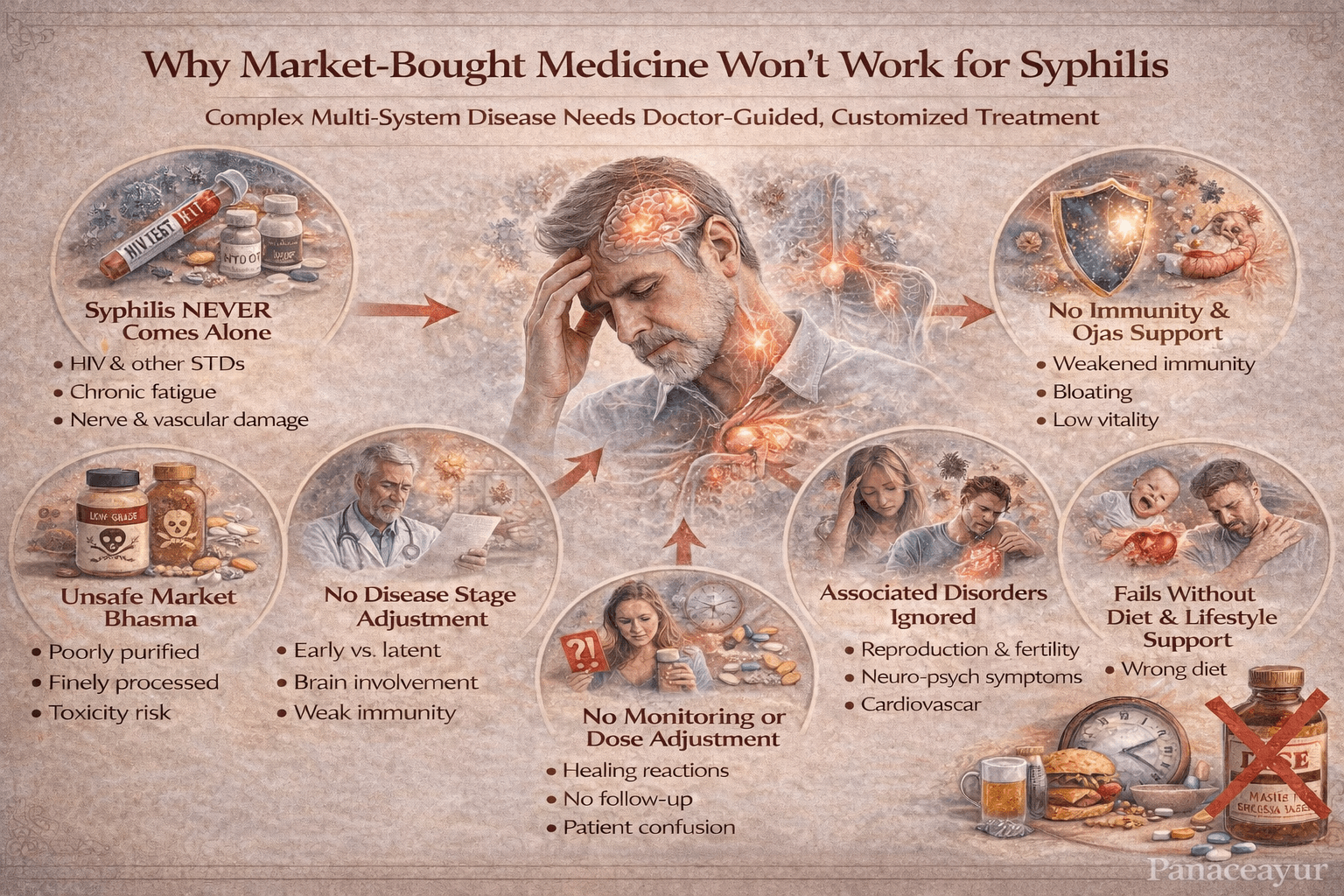
Why Market-Bought Medicine Will NOT Work
Syphilis is not a single infection affecting only one part of the body. Over time, it disturbs blood, nerves, immunity, hormones, and multiple organs together. Because of this complexity, ready-made or market-bought medicines fail in most patients, even if the label claims it is Gandhak Rasayana or an Ayurvedic cure.
Below are the real medical reasons why market medicines do not work.
1. Syphilis Never Comes Alone
In most patients, syphilis is accompanied by one or more of the following disorders:
- HIV and other sexually transmitted infections
- Chronic fatigue and immune exhaustion
- Nervous system involvement including memory problems, anxiety, depression, or behavioral changes
- Eye disorders such as blurred vision, eye inflammation, or vision loss
- Hearing problems, ringing in the ears, or balance disturbances
- Blood vessel inflammation and increased cardiovascular risk
- Skin disorders, pigmentation changes, or recurrent lesions
- Hair thinning or unexplained hair loss
- Liver inflammation and digestive weakness
- Kidney involvement with swelling or protein loss in urine
- Hormonal imbalance, low libido, erectile dysfunction, or menstrual irregularities
- Infertility and reproductive dysfunction
- Bone and joint pain mimicking arthritis
- Sleep disturbances and poor recovery
A single fixed medicine from the market cannot address all these layers.
2. Market Medicines Ignore Disease Stage
Syphilis behaves differently in early, latent, neurological, ocular, and chronic stages.
Market products use one standard formula, while real treatment must change based on:
- Stage of infection
- Nerve involvement
- Eye or ear involvement
- Blood vessel damage
- Immune strength
- Digestive capacity
Without this assessment, the medicine either does nothing or causes imbalance.
3. Poor Quality and Unsafe Bhasma
Most market products use:
- Low-grade or improperly prepared Bhasma
- Incorrect mineral ratios
- Industrial shortcuts instead of classical processing
This leads to:
- Poor absorption
- Digestive irritation
- No deep tissue action
- Risk of long-term toxicity
Patients cannot identify this by looking at the bottle.
4. No Customization for Immunity and Ojas
Chronic syphilis depletes immunity and vitality.
Market medicines do not adjust for:
- Weak digestion
- Immune exhaustion
- Nervous system sensitivity
- Existing organ damage
Without restoring immunity and Ojas, relapse is common.
5. No Management of Associated Disorders
Market medicines focus only on the infection name.
They do not address:
- Fatigue syndromes
- Neuropsychiatric symptoms
- Cardiovascular stress
- Hormonal disruption
- Fertility issues
- Chronic inflammation
As a result, patients say
“I took the medicine, but I still don’t feel well.”
6. No Monitoring of Healing Reactions
When deep healing starts, the body may show reactions.
Market products provide:
- No doctor guidance
- No dose adjustment
- No safety monitoring
This leads patients to stop treatment prematurely or misuse the medicine.
7. No Integration With Diet and Lifestyle
Ayurvedic treatment fails without:
- Correct diet
- Sexual discipline
- Sleep correction
- Digestive support
Market medicines never include this guidance.
ABSOLUTE RULE FOR PATIENTS
- Never buy this medicine from random stores or online platforms
- Never prepare it yourself
- Never follow internet recipes
- Never assume all Gandhak Rasayana is the same
Ayurveda works through diagnosis, not branding.
FINAL MESSAGE FOR PATIENTS
Syphilis affects blood, nerves, immunity, hormones, organs, and mind together.
Treating it requires doctor-guided, stage-based, customized therapy, not a bottle from the shelf.
Choosing shortcuts often delays recovery and increases long-term damage.
Prognosis and Long-Term Outlook
Prognosis in Early-Stage Syphilis
When syphilis is identified and treated in its early stages, the overall prognosis is highly favorable. Timely intervention can stop disease progression, prevent systemic involvement, and protect vital organs from long-term damage. Patients treated early often achieve full recovery, provided they complete the prescribed treatment and adhere to follow-up testing schedules [12].
Prognosis in Advanced and Latent Disease
In advanced stages, including latent, neurological, ocular, or cardiovascular involvement, the prognosis becomes more complex. Treatment at this stage is effective in halting further progression of the infection, but existing damage may not be fully reversible. Patients often require prolonged supportive and regenerative therapy to stabilize symptoms and preserve function. Recovery tends to be slower, and some residual effects may persist despite appropriate treatment [12].
Role of Dhatu Involvement in Long-Term Outcome
From an Ayurvedic perspective, long-term outcomes are closely related to the depth of Dhatu involvement. When the disease is primarily limited to Rakta Dhatu, healing is typically faster and more complete. However, once deeper tissues such as Shukra Dhatu and Majja Dhatu are affected, recovery becomes more prolonged and demanding. Involvement of Majja Dhatu is particularly significant, as it governs nervous system health and explains the chronic course seen in neurosyphilis and related manifestations [16].
Importance of Immune Resilience
Immune strength plays a central role in determining prognosis. Patients with good immune resilience and stable digestion respond more effectively to treatment and demonstrate better tissue repair. In contrast, immune exhaustion, chronic inflammation, or the presence of multiple associated disorders can delay recovery and contribute to persistent symptoms, even after microbial clearance [12], [16].
Impact of Treatment Adherence and Follow-Up
Strict adherence to treatment protocols and follow-up care is essential for a positive long-term outlook. Completing the full course of therapy, attending scheduled testing, maintaining dietary discipline, and following medical advice reduce the risk of relapse or disease progression. Irregular treatment or reliance on unsupervised remedies significantly worsens long-term outcomes [12].
Overall Long-Term Outlook
Syphilis has an excellent prognosis when detected early and managed comprehensively. In advanced cases, meaningful improvement remains possible but often requires sustained, individualized care focused on immune restoration, tissue support, and long-term monitoring. Understanding disease stage, tissue involvement, and overall resilience allows for realistic expectations and informed long-term health planning [12], [16].
Mental Health and Brain Impact of Syphilis
Anxiety and persistent inner restlessness
Syphilis can influence the central nervous system and stress response, leading to constant worry, health anxiety, poor sleep, palpitations, and a sense of internal unease. These symptoms are often mistaken for primary anxiety disorders but may reflect neuroinflammation, immune activation, and altered neurotransmitter balance. Early identification and appropriate treatment help reduce symptom progression and improve emotional stability.
Brain fog and reduced mental clarity
Many patients experience slow thinking, poor concentration, forgetfulness, reduced productivity, and mental fatigue. This occurs due to impaired cerebral circulation, inflammatory changes, and disrupted neural signaling. Patients frequently report that their cognitive efficiency and decision making capacity are not the same as before the infection.
Mood changes and emotional instability
Low mood, irritability, lack of motivation, reduced interest in daily activities, and emotional sensitivity may develop gradually. These features are commonly misinterpreted as burnout or primary depressive illness. Chronic systemic inflammation, hormonal imbalance, and nervous system involvement play a significant role in these psychological changes.
Memory disturbance and cognitive decline
Short term memory loss, difficulty recalling words, reduced learning capacity, and impaired focus may indicate deeper neurological involvement. Timely diagnosis is essential because early treatment can prevent further progression and support long term cognitive recovery.
Misdiagnosed psychiatric presentations
Because syphilis mimics multiple clinical conditions, some patients are initially treated for depression, generalized anxiety disorder, bipolar spectrum symptoms, functional neurological disorders, or chronic fatigue syndrome without recognition of the underlying infection. Screening for syphilis in patients with unexplained neuropsychiatric symptoms is therefore clinically important.
Social and quality of life impact
Cognitive and emotional symptoms can affect professional performance, academic outcomes, personal relationships, sexual health, and self confidence. Recognition of the biological basis of these changes reduces stigma and helps patients seek appropriate medical care.
Recovery and neurological restoration
Improvement in brain function occurs gradually after antimicrobial therapy because nerve tissue heals slowly. Recovery depends on the stage at which the disease is treated, vascular health, immune strength, sleep quality, nutrition, hormonal balance, and structured long term follow up. Many patients experience progressive improvement in clarity, emotional stability, and overall mental resilience with comprehensive care.
Sexual and Reproductive Health in Syphilis
Syphilis does not affect only the skin or blood. In many patients it influences hormonal balance, reproductive organs, fertility potential, and pregnancy outcomes. This section addresses the most common concerns searched by patients in the United States, United Kingdom, Canada, Australia, and Singapore.
Impact on Male Sexual Health
Erectile dysfunction and performance changes
Reduced erectile strength or difficulty maintaining an erection may occur in long standing infection. This can be related to vascular inflammation, nerve involvement, hormonal imbalance, or psychological stress associated with chronic illness. Even after successful antibiotic therapy, recovery of normal function may take time because both vascular and neural tissues require gradual healing.
Low testosterone and reduced vitality
Chronic systemic infection can suppress the hypothalamic pituitary gonadal axis. Patients may notice reduced libido, loss of muscle mass, fatigue, low motivation, and mood changes. These features are often mistaken for stress or aging but may be linked to prolonged inflammatory burden.
Fertility and sperm health
Untreated or late stage disease may influence seminal parameters through inflammation, oxidative stress, and altered reproductive tissue function. Early treatment usually preserves fertility, while delayed diagnosis may prolong the recovery phase for sperm quality and reproductive strength.
Impact on Female Reproductive Health
Pregnancy safety and fetal protection
Early detection and timely treatment during pregnancy are essential. Proper medical care dramatically reduces the risk of transmission to the baby. With correct intervention, most women can have a healthy pregnancy and deliver safely.
Menstrual cycle disruption
Hormonal imbalance, chronic inflammation, and systemic stress may lead to irregular cycles, painful menstruation, heavy bleeding, or missed periods. These changes often improve once the infection is treated and systemic health is restored.
Recurrent miscarriage risk
Untreated infection increases the risk of early pregnancy loss, stillbirth, preterm birth, and low birth weight. This is why routine antenatal screening is a standard practice in developed healthcare systems. Early therapy protects both maternal and fetal health.
Recovery Is Possible at Every Stage
Syphilis is a treatable condition, and meaningful recovery can begin at any point in the journey when the disease is properly identified, staged, and managed with a structured plan. Patients diagnosed early often achieve complete resolution and return to full strength. Those diagnosed later can still experience significant improvement in energy, neurological stability, reproductive health, and overall quality of life when care is continued beyond bacterial clearance.
The most important step is not the stage at which you start, but the decision to begin the right pathway with consistency and medical guidance. Even in long standing cases, the body retains the ability to repair vascular tissue, rebalance immune function, and regain functional capacity when supported with a comprehensive approach.
Recovery is not defined only by a laboratory report. It is reflected in better sleep, improved mental clarity, stable mood, restored physical endurance, healthy reproductive function, and confidence in long term health. These changes occur gradually and indicate true systemic healing.
With timely diagnosis, appropriate antimicrobial therapy, disciplined follow up, and a focused restorative phase, patients across the world can move from infection control to genuine recovery. The process requires patience and continuity, but improvement is achievable at every stage when the plan is individualized and medically supervised.
Frequently Asked Questions (FAQs)
What is syphilis and why is it considered a serious infection?
Syphilis is a chronic bacterial infection that spreads through sexual contact and can gradually affect multiple organs in the body. It does not remain limited to the genitals. If left untreated, it can involve the skin, blood vessels, brain, nerves, eyes, heart, and reproductive organs, which is why it is considered a systemic disease rather than a simple sexually transmitted infection.
Can syphilis go away on its own?
No. Syphilis does not go away on its own. Symptoms may temporarily disappear, but the bacteria can remain active inside the body for years. This silent phase is dangerous because internal damage may continue even when there are no visible signs.
What are the early symptoms of syphilis?
Early symptoms often include a painless sore at the site of infection and swollen lymph nodes. Because the sore is painless and may heal on its own, many people ignore it. This delay allows the infection to spread further in the body.
Why do many people not realize they have syphilis?
Syphilis is known as a great imitator because its symptoms resemble many other conditions. In some stages, there may be no symptoms at all. In others, symptoms may look like a skin allergy, flu, fatigue, eye problems, or mental health issues, leading to misdiagnosis.
How is syphilis diagnosed?
Syphilis is diagnosed primarily through blood tests. Doctors usually use a screening test followed by a confirmatory test. In cases with neurological or eye symptoms, additional tests such as cerebrospinal fluid analysis may be required.
Is syphilis curable with modern medicine?
Modern antibiotic treatment, especially penicillin, is effective at killing the bacteria. However, antibiotics cannot reverse damage that has already occurred to nerves, eyes, blood vessels, or organs. This is why early diagnosis is critical.
Why do some symptoms continue even after antibiotic treatment?
While antibiotics clear the infection, they do not repair tissue damage, immune exhaustion, or chronic inflammation caused by long standing disease. Some patients continue to experience fatigue, neurological symptoms, or cardiovascular issues even after successful treatment.
Can syphilis affect the brain and eyes?
Yes. Syphilis can affect the brain at any stage, a condition known as neurosyphilis. It can cause memory problems, mood changes, confusion, or movement issues. Ocular syphilis can lead to eye inflammation and vision loss if not treated promptly.
What is congenital syphilis?
Congenital syphilis occurs when the infection passes from a pregnant woman to her baby during pregnancy. It can lead to miscarriage, stillbirth, or serious health problems in the newborn. Early screening during pregnancy is essential to prevent this.
Why is syphilis commonly linked with HIV?
Syphilis sores damage protective skin and mucosal barriers, making it easier for HIV to enter the body. Syphilis related inflammation also increases HIV activity in people already infected, making coinfection more dangerous.
Can syphilis cause infertility or sexual problems?
Yes. Long standing syphilis can affect reproductive tissues and hormonal balance, leading to reduced libido, erectile dysfunction, menstrual irregularities, infertility, and pregnancy complications.
Why does Ayurveda consider syphilis a deep systemic disorder?
Ayurveda views syphilis as a progressive condition involving blood contamination, reproductive tissue damage, nervous system involvement, and immune depletion. This explains why surface level treatment alone is often insufficient in advanced cases.
Can Ayurvedic treatment replace antibiotics?
Ayurvedic treatment does not replace emergency or essential antibiotic therapy. It is used to support immune restoration, tissue healing, inflammation control, and long-term recovery, especially in chronic or post-treatment cases, under medical supervision.
Why do market bought Ayurvedic medicines often fail in syphilis?
Market products are generic and not customized. Syphilis usually comes with multiple associated disorders such as fatigue, nerve involvement, hormonal imbalance, and immune weakness. A fixed formula cannot address all these layers, which is why supervision and personalization are essential.
How long does recovery from syphilis take?
Recovery time depends on the stage of disease, organ involvement, immune strength, and adherence to treatment. Early cases may recover within months, while advanced cases may require long-term supportive and regenerative care.
Can syphilis come back after treatment?
If treatment is incomplete, improperly followed, or if immunity remains weak, relapse or persistent symptoms may occur. Follow-up testing and long-term monitoring are essential.
What is the most important thing patients should remember?
Syphilis is a treatable infection, but not a trivial one. Early testing, complete treatment, and long-term follow-up are the keys to preventing permanent damage. Ignoring symptoms or relying on unsupervised remedies can lead to lifelong complications.
Reference
Introduction, Etiology, Transmission, Stages of Syphilis
[1] World Health Organization. (2023). WHO guidelines for the treatment of Treponema pallidum (syphilis).
https://www.who.int/publications/i/item/WHO-RHR-16.09
[2] Hook, E. W., & Peeling, R. W. (2004). Syphilis control. The New England Journal of Medicine, 351(2), 122–130.
https://www.nejm.org/doi/full/10.1056/NEJMra032995
[3] Stamm, L. V. (2010). Global challenge of antibiotic-resistant Treponema pallidum. Antimicrobial Agents and Chemotherapy, 54(2), 583–589.
https://journals.asm.org/doi/10.1128/AAC.01095-09
Congenital Syphilis, Neurosyphilis, Ocular Syphilis
[4] Centers for Disease Control and Prevention. (2024). Syphilis – CDC STI Treatment Guidelines.
https://www.cdc.gov/std/treatment-guidelines/syphilis.htm
[5] Ghanem, K. G. (2010). Neurosyphilis: A historical perspective and review. CNS Neuroscience & Therapeutics, 16(5), e157–e168.
https://pubmed.ncbi.nlm.nih.gov/20406256/
[6] Augenbraun, M. (2012). Treatment of syphilis. Infectious Disease Clinics of North America, 26(2), 389–407.
https://pubmed.ncbi.nlm.nih.gov/22632645/
Disorders Commonly Associated With Syphilis
[7] Zetola, N. M., & Klausner, J. D. (2007). Syphilis and HIV infection. Clinical Infectious Diseases, 44(9), 1222–1228.
https://academic.oup.com/cid/article/44/9/1222/345383
[8] Peeling, R. W., Mabey, D., Kamb, M. L., Chen, X. S., Radolf, J. D., & Benzaken, A. S. (2017). Syphilis. Nature Reviews Disease Primers, 3, 17073.
https://www.nature.com/articles/nrdp201773
[9] Golden, M. R., et al. (2003). Effect of syphilis on HIV transmission. Sexually Transmitted Diseases, 30(4), 310–316.
https://pubmed.ncbi.nlm.nih.gov/12671550/
Diagnostic Framework and Limitations
[10] Larsen, S. A., Steiner, B. M., & Rudolph, A. H. (1995). Laboratory diagnosis and interpretation of tests for syphilis. Clinical Microbiology Reviews, 8(1), 1–21.
https://journals.asm.org/doi/10.1128/CMR.8.1.1
[11] Sena, A. C., White, B. L., & Sparling, P. F. (2010). Novel Treponema pallidum serologic tests. Clinical Infectious Diseases, 51(6), 700–708.
https://academic.oup.com/cid/article/51/6/700/388690
Conventional Treatment and Its Limitations
[12] Workowski, K. A., & Bolan, G. A. (2015). Sexually transmitted diseases treatment guidelines. MMWR, 64(RR-03), 1–137.
https://www.cdc.gov/mmwr/preview/mmwrhtml/rr6403a1.htm
[13] Tuddenham, S., & Ghanem, K. G. (2018). Neurosyphilis and ocular syphilis. Infectious Disease Clinics, 32(2), 199–215.
https://pubmed.ncbi.nlm.nih.gov/29778244/
Ayurvedic Understanding, Samprapti, Therapeutic Principles
[14] Sushruta. Sushruta Samhita, Chikitsa Sthana, Upadansha Chikitsa Adhyaya.
(Referenced for venereal diseases, Rakta Dushti, Dushta Vrana)
[15] Vagbhata. Ashtanga Hridaya, Nidana Sthana 13.
(Upadansha and Shukra Dushti pathology)
[16] Charaka. Charaka Samhita, Chikitsa Sthana 7 and 15.
(Rakta Pradoshaja Vikara and Rasayana concepts)
Gandhak Rasayana Avaleha
[17] Rasaratna Samuccaya, Rasayana Prakarana.
(Classical reference for Gandhak Rasayana in chronic infectious and venereal diseases)
[18] Bhaishajya Ratnavali, Upadansha Rogadhikara.
(Formulation indications and therapeutic scope)
[19] Acharya Y. T. (Ed.). (2010). Rasa Tantra Sara Siddha Prayoga Sangraha.
(Classical preparation and long-term Rasayana use)
[20] Sharma, P. V. (2004). Dravyaguna Vijnana. Chaukhambha Bharati Academy.
(Gandhak pharmacology, Rasayana, Krimighna action)
Prognosis
[21] Lad, V. (2002). Textbook of Ayurveda, Volume II. The Ayurvedic Press.
(Dietary management of Rakta and Shukra disorders)
[22] Mishra, B. (2011). Bhavaprakasha Nighantu.
(Pathya-Apathya principles in Rakta Dushti)
FAQs
[23] Newman, L., et al. (2015). Global estimates of syphilis in pregnancy. PLoS Medicine, 12(11), e1001940.
https://journals.plos.org/plosmedicine/article?id=10.1371/journal.pmed.1001940
[24] Holmes, K. K., et al. (2008). Sexually Transmitted Diseases (4th ed.). McGraw-Hill.
(Comprehensive reference on STD prevention and prognosis)