

- What is Diabetes?
- Ayurvedic Understanding of Diabetes (Madhumeha)
- Why Modern Diabetes Treatment Often Fails to Reverse the Disease
- Causes and Risk Factors
- Complications of Diabetes
- Diagnosis of Diabetes
- Ayurvedic Diet for Diabetes Reversal
- Lifestyle Changes That Support Diabetes Reversal
- Herbal Formulas To Cure Diabetes
- Why These Remedies Work?
- How Long Does Diabetes Reversal Take?
- Is It Safe to Reverse Diabetes Naturally?
- FAQs- Reverse Diabetes Naturally
- References
What is Diabetes?
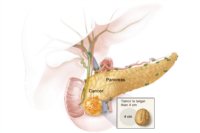
Diabetes is a chronic metabolic disorder characterized by high levels of glucose (sugar) in the blood. This condition arises when the body either does not produce enough insulin or cannot effectively use the insulin it produces. Insulin, a hormone produced by the pancreas, plays a critical role in regulating blood sugar levels by facilitating the entry of glucose into cells, where it is used for energy.
When insulin function is compromised, glucose accumulates in the bloodstream, leading to hyperglycemia, which is the hallmark of diabetes. If left unmanaged, chronic hyperglycemia can result in serious complications affecting various organs and systems in the body.
Types of Diabetes
Diabetes is broadly categorized into three main types: Type 1 diabetes, Type 2 diabetes, and gestational diabetes. Understanding the differences between these types is crucial for proper diagnosis, management, and treatment.
Type 1 Diabetes
Type 1 diabetes, often referred to as juvenile diabetes or insulin-dependent diabetes, is an autoimmune condition where the immune system mistakenly attacks and destroys the beta cells in the pancreas that produce insulin. As a result, the body is unable to produce sufficient insulin, leading to high blood sugar levels.
Type 1 diabetes typically develops in childhood or adolescence, though it can occur at any age. The exact cause of Type 1 diabetes is not fully understood, but it is believed to involve a combination of genetic and environmental factors. Individuals with Type 1 diabetes require lifelong insulin therapy to manage their blood sugar levels.
Transitioning to a deeper understanding of this condition, it is important to note that the symptoms of Type 1 diabetes often appear suddenly and can include increased thirst, frequent urination, unexplained weight loss, extreme fatigue, and blurred vision. These symptoms occur because the body is unable to utilize glucose for energy, leading it to break down fat and muscle tissue as an alternative energy source.
Type 2 Diabetes
Type 2 diabetes is the most common form of diabetes, accounting for approximately 90-95% of all diabetes cases worldwide. This condition usually develops in adulthood, although it is increasingly being diagnosed in younger individuals, including children and adolescents, due to rising rates of obesity and sedentary lifestyles.
In Type 2 diabetes, the body becomes resistant to the effects of insulin, or the pancreas does not produce enough insulin to meet the body’s needs. Consequently, glucose builds up in the bloodstream, leading to hyperglycemia. Unlike Type 1 diabetes, which is primarily an autoimmune condition, Type 2 diabetes is strongly linked to lifestyle factors such as diet, physical activity, and body weight.
Moreover, Type 2 diabetes often develops gradually, and its symptoms may be mild or go unnoticed for years. Common symptoms include increased thirst and urination, frequent infections, slow healing of wounds, fatigue, and blurred vision. Because the onset of Type 2 diabetes can be insidious, many individuals may not be aware they have the condition until they experience complications.
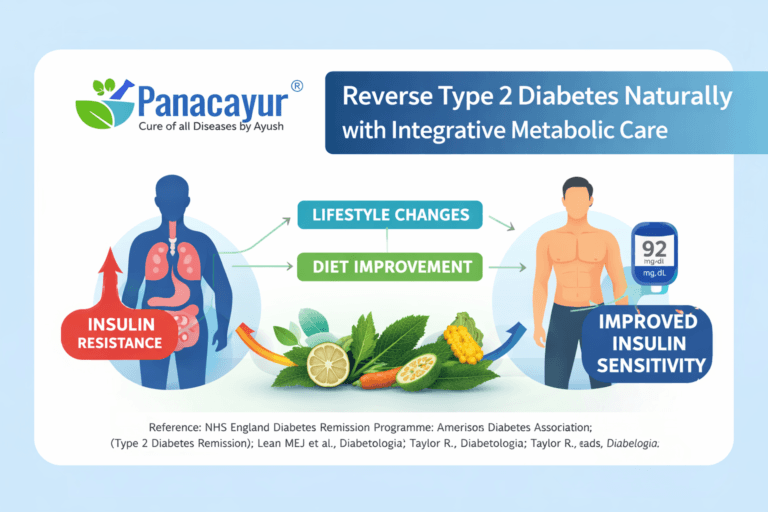
Type 2 diabetes mellitus is no longer considered a condition that only progresses with time. Growing clinical evidence now confirms that type 2 diabetes can be reversed or put into long-term remission when its root metabolic dysfunction is addressed. Ayurveda, the ancient system of medicine from India, has described this condition thousands of years ago and offers a structured, root-cause-focused framework that goes far beyond blood sugar suppression.
This article explains how diabetes develops, why reversal is possible, and how Ayurvedic diet, lifestyle, herbs, and therapies work together to restore metabolic balance safely and sustainably.
Gestational Diabetes
Gestational diabetes is a type of diabetes that occurs during pregnancy and typically resolves after the baby is born. It develops when the body cannot produce enough insulin to meet the increased demands of pregnancy, leading to elevated blood sugar levels.
Gestational diabetes usually develops in the second or third trimester and is diagnosed through routine blood glucose screening during prenatal care. While gestational diabetes often resolves postpartum, it increases the risk of developing Type 2 diabetes later in life for both the mother and the child.
Transitioning to the implications of gestational diabetes, it is essential to understand that this condition can pose risks to both the mother and the baby. Uncontrolled blood sugar levels during pregnancy can lead to complications such as high birth weight, preterm birth, and an increased likelihood of cesarean delivery. Therefore, careful management of blood sugar levels during pregnancy is crucial to ensure the health and well-being of both mother and child.
Ayurvedic Understanding of Diabetes (Madhumeha)
In Ayurveda, diabetes is described under Prameha, with advanced stages referred to as Madhumeha.
Core Ayurvedic Pathology
Diabetes develops due to:
- Kapha accumulation
- Weak digestive fire (Agni)
- Excessive Meda Dhatu (fat tissue)
- Blocked metabolic channels (Srotorodha)
- Progressive depletion of Ojas (vital immunity)
Ayurveda recognizes diabetes as a reversible metabolic disorder in its early and middle stages, provided the terrain is corrected.
Why Modern Diabetes Treatment Often Fails to Reverse the Disease
Conventional treatment primarily focuses on:
- Lowering blood sugar
- Increasing insulin availability
- Managing complications
However, it does not adequately address:
- Insulin resistance
- Fatty liver and pancreatic fat
- Mitochondrial dysfunction
- Chronic low-grade inflammation
- Gut-metabolic axis disruption
As a result, patients remain dependent on medications while the disease continues to progress.
Ayurveda approaches diabetes from the root, not from the symptom.
Causes and Risk Factors
The causes of diabetes vary depending on the type. Type 1 diabetes is primarily caused by an autoimmune reaction that destroys the insulin-producing cells in the pancreas. Although the exact trigger for this autoimmune response is unknown, it is believed to involve a combination of genetic predisposition and environmental factors, such as viral infections.
On the other hand, Type 2 diabetes is influenced by a combination of genetic and lifestyle factors. Obesity, particularly abdominal obesity, is a significant risk factor for Type 2 diabetes because excess fat, especially in the abdominal area, can lead to insulin resistance. Additionally, a sedentary lifestyle, poor diet, and lack of physical activity contribute to the development of Type 2 diabetes.
Moreover, other risk factors for Type 2 diabetes include age (being over 45 years old), family history of diabetes, high blood pressure, high cholesterol levels, and a history of gestational diabetes. People of certain ethnic backgrounds, such as African American, Hispanic, Native American, and Asian American, are also at a higher risk of developing Type 2 diabetes.
Transitioning to gestational diabetes, the causes are linked to the hormonal changes during pregnancy that increase insulin resistance. Women who are overweight, have a history of gestational diabetes in a previous pregnancy, or have a family history of Type 2 diabetes are at a higher risk of developing gestational diabetes.
Complications of Diabetes
If not properly managed, diabetes can lead to a range of serious complications that affect various organs and systems in the body. Chronic high blood sugar levels can damage blood vessels, nerves, and organs, leading to both short-term and long-term health issues.
Cardiovascular Disease
Diabetes significantly increases the risk of cardiovascular disease, including coronary artery disease, heart attack, and stroke. High blood sugar levels can damage the blood vessels and contribute to the buildup of plaque in the arteries, leading to atherosclerosis. Consequently, individuals with diabetes are at a higher risk of developing heart-related complications.
Neuropathy
Diabetes can cause diabetic neuropathy, a type of nerve damage that affects the peripheral nerves, particularly in the legs and feet. Symptoms of neuropathy include pain, tingling, numbness, and weakness in the affected areas. In severe cases, neuropathy can lead to loss of sensation in the feet, increasing the risk of foot ulcers and infections, which may require amputation.
Nephropathy
Diabetic nephropathy, or kidney disease, is another common complication of diabetes. High blood sugar levels can damage the small blood vessels in the kidneys, impairing their ability to filter waste from the blood. Over time, this can lead to kidney failure, necessitating dialysis or a kidney transplant.
Retinopathy
Diabetic retinopathy is a complication of diabetes that affects the eyes. High blood sugar levels can damage the blood vessels in the retina, leading to vision problems and, in severe cases, blindness. Regular eye exams and proper blood sugar management are essential to prevent or slow the progression of retinopathy.
Foot Problems
Diabetes can cause a range of foot problems, including poor circulation, nerve damage, and infections. People with diabetes are at a higher risk of developing foot ulcers, which can become infected and, if left untreated, may lead to amputation. Proper foot care, including regular inspections and prompt treatment of any wounds, is crucial for individuals with diabetes.
Skin Conditions
Diabetes can affect the skin, making individuals more susceptible to infections, dry skin, and other dermatological issues. Common skin conditions associated with diabetes include bacterial and fungal infections, diabetic dermopathy (light brown, scaly patches), and acanthosis nigricans (dark, velvety skin in body folds and creases).
Gastroparesis
Diabetes can also affect the digestive system, leading to a condition called gastroparesis. This condition occurs when the stomach takes too long to empty its contents, causing symptoms such as nausea, vomiting, bloating, and poor blood sugar control. Gastroparesis can be challenging to manage and may require dietary changes and medications.
Transitioning from the complications of diabetes, it is important to understand that while these complications are serious, they can often be prevented or delayed with proper management of blood sugar levels and a healthy lifestyle.
Diagnosis of Diabetes
Diabetes is diagnosed through a series of blood tests that measure blood glucose levels. The most common tests used to diagnose diabetes include:
Fasting Plasma Glucose (FPG) Test: This test measures blood glucose levels after an overnight fast. A fasting blood glucose level of 126 mg/dL or higher on two separate tests indicates diabetes.
Oral Glucose Tolerance Test (OGTT): This test measures blood glucose levels before and two hours after consuming a glucose-rich drink. A blood glucose level of 200 mg/dL or higher two hours after the drink indicates diabetes.
A1C Test (Hemoglobin A1C): This test measures the average blood glucose levels over the past two to three months. An A1C level of 6.5% or higher on two separate tests indicates diabetes.
Random Plasma Glucose Test: This test measures blood glucose levels at any time of day, regardless of when the person last ate. A blood glucose level of 200 mg/dL or higher, along with symptoms of diabetes, indicates diabetes.
Transitioning to the importance of early diagnosis, it is crucial to recognize that detecting diabetes in its early stages can significantly improve outcomes by allowing for timely intervention and management.
Ayurvedic Diet for Diabetes Reversal
Diet is the cornerstone of diabetes reversal. Ayurveda emphasizes metabolic compatibility, not calorie obsession.
Core Dietary Principles
- Light, warm, freshly cooked meals
- Low glycemic, high fiber foods
- Bitter and astringent tastes
- Elimination of refined carbohydrates and sugars
Recommended Foods
- Millets (foxtail, little millet, barnyard millet)
- Barley
- Green vegetables
- Bitter gourd
- Drumstick leaves
- Fenugreek seeds
- Indian gooseberry
Foods to Avoid
- White rice
- Refined wheat flour
- Sugar and sweeteners
- Packaged foods
- Fried and ultra-processed items
- Late-night eating
Ayurvedic dietary planning is always personalized based on body constitution, digestion, age, and disease stage.
Lifestyle Changes That Support Diabetes Reversal
Lifestyle correction is essential for restoring insulin sensitivity.
Daily Movement
- Brisk walking
- Light resistance training
- Yoga postures that improve pancreatic and liver function
Stress Regulation
Chronic stress elevates cortisol, directly worsening insulin resistance. Ayurveda emphasizes:
- Pranayama
- Adequate sleep
- Mental discipline
- Nervous system regulation
Sleep and Circadian Rhythm
Irregular sleep disrupts glucose metabolism. Ayurveda strongly recommends:
- Early dinner
- Consistent sleep timing
- Avoiding late-night screen exposure
Herbal Formulas To Cure Diabetes
Type-5 Herbal Medicine Recipe
Ingredients:
•Neem leaves – 25 grams
•Belpatra – 25 grams
•Gudmar – 50 grams
•Pure Shilajit – 10 grams
•Mukta Pisti – 10 grams
•Swarna Varka – 3 grams
•Abhrak Bhasma – 3 grams
•Lauh Bhasma – 3 grams
•Prawal Bhasma – 3 grams
•Rajat Bhasma – 3 grams
•Pure Ahiphena (Opium) – 3 grams
•Kasturi – 1 gram
•Trivanga Bhasma – 6 grams
Preparation Method:
1.Sun-dry the neem leaves, belpatra, and gudmar until they are completely dry.
2.Grind the dried leaves into a fine powder.
3.Mix the powdered ingredients with Belpatra juice to create a dough-like consistency.
4.Form the dough into tablets the size of a chickpea.
Dosage:
Take 1-2 tablets twice a day with water.
Why These Remedies Work?
The ingredients in this herbal formulation have been carefully selected for their powerful therapeutic properties, which work synergistically to promote health and address various ailments. Here’s how each component contributes to the overall effectiveness of the remedy:
1. Neem Leaves: Neem is renowned for its anti-inflammatory, antibacterial, and antifungal properties. It helps in purifying the blood, boosting immunity, and supporting overall health. In this formulation, neem leaves play a crucial role in detoxifying the body and preventing infections.
2. Belpatra: Belpatra (Bael leaves) is known for its ability to regulate blood sugar levels, making it beneficial for diabetic patients. It also aids in digestion and has anti-inflammatory properties. When combined with other ingredients, Belpatra enhances the formulation’s ability to support metabolic and digestive health.
3. Gudmar: Gudmar (Gymnema sylvestre) is a key herb in managing diabetes as it helps reduce sugar cravings and supports healthy blood sugar levels. It also plays a role in weight management and cholesterol regulation, making it a vital component of this remedy.
4. Pure Shilajit: Shilajit is a potent rejuvenator and adaptogen, known for its ability to enhance energy levels, improve immunity, and support overall vitality. It contains fulvic acid and other minerals that help in the absorption of nutrients, making the entire formulation more effective.
5. Mukta Pisti: Mukta Pisti, made from pearls, is a powerful cooling agent that helps in balancing pitta dosha, reducing inflammation, and calming the mind. It also supports heart health and strengthens the body’s resilience.
6. Swarna Varka: Swarna Varka (Gold leaf) is used in Ayurvedic medicine for its ability to rejuvenate and enhance the immune system. It is believed to strengthen the heart, improve skin health, and increase longevity.
7. Abhrak Bhasma: Abhrak Bhasma is a calcined mica ash that is used to improve digestion, enhance respiratory health, and boost energy levels. It also supports the nervous system, making it beneficial for those experiencing stress or fatigue.
8. Lauh Bhasma: Lauh Bhasma (Iron ash) is an excellent source of bioavailable iron, which helps in treating anemia and improving overall blood health. It also supports digestive health and enhances the body’s strength.
9. Prawal Bhasma: Prawal Bhasma (Coral calcium) is beneficial for bone health, supports healthy digestion, and balances pitta. It is also used to treat acidity and related digestive issues.
10. Rajat Bhasma: Rajat Bhasma (Silver ash) is known for its cooling properties and is often used to treat nervous disorders, improve memory, and enhance cognitive function. It also has antimicrobial properties that help in preventing infections.
11. Pure Ahiphena (Opium): While used in very small quantities, Ahiphena is included for its pain-relieving properties. In traditional Ayurvedic medicine, it is used to manage severe pain and discomfort, but it is always administered in controlled doses due to its potent nature.
12. Kasturi: Kasturi (Musk) is a rare and highly valued substance in Ayurveda, known for its ability to revitalize the body, calm the mind, and improve concentration. It also enhances the overall effectiveness of the formulation by acting as a catalyst.
13. Trivanga Bhasma: Trivanga Bhasma is a traditional Ayurvedic preparation that combines three metals: Tin, Lead, and Zinc. It is known for its efficacy in treating urinary disorders, improving reproductive health, and balancing the three doshas (Vata, Pitta, and Kapha).
Synergistic Effects
The combination of these ingredients creates a powerful remedy that addresses multiple aspects of health. By purifying the blood, supporting metabolic and digestive health, balancing the doshas, and boosting immunity, this formulation works holistically to promote overall well-being. The careful blending of herbs and minerals ensures that the remedy is both effective and safe when taken as directed.
This remedy’s effectiveness is further enhanced by the process of sun-drying and powdering the ingredients, which preserves their potency and makes them easier for the body to absorb. The use of Belpatra juice to form the tablets not only aids in digestion but also ensures that the active compounds in the ingredients are delivered efficiently to the body.
How Long Does Diabetes Reversal Take?
The timeline depends on:
- Disease duration
- HbA1c level
- Body weight and fat distribution
- Medications
- Compliance with diet and lifestyle
Many patients begin seeing improvement within 8 to 12 weeks, with deeper metabolic correction occurring over 3 to 12 months.
Is It Safe to Reverse Diabetes Naturally?
Yes, when done correctly and under medical supervision.
Important safety points:
- Blood sugar must be monitored regularly
- Medications should never be stopped abruptly
- Herbal formulations must be individualized
- Dietary changes should be gradual
Ayurveda works with the body, not against it.
Note for Readers
Every patient is unique. Ayurvedic treatment must always be personalized and supervised by a qualified practitioner, especially for chronic metabolic conditions like diabetes.
FAQs- Reverse Diabetes Naturally
Can type 2 diabetes be reversed?
Yes. Type 2 diabetes can often be reversed or put into remission by improving insulin sensitivity through diet, lifestyle changes, and metabolic correction.
Is diabetes reversal the same as a cure?
No. Reversal means maintaining normal blood sugar without medication as long as healthy habits are continued.
Which diabetes type can be reversed?
Prediabetes and type 2 diabetes are most responsive. Type 1 diabetes cannot be reversed.
How does Ayurveda help in diabetes reversal?
Ayurveda focuses on restoring digestion, reducing insulin resistance, correcting fat metabolism, and improving overall metabolic balance.
How long does diabetes reversal take?
Many people see improvement within 8–12 weeks, while sustained remission may take several months depending on the individual.
Can I stop diabetes medicines during reversal?
Medicines should never be stopped suddenly. Dose reduction is done gradually under medical supervision as blood sugar improves.
What diet supports diabetes reversal?
A low-glycemic, high-fiber diet with whole foods, vegetables, and avoidance of refined sugar supports metabolic recovery.
Can diabetes return after reversal?
Yes. Returning to poor diet, inactivity, stress, and irregular sleep can cause blood sugar levels to rise again.
References
- Lean, M. E. J., Leslie, W. S., Barnes, A. C., Brosnahan, N., Thom, G., McCombie, L., Peters, C., Zhyzhneuskaya, S., Al-Mrabeh, A., Hollingsworth, K. G., Rodrigues, A. M., Rehackova, L., Adamson, A. J., Sniehotta, F. F., Mathers, J. C., Ross, H. M., McIlvenna, Y., Welsh, P., Kean, S., … Taylor, R. (2018). Primary care-led weight management for remission of type 2 diabetes (DiRECT): An open-label, cluster-randomised trial. The Lancet, 391(10120), 541–551. https://doi.org/10.1016/S0140-6736(17)33102-1
- Taylor, R. (2019). Type 2 diabetes remission: The narrow path ahead. Diabetologia, 62, 773–779. https://doi.org/10.1007/s00125-019-4844-3
- Taylor, R., Al-Mrabeh, A., & Sattar, N. (2019). Understanding the mechanisms of reversal of type 2 diabetes. The Lancet Diabetes & Endocrinology, 7(9), 726–736. https://doi.org/10.1016/S2213-8587(19)30076-2
- NHS England. (2023). NHS Type 2 Diabetes Path to Remission Programme. https://www.england.nhs.uk/diabetes/diabetes-remission/
- American Diabetes Association. (2024). Standards of care in diabetes. Diabetes Care, 47(Supplement 1). https://diabetesjournals.org/care/issue/47/Supplement_1
- Hallberg, S. J., McKenzie, A. L., Williams, P. T., Bhanpuri, N. H., Peters, A. L., Campbell, W. W., Hazbun, T. L., Volk, B. M., McCarter, J. P., Phinney, S. D., & Volek, J. S. (2018). Effectiveness and safety of a novel care model for the management of type 2 diabetes at one year. Diabetes Therapy, 9, 583–612. https://doi.org/10.1007/s13300-018-0373-9
- Lim, E. L., Hollingsworth, K. G., Aribisala, B. S., Chen, M. J., Mathers, J. C., & Taylor, R. (2011). Reversal of type 2 diabetes: Normalisation of beta cell function. Diabetologia, 54, 2506–2514. https://doi.org/10.1007/s00125-011-2204-7
- Knowler, W. C., Barrett-Connor, E., Fowler, S. E., Hamman, R. F., Lachin, J. M., Walker, E. A., & Nathan, D. M. (2002). Reduction in the incidence of type 2 diabetes with lifestyle intervention. New England Journal of Medicine, 346, 393–403. https://doi.org/10.1056/NEJMoa012512
- Chatterjee, S., Khunti, K., & Davies, M. J. (2017). Type 2 diabetes. The Lancet, 389(10085), 2239–2251. https://doi.org/10.1016/S0140-6736(17)30058-6
- Tuomilehto, J., Lindström, J., Eriksson, J. G., Valle, T. T., Hämäläinen, H., Ilanne-Parikka, P., Keinänen-Kiukaanniemi, S., Laakso, M., Louheranta, A., Rastas, M., Salminen, V., & Uusitupa, M. (2001). Prevention of type 2 diabetes mellitus by changes in lifestyle. New England Journal of Medicine, 344, 1343–1350. https://doi.org/10.1056/NEJM200105033441801
Note: The references listed above are drawn from peer-reviewed journals, national health programmes, and internationally recognised medical organisations. They support the concept of type 2 diabetes remission through lifestyle-led metabolic correction and long-term insulin sensitivity improvement.