


- Understanding PCOS and Ovulation Failure
- What is Ovulation and How It Normally Occurs
- Why Ovulation Fails in PCOS
- Role of Insulin Resistance in PCOS
- Global Prevalence of PCOS
- Early Symptoms Many Women Ignore
- Why This Matters for Patients with Infertility
- Ayurvedic Perspective on PCOS and Ovulation Failure
- Ayurvedic Interpretation of Insulin Resistance
- Ayurvedic Management Approach
- Herbs and Natural Interventions
- Diet and Lifestyle Factors
- Modern Scientific Research
- Practical Tips for Patients
- Frequently Asked Questions
- Learn More About Infertility Causes and Treatment
- Reference
Infertility has become an increasingly common health concern affecting couples across the world. Global reproductive health reports indicate that approximately one in six adults experience infertility during their lifetime [1]. Among the many causes of female infertility, one condition stands out because of its strong connection with metabolism and hormonal imbalance. That condition is PCOS insulin resistance infertility, a disorder that disrupts the delicate hormonal cycle required for ovulation and conception.
Polycystic ovary syndrome, widely known as PCOS, is one of the most common endocrine disorders affecting women of reproductive age. It is frequently diagnosed in fertility clinics across the United States, the United Kingdom, Canada, Australia, Singapore, and Gulf countries such as the United Arab Emirates and Saudi Arabia. Despite its prevalence, many women remain unaware that metabolic disturbances can directly affect their reproductive health. A large number of patients only begin to investigate their condition after facing repeated fertility difficulties caused by PCOS failed ovulation.
For many women, the early signs of PCOS may appear unrelated to fertility. Irregular menstrual cycles, persistent acne, weight gain around the abdomen, or increased facial hair growth may develop gradually over time. These symptoms are often dismissed as normal hormonal fluctuations. However, in many cases they signal deeper metabolic disturbances that can lead to insulin resistance ovulation problems and ultimately interfere with the release of a healthy egg during the menstrual cycle [2].
Ovulation is a crucial step in human reproduction. During a healthy menstrual cycle, hormonal signals stimulate the ovary to mature and release an egg that can be fertilized. When this process is disrupted, conception becomes difficult. In women with PCOS, the ovaries often contain multiple immature follicles that fail to develop properly. Instead of releasing a mature egg, the follicles remain arrested in their early developmental stage, resulting in PCOS ovulation failure and irregular or absent ovulation [2].
A major factor contributing to this disruption is insulin resistance. Insulin is a hormone produced by the pancreas that regulates blood sugar and energy metabolism. When the body’s cells become resistant to insulin, higher levels of insulin circulate in the bloodstream. Elevated insulin stimulates the ovaries to produce excess androgens, commonly referred to as male hormones. This hormonal imbalance interferes with follicle maturation and can prevent ovulation from occurring normally. Over time, this metabolic disturbance becomes a central driver of PCOS insulin resistance infertility [3].
Medical research now recognizes that PCOS is not solely a reproductive disorder but a complex metabolic condition involving several interconnected systems. Women with PCOS often experience insulin resistance, low-grade inflammation, and disturbances in lipid metabolism. These metabolic factors can significantly affect ovarian function and contribute to insulin resistance ovulation problems. Modern clinical guidelines emphasize that improving metabolic health is an essential component of restoring ovulation in women with PCOS [5].
The impact of this condition extends beyond fertility alone. Women struggling with PCOS failed ovulation frequently experience emotional stress, uncertainty, and frustration during their attempts to conceive. Many patients report spending years seeking answers while trying various treatments without fully understanding the metabolic roots of their condition. This prolonged journey can affect both physical health and emotional well-being.
Because PCOS involves multiple physiological systems, understanding the condition requires a broader perspective that includes hormonal regulation, metabolic balance, and reproductive tissue health. This integrated view is not new. Traditional medical systems such as Ayurveda have long described infertility conditions in relation to metabolic disturbances and reproductive tissue nourishment. Classical Ayurvedic texts describe infertility under the concept of Vandhyatva, explaining that successful conception depends on the balanced functioning of several biological factors including reproductive tissue quality, uterine environment, metabolic stability, and proper hormonal timing [9].
According to Ayurvedic physiology, disturbances in digestion and metabolism can lead to the accumulation of metabolic toxins known as Ama. When these toxins obstruct the body’s physiological channels, including those associated with reproductive function, ovulation and fertility may be affected. These reproductive channels are described in Ayurveda as Artava Vaha Srotas, which play a central role in menstrual health and ovulation [10].
This perspective highlights an important concept. Fertility is not determined by the ovaries alone. It is influenced by the body’s overall metabolic environment, hormonal balance, and tissue nourishment. When these systems fall out of balance, conditions such as PCOS ovulation failure may develop.
Understanding the relationship between PCOS insulin resistance infertility, metabolic imbalance, and ovulation failure is therefore an important step for patients seeking answers. Recognizing the underlying mechanisms can help women move beyond symptom-based treatment and focus on restoring the physiological balance required for healthy ovulation.
In this article, we will explore how insulin resistance ovulation problems develop, why they frequently lead to PCOS failed ovulation, and how metabolic health influences fertility outcomes. We will also examine both modern medical research and Ayurvedic perspectives that seek to restore hormonal balance and reproductive vitality.
For readers who want to understand the broader picture of infertility causes and integrative treatment approaches, this topic is closely connected with the comprehensive guide:
Infertility: Causes, Diagnosis and Holistic Treatment Options for Couples
Understanding PCOS and Ovulation Failure

Infertility often begins with a simple question many patients ask during their first consultation: why is ovulation not happening normally? One of the most common answers to that question is polycystic ovary syndrome (PCOS). This condition affects millions of women worldwide and is now recognized as one of the leading causes of ovulatory infertility. In many fertility clinics across the United States, the United Kingdom, Canada, Australia, Singapore, and Gulf countries such as the United Arab Emirates and Saudi Arabia, PCOS is frequently identified when women seek medical help for irregular cycles or difficulty conceiving.
PCOS is a complex hormonal and metabolic condition that affects how the ovaries function. In a healthy menstrual cycle, the ovaries develop small structures called follicles. Each follicle contains an immature egg that gradually matures under the influence of reproductive hormones. During ovulation, one of these follicles releases a mature egg that can potentially be fertilized. When PCOS develops, this carefully regulated process becomes disrupted.
From a medical perspective, polycystic ovary syndrome is defined as a hormonal disorder characterized by irregular ovulation, elevated androgen levels, and changes in ovarian follicle development. These hormonal changes affect the signals that normally regulate the menstrual cycle. As a result, the ovaries may produce multiple immature follicles that do not complete the maturation process required for ovulation [2].
One of the most important features of PCOS is hormonal imbalance. In many patients, the body produces higher levels of androgens, which are hormones normally present in small amounts in women. Elevated androgen levels interfere with the normal growth and maturation of ovarian follicles. Instead of one dominant follicle maturing and releasing an egg, many follicles begin developing simultaneously but fail to reach full maturity. This condition leads to irregular ovulation or complete ovulation failure [3].
Understanding the structure of the ovary helps clarify this process. During a normal cycle, the ovary develops several small follicles, but only one becomes dominant and releases an egg. In PCOS, however, the follicles remain arrested in an early stage of development. Ultrasound imaging often reveals multiple small follicles arranged along the outer edge of the ovary. These follicles are sometimes mistakenly referred to as “cysts,” which is how the condition received the name polycystic ovary syndrome.
However, it is important for patients to understand that these structures are not true cysts. They are actually immature follicles that have not completed their development. A true ovarian cyst is typically a fluid-filled sac that forms independently. In contrast, the small structures seen in PCOS represent follicles that started developing but were unable to mature due to hormonal disruption.
This distinction is important because it helps explain why ovulation becomes irregular in women with PCOS. When follicles cannot mature properly, the ovary cannot release a healthy egg during the menstrual cycle. Over time, this repeated interruption of follicle maturation leads to failed ovulation, irregular periods, and difficulty conceiving.
Another factor that frequently contributes to this hormonal imbalance is insulin resistance, a metabolic condition that often accompanies PCOS. Elevated insulin levels stimulate the ovaries to produce additional androgens, which further disrupt follicle development. This creates a cycle in which metabolic imbalance and hormonal disruption reinforce each other, making ovulation increasingly unpredictable [3].
For patients experiencing infertility, recognizing this connection is crucial. PCOS does not simply affect the ovaries in isolation. Instead, it reflects a broader disturbance in hormonal and metabolic regulation that can influence reproductive health. Understanding how PCOS interferes with follicle development and ovulation helps patients and clinicians focus on addressing the underlying factors rather than treating symptoms alone.
In the following sections, we will explore how insulin resistance drives this hormonal disruption and why restoring metabolic balance plays an essential role in improving ovulation and fertility outcomes.
What is Ovulation and How It Normally Occurs
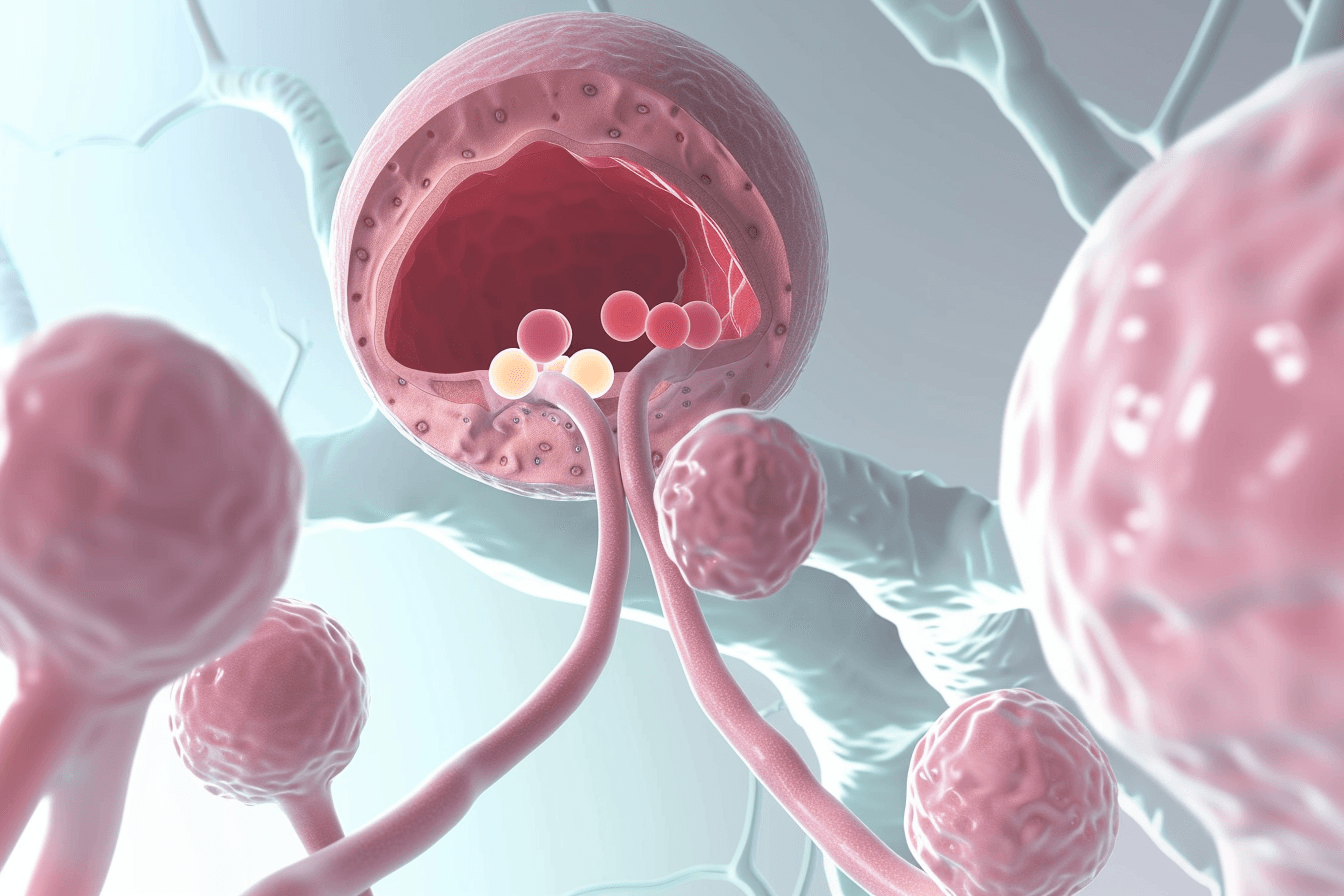
For many women trying to conceive, understanding ovulation is one of the most important steps in understanding fertility. Ovulation is the biological process through which the ovary releases a mature egg during the menstrual cycle. This egg then travels through the fallopian tube where it can potentially be fertilized by sperm. When ovulation occurs regularly, the chances of conception increase significantly. When ovulation becomes irregular or absent, fertility may decline.
A normal menstrual cycle is controlled by a carefully coordinated interaction between the brain, the ovaries, and reproductive hormones. This cycle usually lasts between 24 and 35 days and is divided into several phases that prepare the body for possible pregnancy. Each phase of the cycle plays a specific role in ensuring that a healthy egg develops and is released at the right time.
Menstrual Cycle Phases
The menstrual cycle begins with the menstrual phase, when the uterus sheds its lining if pregnancy has not occurred. This phase typically lasts three to seven days. Although this stage represents the start of the visible cycle, the hormonal processes that regulate ovulation are already beginning in the background.
Following menstruation, the cycle enters the follicular phase. During this phase, hormones released from the brain stimulate the ovaries to begin developing follicles. Follicles are small structures within the ovary that contain immature eggs. Several follicles may begin developing during each cycle, but normally only one follicle becomes dominant and continues to mature.
After the follicular phase comes ovulation, the point at which the dominant follicle releases a mature egg from the ovary. This event usually occurs around the middle of the cycle, although the exact timing can vary between individuals.
The final stage is the luteal phase, during which the ovary produces hormones that prepare the uterine lining for possible implantation. If fertilization does not occur, hormone levels decline and the menstrual cycle begins again.
Follicular Development
The development of ovarian follicles is a critical step in the ovulation process. Each follicle contains an immature egg surrounded by specialized cells that support its growth. As the follicle matures, it produces hormones that help regulate the menstrual cycle and prepare the reproductive system for ovulation.
During the follicular phase, several follicles initially begin to grow. However, only one follicle typically becomes dominant. This dominant follicle continues to enlarge and eventually releases a mature egg. The remaining follicles stop developing and are naturally reabsorbed by the body.
This process ensures that only one egg is released during each cycle, which helps maintain hormonal balance and reproductive efficiency.
Hormonal Regulation
Ovulation is controlled by a complex hormonal communication system between the brain and the ovaries. The hypothalamus and pituitary gland in the brain release hormones that signal the ovaries to begin follicle development. These signals regulate the production of important reproductive hormones such as estrogen and progesterone.
As the dominant follicle grows, it produces increasing amounts of estrogen. When estrogen levels reach a certain threshold, the brain releases a surge of luteinizing hormone (LH). This LH surge acts as the trigger that causes the follicle to release the mature egg.
This hormonal coordination ensures that ovulation occurs at the correct time within the menstrual cycle.
Egg Release
Ovulation occurs when the mature follicle ruptures and releases the egg from the ovary. The egg then enters the fallopian tube, where it remains viable for fertilization for approximately 12 to 24 hours.
If sperm are present in the reproductive tract during this period, fertilization may occur. The fertilized egg then travels to the uterus and may implant in the uterine lining, initiating pregnancy.
If fertilization does not occur, hormone levels gradually decline, the uterine lining sheds during menstruation, and the cycle begins again.
Understanding how ovulation normally occurs is essential for recognizing why conditions such as PCOS can interfere with fertility. When hormonal signals become disrupted or follicle development is impaired, ovulation may fail to occur, making conception more difficult. Modern reproductive medicine therefore places strong emphasis on identifying factors that disturb ovulation and restoring the hormonal balance necessary for a healthy menstrual cycle [2].
Table: What is Ovulation and How It Normally Occurs
| Feature | Normal Ovulation | Ovulation in PCOS |
|---|---|---|
| Follicle development | One dominant follicle matures | Many follicles begin developing but stop early |
| Egg release | Mature follicle releases an egg | Egg release often does not occur |
| Hormonal balance | Balanced estrogen, progesterone, and LH | Increased androgens and hormonal imbalance |
| Menstrual cycle | Regular menstrual cycle | Irregular or missed periods |
| Fertility potential | Higher chance of natural conception | Ovulation difficulty may affect fertility |
| Ovarian appearance | Normal follicle growth | Multiple small follicles around ovary |
Why Ovulation Fails in PCOS
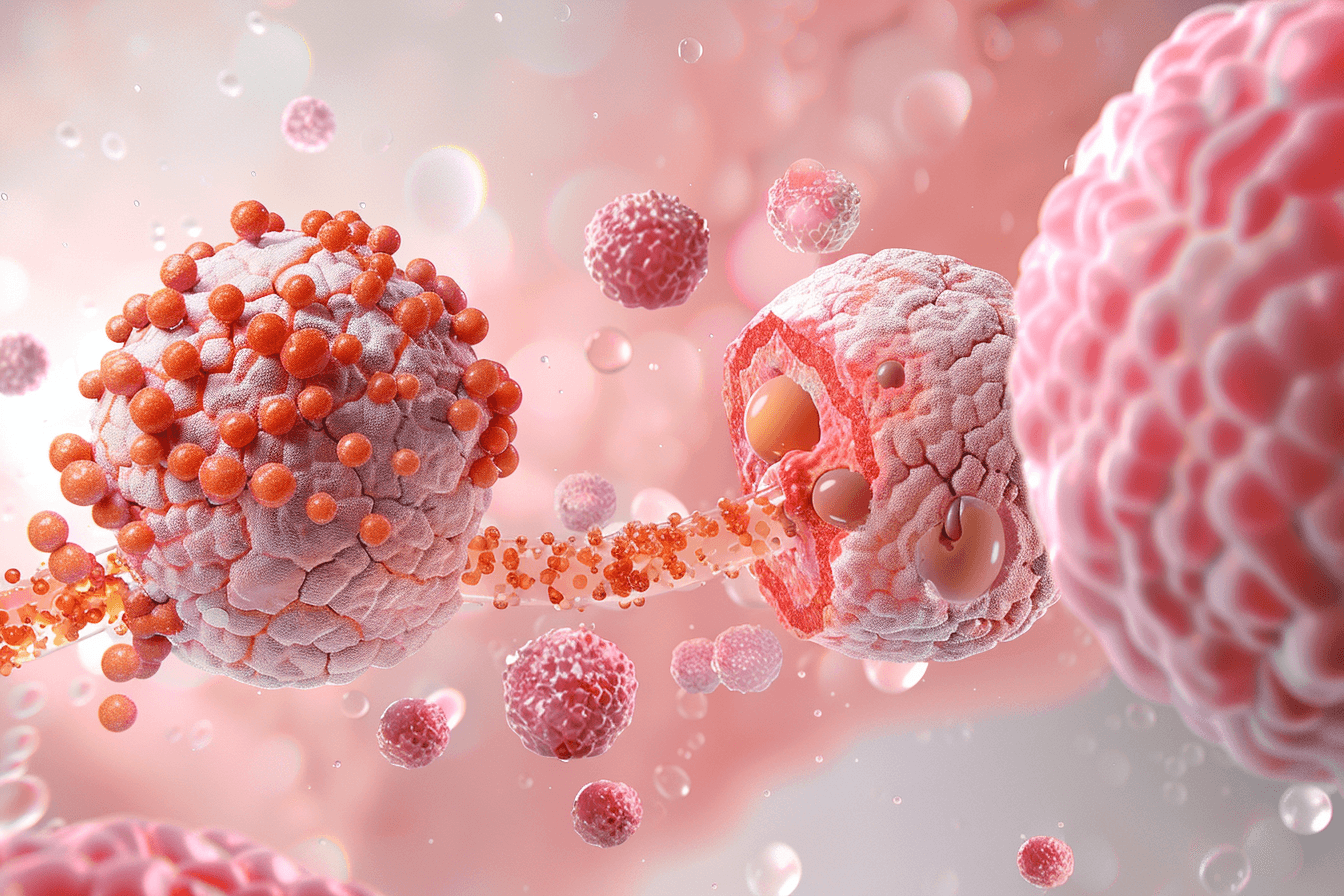
For many women diagnosed with polycystic ovary syndrome, the most troubling question is often simple: why does ovulation stop working normally? Understanding this mechanism is important because ovulation is the biological event that allows pregnancy to occur. When ovulation fails repeatedly, conception becomes difficult or sometimes impossible without addressing the underlying cause.
In PCOS, ovulation failure is not caused by a single problem. Instead, it results from a combination of hormonal disturbances and metabolic changes that interfere with normal ovarian function. Modern reproductive research shows that three major factors contribute to this process: androgen excess, follicle arrest, and disruption of hormonal signaling between the brain and ovaries [2] [3].
Androgen Excess
One of the defining features of PCOS is the presence of elevated androgen levels. Androgens are hormones that are normally present in both men and women, but women typically produce them in much smaller amounts. When androgen levels rise above normal ranges, they begin to interfere with the normal reproductive cycle.
In women with PCOS, insulin resistance often stimulates the ovaries to produce excess androgens. Elevated androgen levels alter the hormonal environment required for healthy follicle development. Instead of supporting the maturation of a dominant follicle, these hormones disrupt the delicate balance between estrogen and progesterone.
As androgen levels increase, the ovaries struggle to select and mature a single dominant follicle. This hormonal imbalance is one of the earliest biological changes that contributes to ovulation failure in PCOS [3].
For many patients, androgen excess may also produce visible symptoms such as acne, irregular periods, or increased facial hair growth. While these symptoms can appear cosmetic, they often reflect deeper endocrine disturbances that interfere with fertility.
Follicle Arrest
Another important reason ovulation fails in PCOS is a process known as follicle arrest. Under normal circumstances, several follicles begin developing during each menstrual cycle. However, only one follicle typically becomes dominant and completes maturation, eventually releasing an egg during ovulation.
In PCOS, this maturation process becomes disrupted. Instead of progressing through the stages required for ovulation, many follicles stop developing prematurely. These partially developed follicles accumulate within the ovary and remain trapped in an immature state.
On ultrasound examination, these arrested follicles appear as multiple small fluid-filled structures arranged around the edge of the ovary. Although they are commonly referred to as ovarian cysts, they are actually immature follicles that never completed their growth cycle.
Because none of these follicles mature properly, the ovary fails to release a healthy egg. This repeated interruption of follicle development leads to irregular cycles and failed ovulation, which is one of the primary reasons women with PCOS experience infertility [2].
Hormonal Signaling Disruption
Ovulation depends on precise communication between the brain and the ovaries. The hypothalamus and pituitary gland in the brain regulate this process by releasing hormones that control follicle development and egg release.
In PCOS, this hormonal communication network becomes disrupted. Instead of producing balanced signals, the pituitary gland often releases higher levels of luteinizing hormone compared with follicle-stimulating hormone. This altered hormonal pattern further stimulates androgen production within the ovaries.
As a result, the signals that normally trigger ovulation become irregular or absent. Without the appropriate hormonal surge, the mature follicle cannot release the egg, and ovulation does not occur.
Over time, this disruption creates a cycle in which hormonal imbalance, metabolic dysfunction, and ovarian disturbances reinforce one another. The ovaries continue producing immature follicles, androgen levels remain elevated, and the normal ovulation signal fails to appear.
Understanding these mechanisms is important for patients because it highlights a key principle in fertility care. Ovulation failure in PCOS is not simply a problem of the ovaries. It is the result of broader hormonal and metabolic disturbances that affect the entire reproductive system.
Recognizing the role of androgen excess, follicle arrest, and hormonal signaling disruption helps clinicians and patients focus on restoring the underlying hormonal balance required for healthy ovulation and improved fertility outcomes.
Table : Common Causes of Ovulation Failure in PCOS
| Cause | How It Affects Ovulation |
|---|---|
| Insulin resistance | High insulin levels stimulate excess androgen production in the ovaries |
| Elevated androgen hormones | Prevent normal follicle maturation |
| Follicle arrest | Ovarian follicles begin developing but fail to release an egg |
| Hormonal signaling disruption | Imbalance between LH, FSH, and estrogen affects ovulation |
| Chronic inflammation | May impair ovarian function |
| Metabolic syndrome | Associated with insulin resistance and reproductive hormone imbalance |
Role of Insulin Resistance in PCOS
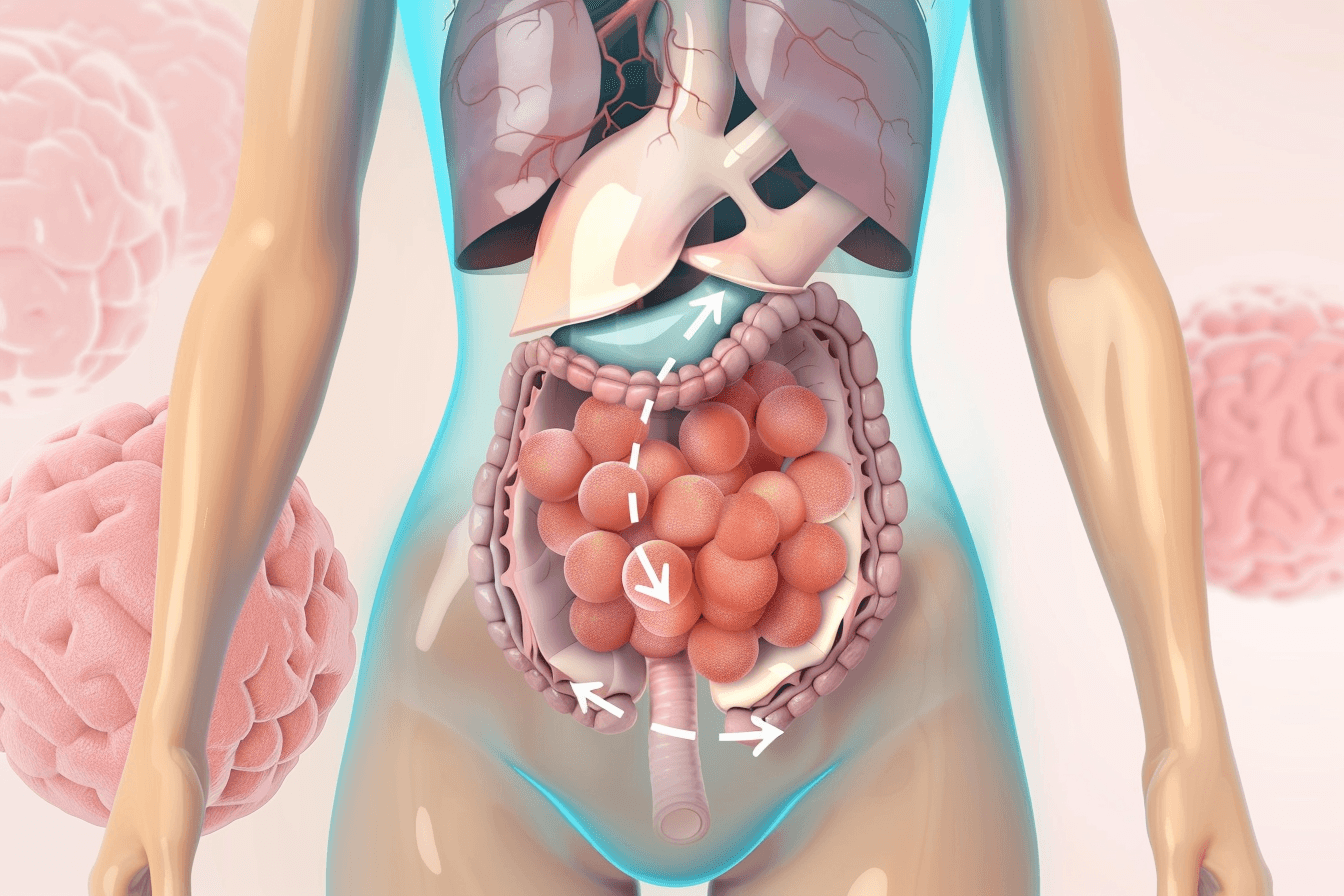
When many women first learn they have polycystic ovary syndrome, they are often told that it is a hormonal condition affecting the ovaries. While this explanation is partly true, modern reproductive medicine now recognizes that PCOS is also strongly linked to metabolic disturbances, particularly a condition known as insulin resistance. Understanding this relationship is essential because insulin resistance is one of the major factors that drives ovulation failure and infertility in women with PCOS [2].
For patients across the United States, the United Kingdom, Canada, Australia, Singapore, and Gulf countries such as the United Arab Emirates and Saudi Arabia, insulin resistance has become increasingly common due to changes in diet, lifestyle, and metabolic health. Many women with PCOS may not initially realize that metabolic imbalance can directly influence ovarian hormone production and reproductive function.
How Insulin Affects Ovarian Hormone Production
Insulin is a hormone produced by the pancreas that helps regulate blood glucose levels and allows cells to use glucose as a source of energy. Under normal conditions, insulin works efficiently to maintain stable blood sugar levels and support healthy metabolism.
In individuals with insulin resistance, however, the body’s cells become less responsive to insulin. As a result, the pancreas compensates by producing larger amounts of insulin in an attempt to maintain normal blood sugar levels. This condition leads to chronically elevated insulin levels in the bloodstream.
These high insulin levels do not only affect glucose metabolism. They also influence the endocrine system, particularly the ovaries. Research shows that insulin can directly stimulate ovarian cells known as theca cells, increasing the production of androgens. This abnormal hormonal stimulation disrupts the normal balance of reproductive hormones that regulate ovulation [3].
Insulin-Driven Androgen Production
One of the key consequences of insulin resistance in PCOS is excess androgen production. Androgens are hormones such as testosterone that are normally present in small amounts in women. When insulin levels remain elevated for long periods, the ovaries are stimulated to produce larger amounts of these hormones.
This increase in androgen levels interferes with the normal development of ovarian follicles. Instead of supporting the maturation of a dominant follicle, elevated androgens disrupt follicle growth and prevent the ovary from selecting a single follicle capable of releasing an egg.
As androgen levels rise, the menstrual cycle becomes increasingly irregular. Ovulation may occur infrequently or may stop altogether. This hormonal disruption explains why many women with PCOS experience irregular cycles, difficulty conceiving, and other symptoms such as acne or increased facial hair growth [2].
Connection with Metabolic Syndrome
Insulin resistance in PCOS is often part of a broader metabolic pattern known as metabolic syndrome. This condition involves a combination of metabolic risk factors that frequently occur together, including abdominal weight gain, elevated blood glucose levels, abnormal lipid profiles, and increased inflammation.
Women with PCOS are more likely to develop these metabolic disturbances compared with women without the condition. Over time, insulin resistance may contribute not only to ovulation problems but also to long-term health risks such as type 2 diabetes and cardiovascular disease [3].
From a fertility perspective, metabolic syndrome creates an internal hormonal environment that makes ovulation unpredictable. The ovaries become exposed to persistent metabolic signals that interfere with follicle maturation and hormonal balance. As a result, ovulation becomes irregular or absent, significantly reducing the likelihood of natural conception.
Recognizing the role of insulin resistance helps patients understand why PCOS is not simply an ovarian disorder. It is a complex interaction between metabolism, hormonal regulation, and reproductive physiology. Addressing insulin resistance therefore becomes an important step in restoring hormonal balance and supporting healthy ovulation.
Global Prevalence of PCOS
Polycystic ovary syndrome is now recognized as one of the most common hormonal disorders affecting women of reproductive age. Over the past two decades, medical research and clinical observations have shown that PCOS is not limited to a specific region or population. Instead, it has become a global reproductive health concern affecting women across developed and developing countries alike.
For patients seeking fertility treatment, understanding how widespread PCOS has become can help explain why this condition is frequently discussed in reproductive medicine. Across the United States, the United Kingdom, Canada, Australia, Singapore, and many Gulf countries, PCOS is regularly diagnosed in women who experience irregular menstrual cycles or difficulty conceiving. Epidemiological studies estimate that approximately 8 to 13 percent of women of reproductive age may be affected by PCOS, although the true number may be higher due to underdiagnosis [2].
Prevalence in the United States
In the United States, PCOS is considered one of the most common endocrine disorders among women of reproductive age. Large population studies suggest that between 6 and 12 percent of women may have PCOS, depending on the diagnostic criteria used. Many of these cases remain undiagnosed because symptoms such as irregular periods or metabolic changes may not immediately prompt medical evaluation.
Lifestyle factors such as dietary patterns, sedentary behavior, and increasing rates of insulin resistance have contributed to the growing prevalence of PCOS in the United States. As metabolic health becomes a larger public health concern, clinicians increasingly recognize the link between insulin resistance and ovulatory infertility in women with PCOS [2].
Prevalence in the United Kingdom
Similar patterns are observed in the United Kingdom, where PCOS represents one of the most frequently diagnosed reproductive endocrine conditions in gynecology clinics. National health data indicate that many women first receive a diagnosis of PCOS when seeking evaluation for irregular menstrual cycles or fertility challenges.
Healthcare professionals in the UK have also noted the strong association between PCOS and metabolic disturbances, particularly insulin resistance and weight-related hormonal imbalance. These factors contribute to the high number of women experiencing ovulation irregularities associated with PCOS [2].
Prevalence in the Middle East
PCOS is also widely reported across Middle Eastern countries, including the United Arab Emirates, Saudi Arabia, Qatar, Kuwait, and Bahrain. In this region, lifestyle transitions over the past several decades have been associated with increased metabolic disorders, including obesity and insulin resistance.
These metabolic changes have contributed to rising rates of PCOS among women of reproductive age. Clinical studies conducted in several Middle Eastern populations suggest that the prevalence of PCOS may be comparable to or even higher than rates observed in Western countries. Fertility clinics across the Gulf region frequently encounter patients whose infertility is linked to ovulation disturbances associated with PCOS.
Prevalence in Asia
Across Asia, the prevalence of PCOS varies among different populations but remains a significant reproductive health concern. Countries such as India, China, Singapore, and other parts of Southeast Asia report increasing numbers of women diagnosed with PCOS in both urban and rural healthcare settings.
In many Asian populations, genetic susceptibility combined with dietary and lifestyle changes appears to contribute to the development of PCOS. As awareness of reproductive health grows, more women are undergoing hormonal evaluation and ultrasound screening, leading to improved detection of PCOS-related ovulation disorders.
From a global perspective, the rising prevalence of PCOS highlights the importance of understanding the metabolic and hormonal factors that influence female fertility. Because PCOS is strongly associated with ovulation failure, identifying and addressing its underlying causes has become a major focus in reproductive medicine and fertility care.
The increasing number of women affected by PCOS worldwide also reinforces an important message for patients: ovulation problems are often linked to metabolic and hormonal imbalances that can be identified and managed through appropriate medical evaluation and lifestyle interventions.
Early Symptoms Many Women Ignore

Many women living with polycystic ovary syndrome do not immediately recognize the early warning signs of the condition. The symptoms often develop gradually and may initially appear mild or unrelated to reproductive health. As a result, patients frequently dismiss these early signals as temporary hormonal fluctuations, stress-related changes, or normal variations in the menstrual cycle.
However, irregular menstrual cycles are often one of the earliest indicators that ovulation may not be occurring regularly. In many fertility consultations across the United States, the United Kingdom, Canada, Australia, Singapore, and Gulf countries, irregular periods are one of the most common symptoms reported by women who are later diagnosed with PCOS.
Table:Early Symptoms Many Women Ignore
| Early Symptom | What It May Indicate |
|---|---|
| Irregular periods | Hormonal imbalance affecting ovulation |
| Missed menstrual cycles | Ovulation may not occur regularly |
| Acne or oily skin | Increased androgen hormones |
| Excess facial hair | Hormonal imbalance affecting hair growth |
| Weight gain around abdomen | Insulin resistance and metabolic changes |
| Difficulty conceiving | Ovulation problems |
Irregular or Missing Periods
A healthy menstrual cycle typically occurs at predictable intervals, usually every 24 to 35 days. This regularity reflects the normal hormonal communication between the brain and the ovaries that regulates follicle development and ovulation. When ovulation occurs consistently, menstrual cycles tend to remain stable.
In women with PCOS, however, hormonal imbalances interfere with the signals that control ovulation. As a result, the menstrual cycle may become irregular or absent. Medical professionals commonly classify these menstrual disturbances into two categories known as oligomenorrhea and amenorrhea.
Oligomenorrhea refers to infrequent menstrual cycles. Women experiencing oligomenorrhea may have periods that occur more than 35 days apart, sometimes appearing only a few times per year. This irregularity often indicates that ovulation is occurring inconsistently or not at all.
Amenorrhea, on the other hand, refers to the complete absence of menstruation for several months. When ovulation fails to occur repeatedly, the hormonal changes that normally trigger menstruation may also fail to occur. As a result, menstrual bleeding may stop entirely for extended periods.
Both oligomenorrhea and amenorrhea reflect disturbances in ovulation. When the ovaries do not release an egg regularly, the hormonal cycle becomes disrupted, leading to irregular or missing periods. For many women, these menstrual changes are the first visible sign that ovulation may not be occurring normally.
Unfortunately, these symptoms are often overlooked or normalized. Some women assume that irregular cycles are simply a personal pattern or a result of lifestyle stress. Others may be prescribed short-term hormonal medications to regulate menstrual bleeding without a detailed investigation into the underlying cause.
Recognizing irregular or missing periods as an early warning sign is important for reproductive health. When menstrual cycles become unpredictable, it may indicate that the hormonal environment required for ovulation has been disrupted. Early medical evaluation can help identify conditions such as PCOS and allow appropriate steps to be taken to restore hormonal balance and support normal ovulation.
Acne and Hormonal Skin Changes
Another symptom that many women with PCOS overlook in the early stages is persistent acne or unusual hormonal skin changes. Although acne is commonly associated with adolescence, the appearance of acne in adulthood, particularly when it persists or worsens, may indicate underlying hormonal imbalance.
In women with polycystic ovary syndrome, acne often develops because of elevated androgen levels. Androgens are hormones that influence the activity of sebaceous glands in the skin. When androgen levels increase, the sebaceous glands produce larger amounts of sebum, an oily substance that helps protect and lubricate the skin. Excess sebum can clog hair follicles and create an environment that promotes bacterial growth, leading to inflammation and acne formation.
Unlike typical teenage acne, hormonal acne associated with PCOS often appears in specific areas of the face and body. Many women notice persistent acne along the jawline, chin, lower cheeks, or neck. In some cases, acne may also develop on the chest, shoulders, or upper back. These patterns often reflect underlying endocrine changes rather than temporary skin irritation.
Hormonal acne linked to PCOS tends to be more resistant to conventional skincare treatments. Many patients report that topical creams, cosmetic products, or short-term medications provide only temporary improvement. The reason for this is that the underlying cause of the skin condition is hormonal rather than dermatological.
Elevated androgen levels in PCOS not only affect the skin but also interfere with normal ovarian function. The same hormonal imbalance that stimulates excess oil production in the skin also disrupts follicle development within the ovaries. As androgen levels rise, ovulation becomes irregular and menstrual cycles may become unpredictable.
For patients across the United States, the United Kingdom, Canada, Australia, Singapore, and Gulf countries, persistent acne in adulthood can therefore represent more than a cosmetic concern. It may serve as an early indicator of endocrine imbalance and ovulatory dysfunction.
Recognizing this connection is important because many women seek dermatological treatment for acne without realizing that the root cause may lie in hormonal regulation. When persistent acne occurs alongside other symptoms such as irregular periods, weight gain, or increased facial hair growth, it may suggest an underlying reproductive endocrine condition such as PCOS.
Early recognition of these symptoms allows healthcare providers to investigate hormonal levels and ovarian function. Identifying the underlying hormonal imbalance can help guide appropriate management strategies aimed at restoring hormonal balance and supporting overall reproductive health.
Excess Facial Hair
Another symptom that many women with PCOS notice, but often hesitate to discuss openly, is the development of excess facial or body hair. In medical terminology, this condition is known as hirsutism, and it occurs when elevated androgen levels stimulate hair growth in areas where women typically have minimal hair.
In women with PCOS, androgen levels can become higher than normal due to hormonal imbalance and insulin resistance. These hormones influence hair follicles and may cause thicker, darker hair to grow in areas such as the chin, upper lip, jawline, chest, abdomen, or lower back. While mild hair growth can occur naturally in many women, persistent or excessive hair growth in these areas may indicate an underlying endocrine disturbance.
Patients from different cultural backgrounds often describe this symptom using familiar terms. In Arabic-speaking regions such as the United Arab Emirates, Saudi Arabia, Qatar, and Kuwait, excess facial hair is commonly referred to as Ziyadat Shaar, meaning increased hair growth. In Urdu-speaking communities across South Asia and parts of the Gulf region, the same symptom may be described as Zyada Baal. These terms reflect a symptom that many women experience but may not immediately associate with hormonal imbalance.
The connection between excess hair growth and PCOS lies in androgen activity. Elevated androgen levels stimulate hair follicles to produce terminal hair, which is thicker and darker than the fine hair typically present on the face. Over time, these hormonal signals can change the hair growth pattern, leading to visible hair growth in areas traditionally associated with male hair distribution.
While this symptom is often viewed primarily as a cosmetic concern, it frequently reflects deeper hormonal changes that can also affect ovulation and fertility. The same androgen excess responsible for stimulating facial hair growth may also interfere with ovarian follicle development. As androgen levels rise, follicles may struggle to mature properly, increasing the likelihood of irregular ovulation or ovulation failure.
Because of this connection, excess facial hair may serve as an important early signal of PCOS. When women experience persistent hair growth along with other symptoms such as irregular menstrual cycles, acne, or unexplained weight gain, it may indicate that hormonal evaluation is needed.
Understanding the relationship between androgen levels and hair growth helps patients recognize that this symptom is not simply cosmetic. It may be part of a broader hormonal pattern affecting reproductive health. Identifying the underlying cause allows clinicians to address both the hormonal imbalance and its effects on ovulation and fertility.
Weight Gain Around the Abdomen
Many women who later discover they have PCOS often report a gradual increase in body weight, particularly around the abdomen. This pattern of weight gain can be confusing because it may occur even when lifestyle habits have not changed significantly. For many patients, the increase in abdominal fat becomes noticeable before they realize that a deeper metabolic imbalance may be affecting their reproductive health.
From a medical perspective, abdominal or central weight gain is strongly linked to insulin resistance, a metabolic disturbance commonly associated with PCOS. Insulin resistance affects how the body processes glucose and stores energy. When cells become less responsive to insulin, the body compensates by producing higher levels of this hormone. Elevated insulin levels encourage the body to store more fat, especially in the abdominal region.
This pattern of fat distribution is important because abdominal fat is metabolically active. It can influence hormone levels, inflammatory processes, and insulin sensitivity throughout the body. As abdominal fat increases, insulin resistance often worsens, creating a cycle in which metabolic imbalance continues to intensify.
For women with PCOS, this metabolic cycle can significantly influence reproductive health. Elevated insulin levels stimulate the ovaries to produce higher amounts of androgens. These hormones interfere with normal follicle maturation and disrupt ovulation. As a result, weight gain around the abdomen may not only reflect metabolic disturbance but also contribute directly to ovulation irregularities and fertility challenges.
Patients in fertility clinics across the United States, the United Kingdom, Canada, Australia, Singapore, and Gulf countries frequently describe this experience. Many report that abdominal weight gain appeared gradually during the same period when menstrual cycles became irregular or ovulation became unpredictable. In some cases, women may attempt multiple diet plans without realizing that hormonal imbalance is influencing their metabolism.
Research shows that metabolic factors such as insulin resistance and central obesity are strongly associated with PCOS and ovulatory dysfunction. Even moderate increases in abdominal fat can affect hormonal signaling between the brain and ovaries, making ovulation less consistent. This is one reason why metabolic health plays such an important role in fertility management strategies [4].
Understanding this connection can be empowering for patients. Abdominal weight gain is often interpreted simply as a lifestyle issue, but in many cases it reflects underlying endocrine changes that influence reproductive function. Recognizing this link allows healthcare providers to focus not only on weight reduction but also on improving insulin sensitivity and metabolic balance.
When metabolic health improves, hormonal regulation may gradually stabilize, which can support more regular ovulation and better fertility outcomes. Addressing abdominal weight gain therefore becomes an important step in restoring the physiological conditions required for healthy reproductive function.
Difficulty Conceiving
For many women, the first moment they begin to suspect that something may be wrong with their reproductive health is when pregnancy does not occur despite regular attempts to conceive. Couples may spend months or even years trying to achieve pregnancy before realizing that an underlying condition may be affecting fertility. One of the most common reasons for this difficulty is ovulation disturbance associated with polycystic ovary syndrome.
Ovulation is the central biological event required for natural conception. Each month, the ovary must release a mature egg that can be fertilized. When ovulation becomes irregular or fails to occur, the chances of pregnancy decrease significantly. In women with PCOS, hormonal and metabolic disturbances often prevent the ovaries from releasing an egg consistently, making conception more challenging.
From the perspective of reproductive medicine, PCOS is considered one of the leading causes of ovulatory infertility. Medical studies show that many women with PCOS experience irregular cycles or absent ovulation, which directly interferes with the timing necessary for fertilization [2]. Because ovulation may not occur during every cycle, predicting the fertile window becomes difficult, and opportunities for conception may be reduced.
For patients across the United States, the United Kingdom, Canada, Australia, Singapore, and Gulf countries, this situation often creates emotional and psychological stress. Couples may initially assume that conception will occur naturally within a few months. When pregnancy does not occur, uncertainty and concern may begin to develop. In many cases, women only seek medical evaluation after prolonged difficulty conceiving.
Globally, infertility affects a significant proportion of the population. According to international health estimates, approximately one in six adults experience infertility at some point in their lives [1]. Within this group, ovulatory disorders such as PCOS represent a substantial share of female infertility cases.
It is important for patients to understand that difficulty conceiving does not necessarily mean that pregnancy is impossible. In many cases, fertility challenges are linked to underlying hormonal or metabolic factors that can be identified and addressed. Conditions such as PCOS often affect ovulation rather than the reproductive organs themselves. When the hormonal signals controlling ovulation become more balanced, the likelihood of releasing a healthy egg may improve.
Recognizing difficulty conceiving as a potential sign of ovulatory dysfunction allows patients to seek timely medical guidance. Early evaluation of menstrual patterns, hormone levels, and metabolic health can help identify conditions such as PCOS and guide appropriate management strategies aimed at restoring reproductive balance.
Why This Matters for Patients with Infertility

Ovulation Failure and Egg Release Problems
For many couples trying to conceive, ovulation is the most critical biological event that determines whether pregnancy can occur. Each month, the ovary must release a mature egg that can potentially be fertilized. When this process does not occur, the reproductive cycle cannot progress toward pregnancy. This is why ovulation disorders are among the most common causes of female infertility.
In women with polycystic ovary syndrome, ovulation failure is often the central factor affecting fertility. Although the ovaries may contain multiple developing follicles, the hormonal signals required to mature and release a single egg become disrupted. Instead of producing one dominant follicle that completes its growth and releases an egg, the ovaries often contain many small follicles that remain in an immature state.
This process explains why many women with PCOS experience irregular menstrual cycles or missed periods. Without proper follicle maturation, the ovary cannot release an egg during the cycle. When ovulation does not occur, fertilization cannot take place, regardless of timing or frequency of attempts to conceive.
Across fertility clinics in the United States, the United Kingdom, Canada, Australia, Singapore, and Gulf countries, this pattern is frequently observed during infertility evaluations. Many women initially assume that their reproductive organs are functioning normally because they do not experience severe symptoms. However, ovulation failure may occur silently for months or even years before it becomes apparent.
The consequences extend beyond the absence of egg release. When ovulation becomes irregular, the hormonal balance that regulates the menstrual cycle also becomes unstable. Fluctuations in estrogen and progesterone may affect the development of the uterine lining and reduce the likelihood of successful implantation even if fertilization occurs.
Medical research confirms that ovulatory dysfunction associated with PCOS represents one of the most significant causes of infertility in women of reproductive age [2]. Because ovulation is essential for pregnancy, identifying the factors that interfere with egg release becomes a central focus in fertility care.
Recognizing ovulation failure as a biological and hormonal issue allows patients and clinicians to move beyond simply trying longer to conceive. It highlights the importance of addressing the metabolic and endocrine disturbances that affect ovarian function. When these underlying factors are corrected, the hormonal environment required for ovulation can gradually stabilize, improving the chances of natural conception.
Egg Quality and Hormonal Environment
For successful conception to occur, ovulation alone is not enough. The egg that is released must also be healthy and capable of being fertilized. Egg quality plays a crucial role in determining whether fertilization can occur and whether the embryo can develop normally after conception. In women with polycystic ovary syndrome, the hormonal environment surrounding the developing egg may become disrupted, which can influence both ovulation and egg quality.
During a normal menstrual cycle, hormonal signals from the brain coordinate the development of a follicle within the ovary. This follicle protects and nourishes the immature egg while it matures. The follicular environment contains carefully regulated levels of hormones, nutrients, and signaling molecules that support healthy egg development. When these conditions remain balanced, the ovary releases a mature egg capable of fertilization.
In PCOS, however, hormonal disturbances can alter this environment. Elevated androgen levels and insulin resistance often interfere with the normal hormonal balance required for follicle maturation. Instead of supporting the gradual development of a single dominant follicle, these hormonal changes may create conditions that impair follicular growth and egg maturation [3].
The presence of multiple immature follicles in the ovaries is a common feature of PCOS. Although many follicles begin to develop, the hormonal signals necessary for selecting and nurturing a dominant follicle become disrupted. As a result, follicles may remain in an early developmental stage, preventing the egg from completing the maturation process required for ovulation.
This altered hormonal environment can also influence the metabolic conditions surrounding the egg. Insulin resistance and elevated androgen levels may affect how the follicle utilizes energy and nutrients during egg development. These changes may compromise the quality of the egg or reduce the likelihood that a mature egg will be released during the cycle [2].
For patients experiencing infertility, these hormonal and metabolic disturbances often occur simultaneously. Ovulation may become irregular, and the eggs that do mature may develop in a less optimal hormonal environment. Together, these factors can make conception more difficult.
In fertility care, improving the hormonal environment surrounding the developing follicle is therefore considered an important step in supporting reproductive health. Stabilizing hormonal balance and improving metabolic regulation can help create conditions that support both regular ovulation and healthier egg development.
Recognizing the influence of hormonal balance on egg quality allows clinicians and patients to focus on restoring the physiological conditions required for healthy follicle maturation and improved fertility outcomes.
Long-Term Fertility Damage if Untreated
Many women initially view irregular periods or hormonal symptoms as temporary problems that will resolve on their own. However, when conditions such as polycystic ovary syndrome remain untreated for long periods, the underlying hormonal and metabolic disturbances may gradually affect reproductive health more significantly. Over time, persistent ovulation irregularities can reduce the chances of natural conception and may contribute to long-term fertility challenges.
One of the main concerns associated with untreated PCOS is chronic ovulation dysfunction. In a healthy reproductive system, ovulation occurs regularly and maintains the hormonal balance required for menstrual cycle stability. When ovulation repeatedly fails to occur, the hormonal signals that regulate the reproductive cycle become increasingly disrupted. This can lead to prolonged menstrual irregularities and ongoing reproductive instability.
Another important factor is the cumulative effect of metabolic disturbances. Insulin resistance, which frequently accompanies PCOS, may continue to worsen if it is not addressed. As insulin levels remain elevated, androgen production in the ovaries may increase further, reinforcing the hormonal imbalance that interferes with ovulation [2]. Over time, this cycle of metabolic and hormonal disruption can make ovulation less predictable and may prolong the period during which conception becomes difficult.
Long-term hormonal imbalance may also influence the health of the uterine environment. Regular ovulation helps maintain normal hormonal cycling between estrogen and progesterone, which supports the development and shedding of the uterine lining. When ovulation becomes infrequent or absent for extended periods, this hormonal rhythm may become irregular, potentially affecting the uterine environment required for implantation.
The broader impact of infertility is also important to consider. Global health data indicate that infertility affects a significant proportion of the population, with approximately one in six adults experiencing difficulties conceiving during their lifetime [1]. Within this group, ovulatory disorders such as PCOS represent one of the most common causes of female infertility.
For many patients, the long-term effects of untreated ovulation disorders are not immediately visible. Menstrual irregularities may continue for years without causing immediate concern. However, persistent hormonal imbalance can gradually affect reproductive health and may make conception more difficult later in life.
Addressing ovulation disorders early allows patients to identify the metabolic and hormonal factors that influence fertility. When these underlying disturbances are evaluated and managed appropriately, it becomes possible to support more regular ovulation and create a hormonal environment that is more favorable for conception.
Emotional and Psychological Impact
Infertility often affects more than physical health. For many women and couples, the inability to conceive can create a deep emotional and psychological burden. The desire to have children is closely connected with personal expectations, family goals, and cultural values. When pregnancy does not occur despite repeated attempts, feelings of uncertainty, frustration, and disappointment may gradually develop.
Women experiencing ovulation disorders such as those associated with PCOS may face this emotional strain for extended periods before receiving a clear diagnosis. Irregular menstrual cycles and unpredictable ovulation can make it difficult to determine the optimal time for conception. As months pass without success, couples may begin to question whether pregnancy will occur naturally.
Across many societies, including those in the United States, the United Kingdom, Canada, Australia, Singapore, and Gulf countries, fertility is often closely linked with family expectations. In some cultures, the pressure to conceive may come not only from personal aspirations but also from social and family expectations. This can intensify the emotional impact of infertility and lead to feelings of isolation or self-blame.
Research has shown that individuals experiencing infertility may report higher levels of stress, anxiety, and emotional distress compared with the general population. The uncertainty surrounding fertility outcomes can affect relationships, daily routines, and overall well-being. Couples may experience cycles of hope and disappointment as each menstrual cycle passes without pregnancy.
Another factor contributing to psychological stress is the prolonged search for answers. Many patients spend years trying to understand the cause of their infertility before receiving a diagnosis such as PCOS. During this period, symptoms such as irregular periods or hormonal changes may be dismissed as minor issues rather than indicators of a deeper reproductive imbalance.
Recognizing the emotional dimension of infertility is an important part of reproductive care. Fertility challenges are not solely biological events; they also involve emotional resilience, relationship dynamics, and personal expectations. Providing clear information about conditions such as PCOS and ovulation disorders can help reduce uncertainty and support patients as they explore appropriate care options.
Globally, infertility affects millions of individuals and couples, and its psychological impact is widely acknowledged in reproductive health research [1]. Addressing both the medical and emotional aspects of infertility can help patients navigate this experience with greater clarity and support.
Ayurvedic Perspective on PCOS and Ovulation Failure

Classical Description of Female Infertility
Many women around the world are familiar with the modern explanation of PCOS as a hormonal disorder affecting ovulation. However, what most patients do not realize is that the fundamental biological principles governing fertility were described in remarkable detail thousands of years ago in classical Ayurvedic medical texts. Ayurveda approaches fertility from a systemic perspective, emphasizing that conception depends on the coordinated functioning of several physiological factors rather than a single hormone or organ.
In Ayurveda, infertility is described under the concept of Vandhyatva, which refers to the inability to conceive despite reproductive potential. Classical Ayurvedic physicians observed that infertility can arise when the physiological conditions required for conception become disturbed. Instead of focusing only on reproductive organs, Ayurveda evaluates the broader internal environment that supports reproduction.
One of the most important explanations of conception appears in the Charaka Samhita, Sharira Sthana, where the ancient scholars described four essential elements required for pregnancy.
The classical verse states:
“ऋतुक्षेत्राम्बुबीजानां संयोगाद् गर्भसंभवः।”
Ritu Kshetra Ambu Beejaanam Samyogat Garbha Sambhavah
(Charaka Samhita, Sharira Sthana 2/36)
Translation
Conception occurs when the proper timing, healthy reproductive environment, nourishment, and reproductive seed combine in harmony.
This simple yet profound statement summarizes the Ayurvedic understanding of fertility. According to this framework, pregnancy can only occur when four fundamental biological factors work together correctly: Ritu, Kshetra, Ambu, and Beeja [9].
Interestingly, these principles closely resemble several mechanisms recognized in modern reproductive medicine today.
Ritu – The Proper Timing of Ovulation
The first factor described in the classical texts is Ritu, which refers to the appropriate time for conception. In modern reproductive biology, this corresponds to the fertile window of the menstrual cycle, particularly the period when ovulation occurs.
Ayurvedic scholars recognized that the female reproductive system follows a cyclical rhythm. Conception is most likely when the reproductive system is physiologically prepared and the ovary releases a mature egg.
The importance of proper timing is further emphasized in classical Ayurvedic literature. The Sushruta Samhita describes the significance of the fertile phase within the menstrual cycle when conception becomes possible.
When ovulation becomes irregular, as seen in conditions such as PCOS, the Ritu factor becomes disturbed. Without predictable ovulation, the reproductive cycle loses the precise timing required for fertilization.
Kshetra – The Reproductive Environment
The second factor described in Ayurveda is Kshetra, which refers to the reproductive environment. This concept corresponds closely to the uterus and surrounding reproductive structures that support implantation and fetal development.
Ayurveda emphasizes that the reproductive environment must remain healthy and receptive. The uterine lining must be well nourished, and the reproductive channels must remain unobstructed for successful implantation.
The Sushruta Samhita, Sharira Sthana, describes the reproductive system and the channels responsible for carrying reproductive tissues known as Artava Vaha Srotas.
“आर्तववाहिन्यः स्त्रियाः स्रोतांसि”
(Sushruta Samhita, Sharira Sthana 9/12)
Translation
The reproductive channels in women are responsible for carrying Artava, the reproductive fluid necessary for fertility.
If these channels become obstructed due to hormonal imbalance, metabolic disturbance, or inflammatory conditions, the uterine environment may not support conception.
Ambu – Nourishment and Metabolic Support
The third factor described in the classical texts is Ambu, which represents nourishment and metabolic support for reproductive tissues.
Ayurveda places strong emphasis on digestion and metabolism as the foundation of tissue nourishment. Proper digestion ensures that nutrients are transformed into bodily tissues, including reproductive tissues.
When metabolic processes become impaired, the body may produce Ama, a concept described in Ayurveda as metabolic toxins formed from incomplete digestion. These substances can accumulate within physiological channels and interfere with tissue function.
In modern biological terms, metabolic disturbances such as insulin resistance and chronic inflammation can influence the hormonal and nutritional environment required for reproductive function. When metabolism becomes imbalanced, the reproductive tissues may not receive the nourishment required for healthy ovulation.
Beeja – The Reproductive Seed
The fourth factor described in the Ayurvedic conception framework is Beeja, which refers to the reproductive seed. In modern reproductive biology, this corresponds to the egg and sperm involved in fertilization.
Ayurvedic physicians recognized that the quality of reproductive cells plays a crucial role in fertility. If the reproductive seed is weak or improperly formed, conception may not occur or pregnancy may not be sustained.
The importance of healthy reproductive tissue is discussed in the Charaka Samhita, which explains that reproductive tissues arise from the proper nourishment of preceding bodily tissues.
When hormonal imbalance or metabolic disturbances interfere with follicle development, the maturation of the reproductive seed may also be affected. This concept aligns with modern research showing that conditions such as PCOS can influence follicle maturation and egg development.
Ancient Insight and Modern Fertility Science
What makes the Ayurvedic conception framework particularly remarkable is how closely it mirrors principles recognized in modern reproductive science.
The four factors described thousands of years ago correspond to key physiological processes identified today.
- Ritu corresponds to ovulation timing.
- Kshetra corresponds to uterine health and implantation conditions.
- Ambu relates to metabolic and nutritional support.
- Beeja corresponds to the quality of reproductive cells.
This systemic approach highlights an important principle emphasized in Ayurveda. Fertility is not determined by a single hormone or organ. Instead, it reflects the coordinated balance of metabolic health, hormonal regulation, reproductive tissue nourishment, and physiological timing.
This broader perspective helps explain why metabolic disorders such as PCOS can influence multiple aspects of reproductive health simultaneously.
For patients exploring integrative fertility care, the Ayurvedic concept of Vandhyatva offers a comprehensive framework that connects metabolism, hormonal balance, and reproductive physiology in a unified understanding of fertility.
Dosha Involvement
Modern medicine often explains PCOS mainly through hormones such as insulin, estrogen, and androgens. Ayurveda approaches the same condition from a broader physiological perspective. According to classical Ayurvedic texts, the body functions through three regulatory systems known as Doshas. These three Doshas, Vata, Pitta, and Kapha, govern all biological processes including metabolism, hormonal activity, tissue nourishment, and reproductive function.
When these regulatory systems remain balanced, the reproductive cycle functions normally and ovulation occurs at the appropriate time. However, when Dosha imbalance develops, the delicate coordination between metabolism and reproduction may be disturbed. Classical Ayurvedic texts explain that disturbances affecting the reproductive channels and tissues can lead to conditions resembling infertility or irregular ovulation [9] [10].
Understanding the role of these Doshas helps explain why conditions such as PCOS often involve multiple systems of the body rather than a single hormonal defect.
Vata Dosha
Vata is responsible for movement and communication within the body. It governs nerve signals, circulation, and the movement of physiological processes. In the reproductive system, Vata regulates the timing of ovulation, the transport of reproductive tissues, and the movement of menstrual flow.
When Vata becomes disturbed, the coordination between the brain and reproductive organs may become irregular. Classical Ayurvedic literature describes that Vata imbalance can disturb the movement of Artava, the reproductive fluid associated with menstruation and ovulation. This disturbance may manifest as irregular cycles, delayed ovulation, or unpredictable menstrual patterns.
The Sushruta Samhita discusses the channels responsible for reproductive function, emphasizing the importance of maintaining proper flow within these physiological pathways.
“आर्तववाहिन्यः स्त्रियाः स्रोतांसि”
(Sushruta Samhita, Sharira Sthana 9/12)
Translation
The reproductive channels in women carry the substances necessary for menstruation and fertility.
When Vata disturbs these channels, the timing and regulation of ovulation may become inconsistent.
Pitta Dosha
Pitta governs metabolism, transformation, and hormonal activity within the body. It regulates digestive processes, cellular metabolism, and biochemical reactions that sustain physiological balance.
In the reproductive system, Pitta influences the hormonal environment required for follicle development and ovulation. Balanced Pitta supports proper maturation of ovarian follicles and maintains the biochemical conditions necessary for egg development.
When Pitta becomes aggravated, excessive heat and metabolic activity may disturb hormonal equilibrium. This disturbance may contribute to inflammatory processes or endocrine imbalance within the reproductive system. Ayurvedic scholars describe that such disturbances can affect the development of reproductive tissues and alter the hormonal environment required for conception [9].
Kapha Dosha
Kapha governs structure, stability, and nourishment within the body. It supports tissue growth, lubrication of joints, and maintenance of bodily fluids. Kapha is also associated with anabolic processes and tissue accumulation.
In reproductive physiology, Kapha helps nourish reproductive tissues and supports the stability of the uterine environment. However, when Kapha becomes excessive, it may lead to accumulation and stagnation within physiological channels.
Classical Ayurvedic scholars describe that excessive Kapha may obstruct bodily channels, including those associated with reproductive function. In modern interpretations, this concept is often compared with metabolic disturbances such as weight gain, fluid retention, and impaired metabolic activity.
When Kapha accumulates within reproductive channels, follicular development may become impaired. This obstruction can contribute to irregular ovulation and menstrual disturbances.
Integrating the Dosha Perspective
The Ayurvedic understanding of fertility emphasizes that reproductive health depends on the balanced interaction of Vata, Pitta, and Kapha. Each Dosha contributes to a different aspect of reproductive physiology.
- Vata regulates timing and movement within the reproductive cycle.
- Pitta governs metabolic and hormonal processes that support follicle development.
- Kapha nourishes reproductive tissues and maintains structural stability.
When these regulatory systems fall out of balance, reproductive processes may become disturbed. Ovulation may become irregular, metabolic disturbances may develop, and fertility potential may be affected.
This systemic view highlights a key principle emphasized throughout Ayurvedic medicine: reproductive health reflects the overall balance of the body’s regulatory systems rather than the function of a single organ.
Agni Imbalance and Metabolic Dysfunction
One of the most surprising insights for many patients exploring Ayurveda is that reproductive disorders are often traced back to digestion and metabolism, not just the reproductive organs. While modern medicine frequently focuses on hormones such as insulin, estrogen, and androgens, Ayurveda explains that these biological processes are ultimately influenced by the body’s metabolic strength.
This metabolic strength is described in Ayurveda through the concept of Agni, the digestive and transformative force responsible for converting food into nutrients that sustain the body.
The Charaka Samhita emphasizes the central importance of Agni in maintaining health.
“रोगाः सर्वेऽपि मन्देऽग्नौ।”
Rogah Sarve Api Mande Agnou
(Charaka Samhita, Chikitsa Sthana 15/44)
Translation
All diseases arise when digestive and metabolic fire becomes weak or impaired.
This statement highlights a fundamental Ayurvedic principle. When digestion and metabolism function properly, nutrients are efficiently transformed into the tissues that sustain the body. When Agni becomes weak or irregular, metabolic processes become disturbed and disease may develop.
Formation of Reproductive Tissues
Ayurveda explains that the body nourishes tissues in a sequential process known as Dhatu formation. Nutrients derived from digestion gradually transform into seven major tissues.
- Rasa Dhatu
- Rakta Dhatu
- Mamsa Dhatu
- Meda Dhatu
- Asthi Dhatu
- Majja Dhatu
- Shukra Dhatu
The reproductive tissue known as Shukra Dhatu represents the final and most refined product of this metabolic chain.
The Charaka Samhita explains this process in the context of reproductive vitality.
“रसादीनां परं धातुं शुक्रं आहुः मनीषिणः।”
(Charaka Samhita, Chikitsa Sthana 2/3)
Translation
Shukra, the reproductive tissue, is considered the most refined essence derived from the nourishment of the preceding tissues.
This classical explanation offers a powerful insight. If digestion is weak and earlier tissues are poorly nourished, the final reproductive tissue may also become compromised. In modern biological terms, this concept reflects how metabolic health influences reproductive physiology.
Agni and Modern Metabolic Disorders
This ancient understanding becomes particularly relevant when examining conditions such as PCOS and insulin resistance. Modern medical research consistently identifies metabolic disturbances as a central feature of PCOS. Many women with PCOS experience insulin resistance, impaired glucose metabolism, and chronic low-grade inflammation.
From an Ayurvedic perspective, these metabolic disturbances resemble the consequences of impaired Agni. When digestion and metabolism become inefficient, nutrients may not be properly transformed and metabolic by-products may accumulate.
Ayurvedic texts describe these improperly metabolized substances as Ama, which can obstruct physiological channels and interfere with normal tissue function.
When Ama accumulates within reproductive channels, it may disturb the normal processes required for follicle maturation and ovulation. Over time, this metabolic disruption can contribute to conditions that resemble ovulatory disorders described in modern reproductive medicine.
Why This Concept Surprises Many Patients
For many patients encountering Ayurveda for the first time, this explanation can be surprising. It suggests that reproductive health is closely connected to metabolic health and digestive function. Instead of viewing fertility as an isolated function of the ovaries, Ayurveda describes it as the final expression of systemic physiological balance.
This perspective aligns with an emerging trend in modern medicine, which increasingly recognizes the importance of metabolic health in reproductive disorders. Conditions such as insulin resistance, obesity, and metabolic syndrome are now known to influence ovulation, hormone balance, and fertility outcomes.
Ayurveda therefore approaches reproductive health by addressing the underlying metabolic environment that supports the formation and nourishment of reproductive tissues.
By restoring metabolic balance and strengthening digestive function, the physiological conditions required for ovulation and reproductive health may gradually improve.
Ama Formation and Hormonal Blockage
Many patients who learn about PCOS through modern medicine are told that the condition involves hormonal imbalance and metabolic dysfunction. However, Ayurveda offers an additional perspective that often surprises readers. Classical Ayurvedic texts explain that many chronic disorders arise when the body accumulates improperly processed metabolic substances known as Ama.
The Sanskrit word Ama literally means “undigested, toxic, or improperly metabolized substances.” In Ayurvedic physiology, Ama forms when digestion and metabolism become weak or inefficient. When the digestive system cannot properly transform food into usable nutrients, partially processed substances accumulate within the body. These substances are believed to obstruct physiological pathways and disturb normal biological functions.
The Charaka Samhita, one of the foundational Ayurvedic medical texts, describes how metabolic disturbance leads to the formation of Ama and contributes to disease development.
“आमं दोषैः समायुक्तं शरीरं दूषयत्यतः।”
(Charaka Samhita, Sutra Sthana 13)
Translation
Ama, when combined with bodily regulatory factors, contaminates and disrupts normal physiological functioning.
In simple terms, Ayurveda explains that when digestion and metabolism become impaired, the body begins to accumulate metabolic residues that interfere with tissue function. These residues may circulate within bodily channels and disturb multiple physiological systems.
Ama and Hormonal Blockage
Ayurveda describes the body as a network of physiological channels known as Srotas. The Sanskrit word Srotas means “biological channels or pathways through which substances move within the body.” These channels transport nutrients, hormones, reproductive fluids, and metabolic substances to different tissues.
When Ama accumulates within the body, it may obstruct these channels. This obstruction disrupts the normal flow of nutrients and biological signals required for healthy tissue function.
In the reproductive system, Ayurveda identifies specific channels known as Artava Vaha Srotas. The Sanskrit term Artava refers to female reproductive fluid associated with menstruation and ovulation, while Vaha means transport or movement. Together, Artava Vaha Srotas refers to the physiological pathways responsible for supporting menstrual and reproductive processes.
Classical Ayurvedic texts explain that obstruction of these channels may disturb reproductive function.
“स्रोतसां अवरोधेन धातवो न प्रवर्तन्ते।”
(Charaka Samhita, Sutra Sthana)
Translation
When bodily channels become obstructed, tissues cannot function properly.
From an Ayurvedic perspective, this obstruction can influence hormonal balance and reproductive physiology. When Ama accumulates within reproductive channels, the transport of nutrients and hormonal signals may become disrupted. Over time, this interference may affect follicle maturation and ovulation.
Connecting Ancient Concepts with Modern Metabolic Disorders
Interestingly, this Ayurvedic concept bears similarities to several mechanisms recognized in modern medicine. Conditions such as PCOS are frequently associated with metabolic disturbances including insulin resistance, chronic low-grade inflammation, and impaired glucose metabolism.
These metabolic disturbances can alter hormone signaling and disrupt ovarian function. Although Ayurveda uses different terminology, the description of Ama obstructing physiological channels reflects a similar principle. When metabolic by-products accumulate and interfere with cellular communication, hormonal regulation may become disturbed.
Why This Concept Matters for Patients
For many patients, the idea that digestion and metabolism can influence fertility may initially seem unexpected. However, Ayurveda emphasizes that reproductive health reflects the overall physiological balance of the body.
The Sanskrit term Agni, which refers to the body’s digestive and metabolic fire, plays a central role in preventing Ama formation. When Agni functions properly, nutrients are efficiently transformed and metabolic waste is eliminated. When Agni becomes weak or irregular, Ama may accumulate and interfere with tissue function.
This concept highlights an important principle in Ayurvedic physiology. Reproductive disorders such as ovulation failure may not arise solely from the ovaries themselves. Instead, they may reflect broader metabolic disturbances that affect multiple systems within the body.
By addressing metabolic balance and preventing Ama accumulation, Ayurvedic approaches aim to restore the physiological environment required for healthy reproductive function and hormonal regulation.
Srotas Involvement
One of the most distinctive features of Ayurveda is its explanation of how substances move through the body. Classical Ayurvedic medicine describes the body as a network of biological pathways known as Srotas. The Sanskrit word Srotas means “channels, pathways, or transport systems through which nutrients, fluids, and biological signals circulate within the body.”
These channels are responsible for carrying nutrients, hormones, reproductive fluids, and metabolic substances to various tissues. When Srotas function normally, physiological communication between organs remains smooth and balanced. However, when these channels become obstructed or disturbed, the movement of nutrients and biological signals may be impaired.
The Sushruta Samhita describes the importance of these channels in maintaining normal physiological processes.
“स्रोतांसि शरीरस्य जीवनमार्गाः।”
(Sushruta Samhita, Sharira Sthana)
Translation
Srotas are the pathways that sustain the life processes of the body.
In reproductive disorders such as PCOS and ovulation failure, Ayurveda explains that disturbances may occur in specific Srotas related to reproductive tissues and metabolic regulation [10] [11].
Artava Vaha Srotas
The reproductive channels responsible for female fertility are known as Artava Vaha Srotas. The Sanskrit term Artava refers to female reproductive fluid associated with menstruation and ovulation, while Vaha means “transporting or carrying.” Together, Artava Vaha Srotas refers to the physiological pathways responsible for regulating menstrual cycles, ovulation, and reproductive tissue function.
The Sushruta Samhita provides a classical description of these reproductive channels.
“आर्तववाहिन्यः स्त्रियाः स्रोतांसि।”
(Sushruta Samhita, Sharira Sthana 9/12)
Translation
The channels responsible for carrying Artava are the reproductive pathways in women.
When these channels remain clear and well nourished, ovulation and menstrual cycles occur regularly. However, if metabolic disturbances or hormonal imbalance affect these pathways, the reproductive system may not function normally.
Ayurveda explains that obstruction or dysfunction of Artava Vaha Srotas may lead to irregular menstruation, delayed ovulation, or infertility. These disturbances resemble many symptoms observed in women with PCOS.
Medovaha Srotas
Another important channel involved in PCOS is the Medovaha Srotas, the pathways responsible for regulating fat metabolism and metabolic balance.
The Sanskrit word Meda refers to body fat or adipose tissue, while Vaha indicates transport or circulation. Medovaha Srotas therefore represent the channels responsible for maintaining lipid metabolism and metabolic energy storage.
The Charaka Samhita discusses how disturbances affecting Meda Dhatu and its channels may lead to metabolic imbalance and tissue accumulation [10].
When Medovaha Srotas become disturbed, metabolic regulation may become impaired. This can lead to excessive accumulation of body fat, altered glucose metabolism, and reduced metabolic efficiency. These patterns closely resemble the metabolic features often observed in women with PCOS, including insulin resistance and abdominal weight gain.
Connection Between Reproductive and Metabolic Channels
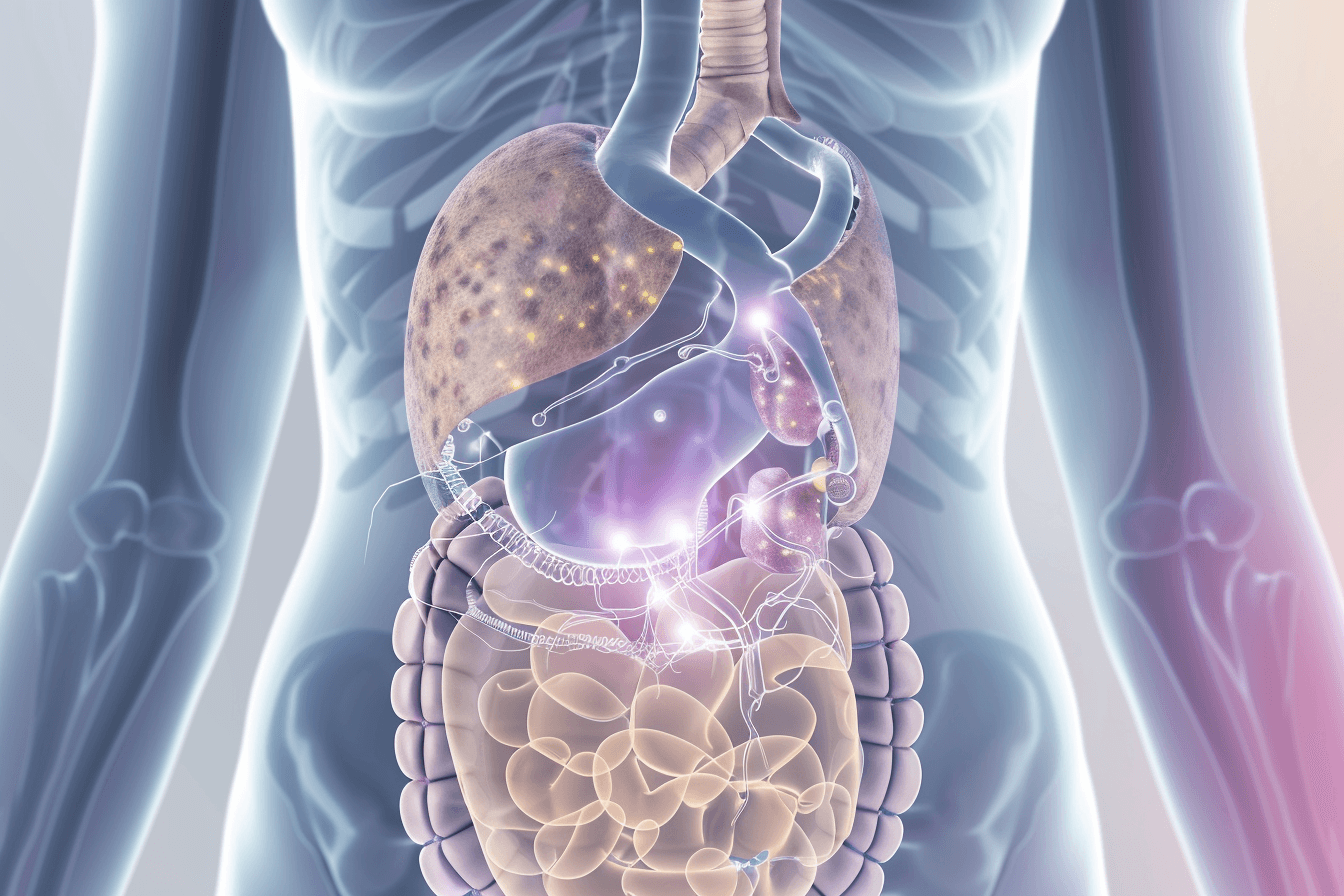
One of the most interesting aspects of Ayurvedic physiology is the recognition that reproductive and metabolic channels are interconnected. Disturbances affecting Medovaha Srotas may influence hormonal balance and reproductive function.
When metabolic channels become obstructed or inefficient, they may indirectly affect the functioning of Artava Vaha Srotas. As a result, follicle development, ovulation timing, and menstrual cycles may become irregular.
This concept highlights a key principle emphasized in Ayurveda. Reproductive disorders are rarely isolated problems of the ovaries alone. Instead, they often reflect broader disturbances affecting metabolic processes and physiological transport systems.
By examining both reproductive and metabolic channels, Ayurveda provides a systemic understanding of conditions such as PCOS and ovulation failure.
Ayurvedic Interpretation of Insulin Resistance
Meda Dhatu Dysfunction
One of the most widely discussed medical features of PCOS today is insulin resistance, a condition in which the body’s cells become less responsive to insulin. When this occurs, the pancreas produces higher levels of insulin in an attempt to maintain normal blood glucose levels. Over time, this metabolic disturbance can influence hormone production, promote androgen excess, and interfere with ovulation.
While modern medicine describes insulin resistance primarily as a metabolic disorder involving glucose regulation, Ayurveda interprets similar patterns through disturbances in Meda Dhatu, the bodily tissue responsible for fat metabolism and energy storage.
The Sanskrit word Meda refers to adipose tissue or body fat, while Dhatu means a fundamental bodily tissue that supports physiological function. Together, Meda Dhatu represents the metabolic system responsible for storing energy, regulating body fat, and maintaining metabolic balance.
Classical Ayurvedic texts explain that when digestion and metabolism become disturbed, Meda Dhatu may accumulate excessively or function abnormally. This metabolic imbalance can influence multiple systems in the body, including hormonal regulation and reproductive physiology.
The Charaka Samhita explains that improper metabolic activity can disturb tissue formation and lead to abnormal accumulation of Meda.
“मेदोवृद्धिः शरीरस्य गुरुत्वं क्लैब्यम् आलस्यं च जनयति।”
(Charaka Samhita, Sutra Sthana)
Translation
Excess accumulation of Meda Dhatu leads to heaviness in the body, reduced vitality, and metabolic sluggishness.
This classical description reflects many features now recognized in modern metabolic disorders, including weight gain, reduced metabolic efficiency, and impaired hormonal balance.
Connection Between Meda Dhatu and Hormonal Disturbance
Ayurveda emphasizes that all bodily tissues are interconnected. When Meda Dhatu becomes excessive or dysfunctional, it may disrupt the balance of other tissues and physiological systems.
From a reproductive perspective, abnormal Meda metabolism may influence the reproductive tissue known as Shukra Dhatu, which is associated with fertility and reproductive vitality.
When Meda Dhatu accumulates excessively, it may contribute to obstruction within physiological channels. This obstruction can interfere with hormonal communication between the brain, endocrine system, and reproductive organs.
In modern medical terms, insulin resistance often leads to increased androgen production within the ovaries. Elevated androgen levels may interfere with follicle maturation and prevent ovulation. Ayurveda interprets a similar pattern as the metabolic influence of disturbed Meda Dhatu affecting reproductive function.
Why This Perspective Matters
For many patients, this explanation provides an important insight. PCOS is not only a reproductive disorder but also a metabolic condition. Addressing hormonal symptoms alone may not fully correct the underlying imbalance if metabolic dysfunction persists.
Ayurveda therefore places strong emphasis on restoring metabolic balance and regulating Meda Dhatu. By improving digestion, metabolism, and tissue nourishment, Ayurvedic approaches aim to correct the broader physiological environment influencing reproductive health.
This systemic perspective explains why metabolic health plays such a crucial role in fertility and ovulation regulation.
Kapha Dominance and Metabolic Sluggishness
Many women diagnosed with PCOS notice patterns that extend beyond irregular cycles. They may experience gradual weight gain, persistent fatigue, difficulty losing abdominal fat, and a sense of metabolic heaviness. Modern medicine often attributes these symptoms to insulin resistance and metabolic syndrome. Ayurveda interprets a similar pattern through the concept of Kapha dominance, a state in which the body’s structural and nourishing forces become excessive and sluggish.
The Sanskrit word Kapha refers to the biological principle responsible for structure, stability, lubrication, and tissue nourishment in the body. Kapha helps maintain physical strength, joint lubrication, tissue formation, and metabolic reserves. When balanced, Kapha supports fertility because it nourishes reproductive tissues and stabilizes hormonal function. However, when Kapha becomes excessive, metabolic processes may slow down and bodily channels may become congested.
Classical Ayurvedic texts describe Kapha as having qualities such as Guru (heavy), Snigdha (oily), and Manda (slow or sluggish). These qualities explain why Kapha imbalance often manifests as slow metabolism, weight accumulation, and fluid retention. The Charaka Samhita explains that excessive Kapha can lead to heaviness and metabolic dullness within the body.
“गौरवं स्तिमितत्वं च कफस्य प्रकृतिलक्षणम्।”
(Charaka Samhita, Sutra Sthana)
Translation
Heaviness and sluggishness are characteristic manifestations of aggravated Kapha.
When these Kapha qualities dominate the metabolic system, digestion may become inefficient and energy utilization may slow down. This metabolic sluggishness may contribute to excessive accumulation of Meda Dhatu, the tissue associated with fat metabolism. Over time, this imbalance can affect hormonal signaling and reproductive function.
Kapha and the Metabolic Environment of PCOS
Many metabolic features seen in PCOS resemble the patterns described in Ayurveda as Kapha aggravation. Women may experience abdominal weight gain, fluid retention, low metabolic energy, and difficulty regulating blood sugar. These features often accompany insulin resistance, a condition strongly linked with ovulation disorders.
Ayurveda explains that excessive Kapha may obstruct physiological channels known as Srotas, preventing the smooth movement of nutrients, hormones, and reproductive signals throughout the body. When these channels become congested, communication between metabolic and reproductive systems may become impaired.
In reproductive physiology, Kapha imbalance may contribute to the accumulation of immature ovarian follicles. Instead of progressing toward ovulation, follicles may remain arrested in their development. This pattern closely resembles the follicular arrest commonly observed in PCOS.
Why Kapha Imbalance Matters for Fertility
Ayurveda emphasizes that fertility depends on balanced metabolic and hormonal activity. When Kapha becomes excessive, the metabolic environment of the body may become too heavy and stagnant to support proper follicle maturation and ovulation.
This perspective highlights why metabolic conditions such as weight gain, insulin resistance, and reduced metabolic activity often accompany ovulatory disorders. From an Ayurvedic viewpoint, restoring metabolic balance and reducing Kapha dominance may help create a physiological environment more favorable for reproductive function.
For many patients exploring integrative fertility care, this explanation provides a broader understanding of how metabolic health, hormonal balance, and reproductive physiology are interconnected within the body.
Ayurvedic Management Approach

Restoring Agni and Metabolic Balance
A core principle of Ayurvedic treatment is that reproductive health depends on the strength of the body’s metabolic system. If digestion and metabolism are weak, reproductive tissues may not receive adequate nourishment. Therefore, one of the primary therapeutic goals in Ayurvedic care for ovulation disorders and PCOS is to restore Agni, the digestive and metabolic fire responsible for transforming food into usable nutrients.
The Sanskrit word Agni literally means “fire”, but in Ayurvedic physiology it refers to the body’s metabolic capacity. Agni governs digestion, nutrient absorption, and the transformation of nutrients into bodily tissues. When Agni functions efficiently, the body can properly nourish all Dhatus including Shukra Dhatu, the reproductive tissue associated with fertility.
The Charaka Samhita emphasizes the importance of balanced Agni for maintaining health.
“रोगाः सर्वेऽपि मन्देऽग्नौ।”
Rogah Sarve Api Mande Agnou
(Charaka Samhita, Chikitsa Sthana 15/44)
Translation
All diseases arise when digestive and metabolic fire becomes weakened.
When Agni becomes impaired, incomplete digestion may lead to the formation of Ama, a Sanskrit term meaning “toxic or improperly metabolized substances.” Ama may accumulate within physiological channels and interfere with normal tissue function. In reproductive physiology, this disturbance may affect hormonal balance and ovulation.
Therefore, Ayurvedic management often begins with improving digestive strength, correcting metabolic disturbances, and restoring proper tissue nourishment [9].
Detoxification and Srotas Cleansing
After addressing digestive strength, Ayurvedic medicine may focus on clearing accumulated metabolic waste and restoring the normal flow within physiological channels known as Srotas. The Sanskrit word Srotas means “biological pathways or channels through which nutrients, fluids, and signals circulate within the body.”
When these channels become obstructed, communication between organs may be impaired. In reproductive disorders such as PCOS, Ayurveda describes that blockage within Artava Vaha Srotas, the reproductive channels responsible for menstruation and ovulation, may interfere with normal follicle development.
The Sushruta Samhita explains the importance of maintaining unobstructed physiological pathways.
“स्रोतसां अवरोधेन रोगाः जायन्ते।”
(Sushruta Samhita)
Translation
Disease develops when bodily channels become obstructed.
Ayurvedic therapy may therefore include approaches that help cleanse these channels and restore physiological flow. One classical approach used for this purpose is Panchakarma, a set of detoxification procedures described in traditional Ayurvedic texts.
The Sanskrit term Panchakarma means “five therapeutic cleansing procedures.” These therapies are designed to eliminate accumulated metabolic toxins and restore systemic balance. However, it is important to emphasize that Panchakarma is optional and must only be performed under the supervision of a qualified Ayurvedic physician, as not all patients require these procedures [9] [10].
Hormonal Regulation Through Rasayana Therapy
Once digestion improves and metabolic channels begin to function properly, Ayurvedic treatment often focuses on strengthening and rejuvenating reproductive tissues. This phase of care frequently involves Rasayana therapy.
The Sanskrit word Rasayana means “rejuvenation or nourishment that enhances tissue vitality and longevity.” Rasayana therapies are described in classical Ayurvedic texts as interventions that improve tissue strength, enhance immunity, and support healthy physiological functioning.
The Charaka Samhita describes Rasayana as a therapy that promotes vitality and tissue regeneration.
“रसायनं च तद् यत् जराव्याधिनाशनम्।”
(Charaka Samhita, Chikitsa Sthana)
Translation
Rasayana therapies help protect the body from degeneration and disease.
In reproductive health, Rasayana therapy is traditionally used to strengthen reproductive tissues, improve hormonal balance, and support fertility. By nourishing Shukra Dhatu, Rasayana interventions aim to enhance reproductive vitality and create a favorable physiological environment for ovulation [9] [12].
Personalized Treatment Based on Prakriti
One of the most distinctive features of Ayurveda is its emphasis on individualized treatment. Ayurvedic medicine recognizes that each person has a unique physiological constitution known as Prakriti.
The Sanskrit word Prakriti means “natural constitution or biological individuality.” It reflects the inherent balance of the three Doshas, Vata, Pitta, and Kapha, within an individual.
The Charaka Samhita explains that treatment should always consider the patient’s constitution.
“तस्य तस्य प्रकृत्या रोगान् चिकित्सेत्।”
(Charaka Samhita)
Translation
Treatment should be tailored according to the individual’s constitution.
In the context of PCOS and ovulation disorders, this principle becomes particularly important. Some women may exhibit metabolic patterns associated with Kapha dominance, while others may experience hormonal disturbances influenced by Pitta or Vata imbalance.
By evaluating the patient’s constitution, metabolic state, reproductive health, and lifestyle factors, Ayurvedic practitioners develop personalized therapeutic strategies rather than applying a single standardized treatment.
This individualized approach helps ensure that therapies address the underlying physiological imbalances affecting each patient, supporting the restoration of metabolic balance and reproductive health [9].
Herbs and Natural Interventions
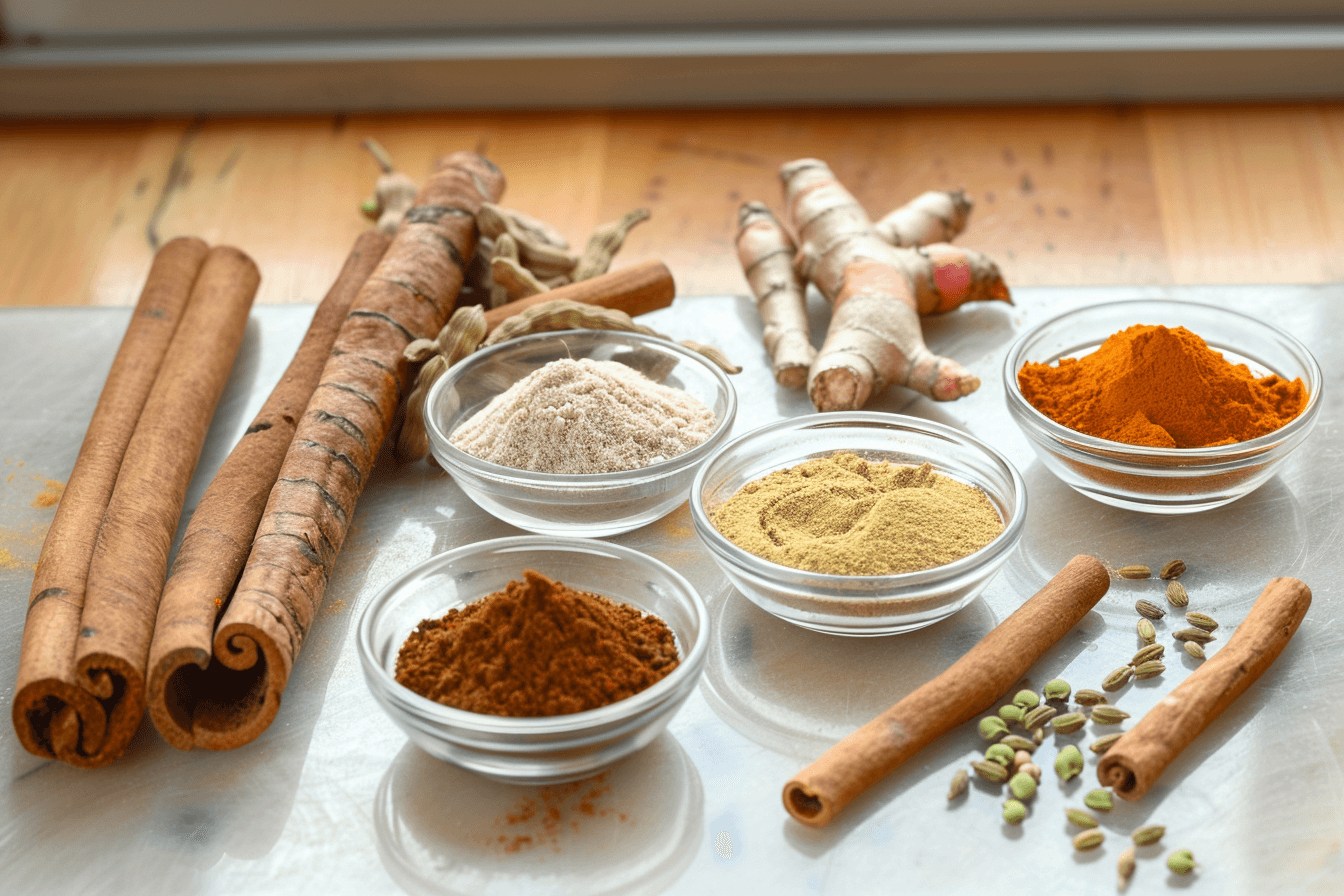
Shatavari (Asparagus racemosus)
Among the botanical medicines described in Ayurveda for supporting female reproductive health, Shatavari (Asparagus racemosus) is one of the most respected and widely used herbs. For centuries it has been recommended in classical Ayurvedic medicine to support hormonal balance, nourish reproductive tissues, and promote fertility in women.
The Sanskrit name Shatavari symbolically translates to “the woman with a hundred husbands,” a phrase used in traditional Ayurvedic literature to describe female vitality, reproductive strength, and the ability to sustain reproductive health.
Across different regions, the herb is recognized by several names that patients may already be familiar with.
Arabic name: ساتافار (Satavar)
Urdu name: شتاوری (Shatavari)
These names are commonly used in herbal markets and traditional medicine systems across the Middle East, Pakistan, and South Asia. Patients from regions such as Dubai, Saudi Arabia, Qatar, and other Gulf countries may encounter the herb under these names when discussing traditional remedies for women’s health.
Ayurvedic Description of Shatavari
In Ayurvedic pharmacology, Shatavari is classified as a Rasayana herb. The Sanskrit term Rasayana means rejuvenation therapy that nourishes body tissues and enhances vitality. Rasayana herbs are traditionally used to strengthen the body, improve resilience, and support long-term health.
Classical Ayurvedic texts recognize Shatavari as an important herb for reproductive vitality.
“शुक्रजननानां श्रेष्ठा शतावरी।”
(Charaka Samhita, Chikitsa Sthana)
Translation
Shatavari is considered one of the most beneficial herbs for supporting reproductive vitality.
Ayurveda explains that fertility depends on the proper nourishment of Shukra Dhatu, the reproductive tissue responsible for fertility and reproductive strength. When this tissue receives adequate nourishment, reproductive vitality and hormonal balance are better maintained.
Hormonal and Reproductive Support
Ayurvedic medicine emphasizes that reproductive health depends on the balance of the body’s regulatory systems known as Doshas. Shatavari is traditionally used to support balance in Vata and Pitta, two biological forces that influence hormonal activity and reproductive processes.
The herb is also known to nourish Rasa Dhatu, the nutritive fluid responsible for distributing nutrients throughout the body. Proper nourishment of this tissue ensures that downstream tissues, including reproductive tissues, receive the nutrients necessary for healthy physiological functioning.
Because of this nourishing property, Shatavari has historically been used in Ayurveda to support women experiencing irregular menstrual cycles, reproductive weakness, or hormonal disturbances.
Scientific Interest in Shatavari
Modern scientific research has also investigated the pharmacological properties of Shatavari. The plant contains several bioactive compounds, particularly steroidal saponins known as shatavarins, which have attracted scientific interest for their potential influence on endocrine and reproductive systems.
Researchers studying medicinal plants have examined Shatavari for its adaptogenic and hormone-supportive properties. Some experimental studies suggest that these compounds may influence hormonal pathways and support reproductive tissue function, although further clinical research continues to explore these mechanisms.
Relevance for Women with PCOS and Ovulation Disorders
Women experiencing ovulation disturbances associated with PCOS often face a complex combination of hormonal imbalance, metabolic dysfunction, and irregular follicle development. Ayurvedic medicine approaches this condition by supporting metabolic balance, nourishing reproductive tissues, and restoring systemic physiological harmony.
Shatavari has traditionally been used as part of this broader therapeutic strategy. By nourishing reproductive tissues and supporting systemic balance, the herb may contribute to creating physiological conditions that support reproductive health.
However, herbal therapies should always be used under the supervision of a qualified practitioner, particularly when addressing complex hormonal and reproductive disorders.
Ashwagandha (Withania somnifera)
Another important herb frequently discussed in Ayurvedic medicine for supporting metabolic and hormonal balance is Ashwagandha (Withania somnifera). Traditionally classified as a rejuvenating medicinal plant, Ashwagandha has been used for centuries to strengthen vitality, support endocrine function, and improve resilience to stress. In the context of reproductive health and conditions such as PCOS, the herb is often recognized for its potential role in supporting metabolic balance and hormonal stability.
The Sanskrit name Ashwagandha carries symbolic meaning in Ayurvedic literature. The term combines two Sanskrit words: Ashwa, meaning horse, and Gandha, meaning smell or essence. Together the name refers to the traditional belief that the herb imparts strength and vitality comparable to that of a horse.
Across different regions of the Middle East and South Asia, the herb is also known by names familiar to local herbal traditions.
Arabic name: أسغند (Asgand)
Urdu name: اسگندھ (Asgandh)
These names are commonly recognized in traditional herbal markets in Pakistan, India, and several Gulf countries including the United Arab Emirates and Saudi Arabia. Patients seeking natural approaches to hormonal or metabolic disorders in these regions may encounter the herb under these names.
Ayurvedic Description
In Ayurvedic pharmacology, Ashwagandha is classified as a Rasayana herb. The Sanskrit term Rasayana refers to therapies that rejuvenate body tissues, enhance vitality, and promote longevity. Rasayana herbs are traditionally used to strengthen the body’s resilience and support overall physiological balance.
Classical Ayurvedic texts describe Ashwagandha as an herb that promotes strength and supports reproductive vitality.
“बल्यं बृंहणं शुक्रलं अश्वगन्धा।”
(Charaka Samhita, Chikitsa Sthana)
Translation
Ashwagandha promotes strength, nourishment, and reproductive vitality.
Ayurveda explains that reproductive health depends on the proper nourishment of Shukra Dhatu, the reproductive tissue associated with fertility. Herbs classified as Rasayana are traditionally believed to support the nourishment and vitality of this tissue.
Support for Stress and Hormonal Balance
One of the distinctive characteristics of Ashwagandha in Ayurvedic medicine is its ability to support the body’s response to stress. Chronic stress can influence hormonal regulation and metabolic processes, which in turn may affect reproductive health.
Ayurveda describes Ashwagandha as a Balya herb, meaning a substance that strengthens the body and improves physical resilience. By supporting the body’s ability to adapt to stress, Ashwagandha is traditionally believed to help maintain physiological balance.
Modern research has also explored the herb’s potential effects on stress physiology and endocrine function. Some studies suggest that Ashwagandha may influence stress-related hormonal pathways, which may indirectly affect metabolic and reproductive health.
Relevance for Women with PCOS
Conditions such as PCOS often involve multiple physiological factors including metabolic imbalance, hormonal disturbances, and chronic stress. Because Ashwagandha is traditionally used to support both metabolic strength and stress resilience, it has attracted interest in integrative approaches to reproductive health.
By supporting systemic balance, the herb may help create a physiological environment that favors hormonal regulation and overall reproductive vitality. However, as with all herbal interventions, its use should be guided by qualified practitioners who can evaluate the patient’s constitution, metabolic state, and clinical condition.
Guduchi (Tinospora cordifolia)
Another important herb described in Ayurvedic medicine for supporting metabolic balance and systemic health is Guduchi (Tinospora cordifolia). This climbing plant has been widely used in traditional Ayurvedic practice for centuries because of its rejuvenating and immune-supportive properties. In the context of metabolic disorders such as PCOS and insulin resistance, Guduchi is traditionally valued for its role in supporting metabolic regulation and detoxification processes within the body.
The Sanskrit name Guduchi is often translated as “the one that protects the body” or “the nectar of immortality.” Classical Ayurvedic texts describe the herb as highly beneficial for maintaining vitality and improving resistance against disease.
Across different regions, the herb is also known by names familiar to traditional medicine systems in the Middle East and South Asia.
Arabic name: جيلو (Gilo)
Urdu name: گلوئے / Giloy
These names are commonly recognized in herbal markets in Pakistan, India, and several Gulf countries including the United Arab Emirates, Saudi Arabia, and Qatar. Patients from these regions may encounter Guduchi under these names when exploring traditional herbal approaches to metabolic and hormonal conditions.
Ayurvedic Description
In Ayurvedic pharmacology, Guduchi is considered one of the most important Rasayana herbs. The Sanskrit term Rasayana refers to therapies that rejuvenate body tissues, improve physiological resilience, and support longevity. Rasayana herbs are traditionally used to strengthen the body’s natural defense systems and promote balanced tissue function.
Classical Ayurvedic literature describes Guduchi as a herb capable of restoring physiological balance and supporting systemic health.
“गुडूची त्रिदोषघ्नी रसायनी।”
(Charaka Samhita, Chikitsa Sthana)
Translation
Guduchi acts as a Rasayana herb capable of balancing the three Doshas.
The phrase Tridoshaghni refers to a substance that helps balance the three regulatory principles of the body: Vata, Pitta, and Kapha. Maintaining this balance is considered essential for overall health and proper physiological functioning.
Metabolic and Detoxification Support
Ayurveda explains that metabolic disorders often arise when digestion becomes impaired and improperly processed substances accumulate within the body. These substances are referred to as Ama, a Sanskrit term meaning toxic or incompletely digested metabolic residues.
Guduchi is traditionally used to support the body’s ability to manage metabolic waste and restore digestive balance. By supporting proper metabolic function, the herb may help reduce the accumulation of Ama and promote systemic detoxification.
This action becomes particularly relevant in conditions such as PCOS, where metabolic disturbances and insulin resistance frequently occur.
Immune and Hormonal Balance
Another important characteristic of Guduchi in Ayurvedic medicine is its role in supporting immune balance. Classical texts describe the herb as strengthening the body’s natural defense mechanisms and improving resilience against disease.
Modern scientific research has also investigated the pharmacological properties of Guduchi. The plant contains several biologically active compounds including alkaloids, diterpenoid lactones, and polysaccharides. These compounds have attracted scientific interest for their potential effects on immune modulation, metabolic regulation, and inflammatory pathways.
Although modern research continues to explore these mechanisms, Guduchi has long been used in Ayurvedic medicine as a supportive herb for metabolic and systemic balance.
Relevance for Women with PCOS
PCOS is often associated with metabolic disturbances, insulin resistance, and chronic low-grade inflammation. Ayurvedic medicine approaches such conditions by addressing metabolic health and systemic balance rather than focusing solely on reproductive organs.
Guduchi is traditionally used as part of broader Ayurvedic strategies aimed at improving metabolic function, supporting immune balance, and restoring physiological harmony. By helping regulate metabolic processes, the herb may contribute to creating conditions that support hormonal balance and reproductive health.
However, as with all herbal therapies, Guduchi should be used under professional guidance, particularly when addressing complex metabolic and reproductive disorders.
Turmeric (Curcuma longa)
Another widely recognized medicinal plant in both traditional and modern medicine is Turmeric (Curcuma longa). This golden-colored root has been used for centuries across Asia and the Middle East as both a culinary spice and a therapeutic herb. In Ayurvedic medicine, turmeric is valued for its ability to support metabolic balance, regulate inflammation, and improve systemic health.
Across different regions, turmeric is known by names familiar to many communities.
Arabic name: كركم (Kurkuma)
Urdu name: ہلدی (Haldi)
These names are commonly used in traditional herbal and culinary practices in Pakistan, India, and many Gulf countries including the United Arab Emirates, Saudi Arabia, and Oman.
Ayurvedic Description
In Ayurveda, turmeric is known as Haridra. The Sanskrit term Haridra refers to a substance that purifies the body and supports metabolic balance. Classical Ayurvedic texts describe turmeric as beneficial for maintaining healthy blood, supporting digestion, and promoting tissue purification.
The Bhavaprakasha Nighantu, a classical Ayurvedic materia medica text, describes turmeric as possessing properties that support detoxification and metabolic balance.
“हरिद्रा कफपित्तघ्नी।”
(Bhavaprakasha Nighantu)
Translation
Turmeric helps balance Kapha and Pitta disturbances.
By helping regulate metabolic and inflammatory processes, turmeric has traditionally been used in Ayurveda to support systemic balance and overall health.
Relevance in Metabolic Disorders
Modern scientific research has also shown strong interest in turmeric because of its primary bioactive compound curcumin. Curcumin has been widely studied for its anti-inflammatory, antioxidant, and metabolic regulatory properties.
In conditions such as PCOS, chronic inflammation and metabolic dysfunction may contribute to hormonal imbalance and insulin resistance. Turmeric has therefore attracted attention for its potential role in supporting metabolic health and regulating inflammatory pathways.
Although turmeric is commonly used as a dietary spice, therapeutic use for metabolic disorders should ideally be guided by qualified practitioners to ensure appropriate dosage and integration within broader treatment strategies.
Fenugreek (Trigonella foenum graecum)
Fenugreek (Trigonella foenum graecum) is another herb widely used in traditional medicine systems across Asia, the Middle East, and North Africa. The seeds of this plant have long been used in culinary traditions as well as herbal medicine for supporting metabolic and digestive health.
The herb is widely recognized under different regional names.
Arabic name: حلبة (Hulbah)
Urdu name: میتھی (Methi)
These names are commonly used in herbal markets and traditional remedies across Pakistan, India, and many Gulf countries where fenugreek is frequently included in both food and medicinal preparations.
Ayurvedic Description
In Ayurvedic literature, fenugreek is known as Methi or Methika. Classical Ayurvedic texts describe the herb as supportive of digestion and metabolism. Its warming nature is believed to stimulate digestive processes and support metabolic activity.
Ayurveda explains that proper digestion is essential for maintaining metabolic balance and preventing the formation of Ama, the accumulation of improperly digested metabolic substances.
By supporting digestive function, fenugreek has traditionally been used to promote metabolic efficiency and systemic balance.
Metabolic and Hormonal Research
Modern research has also explored fenugreek for its potential influence on glucose metabolism. Some studies suggest that fenugreek seeds contain compounds that may influence carbohydrate metabolism and insulin sensitivity.
Because metabolic imbalance and insulin resistance are common features of PCOS, herbs that support metabolic regulation have attracted scientific interest. While further research continues, fenugreek remains widely used in traditional health practices for supporting metabolic health.
Cinnamon (Cinnamomum verum)
Cinnamon (Cinnamomum verum) is a well-known spice used worldwide in both culinary and medicinal traditions. In addition to its distinctive flavor and aroma, cinnamon has long been used in traditional medicine for supporting digestion, metabolism, and circulatory health.
Across different regions, cinnamon is recognized by familiar names.
Arabic name: قرفة (Qirfah)
Urdu name: دارچینی (Dalchini)
These names are commonly used in herbal and culinary traditions throughout South Asia and the Middle East, including regions such as Pakistan, India, Saudi Arabia, and the United Arab Emirates.
Ayurvedic Description
In Ayurveda, cinnamon is known as Tvak. Classical Ayurvedic texts describe Tvak as a warming spice that stimulates digestion and supports metabolic activity.
The warming nature of cinnamon is believed to improve digestive efficiency and support the movement of nutrients through the body’s physiological channels.
Modern Research Interest
Modern scientific research has examined cinnamon for its potential influence on metabolic health. Some studies have suggested that cinnamon may affect glucose metabolism and insulin signaling pathways.
Because insulin resistance is commonly associated with PCOS, cinnamon has attracted interest as a natural substance that may support metabolic balance. Research continues to explore these potential effects.
Although cinnamon is widely used as a dietary spice, therapeutic use for metabolic conditions should be approached carefully and ideally guided by healthcare professionals.
Table: Ayurvedic Herbs Traditionally Used for Hormonal Balance
| Herb | Traditional Use | Potential Benefit |
|---|---|---|
| Shatavari (Satavar / Shatavari) | Reproductive support in Ayurveda | May support hormonal balance and reproductive health |
| Ashwagandha (Asgand / Asgandh) | Adaptogenic herb | May help support stress and hormonal balance |
| Guduchi (Gilo / Giloy) | Immune and metabolic support | May help support metabolic health |
| Turmeric (Kurkuma / Haldi) | Anti-inflammatory herb | May help support metabolic and hormonal balance |
| Fenugreek (Hulbah / Methi) | Metabolic support | May help support insulin sensitivity |
| Cinnamon (Qirfah / Dalchini) | Digestive and metabolic herb | May help support blood sugar balance |
Diet and Lifestyle Factors

Modern research consistently shows that lifestyle plays a critical role in the development and management of PCOS and insulin resistance. While medications often target hormonal symptoms, long term reproductive health also depends heavily on daily habits such as diet, physical activity, and stress management. Ayurveda has long emphasized that fertility is strongly influenced by lifestyle and metabolic balance.
For women experiencing ovulation disturbances, addressing these factors can significantly improve the body’s internal hormonal environment and support reproductive health.
Table: Lifestyle Factors That May Support Hormonal Balance in PCOS
| Lifestyle Factor | How It May Help |
|---|---|
| Low glycemic diet | Helps stabilize blood sugar levels |
| Regular exercise | Improves insulin sensitivity |
| Healthy body weight | Supports hormonal balance |
| Stress reduction | Helps regulate cortisol and reproductive hormones |
| Balanced nutrition | Supports metabolic and reproductive health |
| Consistent sleep schedule | Supports hormonal regulation |
Low Glycemic Diet
One of the most important dietary strategies recommended for women with PCOS is a low glycemic diet. The glycemic index measures how quickly foods raise blood sugar levels after consumption. Foods with a high glycemic index cause rapid spikes in blood glucose, which can trigger increased insulin production.
In women with PCOS, the body often becomes resistant to insulin. When blood sugar rises quickly, the pancreas produces larger amounts of insulin to maintain glucose balance. Elevated insulin levels can stimulate ovarian cells to produce excess androgens, which may disrupt ovulation and menstrual cycles.
A low glycemic diet focuses on foods that release glucose slowly into the bloodstream. These foods help maintain more stable blood sugar levels and reduce excessive insulin production.
Examples of lower glycemic foods include whole grains, legumes, vegetables, nuts, seeds, and foods rich in dietary fiber. By stabilizing blood glucose levels, this dietary pattern may support improved metabolic balance and reduce hormonal disturbances associated with PCOS [5].
Weight Management
Weight management is another important factor influencing hormonal and metabolic health in women with PCOS. Many women with this condition experience increased abdominal fat accumulation, which is closely associated with insulin resistance.
Excess adipose tissue can influence hormone metabolism and inflammatory pathways, further aggravating hormonal imbalance. Even modest weight reduction has been shown to improve metabolic parameters and reproductive outcomes in some women with PCOS.
Research suggests that losing a relatively small percentage of body weight can improve insulin sensitivity and help regulate menstrual cycles. This highlights the strong relationship between metabolic health and reproductive function [4].
From an Ayurvedic perspective, excessive accumulation of Meda Dhatu, the tissue associated with fat metabolism, can disturb metabolic balance and influence reproductive physiology. Maintaining healthy body composition therefore supports both metabolic and reproductive health.
Exercise and Insulin Sensitivity
Physical activity plays an important role in improving insulin sensitivity and metabolic efficiency. Regular exercise helps the body use glucose more effectively, reducing the need for excessive insulin production.
Aerobic exercise, resistance training, and moderate daily physical activity can all contribute to improved metabolic health. These activities help muscles utilize glucose more efficiently and support better hormonal regulation.
For women with PCOS, consistent physical activity may help reduce insulin resistance, support weight management, and improve the metabolic environment that influences ovulation [5].
From an Ayurvedic viewpoint, physical movement also helps maintain proper circulation within Srotas, the physiological channels responsible for transporting nutrients and biological signals throughout the body.
Stress Reduction
Chronic stress can significantly influence hormonal balance and metabolic function. Stress activates the body’s hypothalamic pituitary adrenal axis, increasing the production of cortisol and other stress related hormones.
Elevated stress hormones can interfere with insulin regulation, reproductive hormone signaling, and ovulation. Women experiencing chronic psychological stress may therefore experience additional challenges in maintaining hormonal balance.
Lifestyle approaches that support stress reduction may therefore be beneficial for women with PCOS. Practices such as adequate sleep, mindfulness, meditation, breathing exercises, and gentle physical activities may help regulate stress responses and support overall physiological balance [5].
Ayurveda has long emphasized the connection between emotional well being and physical health. Maintaining mental balance and reducing chronic stress can help create an internal environment that supports hormonal stability and reproductive health.
Modern Scientific Research

Many patients exploring Ayurvedic or natural approaches to PCOS ask an important question: is there any modern scientific research that supports the metabolic and hormonal mechanisms discussed in this article? This is a reasonable question, especially for readers in the United States, the United Kingdom, Canada, Australia, Singapore, and Gulf countries who want educational content that is both traditional and medically responsible.
The answer is yes. Modern scientific research has increasingly shown that PCOS is not only a reproductive condition but also a metabolic disorder involving insulin resistance, inflammation, altered ovarian signaling, and ovulation dysfunction. Research has also examined how lifestyle measures and selected natural compounds may support metabolic balance in women with PCOS.
Below is a simplified summary of important modern studies relevant to this topic.
Insulin Resistance and PCOS
Study year: 2022
Journal: Cureus
Reference: [3]
One of the most clinically relevant modern papers on this topic is the review by Purwar and Dey, published in 2022. This paper explains that insulin resistance is a central mechanism in many women with PCOS. According to the review, when the body becomes less responsive to insulin, circulating insulin levels rise. These higher insulin levels stimulate ovarian androgen production, disrupt normal follicle development, and interfere with ovulation.
Key findings:
The study concluded that insulin resistance is strongly linked with androgen excess, menstrual irregularity, and ovulatory dysfunction in PCOS. It also emphasized that metabolic correction is an essential part of fertility-oriented PCOS management, not just symptom control [3].
Lifestyle Intervention Research
Study year: 2023
Journal/Source: International Evidence-Based Guideline for the Assessment and Management of Polycystic Ovary Syndrome
Reference: [5]
The 2023 international guideline developed through Monash University and global PCOS experts is one of the most important current evidence-based resources for patients and clinicians. This guideline reviewed a large body of clinical data related to diet, exercise, weight management, emotional health, fertility, and long term metabolic risk in PCOS.
Key findings:
The guideline concluded that lifestyle intervention remains a foundational part of PCOS care. Dietary modification, physical activity, sleep optimization, and behavioral support may improve insulin resistance, menstrual regularity, weight-related outcomes, and overall reproductive health. This is especially important for women trying to conceive because metabolic improvement may help restore a more favorable ovulatory environment [5].
Curcumin and PCOS
Study year: 2022
Journal: Frontiers in Endocrinology
Reference: [6]
Curcumin, the principal bioactive compound in turmeric, has been studied for its potential role in women with PCOS. A 2022 systematic review and meta-analysis by Shen and colleagues examined the therapeutic effect and safety of curcumin in women with PCOS.
Key findings:
The review found that curcumin may improve some metabolic markers in women with PCOS, including insulin-related parameters and inflammatory profiles. These findings are important because inflammation and insulin resistance often worsen hormonal imbalance and ovulation dysfunction. The authors concluded that curcumin shows potential as a supportive intervention, although more large-scale trials are still needed [6].
Cinnamon and Ovulation
Study year: 2014
Journal: American Journal of Obstetrics and Gynecology
Reference: [7]
Cinnamon has attracted attention because of its possible influence on metabolic regulation and menstrual cyclicity. In a randomized controlled trial published in 2014, Kort and Lobo evaluated whether cinnamon supplementation could affect menstrual function in women with PCOS.
Key findings:
The study reported preliminary evidence that cinnamon improved menstrual cyclicity in women with PCOS. This finding is clinically interesting because improved cycle regularity may suggest better hormonal coordination and a more stable ovulatory pattern in some patients. While cinnamon is not a standalone treatment for PCOS, this study supports its relevance in discussions about natural metabolic support [7].
Fenugreek and Hormonal Balance
Study year: 2015
Journal: International Journal of Medical Sciences
Reference: [8]
Fenugreek is another plant that has been studied for its possible benefit in women with PCOS. In 2015, Swaroop and colleagues investigated a fenugreek seed extract in women with polycystic ovary syndrome.
Key findings:
The study found that fenugreek extract was associated with improvements in menstrual cycle regularity and certain ovarian parameters. Because fenugreek has also been studied for glucose metabolism, these findings are relevant in PCOS where metabolic and reproductive dysfunction often occur together. The results suggest that fenugreek may offer supportive value in broader metabolic and hormonal management strategies [8].
What These Studies Mean for Patients
Taken together, these studies reinforce a major theme of this article: PCOS is not only about the ovaries. It is deeply connected with metabolism, insulin signaling, inflammation, and hormonal regulation. This is one reason why both modern medicine and Ayurveda increasingly emphasize a broader therapeutic approach that includes metabolic correction, diet, movement, and selected supportive interventions.
For patients in Western countries and the Gulf region, this research also provides reassurance that lifestyle and natural strategies are not merely traditional ideas. Many of them are now being studied scientifically in relation to insulin resistance, ovulation, and reproductive health.
At the same time, it is important to remain medically responsible. Natural compounds such as curcumin, cinnamon, and fenugreek may offer supportive value, but they should not be seen as substitutes for individualized clinical evaluation. Women with PCOS, infertility, or irregular ovulation need proper assessment of metabolic, hormonal, and reproductive health before starting any structured treatment plan.
Practical Tips for Patients
For many women diagnosed with PCOS, ovulation problems and insulin resistance can feel overwhelming. However, research consistently shows that small, consistent lifestyle adjustments can significantly improve metabolic health and support hormonal balance. Both modern medical research and traditional health systems emphasize that everyday habits influence reproductive health.
The following practical strategies can help women support their metabolic balance and reproductive function while managing PCOS-related symptoms.
Stabilize Blood Sugar Levels
One of the most important goals in PCOS management is maintaining stable blood glucose levels throughout the day. Because many women with PCOS develop insulin resistance, rapid spikes and drops in blood sugar can worsen hormonal imbalance and stimulate excess androgen production.
Choosing foods that release glucose slowly into the bloodstream helps reduce insulin spikes. Meals that include fiber, protein, and healthy fats alongside carbohydrates may support more stable blood sugar control. Consistent meal timing and avoiding excessive consumption of refined sugars or highly processed foods can also help maintain metabolic stability [2] [5].
Maintain Healthy Body Weight
Body weight plays an important role in metabolic health and hormonal regulation. In many women with PCOS, excess adipose tissue particularly around the abdomen is associated with insulin resistance and altered hormone production.
Research shows that even modest improvements in body composition can support metabolic balance. Weight management does not necessarily mean drastic weight loss; rather, gradual and sustainable lifestyle changes may help improve insulin sensitivity and reproductive function [4].
Adopt Balanced Nutrition
Balanced nutrition is essential for maintaining metabolic and hormonal health. Diets rich in whole foods such as vegetables, fruits, whole grains, legumes, nuts, seeds, and lean sources of protein provide essential nutrients that support cellular metabolism.
Reducing highly processed foods, refined carbohydrates, and excessive sugary beverages may help prevent large fluctuations in blood glucose and insulin levels. Nutrient-rich diets also support overall endocrine health and help maintain a balanced metabolic environment.
For many women with PCOS, focusing on overall dietary quality rather than strict dietary restrictions may produce more sustainable results [5].
Exercise Regularly
Regular physical activity can significantly improve insulin sensitivity and metabolic function. Exercise increases the body’s ability to utilize glucose efficiently, which helps reduce circulating insulin levels.
Both aerobic activities and resistance training can provide metabolic benefits. Walking, cycling, swimming, yoga, or moderate strength training are commonly recommended forms of physical activity that support cardiovascular health and metabolic balance.
Consistent movement also helps improve circulation and energy levels, supporting overall physiological health [5].
Manage Stress Levels
Chronic psychological stress can influence hormonal balance through activation of the body’s stress response system. Elevated stress hormones such as cortisol may interfere with insulin regulation and reproductive hormone signaling.
Practices that support emotional well-being such as mindfulness, meditation, breathing exercises, and adequate sleep may help regulate stress responses. Reducing chronic stress may contribute to improved hormonal balance and overall metabolic stability [5].
Avoid Extreme Dieting
Extreme dieting, prolonged fasting, or overly restrictive eating patterns can sometimes worsen hormonal imbalance. Severe calorie restriction may disrupt metabolic signaling and place additional stress on the endocrine system.
Instead of drastic dietary changes, gradual and sustainable lifestyle adjustments are often more effective in supporting metabolic health. Balanced nutrition, consistent physical activity, and stress management provide a more stable foundation for improving metabolic and reproductive function.
For women with PCOS, long-term health improvements are usually achieved through consistent lifestyle habits rather than short-term or extreme interventions [2] [4] [5].
Frequently Asked Questions
Can PCOS cause ovulation failure?
Yes, PCOS is one of the most common causes of ovulation problems in women of reproductive age. In this condition, hormonal imbalance and metabolic disturbances interfere with the normal maturation of ovarian follicles. Instead of developing fully and releasing an egg, many follicles remain immature within the ovary. This phenomenon is often referred to as follicular arrest. As a result, ovulation may occur irregularly or may not occur at all during certain cycles. When ovulation does not take place, natural conception becomes more difficult because no egg is released for fertilization. This is why ovulation monitoring is often an important part of fertility evaluation in women diagnosed with PCOS.
How is insulin resistance connected to PCOS?
Insulin resistance is considered one of the central metabolic features associated with PCOS. When the body’s cells become less responsive to insulin, the pancreas produces higher levels of insulin in an attempt to maintain normal blood sugar levels. Elevated insulin levels can stimulate the ovaries to produce excess androgens, sometimes referred to as male hormones. Increased androgen production can disrupt the normal hormonal signals that regulate follicle development and ovulation. Over time, this metabolic imbalance may contribute to irregular menstrual cycles, ovulation problems, and difficulty conceiving.
Can lifestyle changes improve ovulation in PCOS?
Lifestyle adjustments can play a significant role in improving metabolic balance and hormonal regulation in many women with PCOS. Research shows that changes in diet, physical activity, and stress management can improve insulin sensitivity and support overall endocrine health. Stabilizing blood sugar levels, maintaining a healthy body weight, and engaging in regular physical activity may help create a more favorable hormonal environment for ovulation. While lifestyle changes alone may not resolve all cases of PCOS, they are widely recommended as part of a comprehensive approach to managing the condition.
What foods help manage insulin resistance in PCOS?
Foods that support stable blood glucose levels may be helpful for women with PCOS. Diets that emphasize whole grains, vegetables, legumes, nuts, seeds, and foods rich in dietary fiber tend to produce slower rises in blood sugar compared with refined carbohydrates. Including adequate protein and healthy fats in meals can also help stabilize glucose levels. Limiting highly processed foods, sugary beverages, and excessive refined carbohydrates may reduce large fluctuations in blood sugar and insulin levels. A balanced dietary pattern often provides more sustainable benefits than restrictive dieting approaches.
Can natural herbs support hormonal balance in PCOS?
Certain medicinal plants have been studied for their potential influence on metabolic and hormonal regulation. Herbs traditionally used in Ayurveda, such as Shatavari, Ashwagandha, Guduchi, and Turmeric, have attracted scientific interest because of their possible effects on metabolism, inflammation, and endocrine function. Some modern studies have also explored the metabolic effects of plant compounds such as curcumin, cinnamon, and fenugreek. However, herbal therapies should always be used under professional supervision, particularly when addressing complex conditions such as hormonal disorders or infertility.
Is PCOS always a lifelong condition?
PCOS is often considered a long-term metabolic and endocrine condition, but its symptoms and severity can vary widely between individuals. Many women experience significant improvement in symptoms when metabolic health, lifestyle habits, and hormonal balance are addressed. Factors such as diet, physical activity, weight management, sleep, and stress levels can influence the expression of PCOS symptoms over time. Regular medical evaluation and appropriate management strategies may help many women maintain reproductive health and reduce long-term metabolic risks associated with the condition.
Can women with PCOS still conceive naturally?
Yes, many women with PCOS are able to conceive naturally, particularly when ovulation becomes more regular. In some cases, ovulation may occur intermittently even if cycles are irregular. Improving metabolic health, stabilizing hormonal balance, and addressing underlying lifestyle factors can help create a more favorable reproductive environment. For women experiencing persistent ovulation problems, fertility evaluation and appropriate medical guidance can help identify the most suitable options for achieving pregnancy.
Learn More About Infertility Causes and Treatment
PCOS, insulin resistance, and ovulation failure represent only one part of the broader infertility picture. Many couples trying to conceive discover that fertility challenges often involve multiple factors including hormonal imbalance, metabolic disorders, reproductive health conditions, lifestyle influences, and age-related changes.
Understanding these interconnected factors can help patients make more informed decisions about their reproductive health. For individuals and couples who want a deeper explanation of how infertility develops and how it is evaluated, it may be helpful to explore a comprehensive guide on infertility causes and holistic treatment approaches.
A detailed overview of infertility, including diagnostic pathways and natural treatment considerations, is explained in the following resource:
Infertility: Causes, Diagnosis and Holistic Treatment Options for Couples
This guide discusses how different conditions such as ovulation disorders, hormonal imbalance, metabolic disturbances, and reproductive health issues can affect fertility. It also explains diagnostic evaluations and various supportive approaches that may help couples understand available treatment options.
For readers seeking a broader perspective on reproductive health, reviewing a complete infertility diagnosis guide can provide valuable insights into how fertility specialists assess and address these complex conditions.
Reference
[1] World Health Organization. (2023). Infertility prevalence estimates 1990–2021. World Health Organization.
https://www.who.int/news/item/04-04-2023-1-in-6-people-globally-affected-by-infertility
Brief explanation: This global report shows that approximately one in six adults experience infertility during their lifetime. It is widely cited in reproductive health literature and provides strong epidemiological context for explaining why infertility and ovulation disorders are increasing worldwide.
[2] Teede, H. J., Misso, M. L., Costello, M. F., Dokras, A., Laven, J., Moran, L., Piltonen, T., & Norman, R. J. (2023). Recommendations from the 2023 international evidence-based guideline for the assessment and management of polycystic ovary syndrome. The Journal of Clinical Endocrinology and Metabolism, 108(10), 2447–2469.
https://pubmed.ncbi.nlm.nih.gov/37580314/
Brief explanation: This guideline is the most comprehensive modern clinical reference for PCOS diagnosis and management. It explains diagnostic criteria, hormonal imbalance, ovulation problems, metabolic risk, and recommended treatment approaches.
[3] Purwar, A., & Dey, A. (2022). Insulin resistance in polycystic ovarian syndrome. Cureus, 14(10), e29986.
https://pmc.ncbi.nlm.nih.gov/articles/PMC9665922/
Brief explanation: This review explains how insulin resistance increases androgen production, disrupts ovarian follicle development, and contributes to ovulation failure in women with PCOS.
[4] Fong, S. L., Rijks, J. M., Dronkers, C. E., Papageorgiou, G., Farquhar, C., & Brown, J. (2021). Implementing the international evidence-based guideline of assessment and management of polycystic ovary syndrome. Clinical Endocrinology, 95(2), 206–216.
https://onlinelibrary.wiley.com/doi/10.1111/cen.14453
Brief explanation: This research explains the impact of weight management and lifestyle changes on metabolic health and ovulation outcomes in women with PCOS.
[5] Monash University. (2023). International evidence-based guideline for the assessment and management of polycystic ovary syndrome. Monash University.
https://www.monash.edu/__data/assets/pdf_file/0003/3379521/Evidence-Based-Guidelines-2023.pdf
Brief explanation: This guideline provides detailed evidence on lifestyle interventions, insulin resistance management, ovulation restoration, and fertility support strategies.
[6] Shen, W., Qu, Y., Jiang, H., Wang, X., Pan, J., Zhang, Y., Wu, M., Han, T., & Zhang, Y. (2022). Therapeutic effect and safety of curcumin in women with PCOS: A systematic review and meta-analysis. Frontiers in Endocrinology, 13, 1051111.
https://pubmed.ncbi.nlm.nih.gov/36387924/
Brief explanation: This systematic review analyzed multiple clinical trials and found that curcumin may help improve metabolic markers, inflammation levels, and insulin sensitivity in women with PCOS.
[7] Kort, D. H., & Lobo, R. A. (2014). Preliminary evidence that cinnamon improves menstrual cyclicity in women with polycystic ovary syndrome. American Journal of Obstetrics and Gynecology, 211(5), 487.e1–487.e6.
https://pubmed.ncbi.nlm.nih.gov/24813595/
Brief explanation: This randomized clinical trial showed that cinnamon supplementation improved menstrual cycle regularity in women with PCOS, suggesting a potential role in metabolic regulation.
[8] Swaroop, A., Jaipuriar, A. S., Gupta, S. K., Bagchi, M., Kumar, P., Preuss, H. G., & Bagchi, D. (2015). Efficacy of a novel fenugreek seed extract in polycystic ovary syndrome. International Journal of Medical Sciences, 12(10), 825–831.
https://pmc.ncbi.nlm.nih.gov/articles/PMC4615243/
Brief explanation: This study investigated fenugreek extract and found improvements in menstrual cycle regularity and ovarian health parameters in women with PCOS.
[9] Charaka. (2013). Charaka Samhita (P. V. Sharma, Trans.). Varanasi: Chaukhambha Orientalia. Sharira Sthana chapters describing factors responsible for conception including Ritu, Kshetra, Ambu, and Beeja.
Supporting discussion source:
https://admin.mantechpublications.com/index.php/AJoPTSBR/article/viewFile/2835/1378
Brief explanation: Charaka Samhita describes the classical Ayurvedic framework for conception, emphasizing the importance of reproductive tissue health, uterine environment, and proper timing of ovulation.
[10] Sushruta. (2019). Sushruta Samhita (K. L. Bhishagratna, Trans.). Varanasi: Chowkhamba Sanskrit Series. Sharira Sthana sections describing Artava Vaha Srotas and reproductive disorders.
Supporting discussion source:
https://jaims.in/index.php/jaims/article/download/3599/5346/9433
Brief explanation: Sushruta Samhita discusses reproductive channels and their dysfunction, which can lead to menstrual irregularities and infertility.
[11] Agnivesha. (Ancient text). Charaka Samhita – Yonivyapat Chikitsa.
https://www.carakasamhitaonline.com/index.php/Yonivyapat_Chikitsa
Brief explanation: This chapter discusses disorders affecting the female reproductive system and therapeutic principles used in Ayurvedic gynecology.
[12] Bhavamishra. (1939). Bhavaprakasha Nighantu. Varanasi: Chaukhambha Sanskrit Series.
https://archive.org/details/in.ernet.dli.2015.347520
Brief explanation: Bhavaprakasha provides classical descriptions of medicinal herbs used in reproductive and metabolic disorders, including herbs relevant to hormonal balance and fertility.