


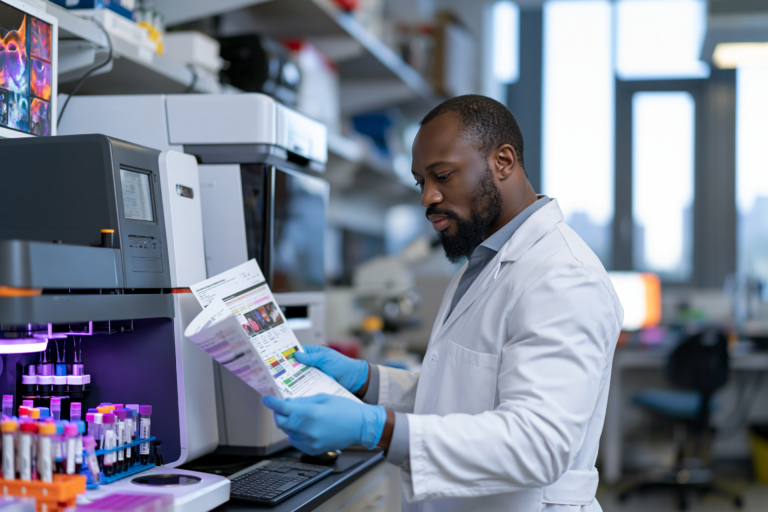
Natural Killer Cells and Chronic Viral Infections are closely connected because NK cells are among the body’s first immune defenders against viruses. When a viral infection becomes long-lasting, the immune system does not simply “fight harder.” It enters a more complex state where immune cells may become tired, overactive, poorly coordinated or unable to clear infected cells effectively.
Natural killer cells, commonly called NK cells, are special white blood cells that identify and destroy virus-infected cells without waiting for antibodies to develop. They are part of innate immunity, meaning they respond quickly when the body detects danger [1]. In chronic viral infections such as hepatitis B, hepatitis C, HIV, Epstein-Barr virus and cytomegalovirus, NK cells may remain under continuous pressure for months or years [2].
This matters because many people with chronic viral conditions report fatigue, recurrent flare-ups, poor recovery, low stamina, body pain, disturbed sleep, brain fog and slow healing. These symptoms may not always come from the virus alone. They may also reflect the way the immune system is responding to the long-term viral burden.
What Are Natural Killer Cells?
Natural killer cells are immune surveillance cells. Their main role is to patrol the body and identify cells that look abnormal, stressed, infected or potentially cancerous. When NK cells detect a dangerous cell, they can release substances such as perforin and granzymes, which help destroy the infected cell [1].
NK cells also release immune-signaling proteins such as interferon-gamma. These signals help coordinate other parts of the immune system, including T cells and macrophages [2]. This makes NK cells important not only for killing infected cells but also for guiding a balanced antiviral response.
Unlike some immune cells, NK cells do not need prior exposure to a virus to act. This allows them to respond quickly during the early stage of infection. However, when a virus persists for a long time, NK cells may become functionally altered. Their numbers, killing ability and communication patterns may change [3].
Why Chronic Viral Infections Affect NK Cells Differently
Acute viral infections usually follow a shorter pattern. The virus enters, the immune system responds, symptoms appear, and the infection often resolves. Chronic viral infections are different. The virus may persist inside the body, remain latent, reactivate, or continue replicating at a low level.
This long-term immune challenge may disturb NK cell function. Research shows that persistent viral exposure can lead to NK cell dysfunction, reduced cytotoxicity, altered receptor expression and immune exhaustion [3,4]. In simple language, NK cells may still be present, but they may not work with the same precision and strength.
In some chronic infections, NK cells may become less effective at clearing infected cells. In others, they may contribute to ongoing inflammation. This is why chronic viral disease is not only a problem of “low immunity.” It is often a problem of immune imbalance.
Common Chronic Viral Infections Linked With NK Cell Changes
| Chronic viral infection | Why it matters | NK cell connection | Important medical approach |
|---|---|---|---|
| Hepatitis B | Can become chronic and increase risk of liver cirrhosis and liver cancer [5] | NK cells may help viral control but can also contribute to liver inflammation when dysregulated [3] | Hepatitis testing, liver monitoring, vaccination where suitable and antiviral care when required |
| Hepatitis C | Can become chronic, but modern antiviral treatment can cure most treated patients [6] | NK cell activity changes during infection and may influence liver inflammation [3] | Direct-acting antiviral treatment, liver assessment and follow-up testing |
| HIV | Can be controlled with antiretroviral therapy, but treatment must continue [7] | Chronic HIV is associated with altered NK cell function and immune exhaustion [4] | ART, viral load monitoring and CD4 follow-up |
| Epstein-Barr Virus | Usually remains latent after infection and may reactivate in some people [8] | NK cells help control EBV-infected cells and support immune surveillance [8] | Clinical evaluation when symptoms are persistent, severe or recurrent |
| Cytomegalovirus | Can remain in the body after infection and is important in pregnancy and immune suppression [9] | CMV can reshape long-term NK cell populations [3] | Medical monitoring in pregnancy, transplant cases and immunocompromised patients |
NK Cell Exhaustion in Chronic Viral Infections
NK cell exhaustion means that natural killer cells lose some of their normal strength, coordination or killing capacity after long-term stimulation. This can happen when the immune system is repeatedly exposed to viral antigens.
In chronic viral infections, the immune system may remain switched on for too long. Over time, this can reduce efficient immune response and increase inflammatory stress. A patient may feel tired, inflamed and weak, while the immune system still fails to fully control the underlying viral burden.
This explains why the goal should not be aggressive immune stimulation. The real goal is immune regulation. A balanced immune system should recognize infected cells, respond effectively, control inflammation and allow tissue repair.
Symptoms That May Suggest Immune Stress in Chronic Viral Conditions
Many symptoms of chronic viral infections overlap with immune dysfunction. These symptoms may include long-lasting fatigue, low stamina, recurrent feverish feeling, swollen lymph nodes, body pain, poor sleep, brain fog, recurrent outbreaks, delayed healing, digestive weakness and frequent flare-ups after stress.
These symptoms should not be ignored or treated only with supplements. Proper testing is important. Depending on the case, a doctor may advise viral markers, viral load testing, complete blood count, liver function test, inflammatory markers, HIV testing, hepatitis B and C testing, EBV panel or CMV testing.
How Lifestyle Affects NK Cell Function
NK cells are sensitive to the body’s internal environment. Poor sleep, chronic stress, poor nutrition, alcohol use, uncontrolled blood sugar, sedentary lifestyle and prolonged inflammation may affect immune regulation.
Sleep is especially important. Human research has shown that partial sleep deprivation can reduce natural killer cell activity [10]. Nutrition also matters because immune cells need amino acids, vitamins, minerals and energy to function properly [11].
| Support area | Why it matters for NK cells | Practical direction |
|---|---|---|
| Sleep | Sleep loss may reduce NK cell activity [10] | Maintain regular sleep timing and reduce late-night screen exposure |
| Nutrition | Better nutrition supports stronger immune systems [11] | Include protein, vegetables, fruits, minerals, hydration and liver-friendly food |
| Stress control | Chronic stress can disturb immune signaling | Use breathing, meditation, walking, prayer, yoga or calming routines |
| Medical care | Viral load control reduces immune pressure | Follow prescribed testing, antivirals and monitoring |
| Ayurveda | May support digestion, vitality, sleep and immune balance [12,13] | Use personalized practitioner-guided Rasayana care |
How Ayurveda Understands Chronic Viral Weakness
Ayurveda looks at long-term illness through a whole-body lens. A chronic viral condition is not viewed only as an external infection but also as a disturbance in strength, digestion, tissue nourishment, vitality and immune resilience.
Classical Ayurveda gives importance to Bala, Ojas and Vyadhikshamatva. Bala refers to strength, Ojas represents deep vitality and immune stability, and Vyadhikshamatva refers to the body’s resistance against disease.
In chronic viral conditions, patients often show signs of depleted Ojas, disturbed Agni, weak tissue nourishment, fatigue, poor sleep, low appetite and recurrent symptoms. Ayurvedic management focuses on restoring internal balance so that the body becomes stronger, more stable and more capable of recovery.
Classical Ayurvedic Reference
“यस्याग्निर्बलवान् देहे स रोगान् सहते नरः।”
Transliteration: Yasya agnir balavān dehe sa rogān sahate naraḥ.
Meaning: A person whose digestive and metabolic fire is strong is better able to withstand disease.
This principle is highly relevant in chronic viral recovery because digestion, metabolism, tissue nourishment and immunity are deeply connected in Ayurveda.
Rasayana and Immune Resilience
Rasayana therapy is one of the most important Ayurvedic approaches for long-term strength and rejuvenation. Rasayana does not mean ordinary supplementation. It is a structured method to support vitality, tissue repair, immunity, aging resistance and recovery capacity.
Modern reviews suggest that some Rasayana herbs may have immunomodulatory and antiviral potential [12]. Another review on Ayurvedic immune support reported that certain Ayurvedic preparations may influence immune cells, including natural killer cells and T helper cells, although more high-quality clinical trials are still needed [13].
Common Rasayana herbs used traditionally for immune balance include Guduchi, Amalaki, Yashtimadhu, Haridra, Ashwagandha and Pippali. These herbs should be selected according to the patient’s Prakriti, Agni, symptoms, liver status, digestion, sleep pattern and medical history.
How Ayurveda May Help in Chronic Viral Recovery
Ayurveda may help by supporting immune balance rather than blindly stimulating immunity. In chronic viral conditions, this distinction is important. The immune system needs clarity, not chaos.
A personalized Ayurvedic plan may support digestion, improve appetite, reduce fatigue, strengthen sleep, calm stress response, support liver function, improve tissue nourishment and help restore vitality. When digestion improves, the body can absorb nutrition better. When sleep improves, immune repair becomes more efficient. When stress reduces, flare-ups may become easier to manage.
For patients dealing with chronic viral infections, recurrent herpes outbreaks, EBV-related fatigue or post-viral weakness, a structured Ayurvedic approach may support deeper recovery when combined with proper medical diagnosis and monitoring.
Learn more about PanaceAyur’s Ayurvedic approach for chronic viral conditions here:
https://panaceayur.com/disease-cure/stds/viral-infections/hsv
Ayurveda and Conventional Medicine Should Work Together
Chronic viral infections should not be self-diagnosed. Hepatitis B, hepatitis C, HIV, EBV and CMV require proper testing and medical interpretation. Some infections need antiviral treatment. Some need long-term monitoring. Some need liver follow-up. Some require special care during pregnancy or immune suppression.
Ayurveda can be integrated as a supportive system to improve strength, digestion, vitality and immune regulation. It should be used responsibly, especially in patients with liver disease, kidney disease, autoimmune disease, pregnancy, cancer treatment or multiple medications.
When Medical Testing Is Important
Testing is essential when symptoms are recurrent, unexplained or long-lasting. Patients should consider medical evaluation if they have repeated viral outbreaks, unexplained fatigue, persistent feverish feeling, swollen lymph nodes, abnormal liver enzymes, jaundice, weight loss, night sweats, recurrent mouth or genital ulcers, persistent sore throat, immune suppression or a history of high-risk exposure.
For hepatitis C, modern direct-acting antivirals can cure more than 95% of treated patients [6]. For HIV, antiretroviral therapy can reduce viral load to undetectable levels, but treatment must continue as prescribed [7]. For hepatitis B, monitoring is essential because chronic infection can increase the risk of cirrhosis and liver cancer [5].
Final Takeaway
Natural killer cells are one of the most important immune defenders against viral infections. In chronic viral infections, NK cells may become altered, exhausted or poorly regulated. This can affect viral control, inflammation, fatigue and long-term recovery.
The right approach is not simply to “boost immunity.” The smarter goal is immune balance. Patients need accurate diagnosis, medical monitoring, viral control when required, restorative sleep, good nutrition, stress regulation and safe integrative care.
Ayurveda may support chronic viral recovery by strengthening digestion, improving vitality, supporting Ojas, calming stress and helping the body return toward immune stability. When used thoughtfully with modern medical care, it can become a valuable part of long-term recovery planning.
References
- Brandstadter, J. D., & Yang, Y. (2011). Natural killer cell responses to viral infection. Journal of Innate Immunity, 3(3), 274–279.
https://pmc.ncbi.nlm.nih.gov/articles/PMC3128146/
Brief: Explains how NK cells respond during viral infections and coordinate antiviral immunity. - Björkström, N. K., Strunz, B., & Ljunggren, H. G. (2022). Natural killer cells in antiviral immunity. Nature Reviews Immunology, 22, 112–123.
https://www.nature.com/articles/s41577-021-00558-3
Brief: A major review on NK cell roles in acute and chronic viral infections. - Bjorgen, J. C., et al. (2023). NK cell subsets and dysfunction during viral infection: A new avenue for therapeutics? Frontiers in Immunology, 14, 1267774.
https://www.frontiersin.org/journals/immunology/articles/10.3389/fimmu.2023.1267774/full
Brief: Reviews NK cell dysfunction, exhaustion and therapeutic possibilities in viral disease. - Merino, A. M., et al. (2020). Unraveling exhaustion in adaptive and conventional natural killer cells. Journal of Leukocyte Biology, 108(4), 1365–1375.
https://pmc.ncbi.nlm.nih.gov/articles/PMC7722010/
Brief: Explains NK cell exhaustion in chronic infections and immune disease. - World Health Organization. (2025). Hepatitis B.
https://www.who.int/news-room/fact-sheets/detail/hepatitis-b
Brief: Covers chronic hepatitis B, transmission, vaccination and liver cancer risk. - World Health Organization. (2025). Hepatitis C.
https://www.who.int/news-room/fact-sheets/detail/hepatitis-c
Brief: Explains hepatitis C treatment and high cure rates with direct-acting antivirals. - HIV.gov. (2026). HIV treatment as prevention.
https://www.hiv.gov/hiv-basics/hiv-prevention/using-hiv-medication-to-reduce-risk/hiv-treatment-as-prevention
Brief: Explains ART, viral suppression and undetectable viral load. - Desimio, M. G., et al. (2023). The role of NK cells in EBV infection and related diseases. International Journal of Molecular Sciences, 24(6), 5480.
https://pmc.ncbi.nlm.nih.gov/articles/PMC10047181/
Brief: Reviews NK cell control of EBV infection and EBV-related diseases. - Centers for Disease Control and Prevention. (2025). About cytomegalovirus.
https://www.cdc.gov/cytomegalovirus/about/index.html
Brief: Explains CMV infection, transmission and public health importance. - Irwin, M., et al. (1996). Partial night sleep deprivation reduces natural killer and cellular immune responses in humans. FASEB Journal, 10(5), 643–653.
https://pubmed.ncbi.nlm.nih.gov/8621064/
Brief: Human study showing reduced NK activity after sleep deprivation. - World Health Organization. Nutrition.
https://www.who.int/health-topics/nutrition
Brief: WHO overview linking nutrition with stronger immunity and better health. - Singh, R., et al. (2021). Ayurveda Rasayana as antivirals and immunomodulators. Journal of Ayurveda and Integrative Medicine, 12(3), 566–574.
https://pmc.ncbi.nlm.nih.gov/articles/PMC8422837/
Brief: Reviews Rasayana herbs and their possible antiviral and immunomodulatory roles. - Vallish, B. N., et al. (2022). Nature and mechanism of immune boosting by Ayurvedic preparations. Journal of Ayurveda and Integrative Medicine, 13(2), 100577.
https://pmc.ncbi.nlm.nih.gov/articles/PMC9157632/
Brief: Reviews Ayurvedic preparations and possible immune-modulating effects, including NK cell-related findings.