


- What Happens in Autoimmune Disease
- Symptoms
- Causes and Risk Factors
- Diagnosis
- Conventional Treatment Options
- Why the Condition Often Persists or Recurs
- Multifactorial Ayurvedic Interpretation of Autoimmune Disease
- Classical Ayurvedic References
- Ayurvedic Treatment Principles
- Important Ayurvedic Herbs
- Classical Ayurvedic Formulation for Autoimmune-Like Disorders
- Important Safety Warning Before Using Ayurvedic Avaleha
- Common and Less Common Diseases Associated With Autoimmune Disorders
- Diet and Lifestyle Recommendations
- Preventive Strategies
- Frequently Asked Questions
- When to Seek Medical Advice
- Reference
What Is Autoimmune Disease
Autoimmune disease cure- it refers to a group of chronic health conditions in which the immune system mistakenly attacks the body’s own healthy tissues. Normally, the immune system protects the body from harmful microorganisms such as bacteria, viruses, and parasites. It is designed to identify foreign invaders and eliminate them without damaging healthy cells. In autoimmune disease, however, this recognition system becomes disrupted. The immune system begins producing antibodies and immune cells that attack organs, glands, joints, nerves, or connective tissues within the body [5] [6].
Researchers have identified more than eighty autoimmune diseases affecting different parts of the body. Some autoimmune diseases primarily involve a single organ. For example, Hashimoto’s thyroiditis affects the thyroid gland, while type 1 diabetes targets insulin-producing cells in the pancreas. Other autoimmune diseases affect multiple organs simultaneously, such as systemic lupus erythematosus and rheumatoid arthritis. Despite these differences, most autoimmune diseases share similar biological processes including chronic inflammation, immune imbalance, and progressive tissue damage [6].
Global Rise in Autoimmune Disease
The global prevalence of autoimmune disease has increased significantly over the past several decades. Current estimates suggest that autoimmune diseases affect approximately five to ten percent of the population in many developed countries. As a result, autoimmune disease is now considered one of the most important categories of chronic illness in modern healthcare systems [7].
Several factors are believed to contribute to the increasing occurrence of autoimmune disease worldwide. Changes in diet, environmental exposures, urban lifestyles, chronic stress, and alterations in the human microbiome are being actively studied as potential contributors. Genetic susceptibility also plays an important role, but environmental and lifestyle factors often determine whether autoimmune disease actually develops [7] [8].
Why Patients Search for an Autoimmune Disease Cure
Autoimmune disease often follows a long-term and fluctuating course. Many patients experience periods of symptom flare-ups followed by phases of relative improvement. This pattern occurs because the immune system remains dysregulated even when symptoms temporarily improve. For this reason, conventional treatment often focuses on controlling inflammation and suppressing immune activity rather than addressing deeper systemic imbalances [8].
Because autoimmune disease can affect multiple organs and significantly impact daily life, many patients search online for information about a possible autoimmune disease cure. Symptoms such as chronic fatigue, joint pain, digestive disturbances, skin changes, and neurological symptoms may persist for years if the underlying immune imbalance is not properly addressed. These challenges encourage many individuals to explore complementary or traditional medical systems alongside modern medical care.
Ayurvedic Perspective on Autoimmune Disease Cure
Ayurveda, the traditional medical science of India, offers a broader systemic approach to chronic disease. Classical Ayurvedic texts describe how disturbances in digestion (Agni), accumulation of metabolic toxins (Ama), imbalance of Doshas, and weakening of tissue vitality (Dhatu and Ojas) can contribute to chronic inflammatory and immune-related disorders.
Rather than focusing solely on suppressing immune activity, Ayurvedic medicine aims to restore systemic balance by improving digestion, eliminating metabolic toxins, nourishing tissues, and strengthening the body’s natural resilience. According to Ayurvedic principles, correcting these underlying imbalances may help the body gradually regain equilibrium and support long-term health.
Purpose of This Article
This article provides a comprehensive overview of autoimmune disease, including its symptoms, causes, diagnosis, and treatment options. It also explores the Ayurvedic interpretation of autoimmune disease and explains how traditional therapeutic principles may support the body’s natural healing processes.
The goal is to provide clear and evidence-informed information for patients seeking to understand autoimmune disease and explore integrative approaches that may contribute to long-term immune balance and overall health [5] [6] [7] [8].
What Happens in Autoimmune Disease

In autoimmune diseases, the immune system loses its ability to correctly distinguish between foreign threats and the body’s own cells. As a result, immune cells begin attacking healthy tissues as if they were harmful pathogens. This abnormal immune activity leads to chronic inflammation and gradual damage to the affected organs or tissues [5].
The immune system may produce specific proteins known as autoantibodies that target components of the body’s own cells. These autoantibodies can bind to tissues such as joints, glands, skin, nerves, or blood vessels. Over time, this immune attack can disrupt normal organ function and lead to persistent symptoms.
For example, in rheumatoid arthritis the immune system attacks the lining of joints, causing swelling and pain. In Hashimoto’s thyroiditis, immune cells target the thyroid gland, gradually reducing its ability to produce hormones. In systemic lupus erythematosus, immune complexes may affect multiple organs including the skin, kidneys, joints, and nervous system.
Difference Between Autoimmunity and Autoimmune Disease
It is important to understand the distinction between autoimmunity and autoimmune disease. Autoimmunity refers to the presence of immune responses against the body’s own tissues, such as the detection of certain autoantibodies in the blood. However, not everyone who has these antibodies develops clinical disease.
Autoimmune disease occurs when these immune responses become strong enough to cause inflammation, tissue injury, and recognizable symptoms. In other words, autoimmunity represents immune activity, while autoimmune disease represents the clinical condition that develops when this immune activity leads to organ damage or functional impairment [6].
This distinction explains why some individuals may have autoimmune markers in laboratory tests without experiencing symptoms, while others develop active disease.
How Autoimmune Diseases Develop
The development of autoimmune diseases usually involves multiple biological processes occurring over time. Research suggests that genetic susceptibility, environmental exposures, infections, and immune regulatory disturbances interact to trigger the disease process [8].
Individuals with certain genetic profiles may have immune systems that respond more aggressively to environmental stimuli. When combined with triggers such as infections, toxins, stress, or hormonal changes, this predisposition may lead to abnormal immune activation.
Once the immune system begins targeting self-tissues, inflammatory signaling pathways become activated. Cytokines and immune mediators promote further immune cell recruitment to affected tissues, which amplifies inflammation and contributes to ongoing tissue damage.
Why Autoimmune Diseases Affect Different Organs
One of the reasons autoimmune diseases appear so diverse is that the immune system may target different tissues in different individuals. In some conditions, immune reactions are directed against specific organs such as the thyroid gland or pancreas. In others, immune complexes circulate in the bloodstream and affect multiple organs.
This variability explains why autoimmune diseases may present with a wide range of symptoms. Some patients primarily experience joint pain or muscle weakness, while others develop neurological symptoms, digestive disturbances, or hormonal imbalance.
Despite these differences, the underlying principle remains the same: a loss of immune tolerance leads to persistent immune activation and inflammation within the body [5] [6] [8].
Table: Most Common Autoimmune Diseases and Organs Affected
| Autoimmune Disease | Organ or System Affected | Key Symptoms |
|---|---|---|
| Rheumatoid arthritis | Joints | Joint pain, swelling, stiffness |
| Systemic lupus erythematosus | Multiple organs | Fatigue, rash, joint inflammation |
| Hashimoto thyroiditis | Thyroid gland | Fatigue, weight gain, cold intolerance |
| Graves disease | Thyroid gland | Rapid heartbeat, weight loss |
| Psoriasis | Skin | Red scaly patches, itching |
| Inflammatory bowel disease | Digestive tract | Abdominal pain, diarrhea |
| Type 1 diabetes | Pancreas | High blood sugar, excessive thirst |
| Multiple sclerosis | Nervous system | Muscle weakness, coordination problems |
Why Autoimmune Diseases Are Often Chronic
Autoimmune diseases are typically chronic because the immune system retains a form of “memory.” Once immune cells have been activated against self-antigens, they may remain capable of reacting again in the future. This immune memory contributes to the cycles of flare-ups and remission that many patients experience.
In addition, chronic inflammation can create a feedback loop where damaged tissues release signals that further activate immune responses. Without proper regulation, this cycle can sustain the disease process over time [8].
Understanding these mechanisms helps explain why autoimmune diseases often require long-term management and why early recognition of symptoms is important for preventing complications.
Symptoms

Common Symptoms of Autoimmune Disease
Autoimmune diseases can affect many organs and systems in the body, which is why their symptoms often appear diverse and sometimes difficult to recognize early. The immune system’s abnormal attack on healthy tissues leads to inflammation, pain, and functional disturbances in the affected organs. Although each autoimmune disease has unique features, many share a group of common symptoms that appear across multiple conditions [5] [9].
One of the most frequently reported symptoms is persistent fatigue. Unlike normal tiredness, autoimmune fatigue can be overwhelming and may not improve with rest. Patients often describe feeling exhausted even after adequate sleep. This fatigue occurs because chronic inflammation and immune activation place a continuous metabolic burden on the body.
Joint pain and swelling are also common symptoms, particularly in autoimmune conditions such as rheumatoid arthritis and lupus. The immune system may attack the lining of joints, leading to inflammation, stiffness, and reduced mobility. In some individuals, these symptoms may be worse in the morning or after periods of inactivity.
Muscle weakness and generalized body aches may also occur. Inflammatory processes affecting muscles and connective tissues can lead to discomfort, reduced strength, and difficulty performing daily activities.
Digestive disturbances are another frequently overlooked symptom. Some autoimmune diseases affect the gastrointestinal tract directly, while others influence digestion indirectly through inflammation and immune dysregulation. Patients may experience abdominal pain, bloating, diarrhea, constipation, or difficulty absorbing nutrients.
Low-grade fever can occur during periods of increased immune activity. This mild fever reflects the body’s inflammatory response and may appear during disease flare-ups.
Skin changes are also common in autoimmune disorders. Rashes, redness, patches of discoloration, or unusual skin sensitivity may occur when the immune system targets skin tissues or blood vessels supplying the skin.
Table: Early Symptoms of Autoimmune Disease
| Early Symptom | What It May Indicate |
|---|---|
| Persistent fatigue | Chronic immune activation |
| Joint pain or stiffness | Inflammatory autoimmune activity |
| Muscle weakness | Neuromuscular immune involvement |
| Skin rash | Immune reaction affecting skin |
| Digestive disturbances | Gut immune imbalance |
| Hair loss | Hormonal or immune disruption |
| Low-grade fever | Ongoing inflammatory response |
| Brain fog | Immune effects on nervous system |
Less Common Symptoms
In addition to the common symptoms described above, autoimmune diseases can produce a variety of less obvious signs that may initially appear unrelated to immune dysfunction. These symptoms often contribute to delayed diagnosis because they mimic other medical conditions.
Hair loss may occur in some autoimmune disorders when the immune system attacks hair follicles. Dry eyes and dry mouth are characteristic features of conditions such as Sjogren’s syndrome, where immune cells target moisture-producing glands.
Some patients experience neurological symptoms such as numbness, tingling, or nerve pain. These symptoms may occur when autoimmune inflammation affects the nervous system.
Hormonal disturbances may also develop if endocrine glands such as the thyroid or adrenal glands become involved. These changes can lead to metabolic symptoms including weight changes, mood fluctuations, or altered energy levels.
Early Warning Signs Patients Often Ignore
Early symptoms of autoimmune diseases are often subtle and easily overlooked. Many patients initially attribute these symptoms to stress, aging, or lifestyle factors. However, recognizing early warning signs can help prompt medical evaluation and reduce the risk of complications.
Persistent fatigue lasting several weeks without an obvious cause may be an early indicator of immune imbalance. Recurrent joint stiffness or swelling, particularly when accompanied by morning stiffness, may also suggest inflammatory disease.
Unexplained digestive disturbances, especially when they persist despite dietary changes, may signal immune involvement in the gastrointestinal system.
Increased sensitivity to sunlight, unexplained rashes, or frequent low-grade fevers may also indicate abnormal immune activation.
Because these symptoms can overlap with many other health conditions, autoimmune diseases are sometimes diagnosed only after multiple medical evaluations. Understanding these symptom patterns can help patients seek timely medical advice and improve the chances of early detection [5] [9].
Causes and Risk Factors

Genetic Susceptibility and Immune Predisposition
Autoimmune diseases often develop in individuals who have a genetic tendency toward immune dysregulation. Research has shown that certain genes involved in immune system regulation can increase the likelihood of autoimmune responses. These genes influence how immune cells recognize and respond to proteins within the body.
One important group of genes associated with autoimmune risk is the human leukocyte antigen (HLA) system. These genes help immune cells distinguish between foreign pathogens and normal body tissues. Variations in HLA genes may alter immune recognition, making it more likely for the immune system to mistakenly target healthy tissues.
Family history is therefore an important risk factor. Individuals who have relatives with autoimmune diseases such as rheumatoid arthritis, lupus, or autoimmune thyroid disease may have a higher probability of developing similar conditions. However, genetics alone rarely causes autoimmune disease. Most patients develop these disorders through a combination of genetic susceptibility and environmental triggers [6] [8].
Table: Major Causes and Risk Factors of Autoimmune Disease
| Risk Factor | Explanation |
|---|---|
| Genetic predisposition | Certain genes increase autoimmune susceptibility |
| Viral or bacterial infections | Can trigger abnormal immune responses |
| Hormonal changes | Autoimmune diseases occur more often in women |
| Chronic psychological stress | Alters immune signaling and inflammation |
| Gut microbiome imbalance | Affects immune regulation |
| Environmental toxins | May activate inflammatory pathways |
| Poor sleep | Weakens immune balance |
| Nutritional deficiencies | Affect immune function and metabolism |
Viral and Infectious Triggers
Infections are considered one of the most significant environmental factors associated with autoimmune disease development. Certain viruses and microorganisms may activate immune responses that later become misdirected toward the body’s own tissues.
Viruses such as Epstein–Barr virus, cytomegalovirus, and members of the herpes virus family have been investigated for their potential role in autoimmune activation. One proposed mechanism is molecular mimicry, where viral proteins resemble proteins naturally present in the body. When the immune system attacks the virus, it may also mistakenly attack similar proteins in human tissues.
In some cases, infections may also trigger prolonged immune activation, increasing inflammatory signaling and disrupting immune tolerance. This process can contribute to the development or worsening of autoimmune disorders [8].
Environmental and Lifestyle Factors
Environmental exposures can also influence immune system behavior. Long-term exposure to pollutants, heavy metals, industrial chemicals, or certain medications may affect immune regulation and inflammatory pathways.
Dietary patterns may also play a role in immune health. Highly processed foods, nutrient deficiencies, and alterations in gut microbiota may influence immune responses and inflammation. The gastrointestinal system is closely connected to immune function because a large portion of immune cells are located within the intestinal lining.
In addition, chronic psychological stress has been associated with changes in immune signaling. Stress hormones such as cortisol can alter immune responses, potentially contributing to inflammatory processes that influence autoimmune disease activity.
Hormonal Influences
Autoimmune diseases are significantly more common in women than in men. Many autoimmune disorders develop during the reproductive years, suggesting that hormonal factors may influence immune regulation.
Estrogen, a primary female hormone, can affect immune cell activity and inflammatory signaling pathways. While estrogen may strengthen immune responses against infections, it can also increase susceptibility to autoimmune reactions in certain individuals.
Hormonal fluctuations during pregnancy, postpartum periods, and menopause may therefore influence the onset or progression of autoimmune diseases.
Gut Microbiome and Immune Regulation
The human gut microbiome, which consists of trillions of microorganisms living in the digestive tract, plays a critical role in immune system development and regulation. Beneficial bacteria help maintain immune tolerance and regulate inflammatory responses.
Disruption of this microbial balance, often referred to as dysbiosis, has been linked to several autoimmune conditions. Factors such as antibiotic overuse, poor diet, infections, and environmental toxins can alter the microbiome and potentially contribute to immune dysregulation.
Because of this connection, researchers increasingly recognize the importance of digestive health in immune system function and chronic inflammatory diseases.
Combined Effect of Multiple Risk Factors
In most cases, autoimmune diseases do not arise from a single cause. Instead, they develop through a complex interaction of genetic predisposition, environmental exposures, infections, hormonal influences, and metabolic factors.
This multifactorial nature explains why autoimmune diseases may appear differently from one individual to another. Some patients may develop symptoms after an infection, while others may experience disease onset following stress, hormonal changes, or environmental exposures.
Understanding these risk factors is important because it helps guide both medical evaluation and long-term strategies aimed at supporting immune balance and reducing inflammatory triggers [6] [8].
Diagnosis

Why Diagnosing Autoimmune Diseases Can Be Challenging
Diagnosing autoimmune diseases can be complex because many of these conditions produce symptoms that overlap with other medical disorders. Early symptoms such as fatigue, joint pain, digestive disturbances, or skin changes may appear nonspecific and may initially be attributed to stress, infections, hormonal imbalance, or lifestyle factors. In addition, some autoimmune diseases develop gradually, meaning symptoms may evolve over months or years before a clear clinical pattern becomes visible [5] [10].
Another challenge is that many autoimmune diseases affect multiple organ systems simultaneously. A patient may initially present with joint pain, skin rashes, or digestive symptoms, and only later develop additional symptoms that reveal the underlying autoimmune process. Because of this variability, diagnosis often requires a careful combination of clinical evaluation, laboratory testing, and imaging studies.
Clinical Evaluation and Medical History
The diagnostic process typically begins with a detailed medical history and physical examination. Physicians assess the pattern of symptoms, their duration, and whether they occur in cycles of flare-ups and remission. Family history is also important because autoimmune diseases often occur more frequently in individuals with relatives who have similar conditions.
Doctors also evaluate the presence of systemic symptoms such as fatigue, fever, joint swelling, skin changes, or neurological complaints. Identifying patterns in these symptoms can provide important clues that help guide further testing.
Blood Tests and Autoantibody Screening
Laboratory testing plays a central role in diagnosing autoimmune diseases. Blood tests are used to detect markers of inflammation and abnormal immune activity.
One of the most commonly used screening tests is the antinuclear antibody test (ANA). This test detects antibodies directed against structures within the nucleus of cells. A positive ANA test can suggest the presence of autoimmune activity, particularly in diseases such as systemic lupus erythematosus.
Other antibody tests may be ordered depending on the suspected condition. For example, rheumatoid factor and anti-cyclic citrullinated peptide antibodies are often used in the evaluation of rheumatoid arthritis. Thyroid antibody tests are commonly used when autoimmune thyroid disease is suspected.
In addition to autoantibodies, physicians often measure inflammatory markers such as C-reactive protein and erythrocyte sedimentation rate. Elevated levels of these markers may indicate active inflammation within the body [10].
Imaging Studies
Imaging techniques are frequently used to assess organ involvement and detect tissue damage caused by autoimmune inflammation. X-rays, ultrasound scans, magnetic resonance imaging (MRI), and computed tomography (CT) scans can help visualize changes in joints, organs, or soft tissues.
For example, in rheumatoid arthritis imaging may reveal joint erosion or swelling of the joint lining. In neurological autoimmune diseases such as multiple sclerosis, MRI scans can detect inflammatory lesions within the brain or spinal cord.
Organ-Specific Diagnostic Tests
Some autoimmune diseases require specialized diagnostic procedures that focus on particular organs or tissues.
Examples include:
- Endoscopy to evaluate inflammatory bowel disease affecting the gastrointestinal tract.
- Skin biopsy to confirm autoimmune skin conditions such as lupus or vasculitis.
- Nerve conduction studies for autoimmune disorders affecting the peripheral nervous system.
- Thyroid function tests combined with antibody tests for autoimmune thyroid disease.
- These tests help confirm the diagnosis and determine the severity of organ involvement.
Importance of Early Detection
Early diagnosis of autoimmune diseases is important because untreated inflammation can gradually damage tissues and organs. Identifying the condition in its early stages allows physicians to begin appropriate treatment and monitor disease activity more effectively.
Because symptoms can vary widely between individuals, patients experiencing persistent unexplained symptoms such as fatigue, joint pain, recurrent inflammation, or skin changes should consider medical evaluation. Early recognition and proper diagnostic assessment can improve long-term outcomes and help prevent complications [5] [10].
Conventional Treatment Options

Goals of Conventional Autoimmune Disease Treatment
Conventional medical treatment for autoimmune diseases focuses primarily on controlling inflammation, reducing immune system overactivity, and preventing long-term damage to organs or tissues. Because autoimmune diseases occur when the immune system mistakenly attacks healthy cells, most treatments are designed to suppress or regulate immune responses.
The primary goals of treatment include reducing symptoms, preventing disease progression, improving quality of life, and protecting affected organs from permanent damage. Treatment strategies vary depending on the specific autoimmune condition, the severity of symptoms, and the organs involved [5] [10].
Anti-Inflammatory Medications
One of the first treatment approaches used in many autoimmune diseases involves medications that reduce inflammation. Nonsteroidal anti-inflammatory drugs (NSAIDs) are often prescribed to relieve pain, swelling, and joint stiffness.
These medications help control inflammatory processes that contribute to tissue damage and discomfort. They may be used in conditions such as rheumatoid arthritis or lupus to manage mild to moderate symptoms. However, long-term use of these drugs may be associated with gastrointestinal irritation, kidney effects, or cardiovascular risks in some individuals.
Corticosteroids
Corticosteroids are powerful anti-inflammatory medications frequently used to control autoimmune disease flare-ups. Drugs such as prednisone reduce immune system activity and suppress inflammatory pathways throughout the body.
These medications can be highly effective in rapidly reducing inflammation and preventing acute organ damage. For example, corticosteroids are commonly used in conditions such as lupus, autoimmune vasculitis, and inflammatory bowel disease.
However, long-term use of corticosteroids may lead to side effects including weight gain, bone thinning, elevated blood sugar, and increased susceptibility to infections. For this reason, physicians usually aim to use the lowest effective dose for the shortest duration possible [10].
Disease-Modifying Antirheumatic Drugs
In many autoimmune diseases, physicians prescribe medications known as disease-modifying antirheumatic drugs (DMARDs). These medications help slow the progression of autoimmune diseases by interfering with immune system pathways responsible for inflammation and tissue damage.
Common DMARDs include methotrexate, hydroxychloroquine, and sulfasalazine. These drugs are widely used in conditions such as rheumatoid arthritis and lupus to reduce disease activity and protect joints and organs from long-term damage.
Because DMARDs influence immune system function, patients using these medications often require regular monitoring through blood tests to ensure safety and effectiveness.
Biologic Therapies
Biologic therapies represent a newer class of medications designed to target specific components of the immune system involved in autoimmune inflammation. These treatments are produced using advanced biotechnology and are often used when conventional medications do not provide adequate control of disease activity.
Biologic drugs may block inflammatory molecules such as tumor necrosis factor (TNF), interleukins, or other immune signaling pathways. By targeting these specific immune mediators, biologics can significantly reduce inflammation and improve symptoms in many autoimmune conditions.
These therapies are commonly used for diseases such as rheumatoid arthritis, psoriasis, inflammatory bowel disease, and ankylosing spondylitis.
Although biologic therapies can be highly effective, they may increase susceptibility to infections because they suppress immune responses.
Immunosuppressive Medications
In severe autoimmune diseases that affect major organs such as the kidneys, lungs, or nervous system, stronger immunosuppressive medications may be required. Drugs such as azathioprine, cyclophosphamide, and mycophenolate mofetil suppress immune system activity more broadly.
These medications are often used in conditions such as lupus nephritis, autoimmune vasculitis, or severe inflammatory bowel disease. Their use typically requires careful medical supervision because of potential side effects including infection risk and effects on blood cell production.
Limitations of Conventional Treatment
While conventional treatments can significantly improve symptoms and prevent complications, they generally focus on controlling immune activity rather than addressing the underlying causes of immune imbalance.
Many autoimmune diseases therefore require long-term medication to manage symptoms and reduce inflammation. Some patients may experience periods of remission followed by flare-ups when disease activity increases.
Because autoimmune diseases involve complex interactions between immune function, metabolism, environmental triggers, and lifestyle factors, treatment strategies may need to include broader approaches that support overall health and immune balance.
For this reason, some patients explore complementary or integrative health strategies alongside conventional medical care to address lifestyle factors, digestive health, and systemic inflammation [5] [10].
Why the Condition Often Persists or Recurs

Chronic Immune Dysregulation
One of the primary reasons autoimmune diseases persist or recur is ongoing immune system dysregulation. In healthy individuals, the immune system maintains a balance between defending the body from infections and preventing excessive inflammatory reactions. In autoimmune disorders, this regulatory balance becomes disrupted, allowing immune cells to continue attacking healthy tissues even after the initial triggering factor has disappeared [6] [8].
Once the immune system begins recognizing the body’s own tissues as targets, it can develop a form of immune memory. This means that certain immune cells remain capable of reactivating inflammatory responses in the future. As a result, many autoimmune diseases follow a pattern of remission and flare-ups, where symptoms temporarily improve but later return.
Persistent Inflammatory Pathways
Chronic inflammation plays a central role in the persistence of autoimmune diseases. When immune cells repeatedly attack tissues, inflammatory mediators such as cytokines and immune signaling molecules continue to circulate in the body.
These inflammatory pathways can create a self-sustaining cycle. Damaged tissues release signals that attract more immune cells to the affected area, which in turn produces additional inflammation. Over time, this cycle can maintain disease activity even in the absence of the original trigger [10].
Inflammation also contributes to tissue remodeling and structural damage in affected organs. In conditions such as rheumatoid arthritis, long-term inflammation can gradually damage joint structures. In autoimmune thyroid disease, persistent immune activity can progressively impair hormone production.
Influence of Stress on Immune Function
Psychological and physiological stress are important factors that can trigger or worsen autoimmune disease symptoms. Stress affects the body’s neuroendocrine system, particularly the hypothalamic-pituitary-adrenal axis, which regulates the release of stress hormones such as cortisol.
While cortisol normally helps regulate immune responses, chronic stress may disrupt this regulatory mechanism. Prolonged stress can alter immune signaling pathways and increase inflammatory responses, potentially triggering autoimmune flare-ups.
Many patients report that symptom exacerbations occur during periods of significant emotional stress, illness, or physical exhaustion.
Metabolic and Hormonal Factors
Metabolic health can influence the progression of autoimmune diseases. Conditions such as obesity, insulin resistance, and metabolic syndrome are associated with increased levels of inflammatory mediators in the body. These metabolic disturbances can amplify immune system activity and worsen inflammatory processes.
Hormonal fluctuations may also contribute to disease recurrence. Many autoimmune diseases occur more frequently in women, and symptoms may change during pregnancy, postpartum periods, or menopause. These hormonal shifts can influence immune cell activity and inflammatory signaling.
Lifestyle Triggers and Environmental Factors
Lifestyle factors can significantly influence autoimmune disease activity. Poor sleep quality, irregular daily routines, and lack of physical activity may contribute to increased inflammatory signaling within the body.
Dietary patterns may also affect immune function. Diets high in processed foods and low in essential nutrients may influence gut microbiome balance and inflammatory pathways. Because a large portion of immune cells reside in the gastrointestinal system, disturbances in gut health can influence systemic immune responses.
Environmental exposures such as pollutants, toxins, and certain infections may also act as triggers that reactivate autoimmune inflammation in susceptible individuals.
Role of the Gut–Immune Connection
The gastrointestinal system plays an important role in immune regulation. The gut microbiome helps regulate immune tolerance and inflammatory responses. When microbial balance is disrupted, immune cells may become more reactive and produce excessive inflammatory responses.
Dysbiosis, or imbalance in gut microorganisms, has been linked to several autoimmune diseases including inflammatory bowel disease, rheumatoid arthritis, and autoimmune thyroid disorders. Maintaining gut health therefore plays a critical role in regulating immune activity.
Multifactorial Ayurvedic Interpretation of Autoimmune Disease

In Ayurveda, diseases that resemble autoimmune disorders are understood through the broader framework of systemic imbalance involving Doshas, digestive metabolism (Agni), accumulation of metabolic toxins (Ama), disturbance of body channels (Srotas), and progressive disease development known as Samprapti. Classical Ayurvedic texts do not use the modern term “autoimmune disease,” but they describe conditions where the body’s tissues become weakened, inflamed, or attacked due to internal imbalance.
Ayurveda explains that when digestive metabolism becomes impaired and toxins accumulate in the body, the normal function of tissues and immunity becomes disturbed. This disturbance can lead to chronic inflammatory diseases affecting joints, skin, glands, digestive organs, and other tissues, which parallels the pattern seen in many autoimmune disorders.
Dosha Involvement in Autoimmune Disorders
According to Ayurvedic theory, disease occurs when the three regulatory principles of the body known as Doshas become imbalanced. These Doshas are Vata, Pitta, and Kapha, which govern movement, metabolism, and structural stability respectively.
Autoimmune disorders often involve a combination of Dosha disturbances rather than a single imbalance. Vata may contribute to pain, dryness, and degeneration of tissues. Pitta is commonly associated with inflammation, heat, redness, and immune overactivity. Kapha imbalance may contribute to swelling, heaviness, and obstruction within bodily channels.
Classical Ayurvedic texts emphasize that improper diet, lifestyle, stress, and environmental influences disturb Dosha balance and weaken the body’s natural resistance.
Sanskrit Shloka
“वायु: पित्तं कफश्चेति त्रयो दोषाः समासतः।
विकृता विकृतिं यान्ति समा देहं प्रसीदति॥”
Transliteration
Vayuh pittam kaphash cha iti trayo doshah samasatah
Vikruta vikritim yanti sama deham prasidayati
Translation
Vata, Pitta, and Kapha are the three fundamental regulatory forces of the body. When they become imbalanced, disease develops. When they remain balanced, the body remains healthy.
Reference
Sushruta Samhita, Sutra Sthana, Chapter 15
This principle forms the foundation for understanding chronic inflammatory conditions in Ayurveda.
Agni Imbalance and Immune Disturbance
Agni, or digestive metabolism, plays a central role in Ayurvedic physiology. Agni governs the digestion and transformation of food into nutrients that nourish the body’s tissues. When Agni becomes weak or irregular, digestion becomes incomplete and metabolic toxins begin to accumulate.
Impaired Agni is considered one of the primary causes of chronic diseases in Ayurveda. When digestion becomes inefficient, improperly processed nutrients circulate within the body and disturb tissue function.
Sanskrit Shloka
“रोगाः सर्वे अपि मन्देऽग्नौ”
Transliteration
Rogah sarve api mande agnau
Translation
All diseases arise from impaired digestive fire.
Reference
Charaka Samhita, Chikitsa Sthana, Chapter 15
This concept closely resembles modern research linking metabolic disturbances and gut health with immune system dysfunction.
Ama Formation and Systemic Inflammation
Ama refers to toxic metabolic byproducts formed when digestion is incomplete. These substances accumulate in tissues and obstruct normal physiological processes. According to Ayurvedic theory, Ama acts as a major driver of chronic inflammatory diseases.
Ama can circulate through the bloodstream and lodge within vulnerable tissues such as joints, skin, glands, and digestive organs. When combined with aggravated Doshas, Ama can trigger inflammatory responses that resemble autoimmune pathology.
Sanskrit Shloka
“अम एव रोगाणां मूलम्”
Transliteration
Ama eva roganam mulam
Translation
Ama is the root cause of many diseases.
Reference
Ashtanga Hridaya, Sutra Sthana, Chapter 13
This description parallels modern scientific understanding that chronic inflammation and metabolic toxins contribute to disease progression.
Srotas Involvement in Autoimmune Disease
Srotas are the channels within the body that transport nutrients, metabolic products, and biological signals. These channels include circulatory, digestive, respiratory, and lymphatic pathways. When Srotas become obstructed due to Dosha imbalance and Ama accumulation, tissues do not receive proper nourishment.
Obstruction of Srotas can lead to swelling, inflammation, and dysfunction in various organs. In autoimmune conditions, this obstruction may occur in joints, glands, skin, digestive organs, or nervous tissues.
Sanskrit Shloka
“स्रोतोमयं हि शरीरम्”
Transliteration
Srotomayam hi shariram
Translation
The human body is composed of channels that transport and sustain life.
Reference
Charaka Samhita, Vimana Sthana, Chapter 5
When these channels are blocked, physiological balance is disrupted and disease develops.
Samprapti: Ayurvedic Pathogenesis of Autoimmune Disease
Samprapti describes the step-by-step process through which disease develops and progresses. According to Ayurvedic theory, autoimmune-like disorders develop through a sequence of physiological disturbances.
The process typically begins with improper diet, lifestyle, or environmental exposure that weakens Agni. Weak digestion leads to Ama formation. This Ama interacts with aggravated Doshas and circulates through the body.
Over time, Ama and Dosha disturbances lodge in specific tissues depending on individual constitution and vulnerability. Once deposited, they trigger inflammation and disrupt normal tissue function. This leads to chronic disease manifestations affecting joints, skin, glands, digestive organs, or other tissues.
Sanskrit Shloka
“दोषा दूष्यसमूर्च्छना व्याधिः”
Transliteration
Dosha dushya samoorchchhana vyadhih
Translation
Disease develops when aggravated Doshas interact with weakened tissues.
Reference
Charaka Samhita, Sutra Sthana, Chapter 21
This concept closely resembles the modern understanding that autoimmune diseases arise when immune dysregulation interacts with vulnerable tissues and environmental triggers.
Integrative Understanding
From an Ayurvedic perspective, autoimmune diseases represent a systemic disturbance involving impaired digestion, accumulation of metabolic toxins, Dosha imbalance, and obstruction of physiological channels. Rather than viewing disease as a localized immune malfunction, Ayurveda interprets it as a broader disruption of metabolic balance and tissue nourishment.ture of Disease Recurrence
In most patients, autoimmune disease persistence results from the interaction of multiple factors rather than a single cause. Genetic predisposition, immune dysregulation, environmental exposures, metabolic health, and lifestyle influences may all contribute to disease activity.
Classical Ayurvedic References
Classical Ayurvedic Foundations for Understanding Autoimmune-Like Disorders
Although the term autoimmune disease is not explicitly used in classical Ayurvedic texts, many traditional descriptions of chronic inflammatory diseases, tissue degeneration, and systemic immune disturbances closely resemble what modern medicine describes as autoimmune pathology. Classical Ayurvedic scholars described how disturbances in Doshas, impairment of digestive metabolism (Agni), accumulation of metabolic toxins (Ama), and obstruction of bodily channels (Srotas) lead to complex systemic diseases.
These foundational principles are discussed extensively in classical Ayurvedic texts such as Charaka Samhita, Sushruta Samhita, Ashtanga Hridaya, and Bhavaprakasha. These texts describe the origin, progression, and treatment of chronic diseases that affect joints, skin, glands, digestive organs, and immune resilience.
Charaka Samhita: Foundation of Disease Pathogenesis
Charaka Samhita provides one of the most detailed explanations of disease development and systemic imbalance. The text emphasizes that disease occurs when aggravated Doshas interact with weakened body tissues, leading to pathological changes.
Sanskrit Shloka
“दोषा दूष्यसमूर्च्छना व्याधिः”
Transliteration
Dosha dushya samoorchchhana vyadhih
Translation
Disease develops when aggravated Doshas interact with susceptible body tissues.
Reference
Charaka Samhita, Sutra Sthana, Chapter 21
This principle closely parallels the modern understanding that autoimmune diseases occur when immune dysregulation interacts with vulnerable tissues in the body.
Charaka also emphasizes the central role of digestion and metabolism in disease formation.
Sanskrit Shloka
“रोगाः सर्वे अपि मन्देऽग्नौ”
Transliteration
Rogah sarve api mande agnau
Translation
All diseases originate from impaired digestive metabolism.
Reference
Charaka Samhita, Chikitsa Sthana, Chapter 15
This concept aligns with modern research linking metabolic dysfunction, gut health, and immune imbalance.
Sushruta Samhita: Dosha Balance and Systemic Health
Sushruta Samhita explains the importance of maintaining balance among the three Doshas to preserve health and prevent disease. Disturbances in these regulatory principles can lead to systemic inflammatory conditions affecting multiple organs.
Sanskrit Shloka
“वायु: पित्तं कफश्चेति त्रयो दोषाः समासतः।
विकृता विकृतिं यान्ति समा देहं प्रसीदति॥”
Transliteration
Vayuh pittam kaphash cha iti trayo doshah samasatah
Vikruta vikritim yanti sama deham prasidayati
Translation
Vata, Pitta, and Kapha are the three fundamental physiological regulators of the body. When they become imbalanced, disease develops. When they remain balanced, the body remains healthy.
Reference
Sushruta Samhita, Sutra Sthana, Chapter 15
This concept forms the basis for Ayurvedic interpretation of chronic inflammatory diseases.
Ashtanga Hridaya: Role of Ama in Disease Formation
Ashtanga Hridaya describes Ama as a central factor in many chronic diseases. Ama refers to toxic metabolic substances formed due to incomplete digestion and impaired metabolism.
Sanskrit Shloka
“अम एव रोगाणां मूलम्”
Transliteration
Ama eva roganam mulam
Translation
Ama is the root cause of many diseases.
Reference
Ashtanga Hridaya, Sutra Sthana, Chapter 13
Ama accumulation can obstruct bodily channels and trigger inflammatory reactions within tissues. This concept parallels modern observations that chronic inflammation and metabolic toxins contribute to systemic diseases.
Bhavaprakasha: Systemic Nature of Disease
Bhavaprakasha emphasizes that disturbances in digestion, Doshas, and tissue metabolism can gradually lead to chronic systemic diseases. The text explains that improper diet, incompatible food combinations, and unhealthy lifestyle practices disturb the body’s physiological balance.
Sanskrit Shloka
“अहिताहारविहारैः दोषा: कुप्यन्ति देहिनाम्”
Transliteration
Ahitahara viharaih doshah kupyanti dehinam
Translation
Improper diet and unhealthy lifestyle practices aggravate the Doshas within the body.
Reference
Bhavaprakasha, Purva Khanda, Chapter 5
This principle highlights the importance of lifestyle and dietary patterns in disease development.
Integrative Interpretation
Together, these classical Ayurvedic references provide a comprehensive framework for understanding chronic inflammatory diseases that resemble autoimmune disorders. They emphasize that disease arises through a progressive sequence involving impaired digestion, accumulation of toxins, imbalance of regulatory forces, and interaction with vulnerable tissues.
Ayurvedic Treatment Principles

Holistic Therapeutic Approach in Ayurveda
Ayurvedic treatment principles focus on addressing the root causes of disease rather than only suppressing symptoms. Classical Ayurvedic texts emphasize restoring systemic balance by correcting digestive metabolism, eliminating toxins, balancing Doshas, strengthening tissues, and enhancing the body’s natural immunity. These therapeutic strategies are particularly important in chronic inflammatory and immune-related conditions that resemble autoimmune disorders.
Ayurvedic management therefore combines dietary regulation, lifestyle correction, herbal therapies, and rejuvenative treatments to restore physiological harmony within the body.
Nidana Parivarjana: Removal of Causative Factors
The first and most fundamental principle of Ayurvedic treatment is Nidana Parivarjana, which means avoiding the causes that contribute to disease. According to classical Ayurvedic philosophy, disease cannot be effectively treated unless the factors responsible for its development are identified and removed.
Sanskrit Shloka
“निदानपरिवर्जनं श्रेष्ठं रोगनिवारणम्”
Transliteration
Nidana parivarjanam shreshtham roga nivaranam
Translation
Avoidance of causative factors is the foremost step in disease prevention and treatment.
Reference
Charaka Samhita, Sutra Sthana, Chapter 16
In autoimmune-like disorders, Nidana Parivarjana may involve correcting improper dietary habits, avoiding incompatible foods, managing stress, improving sleep patterns, and minimizing exposure to environmental toxins or triggers that aggravate Doshas.
By removing these contributing factors, the body’s natural healing mechanisms are given the opportunity to restore balance.
Dosha Balancing
Restoring balance among the three Doshas, Vata, Pitta, and Kapha, is a central therapeutic goal in Ayurveda. Each Dosha influences different physiological processes, and their imbalance can lead to inflammation, tissue degeneration, or metabolic disturbances.
Treatment approaches are tailored according to the dominant Dosha imbalance present in the individual.
When Vata is aggravated, therapies focus on nourishing and stabilizing the body through warm foods, herbal oils, and strengthening treatments.
When Pitta is aggravated, cooling and anti-inflammatory therapies are emphasized.
When Kapha is aggravated, treatments aim to improve metabolism, reduce stagnation, and clear excess accumulation within the body.
Balancing Doshas helps restore normal physiological functions and reduce inflammatory processes affecting tissues.
Rasayana Therapy: Rejuvenation and Tissue Repair
Rasayana therapy is one of the most important therapeutic approaches in Ayurveda for chronic diseases. Rasayana treatments are designed to rejuvenate tissues, strengthen immunity, improve vitality, and slow degenerative processes.
Classical Ayurvedic texts describe Rasayana therapies as interventions that enhance the quality of bodily tissues and support long-term health.
Sanskrit Shloka
“दीर्घमायु: स्मृतिं मेधा आरोग्यं तरुणं वयः
प्रभावर्णस्वरौदार्यं देहेन्द्रियबलं परम्”
Transliteration
Dirgham ayuh smritim medha arogya tarunam vayah
Prabhavarn swar audaryam dehendriya balam param
Translation
Rasayana therapies promote longevity, memory, intelligence, health, youthful vitality, strength of the body and senses, and overall well-being.
Reference
Charaka Samhita, Chikitsa Sthana, Chapter 1
These therapies may include herbal preparations, dietary modifications, and lifestyle practices designed to nourish tissues and strengthen physiological resilience.
Ojas Enhancement and Immune Strength
Ojas is considered the essence of all bodily tissues and represents the body’s vital immunity and resilience. Strong Ojas supports resistance to disease, maintains mental stability, and promotes longevity.
When Ojas becomes depleted due to chronic disease, stress, or improper lifestyle habits, the body becomes more vulnerable to illness and inflammation.
Sanskrit Shloka
“ओजः सर्वधातूनां सारम्”
Transliteration
Ojah sarva dhatunam saram
Translation
Ojas is the vital essence of all bodily tissues.
Reference
Charaka Samhita, Sutra Sthana, Chapter 17
Ayurvedic treatment strategies therefore emphasize strengthening Ojas through nourishing foods, rejuvenative herbs, stress reduction, adequate sleep, and balanced daily routines.
Vyadhi Pratyanika Chikitsa: Disease-Specific Management
Another important Ayurvedic treatment principle is Vyadhi Pratyanika Chikitsa, which refers to therapies specifically directed at counteracting the disease process. While Ayurveda focuses on restoring systemic balance, classical texts also recommend targeted therapies based on the nature of the disease and the affected tissues.
This may include herbal formulations that reduce inflammation, detoxification therapies that eliminate Ama, and supportive treatments that strengthen specific organs or tissues involved in the disease process.
By combining systemic therapies with disease-specific interventions, Ayurvedic treatment aims to address both the underlying imbalance and the clinical manifestations of the disease.
Integrative Therapeutic Strategy
The Ayurvedic approach to chronic inflammatory and immune-related disorders therefore involves a combination of strategies. Removing causative factors prevents further disease progression. Balancing Doshas restores physiological harmony. Rasayana therapies rejuvenate tissues and improve vitality. Enhancing Ojas strengthens the body’s natural immunity. Disease-specific treatments address the immediate pathological processes affecting the body.
Together, these principles form a comprehensive therapeutic framework aimed at restoring long-term health and resilience rather than focusing solely on temporary symptom relief.
Important Ayurvedic Herbs

Herbal Approaches in Ayurvedic Management
Ayurveda places strong emphasis on medicinal herbs that support immune balance, reduce inflammation, improve metabolic function, and rejuvenate body tissues. In chronic inflammatory conditions resembling autoimmune diseases, herbs are selected not only to relieve symptoms but also to correct underlying imbalances such as impaired digestion (Agni), accumulation of toxins (Ama), and weakened immunity (Ojas).
Classical Ayurvedic texts describe numerous herbs that support systemic balance and strengthen resistance against chronic disease. These herbs are traditionally used in Rasayana therapy and disease-specific treatments depending on the patient’s constitution, disease stage, and dominant Dosha imbalance.
Ashwagandha (Withania somnifera)
Ashwagandha is one of the most widely used Rasayana herbs in Ayurveda. It is traditionally used to strengthen immunity, reduce inflammation, improve resilience to stress, and support tissue regeneration.
Sanskrit Shloka
“बल्यं वृष्यं रसायनं”
Transliteration
Balyam vrishyam rasayanam
Translation
Ashwagandha promotes strength, vitality, and rejuvenation.
Reference
Bhavaprakasha Nighantu, Haritakyadi Varga
Ashwagandha is commonly used in conditions involving chronic fatigue, stress-related immune disturbances, and degenerative disorders. Its adaptogenic properties help regulate stress hormones and support immune balance.
Guduchi (Tinospora cordifolia)
Guduchi, also known as Giloy, is considered one of the most important immunomodulatory herbs in Ayurveda. Classical texts describe Guduchi as a powerful Rasayana that supports immunity, reduces inflammation, and detoxifies the body.
Sanskrit Shloka
“गुडूची तिक्तका कषाया त्रिदोषघ्नी रसायनी”
Transliteration
Guduchi tiktaka kashaya tridoshaghni rasayani
Translation
Guduchi has bitter and astringent properties, balances all three Doshas, and acts as a rejuvenating herb.
Reference
Bhavaprakasha Nighantu, Guduchyadi Varga
Guduchi is widely used in inflammatory disorders, immune dysregulation, chronic fever, and metabolic disturbances.
Turmeric (Curcuma longa)
Turmeric is a well-known anti-inflammatory and antioxidant herb widely used in Ayurvedic medicine. Its active compound curcumin has been extensively studied for its ability to reduce inflammatory signaling pathways.
Sanskrit Shloka
“हरिद्रा कफपित्तघ्नी कण्डूविषहरप्रदा”
Transliteration
Haridra kapha pittaghni kandu vishahara prada
Translation
Turmeric alleviates Kapha and Pitta, relieves itching, and neutralizes toxins.
Reference
Bhavaprakasha Nighantu, Haridradi Varga
Turmeric is traditionally used to support inflammatory conditions affecting joints, skin, and digestive organs.
Amalaki (Emblica officinalis)
Amalaki, commonly known as Indian gooseberry, is one of the most important Rasayana herbs described in classical Ayurvedic texts. It is valued for its rejuvenating effects on tissues and its ability to strengthen immunity.
Sanskrit Shloka
“वयःस्थापनानां श्रेष्ठा आमलकी”
Transliteration
Vayah sthapananam shreshtha amalaki
Translation
Amalaki is one of the best herbs for maintaining youthfulness and vitality.
Reference
Charaka Samhita, Chikitsa Sthana, Rasayana Adhyaya
Amalaki supports digestive health, enhances antioxidant defenses, and promotes tissue nourishment.
Shatavari (Asparagus racemosus)
Shatavari is a Rasayana herb traditionally used to support hormonal balance, tissue nourishment, and immune strength. It is particularly valued for its nourishing effects on body tissues and its ability to calm inflammatory processes.
Sanskrit Shloka
“शतावरी गुरु स्निग्धा बल्या रसायनी”
Transliteration
Shatavari guru snigdha balya rasayani
Translation
Shatavari is nourishing, strengthening, and rejuvenating.
Reference
Bhavaprakasha Nighantu, Shatavari Varga
Shatavari is often used in chronic inflammatory conditions and diseases involving tissue depletion.
Neem (Azadirachta indica)
Neem is widely used in Ayurveda for its detoxifying and antimicrobial properties. It is particularly effective in conditions involving inflammatory skin disorders, infections, and immune disturbances.
Sanskrit Shloka
“निंबः कषायतिक्तोष्णः रक्तदोषहरः”
Transliteration
Nimbah kashayatikta ushna raktadoshahara
Translation
Neem has bitter and astringent properties and helps purify the blood.
Reference
Bhavaprakasha Nighantu, Nimbadi Varga
Neem is often used in inflammatory skin diseases and detoxification therapies.
Integrated Herbal Strategy
Ayurvedic herbal therapy typically combines multiple herbs to address different aspects of disease pathology. Some herbs reduce inflammation, others improve digestion and metabolism, while certain herbs strengthen tissues and immunity.
These herbs are usually administered in individualized formulations tailored to the patient’s constitution, Dosha imbalance, disease stage, and overall health condition.
By supporting metabolic balance, reducing inflammation, eliminating toxins, and strengthening immune resilience, these traditional herbs form an important part of Ayurvedic management strategies for chronic inflammatory and immune-related disorders.
Classical Ayurvedic Formulation for Autoimmune-Like Disorders
Rasayana Avaleha for Immune Balance and Chronic Inflammatory Conditions
In classical Ayurveda, chronic inflammatory disorders resembling autoimmune diseases are approached through Rasayana therapy, Ama elimination, Agni restoration, and Ojas strengthening. Classical Ayurvedic texts repeatedly emphasize that long-standing systemic diseases require combinations of herbs and mineral Rasayana preparations that act simultaneously on digestion, metabolism, immunity, and tissue regeneration.
One classical concept used in Rasashastra and Bhaishajya literature is Rasayana Avaleha, a rejuvenative herbal electuary containing potent herbs and purified mineral preparations. These formulations are traditionally prepared in a base of ghee, honey, and herbal extracts to improve bioavailability and therapeutic synergy.
The following formulation represents a classical Rasayana-based Avaleha concept inspired by Rasayana preparations described in Charaka Samhita, Bhavaprakasha, and Rasashastra texts such as Bhaishajya Ratnavali and Rasendra Sara Sangraha.
This formulation integrates powerful anti-inflammatory herbs, immunomodulators, adaptogens, and Rasayana minerals traditionally used in chronic inflammatory and degenerative diseases.
Recommended dosage
10 grams twice daily after meals
Duration
30 days
Total preparation yield
600 grams
Name of the Classical-Style Avaleha
Sarva-Roga-Prashamana Rasayana Avaleha
Meaning
A rejuvenative herbal-mineral formulation designed to pacify systemic disease processes and restore immune balance.
The formulation draws from Rasayana principles described in:
• Charaka Samhita – Rasayana Adhyaya
• Bhavaprakasha – Rasayana Varga
• Bhaishajya Ratnavali – Rasayana Prakarana
• Rasendra Sara Sangraha – Rasayana formulations
Composition of the Avaleha (600 g)
Primary Rasayana Herbs
Ashwagandha (Withania somnifera) root powder – 80 g
Guduchi (Tinospora cordifolia) stem powder – 70 g
Amalaki (Emblica officinalis) fruit powder – 60 g
Shatavari (Asparagus racemosus) root powder – 50 g
Bala (Sida cordifolia) root powder – 30 g
Vidarikand (Pueraria tuberosa) tuber powder – 30 g
Anti-Inflammatory and Detoxifying Herbs
Haridra (Curcuma longa) rhizome powder – 35 g
Neem (Azadirachta indica) leaf powder – 25 g
Kalmegh (Andrographis paniculata) powder – 20 g
Manjistha (Rubia cordifolia) root powder – 25 g
Daruharidra (Berberis aristata) stem powder – 20 g
Nimba bark powder – 10 g
Digestive and Ama-Removing Herbs
Pippali (Piper longum) fruit powder – 15 g
Shunthi (Zingiber officinale) dry ginger powder – 15 g
Maricha (Piper nigrum) powder – 10 g
Chitraka (Plumbago zeylanica) root powder – 10 g
Mustaka (Cyperus rotundus) rhizome powder – 15 g
These herbs restore digestive metabolism and eliminate Ama accumulation.
Blood Purifying and Immune Modulating Herbs
Guduchi Satva – 20 g
Neem bark extract – 10 g
Khadira (Acacia catechu) heartwood powder – 15 g
Triphala powder (Haritaki, Bibhitaki, Amalaki) – 30 g
Rasayana Mineral Preparations
Abhrak Bhasma – 5 g
Gold Bhasma-1g
Heerak- 1 g
Swarna Makshik Bhasma – 5 g
Yashad Bhasma – 4 g
Praval Pishti – 5 g
Mukta Shukti Pishti – 5 g
Godanti Bhasma – 5 g
Shankha Bhasma – 5 g
Rajata Bhasma – 2 g
These mineral Rasayana preparations are traditionally described to enhance tissue regeneration and strengthen immunity.
Supportive Rasayana Agents
Ghee (clarified cow butter) – 40 g
Raw forest honey – 50 g
Mishri (rock sugar powder) – 28 g
These act as Anupana (vehicle) improving absorption and therapeutic delivery.
Total Weight 600 grams
This quantity supports 30 days of therapy when taken as:
10 grams twice daily
Classical Ayurvedic Basis for Rasayana Therapy
Sanskrit Shloka
दीर्घमायु: स्मृतिं मेधा आरोग्यं तरुणं वयः
प्रभावर्णस्वरौदार्यं देहेन्द्रियबलं परम्
Transliteration
Dirgham ayuh smritim medha arogya tarunam vayah
Prabhavarna swara audaryam dehendriya balam param
Translation
Rasayana therapy promotes longevity, memory, intelligence, health, youthful vitality, and strength of body and senses.
Reference
Charaka Samhita
Chikitsa Sthana, Chapter 1 (Rasayana Adhyaya)
Role of Ama in Chronic Disease
Sanskrit Shloka
अम एव रोगाणां मूलम्
Transliteration
Ama eva roganam mulam
Translation
Ama is the root cause of many diseases.
Reference
Ashtanga Hridaya, Sutra Sthana Chapter 13
Importance of Rasayana Herbs
Sanskrit Shloka
रसायनानि नामैतानि वयःस्थापनानि
Transliteration
Rasayanani namaitani vayah sthapanani
Translation
Rasayana therapies preserve vitality and delay degeneration.
Reference Ashtanga Hridaya ,Uttara Sthana
Mechanism of Action According to Ayurveda
This formulation works through several therapeutic pathways.
- Ama pachana
- Removes metabolic toxins responsible for inflammation
- Agni deepana
- Improves digestion and metabolic balance
- Rasayana action
- Promotes regeneration of Dhatus
- Ojas vardhana
- Strengthens immune resilience
Srotas shodhana, Clears obstruction of physiological channels.
Important Safety Warning Before Using Ayurvedic Avaleha
Ayurvedic Rasayana formulations, particularly those designed for complex chronic diseases such as autoimmune disorders, should never be purchased randomly from commercial markets or online stores without medical supervision. Classical Ayurvedic texts emphasize that medicines must be prescribed after evaluating the patient’s constitution, digestive strength, disease stage, and associated disorders. Without this individualized assessment, the medicine may fail to provide therapeutic benefit or may even worsen the underlying imbalance.
Classical Ayurvedic Guidance
Sanskrit Shloka
न हि सर्वेषु सर्वेषां भेषजं समानं भवेत्
Transliteration
Na hi sarveshu sarvesham bheshajam samanam bhavet
Translation
The same medicine cannot be suitable for every patient.
Reference
Charaka Samhita, Vimana Sthana, Chapter 3
This principle clearly explains why Ayurvedic formulations must always be personalized.
Why Commercial Market Avaleha Medicine – Doesn’t Work!

Many patients assume that buying Ayurvedic medicines from the market will produce the same results as individualized Ayurvedic treatment. However, several important factors influence the effectiveness of Ayurvedic medicines.
Lack of Individualized Formulation
Ayurvedic treatment is always based on the patient’s Prakriti (body constitution), Dosha imbalance, and metabolic strength. Commercial formulations are generic and cannot account for individual physiological differences.
For example, a formulation appropriate for a Kapha-dominant patient may aggravate symptoms in a Vata-dominant patient if taken without proper evaluation.
Incorrect Dosage for the Patient
The dosage of Ayurvedic medicines often varies depending on factors such as:
- age
- digestive capacity (Agni)
- disease severity
- body weight
- tissue strength (Dhatu bala)
Commercial products typically provide standardized doses that may not be appropriate for every individual.
Disease Stage and Duration
Chronic diseases evolve through multiple stages in Ayurveda. Early-stage disorders may require detoxification therapies, whereas long-standing diseases may require Rasayana therapy and tissue rejuvenation.
Using the wrong type of formulation at an inappropriate stage of disease may reduce therapeutic effectiveness.
Presence of Other Chronic Disorders
Many patients with autoimmune diseases also suffer from additional health conditions such as:
- diabetes
- thyroid disorders
- chronic infections
- digestive disorders
- metabolic syndrome
These conditions significantly influence treatment planning. Without addressing associated disorders, the primary disease may not improve.
Variations in Digestive Strength (Agni)
Ayurveda considers digestion and metabolism to be central to all disease processes. If Agni is weak, the body may not properly absorb medicinal herbs and nutrients.
In such cases, digestive correction therapies are usually required before administering Rasayana medicines.
Quality and Authenticity of Raw Ingredients
Another major reason commercial formulations may fail is the quality of raw materials. Ayurvedic medicines depend heavily on:
- correct plant species identification
- proper harvesting time
- appropriate processing methods
- purity of mineral preparations
Poor-quality raw materials or adulterated ingredients can significantly reduce the therapeutic effectiveness of the medicine.
Incorrect Preparation of Mineral Bhasmas
Formulations containing mineral preparations such as Swarna Bhasma, Abhrak Bhasma, or Swarna Makshik Bhasma must be prepared using traditional purification and incineration processes described in Rasashastra texts.
Improper preparation may lead to ineffective or unsafe products. Therefore, mineral formulations should only be used when sourced from reliable Ayurvedic pharmacies and prescribed by qualified physicians.
Lifestyle and Dietary Factors
Ayurvedic medicines alone cannot overcome the effects of improper lifestyle habits. Continued consumption of incompatible foods, irregular sleep patterns, excessive stress, and sedentary behavior may counteract the therapeutic benefits of herbal medicines.
Diet and lifestyle correction are therefore essential components of Ayurvedic treatment.
Age and Physiological Strength
Age plays a significant role in determining the body’s ability to respond to treatment. Younger individuals with strong tissue vitality may respond faster to Rasayana therapy, while older individuals may require longer treatment duration and additional supportive therapies.
Importance of Medical Supervision
For these reasons, Ayurvedic medicines should never be prepared or consumed without guidance from a qualified Ayurvedic physician. Proper evaluation ensures that the medicine is appropriate for the patient’s constitution, disease stage, metabolic capacity, and overall health condition.
Ayurvedic treatment is most effective when medicines are carefully customized for the individual rather than taken as generic products. This personalized approach is one of the fundamental principles that distinguishes traditional Ayurvedic medicine from standardized pharmaceutical treatments.
By ensuring proper diagnosis, individualized formulation, high-quality ingredients, and appropriate lifestyle guidance, Ayurvedic therapy can provide more consistent and effective results in chronic health conditions.
Common and Less Common Diseases Associated With Autoimmune Disorders
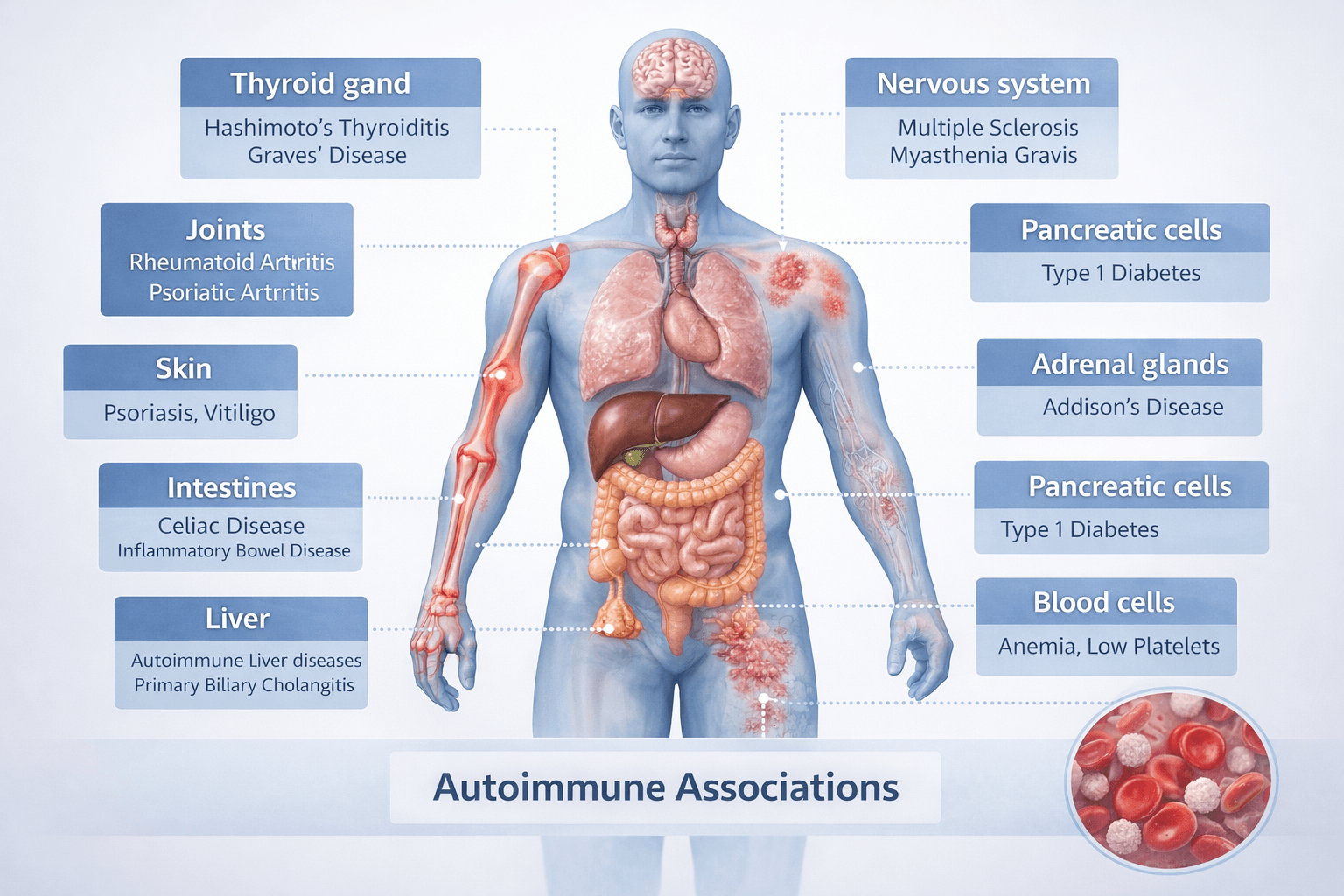
Autoimmune diseases rarely exist as isolated conditions. In many patients, immune dysregulation affects multiple organs simultaneously or sequentially. This phenomenon is widely recognized in modern medicine and is often referred to as autoimmune clustering or multiple autoimmune syndrome, where two or more autoimmune diseases occur in the same individual. Patients diagnosed with one autoimmune condition frequently develop additional disorders affecting the thyroid, joints, skin, digestive tract, nervous system, blood, or endocrine glands.
From an Ayurvedic perspective, this pattern reflects a systemic internal imbalance rather than multiple unrelated diseases. Classical Ayurvedic texts describe how disturbed Doshas, impaired digestive metabolism (Agni), and accumulation of metabolic toxins (Ama) can circulate throughout the body and affect different Dhatus and Srotas. As a result, the same underlying imbalance may manifest in different organs at different stages of disease progression.
Sanskrit Shloka
रोगाः सर्वे अपि मन्देऽग्नौ
Transliteration
Rogah sarve api mande agnau
Translation
All diseases arise from impaired digestive metabolism.
Reference
Charaka Samhita, Chikitsa Sthana, Chapter 15
When Agni becomes weakened and Ama accumulates, the imbalance spreads through the body and produces systemic disease manifestations.
Common Autoimmune Diseases Often Seen Together
Rheumatoid Arthritis
Rheumatoid arthritis is one of the most recognized autoimmune inflammatory diseases. It primarily affects the joints but can also involve blood vessels, lungs, and the heart. Patients with rheumatoid arthritis frequently show higher rates of autoimmune thyroid disorders, Sjogren syndrome, systemic lupus erythematosus, and inflammatory bowel disease.
In Ayurveda, rheumatoid arthritis-like conditions are often interpreted as Amavata, a disease caused by the combination of Ama and aggravated Vata accumulating in joints and connective tissues.
Autoimmune Thyroid Disorders
Autoimmune thyroid diseases such as Hashimoto thyroiditis and Graves disease are among the most prevalent immune-mediated endocrine disorders. These conditions often coexist with type 1 diabetes, celiac disease, vitiligo, pernicious anemia, and Addison disease.
Ayurvedically, thyroid dysfunction is often interpreted through disturbances in Agni, Kapha metabolism, Rasadhatu, and endocrine regulation, which influence hormonal balance and metabolic stability.
Systemic Lupus Erythematosus
Systemic lupus erythematosus is a complex autoimmune disease that affects multiple organs including the skin, kidneys, joints, nervous system, and blood. Patients may experience fatigue, joint inflammation, skin rashes, and organ involvement.
From an Ayurvedic perspective, systemic inflammatory conditions resembling lupus reflect Tridosha imbalance with significant involvement of Rakta Dhatu, leading to widespread inflammatory responses.
Psoriasis and Psoriatic Arthritis
Psoriasis is an immune-mediated skin disorder characterized by rapid skin cell turnover and chronic inflammation. Some patients develop psoriatic arthritis affecting joints and connective tissues.
Ayurvedic texts describe similar inflammatory skin disorders under the category of Kushta, where disturbances in Doshas, blood tissues, and metabolic toxins lead to chronic skin disease.
Inflammatory Bowel Disease
Crohn disease and ulcerative colitis represent autoimmune-related inflammatory conditions affecting the digestive tract. These diseases are often associated with arthritis, skin inflammation, liver disease, and eye disorders.
In Ayurveda, chronic inflammatory digestive disorders are often linked to Grahani Dushti, which arises from impaired digestion, accumulation of Ama, and disturbance of intestinal Srotas.
Celiac Disease
Celiac disease is an immune-mediated intolerance to gluten that damages the small intestine and interferes with nutrient absorption. It frequently occurs alongside thyroid disease, type 1 diabetes, and autoimmune skin disorders.
Ayurvedically, similar conditions may involve Agni impairment, Grahani dysfunction, and nutritional depletion affecting Rasa Dhatu.
Type 1 Diabetes Mellitus
Type 1 diabetes develops when immune cells attack insulin-producing cells in the pancreas. It often appears together with thyroid disorders, celiac disease, vitiligo, and autoimmune endocrine disorders.
Ayurvedic texts describe metabolic disorders involving abnormal glucose regulation under Madhumeha, where disturbances in Agni, Kapha, Meda Dhatu, and metabolic balance contribute to disease.
Other Commonly Associated Disorders
Vitiligo
Vitiligo is a pigment loss disorder caused by immune-mediated destruction of melanocytes in the skin. It frequently appears with thyroid disease and other autoimmune conditions.
Ayurvedic descriptions of pigmentary disorders relate to Rakta Dushti and Bhrajaka Pitta imbalance, affecting skin pigmentation.
Pernicious Anemia
Pernicious anemia is caused by autoimmune destruction of stomach cells responsible for vitamin B12 absorption. It commonly occurs alongside thyroid disease and other autoimmune disorders.
Ayurvedically, such conditions reflect Rasa and Rakta Dhatu depletion, often arising from chronic digestive disturbance.
Sjogren Syndrome
Sjogren syndrome affects glands that produce saliva and tears, leading to dryness of the eyes and mouth. It frequently overlaps with lupus and rheumatoid arthritis.
In Ayurveda, dryness and glandular dysfunction may reflect Vata aggravation and depletion of bodily fluids within Rasadhatu.
Less Common but Clinically Important Associated Diseases
Multiple Sclerosis
Multiple sclerosis is a chronic autoimmune disease affecting the central nervous system and causing progressive neurological dysfunction.
Ayurvedically, similar neurological degenerative conditions are associated with Majja Dhatu imbalance and aggravated Vata affecting the nervous system.
Myasthenia Gravis
Myasthenia gravis is a neuromuscular autoimmune disease characterized by muscle weakness and fatigue. It may coexist with thyroid disorders and other autoimmune diseases.
In Ayurvedic interpretation, neuromuscular weakness reflects Vata disturbance and depletion of Majja Dhatu and Mamsa Dhatu.
Addison Disease
Addison disease results from immune destruction of adrenal glands, leading to hormonal deficiency and systemic weakness. It may occur with thyroid disease, diabetes, and vitiligo.
Ayurveda interprets such endocrine exhaustion as Ojas depletion and profound metabolic imbalance affecting multiple tissues.
Autoimmune Liver Diseases
Autoimmune hepatitis and primary biliary cholangitis involve immune-mediated inflammation of liver tissues.
Ayurvedic interpretation relates such disorders to Pitta and Rakta imbalance affecting Yakrit (liver) metabolism.
Autoimmune Blood Disorders
Immune-mediated destruction of blood cells can lead to conditions such as autoimmune hemolytic anemia and immune thrombocytopenia.
Ayurveda associates such disorders with Rakta Dhatu disturbance and systemic inflammatory imbalance.
Ayurvedic Understanding of Systemic Disease Associations
Ayurveda views these interconnected disorders as expressions of the same internal imbalance affecting different organs over time. When Agni becomes weak, Ama forms. Ama circulates through the body and blocks Srotas. As Doshas accumulate in specific tissues, disease manifests in those areas.
Sanskrit Shloka
दोषा दूष्यसमूर्च्छना व्याधिः
Transliteration
Dosha dushya samoorchchhana vyadhih
Translation
Disease occurs when aggravated Doshas interact with susceptible tissues.
Reference : Charaka Samhita, Sutra Sthana, Chapter 21
This systemic perspective explains why autoimmune diseases frequently involve multiple organs and why treatment must address the underlying metabolic and inflammatory imbalance rather than focusing only on one organ or symptom.
Diet and Lifestyle Recommendations

Managing autoimmune disease requires more than symptom control. Many patients experience fluctuations in symptoms based on diet, stress, sleep, physical activity, and environmental exposures. Modern research increasingly recognizes that immune balance is strongly influenced by metabolic health, gut function, inflammatory status, and lifestyle habits. Ayurveda has emphasized these connections for thousands of years through the principles of Agni balance, Ama reduction, Dosha harmony, and Ojas preservation.
Sanskrit Shloka
हिताहितं सुखं दुःखम् आयुः तस्य हिताहितम्।
मानं च तच्च यत्रोक्तम् आयुर्वेदः स उच्यते॥
Transliteration
Hitahitam sukham duhkham ayuh tasya hitahitam
Manam cha taccha yatroktam ayurvedah sa uchyate
Translation
Ayurveda is the science that explains what is beneficial and harmful for life, what promotes health and what causes disease.
Reference : Charaka Samhita, Sutra Sthana, Chapter 1
This principle highlights that daily habits, food choices, emotional balance, and environmental exposures play a crucial role in maintaining health and preventing disease progression.
Anti-Inflammatory Dietary Patterns
Many autoimmune diseases involve chronic low-grade inflammation. Diets rich in highly processed foods, refined sugars, trans fats, and chemical additives can worsen inflammatory activity and metabolic stress.
Patients are often encouraged to prioritize whole foods that support immune balance and metabolic stability. Nutrient-dense foods such as fresh vegetables, seasonal fruits, whole grains, legumes, nuts, and healthy fats provide antioxidants and phytonutrients that help regulate inflammatory pathways.
Ayurveda similarly emphasizes fresh, seasonal, easily digestible foods that support Agni and prevent Ama accumulation. Warm cooked meals, mild spices that aid digestion, and balanced macronutrients are often recommended to maintain digestive efficiency.
Support Gut Health and Digestion
The gastrointestinal tract plays a major role in immune regulation. Modern studies suggest that alterations in the gut microbiome may contribute to autoimmune activity, inflammation, and immune dysregulation.
Maintaining healthy digestion can therefore be beneficial for immune balance. Foods rich in fiber, fermented foods that support beneficial gut bacteria, and adequate hydration may help maintain digestive health.
Ayurveda places strong emphasis on Agni maintenance, recognizing digestion as central to systemic health. When digestion becomes weak, undigested metabolic waste known as Ama may accumulate and circulate throughout the body, contributing to disease.
Sanskrit Shloka
अग्निर्हि देहस्य मूलम्
Transliteration
Agnir hi dehasya mulam
Translation
Digestive metabolism is the foundation of health.
Reference: Ashtanga Hridaya, Sutra Sthana
Maintaining healthy digestion is therefore considered essential for preventing systemic imbalance.
Manage Stress and Emotional Health
Chronic psychological stress is increasingly recognized as a factor that may influence immune regulation and inflammatory activity. Stress hormones can affect immune signaling, sleep quality, metabolic function, and inflammatory pathways.
Practices that support emotional balance and stress reduction may therefore be helpful in managing autoimmune conditions. Activities such as meditation, breathing exercises, gentle yoga, walking in nature, and structured relaxation techniques may contribute to improved well-being.
Ayurveda emphasizes the importance of Sattvic mental states, balanced emotional health, and avoidance of excessive mental strain to maintain physiological harmony.
Maintain Consistent Sleep Patterns
Sleep plays a vital role in immune regulation and cellular repair. Inadequate sleep has been associated with increased inflammatory markers and altered immune responses.
Patients may benefit from maintaining a consistent sleep schedule, reducing screen exposure before bedtime, and ensuring a restful sleep environment. Ayurveda describes the importance of Nidra (sleep) as one of the three pillars of health along with diet and regulated lifestyle.
Sanskrit Shloka
आहारनिद्राभ्रमचर्यम् इति त्रयो उपस्तम्भाः
Transliteration
Ahara nidra brahmacharyam iti trayo upastambhah
Translation
Diet, sleep, and balanced lifestyle are the three fundamental pillars supporting health.
Reference: Charaka Samhita, Sutra Sthana
Balanced sleep patterns therefore support immune stability and overall resilience.
Engage in Moderate Physical Activity
Regular physical activity may improve circulation, metabolic function, joint mobility, and mood. Moderate exercise such as walking, swimming, stretching, and low-impact strength training can support overall health without placing excessive strain on the body.
Patients experiencing active inflammation or severe fatigue may need to adjust exercise intensity and prioritize gentle movement until symptoms stabilize.
Ayurveda supports regular physical activity under the principle of Vyayama, recommending moderate exercise appropriate to one’s constitution and physical capacity.
Avoid Known Triggers
Certain environmental and lifestyle factors may trigger symptom flares in some individuals. These triggers vary widely but may include infections, extreme stress, poor sleep, excessive alcohol consumption, smoking, highly processed foods, and exposure to environmental toxins.
Identifying and reducing individual triggers can help minimize symptom exacerbation and support long-term stability.
Ayurveda describes this preventive approach as Nidana Parivarjana, which means avoiding the underlying causes that initiate disease.
Maintain a Structured Daily Routine
Ayurveda recommends a regulated daily routine known as Dinacharya, which helps synchronize physiological processes and maintain metabolic balance.
Regular meal timing, adequate hydration, consistent sleep patterns, and balanced daily activities support stable digestion, hormonal regulation, and immune function.
Patients with autoimmune conditions may particularly benefit from predictable routines that reduce physiological stress and support overall stability.
Maintain Social Connection and Emotional Support
Living with a chronic illness can sometimes lead to emotional strain or social isolation. Maintaining supportive relationships, open communication with healthcare providers, and participation in community or patient support groups can contribute to emotional resilience and improved quality of life.
Ayurveda recognizes the role of mental well-being and social harmony in maintaining long-term health.
Integrative Perspective
Lifestyle interventions alone may not replace medical treatment in autoimmune diseases, but they can play an important supportive role in overall disease management. Combining appropriate medical care with diet optimization, stress reduction, sleep regulation, and balanced daily habits may help improve quality of life and support long-term health stability.
Preventive Strategies
Preventing recurrence or progression of autoimmune disorders requires maintaining systemic balance rather than focusing only on symptoms. Both modern medicine and Ayurveda recognize that immune regulation is influenced by digestion, metabolism, stress, lifestyle habits, and environmental exposures. When these factors are properly managed, the likelihood of disease flare or progression may be reduced.
Ayurveda emphasizes that long-term prevention depends on maintaining balanced Agni (digestive metabolism), reducing Ama accumulation, stabilizing Doshas, and preserving Ojas, which represents the body’s resilience and immune vitality.
Sanskrit Shloka
रोगाः सर्वे अपि मन्देऽग्नौ
Transliteration
Rogah sarve api mande agnau
Translation
All diseases arise from weakened digestive metabolism.
Reference
Charaka Samhita, Chikitsa Sthana, Chapter 15
Key Preventive Measures
- Maintaining strong digestion through balanced and easily digestible food
- Avoiding known triggers such as stress, poor sleep, infections, and processed foods
- Supporting immune balance through proper nutrition and adequate rest
- Following a consistent daily routine that stabilizes metabolic rhythms
- Practicing stress-management techniques such as yoga, meditation, and breathing exercises
- Engaging in moderate physical activity appropriate to individual strength
- Regular health monitoring and medical evaluation
These measures help support immune stability and reduce inflammatory triggers that may contribute to autoimmune flare.
Important Note
The exact preventive strategy, diet plan, lifestyle modifications, and therapeutic interventions must always be decided by a qualified Ayurvedic physician after evaluating the patient’s:
- body constitution (Prakriti)
- Dosha imbalance
- digestive strength (Agni)
- disease stage and duration
- associated health conditions
- age and metabolic status
Because autoimmune diseases involve complex systemic imbalances, personalized medical guidance is essential to ensure safe and effective management.
Frequently Asked Questions
What is an autoimmune disease?
An autoimmune disease occurs when the immune system mistakenly attacks the body’s own tissues instead of protecting them from infections. This abnormal immune response can lead to inflammation, tissue damage, and chronic disease affecting organs such as joints, skin, glands, digestive organs, or the nervous system.
What are the most common autoimmune diseases?
Some of the most common autoimmune diseases include rheumatoid arthritis, autoimmune thyroid disorders, systemic lupus erythematosus, psoriasis, inflammatory bowel disease, type 1 diabetes, celiac disease, and multiple sclerosis. These conditions may affect different organs but share similar mechanisms involving immune system dysregulation.
What are early warning signs of autoimmune disease?
Early symptoms may vary depending on the condition but often include persistent fatigue, joint pain or stiffness, muscle weakness, unexplained fever, digestive disturbances, skin rashes, hair loss, or hormonal imbalances. Because symptoms often overlap with other conditions, autoimmune diseases may take time to diagnose.
Can autoimmune diseases affect multiple organs?
Yes. Many autoimmune diseases affect multiple organ systems because immune dysfunction can trigger inflammation throughout the body. For example, systemic lupus erythematosus may involve joints, skin, kidneys, and the nervous system simultaneously.
What causes autoimmune diseases?
Autoimmune diseases are believed to result from a combination of genetic susceptibility, environmental triggers, infections, hormonal influences, and immune system imbalance. Lifestyle factors such as chronic stress, poor sleep, and metabolic dysfunction may also contribute to disease activity.
Can autoimmune diseases be cured?
In conventional medicine, most autoimmune diseases are considered chronic conditions that require long-term management to control inflammation and prevent complications. Treatment typically focuses on suppressing immune activity and reducing symptoms.
In Ayurvedic medicine, the therapeutic approach focuses on correcting underlying imbalances such as impaired digestion, toxin accumulation, and Dosha disturbance in order to restore systemic balance.
Can diet influence autoimmune disease symptoms?
Diet may influence inflammation, metabolism, and immune activity. Diets rich in whole foods, vegetables, fruits, and anti-inflammatory nutrients may support overall health, while highly processed foods and excess sugar may contribute to inflammatory responses in some individuals.
How is autoimmune disease diagnosed?
Diagnosis usually involves a combination of medical history, physical examination, blood tests detecting specific antibodies, inflammatory markers, imaging studies, and sometimes tissue biopsy depending on the suspected condition.
Can stress trigger autoimmune disease flare-ups?
Psychological stress may influence immune function through hormonal pathways that regulate inflammation and metabolism. Many patients report symptom worsening during periods of intense stress or emotional strain.
When should someone seek medical evaluation?
Individuals should seek medical evaluation if they experience persistent fatigue, unexplained inflammation, joint pain, digestive disturbances, skin changes, neurological symptoms, or hormonal irregularities that do not improve over time. Early evaluation can help identify underlying conditions and guide appropriate treatment.
When to Seek Medical Advice
Autoimmune diseases often develop gradually and may present with symptoms that initially appear mild or nonspecific. However, early medical evaluation is important because untreated immune-mediated inflammation can progressively affect multiple organs. Timely diagnosis allows appropriate treatment strategies to be initiated and helps reduce the risk of long-term complications.
Individuals should consider seeking medical advice if symptoms persist, worsen, or begin interfering with daily activities.
Persistent Unexplained Symptoms
Medical evaluation is recommended when symptoms such as chronic fatigue, joint pain, muscle weakness, digestive disturbances, skin rashes, or unexplained fever continue for several weeks without improvement. These symptoms may indicate an underlying inflammatory or immune-related condition that requires professional assessment.
Recurrent Inflammation or Pain
Repeated episodes of joint swelling, unexplained inflammation, or pain affecting muscles, skin, or internal organs should not be ignored. Persistent inflammatory symptoms may signal immune dysregulation and require laboratory evaluation to determine the underlying cause.
Symptoms Affecting Multiple Body Systems
Autoimmune diseases often affect more than one organ system. If symptoms appear in different areas of the body simultaneously, such as joint pain combined with skin changes, digestive issues, or neurological symptoms, a comprehensive medical evaluation is recommended.
Sudden Changes in Energy or Weight
Unexplained weight loss, persistent fatigue, hormonal changes, or sudden changes in appetite and metabolism may indicate endocrine or metabolic disorders associated with autoimmune diseases.
Neurological or Vision Changes
Symptoms such as muscle weakness, numbness, tingling sensations, coordination difficulties, or changes in vision require prompt medical attention because they may indicate neurological involvement.
Family History of Autoimmune Disease
Individuals with a family history of autoimmune disorders may have a higher risk of developing similar conditions. If early symptoms appear, consulting a healthcare professional can help determine whether further evaluation is needed.
Importance of Early Evaluation
Early diagnosis allows healthcare providers to identify the underlying condition, assess disease severity, and initiate appropriate treatment strategies. This may include laboratory testing, imaging studies, and specialist consultations depending on the suspected disorder.
From an Ayurvedic perspective, early intervention is also important because chronic diseases are easier to manage when addressed before systemic imbalance becomes severe.
Sanskrit Shloka
पूर्वरूपाणि रोगाणां ज्ञात्वा यत्नं समाचरेत्
Transliteration
Purvarupani roganam jnatva yatnam samacharet
Translation
When early signs of disease are recognized, timely effort should be made to prevent progression.
Reference :Charaka Samhita, Nidana Sthana
Integrative Medical Guidance
Patients experiencing symptoms suggestive of autoimmune disease should consult qualified healthcare professionals for proper evaluation. Integrative approaches combining appropriate medical diagnosis with supportive lifestyle strategies may help improve long-term outcomes and quality of life.
Reference
[1] Sharma, R. K., & Dash, B. (Trans.). (2014). Charaka Samhita (English translation). Varanasi: Chowkhamba Sanskrit Series Office. Available online: https://www.wisdomlib.org/hinduism/book/charaka-samhita-english
Brief explanation: Charaka Samhita is one of the foundational Ayurvedic medical texts. It explains disease causation, the roles of Agni (digestive fire), Ama (metabolic toxins), and systemic imbalance. These concepts are used in the article to interpret autoimmune diseases from an Ayurvedic perspective.
[2] Sharma, P. V. (Trans.). (2018). Sushruta Samhita, Sutrasthana and Sharirasthana sections. Varanasi: Chaukhambha Visvabharati. Available online: https://www.wisdomlib.org/hinduism/book/sushruta-samhita
Brief explanation: Sushruta Samhita discusses Ojas, vitality, tissue integrity, and systemic resilience. These concepts help explain immune strength and the Ayurvedic understanding of disease resistance.
[3] Vagbhata. (Trans. Murthy, K. R. S.). (2017). Ashtanga Hridaya. Varanasi: Chowkhamba Krishnadas Academy. Available online: https://www.wisdomlib.org/hinduism/book/ashtanga-hridaya-samhita
Brief explanation: Ashtanga Hridaya provides practical clinical explanations of Dosha imbalance, Ama accumulation, and systemic disease pathways. These principles support the Ayurvedic interpretation of chronic inflammatory disorders.
[4] Bhavamishra. (2016 edition). Bhavaprakasha Nighantu. Varanasi: Chaukhambha Sanskrit Bhawan. Available online: https://www.wisdomlib.org/hinduism/book/bhavaprakasha
Brief explanation: Bhavaprakasha is an important Ayurvedic materia medica describing medicinal herbs and formulations. It provides classical descriptions of many Rasayana herbs used for chronic diseases and immune health.
[5] MedlinePlus. (2024). Autoimmune diseases. U.S. National Library of Medicine. https://medlineplus.gov/autoimmunediseases.html
Brief explanation: This authoritative medical resource explains autoimmune diseases in clear patient-friendly language, including symptoms, causes, and diagnostic principles used in modern medicine.
[6] National Academies of Sciences, Engineering, and Medicine. (2022). Background on autoimmune diseases. In Enhancing NIH Research on Autoimmune Disease. National Academies Press. https://www.ncbi.nlm.nih.gov/books/NBK605884/
Brief explanation: This scientific report explains immune tolerance, autoimmune mechanisms, and why immune dysregulation leads to chronic disease. It is useful for explaining the biology of autoimmunity.
[7] Miller, F. W. (2023). The increasing prevalence of autoimmunity and autoimmune diseases: An urgent call to action. Current Opinion in Immunology, 80, 102266. https://doi.org/10.1016/j.coi.2022.102266
Brief explanation: This review highlights the growing global prevalence of autoimmune diseases and discusses environmental and biological factors contributing to the rising trend.
[8] Song, X., et al. (2025). Autoimmune diseases: Molecular pathogenesis and targeted therapies. Signal Transduction and Targeted Therapy, 10, Article number 24. https://www.ncbi.nlm.nih.gov/pmc/articles/PMC12171081/
Brief explanation: This paper explains the molecular mechanisms of autoimmune diseases, including immune signaling pathways, inflammatory cytokines, and emerging treatment approaches.
[9] Johns Hopkins Medicine. (2023). What are common symptoms of autoimmune disease? https://www.hopkinsmedicine.org/health/wellness-and-prevention/what-are-common-symptoms-of-autoimmune-disease
Brief explanation: This clinical resource summarizes common and early symptoms of autoimmune diseases, helping patients recognize warning signs that require medical evaluation.
[10] Wasserman, A. M. (2011). Diagnosis and management of rheumatoid arthritis. American Family Physician, 84(11), 1245–1252. https://www.aafp.org/pubs/afp/issues/2011/1201/p1245.html
Brief explanation: This clinical article describes how autoimmune diseases such as rheumatoid arthritis are diagnosed and treated. It illustrates standard medical approaches including laboratory tests and disease-modifying drugs.
[11] Sannegowda, K. M., et al. (2015). Tinospora cordifolia inhibits autoimmune arthritis by regulating key immune mediators. International Journal of Immunopathology and Pharmacology, 28(4), 521–531. https://pubmed.ncbi.nlm.nih.gov/26467057/
Brief explanation: This experimental study demonstrates immunomodulatory effects of Tinospora cordifolia (Guduchi), showing potential to regulate inflammatory mediators involved in autoimmune arthritis.
[12] Singh, R., et al. (2021). Ayurveda Rasayana as antivirals and immunomodulators: Potential relevance for immune resilience. Journal of Ayurveda and Integrative Medicine, 12(4), 100405. https://www.ncbi.nlm.nih.gov/pmc/articles/PMC8422837/
Brief explanation: This article explains how Rasayana herbs in Ayurveda may support immune balance and resilience through antioxidant and immunomodulatory mechanisms.
[13] Pourhabibi-Zarandi, F., et al. (2024). Curcumin supplementation reduces oxidative stress and disease activity in rheumatoid arthritis. Clinical Rheumatology. https://pubmed.ncbi.nlm.nih.gov/38699839/
Brief explanation: This clinical research study suggests that curcumin may help reduce inflammation and oxidative stress in rheumatoid arthritis patients when used as a supportive therapy.
[14] Garang, Z., et al. (2023). Commiphora mukul (Guggulu): Historical use, phytochemistry, pharmacology, and toxicology. Journal of Ethnopharmacology, 316, 116742. https://pubmed.ncbi.nlm.nih.gov/37301302/
Brief explanation: This review explores the traditional and pharmacological properties of Guggulu, including its anti-inflammatory and metabolic effects.
[15] Klubo-Gwiezdzinska, J., et al. (2022). Hashimoto thyroiditis: An evidence-based guide to etiology, diagnosis, and treatment. Polish Archives of Internal Medicine, 132(3), 16222. https://www.ncbi.nlm.nih.gov/pmc/articles/PMC9478900/
Brief explanation: This article explains autoimmune thyroid disease, including risk factors, diagnosis, and treatment strategies. It serves as a clinical model for understanding organ-specific autoimmune disorders.
[16] National Institute for Health and Care Excellence (NICE). (2024). Rheumatoid arthritis in adults: Management (NG100). https://www.nice.org.uk/guidance/ng100
Brief explanation: This guideline outlines modern evidence-based recommendations for diagnosis, treatment, and long-term monitoring of rheumatoid arthritis.
[17] Alanazi, H. H., et al. (2023). Medicinal herbs as promising immunomodulators. Frontiers in Pharmacology, 14, 1214321. https://www.ncbi.nlm.nih.gov/pmc/articles/PMC10745476/
Brief explanation: This scientific review discusses how medicinal plants can influence immune signaling pathways and inflammation, providing context for herbal immunomodulators used in traditional medicine.
Note: Every reference listed here has been carefully selected for accuracy, clinical relevance, and traceability. Ayurvedic formulations are cited directly from classical medical texts such as Charaka Samhita, Sushruta Samhita, Ashtanga Hridaya, and Bhavaprakasha with traditional context. Modern scientific studies are provided with active links in APA format so readers can verify the evidence and explore the research in more detail.