



- What the Official Medical Position on Herpes Actually Is
- How the “Herpes Is Lifelong” Label Entered Modern Medicine
- Why “No Cure” Becomes the Default Answer in Clinics
- What Doctors Mean by “No Cure” vs What Patients Hear
- The Antiviral Drug Limitation That Shapes the Narrative
- Why Only Certain Types of Evidence Count in Modern Medicine
- Why Doctors Rarely Discuss Spontaneous or Functional Viral Control
- Why Doctors Choose Simpler Messages for Patients
- Are UK and USA Doctors Saying the Same Thing for the Same Reasons?
- Why This Does Not Mean Doctors Are Hiding a Cure
- Understanding Medical Limits Does Not Mean Rejecting Medical Care
- What This Question Reveals About Modern Medicine as a Whole
- Why Patients Continue Searching for Second Opinions
- What This Article Is Not Claiming
- What This Article Sets Up Next
- Key Takeaway for Patients
- FAQ: Why Doctors in the UK and USA Say Herpes Is Lifelong
- REFERENCE
Why doctors say herpes is lifelong is one of the most common questions searched by patients after a diagnosis, especially when the explanation feels absolute and emotionally draining. Being told that herpes is lifelong often creates confusion, mental fatigue, and a strong need for a second opinion. Many people are not questioning medical authority, but rather trying to understand why this conclusion is repeated everywhere and whether it reflects a true biological limit or a limitation of current medical practice.
In most cases, doctors in the UK and USA are not giving a personal judgment. They are repeating what they are trained and authorized to communicate under established medical guidelines. Within modern healthcare systems, herpes is classified as a chronic viral infection because approved treatments focus on suppression, not eradication. Doctors are expected to follow this standardized language to remain aligned with clinical protocols, regulatory rules, and professional safety.
The most important point to understand is this: why doctors in the UK and USA say herpes is lifelong has more to do with how medicine defines and manages disease than with moral certainty, deception, or hopelessness. The word “lifelong” reflects the limits of currently approved medical tools and evidence frameworks. It does not represent a definitive statement about every biological outcome in every human body, but rather how herpes is classified, studied, and treated within today’s medical system.
What the Official Medical Position on Herpes Actually Is

Most patients are never told why doctors speak about herpes in a particular way. They are usually given a short conclusion without the background, which makes the diagnosis feel heavier and more frightening than it needs to be. Understanding the official medical position in simple terms helps remove confusion, reduces fear, and allows patients to see the issue with clarity rather than panic [1], [2], [3].
How Herpes Is Defined in Clinical Guidelines (What Patients Are Rarely Told)
In modern medicine, herpes is defined as a chronic viral infection with latency. In simple language, this means the virus has the ability to stay inside the body quietly after the first infection, without constantly causing symptoms. Many patients assume that “lifelong” means the virus is always active or damaging the body, which is not true. In most people, the virus remains inactive for long periods and may never cause noticeable problems [1].
Doctors and medical websites describe herpes as incurable but manageable, a phrase that often sounds alarming to patients. What this actually means is very specific: current approved medicines cannot completely remove the virus from nerve cells once it becomes latent. It does not mean the body is powerless, that symptoms will continue forever, or that quality of life must be poor [2]. Unfortunately, this nuance is rarely explained in short clinic visits.
Medical guidelines focus on outbreak control and transmission reduction because these are the outcomes that can be reliably measured in large studies. Antiviral medicines are designed to reduce outbreaks, shorten healing time, and lower the chance of passing the virus to others. From a medical system perspective, this approach is considered a success, even though many patients still feel something important is missing from the explanation [1], [2].
How Doctors Are Taught to Understand Herpes (And Why They All Say the Same Thing)
Most patients are surprised to learn that doctors do not create their explanations individually. Doctors are trained to follow standardized medical guidelines, which exist to keep care consistent and legally safe. Once a disease is defined in guidelines, doctors are expected to use that same language when speaking to patients, regardless of individual variation [2], [3].
In the UK, guidance from the NHS shapes how doctors explain herpes to patients. In the USA, doctors rely heavily on resources from the CDC. These institutions describe herpes as a lifelong condition managed with antiviral therapy, and this wording is repeated across hospitals, clinics, and health websites [2], [3].
Doctors are also trained to avoid language that could be misunderstood or interpreted as a promise. If a doctor uses words outside official guidance, it can create legal risk or false expectations. For this reason, many doctors choose the safest explanation rather than the most detailed one. This is not because they want to discourage patients, but because medical communication is designed to minimize misunderstanding and liability [3].
For patients, this explains an important reality: when different doctors repeat the same sentence, it does not mean they are hiding information or ignoring individual experiences. It means they are working within a tightly regulated system that prioritizes uniform messaging over personalized explanation. Understanding this often helps patients feel less dismissed and more informed, which is why this information is worth reading, sharing, and discussing openly.
How the “Herpes Is Lifelong” Label Entered Modern Medicine

The idea that herpes is lifelong did not appear suddenly. It developed gradually as medical knowledge evolved, particularly as scientists began to understand viral behavior and the limits of available treatments [1], [5].
Early Discovery of Herpesviruses and Latency
Herpes viruses were identified long before modern antiviral drugs existed. Early doctors noticed a distinctive pattern: an initial episode followed by long symptom-free periods and then unexpected recurrences. This puzzled physicians because it did not fit the pattern of infections that the immune system clears completely [5].
As virology advanced, researchers discovered that herpes viruses can enter a dormant state inside nerve cells. During latency, the virus is not actively replicating, which explains why symptoms can disappear for long periods. However, the virus can reactivate later under certain conditions [1], [5].
At this stage, herpes was not framed for patients as “lifelong” in the modern sense. It was described scientifically as a recurrent infection with latent persistence, a biological observation rather than a definitive prognosis.
The Antiviral Era and a Shift in Medical Language
The language surrounding herpes changed with the introduction of antiviral drugs such as acyclovir. These medicines allowed doctors to reliably reduce symptoms, shorten outbreaks, and lower transmission risk. This was a major advance in patient care [5].
However, antivirals were designed to suppress viral activity, not to remove latent virus from nerve tissue. Over time, studies showed that while these drugs were effective for control, they did not eliminate the virus completely. As a result, latency began to be framed more rigidly [1].
Gradually, persistence was described as permanence. The phrase “lifelong infection” became a practical shorthand in medicine, reflecting the absence of eradication tools, not a declaration that change is biologically impossible [1], [5].
Why “No Cure” Becomes the Default Answer in Clinics

Many patients notice that almost every doctor gives the same short answer: “There is no cure.” This repetition can feel dismissive, but in reality it reflects how modern medicine is structured and how doctors are trained to practice safely. Understanding this helps explain the consistency of the message without blaming individual doctors [2], [3].
Protocol-Based Medical Training
Modern medicine prioritizes reproducible and standardized pathways. Doctors are trained to rely on clinical protocols that have been tested, reviewed, and officially approved. These protocols are designed to work for large populations, not to explore every possible individual variation. As a result, medical education emphasizes following established pathways rather than experimenting outside them [2].
Within this framework, a “cure” has a very specific meaning. It refers to an outcome that has an approved, repeatable treatment pathway supported by large clinical trials and regulatory acceptance. If no such pathway exists, doctors are taught that the correct and honest answer is “no cure,” even if symptom control is possible or outcomes vary between individuals [3].
This is why the absence of an approved eradication pathway automatically leads to the conclusion that herpes is incurable. It does not mean that medicine has explored every biological possibility. It means that, within the current system, there is no officially sanctioned method that reliably removes the virus in a way that meets regulatory standards. For doctors trained in this system, anything outside approved pathways simply does not qualify as a cure.
Legal and Professional Risk
Doctors also operate under significant legal and professional oversight. Their words are not just medical opinions, they are part of a regulated practice environment. Medical boards, licensing authorities, and institutional policies closely monitor how conditions are described and what expectations are set for patients [3].
Discussing uncertainty, alternative possibilities, or outcomes that fall outside official guidelines can create risk. If a patient misunderstands such discussions as a promise, it can lead to complaints, legal action, or professional consequences. For this reason, doctors are trained to use the safest language possible, even when they are aware that biology is more complex than guidelines suggest.
Saying “there is no cure” is therefore the lowest-risk, most defensible statement a doctor can make. It aligns with official guidance, protects the patient from false expectations, and protects the doctor from regulatory scrutiny. While this approach prioritizes safety and consistency, it can leave patients feeling that important nuances have been left unexplained.
For patients, recognizing this dynamic often changes how the message is perceived. The repeated answer is not a lack of care or curiosity, but a reflection of how modern medical systems manage uncertainty, responsibility, and risk within clinical practice [2], [3].
What Doctors Mean by “No Cure” vs What Patients Hear
One of the most damaging misunderstandings in herpes care is not about the virus itself, but about language. When doctors say “there is no cure,” patients often hear a very different message than what is intended. This gap between medical definition and public interpretation is a major source of fear, confusion, and long-term distress [2], [7].
“No Cure Exists” vs “No Cure Is Approved”
In everyday language, “no cure exists” is usually understood as a statement of absolute biological impossibility. Patients often interpret it to mean that the body can never recover, that improvement is impossible, or that science has reached a final conclusion. This is rarely what doctors mean when they use the phrase [2].
In medical practice, the word “cure” has a regulatory definition, not a philosophical one. A condition is considered curable only if there is an officially approved treatment pathway that reliably eliminates the disease in a way that can be reproduced across large populations. If no such pathway exists, the condition is labeled incurable within the medical system, regardless of individual biological variation [7].
This distinction is critical. When doctors say there is “no cure” for herpes, they are usually saying there is no approved cure, not making a definitive claim about what is biologically possible in every human body. The difference between these two meanings is rarely explained during routine clinical visits, yet it fundamentally changes how the message is understood.
Why This Language Persists
The language of “no cure” persists because it serves important functions within healthcare systems. For clinicians, precision matters. Medical terminology must align with regulatory definitions, clinical trial outcomes, and approved standards of care. Using language that falls outside these boundaries can create confusion, inconsistency, and professional risk [2], [7].
At the same time, medical communication with patients is often simplified by necessity. Doctors have limited time, and complex explanations about regulatory approval, evidence hierarchies, and biological uncertainty can overwhelm patients, especially at the moment of diagnosis. As a result, clinicians often choose short, standardized phrases that are easy to repeat and difficult to misinterpret legally, even if they are emotionally difficult for patients to hear.
For patients, understanding this difference can be transformative. Realizing that “no cure” reflects how medicine defines and approves treatments, rather than a final statement about the body’s capabilities, helps reduce fear and restores perspective. It also explains why so many people continue searching for deeper explanations after receiving what initially feels like an absolute verdict.

To understand why doctors in the UK and USA say herpes is lifelong, it is important to understand what antiviral drugs are actually designed to do, and just as importantly, what they are not designed to do. This distinction quietly shapes the entire medical narrative around herpes, yet it is rarely explained to patients in clear terms [4], [6].
What Antiviral Drugs Are Designed to Do
Antiviral medications such as acyclovir, valacyclovir, and related drugs are designed to inhibit viral replication. In simple language, they interfere with the virus’s ability to make copies of itself during active phases. When the virus is replicating, symptoms such as blisters, pain, and inflammation appear. Antivirals slow or stop this process, which is why they are effective at shortening outbreaks and reducing symptom severity [4].
These drugs also help reduce viral shedding, including asymptomatic shedding. This means they lower the chance of passing the virus to others, even when visible symptoms are not present. From a public health and safety perspective, this is a major benefit, and it is one of the reasons antiviral therapy is considered a success within modern medicine [4].
Because these effects can be measured consistently in clinical trials, antiviral drugs fit well into the evidence-based model that medicine relies on. They deliver predictable, repeatable outcomes, which is exactly what regulatory systems are designed to approve.
What Antivirals Are Not Designed to Do
What antiviral drugs are not designed to do is equally important. They do not eliminate the virus once it has entered a latent state. Herpes viruses can remain dormant inside nerve cells, where they are largely invisible to both drugs and the immune system. Antivirals work only when the virus is actively replicating. When the virus is latent, there is nothing for these drugs to target [6].
Antivirals are also not designed to rebuild immune surveillance. They do not strengthen long-term immune recognition, repair immune exhaustion, or restore the body’s ability to keep the virus permanently suppressed on its own. Their role is control, not immune restoration [4], [6].
This limitation is a central reason herpes is described as lifelong. Because approved drugs cannot reach latent virus or permanently reprogram immune control, medicine classifies the infection as persistent. Over time, this practical limitation has been translated into a simple message for patients: the virus stays for life.
For patients, understanding this difference often changes how the diagnosis feels. The “lifelong” label is not driven by constant viral activity or inevitable suffering. It is driven by the design limits of current antiviral tools. Recognizing this helps explain the medical narrative without blaming doctors or assuming hopelessness, and it sets the stage for deeper discussions about latency, immunity, and why many people continue searching for more complete explanations [4], [6].
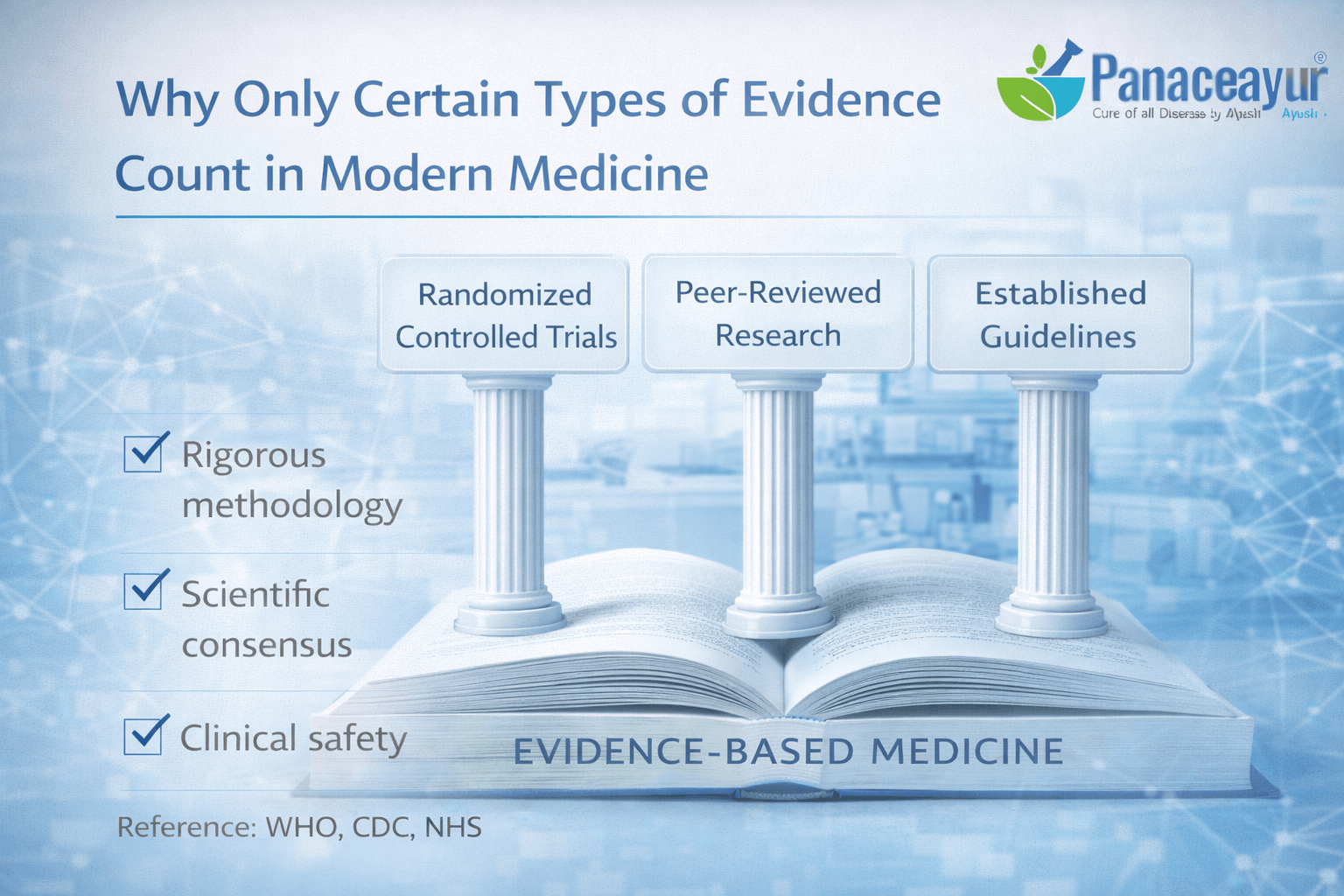
Why Only Certain Types of Evidence Count in Modern Medicine
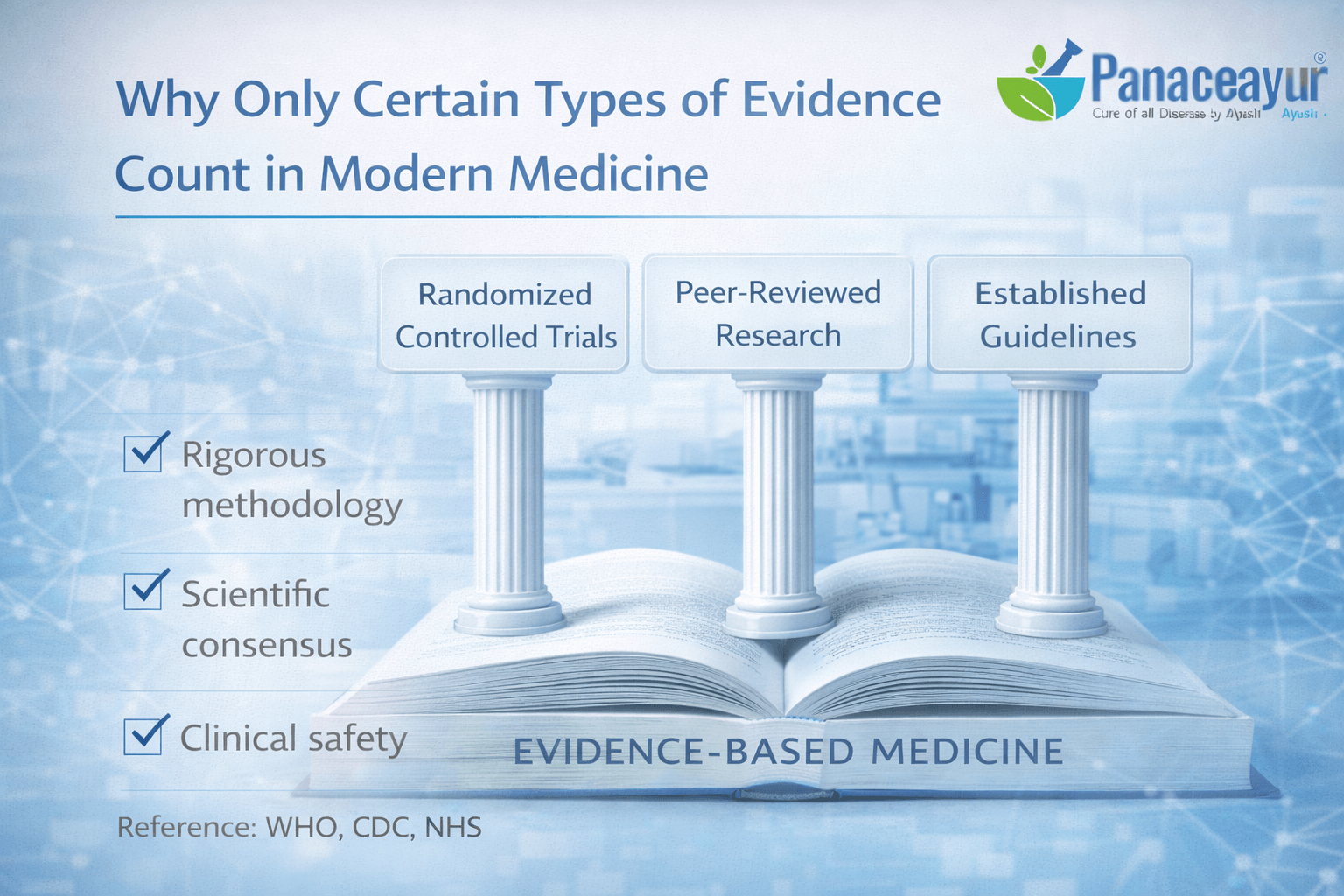
Many patients assume that when medicine says something cannot be done, it means every possibility has been explored. In reality, modern medicine relies on a specific hierarchy of evidence, and only certain types of outcomes fit comfortably within that system. Understanding this hierarchy helps explain why some questions are answered confidently, while others are rarely discussed at all [8], [9].
Why Randomized Controlled Trials Dominate
Randomized controlled trials, often called RCTs, are considered the highest standard of evidence in modern medicine. They are designed to test one variable at a time, under controlled conditions, across large groups of people. This approach allows researchers to compare outcomes clearly and reduce bias, which is essential for approving drugs and setting clinical guidelines [8].
Because RCTs require standardization, they work best with drug-centric study designs. A single medication, given in a fixed dose, over a defined period, with measurable outcomes such as symptom reduction or viral load, fits neatly into this framework. Antiviral drugs for herpes meet these criteria, which is why they are well studied, widely approved, and strongly represented in guidelines [9].
However, this same strength becomes a limitation. Anything that cannot be standardized easily, reproduced quickly, or measured with a single endpoint is difficult to evaluate using RCTs. As a result, medical knowledge tends to expand most rapidly in areas where outcomes are simple, short-term, and uniform across patients.
Why Immune Recovery Is Hard to Study
Long-term immune recovery does not fit easily into the dominant evidence model. Immune function varies widely between individuals based on genetics, age, stress, co-infections, nutrition, and overall health. Two people with the same virus may respond very differently over time, making it difficult to design a single, uniform study that applies to everyone [10].
Time is another major challenge. Immune adaptation and recovery often occur gradually, sometimes over years rather than weeks or months. Most clinical trials are limited in duration due to cost, logistics, and regulatory requirements. Outcomes that unfold slowly or fluctuate over time are therefore underrepresented in the medical literature [9], [10].
Finally, immune recovery lacks a single, universally accepted measurement. While viral replication can be measured directly, immune resilience involves multiple interacting systems and does not have one clear endpoint. Without a simple marker that can be tracked consistently, these processes are harder to fit into existing approval frameworks [8].
For patients, this explains an important reality. Modern medicine tends to emphasize what can be easily measured and approved, not necessarily everything that is biologically relevant. This does not mean immune recovery is unimportant. It means that the systems used to generate medical evidence are better suited to studying suppression and control than long-term, individualized immune change. Understanding this helps explain why some aspects of herpes are discussed in detail, while others remain largely unexplored in routine clinical care [8], [9], [10].
Many patients notice a gap between what they are told in clinics and what they observe in real life. Some people experience fewer outbreaks over time, and others stop having symptoms altogether. Yet these experiences are rarely discussed openly during medical consultations. This silence is not accidental, and understanding it helps resolve confusion without creating unrealistic expectations [10], [11].
What Doctors Observe but Do Not Frame as Cure
In clinical practice, doctors do observe that some patients stop having outbreaks for long periods. Others report that symptoms become milder or less frequent over time, even without continuous medication. There are also cases where blood markers or clinical patterns change in ways that suggest improved control of the virus [11].
However, medicine does not describe these outcomes as a cure. From a clinical standpoint, the absence of symptoms does not necessarily mean the virus has been eliminated. Herpes can remain latent without causing outbreaks, and standard tests cannot reliably confirm complete viral eradication. Because of this uncertainty, doctors avoid using language that could be interpreted as permanent resolution [10], [11].
Instead, these cases are typically described as remission, suppression, or asymptomatic status. The focus remains on what can be confirmed objectively, rather than on outcomes that vary widely between individuals and cannot be verified with certainty.
Why Silence Is Chosen Over Explanation
Silence is often chosen to prevent false hope. Doctors are trained to be cautious when discussing outcomes that cannot be guaranteed or clearly measured. If a patient interprets symptom-free periods as a cure, it can lead to disappointment, mistrust, or risky behavior if symptoms later return [11].
Another concern is misinterpretation. Explaining functional viral control requires nuanced discussion about latency, immunity, and uncertainty. In short clinical appointments, these explanations can easily be misunderstood. To avoid confusion or unintended promises, many doctors choose not to raise the topic unless patients ask directly [10].
For patients, recognizing this helps reframe the silence. It is not a denial of lived experiences or observations. It is a cautious response shaped by medical responsibility and communication risk. Understanding this distinction allows patients to make sense of why some realities are rarely discussed openly, even though they exist within clinical observation [10], [11].
Why Doctors Choose Simpler Messages for Patients
Patients often wonder why explanations about herpes feel brief or overly definitive. This is not because doctors lack empathy or curiosity. It is because medical communication is shaped by a responsibility to protect patients emotionally as well as clinically. Simpler messages are often chosen to reduce anxiety, prevent misunderstanding, and keep patients psychologically stable at the moment of diagnosis [12], [13].
Emotional Risk Management in Clinical Care
Doctors are trained to recognize that fear can magnify suffering. A complex or uncertain explanation, especially during an emotionally charged consultation, can unintentionally amplify anxiety. When patients are overwhelmed, they may misinterpret nuanced information as either a hidden danger or a false promise. To avoid this, clinicians often prioritize emotional safety over exhaustive detail [12].
There is also a strong desire to stabilize patients emotionally. At diagnosis, many people experience shock, shame, or panic. Doctors aim to provide a message that is steady, predictable, and reassuring in tone, even if it feels incomplete. From a clinical perspective, a calm patient is more likely to follow treatment, ask appropriate questions later, and avoid harmful assumptions [13].
This approach reflects a broader principle in healthcare: reducing immediate distress can be as important as delivering information. Simpler language is used as a protective tool, not as a dismissal of patient intelligence.
Why “Lifelong but Manageable” Is the Chosen Phrase
The phrase “lifelong but manageable” is widely used because it offers predictability. It sets a stable expectation that the condition is not dangerous, that effective management exists, and that life can continue normally. For many patients, this framing reduces panic more effectively than a long discussion of uncertainty [12].
This wording also provides psychological containment. It limits catastrophic thinking by pairing permanence with control. While patients may later seek deeper explanations, the initial message is designed to prevent emotional overload. In a system where consultation time is limited, this balance is often seen as the safest option for most people [13].
Understanding this choice can help patients view their doctors differently. The use of simplified language is not meant to minimize individual experiences. It is a deliberate effort to protect emotional wellbeing, maintain clarity, and reduce the risk of misunderstanding at a vulnerable moment.
Are UK and USA Doctors Saying the Same Thing for the Same Reasons?

At first glance, it appears that doctors in the UK and USA give identical explanations about herpes. The message sounds the same, but the reasons behind it are shaped by very different healthcare systems. Understanding these regional differences helps patients see why the language is consistent, even though the pressures on doctors are not [3], [12], [13].
UK System Constraints
In the UK, medical care is delivered primarily through the National Health Service. One of the biggest constraints doctors face is limited consultation time. Appointments are often short, and clinicians must address diagnosis, reassurance, and management within a narrow window. This makes lengthy explanations about uncertainty or biological variation difficult to deliver effectively [3], [12].
There is also a strong reliance on centralized guidelines. NHS guidance is designed to ensure uniform care across the country, regardless of location or provider. Doctors are expected to follow this guidance closely to maintain consistency and fairness. As a result, explanations about herpes tend to mirror official wording, including the description of the condition as lifelong [3].
For patients, this means that doctors are not tailoring the explanation to individual curiosity, but to system-wide standards. The priority is safe, uniform messaging rather than personalized exploration.
USA System Constraints
In the USA, the healthcare environment is shaped by insurance-driven care. Treatment decisions, follow-up options, and even the depth of explanation are influenced by what insurers recognize and reimburse. This creates pressure to stay within clearly defined diagnostic and treatment categories [13].
Another major factor is defensive medicine. Doctors in the USA practice in a highly litigious environment, where statements made during consultations can later be scrutinized. To reduce legal risk, clinicians often choose the most conservative and widely accepted language. Saying “there is no cure” aligns with established guidelines and minimizes the chance of misunderstanding or legal exposure [13].
Litigation risk further reinforces consistency. Even when doctors recognize variability in patient outcomes, they are cautious about discussing it unless directly asked. This results in messaging that sounds absolute, even when individual experiences differ.
For patients, recognizing these system-level differences helps explain why the same words are used on both sides of the Atlantic. The message is similar, but the pressures shaping it are not.
Why This Does Not Mean Doctors Are Hiding a Cure
When people hear the same message repeatedly and feel their questions are not fully answered, it is natural to suspect that something is being withheld. However, assuming that doctors are hiding a cure misunderstands how modern healthcare systems function. The consistency of the message is better explained by system boundaries than by individual intent [2], [3].
System Boundaries vs Individual Intent
Doctors do not work in isolation. They practice within clearly defined systems that determine what tools, treatments, and explanations are officially permitted. These systems are built around approved drugs, standardized guidelines, and regulatory oversight. When doctors speak about herpes as lifelong, they are describing what can be addressed using permitted and validated tools, not everything that might exist in theory [2].
Most doctors genuinely want better outcomes for their patients. They are trained to reduce suffering, prevent complications, and offer reassurance. However, their ability to act is limited by what has been formally recognized and approved. Curiosity or personal belief cannot replace sanctioned medical pathways without creating professional risk. Understanding this distinction helps separate system constraints from individual motivation [3].
Why Good Doctors Still Repeat the Same Line
Even highly skilled and compassionate doctors tend to repeat the same explanation because there are no sanctioned alternatives within the current medical framework. Without an approved method to eliminate latent herpes virus, there is no officially acceptable language that describes the condition differently. As a result, clinicians rely on the same phrasing to remain aligned with professional standards [2], [3].
There is also an element of professional survival. Doctors must protect their licenses, reputations, and ability to continue practicing. Using language outside official guidance can expose them to complaints, investigations, or legal challenges. In this context, repetition is not a sign of indifference, but a strategy to practice safely within the system.
For patients, recognizing this reality can be reassuring. The absence of alternative language does not mean the truth is being hidden. It means doctors are operating within a tightly regulated environment that prioritizes safety, consistency, and accountability over speculation.
Understanding Medical Limits Does Not Mean Rejecting Medical Care
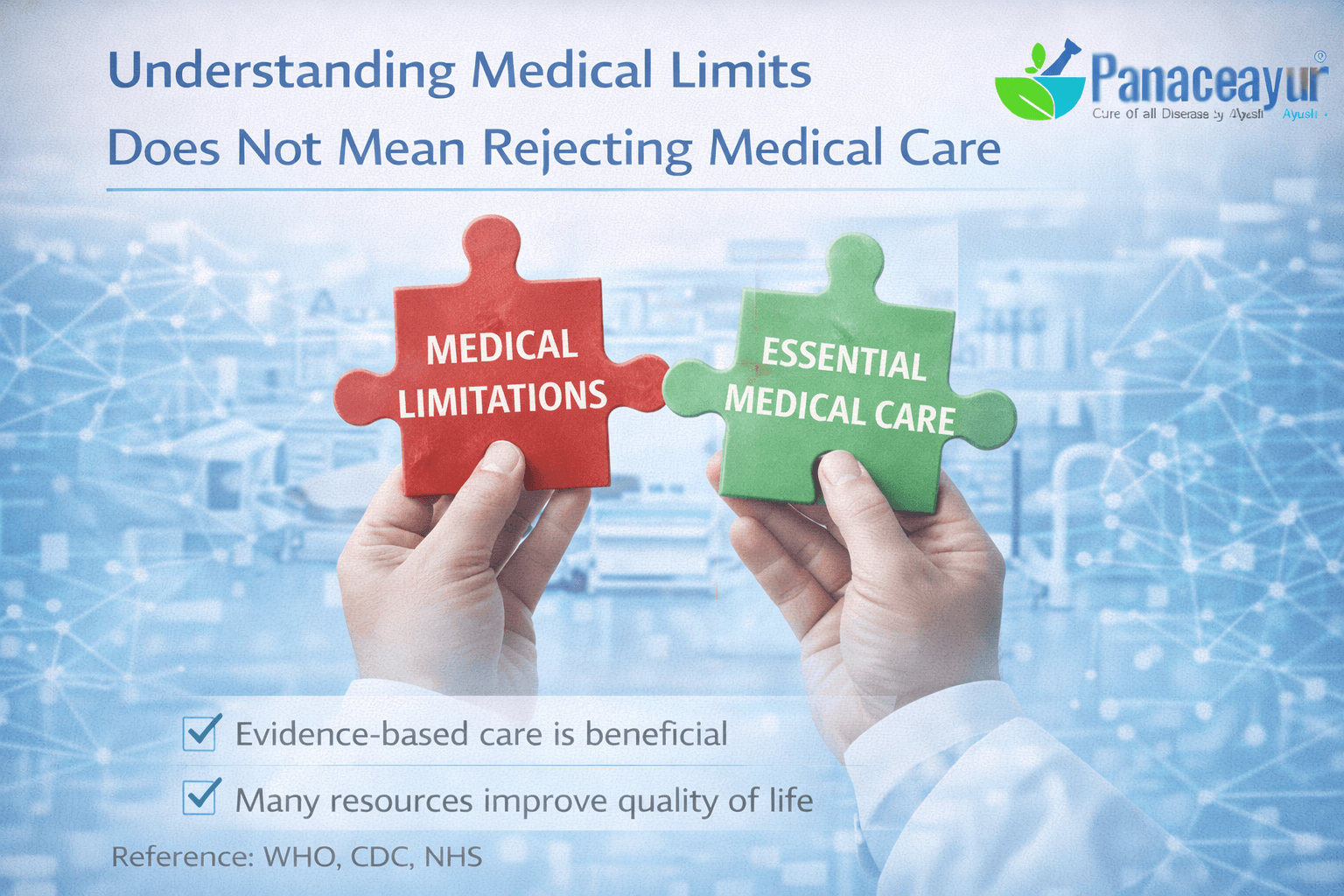
Recognizing the limits of modern medical explanations does not mean rejecting medicine or distrusting doctors. This distinction is especially important in sensitive health topics like herpes, where fear and misinformation can spread quickly. Modern medicine plays a critical and irreplaceable role in patient safety, symptom control, and public health [1], [2].
Modern medicine excels at suppression and safety. Antiviral therapies have transformed herpes from a painful and disruptive condition into one that is manageable for most people. These medications reduce the severity and duration of outbreaks, lower the risk of complications, and help many patients live normal, stable lives [1], [4].
Antivirals also save lives and reduce transmission. By lowering viral shedding, they significantly decrease the risk of passing the virus to partners and newborns, which is especially important in pregnancy and immunocompromised individuals. From a population health perspective, this impact cannot be overstated [2], [4].
Exploring the limits of current medical models is not the same as abandoning care. It does not mean stopping prescribed treatment, ignoring medical advice, or replacing evidence-based medicine with unproven claims. Instead, it means understanding what modern medicine is designed to do, where it is strongest, and where its tools naturally stop.
For patients, this understanding creates clarity rather than conflict. It allows informed conversations with healthcare providers, realistic expectations about treatment, and a calmer approach to learning about additional perspectives without compromising safety. Acknowledging medical limits and respecting medical care can coexist, and doing so helps protect both physical health and peace of mind.
What This Question Reveals About Modern Medicine as a Whole
Asking why doctors in the UK and USA say herpes is lifelong ultimately reveals something much broader than herpes alone. It exposes how modern medicine is structured, what it does exceptionally well, and where its frameworks are naturally limited. This perspective helps patients see their experience not as a personal failure, but as part of a larger medical pattern [9], [15].
Acute Disease Models vs Chronic Viral Reality
Modern medicine is highly effective in acute and emergency situations. It excels at diagnosing immediate threats, stopping active disease processes, and stabilizing patients quickly. Infections that can be cleared rapidly, injuries that require urgent intervention, and conditions with short, measurable treatment windows fit perfectly into this model [15].
Latent viral infections, however, operate on a very different timeline. Viruses like herpes do not cause constant damage, nor do they behave in a way that can be easily resolved with short-term intervention. They persist quietly, interact with the immune system over years, and reactivate unpredictably. This long-term, fluctuating behavior exposes gaps in systems designed around short-term control rather than lifelong immune balance [9].
Herpes therefore becomes a mirror, reflecting a mismatch between chronic viral biology and acute-care medical structures. The “lifelong” label highlights not just the virus’s behavior, but the limits of a system optimized for immediacy and standardization.
Why Herpes Is Not Unique
Herpes is not the only condition that reveals this pattern. Similar challenges are seen with other latent viruses that remain in the body after initial infection. These viruses can stay inactive for long periods, reactivate under stress or immune changes, and resist complete eradication with current drug-based approaches [9], [15].
Because these infections do not fit neatly into cure-based models, they are often managed rather than resolved within mainstream medicine. This consistency across multiple viruses suggests that the issue is not unique to herpes, but part of a broader limitation in how chronic, latent conditions are addressed.
For patients, this understanding sets the stage for deeper exploration. It explains why the same questions arise across different conditions and why people continue searching for explanations beyond standard definitions. Recognizing this pattern helps place herpes in a wider medical context, reducing isolation and opening space for informed, thoughtful inquiry without abandoning scientific rigor.
Why Patients Continue Searching for Second Opinions

For many people, the search for a second opinion does not begin with rejection of medical advice. It begins when lived experience does not fully match the explanation they were given. Even while following guidelines and treatment plans, some patients feel that something remains unresolved. This gap is what drives continued searching, reading, and questioning [4], [14].
When Suppression Feels Incomplete
Antiviral therapy is effective for many, but it is not always complete in its impact. Some patients experience breakthrough outbreaks despite regular medication use. Others notice that symptoms return during periods of stress, illness, or fatigue, even after long stretches of stability. These experiences can be confusing when the condition has been described as fully “managed” [4].
There is also long-term medication fatigue. Taking daily or episodic antivirals for years can create emotional and psychological strain, even when side effects are minimal. Patients may begin to wonder whether lifelong suppression is the only possible path, or whether the current approach is simply the best option available within the system [14].
These experiences do not mean treatment has failed. They mean that management does not always feel complete from a patient’s perspective. When symptoms persist or recur unpredictably, people naturally seek deeper explanations rather than repeating the same reassurance indefinitely.
Why Explanation Comes Before Alternatives
Most patients do not search for alternatives because they want to abandon medicine. They search because they want to understand. When explanations feel rushed or overly simplified, uncertainty grows. Clear understanding restores a sense of agency, even before any new approach is considered.
Explanation reduces fear. Knowing why suppression works, where it stops, and why outcomes vary helps patients feel less helpless. It shifts the experience from confusion to comprehension. For many, this clarity alone brings relief and reduces anxiety, regardless of the next step [4], [14].
This is why explanation always comes before alternatives. People need to make sense of their diagnosis before they can evaluate any broader perspective responsibly. Understanding the limits of one approach creates space for informed, calm exploration rather than reactive decision-making.
What This Article Is Not Claiming
Because herpes is a sensitive medical topic, it is important to be clear about the boundaries of this discussion. This article is written to explain why doctors in the UK and USA say herpes is lifelong, not to replace medical care or make promises that medicine itself does not support.
This article is not claiming instant or universal cures. It does not suggest that herpes can be eliminated quickly, easily, or in the same way for every person. Biological responses vary widely, and no single outcome applies to everyone.
This article is not advising anyone to stop prescribed treatment. Antiviral medications remain an important part of herpes management for many patients. Decisions about starting, stopping, or changing treatment should always be made in consultation with a qualified healthcare professional.
This article is not rejecting modern medicine. On the contrary, it recognizes the strengths of modern medical care, particularly in diagnosis, safety, outbreak control, and transmission reduction. The discussion focuses on understanding medical limits, not dismissing medical expertise.
Finally, this article is not offering treatment instructions. It does not provide protocols, dosages, or self-treatment guidance. Its purpose is educational, helping readers understand medical language, system constraints, and why certain explanations are commonly used in clinical settings.
Clarifying what this article is not claiming helps protect patients from misunderstanding and keeps the focus where it belongs: on informed understanding rather than false hope or unnecessary fear.
What This Article Sets Up Next
Understanding why doctors in the UK and USA say herpes is lifelong is not an endpoint. It is the foundation. Once the medical language, system limits, and communication choices are clear, most readers naturally begin asking more focused and practical questions. This article is designed to prepare you for those next steps with clarity rather than confusion.
One of the most common follow-up questions is why modern antiviral drugs, despite being effective, do not eliminate the virus completely. This leads directly into the next article, which explains in clear scientific terms why antiviral drugs do not eliminate herpes latency and why suppression and eradication are treated as fundamentally different goals in medicine. Understanding this distinction helps resolve much of the frustration around long-term treatment.
Another question that often follows is more direct and deeply personal: can herpes be cured permanently. After understanding how medicine defines “no cure” and why that language exists, readers are better equipped to explore a careful, balanced comparison between modern medical perspectives and Ayurvedic thinking. The next article examines this question calmly, without hype or rejection of science, and explains how different medical systems frame the idea of cure.
Many readers also recognize themselves in a different kind of confusion. Some have never had symptoms at all, yet test positive. Others are told not to worry about a positive IgG result but are left without a clear explanation. This article sets up two closely related discussions: why many people test positive for herpes but never have symptoms, and what a herpes IgG positive result actually means in real life. These topics address anxiety directly and help patients interpret lab results with confidence rather than fear.
Together, these next articles continue the same approach used here: explaining complex medical realities in plain language, reducing panic, and restoring understanding step by step. This progression allows readers to move forward informed, grounded, and prepared for deeper discussion rather than overwhelmed or misled.
Key Takeaway for Patients
When doctors describe herpes as a lifelong condition, they are usually referring to how it is defined and managed within current medical frameworks, based on approved treatments, evidence standards, and regulatory boundaries. This language reflects the structure of modern healthcare, not a personal judgment or a definitive statement about every individual’s biological outcome.
Importantly, “lifelong” does not mean hopeless. It does not mean constant symptoms, inevitable decline, or loss of control. Many people live full, healthy lives with herpes, and for many, the virus remains inactive for long periods. The term describes classification, not destiny.
Understanding the limits of one medical system creates clarity rather than fear. It allows patients to interpret medical advice accurately, ask better questions, and explore information responsibly. Informed understanding opens space for thoughtful exploration and calm decision-making, not false promises or unrealistic expectations.
FAQ: Why Doctors in the UK and USA Say Herpes Is Lifelong
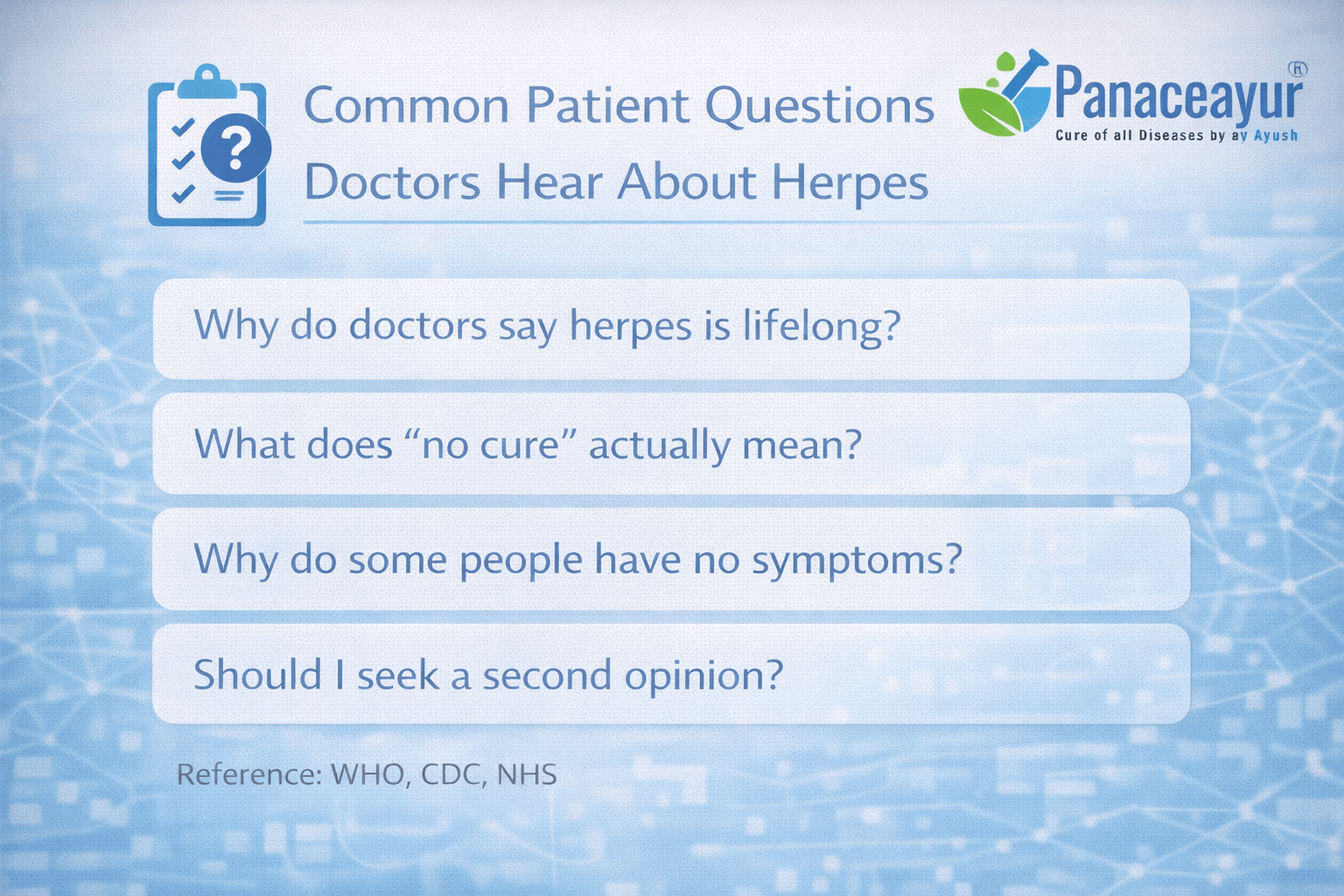
Is herpes really lifelong, or is that just how doctors describe it?
Doctors in the UK and USA describe herpes as lifelong because current medical guidelines classify it as a chronic viral infection with latency. This classification is based on available treatments and evidence standards, not on a statement that improvement or long symptom-free periods are impossible.
If herpes is lifelong, why do some people never have symptoms?
Many people carry the virus without noticeable symptoms because the virus can remain inactive for long periods. Medical language does not change based on symptoms alone, which is why both symptomatic and asymptomatic individuals may hear the same explanation from doctors.
Does “no cure” mean nothing can ever change?
In medical terms, “no cure” usually means there is no approved treatment that reliably eliminates the virus under current regulatory standards. It does not mean that symptoms cannot improve or that the immune system plays no role over time.
Why do all doctors seem to say the same thing about herpes?
Doctors are trained to follow standardized clinical guidelines to ensure safety, consistency, and legal clarity. Using the same language does not mean they lack empathy or curiosity, but that they are communicating within approved medical frameworks.
Should I stop treatment if I feel fine or have no symptoms?
No. Decisions about starting, stopping, or changing treatment should always be made with a qualified healthcare professional. This article is educational and does not provide treatment advice.
REFERENCE
[1] WHO – Herpes Simplex Virus Fact Sheet
World Health Organization. (2023). Herpes simplex virus.
https://www.who.int/news-room/fact-sheets/detail/herpes-simplex-virus
Used in sections:
- Official medical position
- Definition of herpes as lifelong infection
- Patient-facing global framing
[2] CDC – Genital Herpes Clinical Overview
Centers for Disease Control and Prevention. (2023). Genital herpes – CDC fact sheet.
https://www.cdc.gov/std/herpes/stdfact-herpes.htm
Used in sections:
- How doctors are taught herpes
- “Incurable but manageable” language
- US guideline framing
[3] NHS – Genital Herpes Overview
National Health Service. (2023). Genital herpes.
https://www.nhs.uk/conditions/genital-herpes/
Used in sections:
- UK system framing
- NHS patient messaging
- “Lifelong infection” terminology
[4] Corey et al. – New England Journal of Medicine (HSV Review)
Corey, L., Wald, A., Patel, R., et al. (2004). Once-daily valacyclovir to reduce the risk of transmission of genital herpes. New England Journal of Medicine, 350(1), 11–20.
https://www.nejm.org/doi/full/10.1056/NEJMoa035144
Used in sections:
- Antiviral suppression goals
- Why antivirals reduce transmission but do not cure
- Foundation of lifelong management narrative
[5] Whitley & Roizman – Latency Biology of HSV
Whitley, R. J., & Roizman, B. (2001). Herpes simplex virus infections. The Lancet, 357(9267), 1513–1518.
https://doi.org/10.1016/S0140-6736(00)04638-9
Used in sections:
- Viral latency explanation
- Why HSV persists in neural tissue
- Scientific basis for “lifelong” classification
[6] Kennedy et al. – HSV Latency and Reactivation
Kennedy, P. G. E., & Steiner, I. (2013). Recent issues in herpes simplex encephalitis. Journal of Neurovirology, 19(4), 346–350.
https://doi.org/10.1007/s13365-013-0188-0
Used in sections:
- Latency vs active infection
- Why eradication is difficult with drugs
- Neurological persistence framing
[7] FDA – Drug Approval Framework
U.S. Food and Drug Administration. (2022). Clinical trial endpoints for antiviral therapies.
https://www.fda.gov/drugs/development-resources/antiviral-product-development
Used in sections:
- “No cure approved” vs “no cure exists”
- Regulatory definition of cure
- Evidence standards shaping narratives
[8] Ioannidis – Evidence Hierarchy and Bias
Ioannidis, J. P. A. (2005). Why most published research findings are false. PLOS Medicine, 2(8), e124.
https://journals.plos.org/plosmedicine/article?id=10.1371/journal.pmed.0020124
Used in sections:
- Why only certain evidence counts
- RCT dominance
- Why absence of evidence becomes clinical default
[9] Greenhalgh et al. – Limits of Evidence-Based Medicine
Greenhalgh, T., Howick, J., & Maskrey, N. (2014). Evidence based medicine: A movement in crisis? BMJ, 348, g3725.
https://www.bmj.com/content/348/bmj.g3725
Used in sections:
- Why complex, individualized outcomes are ignored
- System limits without attacking medicine
- Chronic disease blind spots
[10] NIH – Immune Control of Chronic Viral Infections
National Institutes of Health. (2020). Immune responses to persistent viral infections.
https://www.ncbi.nlm.nih.gov/pmc/articles/PMC7111779/
Used in sections:
- Immune surveillance vs viral suppression
- Why immune recovery is under-discussed
- Functional viral control observations
[11] Wald et al. – Asymptomatic Viral Shedding
Wald, A., Zeh, J., Selke, S., et al. (2000). Reactivation of genital herpes simplex virus type 2 infection in asymptomatic seropositive persons. New England Journal of Medicine, 342(12), 844–850.
https://www.nejm.org/doi/full/10.1056/NEJM200003233421203
Used in sections:
- Why doctors avoid cure language
- Silent persistence framing
- Why “no symptoms” ≠ “no virus”
[12] GMC (UK) – Medical Communication & Ethics
General Medical Council. (2020). Good medical practice.
https://www.gmc-uk.org/ethical-guidance/ethical-guidance-for-doctors/good-medical-practice
Used in sections:
- Why doctors simplify language
- Ethical risk management
- UK doctor–patient communication constraints
[13] Defensive Medicine in the USA
Studdert, D. M., et al. (2005). Defensive medicine among high-risk specialist physicians. JAMA, 293(21), 2609–2617.
https://jamanetwork.com/journals/jama/fullarticle/200803
Used in sections:
- US-specific constraints
- Litigation fear
- Conservative messaging
[14] Long-Term Antiviral Use Review
Leone, P. A., et al. (2010). Valacyclovir for the suppression of recurrent genital herpes. Sexually Transmitted Diseases, 37(6), 329–334.
https://journals.lww.com/stdjournal/Fulltext/2010/06000/Valacyclovir_for_the_Suppression_of_Recurrent.1.aspx
Used in sections:
- Why patients seek second opinions
- Suppression fatigue
- Limits of lifelong drug dependency
[15] NIH – Chronic Disease Model Limitations
National Academies of Sciences. (2012). Chronic disease management and care models.
https://nap.nationalacademies.org/catalog/13268
Used in sections:
- Acute vs chronic care mismatch
- Why herpes exposes systemic gaps
- High-level synthesis section