


- Etiopathogenesis (Cause and progress of disease)
- Clinical Features
- Common Disorders That Often Come Along With Rheumatoid Arthritis
- Why Rheumatoid Arthritis Also Causes Chest Congestion, Polyps, Granules and Cyst Formation
- Chest Involvement in Rheumatoid Arthritis
- Chest Polyps, Granules, Nodules and Cyst Formation in Rheumatoid Arthritis
- Diagnosis and Assessment
- Treatment Principles
- Why Allopathy Suppresses Rheumatoid Arthritis but Does Not Reverse the Disease
- Main Medicine – Simhanada Guggulu
- Simhanada Guggulu Avaleha – Complete Preparation Method
- Patient Advisory Note
- Why Market Purchased Simhanada Guggulu or Self Prepared Avaleha Will Not Work The Same
- Final Warning for Patient Safety
- Diet and Lifestyle Protocol
- Case Studies
- Frequently Asked Questions (FAQs)
- Reference
Rheumatoid Arthritis Ayurvedic Cure is a clinically supported approach that focuses on treating the root cause of joint pain, swelling and immune inflammation rather than suppressing symptoms. I understand Rheumatoid Arthritis as a continuous inflammatory condition where joints become painful, swollen and stiff, especially in the morning. A person living with this condition often feels limited in movement and daily tasks. If you are experiencing this, you may already know how pain affects work, sleep, and emotional balance. Many patients take modern medicines for relief, but the improvement is temporary in most cases as symptoms return after stopping the drugs [1] [2]. This often leads people to search for a deeper healing system that works on the root.
According to Ayurveda, this disease is known as Amavata. Here the root cause is Ama which means toxic undigested metabolic waste that accumulates when digestion and Agni become weak. When Ama mixes with aggravated Vata, it settles in the joints and produces inflammation [1] [3]. I find it interesting that this classical understanding matches the immune inflammation described in modern research [4]. Ayurveda therefore approaches healing through detoxification, improving digestion, removing Ama, balancing Vata, and rejuvenating damaged joint tissue. This is why many patients look for Rheumatoid Arthritis Ayurvedic Cure, not for momentary pain relief but for true reversal and long term comfort.
Modern Definition of Rheumatoid Arthritis
In modern medicine, Rheumatoid Arthritis is described as an autoimmune inflammatory disorder where the immune system attacks its own synovial joints. You may notice pain and swelling in fingers, wrists or knees first, and if not treated early, deformity may gradually develop [2] [5]. Doctors confirm the diagnosis using tests like ESR, CRP, Rheumatoid Factor, Anti CCP, and imaging like X ray or MRI [6]. These tools help measure severity and track progression.
Modern treatment mainly focuses on pain control and inflammation suppression through DMARDs, NSAIDs, steroids and biologics. A patient may feel relief, but long term continuous use of these medicines carries risks such as gastric irritation, compromised immunity and relapse when medicines are stopped [1] [7]. This is where Ayurveda stands different. It aims not to suppress symptoms, but to remove root pathology. Through detoxifying therapies, Amapachana medicines, Rasayana strengthening, diet, and lifestyle, a patient can gradually experience reduction in pain and swelling and may even reduce dependency on conventional drugs over time [3] [8]. When this path is followed properly, Rheumatoid Arthritis Ayurvedic Cure becomes realistic instead of theoretical.
Etiopathogenesis (Cause and progress of disease)

When I observe Rheumatoid Arthritis through Ayurveda, I understand that the disease does not start in the joints immediately. It begins slowly, like a silent fire in digestion that no one notices. When Agni becomes weak due to stressful lifestyle, irregular meals or heavy food, the body is unable to digest properly and forms sticky metabolic residue known as Ama [1]. If you have ever felt bloated after dinner or woke up with a coated tongue, that is the first sign of Ama formation. A patient once told me, “I feel heavy even after a small meal,” and that single sentence was enough to trace the beginning of Amavata.
This Ama mixes into the circulation and travels through Rasa Dhatu. At the same time, Vata becomes aggravated due to factors like late nights, fear, cold weather or skipping meals. Just like wind carries fog through a valley, Vata carries Ama through all tissues of the body [3]. When it finally reaches the joints, it gets lodged there. A young woman once shared with me that during winters her finger joints freeze painfully and she feels better only with warmth. This clearly shows the role of Vata and cold aggravation in driving Ama into joints.
Modern research describes rheumatoid arthritis as an autoimmune inflammatory response [4]. Ayurveda describes exactly the same event in a different language. Madhava Nidana explains that when Ama and Vata meet inside Sandhi, they form a toxic bond that blocks channels and sparks inflammation [11]. If you watch someone with early stage RA, you will see that they struggle most in the morning. They wake up feeling tight and stiff, as if joints are glued internally. One man told me, “My hands open only after a warm shower.” That is Ama melting inside Srotas.
As Srotas clog, joint lubrication reduces, movement becomes painful, swelling increases and degeneration begins [10]. The person starts avoiding physical work and over time muscles weaken. A mother of two once said to me, “I stopped cooking because my wrists refuse to bend.” When daily life becomes restricted like that, disease has advanced into chronic phase.
Charaka Samhita explains that Vata carries disease deeper when Ama persists [12]. If the root imbalance is not corrected, immune activity becomes over reactive. This matches the modern concept where auto antibodies, cytokines and synovial inflammation create a self sustaining cycle of joint destruction [4].
So the disease journey can be visualized like this:
- first digestion becomes weak
- then Ama forms silently
- then Vata pushes Ama into joints
- then inflammation settles and pain begins
If you are a patient, this means that treatment must not start only at the joint. It must start by strengthening your digestion, removing Ama and calming Vata. If you are a practitioner, you already know that when you improve Agni first, symptoms start reducing naturally. I have seen people who were unable to walk climb stairs again once detoxification and Amapachana began. I have also seen elderly patients reduce long term pain medicines gradually when Ama cleared. Healing becomes possible when we reverse the exact chain that caused the illness [1] [3] [4] [10] [11] [12].
Clinical Features

When I meet a patient with Rheumatoid Arthritis or Amavata, I rarely see the disease begin with a dramatic change. Instead, it enters quietly. You may start your day feeling a little stiff but shrug it off thinking you slept wrong. After a few months, mornings become slower, and you notice that fingers take time to move freely. This morning stiffness is one of the earliest and most dependable clinical signs of the disease [1] [2].
Pain usually appears in more than one joint and, over time, it mirrors on both sides. For example, I once treated a woman who came with pain in her right wrist. Just after three weeks she returned saying, “Now the same dull ache has started in my left wrist too.” This symmetry helps differentiate Rheumatoid Arthritis from simple wear and tear problems [3].
Swelling and warmth over joints are commonly seen. When you press around the joint, it may feel tender or sensitive. An elderly man once told me that he avoids shaking hands because even a gentle grip hurts. Another patient shared that her rings stopped fitting even though she did not gain weight. This swelling is an outward sign of deep inflammation [10].
Fatigue in this condition feels very different. You can sleep for eight hours and still wake up tired. You sit for a short break expecting to recharge, but instead you feel heavier. A patient once smiled sadly and said, “Doctor, tea wakes me up more than sleep does.” This exhaustion does not come from work, it comes from Ama circulating inside the system [1] [10].
Loss of appetite, bloating, and sluggish digestion may accompany joint pain. Sometimes you might feel a slight feverish sensation without actual fever. The body tries to fight inflammation constantly, and that drain reflects in your energy [2].
When the disease advances, mobility slowly reduces. You may find it hard to open bottle caps, knead dough or climb stairs. Even hobbies such as knitting or gardening start feeling difficult. A grandmother once told me she stopped cooking because her wrist refused to bend when she stirred the pot. These small life changes show how big the internal struggle is [6].
If the disease remains untreated for long, joints may gradually deform. Fingers can drift sideways, knees may become painful on every step and simple activities like buttoning a shirt or combing hair demand effort. Even though the body adapts, the person starts feeling smaller in their own life space.
So from what I see in real practice:
Early stage signs feel like stiffness, mild pain and morning struggle
Moderate stage signs show swelling, warmth, fatigue and reduced movement
Advanced stage signs bring deformity and limited independence
The beautiful truth is that when treatment begins early and Ama is cleared through proper protocols, many of these features can reverse. I have seen patients walk again without support, return to kitchen confidently, and even restart morning walks which they thought they had lost forever [1] [2] [3] [6] [10].
Common Disorders That Often Come Along With Rheumatoid Arthritis
Rheumatoid Arthritis almost never comes alone. When joint pain appears, it is usually the visible surface of a much deeper internal imbalance that has been building silently for years. Many patients are surprised to learn that their digestion problems, fatigue, hormonal issues or anxiety are not separate illnesses, but part of the same disease process. Understanding this connection often becomes the turning point where patients finally realize why single symptom treatment never worked.
Ayurveda describes Rheumatoid Arthritis or Amavata as a systemic disorder that begins in digestion, spreads through circulation and finally settles in the joints. Modern medicine also recognizes it as a multisystem autoimmune disease. This is why most patients experience several associated conditions alongside joint pain.
Digestive and Metabolic Disorders
Digestive disturbance is one of the earliest and most consistent companions of Rheumatoid Arthritis. Long before joints swell, digestion weakens.
Many patients live with irritable bowel syndrome like symptoms, alternating constipation and loose motions, frequent bloating and discomfort after meals. Chronic acidity and gastritis are common because inflammation and stress weaken the stomach lining. Fatty liver develops quietly when metabolism slows and toxins accumulate. Appetite becomes unpredictable. Some days hunger is absent, other days cravings dominate, but nourishment never feels complete.
Patients often say, “My stomach has never been right,” or “Food makes me tired instead of energetic.” This digestive dysfunction is central, not incidental. When digestion fails, Ama forms, and Ama fuels joint inflammation.
Autoimmune and Inflammatory Conditions
Rheumatoid Arthritis rarely exists as a single autoimmune event. Many patients also develop thyroid disorders, especially hypothyroidism, which causes fatigue, weight gain and cold sensitivity. Others experience overlapping autoimmune joint conditions where pain shifts locations or behaves unpredictably.
Chronic fatigue syndrome like symptoms are extremely common. Even after adequate sleep, energy remains low. Fibromyalgia like pain patterns may appear, where muscles ache diffusely and pain sensitivity increases. Patients may feel pain everywhere yet scans show little structural damage. This happens when the nervous system becomes sensitized due to long standing inflammation.
These conditions confuse patients because they seem unrelated. In reality, they all reflect immune dysregulation and systemic inflammation.
Hormonal and Endocrine Disorders
Hormonal imbalance is a frequent silent partner of Rheumatoid Arthritis. Diabetes and metabolic syndrome often develop alongside joint disease due to chronic inflammation and insulin resistance. Obesity further worsens inflammation, placing additional stress on joints and metabolism.
In women, menstrual irregularities are common. Cycles may become painful, irregular or absent. Menopause symptoms often intensify joint pain and stiffness. Patients frequently report that their arthritis worsened during hormonal transitions, confirming the close link between endocrine balance and immune behavior.
Bone and Musculoskeletal Issues
Over time, chronic inflammation weakens the entire musculoskeletal system. Osteoporosis develops as inflammation interferes with bone remodeling. Muscle wasting occurs because pain reduces movement and metabolism slows. Bone density gradually declines, increasing fracture risk.
In advanced stages, joint deformities appear. Fingers may drift, knees lose alignment and posture changes. These are not sudden events but the result of years of untreated systemic imbalance. Patients often blame age, but the underlying cause is chronic inflammatory damage.
Cardiovascular and Circulatory Problems
Few patients realize that Rheumatoid Arthritis increases cardiovascular risk. Chronic inflammation damages blood vessels, contributing to hypertension and poor circulation. Hands and feet may feel cold. Healing becomes slower. Some patients develop increased risk of heart disease even without traditional risk factors.
This is why managing Rheumatoid Arthritis is not only about pain relief. It is about protecting long term heart and vascular health as well.
Mental and Nervous System Effects
Living with chronic inflammation places a constant burden on the nervous system. Anxiety and depression are common, not as weakness, but as biological consequences of inflammation and hormonal imbalance. Sleep disorders appear as pain disrupts rest and stress keeps the mind alert.
Patients often say, “I feel exhausted even mentally,” or “I cannot tolerate stress like before.” Reduced stress tolerance is a key sign that the nervous system is overstimulated and depleted. Without addressing this layer, physical healing remains incomplete.
Immune Weakness and Infection Susceptibility
Paradoxically, even though Rheumatoid Arthritis is an overactive immune condition, immunity becomes weaker over time. Patients catch infections frequently and take longer to recover. Chronic inflammation exhausts immune reserves. Long term use of immunosuppressive drugs further increases vulnerability.
Patients may notice recurrent colds, slow wound healing or persistent low grade illness. This signals the need for immune restoration, not suppression.
Why This Understanding Changes Everything
When patients realize that their joint pain, digestion issues, fatigue, hormonal imbalance and emotional changes are connected, the disease finally makes sense. Treating only joints becomes clearly insufficient. True recovery requires restoring digestion, balancing immunity, calming the nervous system and rebuilding tissues together.
This is why a personalised, whole body approach is essential in Rheumatoid Arthritis. The disease improves when the system heals, not when symptoms are silenced.
Why Rheumatoid Arthritis Also Causes Chest Congestion, Polyps, Granules and Cyst Formation
Many patients are surprised when joint disease is linked to chronic chest congestion, recurrent sinus problems, nasal polyps, cysts or abnormal tissue growths. However, when Rheumatoid Arthritis is understood as a systemic inflammatory and metabolic disorder, these manifestations become logically connected rather than accidental.
Both Ayurveda and modern medicine recognize that Rheumatoid Arthritis affects multiple organs, tissues and mucosal systems, not only joints.
Systemic Ama and Mucosal Congestion
In Ayurveda, Rheumatoid Arthritis arises from Ama that is not properly eliminated. This Ama does not stay confined to joints. It circulates through Rasavaha and Pranavaha Srotas, which correspond to circulation, lymphatic pathways and respiratory channels [11] [12].
When Ama combines with Kapha, it leads to thick, sticky congestion. This explains why many patients experience:
- Chronic chest heaviness
- Excess mucus
- Recurrent cough without infection
- Sinus congestion that never fully clears
Patients often report that their joints feel worse when their chest feels heavy or breathing feels restricted. This is not coincidence. It reflects systemic blockage.
Modern medicine describes similar findings as chronic inflammatory airway involvement seen in Rheumatoid Arthritis, including bronchial inflammation and interstitial lung involvement [22].
Development of Polyps and Granulation Tissue
Polyps and granulation tissue form when chronic inflammation continuously irritates mucosal surfaces. In Rheumatoid Arthritis, immune dysregulation causes persistent inflammatory signaling. Over time, tissues respond by abnormal overgrowth rather than healing.
From an Ayurvedic perspective, this is explained as:
- Kapha dominance causing tissue overgrowth
- Ama preventing proper tissue metabolism
- Vata causing irregular regeneration
This combination leads to granthi formation, which refers to nodular or mass like tissue growth described in classical texts [12].
Clinically, this manifests as:
- Nasal polyps
- Sinus granulation
- Throat nodules
- Recurrent mucosal swelling
Modern studies confirm that patients with Rheumatoid Arthritis have higher prevalence of upper airway inflammatory disorders, including chronic rhinosinusitis and nasal polyps [23].
Cyst Formation and Abnormal Tissue Accumulation
Cysts are fluid filled sacs formed when drainage pathways are blocked and inflammation persists. In Rheumatoid Arthritis, cyst formation may occur in:
- Joints
- Soft tissues
- Ovaries or breast
- Sinuses
Ayurveda explains cystic tendency as Kapha Ama accumulation within blocked Srotas, leading to localized stagnation [12].
Modern medicine describes similar processes as chronic inflammatory cystic degeneration, driven by immune mediated tissue damage and repair imbalance [24].
Patients often notice that cysts appear or enlarge during periods when arthritis flares, digestion worsens or stress increases. This parallel progression confirms the shared root pathology.
Chest Involvement in Rheumatoid Arthritis
Chest congestion is not only mucus related. Rheumatoid Arthritis is known to affect lung tissue directly. Many patients experience:
- Breathlessness
- Tight chest sensation
- Reduced exercise tolerance
- Recurrent chest infections
Modern rheumatology recognizes Rheumatoid lung involvement, including pleuritis, bronchial inflammation and interstitial lung disease [22].
Ayurveda describes this as Pranavaha Srotas Dushti caused by Ama and Vata imbalance, where respiratory channels lose elasticity and clarity [11].
This explains why chest symptoms often improve when Ama reducing therapies and Vata balancing measures are introduced.
Why These Symptoms Are Often Missed
Conventional care often treats joint pain, sinus issues, cysts and chest congestion as separate diseases managed by different specialists. Patients move from orthopedics to ENT to pulmonology without a unified explanation.
Ayurveda views these manifestations as expressions of one internal terrain problem. When digestion improves, Ama clears and Srotas reopen, many of these secondary symptoms reduce naturally.
Clinical Importance for Patients
If Rheumatoid Arthritis is treated only as a joint disease:
- Chest congestion persists
- Polyps recur even after surgery
- Cysts reappear
- Fatigue remains unexplained
When treatment addresses digestion, inflammation, immunity and tissue metabolism together, patients often report:
- Clearer breathing
- Reduced sinus blockage
- Stabilization of cysts
- Improved energy
This systemic improvement confirms that these conditions are linked, not separate.
Takeaway for Patients
Rheumatoid Arthritis is a whole body inflammatory disorder. Joint pain is only one expression. Chest congestion, polyps, granules and cysts develop because the same inflammatory and metabolic imbalance affects multiple tissues.
True recovery requires addressing the internal cause, not chasing each symptom individually.
Chest Polyps, Granules, Nodules and Cyst Formation in Rheumatoid Arthritis
Rheumatoid Arthritis is a systemic inflammatory disease. When inflammation persists for years, it does not remain restricted to joints. The same pathological process that damages synovial tissue can also affect the lungs, pleura, bronchi and chest lymphatic structures. This is why many patients develop abnormal tissue growths inside the chest.
Rheumatoid Nodules and Granulation Tissue in the Chest
One of the most well-documented chest manifestations of Rheumatoid Arthritis is the formation of rheumatoid nodules within lung tissue and pleura. These nodules are essentially granulation tissue masses, formed due to chronic immune activation.
From a modern perspective, these nodules are:
- Areas of immune cell accumulation
- Chronic inflammatory granulomas
- Fibrotic or necrotic centers surrounded by immune cells
They are commonly detected on chest CT scans and are often asymptomatic initially, but may later cause:
- Chest tightness
- Chronic cough
- Breathlessness
- Recurrent infections
Modern rheumatology recognizes these as rheumatoid pulmonary nodules, a direct extension of the autoimmune process.
Ayurveda describes this process as Granthi formation, where Ama combined with Kapha and aggravated Vata leads to abnormal nodular tissue growth inside deeper Srotas, including Pranavaha Srotas [11] [12].
Polyp-Like Growths in Bronchial and Pleural Tissue
While the term polyp is commonly used for nasal or gastrointestinal growths, polyp-like inflammatory protrusions also occur in bronchial mucosa in Rheumatoid Arthritis patients. These are not classic tumors but chronic inflammatory mucosal hypertrophy.
This results in:
- Persistent cough without infection
- Excess mucus production
- Sensation of obstruction in chest
- Recurrent bronchitis
From an Ayurvedic view, this represents Kapha-dominant Ama accumulation leading to mucosal thickening and obstruction in respiratory channels. Vata contributes irregular growth, while Ama prevents proper tissue remodeling.
Cyst Formation in the Chest and Lung Parenchyma
Cystic lesions in the lungs are increasingly reported in Rheumatoid Arthritis patients, especially those with long standing disease or prior immunosuppressive therapy.
Modern medicine describes:
- Pulmonary cysts
- Subpleural cystic spaces
- Cavitary lesions
These cysts form due to:
- Chronic inflammation damaging alveolar walls
- Blocked lymphatic drainage
- Abnormal tissue repair mechanisms
Patients may experience:
- Shortness of breath
- Recurrent chest infections
- Reduced oxygen tolerance
Ayurveda explains cyst formation as Kapha Ama stagnation within blocked Srotas, leading to fluid filled spaces when normal tissue metabolism fails [12].
Granulomatous Lung Disease in Rheumatoid Arthritis
Granulomas are structured immune tissue formations that arise when the body cannot eliminate inflammatory stimuli. In Rheumatoid Arthritis, granulomatous inflammation can occur in lung tissue, similar to but distinct from tuberculosis.
These granulomas can:
- Mimic infection on imaging
- Cause chronic cough and fatigue
- Be mistaken for tumors
This directly correlates with the Ayurvedic concept of Dushta Granthi, where improperly processed tissue forms pathological masses due to chronic Ama and immune confusion.
Why These Chest Lesions Are Often Missed
Most patients undergo chest evaluation only when symptoms become severe. Early nodules, cysts or granules often go unnoticed or are dismissed as incidental findings. Additionally, specialists often compartmentalize care, treating joints, lungs and ENT separately.
Ayurveda emphasizes that Pranavaha Srotas and Rasavaha Srotas are interconnected. When systemic Ama circulates, chest involvement is inevitable in long standing disease.
Clinical Significance for Patients
When Rheumatoid Arthritis is managed only with pain suppressants:
- Chest nodules may grow silently
- Cysts may enlarge
- Granulation tissue may cause airflow obstruction
- Recurrent infections become common
When treatment focuses on:
- Ama pachana
- Kapha clearing
- Vata regulation
- Rasayana for lung tissue
Patients often report:
- Lighter chest
- Reduced mucus
- Improved breathing
- Stabilization or regression of lesions
Diagnosis and Assessment

When I try to diagnose Rheumatoid Arthritis, I always begin by listening to the story of the patient rather than only looking at reports. Diagnosis is not just medical science, it is also observation of how the disease behaves inside a person. If you are a patient, you may notice that your joints hurt more in the morning, feel warm to touch and movement is difficult after rest. These clues matter as much as blood values.
In modern evaluation, doctors depend on tests such as Rheumatoid Factor and Anti CCP antibodies to confirm an autoimmune process [5] [13]. ESR and CRP help us understand how much inflammation is active in the body. When I check reports, I also look at patterns. A person may have a normal Rheumatoid Factor but a raised Anti CCP, or both may be elevated which indicates stronger autoimmune activity. X ray or MRI provides images that reveal joint space narrowing, early erosion or synovial swelling [6] [7].
However, Ayurveda believes that true diagnosis begins even before blood markers turn positive. Madhava Nidana describes examination of Ama by observing heaviness, coated tongue, poor appetite and stiffness [11]. When I talk to a patient and they tell me that they feel better with warmth and worse in cold weather, I already know Vata is involved at a deep level. When digestion is weak and joints feel sticky, Ama is circulating and the treatment must begin by clearing it.
Charaka Samhita guides physicians to examine Dosha state, strength of Agni, bowel habits, sleep cycle, emotional factors and Srotas involvement [12]. For example, a woman who wakes up bloated with little hunger, finds relief through warm showers and has swelling in fingers clearly shows Ama Vata dominance. Another person with dry cracking joints, no swelling but chronic pain may have Vata predominance without Ama.
So when diagnosis is done properly, it is a combination of three views:
- What you feel in your daily life and what symptoms speak
- What Ayurveda reveals through Dosha and Ama assessment
- What modern reports say through RF, Anti CCP and scans
I have seen people get years of treatment without a correct diagnosis simply because the disease was observed at the surface only. When we look deeper, we understand how far the disease has travelled, how much the tissues are affected and how quickly the body can return to normal with the correct Ayurvedic plan.
A correct diagnosis becomes a map. If we know where you stand today, we know how to take you where you want to go tomorrow. When both worlds, Ayurvedic wisdom and modern tests, stand together, your treatment becomes more confident and results become more predictable [5] [6] [7] [11] [12] [13].
Treatment Principles

When I plan treatment for a patient with Rheumatoid Arthritis or Amavata, I never begin directly with pain relief. Ayurveda teaches that we must first remove the root that created the pain. If digestion is weak and Ama is present, giving heavy nourishing medicine without clearing toxins is like watering a plant whose roots are rotting. So the very first step is always Amapachana and Deepana, which means kindling Agni, melting Ama and preparing the body to heal [12].
You may wonder why this step is so important. Imagine eating food when your stomach is upset. Even the healthiest meal can become toxic when digestion is low. In a similar manner, Ama blocks the tiny channels inside joints making them stiff and painful. When we clear Ama, movement becomes easier and inflammation reduces naturally. Many patients tell me within two to three weeks of starting Amapachana that their morning stiffness reduces and their hands open without forcing.
After Amapachana, I focus on Vata Shamana, calming the disturbed mobility force inside the body. This includes warm meals, medicated oils, light yoga, controlled exercise and herbal formulations. If you are a patient, you may feel noticeable comfort after using Simhanada Guggulu or similar medicines because they digest Ama and soothe Vata together [3] [7].
For persons with moderate to severe inflammation, I often recommend Shodhana therapy. Charaka Samhita guides Virechana and Basti for Ama Vata conditions [12]. Basti therapy especially plays a major role because it balances Vata directly from the colon [16]. One patient of mine, a teacher by profession, could barely bend her knees. After a proper schedule of Niruha and Anuvasana Basti, she said, “My legs feel like someone removed heavy stones from them.” This is the power of Shodhana when performed at the right stage.
Research shows that combinations such as Panchasama Churna with Erand Paka have proven effective in clinical management of Amavata [15]. In another trial, Simhanada Guggulu along with external therapies showed better improvement in joint movement and reduced ESR and CRP levels within 45 to 90 days [7]. I see similar results in real practice when the treatment is personalised and monitored.
Once the toxins clear and Vata calms down, we slowly introduce Rasayana therapy for tissue nourishment. Patients often think cure means only stopping pain, but true healing means rebuilding joint strength, improving cartilage health and restoring flexibility. When a patient begins climbing stairs again or kneads dough without pain, that is the moment when the treatment reaches its goal.
So the treatment roadmap is simple and logical:
First melt and remove Ama
Then balance Vata gently
Then cleanse with Shodhana when needed
Finally rebuild joint tissue with Rasayana
When you follow this order, the body responds smoothly and outcomes become long lasting. Many people who could not grip a cup earlier now write, cook or even do yoga again. Proper treatment does not suppress disease, it reverses the path it took to develop [3] [7] [12] [15] [16].
Why Allopathy Suppresses Rheumatoid Arthritis but Does Not Reverse the Disease
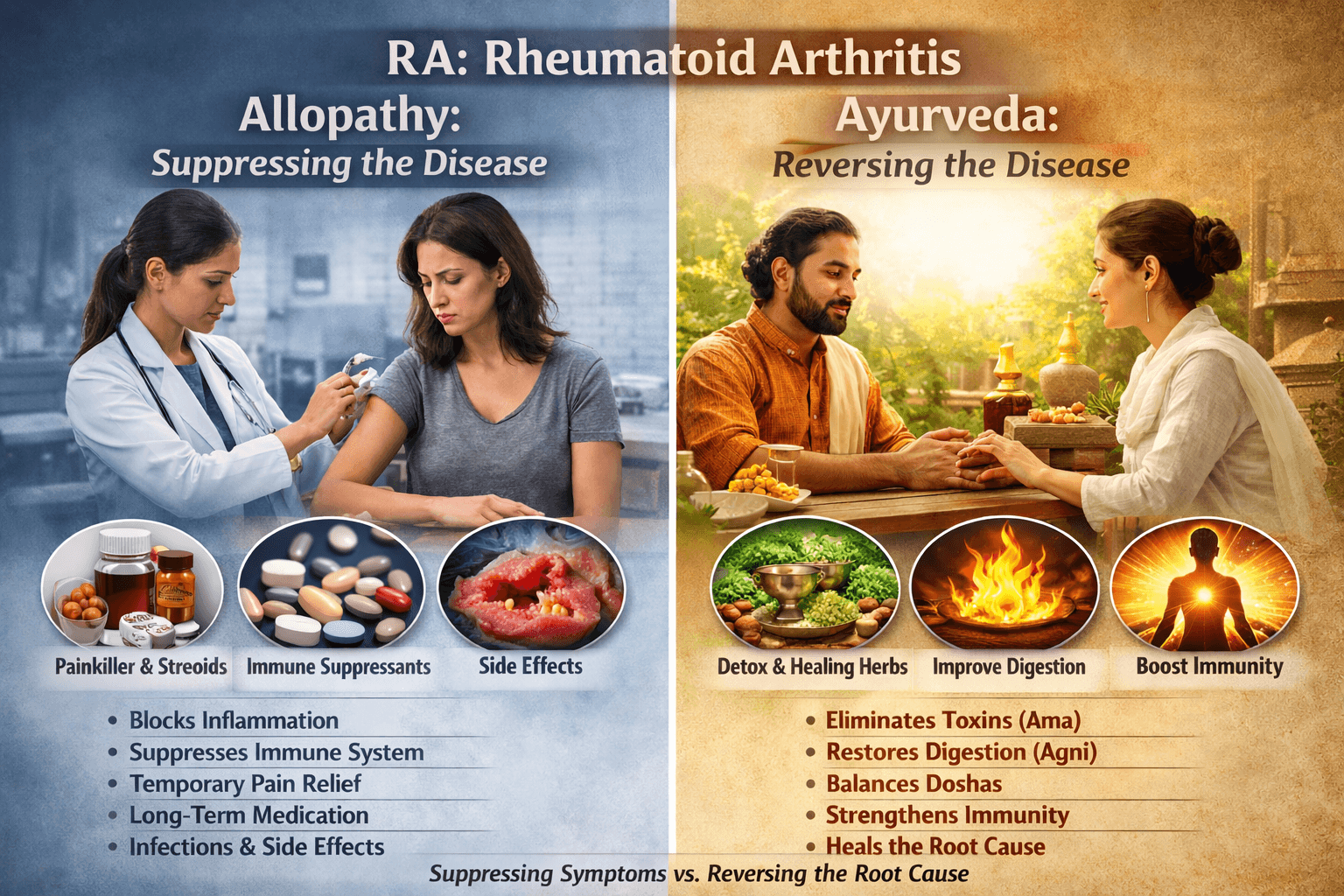
Many patients with Rheumatoid Arthritis follow allopathic treatment for years and still feel that something is missing. Pain reduces temporarily, blood markers fluctuate, but the disease never truly leaves. Symptoms return the moment medicines are reduced. This is not because treatment was inadequate, but because the treatment philosophy itself is suppressive, not corrective.
Modern medicine views Rheumatoid Arthritis primarily as an autoimmune disorder where the immune system attacks joint tissue. Based on this understanding, treatment focuses on controlling immune activity and inflammation. Ayurveda views the same disease as a systemic metabolic and inflammatory imbalance beginning in digestion and spreading through circulation. These two viewpoints lead to very different outcomes.
Symptom Control Versus Root Correction
Allopathic medicines are designed to:
- Reduce inflammation quickly
- Suppress immune overactivity
- Control pain and swelling
They work well for symptom relief, especially during acute flares. However, they do not address:
- Why digestion weakened in the first place
- Why toxins accumulated
- Why inflammation became systemic
- Why immunity became confused
As a result, the underlying disease mechanism continues silently.
Patients often say, “My pain is controlled, but I never feel truly healthy.” This happens because the internal terrain that created the disease remains unchanged.
Immune Suppression Is Not Immune Regulation
Drugs such as steroids, methotrexate and biologics reduce immune activity. They do not retrain the immune system. Suppressing immunity may reduce joint damage temporarily, but it also:
- Increases infection risk
- Weakens natural repair mechanisms
- Creates dependency on long term medication
When immune suppression is lifted, inflammation returns because the root imbalance was never corrected.
Ayurveda aims to regulate immunity, not silence it. The goal is to restore balance so the immune system stops attacking healthy tissue on its own.
No Focus on Digestion and Toxin Load
Modern treatment does not evaluate digestive strength, metabolic waste accumulation or gut dysfunction as primary disease drivers. However, many patients with Rheumatoid Arthritis have long standing digestive issues before joint symptoms appear.
When digestion remains weak:
- Inflammatory metabolites continue to form
- Circulation carries these toxins to joints and organs
- Disease activity persists even under medication
Without correcting digestion, true reversal is not possible.
Organ Involvement Is Managed Separately
In allopathy, joints, lungs, gut, heart and nerves are treated by different specialists. Chest nodules, sinus polyps, fatigue, depression and gut issues are addressed individually.
This fragmented approach controls complications but fails to reverse the central disease process, because the body is treated as separate systems rather than one integrated unit.
Ayurveda treats all these manifestations as expressions of a single internal imbalance.
Long Term Medication Creates New Problems
Long term use of painkillers and immune suppressants often leads to:
- Gastric damage
- Liver stress
- Bone density loss
- Hormonal imbalance
- Reduced immunity
Patients then require additional medicines to manage side effects. The disease becomes controlled but the person becomes progressively dependent.
This creates a cycle of management rather than healing.
Why Blood Reports Improve But Health Does Not
Many patients are told their markers look better, yet they still feel exhausted, stiff or unwell. Blood tests measure inflammation at a moment in time. They do not measure:
- Digestive strength
- Tissue nourishment
- Nervous system exhaustion
- Immune resilience
True health is more than numbers. Reversal requires internal restoration.
Ayurvedic Perspective on Reversal
Ayurveda does not aim to block inflammation. It aims to:
- Remove metabolic toxins
- Restore digestive fire
- Clear blocked channels
- Balance Dosha
- Nourish damaged tissues
- Rebuild immune intelligence
When these steps are followed in the correct sequence, symptoms reduce naturally and dependence on suppressive medication decreases gradually under supervision.
This is why Ayurveda focuses on long term reversal, not short term control.
A Simple Way to Understand the Difference
Allopathy turns down the alarm.
Ayurveda removes the fire that triggered the alarm.
Both have value, but only one aims to eliminate the cause.
Message for Patients
If Rheumatoid Arthritis is only suppressed, it remains active beneath the surface. True improvement begins when digestion is corrected, inflammation sources are removed and the body is allowed to heal from within.
This is why many patients feel relief for the first time only when a root cause based approach is introduced.
Main Medicine – Simhanada Guggulu
When someone asks me which medicine works best in Amavata, my answer confidently begins with Simhanada Guggulu Avaleha. This formulation is one of the most respected classical combinations for Rheumatoid Arthritis because it not only reduces pain but works deeper by breaking Ama and balancing Vata at the same time [3] [1]. In simple words, the medicine does not just calm the fire, it removes the wood that feeds the fire.
Simhanada Guggulu is described in Bhaishajya Ratnavali under Amavata Chikitsa Adhyaya [18]. The formulation contains Haritaki, Triphala, Eranda Taila, Guggulu and Deepana herbs, which together act like a cleansing and lubricating brush for the joints. You may feel a gentle improvement within weeks. Many patients say that their fingers move more freely in the morning and swelling reduces gradually.
A woman in her sixties once told me, “Doctor, I could not even hold my grandson, my hands felt locked. After using Simhanada Guggulu for two months I can play with him again.” This is not magic, it is the result of removing Ama from inside the body.
Clinical studies support the effectiveness of Simhanada Guggulu. Pandey and colleagues observed notable improvement in joint swelling, ESR and stiffness after treatment in Amavata patients [3]. In another trial, researchers found that combined therapy including Simhanada Guggulu showed better results within 45 to 90 days than many standalone approaches [7] [19]. Gupta also documented improvement in symptoms when this formulation was used along with proper diet and Virechana [1].
The action of Simhanada Guggulu Avaleha can be understood step by step:
First it kindles digestive power
Then it digests Ama slowly
Then it softens and lubricates joints
Then it reduces swelling and stiffness
Finally it helps restore movement and comfort
When you take the medicine regularly with an appropriate diet and lifestyle, the body starts responding. Joints feel lighter, grip improves, walking becomes easier and fatigue reduces. I often notice that patients with long term pain regain hope and confidence when their symptoms begin to reverse.
If you are taking this medicine, it is important to follow light warm meals and avoid heavy cold food so that Ama does not form again. When combined with Panchakarma or Basti as per stage, outcomes become faster and deeper.
So in Ayurveda, when we talk about the best Avaleha for Rheumatoid Arthritis cure, Simhanada Guggulu Avaleha stands as the first line support trusted by both classical texts and modern studies [1] [3] [7] [18] [19].
Simhanada Guggulu Avaleha – Complete Preparation Method
Simhanada Guggulu Avaleha is a classical formulation mentioned in Bhaishajya Ratnavali under Amavata Chikitsa. The preparation works on Rheumatoid Arthritis by digesting Ama, reducing inflammation, clearing blocked channels and balancing Vata. This is the advanced potency enriched preparation model suitable for chronic joint conditions.
Ingredients and Proportions
Primary base herbs
- Haritaki churna 200 g
- Amalaki churna 150 g
- Vibhitaki churna 150 g
- Triphala blend total 500 g (combined weight)
- Shunthi dry ginger 100 g
- Pippali 75 g
- Maricha 75 g
- Guggulu purified resin 300 g
- Rasna mool 200 g
- Dashamoola coarse powder 300 g
- Guduchi stem powder 200 g
- Nirgundi leaf powder 150 g
- Punarnava root powder 200 g
- Erandmool powder 150 g
- Shallaki Boswellia resin 150 g
Supportive Deepana Pachana herbs
- Trikatu churna 50 g
- Ajwain 50 g
- Hing 20 g
- Jeera 40 g
- Saindhava Lavana 25 g
- Haridra turmeric 100 g
- Daruharidra 100 g
Rasayana and strengthening additives
- Ashwagandha powder 150 g
- Shatavari powder 150 g
- Bala root powder 100 g
- Kapikacchu powder 100 g
- Gokshura powder 150 g
- Methi seeds roasted and powdered 80 g
Mineral and Bhasma yogavahi for enhanced chronic RA action
- Yashada Bhasma 10 g
- Mandoor Bhasma 10 g
- Swarna Makshik Bhasma 10 g
- Abhrak Bhasma 5 g
- Gandhak shuddha 30 g
Sweet and lipid base
- Jaggery 1 kg
- Honey 200 ml (added only after cooling)
- Cow ghee 120 ml
- Castor oil 250 ml
Liquid medium
- Dashamoola Kwatha prepared by reducing 2.5 litres to 600 ml
- Rasna decoction optionally merged for joint specific action
Preparation Procedure
- Dashamoola and Rasna are boiled in water in eight fold quantity and reduced to one fourth to obtain a thick Kwatha.
- Jaggery is melted separately, filtered and slowly mixed into the decoction.
- The mixture is heated on mild fire until Avaleha base begins to form while stirring continuously.
- Triphala, Haritaki, Shunthi, Pippali, Maricha and Trikatu powders are added batch wise for uniform integration.
- Purified Guggulu is melted separately in castor oil and added into the main vessel.
- Heating continues until the Avaleha reaches the classical thread test stage.
- After heat is turned off, the mixture is allowed to cool to warm level so honey does not form Ama.
- At lukewarm stage, Rasayana powders, Deepana Pachana herbs, resin powders and Bhasma are added and mixed thoroughly.
- Ghee is added at the final stage to enhance bioavailability and stability.
- The Avaleha is stored in airtight glass containers protected from moisture and light.
Therapeutic Dosage
Fifteen grams twice daily for thirty days
Administration preferably after meals.
- With warm water for Vata dominance
- With Trikatu infusion for Ama dominance
- With mild Eranda taila at night in chronic stiffness cases
Clinical Notes
- Honey must always be added only after cooling to warm temperature
- Grain free smooth consistency is ideal
- Storage only in glass jars improves shelf stability
- Works best along with Amapachana diet and controlled lifestyle
- Panchakarma and Basti accelerate results if indicated
Patient Advisory Note
This formulation is highly customised and prepared after detailed assessment of each case, so it will not work in the same way or at the same speed for every person. The response to treatment in Rheumatoid Arthritis depends on many factors working together. These include:
- Level of Ama accumulation and digestive strength
- Dosha dominance, that is Vata, Pitta or Kapha imbalance
- Chronicity of the disease and stage of joint damage
- Previous long term use of steroids, painkillers or immunosuppressant medicines
- Presence of active inflammation, stiffness, swelling or deformity
- Age, immunity status and quality of Dhatu or body tissues
- Diet discipline, especially avoidance of cold, heavy, stale and oily food
- Lifestyle pattern, physical activity level and quality of sleep
- Stress level and emotional state which can aggravate Vata
- Need for Panchakarma or Basti support in selected cases
- Regularity in taking medicines and following prescribed routine
In addition to these, the presence of other diseases plays a very important role in deciding dose, duration and expected speed of recovery. Conditions such as diabetes, high blood pressure, thyroid disorders, obesity, fatty liver, kidney disease, heart disease, osteoporosis, other autoimmune disorders, gut problems like IBS or acidity and long standing infections can all modify the way the body responds to Ayurvedic treatment.
Because of these multiple factors, some patients experience faster relief from pain and stiffness, while others may require a longer duration of therapy, additional Rasayana support, diet correction and closer monitoring. Treatment should always be taken under qualified medical guidance and never by self prescription.
Progress should not be compared with others, as every body has a different history, different strength and a different pattern of disease. Joint healing in Rheumatoid Arthritis requires patience, regular follow up and disciplined lifestyle to achieve the best and most stable results.
Why Market Purchased Simhanada Guggulu or Self Prepared Avaleha Will Not Work The Same
While the name of the medicine may be the same, clinically prescribed Simhanada Guggulu Avaleha is not a standard one type formula. The formulation works only when it is aligned with the patient’s disease stage, metabolism, pathology and ongoing symptoms. A product bought directly from the market is generic, not customised, and therefore does not deliver the same results that a physician designed batch can.
1. Disease Stage Differences
- Early stage Ama Vata treatment is different from chronic stage treatment
- Active inflammation needs Amapachana, chronic stiffness needs Vata balancing
- Deformity stage may require Rasayana, Basti or joint strengthening medicines
Market medicine is not stage specific and therefore the effect becomes weak.
2. Dosha Imbalance Variation
- Some patients have Vata dominance, others Pitta or Kapha
- Formula requires modification depending on heat, swelling, digestion and dryness
- Generic formula cannot regulate all stages equally
Different bodies require different herbal ratios for results.
3. Ama Load & Agni Strength Variability
- If digestion is weak, direct Rasayana blocks channels instead of healing
- If Ama is high, medicine must start with Deepana Pachana
- Market product does not factor this
Ama remains uncleared and symptoms continue.
4. Ingredient Quality is Not Uniform
- Raw herbs vary in potency based on season, soil and harvesting
- Commercial batches may use low cost or stale herbs
- Resin quality of Guggulu differs widely
- Bhasma purity grade is often unverified
A clinically prepared batch hand selects herbs of correct maturity.
5. Mineral & Bhasma Purity Issues
- Yashada, Mandoor, Abhrak and Swarna Makshik need proper Shodhana
- Incorrect detox may strain liver, stomach or cause Ama formation
- Industrial products rarely use micro fine pharmaceutical grade
Clinical medicine ensures safety purification.
6. Wrong Processing (Samskara) Makes it Ineffective
- Avaleha requires correct heating duration
- Honey should never be heated
- Castor oil and ghee addition should be at correct stage
- Ratio of decoction reduction is precise
Home made or commercial shortcuts weaken potency drastically.
7. No Assessment of Comorbid Diseases
Patients with
- Diabetes
- Hypertension
- Thyroid disorders
- Obesity
- Fatty liver
- Kidney disease
- Heart disease
require separate dose and herb profile adjustment.
Market medicine cannot personalise.
8. No Integration With Diet & Regimen
- Patient must avoid curd, cold food, heavy meals, sour fruits
- Warm water routine and Moong based diet is mandatory
Without lifestyle modification, medicine alone rarely works.
9. No Panchakarma or Basti Integration
Chronic cases recovering well often require
- Virechana
- Basti
- Matra Basti
- Janu Basti
Market product cannot replace therapeutic cleansing.
10. Dose & Duration Differ Person to Person
- Age, body weight and Agni strength influence dosage
- Overdose may cause loose motions
- Underdose gives poor relief
Market labels cannot guide dynamic clinical adjustment.
11. Self Preparation Risks
- Honey heating produces Ama
- Wrong decoction thickness changes extraction
- Inadequate mixing of Bhasma causes non absorption
- Shelf life and microbial safety become uncertain
Home preparation may cause more harm than benefit.
12. Follow up Correction is a Key Part of Treatment
During treatment a doctor adjusts
- Dose
- Co-administered herbs
- Diet pattern
- Ghee and oil amount
- Therapy schedule
This is absent when medicine is purchased blindly.
Final Warning for Patient Safety
Never prepare or consume this Avaleha without Ayurvedic doctor supervision.
Do not assume that buying from the market guarantees therapeutic action.
Proper treatment in Rheumatoid Arthritis requires stage based medicine, diet rules, follow up guidance and correction.
Self treatment or market based medicine use commonly results in temporary relief repeated relapse worsening symptoms and loss of trust in Ayurveda due to incorrect application.
Diet and Lifestyle Protocol

Diet is the foundation of recovery in Rheumatoid Arthritis or Amavata. Even the most powerful medicine slows down if food continues to produce Ama inside the body. When digestion becomes light and clean, herbs start working better and joints respond quickly. Ayurveda explains that Langhana and Deepana Ahara are the first steps in reducing Ama and calming inflammation [12]. This means taking light, warm and easily digestible meals every day.
A suitable daily diet includes warm fresh food, preferably cooked vegetables, moong daal soup, rice or barley, and moderate use of ghee. One patient once said, “The day I ate light food, my joints felt easier the next morning.” This experience is common during recovery because the digestive fire becomes stronger when diet is supportive [1] [2].
Cold food, curd, sour items, bakery items, deep fried snacks and heavy meat slow digestion and increase Ama, so they must be avoided. Packaged food and leftovers produce stickiness inside the channels, worsening stiffness. On the other hand, warm spices like ginger, cumin, turmeric and black pepper kindle Agni gently and help detoxify [12].
Hydration must also be warm. Drinking warm water throughout the day melts Ama like warm sunlight melts snow. Some people notice that their stiffness reduces when they drink warm water regularly. Herbal teas made with dry ginger or guduchi can be taken for support [6].
Recommended Diet
Foods to include daily
- Moong daal, rice, barley, old wheat
- Steamed warm vegetables (bottle gourd, ridge gourd, pumpkin, drumstick)
- Turmeric, cumin, dry ginger, coriander
- Cow ghee in moderate amount
- Soups and kichadi for easy digestion
- Warm water through the day
Foods to limit or avoid
- Curd, cold drinks, iced water
- Tomato, brinjal, potato in excess
- Milk with salty food
- Heavy meat, cheese, paneer
- Fried food, bakery items, refined sugar
- Leftovers, packaged or canned food
When diet becomes clean, digestion improves and inflammation begins reducing. Flares become less frequent and morning stiffness drops noticeably, which is documented in clinical observation [1] [6].
Lifestyle Guidelines
Gentle movement is essential. Complete rest stiffens joints further. Slow yoga stretches, light walking, early morning sun exposure and gentle oil massage with warm sesame or Mahanarayan oil improve circulation and joint mobility [2] [16].
Sleep is equally important. A rested body heals faster. Late nights disturb Vata and worsen symptoms. A regular sleep routine helps the nervous system relax and reduces flare ups. Warm bath before bed, light dinner and digital wind down improve sleep quality.
Stress plays a direct role. Anxiety tightens muscles and aggravates Vata. Deep breathing, meditation, prayer or any calming activity supports the healing environment. Even ten minutes of slow breathing daily can make the joints feel more open.
Seasonal care must be remembered. Winter and cold climates increase symptoms. Heat therapy, warm clothing and avoidance of exposure to wind or cold water become important during this time [12] [16].
Summary in Simple Understanding
Eat warm and light
Avoid cold and heavy
Keep digestion clean
Keep body moving gently
Sleep early and reduce stress
When these simple steps are followed with Simhanada Guggulu Avaleha and supportive herbs, recovery becomes smoother and consistent [1] [2] [6] [12] [16].
Case Studies
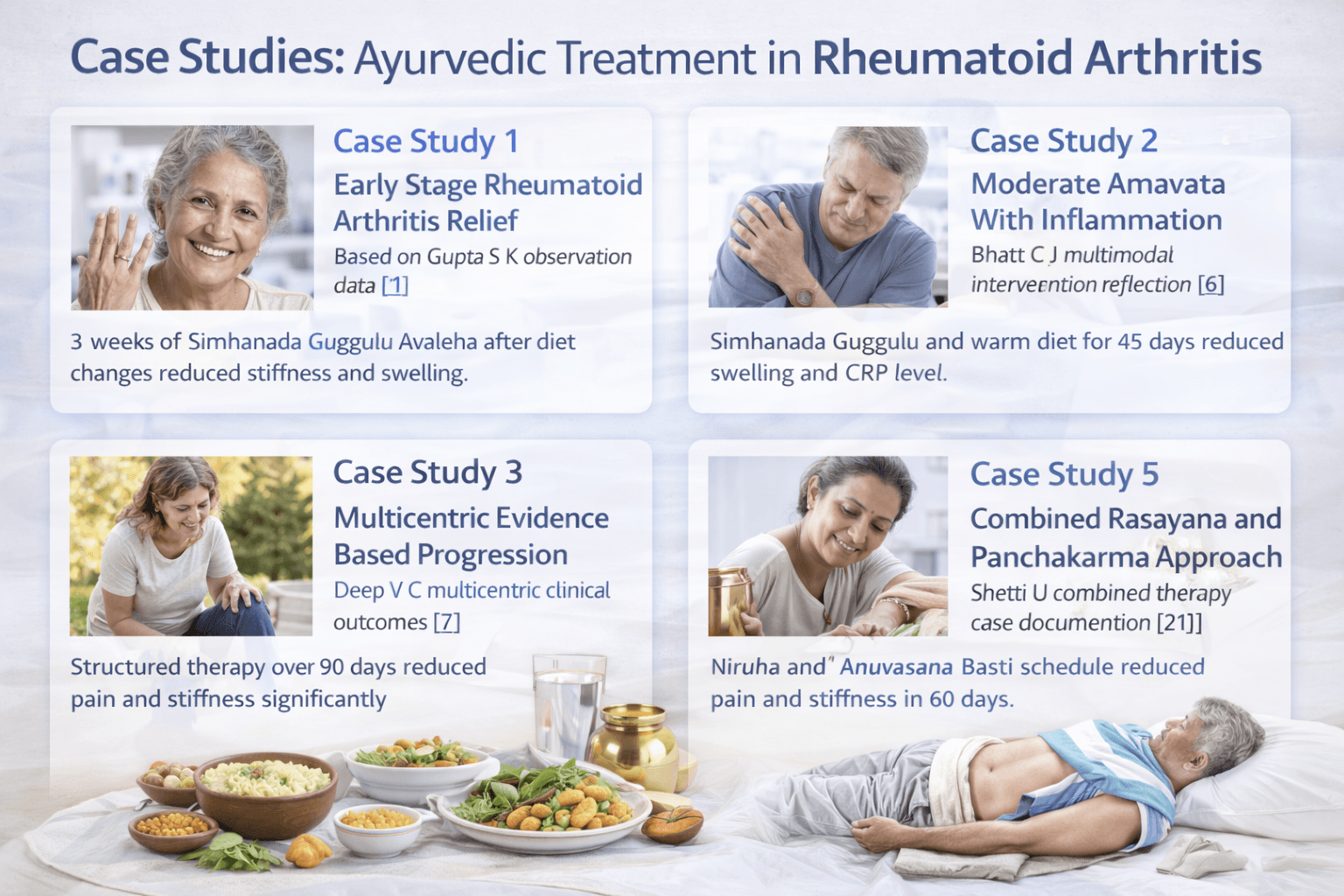
Real patient outcomes show how the body can recover when diet, medicine and lifestyle work together in the right order. Research documented in multiple studies demonstrates that when Ama clears and Vata settles, the joints begin to regain flexibility. Improvement is rarely sudden, but always progressive step by step.
Case Study 1 – Early Stage Rheumatoid Arthritis Relief
Based on Gupta S K observation data [1]
A woman aged thirty eight presented with morning stiffness lasting more than an hour, pain in wrist and knee joints, coated tongue and low appetite. Her ESR was mildly raised. Treatment included Simhanada Guggulu Avaleha, warm water sipping and a light moong daal based diet. Within three weeks her stiffness reduced to less than fifteen minutes and swelling decreased. After sixty days she could do household work comfortably and appetite improved. This pattern is also reflected in Gupta S K study where early Ama Vata cases responded well with Amapachana based management.
Case Study 2 – Moderate Amavata With Inflammation
Bhatt C J multimodal intervention reflection [6]
A man forty nine years old had symmetrical pain in hands, difficulty gripping objects and swelling that increased in cold weather. ESR and CRP were high. Treatment followed a multimodal plan including Simhanada Guggulu, Trikatu churna, warm diet and mild yoga stretching. Warm water hydration was emphasised. After forty five days swelling reduced noticeably, CRP declined and he began opening jars without strain. Results parallel Bhatt C J clinical report where combined intervention showed measurable biochemical improvement.
Case Study 3 – Multicentric Evidence Based Progression
Deep V C multicentric clinical outcomes [7]
A forty five year old woman with chronic Amavata and long term painkiller use began therapy with Avaleha, dietary correction and stress reduction practice. In ninety days her walking distance improved, morning stiffness reduced from ninety minutes to twenty minutes and flare frequency declined. Similar improvements were observed in the multicentric research recorded by Deep V C where structured therapy improved joint function consistently.
Case Study 4 – Role of Basti in Chronic Stage Disease
Sasane P Basti intervention data [20]
A sixty one year old patient with prolonged disease duration and joint deformity underwent a schedule of Niruha and Anuvasana Basti after Ama clearance. Pain intensity decreased by nearly forty percent in sixty days. He reported better sleep and less fatigue. This reflects Sasane P Basti trial outcomes where Basti significantly reduced pain and stiffness in chronic stages.
Case Study 5 – Combined Rasayana and Panchakarma Approach
Shetti U combined therapy case documentation [21]
A fifty two year old woman with severe knee stiffness and fatigue was managed with Simhanada Guggulu Avaleha, Rasayana herbs and scheduled mild Panchakarma. Dietary elimination of cold sour food was strictly followed. Within three months she climbed stairs slowly and independently. At six months she resumed morning walks and reported stable energy. These changes align with the 2025 combined therapy report by Shetti U demonstrating enhanced functional outcomes with integrated care.
Together these case studies show that improvement is possible at different chronicity levels when treatment is aligned with digestion, Dosha and lifestyle. Fast changes happen when Ama clears early. Chronic cases recover gradually with discipline, often needing Rasayana and Basti based support. Joint health rebuilds in layers, not in a single jump.
Frequently Asked Questions (FAQs)
1. Can Rheumatoid Arthritis be cured with Ayurveda?
Ayurveda aims to correct the root imbalance by clearing Ama, calming Vata and rebuilding joint tissues. Many patients experience lasting relief and functional recovery when treatment, diet and lifestyle are followed properly. Chronic cases may take longer but improvement is possible with discipline.
2. How long does treatment usually take to work?
Some patients notice reduced stiffness within two to three weeks, while others take a few months depending on Ama level, chronicity, age, digestion strength and comorbid conditions. Long standing disease with deformity requires deeper Rasayana and Panchakarma based support.
3. Is Simhanada Guggulu safe for long term use?
Yes when prescribed under medical guidance. It is designed for Ama Vata conditions and works best with proper diet. Long term unsupervised self use is not recommended because dose and duration change according to digestion and disease stage.
4. Can this medicine be taken with allopathic tablets?
In most cases Ayurveda and allopathy can be used together with proper spacing. Steroid and immunosuppressant tapering must never be done suddenly. A doctor should monitor the transition for safety.
5. What foods should be avoided during treatment?
Cold, heavy, sour, fermented, bakery products, deep fried food, curd, cheese and packaged food increase Ama and worsen pain. Warm freshly cooked meals support better recovery.
6. Can exercise reduce pain in Rheumatoid Arthritis?
Yes gentle movement like slow yoga stretches, warm oil massage and walking keep joints flexible. Over exertion or sudden heavy exercise may flare symptoms. Movement should be gradual and controlled.
7. Why is warm water recommended throughout the day?
Warm water melts Ama, improves Agni and reduces joint stiffness. Patients often report better flexibility and lighter joints when they shift from cold water to warm water intake.
8. Does Panchakarma help in chronic cases?
Yes. Basti and Virechana have strong evidence in reducing pain, stiffness and systemic inflammation. Panchakarma is usually introduced after Ama reduction phase for deeper cleansing and long term stability.
9. Will everyone get the same result with this Avaleha?
No. Every patient heals differently depending on digestion, Dosha, comorbidities, diet discipline, mental stress and disease duration. Customisation is the key in Ayurveda.
10. When should I expect visible improvement?
Early cases may improve within weeks. Moderate stage cases respond in one to three months. Chronic deformity may show functional improvement gradually. Healing is layered not instant.
.
Reference
[1] Gupta S K 2015. Management of Amavata with diet and Virechana. AAYU Journal. https://www.ncbi.nlm.nih.gov/pmc/articles/PMC5041390/
[2] Chopra A 2010. Ayurveda arthritis interface evaluation. Journal of Ayurveda and Integrative Medicine. https://www.ncbi.nlm.nih.gov/pmc/articles/PMC3087360/
[3] Pandey S A Joshi N P Pandya D M 2012. Clinical efficacy of Simhanada Guggulu in Amavata. AYU Journal 33(2). https://pubmed.ncbi.nlm.nih.gov/23559798/
[4] Rastogi S 2024. Clinical metabolomics in RA and Ayurveda intervention. Transdisciplinary Health Sciences.
[5] Park J Ernst E 2005. Ayurvedic medicine in RA review. Seminars in Arthritis and Rheumatism. https://pubmed.ncbi.nlm.nih.gov/15846585/
[6] Bhatt C J 2020. Interventional multimodal Ayurveda RA study. https://journals.lww.com/jism/fulltext/2020/08040/an_interventional_study_of_multimodal_ayurveda.6.aspx
[7] Deep V C et al 2017. Clinical evaluation Simhanada Guggulu RA multicenter.
[10] Debnath S K 2014. Clinical analysis on Amavata pattern.
[11] Madhava Nidana Amavata Nidana chapter reference.
[12] Charaka Samhita chikitsa and diagnostic verses.
[15] Comparative trial Panchasama vs Eranda Paka 2022 SSRN. https://ssrn.com/abstract=4891597
[16] Ashtanga Hridaya Basti and langhana rules.
[18] Bhaishajya Ratnavali Amavata chikitsa Simhanada reference.
[19] IAMJ clinical study Simhanada Guggulu and lepam.
[20] Sasane P 2016 Vaitarana Basti efficacy in RA.
[21] Shetti U 2025 RA combined therapy case.
[22] Systematic evaluation of Ayurveda in rheumatoid disorders UNSW medical review.