


- Hidden Phase Before Diagnosis
- Early Symptoms Misdiagnosed
- Why Patients Seek Alternative Treatment
- How Parathyroid Adenoma Disrupts Your Body
- Why This Matters for Your Health
- Ayurvedic Perspective
- What Happens in the Body Before Symptoms Become Clear
- Ayurvedic Management
- Herbs Used in Ayurvedic Management
- Classical Formulation
- Modern Research
- Practical Tips
- FAQs
- Reference
You may have been living with symptoms that never fully made sense. The fatigue that lingers even after rest. The body aches that come and go. The subtle mental fog that slowly becomes part of daily life. Many patients across the USA, UK, and other regions describe this exact phase, a period where something feels off, yet nothing is clearly diagnosed. In reality, this is often the stage where parathyroid adenoma begins its silent progression, long before it is formally identified [2].
Clinically, parathyroid adenoma does not appear suddenly. It develops gradually, altering calcium regulation through excessive secretion of parathyroid hormone. This shift affects bones, kidneys, and blood calcium levels in a slow and often unnoticed manner [1]. From a clinical perspective, the process has already started, but from your perspective, it may still feel like a collection of unrelated symptoms.
Recommended Reading
you want a clearer and more complete understanding of parathyroid disorders, including how symptoms develop, how diagnosis is made, and what treatment options exist, this detailed guide can help you explore the condition in depth.
Parathyroid Disorders: Symptoms, Diagnosis, and Ayurvedic Cure
https://panaceayur.com/parathyroid-disorders-symptoms-diagnosis-ayurvedic-cure/
This guide explains the full picture, from early symptoms to advanced management, helping you connect your reports, symptoms, and possible treatment pathways in a more structured and informed way.
If you have been told to “wait and watch” or are unsure about surgery, this guide will help you connect your symptoms, reports, and long-term risks in a way that finally makes sense.
The challenge becomes deeper because these symptoms overlap with common conditions. You may be told it is stress, vitamin deficiency, dehydration, or simply part of aging. Healthcare providers often interpret these signs within familiar diagnostic categories, as fatigue, mild bone discomfort, digestive disturbances, and mood changes are not specific to one condition. This overlap leads to repeated reassurance rather than further investigation [5].
At this stage, the body is signaling a deeper imbalance, yet the response remains focused on surface-level explanations. As a patient, you may begin to adapt to these symptoms, adjusting your lifestyle without questioning the root cause. Clinically, this delay allows the condition to progress quietly until calcium levels rise more significantly or complications begin to appear.
Recognizing this early phase changes how the condition is approached. Instead of viewing parathyroid adenoma as a sudden diagnosis that immediately leads to surgery, it becomes clear that it evolves over time. This opens a window for earlier recognition, closer monitoring, and more informed decisions about the next step in care [8].
You may not notice when this condition truly begins. There is often a long phase where the body starts shifting internally, yet nothing appears alarming on routine reports. Many patients describe this period as a time when symptoms are present but never severe enough to trigger deeper investigation. This is what clinicians identify as the mild or asymptomatic phase of parathyroid adenoma, where biochemical changes begin quietly and remain undetected for years [2].
From a clinical standpoint, this phase is particularly challenging because standard diagnostic pathways are not designed to capture subtle hormonal fluctuations early. Parathyroid hormone levels may already be elevated, but calcium levels can remain borderline or intermittently normal. As a result, the condition does not meet the typical thresholds required for diagnosis, leading to a gap between disease presence and clinical recognition [3]. You may undergo multiple consultations, yet the underlying issue continues to be missed.
Across populations in the USA, UK, and other regions, epidemiological data shows that a significant number of cases remain underdiagnosed or are discovered incidentally during unrelated investigations. Many individuals live with the condition for years without knowing it, which explains why diagnosis often comes as a surprise rather than a gradual realization [4]. This pattern is not rare, it is a common clinical scenario.
During this hidden phase, the disease is not inactive. It continues to progress slowly, affecting bone metabolism, kidney function, and overall mineral balance. The body begins to compensate, masking the severity of the imbalance. Over time, these compensatory mechanisms weaken, and symptoms become more noticeable. By the time clear clinical signs appear, the condition has often been present for a prolonged period, making it a chronic metabolic disturbance rather than a newly developed issue [6].
This phase represents a critical window. It is the period where subtle signals exist, but they are often dismissed or misinterpreted. Recognizing this silent progression can change how early intervention and monitoring are approached, especially in patients who continue to experience unexplained symptoms despite normal or borderline reports.
Early Symptoms Misdiagnosed
You may start noticing changes that feel real but difficult to explain. The body does not usually present parathyroid adenoma with one clear warning sign. Instead, it shows a pattern of subtle disturbances that are often interpreted as unrelated issues. This is where misdiagnosis begins, not because the symptoms are absent, but because they resemble more common conditions.
One of the earliest patterns involves symptoms linked to rising calcium levels. You might feel persistent fatigue, mild muscle weakness, or episodes of dehydration. These are often labeled as stress, poor nutrition, or lifestyle imbalance. Clinically, however, these signs reflect early hypercalcemia affecting multiple physiological systems [5]. The body is already responding to altered calcium regulation, even if lab values are not yet extreme.
As the condition progresses, the impact becomes more systemic. Bone discomfort, joint stiffness, and reduced physical endurance may begin to appear. These symptoms are frequently treated as orthopedic or age-related issues. From a clinical perspective, this reflects ongoing calcium mobilization from bones under the influence of excess parathyroid hormone, indicating that the disease is no longer localized but affecting structural tissues [6].
You may also experience changes that seem unrelated to calcium metabolism. Difficulty concentrating, mood fluctuations, or a sense of mental fatigue are often attributed to anxiety or burnout. At the same time, subtle cardiovascular changes such as increased blood pressure or palpitations may begin to develop. These manifestations are linked to the broader neurological and cardiovascular effects of chronic calcium imbalance, which are often overlooked in early evaluations [11].
Kidney-related symptoms can appear quietly as well. Increased urination, mild flank discomfort, or recurrent dehydration may be treated as urinary tract issues or fluid imbalance. In reality, the kidneys are working harder to filter and excrete excess calcium, which over time can contribute to stone formation and renal stress [12]. These signs are frequently managed symptomatically without identifying the underlying endocrine cause.
What makes this phase complex is that each symptom, when viewed in isolation, appears manageable. You may receive multiple explanations across different specialties, yet the connection between these symptoms is rarely made early. Clinically, this represents a stage where the disease is active and progressing, but fragmented interpretation delays a unified diagnosis.
This is not a failure of symptoms. It is a failure of pattern recognition.
Why Patients Seek Alternative Treatment
Sudden Shift Toward Surgery Recommendations
You reach a point where the pattern becomes difficult to ignore. The symptoms persist, reports fluctuate, and explanations begin to feel incomplete. Then comes the moment when surgery is introduced as the primary solution. Clinically, this recommendation follows established guidelines, especially when calcium levels rise or complications are anticipated [7].
From your perspective, however, the transition can feel abrupt. You may have been managing mild or moderate symptoms for years, and suddenly the focus shifts to removing a gland. This creates a disconnect between what you have been experiencing and what is being advised, leading to hesitation rather than immediate acceptance.
Living in the “Not Severe Enough” Zone
Another ground reality is the prolonged phase where the condition is acknowledged but not actively treated. You may be told that your case is mild, not urgent, or suitable for observation. At the same time, symptoms continue to affect daily life.
This creates a frustrating situation where you are neither reassured nor fully treated. Many patients describe this phase as the most confusing part of the journey, where the disease exists but actionable clarity is missing [2]. Over time, this uncertainty becomes a key reason for exploring alternative approaches.
Unanswered Questions About Long-Term Outcomes
Patients often begin asking practical questions that remain partially addressed. What happens after surgery? Will calcium balance stabilize completely? Will symptoms reverse fully, or only partially?
These are not uncommon concerns. When answers are brief or generalized, it leads to a sense that the treatment plan may be addressing the structural issue but not the broader metabolic environment. This gap pushes patients to look beyond a single intervention and consider long-term management strategies.
Growing Awareness of Integrative Approaches
There is also a noticeable shift in patient behavior globally. Individuals are now more proactive in researching health conditions and exploring integrative care options. The focus is gradually moving toward approaches that aim to support overall metabolic balance rather than targeting a single organ alone.
At the same time, safety becomes a central concern. Not every alternative method is reliable, and this is where medically guided integrative approaches gain importance. Global health authorities emphasize that complementary therapies should be evidence-informed and used under proper supervision [9].
Emotional and Psychological Reality
Beyond clinical factors, there is an emotional layer that often remains unspoken. You may feel that early symptoms were overlooked, and now the suggested solution feels more aggressive than expected. This creates a natural pause, a need to reassess before making a decision that feels permanent.
From a broader clinical perspective, this shift toward alternative exploration is not simply a rejection of conventional care. It reflects a deeper need for clarity, personalization, and continuity. Patients are not only asking how to remove the condition, but how to restore balance and prevent future complications.
This is where the search for alternative approaches begins.
How Parathyroid Adenoma Disrupts Your Body
What Is Parathyroid Adenoma
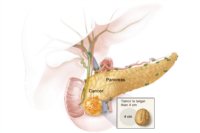
Parathyroid adenoma is a benign growth in one of the parathyroid glands that leads to excessive production of parathyroid hormone. These glands are small, but they play a critical role in regulating calcium levels in the body. When one gland becomes overactive, it disrupts this balance and leads to a condition known as primary hyperparathyroidism [1].
From a clinical standpoint, the issue is not the size of the tumor but the hormonal imbalance it creates. Even a small adenoma can significantly alter calcium metabolism across multiple organ systems.
How the Hormonal Mechanism Works
To understand the impact, it is important to look at how parathyroid hormone functions in the body. This hormone regulates calcium through three primary pathways. It increases calcium release from bones, enhances calcium absorption from the intestines, and reduces calcium excretion through the kidneys.
When parathyroid hormone is produced in excess, these mechanisms become overactive. Calcium begins to accumulate in the blood while gradually being depleted from bones. At the same time, the kidneys are placed under continuous strain to manage the excess load. This creates a systemic imbalance that affects skeletal strength, renal function, and overall metabolic stability [6].
Why Symptoms Feel Unrelated
One of the most confusing aspects for patients is that the symptoms do not appear connected. You may experience fatigue, digestive discomfort, mood changes, or bone pain at different times, without realizing they stem from a single underlying issue.
This happens because calcium plays a role in multiple physiological systems, including nerve signaling, muscle contraction, and cellular function. When its balance is disrupted, the effects are widespread rather than localized. As a result, the condition often presents as a collection of separate symptoms rather than a clearly defined disorder [8].
The Bigger Clinical Picture
From a broader perspective, parathyroid adenoma is not just a localized gland issue. It is a systemic metabolic disturbance driven by hormonal dysregulation. The longer this imbalance continues, the more it begins to affect bones, kidneys, cardiovascular health, and neurological function.
Recognizing this wider impact changes how the condition is viewed. It is not only about identifying a gland abnormality, but about addressing the ongoing metabolic changes that influence the entire body.
Why This Matters for Your Health
At the beginning, this condition may not feel serious. You may experience mild fatigue, body discomfort, or changes that seem manageable. Many people continue their routine without realizing that something deeper is affecting their body.
Recommended Reading
If you want a clearer and more complete understanding of parathyroid disorders, including how symptoms develop, how diagnosis is made, and what treatment options exist, this detailed guide can help you explore the condition in depth.
Parathyroid Disorders: Symptoms, Diagnosis, and Ayurvedic Cure
https://panaceayur.com/parathyroid-disorders-symptoms-diagnosis-ayurvedic-cure/
This guide explains the full picture, from early symptoms to advanced management, helping you connect your reports, symptoms, and possible treatment pathways in a more structured and informed way.
If you have been told to “wait and watch” or are unsure about surgery, this guide will help you connect your symptoms, reports, and long-term risks in a way that finally makes sense.
Parathyroid adenoma is not just about one gland. It changes how calcium is controlled in your body. Calcium affects your heart, kidneys, nerves, and bones. When this balance is disturbed, the effects slowly spread across multiple systems [1].
The body adjusts in the early stages, which is why symptoms feel mild or confusing. But over time, this imbalance starts putting pressure on important organs. What feels like separate small issues may actually be connected [5].
This is why the condition needs attention early. It is not only about current symptoms, but about preventing long-term damage.
Below, you will see how this condition affects different parts of your body in a clear and practical way.
How This Condition Affects Different Parts of the Body
Cardiovascular Risk
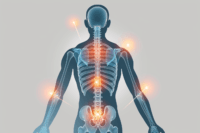
When calcium levels stay high for a long time, it begins to affect the heart and blood vessels. This can lead to stiff blood vessels, changes in blood pressure, and extra strain on the heart.
Over time, calcium can start depositing in blood vessel walls. This reduces flexibility and increases the risk of hypertension and heart-related problems. Even in mild cases, studies show higher cardiovascular risk if the condition is left untreated [11].
You may not feel this clearly in the beginning. It may show up as fatigue, reduced stamina, or occasional palpitations, but these can be early warning signs.
Kidney Complications
Your kidneys try to remove excess calcium from the body. When calcium levels remain high, the kidneys are forced to work harder.
This increases the risk of dehydration, frequent urination, and eventually kidney stones. Over time, calcium can form crystals that turn into stones, causing pain and blockage.
If this continues, it can affect kidney function itself. Many patients first discover the condition after developing kidney stones, which are one of the most common complications [12].
Early signs may feel mild, such as increased thirst or discomfort, but ignoring them can lead to bigger problems later.
Systemic Hypercalcemia
Hypercalcemia simply means too much calcium in the blood. While calcium is essential, excess levels disturb normal body functions.
It affects nerves, muscles, digestion, and brain function. This can lead to fatigue, muscle weakness, constipation, and mental fog.
The body tries to adjust, but long-term imbalance leads to problems across multiple systems. Most symptoms linked to parathyroid adenoma are actually due to this ongoing calcium imbalance [5].
That is why symptoms may feel unrelated, but they are all connected at the root level.
Overall Disease Burden
In the early stage, the condition may seem manageable. Symptoms are mild and easy to ignore.
But over time, it becomes a long-term metabolic problem affecting multiple organs. Bone strength decreases, kidney function is affected, heart risk increases, and overall health slowly declines.
Even mild cases can lead to complications if ignored. This shows that the condition is not just about a gland, but about its long-term effect on the whole body [1].
For you, this means early action is important. Identifying the condition at the right time and choosing the right approach can help prevent gradual and long-term damage.
Ayurvedic Perspective
At a patient level, this condition may look like a calcium imbalance or a small gland issue. In Ayurveda, it is seen differently. It reflects a deeper disturbance in how the body maintains balance across tissues, metabolism, and internal channels.
To make this clear, each concept is first explained simply, then in deeper clinical detail.
Dhatu Metabolism (Why Bone Weakness and Calcium Imbalance Occur)
In simple terms, your body is not forming and maintaining tissues properly. The bone tissue becomes weak, while calcium starts circulating more in the blood instead of staying where it should.
Classical reference:
“अस्थि धातु परिपोषणं धातूनां परस्परानुक्रमेण भवति”
Charaka Samhita, Sutra Sthana, Chapter 28, Verse 3 [16]
Transliteration:
Asthi dhatu pariposhanam dhatunam paraspara anukramena bhavati
Translation:
Bone tissue is nourished through the proper sequential nourishment of all body tissues.
Urdu:
ہڈیوں کی مضبوطی جسم کے تمام دھاتوں کی درست پرورش پر منحصر ہوتی ہے
Arabic:
تعتمد قوة العظام على التغذية السليمة والمتسلسلة لجميع أنسجة الجسم
In deeper clinical terms, when earlier Dhatus like Rasa and Rakta are not properly nourished, Asthi Dhatu becomes depleted. This mirrors what is seen in modern reports, where calcium is pulled out of bones while blood calcium rises. It is not just excess calcium, it is misplacement of calcium.
Dosha and Srotas (Why the Regulation System Fails)
In simple terms, the body’s internal control system becomes unstable, and the channels that carry nutrients and waste stop working properly.
Classical reference:
“दोषाः धातुमलमूलं हि शरीरम्”
Sushruta Samhita, Sutra Sthana, Chapter 15, Verse 3 [17]
Transliteration:
Dosha dhatu mala mulam hi shariram
Translation:
The body is sustained by the balance of Dosha, Dhatu, and waste products.
Urdu:
جسم کی بنیاد دوش، دھات اور فضلات کے توازن پر قائم ہوتی ہے
Arabic:
يعتمد الجسم على توازن الدوشا والأنسجة والفضلات
In deeper detail, Vata and Pitta Dosha play a major role here. Vata increases movement and depletion, leading to loss of calcium from bones. Pitta disturbs metabolic and hormonal activity. Srotas, especially Asthi Vaha Srotas (bone channels) and Mutra Vaha Srotas (urinary channels), become dysfunctional. This explains why calcium is both lost from bones and excessively filtered through urine.
Herbal Properties (How Ayurvedic Medicines Work)
In simple terms, Ayurvedic herbs do not act on just one symptom. They work to restore balance, strengthen tissues, and improve overall body function.
Classical reference:
“द्रव्यं गुणकर्मयुक्तं भेषजं”
Dravyaguna Vigyana [15]
Transliteration:
Dravyam guna karma yuktam bheshajam
Translation:
A substance becomes medicine based on its qualities and actions.
Urdu:
ہر دوا اپنی خصوصیات اور اثرات کی بنیاد پر علاج کرتی ہے
Arabic:
تُعتبر المادة دواءً بناءً على خصائصها وتأثيراتها
In deeper explanation, herbs like Ashwagandha, Guduchi, and Shatavari work through multiple mechanisms. They support endocrine balance, improve tissue nourishment, and reduce stress-related metabolic disturbances. Their action is based on rasa, guna, virya, and vipaka, which together influence the entire system rather than a single pathway.
Rasayana Concept (Why Long-Term Correction Is Possible)
In simple terms, Rasayana therapy focuses on rebuilding strength, improving tissue quality, and correcting long-term imbalance. It is not just about symptom relief.
Classical reference:
“रसायनं नाम वयः स्थापनं आयुः स्मृतिबलप्रदम्”
Bhavaprakasha Nighantu, Rasayana Prakarana [18]
Transliteration:
Rasayanam nama vayah sthapanam ayuh smriti bala pradam
Translation:
Rasayana therapy promotes longevity, strength, memory, and sustains vitality.
Urdu:
رसायن علاج عمر، طاقت اور یادداشت کو بہتر بناتا ہے
Arabic:
يعزز العلاج الراسایانا طول العمر والقوة والذاكرة
In deeper clinical understanding, Rasayana works at the level of cellular nourishment and systemic balance. It improves Ojas, stabilizes metabolism, and helps the body regain control over internal regulation. In conditions like parathyroid adenoma, this approach focuses on correcting the internal environment rather than only addressing structural changes.
Overall, this perspective shows that the condition is not just about high calcium or a gland issue. It reflects a deeper imbalance in tissue nourishment, metabolic control, and internal channels. Ayurveda approaches this by restoring balance at multiple levels, aiming for long-term stability rather than short-term correction.
What Happens in the Body Before Symptoms Become Clear
In many patients, the condition does not begin with a clear diagnosis. It begins with a phase where you feel that something is not right, yet nothing is serious enough to raise concern. You may feel more tired than usual, experience mild weakness, or notice small changes in digestion, mood, or daily energy. These changes often appear unrelated and are usually ignored.
This is the stage where the body has already started shifting internally, even though it has not yet reached a level that is easily detected in routine tests.
In simple terms, your body’s internal control system, especially metabolism, begins to lose balance. Ayurveda describes this as disturbance in Agni, the system responsible for processing nutrients and maintaining tissue health.
“अग्निवैषम्याद् धातूनां विकारः”
Charaka Samhita, Sutra Sthana, Chapter 28 [16]
Transliteration:
Agnivaishamyad dhatunam vikarah
Translation:
When metabolism becomes disturbed, body tissues begin to get affected.
Urdu:
جب جسم کا میٹابولزم خراب ہو جائے تو جسم کے ٹشوز متاثر ہونے لگتے ہیں
Arabic:
عندما يختل الأيض، تبدأ أنسجة الجسم بالتأثر
From a deeper perspective, this stage reflects early dysfunction rather than structural disease. Your body is still trying to maintain balance, but the regulation is no longer stable. Nutrient processing becomes inconsistent, and tissue nourishment starts getting affected.
At the same time, calcium handling in the body begins to change. Hormonal signals that regulate calcium may already be shifting. Calcium may start moving out of the bones and circulating more in the blood. However, these changes are often small and fluctuating, which is why blood reports may still appear normal or only slightly abnormal [10].
This creates a confusing situation for you as a patient. You feel symptoms, but reports do not give clear answers. You may go through multiple consultations where the symptoms are treated individually, without identifying a single underlying cause.
Clinically, this is known as the mild or early stage of the condition. Many patients remain in this phase for years. The disease is present, but it has not yet progressed enough to be clearly diagnosed or aggressively treated [2].
What makes this stage important is that it is still reversible at a functional level. The body is signaling imbalance, but structural damage has not fully developed. This means there is an opportunity to recognize the pattern early and take steps to correct the internal imbalance before it progresses further.
From your perspective, this stage may feel uncertain. From a clinical perspective, it is one of the most important phases, because this is where early action can prevent long-term complications.
Ayurvedic Management
At a patient level, treatment is not focused only on the gland. The goal is to correct the internal imbalance that led to the condition. This includes improving metabolism, supporting tissues, and restoring overall stability in the body.
In simple terms, Ayurveda does not approach this as a one-step fix. It follows a structured method that works on the root cause while also supporting long-term health and preventing recurrence.
To understand how this approach works, we will look at three important aspects in detail: how the body is restored through Rasayana, how herbs actually act inside the body, and why safety and integration are essential.
Rasayana Therapy (Restoring Strength and Balance)
At a basic level, Rasayana therapy is used to rebuild the body’s strength and improve how tissues function. It is not only about reducing symptoms. It focuses on restoring internal balance so that the body can regulate itself properly.
Classical reference:
“रसायनं नाम वयः स्थापनं आयुः स्मृतिबलप्रदम्”
Bhavaprakasha Nighantu, Rasayana Prakarana [18]
Transliteration:
Rasayanam nama vayah sthapanam ayuh smriti bala pradam
Translation:
Rasayana therapy promotes longevity, strength, memory, and vitality.
In deeper clinical understanding, Rasayana works at the level of Dhatu nourishment and Ojas enhancement. Ojas represents the body’s core strength and stability. When Ojas is weak, regulation of hormones and metabolism becomes unstable.
In conditions like parathyroid adenoma, Rasayana helps in stabilizing metabolic activity, improving tissue quality, and reducing ongoing imbalance. Instead of forcing the body to change, it supports the body so it can regain control over its own systems.
Herbal Pharmacology (How Medicines Work in the Body)
At a basic level, Ayurvedic herbs are not selected randomly. Each herb is chosen based on its properties and how it affects the body as a whole.
Classical reference:
“द्रव्यं गुणकर्मयुक्तं भेषजं”
Dravyaguna Vigyana [15]
Transliteration:
Dravyam guna karma yuktam bheshajam
Translation:
A substance becomes medicine based on its qualities and actions.
In deeper explanation, Ayurvedic pharmacology works through principles like rasa (taste), guna (quality), virya (potency), and vipaka (post-digestive effect). These determine how a substance acts on metabolism, tissues, and physiological processes.
Herbs such as Ashwagandha, Guduchi, and Shatavari do not act on a single pathway. They influence multiple systems together. For example, they may support hormonal balance, improve tissue nourishment, and reduce stress-related metabolic disturbances at the same time.
This multi-level action is important because the condition itself is not limited to one organ. It involves systemic imbalance, and therefore requires a systemic approach.
Safety and Integrative Approach
At a basic level, treatment must be safe, supervised, and adapted to the individual. Not every patient requires the same formulation or dosage.
Modern guidance:
Global health authorities highlight that complementary approaches should be used carefully and under professional supervision to ensure safety and effectiveness [9].
In deeper clinical perspective, this becomes even more important when dealing with mineral balance and long-term metabolic conditions. Treatment should be personalized based on factors such as age, disease stage, lab values, and overall health status.
Regular monitoring is essential to track calcium levels, kidney function, and overall response. Self-medication or use of unverified formulations can lead to complications rather than improvement.
An integrative approach allows the best of both systems. Modern diagnostics help in monitoring the condition accurately, while Ayurvedic management works on correcting the internal imbalance.
Overall, Ayurvedic management is not a single intervention. It is a layered approach that focuses on restoring internal balance, strengthening the body, and ensuring long-term stability. By addressing the root cause and supporting the body at multiple levels, it offers a structured path toward better regulation and improved health outcomes.
Herbs Used in Ayurvedic Management
When treatment is planned, herbs are not selected randomly. Each herb is chosen based on how it supports your body, not just the disease. The aim is to improve metabolism, strengthen tissues, and help the body regain balance over time.
Recommended Reading
If you are serious about understanding this condition properly and making the right treatment decision, this detailed guide will give you the complete picture that most patients never receive during routine consultations.
Parathyroid Disorders: Symptoms, Diagnosis, and Ayurvedic Cure
https://panaceayur.com/parathyroid-disorders-symptoms-diagnosis-ayurvedic-cure/
This is not just another overview. It explains how symptoms begin, why diagnosis is often delayed, what your reports actually mean, and how both modern and Ayurvedic approaches can be used in a structured way.
If you have been told to “wait and watch” or are unsure about surgery, this guide will help you connect your symptoms, reports, and long-term risks in a way that finally makes sense.
In simple terms, these herbs do not act like single-target medicines. They work on multiple systems together, which is important because this condition affects the body as a whole.
To make this easy for you to understand, a few key herbs are explained below as examples. In actual treatment, the formulation is much more complex and may include multiple herbs along with mineral preparations, depending on your condition, reports, and overall health.
Ashwagandha (Withania somnifera)
At a basic level, Ashwagandha helps improve strength, reduce fatigue, and support overall hormonal balance.
In deeper clinical explanation, Ashwagandha works as an adaptogen. It helps regulate the hypothalamic-pituitary-adrenal axis, which plays a role in hormonal balance. It also supports bone metabolism and reduces stress-related hormonal disturbances.
In conditions like parathyroid imbalance, this becomes important because the body is already under metabolic and hormonal stress. Ashwagandha helps stabilize these systems rather than overstimulating them.
From your perspective, this may show as improved energy, better recovery, and reduced fatigue over time.
Research support:
https://pubmed.ncbi.nlm.nih.gov/33536194/ [13]
Guduchi (Tinospora cordifolia)
At a basic level, Guduchi helps improve immunity and supports internal cleansing. It is often used to bring stability to the body.
In deeper explanation, Guduchi has immunomodulatory and anti-inflammatory properties. It supports liver function, improves digestion, and helps regulate metabolic pathways. This is important in conditions where internal imbalance continues for a long time.
It also helps reduce systemic inflammation, which indirectly supports better hormonal and metabolic control.
From your experience, this may reflect as better digestion, improved stamina, and reduced internal stress.
Research support:
https://pubmed.ncbi.nlm.nih.gov/32297744/ [14]
Classical Herbal Action (How These Herbs Actually Work)
In simple terms, Ayurveda does not look at herbs as isolated chemicals. Each herb is selected based on how it behaves inside the body.
Classical reference:
“द्रव्यं गुणकर्मयुक्तं भेषजं”
Dravyaguna Vigyana [15]
Transliteration:
Dravyam guna karma yuktam bheshajam
Translation:
A substance becomes medicine based on its qualities and actions.
Urdu:
ہر دوا اپنی خصوصیات اور اثرات کی بنیاد پر جسم میں کام کرتی ہے
Arabic:
تعمل المادة كدواء بناءً على خصائصها وتأثيراتها
In deeper understanding, herbs work through their rasa (taste), guna (quality), virya (potency), and vipaka (post-digestive effect). These determine how they affect metabolism, tissues, and internal balance.
This is why combinations are used. One herb may support metabolism, another may strengthen tissues, and another may regulate hormones. Together, they create a balanced therapeutic effect.
Rasayana Effect (Long-Term Restoration)
At a basic level, Rasayana herbs help rebuild strength and improve long-term stability in the body.
Classical reference:
“रसायनं नाम वयः स्थापनं आयुः स्मृतिबलप्रदम्”
Bhavaprakasha Nighantu, Rasayana Prakarana [18]
Transliteration:
Rasayanam nama vayah sthapanam ayuh smriti bala pradam
Translation:
Rasayana therapy promotes longevity, strength, memory, and vitality.
Urdu:
رसायن علاج جسم کو مضبوط بناتا ہے اور لمبی عمر دیتا ہے
Arabic:
يعزز العلاج الراسایانا القوة وطول العمر
In deeper clinical perspective, Rasayana improves Ojas, which represents the body’s core strength and stability. It helps the body regain control over metabolic and hormonal functions.
For you, this means the focus is not only on symptom control but on improving how your body functions over time.
Important Note for Patients
The herbs explained above are only a few examples to help you understand how treatment works.
In actual practice, formulations are personalized and may include multiple herbs along with carefully processed mineral preparations. These combinations are designed based on your condition, lab values, and overall health status.
This is why self-medication or using random herbal products is not recommended. Proper guidance ensures both effectiveness and safety.
Classical Formulation
At a patient level, it is important to know that Ayurvedic treatment is not based on a single medicine or a fixed formula. It follows a structured combination approach, where multiple herbs and mineral preparations are carefully selected to work together.
In simple terms, the formulation is designed to correct the root imbalance, support tissues, and restore long-term stability. It is not just about reducing calcium levels, but about improving how your body manages calcium and overall metabolism.
To make this clear, let us understand how such formulations are designed.
Formulation Logic (Why Multiple Ingredients Are Used)
In simple terms, Ayurveda does not rely on one herb for treatment. Different ingredients are combined so that each one supports a specific function in the body.
Classical reference:
“द्रव्यं गुणकर्मयुक्तं भेषजं”
Dravyaguna Vigyana [15]
Transliteration:
Dravyam guna karma yuktam bheshajam
Translation:
A substance becomes medicine based on its qualities and actions.
Urdu:
ہر دوا اپنی خصوصیات اور اثرات کے مطابق جسم میں کام کرتی ہے
Arabic:
تعمل المادة كدواء بناءً على خصائصها وتأثيراتها
In deeper explanation, each ingredient is selected based on its properties such as rasa, guna, virya, and vipaka. One component may improve metabolism, another may support tissue repair, and another may regulate internal balance.
This layered approach ensures that the formulation works at multiple levels instead of targeting only one symptom.
Dhatu Targeting (How the Formulation Works on Tissues)
In simple terms, treatment focuses on strengthening the tissues that are affected, especially bone tissue.
Classical reference:
“अस्थि धातु परिपोषणं धातूनां परस्परानुक्रमेण भवति”
Charaka Samhita, Sutra Sthana, Chapter 28 [16]
Transliteration:
Asthi dhatu pariposhanam dhatunam paraspara anukramena bhavati
Translation:
Bone tissue is nourished through the proper sequential nourishment of all body tissues.
Urdu:
ہڈیوں کی مضبوطی جسم کے تمام دھاتوں کی درست پرورش پر منحصر ہوتی ہے
Arabic:
تعتمد قوة العظام على التغذية الصحيحة والمتسلسلة لجميع أنسجة الجسم
In deeper clinical understanding, this means that simply adding calcium is not enough. The body must be able to properly process and distribute nutrients across all tissues.
Formulations are therefore designed to improve overall Dhatu nourishment, which indirectly helps restore proper calcium placement in the body.
Rasayana Combination (Why Long-Term Formulations Are Used)
In simple terms, Rasayana combinations are used to rebuild strength and ensure long-term correction.
Classical reference:
“रसायनं नाम वयः स्थापनं आयुः स्मृतिबलप्रदम्”
Bhavaprakasha Nighantu, Rasayana Prakarana [18]
Transliteration:
Rasayanam nama vayah sthapanam ayuh smriti bala pradam
Translation:
Rasayana therapy promotes longevity, strength, memory, and vitality.
Urdu:
رसायن علاج جسم کو طاقت دیتا ہے اور صحت کو بہتر بناتا ہے
Arabic:
يعزز العلاج الراسایانا القوة والصحة العامة
In deeper explanation, Rasayana formulations work at the level of cellular nourishment and metabolic stability. They help improve Ojas, which supports overall resilience and internal balance.
These combinations are especially important in chronic conditions because they focus on long-term correction rather than short-term relief.
Important Note for Patients
The formulation explained here is only to help you understand the approach.
In actual treatment, formulations are always personalized. They may include multiple herbs along with mineral preparations, and the combination is adjusted based on your condition, lab reports, and overall health.
Self-preparing or using market formulations without guidance is not recommended. The effectiveness of treatment depends on proper selection, correct dosage, and continuous monitoring.
Modern Research
Many patients think this condition is only about one small gland in the neck. Modern research shows that the picture is much bigger. Parathyroid adenoma affects calcium balance, hormone regulation, bone health, kidney function, and even the cardiovascular system. That is why research today does not look at it as a minor laboratory abnormality. It is increasingly seen as a condition that can influence the whole body over time.
To make this clear, we will look at what modern research says about five important areas: the overall disease picture, the problem of mild disease, the challenge of diagnosis, how treatment decisions are made, and why long-term systemic risks matter.
What Modern Research Shows About the Disease Overall
At a basic level, modern endocrine research describes primary hyperparathyroidism, most commonly caused by parathyroid adenoma, as a disorder in which one or more parathyroid glands produce too much parathyroid hormone. This excess hormone changes how the body controls calcium, leading to increased calcium release from bones, increased calcium retention in the blood, and increased burden on the kidneys [1].
In simple words, the gland may be small, but the effect is wide. It changes how your body uses and moves calcium every day. This is why symptoms can appear in very different forms, such as tiredness, bone pain, kidney stones, digestive changes, or mental fog.
At a deeper level, modern literature makes it clear that this is not merely a structural problem. It is a metabolic and hormonal disorder with systemic consequences. The disease can remain active for a long period before it is diagnosed, and the internal effects may continue even when the symptoms are mild. This research helps explain why patients often feel unwell long before they receive a name for the condition [1].
Mild Disease Does Not Mean No Disease
One of the most important findings in modern research is that mild disease can still be clinically significant. Many patients do not present with severe symptoms in the beginning. Their calcium may be only slightly elevated, or their reports may appear borderline. Because of this, the condition can be labeled as mild, stable, or suitable for observation [2].
In patient language, this means you may be told that the problem is “not serious yet,” while you still continue to feel symptoms. This creates frustration because your body is clearly showing that something is wrong, but the medical response may remain cautious or delayed.
At a deeper level, research on mild primary hyperparathyroidism shows that even so-called mild disease can affect bone density, quality of life, and long-term health. Mild does not always mean harmless. It often means the disease is present but has not yet reached a dramatic stage. This is one reason why many patients begin questioning whether they should simply wait, or whether a more structured and early approach should be considered [2].
Diagnosis Is Often More Difficult Than Patients Expect
Many patients assume that a condition like this will be easy to detect. In reality, diagnosis is often more complex. Modern research shows that early or asymptomatic primary hyperparathyroidism may be missed because the biochemical picture is not always dramatic. Calcium may fluctuate. Symptoms may overlap with common problems. Routine screening may not include the right hormonal context [3].
In simple terms, you can have real symptoms and still be told that everything looks almost normal. This happens because the disease may be present in a subtle form, especially in the early or mild stage.
At a deeper clinical level, diagnostic research emphasizes the importance of correlating calcium levels, parathyroid hormone levels, symptoms, bone status, and kidney involvement rather than relying on a single number. This is important because patients are often evaluated in fragments. One doctor may focus on calcium, another on fatigue, another on bone pain. The research supports a more complete view, where the condition is diagnosed through pattern recognition rather than isolated findings [3].
How Treatment Decisions Are Made in Modern Medicine
Once the diagnosis is confirmed, the next major question is treatment. Modern guidelines help clinicians decide when surgery is recommended and when monitoring may be appropriate. These decisions are usually based on factors such as calcium levels, bone density, kidney health, age, symptoms, and the presence of complications [7].
From your point of view, this is often the stage where confusion increases. Some patients are told surgery is the best option. Others are told to wait and monitor. This can make the disease feel uncertain, especially when symptoms continue but the recommendation is not immediate intervention.
At a deeper level, treatment research and guideline reviews show that decision-making is not based on one rule alone. It depends on risk assessment. Surgery may be strongly advised in some patients, especially where complications are likely. In others, observation may be used. This is why patients often seek more clarity, because the decision is not only medical, it is personal. It depends on how severe the condition is, how much it is affecting life, and what long-term risks are present [7].
Why Systemic Risks Matter More Than Many People Realize
Modern research also makes one important point very clear: the effects of parathyroid adenoma are not confined to calcium alone. Over time, the condition may influence cardiovascular health, vascular stiffness, blood pressure, and broader metabolic stability [11].
In simple words, this means the disease can quietly affect important systems even before a major complication is obvious. Many patients think only about bones or kidney stones, but research suggests that the long-term burden may be broader than that.
At a deeper level, studies on systemic risk show that chronic hormonal and calcium imbalance can contribute to cardiovascular strain and reduced physiological stability. This strengthens the argument that even a “mild” condition should not always be dismissed casually. The body is not experiencing the disease in one isolated organ. It is dealing with a long-term imbalance that may gradually affect multiple systems [11].
What This Means for You as a Patient
When all of this research is looked at together, one message becomes clear. Parathyroid adenoma is not just a small gland problem. Modern research shows that it can remain mild for years, be difficult to diagnose, create uncertainty around treatment decisions, and still carry long-term systemic risks [1] [2] [3] [7] [11].
For you, this means early attention matters. It also means that your symptoms should not be dismissed simply because the disease appears mild on paper. Research supports the need for a full and careful approach, one that looks beyond one test report and considers the whole effect on your health.
This is where a structured and thoughtful management plan becomes important.
Practical Tips
These are simple, practical steps you can follow daily to support your body while managing this condition. The focus is on improving routine, supporting calcium balance, avoiding unnecessary risks, and recognizing early warning signs before complications develop.
What You Can Do Daily to Support Your Body
At a basic level, your daily routine should remain stable and consistent. Irregular eating, skipping meals, or overeating can disturb digestion, which indirectly affects how your body handles minerals and hormones. When digestion is steady, the body is better able to maintain internal balance. From your perspective, this may feel like a small change, but over time it plays a significant role in improving overall stability and reducing metabolic stress [8].
Hydration and Calcium Handling
In simple terms, staying well hydrated helps your body manage excess calcium more efficiently. The kidneys are responsible for filtering and removing extra calcium, and proper hydration supports this process. When water intake is low, calcium concentration can increase, placing more strain on the kidneys. Over time, this may increase the risk of stone formation. Maintaining regular fluid intake helps reduce this burden and supports smoother elimination [10].
Diet Awareness Without Extremes
At a patient level, it is important to avoid extreme dietary decisions. Completely eliminating calcium from your diet is not the solution, as the issue lies more in regulation than intake. Instead, focus on balanced nutrition, avoiding processed foods, excess salt, and high caffeine intake. These factors can disturb metabolic balance and indirectly worsen the condition. In simple words, moderation and consistency are more effective than strict restriction [8].
Listen to Subtle Signals from Your Body
Many early symptoms may appear mild, such as fatigue, increased thirst, or occasional discomfort. These are often ignored because they do not seem serious. However, these subtle signs can indicate that the body is under ongoing stress. Paying attention to these changes and acting early can help prevent progression. From your perspective, recognizing these signals early can make a meaningful difference in long-term outcomes [8].
Safety First: Do Not Self-Medicate
One of the most important precautions is to avoid self-medication. This includes starting supplements, herbal products, or mineral preparations without proper guidance. Even commonly used supplements like calcium or vitamin D can worsen imbalance if taken incorrectly. Proper supervision ensures that treatment is safe, correctly dosed, and suited to your condition. In simple terms, not every natural product is safe without guidance [9].
When to Seek Medical Advice
If symptoms such as persistent fatigue, bone discomfort, kidney-related issues, or weakness continue over time, it is important to seek medical evaluation. Even if reports appear mild, symptoms should not be ignored. Early consultation allows for better planning and reduces the risk of long-term complications. From your point of view, taking action early is always safer than waiting for the condition to worsen.
What This Means for You
These practical steps are supportive measures that help your body function better while undergoing treatment or evaluation. They reduce internal stress, improve metabolic balance, and make any form of therapy more effective. For you, the goal is not perfection, but consistency and awareness in daily habits.
FAQs
Can parathyroid adenoma be treated without surgery?
Yes, in selected cases where symptoms are mild or stable, non-surgical approaches including monitoring and integrative care may be considered under medical supervision.
Is parathyroid adenoma always dangerous?
Not always, but even mild cases can affect bones, kidneys, and overall metabolism over time if left unmanaged.
What are the early signs most people ignore?
Fatigue, frequent urination, mild bone pain, increased thirst, and brain fog are commonly overlooked early symptoms.
When is surgery usually recommended?
Surgery is typically advised when calcium levels are significantly high, or when there are complications like kidney stones or bone loss.
Can lifestyle changes help manage this condition?
Yes, proper hydration, balanced diet, and routine stability can support the body, but they do not replace medical treatment.
Is high calcium always due to parathyroid adenoma?
No, high calcium can have multiple causes, so proper diagnosis is essential before deciding treatment.
Should I take calcium or vitamin D supplements?
Not without medical advice, as incorrect supplementation can worsen calcium imbalance.
Reference
[1] Bilezikian, J. P., Bandeira, L., Khan, A., & Cusano, N. E. (2018). Primary hyperparathyroidism. Journal of Clinical Endocrinology & Metabolism, 103(11), 3993–4014. https://doi.org/10.1210/jc.2018-01225
This is one of the most authoritative modern reviews explaining causes, diagnosis, and management of primary hyperparathyroidism including parathyroid adenoma. It supports sections on definition, disease mechanism, and clinical importance.
[2] Silverberg, S. J., & Walker, M. D. (2020). Mild primary hyperparathyroidism. Endocrine Reviews, 41(5), 677–703. https://doi.org/10.1210/endrev/bnaa017
Explains why many patients remain undiagnosed for years due to mild or asymptomatic disease. Strong support for hidden phase and delayed diagnosis sections.
[3] Eastell, R., Brandi, M. L., Costa, A. G., et al. (2019). Diagnosis of asymptomatic primary hyperparathyroidism. Journal of Clinical Endocrinology & Metabolism, 104(8), 3503–3514. https://doi.org/10.1210/jc.2018-01900
Provides global diagnostic criteria and explains how early disease is often missed. Useful for early symptoms and diagnostic gaps.
[4] Yeh, M. W., Ituarte, P. H. G., Zhou, H. C., et al. (2013). Incidence and prevalence of primary hyperparathyroidism in a racially mixed population. Journal of Clinical Endocrinology & Metabolism, 98(3), 1122–1129. https://doi.org/10.1210/jc.2012-4022
Epidemiological study showing how common parathyroid adenoma is and how frequently it is underdiagnosed. Supports global relevance sections.
[5] Minisola, S., Pepe, J., Piemonte, S., & Cipriani, C. (2020). The diagnosis and management of hypercalcemia. BMJ, 350, h2723. https://doi.org/10.1136/bmj.h2723
Explains hypercalcemia causes and systemic effects. Strong support for symptom misdiagnosis and systemic complications.
[6] Fraser, W. D. (2009). Hyperparathyroidism. Lancet, 374(9684), 145–158. https://doi.org/10.1016/S0140-6736(09)60507-9
Classic review explaining disease progression, biochemical pathways, and complications. Useful across understanding and disease progression sections.
[7] Khan, A. A., Hanley, D. A., Rizzoli, R., et al. (2017). Primary hyperparathyroidism: Review and recommendations. Osteoporosis International, 28(1), 1–19. https://doi.org/10.1007/s00198-016-3716-2
Guideline-based recommendations for treatment decisions including surgery vs monitoring. Critical for “surgery or alternative approach” discussion.
[8] NIH National Institute of Diabetes and Digestive and Kidney Diseases (NIDDK). (2022). Primary hyperparathyroidism. https://www.niddk.nih.gov/health-information/endocrine-diseases/primary-hyperparathyroidism
Patient-friendly yet medically accurate explanation of symptoms, causes, and treatment. Ideal for general understanding and FAQ sections.
[9] National Center for Complementary and Integrative Health (NCCIH). (2023). Complementary health approaches. https://www.nccih.nih.gov
Provides safety framework for integrative and alternative medicine. Supports alternative treatment and safety discussion.
[10] Holick, M. F. (2017). Vitamin D deficiency and calcium metabolism. New England Journal of Medicine, 357(3), 266–281. https://doi.org/10.1056/NEJMra070553
Explains calcium metabolism pathways and interaction with hormones. Useful for early metabolic changes and functional imbalance sections.
[11] Walker, M. D., & Silverberg, S. J. (2018). Cardiovascular aspects of primary hyperparathyroidism. Journal of Endocrinological Investigation, 41(6), 707–715. https://doi.org/10.1007/s40618-017-0773-3
Explains cardiovascular risks linked with untreated disease. Supports complication and why-it-matters sections.
[12] Cipriani, C., Biamonte, F., Costa, A. G., et al. (2015). Kidney stones in primary hyperparathyroidism. Journal of Clinical Endocrinology & Metabolism, 100(4), 1309–1315. https://doi.org/10.1210/jc.2014-4182
Explains renal complications such as kidney stones due to hypercalcemia. Useful in symptom and complication sections.
[13] Withania somnifera clinical study. (2021). Adaptogenic and endocrine effects. https://pubmed.ncbi.nlm.nih.gov/33536194/
Demonstrates hormonal modulation and stress-reducing effects of Ashwagandha. Supports herbal section.
[14] Tinospora cordifolia study. (2020). Immunomodulatory effects. https://pubmed.ncbi.nlm.nih.gov/32297744/
Shows metabolic and immune-regulating effects of Guduchi. Supports Ayurvedic herb pharmacology.
[15] Sharma, P. V. (2014). Dravyaguna Vijnana (Vol. 2). Chaukhambha Bharati Academy.
Classical Ayurvedic pharmacology text describing properties of herbs like Ashwagandha, Guduchi, and Shatavari.
[16] Charaka Samhita, Sutra Sthana 28 (Dhatu metabolism chapter). Chaukhambha Sanskrit Series.
Explains Dhatu formation and metabolic disturbances. Supports Ayurvedic perspective on tissue imbalance.
[17] Sushruta Samhita, Sutra Sthana 15. Chaukhambha Sanskrit Series.
Describes disease development through Dosha imbalance and Srotas involvement. Supports pathogenesis explanation.
[18] Bhavaprakasha Nighantu, Guduchyadi Varga. Chaukhambha Bharati Academy.
Details Rasayana properties of herbs used in metabolic and chronic disorders.