

- What Is Serous Cystadenofibroma
- Why Doctors Sometimes Suspect Something More Serious
- What Pathologists See Under the Microscope
- Symptoms That May Occur
- Common Disorders Associated With Serous Cystadenofibroma
- Rare Disorders Doctors Sometimes Consider
- How Doctors Confirm the Diagnosis
- What This Diagnosis Means for You
- What Chronic Salpingitis Means
- Understanding the Condition
- What Pathologists See Under the Microscope
- Why Chronic Salpingitis Develops
- Symptoms That May Occur
- How Chronic Salpingitis Can Affect Fertility
- Why Early Evaluation Is Important
- Causes of Chronic Salpingitis
- Infection Related Causes
- Viral Causes Including Herpes Family Viruses
- Reproductive Tract Infections and Global Prevalence
- Other Contributing Factors
- Why Identifying the Cause Is Important
- Common Disorders Associated With This
- Disorders Commonly Seen With Ovarian Cystadenofibroma
- Disorders Associated With Chronic Salpingitis
- Combined Pelvic Disorders
- Why Understanding Associated Disorders Matters
- Rare Disorders Associated With Ovarian Cystadenofibroma and Chronic Salpingitis
- Rare Ovarian Conditions That May Appear With Cystadenofibroma
- Rare Complications Linked to Chronic Salpingitis
- Rare Infectious Causes of Chronic Salpingitis
- Why Identifying Rare Disorders Is Important
- Symptoms That May Occur
- Why Symptoms May Appear
- Pelvic Pain
- Abdominal Fullness or Pressure
- Menstrual Irregularities
- Pain During Intercourse
- Fertility Difficulties
- When Symptoms May Not Appear
- Why Recognizing Symptoms Matters
- How Doctors Confirm the Diagnosis
- Why Accurate Diagnosis Is Important
- Clinical Examination
- Imaging Studies
- Laboratory Testing
- Surgical Evaluation
- Histopathological Examination
- Surgical Pathology Confirmation
- Why Multiple Diagnostic Methods Are Used
- Ayurvedic Understanding of the Condition
- How Ayurveda Interprets Ovarian and Fallopian Tube Disorders
- Concept of Granthi in Ayurveda
- Shloka
- Text Source
- Translation
- Interpretation
- Inflammatory Conditions of the Reproductive Tract
- Shloka
- Text Source
- Translation
- Interpretation
- Role of Rasayana in Tissue Restoration
- Shloka
- Text Source
- Translation
- Interpretation
- Medicinal Herbs Used in Rasayana Formulations
- Shloka
- Text Source
- Translation
- Interpretation
- Holistic View of Reproductive Disorders
- Ayurvedic Therapeutic Approach
- Ayurvedic Treatment Philosophy
- Rasayana Therapy for Tissue Rejuvenation
- Herbs Used in Ayurvedic Rasayana Therapy
- Guduchi
- Amalaki
- Pippali
- Shatavari
- Classical Avaleha Formulation for Systemic Rejuvenation
- Holistic Ayurvedic Management
- Classical Ayurvedic Avaleha
- Concept of Avaleha in Ayurvedic Medicine
- Classical Description of Rasayana Avaleha
- Brahma Rasayana Avaleha
- Herbal Ingredients Described in Ayurvedic Texts
- Pharmacological Insights from Modern Research
- Therapeutic Significance
- Classical Ayurvedic Avaleha Preparation With Potent Herbs and Rasayana Minerals
- Concept of a Therapeutic Rasayana Avaleha
- Classical Preparation Method
- Potent Rasayana Herbs Used in the Avaleha
- Rasayana Mineral Preparations Included
- Base Ingredients Used for Avaleha
- Final Characteristics of the Avaleha
- Classical Intake
- Important Warning About Market Avaleha and Self Preparation
- Why Patients Should Not Purchase Generic Avaleha From the Market
- Lack of Individualized Dosha Assessment
- Influence of Age and Physiological Condition
- Impact of Disease Duration and Stage
- Presence of Other Chronic Disorders
- Digestive Strength and Metabolic Factors
- Variability in Herbal Potency and Processing
- Safety Concerns With Self Preparation
- Importance of Medical Supervision
- Frequently Asked Questions
- What is ovarian cystadenofibroma?
- Is ovarian cystadenofibroma cancer?
- What causes chronic salpingitis?
- Can chronic salpingitis cause infertility?
- What symptoms should make someone see a doctor?
- How do doctors diagnose ovarian cystadenofibroma?
- Can ovarian cystadenofibroma disappear on its own?
- What are rare complications of chronic salpingitis?
- Can Ayurveda help manage reproductive inflammatory conditions?
- Reference
What Is Serous Cystadenofibroma
When I speak about Ovarian Cystadenofibroma & Chronic Salpingitis with patients who receive a biopsy report mentioning serous cystadenofibroma, the first reaction is often worry. Many people immediately assume that any ovarian tumor must be cancer. If you have received this diagnosis, it is important to understand that this condition is usually benign and manageable, and in most cases it does not behave like ovarian cancer.
Serous cystadenofibroma is a benign epithelial tumor of the ovary. It develops from the same type of cells that line the ovarian surface and the fallopian tubes. Medical classification systems used in modern pathology categorize this tumor within the group of serous ovarian tumors, which include benign, borderline, and malignant forms. Serous cystadenofibroma belongs to the benign category [1][2].
In simple terms, this condition involves a growth inside the ovary that contains two types of tissue. One part forms fluid filled cystic spaces, while the other consists of fibrous connective tissue that gives the tumor a firm structure. Because the tumor contains both cystic and fibrous components, it is described as cystadenofibroma [2][3].
Why Doctors Sometimes Suspect Something More Serious
When you undergo an ultrasound or MRI scan, this tumor may appear complex because the fibrous tissue can create areas that look solid on imaging. Doctors often take ovarian masses seriously because some tumors can be malignant. For this reason, physicians sometimes recommend surgical removal to confirm the exact nature of the mass.
The final diagnosis is usually made through histopathological examination, which means the tissue is studied under a microscope after removal. This microscopic evaluation allows pathologists to identify the exact structure of the tumor and determine whether it is benign or malignant [11][12].
What Pathologists See Under the Microscope
Under microscopic examination, serous cystadenofibroma has distinctive features that help doctors confirm its benign nature.
Common microscopic findings include
fibrocytes present within collagen rich connective tissue
spindle shaped stromal cells forming fibrous tissue
epithelial lined cystic spaces containing clear fluid
hyaline plaques within the fibrous stroma
These findings confirm that the tumor consists of both epithelial and fibrous tissue components. Importantly, the absence of abnormal cellular growth or invasion indicates that the tumor is non malignant [2][11].
Symptoms That May Occur
Many women do not experience obvious symptoms, which is why the tumor is sometimes discovered incidentally during imaging or surgery. However, some patients may notice symptoms such as
pelvic discomfort or pressure
bloating in the lower abdomen
irregular menstrual cycles
pain during intercourse
a feeling of fullness in the pelvic region
Because these symptoms can occur in many gynecological conditions, doctors rely on imaging and pathology to establish the diagnosis.
Common Disorders Associated With Serous Cystadenofibroma
Serous cystadenofibroma may sometimes occur alongside other reproductive health conditions. In clinical practice, doctors frequently evaluate patients for associated disorders such as
pelvic inflammatory disease
chronic salpingitis
functional ovarian cysts
endometriosis
tubal infertility
These conditions can influence pelvic inflammation and reproductive health. Proper evaluation ensures that any associated disorder is also addressed.
Rare Disorders Doctors Sometimes Consider
Although uncommon, some rare conditions may mimic or coexist with ovarian cystadenofibroma. Doctors may evaluate patients for possibilities such as
borderline epithelial ovarian tumors
paratubal cysts
Meigs like syndrome associated with benign ovarian tumors
genital tuberculosis in certain regions
autoimmune pelvic inflammatory disorders
Distinguishing these conditions is important because their management may differ.
How Doctors Confirm the Diagnosis
The most reliable method for diagnosing serous cystadenofibroma is histopathology. After surgical removal of the ovarian mass, a pathologist carefully studies the tissue under a microscope.
This examination confirms
the cellular structure of the tumor
the absence of malignant features
the presence of fibrous stromal tissue
Once the benign nature of the tumor is confirmed, most patients require only routine follow up and monitoring [1][3][12].
What This Diagnosis Means for You
If you have been diagnosed with serous cystadenofibroma, the most important point to understand is that this tumor is typically benign and slow growing. Surgical removal often resolves the condition completely, and long term outcomes are generally excellent.
In clinical practice, doctors focus on monitoring the reproductive system, identifying any associated inflammatory conditions, and ensuring that the remaining ovarian tissue remains healthy.
What Chronic Salpingitis Means
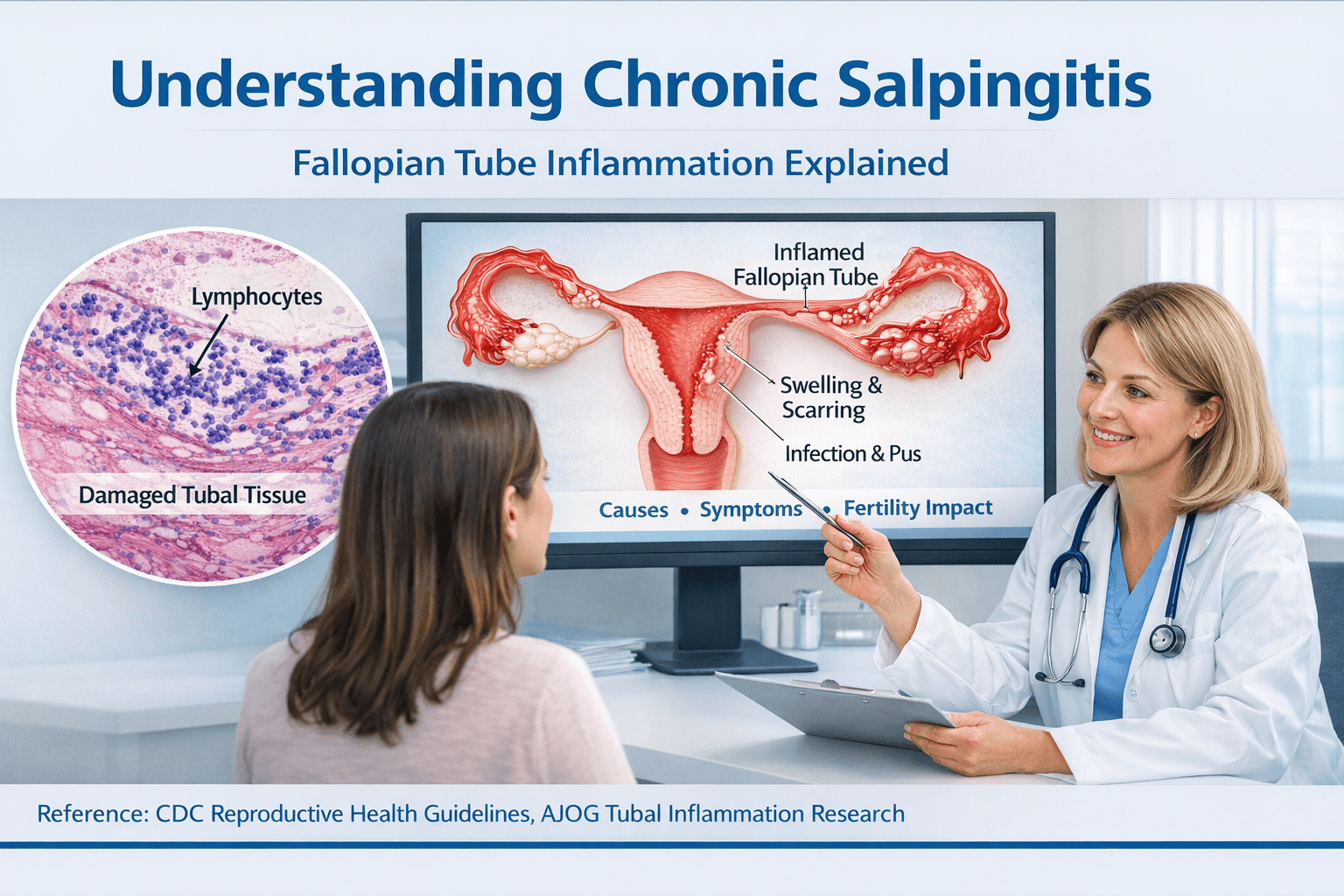
Understanding the Condition
When I explain chronic salpingitis to patients, I often begin by clarifying that the term refers to long term inflammation of the fallopian tubes. The fallopian tubes are delicate reproductive structures that connect the ovaries to the uterus and play a central role in fertilization. If you have received this diagnosis in a pathology report, it means that the lining of the fallopian tube has been exposed to persistent inflammatory processes over an extended period of time.
From a clinical perspective, the word chronic indicates that the inflammatory response has been present for months or even years rather than representing a recent infection. Medical research shows that prolonged inflammation of the fallopian tubes is most commonly linked to pelvic inflammatory disease and reproductive tract infections that travel upward from the cervix into the uterus and tubes [4][5].
What Pathologists See Under the Microscope
When surgeons remove tissue during a gynecological procedure, the fallopian tube is examined under a microscope by a pathologist. In cases of chronic salpingitis, specific cellular patterns confirm the presence of ongoing inflammation.
Microscopic examination often shows immune cells such as lymphocytes, plasma cells, and histiocytes surrounding the inner lining of the fallopian tube. These cells represent the body’s natural immune response to persistent irritation or infection. Over time, the inflammatory process may also cause thickening of the tubal wall and subtle structural changes within the tube [4][13].
These findings allow the pathologist to determine that the inflammation has been present for a prolonged period rather than representing a short term infection.
Why Chronic Salpingitis Develops
The most common underlying cause of chronic salpingitis is pelvic inflammatory disease, a condition in which bacteria infect the female reproductive tract. Medical studies show that organisms such as Chlamydia trachomatis and Neisseria gonorrhoeae are frequently responsible for infections that spread to the fallopian tubes and cause inflammation [6].
Public health research also shows that untreated reproductive tract infections may gradually damage the fallopian tubes if they are not diagnosed and treated early. In some patients, the infection may have occurred years earlier, and the inflammatory changes are only discovered during surgery or biopsy [5].
Symptoms That May Occur
Many women with chronic salpingitis do not experience obvious symptoms, which is why the condition can remain undetected for long periods. When symptoms are present, they may include persistent pelvic discomfort, lower abdominal pain, irregular menstrual cycles, or pain during intercourse.
Because these symptoms can overlap with many other gynecological disorders, chronic salpingitis is often diagnosed incidentally when tissue is examined during surgery performed for another condition.
How Chronic Salpingitis Can Affect Fertility
The fallopian tubes are responsible for transporting the egg from the ovary to the uterus, and fertilization usually occurs within the tube itself. If inflammation persists for a long period, it can sometimes lead to structural changes such as narrowing of the tubal channel or the formation of scar tissue.
Clinical studies have shown that chronic inflammation of the fallopian tubes may increase the risk of tubal infertility, particularly when the inflammatory process causes blockage or adhesions that interfere with normal egg transport [13].
However, it is important to understand that not every woman with chronic salpingitis experiences fertility problems. Many patients continue to have normal reproductive function after appropriate medical evaluation and treatment.
Why Early Evaluation Is Important
When chronic salpingitis is detected, physicians typically investigate the broader reproductive system to determine whether any underlying infection or inflammatory condition is present. Identifying and addressing these factors early can help protect reproductive health and prevent long term complications.
For patients, understanding the meaning of the diagnosis is the first step toward making informed decisions about monitoring, treatment, and future reproductive planning.
Causes of Chronic Salpingitis
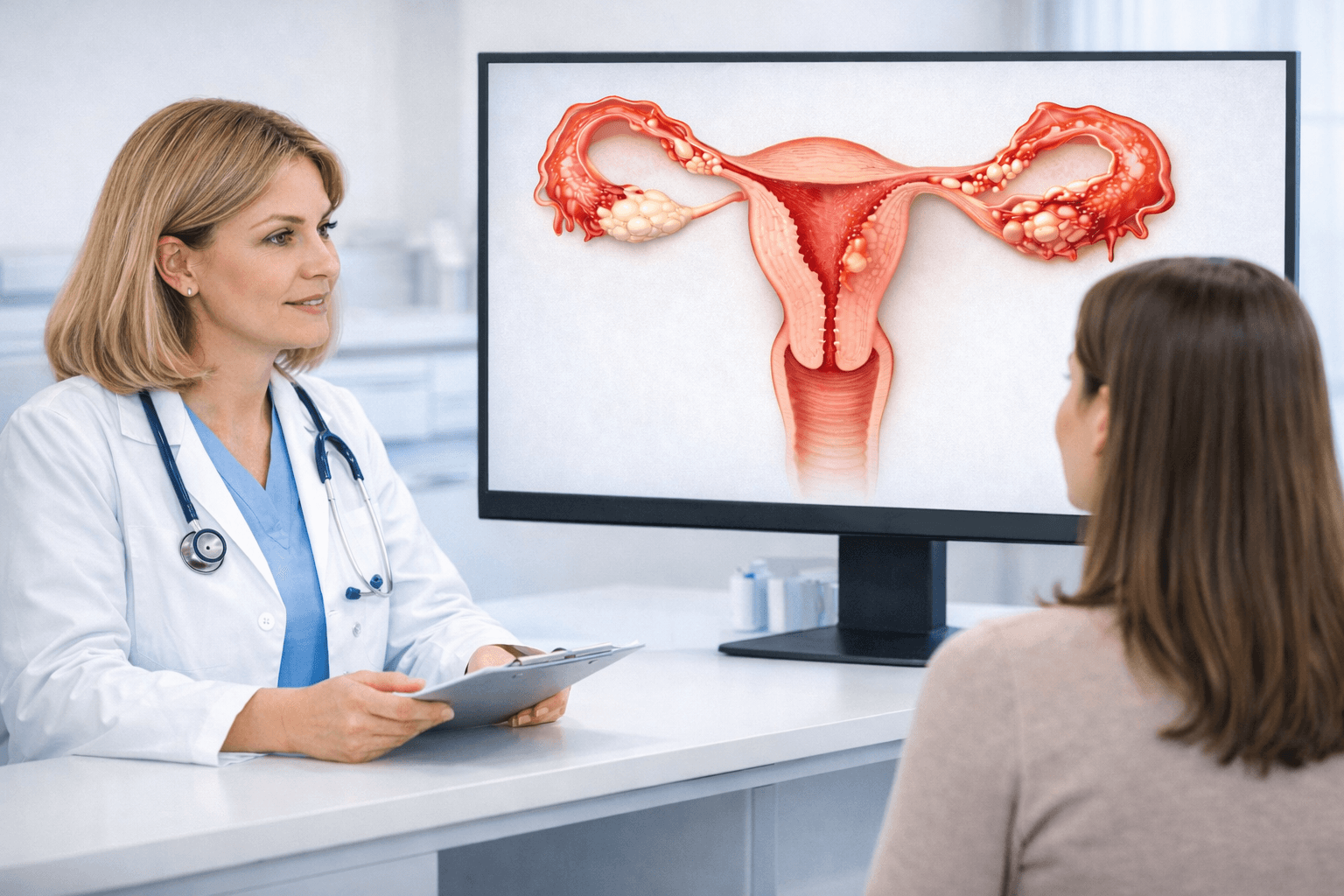
When I explain the causes of chronic salpingitis to patients, I emphasize that the most common underlying reason is pelvic inflammatory disease, a condition in which microorganisms ascend from the lower reproductive tract into the uterus and fallopian tubes. The fallopian tubes are delicate structures, and persistent microbial exposure can trigger inflammation that may remain active for a long time.
Clinical research has shown that bacterial infections such as Chlamydia trachomatis and Neisseria gonorrhoeae are among the most frequent causes of pelvic inflammatory disease and chronic fallopian tube inflammation. These organisms can damage the epithelial lining of the fallopian tubes, leading to swelling, immune cell infiltration, and eventual structural changes within the tube [4][6].
Public health data also indicate that untreated reproductive infections may gradually spread upward from the cervix to the uterus and fallopian tubes. In some patients the original infection may have occurred years earlier, and the inflammatory damage is only discovered during surgery or biopsy evaluation [5].
Although bacterial infections are the most recognized cause of chronic salpingitis, emerging research suggests that viral infections may also contribute to chronic reproductive tract inflammation. Among these, viruses belonging to the herpesvirus family are increasingly being investigated for their role in persistent inflammatory conditions of reproductive tissues.
The herpesvirus family includes several human viruses such as
Herpes simplex virus type 1
Herpes simplex virus type 2
Cytomegalovirus
Epstein Barr virus
Human herpesvirus 6
Human herpesvirus 7
These viruses are known for their ability to establish lifelong latent infections within human tissues. Once the virus enters the body, it can remain dormant and periodically reactivate. During reactivation phases, the virus may trigger immune responses and inflammatory reactions in nearby tissues.
In reproductive organs, viral persistence may contribute to chronic inflammation of pelvic structures. Although research on viral involvement in fallopian tube inflammation is still evolving, studies indicate that herpes family viruses can infect epithelial tissues and immune cells within the reproductive tract, potentially contributing to inflammatory conditions in susceptible individuals.
Reproductive Tract Infections and Global Prevalence
Reproductive tract infections remain a significant health issue worldwide. Global health organizations report that millions of women experience reproductive infections every year. Some infections produce noticeable symptoms, while others remain silent and progress slowly over time.
International epidemiological data indicate that persistent reproductive infections can lead to long term inflammatory conditions such as chronic salpingitis. In many cases, the infection may remain undiagnosed until gynecological surgery or diagnostic evaluation reveals structural changes in the fallopian tubes [14].
Other Contributing Factors
Although infections represent the most common cause, several additional factors may contribute to chronic inflammation of the fallopian tubes. In clinical practice, physicians may evaluate patients for previous pelvic surgeries, endometriosis, intrauterine procedures, or repeated episodes of pelvic infection.
These factors can create an environment where inflammatory processes continue to affect the fallopian tubes for extended periods. Because the fallopian tubes are narrow and delicate, even mild inflammation can eventually alter their structure and function.
Why Identifying the Cause Is Important
Identifying the cause of chronic salpingitis is essential for preventing long term reproductive complications. When physicians determine whether the inflammation is related to bacterial infection, viral activity, or other pelvic conditions, they can develop an appropriate treatment strategy.
Common Disorders Associated With This

Disorders Commonly Seen With Ovarian Cystadenofibroma
Functional Ovarian Cysts
When doctors diagnose ovarian cystadenofibroma, they usually evaluate the entire ovarian environment rather than focusing only on the tumor. The ovaries are hormonally active organs, and multiple ovarian conditions may occur simultaneously. One frequently observed association is functional ovarian cysts. These cysts develop when ovulation does not occur normally and a follicle continues to enlarge instead of releasing the egg.
Although functional cysts are different from cystadenofibroma in structure and pathology, both conditions may appear together during ultrasound or surgical examination. In many clinical situations, imaging performed for pelvic pain or irregular menstrual cycles may detect both abnormalities at the same time [3][12].
Endometriosis
Another condition that may coexist with ovarian cystadenofibroma is endometriosis. Endometriosis occurs when tissue similar to the uterine lining grows outside the uterus, commonly affecting the ovaries, pelvic ligaments, and surrounding structures.
Because endometriosis produces chronic inflammation within the pelvic cavity, it can influence ovarian tissue and sometimes coexist with benign ovarian tumors. Gynecological literature explains that inflammatory and hormonal changes associated with endometriosis can create an environment in which multiple pelvic conditions develop simultaneously [7].
Polycystic Ovary Syndrome
Hormonal disorders can also complicate the clinical picture. Polycystic ovary syndrome is a metabolic and endocrine disorder characterized by irregular ovulation, enlarged ovaries, and multiple follicular cysts.
Although polycystic ovary syndrome is not directly responsible for cystadenofibroma, it may alter ovarian morphology and hormone balance. Because of this, patients with hormonal disorders may undergo pelvic imaging, during which benign ovarian tumors such as cystadenofibroma are discovered incidentally.
Disorders Associated With Chronic Salpingitis
Pelvic Inflammatory Disease
Chronic salpingitis rarely develops as an isolated condition. In most patients, it represents a long term consequence of pelvic inflammatory disease, a condition in which infection spreads through the uterus, fallopian tubes, and surrounding pelvic tissues.
Pelvic inflammatory disease is most often associated with reproductive tract infections. These infections trigger inflammation within the fallopian tubes, which can persist even after the initial infection has resolved. Over time, chronic inflammation may lead to structural damage of the tubes [19].
Tubal Factor Infertility
One of the most important complications linked to chronic salpingitis is tubal factor infertility. The fallopian tubes play a crucial role in transporting the egg from the ovary to the uterus. When chronic inflammation damages the delicate lining of the tubes, scar tissue may develop.
This scarring can block or narrow the fallopian tubes, preventing normal fertilization or embryo transport. As a result, many women with chronic salpingitis may experience difficulty conceiving naturally.
Ectopic Pregnancy
Another significant reproductive complication associated with tubal inflammation is ectopic pregnancy. In this condition, a fertilized egg implants within the fallopian tube rather than traveling to the uterus.
Inflammation and scarring caused by chronic salpingitis can disrupt the normal movement of the fertilized egg. When the embryo becomes trapped within the tube, implantation may occur there instead of in the uterine cavity. This condition requires urgent medical attention and is strongly associated with previous pelvic infections.
Chronic Pelvic Pain
Persistent inflammation within the fallopian tubes may also contribute to chronic pelvic pain. The inflammatory process can extend beyond the tubes to involve surrounding pelvic tissues, nerves, and ligaments.
Many patients experiencing unexplained pelvic pain are later found to have underlying inflammatory conditions involving the fallopian tubes. Chronic salpingitis therefore represents an important consideration in the evaluation of long standing pelvic discomfort.
Combined Pelvic Disorders
Adnexal Disorders Involving Ovaries and Fallopian Tubes
In some clinical cases, ovarian tumors and tubal inflammation may occur together because both organs belong to the adnexal region, which includes the ovaries, fallopian tubes, and surrounding structures.
When physicians evaluate a pelvic mass, they typically examine the entire adnexal area to determine whether the abnormality originates from the ovary, the fallopian tube, or adjacent tissues. Gynecological guidelines emphasize that careful assessment of both structures is necessary when investigating pelvic masses or inflammatory conditions [20].
Why Understanding Associated Disorders Matters
Importance of Comprehensive Evaluation
Recognizing associated disorders helps physicians develop a more accurate diagnostic strategy. When doctors identify ovarian tumors or chronic tubal inflammation, they often recommend imaging studies, laboratory tests, and clinical examinations to determine whether other pelvic conditions are present.
Impact on Reproductive Health
For patients, understanding these associated conditions provides important insight into symptoms such as pelvic pain, menstrual irregularities, and fertility concerns. Early identification of related disorders allows healthcare providers to recommend appropriate monitoring and treatment, helping protect long term reproductive health.
Rare Disorders Associated With Ovarian Cystadenofibroma and Chronic Salpingitis
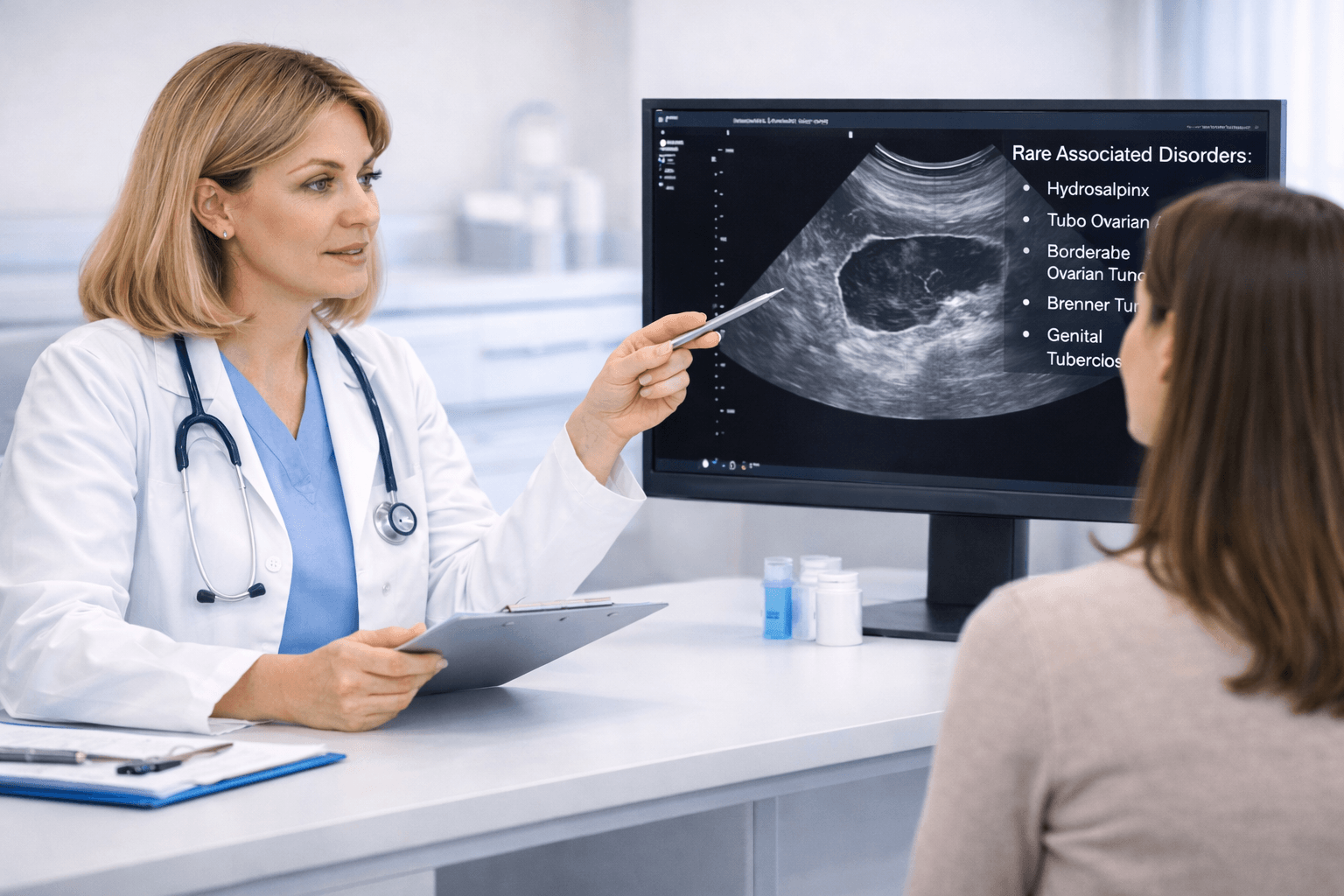
Rare Ovarian Conditions That May Appear With Cystadenofibroma
Borderline Ovarian Tumors
Although ovarian cystadenofibroma is classified as a benign epithelial tumor, in rare situations doctors must differentiate it from borderline ovarian tumors. Borderline tumors are considered an intermediate category between benign and malignant ovarian tumors. They show abnormal cell growth but lack the invasive behavior seen in ovarian cancer.
Because cystadenofibroma contains both epithelial and fibrous components, imaging studies such as ultrasound or MRI may sometimes resemble borderline tumors. For this reason, pathologists carefully examine the tissue under a microscope to confirm that the lesion is truly benign and not a tumor with borderline characteristics [3][11].
Brenner Tumor
Another uncommon ovarian tumor that may appear in the differential diagnosis is the Brenner tumor. Brenner tumors originate from transitional type epithelial cells and are typically benign. These tumors are rare and are usually discovered incidentally during surgery performed for other ovarian conditions.
In some clinical cases, imaging findings of cystadenofibroma may resemble those of Brenner tumors because both can contain fibrous tissue components within the ovary. Histopathological examination is therefore essential for distinguishing between these conditions [3].
Rare Complications Linked to Chronic Salpingitis
Hydrosalpinx
A rare but clinically important complication of chronic salpingitis is hydrosalpinx. In this condition, the fallopian tube becomes blocked and fills with clear fluid due to long standing inflammation. Hydrosalpinx may develop gradually when inflammatory damage closes the ends of the tube, preventing normal drainage.
Patients with hydrosalpinx may experience pelvic discomfort or infertility because the fluid filled tube interferes with normal reproductive function. In reproductive medicine, hydrosalpinx is recognized as a condition that may significantly reduce fertility and may require surgical or assisted reproductive treatment [7].
Tubo Ovarian Abscess
Another rare but serious complication is the formation of a tubo ovarian abscess. This condition occurs when infection spreads from the fallopian tube into surrounding ovarian tissue, leading to the formation of a localized collection of pus.
Tubo ovarian abscess is usually associated with severe pelvic inflammatory disease. Although it is uncommon compared with other pelvic infections, it represents a medical emergency because the infection can spread to surrounding pelvic structures if untreated.
Rare Infectious Causes of Chronic Salpingitis
Genital Tuberculosis
One of the rare infectious causes of chronic salpingitis is genital tuberculosis. This condition occurs when Mycobacterium tuberculosis infects the reproductive organs, particularly the fallopian tubes. In many cases, the infection spreads from tuberculosis present elsewhere in the body, most commonly the lungs.
Genital tuberculosis is uncommon in many developed countries but may still be encountered in certain regions of the world. The infection can produce chronic inflammation and scarring within the fallopian tubes, sometimes leading to infertility or pelvic pain [14].
Why Identifying Rare Disorders Is Important
Importance of Accurate Diagnosis
Although these rare disorders occur less frequently, identifying them is essential for accurate diagnosis and treatment planning. Gynecologists often rely on imaging studies, laboratory testing, and microscopic examination of tissue samples to distinguish between benign tumors, rare ovarian conditions, and inflammatory diseases.
Clinical Significance for Patients
For patients, understanding that rare conditions may mimic common gynecological disorders helps explain why doctors sometimes recommend additional diagnostic procedures such as biopsy or advanced imaging. Careful evaluation ensures that the underlying condition is correctly identified and managed appropriately.
Symptoms That May Occur
Why Symptoms May Appear
Ovarian cystadenofibroma and chronic salpingitis may produce symptoms that are sometimes subtle and sometimes clearly noticeable. In many patients, these conditions are discovered during imaging or surgery performed for other gynecological concerns. However, when symptoms do appear, they are usually related to inflammation of pelvic organs, pressure from ovarian masses, or disruption of normal reproductive function [12].
The severity of symptoms often depends on the size of the ovarian tumor, the degree of inflammation in the fallopian tubes, and whether other pelvic conditions are present. Some patients may experience only mild discomfort, while others may develop persistent symptoms that require medical evaluation.
Pelvic Pain
Persistent Pelvic Discomfort
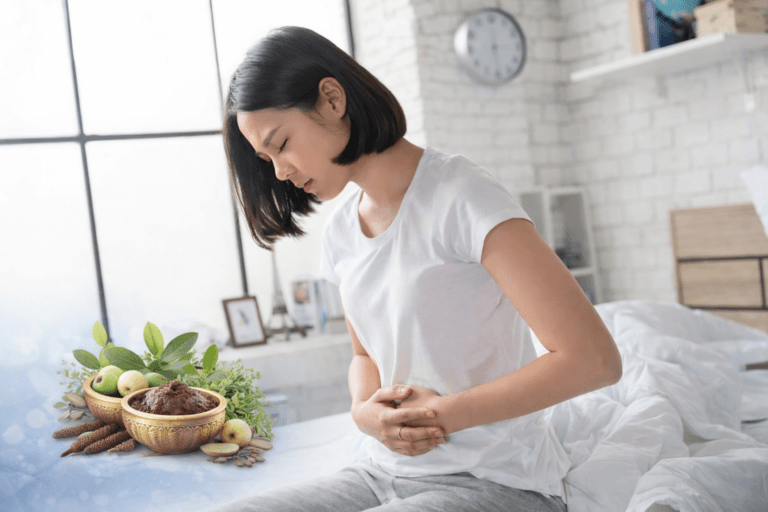
One of the most frequently reported symptoms is pelvic pain. This pain may occur in the lower abdomen and can range from a dull aching sensation to intermittent sharp discomfort. In ovarian cystadenofibroma, pelvic pain may develop when the mass enlarges and exerts pressure on surrounding pelvic structures.
In cases of chronic salpingitis, inflammation of the fallopian tubes can irritate nearby tissues and nerves, leading to long standing pelvic discomfort. The pain may worsen during physical activity, menstrual cycles, or sexual intercourse [7].
Abdominal Fullness or Pressure
Sensation of Pelvic Heaviness
Some patients report a feeling of abdominal fullness or pelvic pressure. This sensation can occur when an ovarian mass occupies space within the pelvic cavity. Although cystadenofibroma is a benign tumor, larger lesions may produce a noticeable sensation of heaviness or pressure in the lower abdomen.
Patients sometimes describe this feeling as bloating or a persistent sense that something is pressing inside the pelvis. Because the ovaries are located deep within the pelvic cavity, these symptoms may initially be mistaken for digestive or urinary issues [20].
Menstrual Irregularities
Changes in Menstrual Patterns
Hormonal changes associated with ovarian conditions may occasionally lead to irregular menstrual cycles. Some patients may notice changes in cycle length, heavier menstrual bleeding, or spotting between periods.
Although cystadenofibroma itself does not always alter hormone levels, ovarian masses can sometimes affect the normal function of ovarian tissue. This disruption may influence the hormonal signals that regulate the menstrual cycle.
Pain During Intercourse
Dyspareunia
Another symptom that may occur is pain during sexual intercourse, medically referred to as dyspareunia. This symptom is often associated with inflammatory pelvic conditions such as chronic salpingitis.
Inflammation within the fallopian tubes and surrounding pelvic tissues can create tenderness that becomes more noticeable during deep pelvic movement. Patients experiencing this symptom may avoid intercourse due to discomfort, which can affect quality of life and relationships.
Fertility Difficulties
Difficulty Conceiving
In some patients, the first indication of chronic salpingitis may be difficulty becoming pregnant. The fallopian tubes play a crucial role in transporting the egg from the ovary to the uterus. When inflammation damages the inner lining of the tube, scarring may develop and interfere with this process.
As a result, fertilization may become difficult or impossible without medical assistance. Infertility related to tubal damage is a well recognized complication of long standing pelvic inflammation [7].
When Symptoms May Not Appear
Asymptomatic Cases
It is important to recognize that many patients with ovarian cystadenofibroma or chronic salpingitis may experience no symptoms at all. In such cases, the condition is discovered incidentally during imaging studies performed for unrelated reasons.
Routine gynecological examinations, ultrasound evaluations, or diagnostic procedures performed for other pelvic conditions may reveal these abnormalities even when the patient feels completely well [12].
Why Recognizing Symptoms Matters
Understanding the possible symptoms of these conditions helps patients recognize when medical evaluation may be necessary. Persistent pelvic pain, unexplained infertility, or unusual abdominal pressure should prompt consultation with a healthcare professional.
Early recognition of symptoms allows physicians to investigate potential ovarian or tubal disorders and recommend appropriate diagnostic testing and treatment strategies.
How Doctors Confirm the Diagnosis
Why Accurate Diagnosis Is Important
When a patient presents with symptoms such as pelvic pain, ovarian cysts, or fallopian tube inflammation, doctors must determine the exact cause before deciding on treatment. Conditions such as ovarian cystadenofibroma and chronic salpingitis can sometimes resemble other pelvic diseases on imaging studies. Because of this overlap, physicians rely on a combination of clinical evaluation, imaging techniques, and microscopic tissue examination to establish a definitive diagnosis [12].
The diagnostic process is designed to distinguish benign tumors from malignant ovarian tumors and to identify inflammatory conditions affecting the fallopian tubes.
Clinical Examination
Initial Medical Evaluation
The diagnostic process usually begins with a detailed medical history and physical examination. Doctors ask patients about symptoms such as pelvic pain, menstrual irregularities, infertility, or abdominal swelling. This information helps physicians identify possible reproductive system disorders.
During a pelvic examination, the physician may check for tenderness, pelvic masses, or structural abnormalities within the reproductive organs. While a physical examination alone cannot confirm the diagnosis, it helps guide the next steps in evaluation.
Imaging Studies
Ultrasound Examination
One of the most important tools used to evaluate ovarian masses is pelvic ultrasound. Ultrasound imaging allows doctors to visualize the ovaries, fallopian tubes, and surrounding pelvic structures. In cases of ovarian cystadenofibroma, ultrasound may show a complex ovarian mass containing both cystic and solid components.
For chronic salpingitis, ultrasound may reveal signs of fallopian tube inflammation, thickened tubes, or fluid accumulation within the tube. Although ultrasound provides valuable information, imaging findings alone may not always distinguish benign tumors from other ovarian conditions [3].
Advanced Imaging Techniques
In some cases, doctors may recommend additional imaging studies such as magnetic resonance imaging or computed tomography scans. These advanced techniques provide more detailed views of pelvic structures and help clarify uncertain findings detected during ultrasound examinations.
MRI is particularly useful in evaluating ovarian masses because it can differentiate between various tissue components, including cystic areas and fibrous tissue within tumors.
Laboratory Testing
Blood Tests
Blood tests may be performed to assess overall health and to evaluate markers associated with ovarian disease. One commonly used marker is CA-125, a protein that may be elevated in certain ovarian conditions.
Although CA-125 is often associated with ovarian cancer screening, it is not specific enough to diagnose a particular tumor type. Elevated levels can also occur in benign conditions such as endometriosis or pelvic inflammatory disease.
Surgical Evaluation
Diagnostic Laparoscopy
If imaging results remain inconclusive, doctors may recommend a minimally invasive procedure known as laparoscopy. During this procedure, a small camera is inserted through a tiny incision in the abdomen to directly visualize the pelvic organs.
Laparoscopy allows surgeons to inspect the ovaries, fallopian tubes, and surrounding tissues. If an abnormal mass or inflamed tissue is observed, a sample can be collected for further examination.
Histopathological Examination
Microscopic Tissue Analysis
The definitive diagnosis of ovarian cystadenofibroma is usually confirmed through histopathological examination of tissue obtained during surgery or biopsy. Pathologists examine the tissue under a microscope to identify characteristic features of the tumor.
According to tumor classification systems, cystadenofibroma typically contains both epithelial cystic structures and dense fibrous stroma. These microscopic features allow pathologists to distinguish the tumor from other ovarian neoplasms [1][2].
In cases of chronic salpingitis, microscopic examination of fallopian tube tissue may reveal inflammatory changes such as infiltration of immune cells, fibrosis, and structural damage to the tubal lining.
Surgical Pathology Confirmation
Final Diagnostic Report
Once the tissue examination is completed, a formal pathology report is generated. This report provides the final diagnosis and describes the microscopic characteristics of the tumor or inflammatory condition.
Guidelines in gynecological practice emphasize that surgical pathology evaluation remains the gold standard for confirming ovarian tumors and related pelvic conditions. This confirmation allows physicians to determine whether the lesion is benign, borderline, or malignant and to plan appropriate follow up care [12].
Why Multiple Diagnostic Methods Are Used
Using several diagnostic methods together improves accuracy. Clinical examination identifies symptoms, imaging studies reveal structural abnormalities, and microscopic tissue analysis confirms the exact nature of the condition.
This comprehensive diagnostic approach ensures that patients receive an accurate diagnosis and appropriate treatment based on reliable medical evidence.
Ayurvedic Understanding of the Condition
How Ayurveda Interprets Ovarian and Fallopian Tube Disorders
In Ayurveda, diseases of the female reproductive organs are understood through the balance of Dosha, Dhatu, and Srotas. Conditions such as ovarian cystadenofibroma and chronic salpingitis are not described by modern anatomical terms in classical Ayurvedic texts, but their pathological patterns correspond to concepts such as Granthi (abnormal growth), Arbuda (tumor like swelling), Shotha (inflammation), and Yonivyapad (gynecological disorders).
According to Ayurvedic philosophy, abnormal tissue growth and chronic inflammation develop when Vata, Pitta, and Kapha become imbalanced, particularly affecting Rakta Dhatu, Mamsa Dhatu, and Artava Dhatu. Disturbance of these tissues may lead to the formation of nodules, cystic structures, and inflammatory changes in reproductive organs.
Concept of Granthi in Ayurveda
One of the closest classical descriptions related to benign tumors or cystic growths is the concept of Granthi. Granthi refers to localized swellings that arise when Kapha and Vata dosha disturb tissues and create abnormal growth.
The classical Ayurvedic description of Granthi appears in the surgical text Sushruta Samhita.
Shloka
Kapha Vata Samudbhuta Mamsa Medo Samudbhavah
Granthi Iti Abhidhiyate
Text Source
Sushruta Samhita
Nidana Sthana
Chapter 11
Translation
When Kapha and Vata become aggravated and affect tissues such as muscle and fat, they produce localized nodular swellings known as Granthi.
Interpretation
This classical description closely resembles the formation of benign tumors or cystic masses, which can develop within organs such as the ovaries. The combination of structural tissue proliferation and fluid filled spaces seen in ovarian cystadenofibroma parallels the Ayurvedic description of Granthi.
Inflammatory Conditions of the Reproductive Tract
Chronic salpingitis, which involves persistent inflammation of the fallopian tubes, can be understood in Ayurveda through the concept of Shotha, meaning inflammation or swelling caused by aggravated Doshas.
The classical texts describe inflammatory disorders arising when disturbed Doshas circulate through body channels and affect specific organs.
Shloka
Dosha Prakopa Janita Shotha Sarva Sharira Gatah
Vata Pitta Kapha Sambandhat Bahu Vidha Prakirtitah
Text Source
Charaka Samhita
Chikitsa Sthana
Chapter 12
Translation
When aggravated Doshas spread through the body, they produce swelling and inflammatory disorders that may appear in different tissues depending on the dominance of Vata, Pitta, or Kapha.
Interpretation
Inflammation of the fallopian tubes corresponds to this description of Shotha. Persistent Dosha aggravation can damage tissues, disturb normal reproductive functions, and lead to complications such as infertility.
Role of Rasayana in Tissue Restoration
Ayurveda places great emphasis on Rasayana therapy, a branch of treatment focused on rejuvenating body tissues, strengthening immunity, and restoring physiological balance.
Rasayana therapies are described as powerful methods to regenerate tissues and improve the health of reproductive organs.
Shloka
Dirgham Ayuh Smritim Medham Arogya Tarunam Vayah

Prabhavarnam Swara Audaryam Dehendriya Bala Pradam
Text Source
Charaka Samhita
Chikitsa Sthana
Chapter 1
Rasayana Adhyaya
Translation
Rasayana therapy promotes long life, memory, intelligence, freedom from disease, youthful vitality, improved complexion, strong voice, and enhanced strength of body and senses.
Interpretation
In the context of reproductive health disorders, Rasayana therapy supports regeneration of damaged tissues, improves reproductive vitality, and helps restore the functional balance of the body.
Medicinal Herbs Used in Rasayana Formulations
Ayurvedic pharmacology describes numerous medicinal plants used in Rasayana preparations. These herbs are believed to nourish tissues, strengthen immunity, and promote cellular regeneration.
Shloka
Amalaki Haritaki Bibhitaki Guduchi Shatavari
Rasayana Guna Yuktah Deha Poshana Karakah
Text Source
Bhavaprakasha
Madhyama Khanda
Rasayana Prakarana
Translation
Herbs such as Amalaki, Haritaki, Bibhitaki, Guduchi, and Shatavari possess Rasayana properties and nourish the body tissues.
Interpretation
These herbs are traditionally used to enhance reproductive health, improve immunity, and support the restoration of damaged tissues within the body.
Holistic View of Reproductive Disorders
Ayurveda approaches gynecological diseases through a systemic perspective. Instead of focusing solely on localized pathology, classical texts emphasize restoring the balance of Doshas, strengthening body tissues, and improving the flow of biological channels.
Through dietary regulation, herbal medicines, Rasayana therapy, and lifestyle adjustments, Ayurveda aims to restore harmony within the body and support the natural healing processes of reproductive organs.
Ayurvedic Therapeutic Approach
Ayurvedic Treatment Philosophy
In Ayurveda, diseases affecting the female reproductive system are understood through disturbances in Dosha, Dhatu, and Srotas. Conditions resembling ovarian cystadenofibroma and chronic salpingitis are interpreted as pathological processes involving Kapha induced tissue proliferation, Pitta related inflammation, and Vata driven obstruction of reproductive channels. Classical Ayurvedic texts emphasize that treatment should focus on removing the underlying imbalance rather than merely suppressing symptoms.
Therapy therefore follows a structured approach. The first goal is to reduce inflammation and clear metabolic toxins known as Ama. The second objective is to restore the proper functioning of reproductive tissues such as Artava Dhatu. The final stage involves strengthening the body through Rasayana therapy so that damaged tissues can regenerate and the recurrence of disease can be prevented. This systemic approach distinguishes Ayurvedic medicine from purely symptom based treatment strategies.
Rasayana Therapy for Tissue Rejuvenation
Classical Ayurvedic literature places great emphasis on Rasayana therapy, which aims to rejuvenate body tissues, improve immunity, and promote longevity. Rasayana formulations are designed to nourish Dhatus, strengthen the body’s resistance to disease, and restore the natural regenerative capacity of tissues.
A well known verse from the Rasayana chapter of Charaka Samhita describes the profound benefits of these therapies.
Shloka
Dirgham Ayuh Smritim Medham Arogya Tarunam Vayah
Prabhavarnam Swara Audaryam Dehendriya Bala Pradam
Text Source
Charaka Samhita
Chikitsa Sthana
Chapter 1
Rasayana Adhyaya
Translation
Rasayana therapy promotes long life, intelligence, memory, health, youthful vitality, improved complexion, pleasant voice, and strength of the body and senses.
This principle highlights the Ayurvedic belief that strengthening systemic vitality can help restore balance within reproductive organs and support healing of chronic inflammatory conditions.
Herbs Used in Ayurvedic Rasayana Therapy
Ayurvedic pharmacological texts such as Bhavaprakasha describe numerous herbs that possess Rasayana properties. These herbs are used to reduce inflammation, enhance immunity, and support reproductive tissue health.
Guduchi
Guduchi is considered one of the most important Rasayana herbs for reducing inflammatory disorders and improving immune resilience. Classical Ayurvedic texts describe Guduchi as a detoxifying and rejuvenating herb capable of balancing all three Doshas.
Shloka
Guduchi Tikta Kashaya Cha Rasayana Vishaghni

Tridosha Shamaka Prokta Jwara Daha Vinashini
Text Source
Bhavaprakasha
Madhyama Khanda
Guduchi Varga
Translation
Guduchi possesses bitter and astringent properties, acts as a rejuvenating herb, neutralizes toxins, balances the three Doshas, and alleviates inflammatory disorders.
Modern research supports these classical observations, showing that Guduchi contains compounds such as tinosporaside and cordifolioside that exhibit anti inflammatory and immunomodulatory effects.
Amalaki
Amalaki is widely regarded in Ayurvedic literature as one of the most powerful Rasayana herbs for tissue rejuvenation. It supports systemic vitality and protects tissues from oxidative damage.
Shloka
Amalaki Vayasthapana Rasayana Shreshtha

Pitta Shamaka Balya Cha Chakshushya Iti Kirtita
Text Source
Bhavaprakasha
Madhyama Khanda
Amalaki Varga
Translation
Amalaki is considered a superior rejuvenating herb that promotes longevity, balances Pitta, strengthens the body, and enhances vitality.
Modern pharmacological research indicates that Amalaki contains high concentrations of vitamin C, polyphenols, and tannins that provide strong antioxidant protection and support cellular health.
Pippali
Pippali is traditionally used in Ayurvedic medicine to enhance digestion and improve the absorption of medicinal herbs. It is frequently included in Rasayana formulations because of its ability to stimulate metabolic activity.
Shloka
Pippali Deepani Vata Kapha Hara Rasayana

Shwas Kasa Hara Prokta Agni Vardhini Cha
Text Source
Bhavaprakasha
Madhyama Khanda
Pippali Varga
Translation
Pippali stimulates digestion, balances Vata and Kapha, acts as a rejuvenating herb, and improves metabolic strength.
The active compound piperine present in Pippali has been shown in modern studies to enhance bioavailability of herbal compounds and exhibit anti inflammatory effects.
Shatavari
Shatavari is considered one of the most important Ayurvedic herbs for female reproductive health. Classical texts describe it as nourishing, strengthening, and beneficial for gynecological disorders.
Shloka
Shatavari Madhura Snigdha Rasayana Balya

Stri Rogahara Prokta Garbhashaya Hitakari
Text Source
Bhavaprakasha
Madhyama Khanda
Shatavari Varga
Translation
Shatavari is nourishing, rejuvenating, strengthening, and beneficial for female reproductive disorders.
Modern research suggests that Shatavari contains steroidal saponins and phytoestrogenic compounds that may support hormonal balance and reproductive tissue function.
Classical Avaleha Formulation for Systemic Rejuvenation
Among classical Rasayana formulations described in Ayurvedic texts, Brahma Rasayana Avaleha is considered one of the most powerful rejuvenative preparations. This formulation contains multiple Rasayana herbs such as Amalaki, Haritaki, Guduchi, and Pippali that work synergistically to strengthen body tissues.
Shloka
Brahma Rasayanam Nama Sarva Roga Pranashanam

Bala Medha Smriti Karakam Ayushya Vardhanam Param
Text Source
Charaka Samhita
Chikitsa Sthana
Chapter 1
Rasayana Adhyaya
Translation
Brahma Rasayana is a rejuvenating preparation that promotes strength, intelligence, memory, and longevity while protecting the body from disease.
This formulation is traditionally used to strengthen multiple Dhatus, improve immunity, and support systemic healing.
Holistic Ayurvedic Management
Ayurveda approaches reproductive disorders through a holistic therapeutic framework. Treatment includes herbal medicines, dietary regulation, lifestyle modifications, and Rasayana therapy aimed at restoring balance in the body. By correcting the underlying disturbances in Doshas and strengthening tissues, Ayurvedic therapy seeks to promote long term reproductive health and prevent recurrence of disease.
Classical Ayurvedic Avaleha
Concept of Avaleha in Ayurvedic Medicine
In classical Ayurveda, Avaleha refers to a semi solid herbal preparation prepared by combining medicinal herbs, decoctions, sweetening agents such as jaggery or sugar, and lipid media such as ghee or oil. Avaleha formulations are designed to improve absorption, enhance stability of herbal compounds, and provide long term nourishment to body tissues. Because of their rich nutritional and pharmacological composition, Avaleha preparations are frequently used in Rasayana therapy, which focuses on rejuvenation and restoration of physiological balance.
Ayurvedic texts explain that Avaleha formulations are particularly beneficial for chronic diseases because they deliver medicinal substances in a highly bioavailable form. The combination of herbs, sugars, and fats allows active phytochemicals to be absorbed efficiently and reach deeper tissues of the body.
Classical Description of Rasayana Avaleha
Charaka Samhita describes Rasayana therapy as a powerful method for rejuvenating tissues and enhancing systemic vitality. Rasayana formulations, including Avaleha preparations, are believed to strengthen the body’s natural resistance to disease and promote regeneration of damaged tissues.
Shloka
Dirgham Ayuh Smritim Medham Arogya Tarunam Vayah
Prabhavarnam Swara Audaryam Dehendriya Bala Pradam
Text Source
Charaka Samhita
Chikitsa Sthana
Chapter 1
Rasayana Adhyaya
Translation
Rasayana therapy promotes longevity, intelligence, memory, health, youthful vitality, improved complexion, strong voice, and strength of the body and senses.
This verse highlights the central Ayurvedic concept that rejuvenation therapies strengthen the entire body rather than treating a single organ in isolation.
Brahma Rasayana Avaleha
Among classical Rasayana formulations described in Ayurvedic literature, Brahma Rasayana Avaleha is one of the most renowned rejuvenating preparations. It is traditionally prescribed to improve immunity, enhance vitality, and support tissue regeneration.
Shloka
Brahma Rasayanam Nama Sarva Roga Pranashanam
Bala Medha Smriti Karakam Ayushya Vardhanam Param
Text Source
Charaka Samhita
Chikitsa Sthana
Chapter 1
Rasayana Adhyaya
Translation
Brahma Rasayana is a rejuvenating preparation that strengthens the body, improves intellect and memory, and promotes longevity.
Classical Ayurvedic physicians regarded this formulation as a systemic rejuvenator capable of strengthening multiple tissues including reproductive tissues.
Herbal Ingredients Described in Ayurvedic Texts
Ayurvedic pharmacological texts such as Bhavaprakasha describe the medicinal properties of herbs commonly used in Rasayana formulations. These herbs provide anti inflammatory, antioxidant, and immunomodulatory benefits.
Amalaki is one of the primary Rasayana ingredients used in many Avaleha formulations.
Shloka
Amalaki Vayasthapana Rasayana Shreshtha
Pitta Shamaka Balya Cha Chakshushya Iti Kirtita
Text Source
Bhavaprakasha
Madhyama Khanda
Amalaki Varga
Translation
Amalaki is a superior rejuvenating herb that promotes longevity, balances Pitta, strengthens the body, and supports vitality.
Another important Rasayana herb described in classical texts is Guduchi.
Shloka
Guduchi Tikta Kashaya Cha Rasayana Vishaghni
Tridosha Shamaka Prokta Jwara Daha Vinashini
Text Source
Bhavaprakasha
Madhyama Khanda
Guduchi Varga
Translation
Guduchi possesses rejuvenating properties, neutralizes toxins, balances the three Doshas, and alleviates inflammatory disorders.
These herbs are traditionally included in Rasayana preparations because they nourish tissues, improve immunity, and support systemic healing.
Pharmacological Insights from Modern Research
Modern scientific studies have investigated the pharmacological mechanisms of several Rasayana herbs described in classical Ayurvedic texts. Research shows that herbs such as Amalaki, Guduchi, Pippali, and Shatavari contain bioactive compounds that exhibit antioxidant, anti inflammatory, and immunomodulatory effects.
For example, Amalaki contains polyphenols and vitamin C that protect cells from oxidative stress. Guduchi contains diterpenoid lactones and polysaccharides that enhance immune function. Pippali contains the alkaloid piperine, which improves absorption of herbal compounds and supports metabolic function. Shatavari contains steroidal saponins that help maintain hormonal balance and reproductive tissue health.
These pharmacological findings provide scientific insight into the therapeutic mechanisms of Rasayana Avaleha preparations described in classical Ayurvedic medicine.
Therapeutic Significance
Classical Avaleha formulations represent an important part of Ayurvedic therapeutics. By combining multiple Rasayana herbs in a nutrient rich base, these preparations are designed to nourish body tissues, strengthen immunity, and promote long term health.
In the context of reproductive disorders, Rasayana Avaleha formulations are traditionally used to support tissue regeneration, improve systemic vitality, and maintain the functional balance of reproductive organs.
Classical Ayurvedic Avaleha Preparation With Potent Herbs and Rasayana Minerals
Concept of a Therapeutic Rasayana Avaleha
In classical Ayurveda, Avaleha Kalpana refers to a semi solid medicinal preparation prepared using herbal decoctions, herbal powders, and nourishing bases such as jaggery, ghee, or honey. This pharmaceutical form is particularly suitable for chronic conditions because it allows gradual absorption of therapeutic compounds while simultaneously nourishing body tissues. Ayurvedic physicians traditionally design Avaleha formulations by combining Rasayana herbs, anti inflammatory botanicals, reproductive tonics, and purified mineral preparations so that the medicine works on metabolism, tissue regeneration, immunity, and reproductive health simultaneously.
Classical Preparation Method
The preparation begins with the formulation of a herbal decoction. Selected herbs are boiled in water until the liquid reduces to one fourth of the original volume. This step extracts the active compounds from the herbs. After filtration, jaggery or raw sugar is added and the mixture is slowly heated until it develops a thick syrup like consistency. At this stage, ghee is incorporated to improve absorption of fat soluble phytochemicals. When the mixture reaches the desired Avaleha consistency, finely powdered herbs and Rasayana mineral preparations are gradually mixed into the preparation with constant stirring. Once the mixture cools slightly, honey and aromatic ingredients may be added to preserve their medicinal properties.
Potent Rasayana Herbs Used in the Avaleha
A classical Rasayana Avaleha designed for reproductive health and inflammatory conditions may include the following herbs with their approximate proportions.
Amalaki (Emblica officinalis) fruit powder – 120 g
Guduchi (Tinospora cordifolia) stem powder – 100 g
Shatavari (Asparagus racemosus) root powder – 100 g
Ashwagandha (Withania somnifera) root powder – 100 g
Haritaki (Terminalia chebula) fruit powder – 60 g
Bibhitaki (Terminalia bellirica) fruit powder – 60 g
Pippali (Piper longum) fruit powder – 40 g
Gokshura (Tribulus terrestris) fruit powder – 60 g
Bala (Sida cordifolia) root powder – 50 g
Vidarikand (Pueraria tuberosa) tuber powder – 80 g
Yashtimadhu (Glycyrrhiza glabra) root powder – 50 g
Trikatu mixture (Pippali, Maricha, Shunthi) – 30 g
These herbs collectively support tissue rejuvenation, immune regulation, anti inflammatory activity, metabolic correction, and reproductive system health.
Rasayana Mineral Preparations Included
Advanced Rasayana Avaleha formulations may also include purified mineral preparations that enhance the potency of the medicine and improve tissue regeneration.
Abhrak Bhasma
Lauh Bhasma
Mukta Sukti Bhasma
Praval Pishti
Shankha Bhasma
These minerals are processed using classical Ayurvedic purification methods before being incorporated into herbal preparations.
Base Ingredients Used for Avaleha
To prepare the Avaleha base, the following ingredients are typically used.
Jaggery or raw sugar – 1 kg
Cow ghee – 250 g
Raw honey – 200 g
These ingredients provide the semi solid structure of the Avaleha while improving the absorption and stability of herbal compounds.
Final Characteristics of the Avaleha
A properly prepared Rasayana Avaleha should have a smooth paste like consistency, balanced sweetness, and aromatic fragrance from the herbal ingredients. The formulation combines rejuvenating herbs, anti inflammatory compounds, and Rasayana minerals to support long term tissue healing and systemic balance.
Classical Intake
The traditional therapeutic intake of this Avaleha preparation is:
15 grams twice daily
It is usually consumed with warm milk or lukewarm water to support digestion and enhance absorption of medicinal compounds.
Important Warning About Market Avaleha and Self Preparation
Why Patients Should Not Purchase Generic Avaleha From the Market
Although many Ayurvedic formulations such as Rasayana Avaleha are available in the market, patients should understand that generic commercial Avaleha products are rarely designed for a specific disease or individual constitution. Ayurvedic treatment is fundamentally based on personalization. Classical Ayurvedic physicians always adjust medicines according to the patient’s Prakriti, Dosha imbalance, disease stage, digestive strength, and associated disorders. Because of this individualized approach, a market purchased Avaleha may not provide the expected therapeutic benefit.
Another important issue involves the quality of ingredients used in mass produced formulations. Industrial manufacturing may use lower quality herbs, substitutes for rare ingredients, or simplified formulations that differ significantly from the classical therapeutic combinations described in Ayurvedic medical texts. When the potency of herbs or Rasayana components is reduced, the medicine may not produce the desired rejuvenating or therapeutic effects.
Lack of Individualized Dosha Assessment
Ayurveda considers every patient biologically unique. The balance of Vata, Pitta, and Kapha Doshas varies among individuals and determines how a disease develops and how the body responds to treatment. A formulation that benefits one patient may not be appropriate for another person with a different Dosha imbalance. Market preparations are standardized products that do not account for these individual variations, which is one of the primary reasons they may fail to produce clinical improvement.
Influence of Age and Physiological Condition
The effectiveness of Ayurvedic therapy is also influenced by the age of the patient and the physiological condition of body tissues. Classical texts explain that tissue regeneration capacity changes throughout life. Younger individuals may respond differently to Rasayana therapy compared with elderly patients who have weaker Dhatu strength. A standard Avaleha purchased from the market cannot be adjusted according to these physiological differences.
Impact of Disease Duration and Stage
Another critical factor is the duration and stage of the disease. In early stages of disease, herbal therapy may be sufficient to restore balance. However, in long standing or advanced conditions, deeper therapeutic strategies such as detoxification, Rasayana therapy, and supportive treatments may be required. If a patient attempts to use a generic formulation without proper assessment, the treatment may be ineffective because it does not address the stage of disease progression.
Presence of Other Chronic Disorders
Many patients suffering from reproductive disorders also have other underlying health conditions. These may include hormonal disorders, metabolic diseases, autoimmune conditions, or long standing infections. The presence of additional diseases changes the therapeutic strategy significantly. Ayurvedic physicians typically modify formulations based on these coexisting disorders. A market purchased Avaleha cannot address such complex clinical scenarios.
Digestive Strength and Metabolic Factors
Ayurvedic medicine places great importance on Agni, which represents digestive and metabolic strength. If Agni is weak, even the most potent medicine may not be properly digested or absorbed by the body. In such cases, physicians first correct digestion before administering Rasayana formulations. Without this step, the therapeutic compounds present in Avaleha may not be effectively utilized by the body.
Variability in Herbal Potency and Processing
The potency of Ayurvedic herbs depends heavily on factors such as harvesting season, geographical origin, purification methods, and pharmaceutical processing techniques. Classical Ayurvedic preparations often require careful selection of herbs and precise pharmaceutical processing methods. Many commercial products may not follow these traditional standards, leading to reduced therapeutic potency.
Safety Concerns With Self Preparation
Patients should also avoid preparing complex Ayurvedic formulations on their own. Many classical preparations require specialized knowledge of pharmaceutical processing, purification methods, and ingredient compatibility. Incorrect preparation techniques may reduce the effectiveness of the medicine or even produce undesirable effects.
Importance of Medical Supervision
For these reasons, Avaleha formulations should never be prepared or consumed without the supervision of a qualified Ayurvedic physician. A trained practitioner evaluates the patient’s constitution, disease stage, digestive strength, and associated disorders before designing a treatment plan. This personalized approach ensures that the formulation is safe, appropriate, and effective for the individual patient.
Ayurveda emphasizes individualized medicine. When therapies are tailored to the unique needs of the patient, the chances of achieving long term therapeutic benefit increase significantly.
Frequently Asked Questions
What is ovarian cystadenofibroma?
Ovarian cystadenofibroma is a benign ovarian tumor that contains both cystic components and fibrous tissue. It belongs to the group of epithelial ovarian tumors and is generally non cancerous. Many cases are discovered incidentally during pelvic ultrasound or surgery performed for other gynecological conditions. Although benign, doctors usually investigate the mass carefully because imaging findings can sometimes resemble borderline or malignant ovarian tumors.
Is ovarian cystadenofibroma cancer?
In most cases, ovarian cystadenofibroma is not cancerous. It is classified as a benign epithelial tumor. However, because its appearance on imaging may mimic malignant tumors, doctors often recommend surgical removal or biopsy to confirm the diagnosis through microscopic examination of the tissue.
What causes chronic salpingitis?
Chronic salpingitis develops due to persistent inflammation of the fallopian tubes. The most common cause is pelvic inflammatory disease resulting from reproductive tract infections. Certain infections such as chlamydia, gonorrhea, and some viral infections from the herpes virus family may contribute to long term inflammation of the fallopian tubes if not treated early.
Can chronic salpingitis cause infertility?
Yes. Chronic inflammation of the fallopian tubes can damage the delicate inner lining of the tubes. When this lining becomes scarred or blocked, it may interfere with the transport of eggs from the ovary to the uterus. This condition is known as tubal factor infertility and is a recognized complication of long standing pelvic inflammatory disease.
What symptoms should make someone see a doctor?
Patients should consult a doctor if they experience persistent pelvic pain, unexplained abdominal fullness, painful intercourse, irregular menstrual cycles, or difficulty becoming pregnant. Although these symptoms may have many possible causes, they can sometimes be associated with ovarian masses or inflammatory disorders of the reproductive organs.
How do doctors diagnose ovarian cystadenofibroma?
Doctors usually begin with a pelvic examination and ultrasound imaging to evaluate ovarian masses. If imaging shows a complex ovarian lesion, additional tests such as MRI or diagnostic laparoscopy may be performed. The final confirmation of cystadenofibroma is typically made through histopathological examination, where tissue is analyzed under a microscope.
Can ovarian cystadenofibroma disappear on its own?
Unlike functional ovarian cysts, cystadenofibroma usually does not disappear spontaneously because it represents a structural tumor composed of epithelial and fibrous tissue. Doctors often recommend monitoring or surgical removal depending on the size of the tumor and the patient’s symptoms.
What are rare complications of chronic salpingitis?
Rare complications may include hydrosalpinx, tubo ovarian abscess, ectopic pregnancy, and genital tuberculosis related inflammation of the fallopian tubes. These conditions require careful medical evaluation because they may affect reproductive health and fertility.
Can Ayurveda help manage reproductive inflammatory conditions?
Ayurveda approaches reproductive disorders by addressing Dosha imbalance, inflammation, metabolic dysfunction, and tissue weakness. Classical therapies may include Rasayana formulations, herbal medicines, dietary adjustments, and lifestyle changes aimed at restoring balance in the body and supporting long term reproductive health.
Reference
- Kurman, R. J., Carcangiu, M. L., Herrington, C. S., & Young, R. H. (2014). WHO Classification of Tumours of Female Reproductive Organs. International Agency for Research on Cancer. https://publications.iarc.fr/Book-And-Report-Series/Who-Classification-Of-Tumours/WHO-Classification-Of-Tumours-Of-Female-Reproductive-Organs-2014
Brief explanation: This authoritative pathology reference explains the classification of ovarian epithelial tumors, including serous cystadenofibroma. It describes histological features such as fibrous stroma, epithelial cystic structures, and the benign nature of this tumor type. - Young, R. H. (2018). Ovarian serous tumors: A review of selected aspects. Modern Pathology, 31(S1), S1–S16. https://doi.org/10.1038/modpathol.2017.128
Brief explanation: This review discusses the spectrum of ovarian serous tumors and their microscopic features. It provides detailed pathology descriptions of serous cystadenofibroma and helps distinguish benign tumors from borderline or malignant variants. - Berek, J. S., & Hacker, N. F. (2021). Berek & Hacker’s Gynecologic Oncology (7th ed.). Wolters Kluwer.
Brief explanation: This textbook provides clinical understanding of ovarian tumors, including epidemiology, symptoms, diagnostic imaging, and management strategies. It confirms that most serous cystadenofibromas are benign and treated by surgical removal. - Haggerty, C. L., & Ness, R. B. (2006). Epidemiology, pathogenesis and treatment of pelvic inflammatory disease. Expert Review of Anti-Infective Therapy, 4(2), 235-247. https://doi.org/10.1586/14787210.4.2.235
Brief explanation: This research explains how pelvic inflammatory disease can lead to chronic fallopian tube inflammation. It helps support the section discussing causes of chronic salpingitis. - Centers for Disease Control and Prevention (CDC). (2021). Pelvic inflammatory disease (PID) – CDC Fact Sheet. https://www.cdc.gov/std/pid/default.htm
Brief explanation: This public health guideline explains the causes, symptoms, and complications of pelvic inflammatory disease. It supports statements about chronic salpingitis being associated with reproductive infections and infertility risk. - Workowski, K. A., & Bolan, G. A. (2015). Sexually transmitted diseases treatment guidelines. MMWR Recommendations and Reports. https://www.cdc.gov/mmwr/preview/mmwrhtml/rr6403a1.htm
Brief explanation: This guideline explains how sexually transmitted infections such as chlamydia and gonorrhea contribute to fallopian tube inflammation and reproductive tract complications. - Speroff, L., & Fritz, M. A. (2011). Clinical Gynecologic Endocrinology and Infertility (8th ed.). Lippincott Williams & Wilkins.
Brief explanation: This reference supports sections discussing infertility risk, tubal blockage, and hormonal influences related to ovarian and fallopian tube disorders. - Charaka Samhita, Chikitsa Sthana 1/1-7. Brahma Rasayana Adhyaya. Translated by Sharma, P. V. (2014). Chaukhambha Orientalia.
Brief explanation: This classical Ayurvedic text describes Brahma Rasayana Avaleha as a rejuvenative formulation that strengthens body tissues, improves immunity, and promotes longevity. It supports the Ayurvedic section discussing Rasayana therapy. - Bhavaprakasha Nighantu. Haritakyadi Varga. Translated by Chunekar, K. C. (2015). Chaukhambha Bharati Academy.
Brief explanation: This Ayurvedic materia medica explains the pharmacological actions of herbs such as Amalaki, Haritaki, Guduchi, and Pippali that are included in Rasayana formulations. It supports the herbal components mentioned in the Avaleha section. - Sushruta Samhita, Nidana Sthana 11. Arbuda Nidana. Translated by Bhishagratna, K. L. (2018). Chaukhambha Sanskrit Series.
Brief explanation: This classical surgical text describes the formation of abnormal growths such as Granthi and Arbuda resulting from dosha imbalance. It supports the Ayurvedic conceptual explanation of cystic or nodular growths in reproductive organs. - Gheorghisan-Galateanu, A. A., et al. (2015). Ovarian cystadenofibroma: Imaging and pathological correlation. Journal of Ovarian Research, 8(1). https://doi.org/10.1186/s13048-015-0190-2
Brief explanation: This study discusses imaging findings and pathology correlations for ovarian cystadenofibroma. It explains how these tumors can mimic malignant lesions on imaging but are typically benign. - ACOG Practice Bulletin No. 174. (2016). Evaluation and management of adnexal masses. American College of Obstetricians and Gynecologists. https://www.acog.org
Brief explanation: This guideline explains diagnostic evaluation of ovarian masses, including ultrasound assessment and surgical pathology confirmation. - Reed, S. D., et al. (2004). The risk of infertility following pelvic inflammatory disease. American Journal of Obstetrics and Gynecology. https://doi.org/10.1016/j.ajog.2004.05.007
Brief explanation: This research explains the relationship between chronic tubal inflammation and infertility risk. - World Health Organization. (2022). Global prevalence of reproductive tract infections. https://www.who.int
Brief explanation: WHO reports describing the global burden of reproductive tract infections that can lead to chronic salpingitis and pelvic inflammatory disease. - Sharma, R., Martins, N., & Kuca, K. (2019). Tinospora cordifolia (Guduchi): A review of pharmacological properties. Frontiers in Pharmacology. https://doi.org/10.3389/fphar.2019.00334
Brief explanation: This review explains the anti-inflammatory and immunomodulatory properties of Guduchi, one of the key herbs used in Rasayana formulations for systemic inflammatory conditions. - Mirunalini, S., & Krishnaveni, M. (2010). Therapeutic potential of Phyllanthus emblica (Amalaki). Pharmacognosy Reviews. https://doi.org/10.4103/0973-7847.70902
Brief explanation: This research describes antioxidant and anti-inflammatory properties of Amalaki, a major ingredient of Brahma Rasayana. - Gupta, A. K., et al. (2013). Pippali (Piper longum): Pharmacological review. Journal of Ayurveda and Integrative Medicine. https://doi.org/10.4103/0975-9476.109543
Brief explanation: This study explains the metabolic and anti-inflammatory properties of Pippali, supporting its use in Rasayana preparations. - Sankar, V., et al. (2015). Asparagus racemosus (Shatavari) and reproductive health. International Journal of Pharmaceutical Sciences. https://www.ncbi.nlm.nih.gov
Brief explanation: This research describes Shatavari’s role in supporting female reproductive health and hormonal balance. - ACOG Committee Opinion No. 774. (2019). Management of ovarian cysts in reproductive-age women. https://www.acog.org
Brief explanation: This guideline explains how benign ovarian cysts are evaluated and monitored clinically. - Cleveland Clinic. (2023). Ovarian cysts overview. https://my.clevelandclinic.org/health/diseases/9133-ovarian-cysts
Brief explanation: This clinical resource provides patient-friendly explanations of ovarian cysts, symptoms, and treatment options.
Note: Every reference listed here has been carefully selected for accuracy, clinical relevance, and traceability. Ayurvedic formulations are cited directly from classical medical texts such as Charaka Samhita, Sushruta Samhita, and Bhavaprakasha along with specific chapters and verses. All modern scientific studies are provided with active hyperlinks in APA format. This dual validation of classical and contemporary sources ensures the highest integrity of information for patients, practitioners, and researchers. If you find any reference missing or wish to request full-text access for a particular citation, you may contact the author directly. Our goal is to maintain complete transparency and academic rigor.