


- How Common Is Infertility Today?
- How Doctors Define Infertility
- Male vs Female Infertility: Understanding Both Sides
- Common and Rare Medical Causes of Infertility
- Hidden Causes of Infertility Doctors Often Miss
- How Infertility Is Diagnosed
- Treatment Options for Infertility
- Lifestyle Factors That Strongly Affect Fertility
- Why Some Couples Still Cannot Conceive After IVF
- Holistic and Integrative Fertility Approaches
- Integrative Support for Spermatogenesis in Ayurveda
- Integrative Physiological Support for Spermatogenesis
- Rasayana Therapy for Reproductive Vitality and Fertility Restoration
- Shukra–Artava Rasayana Avaleha Medicine
- Important Warning Regarding Market-Available Avaleha Preparations
- Frequently Asked Questions
- Reference
Infertility causes diagnosis treatment is one of the most searched topics among couples trying to conceive. Infertility affects millions of people worldwide and can result from multiple medical, hormonal, lifestyle, or environmental factors. Understanding the causes of infertility, how doctors diagnose fertility problems, and what treatment options are available is essential for couples seeking to achieve pregnancy.
For many couples, the journey toward parenthood begins with hope and expectation that pregnancy will occur naturally within a few months. When months pass without success, anxiety and uncertainty often begin to grow. Couples may start asking difficult questions about whether something may be affecting their fertility, whether medical testing is necessary, and what treatment options might help them conceive. These concerns are increasingly common today because infertility has become a significant global reproductive health challenge affecting millions of people worldwide [1][4].
Medically, infertility is generally defined as the inability to achieve pregnancy after twelve months of regular unprotected sexual intercourse. For women over the age of thirty-five, fertility evaluation is usually recommended after six months because reproductive potential gradually declines with age [6]. Infertility can involve factors affecting either partner. Female reproductive disorders such as ovulation problems, tubal disease, or uterine abnormalities may contribute to infertility, while male infertility may result from abnormalities in sperm production, motility, or morphology. In many couples both partners contribute to fertility challenges, and in some cases the cause remains unexplained even after medical evaluation.
Scientific research indicates that infertility may arise from several biological and environmental factors including hormonal imbalances, reproductive tract disorders, genetic influences, infections, and lifestyle factors. Age is another critical determinant because both egg quality and sperm quality can decline over time, reducing the probability of successful conception [6]. Because human reproduction requires precise coordination between multiple physiological systems, even small disturbances in hormonal regulation or reproductive anatomy can significantly affect fertility outcomes.
Diagnosis therefore becomes an essential step in identifying the underlying causes of infertility. Modern reproductive medicine uses several diagnostic tools including hormone testing, ultrasound imaging, semen analysis, and specialized fertility assessments to evaluate reproductive function. These investigations help physicians assess ovulation patterns, sperm quality, reproductive anatomy, and endocrine balance so that appropriate treatment strategies can be planned.
At the same time, increasing attention is being given to the broader health factors that influence reproductive capacity. Nutrition, metabolic health, stress levels, environmental exposures, and lifestyle habits all play important roles in fertility. Because of this, many couples explore integrative approaches that combine modern reproductive diagnostics with strategies aimed at improving systemic health and reproductive vitality. These may include nutritional optimization, stress management, lifestyle modifications, and individualized therapeutic approaches designed to support long-term reproductive wellness.
Understanding infertility causes, diagnosis methods, and available treatment strategies helps couples make informed decisions about their reproductive health. With proper evaluation and personalized care, many individuals are able to identify the factors affecting fertility and pursue appropriate treatment pathways toward achieving pregnancy.
How Common Is Infertility Today?

Many couples assume that pregnancy will happen quickly once they decide to start a family. When conception does not occur after several months, it often leads to worry, confusion, and many unanswered questions. One of the most important things couples should understand is that infertility is far more common than most people realize. Across the world, millions of people experience difficulty conceiving at some point in their reproductive years [1][8].
Global public health data shows that infertility affects a substantial proportion of the population. According to large epidemiological studies and international health reports, approximately one in six adults worldwide may experience infertility during their lifetime [1]. These estimates highlight that infertility is not a rare condition but a widespread reproductive health challenge affecting individuals across different countries, cultures, and socioeconomic backgrounds.
In the United States and many developed nations, research indicates that around ten to fifteen percent of couples of reproductive age experience difficulty conceiving [4]. Similar trends have been observed globally, suggesting that infertility is becoming an increasingly recognized medical and social concern. Several factors contribute to these rising numbers, including delayed parenthood, lifestyle changes, environmental exposures, metabolic disorders, and increasing awareness leading more couples to seek medical evaluation.
Another important aspect revealed by international studies is that many couples experiencing infertility do not immediately seek medical help. In some regions, only a portion of affected couples pursue fertility evaluation or treatment due to financial barriers, limited access to specialized care, or lack of awareness about available medical options [10]. This means the true burden of infertility may be even higher than reported statistics suggest.
Understanding how common infertility is can provide reassurance to couples who feel isolated in their experience. Fertility challenges affect people worldwide, and modern reproductive medicine now offers many diagnostic tools and treatment approaches that can help identify underlying causes and improve the chances of conception. Recognizing infertility as a common medical condition is an important step toward seeking timely evaluation and appropriate care.
How Doctors Define Infertility
For many couples, the moment they begin to wonder whether they might be facing fertility problems can be confusing and emotionally difficult. Some couples may try to conceive for several months without success and begin to worry prematurely, while others may wait for years before seeking medical advice. Because fertility varies between individuals, doctors use standardized medical definitions to determine when difficulty conceiving should be evaluated as infertility.
In clinical medicine, infertility is generally defined as the inability to achieve pregnancy after twelve months of regular, unprotected sexual intercourse [2][6]. This definition helps doctors identify couples who may benefit from fertility evaluation. For women over the age of thirty-five, medical guidelines recommend earlier assessment after six months of unsuccessful attempts because female fertility naturally declines with age. Early evaluation allows physicians to identify potential reproductive problems and begin appropriate treatment if necessary.
Medical definitions of infertility also distinguish between two major categories. Primary infertility refers to couples who have never achieved pregnancy despite regular attempts to conceive. Secondary infertility describes situations in which a couple has previously achieved pregnancy but later experiences difficulty conceiving again [7]. This distinction helps doctors understand the patient’s reproductive history and identify possible causes related to hormonal changes, reproductive tract conditions, or other medical factors.
Another important aspect of infertility definitions involves recognizing that fertility challenges can arise from either partner. Medical research consistently shows that infertility is not solely a female issue. In many cases, male reproductive factors such as reduced sperm count, impaired sperm motility, or hormonal disturbances may contribute to difficulty conceiving. Because of this, fertility evaluation usually involves both partners to obtain a complete understanding of reproductive health.
Using clear medical definitions allows healthcare providers to identify fertility problems earlier, guide appropriate diagnostic testing, and recommend suitable treatment options. For couples trying to conceive, understanding how doctors define infertility can help determine when it may be time to seek professional evaluation and explore potential solutions.
Male vs Female Infertility: Understanding Both Sides

Germ Cells and Spermatogenesis
Male fertility depends on specialized reproductive cells known as germ cells, which are responsible for producing sperm through a biological process called spermatogenesis. These cells originate in the testes and develop through several stages before becoming mature sperm capable of fertilizing an egg.
At the foundation of this system are spermatogonial stem cells, which have two essential functions. First, they maintain their own population through self-renewal. Second, they differentiate into sperm cells through a complex developmental pathway that occurs within the seminiferous tubules of the testes.
When this process is disrupted, sperm production may decline significantly. This can lead to conditions such as oligospermia (low sperm count) or azoospermia (absence of sperm in semen).
Damage to germ cells may occur due to several factors, including:
• hormonal imbalance
• genetic abnormalities
• testicular injury
• chronic infections
• oxidative stress
• exposure to toxins or radiation
Understanding germ-cell health is therefore essential in evaluating male infertility, particularly in cases where standard semen analysis shows severely reduced or absent sperm production
Obstructive vs Non-Obstructive Azoospermia
Azoospermia refers to the complete absence of sperm in the ejaculate. It affects approximately 1% of all men and up to 10–15% of infertile men.
There are two primary forms of azoospermia.
Obstructive azoospermia occurs when sperm production in the testes is normal but the reproductive tract is blocked. This blockage may occur in the epididymis, vas deferens, or ejaculatory ducts. Causes may include previous infections, congenital absence of reproductive ducts, or prior surgery.
Non-obstructive azoospermia occurs when sperm production itself is impaired. In this condition, the testes fail to produce adequate sperm due to problems affecting germ cells or the hormonal signals that regulate spermatogenesis.
Distinguishing between these two forms is essential because treatment strategies differ significantly. While obstructive azoospermia often allows successful sperm retrieval, non-obstructive azoospermia requires more complex evaluation and specialized fertility treatments.
When couples experience difficulty conceiving, many people initially assume that infertility must be related to female reproductive health. This belief has existed for centuries in many cultures, but modern medical research has clearly shown that fertility challenges are not limited to one partner. In reality, infertility can involve factors affecting the male partner, the female partner, or both together. Understanding this shared responsibility is an important step toward accurate diagnosis and effective treatment [5][6].
| Factor | Male Infertility | Female Infertility |
|---|---|---|
| Common causes | Low sperm count, poor sperm motility, abnormal sperm shape | Ovulation disorders, blocked fallopian tubes, endometriosis |
| Hormonal factors | Low testosterone, pituitary disorders | PCOS, thyroid disorders, hormonal imbalance |
| Diagnostic tests | Semen analysis, hormone testing | Ovulation testing, ultrasound, hysterosalpingography |
| Treatment options | Lifestyle changes, medication, assisted reproduction | Hormonal therapy, surgery, assisted reproductive techniques |
Scientific studies indicate that infertility is distributed relatively evenly between men and women. Female reproductive factors account for a significant portion of infertility cases, but male infertility also contributes to a large percentage of cases worldwide [5][8]. In many situations, both partners may have underlying reproductive issues that interact and reduce the likelihood of conception. Because successful pregnancy depends on the coordinated function of both male and female reproductive systems, evaluation of both partners is essential when fertility problems arise.
Female infertility can occur due to several biological factors including ovulation disorders, hormonal imbalances, fallopian tube damage, endometriosis, uterine abnormalities, or age-related decline in ovarian reserve. Ovulation problems are among the most common causes, particularly in conditions such as polycystic ovary syndrome. Structural issues involving the uterus or fallopian tubes may also prevent fertilization or implantation, even when ovulation occurs normally [6].
Male infertility most commonly involves abnormalities in sperm production, sperm motility, or sperm morphology. Reduced sperm count, poor sperm movement, or abnormal sperm structure can significantly lower the chances of fertilization. Other contributing factors may include hormonal disorders, genetic conditions, infections, or environmental exposures that affect reproductive health [5].
Another important reality revealed by research is that infertility sometimes occurs even when both partners appear healthy. In such cases, subtle biological factors such as sperm DNA damage, immune responses affecting fertilization, or implantation difficulties may play a role. Because of these complex interactions, fertility specialists typically evaluate both partners together to obtain a comprehensive understanding of reproductive function [18].
Recognizing that infertility involves both male and female factors helps remove unnecessary stigma and allows couples to approach fertility evaluation as a shared medical challenge. With proper diagnostic assessment of both partners, doctors can identify the underlying causes and guide couples toward appropriate treatment strategies.
Female Infertility Causes
When couples struggle to conceive, many women immediately begin to question whether something may be wrong with their reproductive health. While female infertility can arise from several biological factors, it is important to understand that many of these conditions are identifiable through proper medical evaluation and can often be treated. Understanding the possible causes of female infertility helps patients seek timely diagnosis and appropriate care [3][19].
One of the most common causes of female infertility involves ovulation disorders, where the ovaries fail to release eggs regularly. Conditions such as polycystic ovary syndrome, thyroid dysfunction, or hormonal imbalances can disrupt the normal menstrual cycle and prevent ovulation from occurring consistently. Because ovulation is essential for fertilization, any disturbance in this process can significantly reduce the chances of pregnancy [3].
Another major cause of infertility is damage or blockage of the fallopian tubes. The fallopian tubes play a crucial role in transporting the egg from the ovary to the uterus, and they are also the location where fertilization typically occurs. If the tubes become blocked due to infections, pelvic inflammatory disease, previous abdominal surgeries, or scar tissue, sperm may be unable to reach the egg or the fertilized embryo may not be able to travel to the uterus for implantation [19].
Endometriosis is another important medical condition associated with female infertility. This disorder occurs when tissue similar to the uterine lining grows outside the uterus, often affecting the ovaries, fallopian tubes, or surrounding pelvic structures. Endometriosis can cause inflammation, scar formation, and distortion of reproductive anatomy, all of which may interfere with fertilization and implantation [12].
Structural abnormalities of the uterus may also contribute to infertility. Uterine fibroids, congenital uterine malformations, or abnormalities in the endometrial lining can disrupt embryo implantation or increase the risk of early pregnancy loss. In some cases, surgical treatment or medical therapy may improve fertility outcomes [20].
Age is another critical factor influencing female fertility. As women grow older, particularly after the mid-thirties, both the quantity and quality of eggs gradually decline. This natural reduction in ovarian reserve can make conception more difficult and increase the risk of miscarriage.
Although these conditions can affect fertility, advances in reproductive medicine have made it possible to diagnose many of these issues accurately. Early evaluation allows healthcare providers to identify the underlying cause and recommend treatments that may improve the chances of successful pregnancy.
Combined Infertility
When couples experience difficulty conceiving, it is often assumed that infertility must be caused by a single identifiable problem in either the male or the female partner. However, medical research shows that in many situations fertility challenges arise from a combination of factors affecting both partners simultaneously. This situation is commonly referred to as combined infertility and represents a significant proportion of infertility cases worldwide [5][6].
Combined infertility occurs when both partners have mild or moderate reproductive issues that individually may not completely prevent pregnancy but together reduce the overall chances of conception. For example, a woman may have slightly irregular ovulation while the male partner may have borderline sperm motility or sperm count. Individually these conditions might still allow pregnancy to occur, but when combined they can significantly reduce fertility potential.
Studies of reproductive health show that human conception depends on the precise coordination of multiple biological processes involving both male and female reproductive systems. The female partner must release a healthy egg during ovulation, the fallopian tubes must allow sperm to reach the egg, and the uterine environment must support embryo implantation. At the same time, the male partner must produce sufficient numbers of healthy, motile sperm capable of reaching and fertilizing the egg. Any disturbance in these interconnected processes can lower the likelihood of successful conception [6].
Global fertility studies have demonstrated that combined infertility is not uncommon. In many couples seeking fertility treatment, doctors identify contributing factors in both partners rather than a single primary cause. This finding emphasizes why fertility specialists typically recommend evaluating both partners together during infertility assessment rather than focusing on only one individual [10].
Recognizing combined infertility helps couples understand that fertility challenges are often shared medical conditions rather than the responsibility of one partner alone. A comprehensive diagnostic evaluation of both partners allows doctors to identify contributing factors and design treatment strategies that address the reproductive health of the couple as a whole.
Unexplained Infertility
For some couples, one of the most frustrating experiences during fertility evaluation occurs when all medical tests appear normal, yet pregnancy still does not occur. After undergoing hormonal testing, ultrasound examinations, semen analysis, and other diagnostic investigations, doctors may sometimes conclude that no clear medical cause can be identified. This situation is known as unexplained infertility, a diagnosis that can leave couples feeling confused and uncertain about their next steps [3][19].
Unexplained infertility is diagnosed when standard fertility tests show normal results in both partners but pregnancy does not occur despite regular attempts to conceive. In these cases, ovulation appears normal, the fallopian tubes are open, the uterus looks structurally healthy, and semen analysis does not reveal major abnormalities. Even though these findings suggest that the reproductive system is functioning normally, conception may still be difficult due to subtle biological factors that are not easily detected through routine testing [3].
Researchers believe that unexplained infertility may sometimes involve complex physiological interactions that current diagnostic methods cannot fully identify. For example, problems may occur during the early stages of fertilization when sperm interacts with the egg, or during embryo development before implantation occurs. Other possible factors include subtle hormonal variations, immune responses affecting fertilization or implantation, sperm DNA damage, or microscopic abnormalities in egg quality that are not visible through standard medical tests [9].
Another reason unexplained infertility occurs is that human reproduction is an extremely delicate biological process requiring precise timing and coordination between multiple systems. Even small variations in hormonal signaling, sperm function, egg quality, or uterine receptivity can influence whether fertilization and implantation occur successfully. Because these processes involve complex biochemical and cellular interactions, they may not always be detected through routine fertility investigations [19].
Although the term “unexplained infertility” may sound discouraging, it does not mean that pregnancy is impossible. Many couples with unexplained infertility eventually conceive with appropriate medical guidance and supportive treatment strategies. Fertility specialists often recommend treatment approaches that improve the probability of fertilization or implantation while continuing to monitor reproductive health.
Understanding unexplained infertility helps couples recognize that the absence of a clear diagnosis does not mean that fertility treatment cannot be effective. Continued evaluation, personalized care, and appropriate medical guidance can still significantly improve the chances of achieving pregnancy.
Common and Rare Medical Causes of Infertility

| Category | Examples |
|---|---|
| Ovulation disorders | Polycystic ovary syndrome (PCOS), hormonal imbalance |
| Tubal problems | Blocked fallopian tubes, pelvic inflammatory disease |
| Uterine conditions | Fibroids, uterine abnormalities |
| Male reproductive disorders | Low sperm count, poor sperm motility |
| Rare causes | Genetic disorders, autoimmune conditions, metabolic diseases |
When couples are unable to conceive, they often want one clear answer. In reality, infertility is rarely caused by only one simple issue. Sometimes the reason is common and easily recognized, such as irregular ovulation, low sperm count, or blocked fallopian tubes. In other cases, the problem is more subtle and may involve age-related decline, endometriosis, genetic issues, immune factors, hormonal disturbances, or structural abnormalities that are not immediately obvious [3][5][19].
This is why infertility evaluation must be broad and systematic. A couple may appear healthy on the surface, yet important reproductive factors may be silently affecting fertilization, embryo development, or implantation. Understanding both common and rare medical causes of infertility helps patients realize why proper diagnosis matters so much, especially when conception has been delayed for months or years [3][20].
Common Female Medical Causes of Infertility
Ovulation Disorders
Ovulation disorders are among the most frequent causes of female infertility. If the ovary does not release an egg regularly, conception becomes difficult or impossible. Common conditions linked to ovulatory dysfunction include polycystic ovary syndrome, thyroid disorders, hypothalamic dysfunction, pituitary hormone imbalance, and elevated prolactin levels. Women with ovulation disorders may have irregular menstrual cycles, absent periods, or cycles that look normal but are hormonally ineffective [3][20].
Diminished Ovarian Reserve and Age-Related Fertility Decline
Age remains one of the most important causes of reduced female fertility. As women get older, both the number and the quality of eggs gradually decline. This can reduce the chances of natural conception and increase the risk of miscarriage. Diminished ovarian reserve may also occur earlier than expected in some women, even before the age at which they assume fertility should decline [20].
Hormonal Disorders
Many couples are surprised to learn that fertility is closely controlled by hormones. Reproductive hormones regulate ovulation, sperm production, menstrual cycles, and the preparation of the uterus for implantation. When these hormonal signals become disrupted, even slightly, the delicate balance required for successful conception may be affected. Hormonal disorders therefore represent one of the important medical causes of infertility in both men and women [3][20].
In women, fertility depends on the coordinated activity of the hypothalamus, pituitary gland, and ovaries, a regulatory system often called the hypothalamic–pituitary–ovarian axis. This system controls the release of key reproductive hormones such as follicle-stimulating hormone, luteinizing hormone, estrogen, and progesterone. Disturbances in this hormonal pathway can interfere with normal ovulation, leading to irregular menstrual cycles or the complete absence of ovulation [3].
One of the most common hormonal causes of female infertility is polycystic ovary syndrome (PCOS). This endocrine condition is characterized by hormonal imbalance, irregular ovulation, and elevated androgen levels. Women with PCOS may experience irregular periods, difficulty ovulating, and metabolic disturbances that can affect reproductive health.
Another important hormonal factor involves thyroid disorders. Both hypothyroidism and hyperthyroidism can interfere with menstrual cycles, ovulation, and early pregnancy development. Because thyroid hormones influence metabolism and reproductive hormone signaling, abnormal thyroid function is frequently evaluated during fertility testing.
Elevated levels of the hormone prolactin may also disrupt ovulation. Hyperprolactinemia can suppress the hormonal signals required for egg release, resulting in irregular cycles and reduced fertility. In many cases, treating the underlying hormonal imbalance can restore normal reproductive function.
Hormonal disorders can also affect male fertility. The production of sperm is regulated by hormones released from the hypothalamus and pituitary gland, which stimulate the testes to produce testosterone and support sperm development. Disruptions in hormones such as follicle-stimulating hormone, luteinizing hormone, or testosterone can impair sperm production and lead to reduced sperm count or abnormal sperm development [5].
Because hormonal disturbances can significantly affect fertility in both partners, doctors often perform blood tests to evaluate reproductive hormone levels during infertility investigations. Identifying these imbalances early allows physicians to recommend appropriate treatments that may help restore normal reproductive function.
Fallopian Tube Damage or Blockage
The fallopian tubes are necessary for sperm and egg to meet. If they are damaged, inflamed, or blocked, fertilization may not occur. Tubal disease is often linked to pelvic inflammatory disease, prior pelvic infections, previous abdominal or pelvic surgery, or adhesions. Even partial tubal damage can reduce fertility and increase the risk of ectopic pregnancy [3][19].
Endometriosis
Endometriosis is one of the most important and often underdiagnosed causes of female infertility. It can affect the ovaries, fallopian tubes, pelvic lining, and surrounding structures. The condition may reduce fertility not only by causing scar tissue and distorted anatomy, but also by creating inflammatory changes that affect egg quality, fertilization, and implantation [12].
Uterine Abnormalities
The uterus must provide a suitable environment for embryo implantation and development. Fibroids, endometrial polyps, adhesions, septate uterus, and other uterine abnormalities may interfere with implantation or increase the risk of early pregnancy loss. Some women may ovulate normally and still remain infertile because the uterine cavity is not favorable for embryo attachment [3][19][20].
Cervical Factors
Although less emphasized than other causes, cervical factors can also contribute to infertility. Abnormal cervical mucus, prior cervical surgery, or structural narrowing of the cervix may impair sperm transport. In some couples this becomes a hidden contributor when all major tests appear relatively normal [19].
Common Male Medical Causes of Infertility
Low Sperm Count
Low sperm count is one of the most recognized causes of male infertility. If too few sperm are present in semen, the chance of successful fertilization decreases. Low sperm count may result from hormonal dysfunction, testicular damage, infections, genetic conditions, varicocele, medication effects, or toxic exposures [5][19].
Poor Sperm Motility
Even when sperm count is acceptable, sperm may not move effectively enough to reach the egg. Poor motility can significantly reduce fertility and is a frequent finding in semen analysis. This may be related to oxidative stress, infection, heat exposure, structural sperm defects, or underlying metabolic and hormonal problems [13][5].
Abnormal Sperm Morphology
Sperm morphology refers to sperm shape and structural integrity. Abnormal head, midpiece, or tail formation can interfere with the sperm’s ability to penetrate and fertilize the egg. Although morphology alone does not explain every infertility case, severe abnormalities can be clinically important [13].
Testicular Failure and Germ Cell Damage
In some men, infertility occurs due to testicular failure, a condition in which the testes are unable to produce adequate sperm.
This condition may result from damage to germ cells responsible for spermatogenesis. When germ cells are damaged or depleted, sperm production declines significantly.
Several factors can contribute to testicular failure:
• genetic abnormalities
• previous testicular trauma
• varicocele (enlarged veins in the scrotum)
• infections affecting the testes
• chemotherapy or radiation exposure
• undescended testes during childhood
In these cases, semen analysis may show extremely low sperm counts or complete absence of sperm.
Genetic and Chromosomal Causes of Severe Male Infertility
Certain forms of male infertility arise from genetic abnormalities that affect sperm production.
These may include:
• chromosomal abnormalities
• Y-chromosome microdeletions
• congenital reproductive tract disorders
Genetic causes are particularly suspected when semen analysis shows severely reduced sperm count or azoospermia.
In such cases, specialized genetic testing may be recommended to identify underlying chromosomal abnormalities. Detecting these conditions helps guide treatment decisions and may influence reproductive planning for couples seeking fertility care.
Varicocele
Varicocele is a common treatable cause of male infertility. Enlarged veins around the testes may impair temperature regulation and negatively affect sperm production and quality. Some men with varicocele have no symptoms and discover the condition only during fertility evaluation [5][19].
Hormonal Disorders in Men
Male fertility depends on proper coordination between the hypothalamus, pituitary gland, and testes. Disorders involving testosterone, follicle-stimulating hormone, luteinizing hormone, or prolactin can impair sperm production. These hormonal causes may be primary or secondary and sometimes require more advanced endocrine evaluation [5].
Combined Causes Affecting Both Partners
Mild Factors in Both Partners
Sometimes neither partner has a single severe reproductive disorder, yet both have mild issues that together reduce fertility. For example, a woman may have borderline ovulatory irregularity while the man has borderline sperm motility. Individually these may not completely prevent pregnancy, but together they can significantly lower the probability of conception [5][20].
Age Plus Subclinical Reproductive Weakness
A very common modern pattern is age-related decline combined with subtle reproductive problems in one or both partners. Delayed parenthood may expose underlying vulnerabilities in egg reserve, sperm quality, uterine receptivity, or fertilization capacity that were previously unnoticed [6][20].
Less Common but Important Female Causes
Premature Ovarian Insufficiency
Some women experience ovarian dysfunction much earlier than expected. In premature ovarian insufficiency, ovarian activity declines before the age of 40, resulting in low estrogen, irregular cycles, and reduced fertility. This can be a devastating diagnosis for patients who assumed they still had many reproductive years ahead [3][20].
Congenital Uterine or Mullerian Abnormalities
Certain women are born with structural abnormalities involving the uterus, cervix, or upper reproductive tract. These may include septate uterus, bicornuate uterus, or other Mullerian anomalies that interfere with implantation or pregnancy maintenance [3][20].
Severe Endocrine Disorders
Rare endocrine disturbances involving the thyroid, pituitary, hypothalamus, or adrenal glands can significantly affect ovulation and overall reproductive function. These cases are less common than standard ovulatory disorders but are important to identify because they may require specific treatment [3][20].
Less Common but Important Male Causes
Genetic and Chromosomal Disorders
Some cases of severe male infertility are caused by genetic or chromosomal abnormalities. These may impair sperm production or result in very low sperm count or complete absence of sperm in semen. Such cases often require specialized testing beyond routine semen analysis [5].
Obstructive Causes
A man may produce sperm normally, but physical blockage in the reproductive tract can prevent sperm from entering the semen. Obstruction may result from congenital absence of ducts, prior infection, inflammation, or surgery. This is less common than general sperm-production problems but remains clinically important [5][19].
Testicular Failure
Primary testicular dysfunction can lead to severely impaired sperm production. This may result from developmental problems, prior infection, toxin exposure, genetic conditions, or direct damage to testicular tissue [5].
Rare or Hidden Causes in Either Partner
Immune-Related Factors
In some cases, immune mechanisms may interfere with fertility by affecting sperm survival, fertilization, embryo development, or implantation. These causes are less common and not always evaluated during initial fertility testing, but they may contribute to difficult or unexplained cases [19].
Implantation Failure
Some couples appear to have normal ovulation, patent tubes, and acceptable semen parameters, yet pregnancy still does not occur because implantation repeatedly fails. This may involve endometrial factors, subtle embryo issues, or biochemical interactions that are not detected by routine testing [3][19].
Subtle Gamete Quality Problems
Routine testing cannot always capture the true biological quality of the egg or sperm. A woman may ovulate regularly and a semen analysis may appear acceptable, yet egg competence or sperm functional capacity may still be insufficient for successful fertilization and embryo development [3][13][19].
Why a Broad Cause List Matters
Patients often feel discouraged when simple explanations do not fit their case. That is why infertility should never be approached as only a single disease with a single pathway. It is a complex reproductive condition influenced by anatomy, hormones, age, sperm health, egg quality, inflammation, and systemic physiology. A broader understanding of both common and rare causes allows doctors to investigate more intelligently and gives couples a better chance of finding the true reason pregnancy has not occurred [3][5][20].

| Hidden Factor | How It Affects Fertility |
|---|---|
| Chronic infections | Long-term infections such as pelvic infections can damage reproductive tissues and affect fertility in both men and women. |
| Hormonal imbalance | Disorders involving thyroid hormones, prolactin, or insulin can disrupt ovulation and sperm production. |
| Immune system disorders | Autoimmune conditions may interfere with embryo implantation or reproductive tissue health. |
| Metabolic disorders | Conditions such as insulin resistance and metabolic syndrome can negatively affect reproductive hormones. |
| Environmental toxins | Exposure to pesticides, plastics, and heavy metals may impair sperm quality and ovarian function. |
| Chronic stress | Persistent stress can disrupt hormonal signaling between the brain and reproductive organs. |
| Nutritional deficiencies | Lack of essential nutrients such as zinc, iron, and folate may influence fertility outcomes. |
For many couples, infertility becomes particularly confusing when initial medical tests appear normal. Hormone levels may seem acceptable, menstrual cycles may occur regularly, and semen analysis may not show major abnormalities. Yet pregnancy still does not occur. In these situations, couples are sometimes told they have unexplained infertility, but the reality is often more complex. Several underlying biological, lifestyle, and systemic factors can quietly interfere with fertilization, embryo development, or implantation without being immediately detected during early evaluation [6][19].
Modern research suggests that fertility depends on a complex interaction between hormonal balance, reproductive anatomy, metabolic health, sperm quality, egg competence, and environmental influences. When any of these systems are subtly disturbed, conception may become difficult even if routine diagnostic tests appear normal [6]. Understanding these hidden contributors can help couples and physicians take a broader and more effective approach to fertility evaluation.
Lifestyle and Metabolic Factors
Lifestyle habits can significantly influence reproductive health in both men and women. Factors such as smoking, excessive alcohol intake, obesity, poor diet quality, chronic stress, and lack of physical activity may disrupt hormonal balance, ovulation, sperm production, and overall reproductive function. These factors are often underestimated because they may not produce obvious laboratory abnormalities, yet they can meaningfully reduce fertility potential [11].
Metabolic conditions such as insulin resistance, obesity, and diabetes may also interfere with fertility. In women, metabolic disturbances can affect ovulation and menstrual regularity, while in men they may impair testosterone production and sperm development. Addressing metabolic health is therefore an important component of fertility care.
Age-Related Reproductive Decline
Age is one of the most important but sometimes underestimated factors affecting fertility. Many couples assume fertility remains stable until a specific age threshold, but reproductive potential actually declines gradually over time. In women, both the number and quality of eggs decrease with age, while in men sperm quality and genetic integrity may also be affected. These changes may occur even when hormone levels and menstrual cycles appear normal during early evaluation [6][18].
Combined Mild Factors in Both Partners
Another frequently overlooked situation involves combined mild infertility. Instead of one partner having a major reproductive disorder, both partners may have subtle abnormalities that together reduce the chances of conception. For example, the female partner may have slightly irregular ovulation while the male partner may have borderline sperm motility. Individually these findings may appear insignificant, but together they can significantly reduce fertility potential [6].
Subtle Sperm Quality Problems
Standard semen analysis evaluates sperm count, motility, and morphology, but it may not always reveal deeper functional problems affecting sperm performance. Some men may have normal sperm counts but still experience fertility difficulties due to issues such as impaired sperm DNA integrity, oxidative stress, or reduced fertilization capacity. These subtle factors may contribute to infertility even when basic semen parameters appear acceptable [19].
Endocrine and Hormonal Imbalances
Hormonal disturbances may also contribute to infertility without producing dramatic symptoms. Mild thyroid dysfunction, elevated prolactin levels, or subtle disturbances in reproductive hormone signaling can interfere with ovulation in women and sperm production in men. Because these endocrine problems may be relatively mild, they can sometimes remain undetected during early fertility investigations [19].
Environmental and Occupational Exposures
Environmental exposures represent another hidden contributor to infertility. Certain chemicals, heavy metals, endocrine-disrupting compounds, and occupational toxins can affect reproductive health by interfering with hormone regulation or damaging reproductive cells. Long-term exposure to environmental pollutants may influence both egg and sperm quality, even when individuals appear otherwise healthy [11].
Limitations of Routine Fertility Testing
A final hidden cause of infertility is the limitation of routine diagnostic testing itself. Human reproduction involves multiple stages including ovulation, fertilization, embryo development, and implantation. Current medical tests cannot always detect subtle failures occurring during these stages. As a result, some couples are diagnosed with unexplained infertility when the underlying issue simply lies beyond the detection capability of standard clinical investigations [19].
Recognizing these hidden contributors helps explain why infertility sometimes persists even after initial evaluations appear normal. A comprehensive fertility assessment that considers lifestyle factors, metabolic health, age-related changes, environmental influences, and subtle reproductive dysfunction can often reveal underlying issues that were previously overlooked.
How Infertility Is Diagnosed

| Test | Purpose |
|---|---|
| Semen analysis | Evaluates sperm count, motility, and morphology |
| Hormonal testing | Measures reproductive hormones affecting fertility |
| Ultrasound | Examines ovaries, uterus, and reproductive structures |
| Hysterosalpingography (HSG) | Detects blocked fallopian tubes |
| Genetic testing | Identifies inherited reproductive disorders |
When pregnancy does not occur after months of trying, couples often want immediate answers about what might be wrong. However, diagnosing infertility is rarely based on a single test. Fertility depends on multiple biological systems working together, including ovulation, sperm production, fertilization, embryo development, and implantation. Because of this complexity, doctors usually perform a step-by-step evaluation of both partners to identify potential reproductive problems [3][19].
The diagnostic process typically begins with a detailed medical history and physical examination. Physicians ask about menstrual cycles, sexual health, previous pregnancies, lifestyle habits, medications, and medical conditions that may affect reproductive health. This information helps guide further testing and identify potential risk factors for infertility [18].
After the initial assessment, doctors perform specific laboratory and imaging tests designed to evaluate reproductive function in both partners.
Advanced Male Fertility Testing
While semen analysis is the primary test used to evaluate male fertility, additional diagnostic tests may be required in cases of severe infertility.
Advanced testing may include:
• hormonal evaluation of testosterone, follicle-stimulating hormone, and luteinizing hormone
• genetic testing for chromosomal abnormalities
• scrotal ultrasound to evaluate testicular structure
• specialized sperm function tests
These evaluations help doctors determine whether infertility results from hormonal dysfunction, structural abnormalities, or impaired sperm production.
Hormonal Testing
Hormonal testing is one of the first steps in infertility evaluation, particularly for women. Blood tests measure key reproductive hormones that regulate ovulation and menstrual cycles. These typically include follicle-stimulating hormone, luteinizing hormone, estrogen, progesterone, thyroid hormones, and prolactin.
Abnormal levels of these hormones may indicate ovulation disorders, thyroid dysfunction, pituitary gland disturbances, or other endocrine conditions that can interfere with fertility. Hormonal evaluation also helps assess ovarian reserve, which reflects the number and quality of remaining eggs [3].
In men, hormone testing may evaluate testosterone and pituitary hormones that regulate sperm production. These tests can reveal endocrine disorders affecting male fertility.
Semen Analysis
For male fertility evaluation, semen analysis is the primary diagnostic test. This laboratory test measures several parameters including sperm concentration, sperm motility, sperm morphology, and semen volume.
Abnormalities in any of these parameters may reduce the ability of sperm to fertilize an egg. Because male infertility contributes to a significant proportion of infertility cases, semen analysis is usually recommended early in the diagnostic process [19].
Imaging and Reproductive Scans
Imaging studies play a crucial role in identifying structural abnormalities of the reproductive organs.
Transvaginal ultrasound is commonly used to examine the uterus and ovaries. This imaging method allows doctors to evaluate ovarian follicles, detect ovarian cysts, identify uterine fibroids, and assess endometrial thickness.
Another important test is hysterosalpingography (HSG), which evaluates whether the fallopian tubes are open. During this procedure, contrast dye is introduced into the uterus and X-ray imaging is used to observe whether the dye passes through the fallopian tubes. Tubal blockage can prevent sperm from reaching the egg and is a major cause of infertility [3][9].
In certain cases, laparoscopy may be recommended. This minimally invasive surgical procedure allows doctors to directly visualize the pelvic cavity and diagnose conditions such as endometriosis, pelvic adhesions, or anatomical abnormalities that may not be visible on routine imaging.
Genetic and Advanced Testing
If routine tests reveal severe sperm abnormalities or repeated pregnancy loss occurs, doctors may recommend genetic testing. Chromosomal analysis can identify genetic conditions affecting reproductive function.
Additional specialized tests may also evaluate sperm DNA integrity, immune factors affecting fertility, or metabolic and endocrine conditions that interfere with reproductive health.
When Infertility Remains Unexplained
Despite thorough evaluation, some couples are diagnosed with unexplained infertility. This occurs when ovulation appears normal, fallopian tubes are open, semen analysis results are acceptable, and no clear anatomical abnormalities are detected.
In these cases, infertility may be caused by subtle biological factors that are difficult to detect with current medical testing. Problems may occur during fertilization, embryo development, sperm-egg interaction, or implantation. Because these processes involve complex cellular and biochemical mechanisms, they are not always visible in routine clinical tests [9][19].
Treatment Options for Infertility
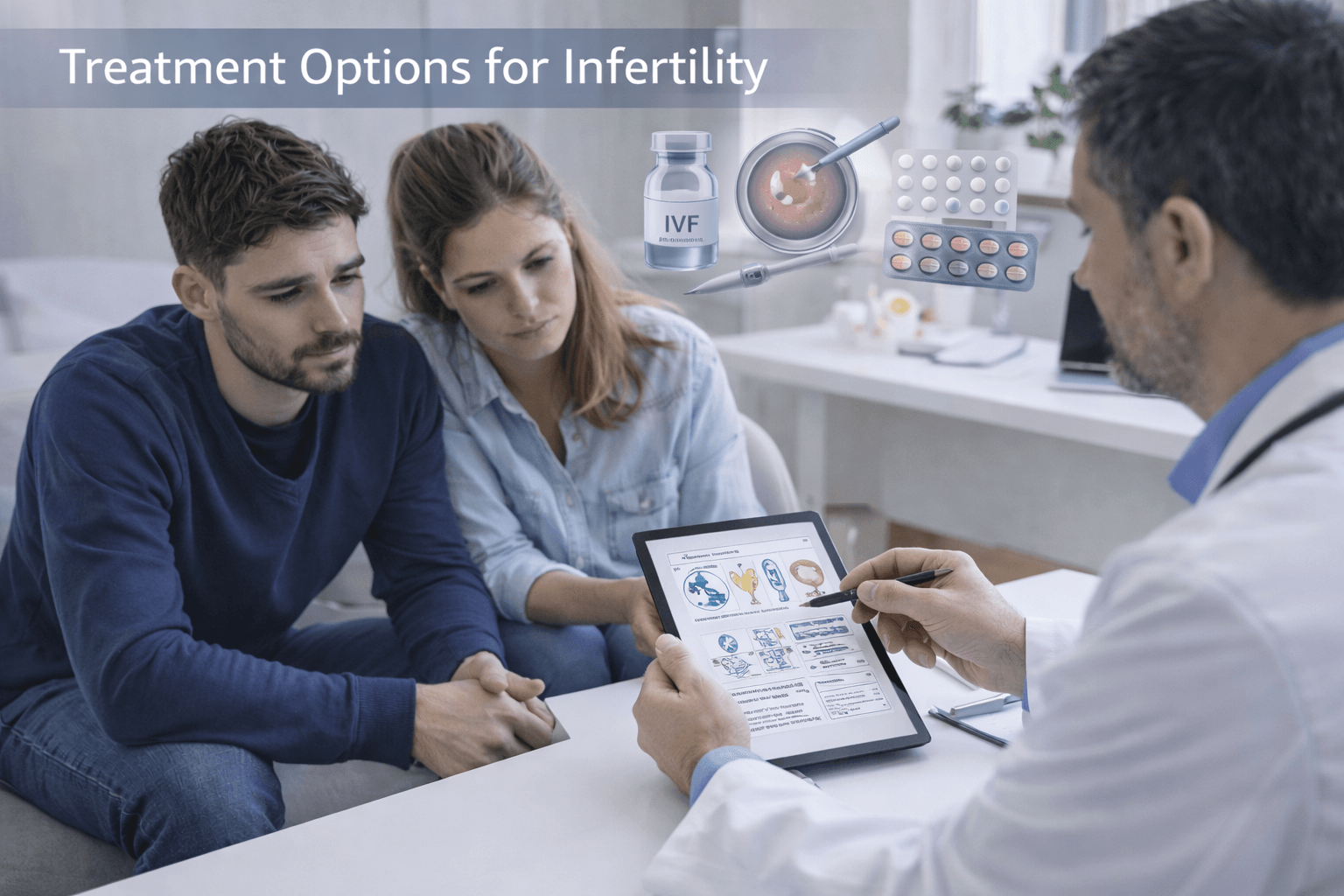
When couples discover that fertility problems are affecting their ability to conceive, one of their first concerns is whether effective treatment options are available. The encouraging reality is that modern reproductive medicine offers a wide range of therapies designed to address different causes of infertility. These treatments may focus on improving hormonal balance, correcting structural reproductive problems, enhancing fertilization, or assisting conception through advanced reproductive technologies [9][19].
The appropriate treatment depends on the underlying cause of infertility, the age of the partners, overall reproductive health, and how long the couple has been trying to conceive. In many cases, doctors begin with simpler and less invasive approaches before moving toward more advanced reproductive technologies when necessary. Treatment plans may therefore include lifestyle modifications, medications that stimulate ovulation, assisted reproductive techniques such as intrauterine insemination or in vitro fertilization, and surgical procedures to correct reproductive abnormalities [18][20].
By tailoring treatment to the specific needs of each couple, fertility specialists aim to increase the likelihood of successful conception while minimizing unnecessary interventions.
Lifestyle Correction
Lifestyle factors play a significant role in reproductive health, and addressing them is often one of the first steps in fertility treatment. Habits such as smoking, excessive alcohol consumption, poor diet, obesity, chronic stress, and lack of physical activity can disrupt hormonal balance and impair reproductive function in both men and women. Improving these factors may enhance ovulation, sperm production, and overall fertility potential [11].
Doctors often recommend maintaining a healthy body weight, consuming a balanced diet rich in essential nutrients, reducing alcohol intake, quitting smoking, and managing stress through regular physical activity or relaxation techniques. Even modest improvements in lifestyle can sometimes restore normal reproductive function and increase the chances of natural conception [18].
Medication Based Treatment
When infertility is caused by ovulation disorders or hormonal imbalances, medications are commonly used to stimulate ovulation and regulate reproductive hormones. Drugs such as clomiphene citrate and letrozole are frequently prescribed to encourage the ovaries to release eggs in women who ovulate irregularly [9].
Other medications may be used to correct hormonal conditions such as thyroid dysfunction, elevated prolactin levels, or endocrine disturbances affecting ovulation. In some cases, injectable gonadotropins are used to stimulate the ovaries to produce multiple mature eggs during a menstrual cycle. These medications are often carefully monitored using ultrasound and hormone testing to reduce the risk of complications [20].
IUI Treatment
Intrauterine insemination (IUI) is a fertility procedure that places specially prepared sperm directly into the uterus around the time of ovulation. This technique increases the likelihood that sperm will reach the egg by bypassing the cervix and shortening the distance sperm must travel [9].
IUI is often recommended for couples experiencing mild male infertility, unexplained infertility, cervical mucus problems, or ovulation disorders. The procedure is relatively simple, minimally invasive, and often performed in combination with ovulation-inducing medications to improve the chances of fertilization [20].
TESA and Surgical Sperm Retrieval Techniques
In certain cases of severe male infertility, sperm may not be present in the ejaculate. However, sperm may still be produced within the testes.
Procedures such as Testicular Sperm Aspiration (TESA) allow doctors to retrieve sperm directly from testicular tissue using a fine needle.
Other surgical techniques include:
• PESA – Percutaneous Epididymal Sperm Aspiration
• TESE – Testicular Sperm Extraction
• micro-TESE – Microsurgical Testicular Sperm Extraction
These procedures are often used in combination with intracytoplasmic sperm injection (ICSI) during in vitro fertilization.
For many couples affected by severe male infertility, sperm retrieval procedures provide an important pathway toward successful pregnancy.
IVF Treatment
In vitro fertilization (IVF) is one of the most advanced fertility treatments available today. During IVF, eggs are retrieved from the ovaries and fertilized with sperm in a specialized laboratory. The resulting embryos are then transferred into the uterus where implantation may occur [9].
IVF is commonly recommended when other treatments have failed or when infertility is caused by conditions such as blocked fallopian tubes, severe male infertility, endometriosis, or unexplained infertility. The procedure involves several stages including ovarian stimulation, egg retrieval, fertilization, embryo culture, and embryo transfer [18][20].
Advances in reproductive technology have significantly improved IVF success rates, making it a valuable option for many couples who struggle to conceive naturally.
Surgical Fertility Treatment
In some cases, infertility results from structural abnormalities of the reproductive organs that require surgical correction. Surgical procedures may be used to remove uterine fibroids, treat endometriosis, repair blocked fallopian tubes, or correct anatomical abnormalities affecting fertility [3][12].
Minimally invasive procedures such as laparoscopy and hysteroscopy allow doctors to diagnose and treat certain fertility problems while preserving reproductive function. In men, surgery may also be performed to treat conditions such as varicocele, which can impair sperm production [9].
By correcting structural issues that interfere with fertilization or implantation, surgical treatment can significantly improve fertility outcomes in selected patients.
Lifestyle Factors That Strongly Affect Fertility
When couples face difficulty conceiving, medical conditions are often the first concern. However, everyday lifestyle habits can also play a powerful role in reproductive health. Fertility depends not only on healthy reproductive organs but also on overall physical and metabolic well-being. Factors such as nutrition, body weight, stress levels, sleep patterns, and exposure to harmful substances can influence hormonal balance, ovulation, sperm production, and embryo development. Because these influences develop gradually, many couples may not realize that lifestyle factors are quietly affecting their chances of pregnancy [11][18].
One of the most significant lifestyle influences on fertility is body weight. Both obesity and being underweight can disrupt hormonal balance and reproductive function. In women, excess body fat may interfere with ovulation and menstrual cycles, while extremely low body weight may suppress ovulation altogether. In men, obesity can affect testosterone levels and reduce sperm quality. Maintaining a healthy body weight through balanced nutrition and regular physical activity is therefore an important step in improving fertility potential [11].
Nutrition and dietary habits also play an important role in reproductive health. Diets rich in whole foods, fruits, vegetables, healthy fats, and essential micronutrients support hormone regulation and reproductive tissue health. Conversely, diets high in processed foods, refined sugars, and unhealthy fats may contribute to metabolic disturbances that negatively affect fertility.
Smoking and alcohol consumption are well-established lifestyle factors associated with reduced fertility. Smoking has been linked to decreased ovarian reserve in women and impaired sperm quality in men. Excessive alcohol consumption can disrupt hormonal balance, affect ovulation, and reduce sperm production. Reducing or eliminating these habits can significantly improve reproductive health over time [11][18].
Another important factor is chronic stress. Although stress alone may not directly cause infertility, prolonged psychological stress can influence hormonal signaling and disrupt reproductive cycles. Stress may also affect sexual health, sleep patterns, and lifestyle behaviors that indirectly influence fertility. Managing stress through physical activity, mindfulness practices, adequate sleep, and emotional support can therefore play a supportive role in fertility care.
Environmental exposures represent another lifestyle-related influence on fertility. Exposure to certain chemicals, pesticides, heavy metals, and endocrine-disrupting compounds can affect reproductive hormones and reproductive cells. Individuals working in environments with chemical exposure or high heat may experience changes in reproductive health that affect fertility.
Why Some Couples Still Cannot Conceive After IVF
For many couples struggling with infertility, in vitro fertilization (IVF) represents one of the most advanced treatment options available. IVF has helped millions of couples achieve pregnancy when natural conception was not possible. However, even with modern reproductive technologies, IVF does not guarantee success in every cycle. Some couples may undergo multiple IVF attempts without achieving pregnancy, which can be emotionally and financially challenging. Understanding why IVF may not always lead to conception helps patients and doctors explore alternative strategies and improve future outcomes [9][18].
One of the most important factors influencing IVF success is egg quality. Even when eggs are successfully retrieved during ovarian stimulation, not all eggs are capable of developing into healthy embryos. Egg quality tends to decline with age, particularly after the mid-thirties, which can reduce fertilization rates and increase the likelihood of chromosomal abnormalities in embryos [20].
Another critical factor is embryo quality. During IVF, eggs are fertilized in the laboratory and allowed to develop into embryos before being transferred into the uterus. Some embryos may fail to develop normally due to genetic abnormalities or cellular defects. Even when fertilization occurs, embryos may not always have the developmental potential required for successful implantation.
Implantation failure is another reason IVF cycles may not result in pregnancy. For implantation to occur, the embryo must attach successfully to the uterine lining. Conditions such as uterine fibroids, endometrial abnormalities, hormonal imbalance, or inflammation within the uterus may interfere with this process. In some cases, the uterine environment may not be receptive to embryo implantation during the transfer cycle [9].
Sperm quality can also affect IVF outcomes. Although IVF techniques assist fertilization, severe sperm abnormalities, including DNA fragmentation or reduced fertilizing capacity, may still influence embryo development and implantation success. In certain cases, advanced techniques such as intracytoplasmic sperm injection (ICSI) are used to improve fertilization rates.
Another important consideration is maternal health and systemic factors. Conditions such as thyroid disorders, autoimmune conditions, metabolic disturbances, or chronic inflammation may influence reproductive outcomes even when IVF procedures are technically successful. Addressing these underlying health factors can sometimes improve IVF success rates.
Finally, statistical probability also plays a role in IVF outcomes. Even under ideal circumstances, IVF success rates per cycle are not one hundred percent. Age, reproductive health, embryo quality, and uterine receptivity all contribute to the likelihood of pregnancy in each treatment cycle [18][20].
Holistic and Integrative Fertility Approaches

For many couples, fertility treatment is not only about correcting a single reproductive disorder but about restoring the overall biological environment required for conception. Human reproduction is a complex process that depends on hormonal balance, healthy reproductive tissues, adequate nutrition, emotional well-being, and proper metabolic functioning. When any of these systems become disturbed, fertility can decline even if basic diagnostic tests appear relatively normal. Because of this complexity, an increasing number of physicians and researchers recognize the value of integrative fertility care that addresses the entire physiological system rather than focusing solely on isolated reproductive organs [11].
Holistic fertility approaches aim to support reproductive health through a combination of medical evaluation, lifestyle optimization, nutritional balance, and systemic therapies that improve the body’s natural reproductive capacity. Within this framework, ancient medical systems such as Ayurveda offer a comprehensive understanding of reproductive physiology that complements modern reproductive science. Ayurvedic medicine views fertility not as a single organ function but as the result of the proper nourishment and balance of multiple body systems, particularly the reproductive tissue known as Shukra Dhatu in men and Artava Dhatu in women [15][16].
The Ayurvedic Concept of Reproductive Vitality
Classical Ayurvedic texts emphasize that fertility depends on the proper nourishment of the reproductive tissues and the balance of bodily systems. The Charaka Samhita, one of the most authoritative classical Ayurvedic medical texts, explains that reproductive capacity arises when the body’s tissues are well nourished and balanced.
Sanskrit Shloka
“रसादीनां सम्यक् पोषणेन शुक्रं परिपुष्यति।”
Transliteration
Rasadinam samyak poshanena shukram paripushyati.
English Translation
“When the bodily tissues beginning with Rasa are properly nourished, the reproductive tissue (Shukra) becomes strong and capable of producing healthy offspring.”
Source
Charaka Samhita
Chikitsa Sthana, Chapter 30, Verse 17–18 [15]
This verse highlights a central Ayurvedic principle: fertility is not limited to the reproductive organs but depends on the health of the entire body. According to this view, reproductive vitality develops when digestion, metabolism, and tissue nourishment function optimally.
The Role of Shukra and Artava in Conception
Ayurvedic physiology describes reproduction as the union of healthy male and female reproductive elements. The Sushruta Samhita, another foundational Ayurvedic text, explains that successful conception requires the proper interaction of these reproductive factors.
Sanskrit Shloka
“शुक्रशोणितसम्योगे गर्भः संजायते नृणाम्।”
Transliteration
Shukra shonita samyoge garbhah sanjayate nrinam.
English Translation
“Conception occurs when the male reproductive element (Shukra) unites with the female reproductive element (Artava).”
Source
Sushruta Samhita
Sharira Sthana, Chapter 2, Verse 33 [16]
This classical description closely parallels modern biological understanding, where fertilization occurs through the union of sperm and ovum. Ayurveda further emphasizes that both reproductive elements must be healthy, well nourished, and supported by balanced bodily systems.
Importance of Systemic Health in Fertility
Ayurvedic medicine views fertility as a reflection of systemic health rather than an isolated reproductive function. Proper digestion (Agni), balanced metabolic processes, and the healthy formation of body tissues (Dhatus) are considered essential for reproductive vitality. When digestion and metabolism are impaired, tissue nourishment may become inadequate, eventually weakening reproductive capacity.
Modern research supports this systemic perspective. Lifestyle factors such as nutrition, body weight, metabolic health, stress, and environmental exposures have been shown to influence hormonal balance, ovulation, and sperm production [11]. This overlap between classical Ayurvedic insight and contemporary medical research has encouraged integrative approaches that combine lifestyle medicine with reproductive treatments.
Integrative Support for Spermatogenesis in Ayurveda
Male fertility in Ayurveda is closely linked with the strength and nourishment of Shukra Dhatu, the reproductive tissue responsible for fertility, vitality, and healthy progeny. Classical Ayurvedic texts describe Shukra Dhatu as the most refined essence of all body tissues. When the preceding Dhatus are properly nourished and metabolic processes function efficiently, Shukra Dhatu becomes strong and capable of supporting healthy sperm production.
Modern medicine describes sperm formation as spermatogenesis, a complex biological process occurring in the seminiferous tubules of the testes. Ayurveda interprets this process through the gradual nourishment and transformation of body tissues culminating in Shukra Dhatu. If earlier tissues such as Rasa Dhatu (nutritive fluid), Rakta Dhatu (blood), Mamsa Dhatu (muscle), Meda Dhatu (adipose tissue), Asthi Dhatu (bone), and Majja Dhatu (marrow and nervous tissue) become weakened, the reproductive tissue may also become compromised.
When systemic balance is disturbed, sperm production, sperm quality, and reproductive vitality may decline.
Role of Agni and Srotas in Reproductive Health
Ayurveda emphasizes that proper reproductive function depends on the integrity of Agni (digestive and metabolic fire) and the unobstructed flow of Srotas (microcirculatory channels).
Agni governs digestion, metabolism, and tissue transformation. When Agni functions efficiently, nutrients are properly absorbed and distributed to nourish all Dhatus. If Agni becomes weakened, metabolic toxins known as Ama may accumulate in the body. This toxic accumulation can block Srotas and interfere with tissue nourishment.
In the context of male fertility, obstruction of Srotas and impaired metabolic activity may limit the delivery of nutrients and oxygen to the testes. As a result, spermatogenesis may be negatively affected.
Rasayana Therapy and Shukra Dhatu Nourishment
Ayurveda uses Rasayana therapy to rejuvenate body tissues, enhance vitality, and support reproductive health. Rasayana therapies aim to strengthen Dhatu formation, improve metabolic efficiency, and restore systemic balance.
Several classical Rasayana herbs are traditionally used to support male reproductive vitality and strengthen Shukra Dhatu. These include:
Ashwagandha (Withania somnifera)
Kapikacchu (Mucuna pruriens)
Shatavari (Asparagus racemosus)
Gokshura (Tribulus terrestris)
Safed Musli (Chlorophytum borivilianum)
These herbs are traditionally described as promoting reproductive strength, improving vitality, and supporting healthy sperm production.
Integrative Physiological Support for Spermatogenesis
From an integrative perspective, supporting spermatogenesis involves improving the overall biological environment that influences sperm formation. This includes addressing metabolic balance, hormonal regulation, antioxidant defense mechanisms, and proper nutritional status.
Therapeutic strategies may focus on:
• strengthening digestive and metabolic function
• reducing oxidative stress affecting reproductive tissues
• improving hormonal equilibrium
• enhancing circulation and nutrient delivery to reproductive organs
• nourishing Shukra Dhatu through Rasayana therapies
By restoring systemic balance and supporting the biological processes that regulate sperm production, integrative Ayurvedic care aims to create conditions that favor healthy spermatogenesis and long-term reproductive vitality.
Classical Ayurvedic Perspective on Shukra Dhatu
Classical Ayurvedic texts highlight the importance of reproductive tissue through the following principle:
“शुक्रं हि सर्वधातूनां सारं”
(Charaka Samhita, Chikitsa Sthana)
This concept emphasizes that Shukra Dhatu represents the refined essence of all body tissues and plays a vital role in sustaining reproductive vitality and the ability to conceive.
Through a combination of dietary regulation, lifestyle correction, Rasayana therapy, and personalized herbal formulations, Ayurveda seeks to support reproductive health at a systemic level rather than focusing only on localized reproductive organs.
Rasayana and Reproductive Nourishment
Another important concept in Ayurvedic fertility care is Rasayana therapy, which focuses on rejuvenation and tissue nourishment. Rasayana treatments are designed to enhance vitality, strengthen immunity, and support long-term physiological balance. Several classical Ayurvedic texts describe herbs and nutritional preparations believed to support reproductive health and vitality.
The Bhavaprakasha Nighantu, a well-known Ayurvedic materia medica, describes various medicinal plants traditionally used to strengthen reproductive tissues.
Sanskrit Shloka
“शुक्रवर्धनानि बल्यानि वृष्याणि च विशेषतः।”
Transliteration
Shukra vardhanani balyani vrishyani cha visheshatah.
English Translation
“These substances strengthen vitality and are especially known for enhancing reproductive tissue (Shukra).”
Source
Bhavaprakasha Nighantu
Purva Khanda, Dhatu Varga [17]
Herbs described in this context include formulations traditionally believed to support reproductive vitality, hormonal balance, and overall systemic health.
Integrating Modern Medicine and Holistic Fertility Care
Today, integrative fertility medicine seeks to combine the strengths of modern reproductive science with broader health-based approaches. Modern diagnostics can identify structural, hormonal, and genetic causes of infertility, while lifestyle optimization and systemic therapies may help improve reproductive outcomes by addressing underlying physiological imbalances.
For many couples, this integrative model provides a more comprehensive pathway toward fertility care. Instead of focusing only on assisted reproductive procedures, the approach emphasizes improving overall reproductive health, hormonal balance, metabolic function, and emotional well-being.
By combining evidence-based medical evaluation with systemic health strategies, integrative fertility care aims to create a biological environment in which conception becomes more likely.
Rasayana Therapy for Reproductive Vitality and Fertility Restoration

In classical Ayurveda, fertility is not viewed as a function of the reproductive organs alone. Instead, it reflects the health and nourishment of the entire body, particularly the reproductive tissue known as Shukra Dhatu in men and Artava Dhatu in women. When digestion (Agni), metabolism, and tissue formation are balanced, reproductive vitality becomes naturally stronger. Because of this systemic view of health, Ayurvedic physicians have traditionally used Rasayana therapy, a specialized rejuvenation approach designed to strengthen tissues, improve vitality, and support long-term reproductive health [15][16].
Rasayana therapies are described extensively in classical Ayurvedic medical texts such as the Charaka Samhita, where they are recommended to improve longevity, immunity, strength, and reproductive capacity.
Classical Foundation of Rasayana Therapy
Sanskrit Shloka
“रसायनं च तन्नाम यज्जराव्याधिनाशनम्।
दीर्घमायु: स्मृतिं मेधां आरोग्यं तरुणं वय:॥”
Transliteration
Rasayanam cha tannama yaj jaravyadhi nashanam
Dirgham ayuh smritim medham arogyam tarunam vayah
English Translation
“Rasayana therapy is that which destroys aging and disease, promotes longevity, enhances memory and intellect, preserves health, and maintains youthful vitality.”
Source
Charaka Samhita
Chikitsa Sthana, Rasayana Adhyaya, Chapter 1 [15]
This description highlights the classical purpose of Rasayana therapies: to rejuvenate tissues and strengthen the body’s natural biological functions.
Rasayana for Reproductive Tissue (Shukra Dhatu)
Ayurvedic texts also describe Rasayana therapies specifically aimed at strengthening reproductive tissues.
Sanskrit Shloka
“बलं वर्णं सुखं आयुः प्रजननं च वर्धयेत्।”
Transliteration
Balam varnam sukham ayuh prajananam cha vardhayet
English Translation
“Rasayana therapy enhances strength, vitality, longevity, well-being, and reproductive capacity.”
Source
Sushruta Samhita
Chikitsa Sthana, Chapter 27 [16]
This concept is particularly relevant in infertility care, where the goal is to improve the biological environment required for healthy conception.
Shukra–Artava Rasayana Avaleha
This name directly reflects the therapeutic goal:
- Shukra Dhatu – male reproductive tissue (sperm vitality)
- Artava Dhatu – female reproductive tissue (ovum and menstrual health)
- Rasayana – rejuvenative therapy for tissue nourishment
Such naming follows Ayurvedic formulation traditions seen in texts like Charaka Samhita, Bhavaprakasha, and Bhaishajya Ratnavali where medicines are named after the target Dhatu or therapeutic action.
Shukra–Artava Rasayana Avaleha Medicine
(Classical Fertility Rasayana Preparation)
Therapeutic Objective
• Strengthen Shukra Dhatu and Artava Dhatu
• Improve reproductive vitality
• Support hormonal balance
• Enhance systemic Rasayana nourishment
30-Day Avaleha Composition
Total course: 900 grams
Dosage: 15 grams twice daily
Morning: empty stomach with warm milk
Evening: after dinner or before sleep
Rasayana Herb Composition
Amalaki (Emblica officinalis) – 250 g
Ashwagandha (Withania somnifera) – 150 g
Shatavari (Asparagus racemosus) – 120 g
Guduchi (Tinospora cordifolia) – 80 g
Gokshura (Tribulus terrestris) – 60 g
Kapikacchu (Mucuna pruriens) – 50 g
Vidarikand (Pueraria tuberosa) – 50 g
Yashtimadhu (Glycyrrhiza glabra) – 30 g
Pippali (Piper longum) – 20 g
Haritaki (Terminalia chebula) – 20 g
Bibhitaki (Terminalia bellirica) – 20 g
Bala (Sida cordifolia) – 20 g
Atmagupta seed powder – 20 g
Avaleha Base Ingredients
Cow ghee – 80 g
Raw honey – 70 g
Jaggery (Guda) – 80 g
Sesame oil – 20 g
These ingredients create the Avaleha base, allowing deeper tissue delivery and improving bioavailability.
Rasayana Mineral Components
(Names only, quantities determined by physician)
Swarna Bhasma
Abhrak Bhasma
Yashada Bhasma
Praval Pishti
Mukta Sukti Bhasma
Classical Ayurvedic Foundation
Charaka Samhita – Reproductive Tissue Nourishment
Sanskrit
“रसादीनां सम्यक् पोषणेन शुक्रं परिपुष्यति।”
Transliteration
Rasadinam samyak poshanena shukram paripushyati
Translation
“When body tissues beginning with Rasa are properly nourished, the reproductive tissue (Shukra) becomes fully strengthened.”
Source
Charaka Samhita
Chikitsa Sthana, Chapter 30
Sushruta Samhita – Conception Principle
Sanskrit
“शुक्रशोणितसंयोगे गर्भः संजायते।”
Transliteration
Shukra shonita samyoge garbhah sanjayate
Translation
“Conception occurs through the union of healthy male and female reproductive elements.”
Source
Sushruta Samhita
Sharira Sthana, Chapter 2
Therapeutic Rationale
This Rasayana Avaleha acts through several mechanisms described in both classical and modern frameworks:
• Shukra Dhatu nourishment
• Artava Dhatu strengthening
• endocrine balance support
• antioxidant protection for reproductive cells
• improved reproductive vitality
• improved systemic immunity and metabolism
Important Warning Regarding Market-Available Avaleha Preparations
While classical Rasayana Avaleha formulations are described in Ayurvedic medical texts for rejuvenation and reproductive health, patients should not assume that commercially available Avaleha products purchased from the market will produce the same therapeutic results. Classical formulations were traditionally prepared individually according to a patient’s constitution, disease condition, digestive strength, and stage of illness. When these factors are ignored, the medicine may not work as expected.
For this reason, patients should never prepare or consume Rasayana formulations without the supervision of a qualified Ayurvedic physician. Classical Ayurvedic texts emphasize that treatment must be individualized and guided by a knowledgeable physician who understands the patient’s Prakriti, Dosha imbalance, and disease status.
Individual Constitution Differences
Ayurveda recognizes that every individual has a unique constitutional makeup known as Prakriti, which determines how the body responds to medicines, diet, and environmental influences. A Rasayana formulation that works effectively for one person may not produce the same outcome for another. If the formulation is not adjusted according to the patient’s Dosha balance, digestive capacity, and metabolic state, the therapeutic effect may be limited.
Digestive Strength (Agni)
Ayurvedic medicine places great importance on Agni, the body’s digestive and metabolic capacity. Rasayana therapies are believed to nourish deeper tissues only when digestion and metabolism function properly. If a patient has weak digestion, impaired metabolism, or toxin accumulation (Ama), even the most potent herbal preparation may not be absorbed effectively.
Age-Related Biological Changes
Fertility potential and tissue regeneration capacity naturally change with age. In some patients, age-related decline in ovarian reserve, egg quality, or sperm health may reduce the effectiveness of any single therapy if it is not combined with broader medical evaluation and supportive treatment.
Duration and Stage of Disease
The length of time a fertility problem has been present can significantly influence treatment outcomes. Conditions that have existed for many years may involve deeper physiological disturbances that require longer treatment and individualized protocols. Using a general formulation without addressing the underlying disease stage may not produce significant improvement.
Presence of Other Medical Conditions
Many patients experiencing infertility also have other health conditions such as hormonal disorders, metabolic disturbances, chronic infections, thyroid problems, or inflammatory diseases. These conditions can interfere with reproductive health and may require targeted treatment before fertility therapies become effective.
Quality and Authenticity of Market Products
Commercial herbal products vary widely in quality, ingredient sourcing, and preparation methods. Some market preparations may contain lower concentrations of active ingredients or may not follow traditional preparation methods described in classical Ayurvedic texts. In such cases, the product may not provide the same therapeutic potency as a properly prepared formulation.
Need for Personalized Formulation
Classical Ayurvedic practice emphasizes personalized medicine. Physicians often adjust the proportions of herbs, supporting ingredients, and dosage based on the patient’s condition. A standardized commercial formulation may not account for these individualized requirements.
Importance of Medical Supervision
Because Rasayana Avaleha formulations may contain potent herbs and, in some cases, purified mineral preparations, medical supervision is essential. A qualified Ayurvedic physician evaluates the patient’s constitution, digestive strength, disease status, and overall health before recommending a suitable formulation and dosage.
Attempting to self-prepare or consume Rasayana formulations without proper medical guidance may lead to ineffective treatment or unexpected health effects.
Frequently Asked Questions
What is infertility?
Infertility is the inability to achieve pregnancy despite regular unprotected intercourse for a prolonged period. It may occur when ovulation, sperm health, fertilization, or implantation does not function normally.
What are the most common causes of infertility?
Common causes include ovulation disorders, hormonal imbalance, blocked fallopian tubes, endometriosis, poor sperm quality, low sperm count, and age-related decline in reproductive function.
Can infertility be cured?
Some infertility conditions can be treated successfully depending on the underlying cause. Lifestyle improvement, medical treatment, assisted reproductive procedures, and integrative approaches may help many couples achieve pregnancy.
Can lifestyle affect fertility?
Yes. Smoking, alcohol consumption, obesity, poor nutrition, stress, sleep disturbances, and environmental toxins can disrupt hormonal balance and negatively affect ovulation and sperm health.
When should couples see a doctor for infertility?
Couples should seek medical evaluation if pregnancy does not occur after a prolonged period of trying, especially when menstrual cycles are irregular, reproductive disorders are suspected, or age-related fertility decline may be present.
What tests diagnose infertility?
Infertility evaluation may include hormonal blood tests, semen analysis, ultrasound imaging, fallopian tube assessment, and additional reproductive investigations depending on individual circumstances.
Can infertility happen even if tests appear normal?
Yes. Some couples experience unexplained infertility when routine medical tests appear normal but subtle biological factors still interfere with fertilization or implantation.
Does age affect fertility?
Yes. Fertility naturally declines with age because egg quality and ovarian reserve decrease over time, and sperm quality may also change with aging.
Can stress cause infertility?
Chronic stress may disrupt hormonal balance, menstrual cycles, and sexual health, which can indirectly affect fertility and reproductive outcomes.
Can fertility improve naturally?
In some cases, improving diet, maintaining a healthy weight, reducing stress, avoiding harmful substances, and supporting overall health may improve fertility potential.
Reference
[1] World Health Organization. (2023). Infertility prevalence estimates, 1990–2021. World Health Organization.
https://www.who.int/publications/i/item/9789240060760
This global WHO report provides the most widely cited statistics on infertility prevalence worldwide. It estimates that roughly 1 in 6 adults experience infertility at some point in their lives. The report explains epidemiology, public health impact, and geographic variation in infertility rates.
[2] American Society for Reproductive Medicine. (2020). Definitions of infertility and recurrent pregnancy loss: A committee opinion. Fertility and Sterility, 113(3), 533–535.
https://doi.org/10.1016/j.fertnstert.2019.11.025
This clinical guideline defines infertility, primary infertility, and secondary infertility. It also establishes the widely accepted definition of infertility as failure to achieve pregnancy after 12 months of regular unprotected intercourse.
[3] Practice Committee of the American Society for Reproductive Medicine. (2021). Diagnostic evaluation of infertile women: A committee opinion. Fertility and Sterility, 116(5), 1255–1265.
https://doi.org/10.1016/j.fertnstert.2021.08.003
This guideline explains the recommended clinical evaluation of female infertility including hormonal testing, ovarian reserve assessment, imaging tests, and diagnostic procedures such as hysterosalpingography and laparoscopy.
[4] Thoma, M. E., et al. (2013). Prevalence of infertility in the United States as estimated by the current duration approach and a traditional constructed approach. Fertility and Sterility, 99(5), 1324–1331.
https://doi.org/10.1016/j.fertnstert.2012.11.037
This epidemiological study estimates infertility prevalence in the United States and analyzes demographic and reproductive health factors affecting fertility outcomes.
[5] Agarwal, A., Mulgund, A., Hamada, A., & Chyatte, M. (2015). A unique view on male infertility around the globe. Reproductive Biology and Endocrinology, 13, 37.
https://doi.org/10.1186/s12958-015-0032-1
This widely cited review analyzes male infertility worldwide, describing causes such as sperm abnormalities, hormonal disorders, environmental exposures, and lifestyle influences.
[6] Vander Borght, M., & Wyns, C. (2018). Fertility and infertility: Definition and epidemiology. Clinical Biochemistry, 62, 2–10.
https://doi.org/10.1016/j.clinbiochem.2018.03.012
This article explains fertility physiology, infertility definitions, epidemiology, and the biological factors affecting reproductive capacity in both men and women.
[7] Zegers-Hochschild, F., et al. (2017). The International Glossary on Infertility and Fertility Care. Fertility and Sterility, 108(3), 393–406.
https://doi.org/10.1016/j.fertnstert.2017.06.005
This international glossary standardizes terminology used in reproductive medicine, including definitions related to infertility diagnosis, treatment, and reproductive technologies.
[8] Mascarenhas, M. N., et al. (2012). National, regional, and global trends in infertility prevalence since 1990: A systematic analysis. PLOS Medicine, 9(12), e1001356.
https://doi.org/10.1371/journal.pmed.1001356
This global analysis evaluates infertility prevalence trends over multiple decades and identifies demographic, social, and medical factors contributing to infertility.
[9] National Institute for Health and Care Excellence (NICE). (2013). Fertility problems: Assessment and treatment. NICE Clinical Guideline CG156.
https://www.nice.org.uk/guidance/cg156
This guideline provides evidence-based recommendations for infertility diagnosis and treatment including ovulation induction, intrauterine insemination, and in vitro fertilization.
[10] Boivin, J., Bunting, L., Collins, J. A., & Nygren, K. G. (2007). International estimates of infertility prevalence and treatment seeking. Human Reproduction, 22(6), 1506–1512.
https://doi.org/10.1093/humrep/dem046
This study analyzes global infertility prevalence and the proportion of couples seeking medical treatment, highlighting barriers to fertility care and regional differences in treatment access.
[11] Sharma, R., Biedenharn, K. R., Fedor, J. M., & Agarwal, A. (2013). Lifestyle factors and reproductive health: Taking control of your fertility. Reproductive Biology and Endocrinology, 11, 66.
https://doi.org/10.1186/1477-7827-11-66
This review explains how lifestyle factors such as obesity, smoking, stress, diet, and environmental toxins influence fertility in both men and women.
[12] Practice Committee of the American Society for Reproductive Medicine. (2015). Endometriosis and infertility: A committee opinion. Fertility and Sterility, 103(3), 621–628.
https://doi.org/10.1016/j.fertnstert.2014.12.056
This guideline explains how endometriosis affects fertility through inflammation, altered pelvic anatomy, and impaired implantation.
[13] Esteves, S. C., et al. (2018). Clinical relevance of routine semen analysis and advanced sperm testing in male infertility. Andrology, 6(3), 293–302.
https://doi.org/10.1111/andr.12444
This article explains semen analysis parameters such as sperm count, motility, morphology, and DNA fragmentation, and their clinical significance in male infertility.
[14] Dyer, S. J., & Patel, M. (2012). The economic impact of infertility on women in developing countries. Facts, Views & Vision in ObGyn, 4(2), 102–109.
https://www.ncbi.nlm.nih.gov/pmc/articles/PMC3987469/
This study explores the social, psychological, and economic consequences of infertility and emphasizes the need for accessible reproductive healthcare.
[15] Charaka Samhita, Chikitsa Sthana 30/17–26.
https://www.wisdomlib.org/hinduism/book/charaka-samhita-english
This classical Ayurvedic text discusses reproductive health, Shukra Dhatu nourishment, and the role of systemic balance in fertility. It emphasizes proper nutrition, healthy reproductive tissues, and constitutional balance for conception.
[16] Sushruta Samhita, Sharira Sthana 2/33–35.
https://www.wisdomlib.org/hinduism/book/sushruta-samhita-english
This classical surgical text explains reproductive physiology, conception factors, and the importance of healthy Shukra (reproductive tissue) and Artava (female reproductive elements) for successful fertilization.
[17] Bhavaprakasha Nighantu, Purva Khanda, Dhatu Varga.
https://www.wisdomlib.org/hinduism/book/bhavaprakasha-nighantu
This Ayurvedic materia medica describes herbs and Rasayana therapies traditionally used to support reproductive health and strengthen Shukra Dhatu.
[18] CDC. (2022). Infertility and fertility treatments. Centers for Disease Control and Prevention.
https://www.cdc.gov/reproductivehealth/infertility/index.htm
This public health resource provides data on infertility prevalence, diagnostic evaluation, and modern fertility treatments including IVF.
[19] Cleveland Clinic. (2023). Infertility: Causes, diagnosis and treatment. Cleveland Clinic Health Library.
https://my.clevelandclinic.org/health/diseases/12119-infertility
This clinical overview explains common infertility causes, diagnostic tests, and treatment options used in modern reproductive medicine.
[20] European Society of Human Reproduction and Embryology (ESHRE). (2023). Female infertility guideline.
https://www.eshre.eu/guidelines
ESHRE provides internationally recognized evidence-based guidelines on infertility diagnosis, reproductive technologies, and fertility treatment pathways.
Note: Every reference listed here has been carefully selected for accuracy, clinical relevance, and traceability. Ayurvedic formulations are cited directly from classical medical texts (Charaka Samhita, Sushruta Samhita, Bhavaprakasha, etc.) along with specific verse numbers and chapters. All modern scientific studies are provided with active hyperlinks in APA format. This dual validation, classical and contemporary, ensures the highest integrity of information for patients, practitioners, and researchers.
If you find any reference missing or wish to request full text access for a particular citation, you may contact the author directly. Our goal is to maintain complete transparency and academic rigor.