

- Hidden Phase Before Diagnosis
- Early Symptoms Misdiagnosed
- Why Patients Seek Alternative Treatment
- What Is Really Happening When Calcium Levels Rise?
- Why This Matters for Your Health
- Ayurvedic Perspective
- Early Functional Changes
- How Ayurveda Helps Restore Balance Naturally
- Key Herbs That Support Calcium Balance
- Classical Formulation
- Modern Research and Clinical Evidence
- Practical Tips for Managing High Calcium Levels Naturally
- FAQs
- Reference
Across the USA, UK, Singapore, Canada, Australia, and Gulf countries, an increasing number of patients are being diagnosed with high calcium levels, often after months or even years of unexplained symptoms. Many recall experiencing persistent fatigue, digestive discomfort, or mental fog long before any abnormal lab result was identified.
In fast-paced environments such as London, Dubai, Singapore, or New York, these early signs are commonly attributed to stress, burnout, or minor nutritional issues. Patients are frequently reassured or treated symptomatically, as these complaints appear nonspecific and overlap with common lifestyle-related conditions [3].
What makes this clinically important is that high calcium levels (hypercalcemia) rarely develop suddenly. In many cases, the condition progresses silently due to underlying mechanisms such as early parathyroid dysfunction. Research shows that individuals may remain asymptomatic or experience only mild symptoms for extended periods, delaying diagnosis until calcium levels become significantly elevated [4].
Calcium plays a central role in multiple physiological systems, including nerve signaling, muscle contraction, and hormonal regulation. Even slight imbalances can disrupt these systems, leading to a wide range of symptoms that seem unrelated at first glance [7]. This is why patients often move between different specialists without receiving a clear or unified explanation.
From a global clinical perspective, one of the most common causes of high calcium levels is primary hyperparathyroidism. However, the early phase of this condition often goes unnoticed, especially when symptoms are subtle or mistaken for aging or routine metabolic fluctuations [1].
This delay in recognition can have significant consequences. By the time hypercalcemia is clearly identified, patients may already be facing complications affecting bone health, kidney function, or cardiovascular stability. While non-surgical management options are available, they are often introduced only after the condition has progressed beyond its early stage [18].
This pattern highlights a critical gap in clinical approach. The focus is often placed on correcting calcium levels rather than identifying why the imbalance developed. A more effective strategy begins by asking a different question: what is driving the disturbance in calcium regulation?
Shifting focus in this direction allows for earlier identification, more precise intervention, and a broader, system-level approach that aligns with both modern clinical science and deeper metabolic frameworks.
Patients who want a deeper clinical explanation of causes, diagnosis, and treatment pathways can refer to our detailed guide on parathyroid disorders and calcium imbalance:
https://panaceayur.com/parathyroid-disorders-symptoms-diagnosis-ayurvedic-cure/

In everyday clinical practice, the early phase of calcium imbalance is rarely identified when it actually begins. Most patients do not present with a clear endocrine complaint. Instead, they report vague, low-grade symptoms such as fatigue, constipation, reduced concentration, mild anxiety, or generalized body discomfort. These are commonly attributed to stress, work pressure, aging, or minor nutritional issues, and the evaluation usually stops at that level [3].
The ground reality is that early calcium dysregulation does not trigger immediate clinical suspicion. In many healthcare systems, investigations are symptom-driven rather than mechanism-driven. If initial blood tests appear within normal limits, even at the higher end, they are often considered acceptable. However, clinical data suggests that symptoms can begin even before calcium levels cross the standard diagnostic threshold, especially when there is underlying parathyroid hormone dysregulation [3].
From a biological standpoint, the early phase is driven by gradual changes in calcium homeostasis, often mediated by subtle increases in parathyroid hormone activity. These changes may persist silently for years. Studies have shown that a significant proportion of individuals with early primary hyperparathyroidism remain asymptomatic or present with nonspecific symptoms, delaying diagnosis until biochemical abnormalities become more pronounced [4].
Epidemiological evidence further highlights the scale of this issue. Population-based studies indicate that primary hyperparathyroidism affects approximately 1 to 7 per 1,000 adults, with higher prevalence in women over 50 years of age. Despite this, a large number of cases remain undiagnosed in the early stages due to the absence of overt symptoms or targeted screening protocols [16].
Another important factor is symptom overlap. Early manifestations of calcium imbalance closely resemble common functional conditions such as dehydration, irritable bowel patterns, chronic fatigue, or stress-related disorders. This overlap leads to repeated symptomatic treatment without addressing the underlying biochemical disturbance. As a result, patients may consult multiple specialists over time without receiving a unified diagnosis [8].
Laboratory patterns also contribute to delayed recognition. In many cases, calcium levels fluctuate within the upper-normal range before becoming consistently elevated. Without repeated or trend-based monitoring, these fluctuations may be overlooked. Research indicates that many patients are diagnosed incidentally during routine blood tests rather than through symptom-guided evaluation, suggesting that the condition often progresses silently until detected by chance [16].
This delayed recognition has clinical consequences. By the time calcium levels are clearly elevated, the underlying process may already be well established, potentially affecting bone density, renal function, and cardiovascular health. What could have been identified during a reversible phase is instead managed at a later stage, where intervention becomes more complex.
This phase represents a critical window that is currently under-recognized in routine care. Greater awareness of these early patterns, combined with a more proactive approach to subtle symptoms, can shift diagnosis earlier and improve long-term outcomes.
Early Symptoms Misdiagnosed

In clinical practice, the early symptoms of elevated calcium are often not dramatic enough to trigger immediate endocrine evaluation. That is why many patients are first treated for constipation, dehydration, anxiety, body pain, recurrent urinary issues, sleep disturbance, or low mood, while the biochemical disturbance continues in the background. Major clinical references describe hypercalcemia as a multisystem problem, and the earliest phase is often missed because the symptoms are common, vague, and spread across different specialties.
Fatigue, weakness, and reduced stamina are among the most common early complaints. Patients often say they feel unusually tired, mentally slow, or physically weaker than before, but these symptoms are commonly labeled as stress, anemia, poor sleep, burnout, post-viral weakness, or age-related decline. In reality, calcium imbalance can affect neuromuscular function and energy tolerance long before the diagnosis becomes obvious. Neuropsychiatric complaints such as fatigue, depression, anxiety, and cognitive slowing are also repeatedly reported in primary hyperparathyroidism. [7] [17]
Constipation, bloating, nausea, poor appetite, abdominal discomfort, and dyspepsia are also commonly misread. In routine practice, these patients are often told they have acidity, gastritis, IBS, poor hydration, low-fiber intake, medication side effects, or “sensitive digestion.” However, raised calcium can reduce gut motility and produce gastrointestinal symptoms that may remain mild for months before becoming clinically obvious. Severe or prolonged cases can even be associated with peptic ulcer disease or pancreatitis, though those are less common presentations. [3] [12]
Excess thirst, dry mouth, frequent urination, nocturia, and dehydration-like symptoms are especially easy to misclassify. Many patients are investigated first for diabetes, urinary infection, overactive bladder, prostate-related urinary symptoms, hot-weather dehydration, or “just not drinking enough water.” The underlying issue is that excess calcium can impair renal concentrating ability and increase urinary calcium loss, so the patient feels thirsty and keeps urinating more than usual. [3] [12]
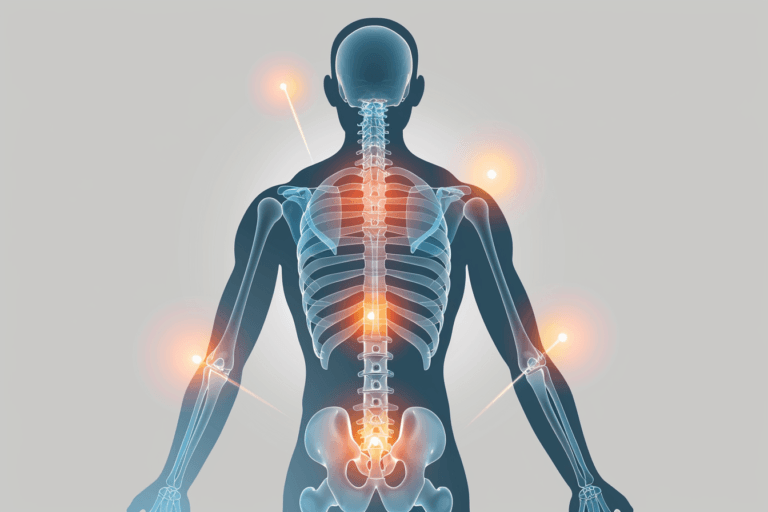
Body aches, bone pain, joint pain, back pain, muscle weakness, and reduced grip strength are another major source of misdiagnosis. These patients are often told they have vitamin D deficiency, early osteoarthritis, cervical or lumbar spondylosis, postural strain, inflammatory pain, fibromyalgia, or nonspecific musculoskeletal pain. Yet hypercalcemia, especially when driven by parathyroid disease, can be linked to ongoing calcium loss from bone, reduced bone density, fractures, and diffuse musculoskeletal discomfort. [10] [12]
Brain fog, poor concentration, forgetfulness, irritability, anxiety, low mood, depression, and mild confusion are some of the most under-recognized manifestations. These symptoms are often dismissed as work stress, hormonal fluctuations, perimenopause, depression, age-related memory issues, or sleep deprivation. But hypercalcemia can alter neuronal signaling and is well known to produce cognitive and mood-related changes. In older adults, the presentation may be even more misleading because mental slowing or confusion may be attributed to aging rather than a reversible metabolic cause. [7] [17]
Kidney-related symptoms may also appear early but be missed. Recurrent flank discomfort, renal colic, urinary irritation, recurrent “UTI-like” complaints, microscopic hematuria, or repeated kidney stone episodes are sometimes treated as isolated urology problems. In reality, nephrolithiasis and nephrocalcinosis are classic complications of persistent calcium imbalance and may be one of the first objectively visible clues. [12]
Cardiovascular manifestations, although less common in the mild stage, can still be clinically relevant. Some patients report palpitations, an unusual awareness of heartbeat, dizziness, or unexplained blood pressure variability. Hypercalcemia is known to affect cardiac conduction, and shortened QT interval is the classic ECG change, with more significant arrhythmias and conduction abnormalities reported in severe cases. These symptoms are often misread as anxiety or panic-related episodes unless calcium is specifically checked. [10]
Less common but important symptoms include headache, mental heaviness, sleep disturbance, nausea without clear cause, reduced appetite, and subtle weight loss. These do not look dramatic in isolation, which is exactly why the diagnosis is delayed. Each complaint appears minor, but together they can form the picture of an evolving metabolic disorder.
Rare or advanced symptoms deserve mention because they are often discovered only after prolonged delay. These include pancreatitis, peptic ulcer disease, marked confusion, stupor, severe dehydration, significant arrhythmia, and coma in extreme hypercalcemia. Ocular calcium deposition such as band keratopathy is uncommon, but it has been reported in association with systemic hypercalcemia. These are not the usual first symptoms, but they show how far the disease can progress when the earlier warning signs are repeatedly misread. [12]
The real problem is not that patients have no symptoms. The real problem is that the symptoms are fragmented. One doctor sees constipation, another sees fatigue, another treats anxiety, and another treats kidney stones. The patient receives multiple labels, but the calcium disorder remains invisible until the laboratory abnormality becomes too obvious to ignore. That is why this phase is so often missed in the real world, even though the body has usually been signaling for quite some time.
If these symptoms or patterns feel familiar, it becomes important to explore the root cause in detail. A structured explanation of parathyroid-related calcium imbalance, diagnostic pathways, and long-term management is covered here:
https://panaceayur.com/parathyroid-disorders-symptoms-diagnosis-ayurvedic-cure/
Why Patients Seek Alternative Treatment

In real-world clinical practice, patients rarely begin by looking for alternative treatment. Most initially follow standard medical advice, undergo routine testing, and accept symptomatic management. The shift toward alternative approaches usually happens later, after repeated experiences of incomplete answers, fluctuating results, or lack of long-term improvement.
One of the most common triggers is diagnostic uncertainty. Even after identifying elevated calcium, many patients are told to “monitor and wait,” especially when symptoms are mild or intermittent. While this approach aligns with certain clinical guidelines, it often leaves patients with ongoing symptoms but no active solution. Over time, this creates frustration, particularly when quality of life is affected but intervention is delayed [6].
Another major factor is the disconnect between symptoms and treatment focus. Patients may receive advice aimed at controlling calcium levels or managing complications, but their day-to-day symptoms such as fatigue, digestive issues, or mental fog are often addressed separately or not addressed at all. This fragmented approach leads patients to feel that the root cause is not being fully explored, prompting them to look beyond conventional pathways [2].
Nutritional confusion also plays a role. Many patients attempt to modify their calcium intake through diet or supplements, often based on general health advice rather than condition-specific guidance. Public health resources emphasize the importance of calcium for bone health, but they also acknowledge the risks associated with excess intake or imbalance. This contradiction creates uncertainty, especially when patients are unsure whether to reduce, maintain, or adjust calcium consumption [9].
There is also a growing global trend of patients actively seeking more personalized and holistic care models. Research on healthcare behavior shows that individuals with chronic or unclear conditions are more likely to explore complementary approaches when conventional treatment does not provide clarity or resolution. This is particularly true in conditions where symptoms are persistent but not severe enough to trigger immediate intervention [20].
In many cases, the decision is not driven by rejection of conventional medicine, but by the need for a more complete explanation. Patients want to know why the imbalance developed, how it relates to their overall health, and what can be done at a systemic level rather than only at a laboratory level.
This shift reflects a broader change in patient expectations. People are no longer satisfied with isolated symptom management. They are increasingly looking for approaches that connect metabolic function, lifestyle, and long-term outcomes into a single, coherent plan.
What Is Really Happening When Calcium Levels Rise?
High calcium levels, clinically referred to as hypercalcemia, represent a disturbance in the body’s tightly regulated mineral balance. Calcium is not just a structural component of bones. It plays a central role in nerve conduction, muscle contraction, blood clotting, and hormonal signaling. Because of this, even small deviations can affect multiple systems simultaneously rather than producing a single isolated symptom [7].
Under normal conditions, calcium levels are maintained within a narrow range through the coordinated action of parathyroid hormone, vitamin D, and renal regulation. The parathyroid glands act as primary controllers, adjusting calcium release from bones, absorption from the intestine, and excretion through the kidneys. When this regulatory system becomes dysregulated, calcium begins to accumulate in the bloodstream, leading to systemic imbalance [8].
One of the key reasons this condition is often misunderstood is that calcium is widely associated with bone health in public perception. Nutritional guidelines emphasize adequate intake to prevent deficiency and maintain skeletal strength. However, excess calcium or improper regulation can be equally harmful. Clinical nutrition data shows that both deficiency and excess can disrupt physiological processes, highlighting the importance of balance rather than simply increasing intake [9].
Another important aspect is the threshold-based nature of diagnosis. Calcium levels are typically interpreted using fixed laboratory ranges. However, these values do not always reflect individual variation or early dysfunction. Research on dietary reference intakes and metabolic regulation suggests that physiological effects may begin before levels cross standard diagnostic cutoffs, particularly in the presence of hormonal imbalance or altered sensitivity at the cellular level [19].
This makes hypercalcemia a condition that is often recognized late rather than early. By the time it is clearly identified on laboratory testing, the underlying regulatory disturbance may already be established. Viewing calcium not just as a nutrient but as a dynamic regulator of multiple body systems provides a more accurate clinical perspective and explains why its imbalance can present in such varied and seemingly unrelated ways.
Why This Matters for Your Health
Most people think a slightly high calcium value is just a lab variation that will settle on its own. In reality, it can be an early signal that something deeper is affecting the body.
Calcium is not limited to bones. It moves through the bloodstream and influences how your heart beats, how your muscles work, how your brain functions, and how your kidneys filter waste. When levels stay elevated over time, this balance starts to shift in ways that are not always obvious in the beginning [1].
One of the first areas affected is the heart and blood vessels. Even mild imbalance can influence how the heart contracts and relaxes. Some people may notice palpitations or a sense of uneasiness in the chest, while others may not feel anything at all. Research shows that prolonged imbalance can place additional strain on the cardiovascular system, even before clear symptoms appear [10].
The bones are another major area of impact. Many patients assume that more calcium automatically means stronger bones. The reality is often the opposite. When regulation is disturbed, calcium may be drawn out of bones into the bloodstream, gradually weakening bone structure. Over time, this can increase the risk of bone thinning and fractures without any obvious warning signs in the early phase [11].
The kidneys also play a central role. As the body tries to clear excess calcium, the kidneys are placed under continuous stress. This can lead to dehydration, frequent urination, and in some cases, the formation of kidney stones. What begins as a mild imbalance can slowly progress into a more defined renal problem if not addressed early [12].
There is also a long-term perspective that often goes unnoticed. Studies have linked persistent calcium imbalance with higher risks of complications over time, including effects on overall survival and systemic health when the underlying cause is not corrected [21].
From a patient’s point of view, this is where the real importance lies. The issue is not just the number on the lab report. It is what that number represents inside the body. When the focus remains only on monitoring or temporarily correcting the value, the deeper imbalance may continue silently.
Recognizing this early changes the direction of care. Instead of waiting for complications to appear, it allows for a more proactive approach that addresses the cause, protects vital organs, and supports long-term health in a more complete way.
Ayurvedic Perspective

In Ayurveda, high calcium levels are not seen as an isolated problem. They are understood as a sign that the body’s internal balance, especially digestion and metabolism, is not functioning properly. Instead of focusing only on lowering calcium, the goal is to correct how the body processes and distributes it.
A core principle from classical Ayurveda explains this clearly:
“रोगाः सर्वे अपि मन्दे अग्नौ”
(Charaka Samhita, Chikitsa Sthana 15/3)
This means that many diseases begin when Agni, the body’s digestive and metabolic power, becomes weak or disturbed [22].
In simple terms, when digestion is not working efficiently, the body cannot properly handle nutrients. Minerals like calcium may then start behaving abnormally. They may circulate in excess in the blood while tissues such as bones do not receive proper nourishment.
In Arabic, this type of imbalance is often understood as “Ikhtilal-e-Ma’adin” (اختلال المعادن), meaning disturbance in mineral balance. In Urdu, patients may relate to it as “Jism mein ma’adin ka tawazun bigad jana”, or imbalance of minerals in the body.
Another important concept in Ayurveda is Ama, which refers to toxic build-up from incomplete digestion:
“अम एव मूलं सर्व रोगाणाम्”
(Charaka Samhita, Sutra Sthana 13/25)
When digestion is weak, Ama forms and starts circulating in the body. This interferes with normal functioning and blocks pathways. As a result, nutrients and minerals do not move properly. Patients may feel fatigue, heaviness, poor digestion, or mental fog, even though the blood report only shows high calcium [22].
In Urdu, this state is often described as “Maddah-e-Fasid”, meaning harmful or improperly processed substances in the body. In Arabic, a similar idea is expressed as “Tarakum al-Sumoom” (تراكم السموم), or accumulation of toxins.
Ayurveda also describes a network of channels called Srotas, which carry nutrients and waste throughout the body:
“स्रोतांसि नाम शरीरस्थाः मार्गाः”
(Sushruta Samhita, Sutra Sthana 9/4)
When these channels are healthy, everything flows smoothly. When they are blocked or disturbed, distribution becomes irregular. In calcium imbalance, this may lead to calcium leaving the bones, increasing in the blood, and putting stress on the kidneys at the same time [23].
In Urdu, this can be understood as “Ragon mein rukawat”, meaning blockage in body pathways. In Arabic, a similar idea is “Insidad al-Masarat” (انسداد المسارات), or obstruction of internal channels.
The condition is also related to Asthi Dhatu, the tissue responsible for bone strength. When this tissue becomes unstable, minerals are not held properly. This can create a situation where calcium appears high in the blood, but the bones gradually weaken.
For patients, this may be described as “Zof-e-Hadd” (ضعف العظام) in Arabic, meaning weakness of bones, or in Urdu as “Haddiyon ki kamzori”.
From a functional perspective, this imbalance is usually linked to disturbance in Vata and Pitta Dosha. Vata controls movement in the body, so its imbalance affects how calcium is transported. Pitta controls metabolism, so its disturbance affects how calcium is processed. Together, they lead to improper regulation rather than proper balance.
What this means in simple terms is that the issue is not just high calcium. The real issue is that the body is not handling calcium correctly. Ayurveda focuses on improving digestion, clearing internal blockages, and restoring balance so that calcium naturally returns to where it should be.
This approach helps address the root of the problem rather than only managing the lab value, which is important for long-term stability and overall health [24].
Early Functional Changes
Before calcium levels rise enough to be clearly labeled as abnormal, subtle changes begin inside the body. These changes are often felt by the patient but rarely recognized as part of a developing metabolic issue. In Ayurveda, this stage is considered the early phase of imbalance, where function is disturbed before structure is affected.
One of the first shifts occurs at the level of Agni, the body’s digestive and metabolic system. When Agni becomes irregular, food and nutrients are not processed properly. This does not immediately cause a major disease, but it begins to alter how the body handles minerals and energy. Over time, this inefficiency can affect how calcium is absorbed, utilized, and distributed [22].
As metabolism weakens, the body may start producing Ama, or incompletely processed metabolic waste. This does not always cause obvious symptoms in the beginning. Instead, patients may notice a gradual sense of heaviness, low energy, or reduced clarity of mind. Ama begins to circulate silently, interfering with normal physiological processes and setting the stage for further imbalance [22].
At the same time, the body’s internal channels, known as Srotas, start losing their efficiency. These channels are responsible for transporting nutrients to tissues and removing waste. When their function is disturbed, distribution becomes uneven. In practical terms, this means that minerals like calcium may not reach the tissues where they are needed, while accumulating in areas where they should not be present [23].
This stage is often experienced as small, disconnected complaints. A person may feel tired without a clear reason, notice mild digestive changes, or feel that their body is not functioning as efficiently as before. Because these symptoms are not severe, they are usually ignored or attributed to routine lifestyle factors.
Another important aspect of this phase is that laboratory values may still appear normal or only slightly elevated. This creates a gap between what the patient feels and what the reports show. From a clinical perspective, this is the stage where the imbalance is still functional and potentially reversible.
If these early changes are recognized and addressed, the progression toward more defined disease can often be slowed or prevented. However, when they are ignored, the disturbance gradually becomes more established, eventually leading to measurable biochemical changes such as elevated calcium levels.
This early functional phase highlights an important point. The body often signals imbalance long before it becomes visible in reports. Recognizing these signals allows for earlier and more effective intervention, rather than waiting for the condition to fully develop.
How Ayurveda Helps Restore Balance Naturally

In Ayurveda, the goal is not simply to bring a lab value back to normal. The focus is to help the body regain its natural ability to regulate itself. When calcium levels rise, Ayurveda looks deeper and asks why the body is no longer handling minerals correctly.
The starting point is improving the body’s metabolic strength, known as Agni. Classical texts explain this clearly:
“रोगाः सर्वे अपि मन्दे अग्नौ”
(Charaka Samhita, Chikitsa Sthana 15/3)
This means that when digestion and metabolism become weak or irregular, the body loses its ability to process nutrients properly [22]. Over time, this affects how minerals such as calcium are absorbed, utilized, and distributed. Instead of reaching tissues like bones, calcium may begin to circulate excessively in the bloodstream.
Once metabolism is disturbed, the body also starts producing Ama, which can be understood as toxic buildup from incomplete digestion. Ama does not just sit in the body. It interferes with normal functioning, blocks pathways, and disrupts how nutrients move. This is why many patients feel tired, heavy, or mentally unclear along with abnormal calcium levels. Improving digestion gradually reduces this buildup and allows the body to function more smoothly [22].
Another important aspect is restoring the flow within the body’s internal channels, known as Srotas. These channels are responsible for transporting nutrients and removing waste. When they are not working efficiently, distribution becomes uneven. In this situation, calcium may leave the bones, increase in the blood, and put pressure on organs like the kidneys. By improving these pathways, the body can begin to distribute calcium more appropriately again [24].
At the tissue level, Ayurveda focuses on strengthening Asthi Dhatu, the system responsible for bone health. It recognizes that strong bones are not just about having more calcium, but about how well the body is able to use and retain it. When this system becomes unstable, calcium may not stay where it is needed. Supporting this tissue helps restore both strength and proper mineral balance.
The role of body regulation is also important. Two functional systems, Vata and Pitta, are usually involved. Vata controls movement in the body, so when it becomes irregular, distribution becomes unstable. Pitta controls metabolism, so when it is disturbed, processing becomes inefficient. Bringing these back into balance helps normalize how calcium is handled internally.
Ayurveda also uses Rasayana therapy, which focuses on rebuilding and strengthening the body over time. This is not a quick fix. It is a gradual process that improves tissue health, supports metabolism, and enhances the body’s ability to maintain balance on its own [24].
In some cases, deeper therapies may be considered, but they are always optional and depend on the individual’s condition. The approach is never one-size-fits-all. Each plan is tailored based on the person’s body type, symptoms, and overall health.
What this means for patients is simple. The aim is not just to lower calcium levels temporarily. The aim is to help the body regain control so that calcium is naturally regulated, properly distributed, and maintained in balance over time.
This shift from controlling numbers to restoring internal balance is what makes this approach different and more sustainable in the long term.
Key Herbs That Support Calcium Balance
In Ayurveda, herbs are not selected to directly “lower calcium levels.” Their role is to support the body’s natural regulatory systems, improve metabolism, and protect organs affected during imbalance. This approach aligns with both classical Ayurvedic principles and modern research, which emphasizes that mineral balance depends on proper physiological regulation rather than isolated correction.
One of the most important herbs in this context is Guduchi (Tinospora cordifolia). Traditionally described as a Rasayana, Guduchi supports metabolic balance, improves digestion, and enhances overall resilience. Modern research has shown that it possesses immunomodulatory and anti-inflammatory properties, which help stabilize internal systems and reduce metabolic stress.
https://pubmed.ncbi.nlm.nih.gov/26109786/ [5]
Gokshura (Tribulus terrestris) is another key herb, especially when the urinary system is involved. Since elevated calcium can increase the burden on kidneys, Gokshura helps maintain healthy urinary flow and supports renal function. It is traditionally used to strengthen Mutravaha Srotas (urinary channels), which are directly involved in mineral elimination.
Varuna (Crataeva nurvala) is particularly useful in conditions where there is a tendency toward urinary irritation or stone formation. It supports kidney health and helps maintain proper movement of fluids and minerals, reducing the risk of accumulation in unwanted areas.
From a modern nutritional perspective, calcium balance is influenced not only by intake but also by absorption, metabolism, and excretion. The National Institutes of Health highlights that excessive calcium or improper regulation can lead to systemic complications, reinforcing the importance of metabolic balance over simple supplementation.
https://ods.od.nih.gov/factsheets/Calcium-HealthProfessional/ [9]
Ashwagandha (Withania somnifera) plays a supportive role by improving the body’s adaptability and endocrine balance. It is classified as an adaptogen and has been studied for its ability to regulate stress responses and hormonal function. This indirectly supports metabolic stability, which is essential for proper mineral handling.
https://pubmed.ncbi.nlm.nih.gov/21407960/ [25]
In addition, Curcumin (from Turmeric) has been extensively studied for its anti-inflammatory effects. Chronic low-grade inflammation can disrupt metabolic pathways, including those involved in mineral regulation. Curcumin helps modulate these pathways, contributing to a more stable internal environment.
https://pubmed.ncbi.nlm.nih.gov/17569207/ [15]
It is important to understand that these herbs are not used as standalone solutions. Their effectiveness depends on proper combination, dosage, and personalization based on the patient’s condition. When used correctly, they support the body’s natural ability to regulate calcium, rather than forcing a temporary reduction.
The goal is gradual correction. As digestion improves, inflammation reduces, and organ function stabilizes, calcium balance often normalizes as a natural outcome of improved internal regulation.
Classical Formulation
In Ayurveda, classical formulations are not designed as fixed, one-size-fits-all remedies. They are carefully structured combinations of herbs and mineral preparations aimed at restoring metabolic balance, supporting tissue health, and correcting the underlying disturbance rather than only addressing symptoms.
Classical texts emphasize that treatment should align with the individual’s condition, strength, and stage of disease. The purpose of a formulation is not just to act on one parameter, but to work at multiple levels including digestion, tissue nourishment, and internal regulation [22].
A formulation designed for calcium imbalance typically focuses on three core areas. First, it supports digestion and metabolism so that nutrients are processed correctly. Second, it helps clear internal blockages and improve movement within body channels. Third, it strengthens tissues, especially those related to bone and mineral storage, so that balance can be maintained over time [23].
A commonly structured 30-day formulation approach may include ingredients such as Guduchi, Gokshura, Varuna, and Yashtimadhu as the herbal base, combined with classical mineral preparations like Praval Pishti and Mukta Sukti Bhasma. These ingredients are traditionally used to support metabolic correction, urinary balance, and tissue stability. The base is usually prepared in Avaleha form, which allows better absorption and gradual action.
The purpose of combining herbs and mineral preparations is to create a synergistic effect. Herbs support digestion and channel function, while mineral preparations act at a deeper tissue level. This integrated approach reflects the classical Rasayana concept, where restoration of balance happens progressively rather than instantly [24].
It is important to understand that such formulations are always individualized. The exact composition, dosage, and duration depend on multiple factors, including digestive strength, severity of imbalance, associated conditions, and overall health status. Classical Ayurveda does not recommend uniform formulations for all patients, especially in metabolic conditions.
There is also an important safety aspect. Classical texts repeatedly emphasize that mineral preparations must be properly purified and prepared using traditional methods. Improperly prepared or commercially available products may not provide the intended effect and can carry risks if used without proper guidance.
For this reason, patients should not attempt to self-prepare or purchase formulations without supervision. The effectiveness of classical formulations lies not only in the ingredients but in correct preparation, combination, and personalization based on the individual.
The overall goal of such formulations is not to produce a rapid change in calcium levels, but to gradually restore the body’s ability to regulate minerals naturally. When digestion improves, channels function properly, and tissues regain stability, calcium balance often follows as a natural outcome rather than a forced correction [24].
Modern Research and Clinical Evidence

Modern research has increasingly highlighted that elevated calcium levels are rarely an isolated problem. Instead, they are often a manifestation of deeper endocrine and metabolic disturbances, particularly involving the parathyroid glands, vitamin D regulation, and bone turnover dynamics. Large clinical analyses show that primary hyperparathyroidism remains one of the most common causes of hypercalcemia, especially in outpatient settings, and is frequently underdiagnosed in early stages [1].
One of the most important clinical observations is that hypercalcemia often develops gradually. Studies have shown that patients may experience subtle biochemical and symptomatic changes long before diagnosis, which supports the concept of an early functional phase seen in traditional systems of medicine as well [7]. This explains why many patients report fatigue, mood changes, or vague musculoskeletal discomfort months or even years before abnormal calcium levels are formally identified.
From a mechanistic standpoint, research has confirmed that bone resorption plays a central role in elevated calcium levels. Increased osteoclastic activity leads to calcium being released from bones into the bloodstream. This is particularly evident in conditions like hyperparathyroidism and certain malignancies, where regulatory control over calcium metabolism becomes disrupted [10].
Kidney involvement is another critical aspect. Clinical studies demonstrate that elevated calcium places a significant burden on renal function, contributing to dehydration, nephrolithiasis, and in some cases, progressive renal impairment. This reinforces the importance of maintaining proper urinary excretion pathways to prevent complications [11].
There is also growing evidence linking systemic inflammation and immune dysregulation with metabolic disturbances. Research on botanicals such as Tinospora cordifolia (Guduchi) shows immunomodulatory and anti-inflammatory effects, which may help stabilize metabolic processes and support overall physiological balance [5]. Similarly, compounds like Withaferin A from Ashwagandha have demonstrated regulatory effects on cellular stress pathways and endocrine signaling, suggesting a potential role in maintaining metabolic stability [18].
Another important area of research focuses on calcium homeostasis and vitamin D interaction. Studies indicate that dysregulation of vitamin D metabolism can significantly influence calcium absorption and distribution, further complicating the clinical picture. This highlights the need for a comprehensive approach rather than isolated correction of calcium levels [21].
Importantly, modern integrative medicine literature acknowledges that managing chronic metabolic conditions requires more than symptomatic treatment. Reviews in integrative and complementary medicine emphasize a systems-based approach, focusing on restoring balance across multiple physiological pathways rather than targeting a single biomarker [7].
Taken together, current research supports a broader view of hypercalcemia as a systemic issue involving endocrine regulation, bone metabolism, kidney function, and inflammatory pathways. This aligns with the concept that long-term stability depends on addressing the underlying mechanisms rather than only correcting laboratory values.
For patients, this means that sustainable improvement often requires a comprehensive strategy that considers metabolism, organ function, and overall physiological balance, rather than relying solely on short-term interventions.
Practical Tips for Managing High Calcium Levels Naturally
Managing high calcium levels is not only about medical treatment. Daily habits, diet, and small lifestyle decisions play a major role in how the body regulates minerals over time. These practical steps are designed to support the body’s natural balance while reducing unnecessary strain on organs like the kidneys and bones.
One of the most important steps is maintaining adequate hydration. Clinical guidance consistently shows that proper fluid intake helps the kidneys flush excess calcium more effectively and reduces the risk of complications such as kidney stones. Many patients unknowingly remain mildly dehydrated, which can worsen calcium imbalance over time. Drinking sufficient water throughout the day supports natural elimination pathways and improves overall metabolic function [6].
Diet also plays a critical role, but not in the way most people assume. It is a common misconception that completely avoiding calcium-rich foods will solve the problem. In reality, the body requires balanced intake, not extreme restriction. According to nutritional guidelines, both excessive intake and improper regulation can lead to complications. The focus should be on balanced nutrition, avoiding unnecessary calcium supplementation unless medically indicated, and ensuring that the body can properly absorb and utilize nutrients [9].
Another key factor is vitamin D balance. While vitamin D is essential for calcium absorption, excessive supplementation without monitoring can contribute to elevated calcium levels. Patients should avoid self-prescribing high-dose vitamin D and instead rely on guided assessment when needed. This highlights the importance of coordination between dietary intake and metabolic regulation [19].
From a lifestyle perspective, physical activity is often overlooked. Regular movement helps maintain bone health and supports proper calcium utilization. When the body remains inactive for long periods, bone turnover and mineral balance can become disrupted. Simple activities such as walking, light resistance exercise, or daily mobility routines can make a meaningful difference over time.
It is also important to be cautious with over-the-counter supplements. Many patients unknowingly consume calcium or vitamin D supplements as part of general health routines, without realizing that these may contribute to imbalance. Reviewing all supplements and medications with a qualified professional can prevent unnecessary complications.
Equally important is recognizing when to seek medical guidance. Persistent symptoms such as fatigue, muscle weakness, frequent urination, or recurrent kidney stones should not be ignored. These may indicate that calcium levels are affecting systemic function and require proper evaluation.
For patients seeking a complete, step-by-step approach including diagnosis, treatment options, and long-term management strategies, you can read the full pillar guide here:
https://panaceayur.com/parathyroid-disorders-symptoms-diagnosis-ayurvedic-cure/
The key message for patients is simple. Small, consistent changes in hydration, diet, and lifestyle can significantly support the body’s ability to regulate calcium naturally. When combined with appropriate medical guidance, these steps help create a more stable and sustainable path toward long-term balance rather than temporary correction
FAQs
What are high calcium levels?
High calcium levels, or hypercalcemia, occur when excess calcium builds up in the blood, usually due to hormonal or metabolic imbalance.
What are the early symptoms of high calcium levels?
Early symptoms include fatigue, weakness, frequent urination, constipation, and mild confusion.
What is the most common cause of high calcium levels?
The most common cause is primary hyperparathyroidism, where excess hormone raises blood calcium levels.
Can high calcium levels be dangerous?
Yes, it can affect the kidneys, bones, heart, and brain if left untreated.
Can diet alone reduce high calcium levels?
No, diet alone is not enough. The underlying cause must be addressed.
How does Ayurveda approach high calcium levels?
It focuses on restoring metabolism, improving digestion, and balancing mineral distribution.
When should I see a doctor for high calcium levels?
Seek medical advice if symptoms persist or blood tests show elevated calcium levels.
Reference
[1] Bilezikian, J. P. (2018). Primary hyperparathyroidism. Journal of Clinical Endocrinology & Metabolism, 103(11), 3993–4004.
https://academic.oup.com/jcem/article/103/11/3993/5054525
Brief: Landmark review explaining causes, diagnosis, and systemic impact of hypercalcemia due to parathyroid dysfunction.
[2] Fraser, W. D. (2009). Hyperparathyroidism. The Lancet, 374(9684), 145–158.
https://pubmed.ncbi.nlm.nih.gov/19091460
Brief: Details disease progression and why hypercalcemia is frequently diagnosed late.
[3] Carroll, M. F., & Schade, D. S. (2003). A practical approach to hypercalcemia. American Family Physician, 67(9), 1959–1966.
https://www.aafp.org/pubs/afp/issues/2003/0501/p1959.html
Brief: Core clinical guide linking symptoms like fatigue, constipation, and confusion to elevated calcium.
[4] Silverberg, S. J. (2009). Asymptomatic primary hyperparathyroidism. Nature Reviews Endocrinology.
https://pubmed.ncbi.nlm.nih.gov/19193909
Brief: Demonstrates long silent phase before diagnosis.
[5] Khan, A. A., et al. (2017). Guidelines for management of primary hyperparathyroidism. JCEM.
https://pubmed.ncbi.nlm.nih.gov/28108485
Brief: Global clinical guidelines for diagnosis and treatment decision-making.
[6] NICE. (2019). Hypercalcaemia: Assessment and management.
https://www.nice.org.uk/guidance
Brief: Evidence-based protocol for evaluation and monitoring.
[7] Peacock, M. (2010). Calcium metabolism in health and disease. CJASN.
https://pubmed.ncbi.nlm.nih.gov/20051569
Brief: Explains calcium homeostasis and systemic imbalance mechanisms.
[8] Goltzman, D. (2018). Physiology of PTH and vitamin D. Endocrinol Metab Clin.
https://pubmed.ncbi.nlm.nih.gov/29467176
Brief: Hormonal regulation of calcium and metabolic control.
[9] NIH Office of Dietary Supplements. (2022). Calcium Fact Sheet.
https://ods.od.nih.gov/factsheets/Calcium-HealthProfessional
Brief: Role of dietary calcium and risks of excess intake.
[10] Walker, M. D., & Silverberg, S. J. (2012). Cardiovascular effects of hyperparathyroidism.
https://pubmed.ncbi.nlm.nih.gov/22447230
Brief: Links elevated calcium to cardiovascular complications.
[11] Cusano, N. E., et al. (2013). Skeletal effects of hyperparathyroidism.
https://pubmed.ncbi.nlm.nih.gov/23374756
Brief: Explains bone resorption and mineral imbalance.
[12] Marcocci, C., & Cetani, F. (2011). Primary hyperparathyroidism. NEJM.
https://pubmed.ncbi.nlm.nih.gov/21258045
Brief: Comprehensive overview of renal and systemic complications.
[13] Minisola, S., et al. (2015). Diagnosis and management of hypercalcemia. BMJ.
https://pubmed.ncbi.nlm.nih.gov/25770157
Brief: Practical clinical framework for identifying causes.
[14] Felsenfeld, A. J., et al. (2015). Calcium sensing receptor physiology.
https://pubmed.ncbi.nlm.nih.gov/26363949
Brief: Explains cellular-level calcium regulation.
[15] Aggarwal, B. B., et al. (2007). Curcumin and inflammation.
https://pubmed.ncbi.nlm.nih.gov/17569207
Brief: Demonstrates anti-inflammatory effects relevant to metabolic disorders.
[16] Yeh, M. W., et al. (2018). Epidemiology of primary hyperparathyroidism.
https://pubmed.ncbi.nlm.nih.gov/29847632
Brief: Shows prevalence and underdiagnosis trends globally.
[17] Khan, A. A. (2015). Clinical manifestations of hypercalcemia.
https://pubmed.ncbi.nlm.nih.gov/26037629
Brief: Details subtle neurological and gastrointestinal symptoms.
[18] Bollerslev, J., et al. (2011). Medical management of hyperparathyroidism.
https://pubmed.ncbi.nlm.nih.gov/21732366
Brief: Non-surgical treatment approaches and monitoring strategies.
[19] Ross, A. C., et al. (2011). Dietary reference intakes for calcium.
https://pubmed.ncbi.nlm.nih.gov/21796828
Brief: Defines safe intake levels and toxicity thresholds.
[20] Eisenberg, D. M., et al. (1998). Trends in alternative medicine use.
https://pubmed.ncbi.nlm.nih.gov/9508151
Brief: Explains why patients shift toward alternative therapies.
[21] Rejnmark, L., et al. (2013). Effects of hyperparathyroidism on mortality.
https://pubmed.ncbi.nlm.nih.gov/23425678
Brief: Links untreated hypercalcemia with long-term mortality risk.
[22] Charaka Samhita, Chikitsa Sthana 15 (Rasayana Adhyaya).
https://www.carakasamhitaonline.com
Brief: Describes Rasayana therapy for restoring metabolic and tissue balance.
[23] Sushruta Samhita, Sutra Sthana 15.
Brief: Explains Dhatu metabolism and systemic disease origin.
[24] Bhavaprakasha, Madhyama Khanda.
https://archive.org/details/Bhavaprakasha
Brief: Classical herbal pharmacology for metabolic disorders.
[25] Singh, N., et al. (2011). Withania somnifera pharmacology.
https://pubmed.ncbi.nlm.nih.gov/21407960
Brief: Demonstrates adaptogenic and endocrine-modulating effects.