4.99

Verified by

Benign and Atypia

Concerned about benign or atypical breast findings? Discover Ayurveda’s holistic approach to breast health, hormone balance, and long-term risk reduction

Stay Connected

Our website is under development. Most articles are under research to ensure accuracy and quality. We're working to bring you trusted wellness tips and herbal solutions. Subscribe for launch updates and exclusive health content. Stay tuned!

🩺 Get Help with Herpes Naturally

Medical Ayurveda Books by Dr. Arjun

A research-backed Ayurvedic formula offering hope, combining ancient herbs and modern science for natural, lasting healing.

Loved by thousands

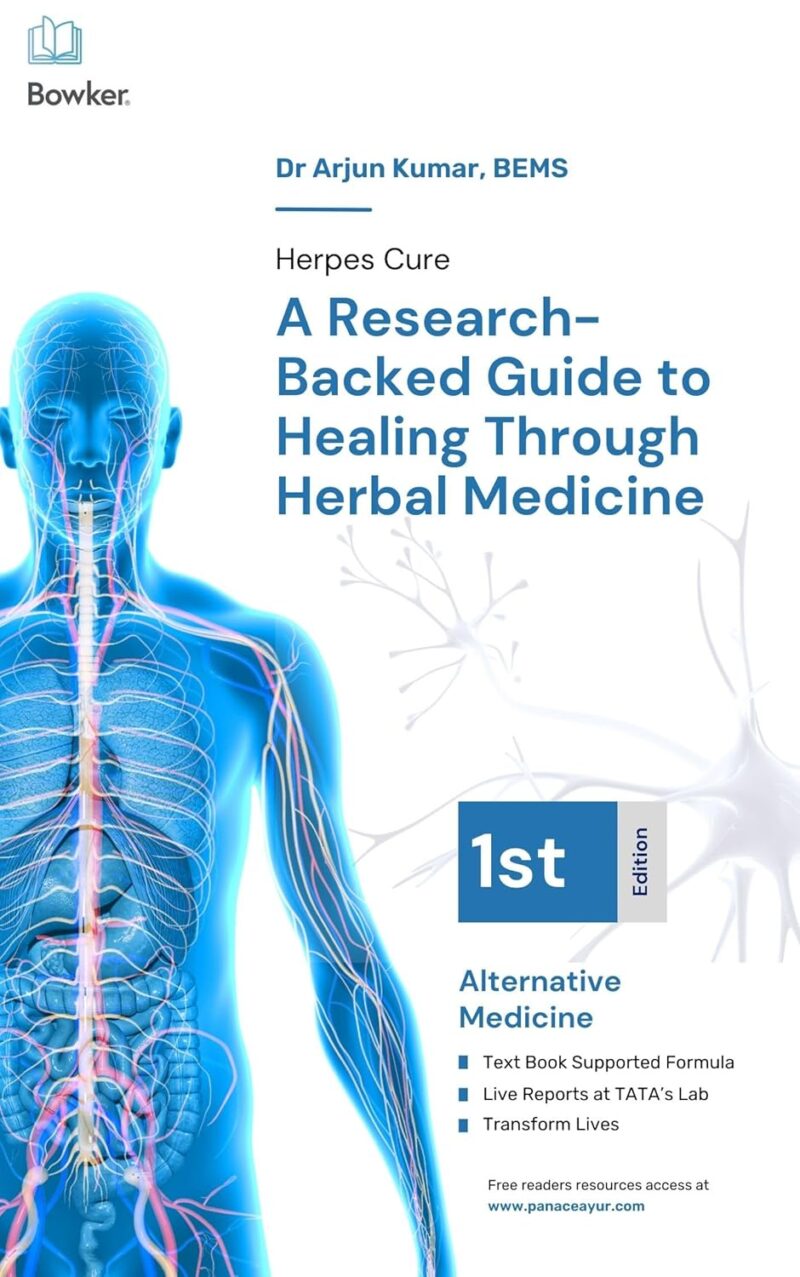
Herpes Cure: A Research-Backed Guide to Healing Through
Herbal Medicine

Struggling with HSV1 or HSV2? Discover a proven herbal formula that heals herpes in just three months, backed by science and real-life success stories. Start your healing journey today.

Herpes Cure-A Research-Backed Guide to Healing Through Herbal Medicine 2nd Edition (Vol-1)

Discover how Ayurveda identifies and eliminates herpes at its root. Volume I reveals HSV behavior, Ayurvedic healing principles, and introduces CMV and EBV. A foundational guide backed by research and classical texts.

Herpes Cure-A Research-Backed Guide to Healing Through Herbal Medicine 2nd Edition (Vol-2)

Includes real IgG lab reports, CMV/EBV/HHV chapters, and advanced Rasayana therapy. Volume II exposes why pharma suppresses cures—and proves Ayurveda doesn’t. Lab reports verifiable via TATA 1mg.

Benign and atypical breast conditions include a wide range of changes that are not invasive breast cancer but may require evaluation or monitoring. Examples include cysts, fibroadenomas, fibrocystic changes, atypical ductal hyperplasia, atypical lobular hyperplasia, and other breast abnormalities. Diagnosis may involve clinical examination, mammography, ultrasound, MRI, biopsy, or pathological evaluation. Some atypical findings are associated with an increased future risk of breast cancer, making individualized risk assessment and appropriate follow-up important.


FAQs

  1. Q1. What are benign breast conditions?

    A. Benign breast conditions are non-cancerous changes in breast tissue, such as cysts, fibroadenomas, and certain fibrocystic changes.

  2. Q2. What does atypia mean in breast pathology?

    A. Atypia refers to abnormal-looking cells identified during pathological examination. Certain types of atypia may be associated with an increased future risk of breast cancer.

  3. Q3. Is atypical ductal hyperplasia cancer?

    A. No. Atypical ductal hyperplasia, or ADH, is not breast cancer, but it can be associated with an increased risk of developing breast cancer in the future.

  4. Q4. Does every benign breast lump need treatment?

    A. Not necessarily. Management depends on the type of lesion, symptoms, imaging findings, pathology, growth, and individual risk factors.

  5. Q5. How are atypical breast changes monitored?

    A. Monitoring may involve individualized breast imaging, clinical examinations, risk assessment, and other recommendations from qualified healthcare professionals.