Learn about Ayurvedic herbs, their traditional uses, nutritional context, safety considerations, and role in holistic health practices.
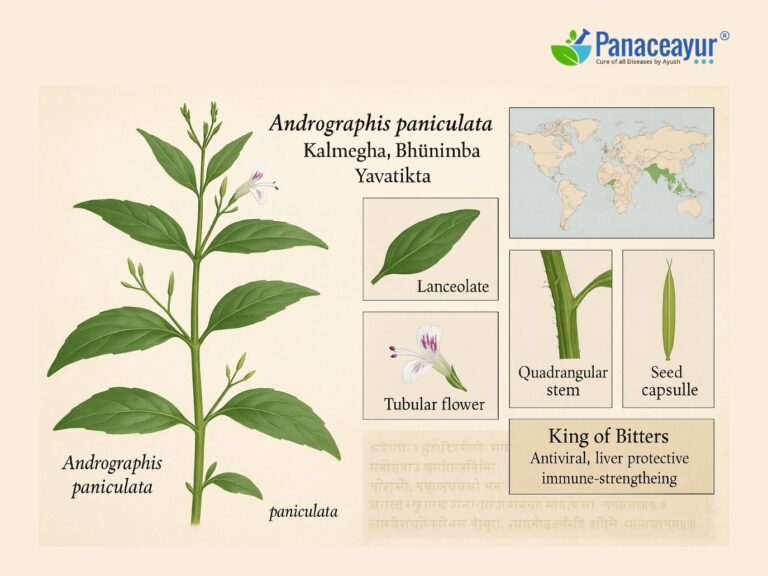
23 mins read
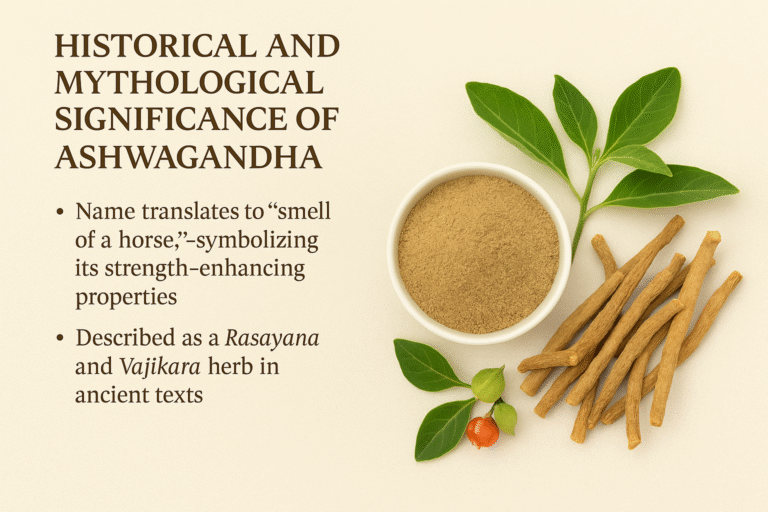
46 mins read

28 mins read
16 mins read

A research-backed Ayurvedic formula offering hope, combining ancient herbs and modern science for natural, lasting healing.





Struggling with HSV1 or HSV2? Discover a proven herbal formula that heals herpes in just three months, backed by science and real-life success stories. Start your healing journey today.

Discover how Ayurveda identifies and eliminates herpes at its root. Volume I reveals HSV behavior, Ayurvedic healing principles, and introduces CMV and EBV. A foundational guide backed by research and classical texts.

Includes real IgG lab reports, CMV/EBV/HHV chapters, and advanced Rasayana therapy. Volume II exposes why pharma suppresses cures—and proves Ayurveda doesn’t. Lab reports verifiable via TATA 1mg.
The Herbs to Cure category explores medicinal plants and herbs commonly discussed within Ayurveda and traditional health practices. It provides educational information about individual herbs, their traditional applications, preparation methods, dietary context, and considerations for responsible use.
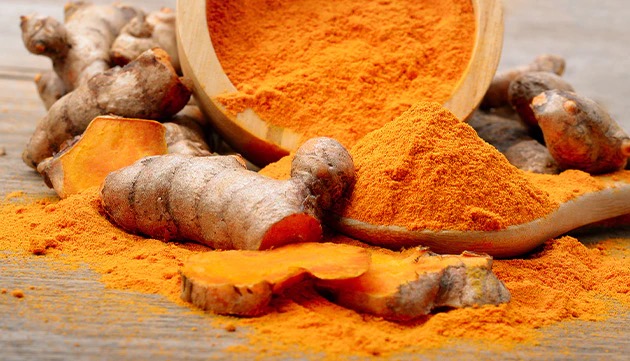
Ayurvedic herbs such as Brahmi, Ashwagandha, Turmeric, Guduchi, Neem, and others have long histories of traditional use. Modern research is also investigating various botanical compounds, although evidence can differ substantially between herbs, conditions, preparations, and study types.
Herbal products are not automatically risk-free because they are natural. Potential interactions with medicines, allergies, pregnancy, liver or kidney conditions, dosage, product quality, and contamination can all be relevant. Herbal products should be used responsibly and, where appropriate, under qualified professional guidance.
A. They are medicinal plants traditionally used within Ayurveda for various health and wellness purposes.
A. Some herbs have been studied extensively while evidence for others remains limited or condition-specific.
A. No. Herbs can have side effects, interactions, or contraindications.
A. They should not be used to replace prescribed treatment without guidance from a qualified healthcare professional.
A. Selection should consider the individual's health condition, medications, dosage, formulation, and professional advice where needed.