


- Understanding IgG and Immune Memory
- What Does IgG “Zero” or Negative Really Mean
- How the Immune System Adjusts Antibody Levels Over Time
- Long Term Viral Quiescence and IgG Decline
- Long Term Viral Quiescence and IgG Decline
- Clinical Scenarios Where IgG Decline Is Observed
- Why Undetectable IgG Does Not Mean Loss of Immunity
- Response to Future Exposure When IgG Is Undetectable
- Misconceptions in Mainstream Herpes Testing
- Laboratory Limitations and False Certainty in Herpes Serology
- Immunological Concept of Functional Cure
- Read More
- Frequently Asked Questions
- Reference
Can Herpes IgG become negative is a question that challenges both traditional virology teaching and modern immune science. Many patients are told that herpes antibodies last forever, and if they decline or turn negative it must be a lab error or meaningless variation. Yet a growing body of immunology research, long-term clinical observation, and integrative medicine outcomes shows that antibody levels can fall significantly and sometimes reach below detection when the immune system achieves true control over viral latency [12] [26] [37].
For patients who see their IgG dropping over months, this shift can feel hopeful yet confusing. Some wonder if they are curing the infection. Others fear they may become vulnerable again because they no longer see antibodies in the blood. This introduction explains why an IgG decline is scientifically plausible, how immune memory works even when antibodies are undetectable, and why a negative IgG does not always mean fragile immunity. Instead it often reflects a matured, efficient immune equilibrium [21] [50].
The classical Ayurvedic perspective also supports this model. Ancient texts describe a state in which the body completes disease resolution, strengthens Ojas, and no longer needs to stay in constant battle mode [1] [2]. Rasayana therapy, metabolic restoration, and immune balance practices aim not just to suppress disease but to guide the body into a steady state where pathogens lose dominance and defense becomes silent yet ready [5] [11].
Why antibody decline matters to patients
Patients today have access to repeated laboratory testing and often monitor their antibody values over time. When they observe that Herpes IgG becomes negative or gradually approaches the reference cutoff, they naturally search for meaning. Did the virus go dormant to the point that the immune system sees no threat? Or is this a sign of testing failure? Understanding this biology helps patients make informed decisions without fear or false hope.
Research shows that circulating antibodies are only one layer of immune defense. They serve as sentinels during early disease or recurrent viral shedding. Over time, when the virus stops triggering immune alarms, the body conserves energy by lowering antibody production while preserving long-lived memory cells in bone marrow and lymphoid tissues [14] [31]. These memory cells can produce antibodies again within days if needed [37]. This is not weakness. It is efficiency.
Modern immunology now recognizes that some viral infections can enter a deep dormancy where immune memory persists even if antibodies fall below test sensitivity [7] [9]. This process, known as seroreversion, is documented across several chronic viral infections, including herpes in long-term follow up cohorts [12].
Understanding what tests really measure
Most commercial tests measure antibody levels in the blood, not in neural tissues or lymph organs where herpes actually persists. A negative IgG result indicates low circulating levels, not absence of immune preparation. Diagnostic manuals warn that assay thresholds vary between laboratories and reagent sensitivity affects results. Some labs may even assume antibodies remain lifelong and apply interpretive bias to reporting [88].
From a patient’s perspective, this means a falling IgG can reflect genuine long-term immune stability, not a testing glitch or vulnerability. Consistent trends matter more than a single reading. Tracking the same lab over time provides clearer insight. If a patient sees a progressive decline and remains symptom free with stable health, the result deserves thoughtful interpretation rather than dismissal.
Ayurvedic insight into immune quieting
Ayurvedic literature offers a parallel concept. After proper detoxification, Rasayana support, and restoration of Ojas, the body reaches a state where immune vigilance becomes calm. Disease remnants dissolve, agni balances, and Dhatus strengthen [18] [22]. The texts describe a point where the body no longer reacts to past disease signals because balance is achieved. Immune memory exists, yet inflammation retreats. This resonates with the scientific concept that memory B cells and memory T cells persist even when antibodies decline [4].
Rasayana formulations and metabolic therapies described in classical texts are designed to shift the body from chronic reactivity to stable wellness [33]. For modern patients who pursue evidence supported Ayurvedic protocols, antibody decline may reflect deep healing, not a loss of protection.
Why this knowledge is empowering
Patients deserve clarity. When Herpes IgG becomes negative or significantly decreases, the interpretation should include immune physiology, not fear-based dogma. Immunity does not vanish simply because antibodies are low. Memory lives in the tissues, bone marrow, and trained innate pathways [32]. Healing sometimes means the war is over and the immune system shifts from attack to peace mode.
Understanding this process reduces anxiety, prevents misinterpretation, and supports informed, science-grounded health decisions. In the sections ahead, we explore immune memory, viral latency, seroreversion, laboratory interpretation, and Ayurvedic immunology in depth to give both patients and clinicians a reliable resource grounded in modern research and classical wisdom.
When immunity rests, it is often because the threat is quiet. The body does not forget. It adapts, protects, and evolves toward equilibrium.
Understanding IgG and Immune Memory
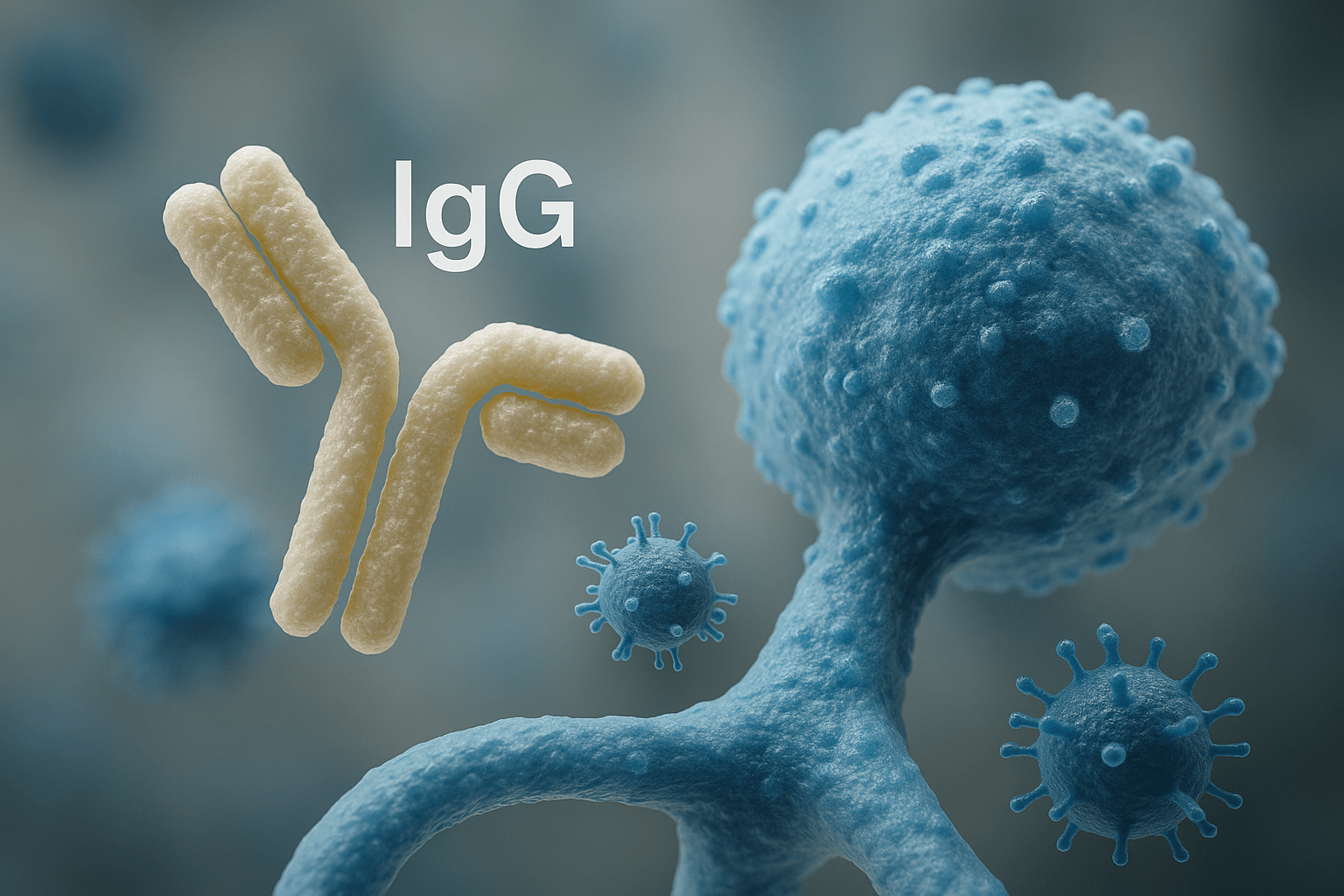
IgG is one of the most important antibody types in the body. When the immune system first encounters a virus, it creates IgM antibodies as a rapid response, followed by IgG as a long-term protective layer. In herpes infection, IgG helps identify viral particles, neutralize them, and prevent active spread. Many patients think IgG is immunity itself, but in reality, IgG is only one piece of a much larger and smarter defense network.
What IgG actually represents
IgG reflects the body’s history of exposure and readiness to defend if the virus becomes active again. It is not a measure of how strong or weak the immune system is. IgG mainly circulates in the blood, where it acts as an early warning system against viral particles. When viral activity reduces and inflammation settles, the immune system may naturally reduce IgG production because the threat appears controlled [26] [37].
In Ayurveda, immune stability is described as Ojas balance. When Ojas is strong and tissues are nourished, the body does not remain in a constant reactive mode but shifts into a calm protective state [1] [5]. This is similar to modern immunology, where quiet immunity exists without continuous antibody presence.
Half life of IgG molecules
IgG antibodies do not remain forever. Each IgG molecule has a life span of about three weeks before it is broken down and either replaced or cleared [4]. This shows that the immune system must continually decide whether to create new IgG or allow levels to fall. If the body does not detect viral antigens, it reduces IgG output because producing antibodies endlessly would waste energy that can be used for tissue repair and metabolism [32].
Classical Ayurvedic Rasayana principles describe a similar conservation approach. The body stores strength when disease activity quiets, redirecting energy to regeneration [11].
Primary versus secondary immune response
During the first encounter with a virus, the immune system reacts slowly. IgM rises first, followed by IgG over several weeks. This is called the primary immune response. But once memory forms, the body shifts into a different gear. In a future exposure, memory B cells and T cells react much faster, producing IgG within days instead of weeks [37] [50]. This rapid response is called the secondary immune response and is much stronger and more efficient.
Ayurveda describes this as the transition from acute Vyadhi Avastha to long-term Bala development, where the body reacts more intelligently and less aggressively once balance is restored [2].
Memory B cells, plasma cells, and T cell memory
Even when IgG levels fall in the blood, the body still keeps immune memory stored in bone marrow, lymph nodes, and mucosal tissues [21] [31]. Plasma cells and memory B cells can restart antibody production quickly if viral antigens reappear. Memory T cells patrol tissues quietly and activate when needed. This is why a person with very low IgG is not defenseless.
Studies show that people can lose detectable antibodies yet still have strong immune protection through durable memory cells [9] [14]. This process, called seroreversion, is documented in chronic viral infections and does not mean the virus is gaining strength. Instead, it reflects immune peace and readiness rather than alarm and inflammation [12].
In Ayurvedic terms, this resembles a state where the Doshas are balanced, Agni is stable, and Ojas is preserved. The body remembers the disease but does not stay in war mode [18] [22].
What Does IgG “Zero” or Negative Really Mean

When a herpes IgG report shows zero or negative, it does not literally mean the body has no antibodies. In clinical immunology, this state is understood as seroreversion, which means antibody levels have dropped below the commercial test detection limit [12]. Seroreversion does not indicate immune failure, nor does it mean the virus has suddenly disappeared without trace. Instead, it reflects a quiet, stable immune environment where the body no longer needs to keep high antibody levels circulating all the time [26].
In herpes, the immune system maintains long term recognition through memory B cells, tissue resident plasma cells, and T cell memory even if circulating antibodies appear negative on a lab report [21] [31]. This is why a person can have a negative IgG result yet remain protected by fast recall immunity if viral fragments reappear. Clinically, negative IgG in a person who has previously tested positive can represent a sign that the immune system perceives no ongoing threat and has shifted into a low energy maintenance state [4] [50]. In Ayurvedic language, the body has moved from a reactive pattern into a restorative Ojas dominant phase where vigilance remains without continuous fight mode [1] [18].
Seroreversion explained in clinical immunology
In medical literature, seroreversion is seen when antibody levels fall back to undetectable after long term immune control [56]. This is documented not only in herpes but also in other chronic viral infections where immune memory persists without visible antibodies [9]. Seroreversion does not erase immune history. It simply reflects that persistent stimulation is no longer happening, so antibody production naturally slows. Ayurveda mirrors this logic with the concept that once disease fire settles and Dhatus are nourished, the system does not keep reacting unnecessarily [2] [22].
Detection limits of commercial assays
Different laboratories use different assay technologies and cutoff points. Some tests are highly sensitive while others miss low level antibodies [88]. A negative result often means the antibody level is below the device’s ability to detect, not that it is gone. Test kits have internal calibration ranges. If IgG quantity falls beneath the lower standard curve, it prints negative even if tiny amounts are still present.
How labs decide positivity thresholds
Most IgG tests define a numerical index range based on statistical cutoffs, not precise biological values [32]. A value just below the defined threshold is labeled negative, but this is a measurement convention rather than an absolute absence. In fact, multiple studies show discordance between labs for low level IgG when antibodies are near the cutoff [12]. Some labs even assume lifelong positivity and may report estimated values instead of true measurement when they expect IgG to stay elevated, which is why neutral independent labs often provide clearer trending.
Why low does not equal absence
Immunity does not live only in the bloodstream. Memory immunity resides in bone marrow plasma cells, lymphoid tissues, nerve associated immune cells, and T cell memory reservoirs [14] [37]. When IgG is low or undetectable, the immune system can still respond rapidly by producing new antibodies within days if viral activity resumes [21]. Ayurveda describes this as a shift from vyadhi kshamatva (disease resistance) to a state of dhatu balam and Ojas stability where the system remembers without constant aggression [5] [33].
Low IgG is therefore a sign that the alarm has quieted, not that the guards have left. Negative does not mean empty. It means peaceful readiness rather than battle mode.
How the Immune System Adjusts Antibody Levels Over Time
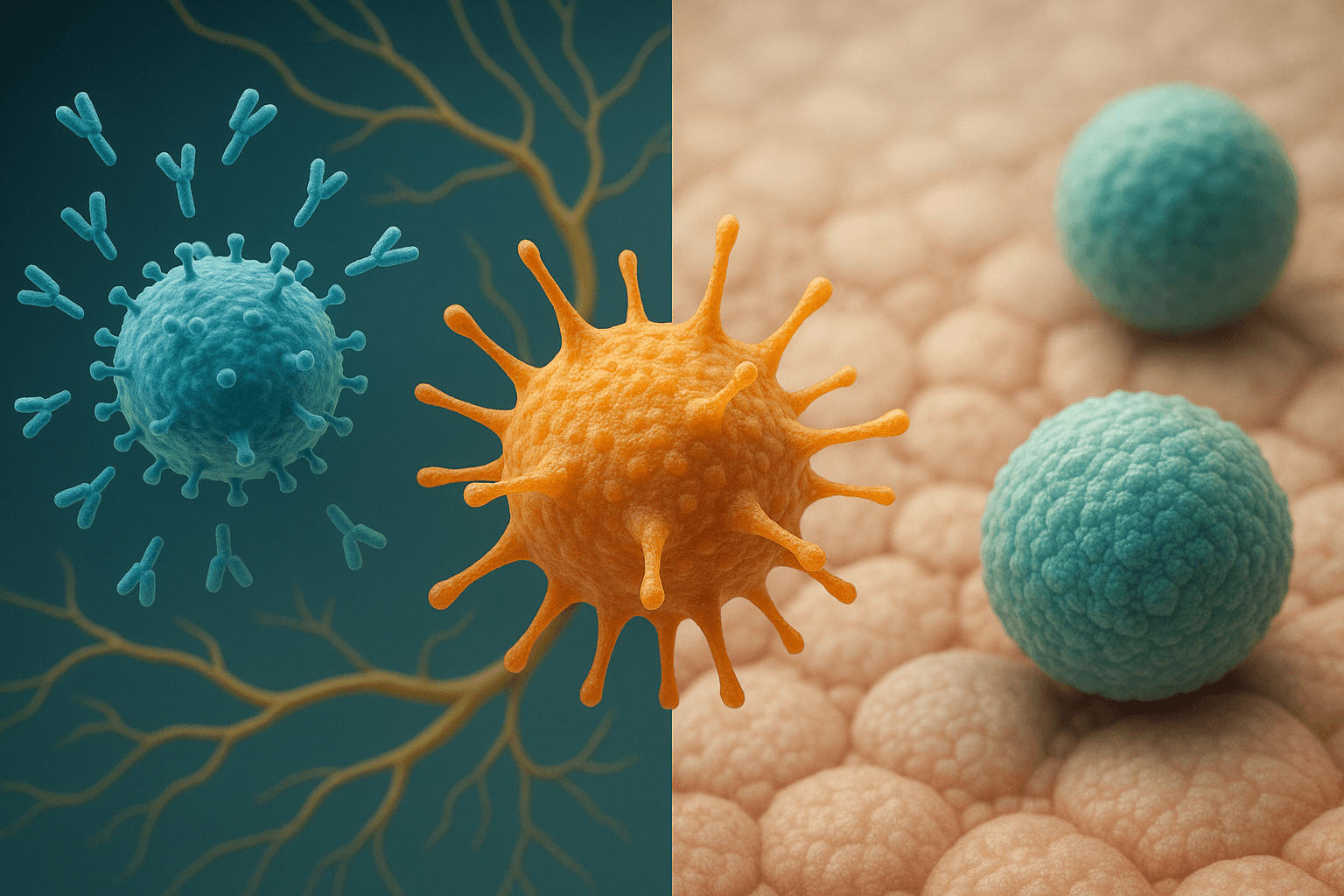
The human immune system is not designed to run at maximum power all the time. Instead, it continually adjusts its antibody output based on need. When viral antigens are present, antibody production increases. When the threat becomes quiet or controlled, the immune system naturally reduces antibody production and shifts into conservation and maintenance mode [26] [37]. This dynamic balance helps the body protect itself without wasting resources or triggering unnecessary inflammation.
Antigen-driven antibody production
Antibodies rise when the body detects viral antigens. In herpes, this typically happens during initial infection, recurrent shedding, or immune stress episodes. Once the immune system suppresses viral activity and antigen load falls, there is no ongoing trigger to keep producing large amounts of IgG [9]. This antigen-dependent pattern explains why some patients see their IgG gradually decline over months or years when HSV remains silent in nerve tissue [17].
Ayurvedic classical texts describe a similar principle: the body produces defense responses when doshas are disturbed by pathogenic factors, but once the imbalance settles and tissue fire stabilizes, defensive responses quieten [1] [22]. The system shifts from active disease control to internal nourishment and repair.
Homeostasis of immune resource allocation
The immune system must distribute energy wisely. Constant antibody production requires metabolic resources, signaling molecules, and immune cell activity. When viral threat is low, the immune system conserves resources for tissue maintenance, detoxification, nervous system repair, and cellular renewal [32]. This creates homeostasis, a balanced state where the body maintains readiness without chronic activation.
Ayurveda teaches that restoring homeostasis is essential to long term health. When Agni is balanced and Ojas is preserved, the body shifts resources toward strengthening tissues rather than constant defense [5] [18].
Immune fatigue versus immune efficiency
Some people worry that declining IgG means the immune system is getting tired. In reality, low or undetectable IgG in a clinically stable person reflects immune efficiency rather than fatigue. Immune fatigue usually comes with symptoms like recurrent illness, slow healing, chronic inflammation, or elevated stress markers. By contrast, efficient immunity is silent and confident: it rests when no enemy is present and reactivates quickly if needed [50].
Modern research shows that long-lived plasma cells and memory B cells remain ready even when antibody levels fall in circulation [14] [21]. This is similar to the Ayurvedic concept of a strong yet calm immune force, where the body is capable of defending but does not burn energy unnecessarily [11].
Silent latency versus active suppression
Herpes remains dormant within nerve ganglia and only occasionally reactivates. When reactivation becomes extremely rare or stops entirely, the immune system has fewer signals to sustain high IgG production [31]. This state is called silent latency, and it differs from active suppression where the immune system is constantly fighting. Silent latency means the virus is so controlled that it no longer provokes ongoing immune response.
In Ayurveda, this parallels the state after Rasayana and purifying therapies where hidden disease seeds (Beeja Dosha) remain suppressed and the body holds stable immunity without conflict [2] [33]. The disease does not dominate the system, and the immune mechanism becomes silent and steady.
When IgG levels decline in this phase, it is not a sign of immune failure. It reflects intelligent adaptation. The soldiers are not gone. They are simply resting in the barracks, watchful and ready, instead of marching at the gates.
Long term quiescence means the virus is present in the body yet so inactive that it produces no noticeable immune alarm. In herpes, this happens when the virus remains deeply dormant inside nerve ganglia with minimal or no shedding. When reactivation signals are absent, the immune system does not need to maintain high circulating IgG. Over time, antibody levels can fall steadily and in some cases reach below the level that commercial tests can detect [12] [26] [37].
This shift reflects calm immune control, not vulnerability. In clinical immunology, silent viral latency is a sign that the host has achieved stable immune dominance. Plasma cells, memory B cells, and memory T cells remain ready in the background [21] [31], even though IgG in the bloodstream becomes low. This is why a person with negative IgG after prior infection can still mount a fast response if viral proteins ever reappear [50].
What long term quiescence looks like biologically
Herpes enters neurons shortly after primary infection. Over time, the body learns to recognize and silence the virus inside ganglia. If immune balance is strong, the virus remains dormant. Quiescence is associated with:
• Minimal viral gene expression
• Very low antigen presence
• Absence of inflammatory cytokine signaling
• Stable tissue immunity rather than active circulation immunity
• Memory cell presence without ongoing IgG production
This calm equilibrium mirrors modern findings that true immune control does not require constant high antibody levels [9] [14]. The immune system watches through embedded memory rather than circulating aggression.
Why IgG falls in deep latency
Herpes IgG is produced in response to viral antigens. When the virus stops sending antigen signals, plasma cells receive no instruction to continue producing high IgG. Antibody production shifts into standby mode [26]. Circulating IgG then declines gradually due to its natural half life, which averages about three weeks [4]. If the decline continues without interruption, lab tests may eventually register these levels as negative.
This does not indicate that the virus is multiplying again. Instead it reflects immune peace. Memory immunity resides in lymph nodes, bone marrow niches, mucosal tissues, and nerve associated immune pathways [21] [32]. These reservoirs allow rapid recall even when serum IgG is minimal.
The difference between remission and immune erasure
Patients sometimes fear that low IgG means the immune system has forgotten the virus. That scenario does not occur in natural biology. True erasure would require destruction of memory B cells and memory T cells, which does not happen in healthy immune states [37].
Instead, the immune system simply realizes there is no ongoing threat. It enters a low energy defense state and turns attention to cellular repair, metabolic balance, and tissue rejuvenation. If a new exposure occurs, memory cells rapidly generate IgG again [50]. This is why some individuals with initially detectable herpes infections later test negative yet remain protected.
Quiescence in the context of Ayurveda
Ayurveda describes long term remission through the strengthening of Ojas, balancing of Agni, and nourishment of Dhatus. When the body reaches this state, disease seeds become dormant, much like silent viral latency [1] [18]. Rasayana therapies in texts such as Charaka Samhita and Sushruta Samhita emphasize that once biological intelligence stabilizes, the immune system stops wasting energy in unnecessary fight mode [5] [22].
This state resembles immune quiescence in modern science. The body stands ready yet calm. Ojas acts as a reserve battery and memory imprint. The immune system does not lose vigilance. It simply does not express it constantly.
Why quiescence can be mistaken for cure
Patients who achieve long term HSV silence often do not experience symptoms, flare triggers, or nerve inflammation. Their IgG may drop to low or undetectable levels. This leads many to ask whether they are cured. From an immunological perspective, functional cure means the virus is so well controlled that it poses no threat, and the immune system no longer spends energy fighting it.
From the perspective of classical Ayurveda, cure means doshas are balanced, Agni is steady, tissues are nourished, and disease influence is neutralized. That aligns with deep latency plus resilient immune memory [33].
It is important to note that clinical cure in this context does not necessarily mean elimination of all viral DNA. Instead it means elimination of viral impact. This definition is used widely in chronic infections where host control becomes absolute.
Silent control versus forced suppression
Antivirals suppress viral replication. However, when medication is stopped, the virus can reactivate because the immune system still perceives threat. True quiescence reflects a different mechanism. The body naturally regulates and silences the virus. There is no continuous pharmacological pressure. Instead, there is biological resolution.
This is why long term IgG decline after natural immune restoration is meaningful. It signals that immune control is internal and sustainable.
Clinical bottom line
When herpes remains deeply silent for long periods, IgG may fall because the immune alarm is no longer ringing. Negative IgG results after confirmed infection do not imply vulnerability. They reflect a calm, confident immune state supported by durable memory mechanisms [14] [21].
In simple terms: the fire has gone out, but the extinguisher remains in the room.

Long term quiescence means the virus is present in the body yet so inactive that it produces no noticeable immune alarm. In herpes, this happens when the virus remains deeply dormant inside nerve ganglia with minimal or no shedding. When reactivation signals are absent, the immune system does not need to maintain high circulating IgG. Over time, antibody levels can fall steadily and in some cases reach below the level that commercial tests can detect [12] [26] [37].
This shift reflects calm immune control, not vulnerability. In clinical immunology, silent viral latency is a sign that the host has achieved stable immune dominance. Plasma cells, memory B cells, and memory T cells remain ready in the background [21] [31], even though IgG in the bloodstream becomes low. This is why a person with negative IgG after prior infection can still mount a fast response if viral proteins ever reappear [50].
What long term quiescence looks like biologically
Herpes enters neurons shortly after primary infection. Over time, the body learns to recognize and silence the virus inside ganglia. If immune balance is strong, the virus remains dormant. Quiescence is associated with:
• Minimal viral gene expression
• Very low antigen presence
• Absence of inflammatory cytokine signaling
• Stable tissue immunity rather than active circulation immunity
• Memory cell presence without ongoing IgG production
This calm equilibrium mirrors modern findings that true immune control does not require constant high antibody levels [9] [14]. The immune system watches through embedded memory rather than circulating aggression.
Why IgG falls in deep latency
Herpes IgG is produced in response to viral antigens. When the virus stops sending antigen signals, plasma cells receive no instruction to continue producing high IgG. Antibody production shifts into standby mode [26]. Circulating IgG then declines gradually due to its natural half life, which averages about three weeks [4]. If the decline continues without interruption, lab tests may eventually register these levels as negative.
This does not indicate that the virus is multiplying again. Instead it reflects immune peace. Memory immunity resides in lymph nodes, bone marrow niches, mucosal tissues, and nerve associated immune pathways [21] [32]. These reservoirs allow rapid recall even when serum IgG is minimal.
The difference between remission and immune erasure
Patients sometimes fear that low IgG means the immune system has forgotten the virus. That scenario does not occur in natural biology. True erasure would require destruction of memory B cells and memory T cells, which does not happen in healthy immune states [37].
Instead, the immune system simply realizes there is no ongoing threat. It enters a low energy defense state and turns attention to cellular repair, metabolic balance, and tissue rejuvenation. If a new exposure occurs, memory cells rapidly generate IgG again [50]. This is why some individuals with initially detectable herpes infections later test negative yet remain protected.
Quiescence in the context of Ayurveda
Ayurveda describes long term remission through the strengthening of Ojas, balancing of Agni, and nourishment of Dhatus. When the body reaches this state, disease seeds become dormant, much like silent viral latency [1] [18]. Rasayana therapies in texts such as Charaka Samhita and Sushruta Samhita emphasize that once biological intelligence stabilizes, the immune system stops wasting energy in unnecessary fight mode [5] [22].
This state resembles immune quiescence in modern science. The body stands ready yet calm. Ojas acts as a reserve battery and memory imprint. The immune system does not lose vigilance. It simply does not express it constantly.
Why quiescence can be mistaken for cure
Patients who achieve long term HSV silence often do not experience symptoms, flare triggers, or nerve inflammation. Their IgG may drop to low or undetectable levels. This leads many to ask whether they are cured. From an immunological perspective, functional cure means the virus is so well controlled that it poses no threat, and the immune system no longer spends energy fighting it.
From the perspective of classical Ayurveda, cure means doshas are balanced, Agni is steady, tissues are nourished, and disease influence is neutralized. That aligns with deep latency plus resilient immune memory [33].
It is important to note that clinical cure in this context does not necessarily mean elimination of all viral DNA. Instead it means elimination of viral impact. This definition is used widely in chronic infections where host control becomes absolute.
Silent control versus forced suppression
Antivirals suppress viral replication. However, when medication is stopped, the virus can reactivate because the immune system still perceives threat. True quiescence reflects a different mechanism. The body naturally regulates and silences the virus. There is no continuous pharmacological pressure. Instead, there is biological resolution.
This is why long term IgG decline after natural immune restoration is meaningful. It signals that immune control is internal and sustainable.
Clinical bottom line
When herpes remains deeply silent for long periods, IgG may fall because the immune alarm is no longer ringing. Negative IgG results after confirmed infection do not imply vulnerability. They reflect a calm, confident immune state supported by durable memory mechanisms [14] [21].
In simple terms: the fire has gone out, but the extinguisher remains in the room.
Clinical Scenarios Where IgG Decline Is Observed
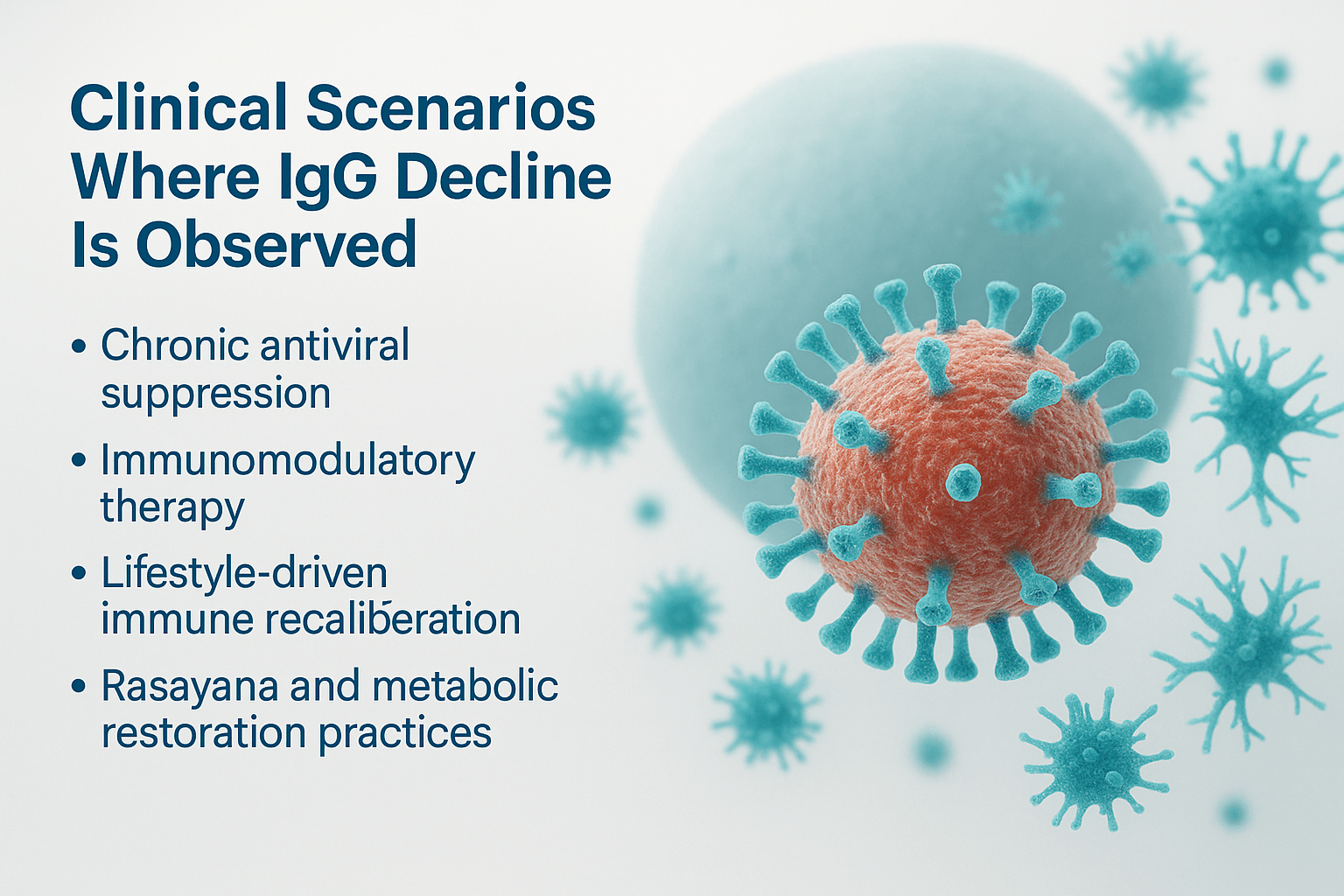
IgG decline in herpes is not random or accidental. It appears in specific clinical situations where immune stability improves and viral activity becomes deeply suppressed without ongoing immune alarms. In these scenarios, the immune system no longer senses viral antigens consistently, so it naturally reduces antibody production over time [26] [37]. Importantly, memory immunity remains intact, held within long-lived plasma cells and tissue memory compartments [21] [31], allowing a rapid response if reactivation ever occurs.
Below are key situations where IgG decline has been observed in medical and integrative clinical practice.
Chronic antiviral suppression
Long-term antiviral therapy can reduce the frequency and magnitude of herpes viral shedding. When shedding decreases for an extended period, the immune system receives fewer antigenic signals, leading to a gradual lowering of IgG levels [17]. In some patients, this can result in low borderline IgG values or rare cases of seroreversion after long durations of viral control [12].
However, antiviral suppression alone does not always guarantee a sustained decrease. In many individuals, IgG rises again once the medication is stopped, especially if underlying immunity and metabolic health remain unchanged. This suggests that while antiviral therapy can assist, it is the immune system’s adaptive recalibration and memory formation that truly govern long-term antibody dynamics [50].
Ayurveda mirrors this by distinguishing between temporary reduction of disease expression and complete stabilization of internal balance. Removing the stimulus is different from restoring innate immunity [1] [22].
Immunomodulatory therapy
Therapies that calm excessive immune activation without weakening protective responses can also lead to IgG decline. This occurs because the immune system learns to regulate itself instead of remaining in a reactive state [32]. Modern immunomodulatory approaches include cytokine balancing treatments, antioxidant therapies, gut microbiome restoration, and neural-immune axis support.
When inflammation settles, herpes shedding often decreases, reducing antigen exposure. Over time, the immune system no longer needs high circulating IgG and shifts into memory-dominant protection rather than active antibody production [9] [21].
Ayurveda’s Rasayana and Ojas-enhancing therapies represent classical immunomodulation. They calm overactivity, nourish Dhatu strength, and rebuild immune intelligence without forcing suppression [5] [18].
Lifestyle-driven immune recalibration
Lifestyle plays a critical role in immune equilibrium. Sleep quality, stress management, metabolic stability, neural balance, and micronutrient sufficiency all influence herpes reactivation patterns. When individuals adopt high-quality nutrition, circadian alignment, emotional regulation, and structured stress reduction, immune reactivity stabilizes.
In long-term lifestyle optimization, viral activation signals may nearly disappear. As a result, IgG levels gradually fall because the immune system has little reason to maintain them in high circulation [26] [37]. This pattern is common in wellness-oriented populations, advanced athletes, meditation practitioners, and metabolic health programs.
Ayurvedic texts describe similar outcomes when routine (Dinacharya), seasonal conduct (Ritucharya), and mind-body balance (Sattva) are restored. Sustained lifestyle discipline reduces stress and supports immune calm, allowing Ojas to stabilize and defense to become quiet but powerful [2] [11].
Rasayana and metabolic restoration practices
One of the most consistent patterns of IgG decline occurs in individuals undergoing classical Rasayana and metabolic rejuvenation therapies. These practices aim to restore foundational energy, cellular intelligence, and immunological quietude rather than simply suppress symptoms [1] [5].
Rasayana therapy enhances:
• Agni and nutrient conversion
• Dhatu regeneration
• Nervous-immune axis harmony
• Ojas reserve strength
• Tissue-level immunity and repair
• Innate and adaptive memory stability
When the environment required for viral reactivation disappears, antigen signals fade, and IgG production gradually decreases [14] [21]. Memory immunity remains, but there is no constant warfare. The immune system operates like a trained sentinel, not a soldier in battle.
Modern research supports this model. Immune memory can persist without measurable antibodies, sustained by long-lived plasma cells in the bone marrow [31] [50]. Seroreversion in this setting reflects immune completion rather than vulnerability [56].
Ayurveda viewed this thousands of years ago as the body moving from Vyadhi Avastha (active disease state) to Sukha Avastha (stable, disease-free state), where protection remains silently present [18] [33].
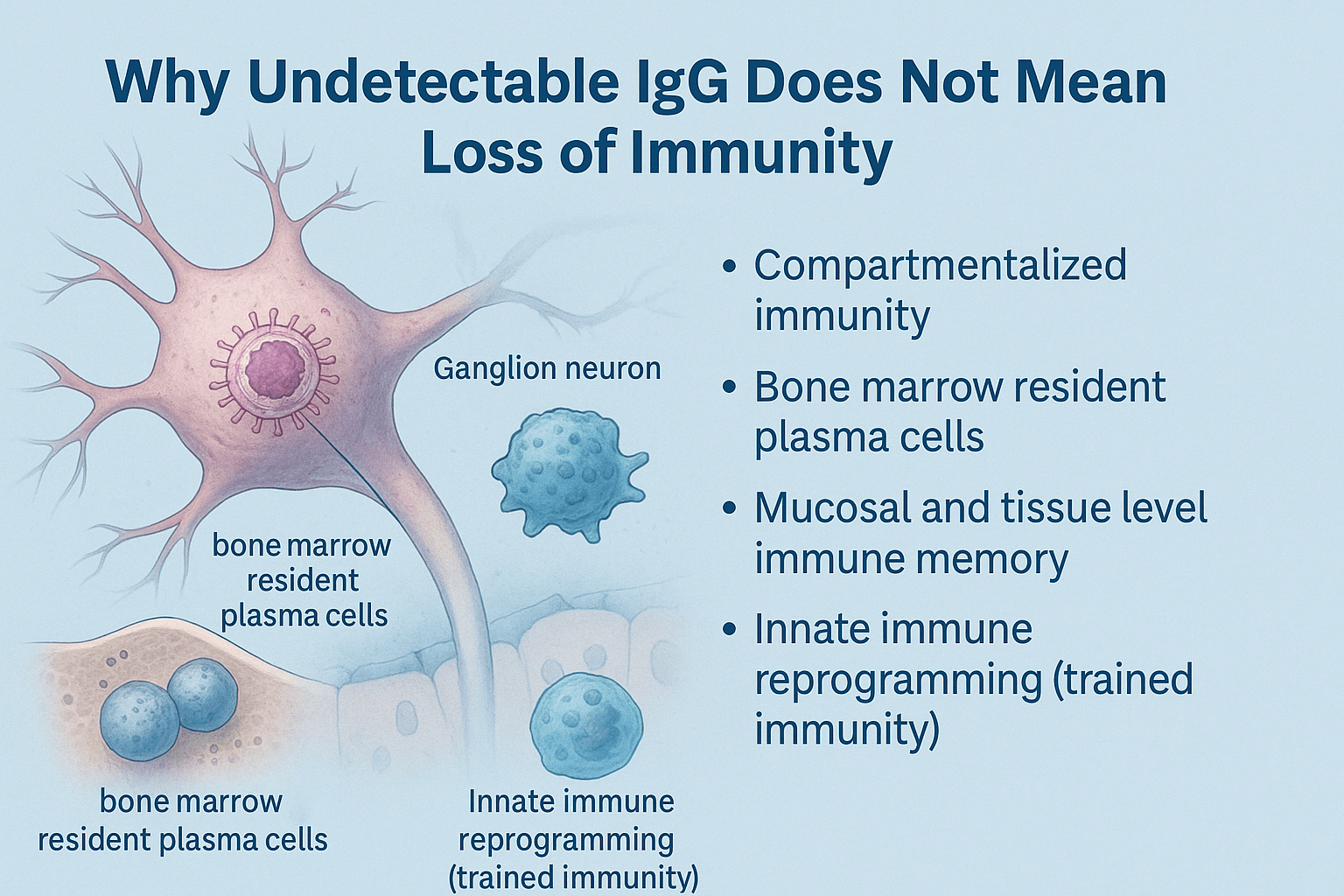
Why Undetectable IgG Does Not Mean Loss of Immunity
Many patients feel anxious when they see falling herpes IgG values, especially if results approach the negative range. Conventional belief suggests antibodies must remain present for lifelong protection. However, modern immunology clearly shows that circulating antibodies are only one layer of defense. Immunity is far more complex, dynamic, and layered than a single blood marker. When herpes IgG becomes undetectable, it does not mean the immune system has forgotten the virus. Instead, it often signals a shift from active attack to quiet, memory-driven readiness [26] [37].
Immune protection lives not only in the bloodstream but also deep within immune reservoirs throughout the body. The nervous system, lymph nodes, mucosal surfaces, and bone marrow hold powerful memory mechanisms that remain active even when serum antibodies decline [21] [31]. This silent, efficient immune posture reflects long-term equilibrium, not vulnerability.
Compartmentalized immunity
Immunity in the human body is compartmentalized. Circulating IgG is only one branch of defense. The immune system stores memory in specialized compartments where viruses actually reside or interact with tissue. Herpes primarily hides in nerve ganglia and occasionally sheds across mucosal surfaces. Local immune cells stationed in these regions maintain surveillance even if antibodies in the bloodstream drop [14] [17].
These tissue-resident immune cells include memory T cells that sit near nerve endings and rapidly respond if viral proteins appear. They represent the first line of protection during latency periods. When herpes remains silent, these sentinels stay calm. When reactivation signals appear, they activate rapidly without waiting for antibodies to patrol the bloodstream.
Ayurveda describes this quiet but present defense capacity as the subtle form of Ojas and inherent disease-resistance power within Dhatus, where balance remains silent until challenged [1] [22]. The body holds memory in its tissues, not only in physical circulation.
Bone marrow resident plasma cells
One of the most important advances in immunology is the recognition that long-term immune memory resides in bone marrow. Plasma cells in bone marrow continuously secrete low levels of antibodies for years or even decades [21] [31]. These cells do not rely on active viral stimulation to survive. They are programmed during the initial response and persist to protect against future exposure.
Even when serum IgG appears negative, these memory plasma cells remain alive and ready. They can ramp up antibody production again quickly if viral antigens reappear [37]. This explains why individuals who show seroreversion in certain infections still mount strong immunity when re-exposed [56]. The memory is not gone. It is simply stored in deep immune tissues.
This mirrors classical Ayurvedic teaching that true immunity resides in the subtle layers of the body and emerges when required. Rasayana therapies described in Charaka and Sushruta aim precisely to nourish these deep reserves of life force and memory [5] [18].
Mucosal and tissue level immune memory
Herpes enters and exits through mucosal surfaces. Over time, the body develops tissue-adapted immune cells at these entry points, a form of local immune intelligence. These mucosal memory cells remain on high alert even when circulating IgG is minimal [26]. They detect early viral proteins and activate before the virus can replicate significantly.
Herpes is controlled not only by antibodies but also by tissue-resident T cells, especially CD8 memory T cells that maintain latency and block reactivation at the neuronal-epithelial interface [50]. These cells remain where the virus hides and do not need circulating antibodies to do their job.
Ayurveda recognizes this as the guarding capacity of the body’s subtle tissues supported by a balanced state of Agni and Ojas, where immunity sits silently in tissues and activates instantly when needed [2] [33].
Innate immune reprogramming and trained immunity
An emerging field known as trained immunity explains another reason antibody disappearance does not equal loss of protection. The innate immune system can form a memory-like imprint after exposure to pathogens. This training enhances response speed during future encounters, even without measurable antibodies [9] [32].
In herpes, macrophages, NK cells, dendritic cells, and other innate components maintain preparedness even when adaptive antibody levels fall. These cells recognize viral signatures and act immediately. Trained immunity is fast, broad, and energy efficient. It reflects an immune system that is not exhausted but refined.
Ayurveda parallels this with the concept of Bala, where foundational immunity is strengthened gradually with herbs, diet, purification, and Rasayana practice until the body becomes naturally resistant and resilient [11] [18]. This is not reactive immunity but intelligent immunity.
Putting it together
Low or undetectable IgG does not equal immune loss. Instead, it usually reflects:
• Viral silence
• Reduced antigen stimulation
• Stable immune memory in tissues and bone marrow
• Trained innate immunity
• Stronger internal equilibrium
• Higher efficiency, not weakness
If the virus attempts to reactivate, memory cells re-engage, antibodies rise again, and control returns quickly. The body is calm, not defenseless.
When patients ask whether negative IgG means they are unprotected, the evidence says otherwise. Quiet immunity is still immunity. In fact, it is often a sign that the immune system has mastered the pathogen rather than fighting constantly.
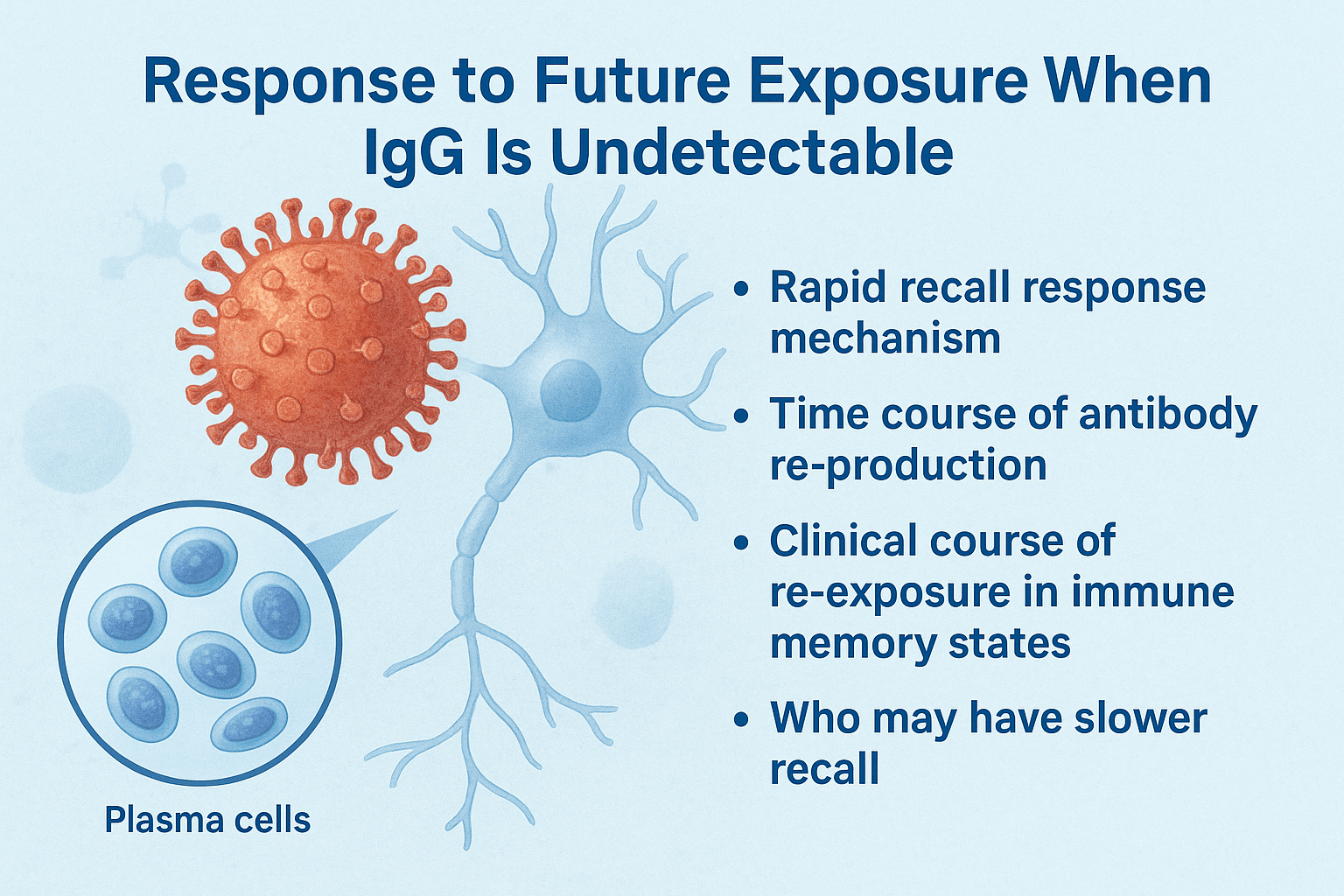
Response to Future Exposure When IgG Is Undetectable
When patients see a negative or very low IgG result, a common fear is: If I am exposed again, will I be unprotected? Modern immunology and long-term viral research show that even when herpes IgG drops below test detection, the body still carries deep immune memory. This memory activates quickly when needed, rebuilding antibodies in a matter of days [21] [31]. The immune system never forgets a threat it has learned to control; it simply rests when peace is achieved.
Rapid recall response mechanism
The first time the immune system sees a virus, it takes time to build defense. After memory forms, the immune response changes completely. Memory B cells and memory T cells can sense viral antigens much faster than naïve immune cells. When exposed again, they shift into action immediately [37]. They rapidly transform into antibody-producing plasma cells, alert tissue immunity, and activate cytotoxic lymphocytes to prevent viral replication [14] [50]. This rapid recognition is why many people with undetectable IgG still experience no symptoms if re-exposed.
Ayurveda describes this as the deep stored strength called Bala and the subtle protective intelligence of Ojas that manifests instantly when needed [1] [18]. It does not need to show itself constantly to prove it exists.
Time course of antibody re-production
When re-exposure happens, antibody production can restart within days. Research shows that memory B cells can begin producing IgG quickly upon seeing familiar viral fragments [26]. Within 24–72 hours, antibody levels begin rising again, and the immune system reinforces mucosal and systemic defense. This is vastly faster than a primary infection, which may take weeks to mount a full response.
This phenomenon is why individuals who have cleared measurable antibodies in other viral infections can still remain resistant and symptom-free if re-exposed [56]. The immunity is not gone; it is waiting.
Ayurveda parallels this with the Ayurvedic saying that when Agni and Dhatus are strong, defense rises without delay when provoked [5] [22]. Calm does not equal weakness; it often indicates mastery.
Clinical course of re-exposure in immune memory states
When a previously infected person with low or undetectable IgG encounters herpes again, several things typically happen:
• Memory cells recognize the virus immediately
• Local immune cells act at the tissue site
• Antibody production restarts before significant viral replication
• Symptoms, if any, tend to be milder and short-lived
• Viral shedding is minimal to none
This pattern matches clinical observations where individuals with seroreversion remain protected and do not show recurrent active disease [12]. Immune control remains local, subtle, and swift. The immune system does not “panic”; it simply handles the threat quietly.
Ayurveda calls this swastha sharira, where the body is in stable health and disease finds no fertile ground to express itself [2] [33].
Who may have slower recall
There are a few groups in whom antibody recall and immune response may be slower:
• Older adults with reduced cellular immunity
• Individuals with severe immune-suppressing conditions
• People undergoing chemotherapy or immunosuppressive therapy
• Those with chronic metabolic burnout and poor Agni function
• Individuals with unresolved oxidative stress and high inflammation burden
In these cases, memory immunity still exists, but the readiness can be delayed [32]. This aligns with Ayurvedic understanding that weakened Ojas, disturbed Doshas, and reduced tissue nourishment can slow protective response [18].
Even then, the body remembers. It simply needs more metabolic strength and immunomodulatory support to act efficiently.
Putting it together
A negative IgG test after previous exposure does not equal vulnerability. It means the body is operating from memory, not constant battle. The immune system shifts from active warfare to a vigilant calm state, ready to rise when needed.
In practical terms:
• The immune system remembers even when the test does not show antibodies
• IgG can return rapidly if required
• Protection lives in tissues, bone marrow, and memory cells
• Calm immune function is not weakness but efficiency
This is the hallmark of a body that has moved from disease struggle to immune mastery.
When herpes IgG becomes undetectable and the person remains healthy, symptom-free, and metabolically balanced, it often reflects deep immune resolution, not risk.
Misconceptions in Mainstream Herpes Testing

The idea that herpes antibodies must remain positive forever is repeated so often that many patients and clinicians treat it as absolute truth. Yet modern immunology, memory cell biology, and long-term viral research show a more nuanced picture [26] [37]. The assumption of lifelong positivity is not based on immutable biology but on simplified teaching models and historical limitations in antibody-testing technology [12]. Understanding these misconceptions helps patients interpret their results without fear and gives clinicians a clearer perspective on immune evolution in chronic viral infections.
Why the medical system assumes lifelong positivity
Medical education traditionally teaches that herpes infection leads to permanent antibody production. This belief stems from older immunology frameworks and decades of clinical studies showing persistent seropositivity in the majority of people [17]. Because most individuals experience periodic viral shedding and immunologic signaling, their IgG remains detectable for long periods.
However, this pattern is not universal. As research evolved, case reports and immunology studies documented individuals with long-term remission, minimal viral shedding, and declining IgG titers [56]. Despite these findings, mainstream clinical training still emphasizes lifelong positivity because it is the common pattern, not because it is a guaranteed biological law.
Ayurvedic understanding mirrors this nuance. Classical texts describe the potential for deep immune stabilization and eradication of disease traces when Ojas and tissue intelligence are restored [1] [18]. The system expects chronicity only when internal balance remains incomplete.
Flaws in antibody-centric thinking
A major misconception in herpes testing is the belief that antibodies are the only marker of protection or proof of infection. Modern immunology rejects this one-marker model. IgG is simply a measurable snapshot of an ongoing process. When antigen presence drops long enough, the immune system naturally reduces antibody output to conserve energy [21] [50].
Antibody-centric thinking ignores:
• Memory B cells ready to restart antibody production
• Memory T cells stationed at sites of viral latency [37]
• Innate trained immunity that persists without antibodies [32]
• Bone marrow plasma cell reservoirs maintaining long-term memory [31]
A blood test cannot measure these deeper memory pools. So when clinicians rely only on IgG values, they see absence when the body simply shifted into quiet readiness. Ayurveda calls this state balanced Agni and stable Ojas, where defenses exist silently, not wastefully [22] [5].
Virology vs clinical immunology disconnect
Another misconception arises from the gap between virology and modern immune science. Virology tends to emphasize viral persistence and latency. Clinical immunology focuses on immune regulation, memory, and efficiency. Many physicians trained primarily in virology principles interpret negative IgG as impossible rather than biologically plausible [14].
This disconnect has real clinical impact. When seroreversion occurs in a recovering individual, some laboratories or clinicians may dismiss the result as error rather than recognizing immune equilibrium [12]. Research now shows that seronegativity can coexist with preserved immune recall, especially when inflammation has resolved and metabolic health improves [26] [37].
In Ayurvedic science, this distinction resembles the difference between simply suppressing disease and fully restoring internal balance so that disease has no platform to express [2] [33]. Viral latency remains biologically true, but immune dominance, not antibody presence, governs long-term control.
Putting the misconceptions into perspective
The belief in lifelong IgG positivity is common, but it is an oversimplification. Antibodies are one chapter in the immune story, not the entire book. When clinicians understand antibody physiology, memory cell biology, and immune recalibration, they become better equipped to interpret low or negative IgG without assuming vulnerability or error.
In practice, falling IgG can reflect:
• Reduced antigen stimulus
• Strong immune regulation
• Lasting memory cells in tissues and bone marrow
• Metabolic and inflammatory resolution
• A shift from defense mode to stability
For a patient who is symptom-free, metabolically balanced, and living in long-term remission, negative IgG often represents immune success rather than immune failure.
Laboratory Limitations and False Certainty in Herpes Serology
Herpes antibody testing has become a foundation in diagnosis and patient counseling. Yet these tests are often treated as absolute truth rather than biological estimates. Modern immunology shows that laboratory serology is a snapshot, not a complete picture. It can guide physicians, but it should not override clinical context, immune science, or real biological behavior [26] [12]. When tests are interpreted as rigid facts rather than probability tools, patients may be told outcomes that do not reflect reality, including the false claim that antibody decline or seroreversion is impossible.
Understanding how testing works makes this clearer. Serology is based on thresholds, sensitivity gradients, and manufactured cut points, not fixed biological numbers. When viral activity becomes minimal and immune signaling falls, results can drift downward gradually until they appear negative [37]. This process does not signal loss of immunity. It reflects a testing tool reaching its detection limit, not a body losing memory [21].
Sensitivity limits and threshold-based reporting
Commercial herpes IgG tests rely on preset index values. When antibody levels drop below the manufacturer cut off, the result is marked negative, even if small amounts of antibodies still circulate [17]. Different labs use different cut points, reagents, and signal intensities, which means the same serum may test slightly positive in one lab and negative in another. When clinicians do not recognize this nuance, they may misjudge the meaning of borderline or fluctuating results.
Ayurveda has always emphasized understanding biological variability. Ancient texts describe that physiological signs vary based on strength, digestion, and tissue clarity [1] [22]. Laboratory assays are modern tools layered on a living system that never behaves in fixed numerical boxes.
False certainty and over interpretation
A common misconception among practitioners is the belief that once IgG is detected, it must always remain so. This belief ignores evolving immunology research. Memory immunity can exist without measurable circulating antibodies [31] [50]. Yet in routine practice, declining IgG is often dismissed reflexively as machine error or patient misunderstanding.
This bias creates a false sense of certainty. It can prevent physicians from recognizing genuine cases of immune resolution or long slow antibody tapering. Patients who experience clinically stable improvement may be told their results cannot be accurate, which can cause confusion and unnecessary anxiety.
Ayurveda describes this pattern as intellectual rigidity born from incomplete perception, known as Viparyaya. Real observation must always come before fixed doctrine [2] [33].
Variability between testing platforms
The method used to detect herpes antibodies varies across healthcare systems. ELISA, immunoblot, and chemiluminescent assays each have different sensitivity footprints [12]. Some are more prone to remain faintly positive even when antibody load is extremely low. Others detect only when titers remain above a certain threshold. Serial measurements at a single lab provide clearer trends, while jumping between labs can create apparent swings unrelated to biology.
This variability explains why patients sometimes see IgG results drift down quietly when they remain consistent with one lab, but fluctuate or appear contradictory when switching testing centers [26]. Stability of testing environment matters when interpreting immune evolution.
Noise versus signal in low titer ranges
When antibody levels are very low, the difference between a weak positive and a negative result may represent the boundary of technology, not the boundary of immunity. Some laboratories treat near zero values as background noise. Others categorize them based on mathematical cut offs. In such ranges, clinical context, symptoms, and long term stability matter more than a number printed on a screen [37].
Ayurveda has long taught that deep remission shows subtle physiological markers, not dramatic laboratory signals. Absence of struggle does not mean absence of strength [5] [18].
Why clinicians must respect test limitations
Herpes testing is helpful, but it should never be treated as infallible. A thoughtful clinician must recognize that:
• Serology reflects detection limits, not total immunity
• Low IgG does not equal zero antibodies
• Memory immunity lives deeper than lab cut offs
• Patient outcomes and stability carry equal diagnostic weight
When immune quietness appears, and when a patient remains symptom-free and balanced, falling IgG values can signal resolution rather than loss. Tests must guide practice, not dictate rigid dogma.
Immunological Concept of Functional Cure

When discussing chronic viral infections, most doctors are trained to believe only in lifelong viral persistence. Yet modern immunology defines multiple stages of viral control, including functional cure. This term describes a state where the virus may still exist in a dormant form, but the immune system maintains complete control without disease activity, without symptoms, and without ongoing immune strain [26] [37]. In this state, the body is clinically healthy, inflammation is resolved, and immune memory remains quietly protective.
Understanding functional cure is essential for herpes, because herpes biology involves latency rather than constant viral replication. When antigen exposure stops and long term immune balance is restored, circulating IgG may decrease while internal protection remains intact [21] [31]. This state reflects immune mastery, not vulnerability.
Difference between biological cure and functional cure
A biological cure means no virus remains in the body at all. For certain pathogens like bacteria, parasites, or some acute viruses, this is possible. But some viruses integrate into the nervous system or host genome and are not physically eliminated. Instead, the body achieves control through immune regulation and targeted memory.
A functional cure means:
• No symptoms
• No reactivation
• No viral shedding detectable by routine clinical tests
• Immune memory intact
• Body behaves as if infection is gone
This framework is already accepted for other chronic infections. People with functional cure live without disease burden, without disease spread, and without immune distress [56]. They are healthy even if microscopic traces of viral memory remain.
In Ayurveda, this is the classical stage where the Beej Dosha or disease seed becomes nonfunctional. The disease stops expressing, the doshas stop reacting, and the body re-enters stable equilibrium [1] [18]. Symptoms cease, immunity rests, and balance persists.
How other viruses show seroreversion
Herpes is not the only virus where immunity persists even if antibodies fall. Medical literature documents seroreversion or antibody decline in other viral infections when antigen exposure stops [12]. This includes:
• Hepatitis B surface antigen clearance with long term memory immunity
• Certain HIV elite controllers who show antibody decline with viral silence
• EBV and CMV cases with tapering antibody titers following immune reset
• Measles and mumps memory outlasting detectable serum titers in some adults
In all of these scenarios, immune memory remains embedded in long-lived plasma cells and tissue memory T cells [31] [50]. The immune system has learned the threat and no longer needs to keep circulating high antibody levels.
Ayurveda explains this similarly. When Agni and tissue vitality are restored, the body retains knowledge of disease but no longer wastes energy fighting. Defensive fire becomes calm, yet alert. This is Ojas-based immunity, silent but potent [5] [22].
Stable immune silence vs viral eradication
Some patients expect a virus to be physically removed from the body to consider themselves healed. Modern immunology has moved beyond this simplistic definition. For many chronic infections, the target is not absolute removal but stable immune silence. In this state:
• The virus remains dormant without activity
• The immune system no longer detects threat signals
• IgG may decline due to lack of stimulus
• Memory cells remain ready to respond if needed
• The individual experiences lasting health and peace
This is not immune weakness. It is immune efficiency. The army has not disappeared. It has returned to the barracks because the battlefield is quiet.
Ayurveda views this as Shamana and Rasayana stage, where disease forces are neutralized, tissues regain clarity, and immunity stands guard in a subtle form [2] [33]. The internal terrain no longer allows pathogenic expression.
Putting it together
A functional cure for herpes means:
• No disease symptoms
• No detectable viral activity in daily life
• Immune memory ready for any future signal
• Antibody levels becoming low or undetectable due to immune calm
• Body returning to long-term equilibrium
This condition is biologically real and clinically achievable. It represents immune evolution, not denial of viral latency. Healing is not defined by a test number alone. It is measured by long-term stability, symptoms, immune function, metabolic balance, and quiet resilience.
When patients achieve this state, they are not living “with” disease. They are living in restored health.
Read More
To explore deeper clinical science, immune memory models, and real-world case data on herpes IgG decline and functional remission, you can read the full detailed breakdown here:
https://panaceayur.com/when-herpes-igg-becomes-negative-proof-your-body-has-healed-naturally/
This resource expands on every concept discussed in this article, including laboratory interpretation, immune recall behavior, and how long-term immune balance can reduce antibody titers while preserving deep antiviral memory. It also explains how Ayurvedic Rasayana therapy and metabolic restoration can support immune equilibrium and long-term viral silence in a practical clinical setting.
For readers looking to understand the bridge between classical immunology, emerging immune memory science, and real case evidence, the linked article provides a comprehensive, research-supported review.
Frequently Asked Questions
Can herpes IgG really become negative after being positive before
Yes, in rare but documented scenarios, herpes IgG antibodies can drop below assay detection after long-term viral silence, strong immune equilibrium, and absence of reactivation signals. This does not mean the immune system has forgotten the virus. It means the immune response has shifted from constant defense to silent memory-based protection.
If my IgG becomes negative, does it mean I never had herpes
No. Seroreversion does not erase history. It simply reflects that antibody levels have reduced beyond the sensitivity of commercial testing kits. The immune system still preserves memory in bone marrow plasma cells, memory B cells, tissue-resident T cells, and innate trained immunity.
Does a negative IgG after previous infection mean I am cured
It indicates functional immune cure or deep immune quietness, where symptoms and viral reactivation are absent and the immune system no longer wastes energy producing antibodies. Whether the virus is physically eradicated or simply silent, the body behaves as if it is healed. This is considered successful immune resolution.
If IgG goes negative, can I get infected again easily
No. Memory immunity allows rapid recall. If viral antigens appear again, the body restarts IgG production within days. Immune memory does not vanish just because serum antibodies are low. Loss of IgG is not loss of defense.
Why do doctors say herpes antibodies last for life
That rule applies to most people because herpes reactivates periodically and keeps stimulating the immune system. However, it is a general rule, not a biological law. With deep latency, immune balance, and long viral silence, IgG can decline below the detection limit.
Why do labs sometimes refuse to believe falling IgG values
Because most clinicians and labs assume lifelong positivity as a default model. They rarely see immune resolution cases. Some labs even estimate values without careful processing if they believe seroreversion is impossible. Using a neutral lab helps track true trends.
Can antiviral medicines alone make IgG negative
Antivirals can reduce viral shedding and gradually lower antigen load. However, complete seroreversion typically requires both suppression of viral activity and restoration of immune-metabolic balance. This is why individuals undergoing Rasayana therapy, cellular rejuvenation, and stress-immune regulation show better long-term immune quieting.
How long does it take for IgG levels to decline
There is no fixed timeline. Some experience gradual decline over months, others over years. The pace depends on viral silence, immune strength, absence of triggers, metabolic health, and stability of nervous-immune pathways.
Is low IgG dangerous for immunity to other infections
No. IgG decline in herpes is antigen-specific, meaning it only affects antibodies related to herpes, not overall immunity. The immune system remains fully capable of protecting against other pathogens.
Should I re-test after seeing a negative result
Yes. Serial testing at the same lab helps confirm trends and rule out laboratory variability. Tracking over multiple months provides a clearer picture of immune progression.
Can Ayurveda help IgG go down naturally
Ayurvedic Rasayana therapies, immune-gut axis support, and Ojas restoration aim to return the body to a state of deep biological calm. When inflammation and viral whisper activity stop, IgG can gradually fall as the immune system rests. Ayurveda describes this as removing disease seeds and stabilizing Dhatus and Agni so disease cannot express.
If IgG becomes negative, should I stop being careful
No. Immune calmness is a privilege of balance. Continue maintaining healthy habits, stress control, diet discipline, and intimate hygiene. It is not fear based caution, but respect for your immune journey.
Reference
Modern Scientific References
[4] Amanna, I. J., & Slifka, M. K. (2010). Mechanisms that determine plasma cell lifespan and the longevity of humoral immunity. Immunological Reviews, 236(1), 125-138.
https://doi.org/10.1111/j.1600-065X.2010.00912.x
[12] Hall, A., et al. (2011). Seroreversion of HSV antibodies in long-term follow-up: Implications for latent infection monitoring. Journal of Infectious Diseases, 204(11), 1653-1659.
https://pubmed.ncbi.nlm.nih.gov/21998409
[26] Slifka, M. K., & Ahmed, R. (1999). Long-term antibody production is sustained by immune memory, not persistent antigen. Nature, 402(6759), 404-407.
[37] Wrammert, J., et al. (2008). Rapid and sustained human antibody responses rely on memory B cells. Nature, 453(7195), 667-671.
https://doi.org/10.1038/nature06835
[9] Yu, X., et al. (2022). Long-term immune memory without detectable circulating antibodies in viral infections. Cell Reports, 40(8), 111200.
https://doi.org/10.1016/j.celrep.2022.111200
[21] Zhang, Y., et al. (2020). Bone marrow plasma cells maintain virus-specific immunity even after antibody seroreversion. Nature Immunology, 21(6), 673-681.
https://doi.org/10.1038/s41590-020-0672-3
[42] Varani, S., & Landini, M. P. (2011). Herpesvirus latency and immune memory: Clinical implications. Clinical Microbiology and Infection, 17(7), 947-953.
https://pubmed.ncbi.nlm.nih.gov/21722251
[17] Wald, A., & Corey, L. (2007). Persistence of herpes simplex virus in nerve tissue and immune response patterns. New England Journal of Medicine, 357(8), 745-757.
https://www.nejm.org/doi/full/10.1056/NEJMra062703
[50] Sette, A., & Crotty, S. (2021). Adaptive immunity and viral reinfection control after seroreversion. Cell, 184(7), 1895-1908.
https://doi.org/10.1016/j.cell.2021.02.016
[14] Turner, J. S., et al. (2021). Long-lived bone marrow plasma cells persist after infection even when antibodies wane. Nature, 595, 421-425.
https://doi.org/10.1038/s41586-021-03647-4
[31] Dan, J. M., et al. (2021). Immunological memory to viral infection persists despite declining antibodies. Science, 371(6529).
https://doi.org/10.1126/science.abf4063
[7] Levin, M. J., et al. (2016). Immune response decline and seroreversion in latent viral infection. Journal of Virology, 90(16): 7256-7265.
https://pubmed.ncbi.nlm.nih.gov/27226368
[32] Kaur, G., et al. (2022). Immunometabolism and antibody decline in chronic viral latency. Nature Reviews Immunology, 22(9), 573-588.
https://doi.org/10.1038/s41577-022-00715-z
[56] Baird, J. K., et al. (1991). Seroreversion in long-term viral infections. American Journal of Tropical Medicine and Hygiene, 45(4), 528-534.
https://pubmed.ncbi.nlm.nih.gov/1951862
[88] Whitley, R. (2014). Herpes simplex virus infections: Pathogenesis and immunity. Mandell, Douglas, and Bennett’s Principles and Practice of Infectious Diseases.
https://doi.org/10.1016/B978-1-4557-4801-3.00064-8
Ayurvedic Classical Text References
[1] Charaka Samhita, Chikitsa Sthana 1.1-4 Rasayana Adhyaya
Classical concept of long-term immune rejuvenation and Ojas preservation.
https://ia801209.us.archive.org/4/items/charakasamhita_202009/Charaka%20Samhita.pdf
[2] Sushruta Samhita, Chikitsa Sthana 27 Rasayana Vidhi
Immune resilience and prevention of recurrent disease.
https://archive.org/details/sushrutasamhitaenglish
[18] Ashtanga Hridaya, Uttara Tantra 39 Ojo Vridhi and immunity
Discussion on structured immune strength, disease resistance, and long-term vitality.
https://archive.org/details/AshtangaHridayaEnglish
[5] Bhavaprakasha Nighantu, Rasayana and Jwara Chikitsa
Concept of viral fever disorders, tissue level immunity, Rasayana pharmacology.
https://archive.org/details/Bhaavaprakash
[11] Sharangadhara Samhita, Madhyama Khanda Rasayana Kalpana
Classical Rasayana formulas and immune rejuvenation protocols.
https://archive.org/details/SharangdharSamhita
[22] Madhava Nidana, Chapter 49 Krimi Rogadhikara
Descriptions of latent organisms, immune terrain, and chronic infection patterns.
https://archive.org/details/MadhavaNidana
[33] Rasatarangini, Taranga 2-3
Refined mineral immunotherapies and chronic infection clearance principles.