


- Hidden Phase Before Diagnosis
- Early Common and Rare Symptoms Misdiagnosed
- What Is CA 19-9
- Why This Marker Confuses Even Doctors
- Normal Range vs Dangerous Levels
- Why CA 19-9 Rises Without Cancer
- When CA 19-9 Indicates Cancer
- Why CA 19-9 Fails in Early Detection
- Why Patients Seek Alternative Understanding
- Ayurvedic Perspective
- What Happens Before CA 19-9 Rises
- Ayurvedic Management Approach
- Herbs and Rasayana Approach
- Modern Scientific Research
- Practical Guidance
- When to Take CA 19-9 Seriously
- FAQs
- Reference
CA 19-9 test explained in simple terms becomes important the moment you see an elevated value in your report without a clear diagnosis. I often see patients come with this exact concern. You may have received your results, noticed the number is high, and then heard the same response from your doctor: wait and watch.
At that point, confusion begins. You are looking at a marker that is commonly linked with serious conditions, yet no clear disease is identified. Clinically, doctors understand that the CA 19-9 test is widely used but not diagnostic on its own, which is why immediate conclusions are avoided [1][2]. However, from your perspective, the lack of clarity creates anxiety.
When I explain the CA 19-9 test explained properly, I tell patients that this marker is not a confirmation tool. It does not prove cancer, and it does not rule it out. Instead, it reflects underlying biological activity inside the body. This may include inflammation, bile duct obstruction, metabolic imbalance, or early tissue changes that are not yet visible on imaging [3][8].
You are right to question an elevated value. At the same time, it is important to understand that many patients experience this exact situation, where CA 19-9 rises before any structural abnormality is detected. This creates a clinical gap where the marker is present, but the diagnosis is not yet clear.
From a third-person clinical view, this is where CA 19-9 often gets misunderstood. It is treated as a warning signal, but not always interpreted in depth. From your perspective, it feels like uncertainty. From my experience, it is a stage that requires careful interpretation rather than passive waiting.
This article on CA 19-9 test explained is designed to close that gap. It will help you understand what this marker truly means, why it often creates confusion, and how to approach it with clarity instead of fear.
What Happens Before Anything Appears on Scans
In clinical practice, there is often a phase where biological changes begin long before imaging can detect a tumor. I have seen patients with elevated markers months before any visible abnormality appears on CT or MRI. You may be in this exact stage, where reports show a signal, but scans remain inconclusive.
This phase is not rare. Pancreatic disease, in particular, is known for progressing silently. Cellular changes, inflammation, and microenvironment alterations start developing much earlier, but they do not immediately form a mass large enough to be captured radiologically [4][12]. As a result, patients are told everything looks normal, even though subtle processes may already be active.
From a clinical standpoint, tumor markers can rise due to these early changes. However, their lack of specificity makes it difficult to act decisively. This creates a situation where the signal is present, but it is not strong enough to confirm disease. Studies have shown that markers like CA 19-9 may elevate before clear structural detection, yet they cannot reliably indicate the exact cause at that stage [6][9].
For you as a patient, this becomes a period of uncertainty. Symptoms, if present, are often mild and easily ignored. Slight digestive discomfort, fatigue, or unexplained changes in appetite may not immediately raise concern. Many individuals continue their routine without realizing that early functional imbalance may already be progressing.
From my experience, this is the most critical window. It is the point where intervention has the highest potential impact, yet it is also the phase most commonly overlooked. The absence of visible disease often leads to delayed action, even when early warning signs are present.
Recognizing this hidden phase changes the entire approach. Instead of waiting for a visible tumor, the focus shifts toward interpreting early signals, correlating them with symptoms, and evaluating the underlying physiological disturbance before it progresses further.
Early Common and Rare Symptoms Misdiagnosed

Why Early Signs Are Often Ignored or Mistaken
In the early stages, pancreatic conditions rarely present with dramatic symptoms. I often see patients who had subtle changes for months, but these were either ignored or treated as minor gastrointestinal issues. You may have experienced something similar, where symptoms were present but never linked to a deeper problem.
From a clinical perspective, this overlap is well documented. Early pancreatic disease can mimic common digestive disorders, making it difficult to differentiate without deeper evaluation [4][10]. As a result, many patients are initially treated for gastritis, acidity, or irritable bowel patterns, while the underlying process continues silently [12].
Common Symptoms That Are Frequently Misinterpreted
Mild abdominal discomfort is one of the earliest signs. Patients often describe it as a vague heaviness or uneasiness rather than sharp pain. This is usually attributed to indigestion or dietary issues. In many cases, temporary relief with medication further reinforces the assumption that the condition is harmless.
Bloating after meals is another frequent complaint. You might notice fullness even after eating small quantities. Clinically, this is often linked to gas or poor digestion, but in some cases, it reflects early pancreatic enzyme dysfunction.
Fatigue is commonly overlooked. Patients report feeling unusually tired despite adequate rest. This is rarely investigated in depth and is often blamed on stress or lifestyle factors, even though metabolic changes may already be present [10][12].
Unintentional weight loss, especially when gradual, is another sign that does not always raise immediate concern. Many individuals consider it beneficial or unrelated, delaying further evaluation.
Back pain, particularly dull and persistent pain in the upper or mid-back, is frequently misdiagnosed as a musculoskeletal issue. Physiotherapy or painkillers are often prescribed, while the actual source remains unexamined.
Less Common but Clinically Important Signs
Certain symptoms are less common but carry significant importance. Changes in stool pattern, such as pale or greasy stools, may indicate altered fat digestion. This is often dismissed as a temporary digestive disturbance.
Loss of appetite without a clear reason is another subtle indicator. Patients may not feel hungry as before, yet this change is rarely investigated unless it becomes severe.
New-onset diabetes, particularly in individuals without prior risk factors, has been associated with early pancreatic dysfunction. However, it is typically managed as a standalone condition rather than explored further [13].
The Core Clinical Challenge
From a third-person clinical view, the problem is not the absence of symptoms but their non-specific nature. Each symptom, when seen in isolation, appears harmless. For you as a patient, this leads to reassurance. For clinicians, it often results in conservative management.
From my experience, the key issue lies in pattern recognition. When multiple subtle symptoms appear together, even if mild, they should not be dismissed easily. Early pancreatic conditions rarely present as a single clear sign. Instead, they manifest as a combination of small changes that gradually build over time.
This is why early stages are frequently missed. Not because symptoms are absent, but because they are misinterpreted as benign conditions, allowing the underlying process to progress unnoticed [4][12].
What Is CA 19-9

Biological Nature and Origin
In clinical practice, CA 19-9 is classified as a tumor-associated carbohydrate antigen, specifically known as a sialylated Lewis antigen (sialyl-Lewis A). When I explain this to patients, I simplify it as a molecule produced by certain cells in the body, particularly those lining the pancreas, bile ducts, and parts of the gastrointestinal tract [5][7].
You should know that CA 19-9 is not something artificially introduced. It is naturally present in the body at low levels. Under normal conditions, it is released in small amounts into the bloodstream. However, when there is irritation, inflammation, or abnormal cellular activity, its production can increase significantly.
Where It Is Produced in the Body
From a physiological standpoint, CA 19-9 is mainly secreted by epithelial cells of the:
- Pancreas
- Biliary tract (bile ducts)
- Stomach and intestines
This explains why elevated levels are not limited to a single disease. When I evaluate reports, I always consider multiple organ systems because this marker reflects activity across the digestive and hepatobiliary system rather than one isolated location [1][7].
Why It Is Called a Tumor Marker
Clinically, CA 19-9 is referred to as a tumor marker because higher levels are often observed in certain cancers, especially pancreatic cancer. However, it is important for you to understand that this label can be misleading.
A tumor marker does not mean it confirms the presence of a tumor. Instead, it indicates that the body may be undergoing changes that are sometimes associated with tumor growth. Many non-cancerous conditions can also stimulate its release, which is why interpretation requires careful clinical correlation [1][5].
Important Limitation You Must Know
One critical aspect that is often not discussed with patients is that CA 19-9 is dependent on the Lewis antigen system. Around 5 to 10 percent of individuals do not produce this antigen due to genetic variation. In such cases, even if disease is present, CA 19-9 levels may remain low or undetectable.
From my experience, this creates a false sense of reassurance in some patients. You might have normal values, yet underlying pathology cannot be completely excluded based on this marker alone [7].
Clinical Meaning in Simple Terms
If I explain it in the simplest way for you, CA 19-9 is not a diagnosis. It is a biological indicator that reflects how certain tissues in your body are behaving. When levels rise, it suggests that something is stimulating these cells, but it does not directly tell us what that cause is.
From a third-person clinical view, CA 19-9 is a supportive tool. From your perspective, it may feel like a warning. The truth lies in between. It is a signal that needs interpretation, not a conclusion on its own [1][5].
Why This Marker Confuses Even Doctors

The Problem of Low Specificity
In real clinical settings, one of the biggest challenges with this marker is its low specificity. When I review reports, I cannot rely on a single elevated value to conclude anything definitive. You may see a high number and immediately think of a serious condition, but medically, that conclusion cannot be made so quickly.
This is because the marker does not point to one specific disease. It reacts to multiple conditions, both benign and serious. From a clinical standpoint, this creates uncertainty. Doctors are trained to avoid overdiagnosis, which is why they often take a cautious approach instead of acting on a single result [1][2].
False Positives Create Diagnostic Confusion
Another major issue is the presence of false positives. I have seen many patients with significantly elevated levels who did not have cancer at all. Conditions such as biliary obstruction, pancreatitis, or even infections can lead to a rise in this marker.
For you as a patient, this becomes confusing. The report appears alarming, but further tests may not confirm anything serious. This mismatch between laboratory findings and actual disease is one of the main reasons this marker is often misunderstood [6][11].
Overlap Between Benign and Serious Conditions
From a third-person clinical view, the overlap between benign and malignant conditions is what complicates interpretation the most. The same marker level can be seen in completely different clinical scenarios.
For example, a moderate elevation may be seen in a non-cancerous bile duct blockage, while a similar or even lower level could be present in early cancer. This lack of a clear boundary makes it difficult for doctors to rely on it without additional evidence [2][6].
Why Doctors Often Choose to Wait
When doctors advise waiting, it is not because the finding is ignored. It is because acting too early on an unreliable marker can lead to unnecessary procedures, anxiety, and even harm. From my experience, this decision is based on balancing risk rather than dismissing the concern.
You may feel that something is being missed, but clinically, the approach is to observe trends, correlate with imaging, and rule out common benign causes before moving forward [1].
The Real Clinical Limitation
The core limitation is simple. This marker provides a signal, but it does not provide clarity. It tells us that something may be happening, but it does not specify what, where, or how serious it is.
This is why even experienced clinicians approach it carefully. From your perspective, it may feel like uncertainty. From a medical perspective, it is a known limitation of the test itself. Understanding this distinction is essential to avoid both unnecessary fear and false reassurance [2][6].
Normal Range vs Dangerous Levels

What the Numbers Mean and How the Test Is Measured
When I discuss lab reports with patients, one of the first questions you ask is simple: what is normal, and what is dangerous. To answer that correctly, it is important to first understand how this marker is measured.
Table : CA 19-9 Levels, Meaning, and What Patients Should Do
| CA 19-9 Value (U/mL) | Test Method | What It Means | Possible Causes | What You Should Do |
|---|---|---|---|---|
| 0–37 | ECLIA / CLIA | Considered normal | No active marker elevation | Monitor if symptoms exist |
| 38–100 | ECLIA / CLIA | Mild increase | Inflammation, bile duct blockage, early metabolic changes | Repeat test in 2–4 weeks |
| 100–300 | ECLIA / CLIA | Moderate elevation | Pancreatitis, liver disease, early tumor possibility | CT scan or MRI recommended |
| 300–1000 | ECLIA / CLIA | High level | Strong suspicion of malignancy or severe obstruction | Immediate specialist evaluation |
| >1000 | ECLIA / CLIA | Very high | Advanced cancer or metastasis | Urgent oncology workup |
In most laboratories, CA 19-9 is measured using immunoassay techniques, commonly:
- Chemiluminescent immunoassay (CLIA)
- Electrochemiluminescence immunoassay (ECLIA)
- Enzyme-linked immunosorbent assay (ELISA)
These methods detect the concentration of the antigen in blood serum, reported in units per milliliter (U/mL). While the technology is highly sensitive, slight variations between labs can occur due to differences in assay methods and calibration standards. This is why I always recommend interpreting results from the same laboratory when tracking trends.
From a standard clinical standpoint, the commonly accepted reference range is below 37 U/mL, based on these immunoassay measurements [5]. However, even a normal value does not completely exclude disease in all cases.
Mild Elevation and What It Suggests
When levels rise slightly above normal, typically between 37 and 100 U/mL, I do not immediately consider it alarming. You may be told the same. This range is often associated with benign conditions such as mild inflammation, digestive disturbances, or temporary biliary obstruction.
In many cases, repeating the test using the same assay method after a few weeks shows normalization. This is why monitoring is preferred at this stage rather than immediate intervention [1][2].
Moderate Elevation Requires Closer Attention
When values fall between 100 and 1000 U/mL, the interpretation becomes more complex. At this level, I begin correlating your lab results with imaging and clinical symptoms.
You may still not have cancer. Conditions like pancreatitis or bile duct obstruction can produce similar elevations. However, this range increases clinical suspicion and usually requires further investigation rather than observation alone [2].
Very High Levels and Clinical Concern
When levels exceed 1000 U/mL, the likelihood of a serious underlying condition becomes higher. In clinical practice, this is the range where more aggressive diagnostic steps are considered.
Even then, it is important for you to understand that very high values can still occur in severe benign conditions, particularly obstructive jaundice. The number itself is not a diagnosis, but it is a strong signal that requires urgent evaluation [1][2].
Why Trend Matters More Than a Single Value
One of the most important principles I follow is this: a single reading has limited meaning unless you know how it behaves over time. You may have a mildly elevated value that decreases on repeat testing, which is usually reassuring.
On the other hand, a rising trend measured consistently using the same test method is more concerning than a one-time spike. This is why repeat testing, ideally using the same assay platform, is essential for accurate interpretation [1].
The Key Takeaway
From your perspective, numbers feel definitive. From a clinical perspective, they are contextual. The method used to measure the marker, the consistency of testing, and the trend over time all influence what the result actually means.
A proper interpretation combines the test method, numerical value, clinical symptoms, and imaging findings. Without this integrated approach, both unnecessary panic and missed diagnosis can occur [2][5].
Why CA 19-9 Rises Without Cancer

CA 19-9 is a tumor-associated antigen with limited specificity. Although commonly linked with pancreatic malignancy, its elevation is not confined to cancer. It may increase in a variety of benign conditions involving the pancreas, hepatobiliary system, and gastrointestinal tract. These include inflammatory states, obstructive processes, and metabolic disturbances that stimulate antigen production or reduce its clearance.
From a clinical standpoint, this lack of specificity is a recognized limitation. Elevated values must always be interpreted in correlation with symptoms, imaging, and underlying conditions rather than being considered diagnostic in isolation [2][6][11][14].
Table : Why CA 19-9 Can Rise Without Cancer (Hidden Causes Patients Miss)
| Condition | How It Raises CA 19-9 | Key Clue | Reversible |
|---|---|---|---|
| Biliary obstruction | Marker leaks due to blocked bile flow | Jaundice, itching | Yes |
| Pancreatitis | Inflammation stimulates secretion | Severe abdominal pain | Yes |
| Liver disease | Reduced clearance of marker | Abnormal LFTs | Partially |
| Gallstones | Temporary bile blockage | Pain after fatty meals | Yes |
| Diabetes / insulin resistance | Chronic inflammation | High sugar levels | Yes |
| Lung diseases | Mucin-producing tissues | Chronic cough | Rare but yes |
| Hypothyroidism | Metabolic slowdown | Fatigue, weight gain | Yes |
| Chronic infections | Inflammatory response | Fever, weakness | Yes |
The Real Reason Behind Elevated Values
When I evaluate reports, one of the most important clarifications I give is this: an elevated value does not automatically indicate cancer. You may see a high number and assume the worst, but clinically, this marker reacts to a wide range of non-cancerous conditions.
CA 19-9 is produced by cells lining the pancreas, bile ducts, and gastrointestinal tract. Whenever these tissues are inflamed, obstructed, or metabolically stressed, the marker can rise. This is why its specificity is limited and why interpretation always requires context rather than assumption [2][6].
Biliary Obstruction and Cholestasis
Among all causes, obstruction of bile flow is one of the most significant. I often see patients with gallstones, bile duct narrowing, or cholangitis presenting with markedly elevated values.
You may not immediately recognize this condition. Symptoms can be mild or confused with routine digestive issues. However, when bile cannot flow properly, the lining of the biliary system releases higher levels of this antigen into circulation.
What is important for you to know is that these elevations can sometimes be very high. Once the obstruction is relieved, levels often decrease rapidly, which helps differentiate a benign cause from a more serious one [14].
Pancreatitis and Pancreatic Inflammation
Inflammation of the pancreas, whether acute or chronic, is another major contributor. I have seen patients with pancreatitis show elevated values that initially raise concern.
From your perspective, symptoms such as abdominal pain, nausea, or indigestion may seem unrelated. Clinically, however, inflamed pancreatic tissue increases antigen release, creating a laboratory pattern that can resemble more serious conditions if not interpreted carefully [6][11].
In these cases, the levels often fluctuate and improve as inflammation resolves.
Liver Disease and Impaired Clearance
Another important mechanism is not just increased production, but reduced clearance. The liver plays a central role in processing substances in the blood. When liver function is impaired, this marker can accumulate.
Conditions such as cirrhosis, hepatitis, or cholestatic liver disease can lead to elevated readings even without malignancy. You may not connect liver health with this test, but clinically, it is a major influencing factor [11].
Metabolic and Systemic Conditions
Beyond the commonly discussed causes, metabolic disturbances also play a role. Diabetes, especially when newly developed or poorly controlled, has been associated with elevated values.
Similarly, systemic inflammation or chronic disease states can stimulate epithelial cells to release more antigen. These cases are often overlooked because they do not fit the typical pancreatic or biliary picture, yet they remain clinically relevant [2].
Other Less Recognized Causes
There are additional conditions that are less commonly discussed but still important. Pulmonary diseases, thyroid disorders, autoimmune conditions, and certain gastrointestinal inflammatory states have all been associated with elevated levels.
From a third-person clinical perspective, this broad range of causes is exactly why the marker lacks precision. From your perspective, it explains why a high value does not always lead to a clear diagnosis.
Exception Case: Very High Levels Can Still Be Benign
One of the most misunderstood aspects is the assumption that extremely high values always indicate cancer. I have seen cases where benign conditions such as severe biliary obstruction or acute inflammation produce very high readings.
You may feel alarmed by the number, but clinically, the value alone cannot confirm the cause. It must always be interpreted alongside imaging, symptoms, and response to treatment [14].
Exception Case: Normal Levels Can Be Misleading
The opposite scenario is equally important. Some individuals do not produce CA 19-9 effectively due to genetic variation in the Lewis antigen system.
In these cases, even if disease is present, the value may remain low or within the normal range. This can create false reassurance if the limitation of the test is not understood [7].
The Clinical Perspective That Matters
From my experience, the most important step is not reacting to the number alone. You may see elevation and feel immediate concern, but the real task is identifying the underlying reason.
From a clinical standpoint, patterns matter. Sudden elevation with reversible causes, fluctuating values, and improvement after treatment often point toward benign conditions. Persistent and rising trends require deeper evaluation.
The Key Takeaway
You should view this marker as a signal, not a conclusion. It reflects activity within the body but does not define the disease on its own.
The presence of elevation requires investigation, not assumption. When interpreted correctly, it helps guide further evaluation. When misinterpreted, it creates unnecessary fear or false reassurance. That distinction is what makes careful clinical correlation essential [2][6][11][14].
When CA 19-9 Indicates Cancer
Clinical Context and Meaning
CA 19-9 is not a primary diagnostic marker for cancer. Its clinical value lies mainly in supporting evidence when correlated with imaging and symptoms, and in monitoring disease progression, treatment response, and prognosis. Elevated levels alone are insufficient for diagnosis, but persistent and pattern-based changes may indicate malignancy when evaluated in the correct clinical context [1][3][8][9].
When Elevation Becomes Clinically Significant
An elevated value alone does not confirm malignancy. You may see a high number in your report, but without supporting evidence, it remains inconclusive. The situation changes when imaging studies identify a mass and the marker is elevated at the same time.
In such cases, the marker supports what is already suspected based on structural findings. From a clinical standpoint, this combination increases the likelihood of malignancy, but confirmation still depends on further evaluation such as biopsy [1][3].
The Importance of Rising Trends
A single reading has limited value. What matters more is how the level changes over time. You may have a mildly elevated value that remains stable, which is often less concerning. However, a gradual and consistent rise across repeated tests is more significant.
When I see a progressive increase, especially over a short period, I consider it a sign of ongoing pathological activity. This pattern, when combined with other findings, raises concern and requires deeper investigation [9].
Correlation With Symptoms
Symptoms play an important role in interpretation. You may experience persistent abdominal discomfort, unexplained weight loss, reduced appetite, or jaundice. When these symptoms appear alongside rising levels, the overall clinical picture becomes more concerning.
From a clinical perspective, it is not one factor but the combination of laboratory values, symptoms, and imaging that guides decision-making [8].
What Patients Are Often Not Told
There are several practical factors that significantly affect interpretation, but they are not always explained clearly during routine consultations.
One of the most important is the effect of jaundice and biliary obstruction. When bilirubin levels are elevated, CA 19-9 can rise sharply even without malignancy. In such situations, interpreting the marker without correcting the obstruction can lead to misleading conclusions. Once bile flow is restored, the value often declines, which completely changes the clinical interpretation.
Timing of the test also plays a critical role. If the test is done during active inflammation such as pancreatitis or infection, the value may be temporarily elevated. Repeating the test after recovery often provides a more accurate picture. This is why relying on a single reading can be misleading.
Another factor is laboratory variation. Different laboratories use different assay systems, and small variations can affect results. For accurate tracking, repeating the test in the same laboratory is important.
Trend is more important than the number itself. A sudden spike that decreases is often less concerning than a slow and continuous rise. Many patients focus on the absolute value, but clinically, the pattern over time carries more meaning.
After treatment, even minor fluctuations can cause concern. However, not every increase indicates recurrence. Interpretation must always be supported by imaging and clinical findings rather than numbers alone.
There is also individual biological variation. Some individuals naturally produce higher baseline levels, while others may not produce CA 19-9 effectively at all. This variability is rarely emphasized but has a direct impact on how results should be interpreted.
Role in Monitoring and Prognosis
One of the most reliable uses of this marker is after a diagnosis has already been made. In such cases, I use it to track how the disease is responding to treatment.
If the level decreases, it often suggests that treatment is working. If it remains elevated or starts rising again, it may indicate progression or recurrence. This makes it valuable for monitoring disease behavior over time rather than detecting it in the first place [1][3][9].
Situations That Raise Strong Suspicion
Certain patterns increase clinical concern. These include persistently high values without a clear benign cause, continuous rise over multiple tests, association with a detectable lesion, and presence of systemic symptoms.
Even in these situations, the marker alone is not sufficient. It must always be confirmed with imaging and, when required, histological evidence.
The Clinical Balance
From your perspective, it is natural to associate a high value with cancer. From a clinical perspective, interpretation is more cautious. The marker provides a signal, but it does not define the disease.
The key is to evaluate it in context, follow its trend, and correlate it with other findings. This approach helps avoid both unnecessary anxiety and delayed diagnosis [1][3][8][9].
Why CA 19-9 Fails in Early Detection
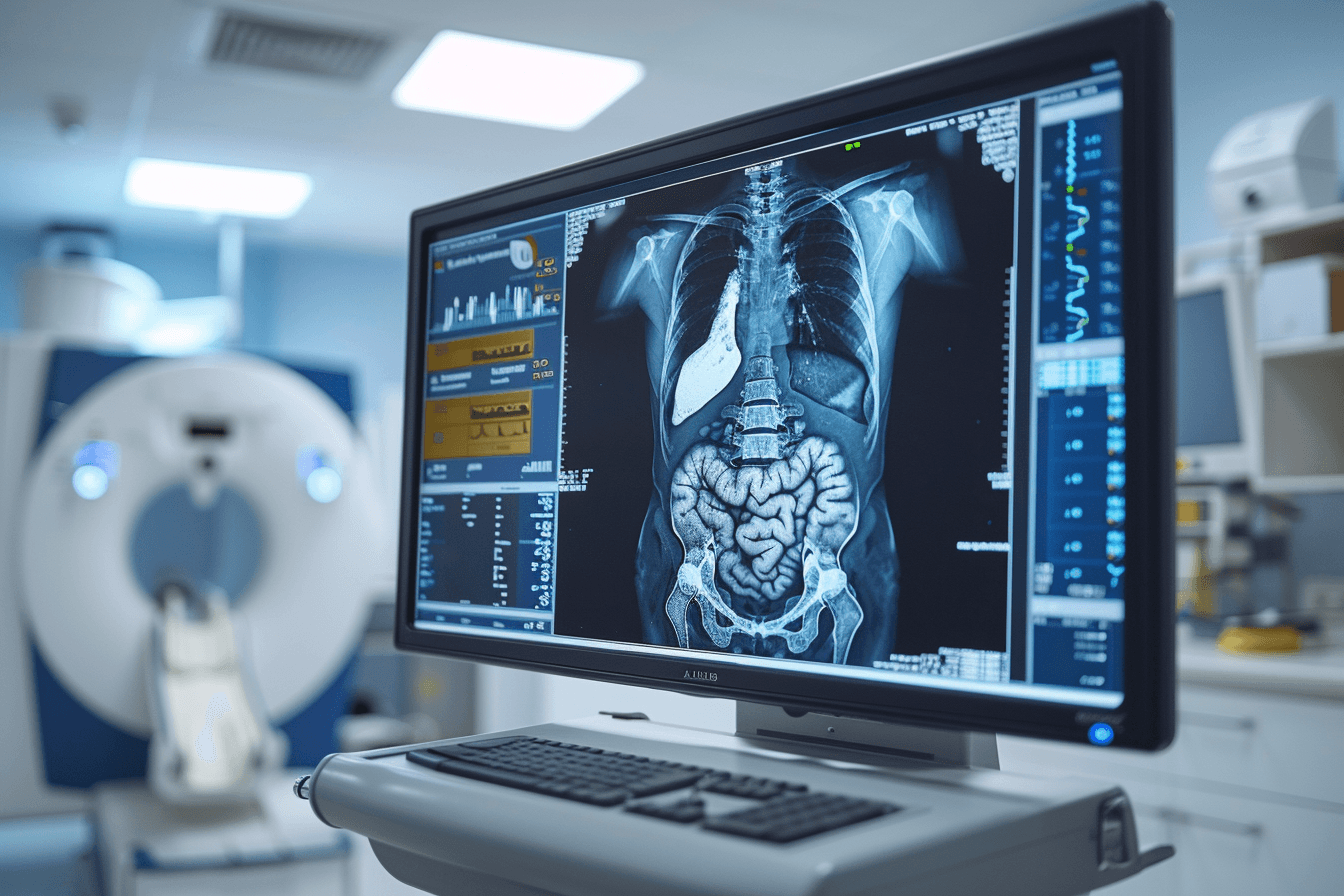
Biological Limitations in Early Disease
One of the most important realities I explain to patients is that early-stage disease often does not produce enough antigen to be detected. You may assume that a normal value means everything is fine, but biologically, small or early lesions do not always release measurable amounts into the bloodstream.
Pancreatic conditions, in particular, develop silently. At the cellular level, changes may already be occurring, but they are not yet significant enough to elevate marker levels. This creates a false sense of reassurance when results fall within the normal range [4][12].
Low Sensitivity in Early Stages
From a clinical perspective, this marker has limited sensitivity in early disease. You may be in an early phase where pathology exists, but the test does not capture it. This is why it is not used as a screening tool.
Studies have shown that a significant number of early cases may present with normal or only mildly elevated levels. This limitation makes it unreliable for detecting disease at a stage where intervention would be most effective [6][9].
False Negatives and Their Impact
A false negative occurs when the marker remains normal despite the presence of disease. This is not uncommon in early pancreatic conditions. You may feel reassured by a normal result, but clinically, it does not completely exclude the possibility of underlying pathology.
This is one of the key reasons doctors do not rely on this marker alone. Imaging, clinical evaluation, and symptom correlation remain essential, especially when suspicion is high [6].
Genetic Limitation in Certain Individuals
Another critical limitation is related to genetic variation. Some individuals do not produce CA 19-9 due to absence of the Lewis antigen. In such cases, even advanced disease may not lead to elevated levels.
From your perspective, this means a normal value can sometimes be misleading. From a clinical standpoint, it reinforces the importance of not depending solely on this marker for decision-making [9].
Delay Between Biological Change and Detectable Rise
There is also a time gap between when disease begins and when the marker becomes detectable. Early cellular changes, inflammation, and microenvironment alterations occur long before measurable elevation.
You may already be in a phase where disease is developing, but the test still appears normal. This delay contributes to late detection in many cases and highlights why relying on this marker alone is insufficient [4][12].
The Clinical Consequence
From a third-person clinical view, the limitation is clear. The marker is more useful in later stages or for monitoring known disease, rather than identifying it early.
From your perspective, this means a normal result should not be interpreted as complete reassurance if symptoms or risk factors are present.
You should not depend on this marker for early detection. It can miss disease in its initial stages and may provide false reassurance.
A proper evaluation requires combining laboratory findings with imaging and clinical assessment. This integrated approach helps avoid delayed diagnosis and ensures that early warning signs are not overlooked [4][6][9][12].
Why Patients Seek Alternative Understanding
The Gap Between Reports and Clear Answers
In clinical practice, I often meet patients who are not just concerned about their reports, but confused by the lack of clear direction. You may have gone through multiple consultations, repeated tests, and still received uncertain answers. This situation is not uncommon, especially in conditions where diagnostic pathways are not straightforward.
Modern clinical guidelines emphasize cautious interpretation of tumor markers and reliance on imaging and confirmation before diagnosis. While this approach is scientifically valid, it often leaves a gap for patients who are looking for clarity in the early stages of abnormal findings [3][8].
Uncertainty in Early and Intermediate Stages
One of the main reasons patients start exploring alternative understanding is the uncertainty during early or intermediate phases. You may have an abnormal marker, mild symptoms, or inconclusive imaging, yet no definitive diagnosis is given.
From a clinical perspective, this is due to limitations in current diagnostic tools. Early disease may not be detectable, and markers may not be specific enough. However, from your perspective, this feels like something is being missed rather than monitored.
This mismatch between clinical caution and patient expectation creates dissatisfaction and drives the search for deeper explanations [10].
Lack of Personalized Explanation
Another important factor is the way information is communicated. Many patients are told general statements such as “it is nothing serious” or “we will observe,” without a detailed explanation of what the marker means or what could be happening in the body.
You may leave the consultation with more questions than answers. From my experience, this lack of personalized explanation is one of the strongest reasons patients begin looking beyond conventional pathways.
Focus on Diagnosis Rather Than Early Changes
Modern medicine is primarily structured around confirming disease rather than interpreting early functional changes. If imaging is normal, the system often waits for clearer evidence before acting.
From a third-person clinical view, this approach avoids unnecessary intervention. From your perspective, it may feel like an opportunity is being missed. You are aware that something is not entirely normal, but there is no structured plan to address it at that stage [3].
Emotional and Psychological Impact
Uncertainty has a significant psychological impact. You may experience anxiety, repeated checking of reports, or constant concern about what might develop in the future.
Without a clear explanation or direction, this emotional burden increases. Patients begin to seek alternative perspectives not only for treatment, but for understanding what is happening inside their body.
The Search for Clarity and Control
From my experience, patients do not seek alternatives because they reject modern medicine. They seek it because they want clarity, early interpretation, and a sense of control over their health.
You are looking for answers to questions that are not fully addressed in routine consultations. What does this marker mean for you specifically. What should be done now, not later. How to act before a condition becomes visible or severe.
The Clinical Reality
From a clinical standpoint, both perspectives are valid. Medicine prioritizes accuracy and avoids premature conclusions. Patients prioritize clarity and early action.
The gap between these two approaches is what drives the search for alternative understanding. Bridging this gap requires better explanation, integration of findings, and a more individualized approach rather than a purely observational one [8][10].
You are not alone in feeling uncertain when results are abnormal but inconclusive. This is a recognized limitation of current diagnostic pathways.
Seeking deeper understanding is not a rejection of science. It is a response to incomplete explanation. When approached correctly, combining careful medical evaluation with broader interpretation can lead to more informed and confident decision-making [3][8][10].
Ayurvedic Perspective

Classical Interpretation of Disease Development
In Ayurveda, there is no direct equivalent of a laboratory marker like CA 19-9. When I interpret such findings, the focus shifts from the number to the internal imbalance developing in the body over time. Classical texts describe tumor-like growths under the term Arbuda, which refers to abnormal, uncontrolled tissue formation arising from long-standing disturbance in Dosha and Dhatu balance [15][16].
Sushruta Samhita, Nidana Sthana, Chapter 11 (Arbuda Nidana) describes:
Shloka (Sanskrit)
मांसं चापि दोषैः संमूर्च्छितं शनैः शनैः ।
वृद्धिं याति स्थिरं गाढं तदर्बुदमिति स्मृतम् ॥
Transliteration
Mamsam chaapi doshaih sammurchhitam shanaih shanaih
Vriddhim yaati sthiram gaadham tad arbudam iti smritam
Translation (English)
When vitiated Doshas gradually affect muscle tissue, leading to a firm, deep-seated, slowly growing mass, it is termed Arbuda.
Arabic Translation (العربية)
عندما تؤثر الدوشا المضطربة تدريجيًا على أنسجة الجسم وتؤدي إلى نمو كتلة صلبة وثابتة، يُطلق عليها اسم أربودا
Urdu Translation (اردو)
جب خراب شدہ دوشہ آہستہ آہستہ جسم کے گوشت کو متاثر کر کے ایک سخت اور بڑھتی ہوئی گلٹی بناتے ہیں تو اسے اربودا کہا جاتا ہے
This clearly shows that disease is not sudden. It develops gradually, often without obvious early symptoms.
Agni and Ama: The Root of Early Imbalance
Before any visible disease appears, Ayurveda describes dysfunction at a metabolic level through two key concepts: Agni and Ama.
Agni (अग्नि)
Agni represents the body’s digestive and metabolic power.
- English meaning: Digestive and metabolic intelligence
- Arabic: قوة الهضم والتمثيل الغذائي
- Urdu: ہاضمہ اور میٹابولک طاقت
When Agni is balanced, food is properly digested and tissues are nourished. When it becomes weak, incomplete digestion occurs.
Ama
Ama refers to toxic, undigested metabolic residue formed due to weak digestion.
- English meaning: Toxic metabolic waste
- Arabic: السموم الناتجة عن سوء الهضم
- Urdu: ناقص ہضم شدہ زہریلے مادے
Charaka Samhita, Sutra Sthana, Chapter 28 explains:
Shloka (Sanskrit)
अग्निमन्द्यात् आम उत्पद्यते
Transliteration
Agnimandyat ama utpadyate
Translation (English)
Ama is produced due to impaired digestive fire.
Arabic Translation (العربية)
تتكون السموم (أما) نتيجة ضعف قوة الهضم
Urdu Translation (اردو)
جب ہاضمہ کمزور ہو جاتا ہے تو جسم میں اما پیدا ہوتا ہے
From my experience, this stage corresponds to what modern medicine describes as early metabolic disturbance and inflammation, where no clear diagnosis is yet visible.
Dhatu Dushti: Tissue-Level Damage
As Ama accumulates, it begins to affect body tissues, known as Dhatus.
Dhatu (धातु)
Dhatu refers to structural and functional tissues of the body.
- English meaning: Body tissues
- Arabic: أنسجة الجسم
- Urdu: جسم کے بنیادی ٹشوز
Dhatu Dushti (धातु दुष्टि)
This refers to impairment or degeneration of tissues.
- English meaning: Tissue damage or dysfunction
- Arabic: تلف الأنسجة
- Urdu: ٹشوز کی خرابی
Ashtanga Hridaya, Sutra Sthana, Chapter 13 describes how impaired metabolism leads to tissue damage:
Shloka (Sanskrit)
रसादीनां दोषदूष्य संमूर्च्छना रोगहेतुः
Transliteration
Rasadinam dosha dushya sammurchhana roga hetuh
Translation (English)
Disease arises from the interaction of vitiated Doshas with body tissues.
Arabic Translation (العربية)
ينشأ المرض نتيجة تفاعل الدوشا المضطربة مع أنسجة الجسم
Urdu Translation (اردو)
بیماری اس وقت پیدا ہوتی ہے جب خراب دوشہ جسم کے ٹشوز کو متاثر کرتے ہیں
How This Explains Early Disease Without Diagnosis
From a clinical perspective, you may have abnormal markers but normal imaging. Ayurveda explains this stage very clearly.
- First, Agni becomes weak
- Then Ama accumulates
- Then Srotas (body channels) get blocked
- Then Dhatu Dushti begins
- Finally, structural disease like Arbuda develops
This progression happens silently. You may feel mild symptoms, but nothing that clearly indicates disease.
From a third-person clinical view, this aligns with modern concepts of inflammation, metabolic disruption, and tumor microenvironment changes before a detectable mass forms.
The Practical Insight for You
From your perspective, a marker may appear as an isolated abnormality. From an Ayurvedic perspective, it reflects a deeper systemic imbalance that has already begun.
The key is not waiting for a tumor to appear. The focus is on correcting:
- Agni (metabolism)
- Ama (toxic accumulation)
- Dhatu balance (tissue integrity)
This is where early intervention becomes possible.
Disease does not begin at the stage of diagnosis. It begins much earlier at the level of metabolism and tissue function.
Understanding concepts like Agni, Ama, and Dhatu Dushti allows you to see what is happening inside your body even before modern tools detect it.
This perspective shifts the approach from waiting for confirmation to acting during the earliest reversible stage of disease [15][16][17].
What Happens Before CA 19-9 Rises

The Silent Phase Before Any Marker Changes
In many patients I see, the process does not begin with an abnormal report. It begins much earlier, at a stage where the body is already undergoing subtle changes, but nothing is yet detectable in blood tests or imaging. You may feel that something is not completely right, but routine investigations still appear normal.
From a clinical perspective, this is the phase where biological disturbance exists without measurable markers. CA 19-9 does not rise immediately. It increases only after certain thresholds of cellular activity and tissue response are reached [6][12].
Early Inflammation at the Cellular Level
The first change often begins with low-grade inflammation. This is not the kind of inflammation that causes obvious symptoms. It is a persistent, microscopic process affecting tissues over time.
In the pancreas and surrounding structures, inflammatory signals alter the behavior of epithelial cells. These cells begin to change their function, but not yet in a way that produces detectable markers. You may experience mild digestive discomfort or fatigue, but nothing that clearly indicates disease [9].
This stage is often overlooked because symptoms are non-specific and easily attributed to lifestyle or minor conditions.
Metabolic Disruption and Cellular Stress
As inflammation continues, metabolic processes within the cells begin to change. I often explain this as a shift in how cells produce and use energy.
You may not notice this directly, but internally, there is increasing cellular stress. Nutrient processing becomes inefficient, oxidative stress increases, and normal regulatory mechanisms begin to weaken.
At this stage, the body is still compensating. No clear lesion is visible, and markers like CA 19-9 may still remain within normal range. However, the foundation for further progression is already being laid [6][9].
Formation of a Tumor-Permissive Microenvironment
With persistent inflammation and metabolic imbalance, the local tissue environment begins to change. This is known as the tumor microenvironment.
In simple terms, the surrounding conditions start becoming favorable for abnormal cell growth. Blood supply patterns may change, immune surveillance becomes less effective, and signaling pathways begin to support survival of altered cells.
You are still unlikely to see anything on imaging at this point. From your perspective, everything appears normal. From a biological standpoint, however, the environment is gradually shifting toward disease development [12][18].
When the Marker Finally Begins to Rise
CA 19-9 rises only after these earlier changes reach a certain level. By the time the marker becomes elevated, the process has already been ongoing for some time.
This is why I always tell patients not to rely on the marker for early detection. It reflects a later stage of biological activity, not the beginning of the disease process.
The Clinical Perspective
From a third-person clinical view, this delay explains why early detection is difficult. Markers appear after functional and cellular changes have already progressed.
From your perspective, it means that waiting for a marker to rise may delay recognition of the problem.
The Key Takeaway
The most important insight is this: the disease process begins before the marker changes.
Inflammation, metabolic disruption, and microenvironmental shifts occur silently. By the time CA 19-9 rises, these processes are already established.
Understanding this timeline helps you shift from reactive testing to proactive evaluation, focusing on early changes rather than waiting for late signals [6][9][12][18].
Ayurvedic Management Approach

Classical Therapeutic Direction
In Ayurveda, management does not begin after a disease becomes structurally obvious. It begins when the body shows early signs of internal imbalance. When I approach a case with abnormal metabolic signals, inflammatory disturbance, or concern about deeper pathology, the focus is not limited to one marker. The focus is on restoring physiological balance at the level of digestion, tissue nutrition, channel patency, and vitality.
Classical Ayurvedic texts repeatedly emphasize that disease develops through progressive disturbance in Dosha, Agni, Srotas, and Dhatu. For this reason, management is aimed at correcting the root process rather than reacting only to the final manifestation [15][16][17].
Correction of Agni
The first principle is correction of Agni, which means digestive and metabolic function. In simple terms, Agni is the body’s ability to digest food properly, transform nutrients correctly, and maintain internal balance.
When Agni becomes weak, incomplete digestion leads to formation of Ama, which can be explained in English as toxic metabolic residue or improperly processed biological waste. From an Ayurvedic perspective, if Agni is not corrected first, deeper treatment becomes incomplete because the body continues to generate internal disturbance.
This is why I consider Agni correction to be the foundation of management. It is the step that prepares the body to respond properly to herbs, diet, and Rasayana support [17].
Reduction of Ama and Clearing of Srotas
The next principle is reducing Ama and restoring the integrity of Srotas, the channels or transport pathways of the body. These channels carry nutrients, waste, and biological intelligence throughout the system. When Ama accumulates, these channels become obstructed, and tissue function begins to suffer.
From your perspective, this stage may appear as poor digestion, heaviness, bloating, fatigue, irregular appetite, or a general sense that the body is not functioning optimally. From a clinical Ayurvedic view, this is the stage where intervention is most valuable.
Management therefore aims to reduce metabolic residue, improve digestive transformation, and remove obstruction so that tissues can once again receive proper nourishment [15][17].
Protection of Dhatus
Another important principle is preservation and restoration of Dhatus, meaning the structural and functional tissues of the body. When texts describe Dhatu Dushti, they are referring to tissue impairment, degeneration, or pathological alteration.
In practical terms, once digestion is impaired and channels are blocked, the tissues begin to receive improper nutrition. Over time this weakens their integrity. For this reason, management is not only about removing what is harmful, but also about rebuilding what has been weakened.
This is where Ayurvedic treatment becomes broader than symptom control. It aims to stabilize tissue health before deeper degeneration becomes established [16].
Rasayana as a Restorative Strategy
A central part of this approach is Rasayana, a classical branch of Ayurveda focused on rejuvenation, resilience, tissue nourishment, and restoration of vitality. In English, Rasayana can be understood as rejuvenative and restorative therapy designed to improve the quality of body tissues, support immunity, and strengthen long-term resistance.
When I explain Rasayana to patients, I do not describe it as a simple tonic. It is a strategic therapeutic approach used after assessing the patient’s digestive capacity, tissue state, and overall strength. Classical texts describe Rasayana as a means of enhancing vitality, supporting Ojas, and promoting better tissue stability [19].
For patients, this matters because chronic inflammatory or degenerative processes often weaken the body gradually. Rasayana is used to counter that decline by improving internal strength rather than only suppressing external signs.
Importance of Individualized Therapy
One of the most important truths that patients are often not told is that Ayurveda does not support a one-formula-for-all approach. Two people may have similar reports yet require different treatment strategies.
This is because management depends on multiple factors, including:
- the dominant Dosha pattern
- strength of Agni
- degree of Ama accumulation
- Dhatu involvement
- chronicity of the condition
- bowel pattern, sleep, appetite, and overall vitality
From my experience, individualized therapy is one of the strongest aspects of Ayurveda. It allows treatment to be adapted to the person, not just the laboratory result. This is why classical treatment plans are always patient-specific rather than disease-label-specific [15][16].
The Role of Diet and Lifestyle
Ayurvedic management also does not rely only on medicines. Diet and lifestyle are considered therapeutic tools. If food continues to weaken Agni or generate Ama, the treatment process remains incomplete.
That is why management usually includes guidance on meal timing, digestibility of food, sleep pattern, stress regulation, and daily routine. These are not secondary recommendations. They are part of the therapeutic framework because they directly influence digestion, metabolism, inflammation, and tissue repair.
A Practical Clinical Perspective
From your perspective, you may want a direct medicine-based answer. From an Ayurvedic perspective, medicine is only one part of the plan. Real management requires correcting the terrain in which disease is developing.
That means:
- improving digestion and metabolism
- reducing toxic metabolic accumulation
- restoring channel flow
- protecting tissues
- rebuilding vitality through Rasayana
- tailoring the protocol to the individual patient
This broader approach is what makes Ayurvedic management distinct from a purely marker-based strategy.
The Key Takeaway
Ayurvedic management is based on root-cause correction, not only disease naming. Its main principles are correction of Agni, reduction of Ama, preservation of Dhatus, restoration of Srotas, and use of Rasayana for long-term strengthening.
For you as a patient, this means the goal is not merely to respond when disease becomes obvious. The goal is to identify internal imbalance early, correct it systematically, and support the body in a personalized way before further progression occurs [15][16][17][19].
Herbs and Rasayana Approach

Integrating Classical Rasayana with Modern Evidence
In clinical practice, herbal support is not selected randomly. It is chosen based on the patient’s metabolic state, inflammatory burden, and tissue involvement. Classical Rasayana concepts guide the selection, while modern research helps explain how these herbs act at a molecular level.
If you are exploring a broader integrative pathway beyond conventional options, you can also review this detailed clinical approach to pancreatic conditions: https://panaceayur.com/alternative-treatment-pancreatic-cancer/
From your perspective, these herbs may appear as general wellness supplements. From a clinical standpoint, they influence inflammation, immune regulation, oxidative stress, and cellular signaling pathways that are closely linked with disease progression [18][20][21][22].
Curcumin (Turmeric Extract)
Curcumin, the active compound of turmeric, has been extensively studied for its anti-inflammatory and anti-cancer properties. I often consider it when there is evidence of chronic inflammation or metabolic disturbance.
At a cellular level, curcumin modulates multiple signaling pathways involved in cell survival, proliferation, and apoptosis. It has shown potential in reducing inflammatory cytokines and interfering with tumor-promoting mechanisms.
From your perspective, this means it supports the body in reducing internal inflammation and limiting abnormal cellular activity.
Research link:
https://pubmed.ncbi.nlm.nih.gov/17569207
Ashwagandha (Withania somnifera)
Ashwagandha is classified as a Rasayana in Ayurveda and is known for its adaptogenic and restorative effects. In modern research, its active compounds, particularly withaferin A, have demonstrated anti-tumor and immunomodulatory properties.
I consider Ashwagandha when there is systemic weakness, stress-related metabolic imbalance, or reduced resilience. It supports immune modulation and may help regulate abnormal cellular processes.
From your perspective, it works as a restorative agent that improves strength, reduces stress-related impact, and supports overall recovery.
Research link:
https://pubmed.ncbi.nlm.nih.gov/26609282
Guduchi (Tinospora cordifolia)
Guduchi is another important Rasayana herb, particularly useful in conditions involving immune dysregulation and chronic inflammation. Classical texts describe it as a rejuvenator that enhances resistance and supports detoxification.
Modern studies show that Guduchi has immunomodulatory, antioxidant, and anti-inflammatory effects. It helps regulate immune responses and may support the body in maintaining internal balance.
From your perspective, this means improved immune resilience and better control over inflammatory processes.
Research link:
https://pubmed.ncbi.nlm.nih.gov/31194334
Multi-Herb and Mineral-Based Therapeutic Strategy
One critical aspect that most patients are not aware of is that Ayurvedic management is never based on 1–2 herbs alone. In real clinical practice, formulations often include 30 to 50 or more herbs and mineral components, carefully selected and balanced.
Each component plays a specific role in the overall strategy:
- Some correct Agni and metabolism
- Some reduce Ama and inflammatory burden
- Some act at tissue level (Dhatu support)
- Some influence immune modulation and cellular signaling
- Some function as Rasayana for long-term restoration
In addition to herbs, classical formulations may include mineral preparations such as Bhasma and Rasaushadhi, which are processed to enhance bioavailability and therapeutic potency when used under proper supervision.
The final combination is always individualized based on:
- Body constitution
- Current imbalance
- Digestive strength
- Stage and chronicity of the condition
- Tissue involvement
- Associated symptoms
From your perspective, this explains why generic supplements often fail to deliver expected results. From a clinical perspective, it highlights the importance of a structured and personalized formulation.
Why These Herbs Are Not Used in Isolation
These herbs are rarely used alone in classical Ayurvedic practice. They are combined strategically to act on multiple pathways at once.
This is also why standardized over-the-counter formulations may not work effectively. They do not account for individual variation, disease stage, or metabolic capacity.
The Key Takeaway
Herbs like curcumin, Ashwagandha, and Guduchi are supported by both classical Ayurvedic knowledge and modern research. They influence inflammation, immune balance, and cellular health.
However, their real effectiveness lies in correct combination, personalization, and integration into a broader Rasayana-based strategy tailored to your condition.
This is what transforms herbal use from general supplementation into a clinically meaningful therapeutic approach [18][20][21][22].
Modern Scientific Research

Clinical Evidence and Current Research Direction
Modern scientific research does not support the use of CA 19-9 as a standalone screening or primary diagnostic tool for pancreatic cancer. Its accepted role is more limited and more specific. In contemporary oncology, CA 19-9 is mainly used as an adjunct marker for disease monitoring, treatment response assessment, and prognostic evaluation when interpreted together with imaging findings and clinical presentation [3][8][9].
This distinction is important for patients because many people assume that a high value automatically proves cancer or that a normal value safely excludes it. Current evidence does not support either conclusion. Instead, research consistently shows that CA 19-9 is most useful after suspicion has already arisen through symptoms, radiology, or confirmed diagnosis.
Guidance From Oncology Practice
In real clinical pathways, major oncology guidance does not recommend this marker for general population screening. I explain this to patients because it is one of the most misunderstood aspects of the test. The reason is simple: its sensitivity is not strong enough in early disease, and its specificity is too limited because benign hepatobiliary and pancreatic conditions can also raise it [3][8][9].
From a practical standpoint, this means oncologists use CA 19-9 to complement the diagnostic process, not to replace imaging or histopathology. If a patient has a pancreatic mass, symptoms such as weight loss or jaundice, and a rising CA 19-9 level, the marker becomes clinically meaningful. Without that broader context, its value remains limited.
Value in Monitoring and Prognosis
One of the strongest research-supported uses of CA 19-9 is in longitudinal monitoring. Once pancreatic cancer is diagnosed, repeated values can help assess whether treatment is producing a biological response. If the level declines during therapy, it may suggest improvement in disease burden. If it remains persistently high or rises again, it may indicate progression, incomplete response, or recurrence [3][9].
From your perspective, this means the marker is often more useful after diagnosis than before diagnosis. It behaves less like an early warning alarm and more like a tracking tool once the clinical picture is already established.
Research also supports its prognostic relevance in many patients. Higher baseline levels and persistently elevated trends are often associated with more advanced disease behavior. However, even this prognostic role must be interpreted carefully because obstruction, jaundice, and inflammation can distort values [9][11].
Limits of the Marker in Real-World Patients
Another point modern research makes very clear is that CA 19-9 performs poorly when isolated from the rest of the patient’s condition. Inflammation, cholestasis, pancreatitis, and benign biliary disorders can produce substantial elevations. This is one reason many patients feel confused. The laboratory result appears serious, but the cause may still be non-malignant [11].
I often tell patients that the marker should never be separated from bilirubin, liver function, imaging, symptom pattern, and clinical timeline. A number without context can create false fear. A number with context can become clinically useful.
Integrative Oncology Perspective
Modern research in integrative oncology adds another layer that patients are increasingly interested in. The central idea is not to replace evidence-based oncology, but to support the patient more comprehensively through symptom control, nutritional support, inflammation management, quality-of-life improvement, and better treatment tolerance.
From an integrative perspective, patients are not treated as laboratory numbers alone. Their fatigue, digestive weakness, weight loss, inflammatory burden, emotional stress, and treatment-related decline are also considered important. This is where supportive integrative strategies become relevant, especially when conventional medicine is focused mainly on staging, chemotherapy, radiation, or surgery [23].
What many patients are not told clearly is that supportive care during pancreatic disease matters greatly. Preserving digestion, maintaining nutritional status, reducing inflammatory burden, and strengthening resilience may influence tolerance, recovery, and quality of life even when the disease itself requires standard oncology care.
Why Patients Turn Toward Integrative Models
From my experience, patients often seek an integrative approach because they feel the mainstream pathway explains the disease but does not always fully address the person living with it. They want to know how to support the body during uncertainty, how to maintain strength during treatment, and how to respond when results are abnormal but not definitive.
Modern integrative oncology research has grown in this direction. It increasingly recognizes the value of supportive modalities when used responsibly and in coordination with medical supervision. This does not mean every alternative claim is valid. It means that the patient’s wider physiological and functional needs are now receiving more attention than before [23].
The Practical Meaning for Patients
For you as a patient, the most important scientific message is this: CA 19-9 has value, but that value is conditional. It is useful when correlated with imaging, symptoms, and follow-up trends. It is weak when treated as a standalone answer.
Modern research supports a balanced view. Use the marker for monitoring, not for panic. Use it for pattern recognition, not for self-diagnosis. And when the clinical situation is complex, combine standard medical evaluation with a broader supportive strategy that addresses inflammation, nutritional decline, metabolic stress, and overall resilience [3][8][9][11][23].
Practical Guidance

Clinical Interpretation in Real-World Practice
When I explain CA 19-9 to patients, I keep one principle very clear. This test is not a final answer. It is only a signal that needs proper interpretation. The number you see on the report does not define your condition on its own. It only becomes meaningful when combined with your symptoms, scan findings, and overall clinical picture [1][2].
Table : Real Patient Decision Guide (What Your Report Actually Means)
| Situation | What It Really Means | Risk Level | Next Step |
|---|---|---|---|
| Slightly elevated once | Could be temporary | Low | Repeat test |
| Increasing over time | Body-level change happening | Moderate | Imaging required |
| Persistently high | Not normal, needs evaluation | High | CT/MRI + consultation |
| Rapid rise | Strong biological activity | Very High | Urgent investigation |
| High + symptoms | High suspicion of cancer | Critical | Immediate action |
| Normal but symptoms present | Marker failed to detect early disease | Hidden risk | Do not ignore symptoms |
From your perspective, it is natural to feel anxious when the value is high. But in reality, many people have elevated levels due to temporary or non-serious reasons. At the same time, a normal value does not always guarantee that everything is completely fine. This is why doctors do not rely on this test alone.
How You Should Look at Your Report
The simplest way to understand your report is to think beyond the number. Instead of asking what the value is, ask what is happening in your body along with that value. If there are no symptoms, no abnormal scan findings, and no liver or bile duct issues, then an isolated elevation may not indicate something serious. On the other hand, if symptoms like weight loss, jaundice, or persistent abdominal discomfort are present, then the same value becomes more important and needs careful follow-up.
This is where many patients get confused. The same number can mean very different things depending on the situation.
Why Doctors Repeat the Test
In many cases, I advise patients not to jump to conclusions after a single report. The body goes through temporary changes such as inflammation, infection, or digestive disturbance, which can increase CA 19-9 for a short period.
Repeating the test after a few weeks often provides more clarity. If the value comes down, it usually indicates a reversible condition. If it remains high or continues to rise, then further evaluation becomes necessary. This approach helps avoid both unnecessary fear and delayed diagnosis [6].
Understanding the Importance of Trend
One of the most important clinical insights is that change over time matters more than a single value. A stable or decreasing level is often reassuring, while a steadily increasing trend needs attention.
From your perspective, this means you should not focus only on one report. You should look at the pattern across multiple tests. This gives a much clearer picture of what is happening inside the body.
Why This Test Creates Confusion
Many patients are not given a clear explanation of what CA 19-9 actually represents. They receive a number, search online, and assume the worst. The confusion comes from expecting the test to give a definite diagnosis, which it cannot do.
In reality, this marker behaves differently in different conditions. It can rise in non-cancerous diseases and remain normal in early stages of serious disease. This dual behavior is what makes it confusing without proper guidance.
When You Should Be Careful
There are situations where closer attention is required. If the value keeps rising over time, or if it is associated with symptoms or abnormal imaging, then further investigation should not be delayed. In such cases, the marker becomes more clinically relevant.
From a clinical standpoint, this is where CA 19-9 shifts from being a vague signal to a meaningful indicator.
The most important thing for you to remember is this. CA 19-9 is a supportive tool, not a standalone diagnosis. It should neither create panic nor provide false reassurance.
When interpreted correctly, along with symptoms and imaging, it becomes useful. When interpreted alone, it becomes misleading.
Understanding this difference is what helps you move from confusion to clarity [1][2][6].
When to Take CA 19-9 Seriously
Clinical Situations That Require Attention
In most cases, I reassure patients that a single abnormal value is not enough to draw conclusions. However, there are specific situations where CA 19-9 becomes clinically important and should not be ignored.
Table: CA 19-9 vs Imaging vs Symptoms vs Reality
| CA 19-9 Level | Imaging (CT/MRI) | Symptoms | What Is Actually Happening Inside | Clinical Reality |
|---|---|---|---|---|
| Normal | Normal | None or vague | Early metabolic or cellular changes may already be present | Disease may still be developing silently |
| Normal | Normal | Present (pain, weight loss) | Marker not yet released or non-secretor status | False reassurance, needs deeper evaluation |
| Mildly Elevated | Normal | Mild or none | Inflammation, bile duct stress, early disruption | Often ignored but should be monitored |
| Moderately Elevated | Inconclusive | Mild symptoms | Progressive internal dysfunction | Requires further imaging and follow-up |
| High | Visible lesion | Symptoms present | Established disease process | Strong suspicion of malignancy |
| Very High | Clear tumor / spread | Severe symptoms | Advanced tumor activity, possible metastasis | Urgent medical intervention required |
| Fluctuating | Variable findings | Variable symptoms | Dynamic biological changes (inflammation or obstruction) | Needs trend-based monitoring |
| Rising Trend | Initially normal → later abnormal | Symptoms may appear later | Progressive disease evolution | Early warning sign often missed |
The key is not the number alone, but how that number behaves over time and what is happening in the body along with it. When both the trend and clinical findings align, the marker gains real significance [1][3][8].
Persistent Rise Over Time
One of the most important warning signs is a consistent upward trend. If your value continues to increase across repeated tests, it is not something to dismiss.
From your perspective, even if you feel relatively normal, a rising pattern suggests that something inside the body is changing and needs evaluation. From a clinical standpoint, trend-based interpretation is far more reliable than a single reading.
Association With Symptoms
The marker becomes more meaningful when it is accompanied by symptoms. These may include unexplained weight loss, persistent abdominal discomfort, reduced appetite, or yellowing of the eyes and skin.
If such symptoms are present along with elevated CA 19-9, the need for further investigation increases. The combination of symptoms and biochemical change provides stronger clinical direction.
Correlation With Imaging Findings
Another situation where CA 19-9 should be taken seriously is when imaging studies show abnormalities. If a scan reveals a mass, ductal dilation, or any suspicious change, and the marker is also elevated, the two findings support each other.
In such cases, the marker is no longer just a vague signal. It becomes part of a structured diagnostic pathway.
Lack of Improvement After Treating Benign Causes
Sometimes CA 19-9 rises due to reversible conditions such as bile duct obstruction or inflammation. In these situations, I usually expect the value to decrease after treatment.
If the level remains elevated or continues to rise even after addressing these conditions, it requires deeper evaluation. This persistence suggests that the cause may not be purely benign.
Very High or Rapidly Increasing Values
Although there is no single cutoff that confirms a diagnosis, very high values or a rapid increase over a short period should always be taken seriously.
From your perspective, this does not mean immediate conclusions, but it does mean that delaying further investigation is not advisable.
Clinical Context Matters More Than the Number
One of the most important points I emphasize is that the same value can have different meanings in different people. A moderately elevated level in a symptomatic patient with abnormal imaging is more concerning than a higher value in someone with a reversible condition.
This is why clinical correlation is essential. Doctors do not interpret CA 19-9 in isolation, and you should not either.
You should take CA 19-9 seriously when there is a persistent rise, associated symptoms, abnormal imaging, or lack of improvement after treating reversible causes.
At the same time, avoid reacting to a single value without context. The real meaning of this marker comes from its pattern and its connection with the overall clinical picture.
When understood this way, CA 19-9 becomes a useful guide rather than a source of confusion [1][3][8].
FAQs
Can CA 19-9 confirm cancer?
No. CA 19-9 cannot confirm cancer on its own. It is only a supportive marker and must be interpreted with scans and symptoms.
Is a high CA 19-9 always dangerous?
No. It can rise due to non-cancerous conditions like pancreatitis, bile duct blockage, or liver disease.
What is the normal range of CA 19-9?
Most labs consider values below 37 U/mL as normal, but interpretation depends on the clinical situation.
When should I worry about CA 19-9?
You should be concerned if the value keeps increasing over time, especially with symptoms or abnormal imaging.
Can CA 19-9 be normal in cancer?
Yes. In early stages or in some individuals, CA 19-9 may remain normal despite disease.
Why do doctors repeat the CA 19-9 test?
To observe the trend. Changes over time are more important than a single value.
Can CA 19-9 increase without any symptoms?
Yes. It can rise silently due to inflammation or early internal changes without clear symptoms.
What tests should be done along with CA 19-9?
Imaging tests like ultrasound, CT scan, or MRI, along with liver function tests, are usually recommended.
Can CA 19-9 levels decrease?
Yes. If the cause is reversible or treatment is effective, levels may come down.
Should I panic if my CA 19-9 is high?
No. Do not panic. Proper evaluation with a doctor is necessary before making any conclusions.
Reference
[1] Locker, G. Y., et al. (2006).
ASCO 2006 update of recommendations for the use of tumor markers in gastrointestinal cancer. Journal of Clinical Oncology, 24(33), 5313–5327.
https://ascopubs.org/doi/10.1200/JCO.2006.08.2644
This guideline explains how CA 19-9 should be used clinically. It clearly states that it is not suitable for diagnosis alone but useful for monitoring treatment response.
[2] Ballehaninna, U. K., & Chamberlain, R. S. (2012).
The clinical utility of serum CA 19-9 in pancreatic adenocarcinoma. Journal of Gastrointestinal Oncology, 3(2), 105–119.
https://www.ncbi.nlm.nih.gov/pmc/articles/PMC3397644
A foundational review detailing false positives, cutoff levels, and interpretation challenges of CA 19-9.
[3] NCCN Clinical Practice Guidelines in Oncology (Pancreatic Adenocarcinoma). (2024).
https://www.nccn.org/guidelines
Provides standardized recommendations showing CA 19-9 is used for monitoring, not screening or early diagnosis.
[4] Siegel, R. L., et al. (2024).
Cancer statistics, 2024. CA: A Cancer Journal for Clinicians.
https://acsjournals.onlinelibrary.wiley.com
Highlights that pancreatic cancer is often diagnosed late due to silent early stages.
[5] Steinberg, W. (1990).
The clinical utility of the CA 19-9 tumor-associated antigen. The American Journal of Gastroenterology.
https://pubmed.ncbi.nlm.nih.gov/2405653
Defines CA 19-9 biology and explains normal range (<37 U/mL).
[6] Goonetilleke, K. S., & Siriwardena, A. K. (2007).
Systematic review of CA 19-9 in pancreatic cancer. European Journal of Surgical Oncology.
https://pubmed.ncbi.nlm.nih.gov/17408843
Shows limitations in sensitivity and specificity, especially in early disease.
[7] Kannagi, R. (2004).
Carbohydrate antigen sialyl Lewis A (CA 19-9). Glycoconjugate Journal.
https://pubmed.ncbi.nlm.nih.gov/15483378
Explains molecular structure of CA 19-9 and its relation to Lewis antigen system.
[8] ASCO Guidelines (Tumor Markers). (2023).
Confirms tumor markers like CA 19-9 are adjunct tools, not diagnostic standards.
[9] Duffy, M. J. (2013).
Tumor markers in clinical practice. Critical Reviews in Clinical Laboratory Sciences.
https://pubmed.ncbi.nlm.nih.gov/23611130
Explains role of tumor markers in prognosis and monitoring, not early detection.
[10] Hidalgo, M. (2010).
Pancreatic cancer. New England Journal of Medicine, 362(17), 1605–1617.
https://www.nejm.org/doi/full/10.1056/NEJMra0901557
Describes early symptoms being non-specific and often misdiagnosed.
[11] Kim, H. J., et al. (2009).
Elevated CA 19-9 in benign biliary diseases. Clinical Chemistry.
https://pubmed.ncbi.nlm.nih.gov/19168559
Shows CA 19-9 can be elevated in non-cancer conditions like cholangitis.
[12] Ryan, D. P., et al. (2014).
Pancreatic adenocarcinoma. The Lancet.
Explains disease progression and delayed diagnosis timeline.
[13] Yadav, D., & Lowenfels, A. B. (2013).
The epidemiology of pancreatitis. Gastroenterology.
https://pubmed.ncbi.nlm.nih.gov/23622135
Links pancreatitis with symptoms that overlap cancer and raise CA 19-9.
[14] Marrelli, D., et al. (2009).
CA 19-9 in obstructive jaundice. Annals of Surgery.
https://pubmed.ncbi.nlm.nih.gov/19300200
Shows very high CA 19-9 levels can occur in benign biliary obstruction.
[15] Charaka Samhita, Chikitsa Sthana, Chapter 12 (Arbuda Chikitsa)
Describes tumor-like conditions and systemic imbalance leading to growth formation.
[16] Sushruta Samhita, Nidana Sthana, Chapter 11 (Arbuda Nidana)
Explains pathogenesis of abnormal masses (Arbuda) linked to dosha imbalance.
[17] Ashtanga Hridaya, Sutra Sthana, Chapter 13
Details role of Agni and Ama in disease development.
[18] Aggarwal, B. B., et al. (2007).
Curcumin: The Indian solid gold. Advances in Experimental Medicine and Biology.
https://pubmed.ncbi.nlm.nih.gov/17569207
Explains anti-inflammatory and anticancer mechanisms of curcumin.
[19] Bhavaprakasha Nighantu (Guduchi, Rasayana section)
Describes Rasayana therapy for restoring immunity and vitality.
[20] Mishra, L. C., et al. (2000).
Scientific basis for Ashwagandha. Alternative Medicine Review.
https://pubmed.ncbi.nlm.nih.gov/11194174
Shows adaptogenic and immune-modulating effects.
[21] Sharma, P., et al. (2019).
Tinospora cordifolia immunomodulatory activity.
https://pubmed.ncbi.nlm.nih.gov/31204719
Supports Guduchi’s role in immune regulation.
[22] Liu, X., et al. (2020).
Herbal compounds in cancer therapy.
https://pubmed.ncbi.nlm.nih.gov/32010452
Explains plant-based bioactive compounds in oncology support.
[23] National Center for Complementary and Integrative Health (NCCIH). (2023).
Provides safety and evidence overview of integrative therapies.