

- What Happens in Asthma
- Types of Asthma
- Ayurvedic Classification of Asthma
- Causes and Risk Factors
- Symptoms of Asthma
- How Asthma Is Diagnosed
- Modern Diagnostics
- Ayurvedic Cure with Agastya Haritaki Avaleha
- Preparation Method of Agastya Haritaki Avaleha
- Precautions and Personalization Note
- 14. FAQs
- References
Asthma is a chronic inflammatory disorder of the airways that affects millions worldwide and continues to increase due to rising pollution, environmental stressors, and widespread exposure to allergens [6]. Modern medicine manages asthma primarily through inhalers and bronchodilators, which offer short term relief but do not correct the underlying imbalance. Ayurveda provides a deeper and more comprehensive interpretation of asthma under the category of Shwasa Roga, especially Tamaka Shwasa. Classical Ayurvedic texts explain that Tamaka Shwasa develops when Kapha accumulates within the respiratory channels and obstructs the natural movement of Vata, leading to restricted breath flow [1], [2]. Instead of merely suppressing symptoms, Ayurveda aims to restore balance within the Pranavaha Srotas, strengthen Agni, reduce Ama, and rebuild the vitality of the lungs. This approach offers a structured pathway toward long term improvement and the possibility of complete natural cure.
What Happens in Asthma
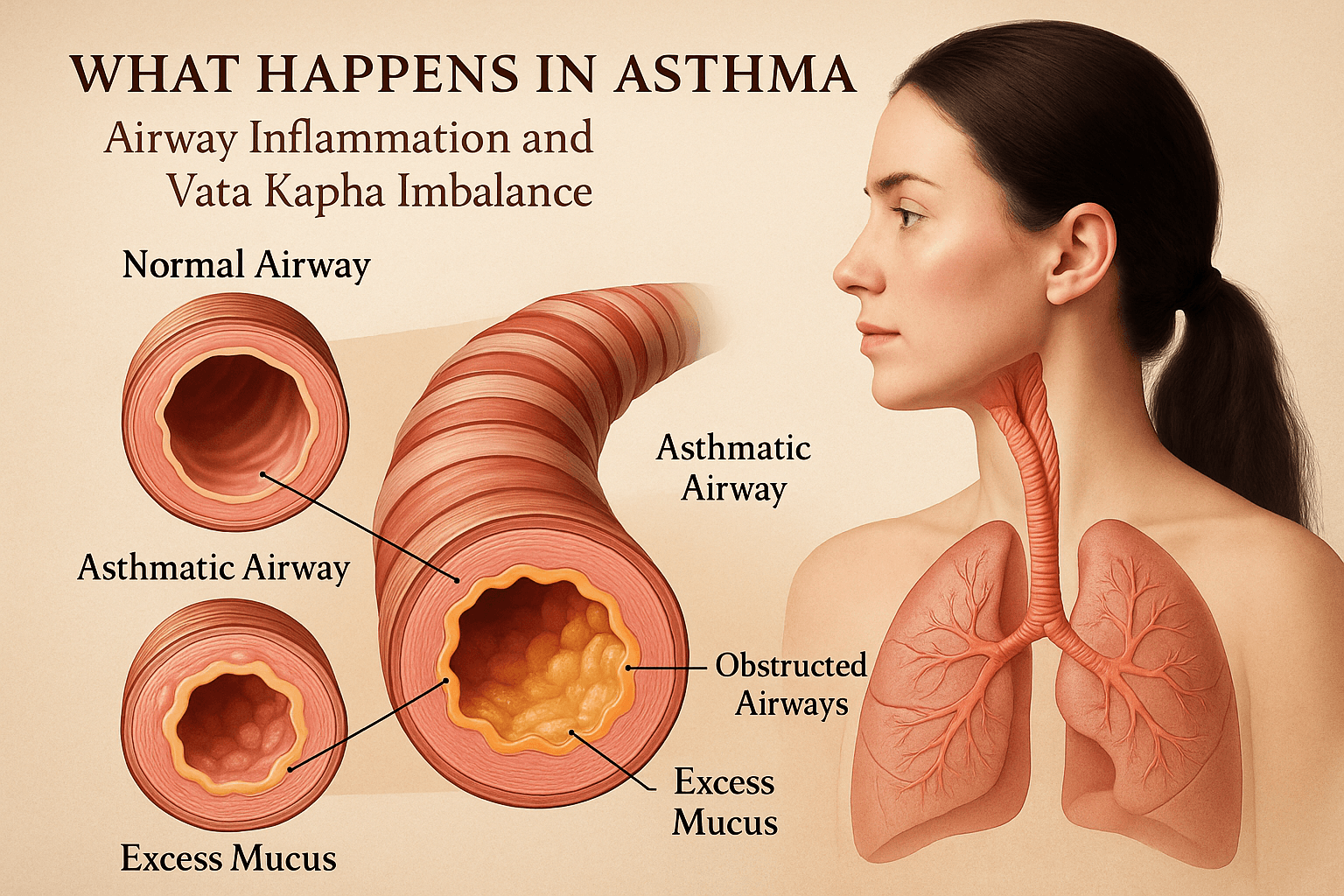
Asthma is one of the most studied respiratory conditions in modern clinical science, yet it remains one of the most misunderstood disorders when it comes to root cause explanation and long term healing. Most patients assume that asthma is simply a breathing difficulty that appears during attacks and settles when they use an inhaler. However, asthma is far deeper than this simple experience of breathlessness. True understanding of the disorder requires a clear exploration of airway inflammation, immune system activity, respiratory channel obstruction, and the chronic changes that take place within the lungs over time. These processes need to be explained both from the perspective of modern immunology and through the classical wisdom of Ayurveda. Together they create a complete picture of how asthma develops, why it persists for years, and why some patients experience severe episodes while others face mild and occasional symptoms.
Modern medical research identifies asthma as a chronic inflammatory condition where the air tubes inside the lungs react to various stimuli that are harmless for other people. These stimuli can include dust, pollen, chemicals, cold air, smoke, perfumes, mites, animal hair, and even emotional stress. When a person with asthma is exposed to these triggers, the immune system begins an exaggerated response. This response activates cells such as mast cells, eosinophils, and T lymphocytes, which release chemical mediators that cause swelling of the airway lining and contraction of the smooth muscles around the bronchi. The outcome of this reaction includes narrowing of the air tubes, difficulty in exhalation, a feeling of tightness in the chest, and the characteristic whistling sound known as wheezing. These mechanisms have been explained in depth in research studies that examine the role of innate and adaptive immunity in asthma [7]. Over time, this repeated inflammatory response becomes chronic, and the structure of the airway itself begins to change. This leads to a condition known as airway remodeling, a process thoroughly described in modern clinical literature [9].
The modern scientific view further explains that asthma is not one single disease. Instead, it presents itself in different patterns known as phenotypes. Some individuals show allergic involvement, where exposure to pollen or dust immediately triggers symptoms, while others have a non allergic form where irritants such as smoke or cold air provoke attacks. Exercise can cause a temporary narrowing of the airways in some people, while others may experience a persistent cough without obvious wheezing. These variations are categorized through detailed clinical studies on asthma phenotypes and endotypes [8]. Despite these differences, the core mechanism remains the same. The airways become overly reactive and sensitive due to chronic inflammation.
Modern understanding focuses on structural and immunological components. First, the smooth muscle surrounding the airways becomes thickened over time. Second, the mucus glands become enlarged and start producing excessive sticky secretions that block the smaller air passages. Third, the lining of the bronchial tubes becomes swollen, red, and highly reactive. These progressive changes make the lungs sensitive to even minimal exposure to triggers. The person then develops a pattern where the airways close quickly during any provocation and take longer to open. This is why asthma symptoms worsen at night or early morning, when the air is cooler and the lungs are naturally more sensitive.
Although modern science provides a clear biological explanation, it does not fully explain why the immune system becomes hyper reactive in the first place. Nor does it explain why the same environment does not cause asthma in another person. This is where Ayurveda provides deep insight into the internal imbalances that make an individual vulnerable. Ayurvedic texts offer remarkable clarity through the concepts of Vata imbalance, Kapha obstruction, weakened Agni, and Ama accumulation. These factors together create a respiratory environment that is prone to chronic dysfunction.
Ayurveda describes asthma under the broader category of Shwasa Roga. The specific form that matches chronic asthma is called Tamaka Shwasa. The ancient scholars identified that this condition arises when Vata becomes aggravated and begins to move in an irregular direction, while Kapha becomes stagnant and sticky. The combination of disturbed Vata and obstructed Kapha creates a narrowing of the respiratory channels known as Pranavaha Srotas. Classical texts state that when Kapha blocks these channels, Vata attempts to move forcefully, creating the characteristic breathlessness, chest congestion, and difficulty in exhalation. These descriptions appear in Charaka Samhita in the chapter devoted to Shwasa Chikitsa [1] and in Ashtanga Hridaya where the patterns of Vata and Kapha involvement are explained in detail [3].
From the Ayurvedic viewpoint, the origin of asthma begins long before symptoms appear. The first stage involves weakened digestive fire known as Agni. When Agni is not functioning at an optimal level, the body fails to digest and metabolize food properly. This results in the formation of Ama, which is a toxic, sticky, and heavy substance that circulates through the body and accumulates in weak or vulnerable organs. In individuals predisposed to respiratory disorders, Ama settles in the lungs where it mixes with Kapha and slowly obstructs the channels. When the person encounters external triggers such as dust or cold weather, the internal Kapha becomes further aggravated, leading to the sudden attacks that are characteristic of asthma.
Ayurveda also explains why asthma often worsens at night. During the later part of the day, Kapha dosha becomes naturally dominant. This increases mucus production and heaviness in the chest, making breathing more difficult when the person lies down. At the same time, Vata tends to move irregularly during early morning hours, which can cause spasms in the air pathways. Ancient physicians recorded these observations in classical texts where they noted that Tamaka Shwasa becomes severe at night and improves with the rising of the sun [1], [3].
Another area where the Ayurvedic explanation offers clarity is the emotional and psychological component. While modern science acknowledges the role of stress, it does not provide a systemic framework to explain how emotions influence the respiratory pathways. Ayurveda teaches that Vata increases significantly during periods of fear, anxiety, or emotional instability. This imbalance directly affects the flow of breath since Vata governs all movements in the body, including respiration. When emotional stress combines with Kapha obstruction and Ama accumulation, the severity of asthma increases dramatically. Many patients report that stressful situations, grief, anger, or emotional fatigue trigger or worsen their asthma. This confirms the Ayurvedic view that disturbances in mind and breath are intimately connected.
Another important factor is the vulnerability of the Pranavaha Srotas. Ayurveda explains that when this channel is weak due to hereditary factors, past illnesses, chronic digestive issues, or prolonged Kapha accumulation, the individual becomes more susceptible to respiratory disorders. This concept corresponds well with modern genetic studies that show a strong hereditary influence in asthma. Although modern science focuses on specific genes associated with immune response and inflammation, Ayurveda interprets hereditary vulnerability as Bija Dosha, which means that the blueprint of imbalance is carried through the family line.
When comparing both systems, it becomes very clear that modern science provides detailed mechanical and immunological descriptions, while Ayurveda delivers an integrated view that explains susceptibility, chronicity, and root cause. Both perspectives together help build a full understanding of asthma. The chronic inflammation described by modern medicine corresponds to the Ayurvedic concept of persistent Kapha obstruction and Vata irritation. The airway remodeling described in scientific literature parallels the idea of long standing Srotas damage that requires Rasayana therapy for repair. The hyper reactive immune response aligns with Ama accumulation and weakened Ojas. The periodic flares align with the cyclical nature of dosha movement explained in Ayurveda.
A deep understanding of what happens inside the body during asthma episodes is essential because this knowledge forms the foundation for successful treatment. When a person believes that asthma is a lifelong condition that can only be managed but not cured, they lose hope and rely entirely on inhalers. These offer temporary relief but do not correct the internal causes. Ayurveda offers a completely different framework. It explains not only how asthma develops but also how it can be reversed through careful correction of Agni, removal of Ama, balancing of Vata and Kapha, cleansing of Pranavaha Srotas, and long term nourishment of lung tissue. This holistic approach addresses the core dysfunction, something that modern treatments cannot achieve through bronchodilators or steroids.
It is also important to understand that asthma does not progress in a uniform manner. Some individuals experience mild symptoms that appear only during exposure to allergens. Others face severe episodes that require emergency care. Ayurveda explains this variation through the strength of Agni, the quantity of Ama, the degree of Kapha obstruction, and the stability of Vata. When Agni is strong, the respiratory system remains relatively clear even if the person is exposed to triggers. When Agni is weak, even small changes in weather or diet can provoke severe attacks. In this sense, the digestive fire plays a far more important role than most patients realize.
Modern science also acknowledges that the microbiome of the body influences asthma. Imbalance in gut bacteria has been associated with increased inflammation in the lungs. Ayurveda described this connection thousands of years ago by stating that the digestive fire governs the purity of all channels including the respiratory system. When digestion is impaired, toxins accumulate and spread. This creates a systemic environment that encourages chronic inflammation and respiratory distress. Thus, both traditions converge on the same idea although they express it differently.
In summary, asthma is a complex condition involving chronic inflammation, hypersensitive airways, overactive immune responses, excessive mucus, and long term structural changes in the lungs. Modern medicine explains the mechanical and immunological processes in detail, supported by research studies on immune cell activation [7] and clinical analysis of airway patterns [8]. Ayurveda describes the same condition through the combined actions of Vata, Kapha, Ama, weakened Agni, and obstruction in Pranavaha Srotas as outlined in classical texts [1], [3]. Both perspectives together reveal that asthma is not simply a breathing difficulty but a deep seated disorder that requires comprehensive understanding for complete healing. When this knowledge is applied correctly, the person gains a clear pathway toward recovery rather than dependency on temporary measures.
Types of Asthma
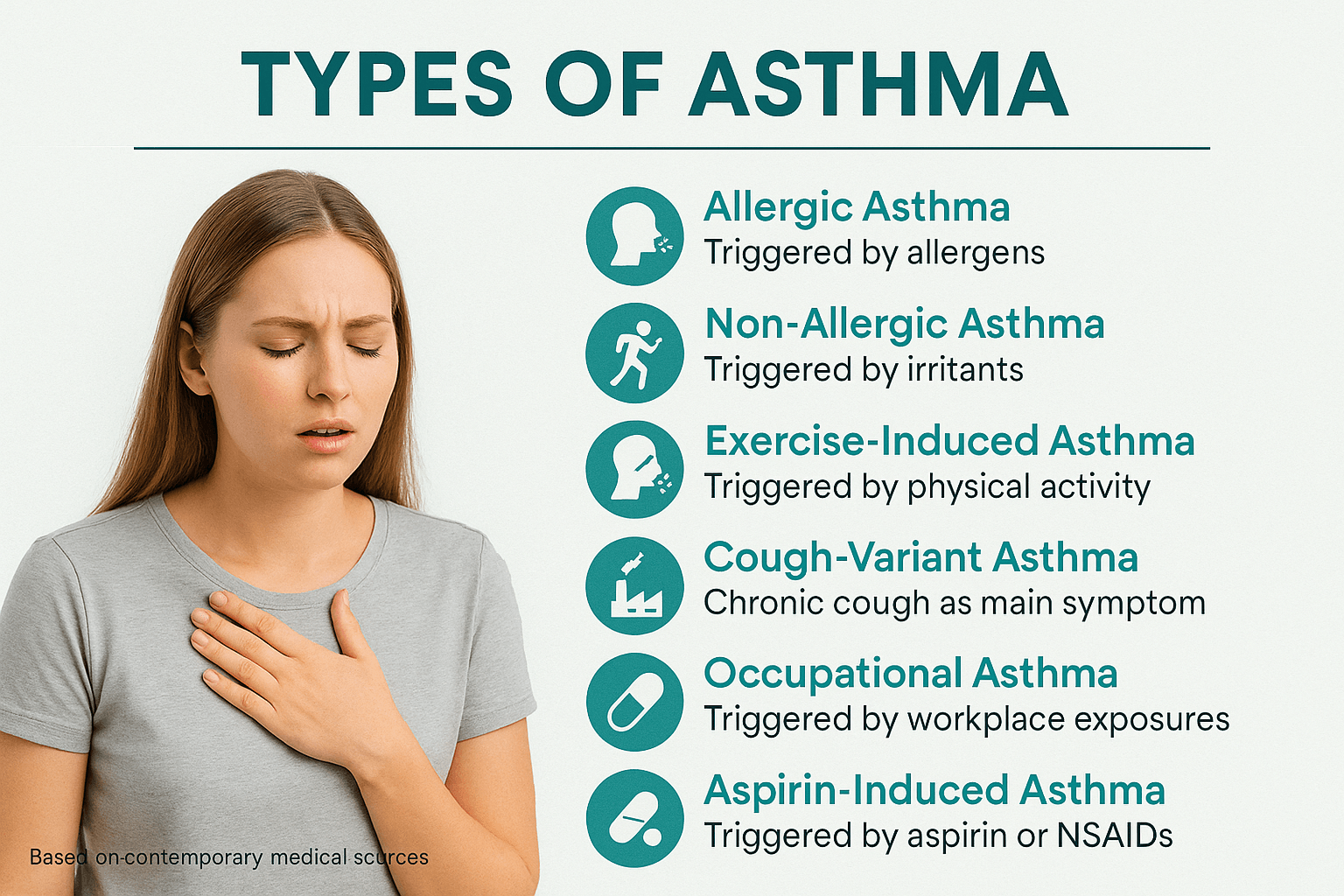
Asthma does not present in the same way for every individual. Modern clinical research shows that asthma exists in several distinct forms, each with its own pattern of triggers, symptom intensity, and response to treatment [6], [9]. Understanding these variations is essential because the type of asthma influences both the severity of the condition and the long term healing approach. Ayurveda and modern science both recognize that no single pattern applies to all people who suffer from asthma. This section explains the major types recognized in contemporary medicine.
Allergic Asthma
This is the most common form of asthma seen worldwide. It occurs when the immune system reacts to specific allergens such as pollen, dust mites, mold, pet dander, or certain foods. Exposure to these substances triggers airway inflammation, swelling, and increased mucus production. Individuals with allergic asthma often have a personal or family history of allergic conditions such as eczema or allergic rhinitis. Modern clinical guidelines identify allergic asthma as a key phenotype that responds strongly to environmental control and targeted therapy [6].
Non Allergic Asthma
This form of asthma is not triggered by typical allergens. Instead, the respiratory system becomes reactive to irritants such as smoke, air pollution, strong smells, chemical fumes, cold air, or viral infections. The immune response involved in non allergic asthma is different from the classic IgE mediated allergic pathway. Because of this difference, symptoms may be more difficult to predict and sometimes more persistent. Scientific literature notes that non allergic asthma can occur later in life and may be more resistant to conventional treatment [9].
Exercise Induced Asthma
Some individuals experience breathing difficulty only during or after physical activity. This condition is known as exercise induced asthma. During exertion, the airways cool and dry rapidly, which triggers narrowing of the bronchial tubes. Symptoms can include chest tightness, coughing, and difficulty breathing shortly after beginning exercise or immediately after stopping. This form of asthma is frequently seen in young adults and athletes. Modern clinical guidelines recognize it as a distinct phenotype [6].
Cough Variant Asthma
This type of asthma presents mainly as persistent dry coughing rather than the classic symptoms of wheezing or chest tightness. It is often misdiagnosed as recurrent respiratory infection or allergy. People with cough variant asthma may experience nighttime coughing, difficulty sleeping, and frequent throat clearing. The airway inflammation is present, but the primary manifestation is cough. Without proper diagnosis, it may progress into typical asthma over time [9].
Occupational Asthma
This form of asthma develops when symptoms arise due to repeated exposure to substances present in the workplace. Common triggers include chemical fumes, dust from grains or wood, cleaning agents, spray paints, latex, and industrial chemicals. Occupational asthma can appear after months or years of exposure. It tends to improve when the person is away from the workplace and worsen when they return. Clinical research emphasizes occupational asthma as an important global health concern [9].
Aspirin Induced Asthma
A small percentage of individuals develop asthma symptoms as a reaction to aspirin or other non steroidal anti inflammatory drugs. This form of asthma is usually associated with chronic sinusitis and nasal polyps. Symptoms can be severe and sudden. Modern studies describe this as an inflammatory pathway that is distinct from allergic asthma [6].
Childhood Onset and Adult Onset Asthma
Asthma may begin at any stage of life. Childhood onset asthma often has a strong allergic component and may be influenced by early exposure to environmental irritants. Adult onset asthma may be more persistent and may not always be linked to allergies. Clinical findings show that age of onset affects severity, frequency of attacks, and long term prognosis [9].
Why Classification Matters
Understanding the type of asthma helps guide both modern and Ayurvedic treatment. Modern guidelines rely on classification to select therapeutic strategies. Ayurveda interprets these variations through the dominance of Vata or Kapha, the amount of Ama involved, the strength of Agni, and the nature of environmental triggers. When these insights are combined, the treatment plan becomes more precise and targeted.
Ayurvedic Classification of Asthma
Ayurveda offers a detailed and precise classification of asthma under the broader group of breathing disorders known as Shwasa Roga. This classification is based on the movement of Vata, the accumulation of Kapha, the presence of Ama, the strength of Agni, and the condition of the respiratory channels known as Pranavaha Srotas. Unlike modern medicine which categorizes asthma mainly by triggers and immune response, Ayurveda focuses on the inner patterns of imbalance that shape the intensity, duration, and progression of the disease. These descriptions are found in foundational Ayurvedic texts including Charaka Samhita [1], Sushruta Samhita [2], and Ashtanga Hridaya [3].
Ayurveda identifies five primary types of Shwasa Roga. Among these, Tamaka Shwasa corresponds closely with chronic asthma. Each type reflects the interaction between Vata and Kapha in the respiratory system and offers valuable insight into how the disease behaves within the body.
Vataja Shwasa
Vataja Shwasa occurs when Vata becomes excessively aggravated. This leads to rapid breathing, dryness in the chest, difficulty in inhalation, and a feeling of emptiness in the lungs. The breath becomes fast and shallow. The person may feel sudden and sharp discomfort in the chest. The condition tends to worsen with physical exertion, fear, anxiety, or sudden changes in weather. Classical texts describe Vataja Shwasa as light, mobile, and cold in nature, making the breath irregular and unstable [1], [3].
Kaphaja Shwasa
Kaphaja Shwasa results from the dominance of Kapha in the respiratory system. Kapha accumulates within the chest, leading to heaviness, congestion, and difficulty in breathing out. The person may experience phlegm that is thick, sticky, and difficult to expel. Breathing becomes slow and labored. This type of Shwasa improves with warmth and worsens with cold weather, heavy foods, and inactivity. Sushruta Samhita describes Kaphaja Shwasa as having a sense of fullness in the chest and a constant desire to clear the throat [2].
Vata Kaphaja Shwasa
This form arises when Vata and Kapha are both disturbed. Here, the mobility of aggravated Vata meets the obstructive nature of Kapha, resulting in alternating symptoms. The person may feel tightness in the chest along with mucus congestion. Breath may become fast at one moment and sluggish at another. This mixed presentation closely parallels what is seen in many asthma patients today. Ayurveda states that this combination creates a cyclical condition where symptoms rise and fall unpredictably [1], [3].
Tamaka Shwasa
Tamaka Shwasa is the classical Ayurvedic name for the condition that most closely matches chronic asthma described in modern medicine. It is characterized by severe obstruction in the respiratory channels due to accumulated Kapha. This leads to intense breathlessness, difficulty in exhalation, wheezing, coughing, and a sense of suffocation that becomes worse at night. Tamaka Shwasa is aggravated by cold air, dust, dampness, heavy food, and emotional strain. Charaka Samhita describes Tamaka Shwasa as a condition that forces the person to sit upright because lying down worsens the obstruction in the chest [1]. Sushruta Samhita adds that this disease becomes aggravated during sleep and early morning hours when Kapha tends to be naturally dominant [2].
Tamaka Shwasa is also significant because it reflects both obstruction and spasm. The Kapha material blocks the channels while Vata attempts to move forcefully, causing intense discomfort. Ayurvedic scholars also noted that this condition becomes chronic when digestive strength weakens and when Ama continuously enters the respiratory system. Ashtanga Hridaya highlights that this type of Shwasa requires long term treatment and strict regulation of diet and lifestyle [3].
Pratamaka Shwasa
Pratamaka Shwasa is a severe form of breathing difficulty that appears suddenly and can be dangerous if not managed immediately. It involves extreme Kapha obstruction and violent Vata movement. Although not identical to modern asthma, it shares similarities with acute asthma attacks where the airway becomes severely narrowed. This type of Shwasa is mentioned primarily to indicate the gravity of sudden respiratory distress [2].
Mahashwasa
Mahashwasa is a more advanced and life threatening type of breathing disorder described in Ayurveda. It is associated with intense Vata aggravation and deep obstruction of Vayu movement. The individual struggles significantly and shows extreme difficulty in breathing. Ayurveda associates this type with very poor prognosis. It is included in the classification to illustrate the end stage of uncorrected dosha imbalance [1], [3].
Understanding the Ayurvedic Classification
The Ayurvedic classification system is not merely descriptive. It guides the direction of treatment. When Kapha is dominant, the approach focuses on clearing the obstruction, mobilizing Kapha, and strengthening Agni. When Vata is dominant, the therapy aims to stabilize breath, nourish the tissues, and reduce dryness. When both doshas are involved, the treatment becomes a combination of clearing, balancing, strengthening, and preventing recurrence.
Modern asthma presentations often mirror the descriptions of Vata Kaphaja Shwasa and Tamaka Shwasa. The night time worsening, difficulty in exhalation, chest tightness, and cyclical flares correspond directly with the patterns mentioned in classical Ayurvedic literature [1], [2], [3]. This makes the Ayurvedic classification highly relevant even today, offering deep insight into the internal dynamics of asthma.
Causes and Risk Factors
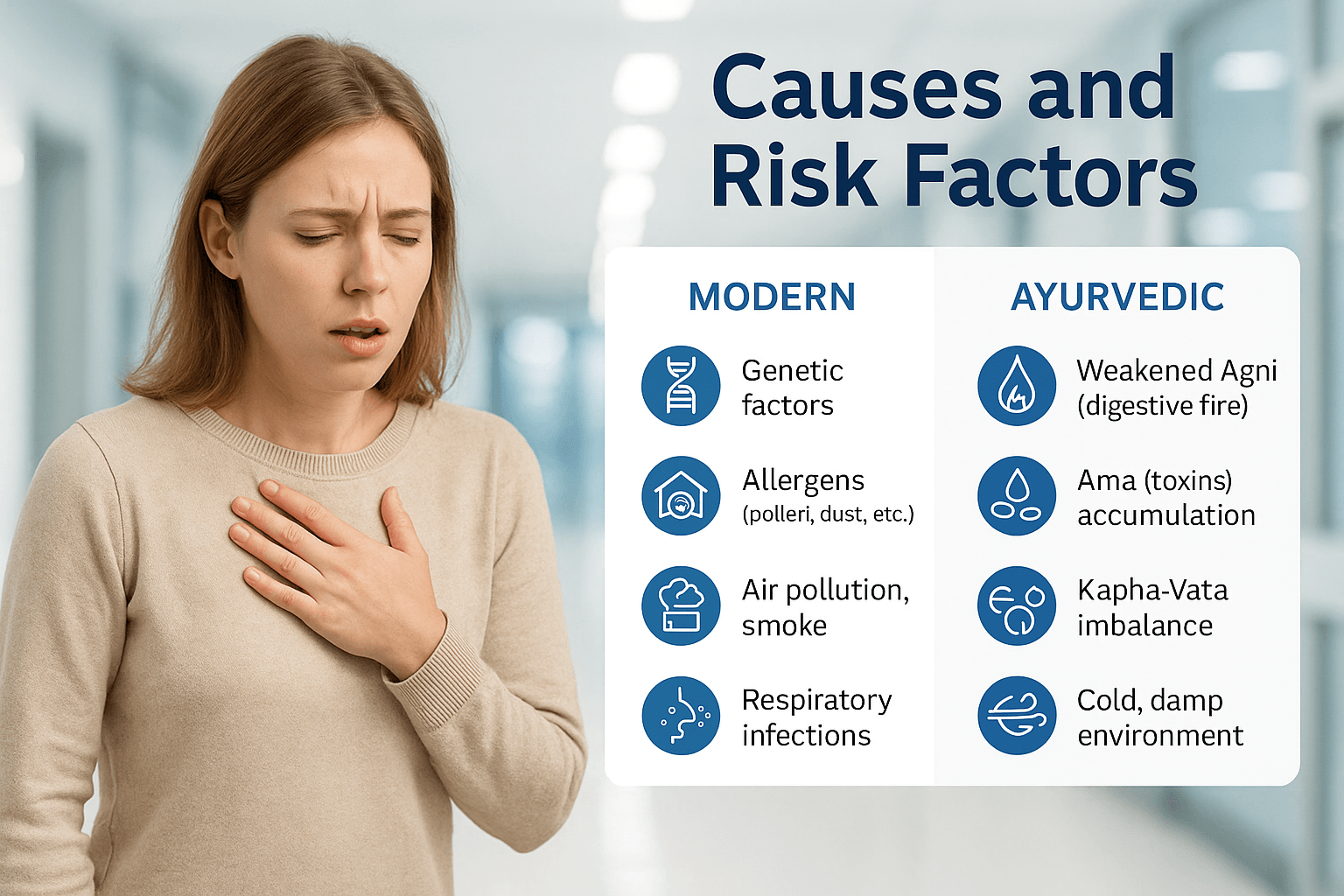
Asthma develops through a combination of biological sensitivity, environmental exposure, and long standing internal imbalances. Modern medicine and Ayurveda both describe multiple factors that increase a person’s likelihood of developing asthma, although each system interprets these factors from a different perspective. When the two views are considered together, they offer a complete understanding of why asthma begins and why it persists or worsens over time.
Modern Risk Factors
Modern clinical science identifies several well established influences that contribute to asthma. These include inherited tendencies, exposure to allergens, chronic inflammation from environmental pollutants, and respiratory infections. The Global Initiative for Asthma and major medical reviews explain that genetic predisposition is one of the strongest predictors of asthma, especially when combined with a family history of allergic conditions [6].
Environmental exposure plays an equally important role. Air pollution, cigarette smoke, industrial chemicals, dust, and airborne irritants cause repeated injury to the airway lining. Over time, this repeated irritation increases the sensitivity of the bronchi and leads to chronic inflammation. This process is a major reason for rising asthma cases in urban and industrial areas worldwide. Clinical literature also points to respiratory viral infections during early childhood as a key factor in altering immune responses, which may predispose a person to lifelong asthma [9].
Lifestyle habits such as long periods spent indoors, limited physical activity, and frequent exposure to artificially conditioned air also contribute to weakened respiratory resilience. Cold dry air in air conditioned environments can trigger bronchial spasms in those who are already vulnerable. Stress and emotional strain are additional triggers, since they influence the autonomic nervous system and heighten airway reactivity.
Ayurvedic Nidan or Root Causes
Ayurvedic texts give a detailed explanation of the causes that create internal vulnerability to asthma. These root causes are known as Nidan and are clearly described in the chapters devoted to Shwasa in Charaka Samhita and Ashtanga Hridaya [1], [3]. According to these classical writings, asthma arises when an imbalance forms between Vata and Kapha within the respiratory channels known as the Pranavaha Srotas.
One of the most important Nidan is the weakening of digestive fire known as Agni. When Agni becomes impaired, food is not digested properly and it produces Ama, a sticky toxic residue that begins to circulate throughout the body. Over time, Ama accumulates in the respiratory passages where it mixes with Kapha and creates persistent obstruction. This blockage disturbs the natural movement of Vata, which then produces difficulty in breathing and attacks of breathlessness.
Dietary habits are an essential Nidan. Regular consumption of heavy, oily, cold, or excessively sweet foods increases Kapha and encourages mucus formation. Taking refrigerated foods, curd at night, or cold beverages immediately after meals are examples of habits that disturb the equilibrium of the doshas. These patterns gradually weaken the respiratory channels and make them more susceptible to external irritants.
Ayurveda also identifies emotional and mental factors as contributing causes. Fear, grief, and prolonged emotional tension aggravate Vata, leading to irregular breath patterns and rapid exhaustion of respiratory strength. When these emotional influences combine with Kapha obstruction and Ama accumulation, the severity of asthma increases significantly. This is why many individuals notice that their symptoms worsen during periods of emotional stress.
Environmental and seasonal influences hold considerable importance in the Ayurvedic understanding. Exposure to cold wind, damp surroundings, or sudden climatic changes can provoke Vata and Kapha imbalance. Living in polluted or dusty environments is also listed as a classical Nidan because it irritates the channels and encourages Kapha deposition. These observations align with modern findings that environmental irritants are major contributors to asthma [6], [9].
Physical habits such as excessive sleep during the day, lack of exercise, and a sedentary lifestyle are also described as risk factors. These habits contribute to Kapha accumulation and weaken lung function over time. Ayurveda emphasizes the importance of regular movement, deep breathing practices, and maintaining the natural warmth of the body to protect the respiratory system.
Combined Insight
When the modern and Ayurvedic viewpoints are considered together, a clear picture emerges. Both systems recognize that external irritants, pollution, and respiratory infections play a major role in triggering asthma. Ayurveda adds the internal dimension, explaining that these triggers cause disease only when the body’s natural balance is already disturbed through weak Agni, Ama accumulation, Kapha obstruction, and Vata aggravation.
This integrated view helps explain why some people living in the same environment develop asthma while others remain unaffected. It also clarifies why certain individuals experience worsening symptoms despite standard treatments. True understanding of all causes and risk factors is essential for designing a long term curative approach that strengthens lung function, improves immunity, and restores balance within all systems of the body.
Symptoms of Asthma
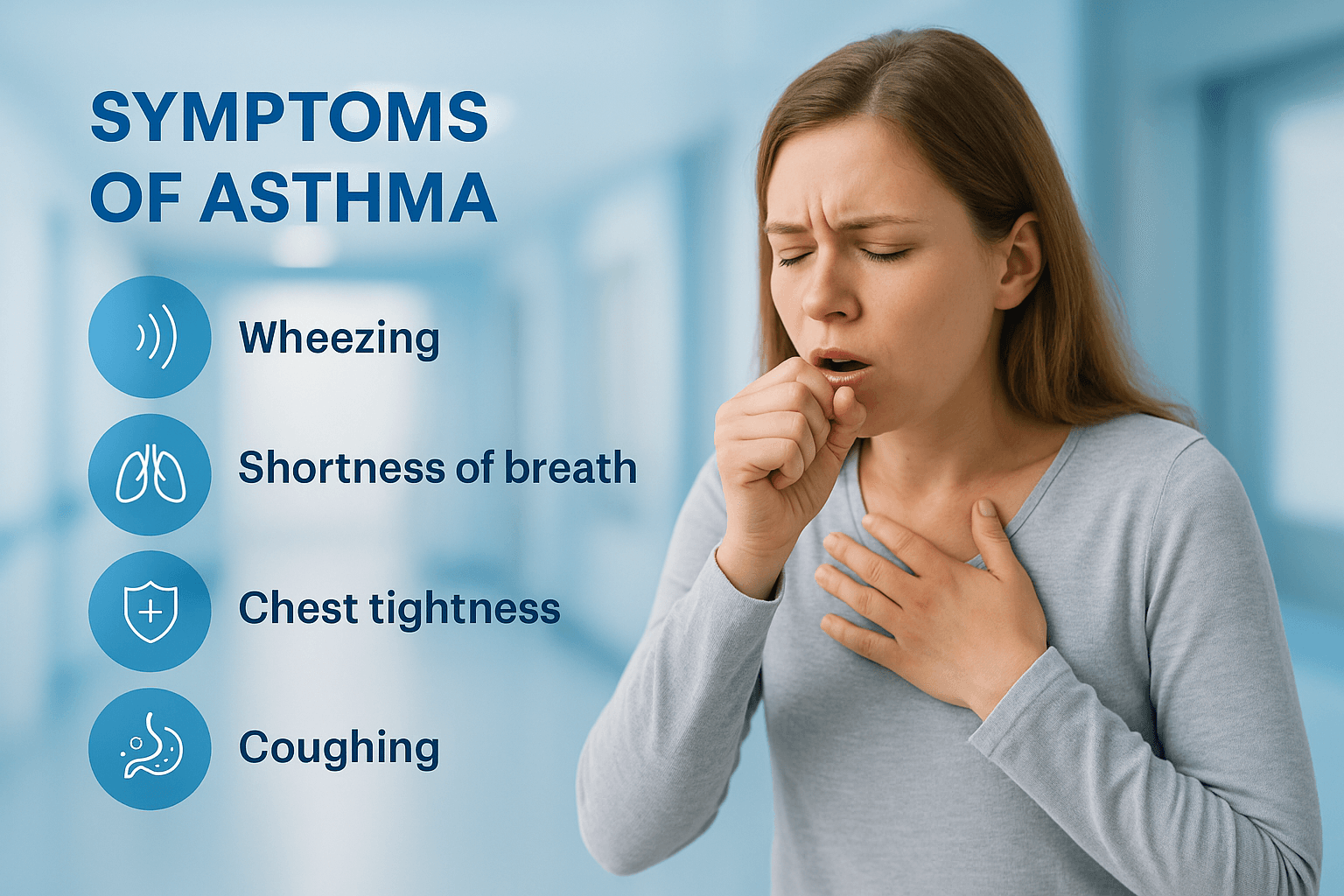
Asthma expresses itself through a wide range of symptoms that affect breathing, chest comfort, and the overall capacity of the lungs. The condition varies from person to person, and symptoms may appear suddenly or develop gradually over time. Modern medical science and Ayurveda both offer detailed descriptions of how asthma manifests, and together these explanations provide a complete picture of the disorder.
Modern Symptom Explanation
From a modern clinical perspective, the primary feature of asthma is narrowing of the airways which makes the movement of air difficult. This narrowing occurs due to inflammation, muscle tightening, and excess mucus. Clinical guidelines describe several hallmark symptoms that appear in varying intensity and frequency [6], [9].
One of the most common symptoms is wheezing. This is a whistling sound that occurs when air attempts to pass through narrowed air passages. It often becomes more prominent during exhalation. Many people experience wheezing more intensely during the night or early morning when the lungs are naturally more sensitive.
Shortness of breath is another frequent symptom. This may be felt as difficulty in fully expanding the lungs or the sensation that air is not reaching deeply enough into the chest. During an asthma flare, even mild physical activity can cause a person to feel out of breath.
Chest tightness is also very common. Patients describe it as pressure, heaviness, or a band like feeling that restricts normal breathing. This sensation is caused by swollen airway lining and increased muscle contraction around the bronchi.
Persistent coughing is another significant symptom of asthma. The cough may be dry or accompanied by mucus. It often becomes worse at night or early morning and may interfere with sleep. Some individuals have a specific form called cough variant asthma where coughing is the main symptom without obvious wheezing.
Symptoms can also increase during exposure to allergens, respiratory irritants, dust, cold air, chemical fumes, or emotional stress. In severe cases, asthma leads to difficulty speaking, rapid breathing, and marked anxiety due to the sensation of not getting enough air.
Ayurvedic Description of Tamaka Shwasa
Ayurveda offers a deep and detailed understanding of asthma through the classical description of Tamaka Shwasa. This condition is explained in Charaka Samhita, Sushruta Samhita, and Ashtanga Hridaya where the symptoms are documented with remarkable precision [1], [2], [3].
The central symptom described in Ayurveda is obstruction of the breath due to Kapha accumulation and Vata disturbance. The person experiences difficulty breathing especially while lying down because Kapha tends to accumulate in the chest region during the night. This is why classical texts note that Tamaka Shwasa becomes worse in darkness and improves with daylight.
A whistling sound during breathing is clearly mentioned in the texts. This corresponds to the modern symptom known as wheezing. Ayurveda states that this sound is produced when Vata forcefully tries to move through passages blocked by Kapha.
Ayurvedic writings also describe a feeling of chest heaviness similar to the tightness explained in modern science. The person may feel an inability to expand the chest fully and may need to sit upright to ease breathing.
Persistent coughing is another key symptom. The texts explain that this cough is triggered by the presence of Kapha which irritates the air passages. The effort to expel this Kapha makes the person tired and restless.
Shortness of breath is described as rapid shallow breathing where the person feels that breath is moving only at the surface of the chest. The classical texts even describe audible effort during inhalation and exhalation because Vata is attempting to overcome obstruction.
Tamaka Shwasa is also described as a condition that creates fear and anxiety due to the sudden restriction of breath. Ayurveda recognizes the psychological impact of the condition and describes that the patient may feel threatened or distressed during attacks.
Both Charaka and Sushruta mention that the symptoms intensify at night, in cold weather, in damp conditions, or after consuming Kapha increasing foods. Symptoms lessen when warmth is applied or when the sun rises, which corresponds to the natural reduction of Kapha during daytime.
Integrated Understanding of Symptoms
When both systems are viewed together, the similarities are striking. Modern science describes airway inflammation, narrowing, and excess mucus. Ayurveda describes obstruction caused by Kapha and disturbed movement of Vata. Modern explanations list wheezing, coughing, tightness, and shortness of breath. Ayurveda lists similar signs such as noisy breathing, heaviness, and inability to lie down comfortably.
Both observe worsening symptoms at night, during cold exposure, and when the airways are irritated. This alignment shows that the ancient Ayurvedic classification was an accurate clinical description of what modern science now explains through anatomy and physiology.
Understanding these symptoms in this integrated way helps patients recognize early trouble signs and seek timely treatment. It also helps in designing a holistic plan that not only reduces symptoms but also corrects the root imbalance behind them.
How Asthma Is Diagnosed
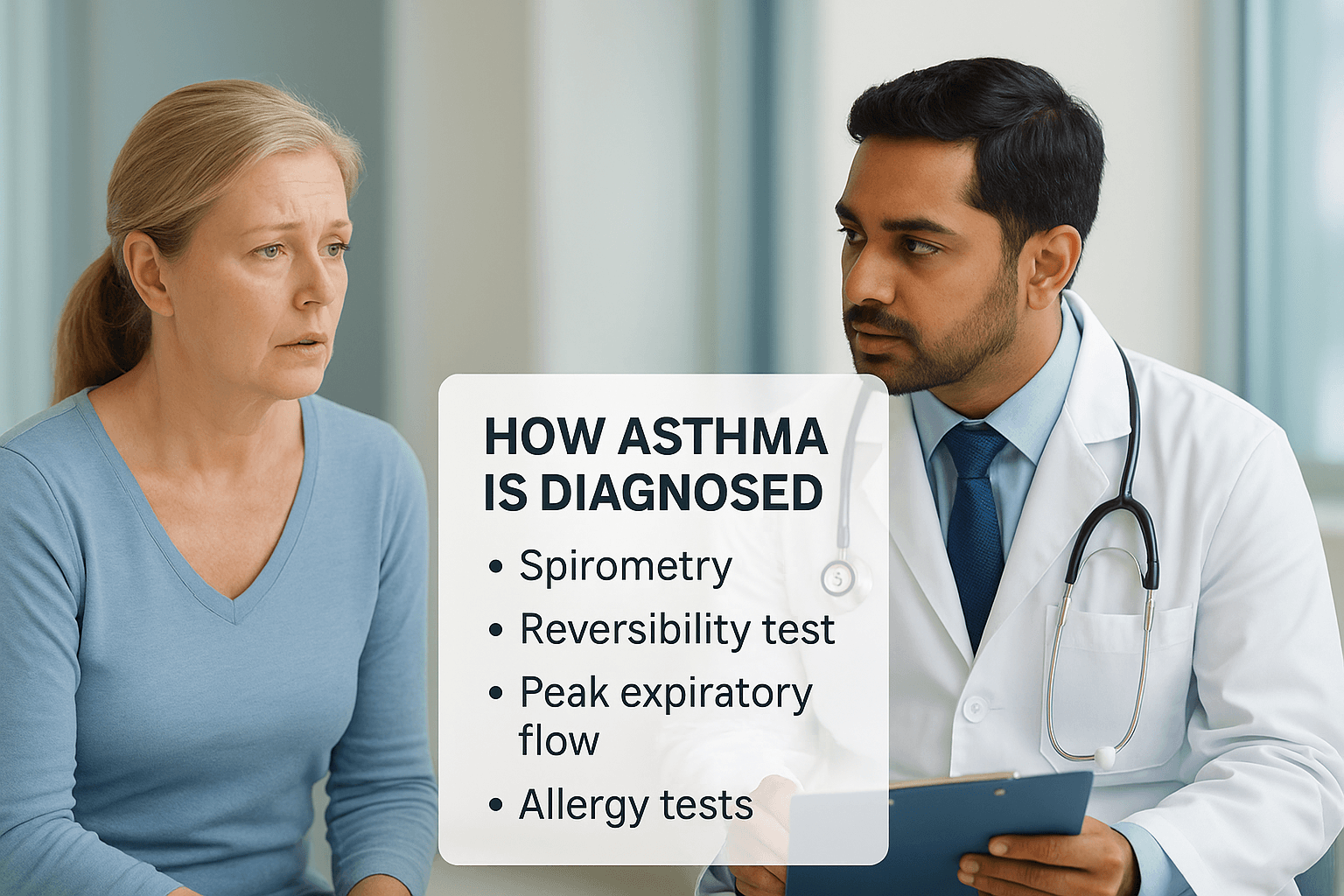
Asthma diagnosis requires a careful understanding of both the patient’s symptoms and the internal state of the respiratory system. Modern medicine uses scientific tests to measure airway function, while Ayurveda evaluates the deeper disturbances in dosha balance, digestive strength, and channel obstruction. When both perspectives are combined, diagnosis becomes more accurate and allows treatment to be tailored to the individual.
Modern Diagnostics
Modern clinical guidelines recommend a series of tests to confirm asthma and assess its severity. These tests help determine how much the airways are narrowed and how responsive they are to treatment. The Global Initiative for Asthma provides the standard diagnostic framework used worldwide [6].
One of the most important tests is spirometry. This test measures how much air a person can exhale in one second and the total amount of air exhaled after a deep breath. Reduced values indicate airway obstruction that is characteristic of asthma.
A reversibility test is often used along with spirometry. The patient inhales a bronchodilator and the test is repeated. A significant improvement in lung function after the medication confirms asthma, as the airways respond quickly by opening.
Peak expiratory flow measurement is another diagnostic tool. It measures the fastest speed at which a person can exhale. Daily fluctuations in these readings help identify asthma patterns and triggers.
Doctors may also use fractional exhaled nitric oxide testing. This measures the amount of nitric oxide in the breath, which increases when airway inflammation is present.
Allergy tests may be performed when asthma appears to be associated with allergens such as pollen, dust mites, or animal dander. These tests help identify specific triggers.
In some cases, chest X rays or advanced imaging may be used to rule out other conditions that mimic asthma. Together, these tests provide a clear picture of lung function and inflammation.
Ayurvedic Cure with Agastya Haritaki Avaleha
Ayurveda describes asthma under the category of Tamaka Shwasa and identifies it as a condition that can be reversed when the internal imbalance of Vata and Kapha is corrected and the respiratory channels known as the Pranavaha Srotas are cleansed. Among all classical formulations, Agastya Haritaki Avaleha holds a distinguished position as the most powerful medicine for curing Tamaka Shwasa. It appears in authoritative Ayurvedic texts including Bhaishajya Ratnavali and Siddha Yoga Sangraha, where it is praised for its ability to restore natural breathing, remove deep seated Kapha, and strengthen lung function [4], [5].
Agastya Haritaki Avaleha is a complex polyherbal formulation that combines Haritaki as the primary ingredient along with Pippali, Vasaka, and several other supporting herbs. The unique combination rejuvenates the respiratory system and clears the channels so that breath can move freely. Its action is both immediate and long term. In the short term it relieves breathlessness, chest congestion, and chronic coughing. Over time it improves digestion, reduces the formation of Ama, removes obstructing Kapha, balances Vata movement, and restores the vitality of lung tissue.
Role of Key Herbs in Agastya Haritaki Avaleha
Agastya Haritaki Avaleha owes much of its therapeutic strength to the pharmacological actions of its main herbs. These herbs have been studied in classical medicine as well as modern research.
Vasaka or Adhatoda vasica
Vasaka is one of the most important herbs for respiratory health. Classical Ayurveda identifies it as a powerful Kapha reducing agent that clears mucus from deep within the lungs. Modern scientific studies confirm that Vasaka possesses bronchodilatory and anti inflammatory properties that help widen the air passages and reduce airway swelling [10]. It supports easier breathing and reduces the tendency of mucus to accumulate in the bronchi. The leaf extract contains active compounds that soothe irritated airway linings and promote the clearing of excess secretions.
Pippali or Piper longum
Pippali plays a central role in improving the movement of breath by enhancing Agni and burning toxic Ama that blocks the channels. Ayurveda explains that without strong Agni the respiratory system cannot achieve full clarity. Modern pharmacology supports this classical view and shows that Pippali acts as a bio enhancing herb that improves absorption and strengthens natural immunity [11]. It also exhibits anti inflammatory actions that calm airway irritation. Pippali enhances the overall potency of the formulation and ensures that the lungs receive the full benefit of the Avaleha.
Haritaki or Terminalia chebula
Haritaki is the chief ingredient of Agastya Haritaki Avaleha and is known in Ayurvedic literature as a rejuvenator for both the digestive and respiratory systems. Its cleansing action removes heavy Kapha and expels Ama. Modern research shows that Haritaki has significant anti inflammatory and antioxidant properties that help reduce airway sensitivity and support long term lung repair [12]. It improves the tone of the respiratory channels and supports better exhalation, which is often the most difficult part of breathing during asthma.
How Agastya Haritaki Avaleha Works in Asthma
The formulation works through several complementary mechanisms. It clears the obstruction in the Pranavaha Srotas by removing accumulated mucus. It strengthens Agni and prevents the formation of new toxins. It balances Vata so that airflow becomes steady and smooth. It reduces inflammation in the air passages, making them less reactive to environmental triggers. Over time this consistent internal correction allows the lungs to regain their natural resilience.
Ayurvedic texts describe that a person who uses Agastya Haritaki Avaleha regularly experiences relief from heaviness in the chest, better airflow, reduced coughing, easier exhalation, and improved energy levels. The formulation not only treats acute discomfort but also prevents recurrence by building long term stability within the respiratory system. This is why it has been regarded as the principal medicine for Tamaka Shwasa for centuries [4], [5].
Integrated Perspective
Modern medicine focuses on bronchodilation and inflammation control, but these approaches do not eliminate the underlying cause. Agastya Haritaki Avaleha works through a root cause correction pathway. Its herbs cleanse the system, regulate internal energies, and strengthen the lungs. This dual action of relief and restoration makes it the most reliable classical cure for asthma.
Preparation Method of Agastya Haritaki Avaleha
(Formulation explained with full ingredient list and weights)
Agastya Haritaki Avaleha is a classical Ayurvedic respiratory Rasayana prepared through a systematic multi step process. Each ingredient is added in a specific sequence to maximize potency, bioavailability, and therapeutic value. The formulation contains herbs that clear Kapha, strengthen Agni, improve airflow, reduce inflammation, and rejuvenate lung tissue.
Complete Ingredient List with Weights
Below is the standard classical composition used in authoritative texts. The following weights are based on a one kilogram batch.
Primary Herbs
Haritaki (Terminalia chebula) whole fruit pulp: 480 grams
Pippali (Piper longum) fruit powder: 40 grams
Vasaka (Adhatoda vasica) leaf: 120 grams
Bharangi (Clerodendrum serratum): 40 grams
Dashamoola combination: 40 grams
Shati (Hedychium spicatum): 20 grams
Cardamom seed: 10 grams
Cinnamon bark: 10 grams
Clove: 10 grams
Nagakesara (Mesua ferrea stamen): 10 grams
Ginger dry root: 20 grams
Black pepper: 10 grams
Supporting Herbs for Respiration and Digestion
Mulethi or Yashtimadhu (Glycyrrhiza glabra): 20 grams
Jaggery purified: 500 grams
Pure cow ghee: 80 grams
Honey added after cooling: 120 grams
Optional Classical Mineral Rasayana Enhancers
These are added in advanced formulations for deeper respiratory rejuvenation.
Abhrak Bhasma: 1 gram
Godanti Bhasma: 1 gram
Trikatu churna (black pepper, long pepper, ginger): 5 grams
Step by Step Preparation Method
The preparation method follows traditional Ayurvedic principles used in Avaleha preparation. No artificial preservatives or chemicals are used.
Step 1: Preparation of Decoction
All coarse herbs such as Vasaka, Bharangi, Dashamoola, Shati, ginger, black pepper, and cardamom are soaked in water.
Ten liters of clean water are added to the herbs and heated slowly.
The mixture is boiled until it reduces to one fourth of its original volume to extract the active principles.
This reduced decoction is filtered through a fine cloth to remove coarse particles.
Step 2: Cooking the Base
The filtered decoction is placed on gentle fire.
Jaggery is added to the decoction and allowed to melt completely.
The mixture is stirred continuously until it thickens and reaches Avaleha consistency.
Step 3: Adding Haritaki Pulp
Separately, Haritaki fruits are cleaned, boiled, deseeded, and converted into soft pulp.
This pulp is added to the thickening mixture.
Continuous stirring ensures the mixture does not stick to the vessel and cooks evenly.
Step 4: Adding Pippali and Other Powders
Once the mixture begins to thicken further, fine powders of Pippali, Mulethi, cinnamon, clove, Nagakesara, and Trikatu are added.
These powders are added only in the later stage to preserve their potency and aromatic compounds.
Step 5: Final Enrichment with Ghee and Honey
Pure cow ghee is added when the Avaleha reaches near final consistency.
The mixture is removed from heat and allowed to cool until lukewarm.
Honey is added at this stage and mixed gently to preserve its medicinal properties.
Step 6: Optional Addition of Mineral Rasayana Ingredients
For advanced respiratory strengthening, Abhrak Bhasma and Godanti Bhasma can be added during the cooling stage.
These minerals enhance lung function, reduce inflammation, and improve tissue repair.
Precautions and Personalization Note
Agastya Haritaki Avaleha is a powerful classical formulation, but it must always be used under the supervision of a qualified Ayurvedic physician. The exact composition, the selection of supporting herbs, and the inclusion of mineral Rasayana ingredients vary for each individual. This variation depends on several factors which include the strength of Agni, the presence of Ama, the dominance of Vata or Kapha, the condition of the Pranavaha Srotas, the age of the patient, and the chronicity of symptoms.
Although the standard preparation method remains the same, the ratio of herbs, the total quantity, and the duration of therapy are adjusted based on the patient’s constitution and disease stage. Patients with sensitive digestion, very high mucus levels, recurrent infections, or long standing respiratory weakness may require a modified version with specific additions or omissions.
Individuals should not attempt to prepare or consume the formulation without expert guidance. Certain herbs and minerals require precise processing techniques. Self preparation or incorrect dosing may reduce effectiveness or aggravate symptoms. Pregnant women, lactating women, children, and individuals with metabolic disorders must receive personalized instructions before starting treatment.
Agastya Haritaki Avaleha is safe and effective when used correctly, but its full benefits appear only when the formulation is tailored to the individual and integrated into a complete respiratory management plan that also includes diet, lifestyle correction, and digestive support.
14. FAQs
What exactly is asthma
Asthma is a chronic condition in which the air passages inside the lungs become inflamed and narrow. This leads to difficulty in breathing, chest tightness, wheezing, or persistent coughing. Symptoms may vary from mild to severe and can appear suddenly or gradually depending on the person’s sensitivity, environment, and immune health.
Can asthma be completely cured
Modern medicine considers asthma a lifelong condition that is managed through inhalers and control medications. Ayurveda explains that asthma can improve significantly when the root cause of obstruction, Ama formation, and Vata Kapha imbalance is corrected. When the respiratory channels are cleared and the internal metabolic fire becomes strong, long term relief becomes possible.
What triggers asthma attacks
Asthma attacks may be triggered by allergens, dust, smoke, cold air, pollution, emotional stress, excessive exertion, or respiratory infections. The sensitivity of the airways makes them overreact to these triggers, causing sudden narrowing and difficulty in breathing.
Is asthma hereditary
There is a strong link between asthma and family history. If one or both parents have asthma or allergic conditions, the child has a higher chance of developing it. However, lifestyle habits, environmental exposure, and diet play important roles in determining whether the condition becomes active.
How does Ayurveda diagnose asthma
Ayurveda evaluates the strength of Agni, the presence of Ama, the movement of Vata, and the degree of Kapha obstruction in the respiratory channels. Pulse examination, symptom analysis, dietary patterns, emotional factors, and environmental exposure all help determine the type and severity of Tamaka Shwasa in each person.
Is Agastya Haritaki Avaleha safe
Agastya Haritaki Avaleha has been used safely for centuries as the main classical formulation for Tamaka Shwasa. It is safe when prepared correctly and taken under the guidance of a qualified Ayurvedic doctor. The exact formulation and dosage vary from person to person depending on digestive strength, age, and the presence of Ama.
How long does it take to notice improvement
Some patients experience easier breathing, reduced coughing, and better airflow within a few weeks. Long standing asthma requires a longer duration of treatment because the respiratory channels need time to clear and regain their natural strength. With continuous use and proper diet, sustained improvement is common.
Can children use Agastya Haritaki Avaleha
Children can benefit from Agastya Haritaki Avaleha, but the dosage must be adjusted carefully according to age and body weight. A trained practitioner must supervise the treatment to avoid incorrect dosing.
Can I stop inhalers after starting Ayurvedic treatment
Inhalers should not be stopped suddenly. They must be reduced gradually under medical supervision while the Ayurvedic treatment begins correcting the internal imbalance. When the respiratory system becomes stable and symptoms reduce, inhaler dependence may naturally decrease.
Does weather affect asthma
Cold weather, dampness, sudden temperature changes, and early morning air can worsen asthma symptoms. Warm and dry environments are generally more comfortable. Ayurveda also identifies that symptoms intensify at night because of Kapha dominance.
Can diet influence asthma
Yes. Heavy, oily, sweet, and cold foods increase Kapha and promote mucus formation. These foods can worsen asthma symptoms. Warm, light, and easily digestible foods support better respiratory function. Ayurveda places strong emphasis on diet as part of treatment.
Is exercise safe for asthma patients
Mild exercise is safe and often beneficial once symptoms are controlled. Deep breathing practices and slow controlled movements improve lung capacity. During active flare ups or severe symptoms, rest is recommended until breathing becomes stable.
References
Classical Ayurvedic References
[1] Charaka Samhita, Chikitsa Sthana, Chapter 17 (Shwasa Chikitsa).
[2] Sushruta Samhita, Uttaratantra, Chapter 52 (Shwasa Pratishedha).
[3] Ashtanga Hridaya, Chikitsa Sthana, Chapter 4 (Shwasa Chikitsa).
[4] Bhaishajya Ratnavali, Chapter 16 (Shwasa Rogadhikara), reference for Agastya Haritaki Avaleha.
[5] Siddha Yoga Sangraha, Shwasa-Kasa Prakarana (Agastya Haritaki formulation details).
Modern Scientific References
[6] Global Initiative for Asthma (GINA). Global Strategy for Asthma Management and Prevention. https://ginasthma.org
[7] Holgate, S. T. (2012). Innate and adaptive immune responses in asthma. Nature Medicine. https://doi.org/10.1038/nm.2685
[8] Kuruvilla, M. E., Lee, F. E., & Lee, G. B. (2019). Understanding Asthma Phenotypes and Endotypes. Allergy, Asthma & Immunology Research. https://doi.org/10.4168/aair.2019.11.4.418
[9] Papi, A., et al. (2018). Asthma. The Lancet. https://doi.org/10.1016/S0140-6736(18)31398-0
[10] Adhatoda vasica (Vasaka) anti-asthmatic effects. Journal of Ethnopharmacology. https://doi.org/10.1016/j.jep.2007.05.030
[11] Piper longum (Pippali) as a bio-enhancer and anti-inflammatory agent. Phytotherapy Research. https://doi.org/10.1002/ptr.6104
[12] Effect of Haritaki (Terminalia chebula) on allergic airway inflammation. Journal of Ayurveda and Integrative Medicine. https://doi.org/10.1016/j.jaim.2017.10.009
[13] Ginger (Zingiber officinale) bronchodilatory effects. International Journal of Preventive Medicine. https://www.ncbi.nlm.nih.gov/pmc/articles/PMC3665023/
[14] Tulsi (Ocimum sanctum) immunomodulatory and anti-inflammatory activity. Frontiers in Pharmacology. https://doi.org/10.3389/fphar.2021.678390
[15] Ayurvedic formulations improving lung function: A review. AYU Journal. https://www.ncbi.nlm.nih.gov/pmc/articles/PMC3271693/